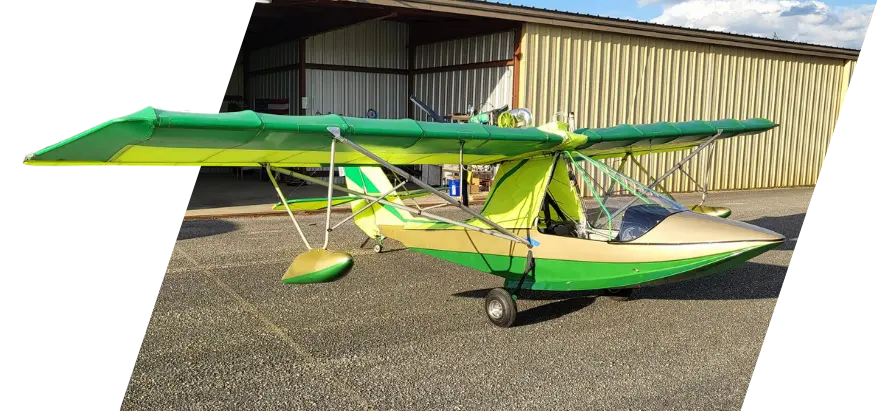
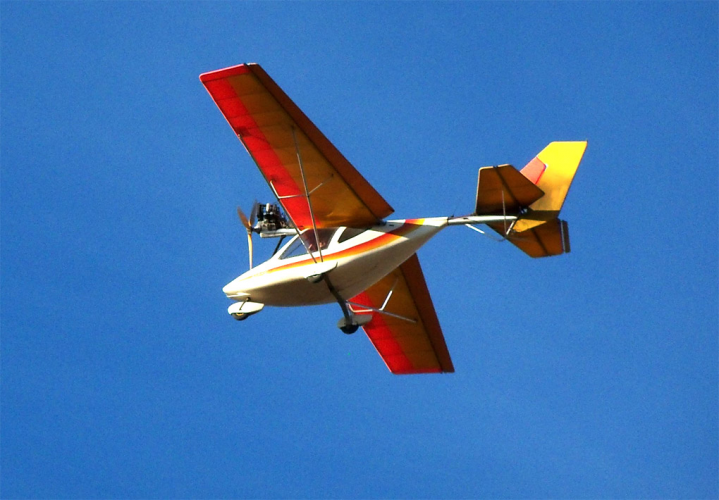
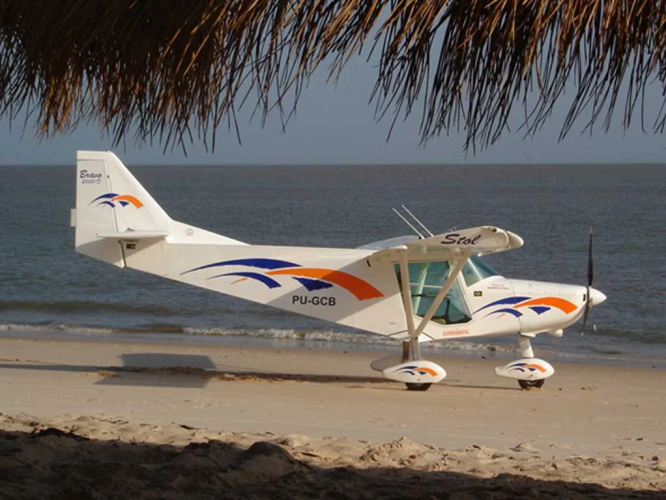
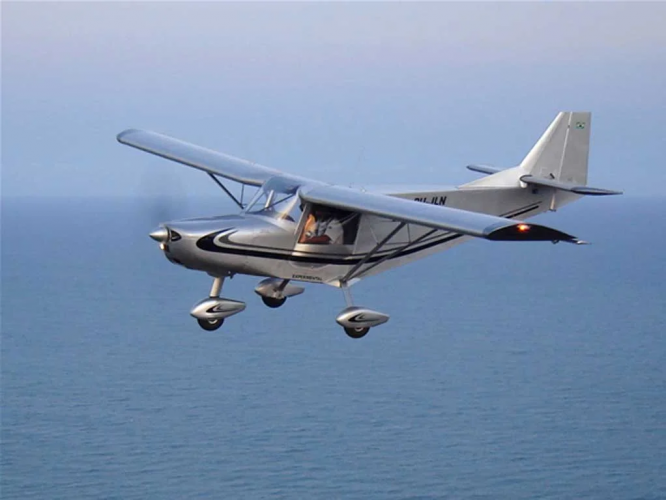
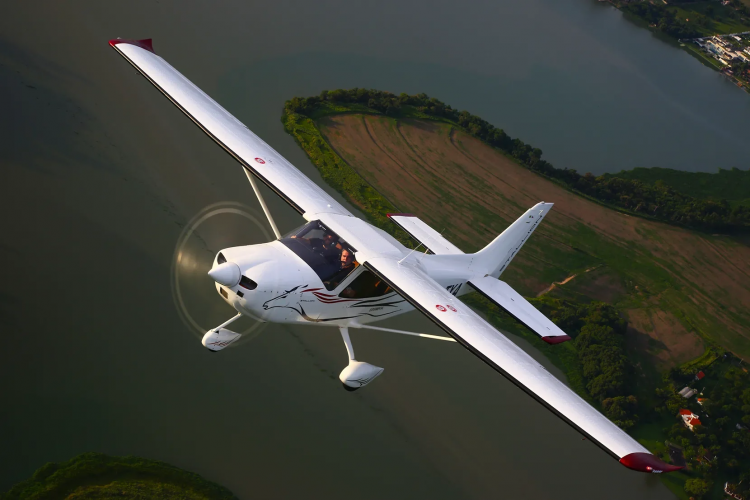
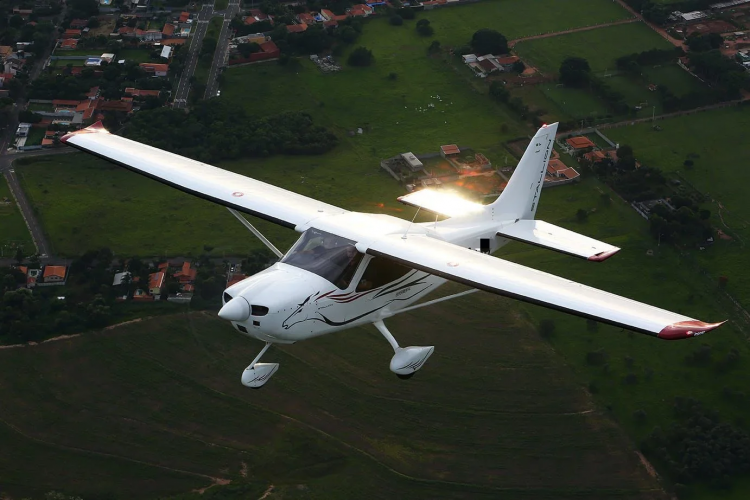
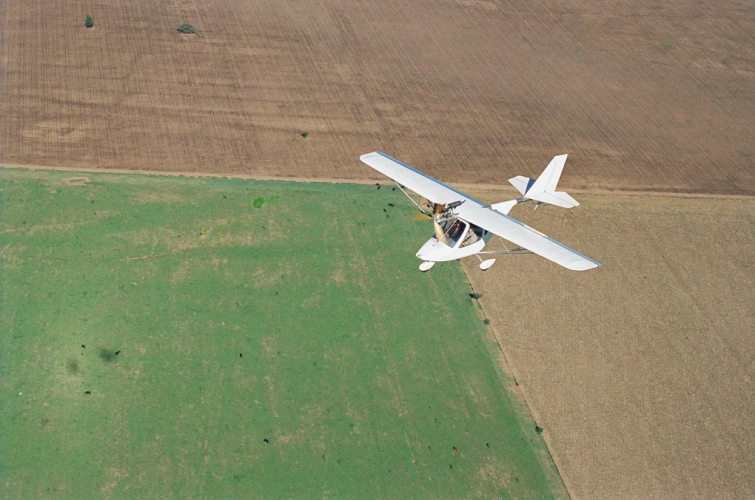
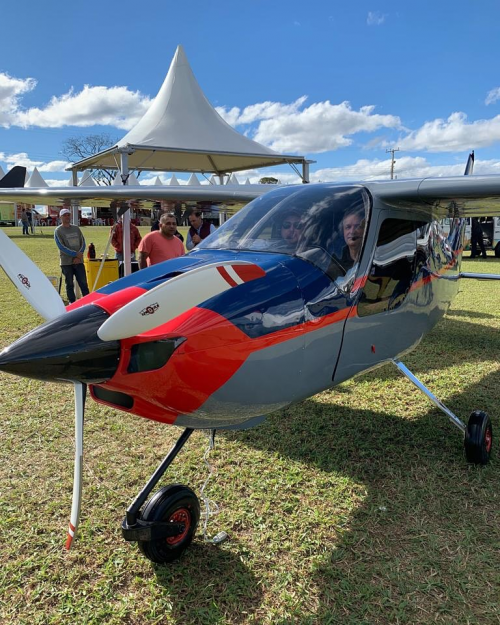
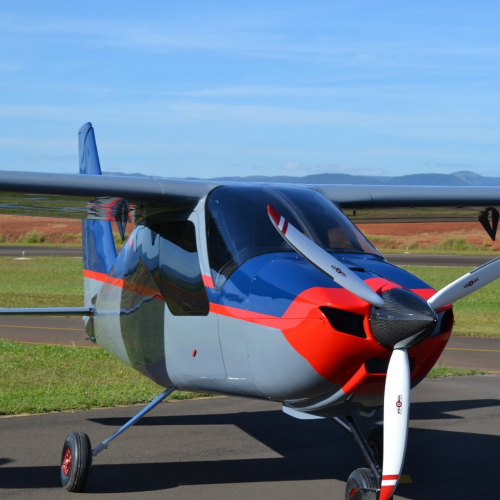
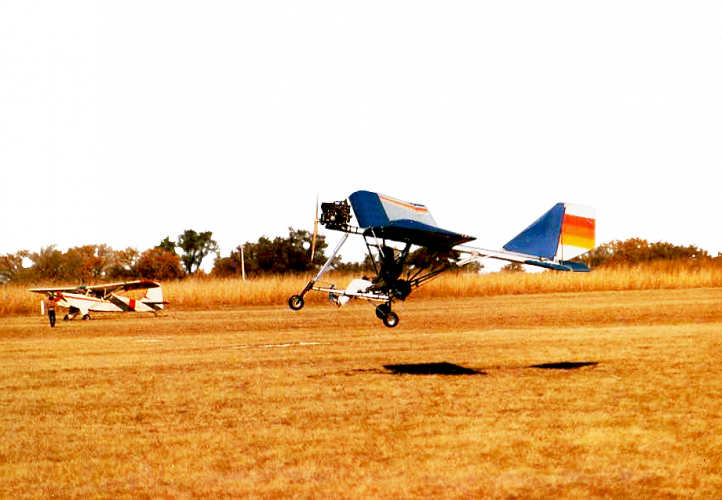
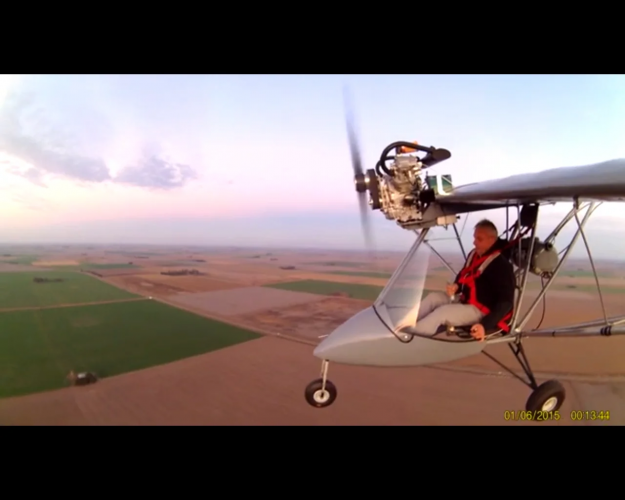
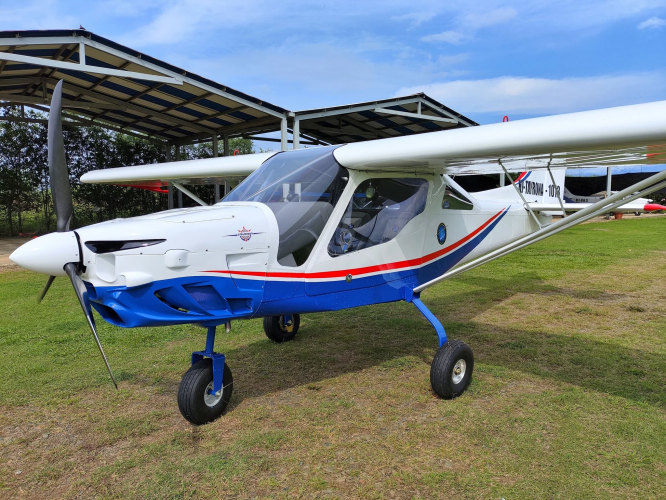
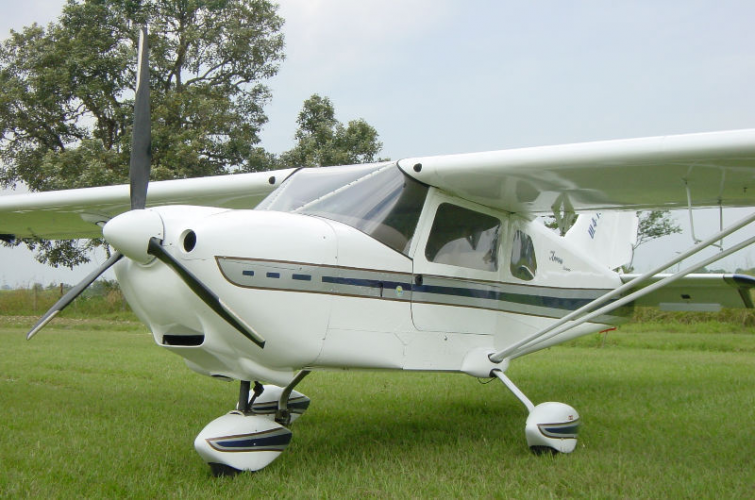
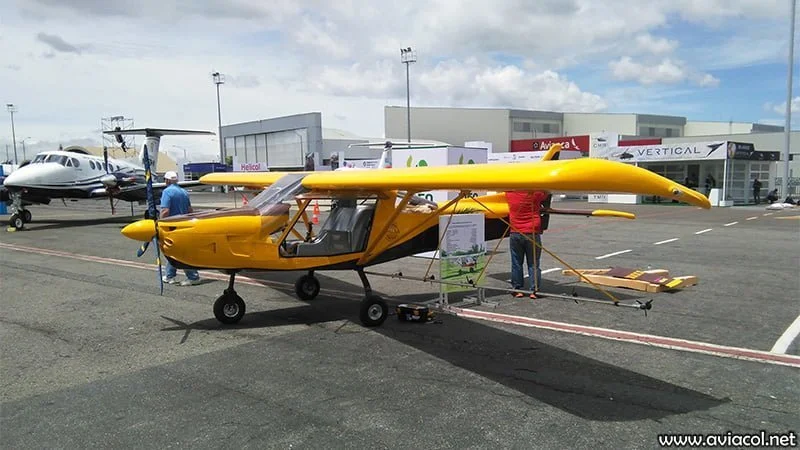
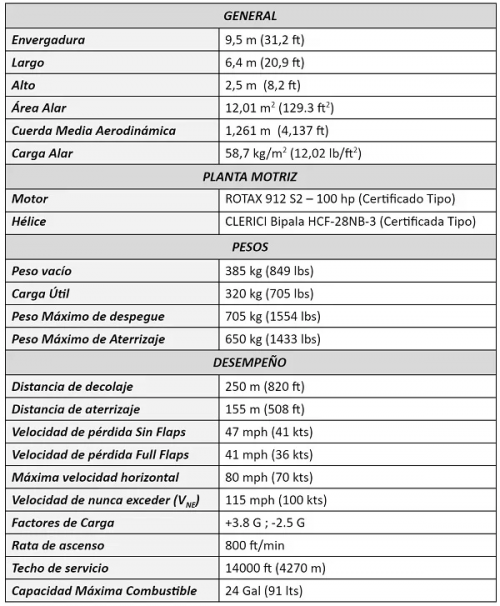
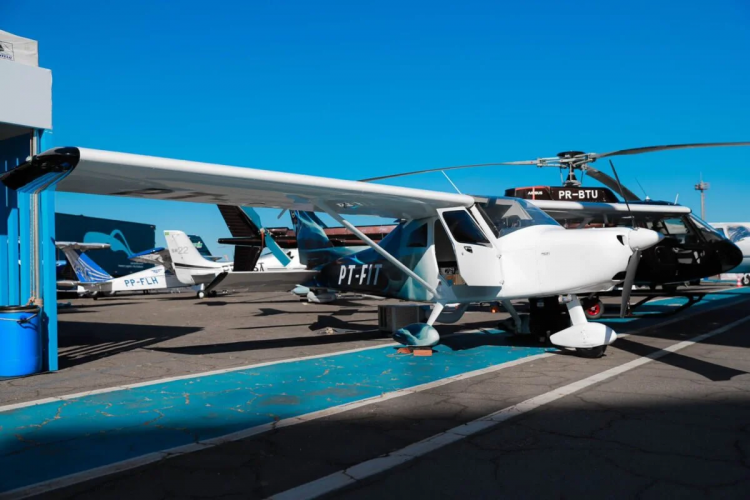
https://airtech.tech/Airtech, a Brazilian company, manufactures the amphibious ultralight Aventura HP, designed to be an entry-level model in the world of leisure aviation, according to a company blog. The Aventura HP is a single-engine, experimental ultralight aircraft designed for private use, primarily for daytime sports and recreational activities, with visual clearance, and can accommodate up to two occupants.
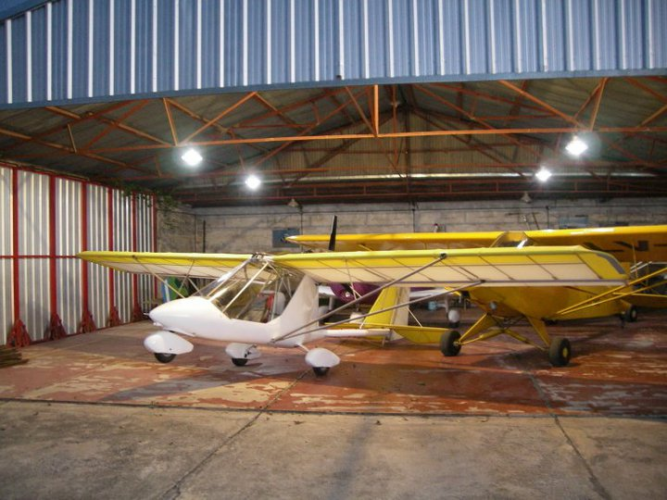
Argentina`s company named after its designer Jorgue Cleva and one of its designs, the Eagle
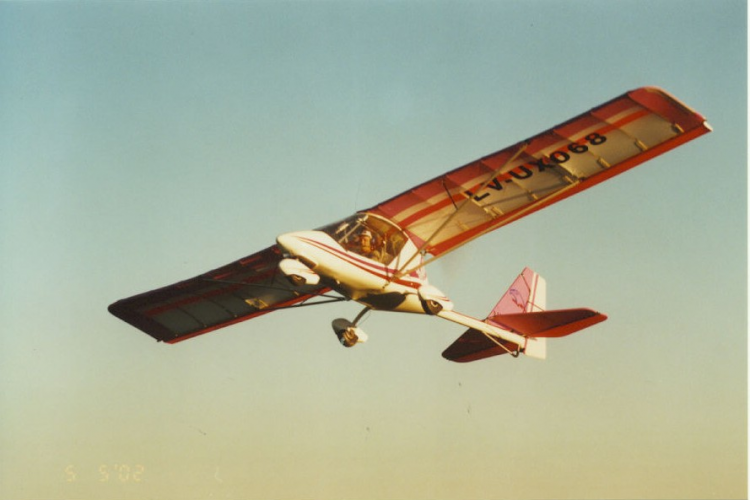
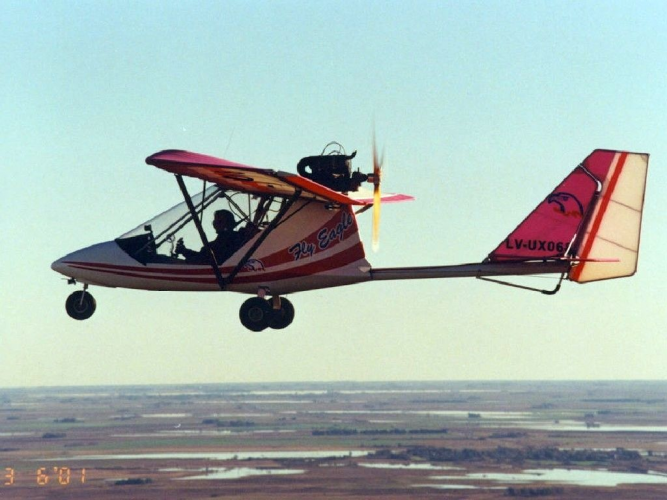
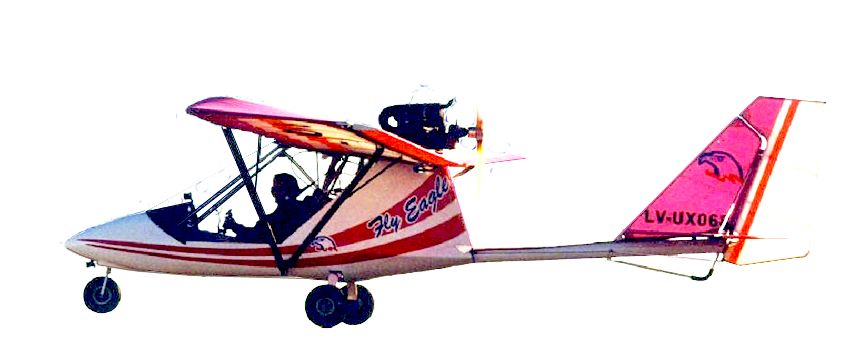
EagleYear: 2001
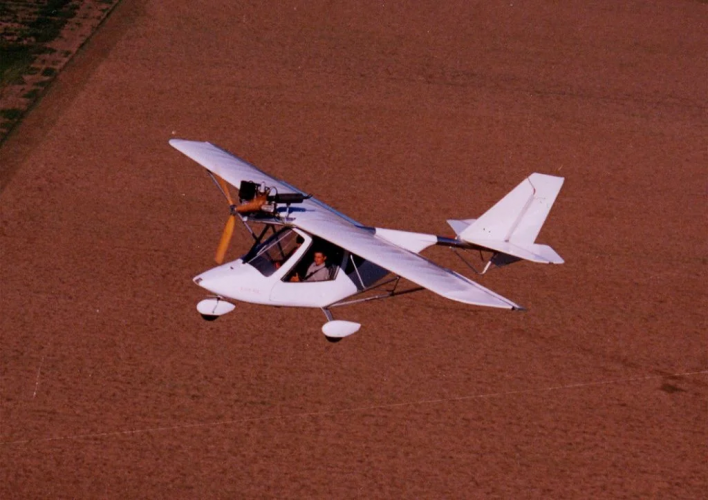
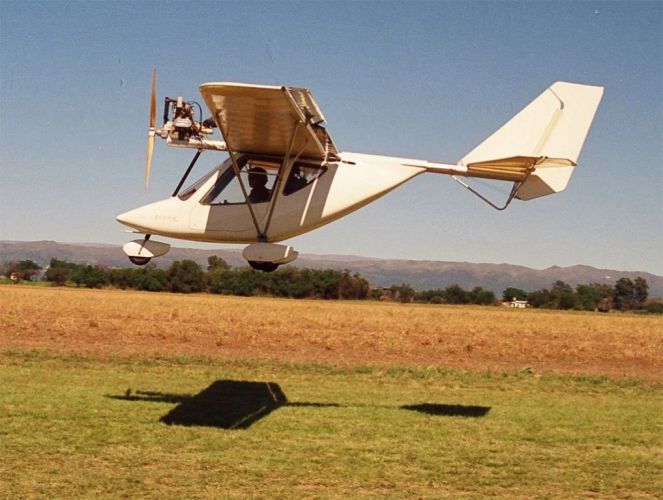
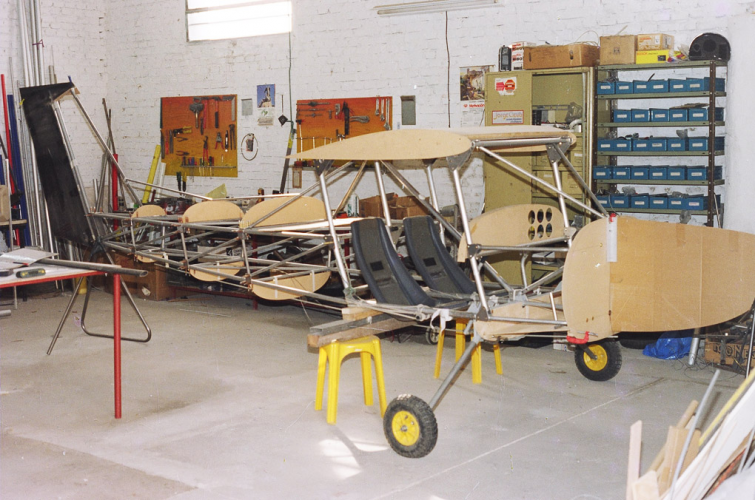
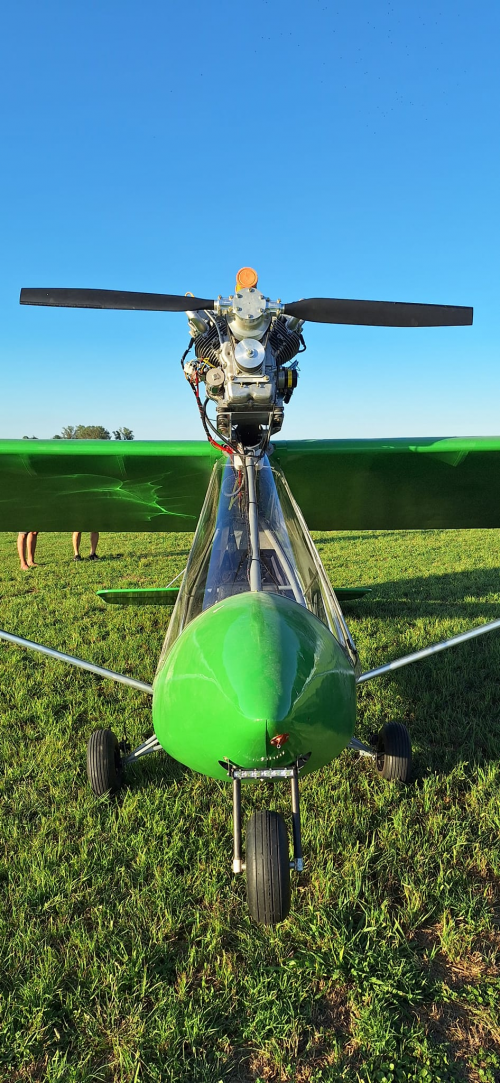
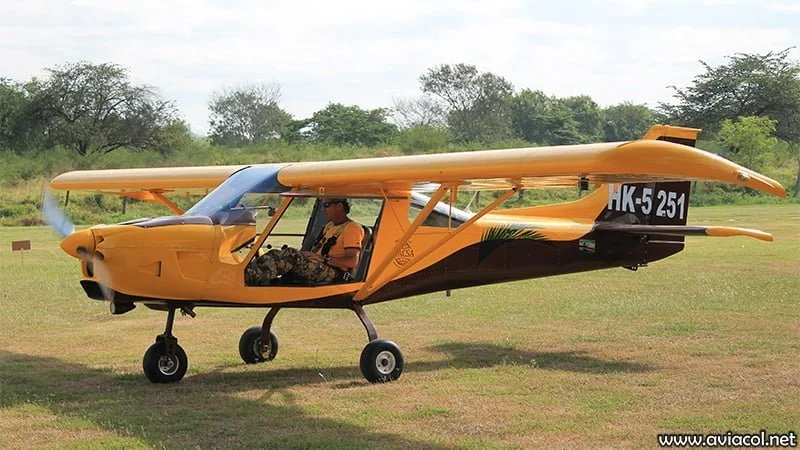
Aircraft Description: Experimental single-seat ultralight aircraft with an enclosed cockpit and an entrance door, tricycle landing gear, ailerons, and propulsion engines. Construction Details: The powered ultralight aircraft (ULM) "FLIGHT EAGLE" was built based on its own design, using imported 6061-T6 aluminum tubes of various diameters. The fittings are mostly made of 6061-T6 aluminum sheets and angles, and AN Y 8.8 bolts. The fabric is a removable sheath made with imported Dracon brand 3.8 OS dimensions. The wing struts are profiled from imported 6061-T6 aluminum. The elevator and aileron control cables are Teleflex type, and the rudder cables are imported 7 x 7 stainless steel. The fairing is made of fiberglass and 0.20 mm thick imported 2024 and T3 aluminum sheets, the transparent parts are made of zinc-plated polycarbonate, all riveted with aluminum pop rivets to a 6061-T6 aluminum tubing structure. The landing gear is made of unidirectional fiberglass matrix laminated with epoxy resin. The brakes on the main wheels are mechanical.
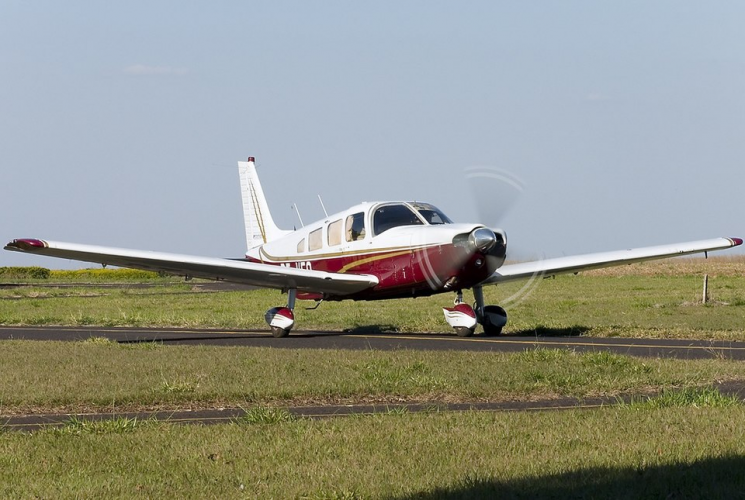
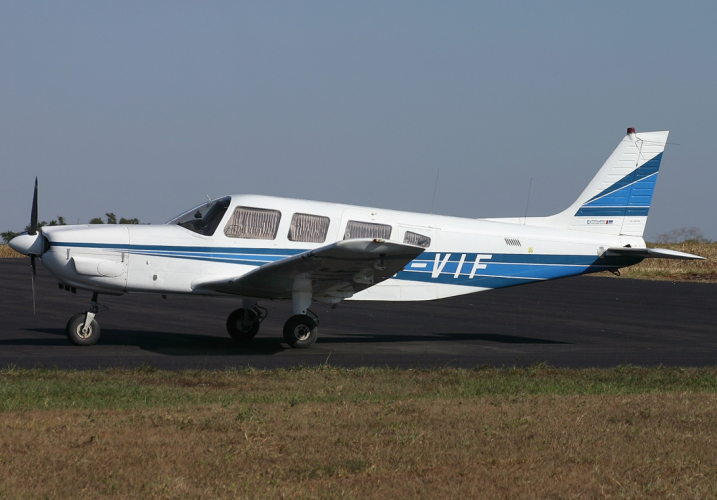
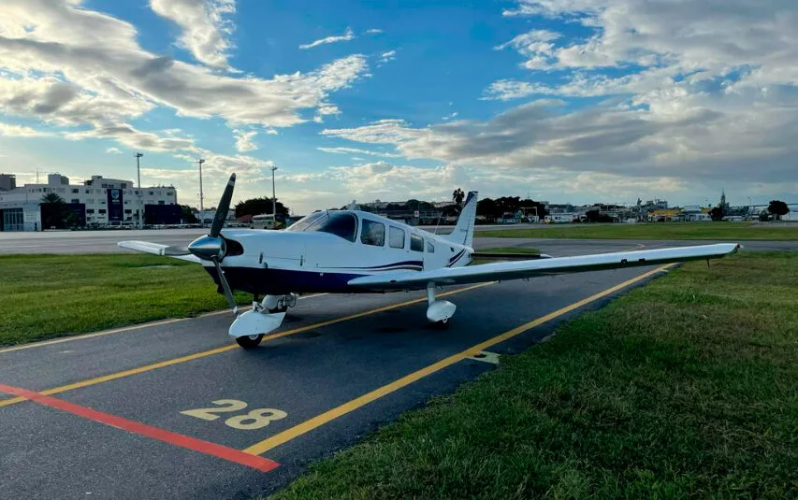
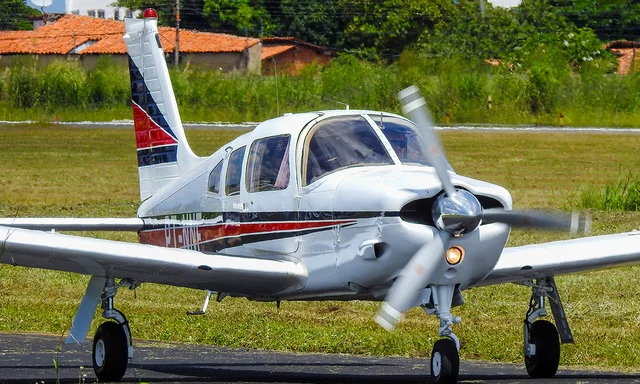
The Embraer EMB-720 "Minuano" is a single-engine commercial piston aircraft, produced in Brazil by Embraer and later by its subsidiary Neiva, under license from the American company Piper Aircraft.
It is the Piper PA-32 Cherokee Six.
Equipped with a Lycoming engine with direct fuel injection and 300 horsepower, it reaches 270 km/h (170 mph). Its electronic communication and radio navigation system was considered modern for its time. It can carry up to six people (1 pilot + 5 passengers), with ample luggage space.
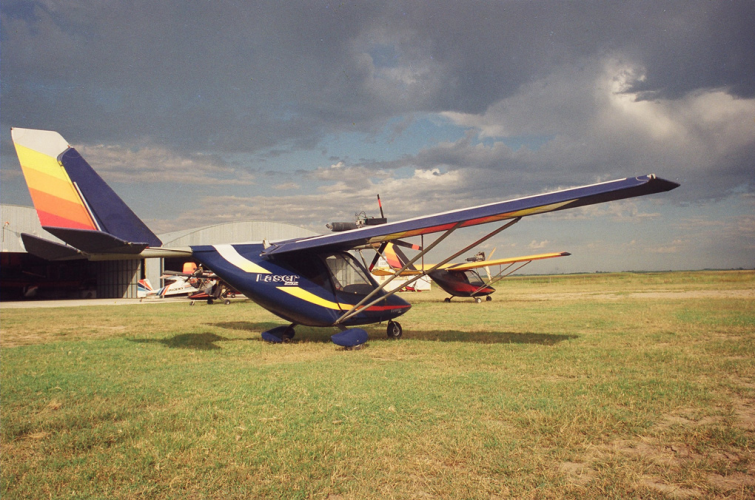
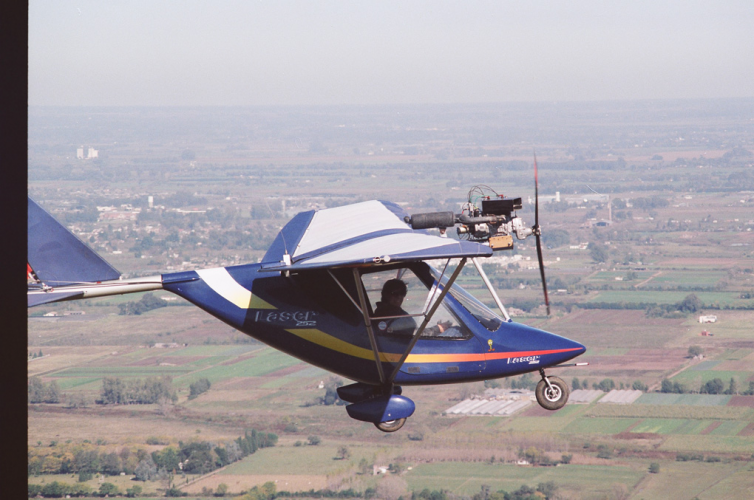
Laser 252
Year: 1988
Country: Argentina.
Company: Jorgue Cleva
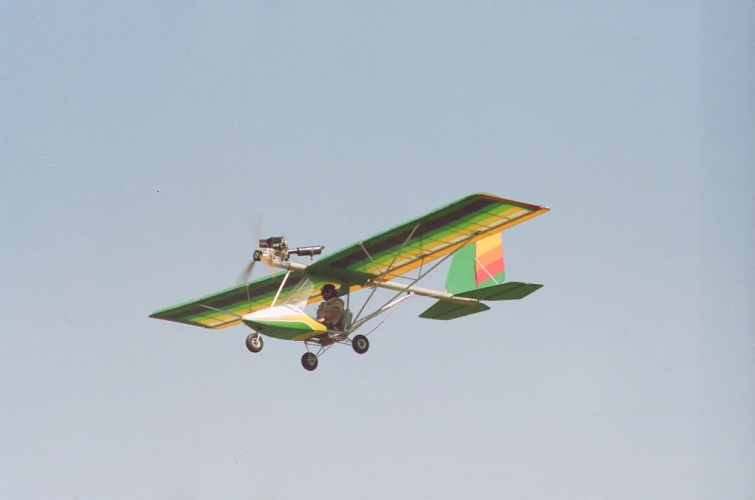
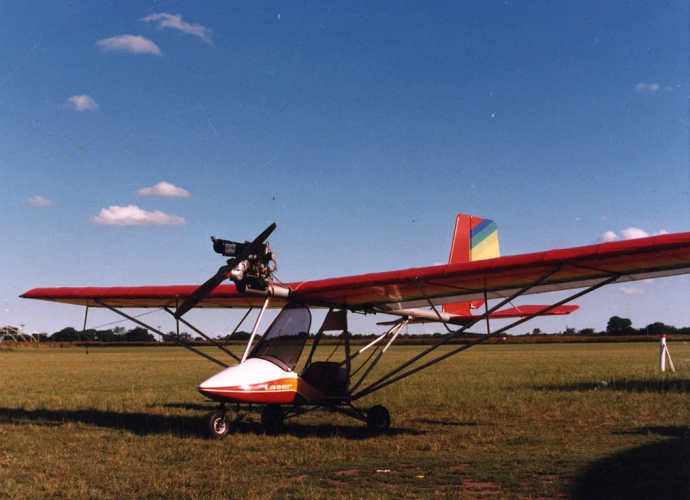
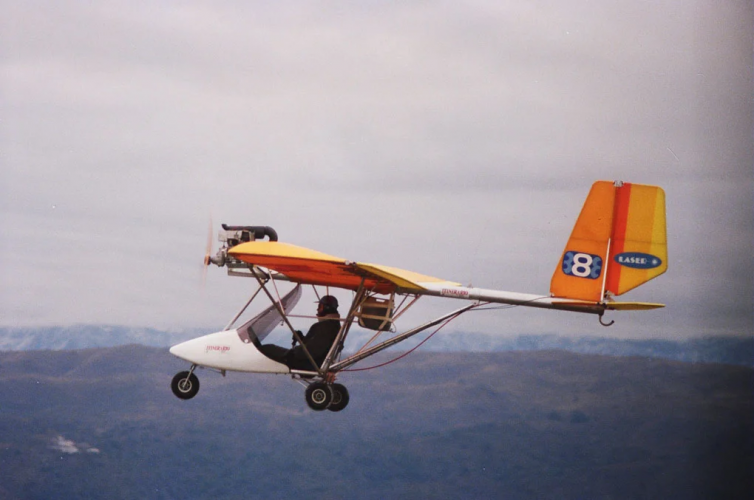
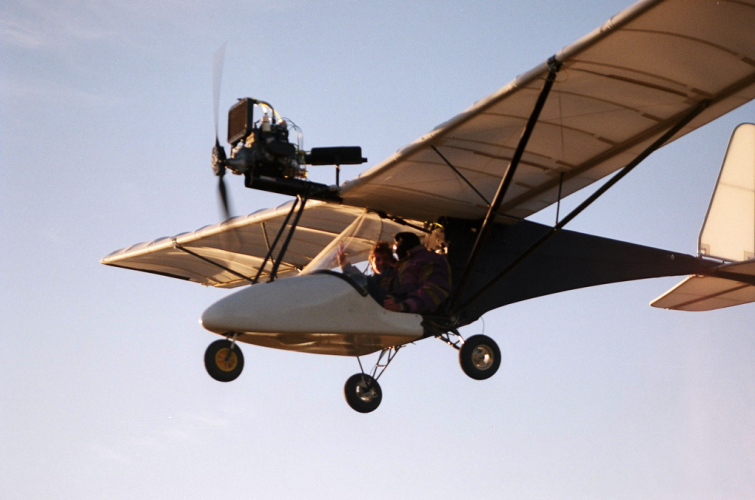
Laser 252-264. The Laser 252 was conceived as a next-generation ultralight aircraft, with the potential to be classified within the Very Light/Primary Aircraft category. Description: Like its single-seat predecessor, the primary structure is made of domestically manufactured extruded aluminum alloy tubing, specially developed for this purpose. The fittings and fittings are constructed of stainless steel, and the bolts are cadmium-plated 8.8-grade steel with self-locking nuts. The fabric covering is a removable sleeve made of imported stabilized polyester, specifically designed for this type of covering. The fabric is manufactured and applied using proprietary manufacturing methods and special application techniques developed by our company, resulting in wrinkle-free, high-tension surfaces. Unlike most ultralight aircraft in the world at that time, the Laser features an enclosed cockpit as an integral part of the fuselage, capable of accommodating two people side-by-side in individual contoured seats. Its main advantages include easy access through an upward-opening door on each side and excellent interior comfort, even for larger individuals. The aircraft is factory-equipped with dual controls, making it especially suitable for pilot training. It also features a flaperon system that significantly reduces stall speed while maintaining excellent lateral control at low speeds. The basic instrumentation consists of: speedometer, altimeter, RPM, cylinder head temperature, fuel level, fuel pressure, and hour meter. There is a list of optional instruments and a radio. The dashboard features an adjustable air vent for each occupant. It also features a landing light, located in the nose and fully incorporated into the fairing, and an interior light in the cockpit. The entire electrical system is powered by a 12-volt battery charged by a voltage regulator using the energy produced by the magnet. The main landing gear is constructed of unidirectional fiberglass with epoxy resin, within a vacuum-sealed matrix. The braking system is mechanically actuated, with optional hydraulic disc brakes. The nose wheel has a spring-loaded damping system and is steered using the same steering pedals. The fuel tank is located behind the seats and separated from them by a composite bulkhead. The Laser 252 could not be certified in its two-seat version because current regulations did not allow exceeding 100 km/h (62 mph) maximum speed, and the Laser indicated 112 km/h (62 mph) at cruise. The problem for the Aeronautical Authority was simple to solve: we had to install a drag-generating element on the struts or somewhere separate from the wings to comply with the current standard
Nahuel-Co
Year: 2002
Country: Argentina.
Company: Jorgue Cleva
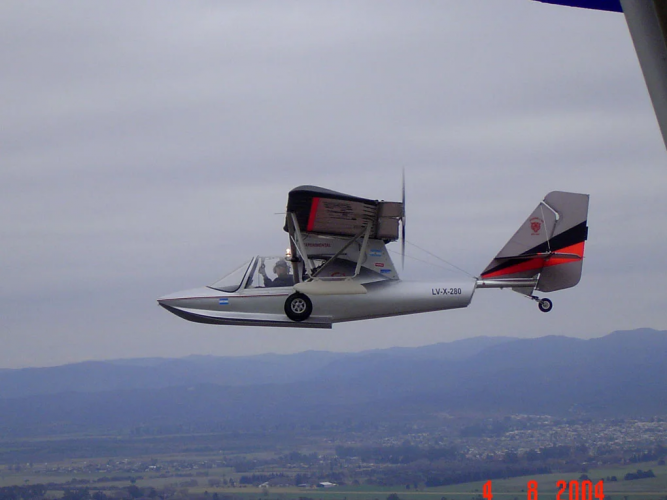
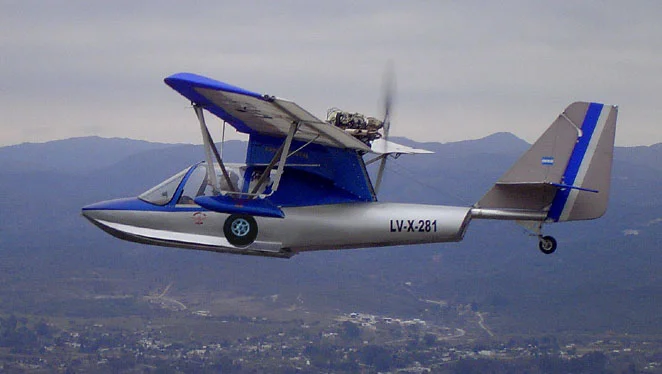
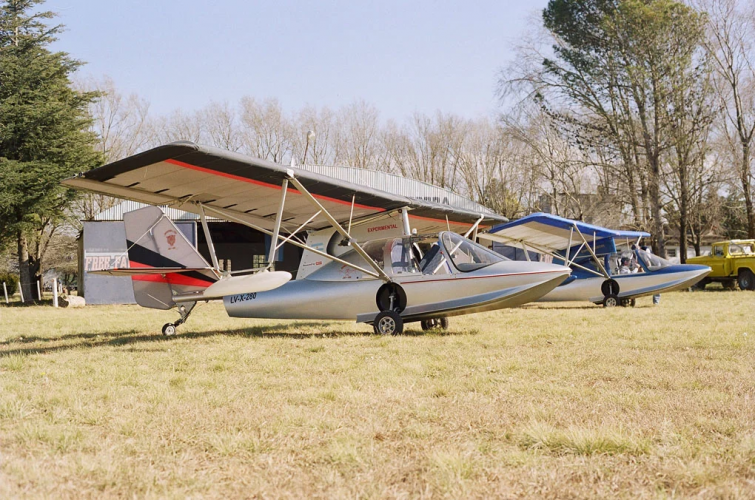
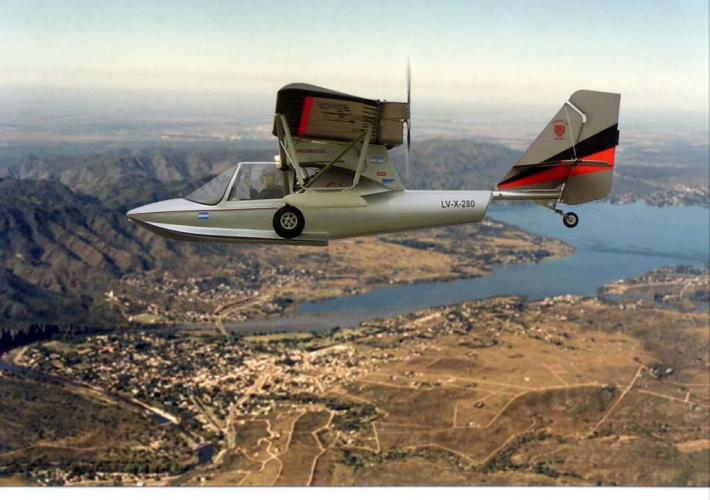
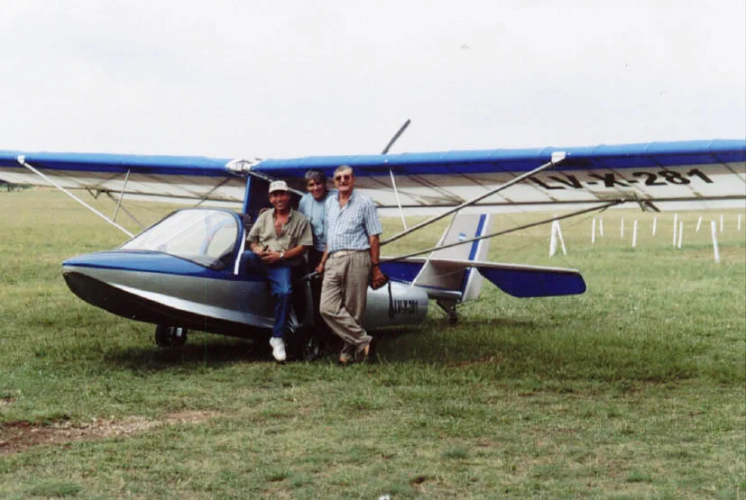
The Nahuel-Co (Nahuel = Tiger, Co = water) is an experimental high-wing amphibious aircraft with an engine located in the upper rear part of the wing (pusher), a structural fuselage made of composite materials (carbon, glass, and Kevlar, with a PVC foam core, vacuum-laminated with Derakane Vinylester resin), and wings with a structure of 6061 T6 aluminum tubes with removable Dimension Polyant stabilized Dacron covering. The same applies to the tailplanes. The landing gear is conventional with a foldable tail skid for operation in water. The landing gear is pneumatic, powered by three actuators (one for each wheel). A 12-volt compressor provides the pneumatic pressure, which is stored in a tank located at the rear of the fuselage above the tail boom. The instrument panel houses the operating key with its respective gear up (red) and gear down (green) lights, as well as the system pressure gauge and the three-position compressor operating key, with an automatic position that ensures a constant system pressure of 5 bar. In the second prototype, the pneumatic gear retraction system was replaced by a mechanical system driven by an electric motor. A manual retraction system was also incorporated. It has a manually operated three-position flap. A three-blade Warp-Drive carbon fiber propeller with leading edges protected with stainless steel sheets. The engine is an 80 hp ROTAX 912 UL, driving a three-blade Warp-Drive carbon fiber propeller. The empty weight of the JB-88 Nahuel-Co I is approximately 400 kg. With a maximum takeoff weight of 600 kg. The fuel tank carries 60 liters of special gasoline for use in automobiles, which allows it to have a range of 4 hours. The cruising speed at 5500 rpm is 78 statute miles (125 km/hour). The maximum ceiling is 12,000 feet. During the construction stage the prototype was inspected in Alta Gracia by Eng. Daniel Pachkevitch (DNA Bs. As.) who did not object to the project. The Nahuel-Co I made its first flight on September 4, 2003 in the presence of DNA Cba Inspectors Eng. Gustavo González, and Eng. Soledad Aimar. The flight took place at the Alta Gracia Aeroclub and was finally assembled in the hangar of the Altamira family's CCA company, where it was assembled and final adjustments were made before flight. It was a hot winter day with temperatures of almost 30 degrees Celsius and a near-calm wind. The sky was clear but very hazy. The flight proceeded without any problems, demonstrating the Nahuel-Co I's excellent aerodynamic performance. The estimated performance was perfectly met. Obviously, being crewed by a single pilot (Mr. Bianchi), the takeoff run was no more than 60 meters, as was the landing run. The cockpit's comfort and ease of seating two 90 kg passengers are noteworthy. During subsequent test flights, minor control adjustment issues were corrected, and a tab was installed on the rudder to compensate for engine torque. The flight ceiling was 12,000 feet, and fuel consumption was 15 liters per hour. The cruising speed with the gear up was 80 miles (128 km/h) flying at 5,500 rpm. The maximum speed was 90 miles, which was reached with a 10-degree nose-down angle. The stall speed without power was 35 miles (56 km/h), which speaks to the glider's capabilities, with a rapid recovery as soon as the controls were released. In water tests, the Nahuel-Co I's performance exceeded expectations. The waterline was higher than expected. Control in water movements was ensured with the rudder, making the "water rudder" unnecessary. Once the takeoff run began, the aircraft immediately mounted the redam and began to accelerate very quickly, managing to leave the water in less than 120 meters. Dear pilots (always with a single pilot). The landing attitude at 50 miles is excellent, and a very smooth landing is achieved. The water tests were conducted at the Los Molinos Reservoir on a cold winter morning with very light winds and very small waves. http://www.jorgecleva.com.ar/ficha_aparato.php?id_aparato=31
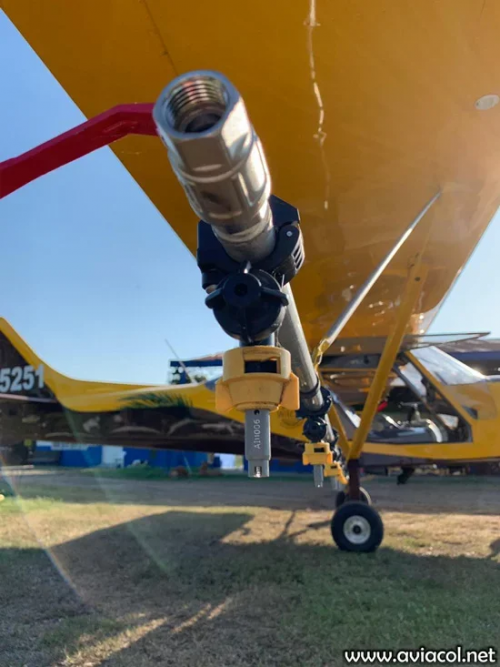
The Brazilian Bravo 700 is a small, two-seat civil utility aircraft manufactured by Aero Bravo in Brazil in both kit and ready-to-fly form. It is a high-wing monoplane of metal construction with fixed tricycle undercarriage and is classed as an ultralight under Brazilian aviation regulations. An agricultural version, the Bravo 700 Agrcola with spraying gear and a chemical tank with a capacity of 140 l (37 US gal) has been developed to flight-testing stage.
Learn more about the newest Brazilian aircraft manufactured by Inpaer, the Stallion.
The Stallion is a four-seater aircraft with a 200 or 260 hp engine that can reach 134 knots at cruise speeds while using only 40 liters per hour. It boasts a luxurious interior and is designed to demonstrate to the aviation world that Brazil produces high-quality aircraft.
Stallion 200HP
Year: 2023
Manufacturer: INPAER
Total Hours: 170.0
Capacity: 4 People
Wingspan: 11 Meters
Engine: 200 HP
Cruise Speed: 130 Knots TAS
Fuel Consumption: 43 Liters/H
Autonomy: 6.5 H
Maximum Range: 845nm
Economy Mode: 120 Knots TAS
Fuel Consumption: 37 Liters/H
Autonomy: 7.5 H
Maximum Range: 900nm
Stall Speed (Vso): 52 Knots TAS
Stall Speed (Vs1): 58 Knots TAS
Empty Weight: 770 KG
Useful Load: 530 KG
Using the closed-cockpit Laser 252 as a base, a version was developed with significant modifications to the wing, tailplanes, and construction techniques. The wing surface area was reduced by almost 4 square meters, the profile thickness was reduced to 12%, and the structure was stiffened to allow for conventional fabric and dope covering. A 2024 T3 aluminum sheet leading edge was applied to better define the profile, and the ailerons and separate flaps were constructed from the same material. The tailplanes were slightly reduced to maintain a tail volume consistent with the new surface area and, like the wings, were covered with Ceconite fabric and coated. The wing's incidence was also increased by shifting the leading edge upward and the trailing edge downward through the intakes, moving the profile's centerline away from the longitudinal axis of the "boom," thereby achieving a more comfortable flight attitude and reduced cruise drag. The surface area was increased in the second prototype, remaining only 1.5 m2 less than the original, thus achieving excellent glide performance and very good response to commands, especially in roll.
Laser 145
Year: 1986
Country: Argentina.
Company: Jorgue Cleva
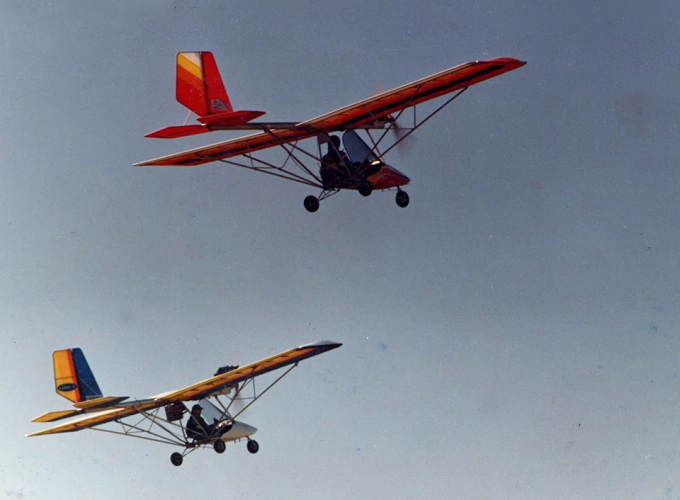
The LASER is a single-seat ultralight aircraft designed and built in 1986 with the aim of creating a safe and efficient aircraft for recreational flying. The main objective was to develop a device built entirely with domestic materials and at an affordable cost, while also complying with the current regulations for aircraft manufacturing at the time. The LASER obtained Model Certificate No. 019 from the Argentine National Airworthiness Directorate. To obtain its certification, the LASER had to undergo rigorous structural and flight tests, the results of which far exceeded the limits imposed by current regulations. The chosen configuration was the most widely used at the time by the world's leading manufacturers: monoplane, high-wing braced with struts, front engine, and tricycle landing gear. The structure was made of high-strength aluminum tubes, stainless steel fittings, and removable stabilized Dacron covering. In practice, we were familiar with the construction system used for hang-gliding, and we were able to adapt it to the new aerodyne without too many complications, since the materials we used to build our hang-gliders were the same as those used in ultralight aircraft construction around the world. This construction system is widely used in the United States and Europe, as all the joint systems, tubes, bolts, and general aeronautical hardware are standardized and sold in specialized stores as aeronautical grade. The "tube and fabric" technique is widely used and is used by hundreds of experimental and related aircraft manufacturers.
AWARDS
1990
Grand Champion ULM EAA Argentina. http://www.jorgecleva.com.ar/ficha_aparato.php?id_aparato=28
The event aims to strengthen interoperability and advance the operationalization of FAB Command and Control systems
COPAC – Air Force Agency, by Colonel Romulo
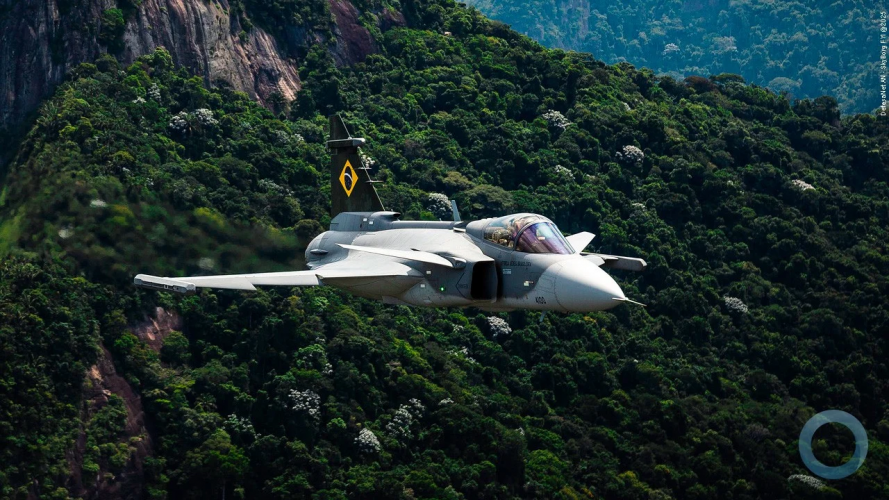
Between July 22nd and 24th, the Department of Aerospace Science and Technology (DCTA), headquartered in São José dos Campos, São Paulo, held the Link-BR2 Integration Workshop on the F-39 Gripen aircraft.
The technical-operational meeting was held at the Electronic Warfare Laboratory of the Aeronautics Institute of Technology (ITA) and brought together military personnel from the Combat Aircraft Program Coordinating Committee (COPAC), the Preparation Command (COMPREP), the First Air Defense Group (1st GDA), and the DCTA.
The event aimed to advance the integration of the Link-BR2 Data Link System with the F-39, a next-generation fighter aircraft deployed by the Brazilian Air Force (FAB), significantly expanding Command and Control capabilities within the Brazilian Air Force Command (COMAER).
During the workshop, aspects of the Operational Concept (CONOPS) related to the use of Link-BR2 were discussed and refined, aligning its technical functionalities with the FAB's strategic objectives. A key focus was interoperability between the Force's different airborne vectors, strengthening cohesion among the various combat assets and increasing situational awareness in the operational environment.
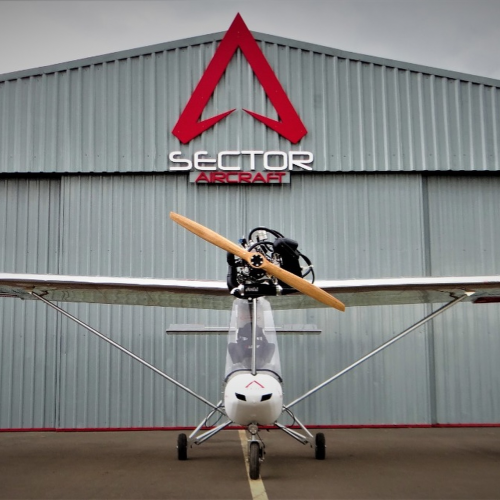
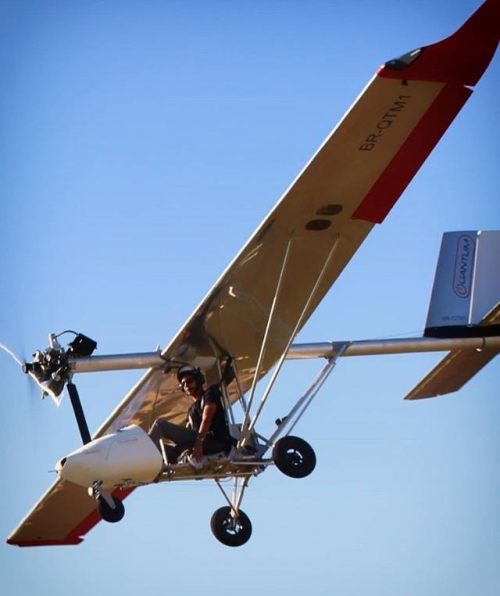
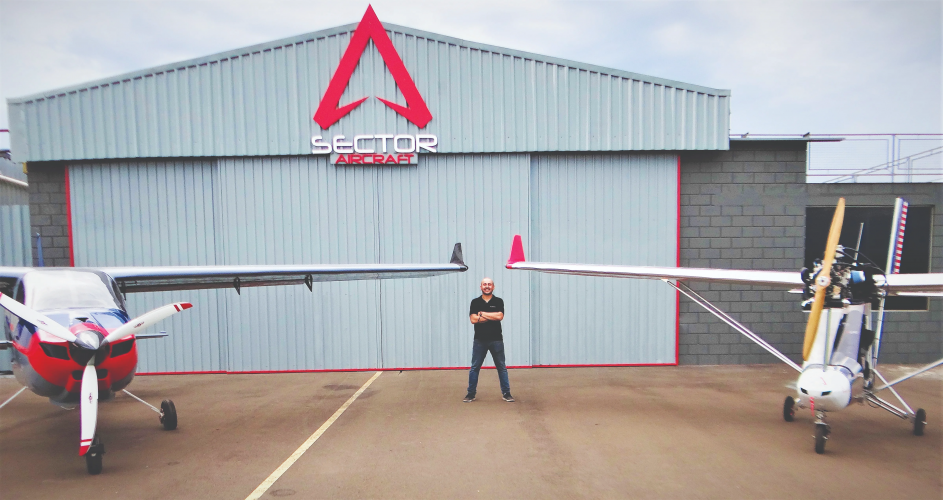
Sector Aircraft, a São João da Boa Vista aircraft manufacturer, launched the Quantum ultralight this week. The model is a pioneer in Brazil in this avionics line and, immediately after its official announcement, has already attracted the attention of pilots from several Brazilian states. The Quantum comes in two price ranges: R$85,000 with an Italian engine and R$66,000 with a domestic engine. Piloting it does not require a pilot's license, which has attracted even more interest.
André Godoy, co-owner and engineer at Sector, emphasizes that the initiative to manufacture this new model puts São João da Boa Vista firmly on the "small aircraft production map."
Godoy's statement is based on the fact that the Quantum is an Ultralight RBAC 103, a new category of small aircraft launched in Brazil in 2018, and Sector is the first manufacturer of this type of model.
"We were very excited to put São João on the map for small aircraft manufacturing. It's a new category, and that makes it very attractive. After the Quantum's launch was announced, many people contacted us from all over Brazil, from various states, such as Acre, Rio Grande do Sul, Paraná, Santa Catarina, Minas Gerais, and Ceará. This surprised us greatly, as the project was well-received throughout Brazil, and people contacted us to learn about the aircraft and obtain information about possible purchases," he highlighted.
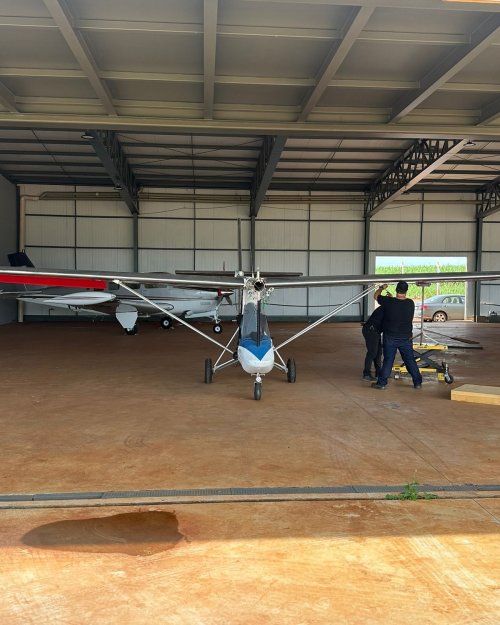
At the factory: André Godoy with the Hero (left) and the new Quantum model, officially launched this week
QUANTUM
With a Polini engine, imported directly from Italy, the Quantum has 250 cc and 37 hp, allowing it to fly at 127 kilometers per hour. The national version, with an engine manufactured in Paraná, has a basic dashboard and runs on ethanol. Both were designed with one seat (just for the pilot), and to qualify for the pioneering category in the country, the model must weigh up to 200 kilograms (empty).
"It's ideal for pilots who want to make short flights, departing from São João Airport, for example, and heading to cities in the region. Or even taking scenic flights right here. Pilots of this type of model don't need a license, just a test on the online regulations, administered by ANAC (National Agency for Civil Aviation). Those who are already pilots don't even need to take this course; they just buy and fly. Of course, whoever buys our aircraft, whether they're a pilot or not, will receive comprehensive training to fly it," he explained.
HERO
After the launch of the Quantum ultralight, André Godoy revealed that Sector's attention will once again turn to manufacturing the Hero, the first aircraft model from the São João factory.
"We had to quickly change the company's strategy because the Hero requires a certification period after its first flight. And during that period, we couldn't sell it. Therefore, we decided to build the Quantum, as we already had authorization for mass production and sales. Now that we've got the Quantum flying and are already producing it in series, we're turning our attention to the Hero. We'll now install the engine and panel on it, carrying out all the necessary processes to complete the aircraft," he emphasized.
With a 100-hp Rotax 912 IS engine, the Hero is all-aluminum and seats two, offering interior space for tall people. With a full tank, the aircraft can fly a distance of approximately 1,000 kilometers without needing to refuel.
According to Iago Amorim, engineer and co-owner of Sector, with this flight range, it would be possible to leave São João da Boa Vista Airport and fly comfortably to capitals such as Belo Horizonte (MG), Curitiba (PR), Salvador (BA), and Vitória (ES).
General Description
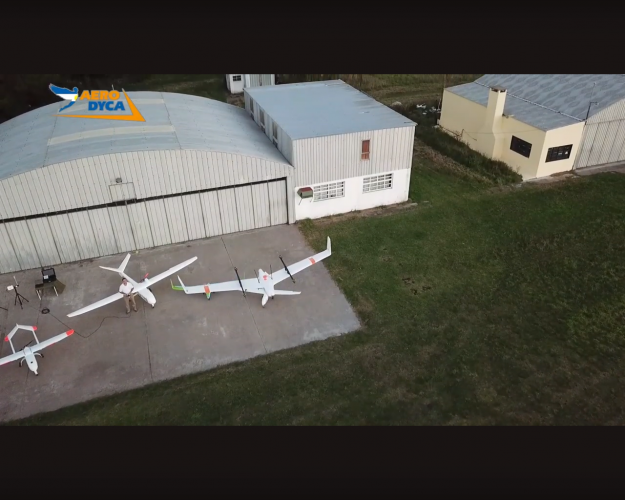
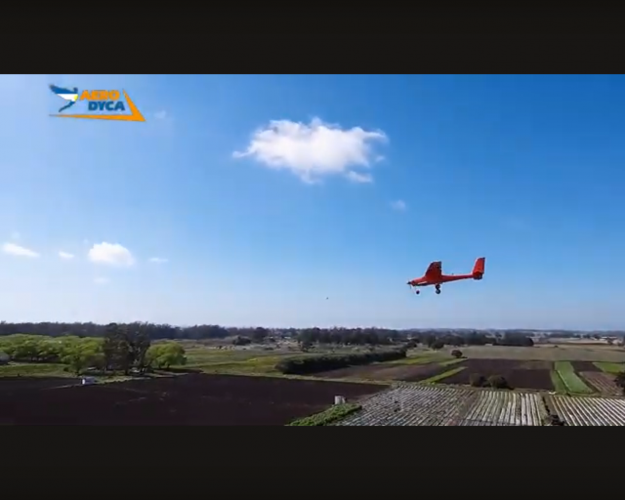
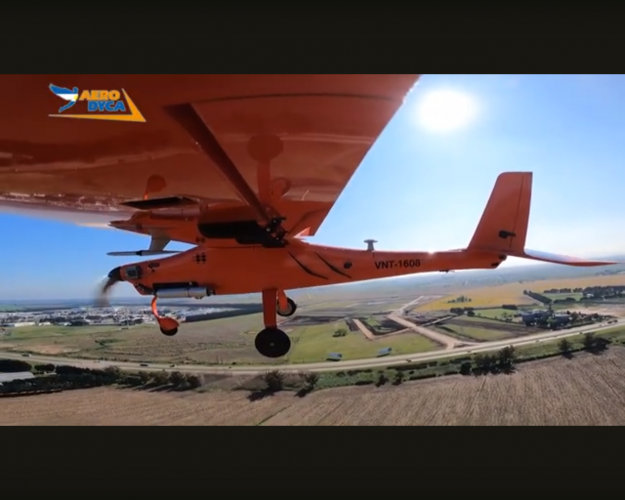
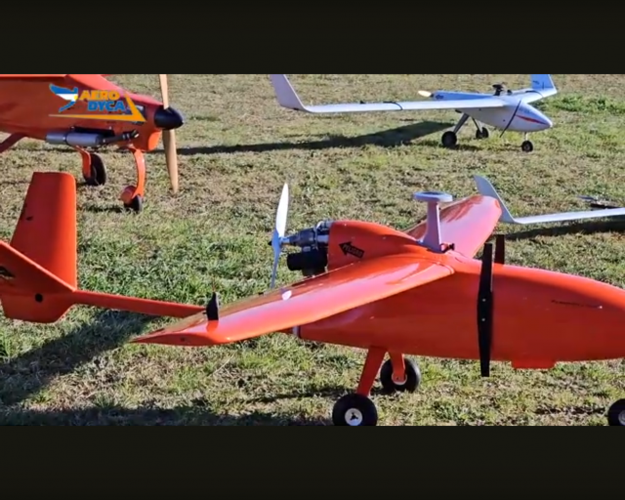
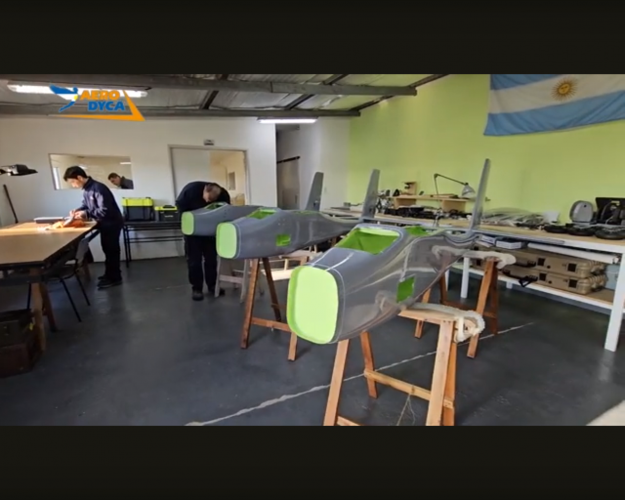
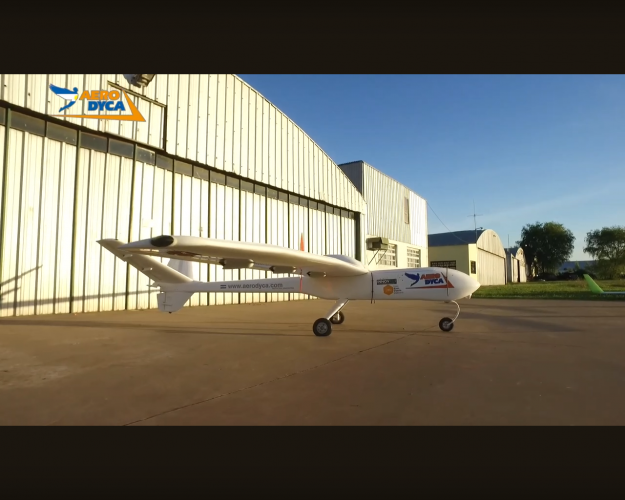
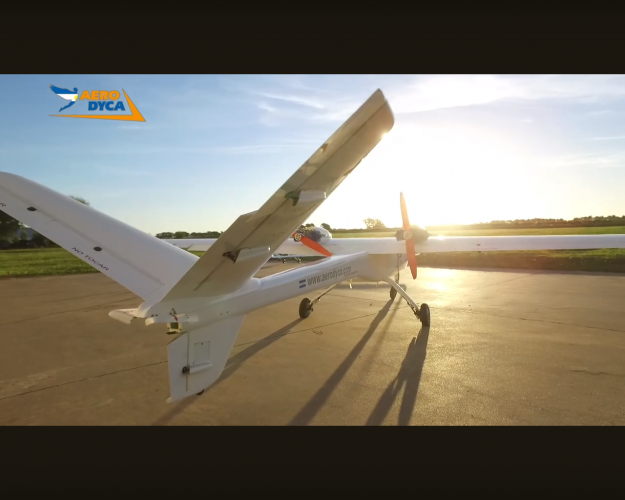
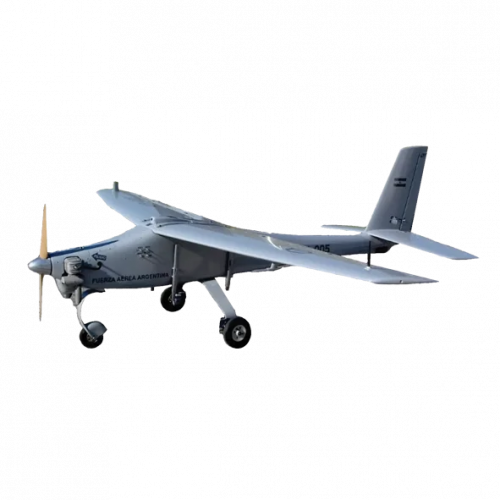
TEHUELCHE 320 C UAV: Advanced Multipurpose Aircraft
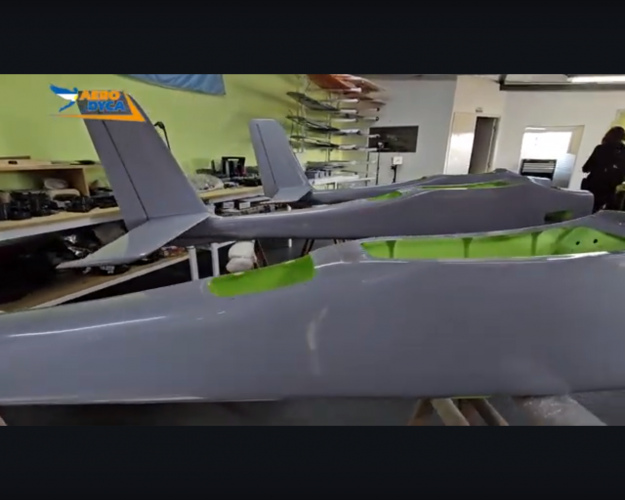
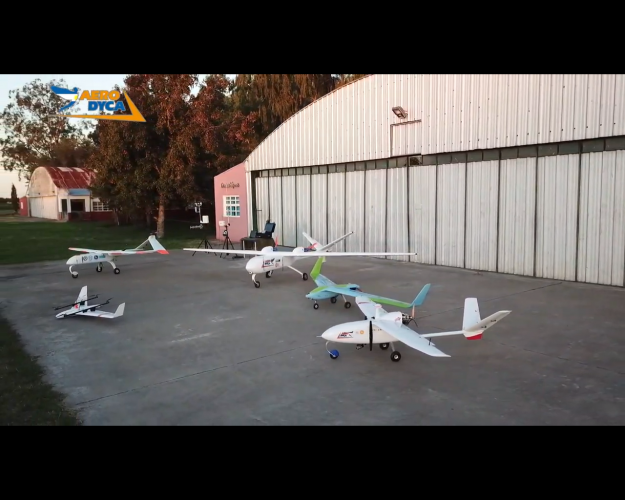
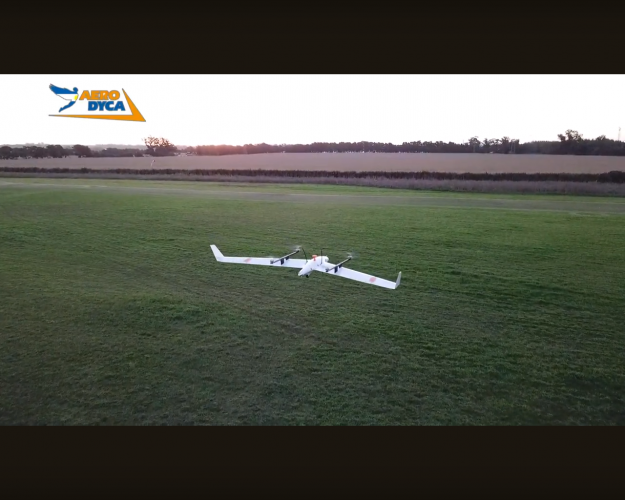
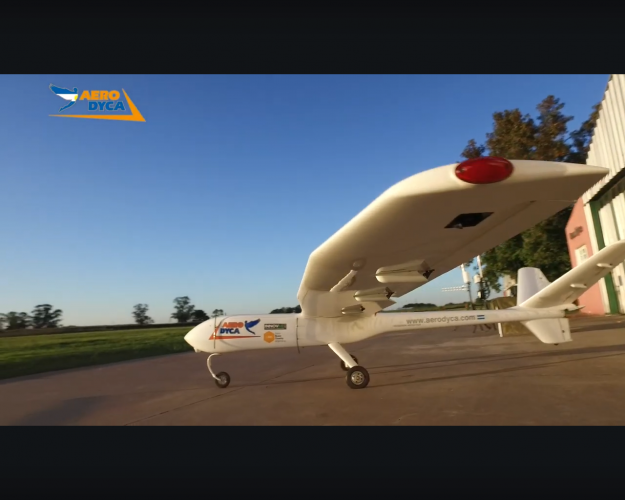
The TEHUELCHE 320 C UAV represents a notable advance in the aeronautical industry, being a multipurpose aircraft designed for a wide range of operational applications. With a robust structure and advanced systems, this aircraft offers an exceptional combination of performance, versatility, and ease of operation.
Airborne Target Towing: With the ability to tow aerial targets, this aircraft is an invaluable tool for weapons systems training and firing exercises. Its powerful engine and flight stability ensure precise and safe towing, providing a reliable platform for practicing tactical maneuvers.
Surveillance and Reconnaissance: The TEHUELCHE 320 C can be equipped with a high-quality surveillance camera, allowing real-time video transmission. This capability makes it an
effective tool for surveillance, reconnaissance, and security operations,
providing an aerial perspective for strategic decision-making.
Operation in Various Terrain:
Its robust design and reinforced landing gear allow it to operate in any type of terrain, from paved runways to unprepared terrain. This versatility makes it
ideal for operations in remote or hard-to-reach areas, providing access to
places other aircraft cannot reach.
Advanced Features:
The TEHUELCHE 320 C is equipped with cutting-edge technology. The system allows for the
programming of navigation routes with multiple waypoints, facilitating precise and efficient navigation in any operational environment.
Technical Sheet - TEHUELCHE 320 C UAV
WINGSPAN 3.40 m
LENGTH 2.93 m
HEIGHT 1.13 m
PAYLOAD 10 kg
RANGE 3:00 / 6:00 hrs
MAXIMUM SPEED 220 km/h
COURSE RADIUS 50 km
RANGE 100 km
SERVICE CEILING 3,500 m
WIND GUST LIMIT 60 km/h https://aerodyca.com.ar/
UNITED STATES EXEMPTS EMBRAER FROM NEW TARIFFS ON BRAZILIAN EXPORTS
The Trump administration confirmed that civil aircraft and their components will not be affected by the increase, avoiding an impact of up to $360 million for the automaker.
A21 Editorial Team A21 Editorial Team August 1, 2025
Embraer avoided the 50% tariff increase that various Brazilian products exported to the United States will now face.
This week, the White House website published an order signed by President Donald Trump explaining that a 40% tariff will be added to the existing 10% tariff on Brazilian goods and specifying that civil aircraft, their engines, parts, components, and subassemblies are exempt from the tariff.
This is great news for Embraer, as had it been subject to the tariff increase, its revenues would have been hit similarly to the pandemic, the manufacturer's CEO, Francisco Gomes Neto, commented in mid-July.
The measure, which will begin to be implemented next week, also posed a risk to the company's US partners, given that the tariffs would amount to a trade embargo on the regional aircraft it supplies to airlines in that country and could lead to order cancellations, delayed deliveries, and severe consequences for suppliers.
The United States is the main market for Embraer, the world's third-largest manufacturer after Airbus and Boeing. Customers there purchase 45% of its commercial aircraft and 70% of its executive jets.
Before learning of the tariffs, the manufacturer estimated they would generate an additional cost of approximately $9 million for each aircraft exported to the United States, with potential impacts totaling nearly $360 million this year.
This week, it was also announced that the US and the European Union had reached a trade agreement that exempted aviation from a 15% tariff on products from the region destined for US soil—great news for Airbus and Boeing.
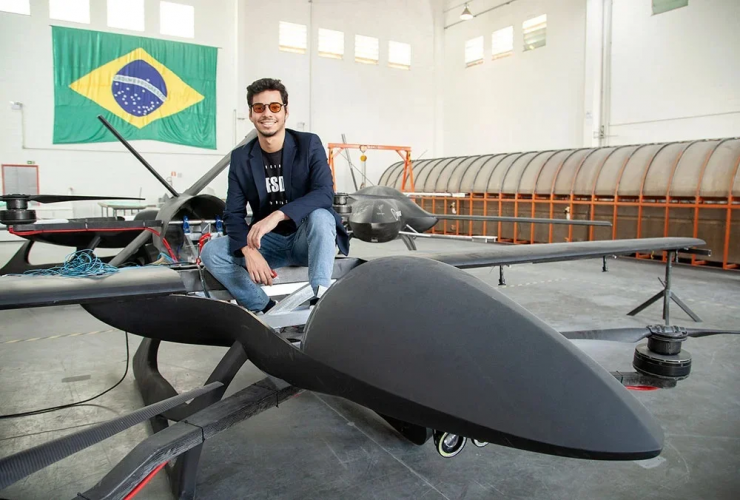
At just 23 years old, Gabriel Leal is the name behind the world's largest agricultural spraying drone, which will begin testing in August on a grain farm in Mato Grosso. The Bahia native from Livramento de Nossa Senhora, about 600km from Salvador, is the founder and CEO of Psyche Aerospace, a 100% Brazilian agtech company that developed the Harpia P-71.
With 100% Brazilian technology, the drone operates with a hybrid ethanol and battery engine and can spray 40 hectares per hour, with a flight range of 10 hours. The drone also has the ability to refuel itself, using another device called Beluga, also created by the startup of the young Bahia native, who has no university degree and is an aerospace enthusiast.
"I had a project for asteroid mining. I've always been interested in developing technology for the aerospace sector, and the sector I identified as the best business opportunity is agriculture, which has giant farms in the Central-West region, where spraying with tractors or airplanes is inefficient or very expensive," the young Bahian told Valor Econômico.
The son and grandson of Bahian farmers, Gabriel moved to São José dos Campos two years ago, when his company was founded in December 2022. The startup is incubated at the city's Technological Innovation Park hub, which currently operates in a 6,000 m² area in the southern part of the municipality.
Gabriel leads a team of 60 employees, including engineers, technicians, and administrative and sales staff | Photo: Click Business
There, the equipment was developed, capable of carrying 400 kilograms of pesticides in autonomous flight, using Artificial Intelligence (AI) and Internet of Things (IoT) technologies. To understand its capabilities, the largest spraying drone ever presented in the country so far has a capacity of "only" 60 kilograms. In a simulation for investors, covering an area of 1,000 hectares, an autonomous fleet of six superdrones completed the job in five hours, compared to four or five days for a tractor, one or two days for an airplane, and 15 days for a manual drone.
One of the six prototypes of the Harpia P-71, with a design inspired by the American Black Bird military reconnaissance aircraft, was tested in March in São José dos Campos. The flight was coordinated by aerospace engineer Gabriel de Paula, who has worked at Psyche since the project's inception. "Flying the P-71 and ensuring its stability represented a major challenge that required a great deal of focus and attention," he told Valor about the equipment, which will not be sold.
According to the CEO, the drone is intended to provide services to agricultural producers. The Bahian's business plan initially includes mapping the area to plot the lines the equipment will spray, determining the required altitude, nozzle flow rate, speed, and angle. The idea is to focus on spraying sugarcane, citrus, and grain crops, at a cost of R$20 per hectare per application.
"The producer doesn't need to control the drone, which is a high-tech piece of equipment that requires extensive training to spray correctly, quickly, and safely. He just wants the application," explains the Bahian.
With an annual pre-contract with grain producers in the Central-West region and farmers in São Paulo, Gabriel is expected to begin commercial operation of the Harpia P-71 by the end of the year. Although geared toward serving large producers, the young man hopes to eventually close contracts with agricultural cooperatives, serving medium-sized and small producers as well.
JORGE CLEVA. CHRONOLOGY OF MANUFACTURED VEHICLES.
1964 to 1976. Aeromodeling in almost all its disciplines. U-control, gliders, motor gliders, rubber propellers, models, scale airplanes, and radio control.
Aircraft Built:
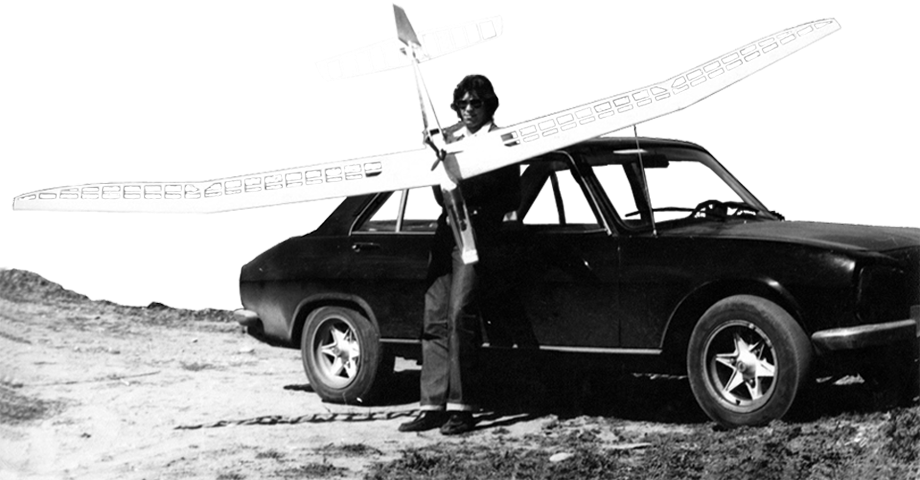
1973. Construction of my first Rogallo-type hang glider made of bamboo, which never flew.
1976. Construction of two Rogallo wing rototypes with an aluminum tube structure and nylon Cire canopies, which flew satisfactorily.
1979. Construction of Seagull III wings based on plans by Seagull Aircraft of the U.S.A.
1980. Construction of Kestrel, Olympus, Superflex, and Fenix wings.
1981. Construction of Seagull 10 and Seagull 11 wings based on Seagull Aircraft designs. Powering of the Seagull 11 wing with a Soarmaster engine.
1981. Development of the first powered hang glider with a North American Soarmaster engine, which was attached to the wing keel, and the landing gear was the pilot's legs. The assembly flew perfectly, but was discarded due to its reckless use when taking off with the pilot's legs as landing gear and the throttle between the teeth.
1982. Construction of the Pampero wings, based on an original design by Ultralight Products of the U.S.
1983. Design and construction of the Andina wing. Argentine endurance record.
1983. Design and construction of the Mini-Vam, the first trike produced in Argentina. Design and construction of windsurfing sails. Development of the first vertical and radial cut sails in this field. Design and construction of the Carancho Ultralight. It was one of the first ultralight aircraft designed and built in Argentina.
1984. Design and construction of the Cosmos hang glider. Argentine Champion.
1984. Design and construction of the Mistral hang glider.
1985. Design and construction of the Pegaso ultralight. Design and construction of the Genesis hang glider. Argentine Champion 1987.
1986. Design and construction of the Laser 135 and 140 single-seat ultralight aircraft. Certified by the National Airworthiness Directorate (DNA) Cert. No. 019.
1987. Design and construction of the Genesis Master hang glider
1988. Design and construction of the Laser 252 two-seat ultralight aircraft. EAA Grand Ultralight Champion. General Rodríguez 1988.
1989. Design and feasibility studies of the Mini-Bat remote-controlled target for the A.C.L. 1180 light combat aircraft, commissioned by Quimar S.A. That year, while we were completing the design of the Laser 252, Quimar, a manufacturer of remote-controlled targets (UAVs), commissioned us to carry out a feasibility study for a more economical target with better performance than the one they manufactured under Italian license. Thus, we began working on the development of the Mini-Bat, a canard-shaped aircraft of which only a beautiful scale model was produced, which was exhibited at the Le Bourget fair in France in 1989. The project did not prosper for various reasons, the main one being the lack of funding from the Armed Forces, the main customers of this type of aircraft. Shortly thereafter, Quimar ceased production.
1990. Design and feasibility study of the BAT 038 remote-controlled aerial target. Commissioned by M.I.S.A. Design and feasibility study of the AXIO two-seat light aircraft.
1991. Development and construction of five Bucanero amphibious aircraft commissioned by Ultralight S.A. Design and construction of the motorized sled and mini-wings for skiers for the Marlboro Winter Games filming.
1991. Contact with the Spanish company Sport Aircraft for the construction of the Laser 264 in Spain.
1994. Assembly and commissioning of the Rotorway Exec 90 helicopter kit for Airtech S.A. Design and construction of the Laser 252 two-seat open-cockpit ultralight aircraft, developed in conjunction with Drakkar S.R.L. Design and construction of the single-seater folding trike "BB"
1995. Design and construction of the Maxi towing hang glider. Design and construction of the TX two-seater trike. 1995 E.A.A. Trike Grand Champion.
1996. Design and construction of the MIX trike hang glider. Design and construction of the Tecno Basic two-seater trike. 1996 E.A.A. Trike Grand Champion.
1996. Design and construction of the Tecno M single-seater trike.
1997. Design and feasibility study of the Project 36 light aircraft. Assembly of the Pulsar XP experimental aircraft kit. Design and construction of the DX trike hang glider. Design and construction of the Tecno XP two-seater trike. Both E.A.A. Trike Grand Champion.
1997. Design and construction of the new closed-cockpit two-seater Laser S.W. (Speed Wing). Work carried out in conjunction with Drakkar S.R.L.
1998. Design and construction of the experimental amphibious aircraft Nahuel-Co. Reserve Grand Champion E.A.A. 2005. Nahuel-Co This experimental amphibian of own design, Mr. José Mario Bianchi, commander of Jumbo 747 together with Mr. Felipe Garcia Legnac were the investors for its development
o. The aircraft's configuration is similar to the Buccaneers, the Searey, the Brazilian Corsair, and other similar aircraft. The Nahuel's fundamental differences are: Gruman-type retractable landing gear; all its counterparts lift the wheels to the side of the fuselage, not retracting them into the hull. The Nahuel's fuselage-boat is a proprietary design, constructed entirely of self-supporting composite sandwich material, thus eliminating the internal aluminum tube structures found in all its counterparts. Water tests were conducted by Mr. Bianchi at Lake Los Molinos.
2000. Design and construction of the experimental EAGLE ultralight aircraft, a single-seat, closed-cockpit aircraft. 2006 E.A.A. Reserve Grand Ultralight Champion.
2002. Test flights and qualification of the Nahuel-Co amphibian. 2004. The Nahuel-Co was awarded the best design presented in an aeronautical design competition organized by the L.A.I.A. (Aeronautical Engineering Student Laboratory) of the University of La Plata. 2005. Participated as a speaker at the 4th Meeting of Experimental Aircraft Builders. ARACUAN Group, La Pampa.
2006. Participated as a speaker at the 5th Meeting of Experimental Aircraft Builders. ARACUAN Group, La Pampa. The Nahuel-Co received the Reserve Grand Experimental Champion award at the 24th Annual Convention of the E.A.A. Argentina (Experimental Aircraft Association).
2007. Participated as a speaker at the 6th Meeting of Experimental Aircraft Builders, organized by the ARACUAN Group (La Pampa). Registration and certification of the first Argentine trike.
2007. After more than 20 years of unjustified banning by the national aeronautical authority, the Tecno and Hugo Walker's DX met current airworthiness requirements and received their certification as experimental ultralights, thus proving that the ban on the system was entirely capricious and unjustified. Registration LVU-X 090.
2008. Tecno LVU-X090, E.A.A. Trike Grand Champion, 2008. Dissertation on the Pendulum Control System for Flexible Wings. At the Faculty of Aeronautical Engineering, National University of Córdoba.
2009. The Museum of Industry of the City of Córdoba adds to its permanent exhibition a Hang Glider manufactured by our company in 1986, which was Argentine Champion in 1987 in the hands of La Rioja pilot Sebastian Romanazzi.
2009. The Museum of Industry of the City of Córdoba organizes a recognition ceremony for the company's outstanding achievements in the field of civil and sports aviation. The ceremony was attended by more than 100 people, including prominent officials from our National Civil Aviation Administration and other important areas of industrial and aviation activity. At this ceremony, the Museum Director, Leopoldo López Orozco, presented a plaque and diplomas to my company's most outstanding collaborators.
2009. Organization of the 7th National Meeting of Builders. The Aracuan group resumes its activities. With the collaboration of Normando Astronave, we organized the 7th National Meeting of Experimental Aircraft Builders.
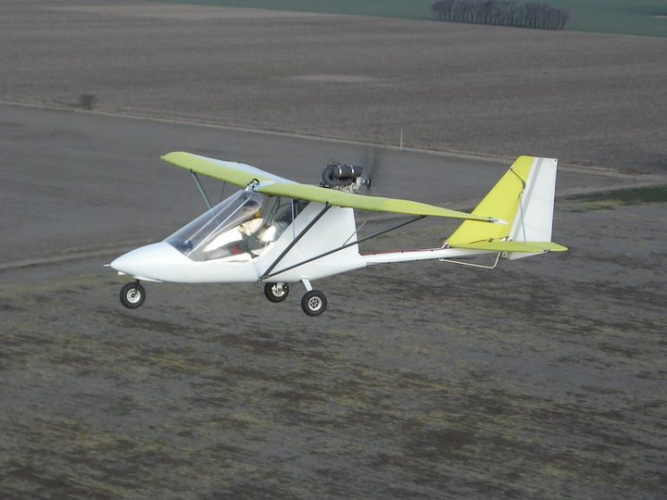
2010. Design and construction of the XTREME trike delta wing. Design and construction of the Eagle II, a single-seat, closed-cockpit ultralight aircraft. Talk on delta wings at the Faculty of Aeronautical Engineering of the National University of Córdoba.
Embraer Expects Maiden Flight of Eve’s eVTOL in December
The electric aircraft is under development in Brazil and has nearly 3,000 orders and purchase intentions
The maiden flight of the EVE-100 prototype, an electric aircraft from Eve, an Embraer subsidiary, is expected to take place in December.
The forecast was provided by Embraer CEO Francisco Gomes Neto during an earnings conference call this week.
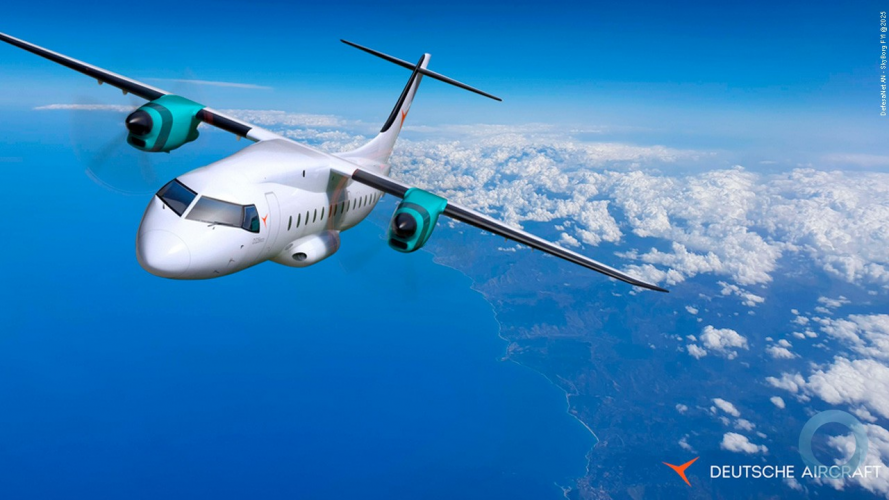
The prototype is being assembled and tested at the Gavião Peixoto facility and has experienced some delays. https://www.airdatanews.com/embraer-expects-maiden-flight-of-eves-evtol-in-december/ Akaer, a Brazilian company renowned for aerospace technology and engineering, will officially inaugurate the production line for the D328eco, a regional turboprop aircraft developed by Germany's Deutsche Aircraft Corp. with a focus on sustainability and operational efficiency, on August 12th.
The ceremony will take place at the Akaer factory in São José dos Campos, with the presence of Deutsche Aircraft CEO Nico Neumann and Akaer CEO Cesar Silva, as well as representatives from industry organizations and authorities.
The forward fuselage, which includes the cockpit and critical aircraft systems, will be entirely manufactured by the Brazilian company and is expected to generate approximately 250 direct and indirect jobs.
The August 12th event marks an important step in consolidating the international partnership between Akaer and Deutsche Aircraft Corp. and in expanding Brazil's presence in the development of high-tech aerospace platforms.
The Aircraft
The D328eco is a regional aircraft with a capacity of 40 passengers. It can be configured for civil transport, military operations, rescue missions, air ambulance services, and aerial firefighting. It is designed to operate with up to 100% sustainable aviation fuel (SAF), aiming to significantly reduce carbon emissions.
The partnership with Deutsche Aircraft represents an important milestone in Akaer's trajectory. With this partnership, the company became the first Brazilian company to achieve Tier 1 Global Supplier status in the aerospace sector, providing complete structures to international aircraft manufacturers. https://www.defesanet.com.br/aviaca...ve-regional-sustentavel-da-deutsche-aircraft/
Embraer has announced that it will begin offering Starlink satellite internet as a retrofit service for customers of its Praetor and Legacy executive jet models. The connectivity upgrade is being implemented in partnership with Nextant Aerospace, the engineering division of US-based aircraft provider Flexjet.
The solution has received Federal Aviation Administration (FAA) certification for installation on the Praetor 500 and Legacy 450 models. Certification for the Praetor 600 and Legacy 500 is expected by the end of 3Q25. According to Embraer, FAA approval is critical, as the US remains the largest market for executive aviation globally.
The Starlink system operates via a network of low Earth orbit (LEO) satellites, providing high-speed, low-latency internet capable of supporting real-time applications such as 4K video conferencing, online gaming, VPN access, and secure web browsing during flight.
“We are excited to bring Starlink’s high-speed, next-generation internet to our customers,” said Marsha Woelber, Vice President of Customer Support and Aftermarket Services for Executive Jets at Embraer. “This reinforces our commitment to delivering uninterrupted, connected flight experiences globally.”
Certification from Brazil’s Agência Nacional de Aviação Civil (ANAC) is expected in Q4 2025, and approval from the European Union Aviation Safety Agency (EASA) is targeted for early 2026. Embraer and Flexjet are also developing a Supplemental Type Certificate (STC) for the Starlink system on the Phenom 300, with availability planned for 4Q25.
“With over a year of operational experience and hundreds of kits sold to the executive aviation fleet, Starlink has become the leading inflight connectivity solution,” said Jay Heublein, President of Technical Services, Flexjet. He added, “The Praetor is one of the most technologically advanced executive jets in its class, and integrating Starlink ensures uninterrupted connectivity for passengers.”
Embraer has not yet disclosed pricing or rollout timelines for individual customers but confirmed that the solution will be made available as a post-sale upgrade.
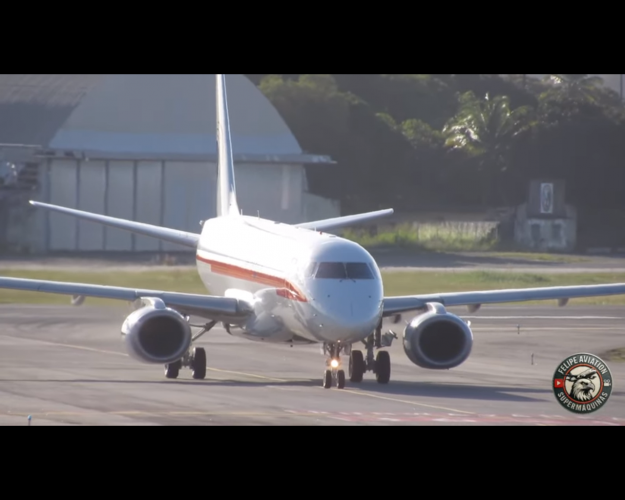
Exactly 30 years ago, a domestically produced jet aircraft took off in Brazil for the first time, marking the beginning of a new era for Embraer and global regional aviation.
On August 11, 1995, the ERJ-145 successfully completed its maiden flight from São José dos Campos Airport in the Paraíba Valley. The flight occurred one year after the Brazilian manufacturer was privatized, obtaining capital to advance the so-called ERJ – Embraer Regional Jets – projects, which also included the ERJ-135 and ERJ-140 versions, as well as the Legacy executive versions and military variants such as the AEW&C, equipped with airborne radar in the fuselage.
Three decades later, the ERJ-145 alone has surpassed the 26 million flight hours mark, operating with 36 airlines in 26 countries. In total, 1,240 units of the ERJ family were manufactured, beginning Embraer's dominance in the regional market, later consolidated with the success of the E-Jets (E170/175/190/195), whose legacy is now continued by the E2.
Small regional jets, which carry between 37 and 50 passengers, have become the preferred choice for regional airlines in the US, Europe and China, and currently around 40% of the units produced remain in active commercial service.
Embraer hopes to close new deals in the US, despite tariffs
Airline acknowledges that taxes on Brazilian products could complicate efforts to reach a first agreement
Reuters
06/08/25 at 2:53 PM | Updated 06/08/25 at 2:53 PM
Embraer still believes it will be able to sell its E2 regional jets to US airlines, but acknowledges that tariffs on Brazilian products could complicate efforts to reach a first agreement.
The company escaped a major setback last week when US President Donald Trump exempted aircraft from a 50% tariff on US imports of Brazilian products, but still faces a 10% tariff imposed in April.
Embraer has long sought to present the E195-E2 to US airlines as a small, single-aisle jet that could complement larger aircraft operations, but has so far failed to close a sale in its number one market, despite winning customers for the aircraft in Europe and other regions.
"We do believe (it's possible)," CEO Francisco Gomes Neto told Reuters on Tuesday (5).
"It's more difficult because there's an additional cost for us to manage the customer... We're talking to potential customers, but of course the zero-tariff rate makes all of this much easier, so we'll keep pushing."
The Embraer E175-E1, a smaller first-generation jet, is essential for regional US routes and has no clear replacement.
The E2 family, in turn, competes with the Airbus A220 operated by airlines such as Delta and JetBlue, for which the European manufacturer has an assembly line in the US state of Alabama.
The Brazilian company has been advocating for a return to zero-tariff rules for all aviation and aerospace industries, especially after a provisional agreement between the US and the European Union exempted aircraft from tariffs.
"If Boeing's archrival is going to have a zero-tariff rate, we that we don't even compete with them because we're going to stay at 10%?", said Gomes Neto. "It doesn't make much sense."
In arguing for tariff relief, Embraer sought to emphasize its ties to the United States, including local jobs and plans to purchase $21 billion in American products by 2030.
The company's argument includes a potential $500 million assembly line in the United States for its KC-390 cargo plane if the country decides to purchase the military jet, which competes with Lockheed Martin's C-130 Hercules.
"The competition there is tough, we know that, we're aware of that. But we've expanded our team, strengthened our team, and hired a consulting firm that has been working with us to adjust our strategy. So we're excited and believe there's an opportunity," said Gomes Neto, adding that he recently presented the case to U.S. authorities as a "business opportunity."
The executive added that Embraer has been working with a "relevant partner" to introduce the KC-390 to the United States, but declined to identify it.
Eve Air Mobility (“Eve”), a company dedicated to developing solutions for the Urban Air Mobility (UAM) market, including an electric vertical takeoff and landing (eVTOL) aircraft, announces today the execution of subscription agreements with BNDESPAR, a subsidiary of the Brazilian Development Bank (BNDES), Embraer, and other institutional investors for the issuance and sale, through a registered direct offering, of a total of 47,422,680 common shares at a price of US$4.85 per share.
The transaction includes the subscription of Brazilian Depositary Receipts (BDRs) by BNDES, each representing one common share, at a price of R$26.21 per BDR¹, totaling a gross proceeds of US$230 million, before placement agents' commissions and estimated expenses related to said offering (“Registered Direct Offering”). The transaction is expected to close on August 15, 2025².
The BDRs were approved for listing on B3 S.A. – Brasil, Bolsa, Balcão (São Paulo Stock Exchange) under the ticker "EVEB31" and will be delivered to BNDES in Brazil. The proceeds from the BDR issuance will be used to pay for services performed in Brazil, while the remaining net balance of the Registered Direct Offering will be allocated to general corporate purposes, including financing operations, strategic investments, and debt repayment.
"Eve's dual listing in the United States and Brazil is in line with our strategy of diversifying our shareholder base, expanding access to investors from different markets," said Eduardo Couto, Eve's CFO.
Johann Bordais, Eve's CEO, added: "This fundraising represents an important milestone in our journey, contributing to our vision and advancing our mission to transform urban mobility. We are proud to have BNDES' participation and deeply value Embraer's ongoing commitment to Eve and our program."
Banco Bradesco BBI S.A., Cantor Fitzgerald & Co., and Raymond James & Associates, Inc. are acting as placement agents for the offering of common shares under the Registered Direct Offering. Banco Bradesco BBI S.A. is acting as Eve's financial advisor.
The Registered Direct Offering is being conducted pursuant to the registration statement (shelf registration statement) on Form S-3 (Registration No. 333-287863), filed by Eve with the U.S. Securities and Exchange Commission ("SEC") on June 6, 2025, and declared effective by the SEC on June 25, 2025. The Registered Direct Offering is being conducted exclusively by means of a prospectus, including its supplement, both of which are an integral part of the current registration statement. The prospectus supplement relating to and describing the terms of the Registered Direct Offering will be filed with the SEC.
This communication does not constitute an offer to sell or the solicitation of an offer to buy any securities, nor will there be any sale of securities in any jurisdiction in which such offer, solicitation, or sale would be unlawful prior to proper registration or qualification under applicable laws. This communication is for informational purposes only and should not, under any circumstances, be construed as, nor constitute, an announcement of a public offering of any securities issued by Eve in Brazil, the United States, or any other jurisdiction, or an investment recommendation.
Eve has obtained approval from the Brazilian Securities and Exchange Commission (CVM) for the Level I BDR program it sponsors, relating to BDRs (“BDR Program”). The BDR Program was created exclusively to facilitate BNDES's investment in Eve. The Registered Direct Offering has not been, and will not be, registered with the CVM or any other Brazilian regulatory or self-regulatory entity. https://www.defesanet.com.br/embrae...istagem-dupla-nos-estados-unidos-e-no-brasil/
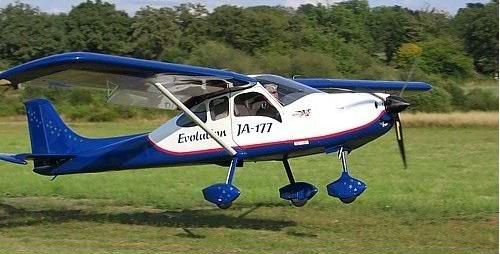
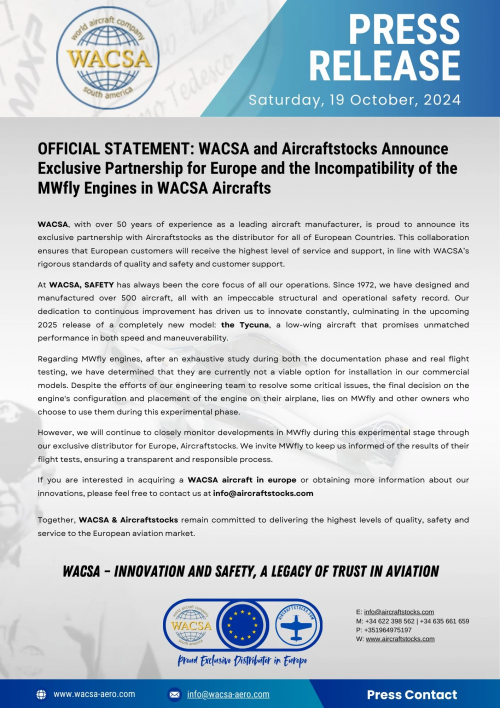
South America`s light sport aircraft, have not been produced in the numbers of Cessna 172, 182 or 150 or even Piper Pa-28/ J3.
But WACSA is an important manufacturer, the rest of manufacturers to be honest have been produced in very small numbers, most of them are prototypes.
WACSA is important because has a constant production and have built more than 500+ aircraft "I have the philosophy that an aircraft should be manufactured with the criterion that a human being will be riding in it. That's why I currently have nearly 700 planes flying around the world, and so far, there hasn't been a single accident in any of them," Tedesco proudly asserts.
Their planes have reached Central America, all South American countries except Uruguay, Europe, Africa, New Zealand, and Australia. Furthermore, the plane can cost up to $92,000. An aircraft of this type in other markets can be offered for between $180,000 and $240,000. https://www.infobae.com/colombia/20...-un-sitio-de-honor-en-cielos-internacionales/ LIGHT AND ULTRALIGHT METAL AIRPLANES:- Due to the world crisis at the end of the 70's and beginning of 80's, and the bankruptcy of the main single-engine airplane manufacturers, Piper and Cessna, due to it's high manufacturing costs, the Directors and Technicians of AGROCOPTEROS saw a great opportunity in the ever growing international demand for high quality, low cost, all metal “Light airplanes”. The Company dedicated then all it's efforts, knowledge and experience to satisfy this demand by developing and offering 5 (five) new light airplanes that entered the market between 1985 and 1990:
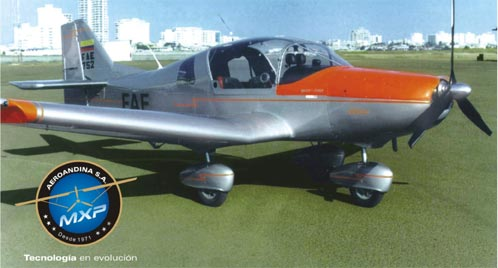
Of this 5 different types of light airplanes, as of December 2003, four hundred and twenty seven (427) units were produced, of which 82 fly in Colombia
https://www.aeroandina.com/eng/historia.htm DANE figures on Colombian exports in 2011 revealed a curious fact: Colombia sold $507 million in "aircraft and spacecraft" abroad last year.
But the country isn't exactly a manufacturer of spacecraft or commercial aircraft. In reality, these are ultralight aircraft, assembled by companies such as Ibis Aircraft S.A., Aeroandina S.A., and Aerodynos de Colombia S.A., for sport and recreational aviation.
Argemiro Castañeda of Ibis Aircraft states that the company sells primarily to the United States, Europe, and Latin America. The average price of these two-seat aircraft is around $72,000.
“We import the engines and the main structure of the aircraft, and we manufacture the fuselage and other accessories,” said Castañeda, who also noted that the Colombian market is growing due to the need for entrepreneurs to quickly expand their investments to different regions of the country. Furthermore, the company is making the leap into the assembly of four-passenger aircraft, one of which has already been shipped to Ecuador. Ibis Aircraft S.A. was founded on November 1, 1990, in Jamundí, Valle del Cauca. During this time, the company has developed more than eleven projects seeking the continuous improvement of its aircraft, which fly in the skies of Korea, Venezuela, France, the United States, Germany, Australia, Israel, Mexico, Bulgaria, Greece, Taiwan, China, and Portugal, among other nations.
For its part, Aeroandina, which was originally called Agrocópteros Ltda and is based in Cali, is the oldest among the national ultralight aircraft assemblers operating in the country.
Its technological expertise in the manufacture of these aircraft spans over 30 years, at the company founded by engineer Máximo Tedesco. During this period, the company has produced nearly 500 units, including helicopters, high-wing aircraft, low-wing aircraft, metal aircraft, fiberglass aircraft, and wood aircraft.
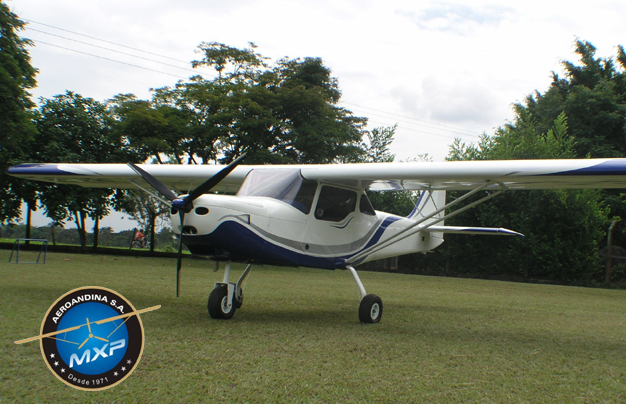
Most of its products are exported. For example, the MXP, recognized worldwide for its quality, safety, and ease of operation, has sold more than 440 units of its various models in the last 15 years, both in the domestic (20%) and international (80%) markets.
Meanwhile, Aerodynos de Colombia S.A. is a recent company, founded in 2003 and headquartered near Cali. Its main aircraft export markets are North America, Europe, the Middle East, and South Africa.
AIRCRAFT PARTS
According to DANE (National Aeronautical Development Agency), aircraft and spacecraft exports include airplane or helicopter parts, aircraft with an empty weight of 2,000 kilos or less, landing gear, helicopters weighing two tons or less, propellers and rotors, balloons and blimps, gliders, gliding wings, and other non-engine-propelled aircraft.
In total, foreign sales of these products and services related to the aviation sector amounted to $519 million last year.
DANE sources explained that this is a broad international classification, which includes many products that do not necessarily pertain to spacecraft.
.
Estimates for 2025 were reiterated, with Commercial Aviation deliveries between 77 and 85 aircraft, and Executive Aviation deliveries between 145 and 155 aircraft.
The company expects total revenue between US$7.0 and US$7.5 billion, an adjusted EBIT margin between 7.5% and 8.3%, and adjusted free cash flow of US$200 million or higher for the year. The company emphasizes that second-quarter results were not significantly impacted by the tariffs imposed by the United States (US).
Revenue totaled R$10.3 billion in the second quarter – a record high for a second quarter – and increased by 30.9% year-over-year (2Q25 vs. 2Q24). Adjusted EBIT reached R$1.1 billion, with a margin of +10.6% in 2Q25 (+9.2% in 2Q24). Adjusted free cash flow excluding Eve was R$1.0 billion in 2Q25, driven by preparations for a higher number of aircraft deliveries in the coming quarters.
Embraer delivered 61 aircraft in 2Q25, comprising 19 commercial jets (10 E2s and 9 E1s) and 38 business jets (21 light and 17 medium), while Defense delivered 4, up 30% from the 47 aircraft delivered in the previous year.
Total backlog reached US$29.7 billion in 2Q25, surpassing an all-time high. For more information, see our 2Q25 Backlog & Deliveries report.
With the theme “A look to the future,” Embraer will exhibit the Ipanema 203, which is the top-selling crop duster in the Brazilian agricultural aviation market, during the event.
It has over 20 years of operation, powered by 100% ethanol. It combines technology with robustness, delivers high productivity with precision, and also maintains low operational costs.
The E-Freighter is the ideal aircraft to take over larger aircraft operations that are suboptimally deployed both in terms of weight and volume.Embraer, a global leader in the aerospace industry, announced that Bridges Air Cargo will be the launch customer for the new passenger-to-freighter (P2F) jet, the E-Freighter E190F. The announcement was made jointly with Regional One, the aircraft's lessor. This jet is the first of two converted jets, scheduled to begin operations in the third quarter of 2025.Bridges Air Cargo is part of Bridges Worldwide, a leading provider of solutions for the international logistics, express, and express shipping community. The company partners with global logistics leaders—such as FedEx, DHL, and UPS—to support their high-performance network needs at critical times."The announcement of Bridges as the launch customer for the E-Freighter comes at an excellent time, as we celebrate 35 years of operations and over one billion kilograms moved for the express shipping market. The aircraft's size fills a unique and underserved space in the cargo segment. The jet also strengthens our operational capabilities and paves the way for the development of promising new routes. We are excited about the partnership with Embraer and Regional One, which is a fundamental advancement for regional air cargo transportation," said Guy Bridges, CEO of Bridges Air Cargo.
Akaer and Deutsche Aircraft Inaugurate D328eco Forward Fuselage Assembly Line in Brazil
Luiz Padilha by LUIZ PADILHA 08/12/2025 - 4:46 PM in Aviation 1
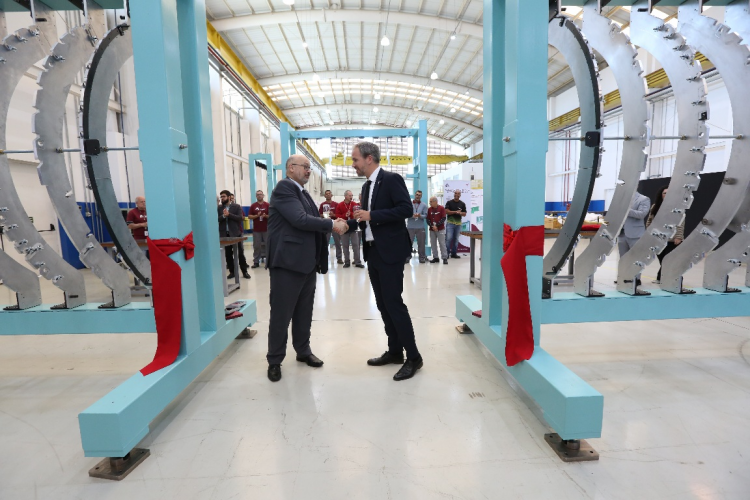
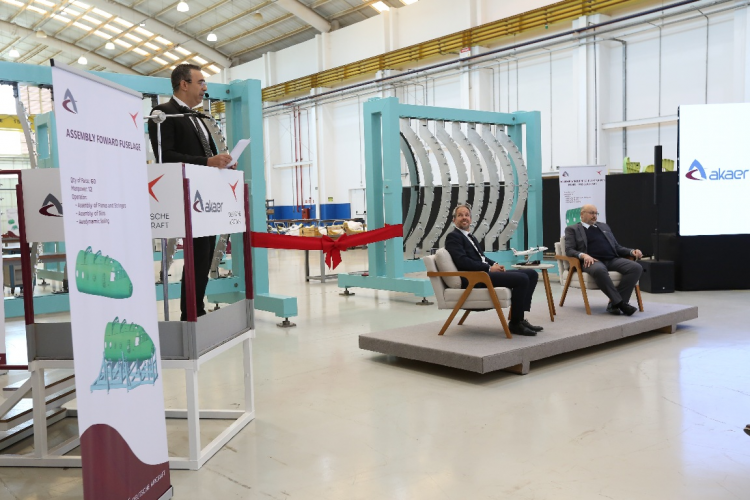
São José dos Campos (SP), August 12, 2025 – Akaer and Deutsche Aircraft, a German manufacturer of sustainable regional aircraft, officially inaugurated the D328eco forward fuselage assembly line at Akaer's facilities in São José dos Campos.
The event marks a decisive step in the evolution of the D328eco program, which is moving from the development phase to industrialization, with global market entry expected in the fourth quarter of 2027.
Akaer is responsible for the complete production of the aircraft's forward fuselage, including industrialization processes, tooling development, prototype manufacturing, and engineering studies. With the start of production, Akaer will generate 250 direct and indirect jobs.
The ceremony was attended by municipal and federal government officials, as well as strategic partners, suppliers, leadership from the São José dos Campos Technology Park, and national industry representatives.
"The D328eco represents a significant advancement for regional aviation, enabling more sustainable and efficient operations, especially in connecting smaller cities in Brazil and abroad. For Akaer, participating in this strategic project and leading the production of the forward fuselage is a source of great pride. This milestone reinforces our position as a global Tier 1 supplier and solidifies our commitment to technological excellence," stated Cesar Silva, CEO of Akaer.
"The inauguration of another production line at Akaer is an essential step toward industrializing the D328eco program. Akaer's technical expertise and ambition to establish itself as a global Tier 1 supplier make it an ideal strategic partner for us in Brazil," said Nico Neumann, CEO of Deutsche Aircraft.
Deutsche Aircraft is a German aircraft manufacturer built on the heritage of aircraft pioneers and Dornier’s reputation for design, quality and innovative aircraft solutions.
WA500: The Multipurpose Ultralight Aircraft Made in Colombia WA500: The Multipurpose Ultralight Aircraft Made in Colombia.
HomeAviation and Air IndustryWA500: The Multipurpose Ultralight Aircraft Made in Colombia
WA500: The Multipurpose Ultralight Aircraft Made in Colombia October 4, 2019 9 Andrés Palomino
Fusion Spraying, Aeronautical Industry, Ultralight Aircraft, WA500, WACSA
Aviation and Air Industry
◀Getting to know and flying the Sonaca 200 in Namur, Belgium
FAC's Air and Space Congress for its 100th Anniversary ▶
Aerial Spraying with Ultralight Aircraft
When talking about ultralight aircraft, the first thing that comes to mind is the concept of an extremely simple device, made of fabric and tubing by an amateur, whose performance could only be expected to be minimal for recreational flights.
Well, in recent years, the ultralight concept has evolved to such an extent that both the Federal Aviation Administration (FAA) and the European Aviation Safety Agency (EASA) were forced to implement specific design requirements for this category of aircraft between 2003 and 2004.
With regard to Colombia, the Civil Aeronautics Authority (CAA) has established that while a separate airworthiness code for light aircraft is adopted for certification purposes, Colombian manufacturers that adhere to the European airworthiness standard EASA Certification Specifications for Very Light Aeroplanes CS-VLA may obtain a special airworthiness certificate for that design.
Within these regulations, aircraft with the following characteristics are classified as VLA aircraft:
A maximum takeoff weight of no more than 750 kg, regardless of the structure type (tubular, monocoque, etc.), fabric, sheet metal, or composite wings
A stall speed of no more than 83.34 km/h (45 kts) in landing configuration
A single certified engine, whether reciprocating, turbine, jet, or electric
A fixed- or variable-pitch propeller
A maximum capacity of two seats, including the pilot
An enclosed, non-pressurized cockpit
Certified under daytime visual flight rules (VFR)
It is precisely these characteristics that define the types of aircraft produced in recent decades by several companies based in the Cauca Valley; one of these, worth highlighting, is WACSA S.A.S. A spin-off of Aeroandina S.A., with over 35 years of experience in aircraft design, manufacturing, and marketing, in recent months successfully completed one of the first certification processes before Aerocivil for a 100% Colombian VLA-category aircraft.
The engineering rigor involved in the CS-VLA certification process is comparable to the FAR 23 standard, the latter being the regulation that internationally recognized aircraft such as the Cessna T-41 Mescalero and even twin-engine aircraft such as the executive Piper PA-34 Seneca have had to comply with.
WACSA S.A.S presents the WA500 as a light multipurpose aircraft equipped with a certified engine and propellers, which can be configured and used for a wide variety of tasks, such as surveillance, primary training, or aerial crop spraying.
HomeAviation and Air IndustryWA500: The Multipurpose Ultralight Aircraft Made in Colombia
WA500: The Multipurpose Ultralight Aircraft Made in Colombia October 4, 2019 9 Andrés Palomino
Fusion Spraying, Aeronautical Industry, Ultralight Aircraft, WA500, WACSA
Aviation and Air Industry
◀Getting to know and flying the Sonaca 200 in Namur, Belgium
FAC's Air and Space Congress for its 100th Anniversary ▶
Aerial Spraying with Ultralight Aircraft
When talking about ultralight aircraft, the first thing that comes to mind is the concept of an extremely simple device, made of fabric and tubing by an amateur, whose performance could only be expected to be minimal for recreational flights.
Well, in recent years, the ultralight concept has evolved to such an extent that both the Federal Aviation Administration (FAA) and the European Aviation Safety Agency (EASA) were forced to implement specific design requirements for this category of aircraft between 2003 and 2004.
With regard to Colombia, the Civil Aeronautics Authority (CAA) has established that while a separate airworthiness code for light aircraft is adopted for certification purposes, Colombian manufacturers that adhere to the European airworthiness standard EASA Certification Specifications for Very Light Aeroplanes CS-VLA may obtain a special airworthiness certificate for that design.
Within these regulations, aircraft with the following characteristics are classified as VLA aircraft:
A maximum takeoff weight of no more than 750 kg, regardless of the structure type (tubular, monocoque, etc.), fabric, sheet metal, or composite wings
A stall speed of no more than 83.34 km/h (45 kts) in landing configuration
A single certified engine, whether reciprocating, turbine, jet, or electric
A fixed- or variable-pitch propeller
A maximum capacity of two seats, including the pilot
An enclosed, non-pressurized cockpit
Certified under daytime visual flight rules (VFR)
It is precisely these characteristics that define the types of aircraft produced in recent decades by several companies based in the Cauca Valley; one of these, worth highlighting, is WACSA S.A.S. A spin-off of Aeroandina S.A., with more than 35 years of experience in the design, manufacture, and marketing of aircraft, WACSA S.A.S. successfully completed one of the first certification processes before Aerocivil for a 100% Colombian VLA-category aircraft.
Colombian design and production process of the WA500. Colombian design and production process of the WA500
The engineering rigor involved in the certification process under the CS-VLA standard is comparable to the FAR 23 standard; the latter being the regulation that internationally recognized aircraft such as the Cessna T-41 Mescalero and even twin-engine aircraft such as the executive Piper PA-34 Seneca have had to comply with.
WACSA S.A.S. presents the WA500 as a light multipurpose aircraft equipped with a certified engine and propellers, which can be configured and used for a wide variety of tasks such as surveillance, primary training, or aerial crop spraying.
It is precisely the application as an agricultural aircraft that offers the greatest potential for boosting the Colombian aeronautical industry and where the greatest advances have been made not only in terms of technology but also in regulations.
Field experience spanning more than 15 years and studies conducted by the Colombian Sugarcane Growers Association in the Cauca Valley demonstrate the effectiveness of using light aircraft in applying ripening agents to sugarcane crops.
The effectiveness of these aerial spraying devices is so well known that Article 190 of Law 1450 of June 16, 2011, which approved the National Development Plan (NDP), stipulated that "In order to promote agricultural development and the incorporation of new technologies with improved technical, economic, and environmental conditions, civil aeronautics shall regulate the conditions and technical requirements for the operation of light aerial vehicles in agricultural and livestock activities."
Indeed, in 2012, Civil Aeronautics implemented Parts 26 and 137 of its aeronautical regulations, regulating commercial light aviation activities.
The agricultural version of the aircraft, the WA500-AG, adheres to and complies with this entire regulatory framework, making use of Colombian creativity and engineering.
The certification process under a design standard
Aeronautical engineering involves developing engineering reports, calculating them, and validating them through structural, ground, and flight tests. All of this is duly audited and certified by representatives of the aeronautical authority; in this case, Aerocivil.
Among the advantages of this Colombian-developed technology compared to traditionally imported conventional aircraft are acquisition costs that are up to three times lower.
Flight test of the WA500-AG to demonstrate stability without controls.Flight test of the WA500-AG to demonstrate stability without controls.
Better use of agrochemical inputs, since ultralight aircraft can fly at very low speeds during application (between 55 and 65 miles per hour) compared to conventional aircraft, which must fly between 120 and 130 miles per hour. Low-speed flight and the aircraft's light weight reduce the turbulence caused by the aircraft and prevent the spray trail from being altered, eliminating vortex effects, thus minimizing harmful drift.
Light aircraft spray at low pressure and altitude (2-3 m above the foliage), spraying between 15 and 30 drops/cm2. These drops quickly fall toward the target, reducing the opportunity for them to evaporate and their drift to affect other crops.
The WA500-AG's cockpit design allows for exceptional visibility for aerial spraying.
The fuel used by light aircraft (premium gasoline for cars) has a much lower environmental impact in terms of atmospheric emissions and on human health than the high-octane aviation fuel used by conventional piston-engine aircraft, whose high lead content has a cumulative effect on pilots' health.
These aircraft are more maneuverable in small crops due to their low travel speed, making them more appropriate for spraying small areas and irregular plots.
Less demanding and more economical maintenance
In addition to their use for applying agrochemicals to traditional crops, the experience with the use of ultralight aircraft is perfectly applicable to other fields, one with particular potential being aerial spraying of illicit crops.
Historically, the eradication of illicit crops through aerial spraying methods was carried out using conventional aircraft. Due to their high speeds, the agrochemical used remained suspended for a large part in the air, exposed to wind drift, which carried it toward other crops or water sources, with the resulting environmental consequences.
Although pilot tests for drone eradication have been carried out in recent months, the use of this technology for this specific activity is still considered emerging. Considering the time invested in round-trip operations, battery changes, and the supply of the mixture, and, above all, the large amount of land that would have to be addressed (between 220,000 and 230,000 hectares, according to the White House Office of National Drug Control Policy), drones would not represent an optimal solution. A comparative table better illustrates this concept:
Ultralight Technical Specifications
Light aircraft technology is presented as another economically viable and environmentally friendly alternative in the fight against illicit crop cultivation activities.
Light aircraft technology is presented as another economically viable and environmentally friendly alternative in the fight against illicit crop cultivation activities.
Based on all the above, and based on tangible evidence produced in the country, it is clear that the use of ultralight aircraft should be recognized as an important technological advance in agricultural aviation, which not only benefits the clean production of traditional crops but also reduces the environmental risks of handling products that require aerial spraying on illicit crops. Therefore, the efforts of the competent state aviation authorities should focus on supporting these types of initiatives, which not only represent an effective tool to combat drug trafficking activities, but also serve as a boost to a national aviation industry, which, with decades of experience and adequate resources, could aspire to more ambitious aircraft projects.
Unprecedented aircraft designed and built in Goiânia is featured at aviation fair
Published on 06/06/2024
The Government of Goiás, through GoiásFomento, is partially financing the design of a first-of-its-kind aircraft manufactured in Goiânia. With room for two passengers and a third seat that can accommodate a person weighing up to 50 kilograms and 1.60 meters tall, the aircraft was built by businessman and aeronautical engineer Luciano Ribeiro de Castro, mechanical and aeronautical engineer Celso Faria de Souza, and executive jet pilot Klezio Gomes Marinho Matos. The airplane was featured at Aviation XP Centro-Oeste, an aviation fair held on June 28th and 29th at Santa Genoveva Airport.
The project, completed at Brigadeiro Mário Eppinghaus Airfield in Vila Mutirão, allows for greater maneuverability and ease of piloting. The Fits F2 flies at 200 kilometers per hour, has a range of up to 10 hours, and costs an average of R$150 per hour. The aircraft features a ballistic parachute, allowing it to land safely even in the event of a complete electrical failure, and features a modern, minimalist dashboard.
The aircraft is expected to be the first two-seater to have its design approved by the National Civil Aviation Agency (ANAC) following the enactment of Resolution 686/2022, which aims to simplify, promote, and modernize the aviation sector in Brazil. "The Fits F2 will already feature some new features permitted under the new legislation, such as the Maximum Takeoff Weight (MTOW), which was previously 600 kilograms and is now 700 kilograms, in addition to the electric engine, which will be incorporated in the coming years," explains Luciano.
According to the designers, the aircraft is intended to serve cities that require frequent travel but are not served by airlines. "The airplane will serve entrepreneurs with branches in different cities, as well as rural residents who commute from farm to city, among other possibilities," emphasizes Klezio.
Melbourne, Florida, August 28, 2025 – Embraer has reached the milestone of 2,000 business jet deliveries, a landmark moment in the company's history. The aircraft that embodies this milestone is a Praetor 500, delivered to the aviation department of a major company (customer undisclosed) at Embraer's facility in Melbourne, Florida.
The Praetor 500 is the most innovative and technologically advanced business jet in its category, offering industry-leading range, speed, and performance. It is the fastest and longest-flying midsize jet, capable of nonstop flights between the most distant points in North America, such as Miami to Seattle or Los Angeles to New York. The aircraft offers an impressive intercontinental range of 3,340 nautical miles (6,186 km) with four passengers and NBAA IFR reserves.
"Delivering our 2,000th executive jet represents much more than just a number. It's a powerful reflection of the strength of our portfolio, our unwavering commitment to our customers, and the dedication of Embraer's employees, who take pride in producing each aircraft," said Michael Amalfitano, President and CEO of Embraer Executive Jets. "This milestone solidifies Embraer's position as a global leader in business aviation and demonstrates the popularity of the Praetor jets, especially among the aviation departments of large corporations. Both the Praetor 500 and Praetor 600 have become favorites among their customers for their innovative technology and unparalleled performance, demonstrating the trust these companies place in Embraer."
Besides demonstrating the business's growth, this delivery reinforces the growing interest in the Praetor 500 and Praetor 600 jets among corporations across various sectors that rely on dedicated aircraft operations to transport their professionals, seeking productivity gains. The aircraft offer technologies typically found in larger aircraft, such as fully digital flight controls (full fly-by-wire) with active turbulence reduction, while delivering short-field performance comparable to that of smaller aircraft. With class-leading range, both aircraft provide passengers with access to more destinations around the world while maintaining all quality standards.
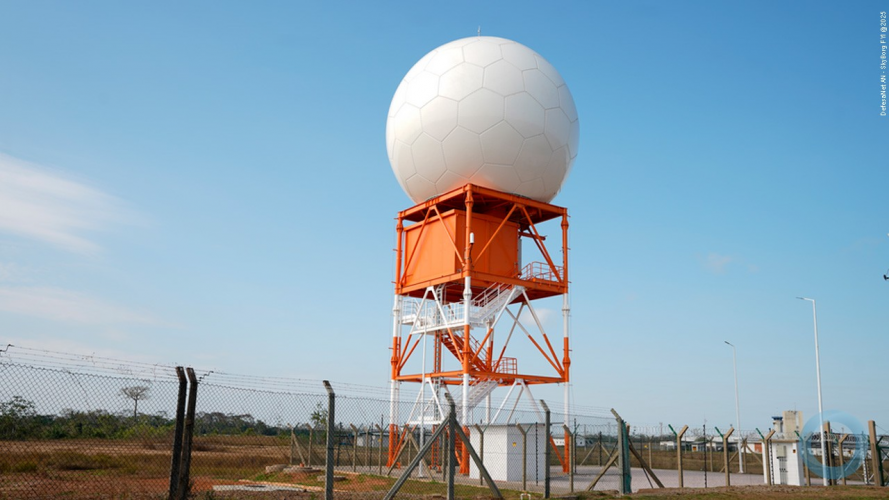
This month, IACIT completed Field Acceptance Tests (SAT) of the RMT 0200 meteorological radar installed in Rio Branco, Acre.
The equipment has already entered into operation and is part of the contract signed in 2023 with DECEA (Department of Airspace Control), through CISCEA (Commission for the Implementation of the Airspace Control System), which provides for the delivery of five radars to the national network.
With the activation in Rio Branco, two of the five new systems are now operational – the first was delivered in Belém, Pará. The others will be installed in Cachimbo, Pará, Chapada dos Guimarães, Mato Grosso, and Vilhena, Rondônia.
The RMT 0200 operates in S-band, with a range of 400 kilometers, and has undergone a series of technical tests that confirmed its quality and ability to detect varying precipitation intensities, from fog to severe storms.
The technology will be integrated into SISMET (Meteorology System), a digital platform operated by DECEA through CIMAER (Integrated Center for Aeronautical Meteorology). With this new integration, the radars will be incorporated into a national network dedicated to meteorological surveillance, strengthening preventive actions, operational decisions, and the planning of air missions in adverse weather situations.
According to Leonardo Paiva, Radar Coordinator at CISCEA, the new acquisition strengthens the country's atmospheric monitoring network: "The objective of this acquisition is to integrate the mosaic of the meteorological radar network. With a range of 400 km, the RMT 0200 expands DECEA's coverage. In addition to the energy savings provided by solid-state technology, there are safety gains, since it does not handle high voltages, and reliability for the maintainer and for air navigation, especially in the Amazon region."
Luiz Teixeira, CEO of IACIT, highlights the technological advancement represented by the installation: "The RMT 0200 radar is a major breakthrough for Brazil. It's a modern technology, mastered by few countries, and it places IACIT among the world leaders in radar meteorological data.
We are proud to contribute to the Brazilian Air Force's efforts to strengthen the safety of the country's skies and its pursuit of technological autonomy in the defense and meteorology sectors."
Cutting-edge technology
The investment strengthens national meteorological surveillance capabilities at a time when extreme weather events are becoming more frequent. Data released by the National Center for Monitoring and Alerts for Natural Disasters (Cemaden), a research unit affiliated with the Ministry of Science, Technology, and Innovation (MCTI), indicate that in 2024, Brazil recorded more than 1,500 natural disasters, largely associated with rainfall.
Long-range meteorological radars, such as the RMT 0200, enable faster and more accurate analysis, essential for air traffic management, civil defense, and emergency response. In addition to military and aeronautical applications, the RMT 0200 can be integrated with emergency control centers and Civil Defense, providing high-resolution meteorological information for support in critical situations.
The system is accessible via a web platform, allowing it to be used in different locations and by multiple institutions simultaneously.
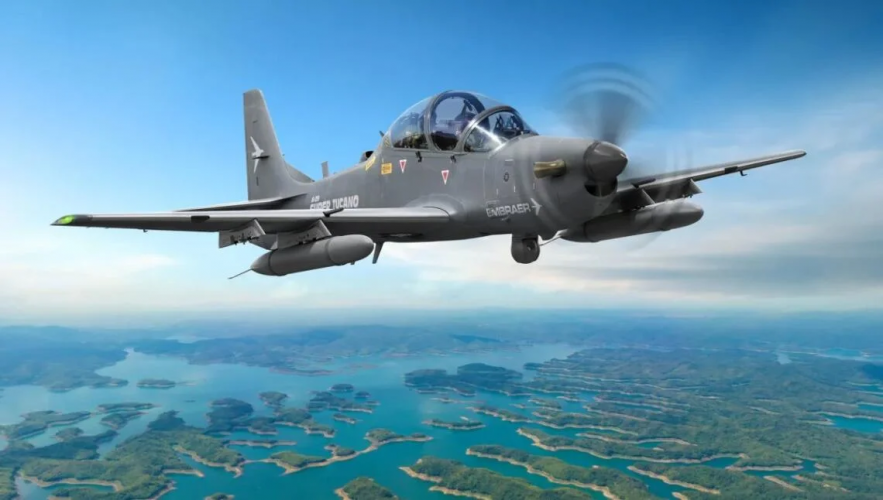
EMBRAER DELIVERS THE FIRST 3 A-29N SUPER TUCANO TO THE PORTUGUESE AIR FORCE
The aircraft has more than 600,000 flight hours and is currently in service with 22 countries. The delivery marks a key step in Portuguese-Brazilian industrial cooperation.
This site uses cookies to help personalise content, tailor your experience and to keep you logged in if you register.
By continuing to use this site, you are consenting to our use of cookies.