Either a very early CODLOS (Combined Diesel-Electric or Steam), Turbo-Electirc and Diesel or Turbo-Electric and Diesel-Electric where the electric engiens were run either on Diesel or on Steam Power.
It could be done but either the steam plant is moving the ship or the Diesel but this early not both.
 
Last edited:
Either a very early CODLOS (Combined Diesel-Electric or Steam), Turbo-Electirc and Diesel or Turbo-Electric and Diesel-Electric where the electric engiens were run either on Diesel or on Steam Power.
It could be done but either the steam plant is moving the ship or the Diesel but this early not both.
There is no particular limitation in using both diesel and steam turbine as generators for electric motors. To have reliable and powerful diesel and electric engines this early could be difficult but once you have to combine both with a steam plant present no technical challenge.
 
for electric propulsion yes but if you want to propel the same shaft with two different engines then that is the problematic. But yes the mention of steam and electric drive implies Turbo-Electric propulsion with an added extra Diesel element, still to reach this range you require extreme oil storage. The drawing shows a 3 shaft arrangement with what looks like to be two steam turbines, 3-6 diesel engines and likely 3 electric motors.
 
That range... Isn't it a typo??? Wouldn't it be more like 4,950nm? 49.500nm is 91.674km!!! Which is basically equals to today's nuclear propulsion vessels!
It's diesel (or diesel & turbine) powered, and there were a bit of... overoptimistic assumptions about diesel performance in 1900s.
 
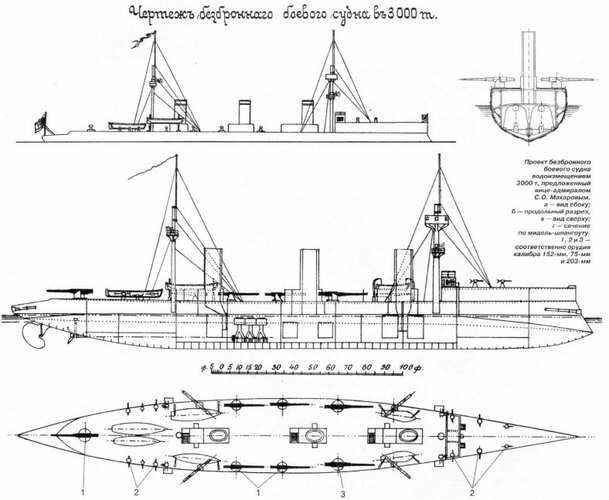
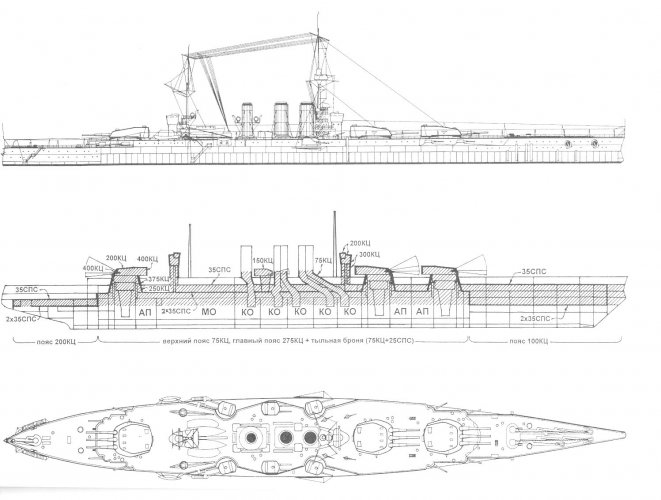
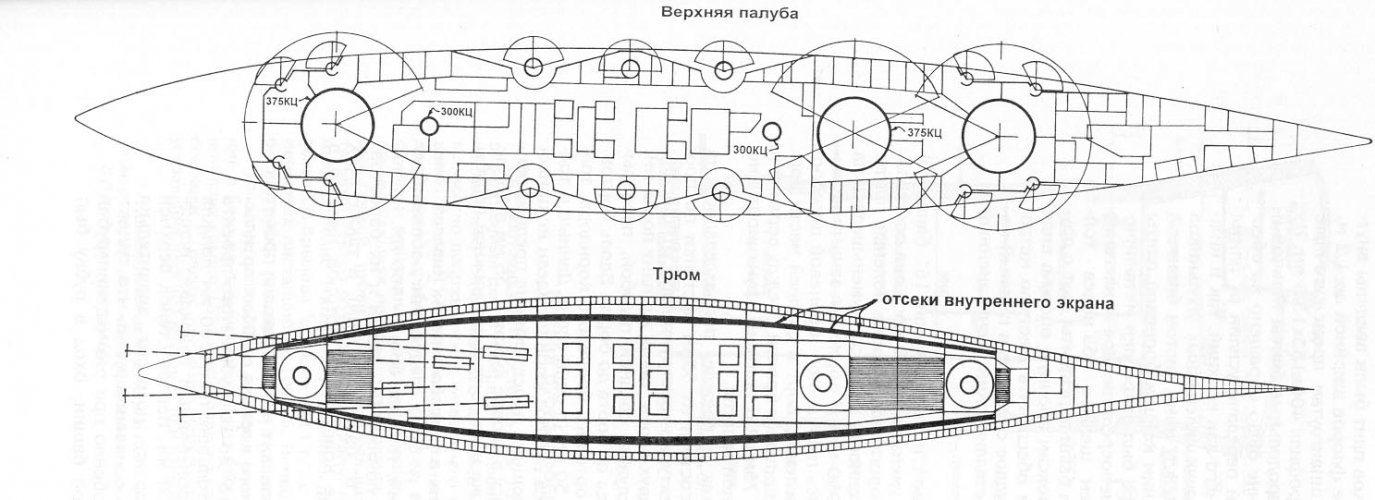
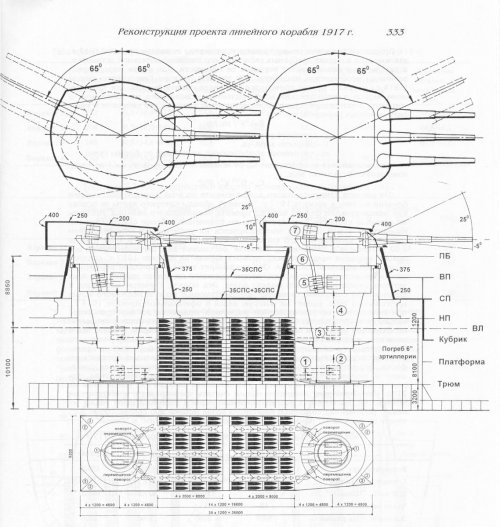
"Armoured cruiser" project:
View attachment 668881
View attachment 668884
View attachment 668882
View attachment 668883
24 000 ton, 648x80x27 ft, 6x2x10", 20x120 mm, 42 860 hp, 24 knots, range with 11 knots - 49 500 miles, operating time at sea with 11 knots - 187 days, there are kite balloons, two 8-ton submarines and a 25-ton torpedo boat. Armour - more than "Andrey Pervozvanniy" (8.5" belt, 5" casemate, 10" turrets).
From when dates this armoured cruiser project. I suppose after 1911?
 
That range... Isn't it a typo??? Wouldn't it be more like 4,950nm? 49.500nm is 91.674km!!! Which is basically equals to today's nuclear propulsion vessels!
It's diesel (or diesel & turbine) powered, and there were a bit of... overoptimistic assumptions about diesel performance in 1900s.
3 Diesel and 2 turbines or 3 turbines?
 
3 Diesel and 2 turbines or 3 turbines?
Incoherent. On scheme, turbines and electric motors are mentioned. In text, diesels and boilers are mentioned.

My interpretation is that authors meant this:

* Combined powerplant with electric transmission
* Diesel engines for cruising on 11 knot speed
* Steam turbines for 20-27 knot speed

The range is set as "50000 miles, or 180 days of cruising on 11-knot speed on diesels, while simultaneously maintaining enough pressure in boilers to immediately switch to 20-knot turbine speed if required" . Authors specified the demand to make runs from Murmansk to Vladivostok without need to refuel, and having enough fuel reserves for speed dashes (chasing enemy merchants or fleeing from enemy cruisers). On steam alone, range is declared enough to cross Pacific (from Vladivostok to San-Francisco) or Atlantic (from Murmansk to New-York) on 24-knot speed.

Max speed is set as "no less than modern British cruisers have". Authors elaborate, that if they took into account only commissioned ships, then 25-knot max speed is deemed enough, but if the building "Inflexible"-class cruisers (and unspecified new Japanese cruisers) are considered, then 27-knot max speed is required.
 
I download this book, No problem, here is the link: http://alternathistory.com/s-e-vino...jskogo-imperatorskogo-flot-skachat-besplatno/

The only problem is that all the book (PDF file,16.7 MB) is in cyrillic alphabet...

View attachment 661351

Ah, is the book about Russian's giant warships, i don't think there's english translation of this (unless am wrong), you can use DeepL to get a better translation than google, not 100% perfect but workable.
You can read it here:
https://www.rulit.me/books/poslednie-ispoliny-rossijskogo-imperatorskogo-flota-read-53214-1.html
I download this book, No problem, here is the link: http://alternathistory.com/s-e-vino...jskogo-imperatorskogo-flot-skachat-besplatno/

The only problem is that all the book (PDF file,16.7 MB) is in cyrillic alphabet...

View attachment 661351
I download this book, No problem, here is the link: http://alternathistory.com/s-e-vino...jskogo-imperatorskogo-flot-skachat-besplatno/

The only problem is that all the book (PDF file,16.7 MB) is in cyrillic alphabet...

View attachment 661351
I knew I had seen the cover illustration somewhere...(excerpt, obviously from this publication)
 

Attachments

  • Russian 16-inch Gun Battleship Projects 01.pdf
    5.6 MB · Views: 241
  • Russian 16-inch Gun Battleship Projects 02.pdf
    1.6 MB · Views: 99
  • Russian 16-inch Gun Battleship Projects 03.pdf
    2.3 MB · Views: 91
  • Russian 16-inch Gun Battleship Projects 04.pdf
    4.1 MB · Views: 135
It looks rather reminiscent of that well known "Junkers Diesel Battleship" so maybe that inspired the long range ambitions?
 
Sorry to resurrect an old thread, but I thought it might be a good place to ask if anyone has any information on Vickers' Dreadnought battleship Design No. 318, as nearly accepted by the Russian Naval Ministry in late 1907, particularly '318e' variant of the design with superimposed turrets.

I'm aware of the general background to the design, and of the illustration in McLaughlin's Soviet and Russian Battleships. Even just the dimensions of the ship would be fantastic.
 
Vickers Design for Russia / Vickers Design 318 from 1907
Dimensions: 155,50(pp) x 25,30 x 7,77m
Spedd: 39km/h
Engines: 26.000shp 4- shafts
Likely 18x Yarrow boilers
Vertical Triple Expansion engines (likely Yarrow)
Armour: 203mm belt
Displacement: 20.200tons
Armament:
4x3 305mm/50 Vickers Mk C
8x2 120mm/50 Vickers Mk A
2x1 457mm Torpedo Tubes

There is a Design 318E but the data seems to be the same.
 
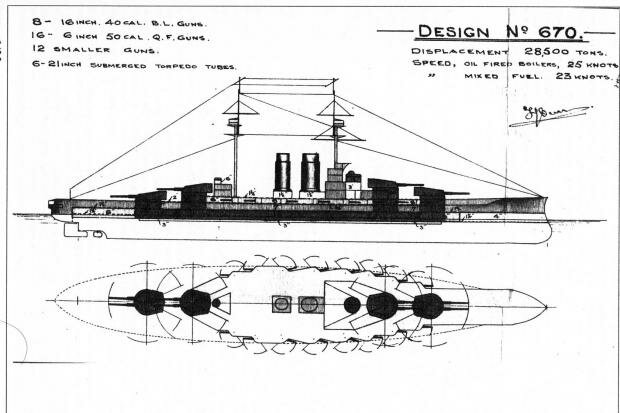
Vickers to Russia - battleship/battlecruiser, 8 x 16" (?) guns:View attachment 696799
According to Friedman it was also offered to Brazil but with only 10x 6" guns and a displacement of 28.950tons
Dimensions: 184,4(pp) x 28,65 x 8,7m
60.000shp 4 shafts
12" Belt 1" deck armour and likely 1,5" slopes.

Your drawing shows a distinct QE/Revenge inspiration which confirms my theory that the Vickers design offers (646/A, 647/A) to Japan which inspired the Nagato were also of QE lookalikes.
 
Does anybody have more on this unusual design?
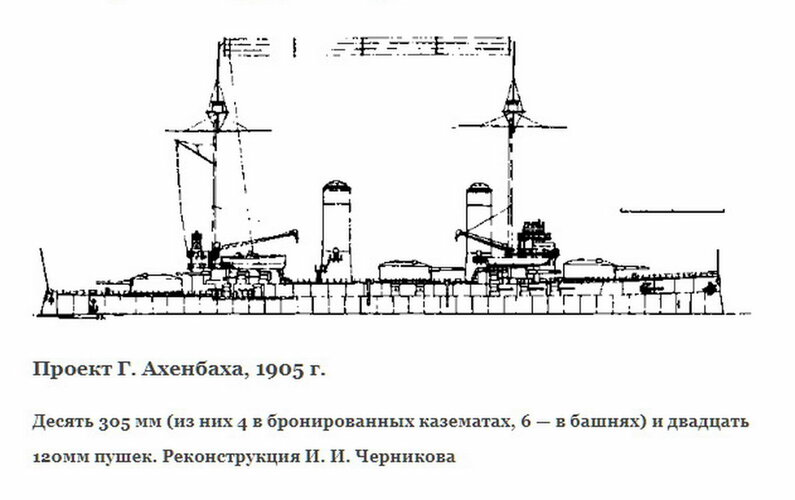
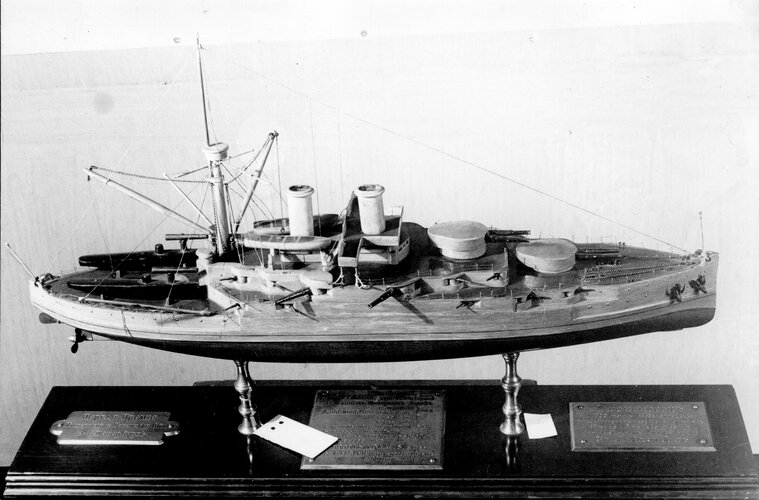
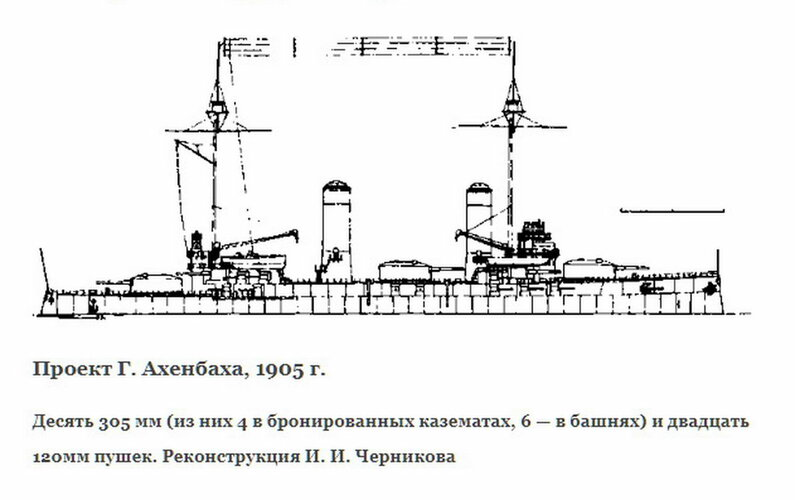
It was a 10.000-ton coastal battleship, presented by engineer G. Ahenbah for a design contest of Russian Engineering Society in 1905. The goal was a small coast defense battleship, armed with ten 12-inch guns. The model on the photo was supposed to have three dual 12-inch turrets - two superfiring on bow, one on stern - and four 12-inch guns in casemates. For some reason, the rear turret is missing on model (one theory is, Ahenbah realized too late that his calculations are wrong, and removed rear turret to make ship lighter. The other theory is that model was just accidentally damaged before photo).

The Ahenbah model took a first prize, which is written on plaques beneath it. Of course no additional works were done; it was merely an engineering contest of original ideas, not actual navy designs proposal.

P.S. The Chernikov reconstruction of Ahenbah battleship here -

1706075121189.png

- most likely is not correct.
 
I've seen once a drawing of a similar battleship with casemated 12" guns a few years ago.
I think it was the Imperial Technical Society Design 1906 - 112,5 x 21 x 6,8m 10500tons, 28km/h, 2x2,4x1 305mm, 20x1 120mm, 2x1 457mm Torpedoes, from 1906.
It could had been this proposal.
 
Last edited:
I've seen once a drawing of a similar battleship with casemated 12" guns a few years ago.
I think it was the Imperial Technical Society Design 1906 - 112,5 x 21 x 6,8m 10500tons, 28km/h, 2x2,4x1 305mm, 20x1 120mm, 2x1 457mm Torpedoes, from 1906.
It could had been this proposal.
Seems that it's from the same design competition. At least displacement, speed and main armament fits the competition goals.
 
I would love to see the design for the Petropavlovsk class battleship before the 8” guns were replaced with 6” guns.
 
Last edited:
It was a 10.000-ton coastal battleship, presented by engineer G. Ahenbah for a design contest of Russian Engineering Society in 1905. The goal was a small coast defense battleship, armed with ten 12-inch guns. The model on the photo was supposed to have three dual 12-inch turrets - two superfiring on bow, one on stern - and four 12-inch guns in casemates. For some reason, the rear turret is missing on model (one theory is, Ahenbah realized too late that his calculations are wrong, and removed rear turret to make ship lighter. The other theory is that model was just accidentally damaged before photo).

The Ahenbah model took a first prize, which is written on plaques beneath it. Of course no additional works were done; it was merely an engineering contest of original ideas, not actual navy designs proposal.

P.S. The Chernikov reconstruction of Ahenbah battleship here -

View attachment 718077

- most likely is not correct.
what was the orginal source you used for details mentioned above?
 
And if you want some entertainment, take a stiff drink and read the project history section of this
https://www.navypedia.org/ships/russia/ru_ls_vladivostok.htm
Ho Lee Fuk, I want some of whatever that person is smoking...

============
Incoherent. On scheme, turbines and electric motors are mentioned. In text, diesels and boilers are mentioned.

My interpretation is that authors meant this:

* Combined powerplant with electric transmission
* Diesel engines for cruising on 11 knot speed
* Steam turbines for 20-27 knot speed

The range is set as "50000 miles, or 180 days of cruising on 11-knot speed on diesels, while simultaneously maintaining enough pressure in boilers to immediately switch to 20-knot turbine speed if required" . Authors specified the demand to make runs from Murmansk to Vladivostok without need to refuel, and having enough fuel reserves for speed dashes (chasing enemy merchants or fleeing from enemy cruisers). On steam alone, range is declared enough to cross Pacific (from Vladivostok to San-Francisco) or Atlantic (from Murmansk to New-York) on 24-knot speed.

Max speed is set as "no less than modern British cruisers have". Authors elaborate, that if they took into account only commissioned ships, then 25-knot max speed is deemed enough, but if the building "Inflexible"-class cruisers (and unspecified new Japanese cruisers) are considered, then 27-knot max speed is required.
That's burning a LOT of fuel in the boilers to maintain 20-knot speed if wanted. IIRC, basically burning as much fuel as actually doing 20 knots on the boilers...

If it was turbo-electric + diesel-electric it might be doable?
 
Ho Lee Fuk, I want some of whatever that person is smoking...

============

That's burning a LOT of fuel in the boilers to maintain 20-knot speed if wanted. IIRC, basically burning as much fuel as actually doing 20 knots on the boilers...

If it was turbo-electric + diesel-electric it might be doable?
I wonder how much boiler pressure you could maintain just on the exhaust heat from the diesels? There was an experiment to do something similar with a locomotive where under normal driving conditions the boiler was kept operational just on the diesel exhaust, but for overload an oil-fired boiler would increase steam production.
 
I wonder how much boiler pressure you could maintain just on the exhaust heat from the diesels? There was an experiment to do something similar with a locomotive where under normal driving conditions the boiler was kept operational just on the diesel exhaust, but for overload an oil-fired boiler would increase steam production.
That is a good question!

I also like cogeneration rigs like that, where the exhaust gasses are at ambient temperatures because you've extracted all the heat you can from them.
 
Well known site of the Black Sea Battleship Designs:
https://www.gwpda.org/naval/irn16bb.htm
And a different site showing some early 20th century BB designs:
https://stvolar.livejournal.com/206300.htmlhttps://stvolar.livejournal.com/49706.html
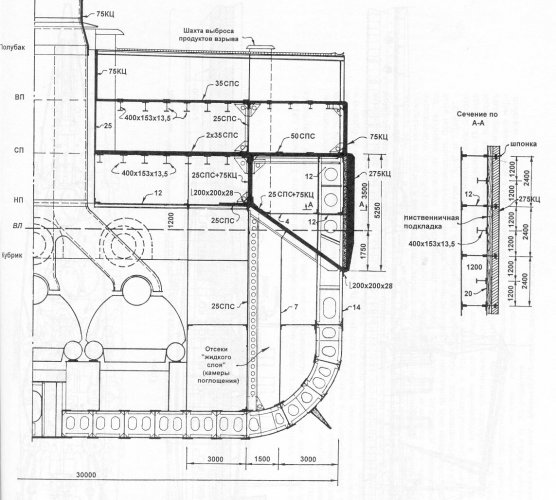
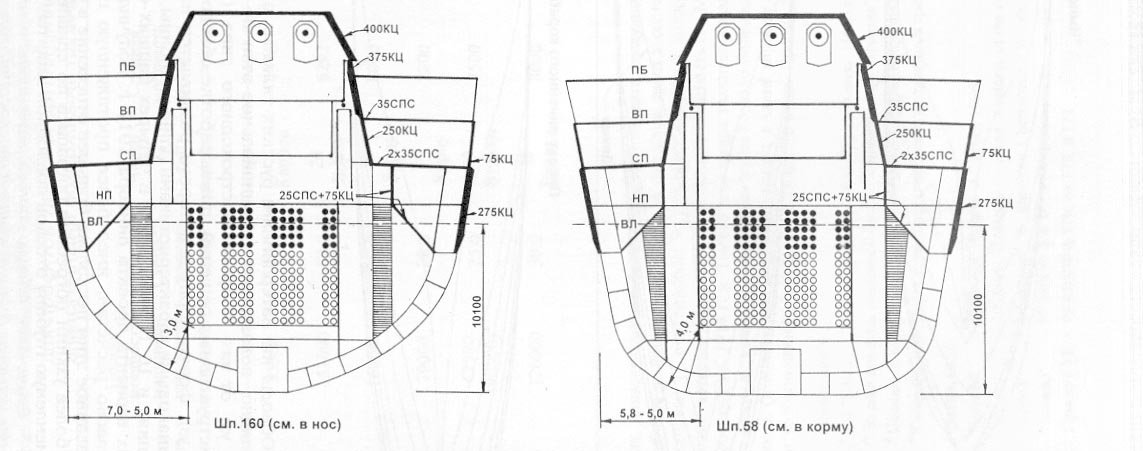
I am offended that my article in Russian about the project of the battleship engineer Kostenko of 1916-1917 was removed from Wikipedia because allegedly this project never existed, as if I had made it up. Moreover, Wikipedia continues to have an article about the fictional Soviet battleship K-1000.
 

Attachments

  • irn16in1917.jpg
    irn16in1917.jpg
    200.1 KB · Views: 80
  • irn16in1917-1.jpg
    irn16in1917-1.jpg
    121.1 KB · Views: 64
  • irn16in1917crosssectionmagazines.jpg
    irn16in1917crosssectionmagazines.jpg
    218.5 KB · Views: 53
  • irn16in1917crosssection.jpg
    irn16in1917crosssection.jpg
    195.8 KB · Views: 45
  • irn16in1917crosssectionturrets.jpg
    irn16in1917crosssectionturrets.jpg
    80.3 KB · Views: 45
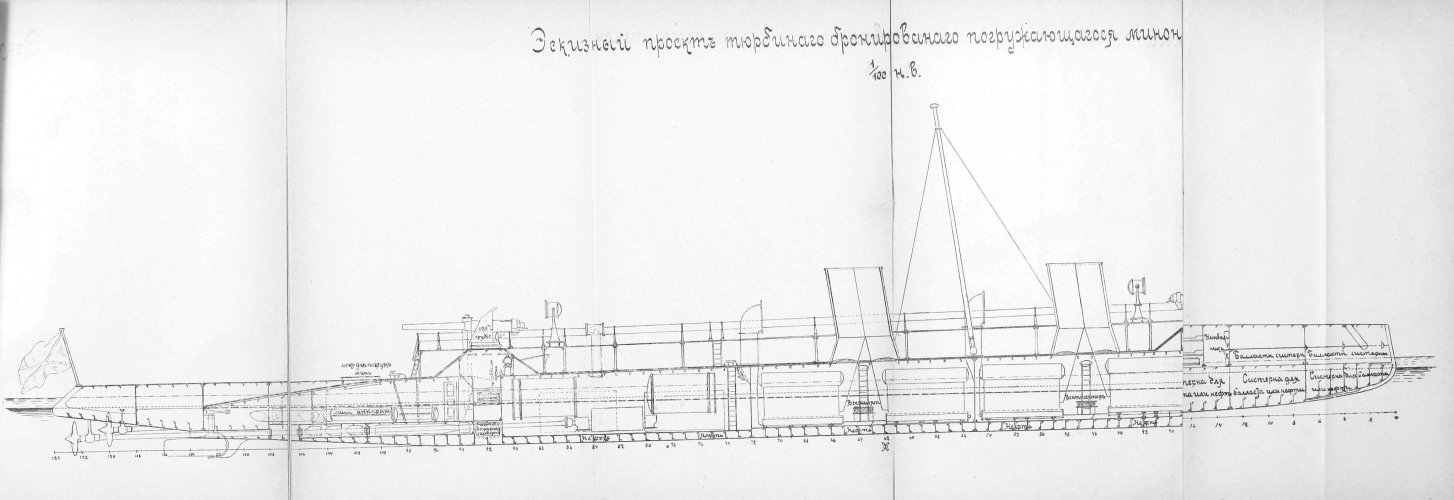
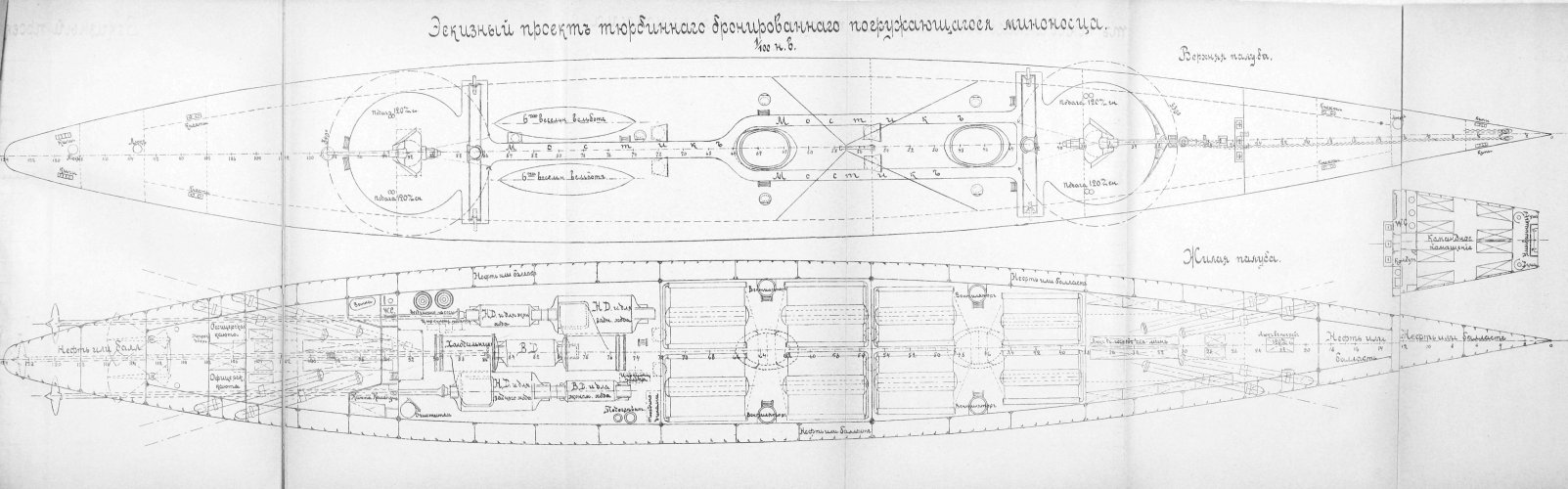
Project for a semi-submersible destroyer, 1911
dd_1911-1.jpg
dd_1911-2.jpg
dd_1911-3.jpg dd_1911-4.jpg dd_1911-5.jpg dd_1911-6.jpg dd_1911-7.jpg dd_1911-8.jpg dd_1911-9.jpg dd_1911-10.jpg dd_1911-11.jpg dd_1911-12.jpg dd_1911-13.jpg dd_1911-14.jpg dd_1911-15.jpg dd_1911-16.jpg dd_1911-20.jpg dd_1911-17.jpg dd_1911-18.jpg dd_1911-19.jpg

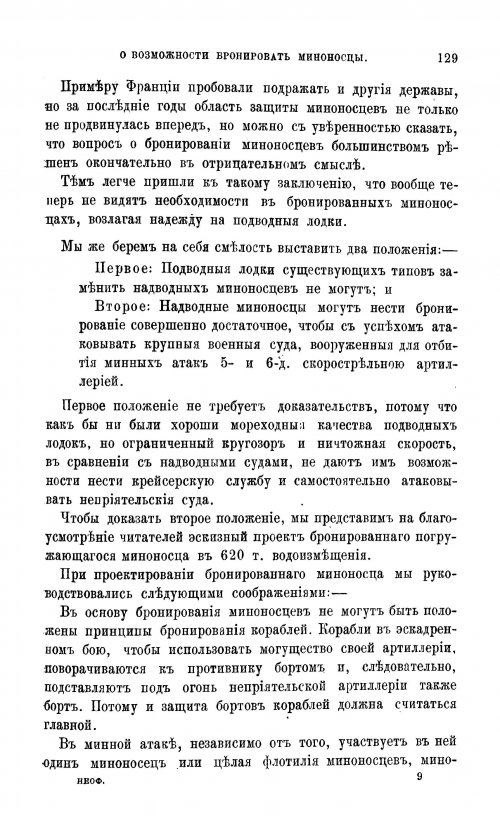
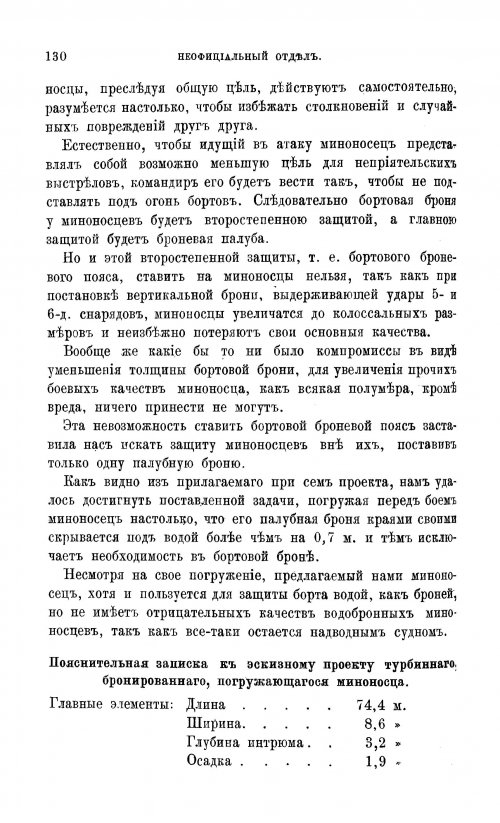
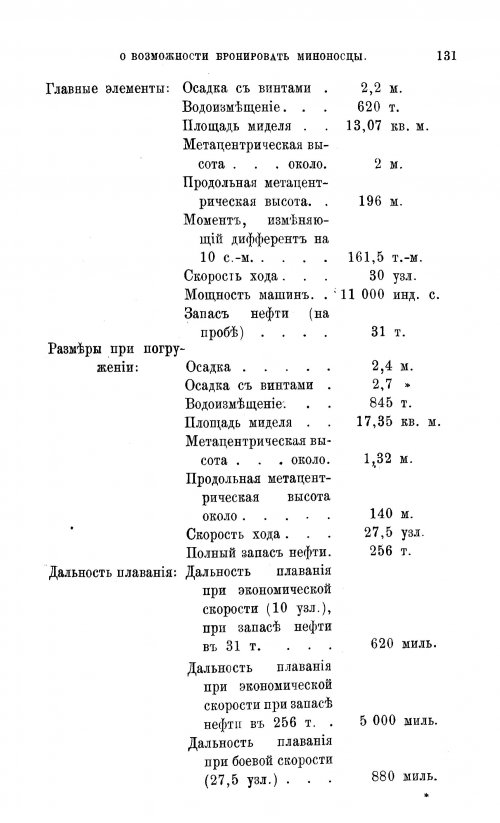
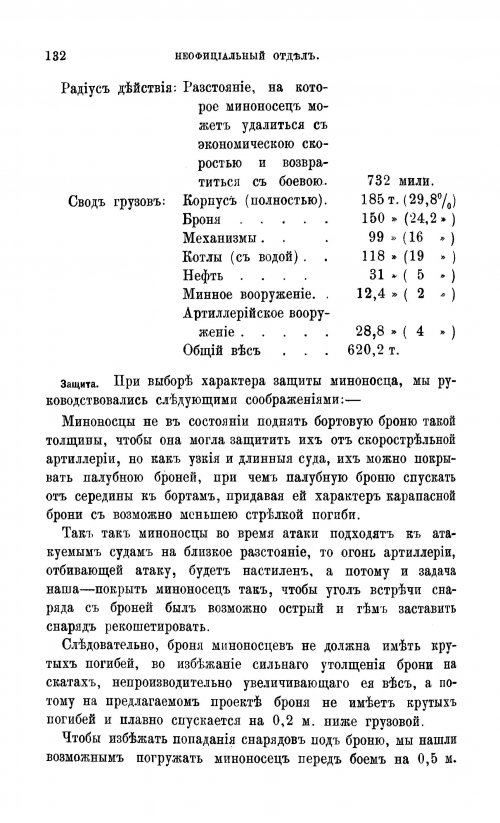
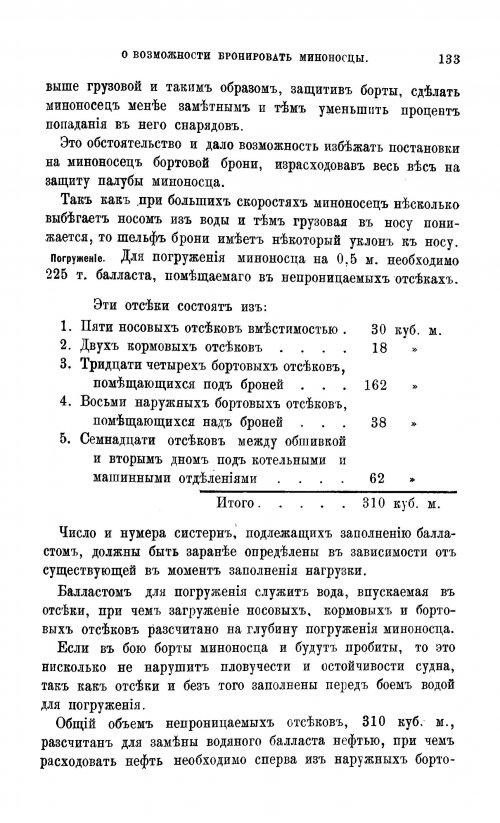
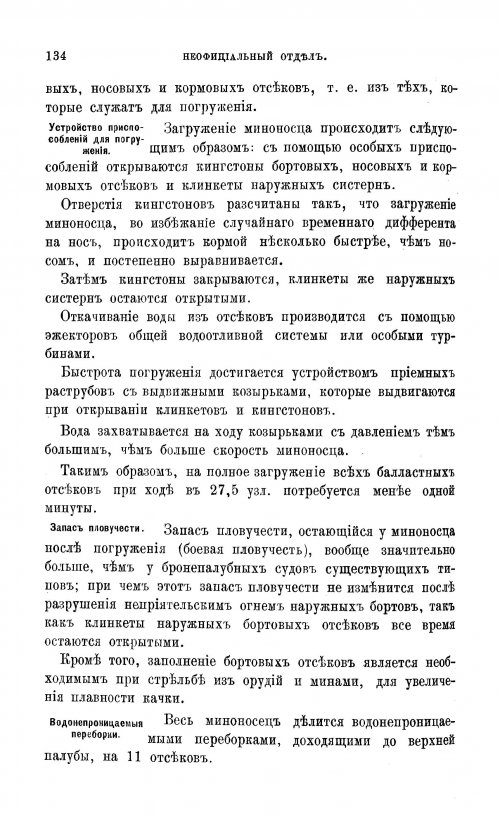
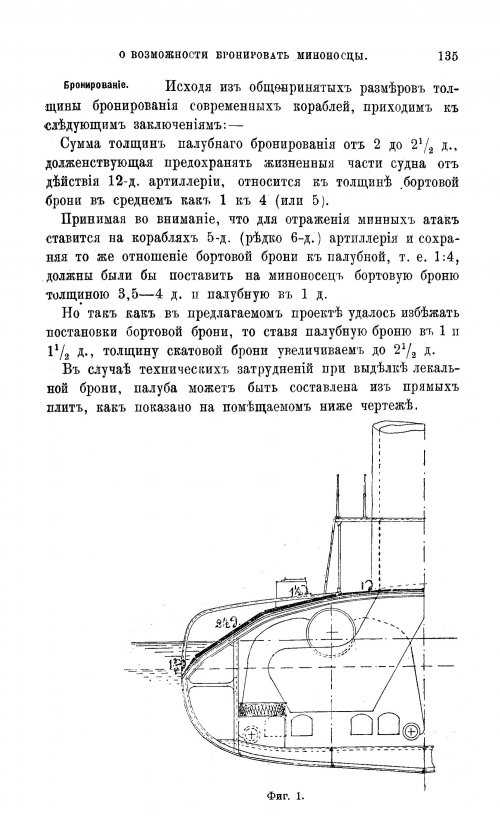
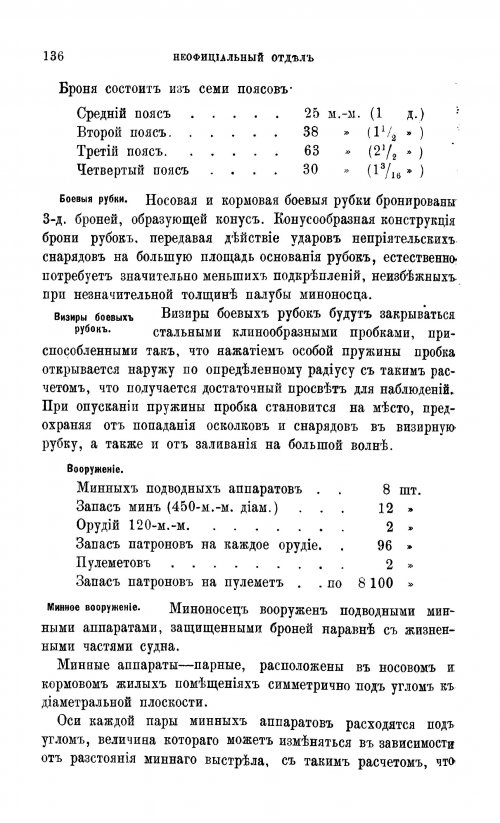
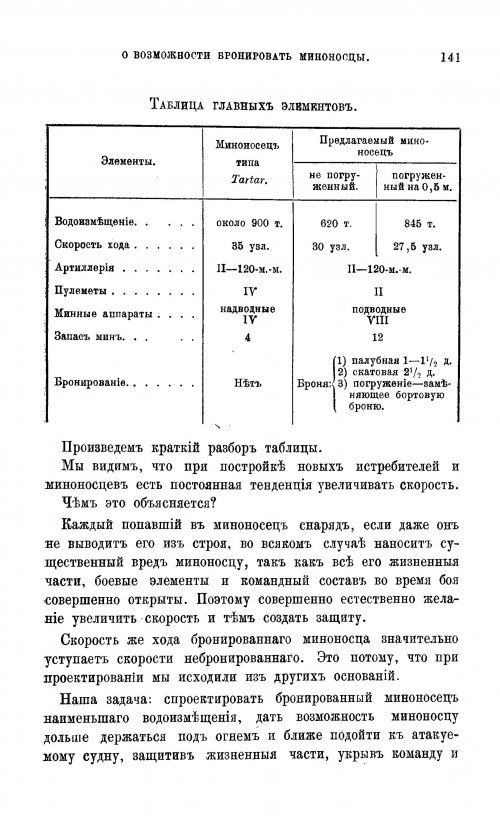
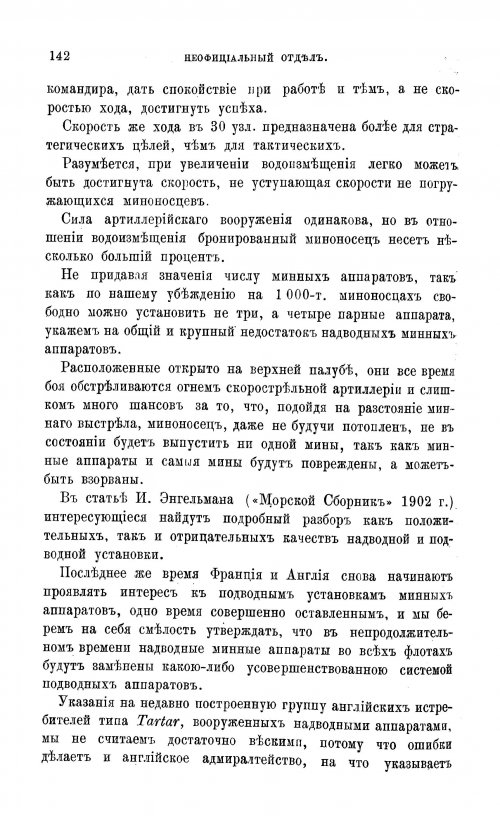
620/845 ton, 30/27.5 knots, 2 120 mm guns with 96 rounds per gun, 2 machine guns with 8100 rounds per gun, 8 450 mm underwater torpedo tubes with 12 torpedoes, armor - 1.5 inch / 2.5 icnh / 1.5 inch / 1 inch. The power plant is steam turbine, the boilers are heated by oil. It is assumed that in a semi-submerged state, such an armor configuration will replace a full 4-inch belt and a 1-inch deck. It is also written that by increasing the displacement, the speed of a semi-submersible destroyer can be increased to the level of the speed of conventional destroyers.
 
Last edited:
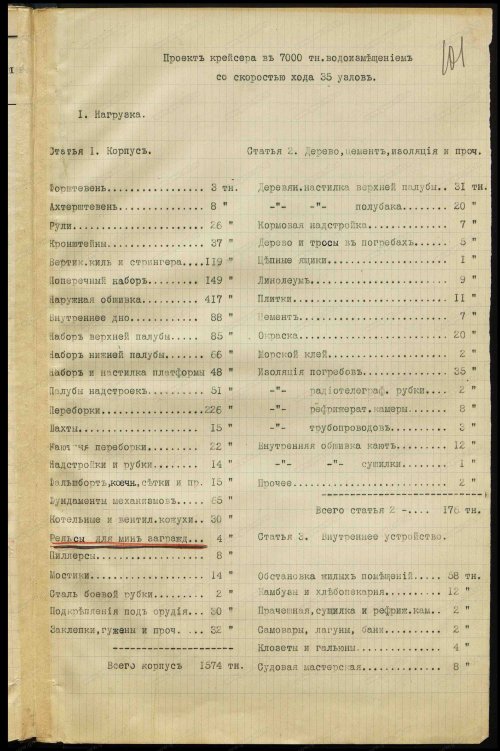
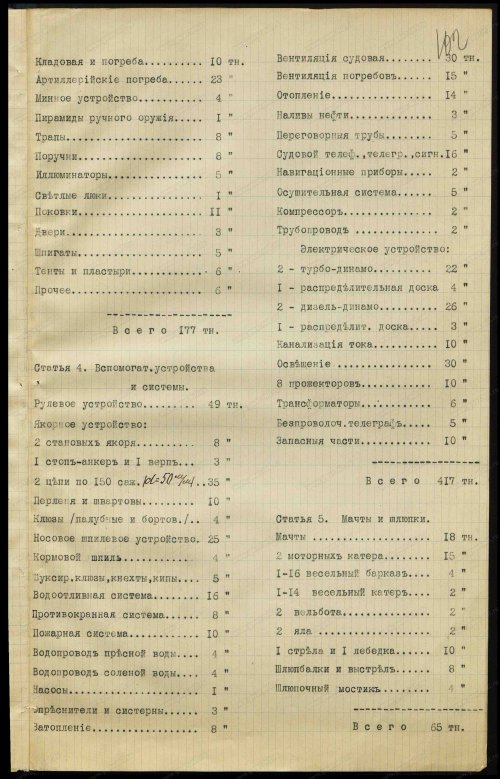
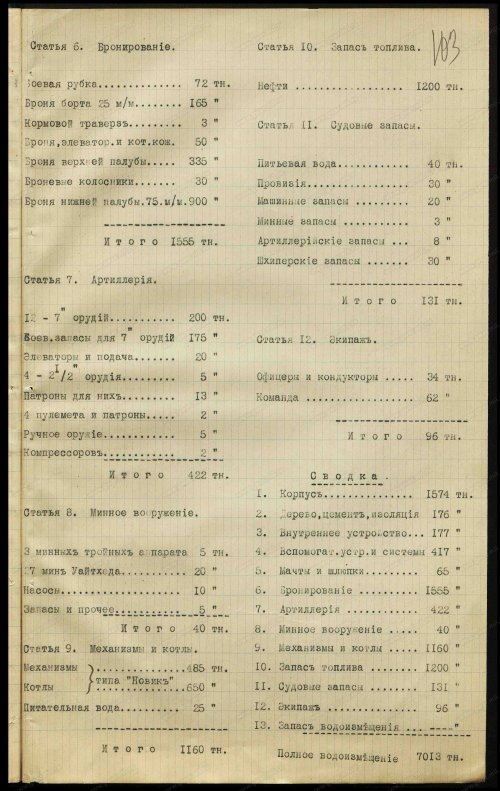
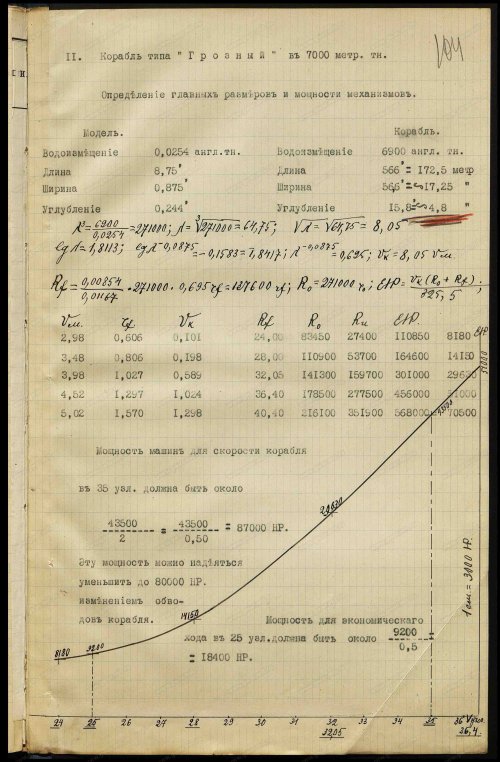
Project data for a 7,000 ton cruiser - unfortunately no blueprints.
00000135.jpg
00000136.jpg
00000137.jpg
00000138.jpg
00000139.jpg
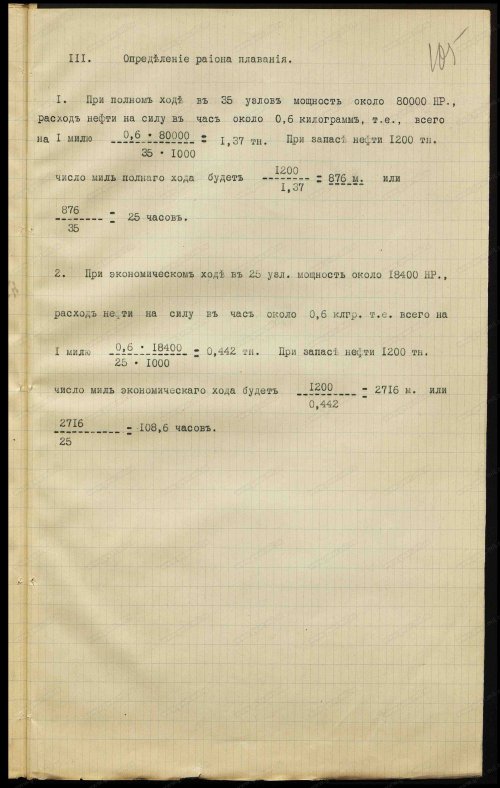
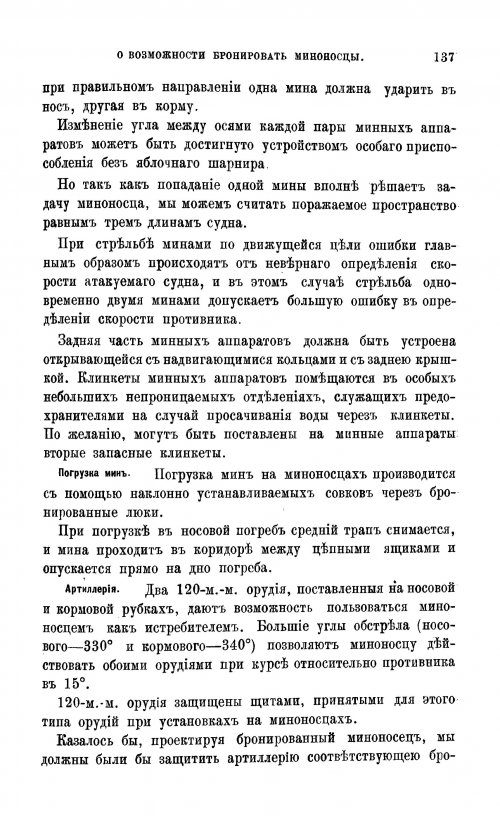
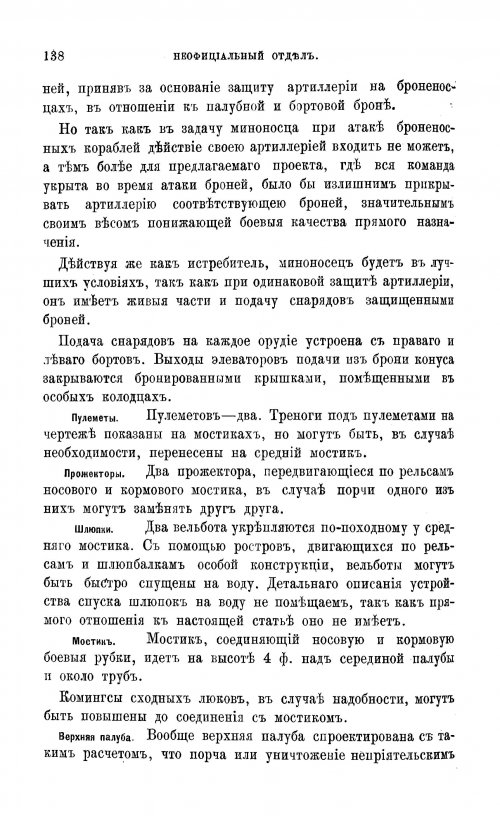
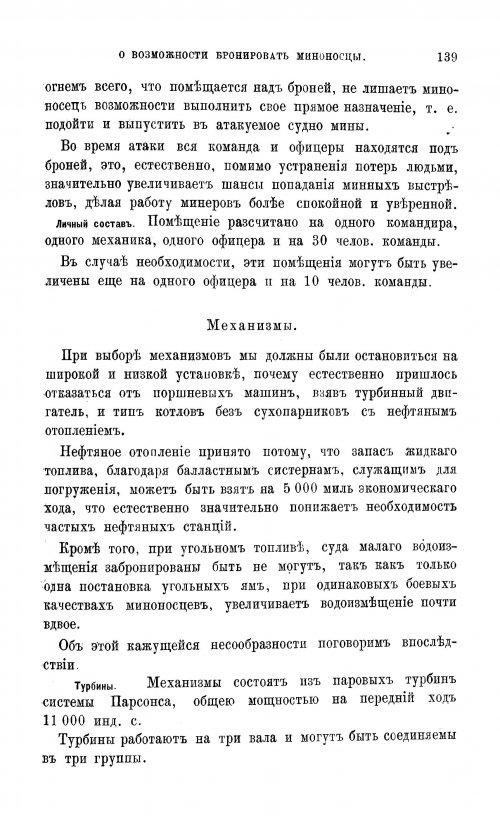
172.5x17.25x4.8 m, 7000 ton, 80 000 hp, 35 knots, range - 876 miles with 35 knots, or 2716 miles with 25 knots. 12 7-inch guns - 200 ton, ammunition for 7-inch guns - 175 ton (If we consider that a 7-inch complete round weighs 100 kg, 175 tons would amount to 145 rounds per gun, I think 125 rounds per gun more realistic), 4 2.5-inch AA guns - 5 ton, ammunition for 2.5-inch guns - 13 ton (weight of one complete round is apparently about 6 kg, 13 tons for 4 guns will amount to 542 rounds per gun, I think 450-500 rounds per gun more realistic), 4 machine guns and ammunition - 2 tons. Side armour 25 mm - 165 ton, lower deck 75 mm - 900 ton.
 
Last edited:
Interesting!
This is the 2nd WW1 era russian design featuring 180mm guns, the other the 1916 torpedo battleship / battlecruiser / heavy cruiser design with the same number of 4x3 180mm turrets.
This suggests there was a 180mm gun under development at this time!
 
This suggests there was a 180mm gun under development at this time!
Not exactly. IIRC, there was a theoretical assumption (based on Russo-Japanese war experience) that 6-inch guns aren't powerful enough to penetrate even thin armor at modern combat distances, and 8-inch guns are too heavy, and could not be reloaded manually. So there were a lot of theoretical proposals to produce an intermediate, 7-inch cannon.
 
Not exactly. IIRC, there was a theoretical assumption (based on Russo-Japanese war experience) that 6-inch guns aren't powerful enough to penetrate even thin armor at modern combat distances, and 8-inch guns are too heavy, and could not be reloaded manually. So there were a lot of theoretical proposals to produce an intermediate, 7-inch cannon.
I'd argue that 6" guns are the largest you can reload manually, 100lb/45kg shells are really the max.
 
I'd argue that 6" guns are the largest you can reload manually, 100lb/45kg shells are really the max.
Generally yes, but 1900s admirals seems to be optimistic in that matter. If I recall correctly, they argued that since shield mountings are only lightly protected, the mechanized loading systems would be too prone to jamming, and thus such guns must be able to be manually reloading. The 7-inch cannons have shell about 75-100 kg, which THEORETICALLY could be handled by two sailors.
 

Similar threads

Back
Top Bottom