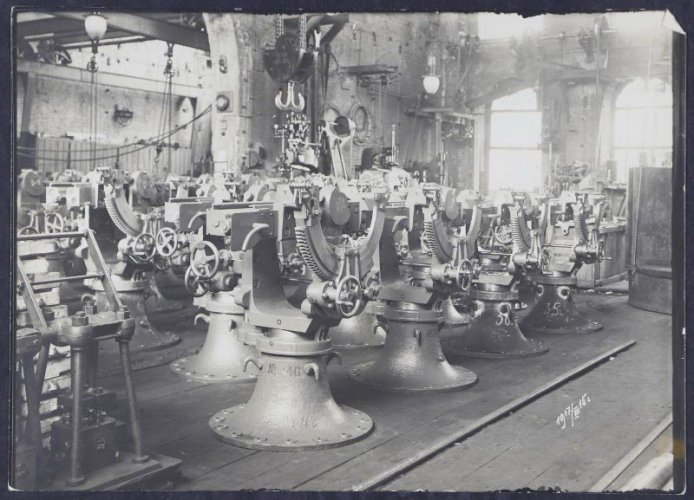
Interesting!
This is the 2nd WW1 era russian design featuring 180mm guns, the other the 1916 torpedo battleship / battlecruiser / heavy cruiser design with the same number of 4x3 180mm turrets.
This suggests there was a 180mm gun under development at this time!
https://tsushima.su/forums/viewtopic.php?id=8321Data of 7-inch gun - 9.76 ton, 72.5 kg projectile, 32.5 kg propellant charge, 6-8 rounds per minute. Based on the charge to projectile weight ratio, the muzzle velocity would be 3000 fps / 914 m/s.
 
https://tsushima.su/forums/viewtopic.php?id=8321Data of 7-inch gun - 9.76 ton, 72.5 kg projectile, 32.5 kg propellant charge, 6-8 rounds per minute. Based on the charge to projectile weight ratio, the muzzle velocity would be 3000 fps / 914 m/s.
Hmm:
“The history of the creation of the Russian 180-mm cannon dates back to the Russo-Japanese War of 1904-1905. In 1906, L.F. Dobrotvorsky, who commanded the cruiser “Oleg” in the Battle of Tsushima, proposed adopting American 178-mm guns instead of 152-mm guns, as more effective, but still allowed manual loading and did not require additional mechanisms. In 1912, after the commissioning of the battleship “Emperor Paul I”, which was armed as auxiliary artillery with 203-mm cannons in turrets and casemate mounts, it was found that the rate of fire of casemate mounts with manual feeding of shells was even higher than that of turrets, which had mechanical loading. It turned out that at the then level of technological development, mechanical loading made sense only for guns of 254 mm caliber and higher, and for smaller calibers it only slowed down the operation and reduced the reliability of the guns. At the same time, the 203 mm projectile, weighing 139 kg, was too heavy for manual loading in this connection, the idea of switching to 7-inch (178 mm) artillery as the main weapon for light cruisers and auxiliary weapons for battleships arose again.

It was planned to develop a 7-inch gun weighing 9.76 tons, the weight of the projectile for which would be 74.8 kg, and the weight of the charge would be 32.5 kg. As a result, it would be possible to obtain a fairly powerful gun that had a rate of fire of about 6 - 8 rounds per minute when manually loaded, and the shot would include a projectile and two half-charges.

The main “ideologists of the 7-inch caliber were artillerymen of the Naval General Staff, while a number of specialists from the Artillery Department of the Main Directorate of Shipbuilding were opposed to the development of such artillery pieces. At the same time, many artillerymen from the floating fleet supported the idea of using 7-inch guns. Thus, at the very beginning of 1914, when assessing the tactical and technical tasks of the Naval General Staff for the design of a promising battleship, the flagship artilleryman of the Baltic Sea Battleship Brigade N. A. Virenius put forward the idea of a 30-knot light “squadron” cruiser with 7-inch guns in three or four-gun installations. The same caliber as an auxiliary weapon was proposed in the «Project of the 23,000-ton linear mine ship», presented by ship engineer Lieutenant P.V. Yankov at the end of 1913. However, the First World War stopped the development of these plans.

 
Even BuOrd (Bureau of Ordnance) agree that 7" guns are still capable of manually loaded (American shell weight is 74.8kg) and can be handled by single men (or two), while 8" guns or heavier require more manpower and machine assisted loader.
 
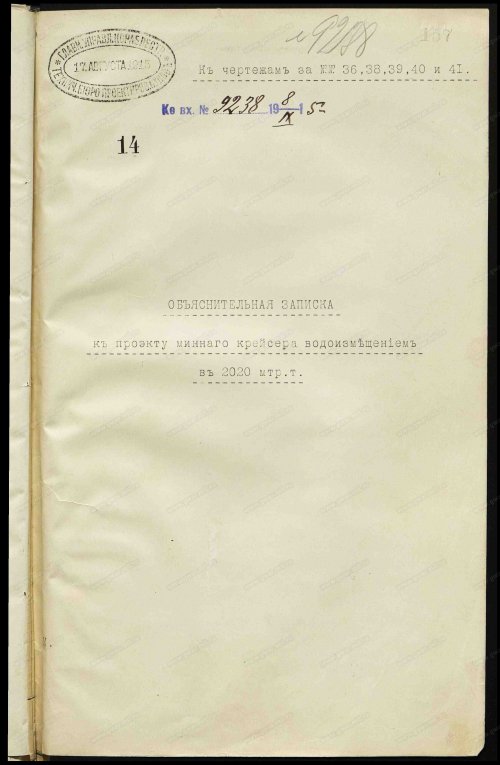
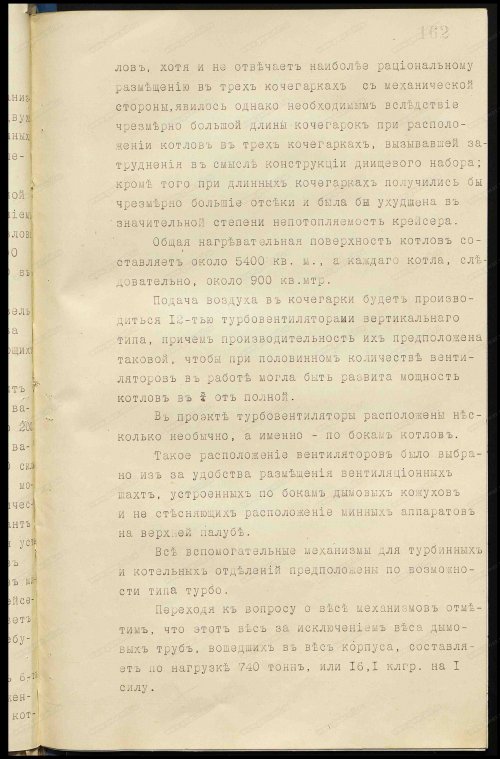
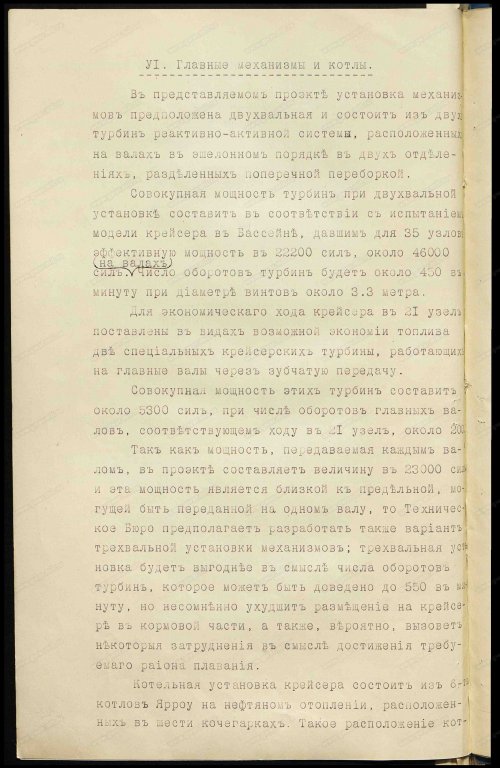
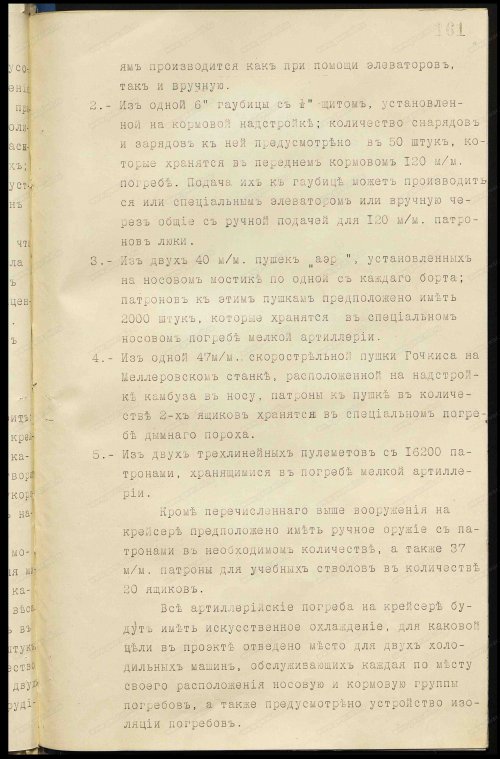
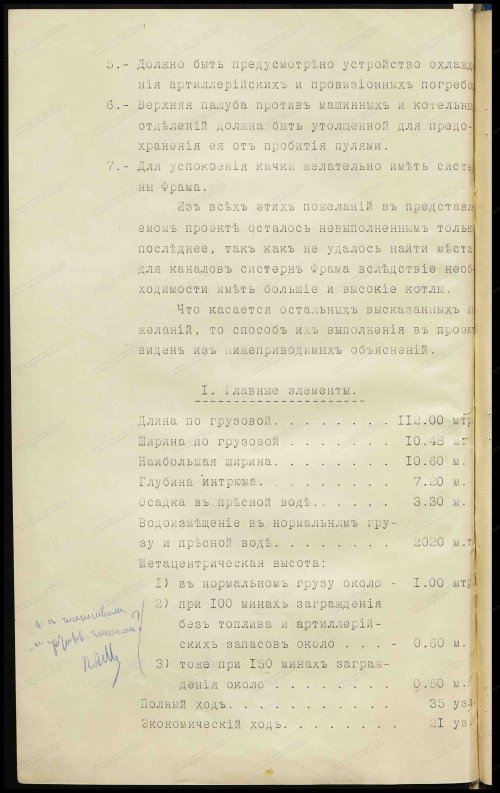
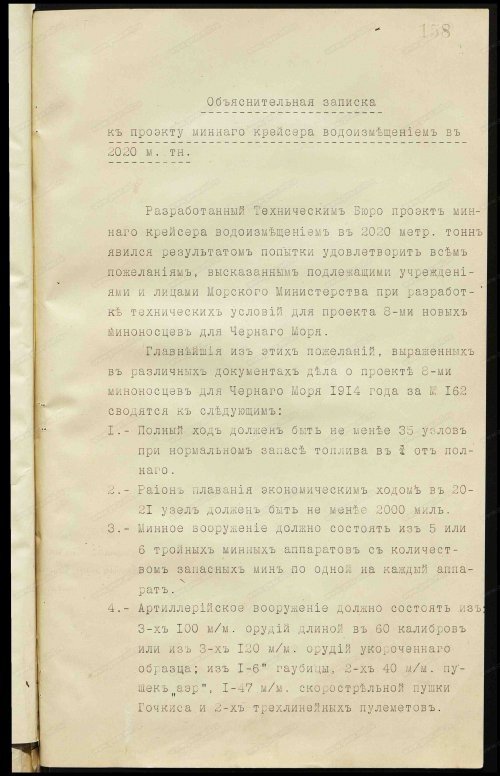
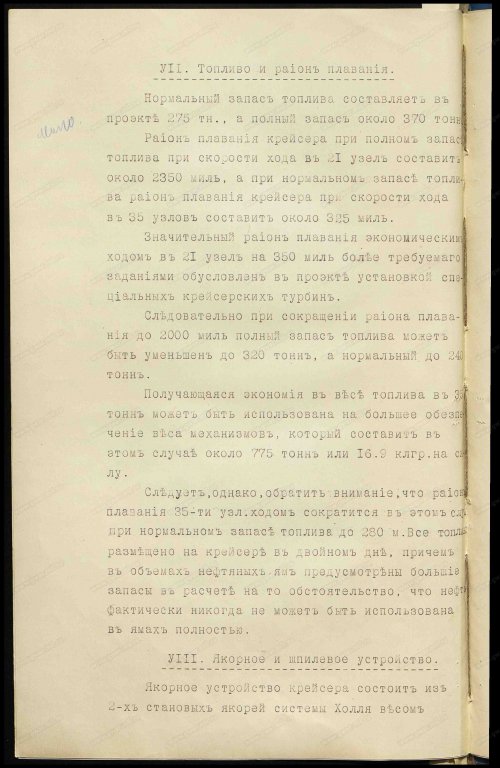
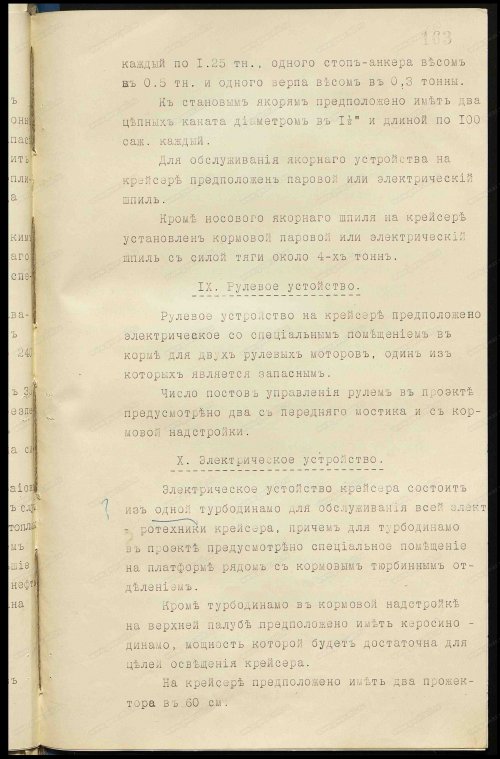
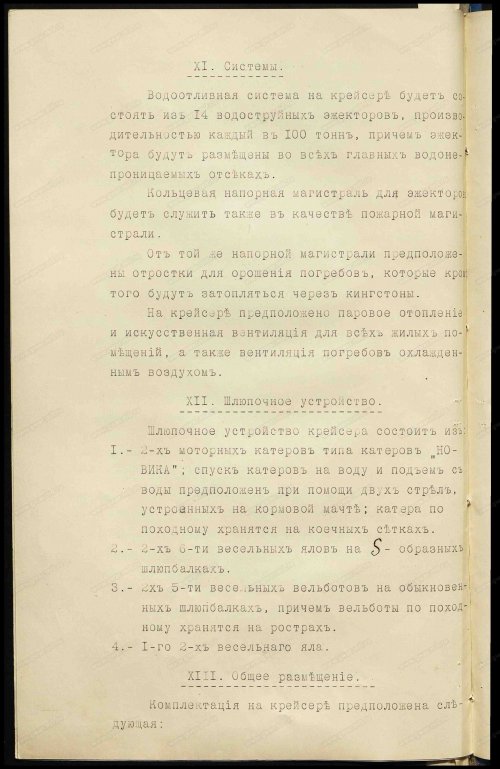
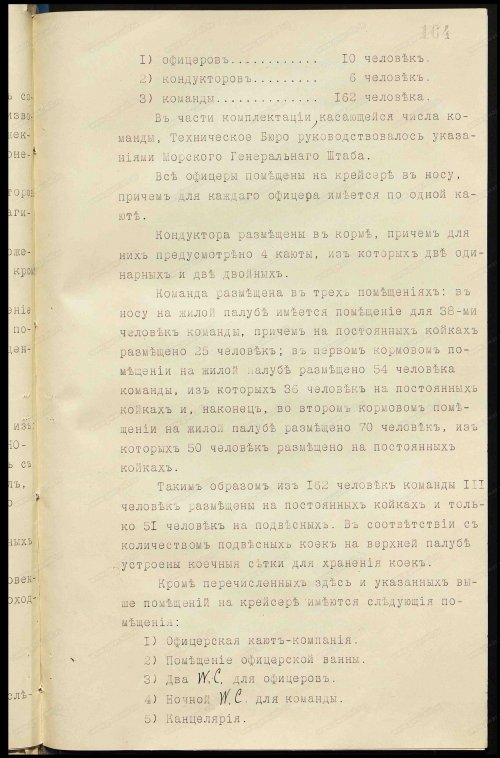
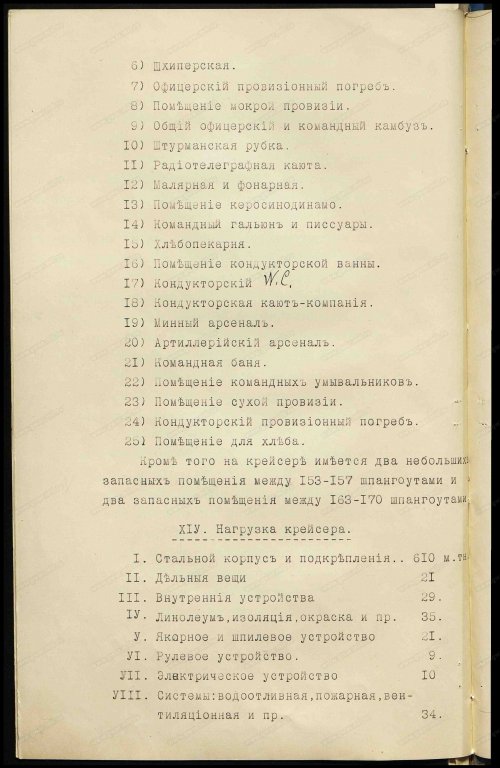
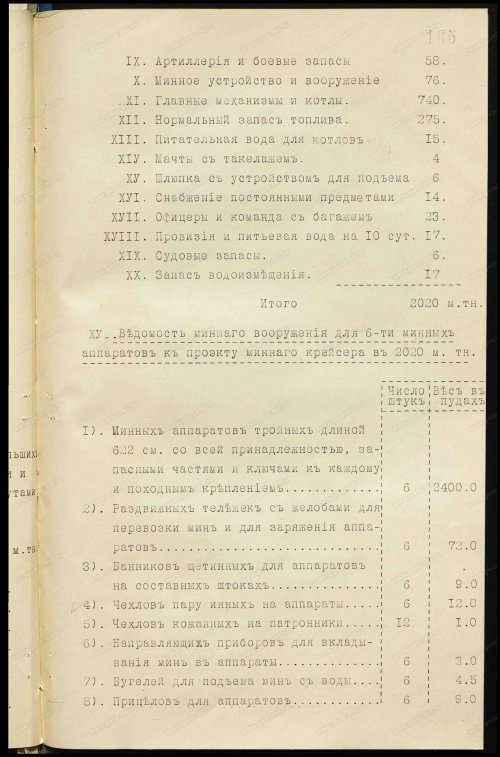
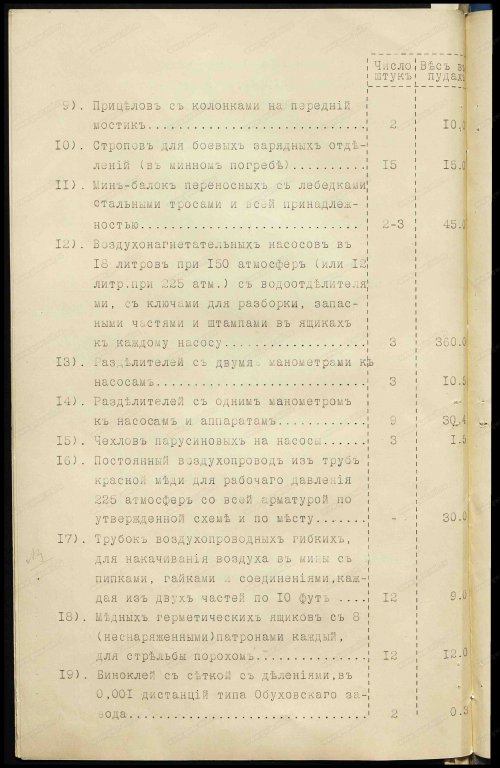
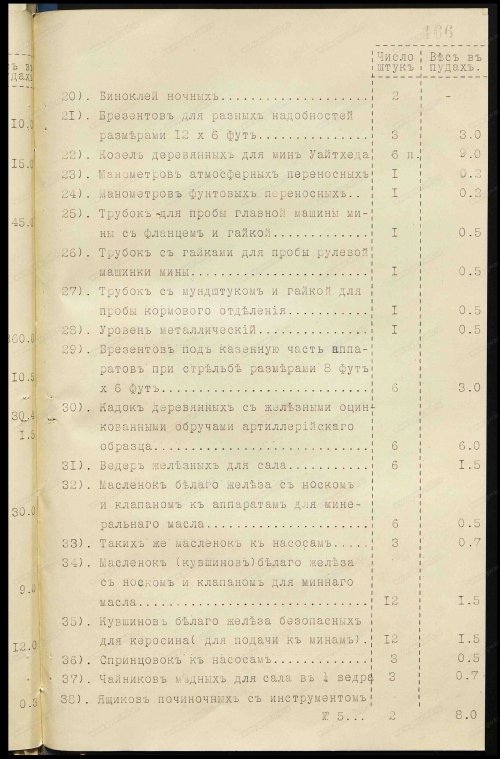
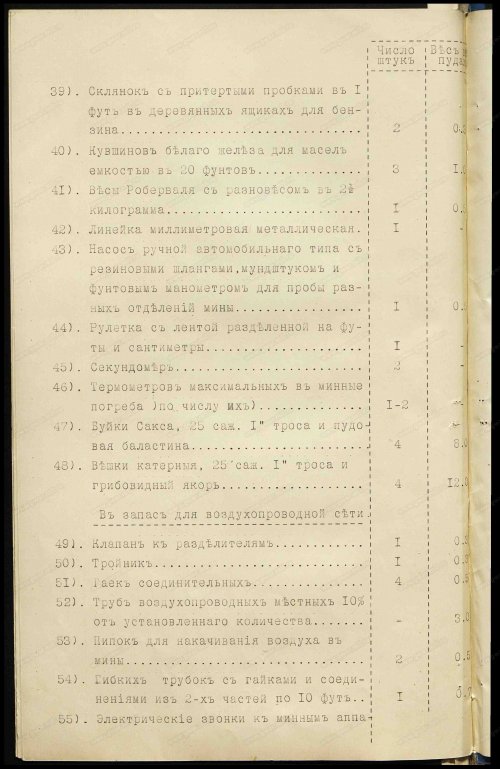
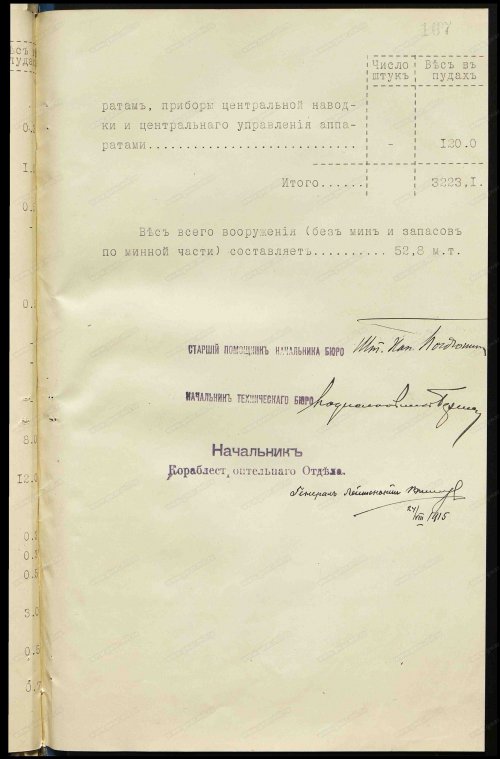
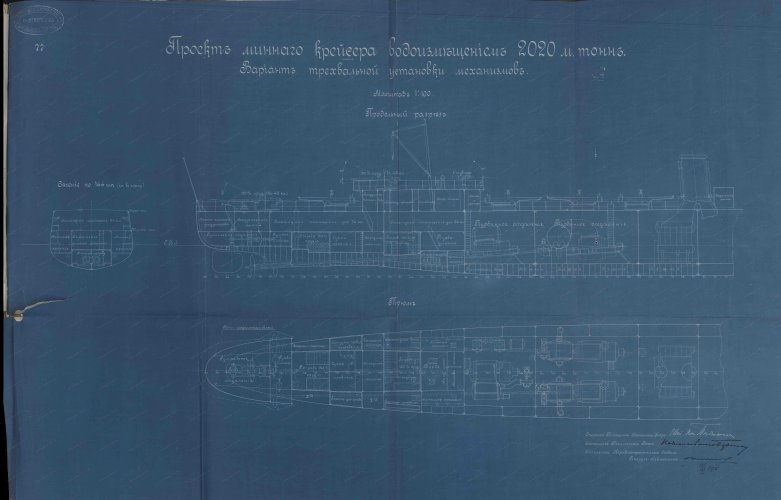
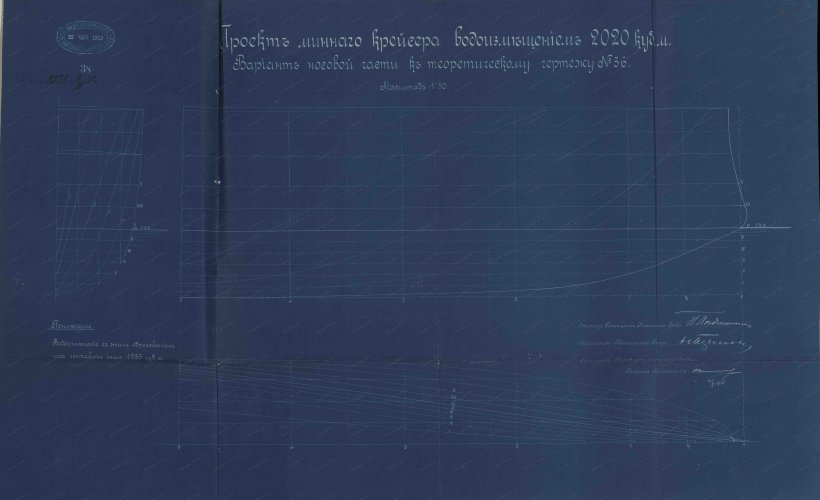
Project of 2020 ton destroyer / "mine cruiser", Part I
 

Attachments

  • 00000235.jpg
    00000235.jpg
    312.8 KB · Views: 34
  • 00000244.jpg
    00000244.jpg
    450.9 KB · Views: 31
  • 00000243.jpg
    00000243.jpg
    429.8 KB · Views: 29
  • 00000242.jpg
    00000242.jpg
    445.3 KB · Views: 28
  • 00000241.jpg
    00000241.jpg
    427.5 KB · Views: 27
  • 00000240.jpg
    00000240.jpg
    426.7 KB · Views: 28
  • 00000239.jpg
    00000239.jpg
    418.8 KB · Views: 28
  • 00000238.jpg
    00000238.jpg
    426.9 KB · Views: 24
  • 00000237.jpg
    00000237.jpg
    399.1 KB · Views: 24
  • 00000236.jpg
    00000236.jpg
    384.3 KB · Views: 22
Part II
 

Attachments

  • 00000245.jpg
    00000245.jpg
    408.2 KB · Views: 26
  • 00000246.jpg
    00000246.jpg
    432.5 KB · Views: 19
  • 00000247.jpg
    00000247.jpg
    384.5 KB · Views: 19
  • 00000248.jpg
    00000248.jpg
    434.1 KB · Views: 22
  • 00000249.jpg
    00000249.jpg
    385.7 KB · Views: 21
  • 00000250.jpg
    00000250.jpg
    390.2 KB · Views: 17
  • 00000251.jpg
    00000251.jpg
    392.1 KB · Views: 19
  • 00000252.jpg
    00000252.jpg
    427.4 KB · Views: 17
  • 00000253.jpg
    00000253.jpg
    388.6 KB · Views: 21
  • 00000254.jpg
    00000254.jpg
    306 KB · Views: 73
Part III, blueprints:
 

Attachments

  • 00000255.jpg
    00000255.jpg
    2 MB · Views: 83
  • 00000257.jpg
    00000257.jpg
    1.1 MB · Views: 75
  • 00000259.jpg
    4.5 MB · Views: 37
  • 00000261.jpg
    00000261.jpg
    1.4 MB · Views: 66
  • 00000263.jpg
    5.8 MB · Views: 37
  • 00000265.jpg
    4.4 MB · Views: 29
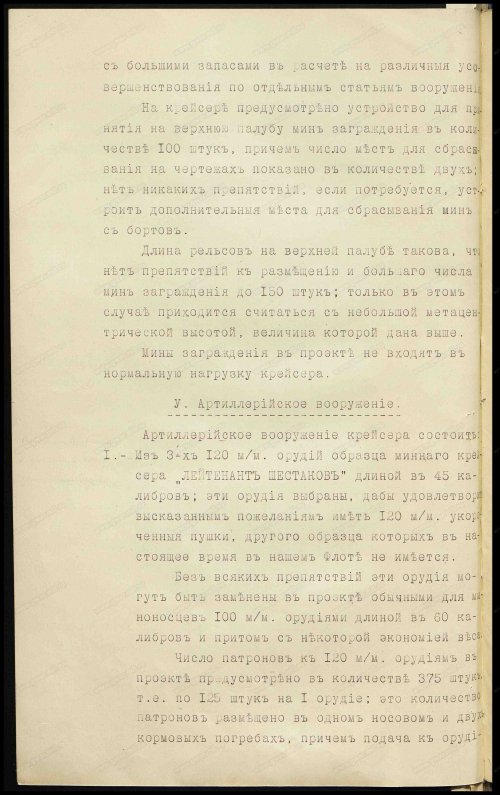
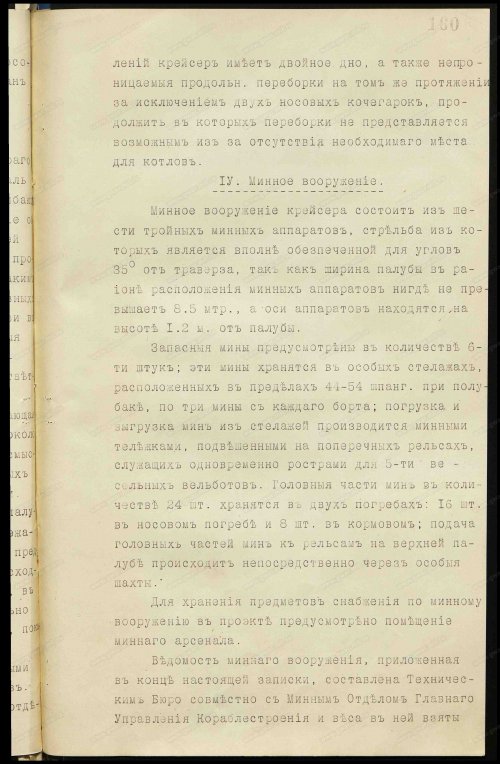
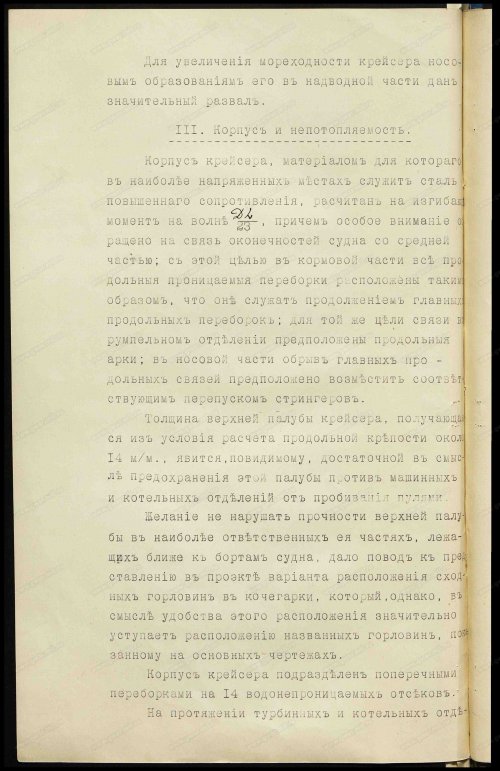
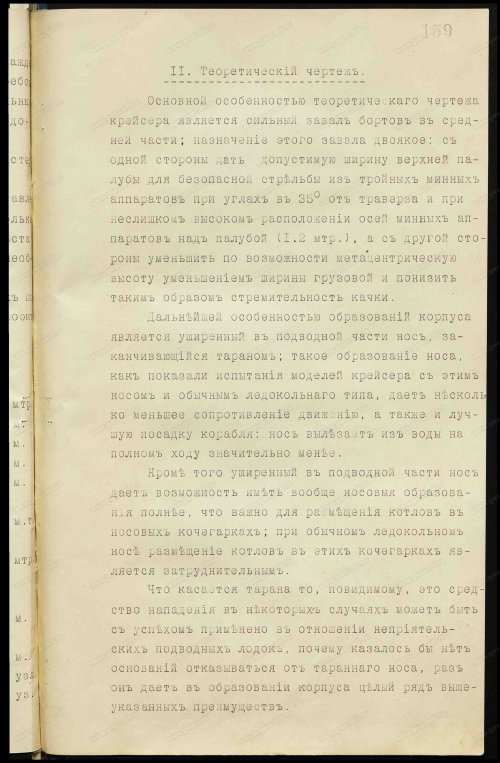
Project of 2020 ton destroyer / "mine cruiser", Part I
112x10.48x3.3 m

46 000 HP

35 knots maximum, 21 knots cruiser

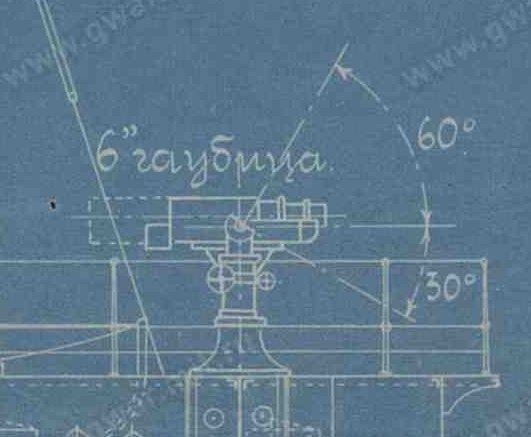
Weapons - 3x1x120 mm L/45 or 3x1x102 mm L/60 guns, 1x6" howitzer, 2x40 mm AA guns, 1x47 mm Hotchkiss gun, 2x7.62 mm Maxim machine guns, 6x3 torpedo tubes (457 mm?)

Ammunition - 375 120 mm rounds (125 per guns), 50 6" howitzer rounds, 2000 40 mm rounds, 2 boxes of 47 mm rounds, 16 200 MG rounds, 18 torpedoes (+18 in tubes?), 100 or 150 mines.
 
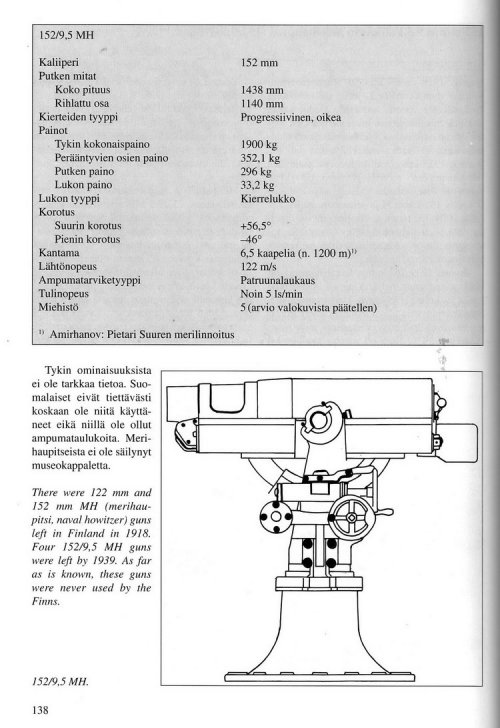
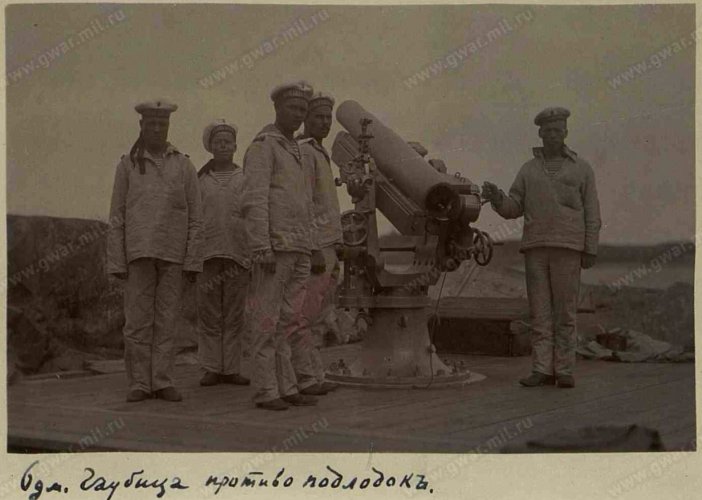
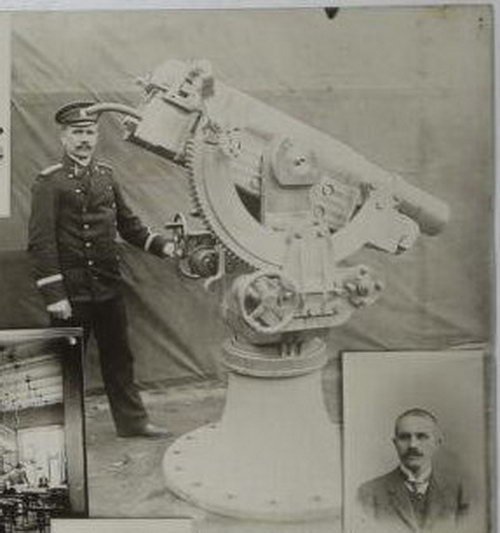
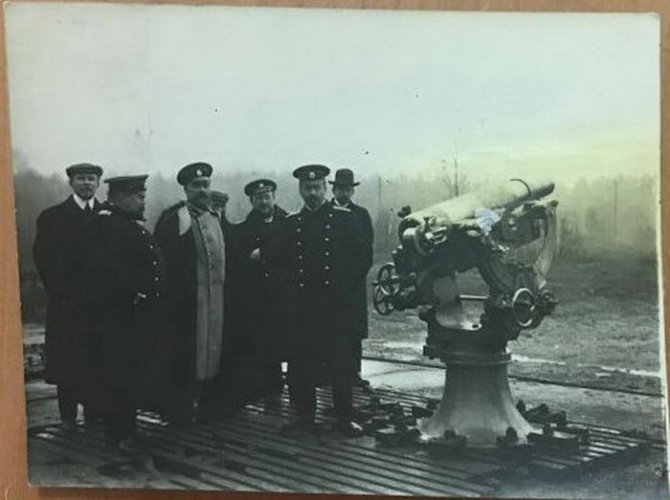
6" howitzer
Screenshot_20260127_175142_com_hihonor_photos_SlotAlbumActivity.jpg
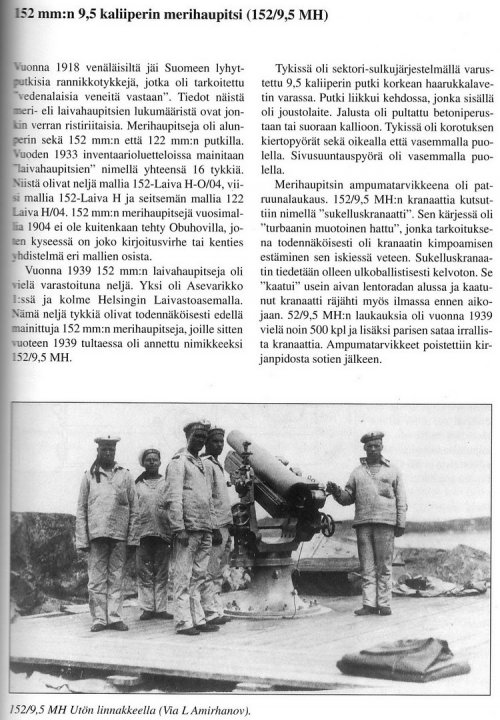
Special naval howitzer:
(Finnish language)
152-9.5+MH(1)_измен.размер.jpg
152-9.5+MH(2)_измен.размер.jpg
6-дм+гаубица+о-в+Утэ.jpg
Constructed by Obukhov plant in pre-WW1 period, 296 kg barrel and 33.2 kg breech weight, 42 kg shell, 122 mps, elevation from -46° to +56°.

1908 photo:
11256763+фрагмент.jpg
Also, two photos:
41657366+Судовая+6-дм+гаубица.jpg
21550987.jpg

Analogical guns:

Japanese 4.7 and 8 inch:
http://www.navweaps.com/Weapons/WNJAP_47-12_Short.phphttp://www.navweaps.com/Weapons/WNJAP_8-12_Short.php
US 8 inch:
http://www.navweaps.com/Weapons/WNUS_8-23_mk7.php
British 4.7 and 7.5 inch:
http://www.navweaps.com/Weapons/WNBR_47-18_Howitzer.phphttps://en.wikipedia.org/wiki/BL_7.5-inch_naval_howitzer
 
Last edited:
112x10.48x3.3 m

46 000 HP

35 knots maximum, 21 knots cruiser

Weapons - 3x1x120 mm L/45 or 3x1x102 mm L/60 guns, 1x6" howitzer, 2x40 mm AA guns, 1x47 mm Hotchkiss gun, 2x7.62 mm Maxim machine guns, 6x3 torpedo tubes (457 mm?)

Ammunition - 375 120 mm rounds (125 per guns), 50 6" howitzer rounds, 2000 40 mm rounds, 2 boxes of 47 mm rounds, 16 200 MG rounds, 18 torpedoes (+18 in tubes?), 100 or 150 mines.
Interesting, thx for sharing but one question there is no photo 256, photo 255 offers the aft ship so I wonder if photo 256 offers the fore ship
 
Last edited:
Project of 2020 ton destroyer / "mine cruiser", Part I
Nice find.
Interesting that the design is dated 1915, and the author still suggests obsolete 120mm Canet guns as the main armament option, with then-mainstream 102-mm/60s as an alternative.
Also, eighteen torpedo tubes, cry about it, Shimakaze xD
 
Nice find.
Interesting that the design is dated 1915, and the author still suggests obsolete 120mm Canet guns as the main armament option, with then-mainstream 102-mm/60s as an alternative.
The fact is that the documents mention a desire for 120mm "shortened" guns, but they weren't available. The only guns available were the 120mm/45 Canet and 102mm/60, which had roughly the same barrel weight: 2952 kg for the 120mm/45 and 2850 kg for the 102mm/60. The 102mm gun was designed for light ships to have the longest possible range with low recoil (the only gun with less recoil was the 75mm/50, which was completely useless). On larger ships than light destroyers, they tried to use 120mm or 130mm guns, which had much more powerful shells.

Meanwhile, production of the now obsolete Canet guns – the 75mm/50, 120mm/45, and 152mm/45 – continued until at least 1916, for several reasons, including equipment problems at the factories, administrative issues, and possibly outright sabotage – there were many oddities in the late Russian Empire...
 
The article descripes it as "inteneded against underwater boats" and it had special ammunition called "diving grenade" which had a turban-shape cap which prevented it to ricochet from the water surface. Apparently the ammunitions were more or less useless and had poor ballistic performance. They tended to explode in the air even before entering water.

Interesting concept nevertheless. The article mentions that few guns were left in Finland after 1918 but none of them survived to present day.
 
The article descripes it as "inteneded against underwater boats" and it had special ammunition called "diving grenade" which had a turban-shape cap which prevented it to ricochet from the water surface. Apparently the ammunitions were more or less useless and had poor ballistic performance. They tended to explode in the air even before entering water.
Nope.

The original idea from 1914 was to use a standard 3-inch anti-torpedo gun and standard 3-inch shell - fitted with special "diving cap", a hollow cylinder cap with slots. The cap was supposed to prevent shell from ricochetting from water surface and allow it to continue on more or less straight trajectory through the water till the time fuze would explode it.

The idea was tested, and found to be workable. The main problem was, that standard time fuze (of powder train type, designed for shrapnel round) simply wasn't accurate enough, so only about 60% of shells exploded anywhere near required depth even on exercises. It was considered sufficient, though, so they were adopted for small and medium caliber guns.
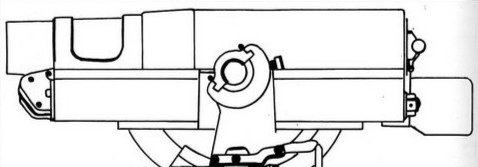
One important thing to understand, is that those shells weren't intended as replacement for depth charges - they were viewed as forward-firing and quick-reacting addition to them. It would took time for warship to engage detected periscope with depth charges (especially if a warship was forced to evade torpedo attack); but diving shells could be put in action immediately and from distance. If nothing else, they forced submarines immediately break attacks and dive, since staying on periscope depth would be far too dangerous.
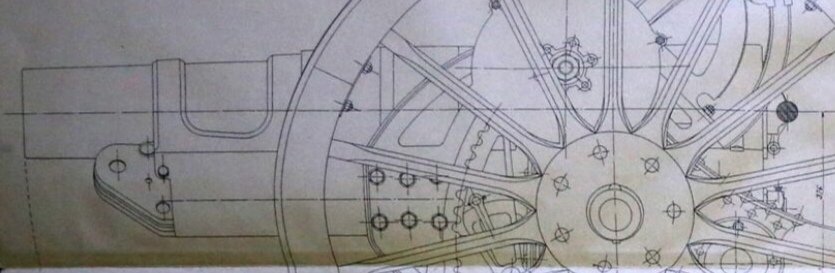
AFAIK, no submarine was actually sunk by diving shells, but only a very small number of Central Powers submarines operated on Black Sea, where Russian Navy was most active. There were numerous cases when warships, up to battleships and dreadnoughts, used diving shells to chase off the submarines.

P.S. Initially, there was another use for diving shells - they were planned to be used as anti-torpedo weapon. The idea was to fire a tight barrage across the course of torpedo; shells explosions were supposed to either destroy the torpedo or knock it off-course. On trials, idea worked - but on practice, it required the ship to maintain steady course during torpedo attack. A simple trials demonstrated, that maneuvering to avoid torpedoes gave much better chance to evade the attack than diving shells barrage.
 
Interestingly, the 4.8-inch howitzer is mentioned as an alternative weapon for the naval howitzer role, on the same mount. The Obukhov plant, which developed the 6-inch naval howitzer, had a 4.8-inch field howitzer model. Both weapons, at least externally, have the same barrel, breech, and recuperator design, and essentially differ only in caliber and barrel length.
6"/9.5 and 4.8"/11 howitzers, 1908 and 1904:
IMG_20260128_233406.jpg
IMG_20260128_233449.jpg
 
Interestingly, the 4.8-inch howitzer is mentioned as an alternative weapon for the naval howitzer role, on the same mount. The Obukhov plant, which developed the 6-inch naval howitzer, had a 4.8-inch field howitzer model. Both weapons, at least externally, have the same barrel, breech, and recuperator design, and essentially differ only in caliber and barrel length.
6"/9.5 and 4.8"/11 howitzers, 1908 and 1904:
Eventually, though, the T-guns and K-guns appeared by the end of WW1, and anti-submarine howitzers became largerly obsolete. The increase of torpedo running distance made artillery fire against detected periscope generally inefficient; chances of hitting submarine were very small even with diving shells.
 
Nope.

The original idea from 1914 was to use a standard 3-inch anti-torpedo gun and standard 3-inch shell - fitted with special "diving cap", a hollow cylinder cap with slots. The cap was supposed to prevent shell from ricochetting from water surface and allow it to continue on more or less straight trajectory through the water till the time fuze would explode it.

The idea was tested, and found to be workable. The main problem was, that standard time fuze (of powder train type, designed for shrapnel round) simply wasn't accurate enough, so only about 60% of shells exploded anywhere near required depth even on exercises. It was considered sufficient, though, so they were adopted for small and medium caliber guns.

One important thing to understand, is that those shells weren't intended as replacement for depth charges - they were viewed as forward-firing and quick-reacting addition to them. It would took time for warship to engage detected periscope with depth charges (especially if a warship was forced to evade torpedo attack); but diving shells could be put in action immediately and from distance. If nothing else, they forced submarines immediately break attacks and dive, since staying on periscope depth would be far too dangerous.

AFAIK, no submarine was actually sunk by diving shells, but only a very small number of Central Powers submarines operated on Black Sea, where Russian Navy was most active. There were numerous cases when warships, up to battleships and dreadnoughts, used diving shells to chase off the submarines.

P.S. Initially, there was another use for diving shells - they were planned to be used as anti-torpedo weapon. The idea was to fire a tight barrage across the course of torpedo; shells explosions were supposed to either destroy the torpedo or knock it off-course. On trials, idea worked - but on practice, it required the ship to maintain steady course during torpedo attack. A simple trials demonstrated, that maneuvering to avoid torpedoes gave much better chance to evade the attack than diving shells barrage.
Nope what? I quickly summarised what the article (its actually a section of book about our coastal artillery weapons) mentions. Are you disputing the translation or disputing the original operational experience the text refers to?
 

Similar threads

Back
Top Bottom