- Joined
- 21 January 2015
- Messages
- 14,339
- Reaction score
- 22,728
The hatches between the module "Science" and the ISS are open
07/30/2021 20:48
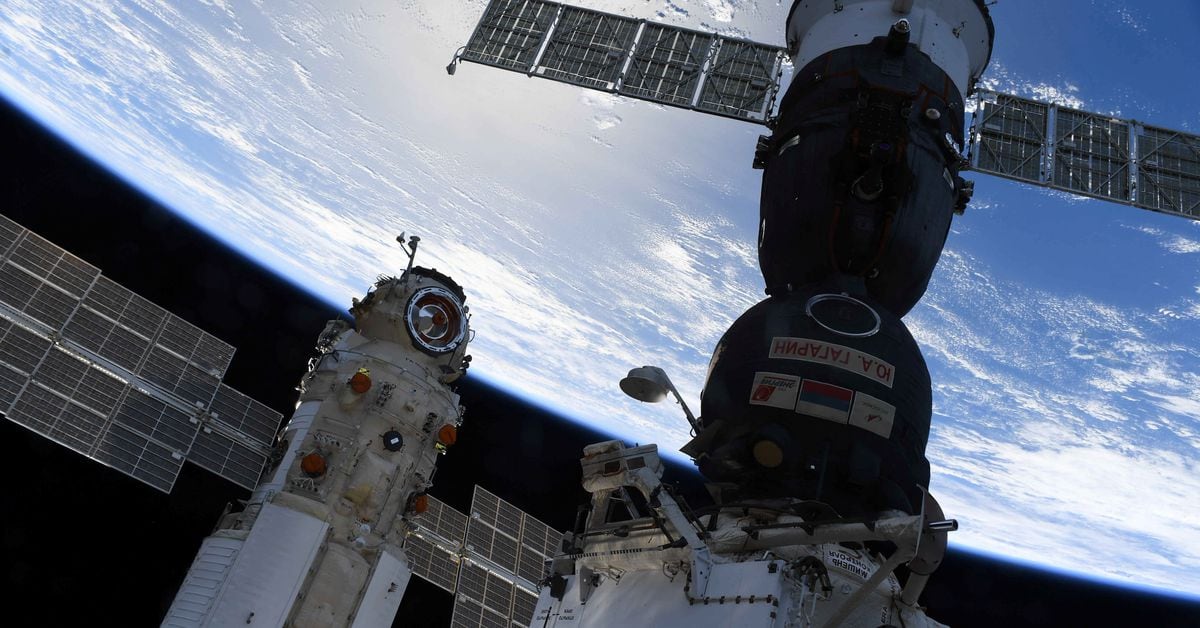
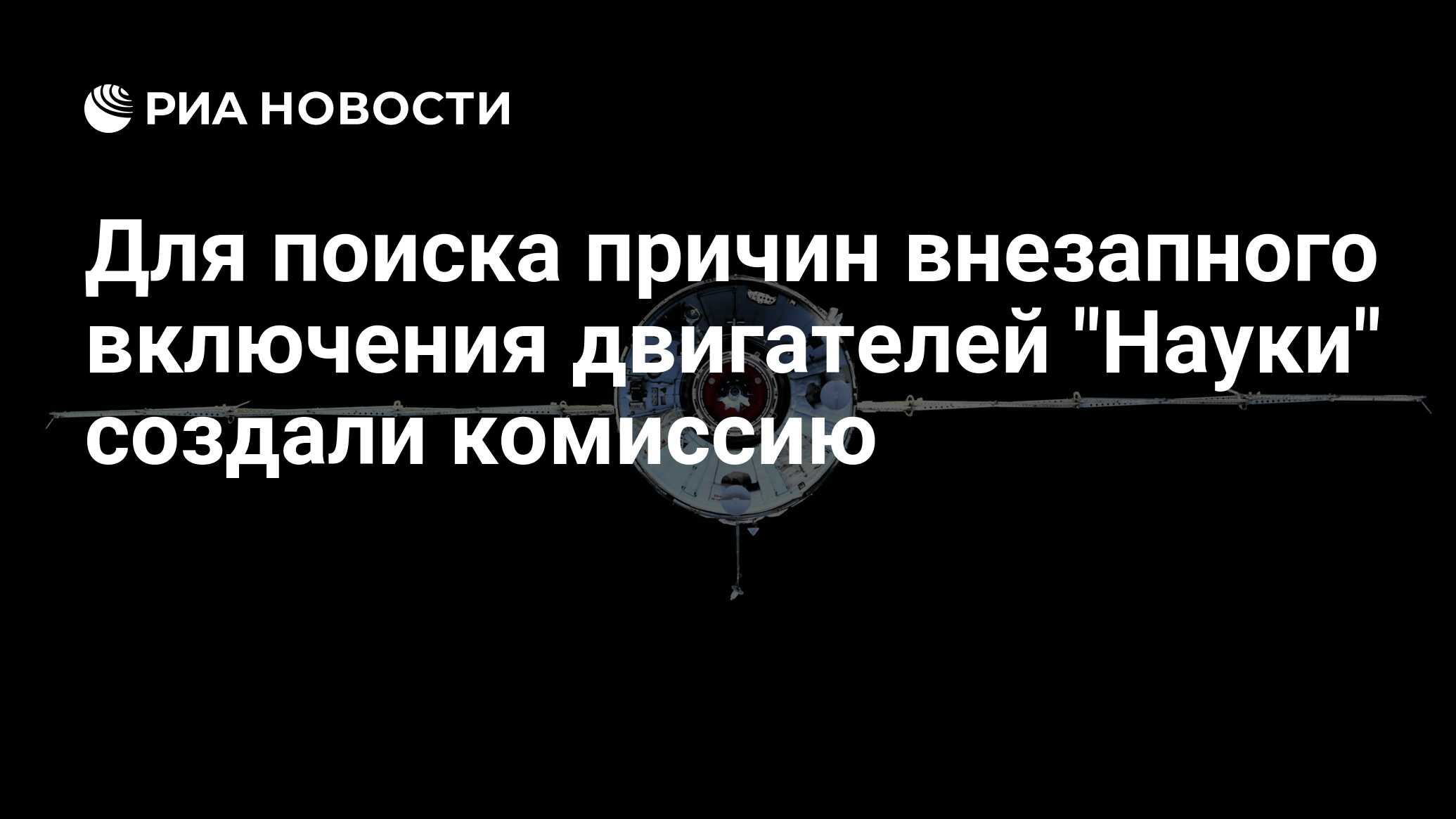
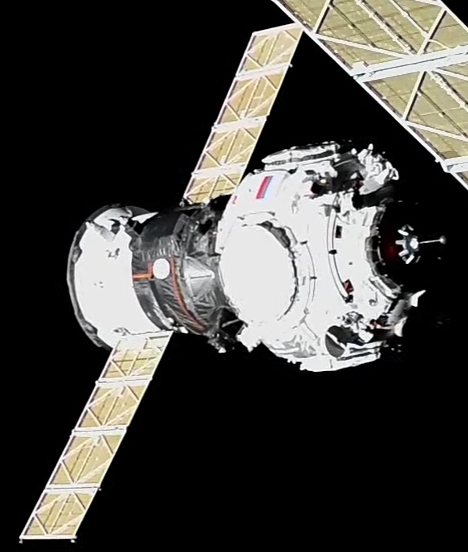
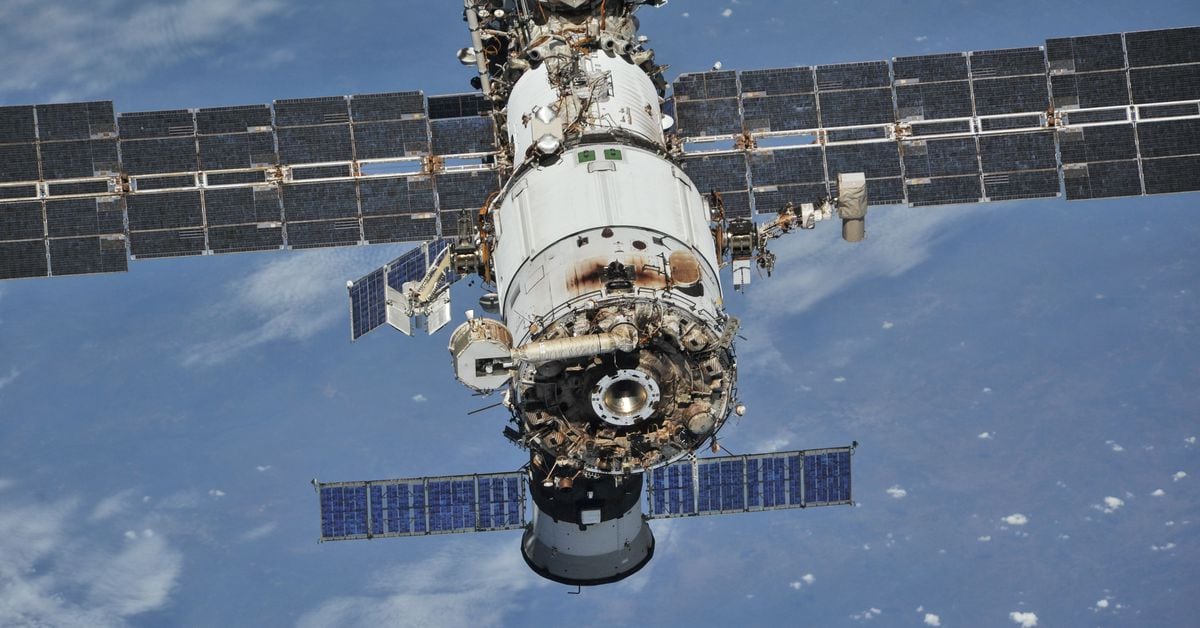
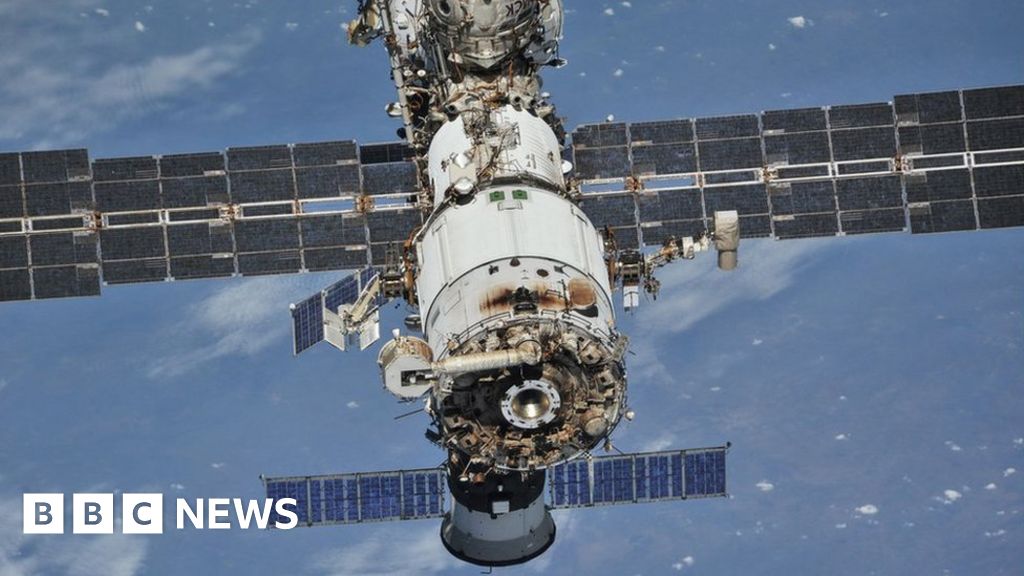
On Thursday, July 29, 2021, at 16:29:06 Moscow time, the Nauka multipurpose laboratory module , launched on July 21, 2021 from the Baikonur cosmodrome, was docked to the International Space Station . Today at 20:47 Moscow time, Roscosmos cosmonauts Oleg Novitsky and Pyotr Dubrov opened the transfer hatches and boarded the new Russian module "Science".
After the completion of the docking operations of the multipurpose laboratory module with the nadir docking port of the Zvezda service module of the ISS Russian segment, specialists from the Moscow Region TsNIIMash Mission Control Center (part of the State Corporation Roscosmos), together with the crew of the ISS Russian segment, conducted a tightness control of the docking connections and analyzed telemetry information on the state of the module on-board systems. Then the Russian members of the ISS-65 Expedition Oleg Novitsky and Pyotr Dubrov opened the hatch of the transition compartment of the Zvezda module and a few minutes later entered the living area of the instrument-hermetic compartment of the laboratory module. In accordance with today's work plan, on board the multipurpose laboratory module, Roskosmos cosmonauts will perform a control examination of the compartments,
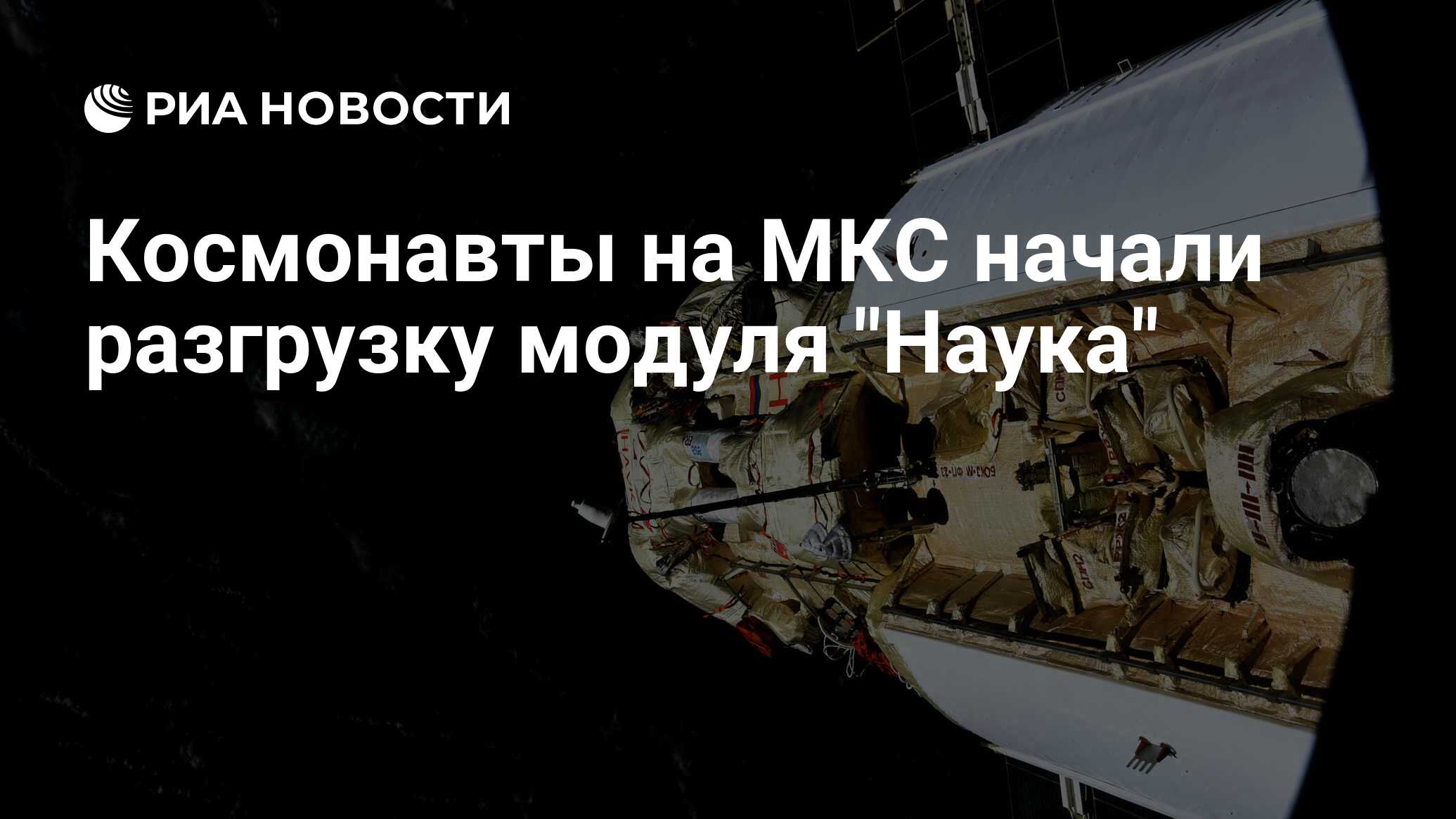
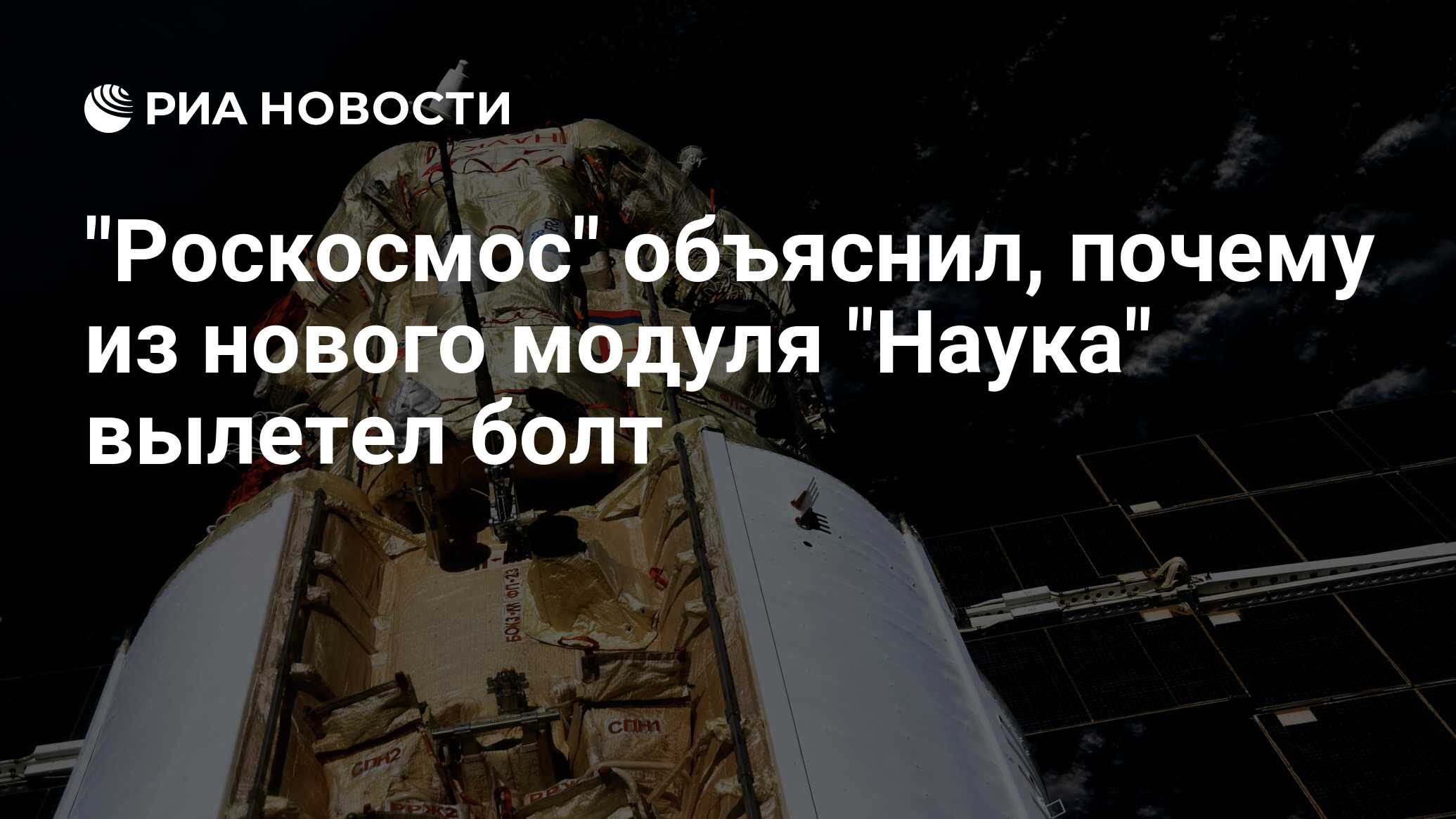
Nauka is a multipurpose laboratory module for the Russian segment of the International Space Station. It was created by a cooperation of enterprises with the leading role of the Rocket and Space Corporation Energia (Korolev, part of Roscosmos), as a module developer in order to implement a program of scientific experiments and expand the functionality of the Russian segment of the ISS. The module structure was manufactured by the State Space Research and Production Center named after M.V. Khrunicheva (Moscow, part of Roscosmos).
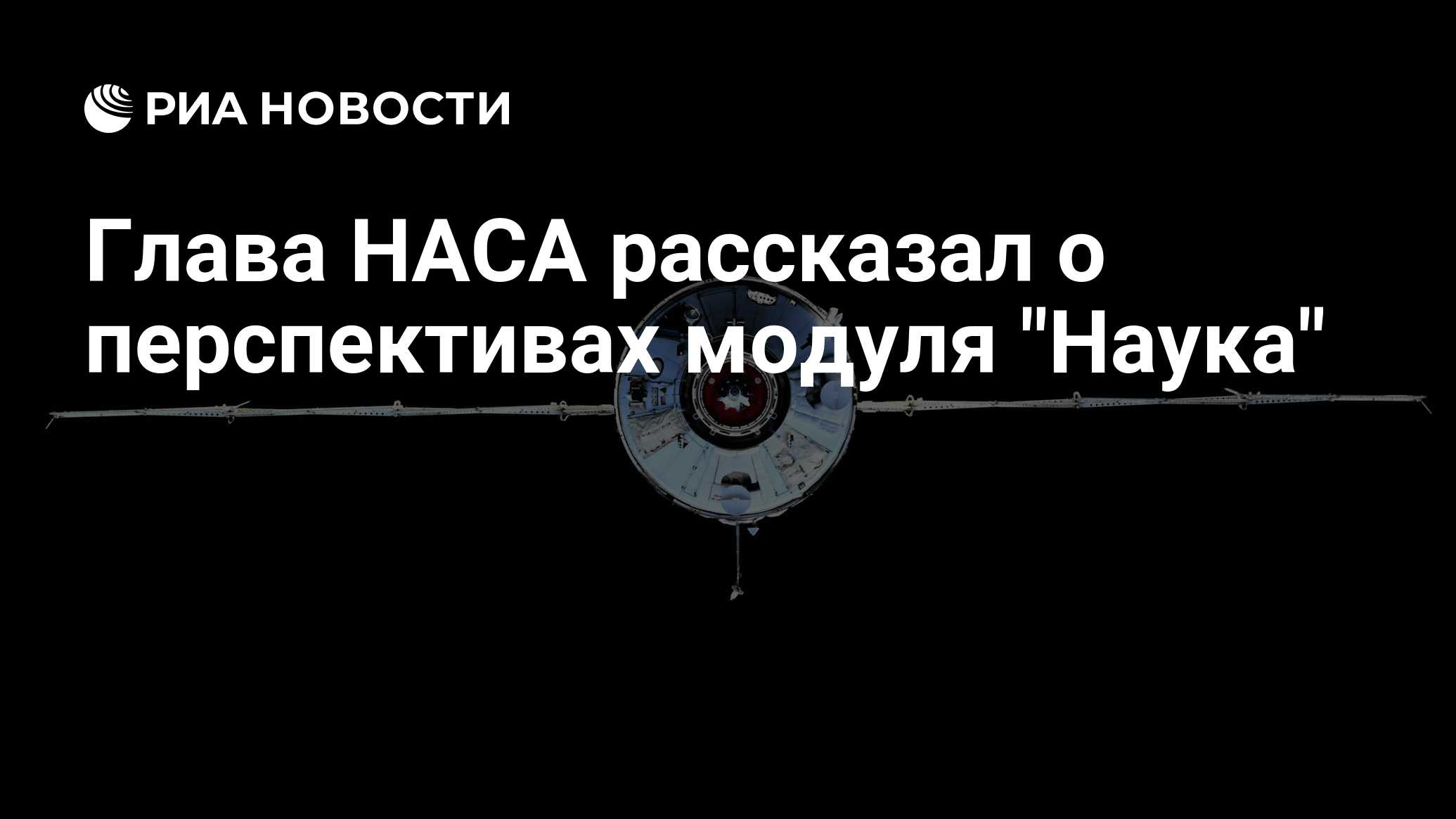
The multipurpose laboratory module "Science" is intended for the implementation of the Russian program of scientific and applied research and experiments. After its commissioning, the Russian segment of the station will receive additional volumes for the arrangement of workplaces and storage of goods, placement of equipment for the regeneration of water and oxygen. It consists of an instrument-hermetic compartment and a spherical pressurized adapter, separated by a sealed bulkhead with a hatch. It is also equipped with an airlock for carrying out scientific equipment outside the station and a European remote manipulator ERA (European Robotic Arm).
In the new Russian module, it is planned to conduct 13 experiments in various directions, including Kaplya-2 (space technologies), Aseptic (space biology and physiology), Mirage, Vampire, Fullerene (space materials science ), "Vitacyc-T" (space biology and physiology), "Rakurs" (exploration of the Earth from space) and others. Flight tests of the "Science" module will be completed in about a year.

 www.roscosmos.ru
07/30/2021 20:48
On Thursday, July 29, 2021, at 16:29:06 Moscow time, the Nauka multipurpose laboratory module , launched on July 21, 2021 from the Baikonur cosmodrome, was docked to the International Space Station . Today at 20:47 Moscow time, Roscosmos cosmonauts Oleg Novitsky and Pyotr Dubrov opened the transfer hatches and boarded the new Russian module "Science".
After the completion of the docking operations of the multipurpose laboratory module with the nadir docking port of the Zvezda service module of the ISS Russian segment, specialists from the Moscow Region TsNIIMash Mission Control Center (part of the State Corporation Roscosmos), together with the crew of the ISS Russian segment, conducted a tightness control of the docking connections and analyzed telemetry information on the state of the module on-board systems. Then the Russian members of the ISS-65 Expedition Oleg Novitsky and Pyotr Dubrov opened the hatch of the transition compartment of the Zvezda module and a few minutes later entered the living area of the instrument-hermetic compartment of the laboratory module. In accordance with today's work plan, on board the multipurpose laboratory module, Roskosmos cosmonauts will perform a control examination of the compartments,
Nauka is a multipurpose laboratory module for the Russian segment of the International Space Station. It was created by a cooperation of enterprises with the leading role of the Rocket and Space Corporation Energia (Korolev, part of Roscosmos), as a module developer in order to implement a program of scientific experiments and expand the functionality of the Russian segment of the ISS. The module structure was manufactured by the State Space Research and Production Center named after M.V. Khrunicheva (Moscow, part of Roscosmos).
The multipurpose laboratory module "Science" is intended for the implementation of the Russian program of scientific and applied research and experiments. After its commissioning, the Russian segment of the station will receive additional volumes for the arrangement of workplaces and storage of goods, placement of equipment for the regeneration of water and oxygen. It consists of an instrument-hermetic compartment and a spherical pressurized adapter, separated by a sealed bulkhead with a hatch. It is also equipped with an airlock for carrying out scientific equipment outside the station and a European remote manipulator ERA (European Robotic Arm).
In the new Russian module, it is planned to conduct 13 experiments in various directions, including Kaplya-2 (space technologies), Aseptic (space biology and physiology), Mirage, Vampire, Fullerene (space materials science ), "Vitacyc-T" (space biology and physiology), "Rakurs" (exploration of the Earth from space) and others. Flight tests of the "Science" module will be completed in about a year.
Новости. Люки между модулем «Наука» и МКС открыты
В четверг, 29 июля 2021 года, в 16:29:06 по московскому времени к Международной космической станции штатно пристыковался многоцелевой лабораторный модуль «Наука», запущенный 21 июля 2021 года с космодрома Байконур. Сегодня в 20:47 мск космонавты Роскосмоса Олег Новицкий и Петр Дубров открыли...