

Brett Davidson
ACCESS: Top Secret
- Joined
- 26 September 2006
- Messages
- 4,450
- Reaction score
- 12,858
Yep all.
That is patently false. You bar is either 100% successful or complete failure. That is idiotic. Has Psyche, which you cited as a Frankensat failed? It's had difficulties but is that a failure? You cited Skylab, implying it was a failure. It was damaged in launch and yet I seem to recall that it was successfully crewed repeatedly.
Wrong, now you are changing your tune. The ESMs were not leftover ATV hardware. It is not the same as new designed based on older ones, which is done all the time and does not meet the intent of a "Frankensat". There is no unique ATV hardware in it.
I didn't say they were. Metal is not cursed, and doesn't have to be a virgin, so I doubt a modified unit is inevitably doomed to fail while new hardware will work. The essential ATV design works, the Gateway unit may have to be modified, though it's a fairly self-contained tug.
OK, let's go back to 'cursed metal': the SSMEs on the Artemis boosters. Failures?
Several X-planes that used components manufactured for other, different aircraft - engines, landing gear, canopies, avionics. The X-59 is proceeding through its tests well so far, despite being a flying anthology. Is doom inevitable? And there are others.
Or Frankenships. the Royal Navy ships Nelson and Rodney were fitted with triple 16" gun turrets that were long-lead items for the cancelled G3 battlecruisers - a different design. Both ships performed excellently.
HMS Vanguard was fitted with four 15" double turrets from the Queen Elizabeth class that predated WWI. They were modified to increase elevation. She arrived too late for active combat but trials also showed excellent performance. Her guns had excellent range and accuracy, superior actually to more recent designs. She did pretty well as a royal yacht too.
The main guns are obviously not trivial elements on battleships and usually their design proceeds in parallel with the ship itself. This is because ballistics is complicated by calculations of recoil, roll centre, and so on. These have major effects on accuracy, so in specifying and designing the gun and its associated computing hardware, there's usually a lot of give-and-take along the way. Not so here: the Nelsons' hulls weren't G3s and Vanguard wasn't anything like a Queen Elizabeth. While the characteristics of the guns could not be changed (though Vanguard's turrets were modified), there were known well and the new ships were designed to accommodate them. None of them failed: the Nelsons endured the rigours of the Battle of the Atlantic and Vanguard at least went through trials designed to ensure that she was ready for the same (tests indicated unparalleled seakeeping in fact).
HMS Warspite... where to begin? Virtually a ship of Theseus, two world wars.
Last edited:
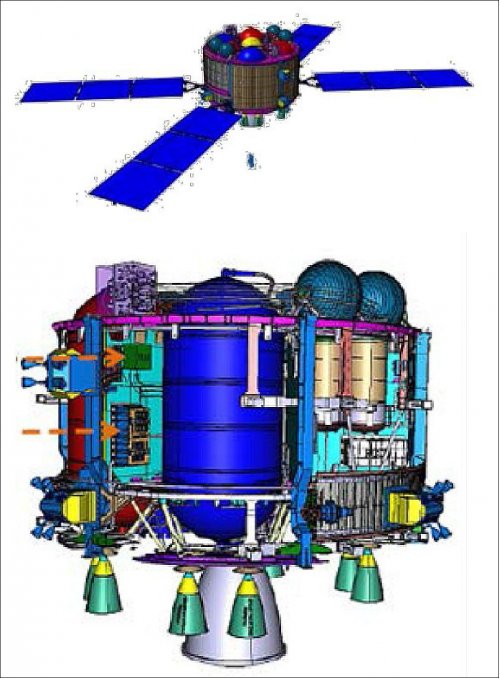
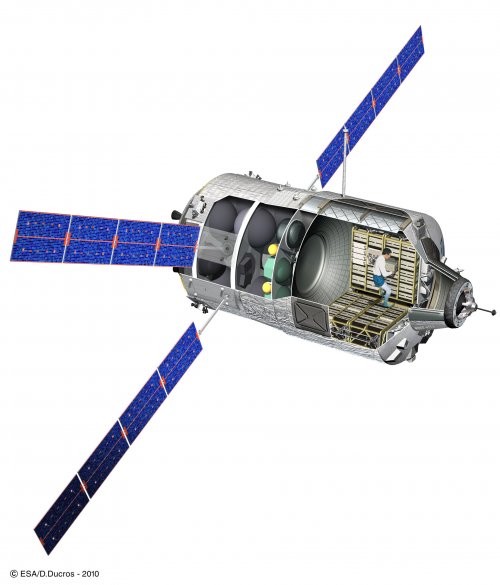

 )
)


