
You are using an out of date browser. It may not display this or other websites correctly.
You should upgrade or use an alternative browser.
You should upgrade or use an alternative browser.
NASA Aircraft Projects
- Thread starter hesham
- Start date


- Joined
- 25 July 2007
- Messages
- 4,912
- Reaction score
- 5,523
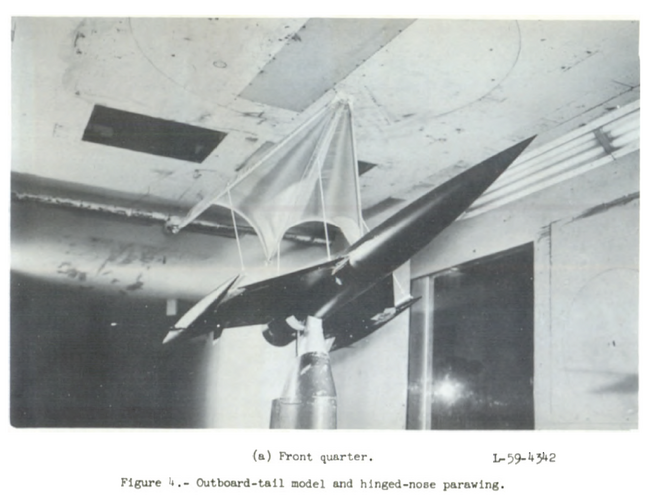
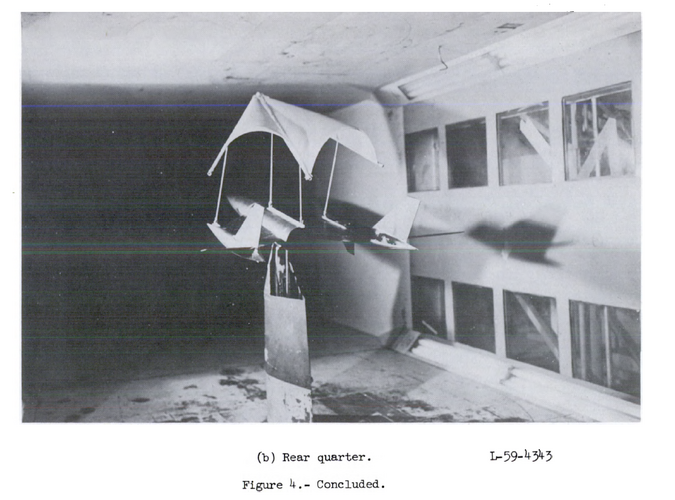
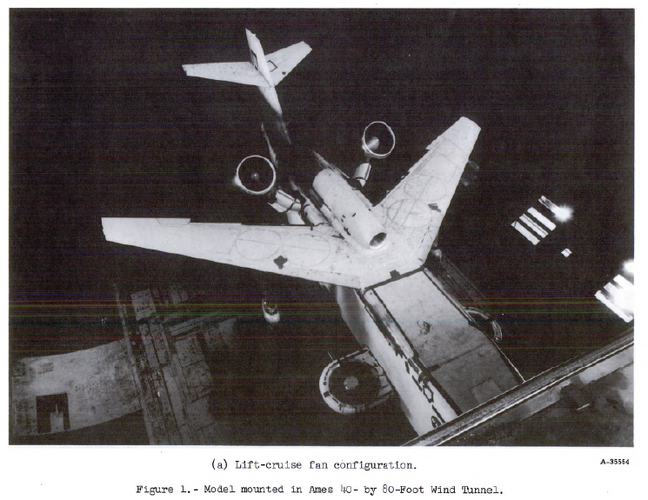
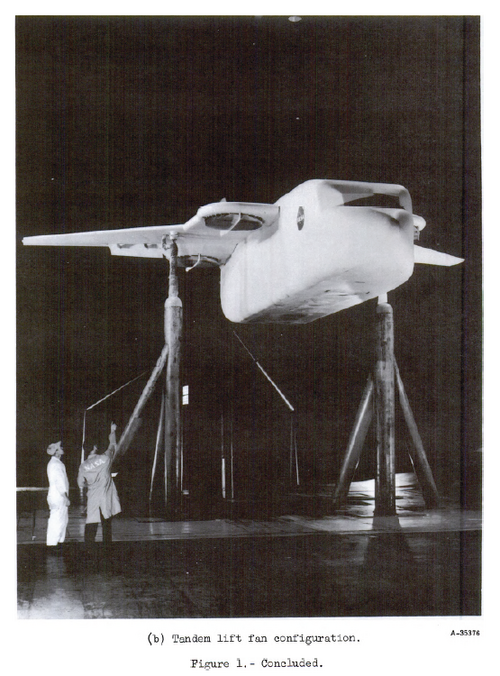
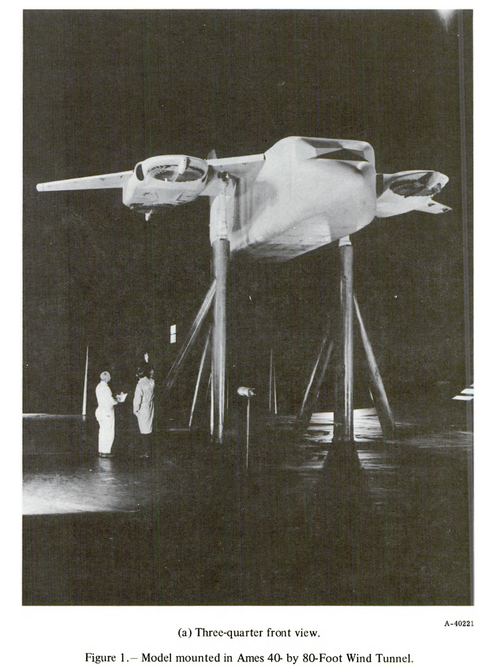
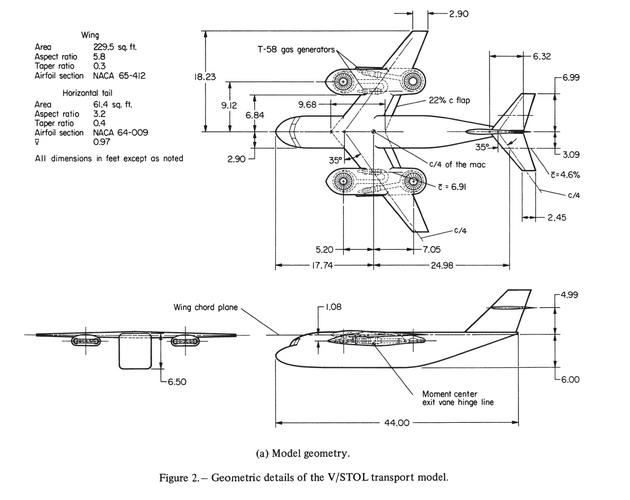
I think that's just a test set-up, the fuselage and tail look like the Avro Canada Jetliner . . .
Exactly, NASA modified that surplus C102 model a number of times. Why waste an already-built model's fuselage and tail when only the new wings need to be represented accurately in the wind tunnel tests?

- Joined
- 26 May 2006
- Messages
- 38,257
- Reaction score
- 20,396
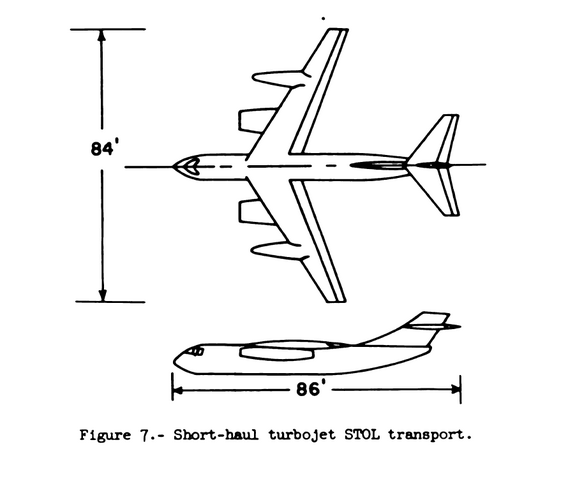
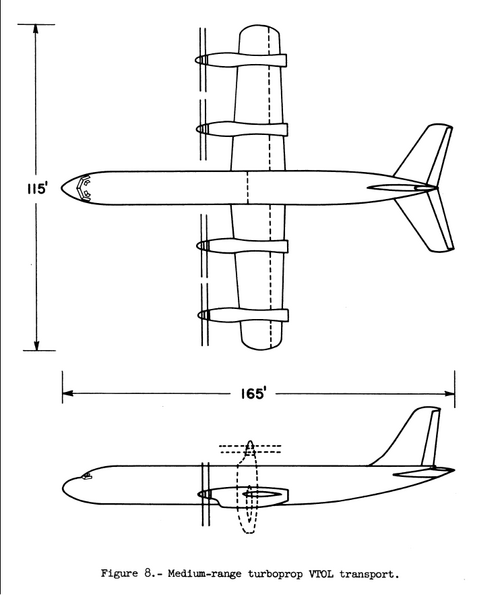
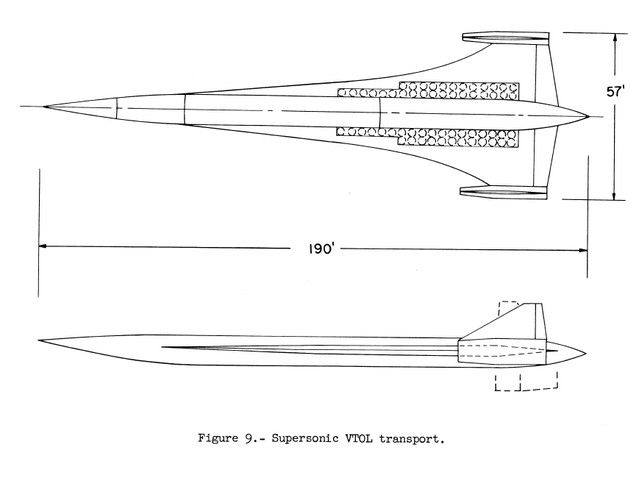
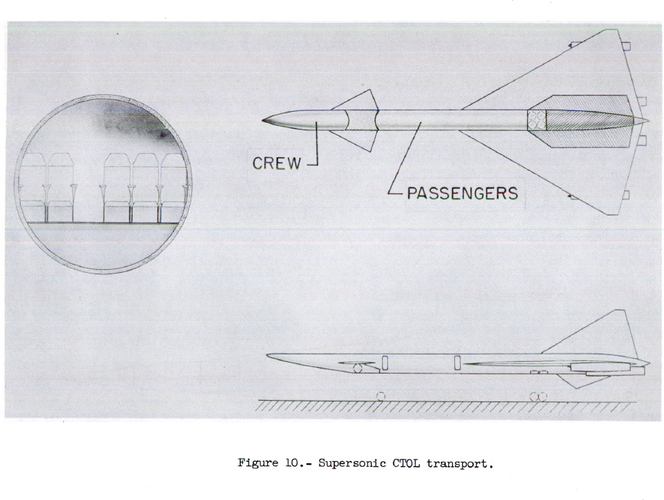
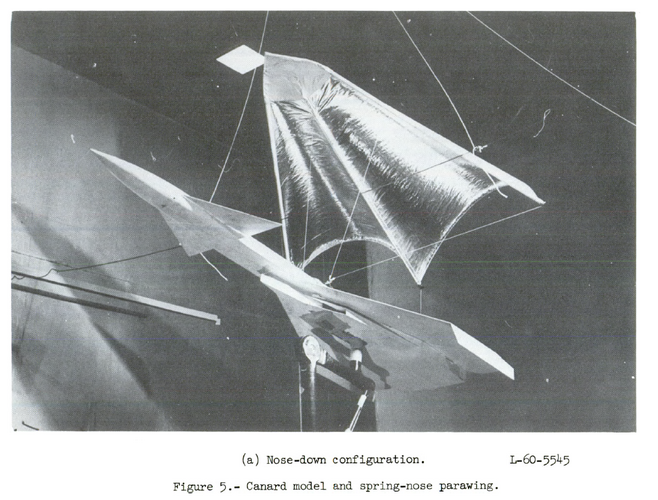
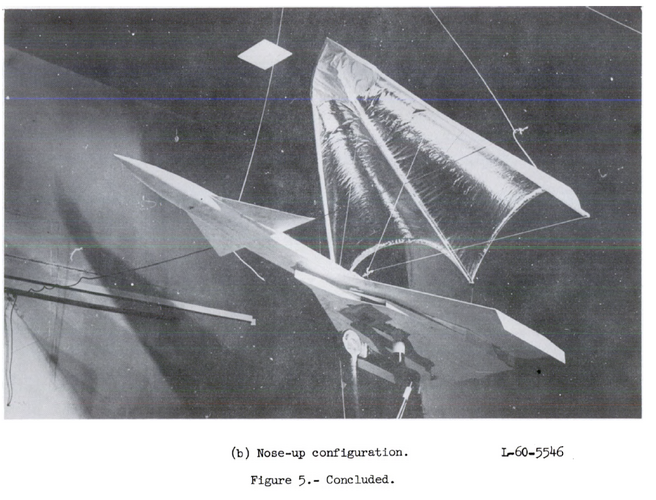
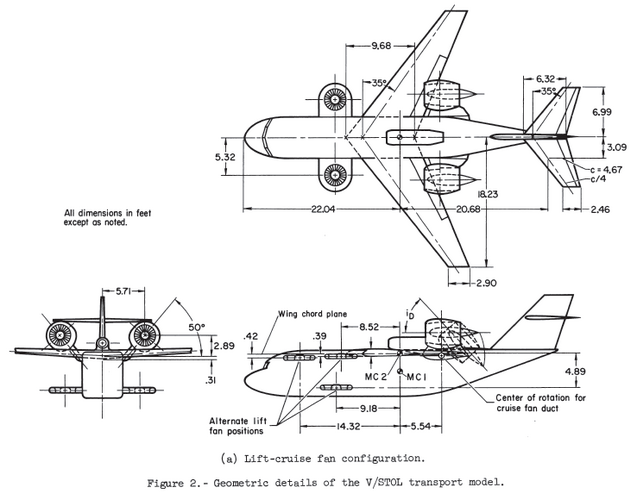
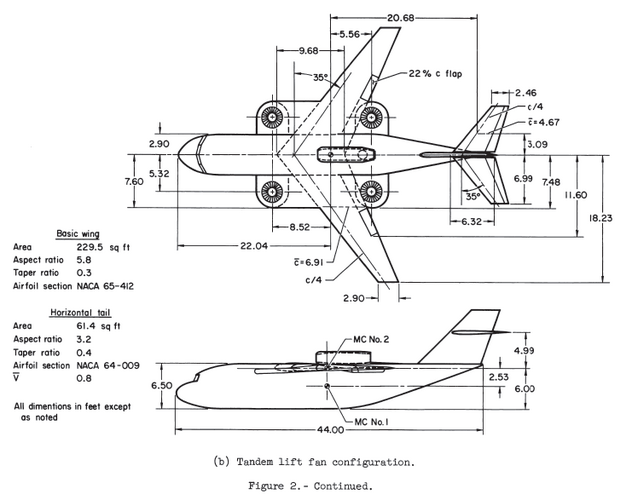
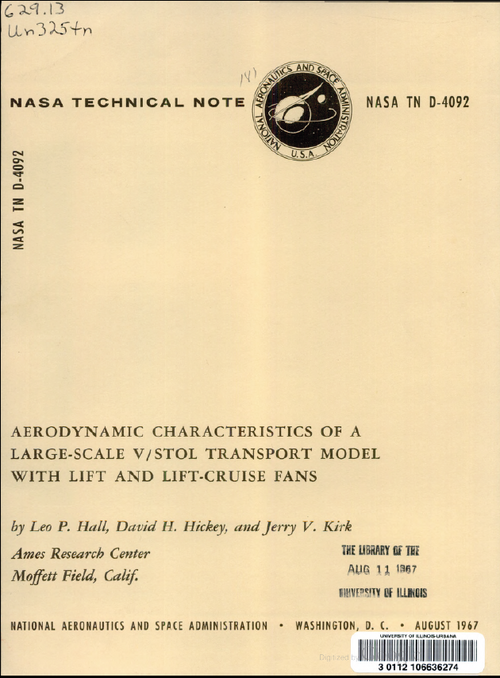
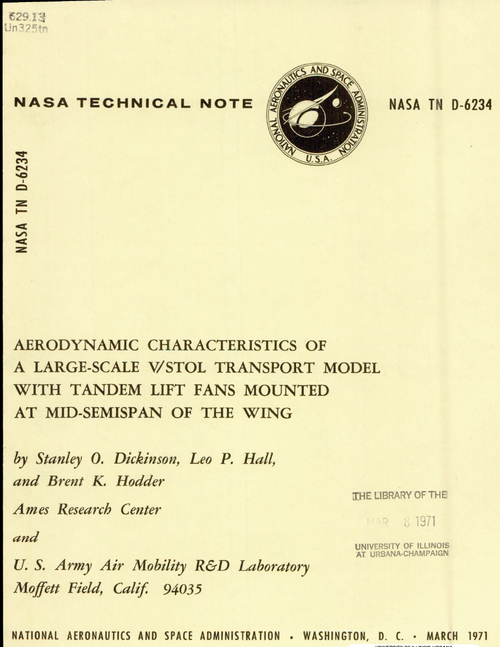
From this report.
Attachments
-
 30.png1.3 MB · Views: 241
 -
 31.png1.3 MB · Views: 110
 -
 32.png59.3 KB · Views: 90
 -
 33.png51.6 KB · Views: 88
 -
 34.png60.9 KB · Views: 82
 -
 35.png37.2 KB · Views: 87
 -
 36.png57.3 KB · Views: 93
 -
 37.png46.8 KB · Views: 96
 -
 38.png900.5 KB · Views: 86
 -
 39.png890.6 KB · Views: 81
 -
 40.png1.2 MB · Views: 75
 -
 41.png1.4 MB · Views: 78
 -
 42.png1.3 MB · Views: 85
 -
 50.png2.7 MB · Views: 91
- Joined
- 26 May 2006
- Messages
- 38,257
- Reaction score
- 20,396
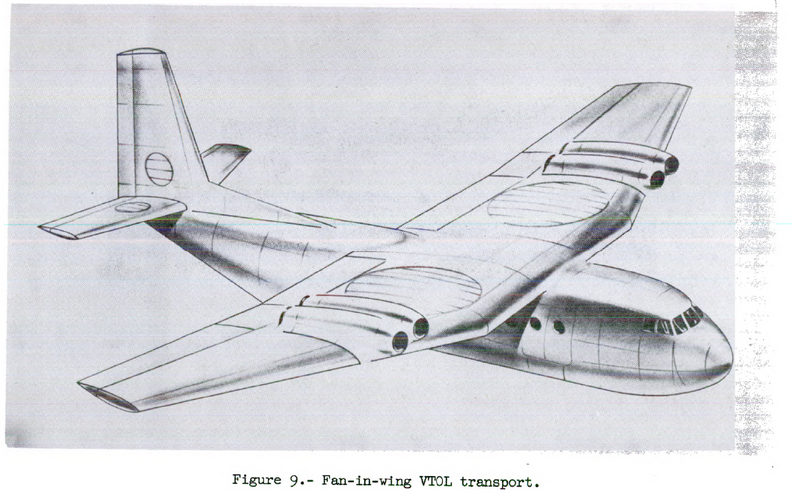
From this report.
It's very similar to Vertol project in the book, ASP:3 ?.
Attachments

- Joined
- 25 June 2009
- Messages
- 15,515
- Reaction score
- 9,432
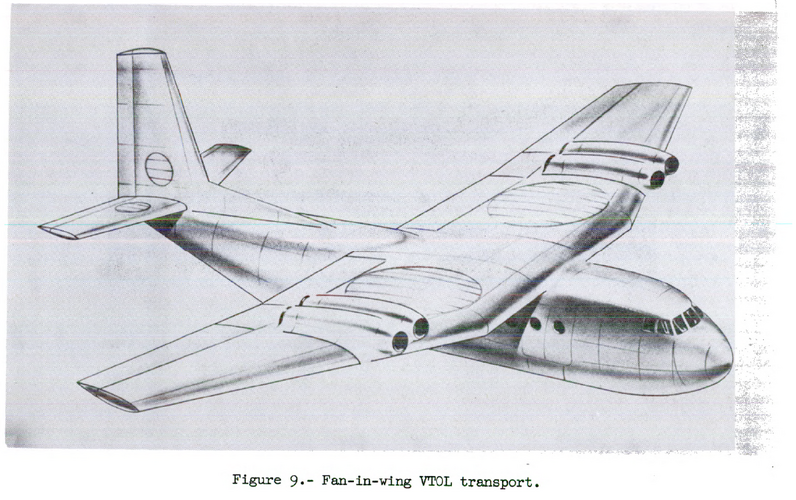
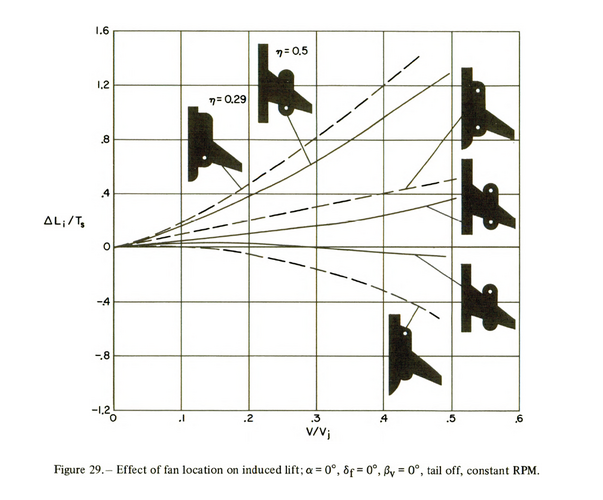
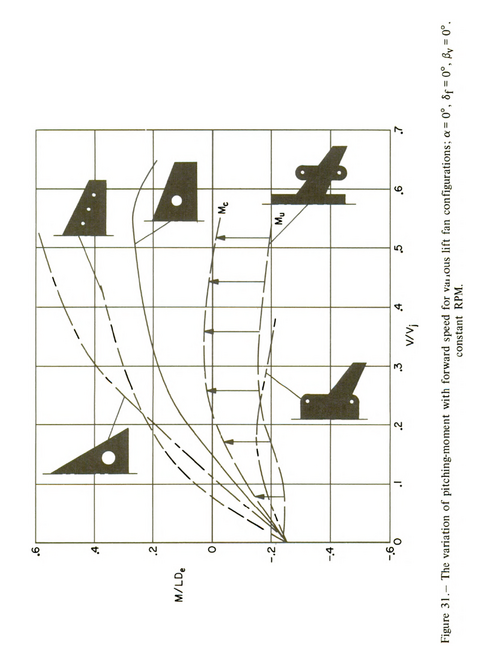
Don't forget that the technology here is the fan-in-wing "Vertifan", patented by Ryan Aeronautical, so it could be an early Ryan design (perhaps only notional, not an actual project) or a NASA drawing inspired by Ryan's "Vertifan" technology.It's very similar to Vertol project in the book, ASP:3 ?.

southwestforests
ACCESS: Top Secret
- Joined
- 28 June 2012
- Messages
- 1,017
- Reaction score
- 1,980
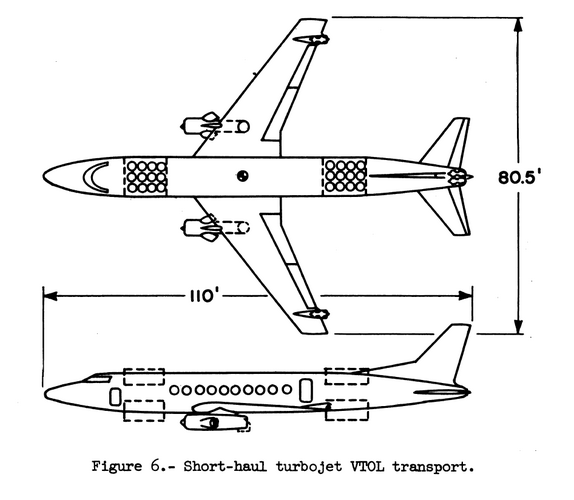
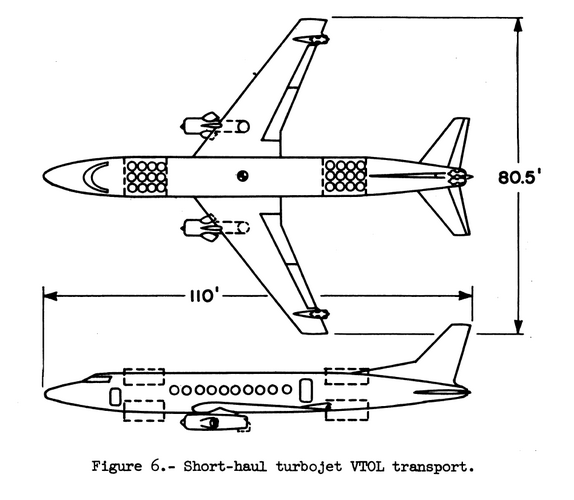
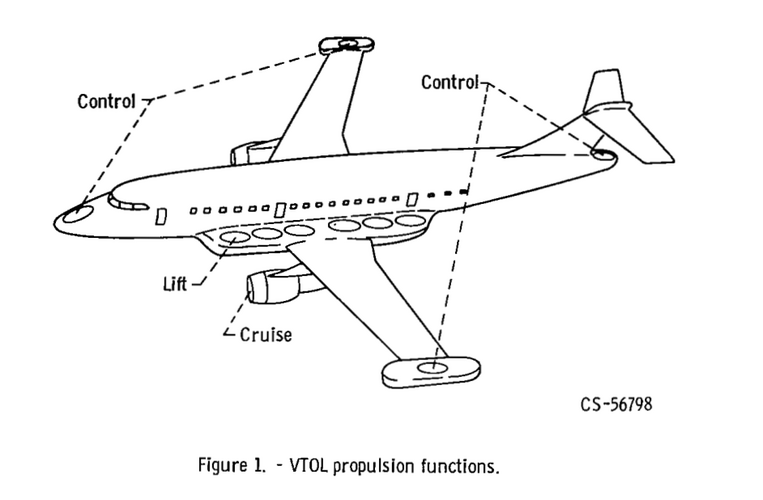
Image 34, the short haul VTOL passenger jet - would be interested in seeing a cabin noise report/study when those clusters of lift jets were operating.From this report.
On the up side, cockpit security is perfectly inviolable.
Main engines are interesting, sort of like having a mini-Harrier under each wing.

- Joined
- 26 May 2006
- Messages
- 38,257
- Reaction score
- 20,396
Attachments
- Joined
- 26 May 2006
- Messages
- 38,257
- Reaction score
- 20,396

Grey Havoc
ACCESS: USAP
- Joined
- 9 October 2009
- Messages
- 24,500
- Reaction score
- 18,175
Grey Havoc
ACCESS: USAP
- Joined
- 9 October 2009
- Messages
- 24,500
- Reaction score
- 18,175
After Ingenuity, presentations at the 2024 Transformative Vertical Flight conference devoted to helicopter research.
https://www.scientificamerican.com/...generation-mars-helicopters-are-up-in-the-air
You may hit a paywall, so...
Ingenuity’s achievements have sparked something of a renaissance in helicopter science, and NASA has developed lists of specifications for several more planetary helicopters, most of which will never be built. But each new configuration helps NASA to learn and iterate, with the hope of identifying the best possible designs for a range of challenging conditions.
The most developed plans include Dragonfly, which recently received the green light to head for Saturn’s largest moon, and the Sample Recovery Helicopter (SRH), which faces an unclear future as a potential part of the space agency’s troubled Mars Sample Return (MSR) program. Other possibilities include a few concept helicopters—for instance, the Mars Science Helicopter, which wouldn’t need a rover or lander as a “mothership,” and the Planetary Telemetric Helicopter for Investigation and Analysis (PYTHIA), designed to travel down the Red Planet’s giant lava tubes.
[...]
On a more mundane but equally important note, Warmbrodt says the Ingenuity team was elated to confirm that consumer electronics could handle interplanetary exploration. Ingenuity’s brains came from the equivalent of a simple mobile phone processor, which was able to withstand the extremes of a rocket launch and a Mars landing, as well the low pressure and variable temperatures of the alien world’s surface—a fact that came up a few times during talks at the conference.Previously, NASA had only used custom hardware which required costly testing to prove spaceworthiness. The ability to use commercially available components, Warmbrodt says, would provide a huge cost benefit in future designs.
[...]
At the moment, NASA’s Science Mission Directorate has updated the MSR [Mars Sample Return] design specifications in a way that “does not allow accommodation of helicopters.” It also included a back door, however, that would allow NASA to potentially squeeze in a helicopter “for added risk reduction,” albeit with a tighter budget. The answer to the question of when helicopters will once again fly through Mars’s not-so-friendly skies is up in the air.
[Some stuff about Dragonfly - nothing specifically new in this article]
Proposed Mars Science Helicopter:
https://science.nasa.gov/resource/model-of-proposed-mars-science-helicopter
https://rotorcraft.arc.nasa.gov/Publications/files/MSH_ARC_MYR_Mar2020rev.pdf
In late 2023 Grip left the Ingenuity program to become chief engineer for the Mars Science Helicopter (MSH). He said the design for the MSH hasn’t been completely settled yet, but it is likely to be the first Mars-bound mission to abandon the stacked rotor blade configuration and instead use a hexacopter design that will space six rotor blades around the craft’s body. Standing a little more than four feet tall and weighing just five pounds, it will also be larger and heavier than Ingenuity and able to carry a gross weight of around 68 pounds, including about 18 pounds of payload.
“The best way to think about it is that it’s one concept that has received a fair bit of attention and study over several years,” Grip says, “but it’s not an approved mission.”
Another promising concept is PYTHIA, designed to navigate Mars’s caves. In the past, active volcanoes on Mars pushed hot lava to the surface via tunnels. After the volcanoes cooled, the tunnels hardened into large lava tubes.
At the conference, a NASA team presented PYTHIA’s proposed design of a smaller drone body with four rotors and eight blades. A prospective landing site has already been selected: Arsia Mons, Mars’s third-highest point of elevation, at around 38,000 feet. Thanks to Ingenuity’s flight data, engineers know the extremely low air pressure that PYTHIA will face and have modeled how to compensate so it can navigate such heights.
View attachment 728470
Ha!On the up side, cockpit security is perfectly inviolable.
Grey Havoc
ACCESS: USAP
- Joined
- 9 October 2009
- Messages
- 24,500
- Reaction score
- 18,175
- Joined
- 26 May 2006
- Messages
- 38,257
- Reaction score
- 20,396
Attachments
- Joined
- 25 June 2009
- Messages
- 15,515
- Reaction score
- 9,432
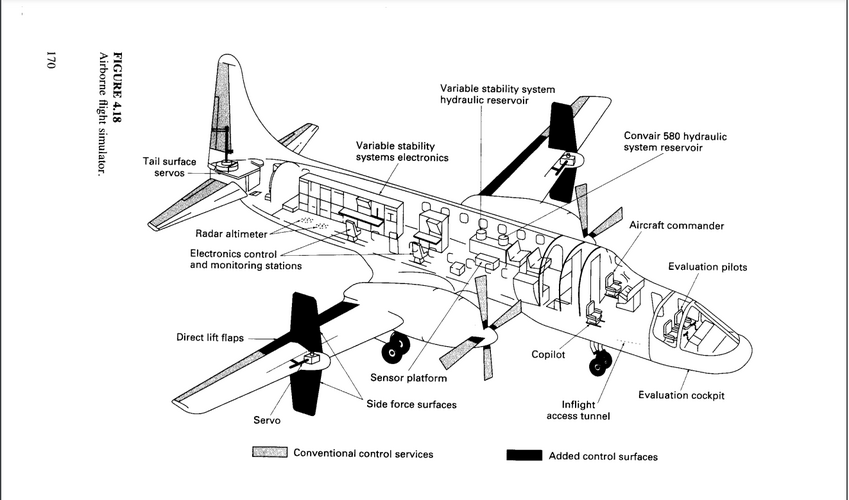
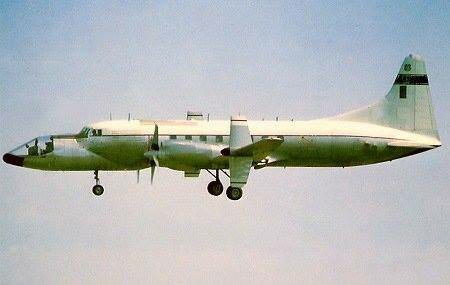
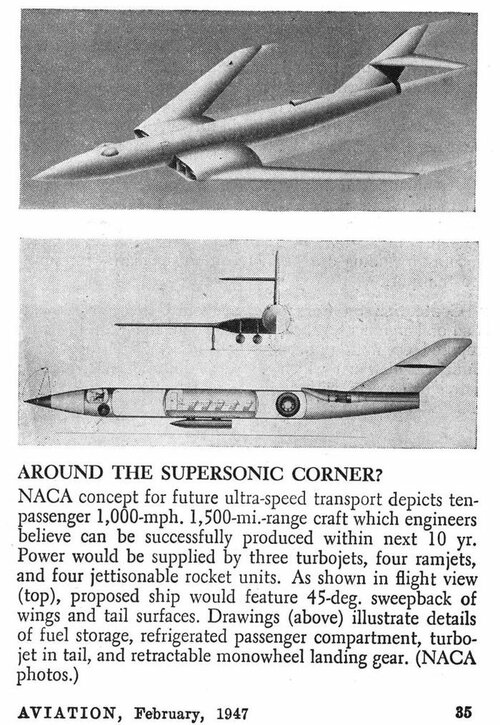
That's just the Convair NC-131H with its original front extension.
Attachments

- Joined
- 26 May 2006
- Messages
- 38,257
- Reaction score
- 20,396
Attachments
Grey Havoc
ACCESS: USAP
- Joined
- 9 October 2009
- Messages
- 24,500
- Reaction score
- 18,175
- Joined
- 25 July 2007
- Messages
- 4,912
- Reaction score
- 5,523
This really doesn't qualify as a 'NASA Aircraft Project':
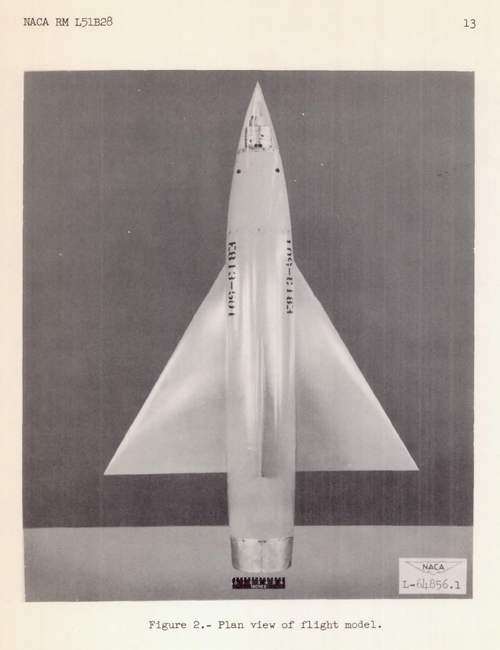
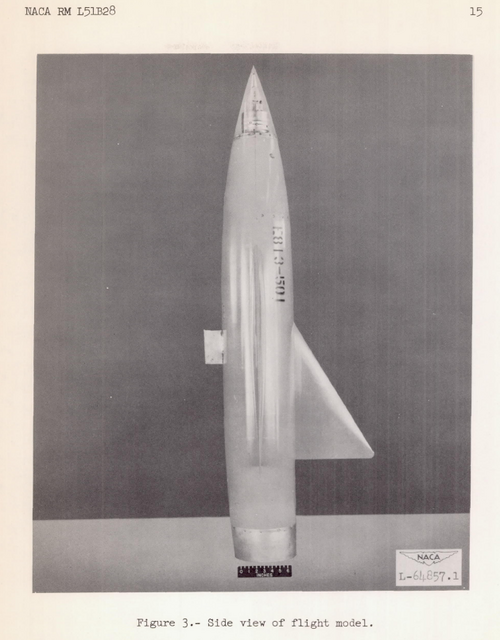
An analysis of the flight time history of a rocket-propelled model of a 60° delta-wing airplane configuration, fired for the purpose of obtaining zero-lift drag data.
In other words, this item was simply a generic 'shape' to measure the zero-lift drag coefficient for delta-winged aircraft. In this case, specifically a wing with a leading-edge sweepback of 60° and an aspect ratio of 2.31.
Note that, in the specifications (pg. 8), much attention is given to the wings and the fixed, parallel-chord control surfaces but with no mention whatever of the fuselage - which was effectively just a housing for its 4-channel telemeter and the sustaining rocket motor.

- Joined
- 19 February 2007
- Messages
- 1,644
- Reaction score
- 3,480
This really doesn't qualify as a 'NASA Aircraft Project':
In other words, this item was simply a generic 'shape' to measure the zero-lift drag coefficient for delta-winged aircraft. In this case, specifically a wing with a leading-edge sweepback of 60° and an aspect ratio of 2.31.
Note that, in the specifications (pg. 8), much attention is given to the wings and the fixed, parallel-chord control surfaces but with no mention whatever of the fuselage - which was effectively just a housing for its 4-channel telemeter and the sustaining rocket motor.
That's the really frustrating part about researching through NACA/NASA wind tunnel/rocket reports: their style which rarely identified the the project or application of the results being reported. This could have been due to security concerns, but I have noticed the same reticence to identify applicable project on unclassified wind tunnel reports.
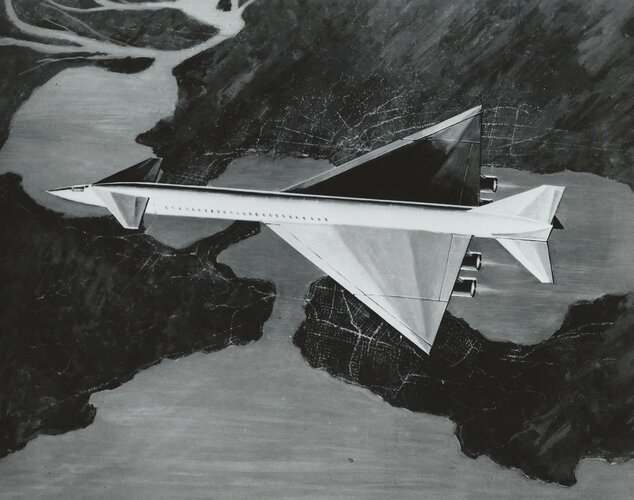
In this case, the applicable project was the Convair XP-92. The fuselage matches that of the planned aircraft with the exception of the nose which did not replicate the air intake. NACA did pursue a 25-flight test effort using the manned XF-92A testbed in 1953.
- Joined
- 26 May 2006
- Messages
- 38,257
- Reaction score
- 20,396
Attachments
- Joined
- 25 July 2007
- Messages
- 4,912
- Reaction score
- 5,523
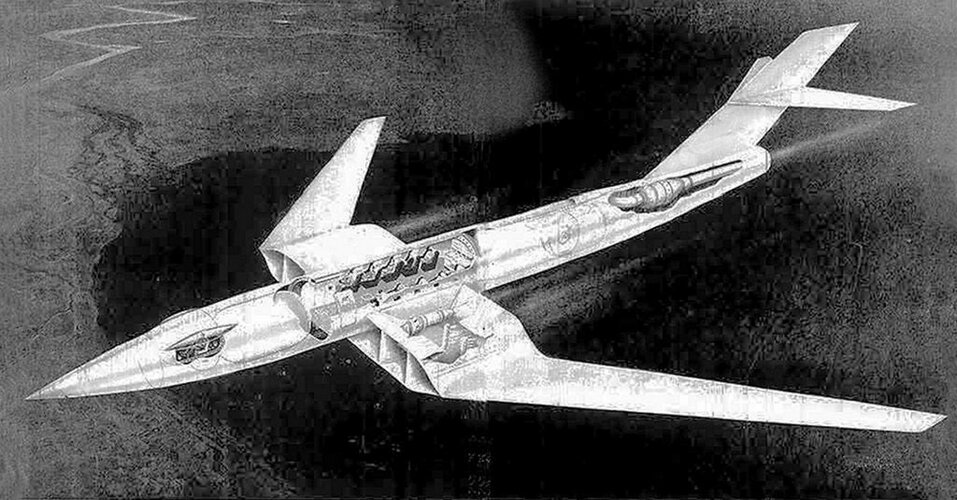
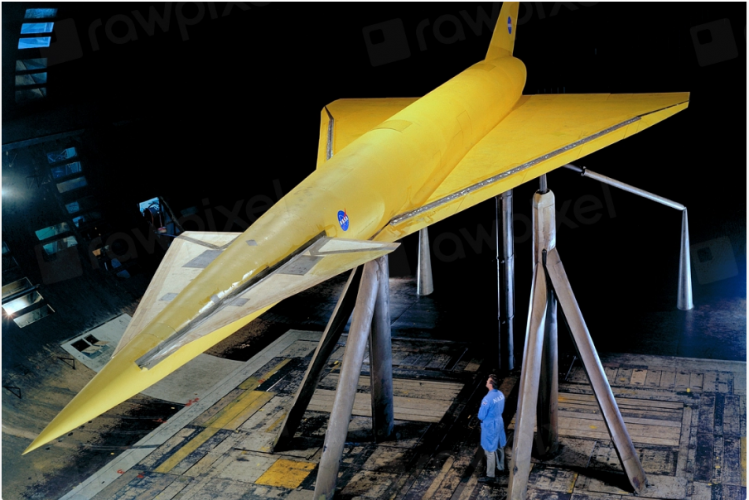
That is just rawpixel's retouch of a NASA ARC images from Wikipedia:
-- https://commons.m.wikimedia.org/wiki/File:Hypersonic_Transport_Model_(AC-40028).jpg
In other places, rawpixel repeats the Wikipedia Description typo of 'Conard' but gets the date wrong
-- https://commons.m.wikimedia.org/wiki/File:Hypersonic_Transport_Model_(AC-40028).jpg
In other places, rawpixel repeats the Wikipedia Description typo of 'Conard' but gets the date wrong
- Joined
- 26 May 2006
- Messages
- 38,257
- Reaction score
- 20,396
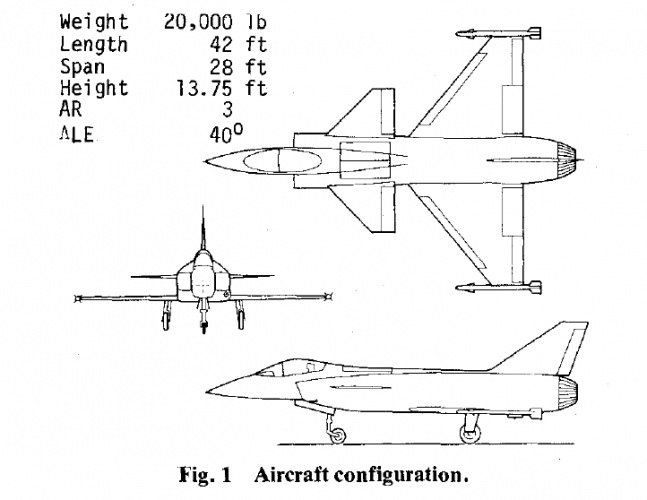
From, Conceptual Design of a Lift Fan Plus Lift/Cruise Fighter Aircraft
https://arc.aiaa.org/doi/10.2514/3.59870
https://arc.aiaa.org/doi/10.2514/3.59870
Attachments
Grey Havoc
ACCESS: USAP
- Joined
- 9 October 2009
- Messages
- 24,500
- Reaction score
- 18,175
Grey Havoc
ACCESS: USAP
- Joined
- 9 October 2009
- Messages
- 24,500
- Reaction score
- 18,175
Grey Havoc
ACCESS: USAP
- Joined
- 9 October 2009
- Messages
- 24,500
- Reaction score
- 18,175
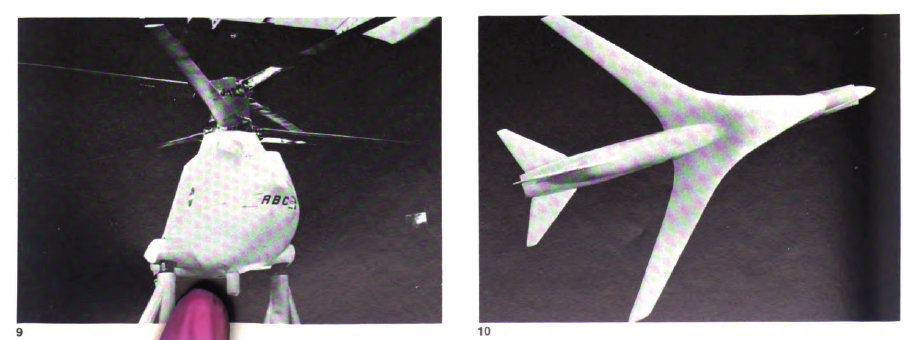
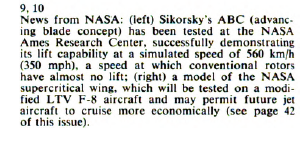
From Interavia 1971
The plane looks a lot like a B-1/Tu-160. Similar principles, I guess.


- Joined
- 3 June 2006
- Messages
- 3,538
- Reaction score
- 6,215
Hey folks, check out the fresh paint job on NASA’s Boeing 777 leaving Rick Husband Amarillo International Airport in Amarillo, Texas today.
Source (X fka twitter) :
View: https://x.com/i/status/2083590807584448589
Similar threads
-
 NACA and the Convertible Aircraft, 1945-1949
- Started by jzichek
- Replies: 2
-

-
 McDonnell Douglas & Boeing BWB projects
- Started by flateric
- Replies: 111
-
 "Lockheed" Penetrating High Altitude Endurance (PHAE)
- Started by quellish
- Replies: 31
-
 North American X-15 - Variants and Projects
- Started by hesham
- Replies: 41