airman

ACCESS: Top Secret
Joined
14 October 2007
Messages
1,687
Reaction score
649
Website
zeef.com
Nakajima Ki-75 i know was a heavy fighters mentioned on designations of Imperial Japanese Army aircraft in specific section of this forum. I don't know if was with one or two engines. I suspect was Rikugun Kokigen Plan I long range heavy fighter by design.
 
Last edited:
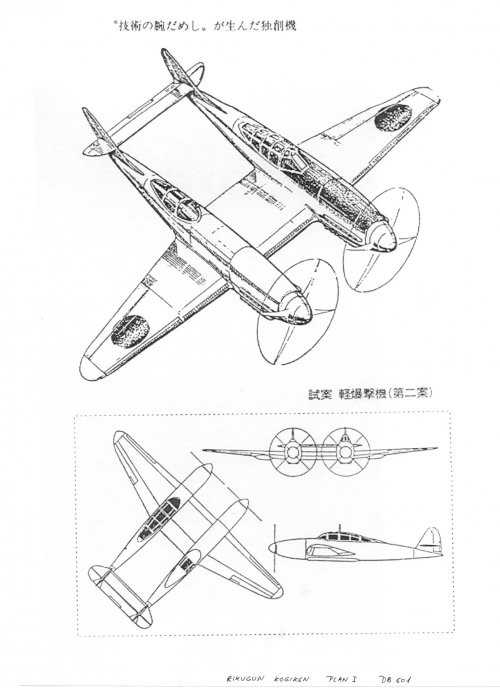
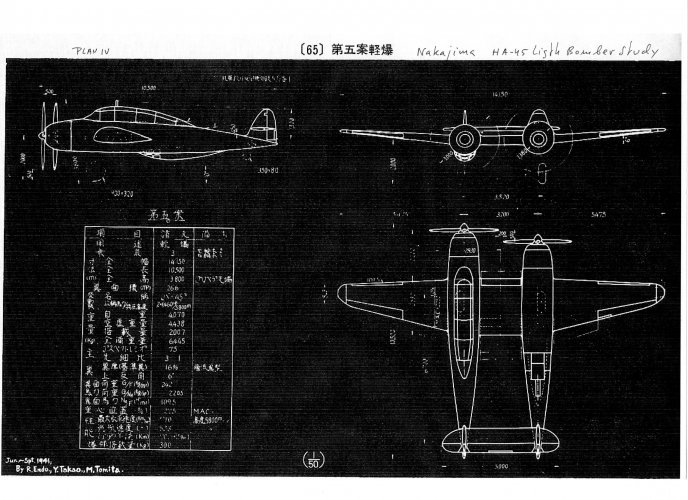
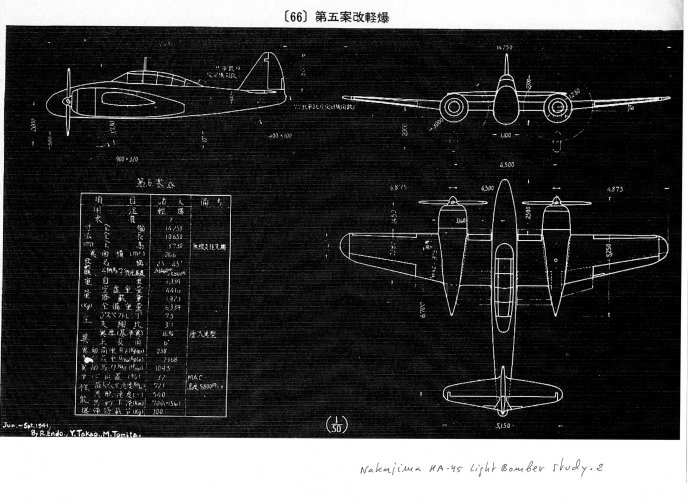
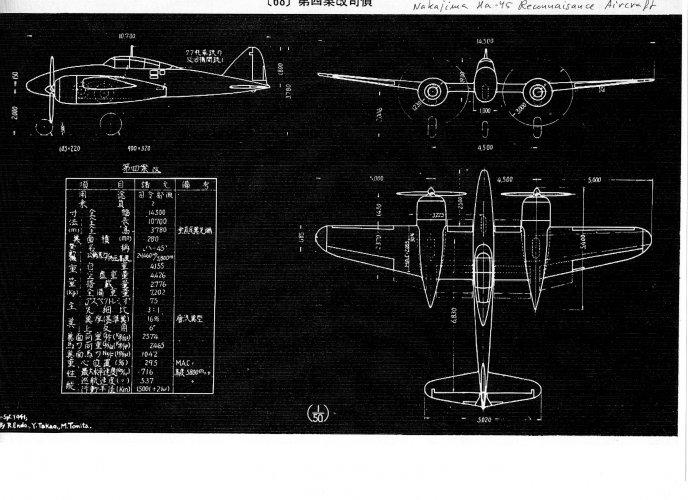
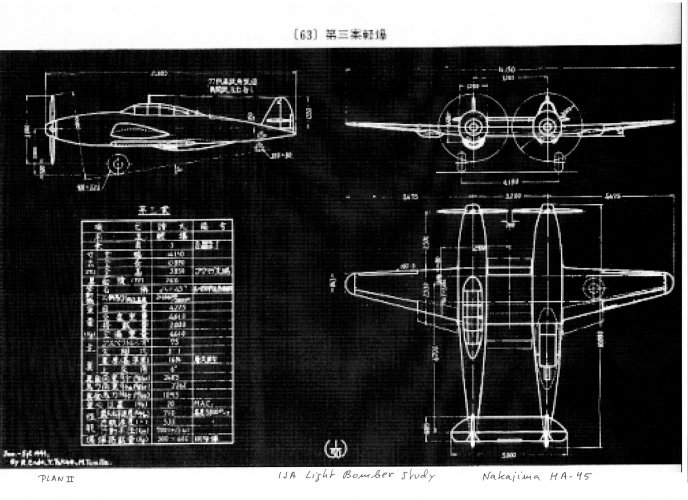
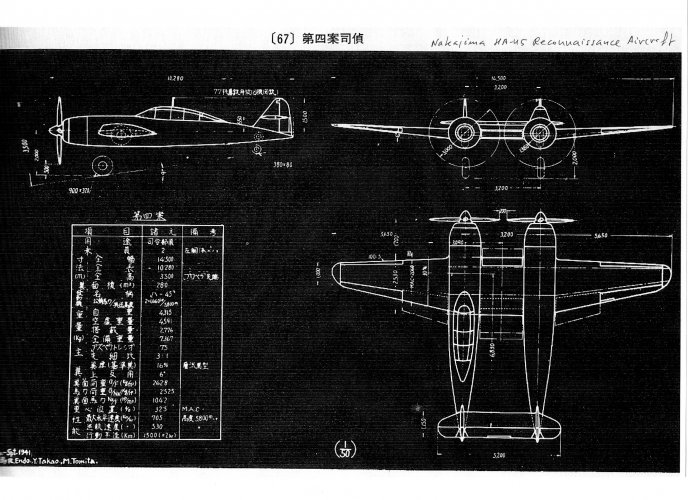
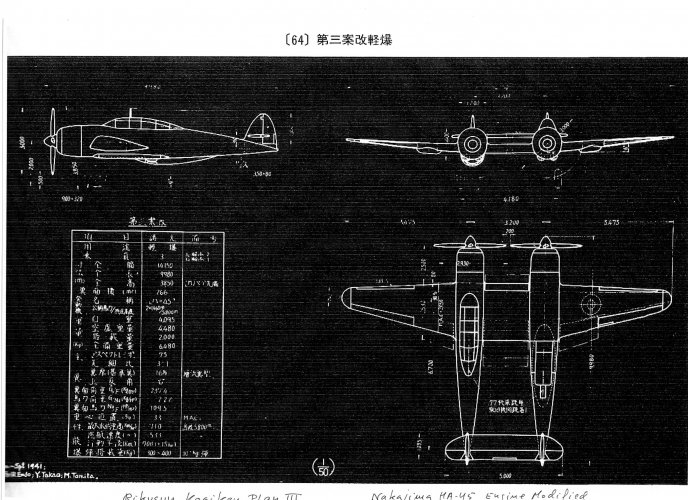
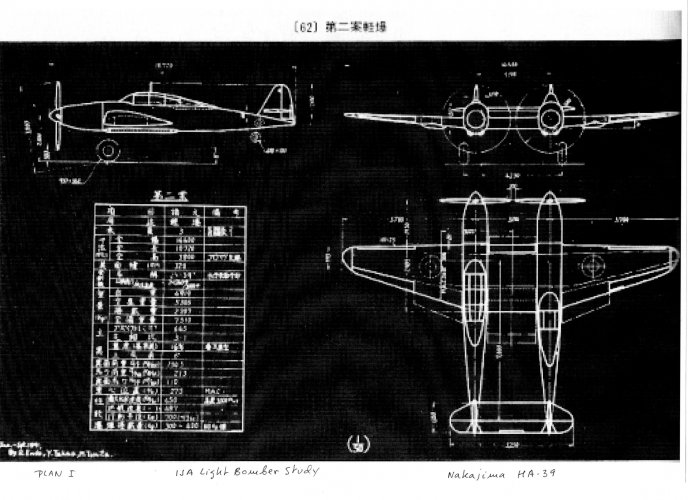
Rikugun Kogiken Heavy Fighter


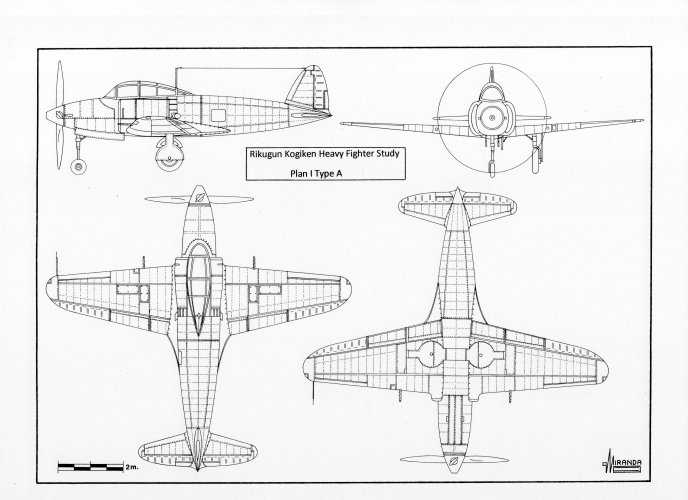
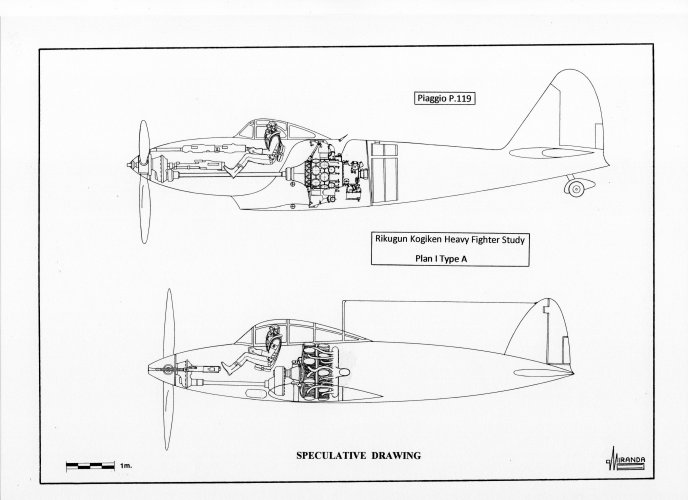
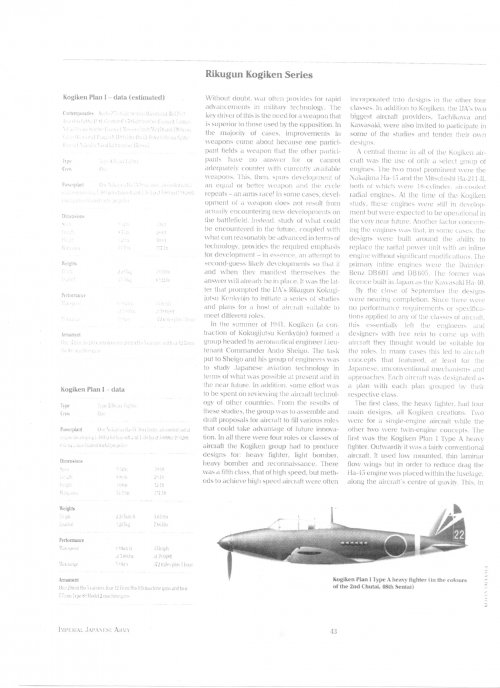
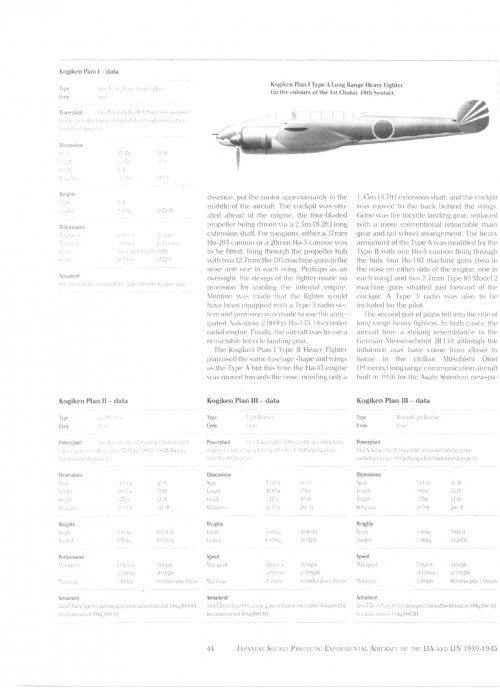
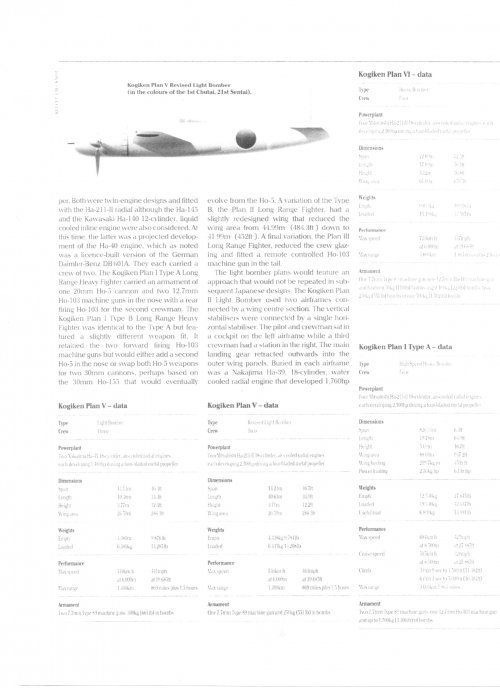
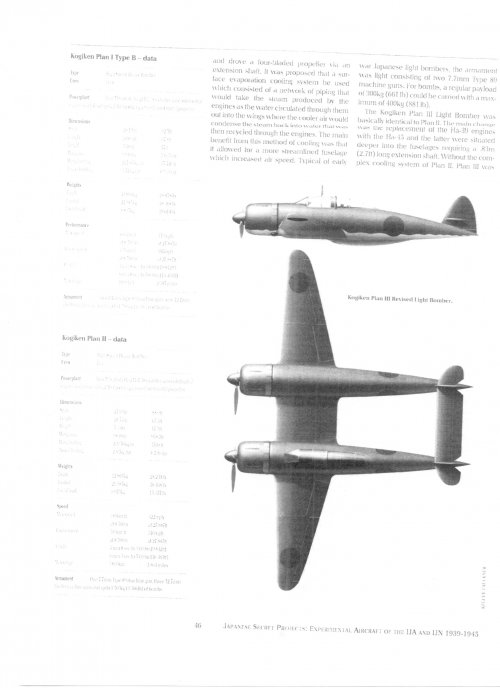
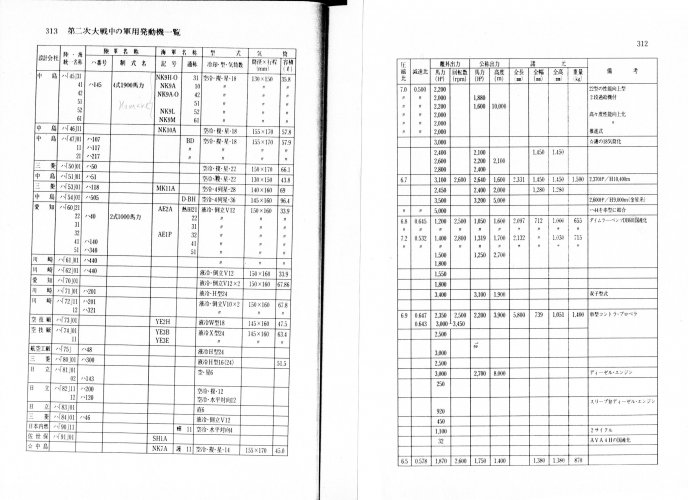
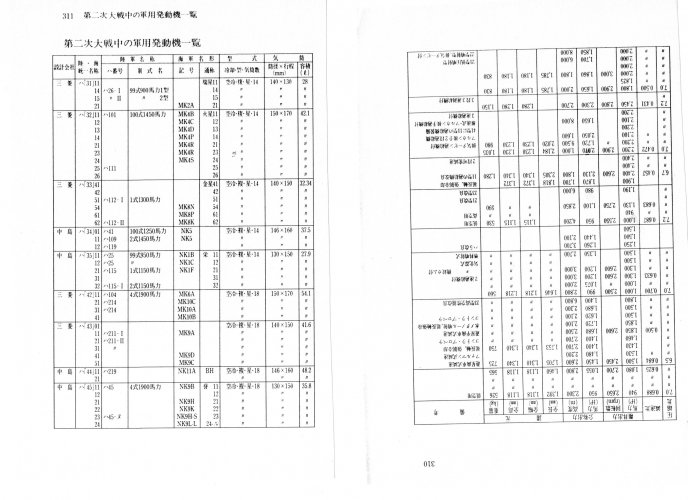
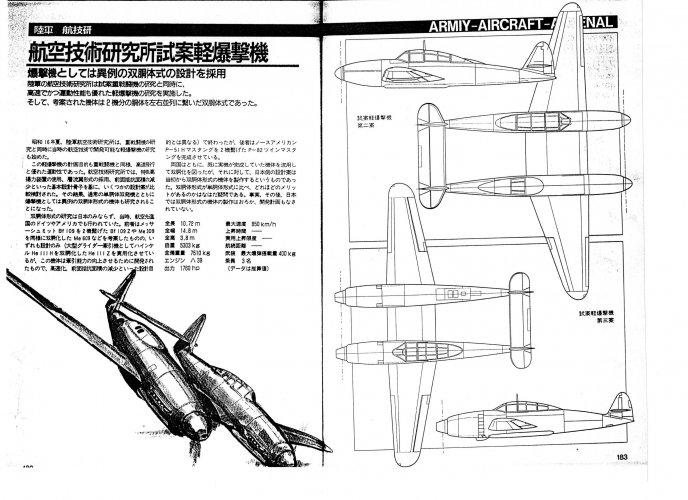
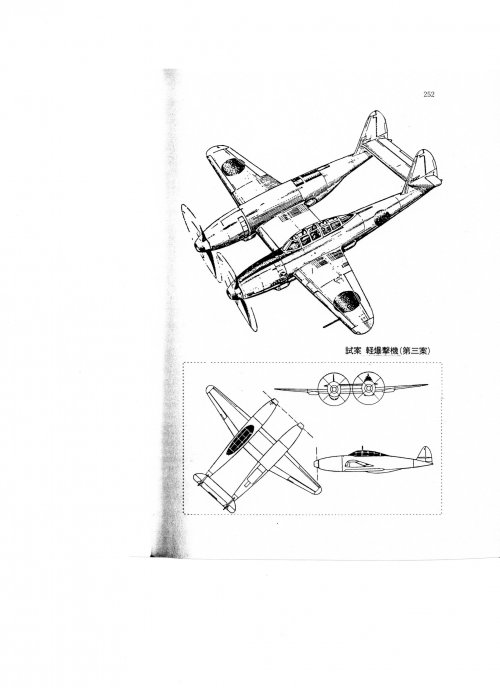
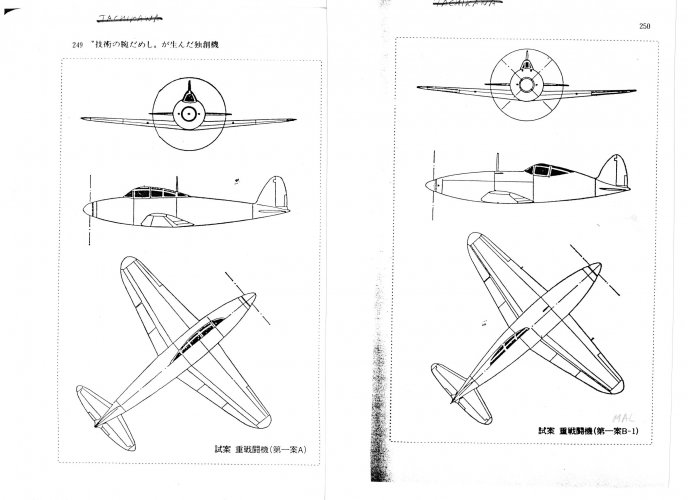
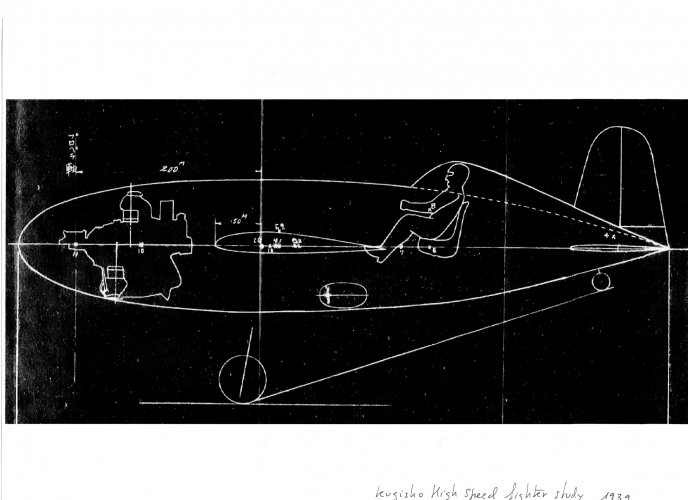
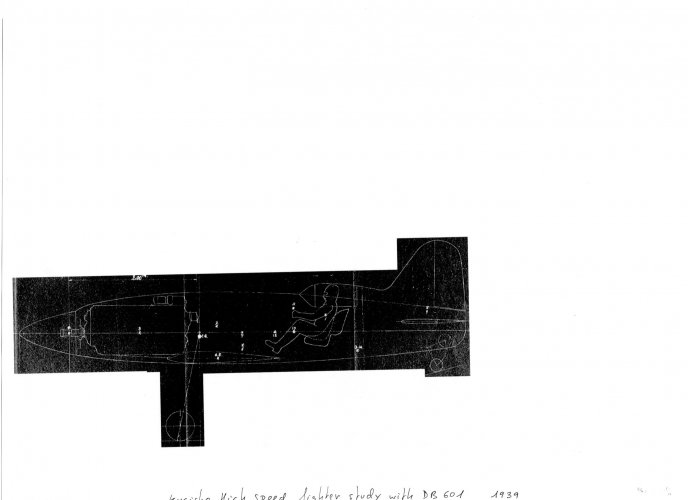
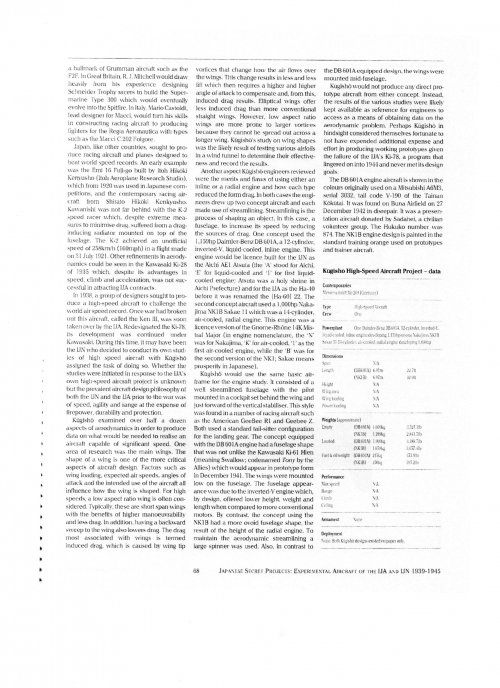
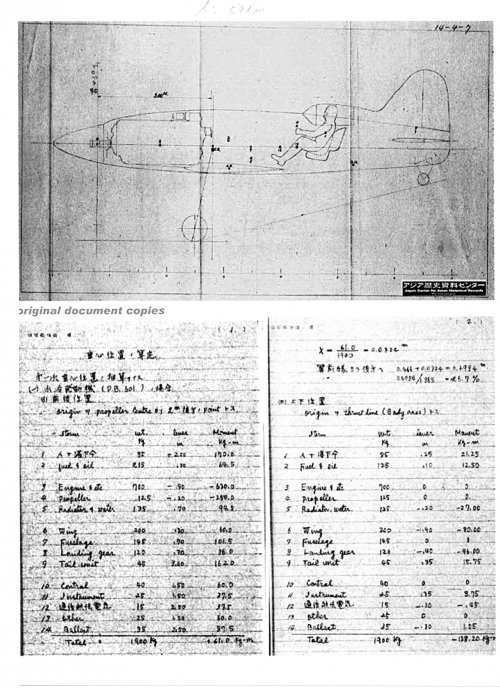
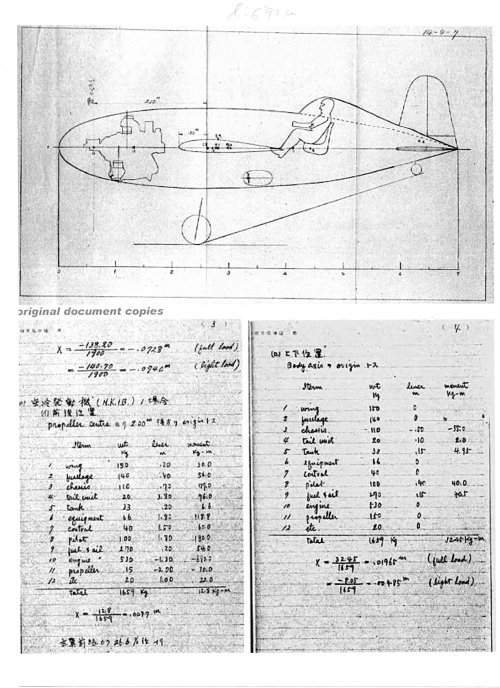
In the summer 1941 the Kogiken design team, from the Army Aero-Technical Research Institute (Rikugun), under the leadership of Ando Sheigo, proposed to the IJA the construction of a heavy fighter powered by one 1,460 hp Nakajima Ha-45 air-cooled radial engine, driving a four-bladed airscrew by means of an extension shaft.


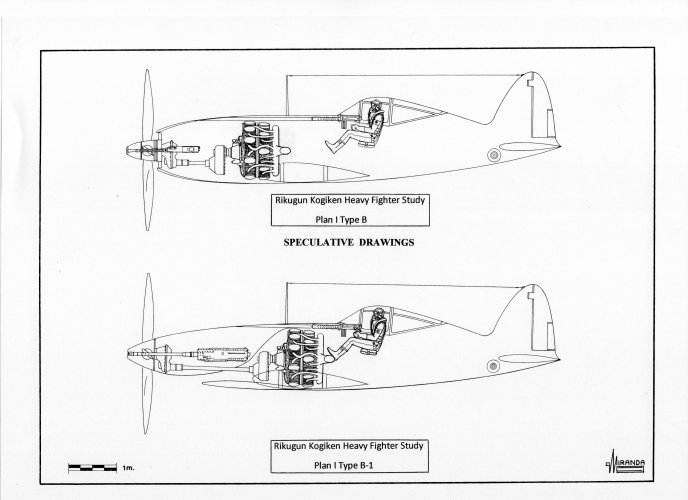
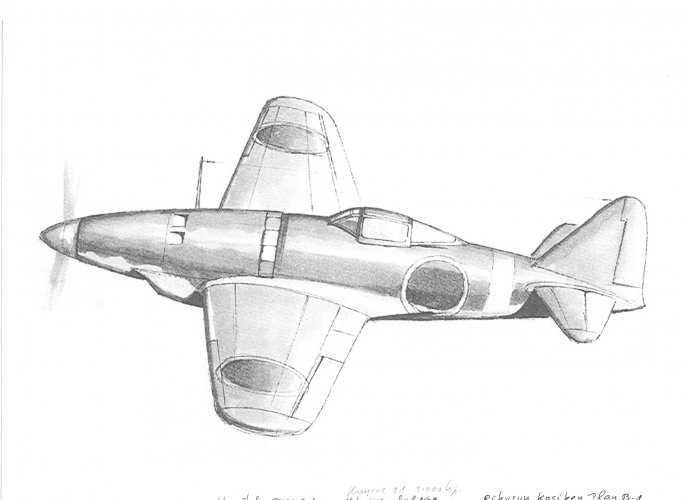
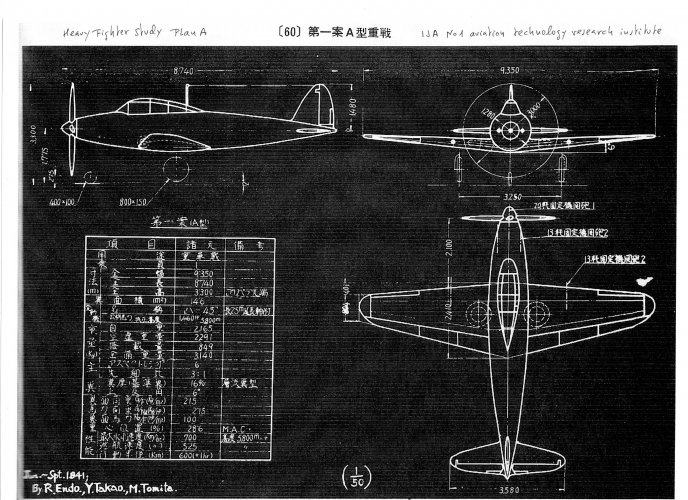
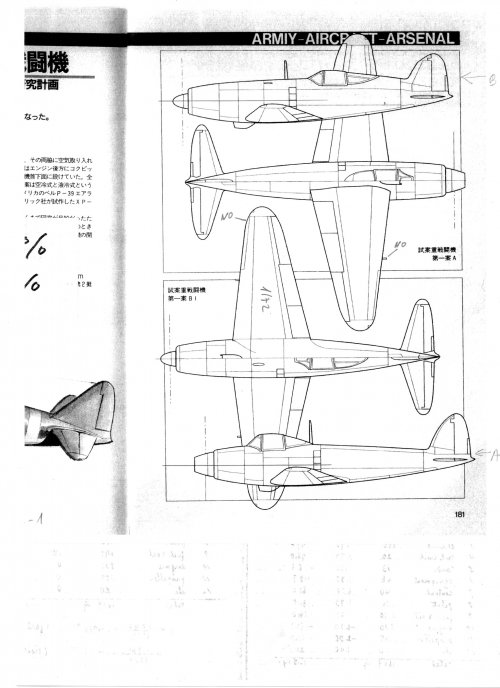
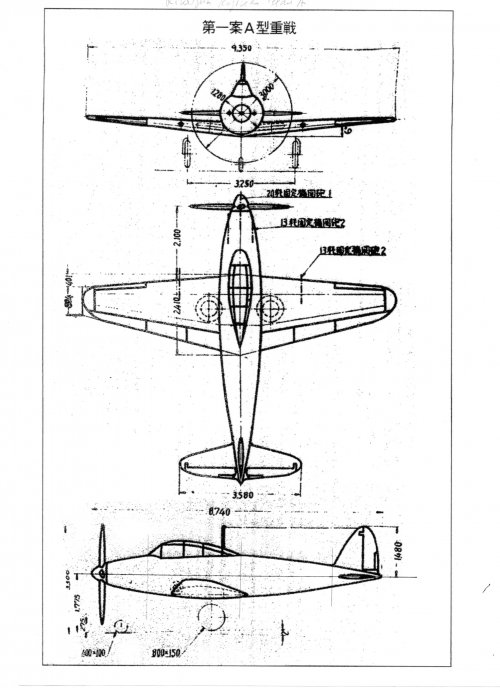
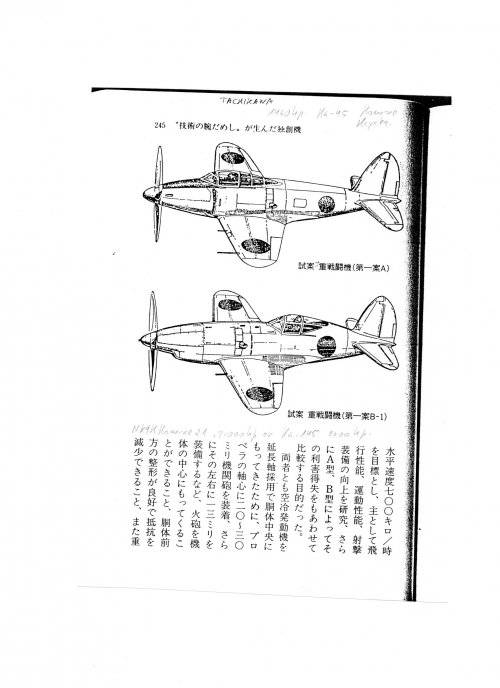
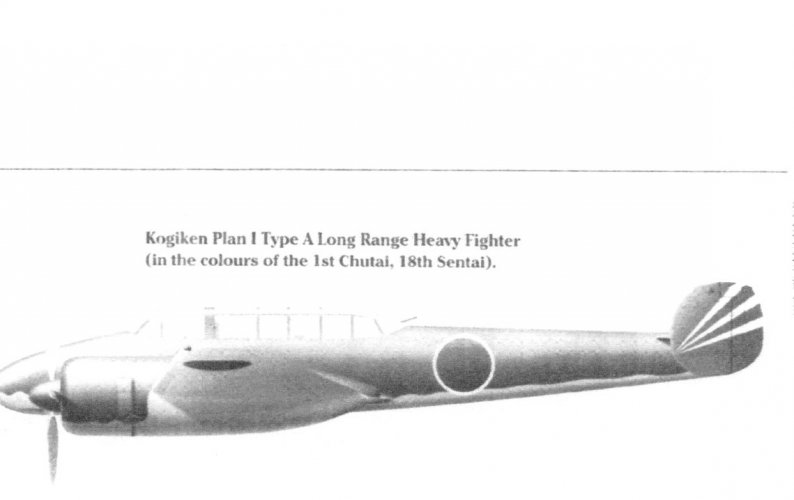
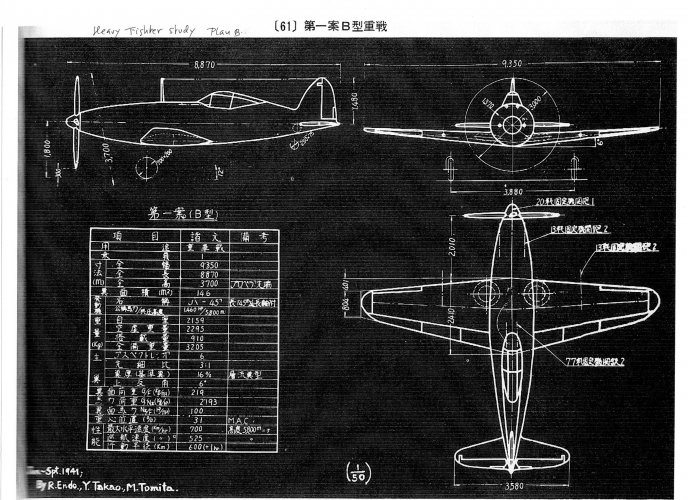
The engine was buried into the fuselage and mounted over the wing; a configuration that had been used by the Italian fighter Piaggio P.119 in 1940. Such as installation offer improved manoeuvrability and visibility from the cockpit and the possibility of mounting several heavy guns grouped in the nose. Many problems had to be solved before a suitable cooling system was obtained. For the first project, denominated Plan I Type A, Kogiken proposed using two air scoops positioned at both sides of the cockpit, but the system was found to be inefficient.

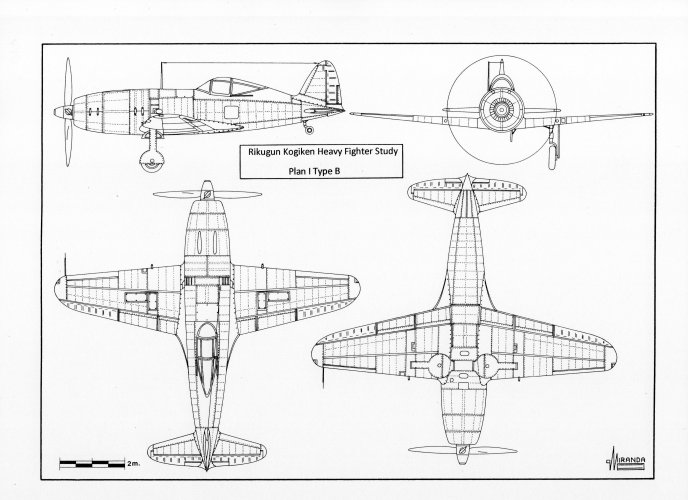
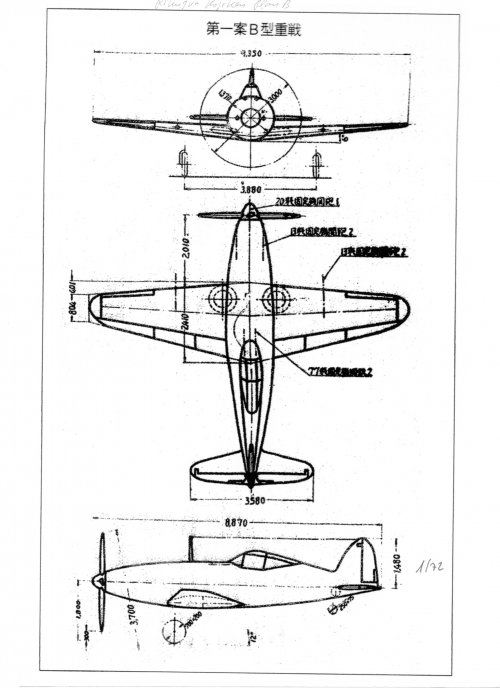
Type A would be armed with 20 mm Ho-5 cannon, firing trough the propeller hub, two 12.7 mm Ho-103 heavy machine guns mounted in the nose, and two wing mounted Ho-103. In the second configuration, Plan I Type B, the cockpit was placed behind the engine for easy cooling. In order to reduce drag, the nose was prolonged to allow a finely tapered cowling, with a narrow annular intake and cooling fan.

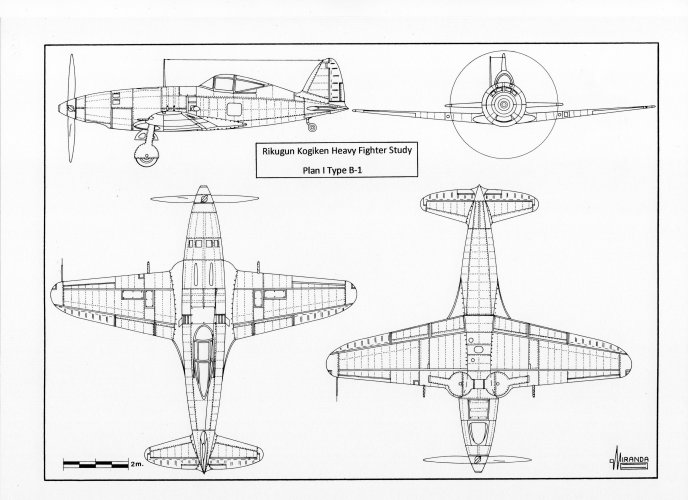
The Type B would be armed with a 20 mm Ho-5 cannon, firing trough the propeller hub, two 12.7 mm Ho-103 heavy machine guns mounted in the nose, two wing mounted Ho-103 and two 7.7mm Type 97 light guns in front of the windscreen. The third Plan I Type B-1 configuration had the air scoop located under the nose and one 37 mm Ho-203 cannon, through the propeller hub. The engine proposed for this version was a 1,990 hp Mitsubishi NK9H Homare 21 or a 2,000 hp Nakajima Ha-145.


Type A technical data

Wingspan: 9.35 m, length: 8.74 m, height: 3.30 m, wing area: 14.6 sq.m, max speed: 700 kph, max weight: 2,291 kg, range: 600 km.


Type B technical data

Wingspan: 9.35 m, length: 8.87 m, height: 3.70 m, wing area: 14.6 sq.m, max speed: 700 kph, max weight: 2,295 kg, range: 600 km.

 

Attachments

  • 048.jpg
    048.jpg
    1.4 MB · Views: 275
  • 049.jpg
    049.jpg
    1.4 MB · Views: 238
  • 050.jpg
    050.jpg
    1.4 MB · Views: 230
  • 051.jpg
    051.jpg
    1.2 MB · Views: 221
  • 052.jpg
    052.jpg
    1.3 MB · Views: 227
Post-2
 

Attachments

  • 069.jpg
    069.jpg
    397.7 KB · Views: 205
  • 070.jpg
    070.jpg
    1.8 MB · Views: 183
  • 071.jpg
    071.jpg
    545.2 KB · Views: 181
  • 072.jpg
    072.jpg
    461.7 KB · Views: 162
  • 073.jpg
    073.jpg
    391.7 KB · Views: 141
  • 074.jpg
    074.jpg
    387.8 KB · Views: 148
  • 075.jpg
    075.jpg
    352 KB · Views: 139
  • 076.jpg
    076.jpg
    471.3 KB · Views: 133
  • 077.jpg
    077.jpg
    268.6 KB · Views: 123
  • 078.jpg
    078.jpg
    498.8 KB · Views: 128
Post-3
 

Attachments

  • 079.jpg
    079.jpg
    469.7 KB · Views: 131
  • 080.jpg
    080.jpg
    481.2 KB · Views: 140
  • 081.jpg
    081.jpg
    1.4 MB · Views: 134
  • 082.jpg
    082.jpg
    1.3 MB · Views: 122
  • 083.jpg
    083.jpg
    1.2 MB · Views: 122
  • 084.jpg
    084.jpg
    1.1 MB · Views: 116
  • 085.jpg
    085.jpg
    1.4 MB · Views: 115
  • 086.jpg
    086.jpg
    1.5 MB · Views: 111
  • 087.jpg
    087.jpg
    996.6 KB · Views: 112
  • 088.jpg
    088.jpg
    799.7 KB · Views: 107
post-4
 

Attachments

  • 089.jpg
    089.jpg
    737.9 KB · Views: 114
  • 090.jpg
    090.jpg
    837.5 KB · Views: 128
  • 091.jpg
    091.jpg
    381 KB · Views: 124
  • 092.jpg
    092.jpg
    408.3 KB · Views: 118
  • 093.jpg
    093.jpg
    476 KB · Views: 109
  • 094.jpg
    094.jpg
    283.2 KB · Views: 99
  • 095.jpg
    095.jpg
    965.6 KB · Views: 99
  • 096.jpg
    096.jpg
    1.1 MB · Views: 102
  • 097.jpg
    097.jpg
    1.1 MB · Views: 99
  • 098.jpg
    098.jpg
    983.1 KB · Views: 109
Tell me if I'm wrong, @Justo Miranda , but nowhere in these documents does it say that the Rikugun Kogiken proposals were assigned the Ki-75 designation, right?
 
Tell me if I'm wrong, @Justo Miranda , but nowhere in these documents does it say that the Rikugun Kogiken proposals were assigned the Ki-75 designation, right?
You are right, I have included here everything I have about the Kogiken so that Airman can study it and decide if his theory can be supported by this information.
 
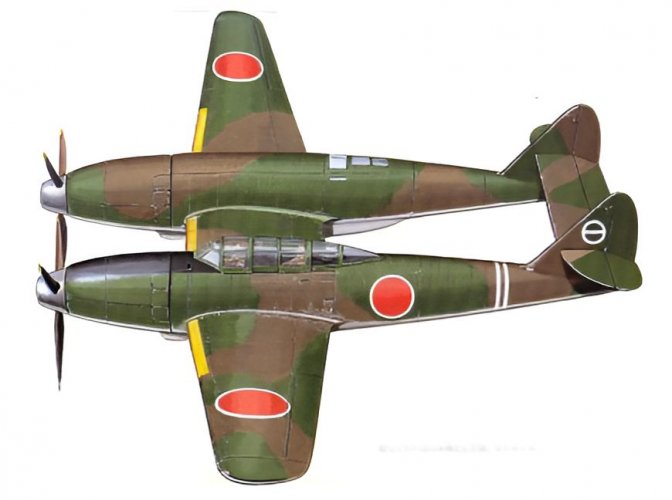
i meant my suspect that Nakajima Ki-75 could have been twin engines fighters under designation Kogiken Plan I similar to Nakajima Gekko and Messerschmitt 210 with max range of 4000 km. I haven't certainties : could be also a project that never materialized by disastrous industrial capacity of Japan. ( period : 1944- 1945).
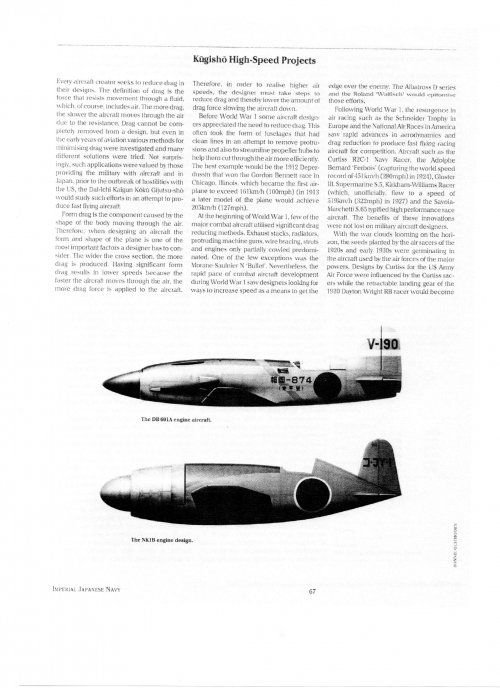
https://ww2technik.de/sites/armeeluftwaffe/jaeger/ki-75.htm - this site explain that Nakajima Ki-75 was a long range escort fighter for Nakajima Ki-82 . Engines 2 Ha-45.
 

Attachments

  • 073.jpg
    073.jpg
    60.4 KB · Views: 201
Last edited:
The Ki-75 was a fighter plane planned by the Imperial Japanese Army. The plan was cancelled at the concept stage, and no actual aircraft exists.

Overview
During World War II, the Army envisioned this aircraft as a bomber escort. In June 1940, this aircraft was originally planned as a multi-seater fighter (multi-seater type B) with agility and the same normal altitude and range as a heavy bomber, but as the plan for the high-speed heavy bomber Ki-82 took shape, the plan was changed in the latter half of 1940 to a two-seater long-range fighter with the role of escorting the Ki-82.

Nakajima Aircraft was scheduled to receive the order for this aircraft, but they were short on manpower, and the planned Nakajima Ha-45 air-cooled 18-cylinder radial engine was not expected to become available until around spring 1942, so the first aircraft was expected to be completed in summer 1943 and the inspection completed in spring 1944.

This was nine months after the inspection for the Ki-82 was completed, and the Army Aviation Technical Research Institute (Aviation Technical Research Institute) saw this as a problem and proposed in April 1941 to change the order for the Ki-75 to Mitsubishi Heavy Industries, which was expected to shorten the development period by about six months. It is said that this proposal was made because the aircraft was scheduled to be used to cover Mitsubishi's Ki-67 (later the Type 4 heavy bomber).

In May 1941, an order was given to Mitsubishi to build a prototype of the long-range fighter Ki-83, and in October of the same year, the National Research Institute of Air Technology submitted a memorandum of opinion proposing the cancellation of the Ki-75 prototype. Ultimately, the project was cancelled in mid-1942, but a concrete concept had not yet been solidified.

Source : Japanese wikipedia.
 
You are right, I have included here everything I have about the Kogiken so that Airman can study it and decide if his theory can be supported by this
The Ki-75 was a fighter plane planned by the Imperial Japanese Army. The plan was cancelled at the concept stage, and no actual aircraft exists.

Overview
During World War II, the Army envisioned this aircraft as a bomber escort. In June 1940, this aircraft was originally planned as a multi-seater fighter (multi-seater type B) with agility and the same normal altitude and range as a heavy bomber, but as the plan for the high-speed heavy bomber Ki-82 took shape, the plan was changed in the latter half of 1940 to a two-seater long-range fighter with the role of escorting the Ki-82.

Nakajima Aircraft was scheduled to receive the order for this aircraft, but they were short on manpower, and the planned Nakajima Ha-45 air-cooled 18-cylinder radial engine was not expected to become available until around spring 1942, so the first aircraft was expected to be completed in summer 1943 and the inspection completed in spring 1944.

This was nine months after the inspection for the Ki-82 was completed, and the Army Aviation Technical Research Institute (Aviation Technical Research Institute) saw this as a problem and proposed in April 1941 to change the order for the Ki-75 to Mitsubishi Heavy Industries, which was expected to shorten the development period by about six months. It is said that this proposal was made because the aircraft was scheduled to be used to cover Mitsubishi's Ki-67 (later the Type 4 heavy bomber).

In May 1941, an order was given to Mitsubishi to build a prototype of the long-range fighter Ki-83, and in October of the same year, the National Research Institute of Air Technology submitted a memorandum of opinion proposing the cancellation of the Ki-75 prototype. Ultimately, the project was cancelled in mid-1942, but a concrete concept had not yet been solidified.

Source : Japanese wiki
At the end i think if Nakajima Ki-75 was completed could have been encountered same fate of Nakajima J5N Tenrai ( with same engines). So reading discussions about Army Japanese designations in proper section of this forum, could be also a Mitsubishi project.
 
Last edited:

Similar threads

Back
Top Bottom