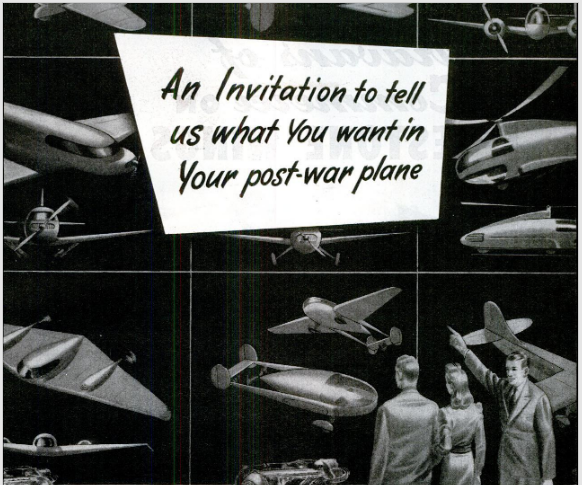
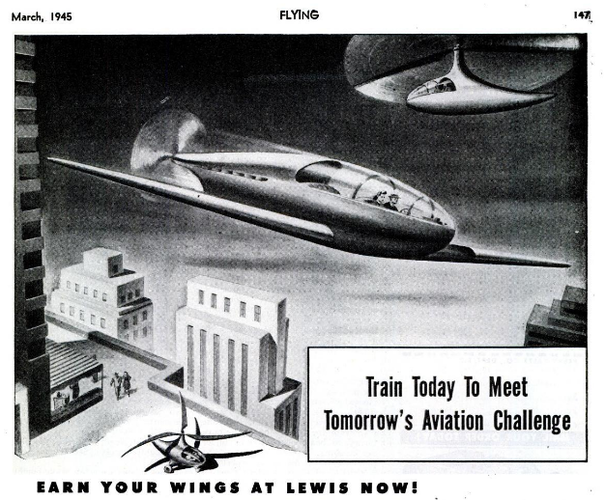
Back in 1945, all the airplane manufacturers were hoping that returning soldiers would want motorcycles, boats, airplanes, etc. for recreation. Fortunately cooler heads prevailed and most returning soldiers tamed their PTSD by reverting to domestic bliss with factory jobs, wives, 2.5 children, houses, sensible family cars, etc.
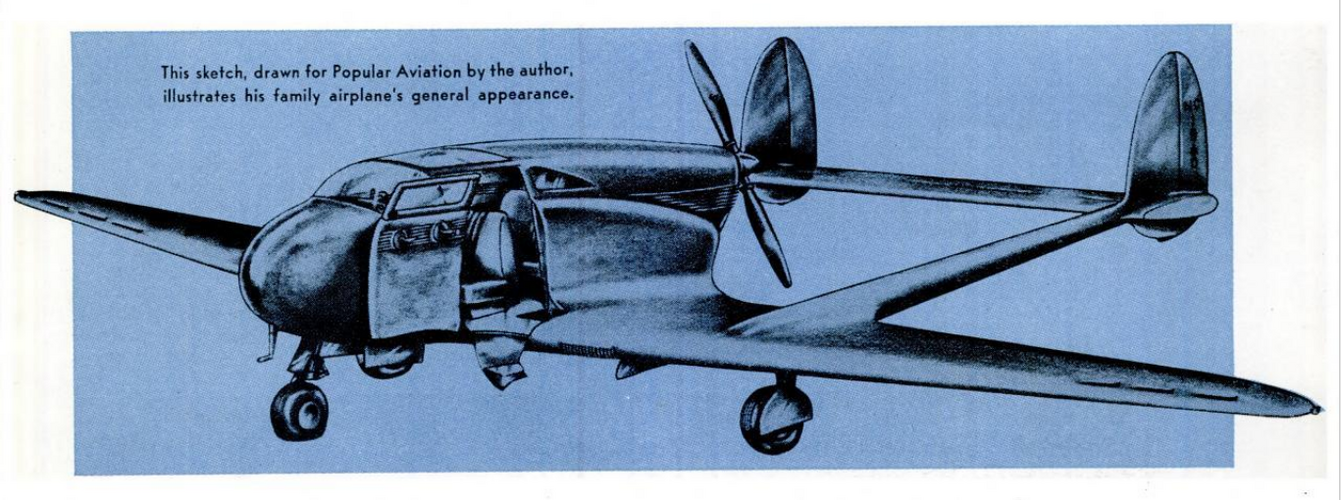
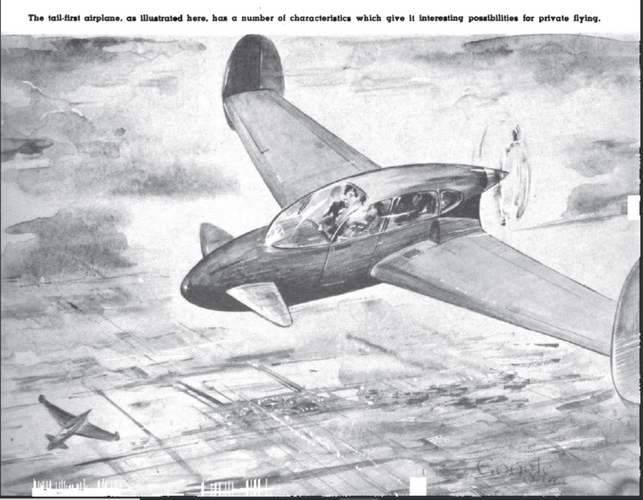
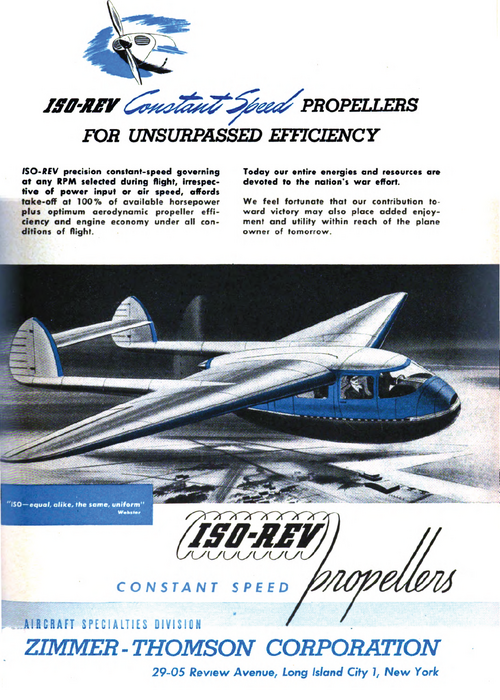
This proved a loss for airplane manufacturers. Big firms like Douglas, Lockheed, Republic, etc. built prototypes of "family airplanes, but soon learned that they could not build them for prices that retired soldiers could afford. Even with their massive metal-forming presses and simplified construction methods, Republic built 800 Seabee amphibians before determining that they were selling at a loss.
Existing manufacturers of small planes: Aeronca, Bellanca, Cessna, Fairchild, Interstate, Piper, Rearwin, Stinson, Taylor, Waco, etc. all ramped up production, but their hangars were soon crowded with un-sold planes.
During the 1960s, Cessna tried again to reduce the cost of manufacturing "family airplanes with their Model 160 prototype with corrugated skins, constant-chord wing, free-swivelling nose-wheel, etc. They flew the Model 160 prototype a few times, still could not reduce production costs by much. Cessna found that the fixed costs of installed parts: engines, propellers, instruments, tires, brakes, etc. were still the majority of the selling price. Cessna never did re-tool to manufacture Model 160s.