

You are using an out of date browser. It may not display this or other websites correctly.
You should upgrade or use an alternative browser.
You should upgrade or use an alternative browser.
Lockheed M-12 and D-21
- Thread starter Steve Pace
- Start date
On November 9, 1969 one of the first D-21B send spying Lop Nur, China, never returned. The damn thing kept going ahead until it had no fuel left and actually crashed in Kazakhstan. In 1986 Ben Rich was send a fragment of it by a Soviet engineer.
Now, I think it is a very interesting bit of history.
In his memoir, when arguing with Johnson about early stealth in 1975, Ben Rich make clear the D-21B was the most stealth flying machine - before "true" stealth come in the shape of "Hopeless Diamond", HAVE BLUE and F-117.
Johnson bet with Ben Rich they could never do more stealth than the D-21, and lost his bet when the two shapes were tested on the same range.
Now back to that November 9, 1969 incident.
What I would really - but really - like to know is whether the Soviets were caught by surprise and the thing was found randomly on the coutryside the next day; or their air defenses were alerted and they tracked it down.
At the time the Chinese only had SA-2s but the Soviets of course had much thicker and lethal air defenses, notably in Kazkhastan - because Semipalatisnk, Baikonur and Sary Shagan, for a start.
It was kind of a "acid test" for both D-21 and its stealth shape: which had been designed to survive over China but not over USSR AFAIK.
Now, I think it is a very interesting bit of history.
In his memoir, when arguing with Johnson about early stealth in 1975, Ben Rich make clear the D-21B was the most stealth flying machine - before "true" stealth come in the shape of "Hopeless Diamond", HAVE BLUE and F-117.
Johnson bet with Ben Rich they could never do more stealth than the D-21, and lost his bet when the two shapes were tested on the same range.
Now back to that November 9, 1969 incident.
What I would really - but really - like to know is whether the Soviets were caught by surprise and the thing was found randomly on the coutryside the next day; or their air defenses were alerted and they tracked it down.
At the time the Chinese only had SA-2s but the Soviets of course had much thicker and lethal air defenses, notably in Kazkhastan - because Semipalatisnk, Baikonur and Sary Shagan, for a start.
It was kind of a "acid test" for both D-21 and its stealth shape: which had been designed to survive over China but not over USSR AFAIK.

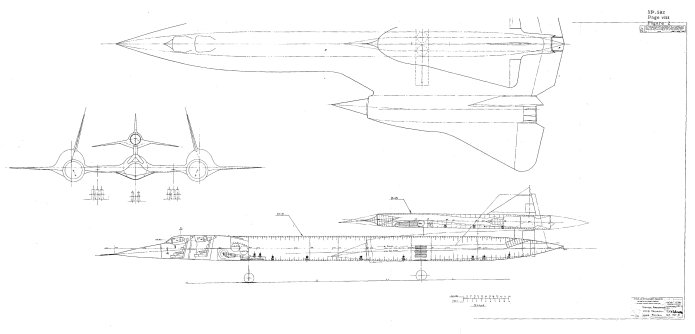
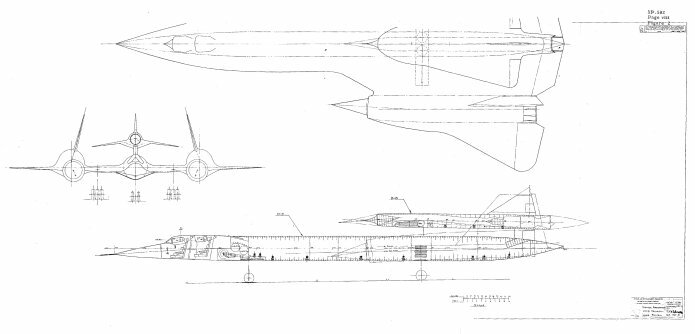
The full-rez diagram has been uploaded to the 2022-01 APR Extras folder on Dropbox. This is available to all $4 and up Patrons and Subscribers. If you would like to help fund the acquisition and preservation of such things, along with getting high quality scans for yourself, please consider signing on either for the APR Patreon or the APR Monthly Historical Documents Program.

- Joined
- 6 August 2007
- Messages
- 4,539
- Reaction score
- 10,261
Post in thread 'Russian DPLA Tupolev Voron',
What I would really - but really - like to know is whether the Soviets were caught by surprise and the thing was found randomly on the coutryside the next day; or their air defenses were alerted and they tracked it down.
https://www.secretprojects.co.uk/threads/russian-dpla-tupolev-voron.2199/post-19189
From Lockheed website

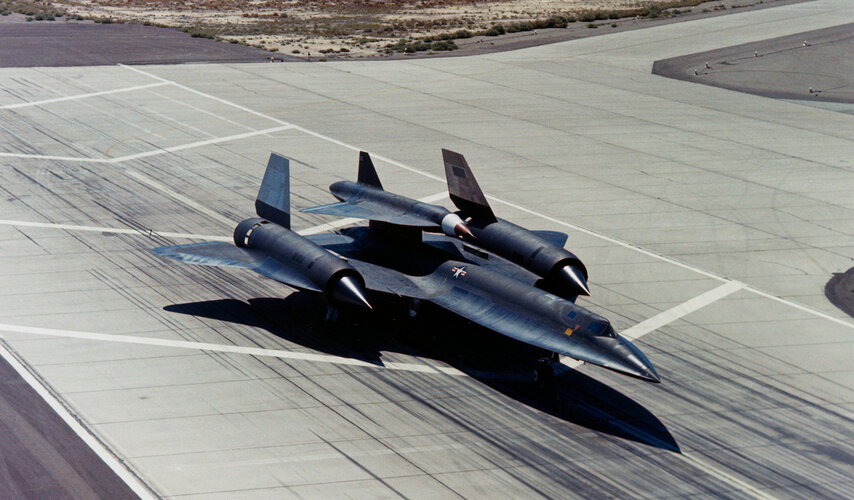
scramjet ?!The D-21 was initially designed to be launched from the A-12 (a variant of the Blackbird), with the purpose of traveling at Mach 3.0+ speeds to capture crucial intelligence. The experience gathered through the development of this system – to include uncrewed navigation and scramjet / solid rocket booster engine technology – has enabled the Skunk Works team to consistently progress in these key technology areas.

- Joined
- 6 November 2010
- Messages
- 6,356
- Reaction score
- 8,240
Quite! I had highlighted it as the text was direct from Lockheed themselves. A typo?
- Joined
- 6 November 2010
- Messages
- 6,356
- Reaction score
- 8,240
I did an OCR-scan of Goodall/Miller p.46-47:
I can recommend the book.
Quotes truncated to just cover engine development.The Marquardt and Lockheed teams determined that the unmanned drone would most suitably be powered by a modified Marquardt RJ43-MA-11 ramjet engine similar to that used on Boeing lM-99 Bomarc surface-to-air-missile during cruising flight.
Using Marquardt's propulsion system experience, it was not difficult for the Lockheed team to execute a functional reconnaissance platform in a relatively short period of time. Concurrently, the technology base that had been generated by initial flight trials of the A-12 had given the engineering team (under Johnson) considerable confidence in the aerodynamic and low-observables precedent (i.e., reduced RCS) set by the chined delta. This configuration was a given by the time initial design options were studied for the D-21.
The new project was assigned to Art Bradley under the supervision of Dick Boehme. A small team was assembled to handle engineering and a section of the Skunk Works shop at Burbank was walled off specifically to accommodate the new drone activity.
The D-21 engine was properly identified as an XRJ43-MA20S-4 and was developed from the earlier RJ43 series of ramjets optimized for use on the Boeing IM-99 Bomarc series of surface-to-air anti-aircraft missiles. The RJ43 had the ability to function as an independent external power plant on any vehicle that could reach sufficient speed to allow efficient inlet operation. lt was developed in supersonic wind tunnels at Marquardt's Van Nuys, California, test facility, flight tested on the Lockheed X-7A-3 at Holloman AFB, New Mexico, and, in its MA11 version, was deployed operationally on the Bomarc B.
The MA20S-4 engine employed in the D-21 used many MA-11 components but was modified to operate at lower pressures and higher temperatures. The S-4 was mounted internally in the D-21 and had no inlet structures of its own. Instead, it utilized the D-21's inlet system. The engine's center body and main structure were retained to house the fuel control, fuel pump, fuel injector nozzles and flame-holder assemblies. The latter was redesigned to allow for stable combustion at extreme high-altitude, high-temperature and low-pressure situations. lgnition was by a pyrophoric fluid known as triethyl borane (TEB) to allow for re-ignition in the event of flameout. The combustion chamber/exit nozzle was redesigned to provide for the much greater expansion ratio required for high-altitude cruising.The design also incorporated an ejector system for engine structure cooling.
lt is noteworthy that until the advent of the D-21, no ramjet had ever powered any craft for longer than fitteen minutes; the D-21's XRJ43-MA20S-4 routinely operated on missions lasting 1½ hours or longer.
[...]
Propulsion system work began to accelerate at this time as well. A Marquardt RJ43-MA-3 engine was tunnel-tested at simulated "Q-12" operating conditions. Per Johnson: "We were all amazed, including Marquardt, that the engine could be shut off as long as 45 seconds and still restart, due to hot engine parts."
I can recommend the book.
Last edited:
There is subsonic combustion, and there is supersonic combustion. Subsonic - ramjet - was done in the 1940's, but supersonic - scramjet - had to wait the 2000's (at least).
So yes, D-21 had a ramjet...
So yes, D-21 had a ramjet...
Attachments
-
 20230622_092515.jpg409.8 KB · Views: 93
 -
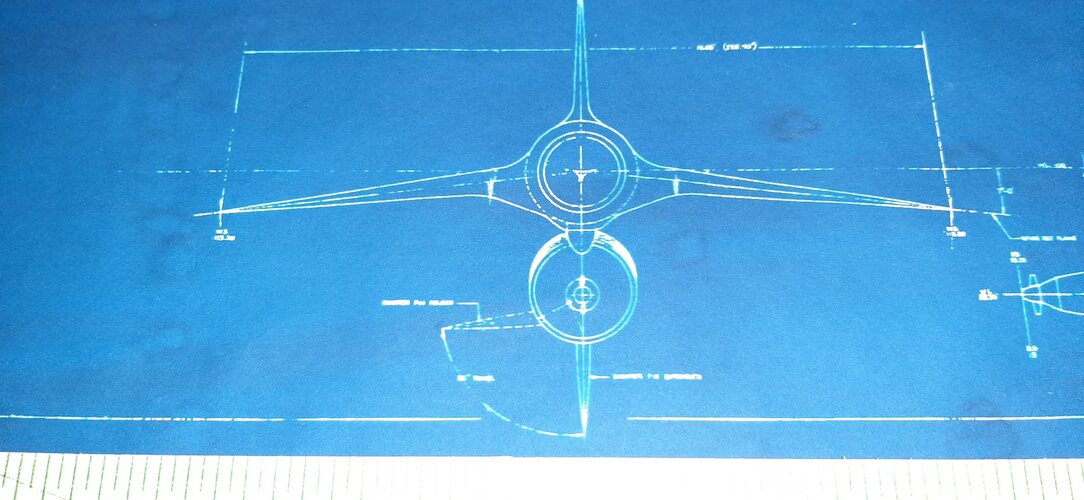 20230622_092521.jpg436 KB · Views: 80
 -
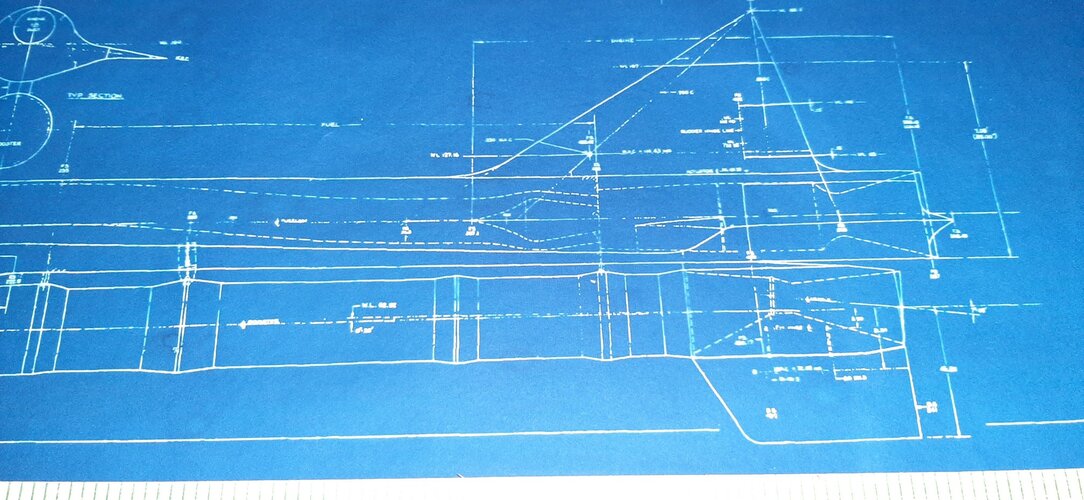 20230622_092527.jpg504.4 KB · Views: 84
 -
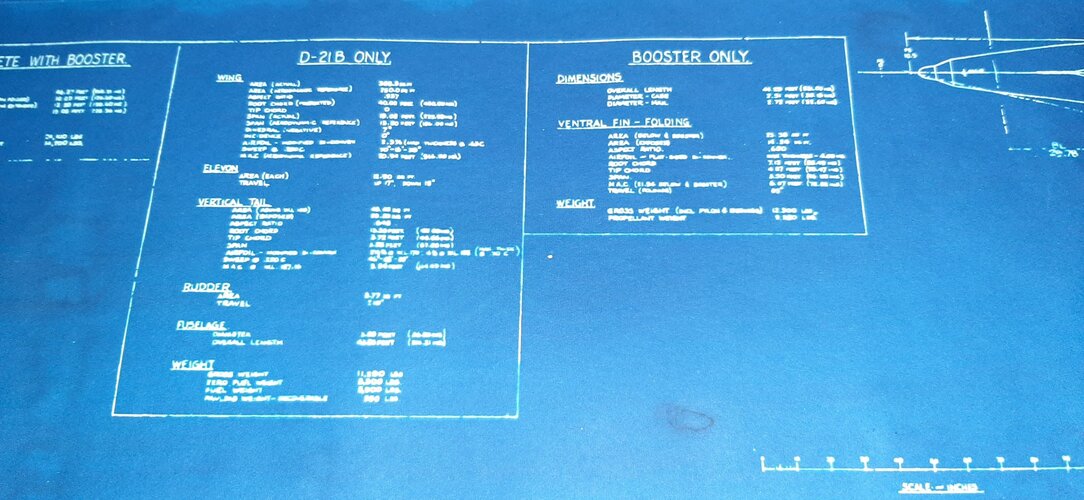 20230622_092532.jpg503.1 KB · Views: 79
 -
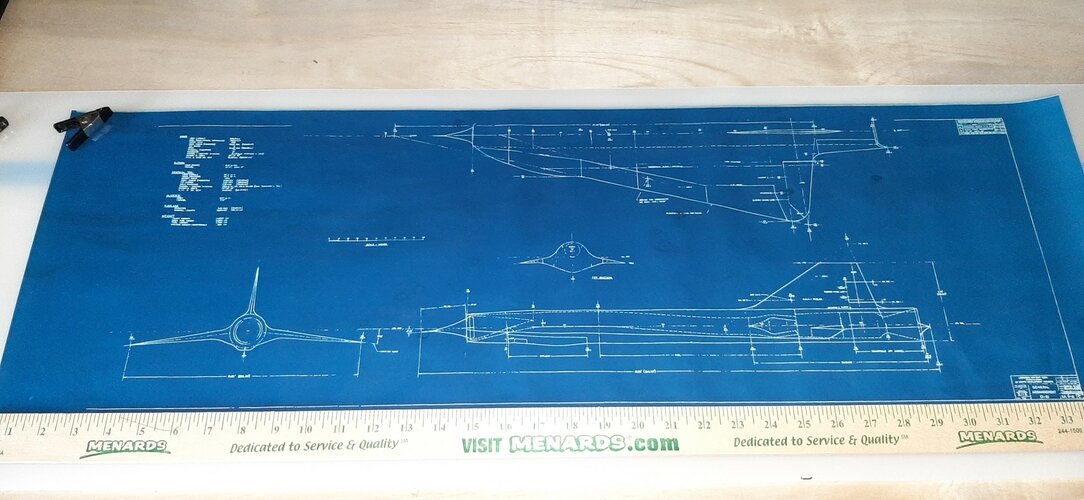 20230622_092647.jpg408.2 KB · Views: 79
 -
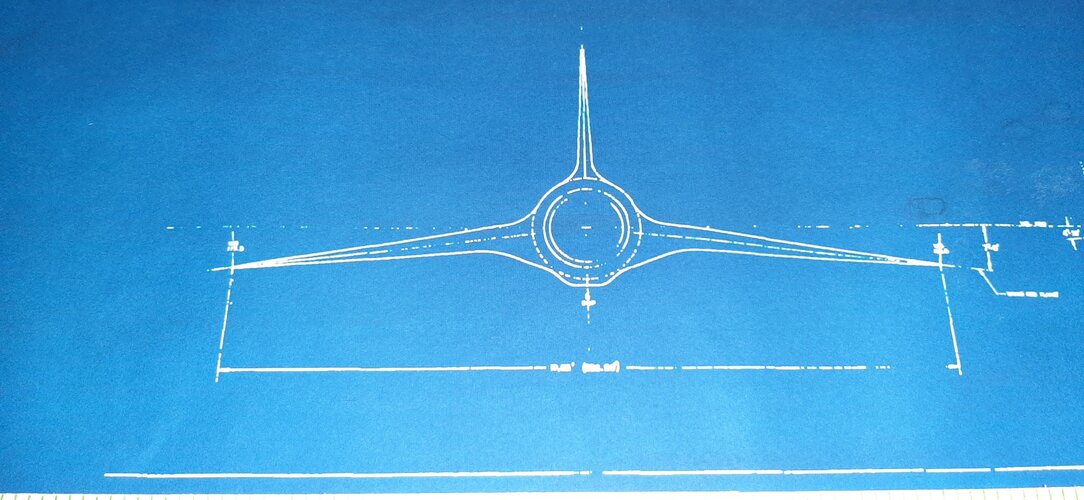 20230622_092652.jpg468.2 KB · Views: 73
 -
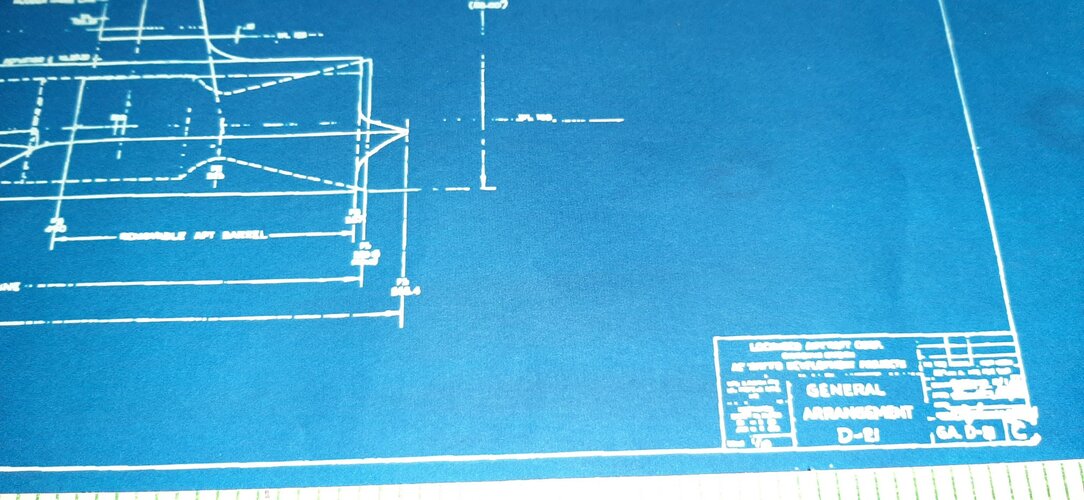 20230622_092704.jpg501.6 KB · Views: 76
 -
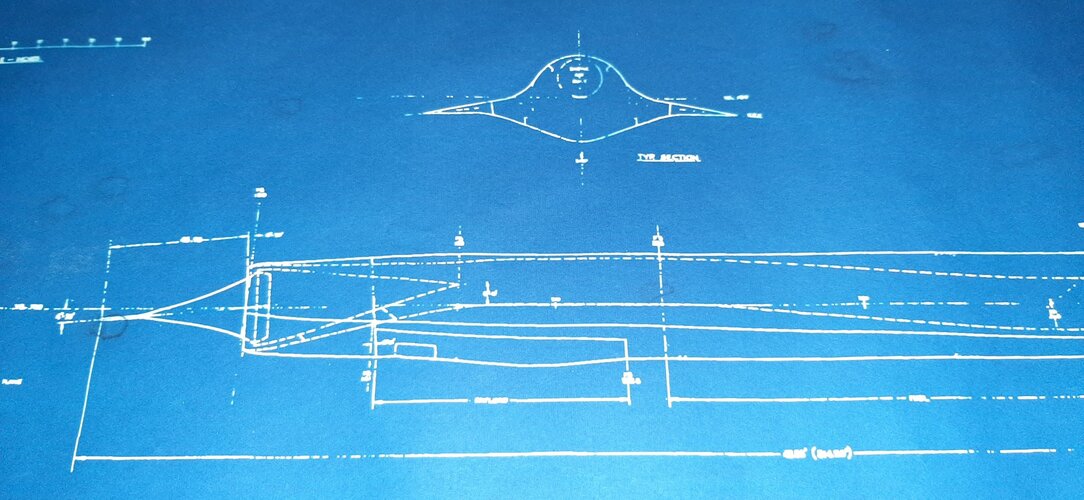 20230622_092658.jpg477.8 KB · Views: 72
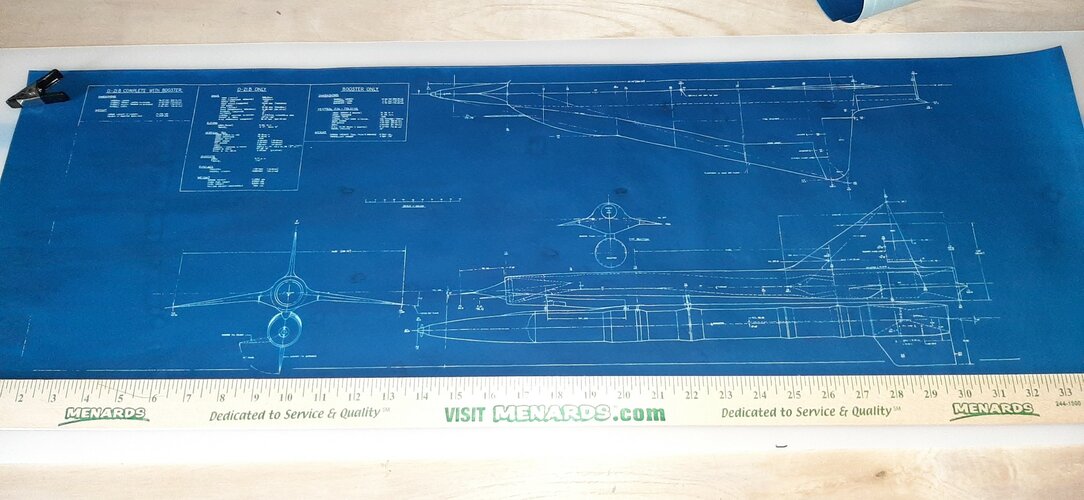
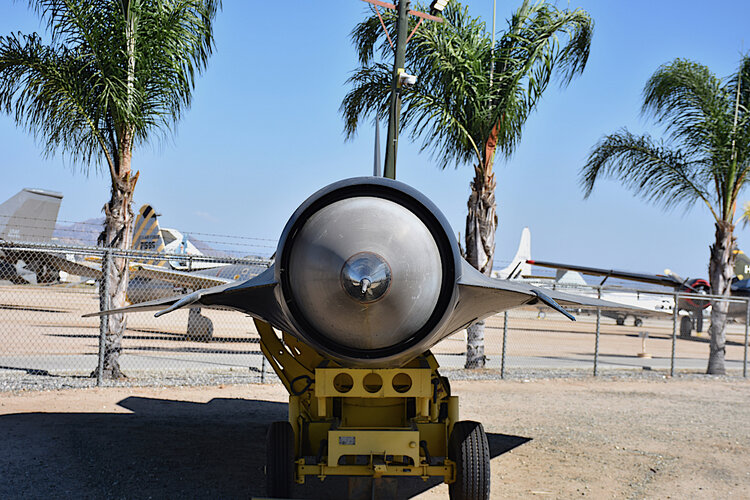
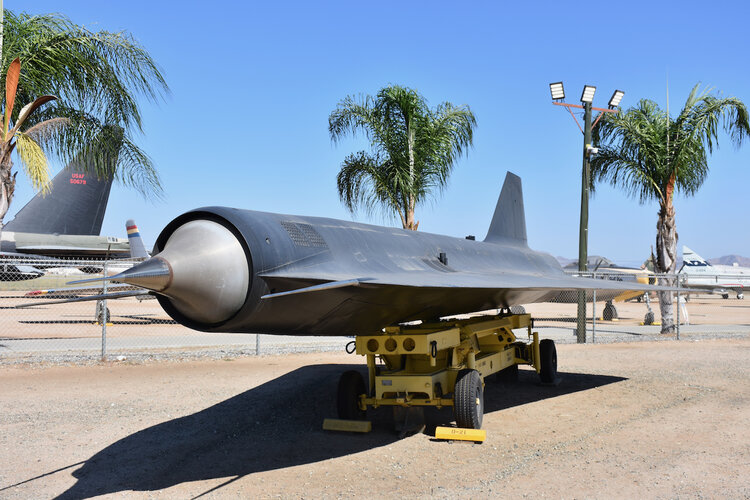
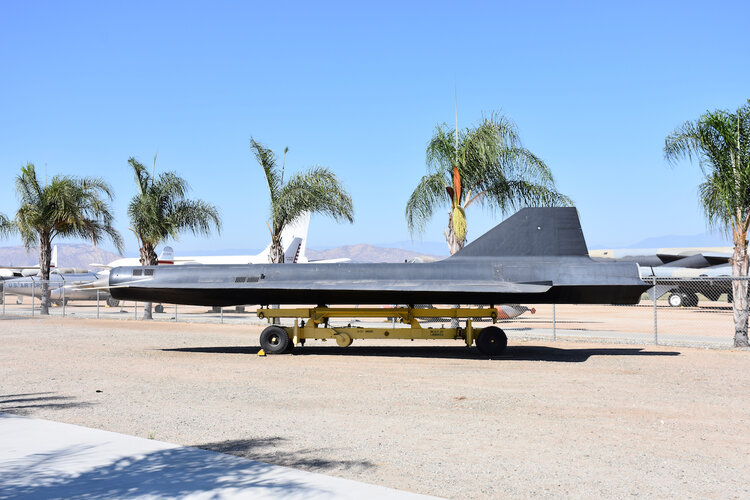
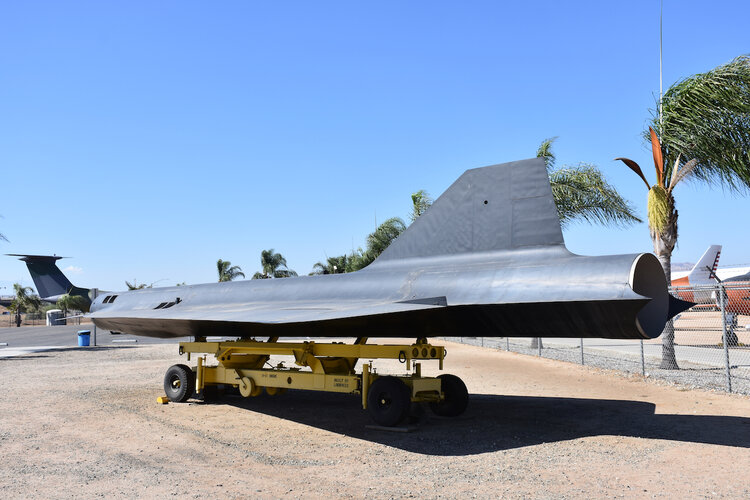
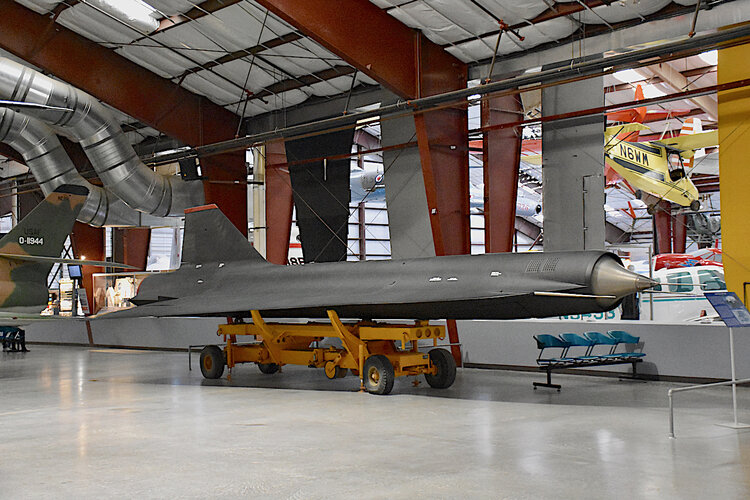
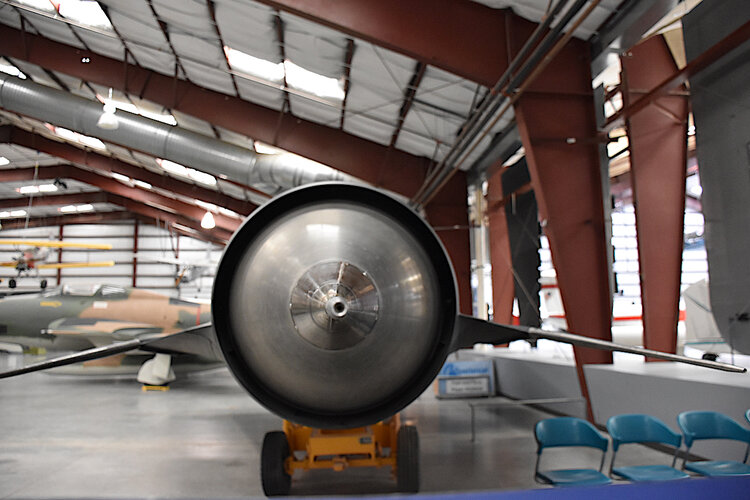
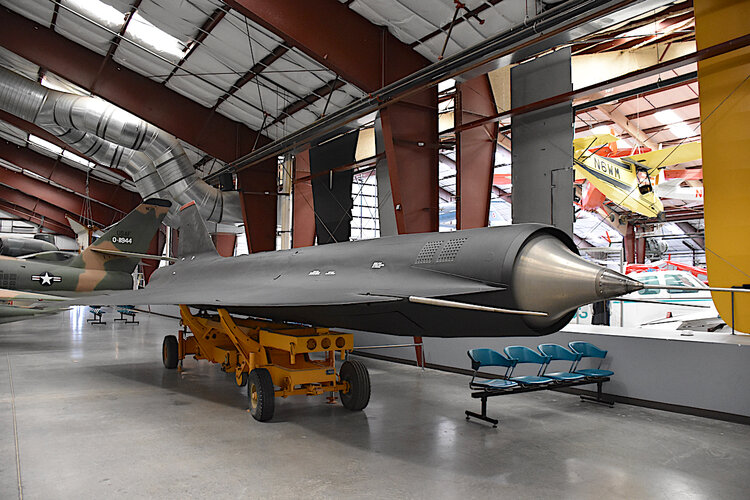
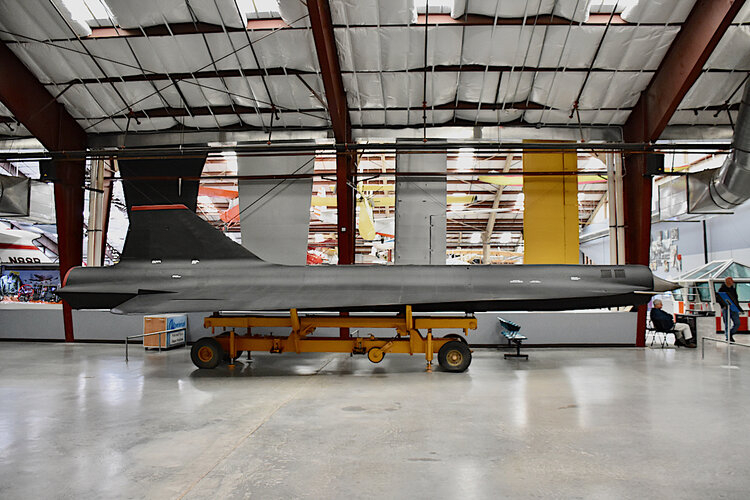
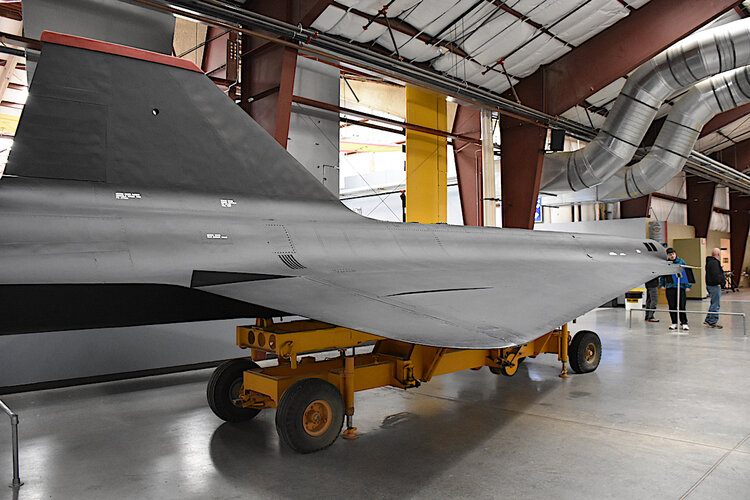
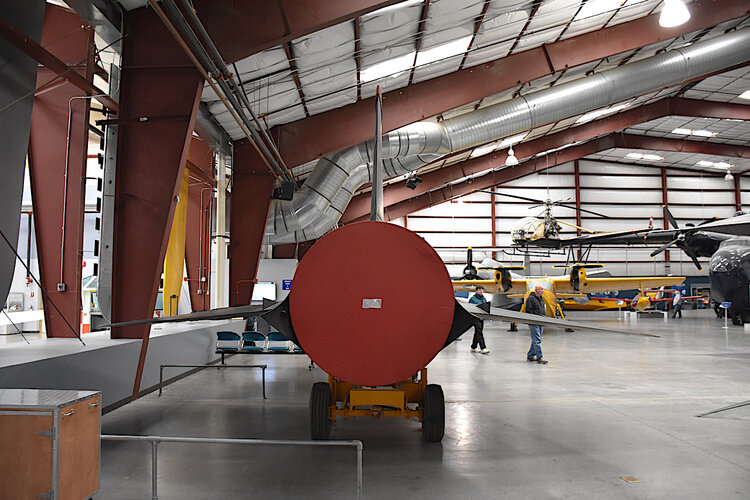
Here are two D-21 "walkarounds" I photographed, one at Pima Air Museum in Tucson, AZ and the other at March Air Museum in Riverside, Ca.
Both shot with Nikon DSLR with 28-120mm zoom.

Both shot with Nikon DSLR with 28-120mm zoom.
Attachments
-
 D-21 at March Museum-2.jpeg1.3 MB · Views: 57
 -
 D-21 at March Museum-3.jpeg1.2 MB · Views: 52
 -
 D-21 at March Museum-4.jpeg1.1 MB · Views: 50
 -
 D-21 at Pima-1.jpeg1.8 MB · Views: 53
 -
 D-21 at Pima-2.jpeg1.4 MB · Views: 55
 -
 D-21 at Pima-3.jpeg1.6 MB · Views: 52
 -
 D-21 at Pima-4..jpeg1.6 MB · Views: 56
 -
 D-21 at Pima-5.jpeg1.4 MB · Views: 53
 -
 D-21 at Pima-6.jpeg1.5 MB · Views: 60
siegecrossbow
I really should change my personal text
- Joined
- 12 March 2012
- Messages
- 849
- Reaction score
- 2,921
There are a few specimens in Chinese museums but unfortunately they are not in the best of conditions.
There are a few specimens in Chinese museums but unfortunately they are not in the best of conditions.
Somewhat hilariously, the D-21 first operational flight in November 1969 became a gift to the Soviets.
Let me explain this.
The chinese in 1958 put their nuclear test range as far as Taiwan (and CIA, and U-2s) as possible: Lop Nor, corner of no and where, Xinjiang. A stretch of land stuck between USSR (in the west) and Mongolia (in the east).
With B-52s dropping them off Okinawa, the D-21s had to cross the entire PRC mainland to Lop Nor, then make a 180 degree turn to return.
Well, first D-21 simply forgot to make the turn, and thus, ended in Siberia.
As for the fourth and last mission, March 1971: it did make the 180 degree turn... but fell inside China. Nowadays they are showing it at an aviation museum.
In the end: both communist superpowers were graciously handed a semi-stealth, Mach 3 drone.
I was wondering what happened to the first M-21, the one that wasn't destroyed by the drone it carried.
https://aerialvisuals.ca/AirframeDossier.php?Serial=69856
Seems its last flight was on January 5, 1967. Then it went in storage for ten years.
https://books.google.fr/books?id=EV...I#v=onepage&q="lockheed""60-6940"1967&f=false
https://www.thisdayinaviation.com/tag/article-135/
https://aerialvisuals.ca/AirframeDossier.php?Serial=69856
Seems its last flight was on January 5, 1967. Then it went in storage for ten years.
https://books.google.fr/books?id=EV...I#v=onepage&q="lockheed""60-6940"1967&f=false
https://www.thisdayinaviation.com/tag/article-135/
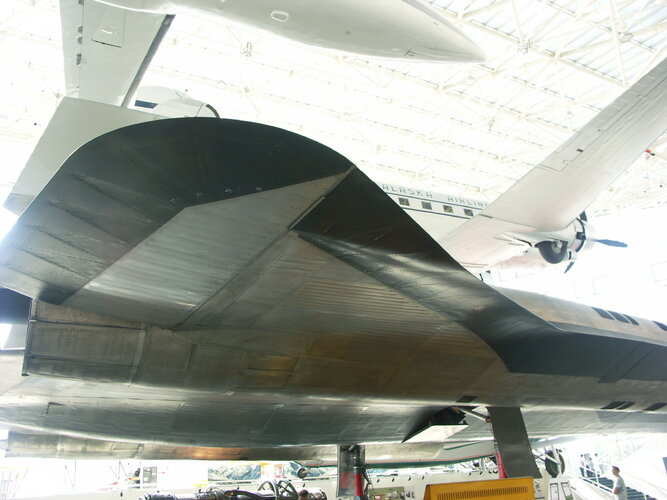
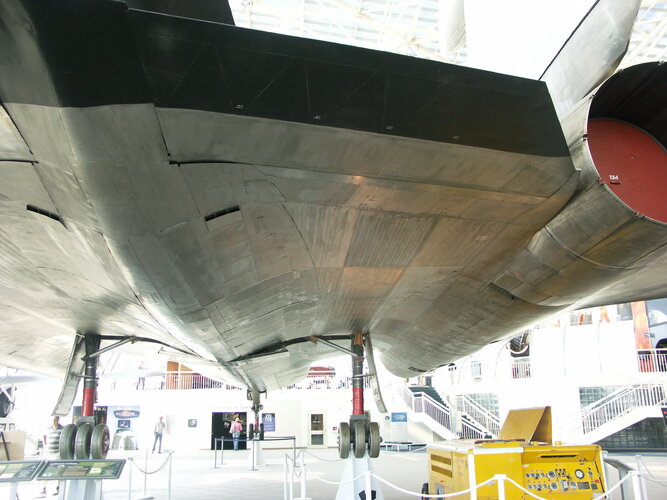
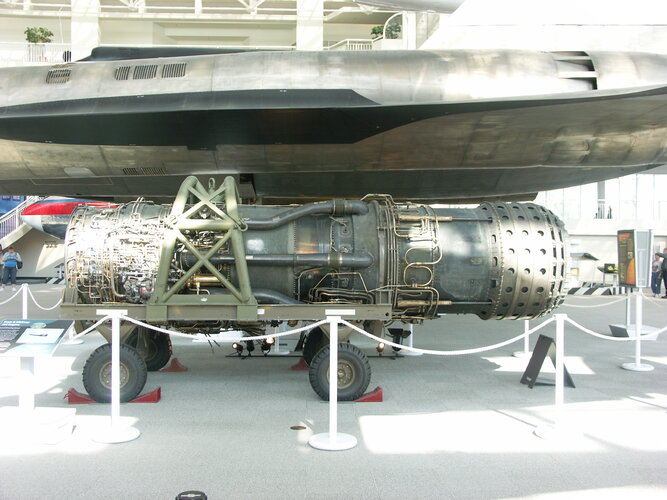
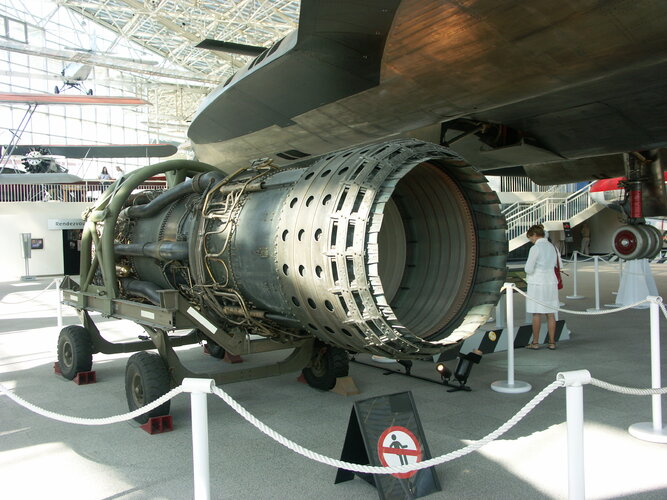
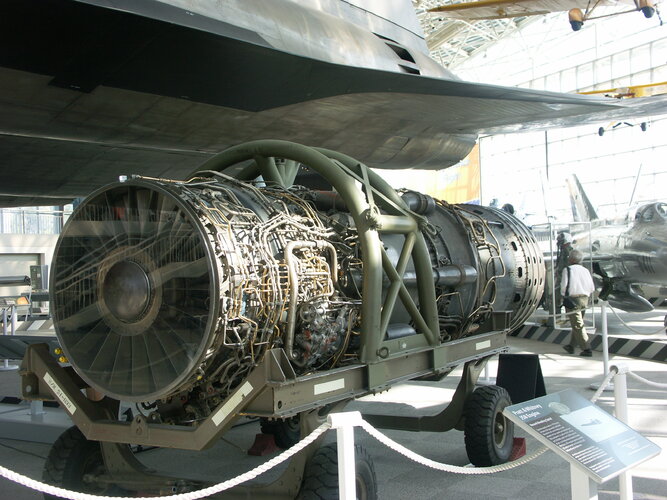
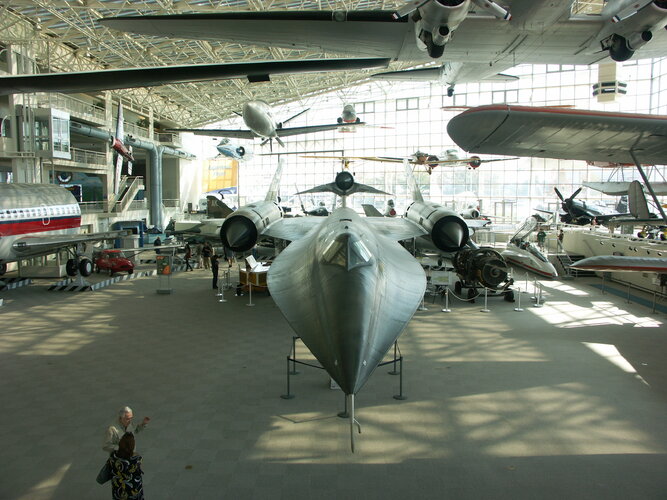
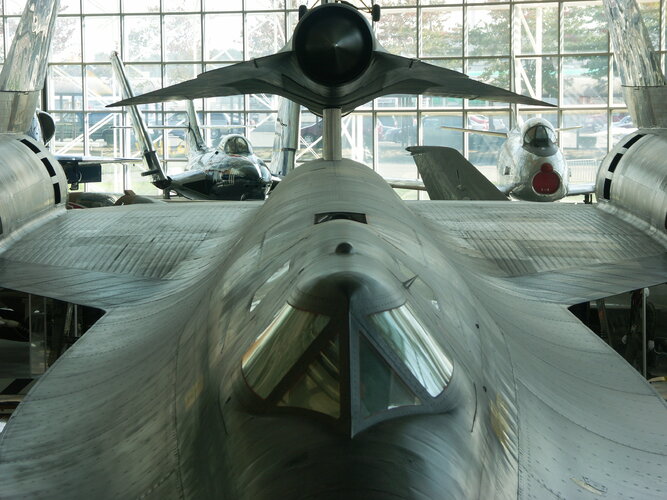
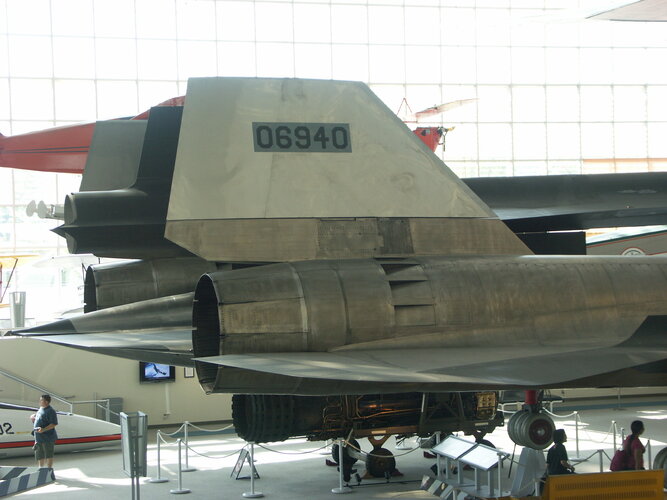
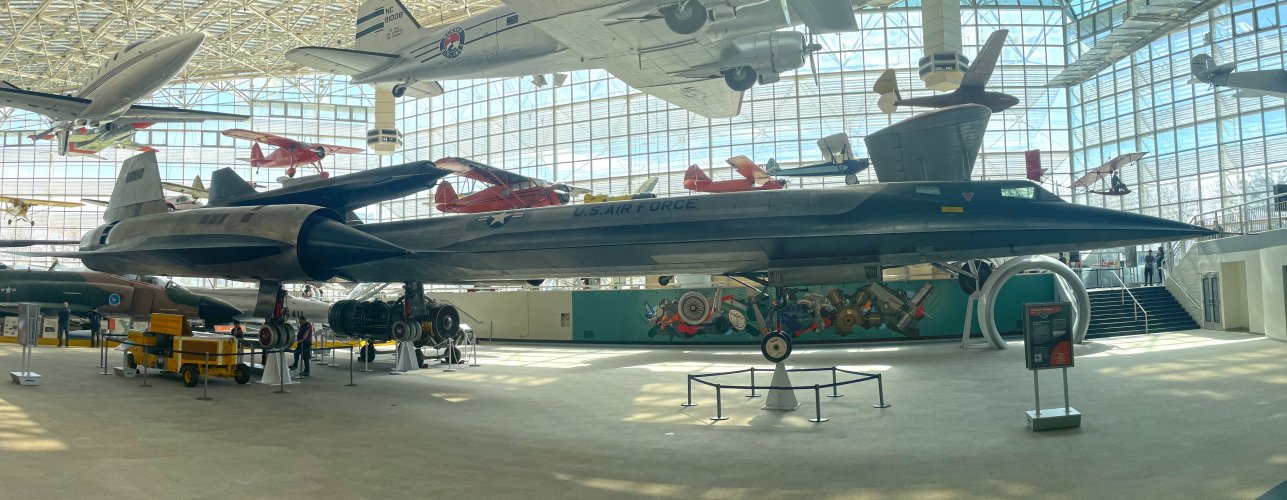
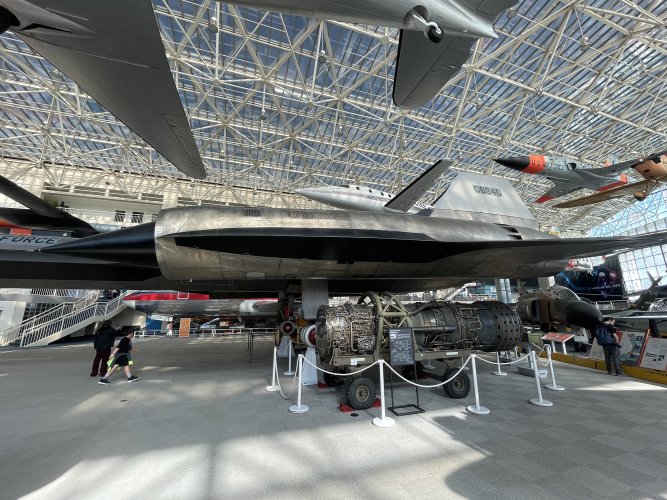
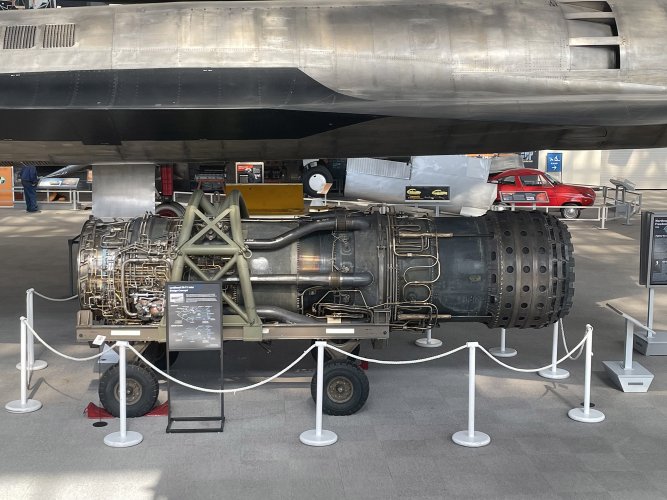
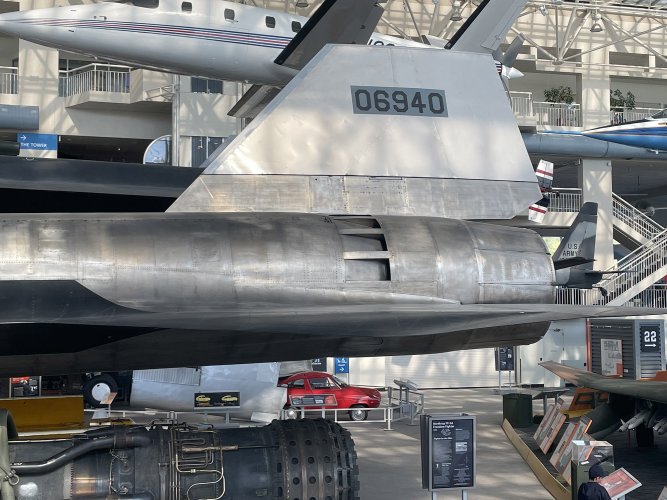
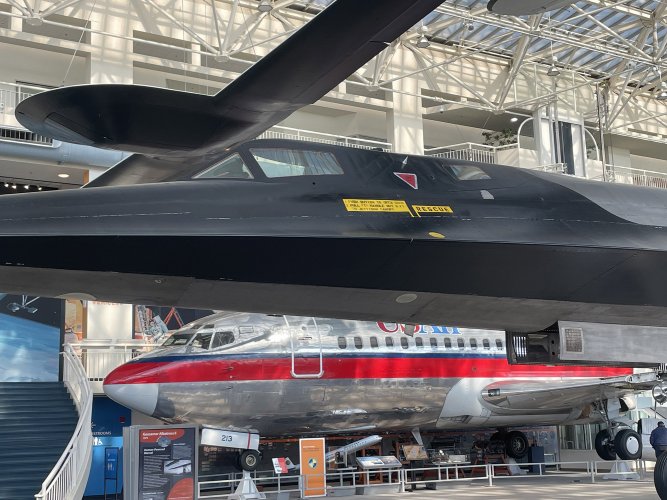
The surviving M-21, paired with a D-21 drone is at the Museum of Flight in Seattle, Washington.
See: M-21 -D21 in Seattle
See: M-21 -D21 in Seattle
Joint Soviet Fighter
ACCESS: Secret
- Joined
- 14 January 2025
- Messages
- 254
- Reaction score
- 296
Somewhat hilariously, the D-21 first operational flight in November 1969 became a gift to the Soviets.
Let me explain this.
The chinese in 1958 put their nuclear test range as far as Taiwan (and CIA, and U-2s) as possible: Lop Nor, corner of no and where, Xinjiang. A stretch of land stuck between USSR (in the west) and Mongolia (in the east).
With B-52s dropping them off Okinawa, the D-21s had to cross the entire PRC mainland to Lop Nor, then make a 180 degree turn to return.
Well, first D-21 simply forgot to make the turn, and thus, ended in Siberia.
As for the fourth and last mission, March 1971: it did make the 180 degree turn... but fell inside China. Nowadays they are showing it at an aviation museum.
In the end: both communist superpowers were graciously handed a semi-stealth, Mach 3 drone.
What kind of range are we potentially looking at, here, in terms of rcs? Somewhere between 0.1 & 1 square meters? Did anyone ever offer an estimate to The D-21 in this regard? I'm just curious.
From the NRO archive
https://www.nro.gov/Portals/65/documents/foia/declass/D-21/SC-2018-00037_C05115153.pdf
What was the A-12 RCS ? The Internet (hmmmm) tells me 10 m2. So the D-21 would be in the order of 1 to 5 m2 ?
https://www.nro.gov/Portals/65/documents/foia/declass/D-21/SC-2018-00037_C05115153.pdf
Very little is known at this time about the radar cross section of
the D-21. However ~ it is assumed that. based on size, we may expect
the D-21 design to present from 1/4 to 1/2 the target presented by the
A-12. A given radar will. therefore, achieve from. 70 ... 85 percent of its
A-12 range against the D-21. It is believed that if the A-12 achieves
its design goals of radar reflectivity, the Soviet early warning radars
will have a 20% probability of detecting the A-12 when it rises above
the radar horizon. Taking the most optimistic prediction of D-21 radar
cross section. probability that Tall King early warning radar will detect
the drone is 50% at approximately 200 nautical miles and 85% at approxi-
mately 85 miles
What was the A-12 RCS ? The Internet (hmmmm) tells me 10 m2. So the D-21 would be in the order of 1 to 5 m2 ?
Joint Soviet Fighter
ACCESS: Secret
- Joined
- 14 January 2025
- Messages
- 254
- Reaction score
- 296
From the NRO archive
https://www.nro.gov/Portals/65/documents/foia/declass/D-21/SC-2018-00037_C05115153.pdf
What was the A-12 RCS ? The Internet (hmmmm) tells me 10 m2. So the D-21 would be in the order of 1 to 5 m2 ?
I don't think that anyone would classify 1-5 m2 as "semi-stealth", lol, but thanks, regardless
 .
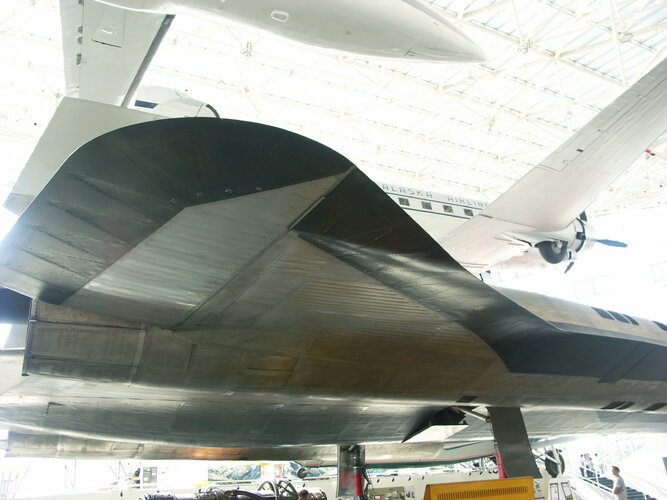
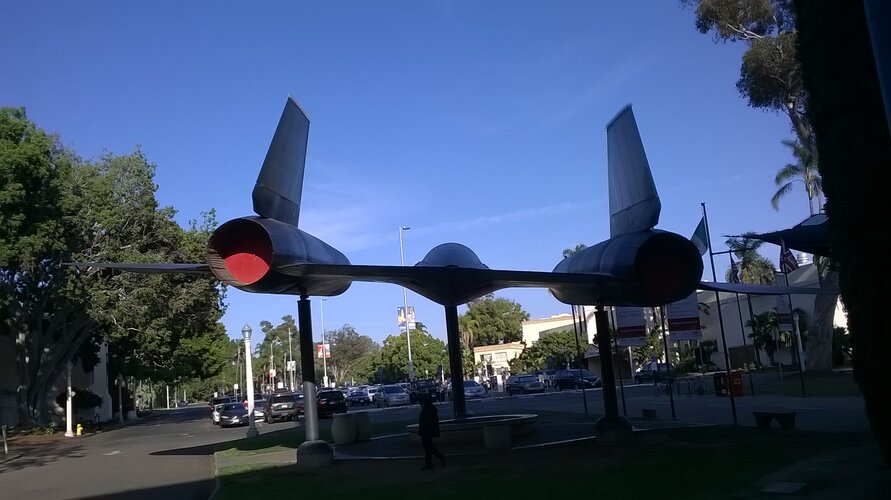
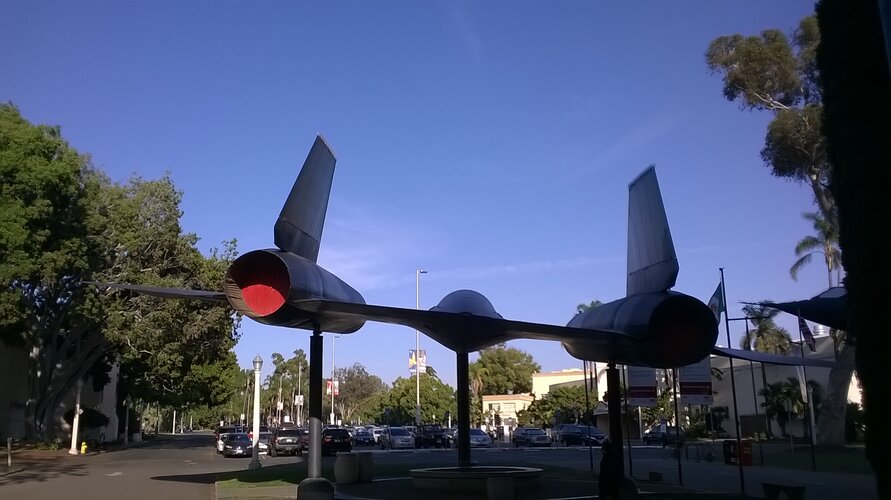
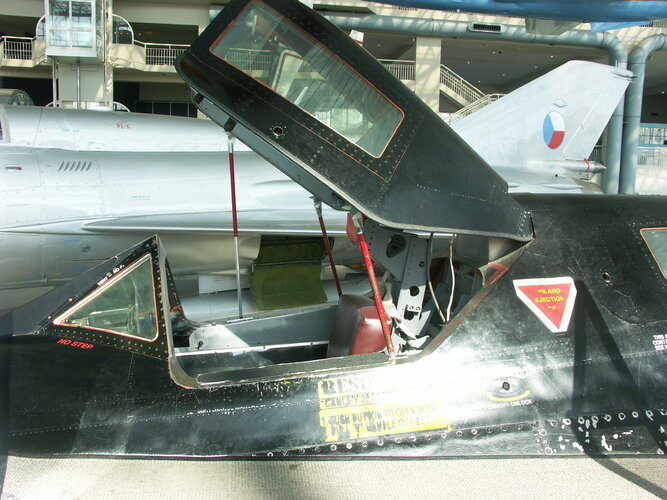
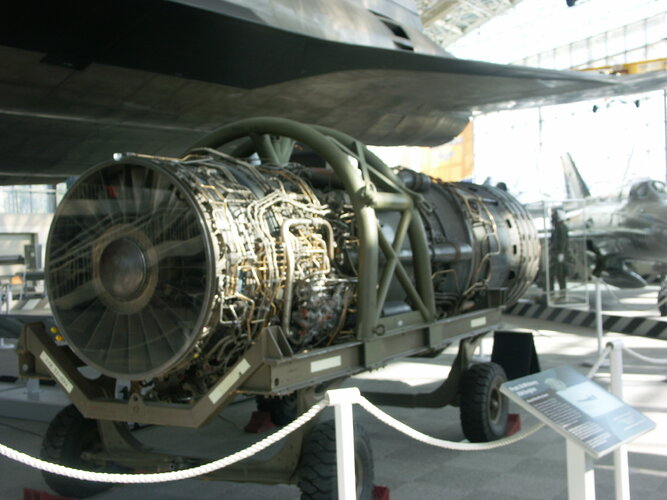
.Some Pics at the Museum + some nice shots of A-12 s/n06933 at San Diego:

Attachments
-
 WP_20151210_013.jpg1.2 MB · Views: 55
 -
 WP_20151210_012.jpg1.1 MB · Views: 48
 -
 PICT0636.JPG2.3 MB · Views: 48
 -
 PICT0635.JPG2.7 MB · Views: 44
 -
 PICT0631.JPG2.8 MB · Views: 43
 -
 PICT0630.JPG3.2 MB · Views: 43
 -
 PICT0629.JPG3.1 MB · Views: 38
 -
 PICT0613.JPG3.3 MB · Views: 46
 -
 PICT0614.JPG3 MB · Views: 44
 -
 PICT0616.JPG2.2 MB · Views: 46
 -
 PICT0627.JPG3.2 MB · Views: 44
 -
 PICT0628.JPG2.4 MB · Views: 40
Last edited:
Random thinking about the D-21.
From the NRO and CIA archives, now declassified, we have a lot of interesting documents related to the D-21 drone. Right off 1963 the spooks were painfully aware that large cruise missiles and drones were unreliable by large: and that guidance systems would be expensive and tricky (they remained so until GPS in the 1980's).
Both CIA and NRO were literally agonizing over how unreliability could led extremely sophisticated drones falling into communist hands. Also the perenial manned vs unmanned debate, extending to ISINGLASS and RHEINBERRY.
The only consolation prize was provided by early losses of Ryan 147 drones over southern China: unlike Power's U2 in 1960, noone cared. The chinese made no noises, and neither did that pesky US press.
So this is the kind of complicated back and forth debate the spooks had, related to the D-21: all along the 1960's.
And then it happened for real: one drone "gifted" to the Soviets in November 1969; another one to the chinese in March 1971.
From the NRO and CIA archives, now declassified, we have a lot of interesting documents related to the D-21 drone. Right off 1963 the spooks were painfully aware that large cruise missiles and drones were unreliable by large: and that guidance systems would be expensive and tricky (they remained so until GPS in the 1980's).
Both CIA and NRO were literally agonizing over how unreliability could led extremely sophisticated drones falling into communist hands. Also the perenial manned vs unmanned debate, extending to ISINGLASS and RHEINBERRY.
The only consolation prize was provided by early losses of Ryan 147 drones over southern China: unlike Power's U2 in 1960, noone cared. The chinese made no noises, and neither did that pesky US press.
So this is the kind of complicated back and forth debate the spooks had, related to the D-21: all along the 1960's.
And then it happened for real: one drone "gifted" to the Soviets in November 1969; another one to the chinese in March 1971.
Last edited:
- Joined
- 6 August 2007
- Messages
- 4,539
- Reaction score
- 10,261
it is assumed that. based on size
That gives you some idea about how RCS was more art or intuition than science during that era.
They also did not have measurement capabilities like we have today, and were in some cases getting incorrect measurements (too high) for some designs.
I’ve been told that the A-12 design was at one point analyzed with modern tools and found to be much better than it measured at in the 1960s.

Dronescapes
ACCESS: Confidential
- Joined
- 21 August 2022
- Messages
- 83
- Reaction score
- 173
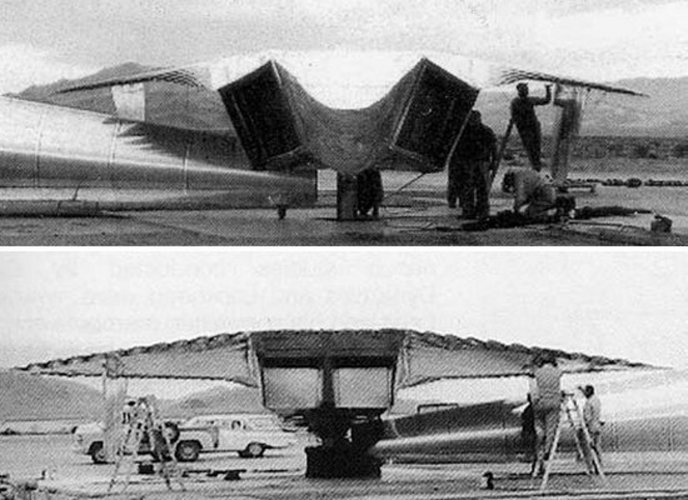
Kelly Johnson explains a modified two-seater A-12. In 1966 the aircraft and drone were redesignated M-21 and D-21
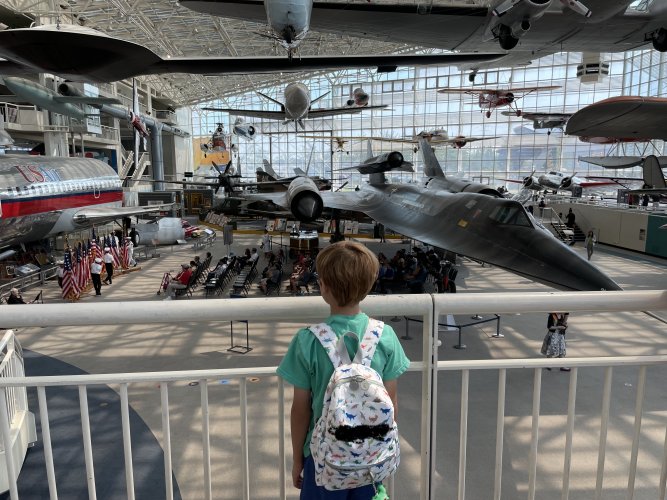
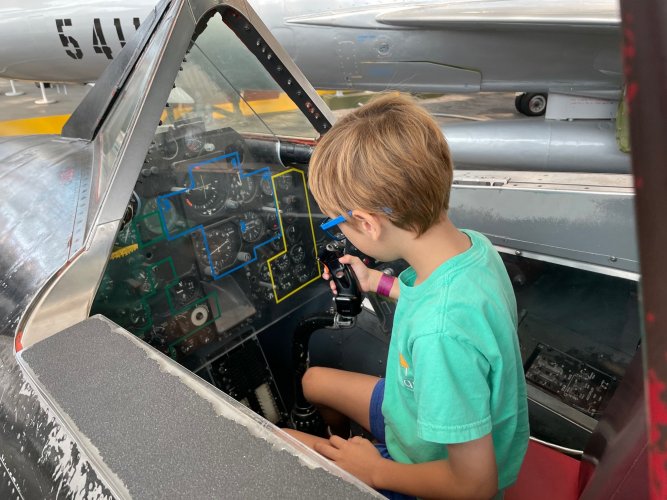
Love it @TomcatViP, got one as well last summer when my 9-year-old saw one of them for the very first time. The thing's a beast.
Scott Kenny
ACCESS: USAP
- Joined
- 15 May 2023
- Messages
- 19,676
- Reaction score
- 28,159
Was there any range lost with the D-21Bs having to get dropped off a B-52 and rocket boosted up to ramjet speed?
Seeing the Blackbird and D-21s at Pima was the highlight of my trip there...
We've just been spoiled by "you should go home now" levels of stealth today.
Seeing the Blackbird and D-21s at Pima was the highlight of my trip there...
1m2 is significant when the average fighter is over 10m2 and a strategic bomber is over 100m2.I don't think that anyone would classify 1-5 m2 as "semi-stealth", lol, but thanks, regardless
We've just been spoiled by "you should go home now" levels of stealth today.
- Joined
- 5 May 2007
- Messages
- 2,018
- Reaction score
- 4,280
Taken together with speed, you can start to see the point. If the radar network was set up to detect bombers coming in at Mach 0.85 with the RCS of a barn door, 1% of the RCS cuts detection range by a factor of three. That opens up big holes in radar coverage that you can fly through.1m2 is significant when the average fighter is over 10m2 and a strategic bomber is over 100m2.
We've just been spoiled by "you should go home now" levels of stealth today.
If you do have to get within range, the speed means you're exposed for less time. Taken together, a B-52 might be at risk for a bit over half an hour. Which is plenty of time to get the alert missiles or interceptors warmed up to have a crack. A D-21 would be at risk for less than three minutes - which means that unless your crews are already at their stations, all you can do is utter obscenities as it goes past.
In fact, it's interesting to note that in 1965 the CIA credited the Tall King (P-14) radar with a range of 400 nautical miles against a 1 square metre target, and 250 nautical miles against a 'medium bomber' at 50,000 feet. On that basis, if the B-52 really does clock in at 100 square metres, then the echo strength is absolutely enormous and range is limited by either the horizon or the radar's range gate.
Figures for A-12/SR-71 RCS anywhere between 10 square metres and 0.01 square metres seem to be doing the rounds online. Of course, that does depend substantially on the look angle and frequency of the radar used - a fact not always remembered!
Taken together with speed, you can start to see the point. If the radar network was set up to detect bombers coming in at Mach 0.85 with the RCS of a barn door, 1% of the RCS cuts detection range by a factor of three. That opens up big holes in radar coverage that you can fly through.
If you do have to get within range, the speed means you're exposed for less time. Taken together, a B-52 might be at risk for a bit over half an hour. Which is plenty of time to get the alert missiles or interceptors warmed up to have a crack. A D-21 would be at risk for less than three minutes - which means that unless your crews are already at their stations, all you can do is utter obscenities as it goes past.
In fact, it's interesting to note that in 1965 the CIA credited the Tall King (P-14) radar with a range of 400 nautical miles against a 1 square metre target, and 250 nautical miles against a 'medium bomber' at 50,000 feet. On that basis, if the B-52 really does clock in at 100 square metres, then the echo strength is absolutely enormous and range is limited by either the horizon or the radar's range gate.
Figures for A-12/SR-71 RCS anywhere between 10 square metres and 0.01 square metres seem to be doing the rounds online. Of course, that does depend substantially on the look angle and frequency of the radar used - a fact not always remembered!
As a matter of fact, between November 1969 and March 1971 the first and last D-21s ended respectively in Soviet and PRC hands. In both cases however the drone was found only after it crashed; it is generally understood neither the Soviets nor the PRC caught the drone(s) on radar.
What is really interesting is that the dumbarse D-21 that crashed in Siberia 11/1969 was coming from Lop Nor, Xinjiang - hence it must have entered Soviet air space somewhere between Semipalatinsk and Baikonur, an extremely sensitive corner of the Soviet Union. With the according very heavy air defenses, SA-2 and SA-5 and the whole enchilada of radars, also Sary Shagan not too far away too.
According to Ben Rich, in 1975 and the early days of what became Have Blue - Lockheed had not been invited - Clarence Johnson was convinced the D-21 RCS number could not be beaten.
- Joined
- 5 May 2007
- Messages
- 2,018
- Reaction score
- 4,280
The '400 miles against a 1 square metre target' figure implies a very substantially lower figure for both the A-12 (0.008 square metres) and D-21 (0.002-0.004 square metres) than is usually quoted. But it is compatible with the '22 square inches' (0.014 square metres) figure that sometimes gets cited for the SR-71.According to Ben Rich, in 1975 and the early days of what became Have Blue - Lockheed had not been invited - Clarence Johnson was convinced the D-21 RCS number could not be beaten.
What's odd is the '250 miles against a medium bomber' figure: that implies an RCS of about 0.15 square meters, which seems implausible.

- Joined
- 3 June 2011
- Messages
- 20,993
- Reaction score
- 19,260
I wonder how Kingfish would have compared.That gives you some idea about how RCS was more art or intuition than science during that era.
They also did not have measurement capabilities like we have today, and were in some cases getting incorrect measurements (too high) for some designs.
I’ve been told that the A-12 design was at one point analyzed with modern tools and found to be much better than it measured at in the 1960s.
Beware, Buck Rogers is in the making.Love it @TomcatViP, got one as well last summer when my 9-year-old saw one of them for the very first time. The thing's a beast.
View attachment 771631

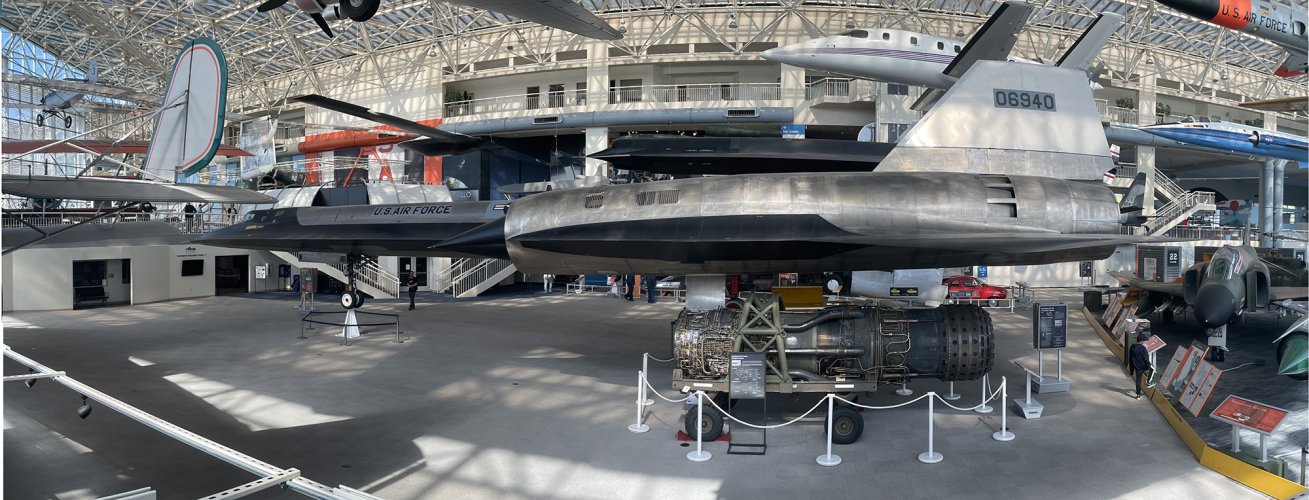
I think you mean SeattleSome Pics at the Museum + some nice shots of A-12 s/n06933 at San Diego:
Indeed, went straight for the cockpits. That's my boy.Beware, Buck Rogers is in the making.
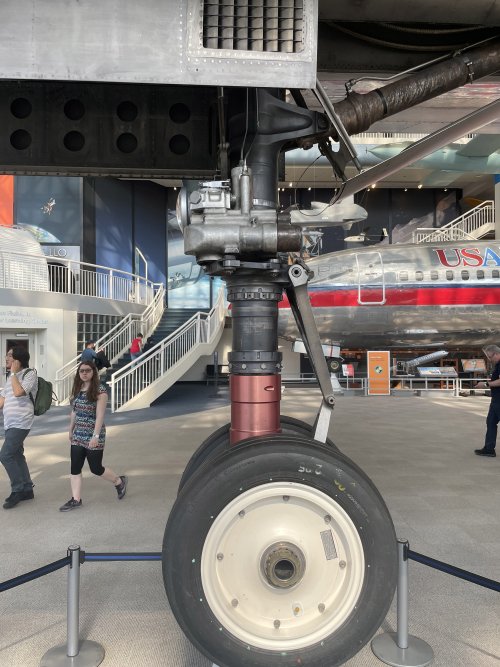
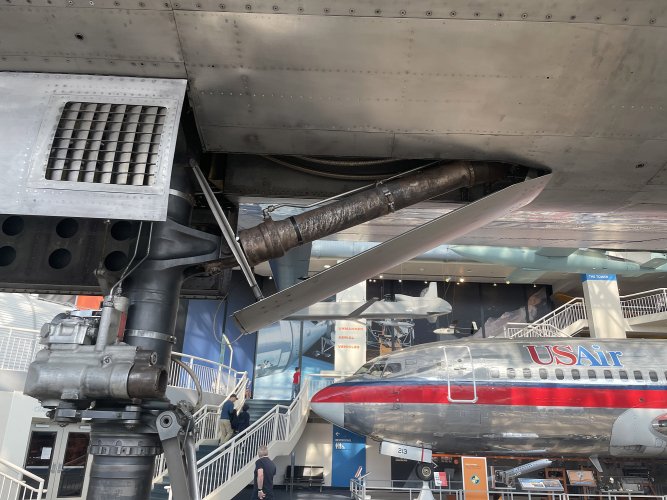
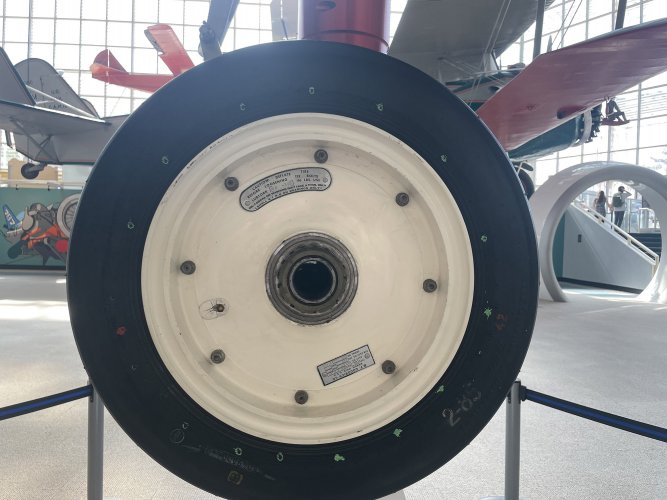
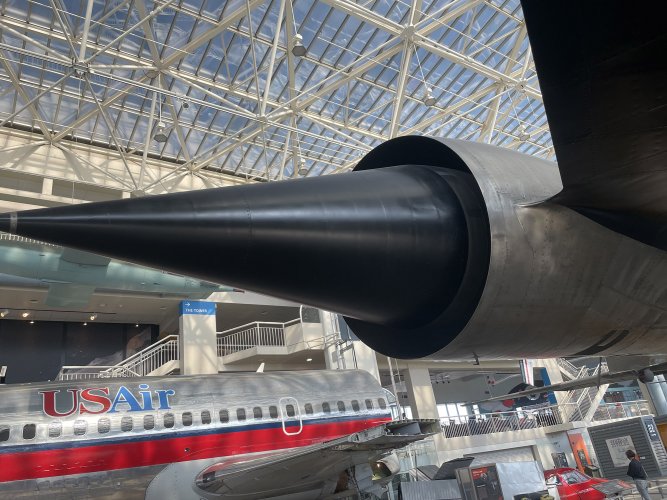
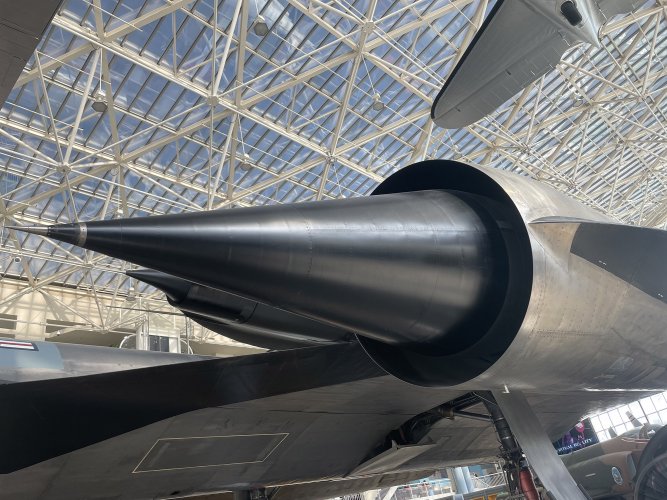
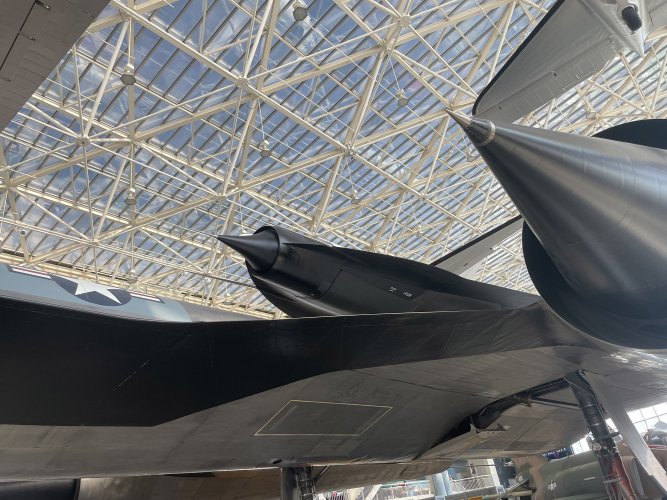
Ok - I was focussing on the M-21 ones@GTX : the outdoor images with the pylon A-12 are from San Diego. The indoor pictures, with the M-21, indeed from Seattle.
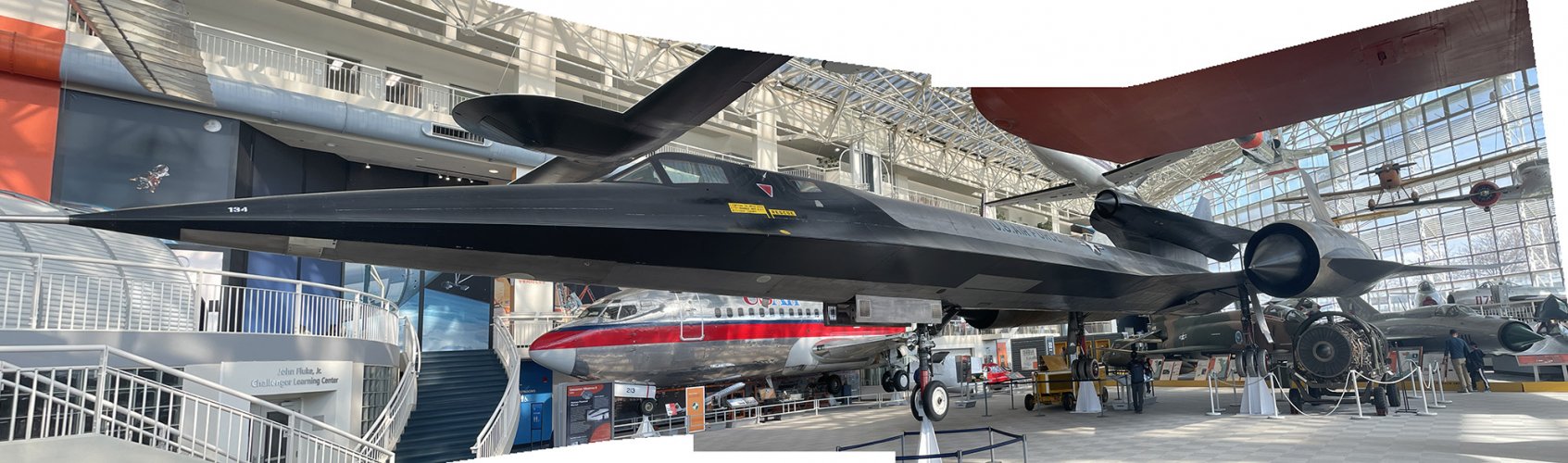
Ahah. These are mines from last Sunday.


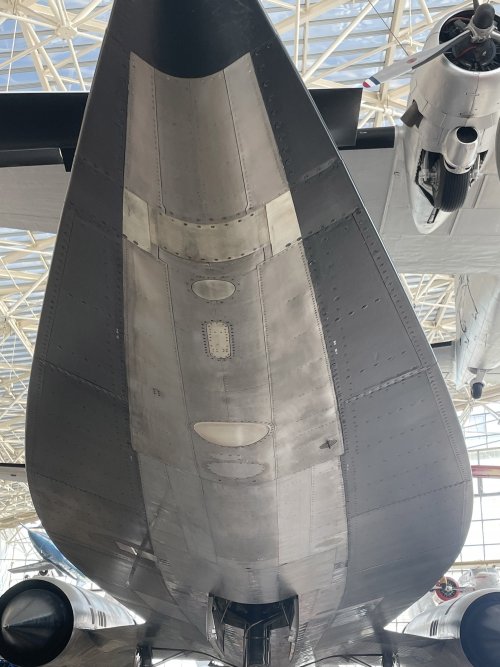
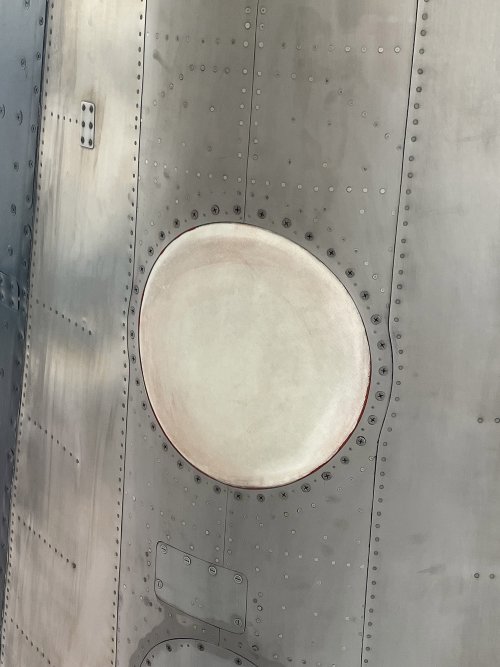
Done a bunch of the underside, will post later.
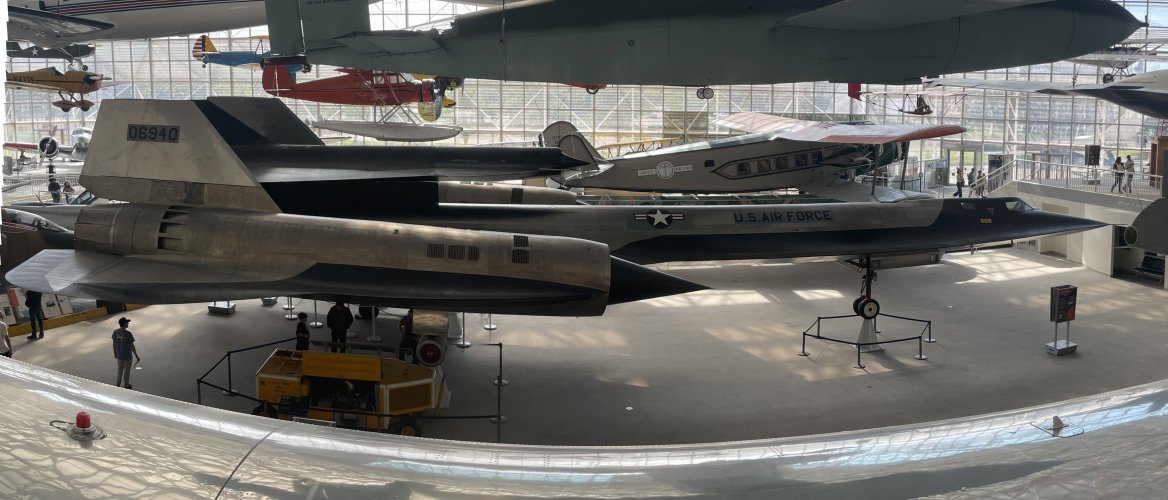
Done a bunch of the underside, will post later.
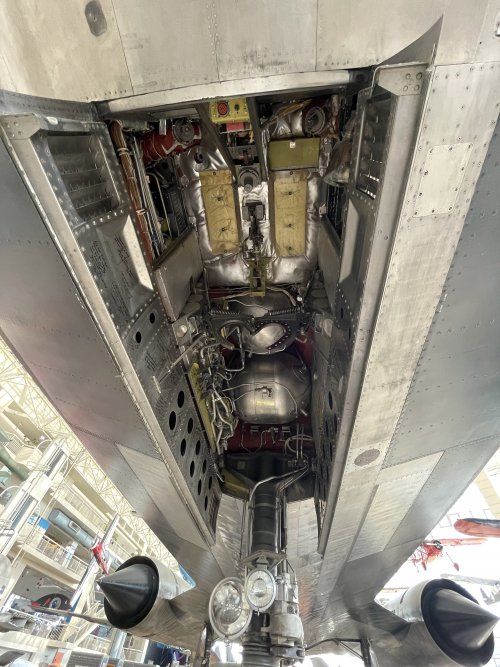
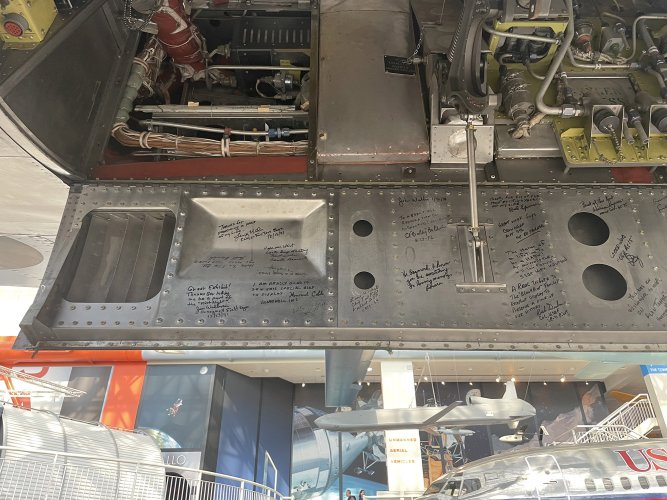
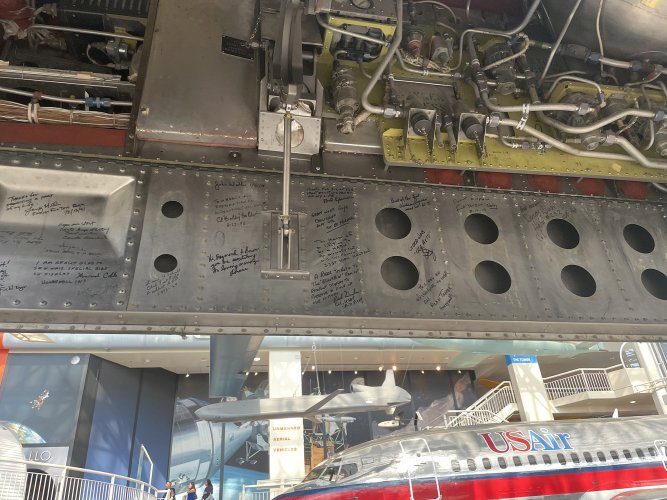
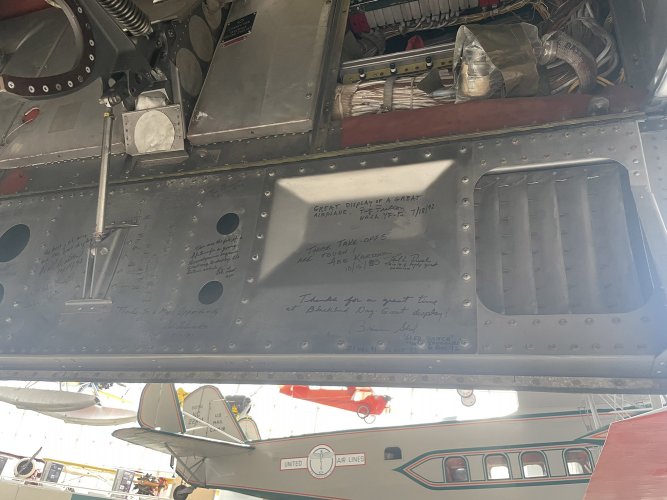
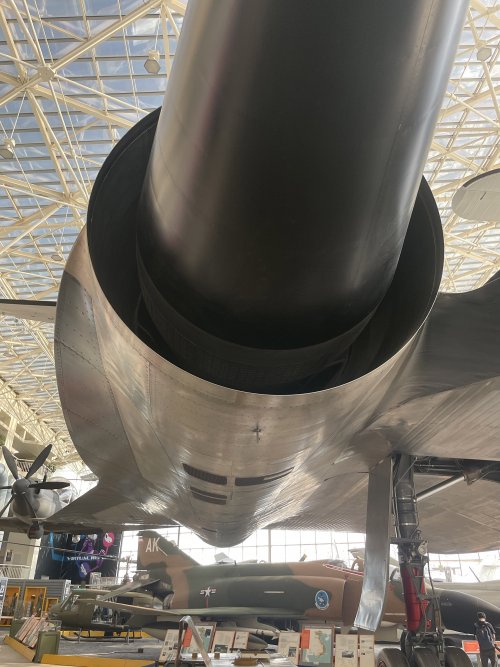
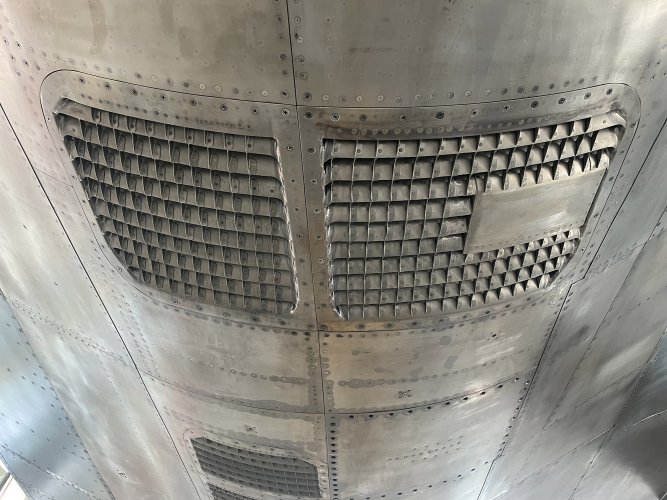
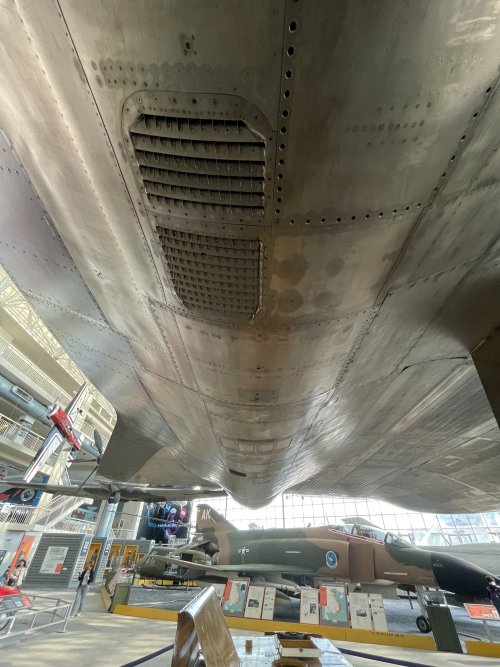
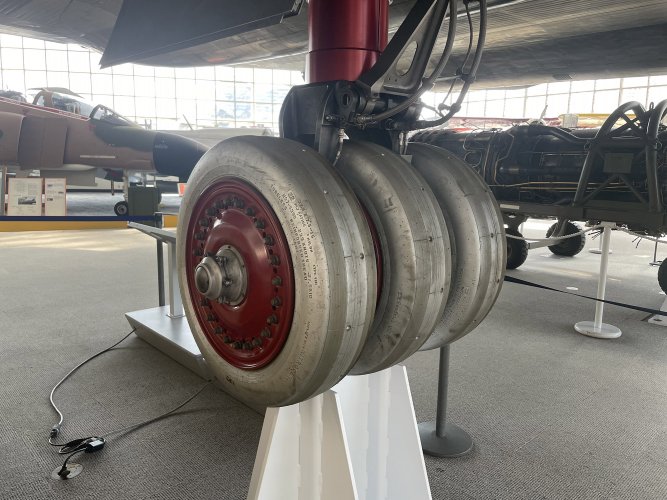
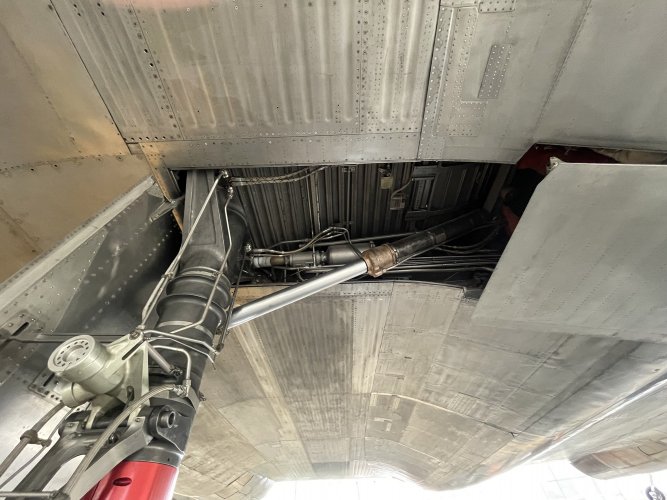
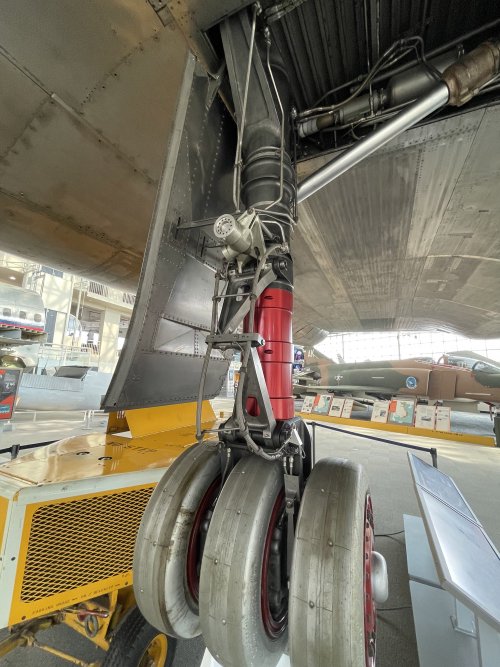
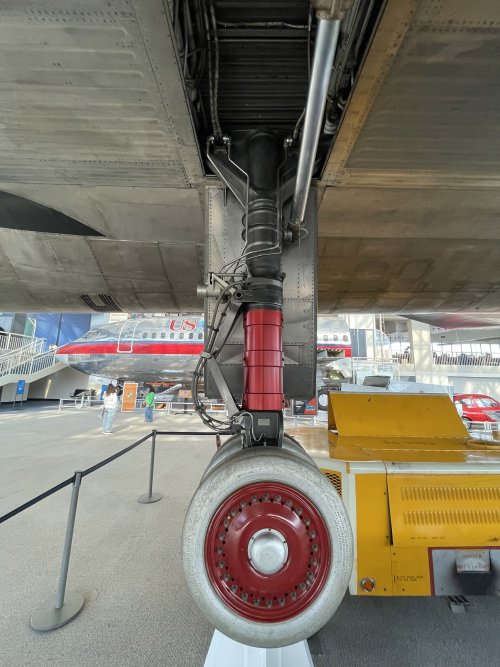
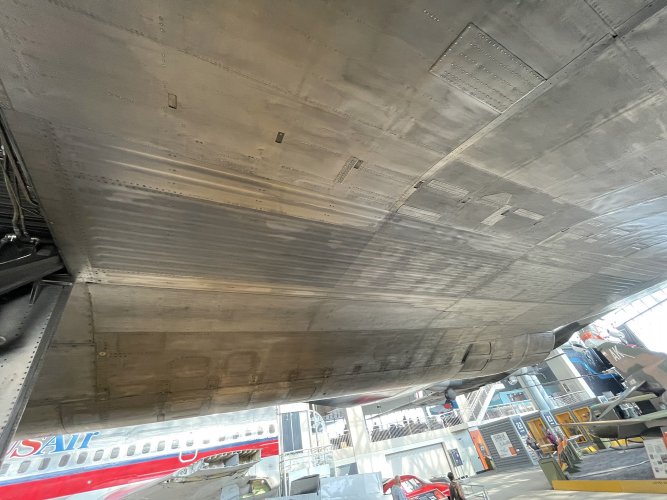
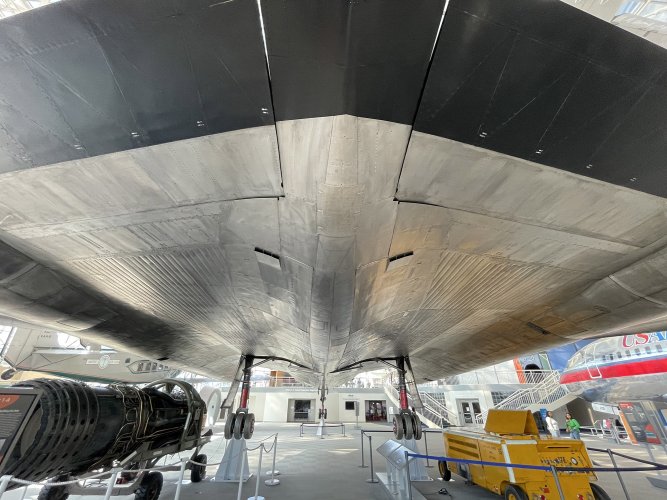
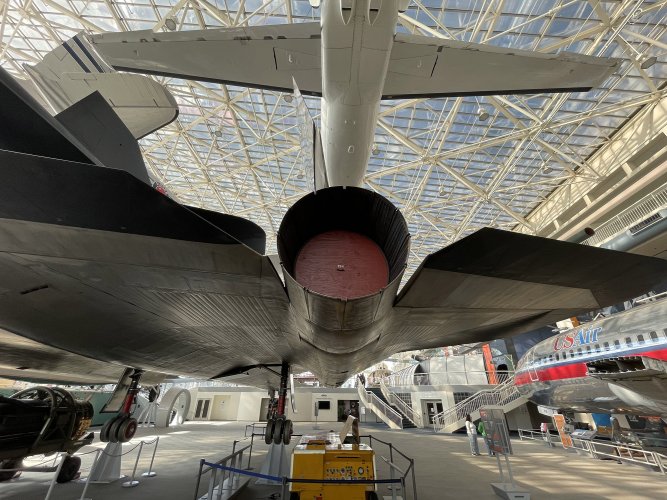
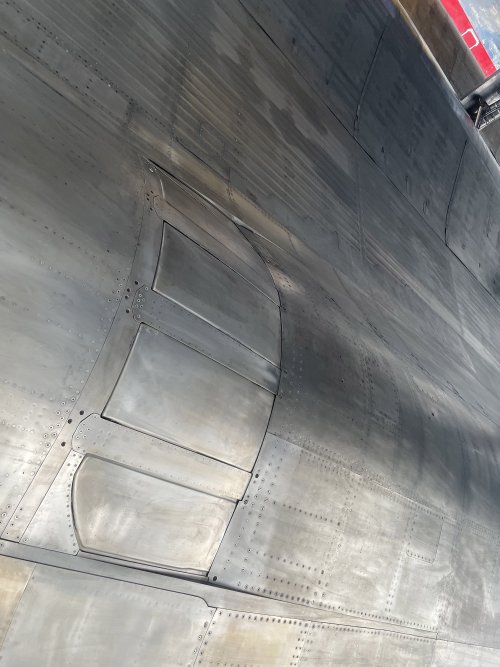
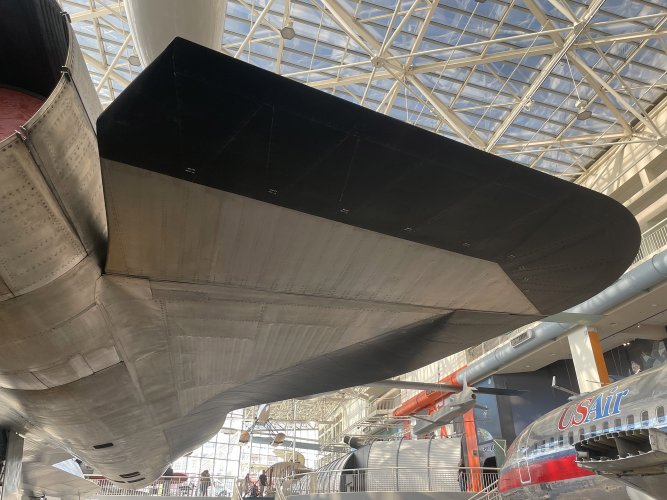
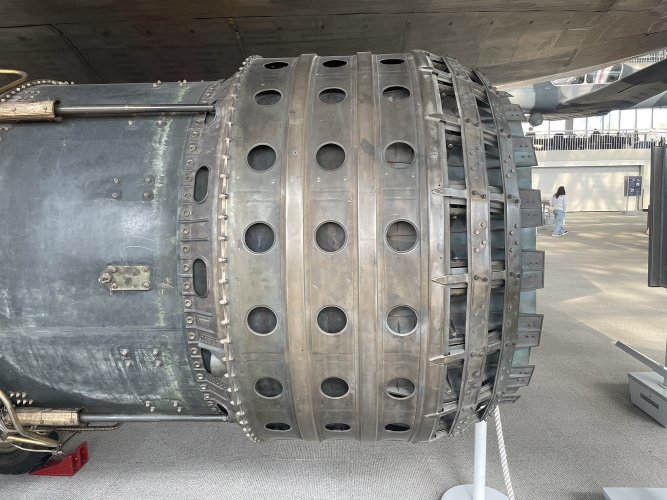
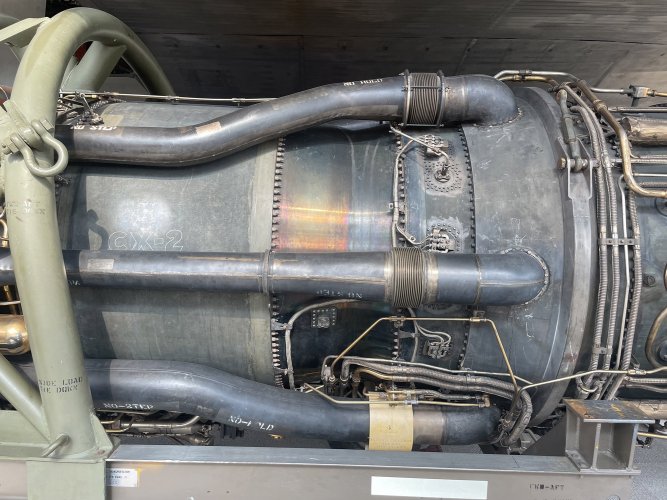
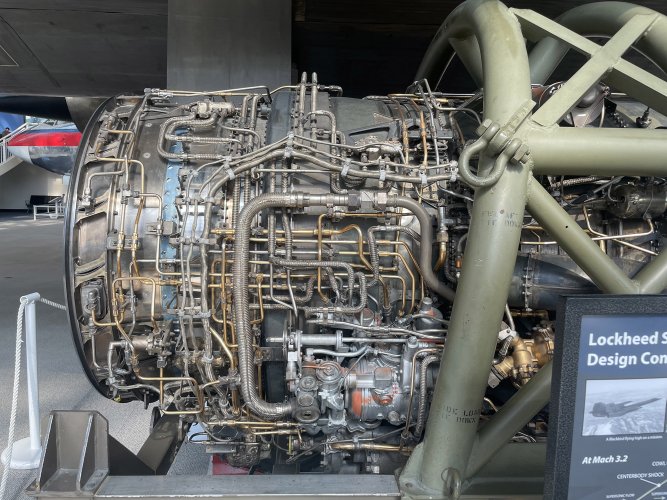
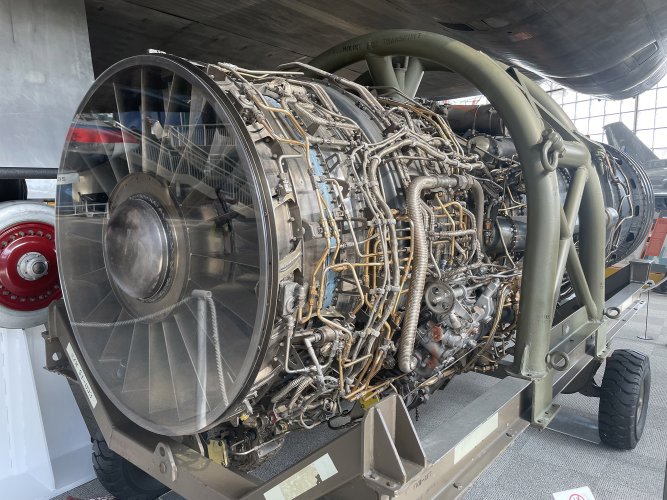
Here the rest :


Attachments
-
 IMG_4331.jpg617.3 KB · Views: 9
 -
 IMG_4332.jpg595.3 KB · Views: 9
 -
 IMG_4337.jpg613.5 KB · Views: 9
 -
 IMG_4342.jpg771.1 KB · Views: 9
 -
 IMG_4343.jpg856.3 KB · Views: 7
 -
 IMG_4344.jpg1.1 MB · Views: 9
 -
 IMG_4347.jpg705.3 KB · Views: 8
 -
 IMG_4348.jpg654 KB · Views: 7
 -
 IMG_4350.jpg520.4 KB · Views: 6
 -
 IMG_4351.jpg1 MB · Views: 6
 -
 IMG_4352.jpg595.8 KB · Views: 7
 -
 IMG_4354.jpg453.1 KB · Views: 6
 -
 IMG_4355.jpg679.4 KB · Views: 6
 -
 IMG_4357.jpg919.1 KB · Views: 8
 -
 IMG_4359.jpg644.6 KB · Views: 7
 -
 IMG_4362.jpg1.2 MB · Views: 7
 -
 IMG_4363.jpg712.9 KB · Views: 6
 -
 IMG_4365.jpg584.2 KB · Views: 6
 -
 IMG_4367.jpg1.2 MB · Views: 6
 -
 IMG_4368.jpg1.2 MB · Views: 5
 -
 IMG_4370.jpg649.4 KB · Views: 6
 -
 IMG_4372.jpg728.4 KB · Views: 6
 -
 IMG_4374.jpg825.8 KB · Views: 6
 -
 IMG_4377.jpg885.9 KB · Views: 6
 -
 IMG_4375.jpg625.3 KB · Views: 6
 -
 IMG_4378.jpg553.6 KB · Views: 8
 -
 IMG_4379.jpg1.4 MB · Views: 8
 -
 IMG_4380.jpg833.3 KB · Views: 8
 -
 IMG_4382.jpg754.1 KB · Views: 6
 -
 IMG_4381.jpg727 KB · Views: 8
 -
 IMG_4383.jpg646.4 KB · Views: 7
 -
 IMG_4384.jpg798.5 KB · Views: 7
 -
 IMG_4385.jpg841.4 KB · Views: 7
 -
 IMG_4389.jpg701.1 KB · Views: 6
 -
 IMG_4391.jpg725.1 KB · Views: 6
Last edited:
Just got back from a trip out to Dayton, and have to hand it to the curators at the Air Force Museum, that place was astounding. Not one, but two Blackbirds and a D-21. To go along with more aircraft than I could imagine in once space.
Similar threads
-

-
Kelly Johnson comment in June 1969....no Skunk Work black aircraft project worked being worked on
- Started by greenmartian2017
- Replies: 12
-
 Lockheed A-12CB (Carrier based) project
- Started by fightingirish
- Replies: 21
-
 The Man Who Built the Blackbird: Kelly Johnson & The Skunk Works Revolution
- Started by Dronescapes
- Replies: 0
-
 2 NEW 1-48th STRATOSPHERE MODELS KITS AT SHAPEWAYS ! GTD-21 Booster & Dolly
- Started by Desert Dawn
- Replies: 0