
You are using an out of date browser. It may not display this or other websites correctly.
You should upgrade or use an alternative browser.
You should upgrade or use an alternative browser.
Kawanishi K-90/KX-2 "Jinpu" (J3K, J6K & carrier-based A8K)

blackkite
Don't laugh, don't cry, don't even curse, but.....
- Joined
- 31 May 2007
- Messages
- 9,515
- Reaction score
- 9,658
I never heard about A8K,A8M and A8N carrier fighter.
Immediately before the defeat, the Imperial Japanese Navy's aircraft carrier task force had collapsed and did not require a carrier fighter.
I know only land base 20-shi Ko fighter (air superiority fighter) planned by the IJN.
Immediately before the defeat, the Imperial Japanese Navy's aircraft carrier task force had collapsed and did not require a carrier fighter.
I know only land base 20-shi Ko fighter (air superiority fighter) planned by the IJN.
Last edited:

Infact in " Fighters of Dying Sun " A8K ( based on J6K) , A8M ( based on A7M) and ( A8N - i don't if is officially designation but probably proposed Nakajjima fighter based on Ki-87 for 20 shi Ko fighter) were all projects for 20 -shi Ko fighter . Foldable wings of Kawanishi A8K in " Lampart Japonskie marinarski 1912 - 1945 " (polish book) had confused me . So i have seen more info about author of Lampart series seems be not unkown authors : Tadeusz Januszewski had published some english book of yellow series of Mushroom and Kryzysztof Zalewski (1966 - 2012) was a polish militiria historian author .I never heard about A8K,A8M and A8N carrier fighter.
Immediately before the defeat, the Imperial Japanese Navy's aircraft carrier task force had collapsed and did not require a carrier fighter.
I know only land base 20-shi Ko fighter (air superiority fighter) planned by the IJN.
Last edited:
blackkite
Don't laugh, don't cry, don't even curse, but.....
- Joined
- 31 May 2007
- Messages
- 9,515
- Reaction score
- 9,658
J6K was planned to have 70mm thick glass armer at front and rear of the cockpit.
Last edited:
Do you know what sources were used in the video?View: https://www.youtube.com/watch?v=IVX-2rXH8gw
J6K was planned to have 70mm thick glass armer at front and rear of the cockpit.
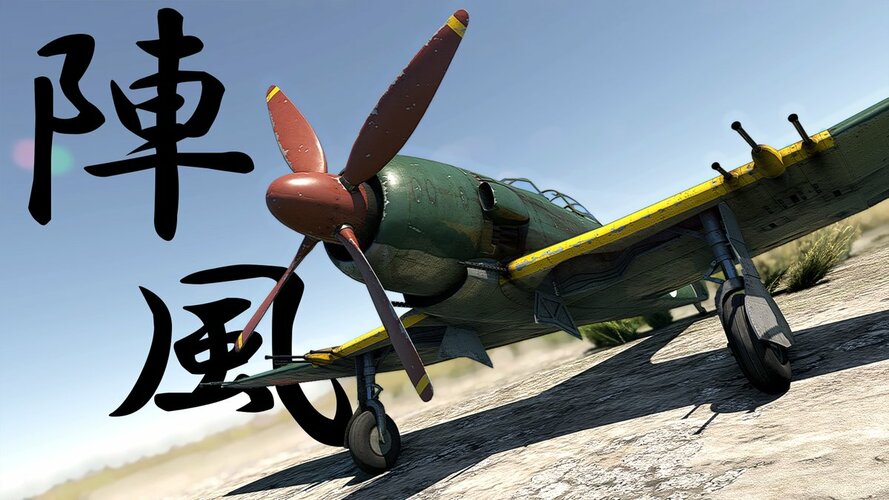
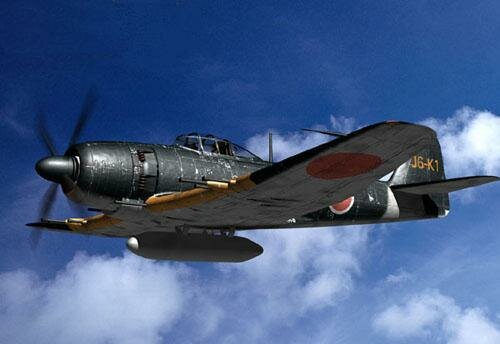
I don't know if for Kawanishi A8K there was in project a proposal for ca
I remember that source was "japonskie samoloty marinarsky" by Januszewski Tadeusz : i suppose that one of two proposal for Kawanishi A8k .Ummm......What is the difference between J6K and A8K?
http://forum.valka.cz/topic/view/86276/Kawanisi-A8K1-Toppuhttps://forum.worldofwarships.ru/topic/32334-kawanishi-a8k/https://www.facebook.com/Bruyneel.P...07520000.1476345766./1747193092165184/?type=3"Kawanishi A8K Toppu 1945 (Japan). Embarked Hunter.
The Kawanishi A8K was a development of the j6k Jinpu, a terrestrial interceptor that had not been retained. It was then modified to be used as an on-board fighter on the Japanese aircraft door to replace the famous zero. It had a folding canopy, was fitted with a NK9H Nakajima Homae 21 1990 CV radial engine. The aircraft was heavily armed and carried
Four 30 mm wing cannons. The prototype was finished at 95% when the war was over."
But no carrier at the day. :-[ Looks like fake?
if there are books that write about Kawanishi A8K i think it's true so it's very difficult access to originary sources .I'm pretty sure the "A8" series of planes are all fake, but if I am wrong, I'd love to be corrected
blackkite
Don't laugh, don't cry, don't even curse, but.....
- Joined
- 31 May 2007
- Messages
- 9,515
- Reaction score
- 9,658
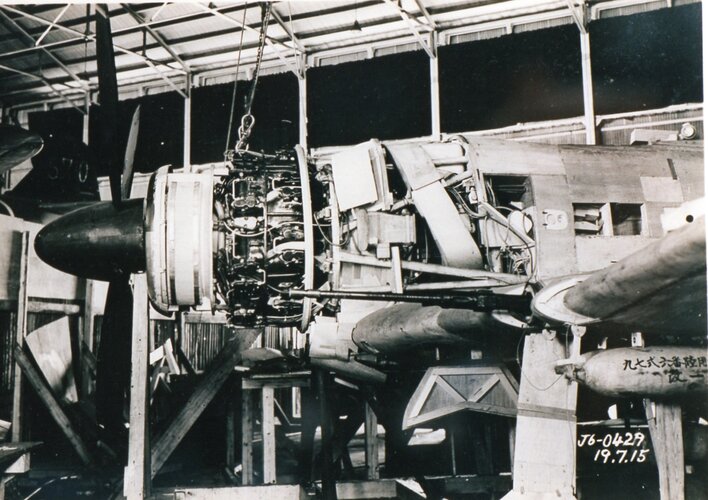
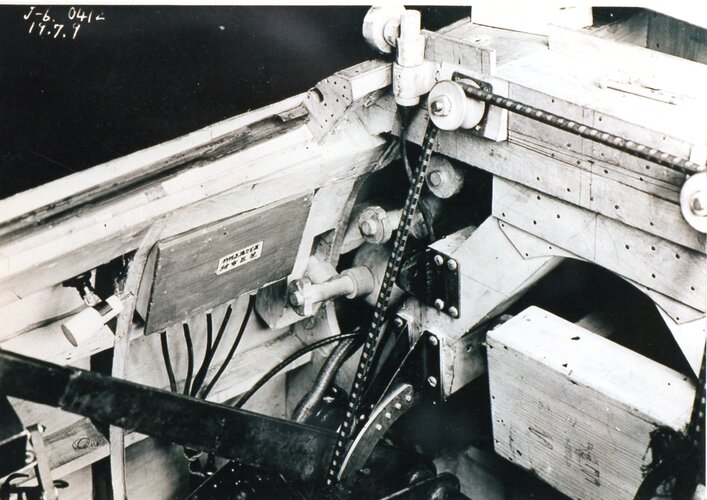
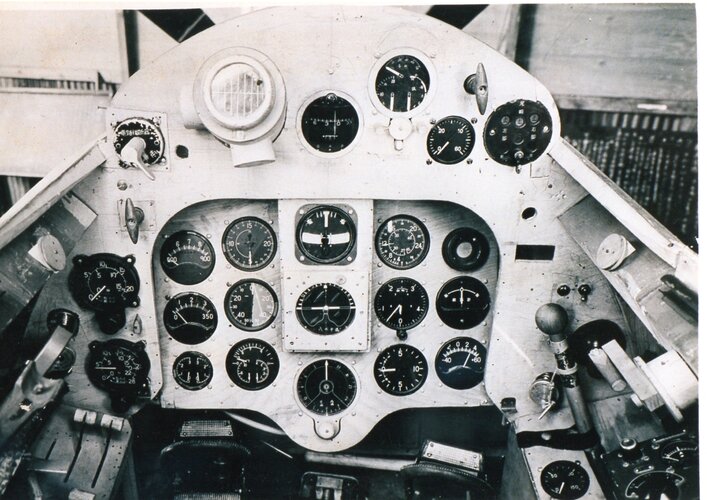
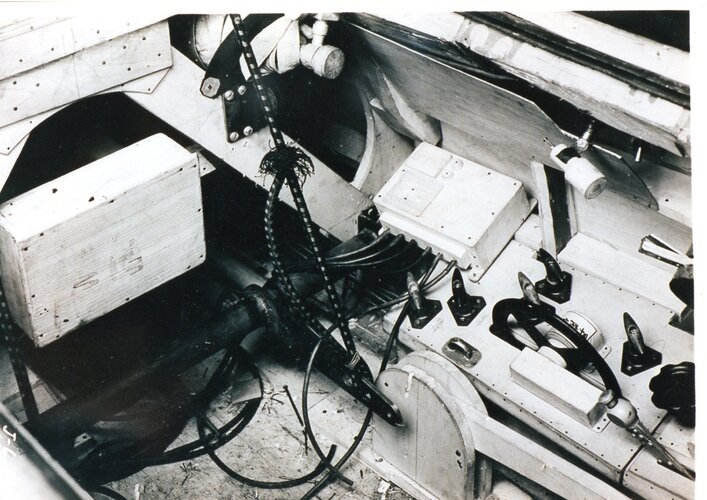
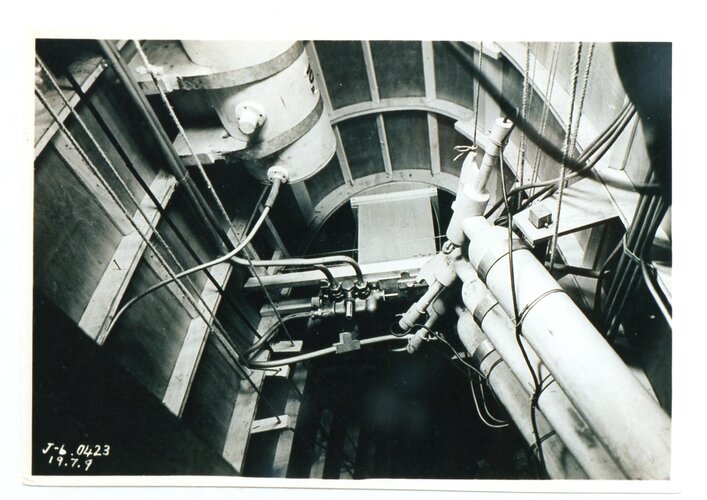
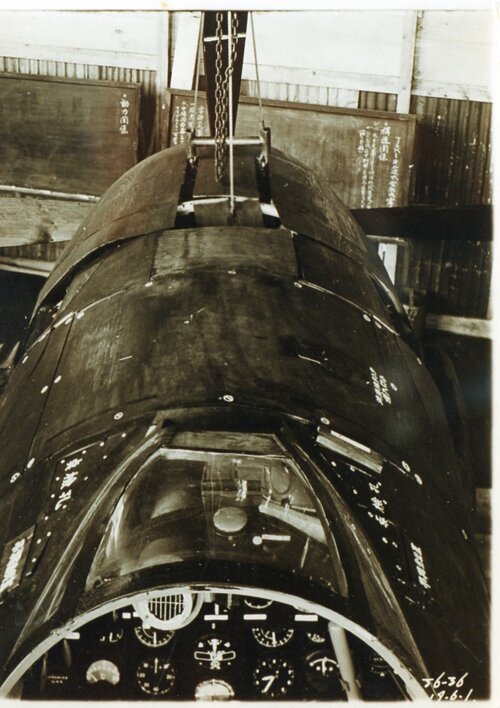
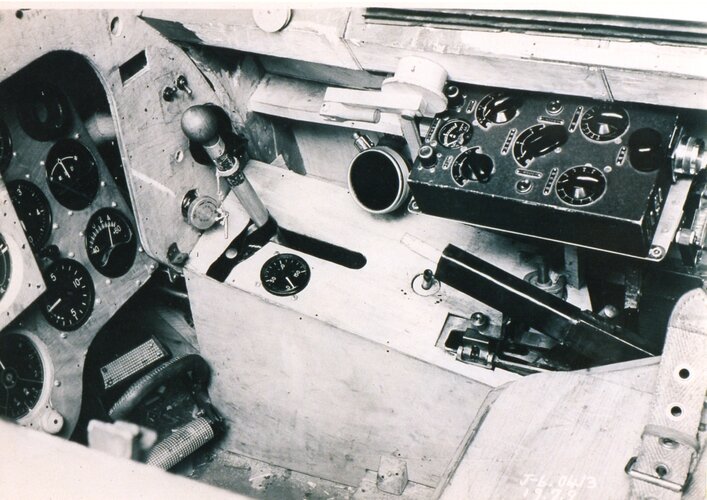
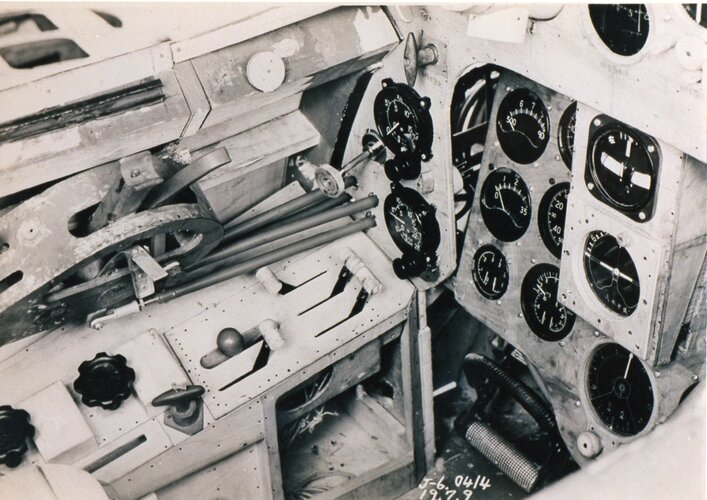
Hi! J6K mockup pictures.
http://xxx.planoah.jp/blog-entry-439.html
http://xxx.planoah.jp/blog-entry-439.html
Attachments
-
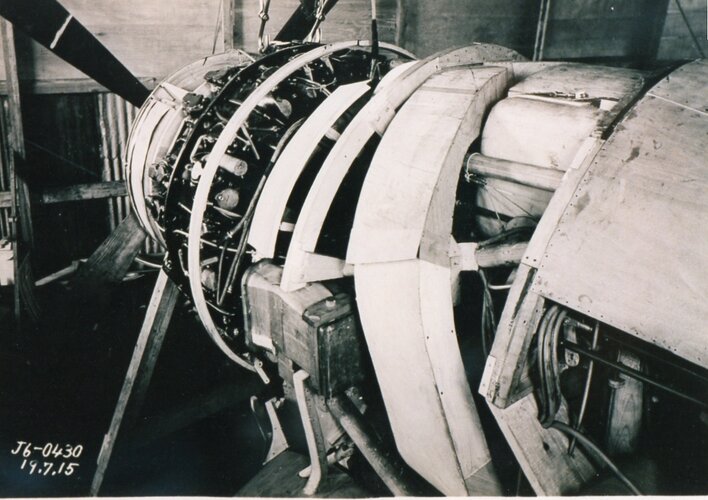 20190726181955e66.jpg578 KB · Views: 55
 -
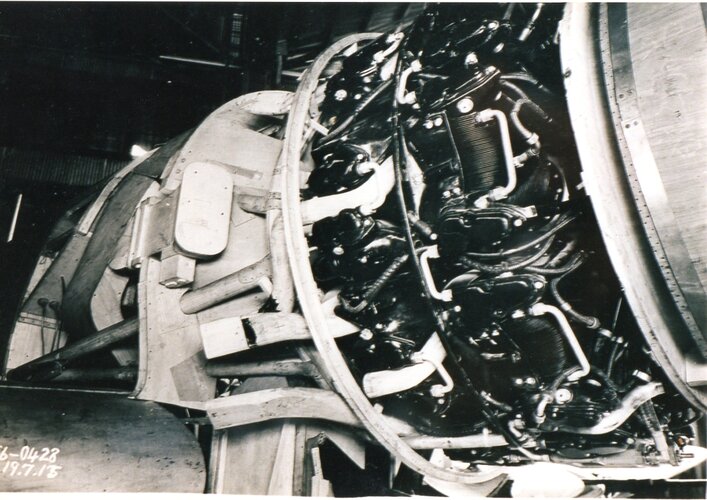 201907261819559a6.jpg672.2 KB · Views: 51
 -
 20190726181954190.jpg623.6 KB · Views: 52
 -
 20190726181950eeb.jpg660.4 KB · Views: 53
 -
 2019072618195420a.jpg717.7 KB · Views: 52
 -
 2019072618195571f.jpg676 KB · Views: 46
 -
 2019072813375110b.jpg583 KB · Views: 41
 -
 J6-36.jpg573.9 KB · Views: 44
 -
 J6-041.jpg687.5 KB · Views: 45
 -
 J6-0414.jpg702.2 KB · Views: 42
 -
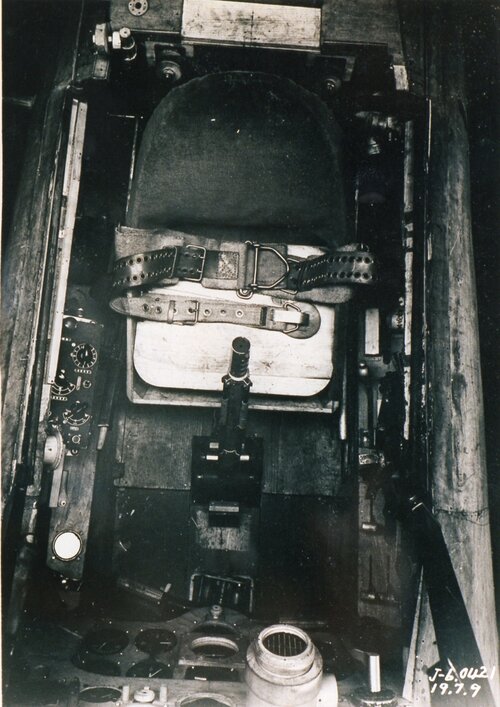 J6-0421_20190727010922c5e.jpg664 KB · Views: 75
blackkite
Don't laugh, don't cry, don't even curse, but.....
- Joined
- 31 May 2007
- Messages
- 9,515
- Reaction score
- 9,658
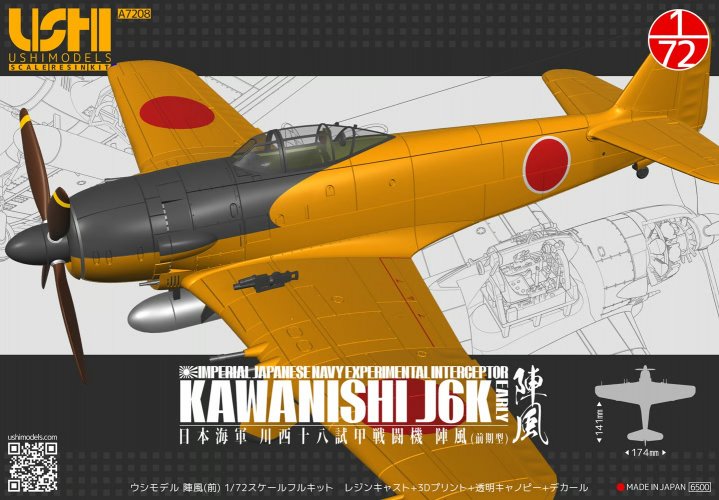
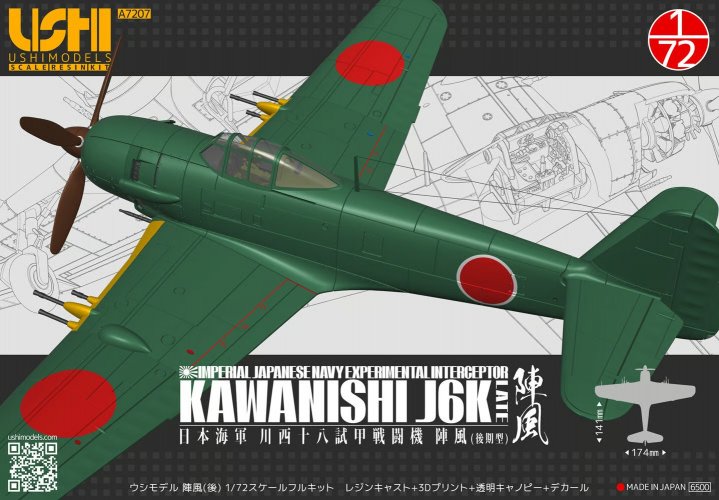
Hi!
J6K Jinpu early type and late type.
Honestly speaking, I can't explain the difference between early type and late type.
https://ushimodel.stores.jp/items/658aff20f325fc16ef87b1af
J6K Jinpu early type and late type.
Honestly speaking, I can't explain the difference between early type and late type.
https://ushimodel.stores.jp/items/658aff20f325fc16ef87b1af
Attachments

The ‘20-shi-Ko’ is just an expression used by some authors to to refer to the IJN 23 May 1945 requirement for the future air-superiority fighter, that it was supposed to have entered service in 1947. In fact, the IJN terminated to use the ‘shi’ naming system for experimental aircraft in 1943 (Showa 18).
After this decision, experimental aircraft names were such as ‘Experimental Shiden-KAI’ or ’Experimental Reppu-KAI’. The IJN used the ‘shi’ specification system for the last time in 1942, calling for a ‘17-shi-Ko’ air-superiority carrier fighter (Mitsubishi M-50, A7M1 Reppu) and for the ‘17-shi-Otsu’ interceptor fighter (Kawanishi K-90, J3K Shiden 31 and Mitsubishi M-70, J4M Senden).
The ‘18-shi-Otsu’ 1943 interceptor fighter specification (Nakajima J5N Tenrai, Kawanishi J6K Jinpu and Kyushu J7W Shinden) and the ‘20-shi-Ko’ 1945 air-superiority fighter specification (Mitsubishi A8M, Kawanishi A8K and Nakajima A8N) exist only in specialised literatures as ‘historic license’. The official definition of the IJN for the 1945 air-superiority fighter was just ‘Next air-superiority Ko fighter’.
The 23 May 1945 specification requirements were for a maximum speed de 704 kph at 10,000 m, landing speed below 148 kph, 15 minutes to reach 10,000 m altitude, 13,500 m service ceiling, 2.5 hours endurance, four 20 mm cannons with 250 rounds per gun, self-sealing fuselage tanks, automatic extinguish device for the wings tanks, armour protection for the pilot and automatic combat flaps. Mitsubishi, Kawanishi and Nakajima submitted several projects based on the Reppu, the Jinpu, the Shiden-KAI and the Ki.87-II.
To meet the requirements of the 17-shi-Otsu IJN specification, calling for a high-performance, land-based, Kyokusen interceptor, Kawanishi proposed its project K 90, with Nakajima Homare engine, in 1942.
The IJN ordered the development of the K 90, as J3K1, powered by one Mitsubishi MK9B (Ha-43-21) engine with two-stage mechanical supercharger and Vulkan coupling drive first stage. In August 1943, the project was modified as J6K1 Jinpu, to adapt it to the ‘18-shi-Ko’ specification, calling for a high-altitude, air-superiority fighter powered by one Nakajima NK9A-O Homare 40, two-stage, three-speed mechanical supercharged engine, with intercooler, forced cooling fan and oxygen injection.
In July 1944, the J6K1 was superseded by the N1K2-J Shiden-KAI that was chosen by the Kaigun Koku Hombu for large-scale production. In April 1945, Kawanishi proposed the modification of the J6K1 to the IJN to adapt it to the requirements of the ‘20-shi-Ko’ specification, to be powered by an Ha-44-21 engine with intercooler and forced cooling fan and an armament of six Type 99, Model 2/5, 20 mm cannon. According to some authors, the new design was named A8K1 Toppu.
A8K1 technical data
Wingspan: 12.5 m, length: 10.118 m, height: 3.94 m, wing area: 26 sq.m, max weight: 4,373 kg, max speed: 685 kph, ceiling: 13,000 m.
Along with the A8K1, Kawanishi submitted the ‘High-Performance Shiden-KAI’ project that basically was a N1K5-J Shiden 25 powered by one 2,200 hp Nakajima Ha-45-44 engine, with two-stage, three-speed mechanical supercharger, intercooler and six Type 99, Model 2/5, 20 mm cannon.
‘High-Performance Shiden-KAI’ technical data
Wingspan: 11.99 m, length: 9.346 m, height: 3.96 m, wing area: 23.5 sq. m, max weight: 4,768 kg, max speed: 663 kph, ceiling: 12,000 m.
After this decision, experimental aircraft names were such as ‘Experimental Shiden-KAI’ or ’Experimental Reppu-KAI’. The IJN used the ‘shi’ specification system for the last time in 1942, calling for a ‘17-shi-Ko’ air-superiority carrier fighter (Mitsubishi M-50, A7M1 Reppu) and for the ‘17-shi-Otsu’ interceptor fighter (Kawanishi K-90, J3K Shiden 31 and Mitsubishi M-70, J4M Senden).
The ‘18-shi-Otsu’ 1943 interceptor fighter specification (Nakajima J5N Tenrai, Kawanishi J6K Jinpu and Kyushu J7W Shinden) and the ‘20-shi-Ko’ 1945 air-superiority fighter specification (Mitsubishi A8M, Kawanishi A8K and Nakajima A8N) exist only in specialised literatures as ‘historic license’. The official definition of the IJN for the 1945 air-superiority fighter was just ‘Next air-superiority Ko fighter’.
The 23 May 1945 specification requirements were for a maximum speed de 704 kph at 10,000 m, landing speed below 148 kph, 15 minutes to reach 10,000 m altitude, 13,500 m service ceiling, 2.5 hours endurance, four 20 mm cannons with 250 rounds per gun, self-sealing fuselage tanks, automatic extinguish device for the wings tanks, armour protection for the pilot and automatic combat flaps. Mitsubishi, Kawanishi and Nakajima submitted several projects based on the Reppu, the Jinpu, the Shiden-KAI and the Ki.87-II.
To meet the requirements of the 17-shi-Otsu IJN specification, calling for a high-performance, land-based, Kyokusen interceptor, Kawanishi proposed its project K 90, with Nakajima Homare engine, in 1942.
The IJN ordered the development of the K 90, as J3K1, powered by one Mitsubishi MK9B (Ha-43-21) engine with two-stage mechanical supercharger and Vulkan coupling drive first stage. In August 1943, the project was modified as J6K1 Jinpu, to adapt it to the ‘18-shi-Ko’ specification, calling for a high-altitude, air-superiority fighter powered by one Nakajima NK9A-O Homare 40, two-stage, three-speed mechanical supercharged engine, with intercooler, forced cooling fan and oxygen injection.
In July 1944, the J6K1 was superseded by the N1K2-J Shiden-KAI that was chosen by the Kaigun Koku Hombu for large-scale production. In April 1945, Kawanishi proposed the modification of the J6K1 to the IJN to adapt it to the requirements of the ‘20-shi-Ko’ specification, to be powered by an Ha-44-21 engine with intercooler and forced cooling fan and an armament of six Type 99, Model 2/5, 20 mm cannon. According to some authors, the new design was named A8K1 Toppu.
A8K1 technical data
Wingspan: 12.5 m, length: 10.118 m, height: 3.94 m, wing area: 26 sq.m, max weight: 4,373 kg, max speed: 685 kph, ceiling: 13,000 m.
Along with the A8K1, Kawanishi submitted the ‘High-Performance Shiden-KAI’ project that basically was a N1K5-J Shiden 25 powered by one 2,200 hp Nakajima Ha-45-44 engine, with two-stage, three-speed mechanical supercharger, intercooler and six Type 99, Model 2/5, 20 mm cannon.
‘High-Performance Shiden-KAI’ technical data
Wingspan: 11.99 m, length: 9.346 m, height: 3.96 m, wing area: 23.5 sq. m, max weight: 4,768 kg, max speed: 663 kph, ceiling: 12,000 m.
The only major difference is the exhaust ports and armamentHi!
J6K Jinpu early type and late type.
Honestly speaking, I can't explain the difference between early type and late type.
https://ushimodel.stores.jp/items/658aff20f325fc16ef87b1af
blackkite
Don't laugh, don't cry, don't even curse, but.....
- Joined
- 31 May 2007
- Messages
- 9,515
- Reaction score
- 9,658
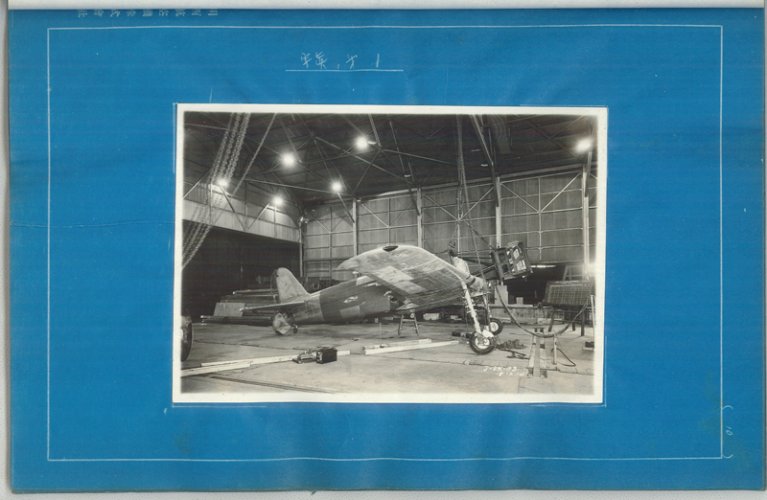
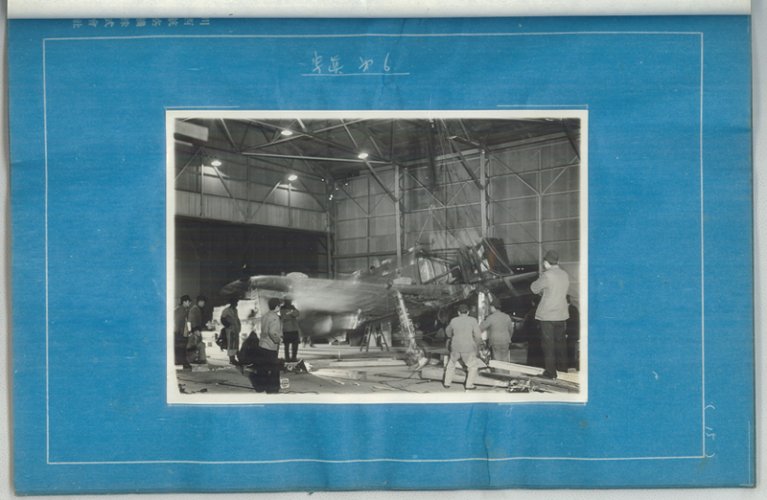
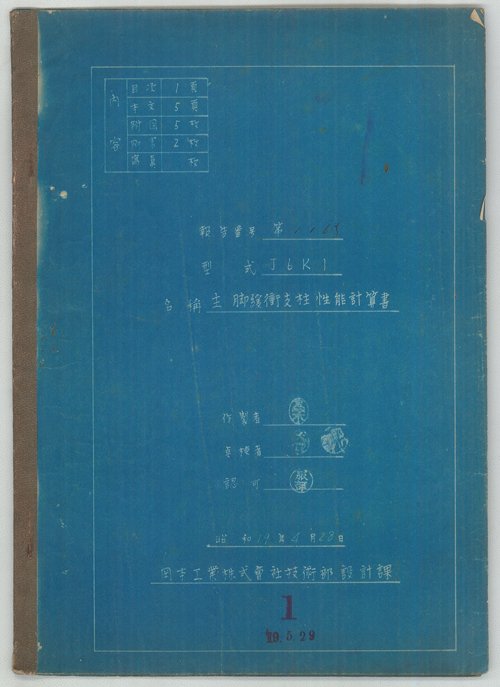
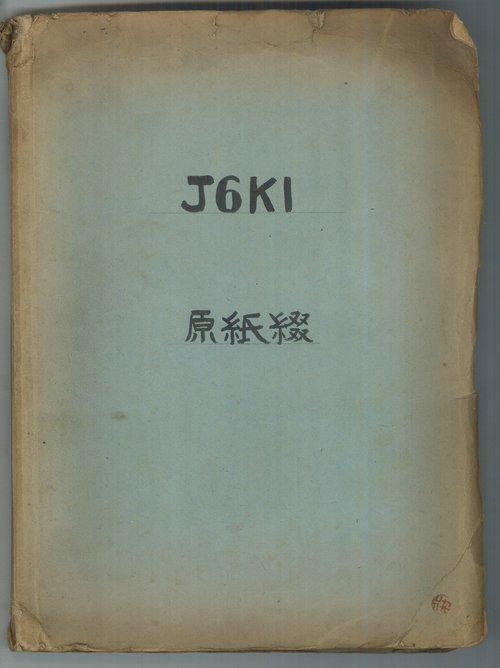
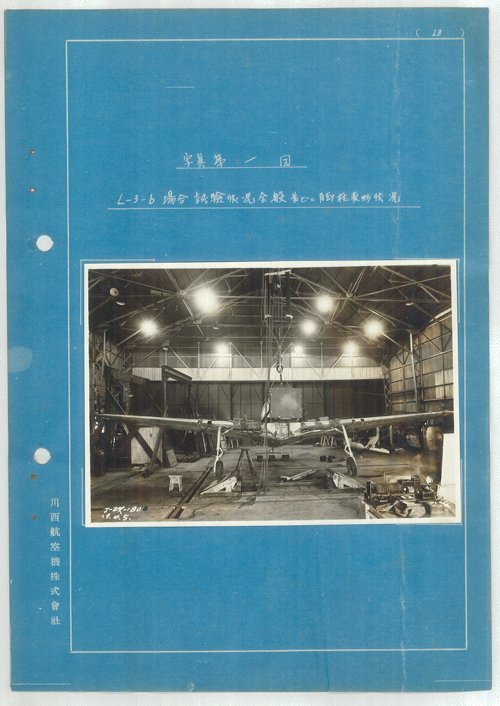
Hi! Kawanishi's J6K documents and pictures.
Sold out.
https://www.bunsei.co.jp/old-book/ctg-03/fighter/
Jinpu
・Original Paper Binding & Reference Binding
Material Strength Table 1945.5.22
Material List 1944.1.10
Dynamic Load Calculation 1944.5.1
Stress Calculation Table 1944.7.4
Machining Information 1944.1.10
Prototype Jinpu Common Basic Parts Selection Criteria 1944.4.3/Other
・Report No. 116, Model J6K1 Main Landing Gear Shock Strut Performance Calculation Sheet 1944.4.28
Okamoto Kogyo Co., Ltd., Engineering Department, Design Section
・Report No. 117, Model J6K1 Landing Gear Shock Strut Performance Calculation Sheet 1944.4.28
Okamoto Kogyo Co., Ltd., Design Section
Sold out.
https://www.bunsei.co.jp/old-book/ctg-03/fighter/
Jinpu
・Original Paper Binding & Reference Binding
Material Strength Table 1945.5.22
Material List 1944.1.10
Dynamic Load Calculation 1944.5.1
Stress Calculation Table 1944.7.4
Machining Information 1944.1.10
Prototype Jinpu Common Basic Parts Selection Criteria 1944.4.3/Other
・Report No. 116, Model J6K1 Main Landing Gear Shock Strut Performance Calculation Sheet 1944.4.28
Okamoto Kogyo Co., Ltd., Engineering Department, Design Section
・Report No. 117, Model J6K1 Landing Gear Shock Strut Performance Calculation Sheet 1944.4.28
Okamoto Kogyo Co., Ltd., Design Section
Attachments
Last edited:
blackkite
Don't laugh, don't cry, don't even curse, but.....
- Joined
- 31 May 2007
- Messages
- 9,515
- Reaction score
- 9,658
Attachments
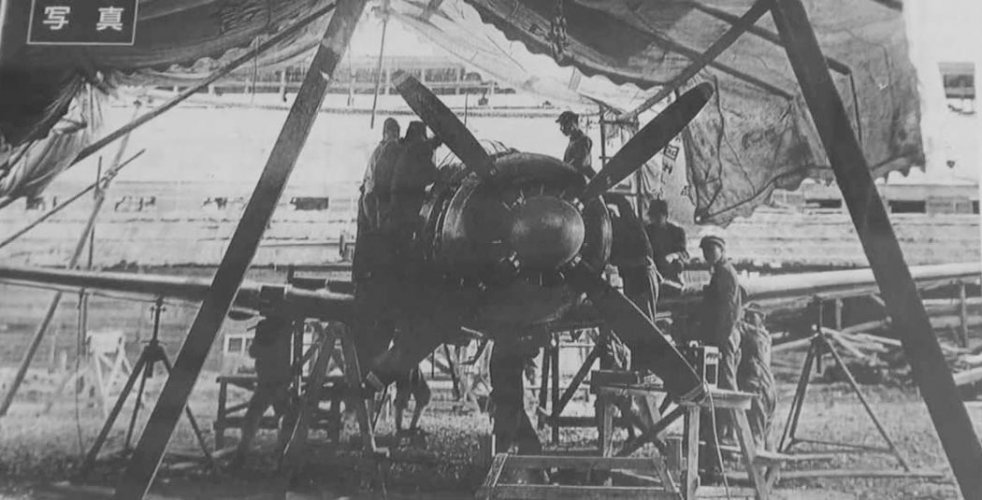
blackkite
Don't laugh, don't cry, don't even curse, but.....
- Joined
- 31 May 2007
- Messages
- 9,515
- Reaction score
- 9,658
Hi! Unfortunately this is a Japanese video.
BTW excellent one.
View: https://www.youtube.com/watch?v=IVX-2rXH8gw
BTW excellent one.
blackkite
Don't laugh, don't cry, don't even curse, but.....
- Joined
- 31 May 2007
- Messages
- 9,515
- Reaction score
- 9,658
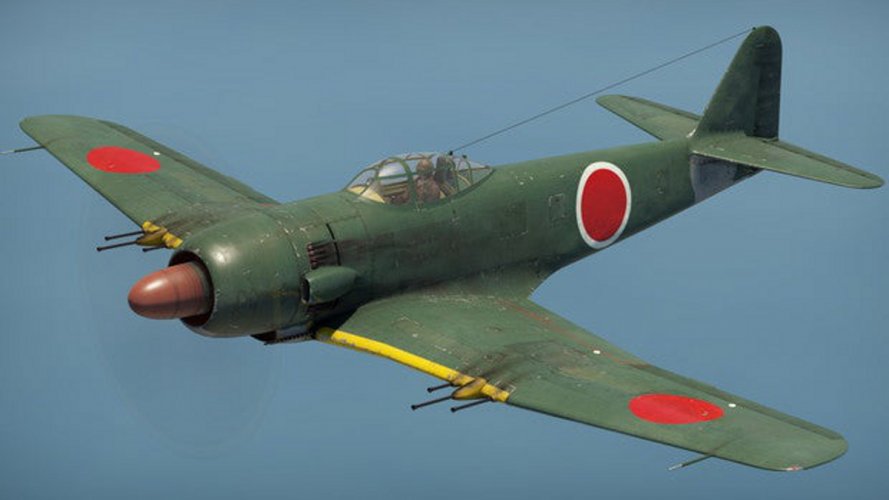
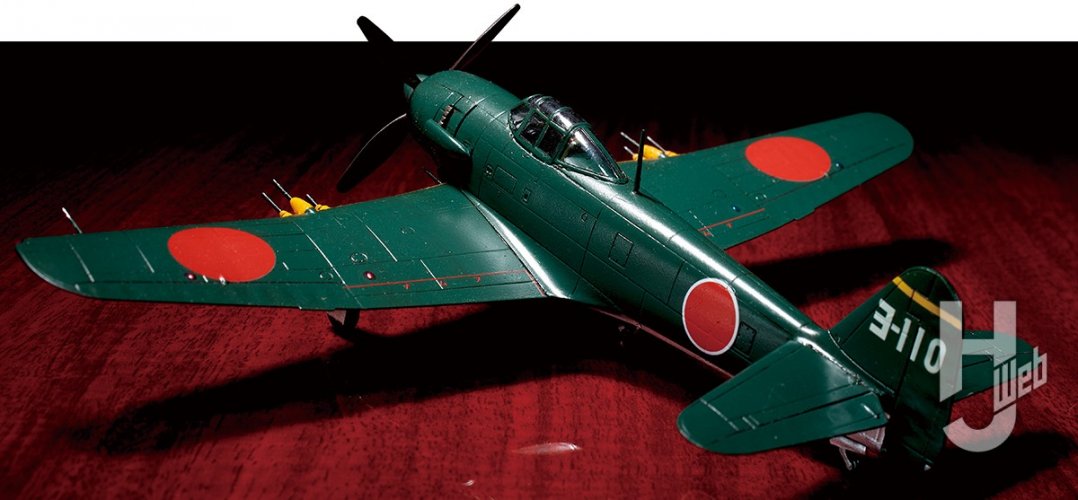
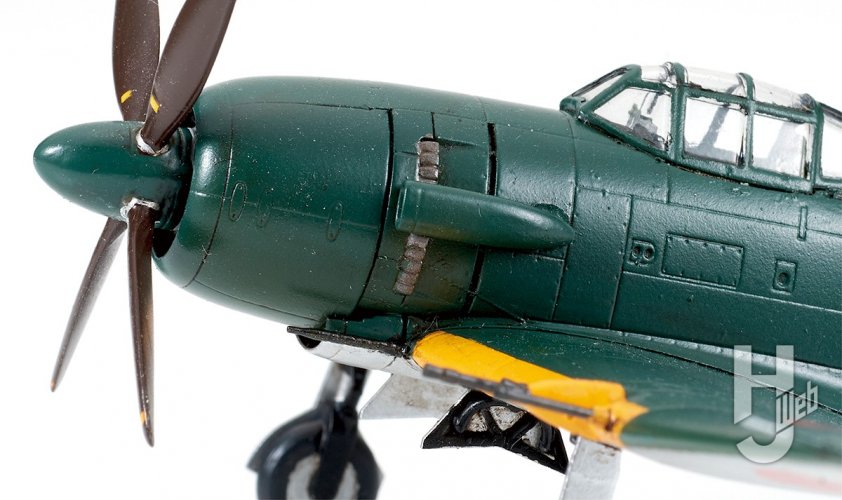
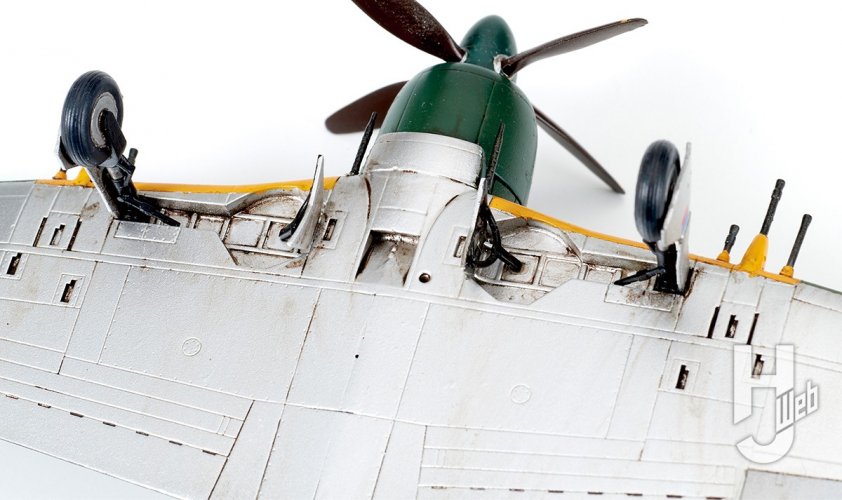
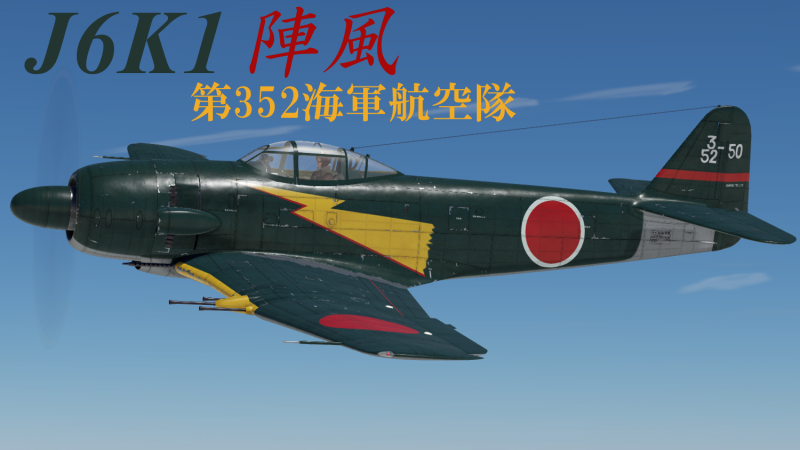
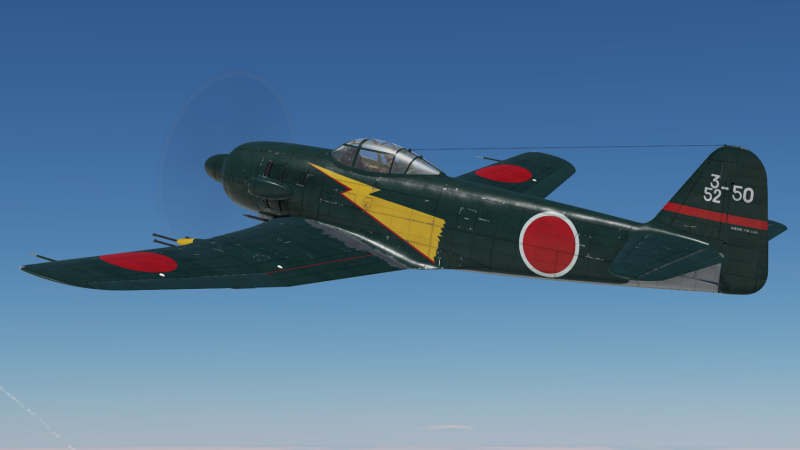
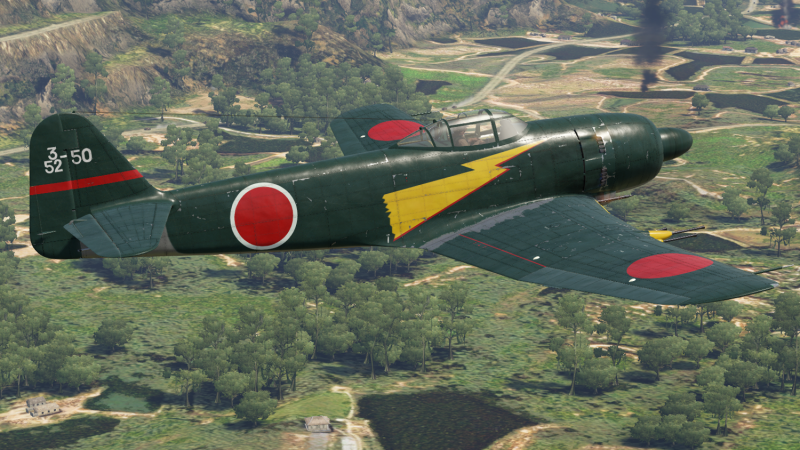
Hi! Jinpu late type.
https://ameblo.jp/na6ce-mb/entry-12891307736.htmlhttps://hjweb.jp/article/1124227/
https://ameblo.jp/na6ce-mb/entry-12891307736.htmlhttps://hjweb.jp/article/1124227/
Attachments
Last edited:
blackkite
Don't laugh, don't cry, don't even curse, but.....
- Joined
- 31 May 2007
- Messages
- 9,515
- Reaction score
- 9,658
Attachments
blackkite
Don't laugh, don't cry, don't even curse, but.....
- Joined
- 31 May 2007
- Messages
- 9,515
- Reaction score
- 9,658
18-shi Ko Fighter Jinpu
Length: 10.118m
Wingspan: 12.500m
Height: 4.13m
Weight: 3,500kg
Total Weight: 4,373kg
Engine: Nakajima Homare Type 42 (an improved version of the Homare Type 41 equipped with a two-stage, three-speed mechanical supercharger)
Takeoff Power: 2,200hp
Power at 1,000m: 2,030hp
Power at 5,000m: 1,800hp
Power at 10,000m: 1,600hp
Maximum Speed: 685km/h (at 10,000m)
Ceiling: 13,600m
Range: 2,100km
The following three armament configurations were considered:
(1) Two 13mm machine guns (nose), four 20mm cannons (wings)
(2) Two 13mm machine guns (nose), two 30mm cannons (wings) (not reflected in the mockup)
(3) Two 13mm machine guns (nose), six 20mm cannons (wings)
(The Ko Fighter: Emphasis on range and dogfighting; The Otsu Fighter: Emphasis on firepower and climbing ability)
History
In 1942, the Imperial Japanese Navy instructed Kawanishi Aircraft to develop the 17-shi Land-Based Fighter.
Its armament consisted of two 13mm machine guns (nose) and four 20mm cannons (wing), and the specified engine was the Mitsubishi Ha-43-21. This engine was planned to produce 1,700 horsepower at an altitude of 8,000 meters, but a malfunctioning supercharger prevented it from achieving the intended performance. Furthermore, development of the Shiden was progressing smoothly, and development of the 17-shi Experimental Land-Based Fighter was canceled in January 1943.
However, six months later, the Imperial Japanese Navy planned to develop the 18-shi Ko fighter, the Jinpu, which was a successor to the 17-shi Land-Based Fighter.
The Imperial Japanese Navy's requirements for the Jinpu, presented to Kawanishi Aircraft in the summer of 1943, were as follows:
(1) The engine was a Nakajima Homare 41.
(2) Maximum speed: 685 km/h (at 10,000 m altitude).
(3) Able to climb to 10,000 m altitude in less than 13 minutes.
(4) Range: 2,222 km.
At the time, Kawanishi Aircraft was extremely busy dealing with issues with the Shiden's landing gear, designing the Shiden Kai, modifying the 2-shiki large flying boat, and converting the 2-shiki large flying boat to the Seiku. Jinpu's development team worked through the night, day after day. As a result, it became clear that the Homare 41 engine did not have enough power for the required performance. The engine was changed to the Homare 42, which had 10% more power than the Homare 41. The Homare 42 (NK9A-0) engine was equipped with a two-stage, three-speed mechanical supercharger and oxygen injection system, and a VDM-type 3.5-meter-diameter propeller. Construction of the Jinpu mockup began in the fall of 1943, and the aircraft's outline was finalized by November 1943. Aiming to improve high-altitude stability in anticipation of intercepting B-29s, the outer wings were given a 7-degree dihedral angle, and the wing's inclined angle was increased from the usual 2 degrees to 3 degrees. It was also equipped with automatic air combat flaps and the FK-3 radar (19-shi Aircraft No. 1 Radio Sonar Model 12). Developed by Kawanishi, the FK-3 radar weighed 60 kg and could detect aircraft at a range of several tens of kilometers and ships at a range of 100 km. It was completed in June 1945, and 100 units were produced before the end of the war.
On February 1, 1944, Kawanishi's test pilots conducted an internal review of the Jinpu mockup, which was deemed generally satisfactory.
An inspection by the Naval Aviation Technical Arsenal was conducted on February 7th 1944, and was deemed generally satisfactory, although the weight had increased by 236 kg.
The mockup was completed in May 1944, and the Imperial Japanese Navy conducted its first mockup inspection on June 2nd 1944.
The inspection focused on the B-29 interception mission and called for revisions to the canopy and rudder, the installation of 70mm bulletproof glass in front and behind the cockpit, and the addition of two 20mm cannons in the wings. Modifications made after the mockup inspection increased the number of 20mm cannons in the wing from four to six. The machine gun and cannon had a magazine capacity of 200 rounds per cannon, for a total of 1,600 rounds, making it one of the most powerful armaments in the world. A gun camera (Type 89 motion picture gun) was installed above the cannon on the left wing.
On June 24th, three weeks after the first mockup inspection, it was decided that the first prototype would be completed at the end of December 1944. A week later, the mockup for the second mockup review was nearly complete. An internal review was conducted on July 6, 1944. However, at 4:00 PM on July 8, the cancellation of the Jinpu's development was suddenly communicated to the field.
Development was halted because it was classified as a prototype for reorganization. The reasons for classification as a prototype for reorganization included an excess of prototype models, the existence of the Shiden and improved Shiden, and a lack of feasibility for the Homare 42 model. Around the same time, development of Mitsubishi's Senden was also halted, while development of the Tenrai and Shinden continued. In May 1945, a plan to revive the Jinpu as a high-altitude fighter was considered, but a modified Reppu was selected for the 20-shi Ko fighter. The Jinpu was never revived after that.
Source : Japanese video
Length: 10.118m
Wingspan: 12.500m
Height: 4.13m
Weight: 3,500kg
Total Weight: 4,373kg
Engine: Nakajima Homare Type 42 (an improved version of the Homare Type 41 equipped with a two-stage, three-speed mechanical supercharger)
Takeoff Power: 2,200hp
Power at 1,000m: 2,030hp
Power at 5,000m: 1,800hp
Power at 10,000m: 1,600hp
Maximum Speed: 685km/h (at 10,000m)
Ceiling: 13,600m
Range: 2,100km
The following three armament configurations were considered:
(1) Two 13mm machine guns (nose), four 20mm cannons (wings)
(2) Two 13mm machine guns (nose), two 30mm cannons (wings) (not reflected in the mockup)
(3) Two 13mm machine guns (nose), six 20mm cannons (wings)
(The Ko Fighter: Emphasis on range and dogfighting; The Otsu Fighter: Emphasis on firepower and climbing ability)
History
In 1942, the Imperial Japanese Navy instructed Kawanishi Aircraft to develop the 17-shi Land-Based Fighter.
Its armament consisted of two 13mm machine guns (nose) and four 20mm cannons (wing), and the specified engine was the Mitsubishi Ha-43-21. This engine was planned to produce 1,700 horsepower at an altitude of 8,000 meters, but a malfunctioning supercharger prevented it from achieving the intended performance. Furthermore, development of the Shiden was progressing smoothly, and development of the 17-shi Experimental Land-Based Fighter was canceled in January 1943.
However, six months later, the Imperial Japanese Navy planned to develop the 18-shi Ko fighter, the Jinpu, which was a successor to the 17-shi Land-Based Fighter.
The Imperial Japanese Navy's requirements for the Jinpu, presented to Kawanishi Aircraft in the summer of 1943, were as follows:
(1) The engine was a Nakajima Homare 41.
(2) Maximum speed: 685 km/h (at 10,000 m altitude).
(3) Able to climb to 10,000 m altitude in less than 13 minutes.
(4) Range: 2,222 km.
At the time, Kawanishi Aircraft was extremely busy dealing with issues with the Shiden's landing gear, designing the Shiden Kai, modifying the 2-shiki large flying boat, and converting the 2-shiki large flying boat to the Seiku. Jinpu's development team worked through the night, day after day. As a result, it became clear that the Homare 41 engine did not have enough power for the required performance. The engine was changed to the Homare 42, which had 10% more power than the Homare 41. The Homare 42 (NK9A-0) engine was equipped with a two-stage, three-speed mechanical supercharger and oxygen injection system, and a VDM-type 3.5-meter-diameter propeller. Construction of the Jinpu mockup began in the fall of 1943, and the aircraft's outline was finalized by November 1943. Aiming to improve high-altitude stability in anticipation of intercepting B-29s, the outer wings were given a 7-degree dihedral angle, and the wing's inclined angle was increased from the usual 2 degrees to 3 degrees. It was also equipped with automatic air combat flaps and the FK-3 radar (19-shi Aircraft No. 1 Radio Sonar Model 12). Developed by Kawanishi, the FK-3 radar weighed 60 kg and could detect aircraft at a range of several tens of kilometers and ships at a range of 100 km. It was completed in June 1945, and 100 units were produced before the end of the war.
On February 1, 1944, Kawanishi's test pilots conducted an internal review of the Jinpu mockup, which was deemed generally satisfactory.
An inspection by the Naval Aviation Technical Arsenal was conducted on February 7th 1944, and was deemed generally satisfactory, although the weight had increased by 236 kg.
The mockup was completed in May 1944, and the Imperial Japanese Navy conducted its first mockup inspection on June 2nd 1944.
The inspection focused on the B-29 interception mission and called for revisions to the canopy and rudder, the installation of 70mm bulletproof glass in front and behind the cockpit, and the addition of two 20mm cannons in the wings. Modifications made after the mockup inspection increased the number of 20mm cannons in the wing from four to six. The machine gun and cannon had a magazine capacity of 200 rounds per cannon, for a total of 1,600 rounds, making it one of the most powerful armaments in the world. A gun camera (Type 89 motion picture gun) was installed above the cannon on the left wing.
On June 24th, three weeks after the first mockup inspection, it was decided that the first prototype would be completed at the end of December 1944. A week later, the mockup for the second mockup review was nearly complete. An internal review was conducted on July 6, 1944. However, at 4:00 PM on July 8, the cancellation of the Jinpu's development was suddenly communicated to the field.
Development was halted because it was classified as a prototype for reorganization. The reasons for classification as a prototype for reorganization included an excess of prototype models, the existence of the Shiden and improved Shiden, and a lack of feasibility for the Homare 42 model. Around the same time, development of Mitsubishi's Senden was also halted, while development of the Tenrai and Shinden continued. In May 1945, a plan to revive the Jinpu as a high-altitude fighter was considered, but a modified Reppu was selected for the 20-shi Ko fighter. The Jinpu was never revived after that.
Source : Japanese video
Last edited:
blackkite
Don't laugh, don't cry, don't even curse, but.....
- Joined
- 31 May 2007
- Messages
- 9,515
- Reaction score
- 9,658
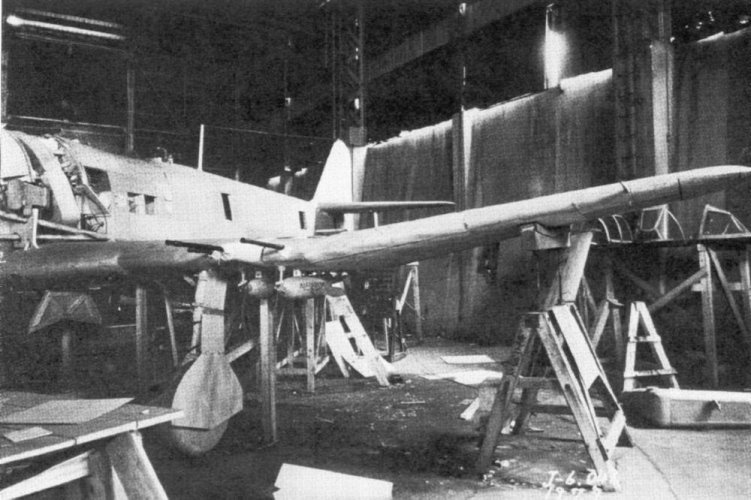
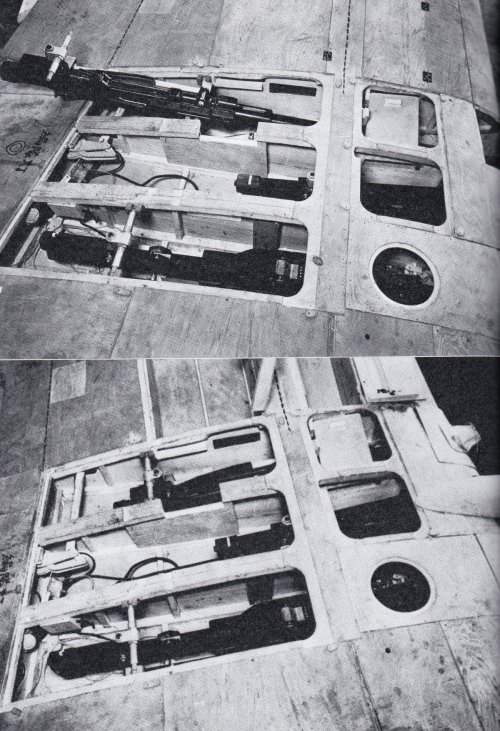
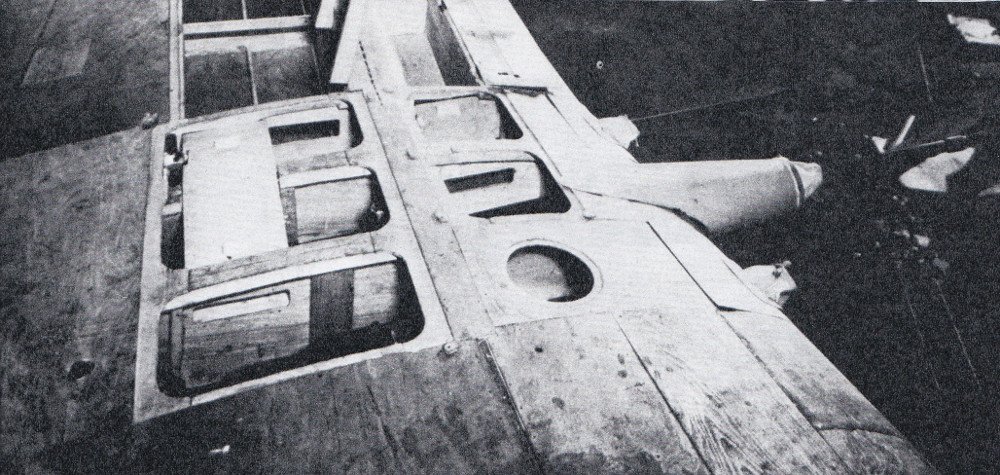
This picture shows the J6K Jinpu mock up after the modification with six 20mm wing cannon ordered by the IJN's first mockup inspection in the second of June 1944.
Attachments
Last edited:
blackkite
Don't laugh, don't cry, don't even curse, but.....
- Joined
- 31 May 2007
- Messages
- 9,515
- Reaction score
- 9,658
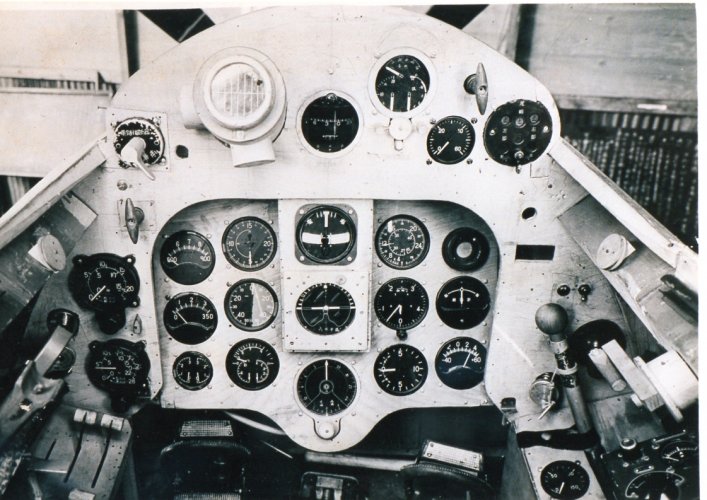
This picture shows cathode ray tube for FK-3 radar. (top left)
https://minouta17.livedoor.blog/archives/18022297.html
https://minouta17.livedoor.blog/archives/18022297.html
Attachments
Last edited:
Similar threads
-
-
 Kawanishi 9-Shi Night Recce Seaplane > Type 94 Transport Seaplane (E10K)
- Started by blackkite
- Replies: 3
-
 Hiro Type 95 Land-based Medium Attack, Twin Engine (G2H1)
- Started by Stargazer
- Replies: 3
-
 IJN Service Airplane Development Program Designations
- Started by snark
- Replies: 10
-
 Japanese Secret Projects:Experimental Aircraft of the IJA & IJN 1939-1945
- Started by Pelzig
- Replies: 261