Scott Kenny
ACCESS: USAP
- Joined
- 15 May 2023
- Messages
- 19,748
- Reaction score
- 28,302
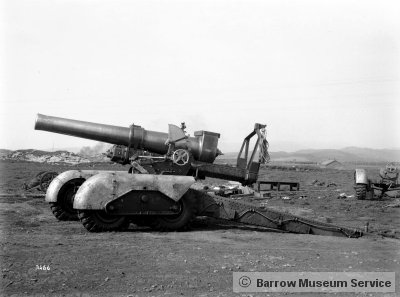
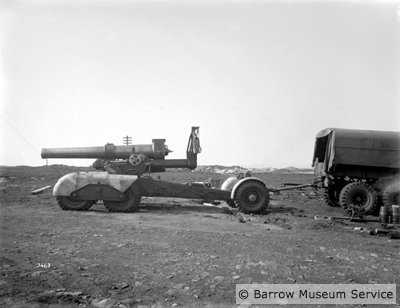
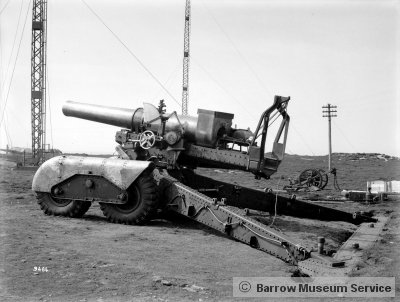
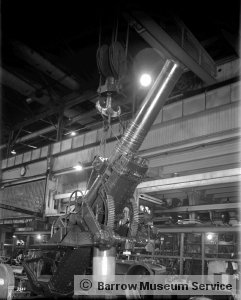
Didn't realize that they made a 15cm unit in addition to the 75mm and 105mm.

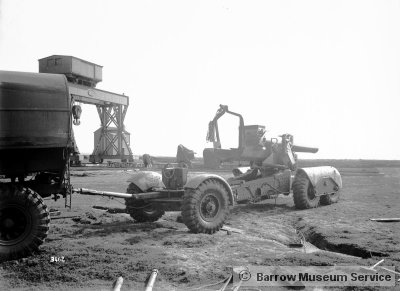
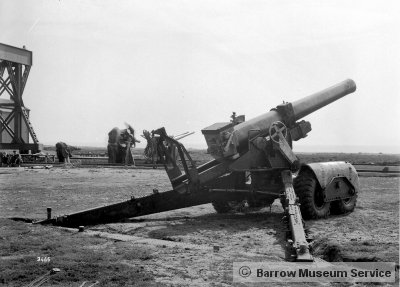
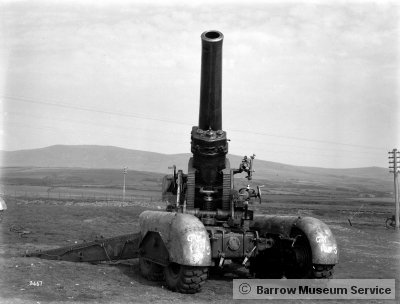
That was an experimental lashup using the Holt 55-1 tractor with an 8inch howitzer barrel with wooden planks. The idea was to determine whether the tractor chassis could withstand the recoil forces from the howitzer - it did - and lead to the development of the Holt Mark 1 Gun Motor Carriage wiht 8inch howitzer, the Mark II with 155mm GPF gun and Mark III with 240mm howitzer.Hrm. Yes, I'm 99% sure that the dude in the hat is an American (mom's Dad was issued that hat...)
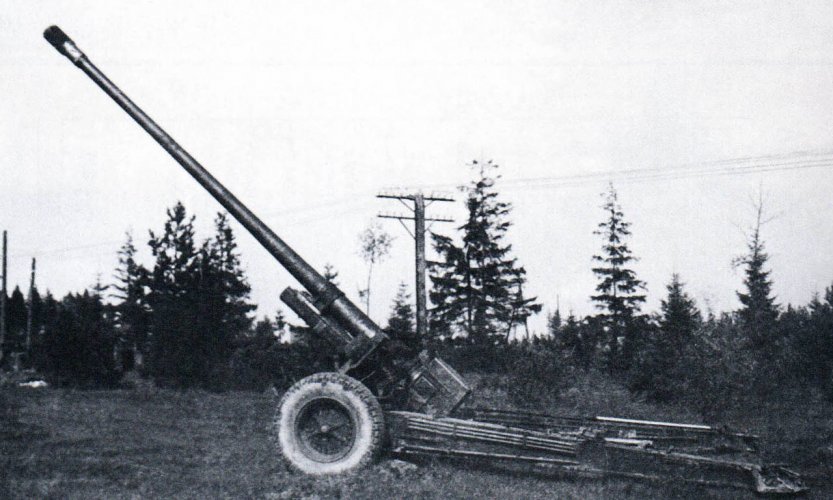
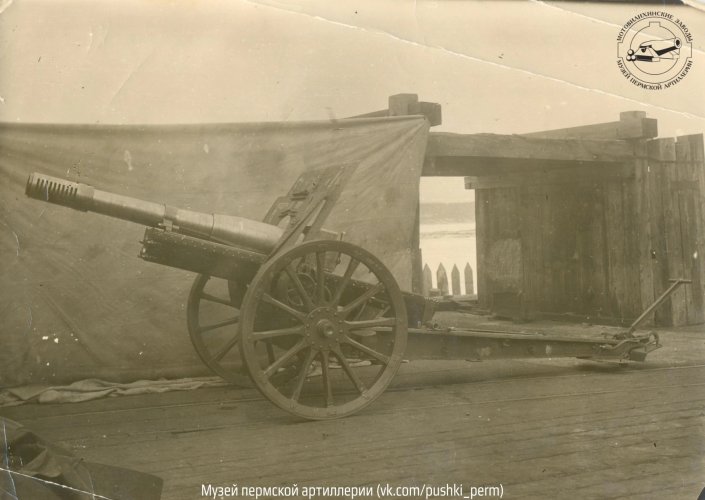
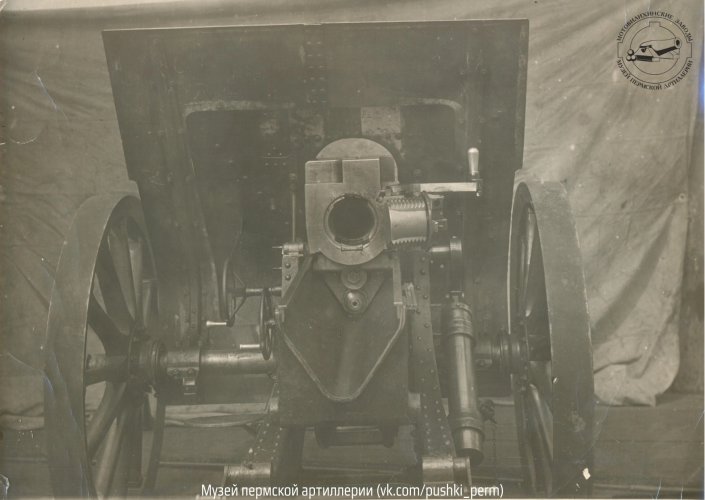
thats friggen sick. people say the Germans were obsessed with gigantomania but i think theyre s*** wrong lol i say it was the soviets with their mega sized towed artillery and the US with its massive superbombers before there was any risk of a war ( B19..etc) lolSoviet experimental 203 mm M-33 howitzer and 152 mm M-23 gun, in Permian artillery plant. Maybe, WW2 period, or early post-war (1945-1955).View attachment 784644
View attachment 784645
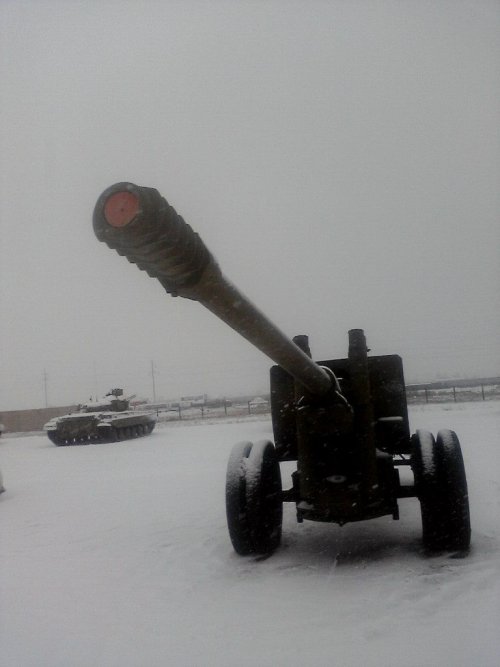
Looks like a ML-20 152 mm gun-howitzer carriage. I know about different 152 mm guns with Br-2 ballistics (49 kg, 880 mps) on ML-20 carriage (original ballistic - 43.56 kg, 670 mps), and heard about suggestions - 203 mm B-4 howitzer (100 kg, 607 mps) and 280 mm Br-5 mortar* (200/245.7/286 kg, 420/356/290 mps) ballistics on ML-20 carriage. Maybe, 203 mm M-33 was realisation of B-4 ballistics on ML-20 carriage. And I think there must have been a 280mm mortar of a similar type.
not entirely trueThe 203mm B-4, 152mm Br-2 and 280mm Br-5 originally shared a tracked carriage (the Br-2 had equilibrator cylinders). The tracked carriage idea originally was a US development for the 1918 7inch gun and later the 155mm M-1 (GPF) gun. Notionally tracked carriages could be towed over soft ground but in reality the greater weight of the tracks and the power required to get the tracks moving in mud meant it didn't turn out as expected. The images look, to me, like experimental designs to replace the tracked carriages with wheeled carriages.
As it turned out the B-4 and the few Br-5s built stayed on tracked carriages but the Br-2 guns were mounted on wheeled carriages after WW2 until they were taken out of service in the 1960s(?).
The 280mm Br-5 was a modified Schneider 280mm which the Russians fielded in WW1 - the original siege gun was designed to broken down into sub-units for transport so it wasn't too difficult to convert to a new carriage.
Thanks for the correctionnot entirely true
yes you are 100% correct about the Tracked undercarriage but youre incorrect about the B-4 and few Br-5s built staying on tracks
they were all modernized and most of them placed on wheels
Br-2 became Br-2M
B-4 became B-4M
Br-5 became Br-5M
also while the Imperial Russias Putilov plant came to an agreement with the French manufacturer Schneider to priduce several artillery types one of which was ta 279.4mm siege howitzer with a range of 6km to replace aging weapons of similar calibers
this became the Schneider "Mortier de 280 TR Modele 1914 Schneider"
this Mortar became an inspiration and was the father of multiple upgrades culminating in the 280mm Br-5 Siege howitzer
but the Schneider Mortar was an L/12 barrel
the Barrikady was an L/17 Barrel
the Br-5 no doubt could fire all the ammo the 280 TR could fire
Personally I find it quite sad that all these war machines arent preserved today in at least 1 specimin. i mean aqlot of the advanced stuff made by the Japanese and Germans was outright destroyed by the all-lies as if they were hiding something as there is no other reason to destroy such thingsThanks for the correction
The Schneider 279.4mm Mortier was produced for the Russians first. The first prototype was built at Schneider's Le Havre plant in 1912, tested then sent to Russia. After extensive trials the Russians accepted it although there were some reservations about the Mortier's ability to penetrate fortifications. The initial Russian order was for 16 howitzers with delivery in 1915 with a total of 26 howitzers delivered to the Russian Army by 1917. The French Army expressed interest then dithered until late late 1913 when they ordered 18 howitzers - a total of 126 was delivered during WW1. The US Army adopted a modified 280mm howitzer in 1918 in 240mm calibre - these remained in service until WW2 - they were never popular since the amount of work required to assemble the howitzers was thought excessive. The 280mm howitzers were deployed in WW2 by both Russia and France - a number were captured by the Germans and deployed against the Russians. The WW2 action the 280mm howitzers were notably employed on was the destruction of the Italian fortress of Chaberton on the French-Italian frontier. The only surviving part of the 280mm howitzer is a Putilov built barrel and its transport vehicle at the Military Musuem in Warsaw.
what is funny is how the soviets are the ones who saved a vast majority of their prototypes. at least their AFV Ob'Yekts. idk about the artillery. and i really dont think they saved many of their experimental planes of the Interwar/WW2 period like the Polikarpov I-180/185/190/195..etc BUT thats a different topicI should have checked - there is a single surviving 240mm Howitzer Model 1918. This was the Schneider 280mm with a longer reduced calibre barrel. The single example is at the US Army Artillery Museum, Fort Sill, Oklahoma.
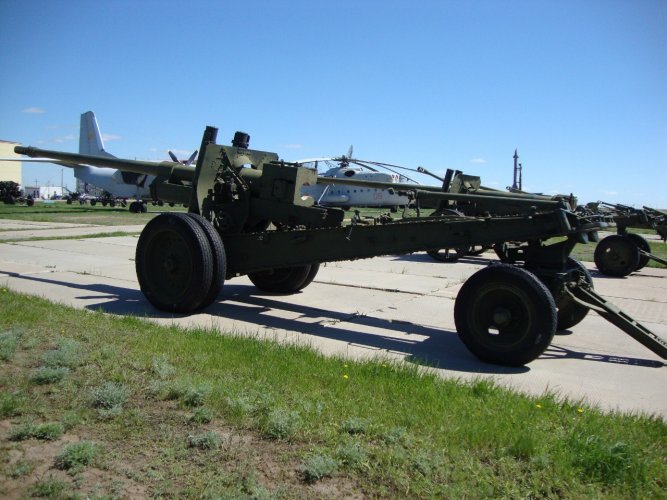
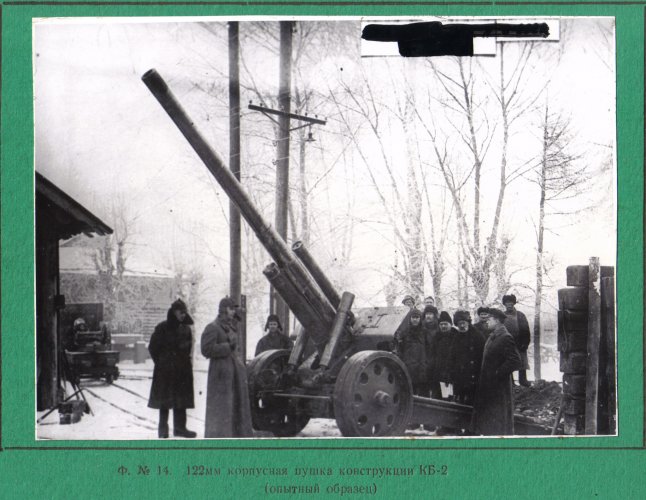
152 mm D-4 gun - Br-2 ballistics with German-style muzzle device, on ML-20 carriage, ~10.3 ton:do you have any more pics like these ones you posted
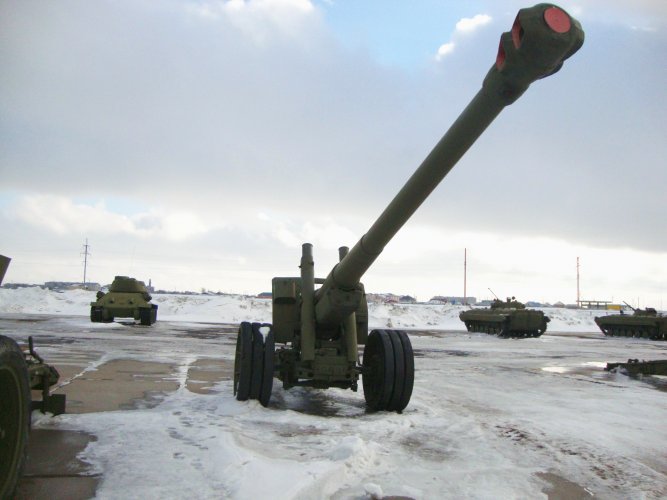
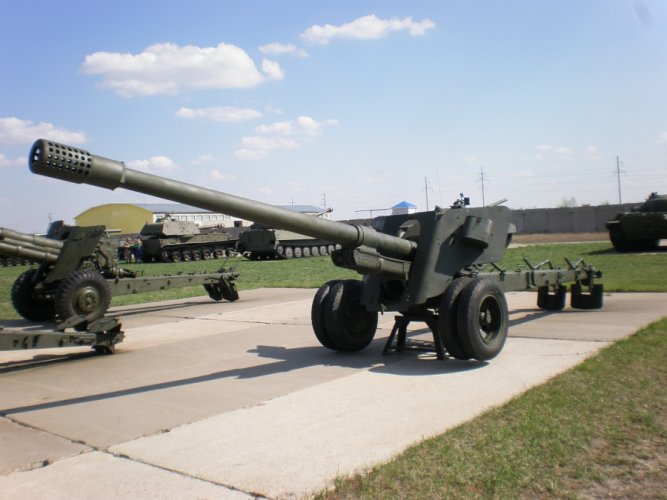
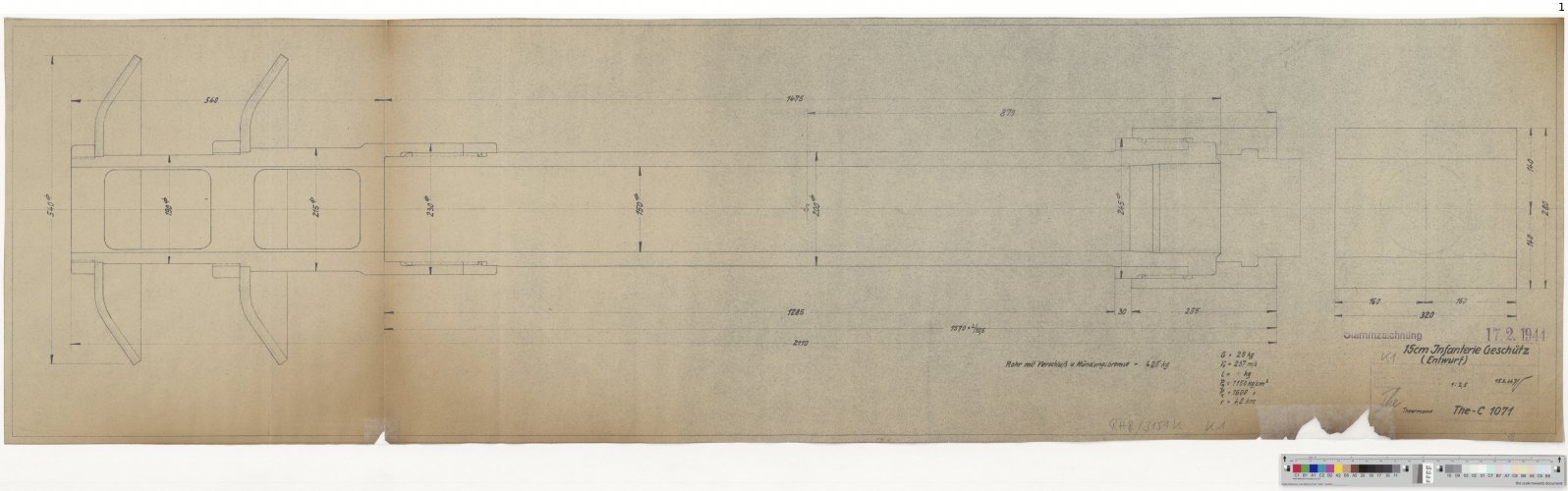
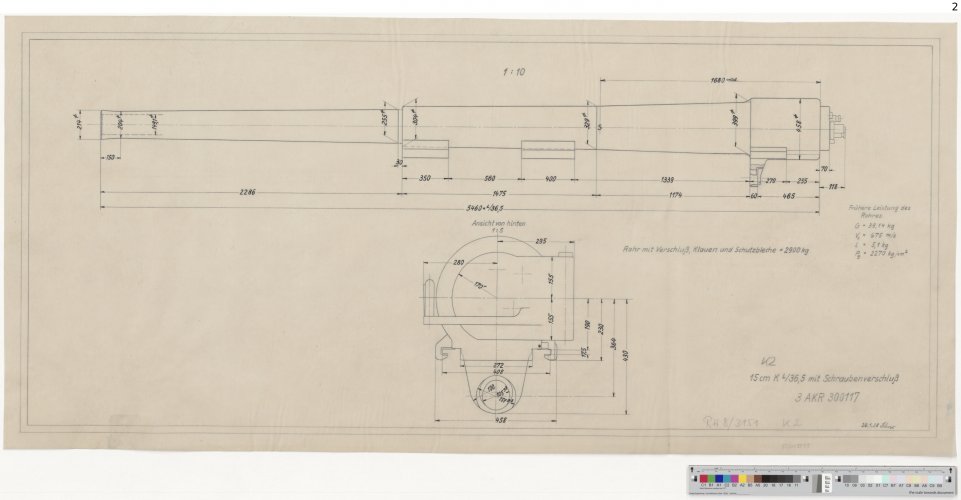
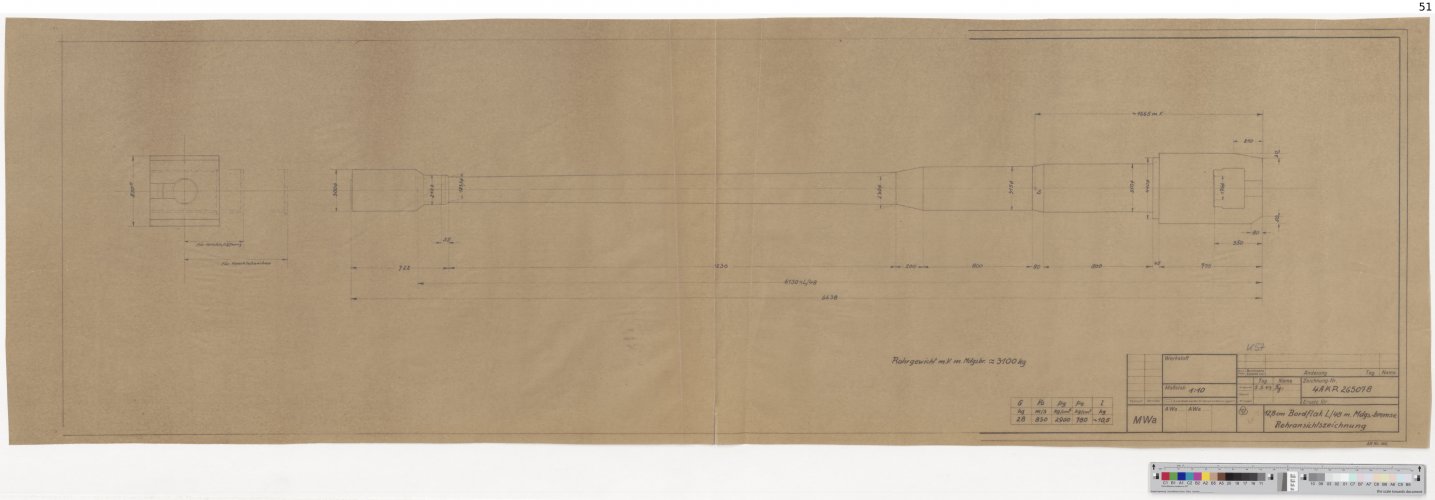
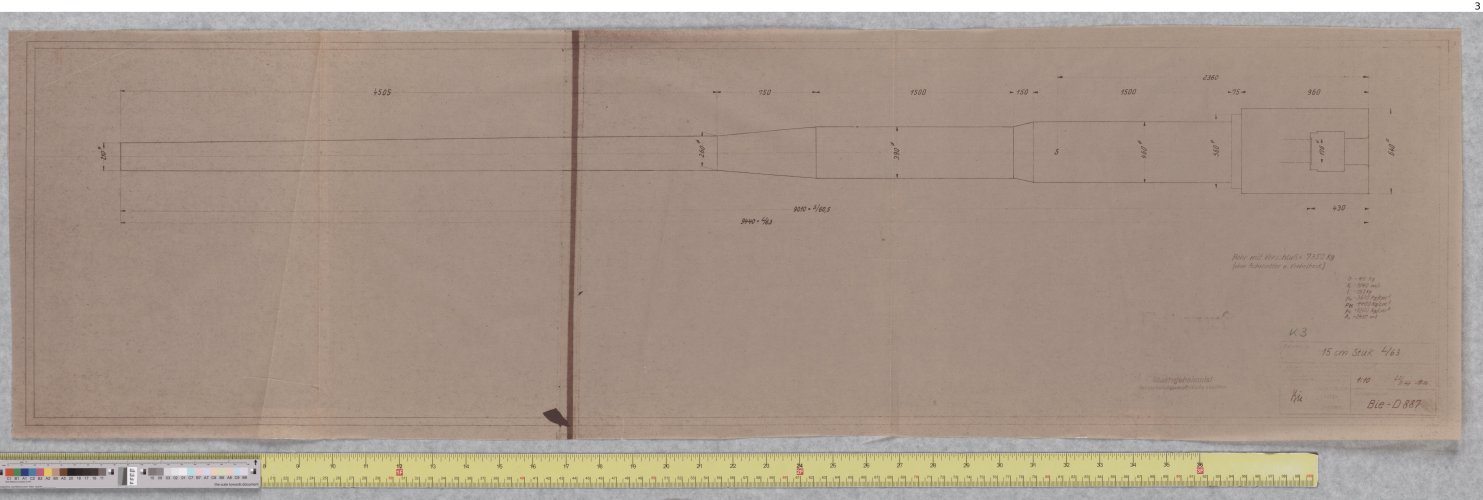
Do you have "M", "ML", "LP" & "MZ" lists of the Motovilikha (Perm) plant? I have it on russian.what is funny is how the soviets are the ones who saved a vast majority of their prototypes. at least their AFV Ob'Yekts. idk about the artillery. and i really dont think they saved many of their experimental planes of the Interwar/WW2 period like the Polikarpov I-180/185/190/195..etc BUT thats a different topic
I wish there was any more images of these prototypical Soviet artillery pieces like for instance the
203mm B4 with muzzle brake
152.4mm B-30
180mm Br-21
152.4mm Br-19
162/100mm Br-2 variant
152/107mm Br-2 Variant
the improved T-117 or M-50 carriages for Br-2/B-4/Br5
152.4mm B-10-2-30
152.4mm B-10
152.4mm Br-2 with L/55 barrel
I bet there is a full comprehensive GRAU list, GAU list, Ob'Yekt list, Istrebitel list, Barrikady "Br" list, Bolsheivik plant "B" list, list of "S" guns and list of the BL guns as well
BL1- BL-6= ??
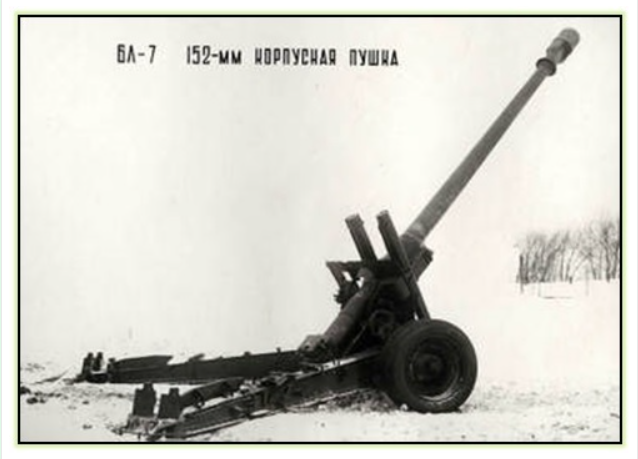
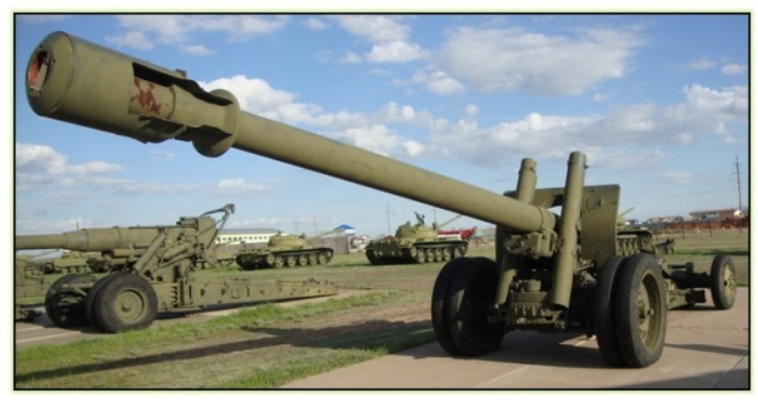
BL7= 152.4mm gun on 52-L-504A carriage
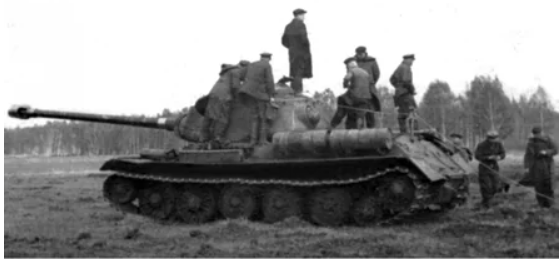
BL8= 152.4mm used in ISU-152-1 (Ob-246)
BL9= 122mm used in ISU-122-1 ( Ob-243)
BL10= 152.4mm used in ISU-152-2 ( Ob-247)
BL11=- BL-99???
EDIT;
BL-13 is/ was the long barreled 122mm tank gun fitted to the Ob'yekt 244 which was also the testbed for the roadwheels of the abortive Ob'yekt 252 ( it had 5 big IS-6 wheels and one regular IS-2 wheel due to the hull being too short for the full 6, it also had the turret of an KV-122 installed at one point before being mounted as a memorial in St.Petersberg )
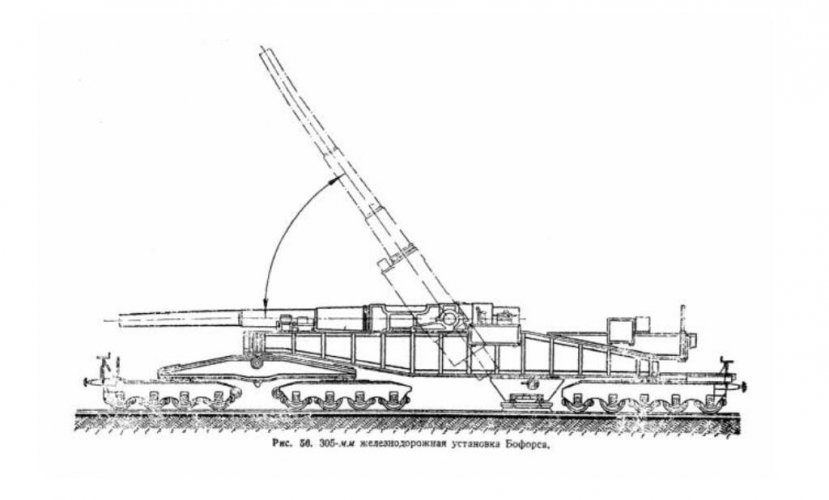
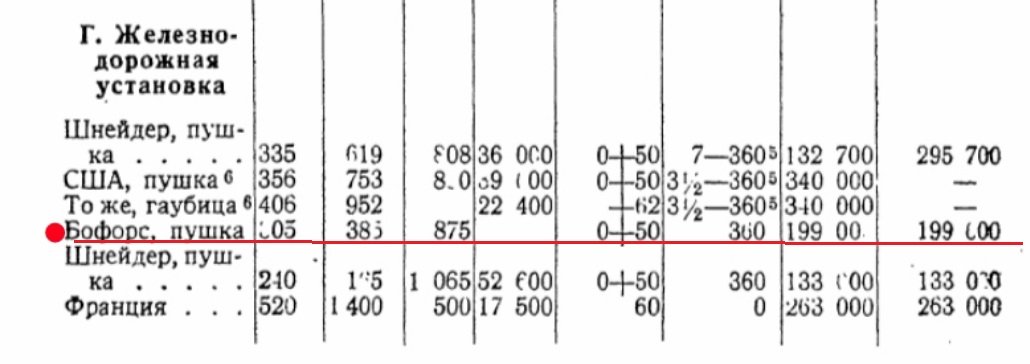
Thank you very much for your answer!Soviet 1937 book, "Modern artillery", by Kirillov-Gubetsky, in Russian. This book contains some interesting information about the Interbellum guns, prototypes, and small-scale production versions, both in Europe and the United States—from light infantry systems to super-heavy siege and railway guns, from page 64 to 149. There are illustrations at the end of the book, from 149 to 198; on pages 194-197, the captions are mixed up. The data on the First World War is quite strange, as in many other Soviet books.
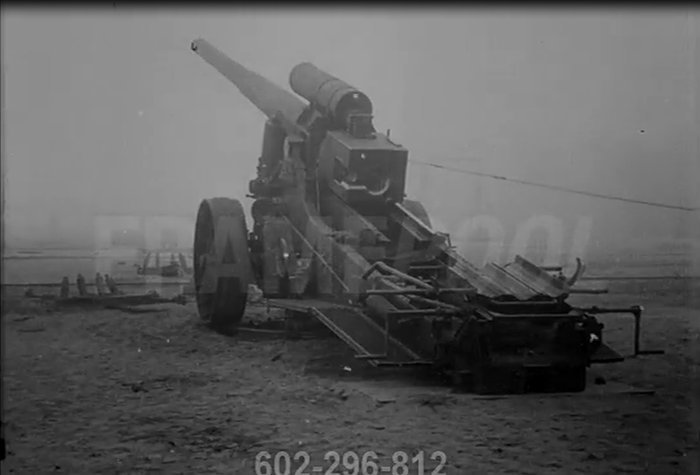
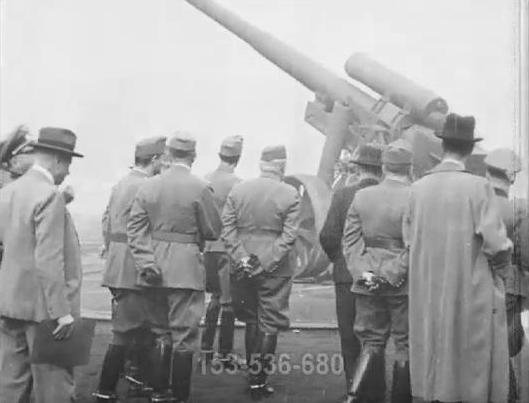
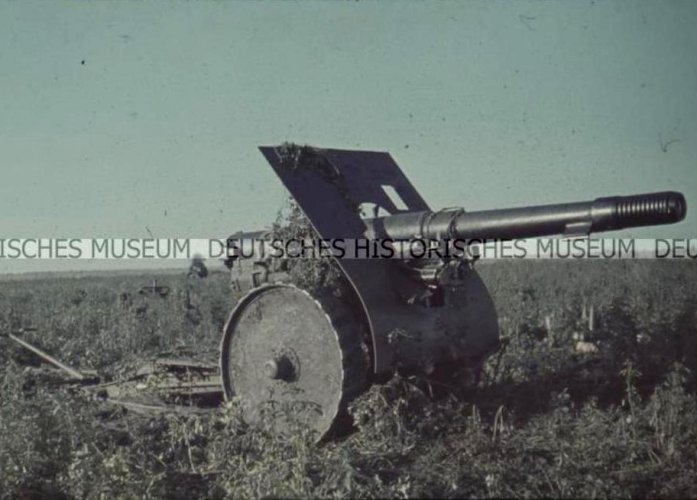
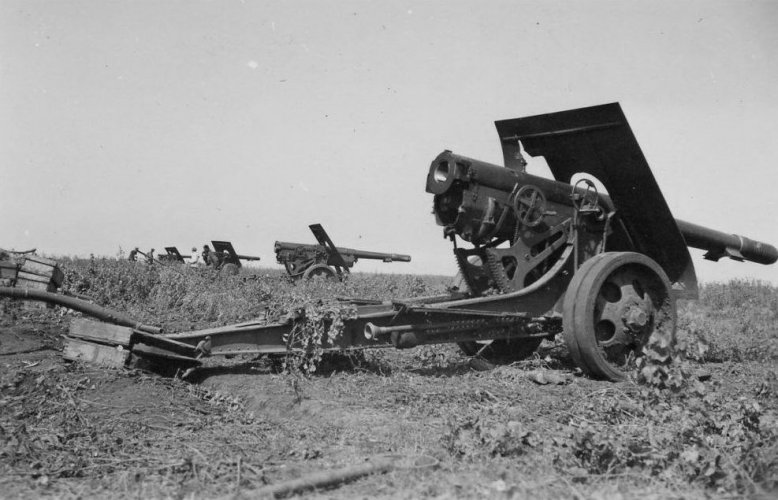
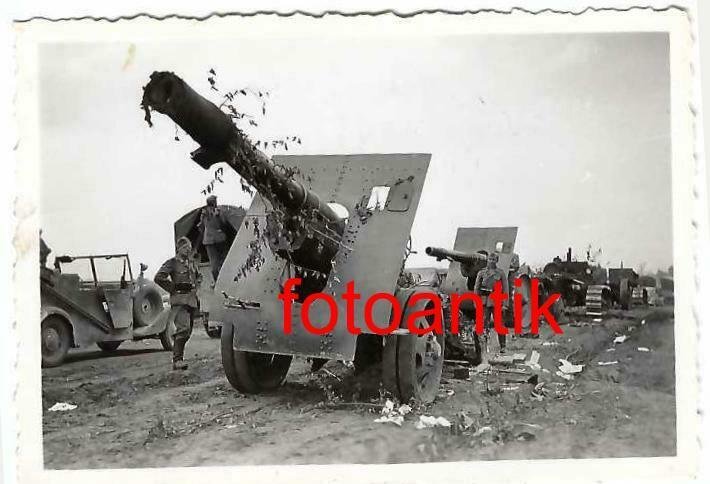
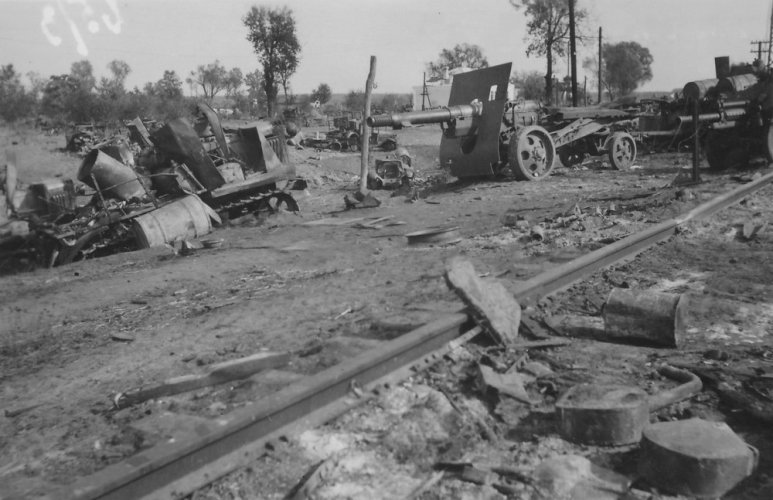
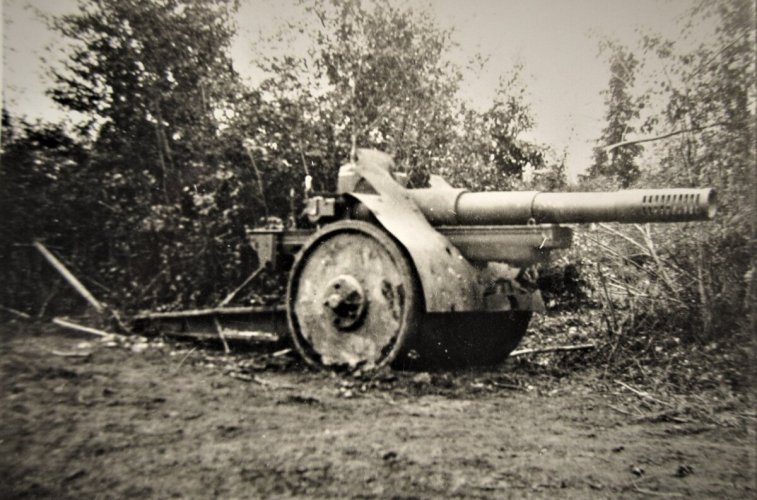
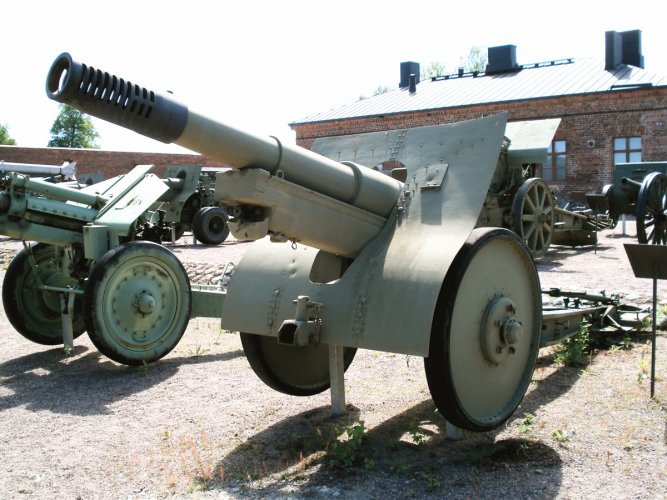
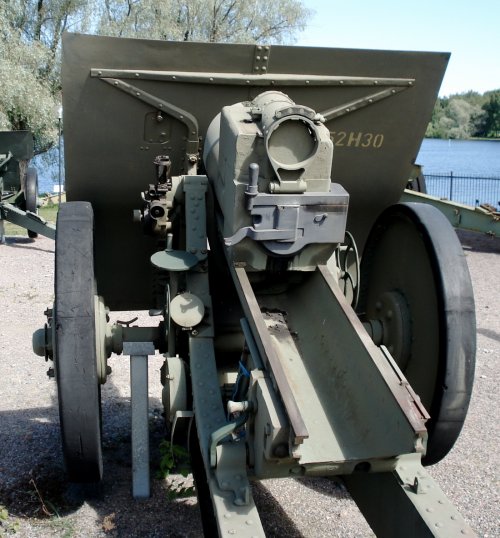
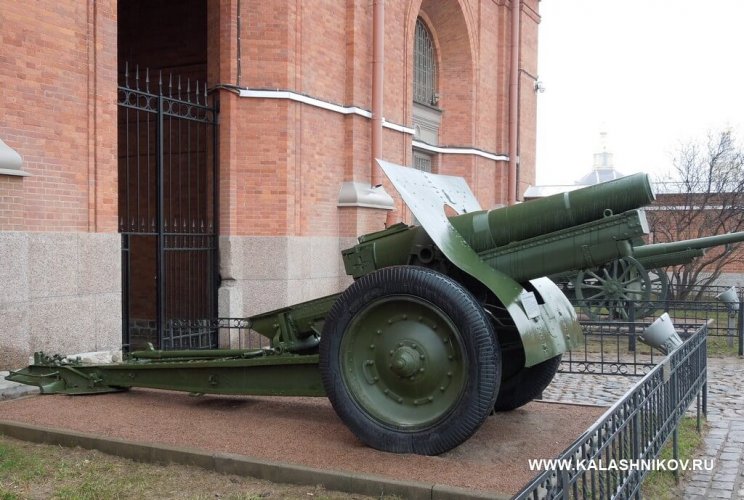
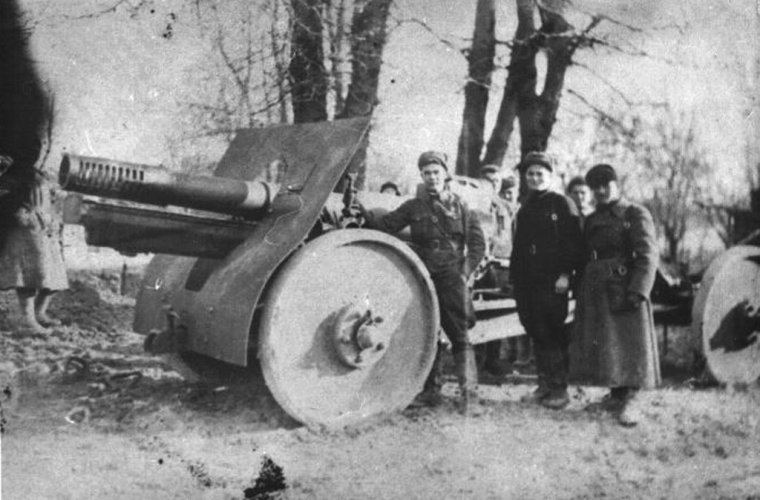
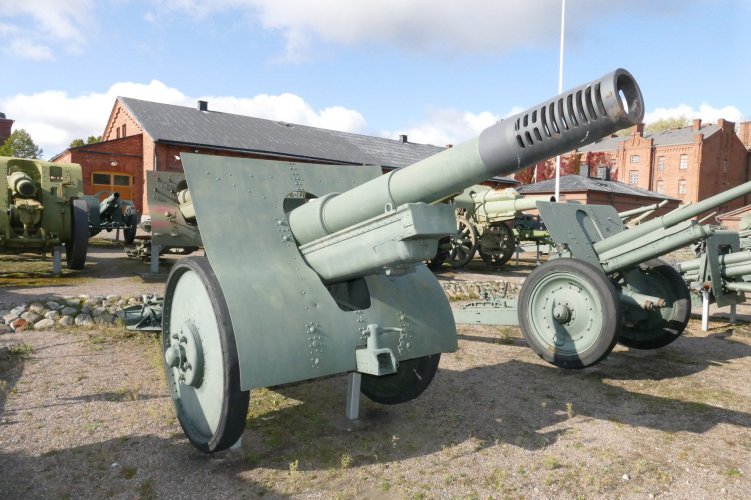
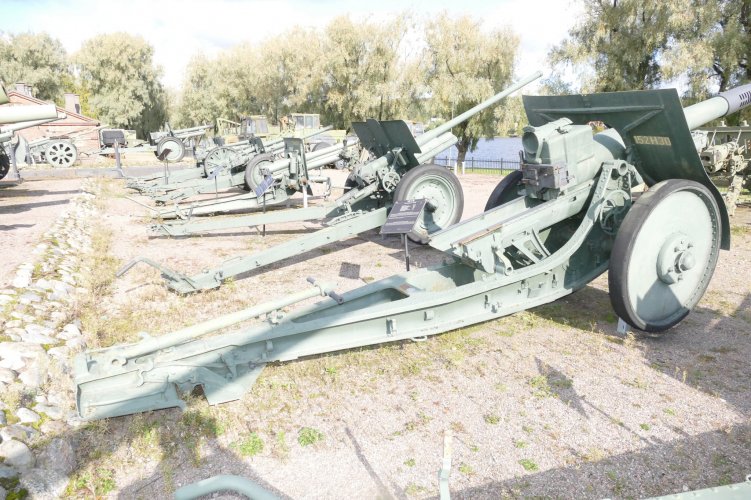
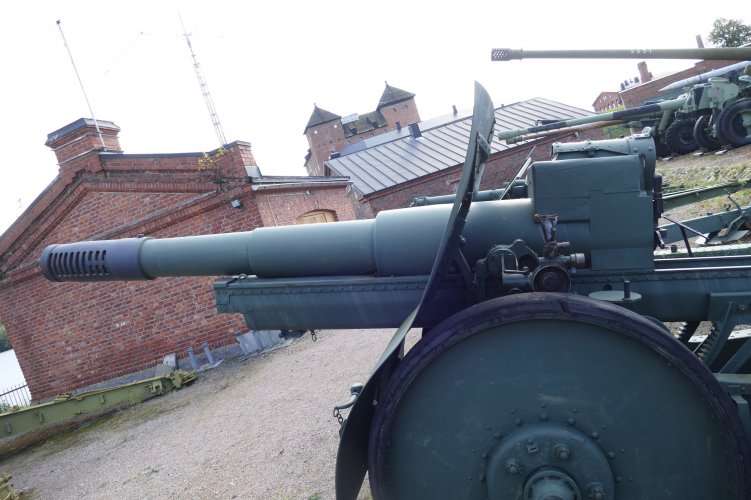
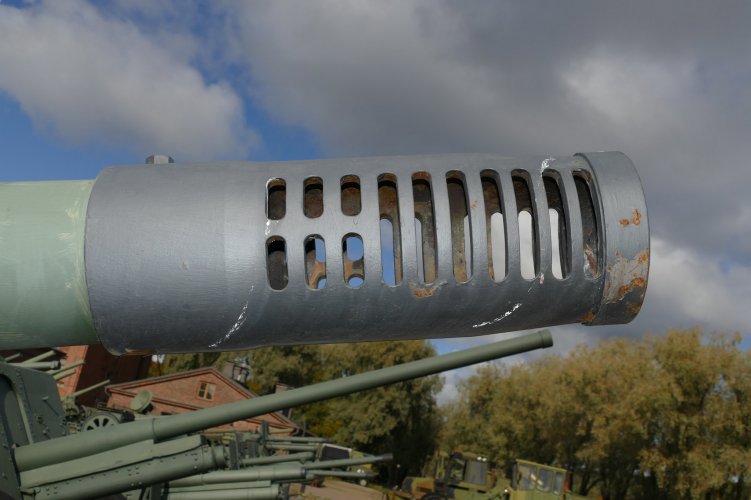
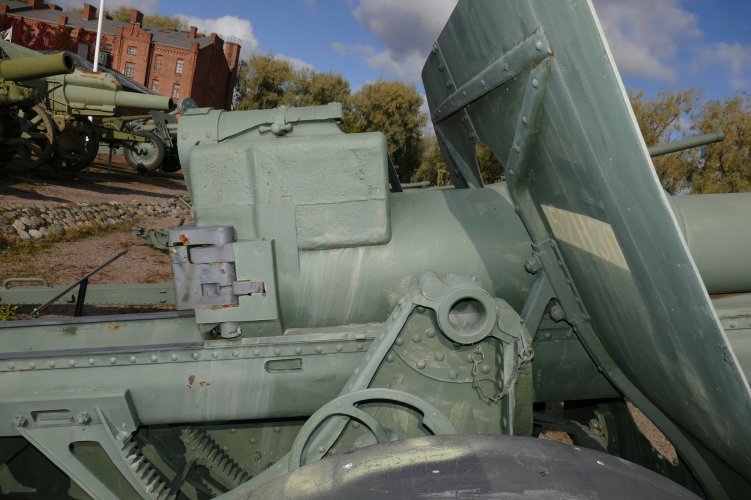
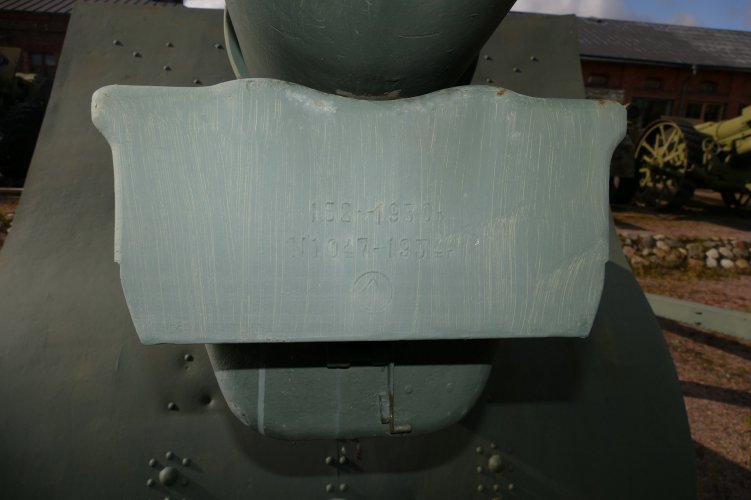
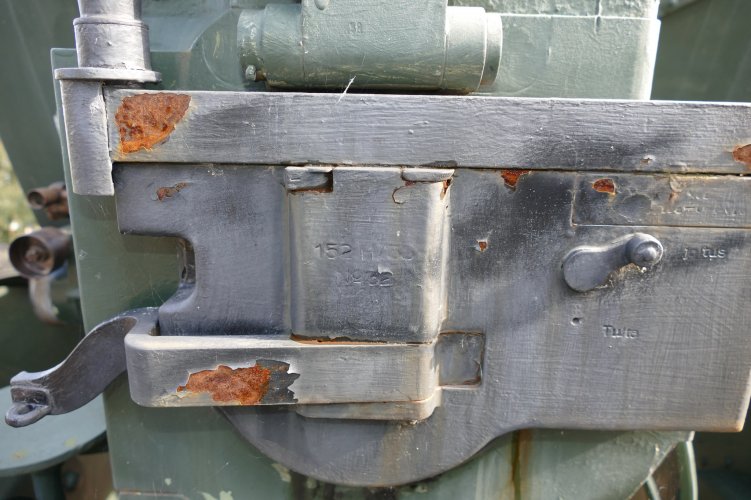
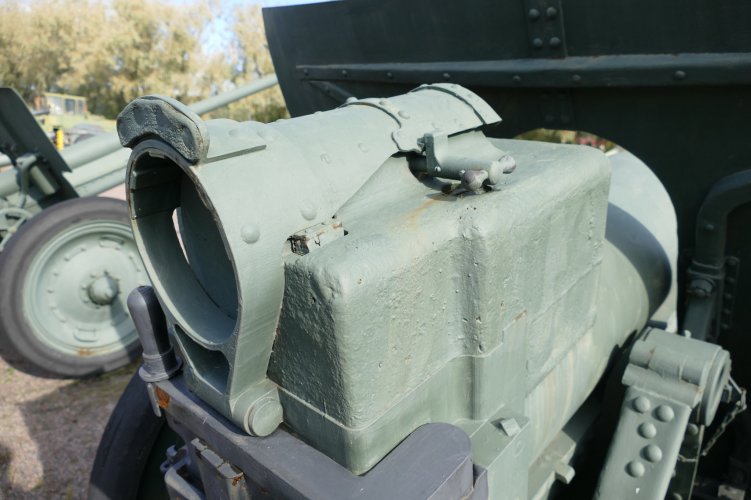
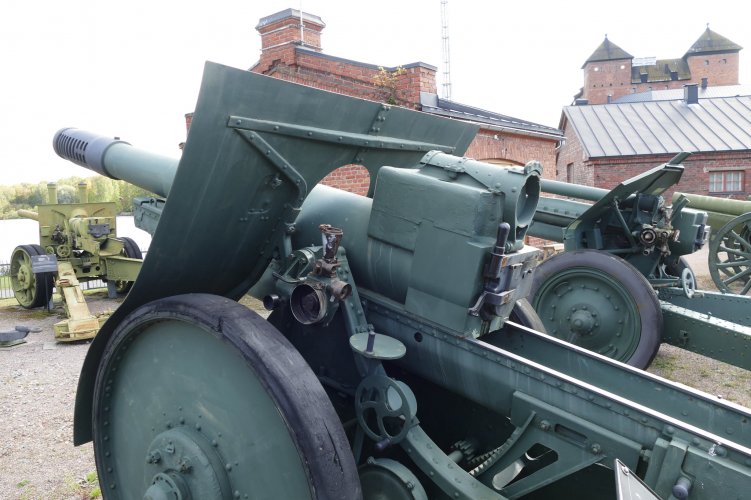
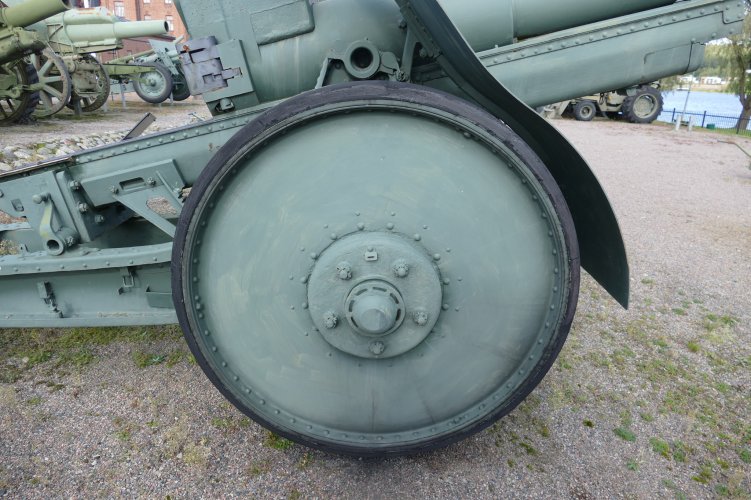
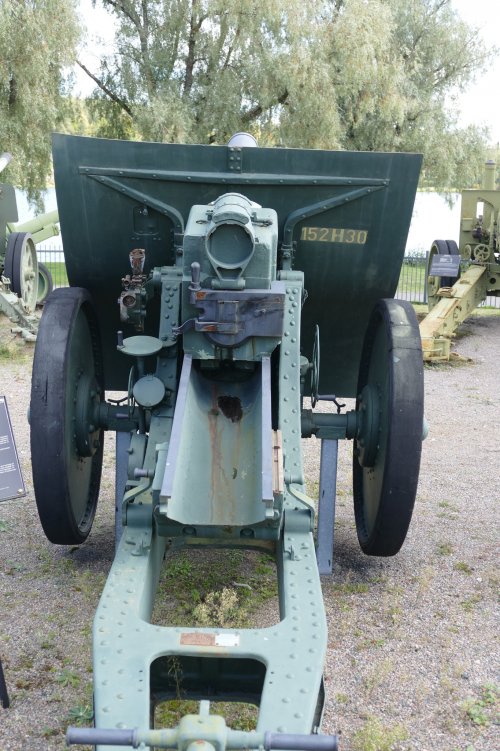
Is this photo real? According to the information I obtained from Wikipedia, no photographic records of this artillery piece have been preserved.German Krupp 240 mm L/46 gun, 1937:
View attachment 810752
View attachment 810753
29 600 kg, elevation from -4 to +45°, traverse 360° (?), projectile 180 kg, muzzle velocity 850 mps, range 32 km
Wikipedia is wrong.Is this photo real? According to the information I obtained from Wikipedia, no photographic records of this artillery piece have been preserved.
thank you very much,and then,i have anohter question,Was the 240 mm L/46 gun mounted on the same gun carriage as the Mrs 210? these two artilleries look like same.Wikipedia is wrong.
Gonna be honest, It looks exactly like a 17cm K18, with solid tyres without any rubber.Is this photo real? According to the information I obtained from Wikipedia, no photographic records of this artillery piece have been preserved.
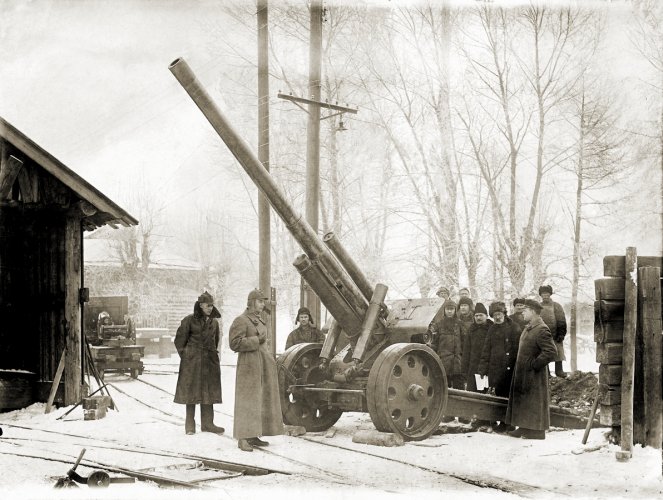
Its not the same mount, as this is fixed. Mind that the L/46, despite having the hability to be towed using it`s wheels, was to be installed in a circular baseplate, and had follow-the-pointer dials, run by a dedicated fire control director.thank you very much,and then,i have anohter question,Was the 240 mm L/46 gun mounted on the same gun carriage as the Mrs 210? these two artilleries look like same.
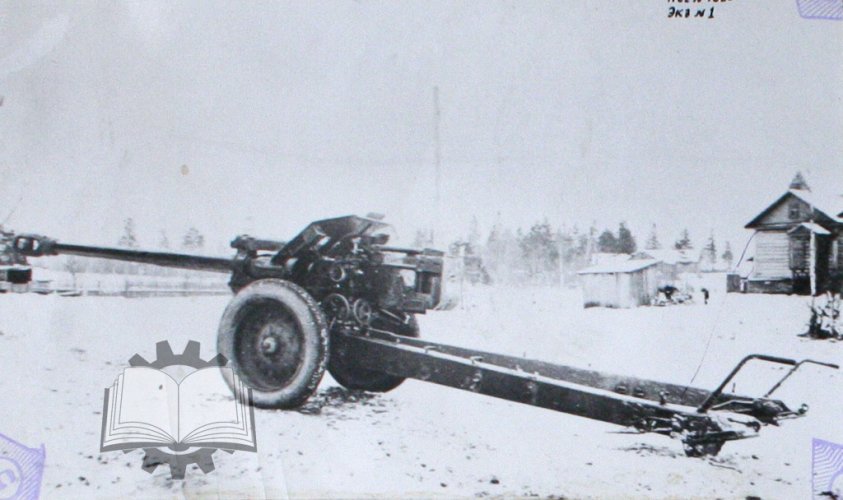
Any other photo, besides the one and only known to the world, of the 122mm "Lubok"?Soviet 1930s experimental gun, looks like a 107 or 122 mm cannon barrel on 152 mm "NG" (German original) howitzer carriage.
View attachment 814521
Thanks a lot. The primary issue with this image lies in its inaccurate proportions. I have come across claims identifying the depicted weapon as the 17cm K18 fixed gun mount. Additionally, I would like to inquire whether there are any available images of the L46 240mm cannon.Its not the same mount, as this is fixed. Mind that the L/46, despite having the hability to be towed using it`s wheels, was to be installed in a circular baseplate, and had follow-the-pointer dials, run by a dedicated fire control director.
Hi!Soviet 1930s experimental gun, looks like a 107 or 122 mm cannon barrel on 152 mm "NG" (German original) howitzer carriage.
may i ask you a question? 152.4mm Br-2 with L/55 barrel is real? Do you have a picture of this artillery?what is funny is how the soviets are the ones who saved a vast majority of their prototypes. at least their AFV Ob'Yekts. idk about the artillery. and i really dont think they saved many of their experimental planes of the Interwar/WW2 period like the Polikarpov I-180/185/190/195..etc BUT thats a different topic
I wish there was any more images of these prototypical Soviet artillery pieces like for instance the
203mm B4 with muzzle brake
152.4mm B-30
180mm Br-21
152.4mm Br-19
162/100mm Br-2 variant
152/107mm Br-2 Variant
the improved T-117 or M-50 carriages for Br-2/B-4/Br5
152.4mm B-10-2-30
152.4mm B-10
152.4mm Br-2 with L/55 barrel
I bet there is a full comprehensive GRAU list, GAU list, Ob'Yekt list, Istrebitel list, Barrikady "Br" list, Bolsheivik plant "B" list, list of "S" guns and list of the BL guns as well
BL1- BL-6= ??
BL7= 152.4mm gun on 52-L-504A carriage
BL8= 152.4mm used in ISU-152-1 (Ob-246)
BL9= 122mm used in ISU-122-1 ( Ob-243)
BL10= 152.4mm used in ISU-152-2 ( Ob-247)
BL11=- BL-99???
EDIT;
BL-13 is/ was the long barreled 122mm tank gun fitted to the Ob'yekt 244 which was also the testbed for the roadwheels of the abortive Ob'yekt 252 ( it had 5 big IS-6 wheels and one regular IS-2 wheel due to the hull being too short for the full 6, it also had the turret of an KV-122 installed at one point before being mounted as a memorial in St.Petersberg )