Interbellum and WW2 period (1918-1945) experimental and small-known artillery

Bottleship

ACCESS: Top Secret
Joined
30 June 2019
Messages
579
Reaction score
1,625
This can be considered a "continuation" of the theme of artillery during the First World War.

US experimental 4.7 inch gun and 155 mm howitzers, 1920s, and other guns.
If I understand correctly, the long range 4.7"/120mm gun had the same ballistics as the AA 4.7"/120mm gun (45 lbs projectile, 2800 fps), or not?

47inch-gun-carriage-M1921E-FAJ19220101-2.jpg
47inch-gun-155mm-howitzer-carriage-M1920-FAJ19220101-2.jpg
Westervelt Board projects.png
If so, the firing range should have been about 19-20 km. At the same time, the 155 mm howitzer, according to the technical specifications, had a range of 16,000 yards / 14.63 km.

Does anyone have any detailed information on American experimental artillery and mortars from the period after the end of WWI to the end of WWII? I occasionally find only very fragmentary data on individual systems.
 
Last edited:
The French company Schneider developed several designs of 155mm howitzers to replace the old howitzers from WWI, some of them were apparently no worse than the German 150mm sFH 18 or the Soviet 152mm M-10, but these guns were not mass-produced for the French army, being used in the armies of Denmark, Argentina and other countries (in local calibers, 149 mm for example). Does anyone have more complete information about these howitzers?
 

Attachments

  • 11745805014_1e95b12984_b.jpg
    11745805014_1e95b12984_b.jpg
    266.7 KB · Views: 123
  • i (6).jpeg
    i (6).jpeg
    372.3 KB · Views: 117
  • 149-мм-Obusier-Modele-1929.jpg
    149-мм-Obusier-Modele-1929.jpg
    27.6 KB · Views: 131
Other guns:
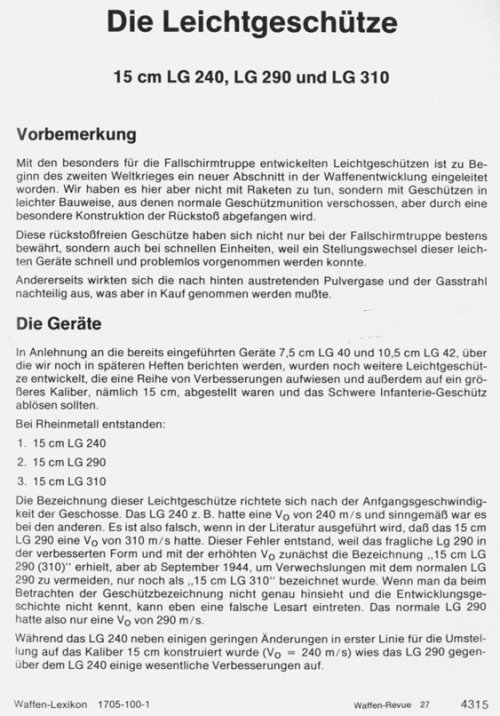
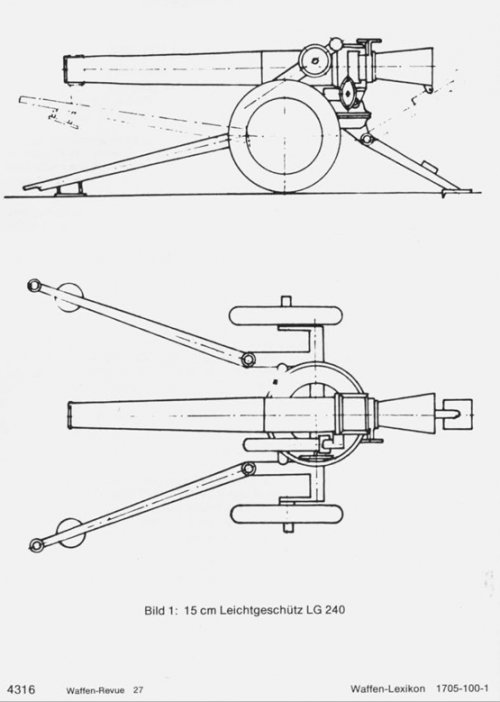
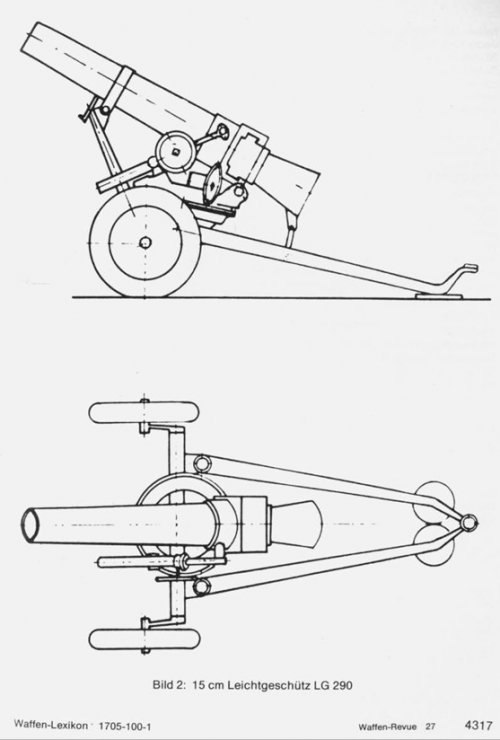
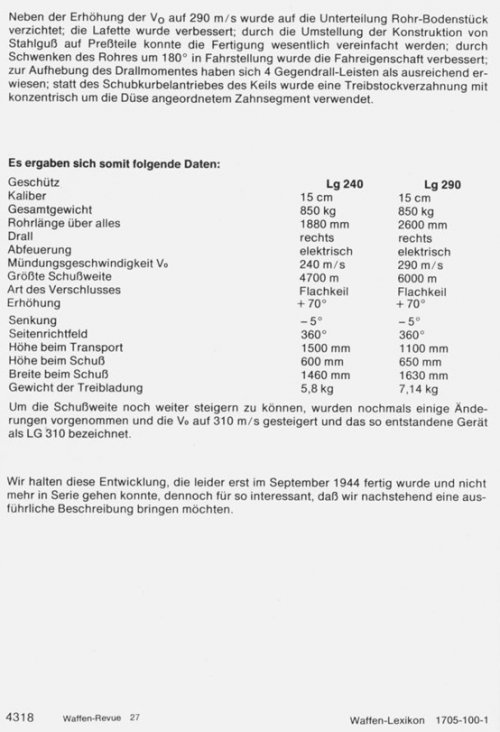
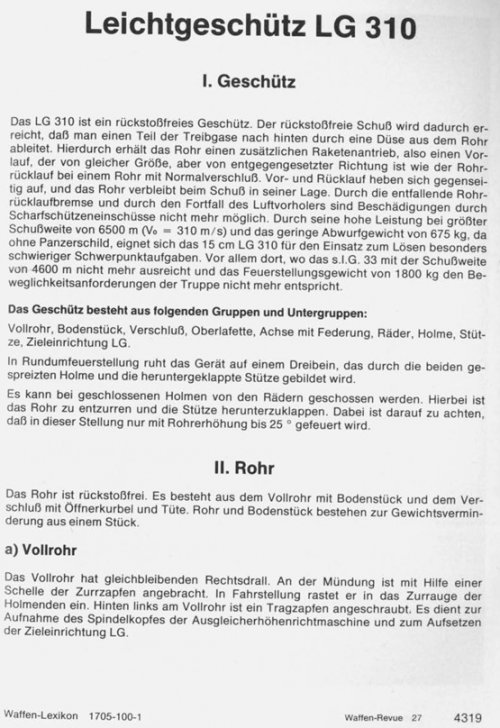
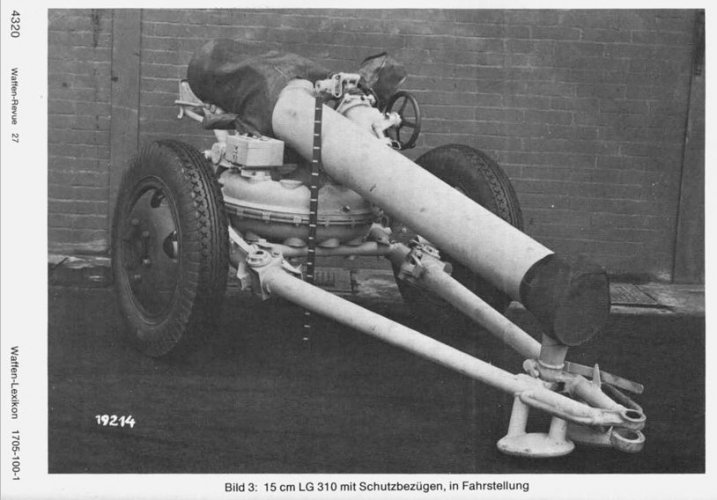
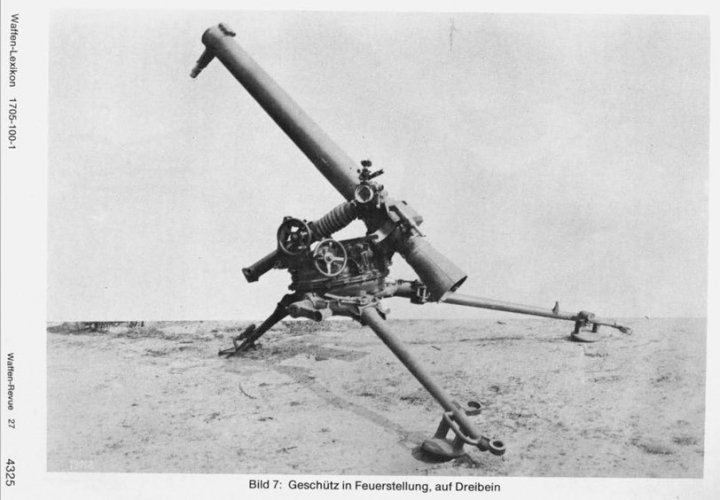
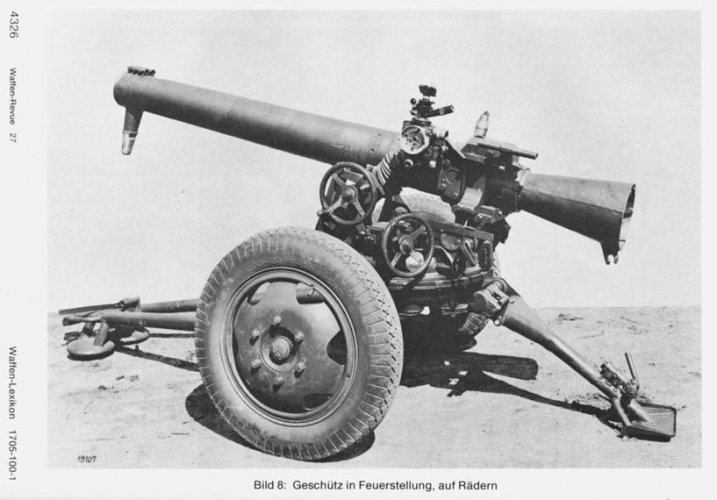
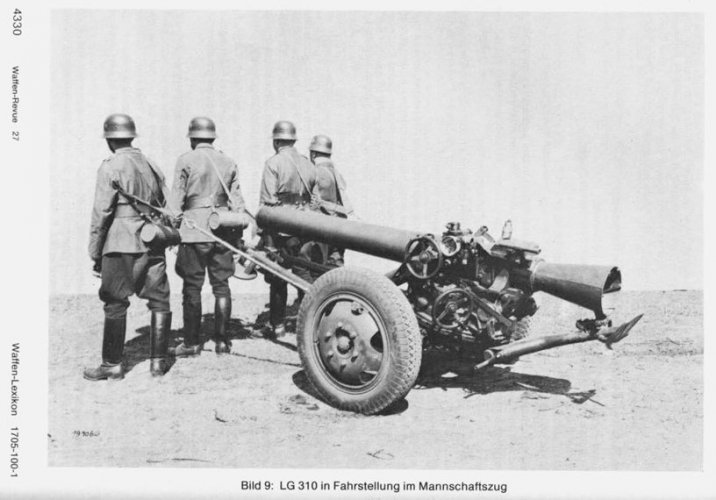
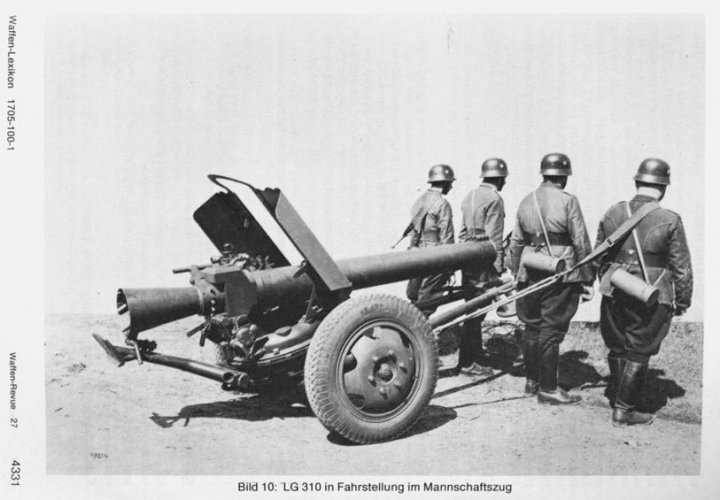
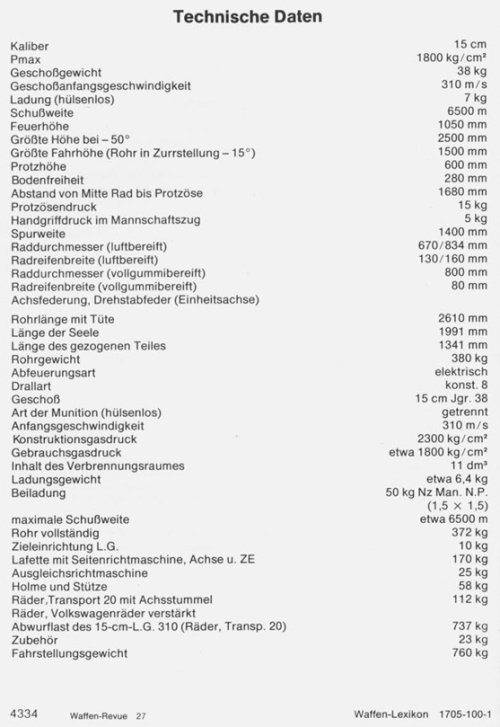
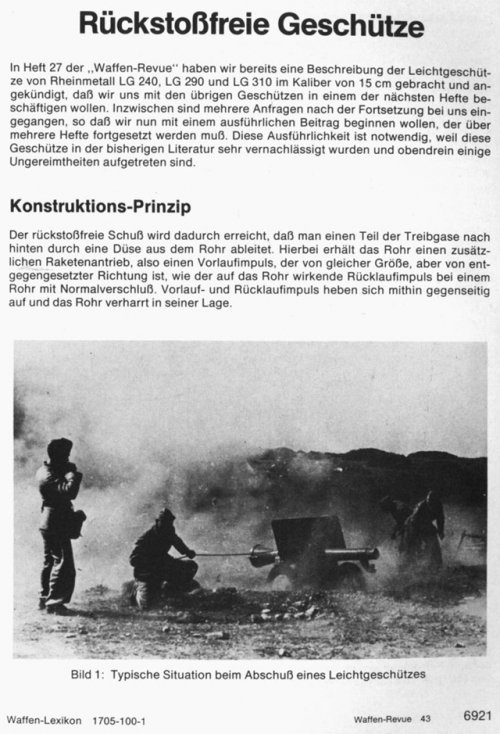
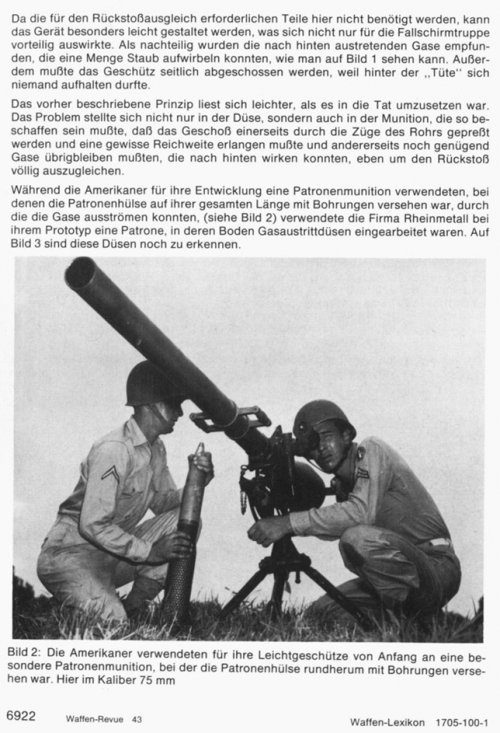
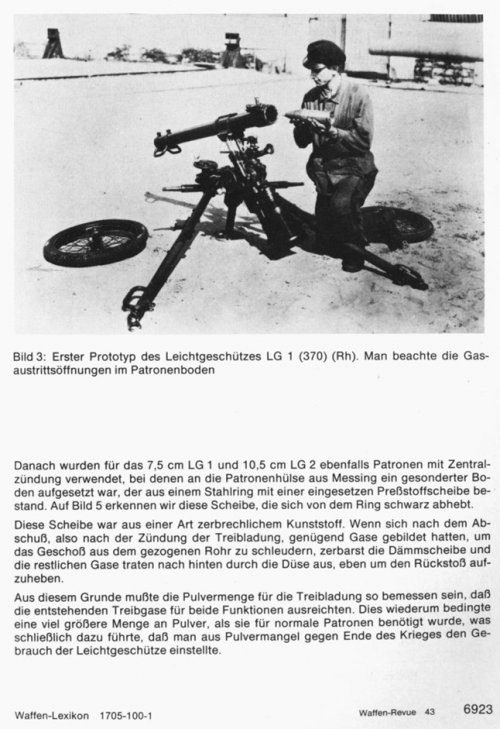
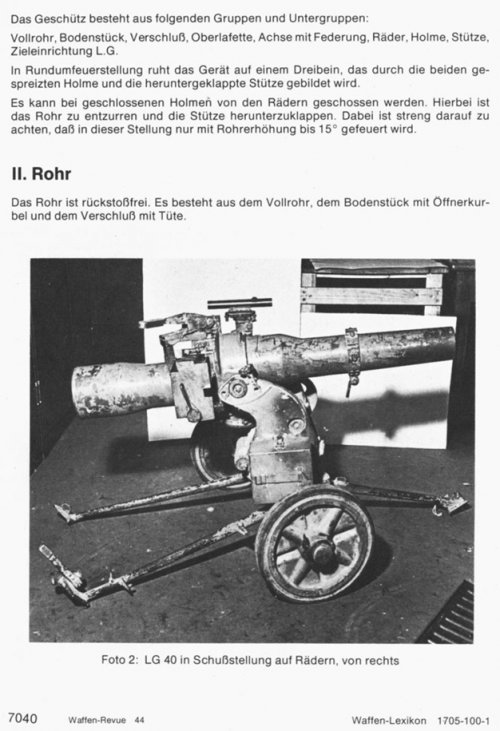
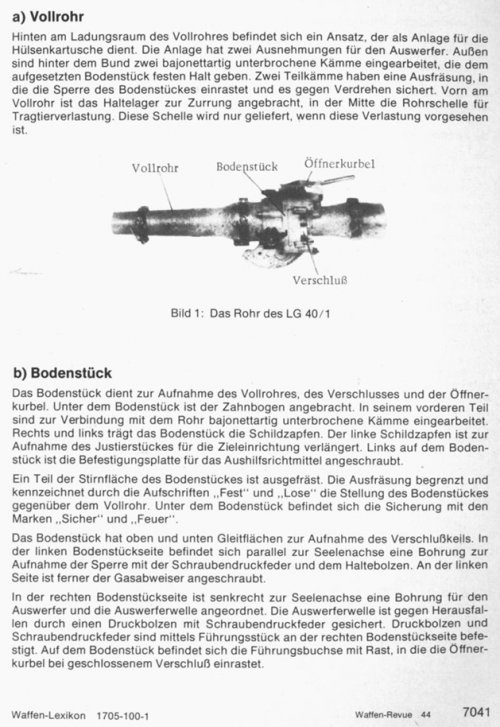
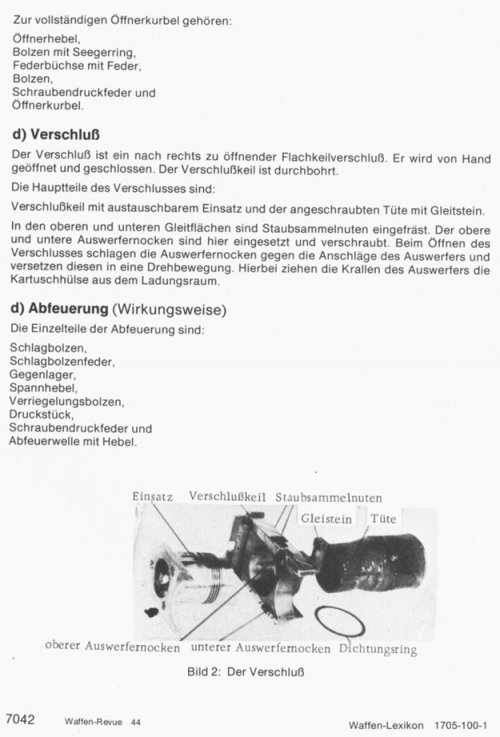
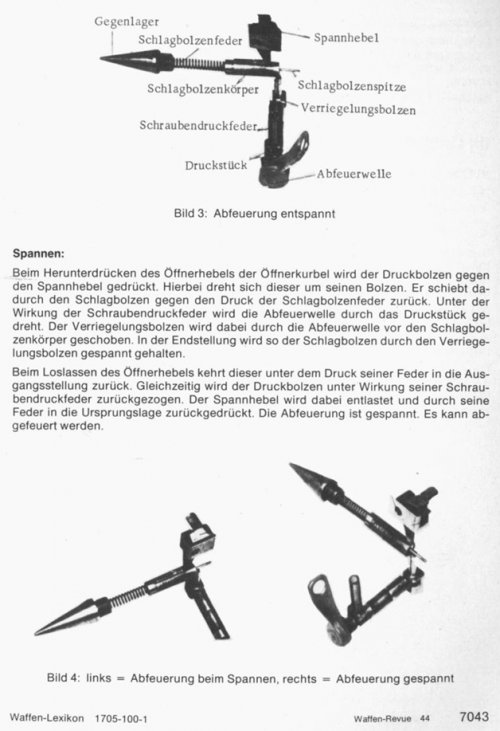
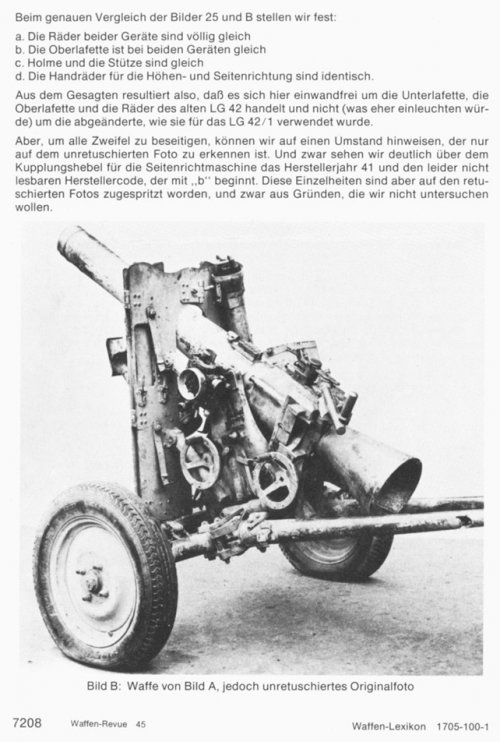
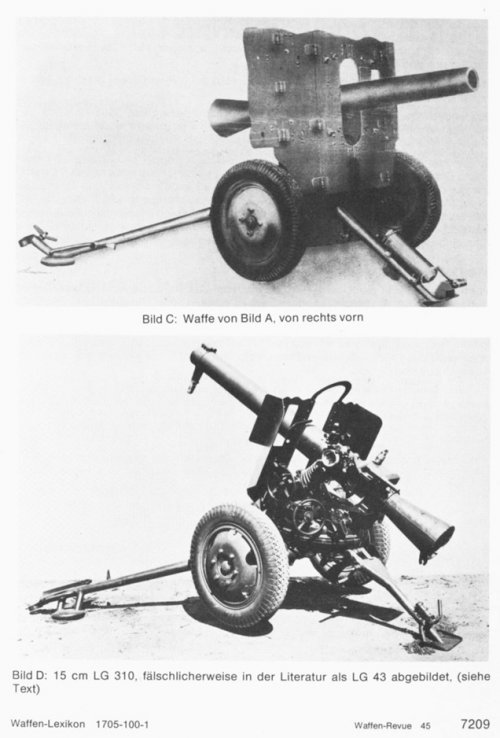
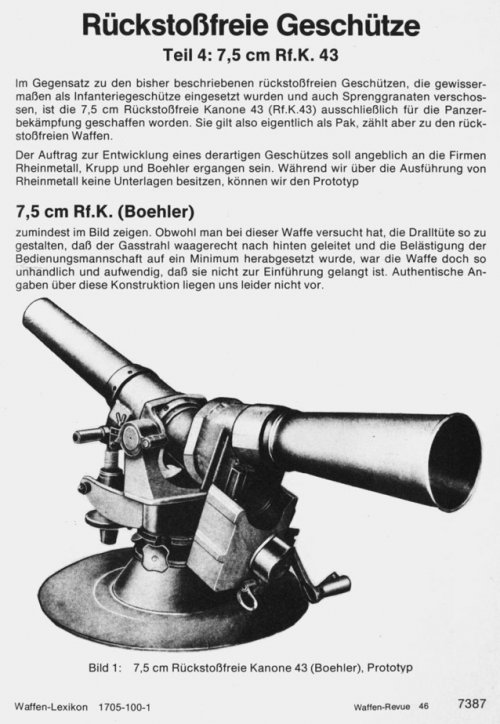
15cm recoiless LG 292:
Screenshot_20250810-005541.png

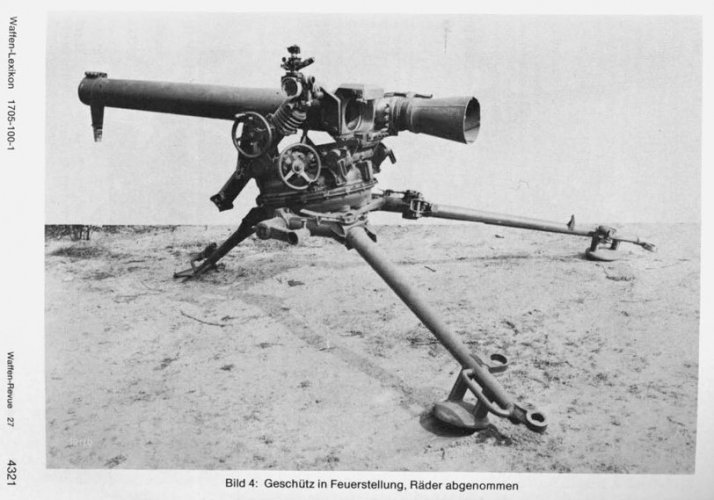
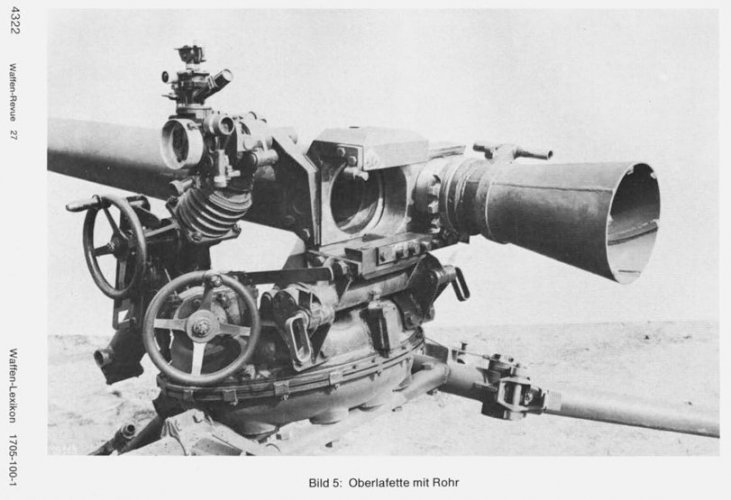
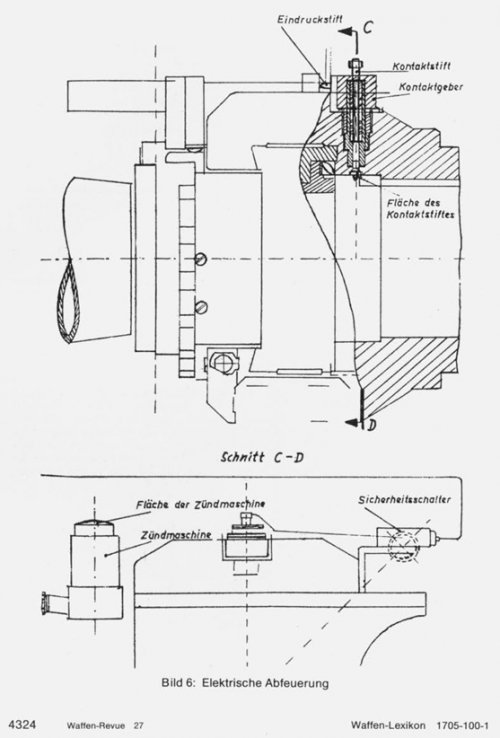
75 mm Rheinmetall-Borsig experimental Pak 44 AT gun:
Screenshot_20250810-005338.png
81 mm L/105 gun (with ejector? For tanks?!)
Screenshot_20250810-005410.png
406 mm C/34 gun on railroad mount project:
Screenshot_20250810-004936.png

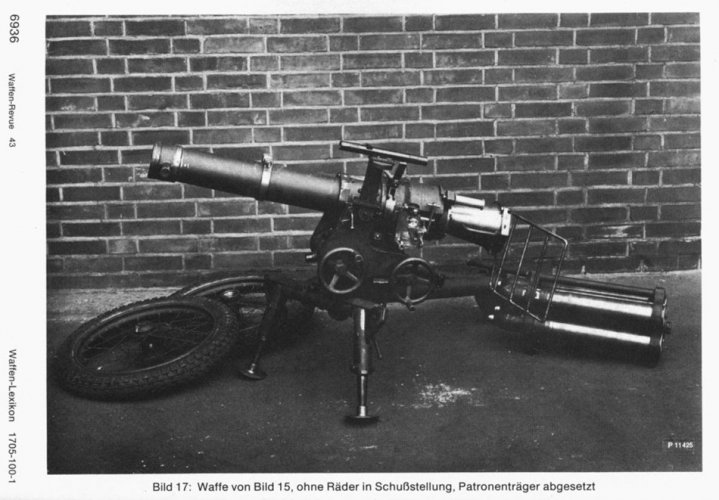
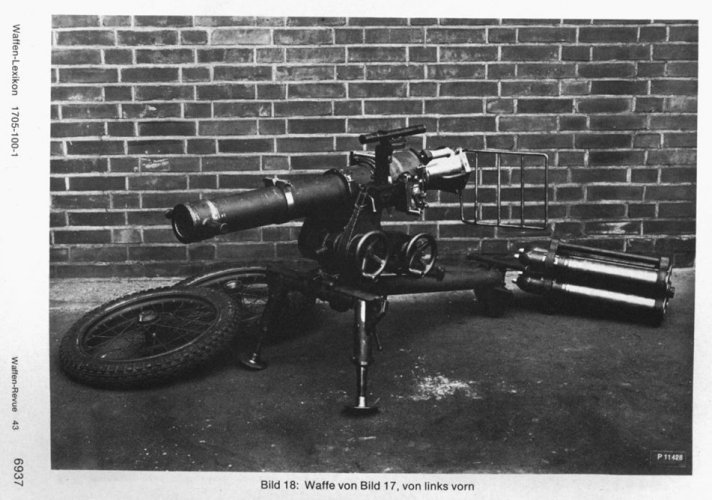
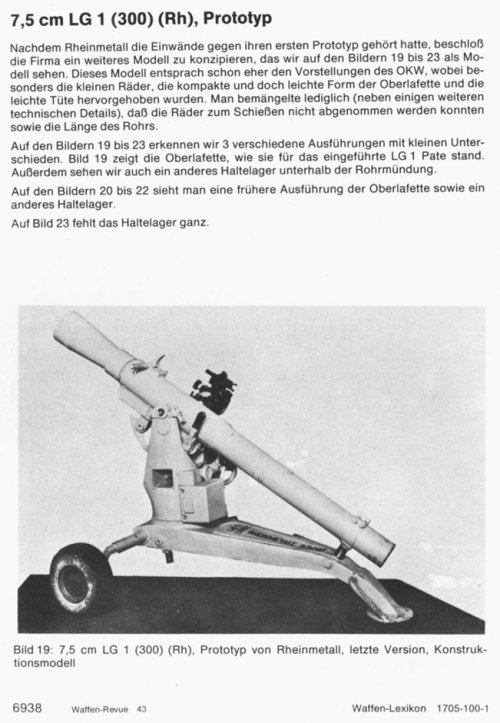
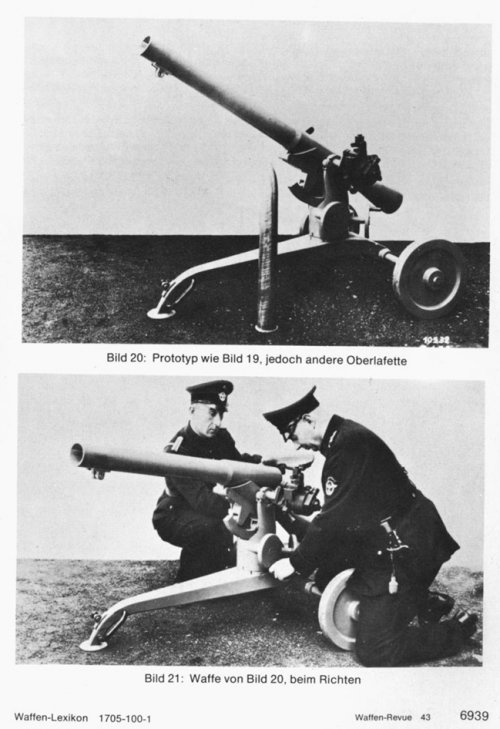
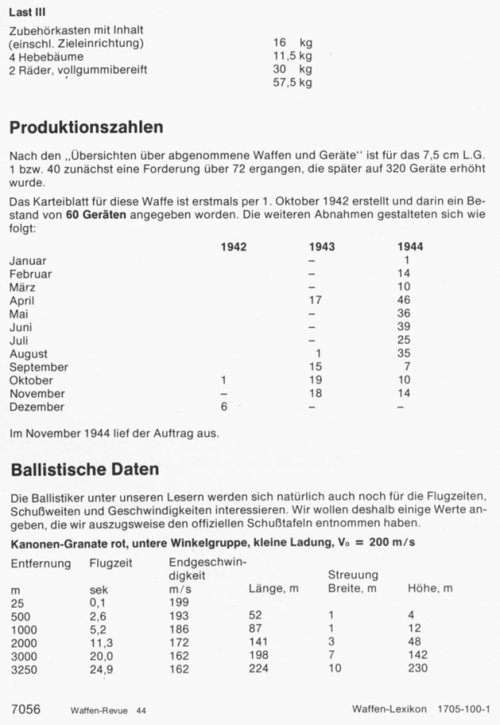
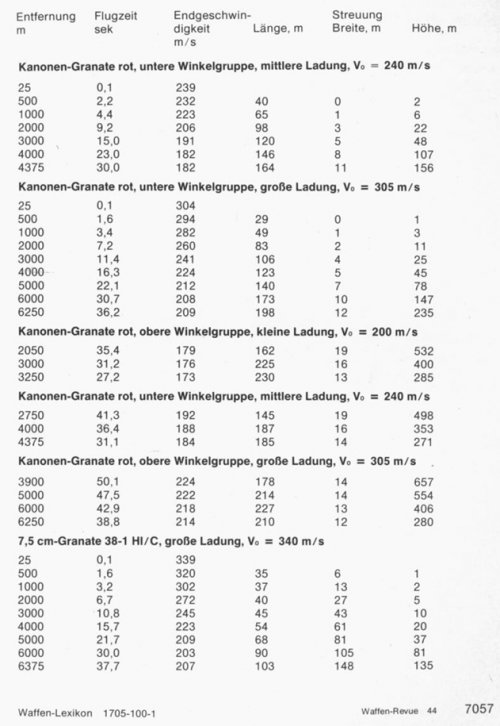
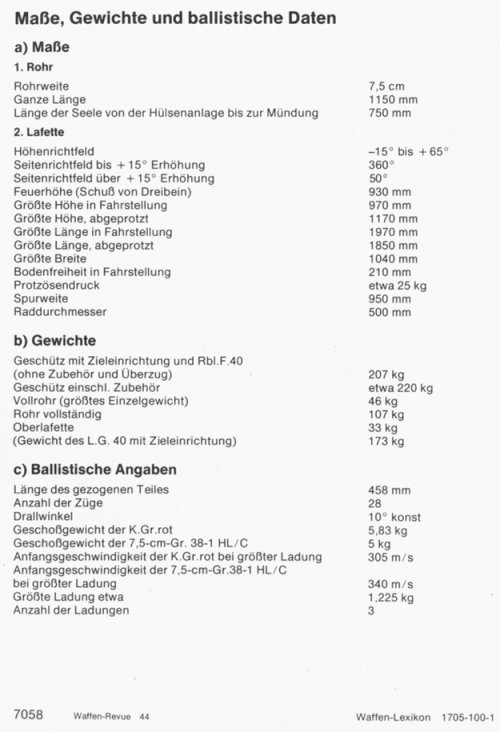
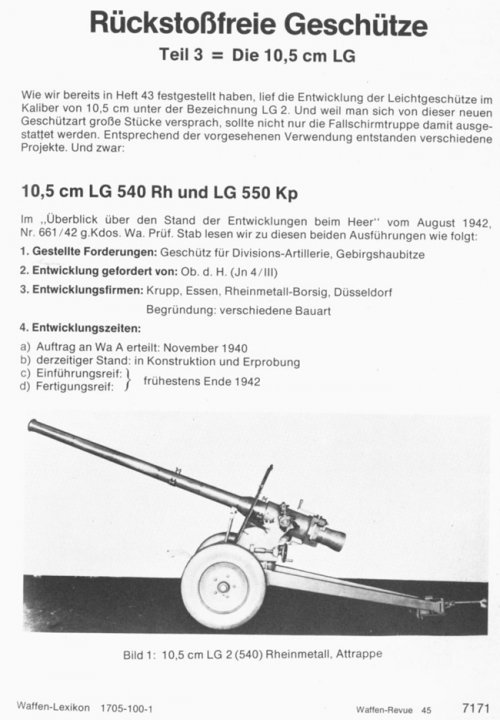
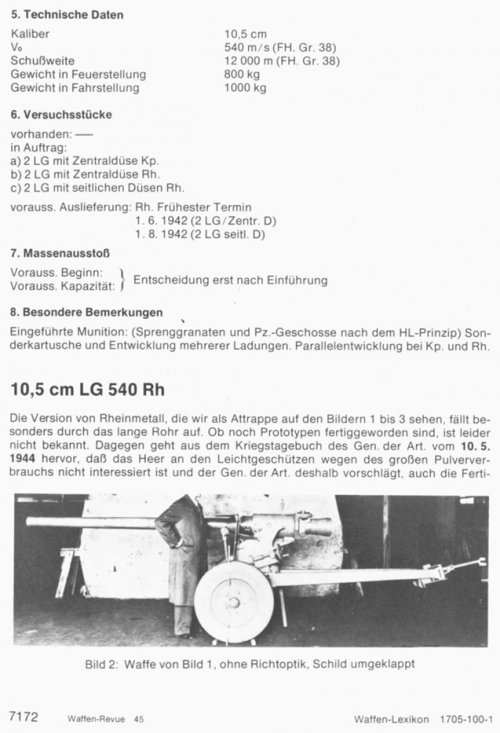
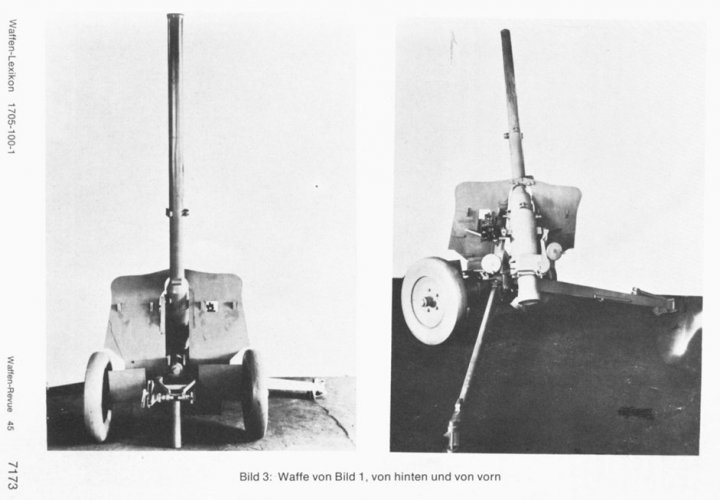
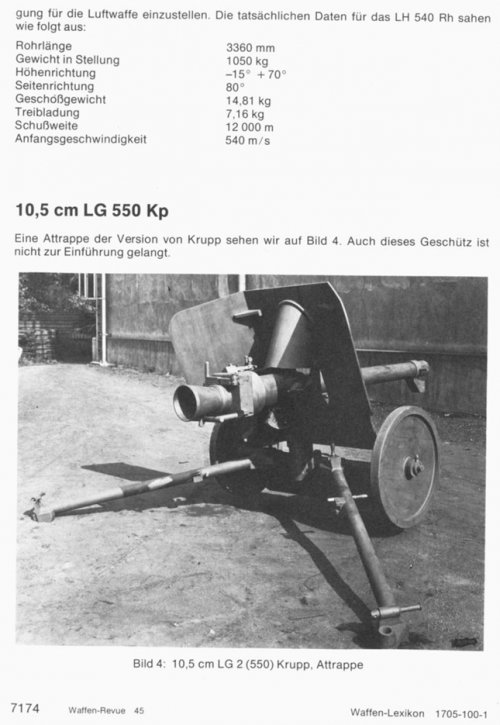
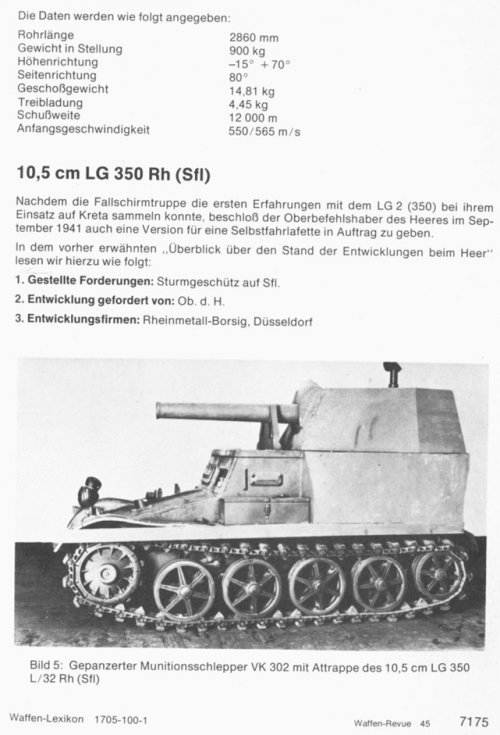
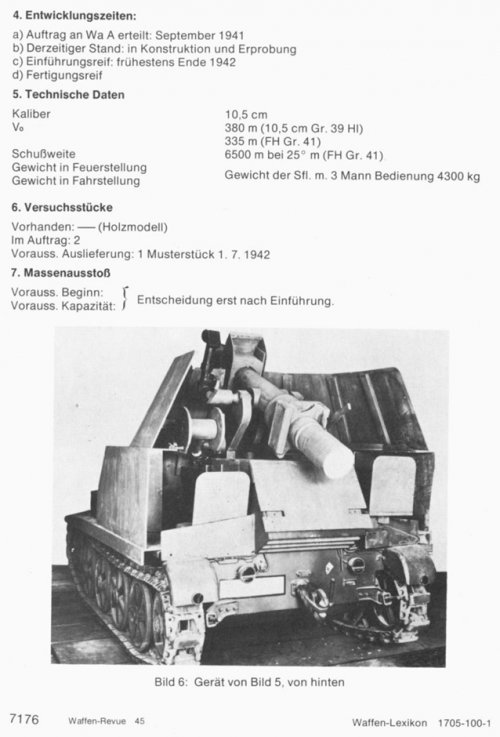
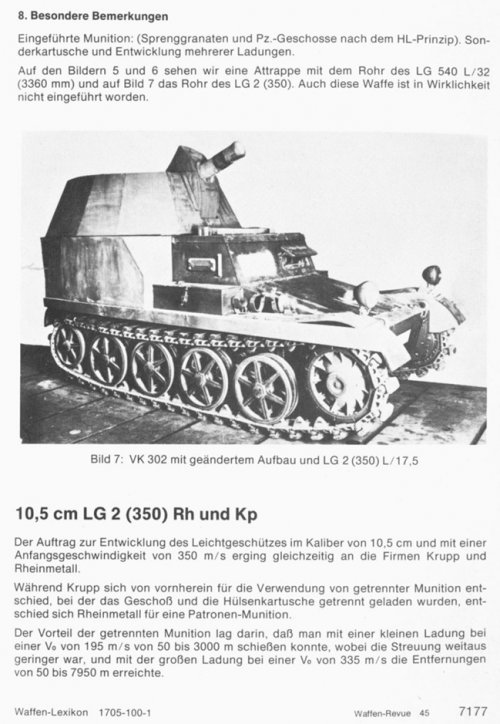
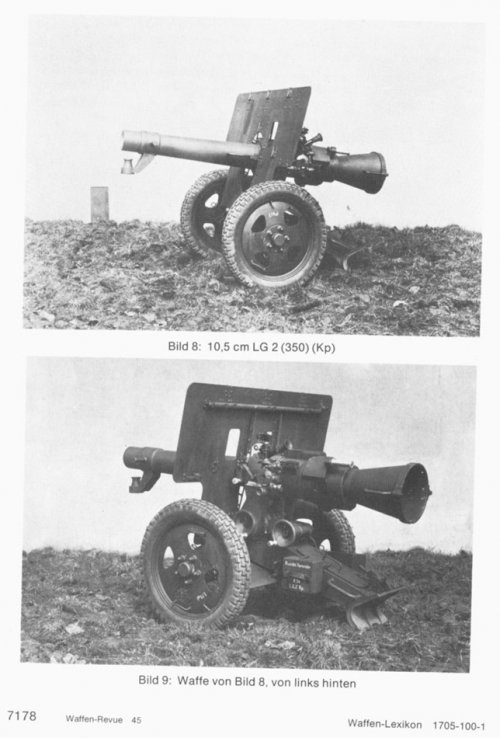
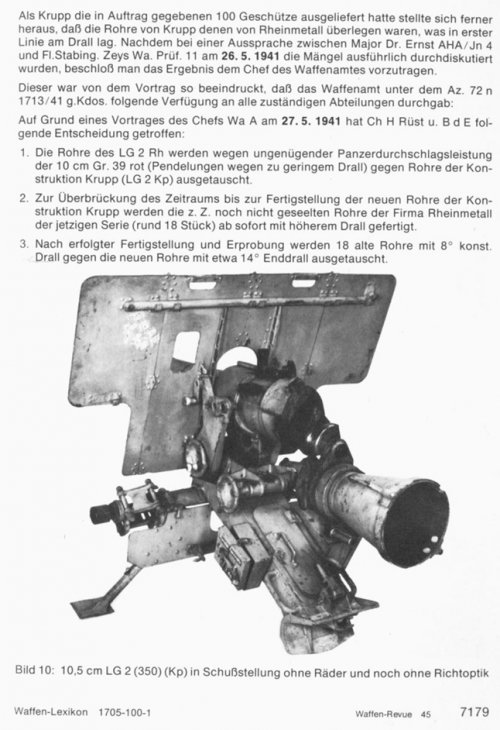
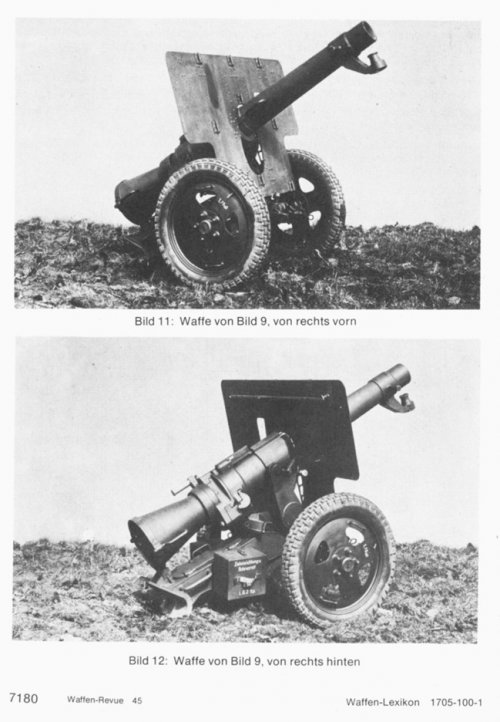
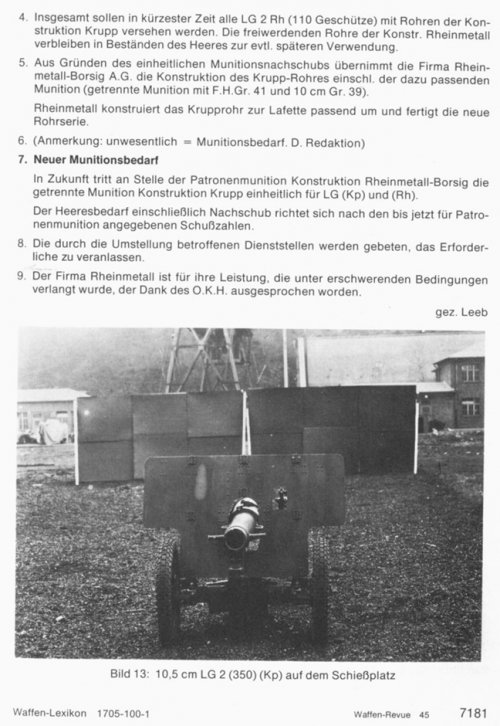
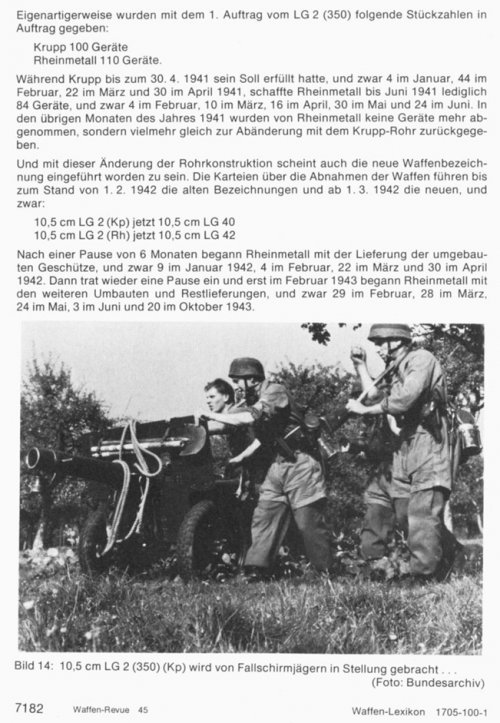
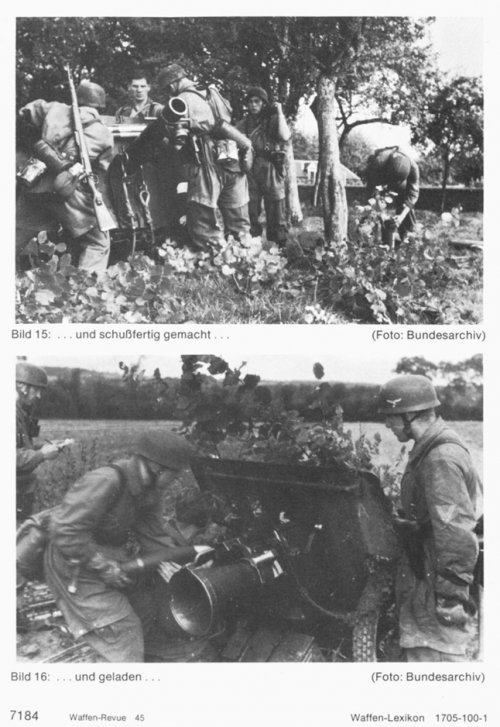
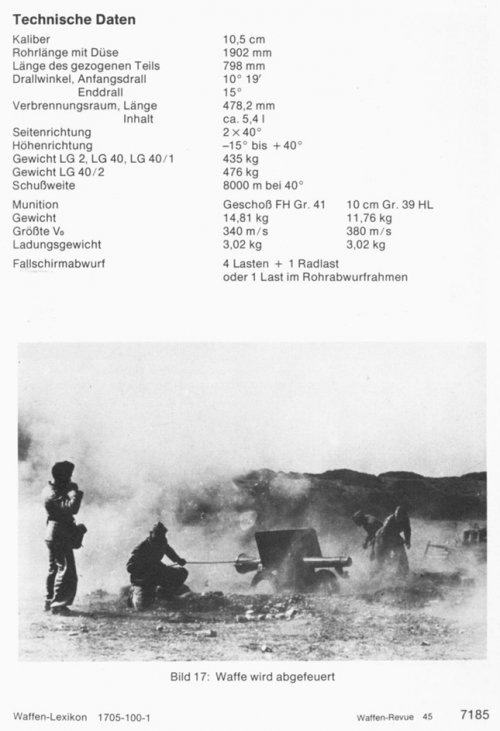
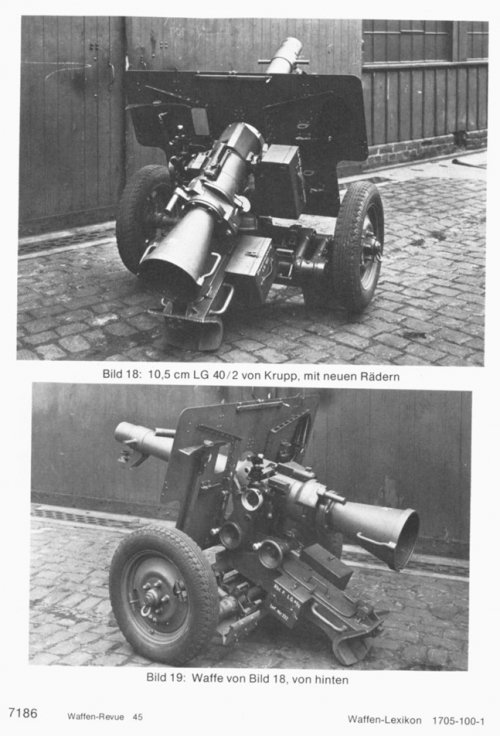
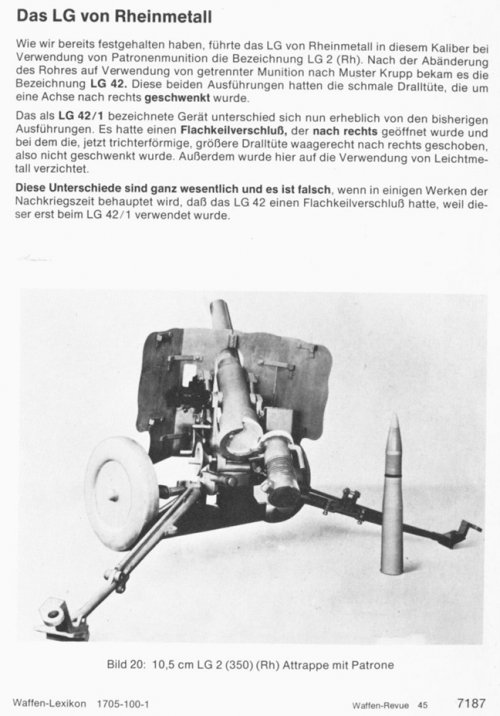
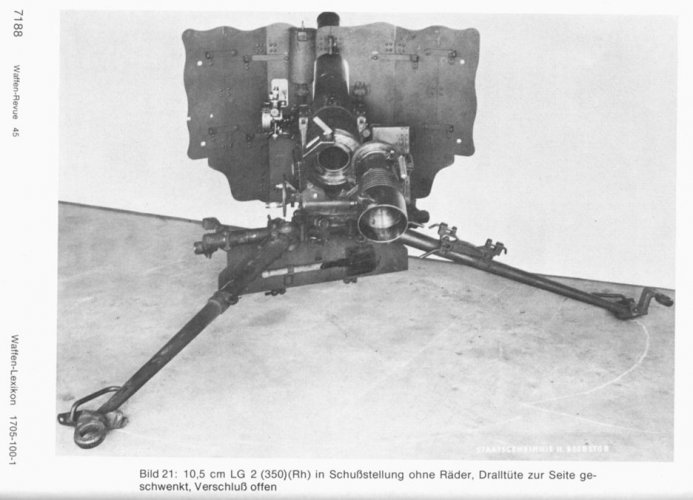
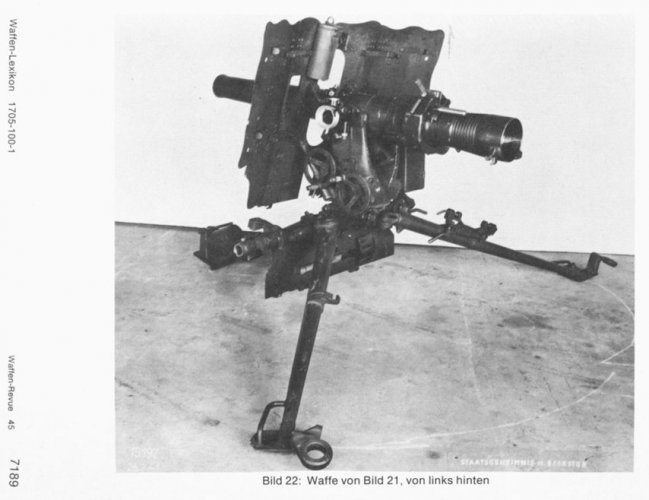
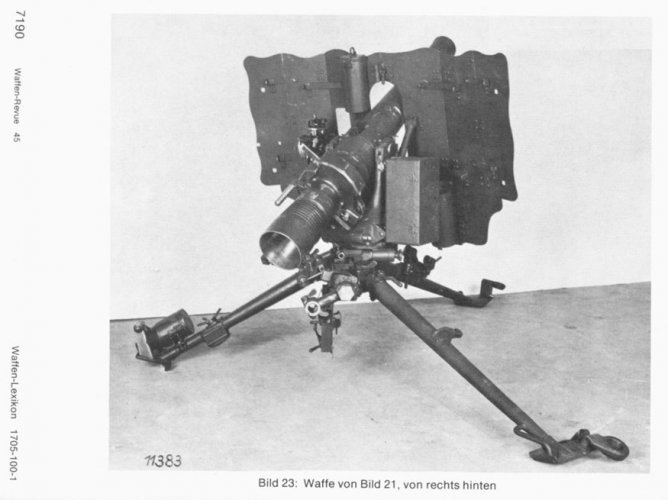
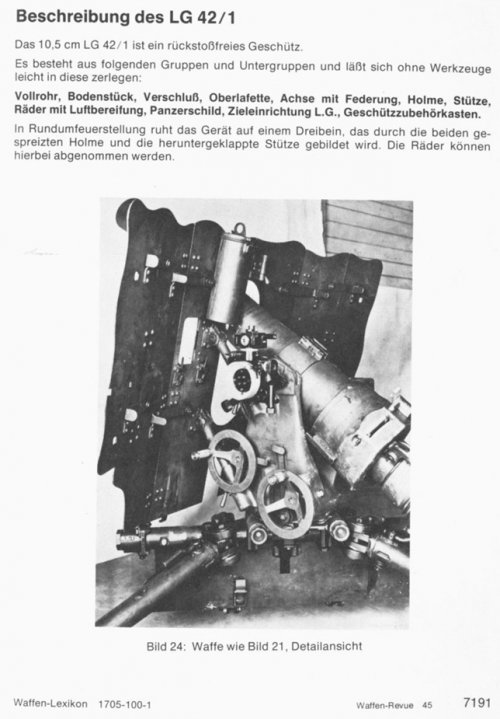
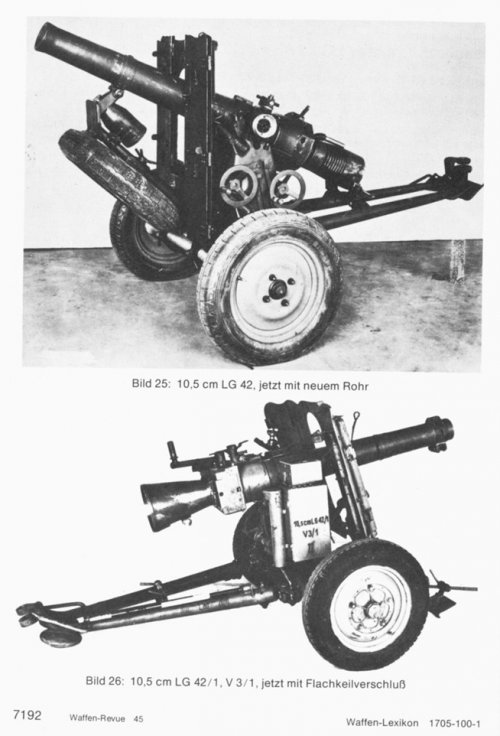
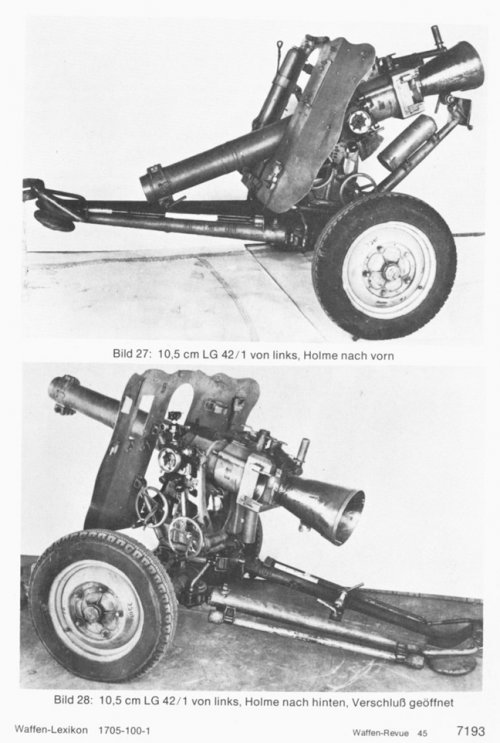
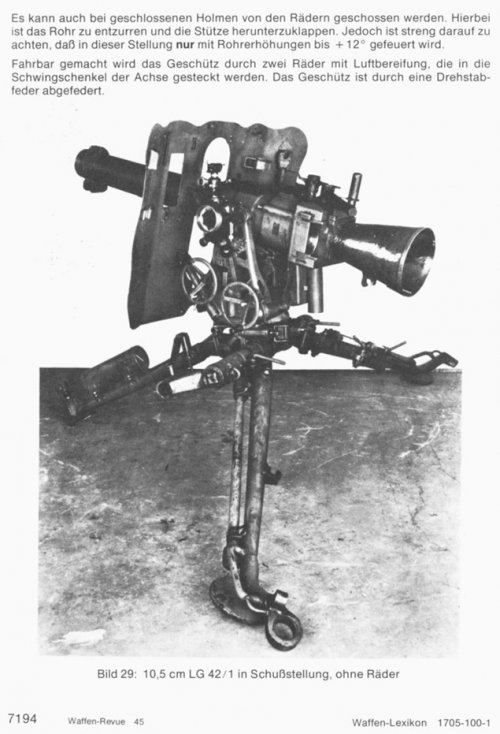
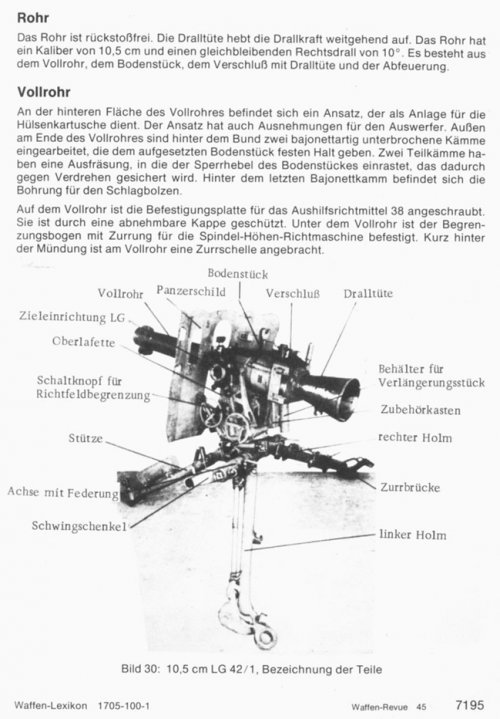
Also, as far as I remember, the Germans created a 105 mm recoilless howitzer with the ballistics of LeFH 18.
 
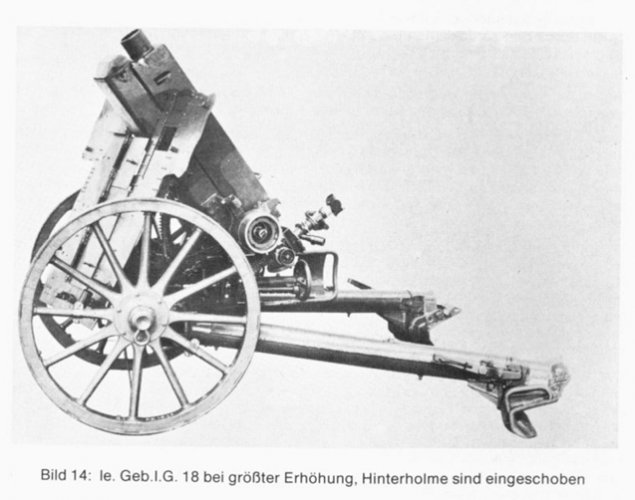
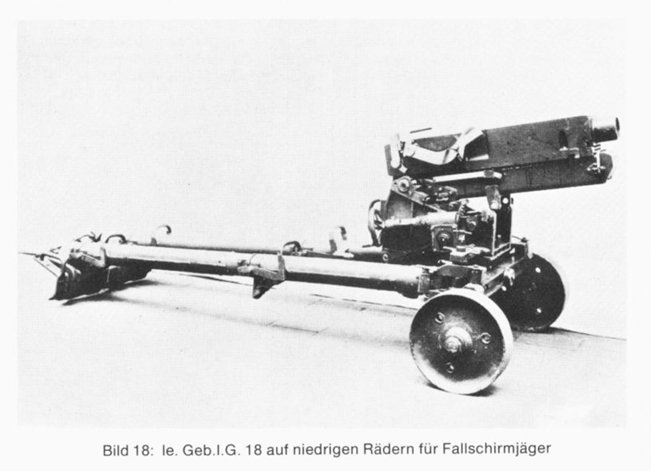
From "Deutsche Leichte und Schwere Infanteriegeschutze 1914-1945 (Waffen-Arsenal Sonderband S-34)":
150 mm infantry gun SIG 33 on split trail carriage, 2100 kg:
495266.jpg
105 mm infantry gun on box trail (like a classic SIG 33, 1040 kg) and split trail carriage (1110 kg), 13.5 kg projectile:
61c4e3f8ebd39_105cm_LeIG_02.jpg.e8ad327e8400fd8cc6f2061b991c97f9.jpg
61c4e3f80fea3_105cm_LeIG_01.jpg.7317d84c2e1bf5053c076d3dfb773845.jpg
Rheinmetall 75 mm infantry gun on split trail carriage, 426 kg:
61c4e6ce12945_75cm_LeIG_alternate.jpg.6d41469539d862fc7c4aca2d7e5721de.jpg

I would guess that the 105mm infantry gun had a muzzle velocity in the region of 300 m/s, at least the much older 105mm howitzer IFH 98/09, which weighed about 1110 kg, had a muzzle velocity of 305 m/s, with a projectile weighing 15.8 kg.
 
Last edited:
Soviet experimental 203 mm M-33 howitzer and 152 mm M-23 gun, in Permian artillery plant. Maybe, WW2 period, or early post-war (1945-1955). опытная 203-мм гаубица М-33.jpg
Опытная 152-мм пушка М-23.jpg
Looks like a ML-20 152 mm gun-howitzer carriage. I know about different 152 mm guns with Br-2 ballistics (49 kg, 880 mps) on ML-20 carriage (original ballistic - 43.56 kg, 670 mps), and heard about suggestions - 203 mm B-4 howitzer (100 kg, 607 mps) and 280 mm Br-5 mortar* (200/245.7/286 kg, 420/356/290 mps) ballistics on ML-20 carriage. Maybe, 203 mm M-33 was realisation of B-4 ballistics on ML-20 carriage. And I think there must have been a 280mm mortar of a similar type.
 
Last edited:
amazingly , skoda produce during WW1 the encestor of the 7.5cm ig18, the 75mm m17
Nahkampfgeschutz ("close combat" equipment)
gun weight:366kg
shell weight:6.5kg
max range : 3000m
elevation :70°
muzzle velocites: 115 150 190ms
can be broken in eleven(!) loads , 35kg to 41kg

75mm m17 ig.png
 

Attachments

  • 75 m17 ig.pdf
    1.1 MB · Views: 28
Soviet ~1942-1944 projects:
107 mm M-60 gun barrel on 122 mm M-30 howitzer carriage, 3300 kg, 18.8 kg projectile, 730 mps, 18 km range, elevation -3° +45°, traverse +- 24°30':
art_2_1_04.jpg
122 mm A-19 gun barrel on 122 mm M-30 howitzer carriage, 4050 kg, 25 kg projectile, 790 mps, 20.1 km range, elevation -3° +45°, traverse +-21°30':
is2dev1_01.jpg
152 mm Br-2 gun barrel on 152 mm ML-20 gun-howitzer carriage, 9000 kg, 49 kg projectile, 880 mps, 27 km range, elevation -2° +65°, traverse +-23°:
i.jpeg
203 mm U-3 howitzer barrel on 152 mm ML-20 gun-howitzer carriage, 8100 kg, 100 kg projectile, 460 mps, 12.6 km range, elevation -2° +65°, traverse +-23°30':
i (1).jpeg
 
Soviet 1941 experimental 85 mm gun U-10 (85 mm 52-K AA gun barrel on 122 mm M-30 howitzer carriage), 2620 kg weight in combat, 2660 weight in travel, 9.2-9.54 kg projectiles, 793-800 mps, 15.7 km range, elevation -5°+62°, traverse 46°(+-23°).
scale_1200 (3).jpeg
scale_1200 (1).jpeg
scale_1200 (2).jpeg
scale_1200 (4).jpeg
 
Soviet 1941 experimental 85 mm gun U-10
I can guess why it was created. On the eve of Germany's attack on the USSR, due to the low effectiveness of 45mm guns against the newest German tanks (the Soviets tested the Pz.III with a 50mm front and 30mm side armour in 1940 and were concerned by the results), the Soviet leadership decided to create 10 separate anti-tank artillery brigades, each of which was to include:
- 48 76mm guns
- 24 107mm guns
- 24 85mm anti-aircraft guns for firing at tanks
- 12 37mm anti-aircraft automatic cannons for air defense
The original 85mm anti-aircraft gun was a rather heavy weapon, weighing 4,300 kg. Most likely, someone decided that using a much lighter and cheaper gun on a 122mm howitzer mount to combat tanks would be easier. The U-10 is approximately 1,600 kg lighter than the 52-K.

At the same time, as expected, the USSR never implemented even these 10 anti-tank brigades, even though it would have been very little against the entire Wehrmacht, but "better than nothing."

During that period, the USSR suffered particularly severely from constant delays and the leadership's unwillingness to change anything in a timely manner. The USSR produced a huge amount of equipment and weapons in the 1930s, but most of it was already outdated by the mid-1930s. Soviet production suffered from 1) incompetent management (since managers were often appointed for loyalty rather than ability or education; moreover, a good education could actually harm a career), 2) a shortage of personnel for management and production (since a huge portion of people with a good education, including technical education, were either destroyed during the revolution and civil war in 1917-1922, or fled Russia, accordingly the USSR had nowhere to find the necessary number of specialists to train new specialists), 3) unrealistic plans - since the top party leadership often demanded from factories much more than they were technically capable of producing, and as a result, many enterprises produced a huge amount of extremely low-quality products, preferring not to fight with incompetent management for lowering the Plan, but to negotiate with the inspectors.
 
Last edited:
US 1920 artillery:

75 mm pack howitzer (235 lb / 106.6 kg weight, 15 lb / 6.8 kg projectile, 900 fps / 275 mps MV, 6600 yd / 6035 m range, 5° traverse, 45° elevation):
post-7020-0-43996700-1300393343.jpg
post-7020-0-69609400-1300393438.jpg
75mm-pack-howitzer-M1920-FAJ19210304-1.jpg

75 mm field gun (3500 lb / 1588 kg weight, 15 lb / 6.8 kg projectile, 15 000 yd / 13 716 m range, 60° traverse, -7° +80° elevation):
75mm-gun-M1920-FAJ19210102-1.jpg

75 mm gun and 105 howitzer (3600 lb / 1633 kg weight, 33 lb / 14.97 kg projectile, 1500 fps / 457 mps MV, 12 000 yd / 10 973 m range, 60° traverse, -7° +80° elevation):
Screenshot_20250926-040049.png

4.7 inch (?) gun (13 000 lb / 5897 kg weight, 50 lb / 22.68 kg projectile, 60° traverse, 65° elevation, 155 mm howitzer on similar carriage had 95 lb / 43 kg projectile):
8da1bfcabf08fc6df92c17fc95129747.jpg

8 inch howitzer (24 000 lbs / 10 886 kg weight, 200 lb / 90.72 kg projectile, 18 000 yd / 16 459 m range, 60° traverse, 65° elevation):
8inch_M1920.jpg

155 mm gun (24 000 lbs / 10 886 kg weight, 95 lb / 43 kg projectile, 25 000 yd / 22 860 m range, 60° traverse, 65° elevation):
M1920_155mm.jpg

Earlier recomendations for field guns was weaker:
- 75 mm gun with 15 lb shell with 11 000 yd / 10 058 m range
- 4 inch (101.6 or 102 mm) / 105 mm howitzer with 25-30 lb / 11.34-13.6 kg shell with 10 000 yd / 9144 m range.

Also, recomendations for heavy artillery::
- 9.5 inch / 240 mm howitzer
- 12 inch howitzer with 25 000 yd / 22 860 m range
- 16 inch howitzer with 27 000 yd / 24 689 m range
- 8 inch gun with 35 000 yd / 32 004 m range
- 14 inch gun with 40 000 yd / 36 576 m range
 
Last edited:
US 155 mm BL T36 mortar for M4 Sherman (from Hunnicut's book about M4):
Screenshot_20250422-000634.png
Screenshot_20250422-000654.png
155mm-mortar-motor-carriage-t90-v0-pkea1ygtcikd1.png
I couldn't find any information about the characteristics of this weapon, maybe someone knows where I can find it? Theoretically, its characteristics could be similar to those of the German 150mm SIG-33. Then another question arises: did this gun ever exist in a towed version, on a wheeled carriage?
 
Back
Top Bottom