
You are using an out of date browser. It may not display this or other websites correctly.
You should upgrade or use an alternative browser.
You should upgrade or use an alternative browser.
Hiro Kosho H1H, H2H, H3H and H4H Flying Boats


blackkite
Don't laugh, don't cry, don't even curse, but.....
- Joined
- 31 May 2007
- Messages
- 9,515
- Reaction score
- 9,661
Thanks my dear hesham-san and foiling-san.
Description of a 2 type practice flying boat (H9A1)
As a disquieting feeling of tension increases among Japan and the U.S. in Showa 12 (1937) and afterwards in the tactics thought to a floatplane or a flying boat changed drastically in the IJN.
Main duties of a conventional floatplane and flying boat were reconnaissance, patrol and approach to an enemy c to acquire information etc.
In addition to these duties, new tactics thought was to use floatplane and flying boat for forcible reconnaissance and bombing etc.
By new tactics thought, the high-speed reconnaissance sea plane "Shiun" and the sea plane bomber "Zuiun" were born, and 13 shi large flying boat, later stated as the global masterpiece aircraft “the 2 type flying boat “ was born.
Thus, while the floatplane and the flying boat accomplished development quickly, since the training plane had diverted the obsolete plane which retreated the front, development of a new practice flying boat was needed.
In January, Showa 14 (1939), the IJN pointed to the trial production of the 13 shi small flying boat as anti submarine patrol and training to Aichi.
Aichi dealt with 15 type, 89 type and 99 type flying boat until that day, and had abundant experiences in manufacture of a medium size flying boat.
Aichi appointed Mori engineer as the design specialist person, started the design of the 13 trial small flying boat in May, 1939, and will complete three sets of experimental models from September, 1940.
It was the very common flying boat which has a parasol type wing equipped with two sets of engines as a form of a flying boat, and bid up the position of the horizontal stabilizer and which followed the flow of the IJN flying boat.
In the test flight, it was revealed that the peculiarity which falls in the case of pull up of water landing occurs, and there is a possibility that the body may be damaged with the shock of water landing.
This problem was caused by shortage of weight management of a design, and shortage of aerodynamic refinement.
As a measure for this problem, the reconstruction covering each part needed, which were extend the wingspan, lowered an engine position, repaired a flap and abolished gun rack, etc.
The reconstruction required the long period of time, and adoption was carried out as a 2 type training flying boat (H9A1) at last in February, 1942.
The time when this flying boat was put in practical use was the time when tactics worth of a flying boat already declines at, and the expansion plan of a flying boat also trying to be going out, and, naturally demand as a training plane was also decreasing.
The 2 type training flying boat (H9A1) was closed by production of comparatively small number of aircraft with 31 sets. 24 sets were made in Aichi, 4 sets were made in Nippi.
The 2 type training flying boat (H9A1) was used for coast patrol, interline traffic of a short distance etc nevertheless it was the last twin engine flying boat of the IJN.
However, the world warⅡ last stage came and the opportunity of unexpected duty arrived at the 2 type practice flying boat (H9A1).
The 2 type training flying boat (H9A1) carrying the wonderful magnetic finder KMX which the IJN developed and bomb, raised big success in battle with the enemy submarine which haunted mainland-of-Japan adjacent sea.
In addition, the US Navy seized the technology of this KMX after the war, and made it develop into the magnetic finder MAD for today's antisubmarine patrol airplanes.
Description of a 2 type practice flying boat (H9A1)
As a disquieting feeling of tension increases among Japan and the U.S. in Showa 12 (1937) and afterwards in the tactics thought to a floatplane or a flying boat changed drastically in the IJN.
Main duties of a conventional floatplane and flying boat were reconnaissance, patrol and approach to an enemy c to acquire information etc.
In addition to these duties, new tactics thought was to use floatplane and flying boat for forcible reconnaissance and bombing etc.
By new tactics thought, the high-speed reconnaissance sea plane "Shiun" and the sea plane bomber "Zuiun" were born, and 13 shi large flying boat, later stated as the global masterpiece aircraft “the 2 type flying boat “ was born.
Thus, while the floatplane and the flying boat accomplished development quickly, since the training plane had diverted the obsolete plane which retreated the front, development of a new practice flying boat was needed.
In January, Showa 14 (1939), the IJN pointed to the trial production of the 13 shi small flying boat as anti submarine patrol and training to Aichi.
Aichi dealt with 15 type, 89 type and 99 type flying boat until that day, and had abundant experiences in manufacture of a medium size flying boat.
Aichi appointed Mori engineer as the design specialist person, started the design of the 13 trial small flying boat in May, 1939, and will complete three sets of experimental models from September, 1940.
It was the very common flying boat which has a parasol type wing equipped with two sets of engines as a form of a flying boat, and bid up the position of the horizontal stabilizer and which followed the flow of the IJN flying boat.
In the test flight, it was revealed that the peculiarity which falls in the case of pull up of water landing occurs, and there is a possibility that the body may be damaged with the shock of water landing.
This problem was caused by shortage of weight management of a design, and shortage of aerodynamic refinement.
As a measure for this problem, the reconstruction covering each part needed, which were extend the wingspan, lowered an engine position, repaired a flap and abolished gun rack, etc.
The reconstruction required the long period of time, and adoption was carried out as a 2 type training flying boat (H9A1) at last in February, 1942.
The time when this flying boat was put in practical use was the time when tactics worth of a flying boat already declines at, and the expansion plan of a flying boat also trying to be going out, and, naturally demand as a training plane was also decreasing.
The 2 type training flying boat (H9A1) was closed by production of comparatively small number of aircraft with 31 sets. 24 sets were made in Aichi, 4 sets were made in Nippi.
The 2 type training flying boat (H9A1) was used for coast patrol, interline traffic of a short distance etc nevertheless it was the last twin engine flying boat of the IJN.
However, the world warⅡ last stage came and the opportunity of unexpected duty arrived at the 2 type practice flying boat (H9A1).
The 2 type training flying boat (H9A1) carrying the wonderful magnetic finder KMX which the IJN developed and bomb, raised big success in battle with the enemy submarine which haunted mainland-of-Japan adjacent sea.
In addition, the US Navy seized the technology of this KMX after the war, and made it develop into the magnetic finder MAD for today's antisubmarine patrol airplanes.
blackkite
Don't laugh, don't cry, don't even curse, but.....
- Joined
- 31 May 2007
- Messages
- 9,515
- Reaction score
- 9,661
Anyway, H10H flying boat is the design of a naval arsenal.
Although the design of the H5Y flying boat was carried out in the Yokosuka naval arsenal, many design staff was engaged in the design of a flying boat for a long time in the past in the Hiro naval arsenal.
The design staff returns to the Hiro naval arsenal again, and possibly designed H10H flying boat.
I think that Hiro is a far good place compared with Yokosuka.
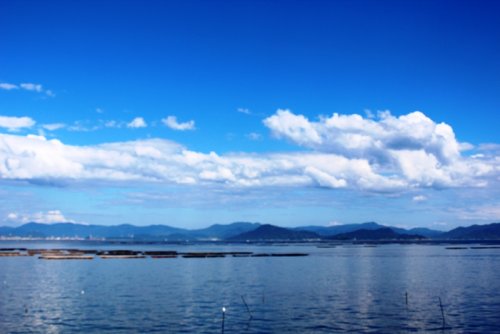
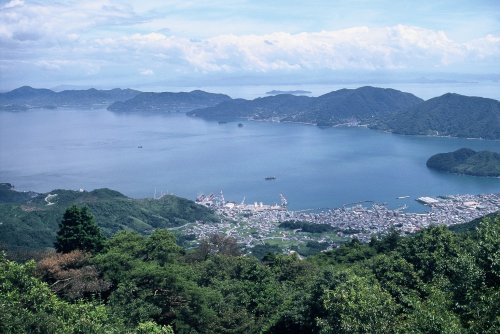
Climate is warm, and the sea is quiet and suitable for the test of the flying boat.
There are delicious food, such as an oyster, a fish of Setonaikai, and matsutake, and delicious sake(rice wine) of Saijo in Hiroshima.
The scene of Setonaikai is very beautiful.
The Jinseki beef in Hiroshima.
http://www4.ocn.ne.jp/~hiro-gyu/himitu.html
Although the design of the H5Y flying boat was carried out in the Yokosuka naval arsenal, many design staff was engaged in the design of a flying boat for a long time in the past in the Hiro naval arsenal.
The design staff returns to the Hiro naval arsenal again, and possibly designed H10H flying boat.
I think that Hiro is a far good place compared with Yokosuka.
Climate is warm, and the sea is quiet and suitable for the test of the flying boat.
There are delicious food, such as an oyster, a fish of Setonaikai, and matsutake, and delicious sake(rice wine) of Saijo in Hiroshima.
The scene of Setonaikai is very beautiful.
The Jinseki beef in Hiroshima.
http://www4.ocn.ne.jp/~hiro-gyu/himitu.html
Attachments
blackkite
Don't laugh, don't cry, don't even curse, but.....
- Joined
- 31 May 2007
- Messages
- 9,515
- Reaction score
- 9,661
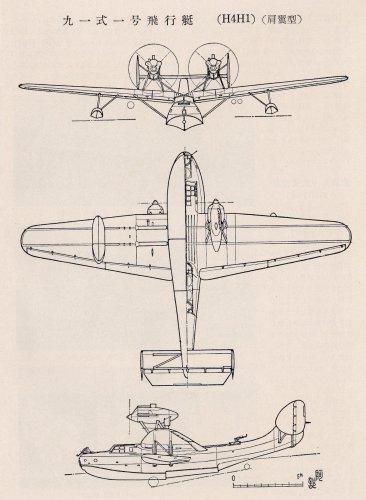
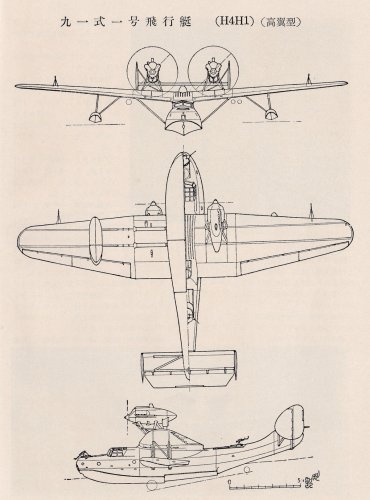
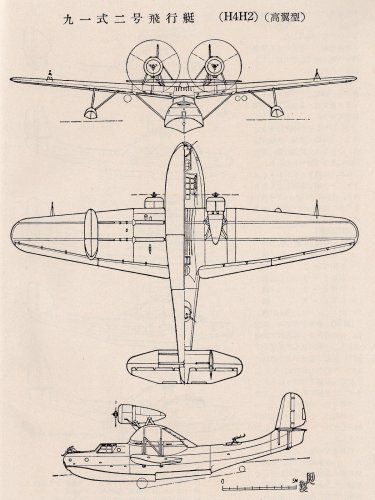
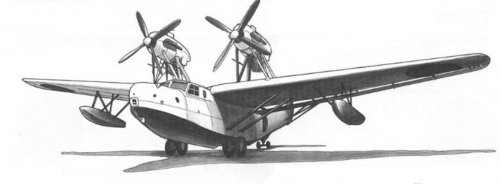
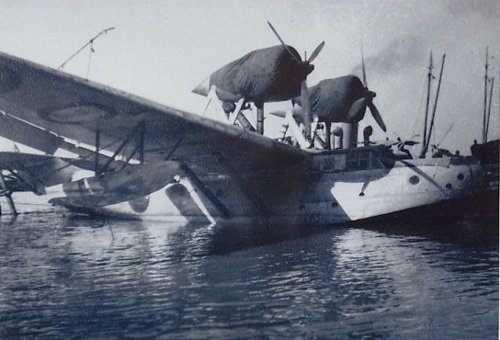
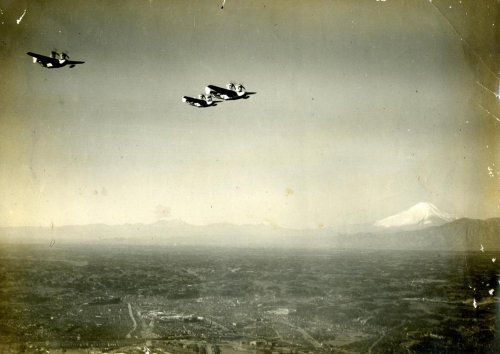
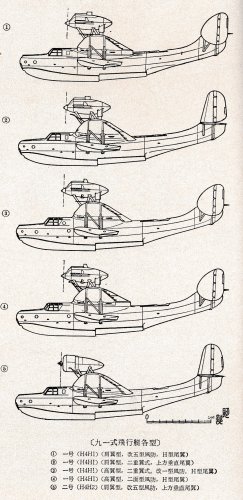
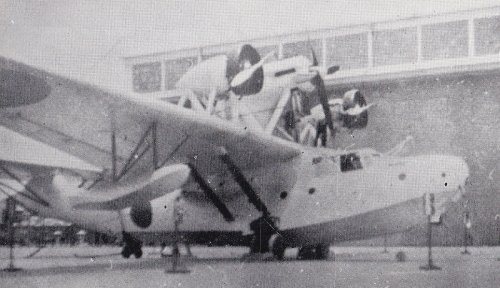
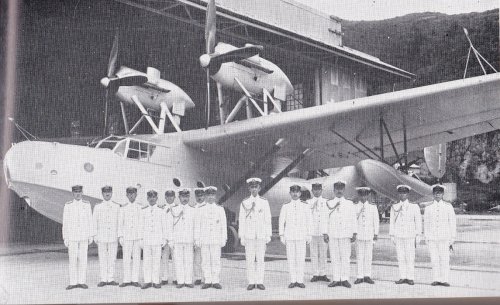
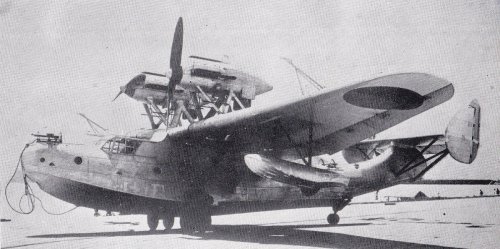
Hi H4H variation.
①H4H1, shoulder wing, modified type 5 wind shield, H shape tail stabilizer
②H4H1,shoulder wing, Junkers type double wing, high position vertical tail stabilizer
③H4H1, high wing, Junkers type double wing, modified type 1 wind shield, H shape tail stabilizer
④H4H1, high wing, Junkers type double wing, H shape tail stabilizer
⑤H4H2, shoulder wing, modified type 5 wind shield, high position vertical tail stabilizer
①H4H1, shoulder wing, modified type 5 wind shield, H shape tail stabilizer
②H4H1,shoulder wing, Junkers type double wing, high position vertical tail stabilizer
③H4H1, high wing, Junkers type double wing, modified type 1 wind shield, H shape tail stabilizer
④H4H1, high wing, Junkers type double wing, H shape tail stabilizer
⑤H4H2, shoulder wing, modified type 5 wind shield, high position vertical tail stabilizer
Attachments
blackkite
Don't laugh, don't cry, don't even curse, but.....
- Joined
- 31 May 2007
- Messages
- 9,515
- Reaction score
- 9,661
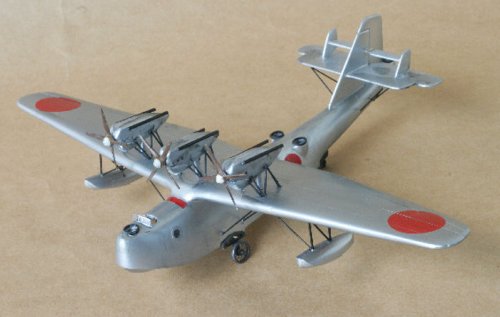
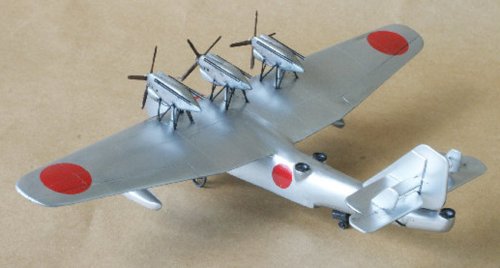
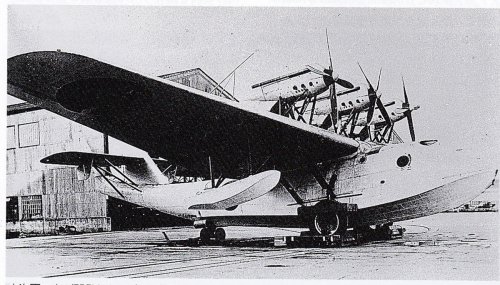
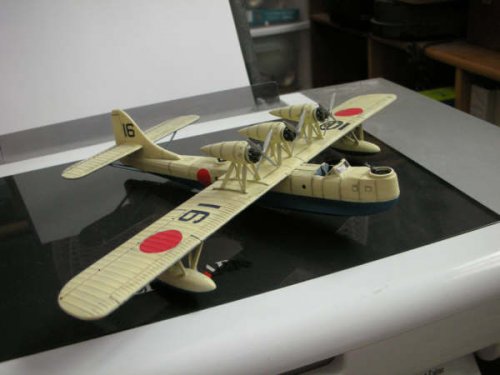
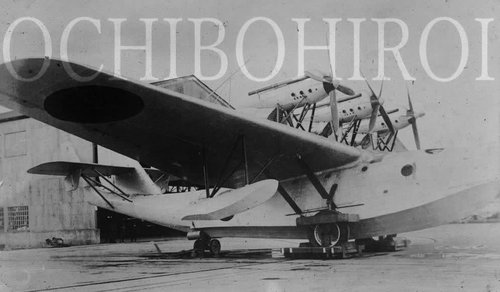
Hi! Hiro H3H1 model and picture.
Bottom one is another aircraft.
http://www9.plala.or.jp/airmodel144/p5.htm
http://www9.plala.or.jp/airmodel144/p2.htm
http://rekalnus.deviantart.com/art/Hiro-H3H-model-259941810
Bottom one is another aircraft.
http://www9.plala.or.jp/airmodel144/p5.htm
http://www9.plala.or.jp/airmodel144/p2.htm
http://rekalnus.deviantart.com/art/Hiro-H3H-model-259941810
Attachments
blackkite
Don't laugh, don't cry, don't even curse, but.....
- Joined
- 31 May 2007
- Messages
- 9,515
- Reaction score
- 9,661
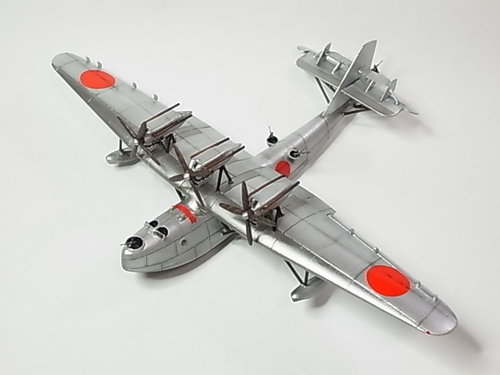
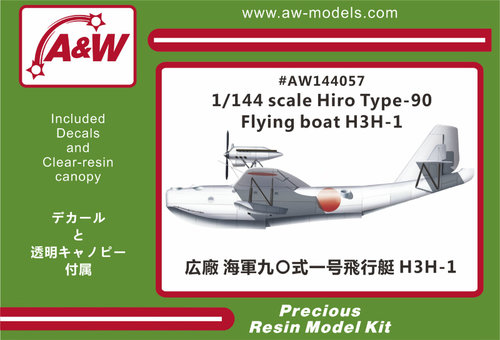
Hi! Hiro H3H1 model. (1/144 A&W,precious but small and very expemsive(6912yen))
https://blogs.yahoo.co.jp/yaskanba/folder/980918.html?m=lc&p=1
https://blogs.yahoo.co.jp/yaskanba/folder/980918.html?m=lc&p=1
Attachments
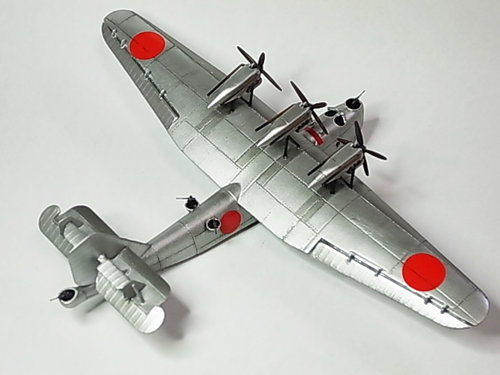
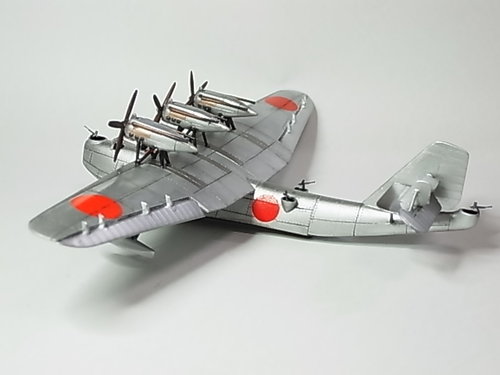
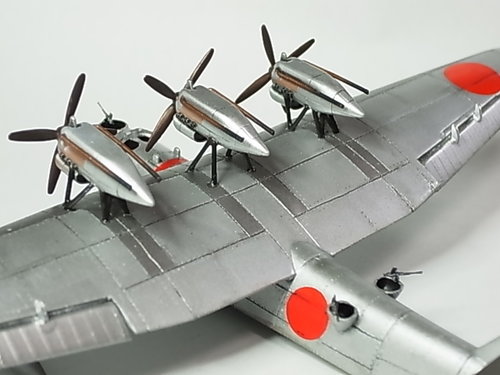
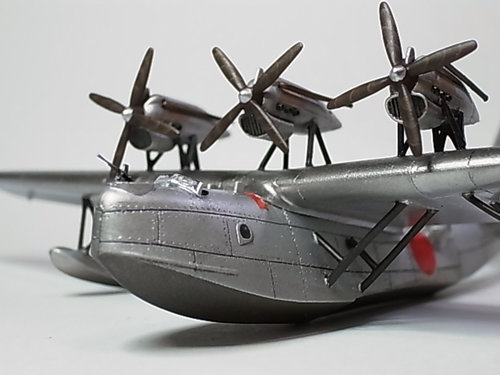
Last edited:
blackkite
Don't laugh, don't cry, don't even curse, but.....
- Joined
- 31 May 2007
- Messages
- 9,515
- Reaction score
- 9,661
Attachments

- Joined
- 11 March 2006
- Messages
- 8,538
- Reaction score
- 5,023
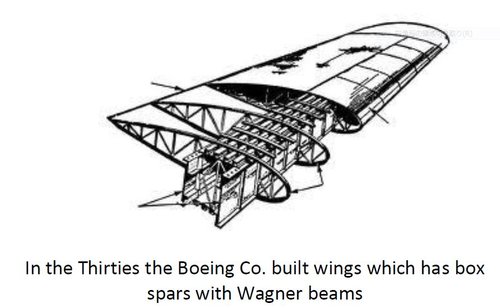
The H3H shows some similarities to the Rohrbach Ro X. For the H4H it is mentioned, that the Wagner/Rohrbach box spar construction
was used. Was there a dedicated co-operation between those two companies ?
was used. Was there a dedicated co-operation between those two companies ?
blackkite
Don't laugh, don't cry, don't even curse, but.....
- Joined
- 31 May 2007
- Messages
- 9,515
- Reaction score
- 9,661
Yes I confirm this by ENCYCLOPEDIA OF JAPANESE AIRCRAFT VOL.3 page 158.
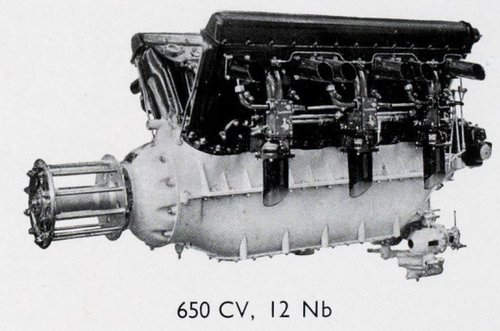
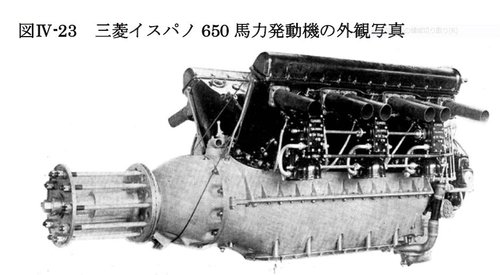
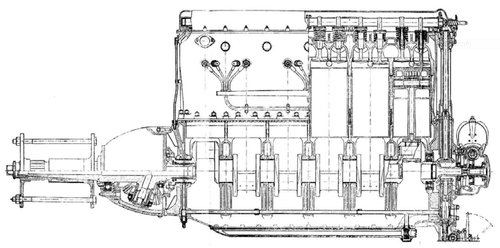
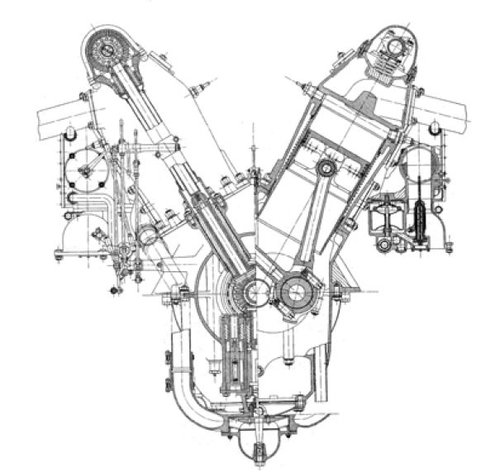
H3H1's engine was licensed and Mitsubishi modified Ispano Suiza 12Nb engine. Is this a non- supercharging engine?
You can see three airintake holes in each engine nacelle side.
Mitsubishi Hispano liquid cooling V12 650hp engine
Bore : 150mm, Stroke : 170mm, Displacement : 36L, Dry Weight : 570kg, Compression ratio : 6.2, Reduction ratio : 0.621, Take off power : 800hp/2300rpm
Nominal power : 650hp/2000rpm
Source : THE HISTORY OF MITSUBISHI AERO-ENGINES
H3H1's engine was licensed and Mitsubishi modified Ispano Suiza 12Nb engine. Is this a non- supercharging engine?
You can see three airintake holes in each engine nacelle side.
Mitsubishi Hispano liquid cooling V12 650hp engine
Bore : 150mm, Stroke : 170mm, Displacement : 36L, Dry Weight : 570kg, Compression ratio : 6.2, Reduction ratio : 0.621, Take off power : 800hp/2300rpm
Nominal power : 650hp/2000rpm
Source : THE HISTORY OF MITSUBISHI AERO-ENGINES
Attachments
Last edited:
blackkite
Don't laugh, don't cry, don't even curse, but.....
- Joined
- 31 May 2007
- Messages
- 9,515
- Reaction score
- 9,661
Hi!
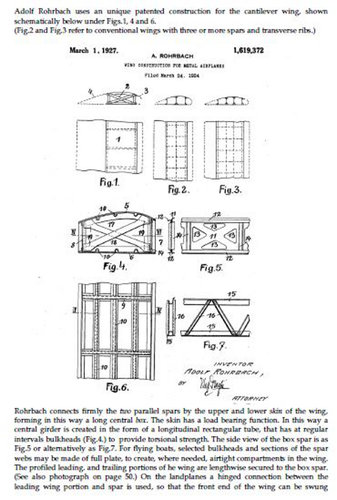
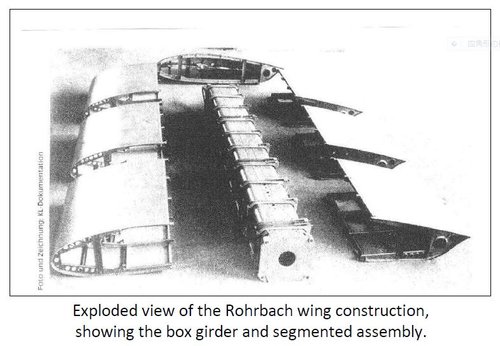
You can see the Wagner/Rohrbach box spar construction in this PDF.
https://ritstaalman.files.wordpress.com/2014/05/rohrbach-chronicles-5e-versiona4.pdf
You can see the Wagner/Rohrbach box spar construction in this PDF.
https://ritstaalman.files.wordpress.com/2014/05/rohrbach-chronicles-5e-versiona4.pdf
Attachments
blackkite
Don't laugh, don't cry, don't even curse, but.....
- Joined
- 31 May 2007
- Messages
- 9,515
- Reaction score
- 9,661
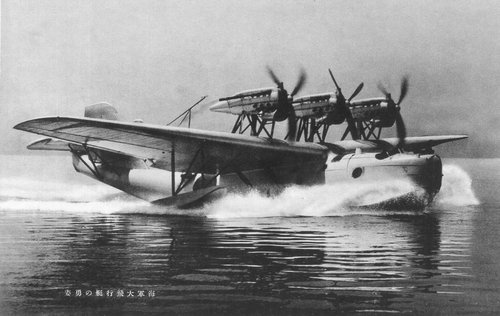
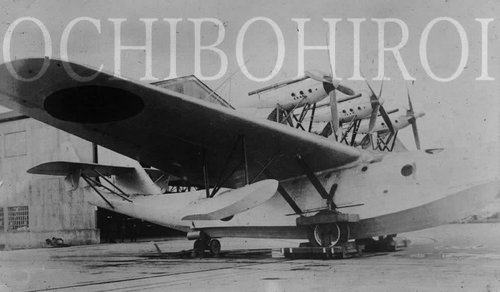
Hi! Hiro H3H1.
Source : "An Whole story of aviation technology (Vol 1)", 1953, (reprinted in 1976), Hara Shobo, etc
H3H1 flying boat
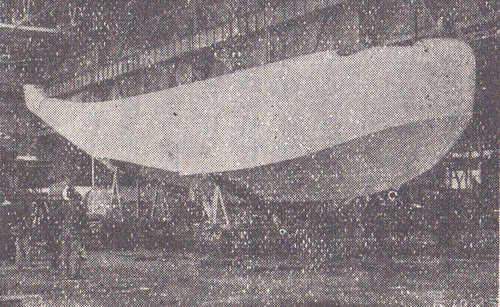
1. With extensive technical experience in flying boats, the Hiro Japanese Imperial Navy Arsenal began prototyping a ambitious all-metal large-scale mono plane flying boat with three engines in the spring of 1930.
2. The design of this flying boat was in charge of Lieutenant Colonel Wada and Major Jun Okamura.
3. In order to determine the fuselage shape of the flying boat, the first water tank test was carried out in Japan under Major General Hiraga Shipbuilding of the Technical Research Institute.
4. The wing was designed and manufactured using the experience of the Rollbach flying boat, with the results of careful lying tests conducted at the Japanese Imperial Navy Arsenal.
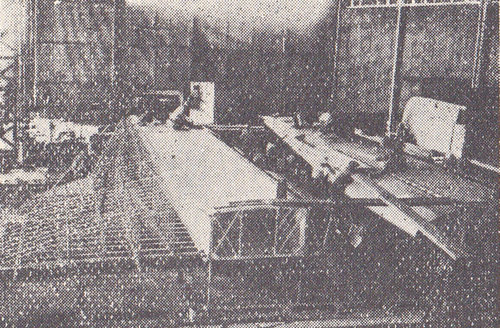
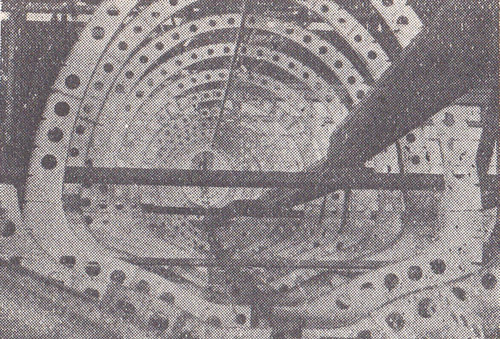
5. The structure of the main wing, adopted the Wagner beam box type structure of the tension field web, the wing type was much more efficient medium-thick wing type than Rollbach. The central wing part was able to reach the engine by man.
6. The fuselage followed the design of the Southampton flying boat, the Type 89 flying boat.
7. The flying boat was airlifted by the Yokosuka Air Corps in 1931, and Major Nakajima conducted a long-term test. In the test, it was found that it was easy to yaw due to lack of directional stability, and the original design with one vertical tail was redesigned to adding two auxiliary vertical tail stabilizers. In addition, there is also a problem in the maneuvering power of the elevator, it did not become a practical aircraft.
Source : "An Whole story of aviation technology (Vol 1)", 1953, (reprinted in 1976), Hara Shobo, etc
H3H1 flying boat
1. With extensive technical experience in flying boats, the Hiro Japanese Imperial Navy Arsenal began prototyping a ambitious all-metal large-scale mono plane flying boat with three engines in the spring of 1930.
2. The design of this flying boat was in charge of Lieutenant Colonel Wada and Major Jun Okamura.
3. In order to determine the fuselage shape of the flying boat, the first water tank test was carried out in Japan under Major General Hiraga Shipbuilding of the Technical Research Institute.
4. The wing was designed and manufactured using the experience of the Rollbach flying boat, with the results of careful lying tests conducted at the Japanese Imperial Navy Arsenal.
5. The structure of the main wing, adopted the Wagner beam box type structure of the tension field web, the wing type was much more efficient medium-thick wing type than Rollbach. The central wing part was able to reach the engine by man.
6. The fuselage followed the design of the Southampton flying boat, the Type 89 flying boat.
7. The flying boat was airlifted by the Yokosuka Air Corps in 1931, and Major Nakajima conducted a long-term test. In the test, it was found that it was easy to yaw due to lack of directional stability, and the original design with one vertical tail was redesigned to adding two auxiliary vertical tail stabilizers. In addition, there is also a problem in the maneuvering power of the elevator, it did not become a practical aircraft.
Attachments
Last edited:
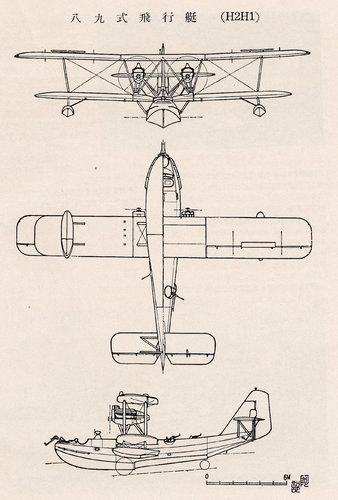
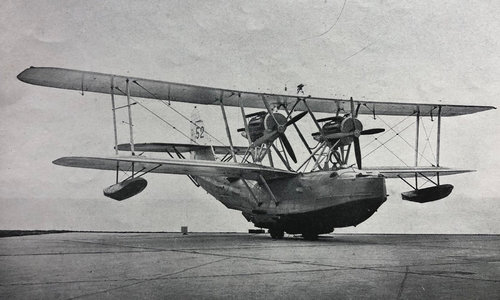
Hello everyone I saw here a photo of a side projection of the H2H1 flying boat . I just do it in 1/48, but there is a problem. I have a drawing of the hull , but no good drawings of the wings of this boat. Who can tell you if you can take the wings from H1H? Or maybe there is a good drawing H2H1? Thanks.
blackkite
Don't laugh, don't cry, don't even curse, but.....
- Joined
- 31 May 2007
- Messages
- 9,515
- Reaction score
- 9,661
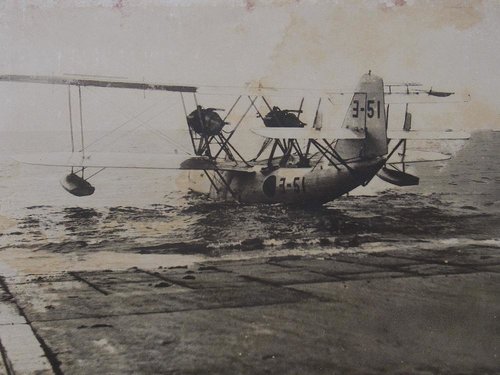
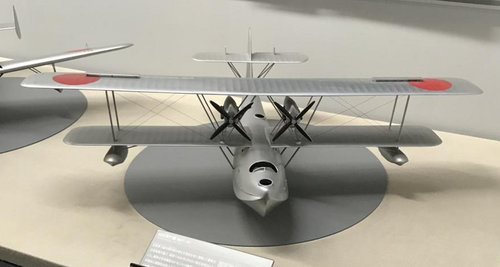
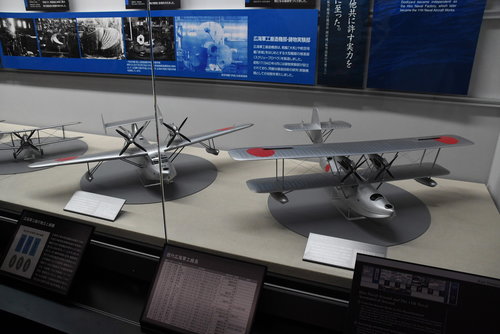
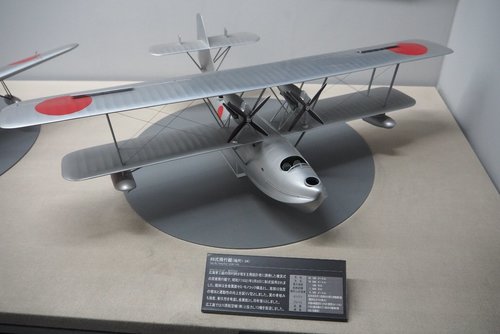
Hi! H2H1. Source : ENCYCLOPEDIA OF JAPANESE AIRCRAFT, VOL.3,KAWANISHI HIROSHO CONTENTS.
H2H1 early model data (Later model data)
Span : 22.14m(22.12m), Length : 16.286m(16.25m), Height : 6.13m(5.96m), Wing area : 120.5m2(120.5m2)
Empty weight : 4368kg(4370kg), Gross weight : 6500kg(6500kg)
Maximum speed : 103.5(196)kt/S.L , Ceiling : 4320m(4000m), Endurance : 14.5h(13h)
Engine : two Hiro type 14, 550hp(each), Liquid cooling W12(early model)
two Hiro type 90,600hp(each) (Later model)
Propeller : wooden 4 rigid blades, 3m dia
In 1929, when the Type 15 flying boat was adopted, the Hiro Navy Arsenal began developing all-metal flying boats. In addition to the experience of developing a type 15 flying boat, the experimental results of the Supermarine Southampton flying boat imported from the UK the previous year were used.
The aircraft was completed in 1930. There were some troubles such as the prototype No. 2 causing an aerial fire and crashing during the examination, but the examination went smoothly and was adopted as a type 89 flying boat in 1932.
Although the number of production aircraft of this flying boat is small, it has left a large mark on the modernization of the Japanese flying boat, such as the success as a main small flying boat in 1933 and the main small flying boat in the Japan Sea trans-aircraft flight and the Japan-China incident as a flying boat with the first all-metal fuselage of the Japanese Navy.
https://aucfree.com/items/o352500223#https://4travel.jp/travelogue/11236152http://blog.livedoor.jp/rxg07247/archives/1075835572.htmlhttps://minkara.carview.co.jp/userid/1157378/blog/40952855/
H2H1 early model data (Later model data)
Span : 22.14m(22.12m), Length : 16.286m(16.25m), Height : 6.13m(5.96m), Wing area : 120.5m2(120.5m2)
Empty weight : 4368kg(4370kg), Gross weight : 6500kg(6500kg)
Maximum speed : 103.5(196)kt/S.L , Ceiling : 4320m(4000m), Endurance : 14.5h(13h)
Engine : two Hiro type 14, 550hp(each), Liquid cooling W12(early model)
two Hiro type 90,600hp(each) (Later model)
Propeller : wooden 4 rigid blades, 3m dia
In 1929, when the Type 15 flying boat was adopted, the Hiro Navy Arsenal began developing all-metal flying boats. In addition to the experience of developing a type 15 flying boat, the experimental results of the Supermarine Southampton flying boat imported from the UK the previous year were used.
The aircraft was completed in 1930. There were some troubles such as the prototype No. 2 causing an aerial fire and crashing during the examination, but the examination went smoothly and was adopted as a type 89 flying boat in 1932.
Although the number of production aircraft of this flying boat is small, it has left a large mark on the modernization of the Japanese flying boat, such as the success as a main small flying boat in 1933 and the main small flying boat in the Japan Sea trans-aircraft flight and the Japan-China incident as a flying boat with the first all-metal fuselage of the Japanese Navy.
https://aucfree.com/items/o352500223#https://4travel.jp/travelogue/11236152http://blog.livedoor.jp/rxg07247/archives/1075835572.htmlhttps://minkara.carview.co.jp/userid/1157378/blog/40952855/
Attachments
Last edited:
blackkite
Don't laugh, don't cry, don't even curse, but.....
- Joined
- 31 May 2007
- Messages
- 9,515
- Reaction score
- 9,661
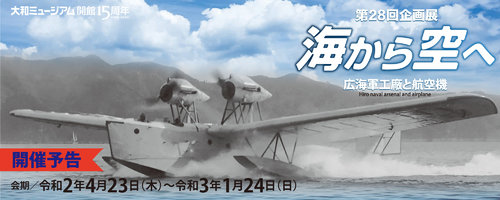
An exhibition of the Hiro Naval Arsenal was scheduled to be held at the Yamato Museum in Kure City, Hiroshima Prefecture, but it was canceled due to the spread of the new corona pneumonia.
https://www.news24.jp/archives/corona_map/index.html
I am very sorry because I was waiting to expect. Maybe a picture of the cockpit of the H2H flying boat was on display. I will look for pictures of the cockpit of an H2H flying boat, but don't expect too much.
https://yamato-museum.com/info/第28回企画展-海から空へ/
https://www.news24.jp/archives/corona_map/index.html
I am very sorry because I was waiting to expect. Maybe a picture of the cockpit of the H2H flying boat was on display. I will look for pictures of the cockpit of an H2H flying boat, but don't expect too much.
https://yamato-museum.com/info/第28回企画展-海から空へ/
Attachments
Last edited:
Do you happen to have such a book?
https://www.books-wasabi.com/phone/product/575
https://www.books-wasabi.com/phone/product/575
blackkite
Don't laugh, don't cry, don't even curse, but.....
- Joined
- 31 May 2007
- Messages
- 9,515
- Reaction score
- 9,661
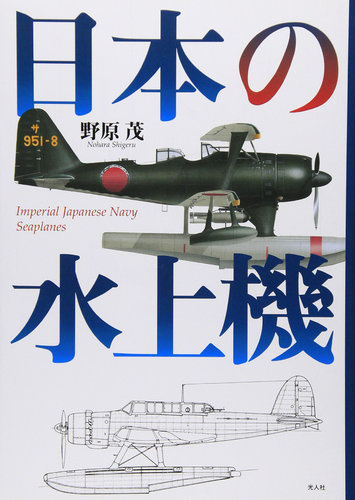
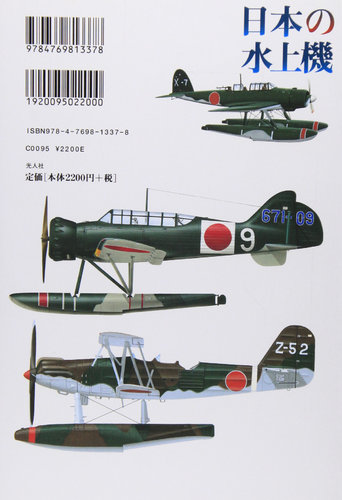
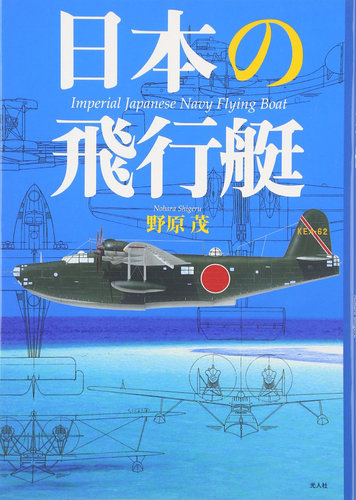
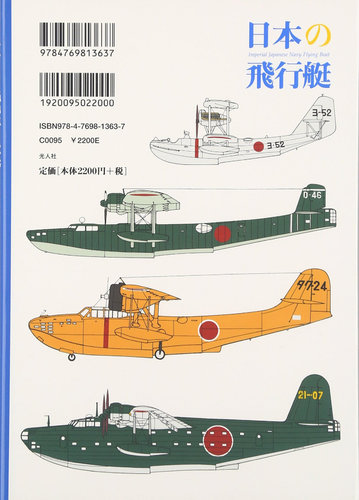
Good afternoon! I envy you...Yesterday, while searching for the cockpit of seaplanes in Japan, I came across this book. I saw detailed drawings there. Are there any drawings for H2 H1, in particular the cockpit? Location of the dashboard, steering wheel, and pedals. In short, controls. I hope I'm not distracting you too much. Thanks.
blackkite
Don't laugh, don't cry, don't even curse, but.....
- Joined
- 31 May 2007
- Messages
- 9,515
- Reaction score
- 9,661
It seems that these books are kept in another place. I can't get these books right now, but I'll find an opportunity to bring these books. Please give me some time. I hope that the spread of pneumonia caused by coronavirus will end soon. Then the exhibition of Yamato Museum will be held.
Last edited:
blackkite
Don't laugh, don't cry, don't even curse, but.....
- Joined
- 31 May 2007
- Messages
- 9,515
- Reaction score
- 9,661
It seems that the Type 89 flying boat H2H1 was designed based on the Supermarine Southampton.
Southampton's cockpit may be helpful. The compass is placed in the gimbal.
http://milk32plus.la.coocan.jp/RAF_MUSEUM_HENDON/SUPERMARINE_SOUTHAMPTON_MK.I/index.html
Southampton's cockpit may be helpful. The compass is placed in the gimbal.
http://milk32plus.la.coocan.jp/RAF_MUSEUM_HENDON/SUPERMARINE_SOUTHAMPTON_MK.I/index.html
Attachments
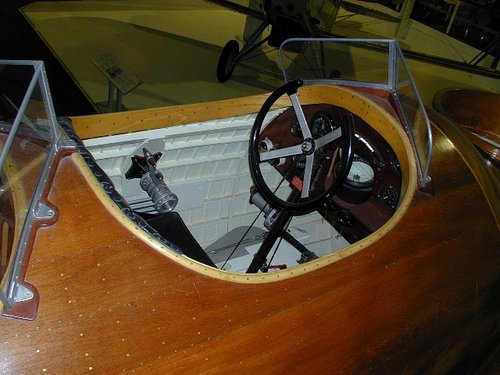

I have these photos. Yes, this is an analog of an English boat, the Englishman was all made of wood, and the h2h was already all-metal. So we can assume that the cockpit was a little different. That's why I'm so good at it…)
blackkite
Don't laugh, don't cry, don't even curse, but.....
- Joined
- 31 May 2007
- Messages
- 9,515
- Reaction score
- 9,661
This book has 450 pages. Very large. But not so interesting. This book has almost letters an tables. Drawings are too simple.Ah here is I modicum saw that from themselves represents H10... Blackkite I'm a little jealous of you...You have such data on Japanese aviation! Know-it-all…)
it is a pity that we do not have such books…((

blackkite
Don't laugh, don't cry, don't even curse, but.....
- Joined
- 31 May 2007
- Messages
- 9,515
- Reaction score
- 9,661
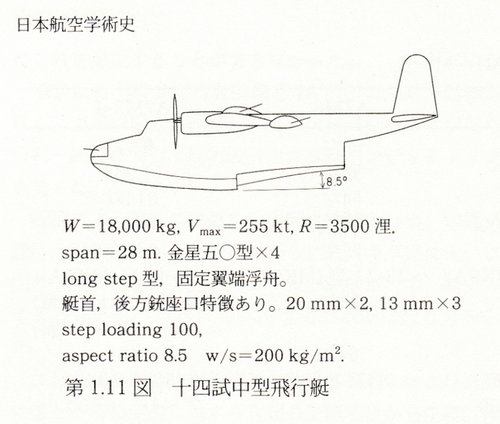
The 14-shi(experimental) middle size flying boat was planned by the Imperial Japanese Navy. The abbreviation is "H10H"
As a flying boat that complements large flying boats such as Type 2 flying boats that were considered to be unable to procure a sufficient number due to budget constraints, a medium-sized flying boat with performance equivalent to a large boat was sought, and in April 1939 Development started. The development was promoted under the leadership of Mr.Matsuura of the Hiro Arsenal but the basic plan is carried out by the personnel of the Navy Air Arsenal (Kugisho) with Mr. Otsuki as the chief engineer. The plan was delayed due to the response to the nacelle stall that occurred during the wind tunnel test, trouble between Hiro and Kugisho, and the shortage of design personnel. The main girder of the actual aircraft was completed in 1941.
In response to the fact that the budget augmentation to produce large flying boat carried out and the development of the 15-shi twin land bomber (later Ginga) began and it was necessary to concentrate personnel to Ginga. The H10H1 plan was canceled in August 1941.
The H10H1 had four engines, high wings, wing tip fixed floats and turrets at the nose and middle of the fuselage. Tail turret was avoided and new concept long step was applied to realize clean shape tail for high speed. The range was inferior to that of large boats, and is planned as an aircraft capable of exhibiting higher speeds than large boats.
The difference between existing long step and new concept long step was that new concept long steps use main step when planing. At the time of the discontinuation of development, there was a prospect of eliminating the nacelle stall.
Specifications (planned value)
• Total width: 28.0 m
• Weight: 18,000 kg
• Engine: Mitsubishi Kinsei 50 type air-cooled 14 cylinder (Take off power : 1,300 hp) x 4
• Maximum speed: 472 km / h (255 kt)
• Cruising range: 6,482 km (3,500 miles)
• Armaments : 20mm cannon x 2, 13mm machine gun x 3
As a flying boat that complements large flying boats such as Type 2 flying boats that were considered to be unable to procure a sufficient number due to budget constraints, a medium-sized flying boat with performance equivalent to a large boat was sought, and in April 1939 Development started. The development was promoted under the leadership of Mr.Matsuura of the Hiro Arsenal but the basic plan is carried out by the personnel of the Navy Air Arsenal (Kugisho) with Mr. Otsuki as the chief engineer. The plan was delayed due to the response to the nacelle stall that occurred during the wind tunnel test, trouble between Hiro and Kugisho, and the shortage of design personnel. The main girder of the actual aircraft was completed in 1941.
In response to the fact that the budget augmentation to produce large flying boat carried out and the development of the 15-shi twin land bomber (later Ginga) began and it was necessary to concentrate personnel to Ginga. The H10H1 plan was canceled in August 1941.
The H10H1 had four engines, high wings, wing tip fixed floats and turrets at the nose and middle of the fuselage. Tail turret was avoided and new concept long step was applied to realize clean shape tail for high speed. The range was inferior to that of large boats, and is planned as an aircraft capable of exhibiting higher speeds than large boats.
The difference between existing long step and new concept long step was that new concept long steps use main step when planing. At the time of the discontinuation of development, there was a prospect of eliminating the nacelle stall.
Specifications (planned value)
• Total width: 28.0 m
• Weight: 18,000 kg
• Engine: Mitsubishi Kinsei 50 type air-cooled 14 cylinder (Take off power : 1,300 hp) x 4
• Maximum speed: 472 km / h (255 kt)
• Cruising range: 6,482 km (3,500 miles)
• Armaments : 20mm cannon x 2, 13mm machine gun x 3
Dear blackkite. you're wrong. I have looked at these books several times. The most important thing is detailing the main components of the aircraft. I now have such problems as how to arrange a seat for pilots. Whether there was an opening for passage between the pilots and the shooters. What were the racks and their connection points to the wing and fuselage. Engine attachment points...and a lot of other useful things for people who make planes from scratch.
Similar threads
-
 Hiro Type 95 Land-based Medium Attack, Twin Engine (G2H1)
- Started by Stargazer
- Replies: 3
-
 Yokosuka 12-Shi Special Flying Boat (H7Y)
- Started by windswords
- Replies: 67
-
Yokosuka (Yokosho/Yosho, Kugisho/Kusho) related topics on this forum
- Started by Stargazer
- Replies: 0
-
-
 Kawanishi 9-Shi Night Recce Seaplane > Type 94 Transport Seaplane (E10K)
- Started by blackkite
- Replies: 3