Elan Vital
ACCESS: Secret
- Joined
- 6 September 2019
- Messages
- 391
- Reaction score
- 1,107
Hi everyone,
I noticed that no thread seemingly existed on French artillery projects. I am thus creating this one so that we can eventually gather everything we know.
I will start with some of the projects I identified in my archive research on interwar-1940 work, for now >155 mm calibers as for 155 and below, the number of official projects and private ventures gets really high:
Railway artillery projects:
Many of these projects came from the program of August 24th, 1927. They are discussed in the summaries of French artillery projects from January 1st, 1934 to July 1939, linked here:
https://drive.google.com/drive/u/1/folders/1rFcNwjQAXYVnnvoovAWnXNpXcspLSGX9
The general trend is the modification of existing types of heavy railway artillery (ALVF in French) towards greater ranges, whether with new ammo only or through retubing to smaller calibers.
240 mm Schneider Mle 1929 (Japan type):
This was the result of a study done by the artillery design bureau of the FAMH (Saint-Chamond) company, which was taken over by Schneider in 1924, on the request of the ALVF Committee. Development started in November 1918. This was a new carriage, more modern than the previous Mle 1918, which was tested at Saint-Pierre-Quiberon in 1927. Schneider quickly developped the Mle 1929 from it, and sold it to Japan as the Type 90 railway gun. The 240mm L51 barrel had a range of 59 km.
In the 1930s, France wanted to acquire one or two of these guns, with more modern ammunition and some modifications to the barrel.
370/400 mm calibers:
New ammunition was developped and tested in December 1933 to extend the range of these howitzers to 20 km. The 370 mm used a new, lighter 396 kg round which went a little beyond 20 km, the 400mm would be extrapolated from it.
305 mm caliber:
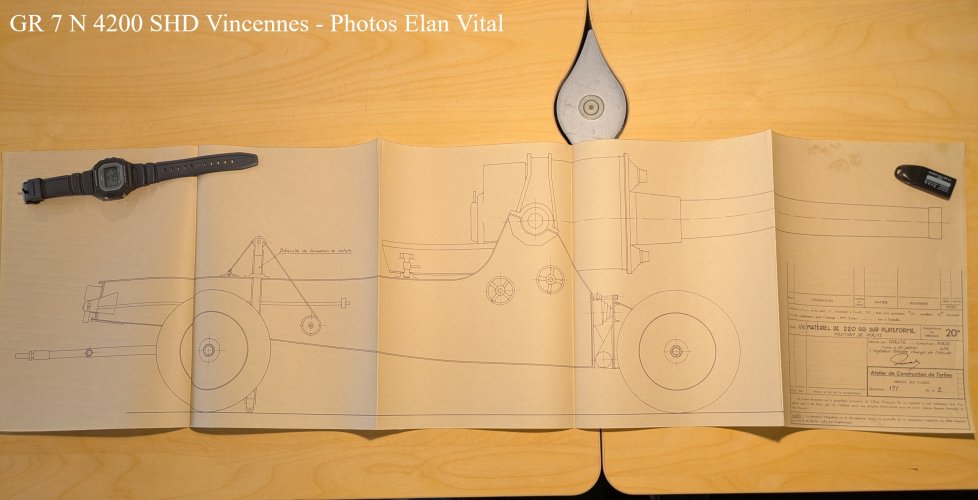
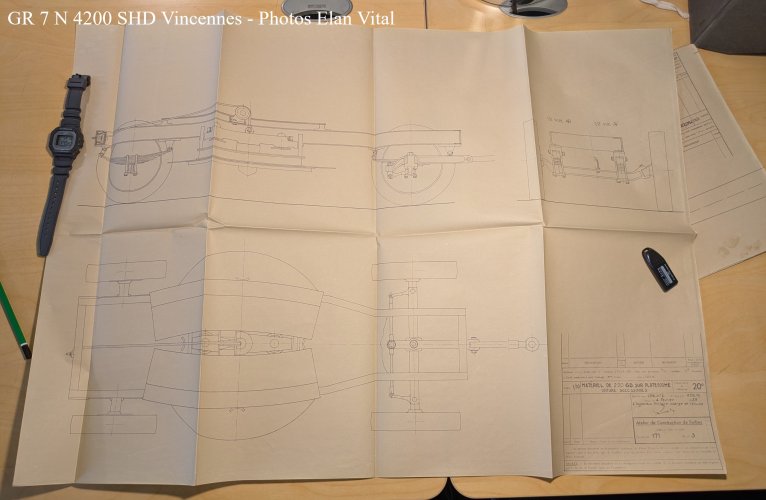
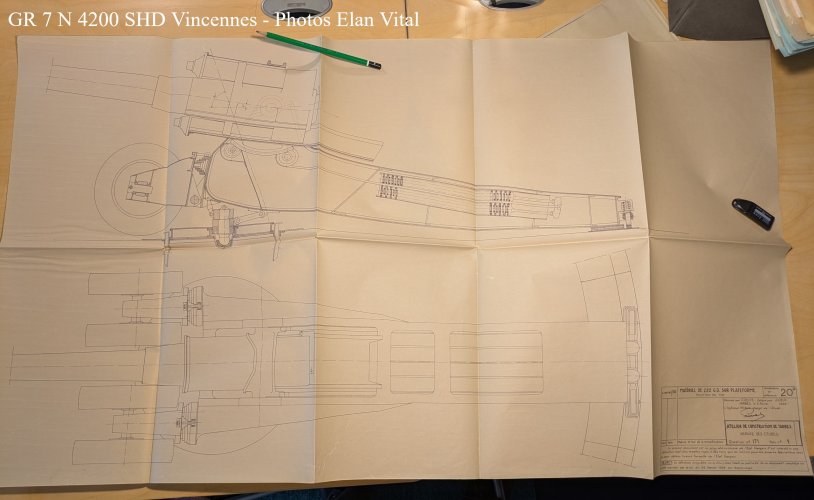
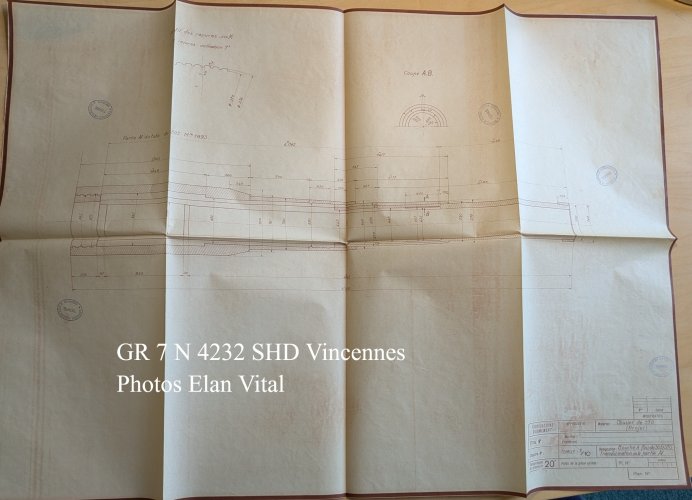
This involved the 305 mm Mle.1906-1910. The goal was to increase max range from 31 km to 58 km (retubed in 270 mm caliber) or 70 km (retubed in 224 mm). 270 mm was abandonned. Later on, when the Marine Department ceded 12 Skoda 305 mm guns to the War Department, it was decided to keep the Mle 1906-10 as they were (due to the fact they were new and not worn) and to instead retube the Skoda guns to 224 mm L80. The Skoda guns would be fitted on carriages that previously carried unusable (240/155) or worn (305 Mle 1893-96) guns.
Schneider studied the matter and showed that a modern solution could be found, using the same oscillating mount principle as the 150-caliber 240 mm TLP (Very Long Range) gun. The Tarbes workshops (ATS) studied a transformation of the Skoda gun with a screw breech instead of a sliding breech. In 1930, Schneider left due to disagreements in the contract, and Tarbes took over in 1931.
By 1935, it appears that the 224 mm caliber was changed again to 220 mm.
Suspended by 1936.
340 mm Mle 1912 with sliding mount:
The project aimed at increasing the range of this gun to as close to 40 km as possible. In the end a new projectile FATO-31-4° was designed and achieved 37 km.
340 mm Mle 1912 with cradle mount:
Ditto, but the new round was FATO-32-6°
240 mm Mle 1893-96 M (Colonial), 240 mm Mle 1884 (Batignolles) and 240 mm Mle 1876 (on Mle 1916 mount):
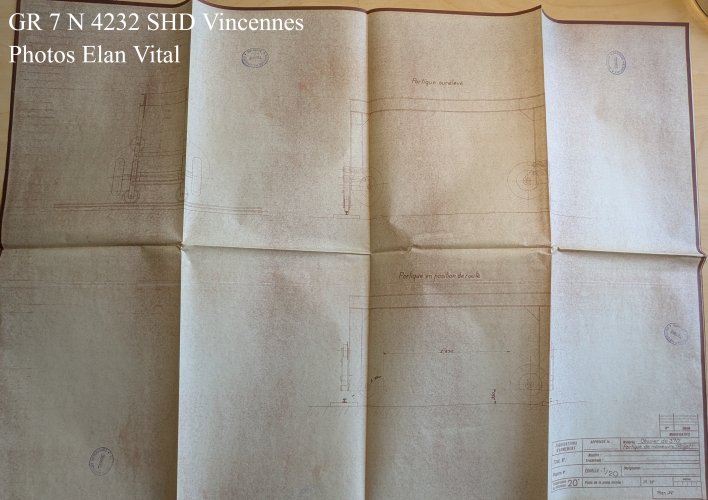
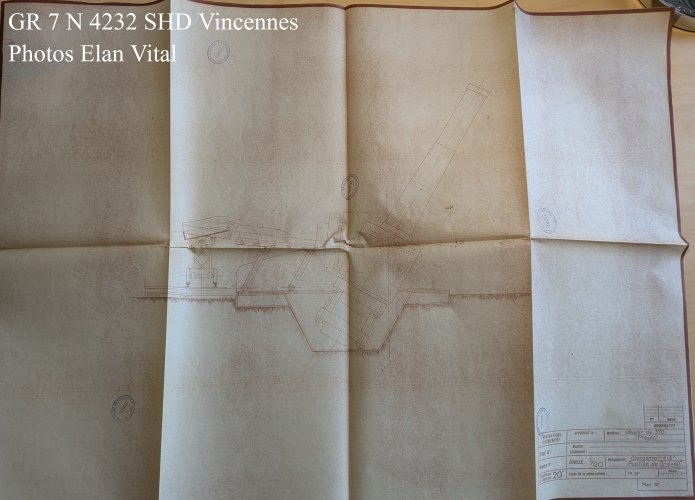
The target was 30 km (35 km for Colonial type) instead of respectively 18, 15 and 13 km. The project was led by the Tarbes workshops and involved new ammo and a retubing to 194 mm caliber. They also designed a platform and a quick loading system to allow its use in the Fortified Regions (e.g Maginot line and other fortifications). One prototype of each of the last models was to be delivered in 1934, the first model had already been designed on paper in 1926.
194 mm Mle 1878 on Mle 1916 mount:
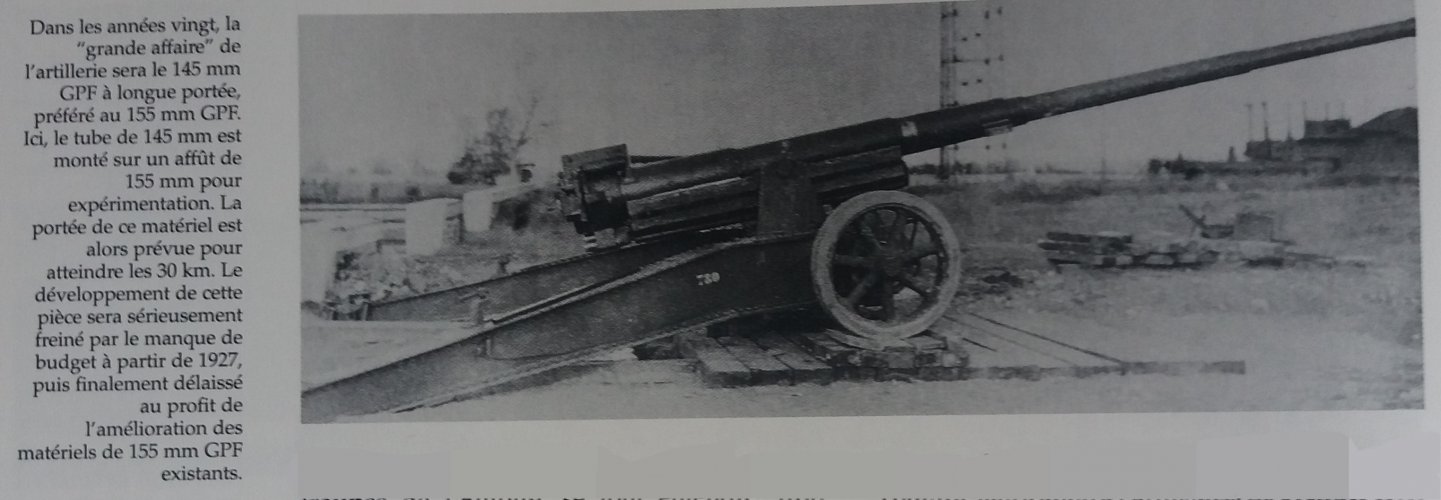
This was to be retubed in 145 mm caliber with the same interior dimensions as the new 145 mm tube in development by the ATS to replace the 155 mm GPF. Range increased from 13 to 25 km. Suspended by January 1st, 1935.
305 mm Mle 1906 on Mle 1884 mount:
This transformation was suggested in December 1937, and would involve 2 to 4 guns.
Additionally, a request was made in March 1937 for a new towing railcar to bring railway guns up 9% slopes.
As of 1939, the modified 240 mm Mle 1929 and 240 mm --> 194 mm projects were still ongoing, with a prototype of retubed 240 mm Mle 93-96 not expected until the 2nd semester of 1940. So odds are that these projects were either cancelled after the outbreak of WW2, or were not yet complete when France fell in June 1940.
I noticed that no thread seemingly existed on French artillery projects. I am thus creating this one so that we can eventually gather everything we know.
I will start with some of the projects I identified in my archive research on interwar-1940 work, for now >155 mm calibers as for 155 and below, the number of official projects and private ventures gets really high:
Railway artillery projects:
Many of these projects came from the program of August 24th, 1927. They are discussed in the summaries of French artillery projects from January 1st, 1934 to July 1939, linked here:
https://drive.google.com/drive/u/1/folders/1rFcNwjQAXYVnnvoovAWnXNpXcspLSGX9
The general trend is the modification of existing types of heavy railway artillery (ALVF in French) towards greater ranges, whether with new ammo only or through retubing to smaller calibers.
240 mm Schneider Mle 1929 (Japan type):
This was the result of a study done by the artillery design bureau of the FAMH (Saint-Chamond) company, which was taken over by Schneider in 1924, on the request of the ALVF Committee. Development started in November 1918. This was a new carriage, more modern than the previous Mle 1918, which was tested at Saint-Pierre-Quiberon in 1927. Schneider quickly developped the Mle 1929 from it, and sold it to Japan as the Type 90 railway gun. The 240mm L51 barrel had a range of 59 km.
In the 1930s, France wanted to acquire one or two of these guns, with more modern ammunition and some modifications to the barrel.
370/400 mm calibers:
New ammunition was developped and tested in December 1933 to extend the range of these howitzers to 20 km. The 370 mm used a new, lighter 396 kg round which went a little beyond 20 km, the 400mm would be extrapolated from it.
305 mm caliber:
This involved the 305 mm Mle.1906-1910. The goal was to increase max range from 31 km to 58 km (retubed in 270 mm caliber) or 70 km (retubed in 224 mm). 270 mm was abandonned. Later on, when the Marine Department ceded 12 Skoda 305 mm guns to the War Department, it was decided to keep the Mle 1906-10 as they were (due to the fact they were new and not worn) and to instead retube the Skoda guns to 224 mm L80. The Skoda guns would be fitted on carriages that previously carried unusable (240/155) or worn (305 Mle 1893-96) guns.
Schneider studied the matter and showed that a modern solution could be found, using the same oscillating mount principle as the 150-caliber 240 mm TLP (Very Long Range) gun. The Tarbes workshops (ATS) studied a transformation of the Skoda gun with a screw breech instead of a sliding breech. In 1930, Schneider left due to disagreements in the contract, and Tarbes took over in 1931.
By 1935, it appears that the 224 mm caliber was changed again to 220 mm.
Suspended by 1936.
340 mm Mle 1912 with sliding mount:
The project aimed at increasing the range of this gun to as close to 40 km as possible. In the end a new projectile FATO-31-4° was designed and achieved 37 km.
340 mm Mle 1912 with cradle mount:
Ditto, but the new round was FATO-32-6°
240 mm Mle 1893-96 M (Colonial), 240 mm Mle 1884 (Batignolles) and 240 mm Mle 1876 (on Mle 1916 mount):
The target was 30 km (35 km for Colonial type) instead of respectively 18, 15 and 13 km. The project was led by the Tarbes workshops and involved new ammo and a retubing to 194 mm caliber. They also designed a platform and a quick loading system to allow its use in the Fortified Regions (e.g Maginot line and other fortifications). One prototype of each of the last models was to be delivered in 1934, the first model had already been designed on paper in 1926.
194 mm Mle 1878 on Mle 1916 mount:
This was to be retubed in 145 mm caliber with the same interior dimensions as the new 145 mm tube in development by the ATS to replace the 155 mm GPF. Range increased from 13 to 25 km. Suspended by January 1st, 1935.
305 mm Mle 1906 on Mle 1884 mount:
This transformation was suggested in December 1937, and would involve 2 to 4 guns.
Additionally, a request was made in March 1937 for a new towing railcar to bring railway guns up 9% slopes.
As of 1939, the modified 240 mm Mle 1929 and 240 mm --> 194 mm projects were still ongoing, with a prototype of retubed 240 mm Mle 93-96 not expected until the 2nd semester of 1940. So odds are that these projects were either cancelled after the outbreak of WW2, or were not yet complete when France fell in June 1940.