
You are using an out of date browser. It may not display this or other websites correctly.
You should upgrade or use an alternative browser.
You should upgrade or use an alternative browser.
[Fantasy] Future Technology Conceptual Art
- Thread starter Antonio
- Start date

Low IQ Techie
Low IQ, mid-aged, IT Engineer, Military enthusiast
- Joined
- 4 December 2022
- Messages
- 293
- Reaction score
- 630
Where can we ask CAD queries related to various S/w like Blender, etc?

SuperShark
ACCESS: Confidential
- Joined
- 28 July 2019
- Messages
- 109
- Reaction score
- 157
You'd be better off finding a Blender wizard on here and direct messaging themWhere can we ask CAD queries related to various S/w like Blender, etc?
Low IQ Techie
Low IQ, mid-aged, IT Engineer, Military enthusiast
- Joined
- 4 December 2022
- Messages
- 293
- Reaction score
- 630
Hmmm, there're many CAD users here. I think they work on Fusion 360, Solidworks, Kompas 3D, etc.You'd be better off finding a Blender wizard on here and direct messaging them

- Joined
- 18 October 2006
- Messages
- 4,776
- Reaction score
- 6,837
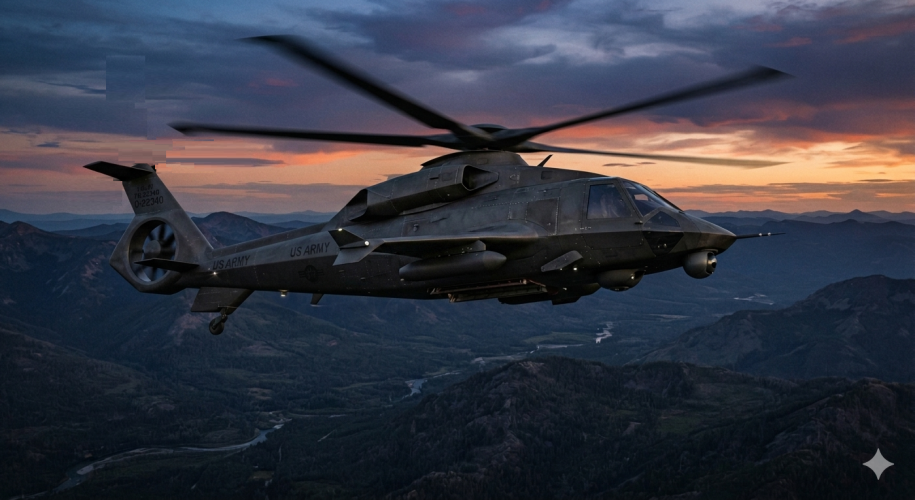
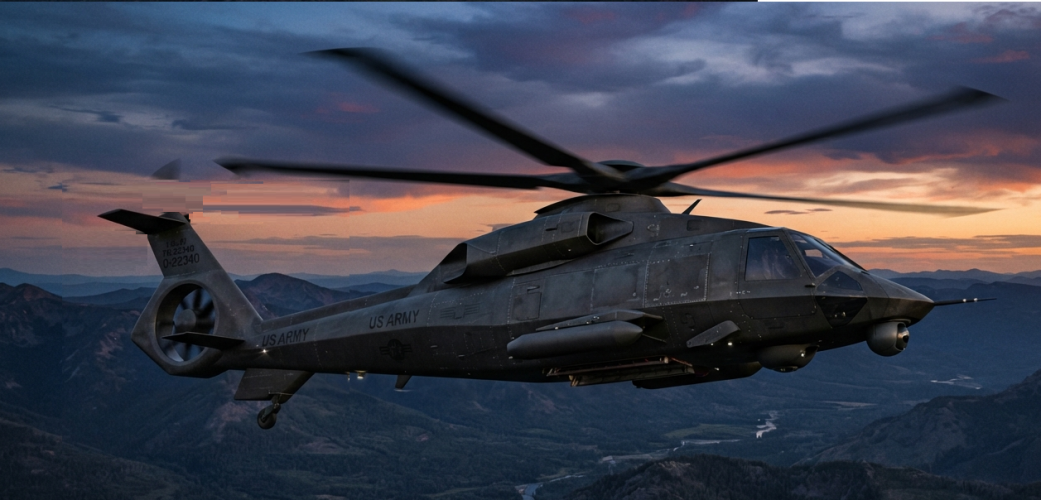
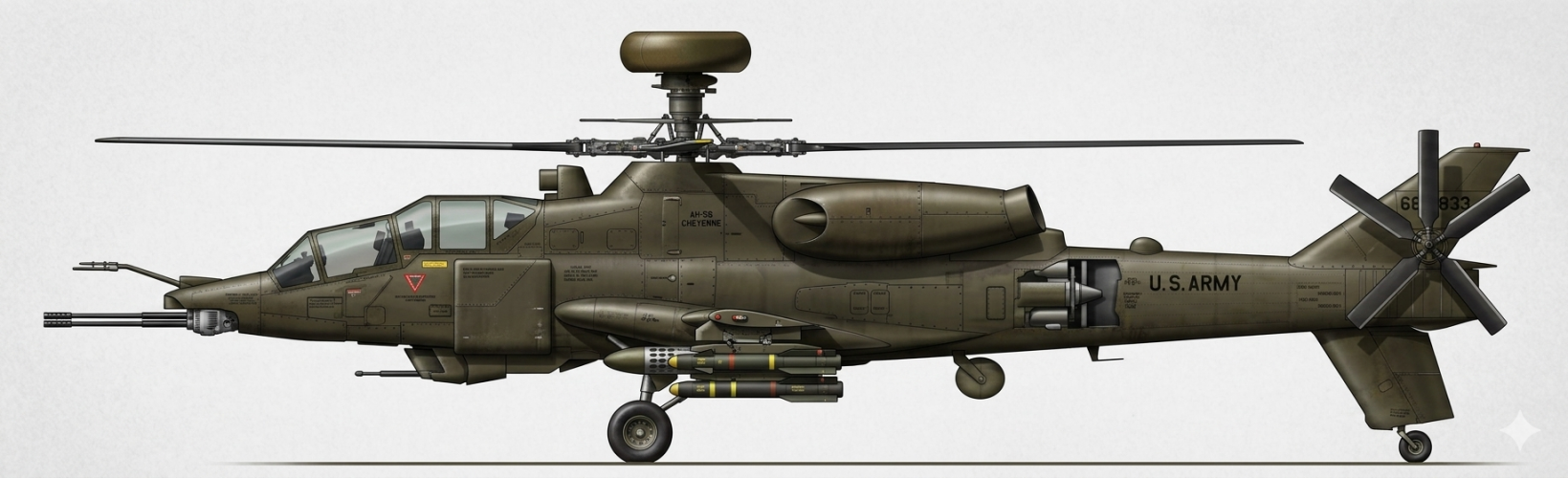
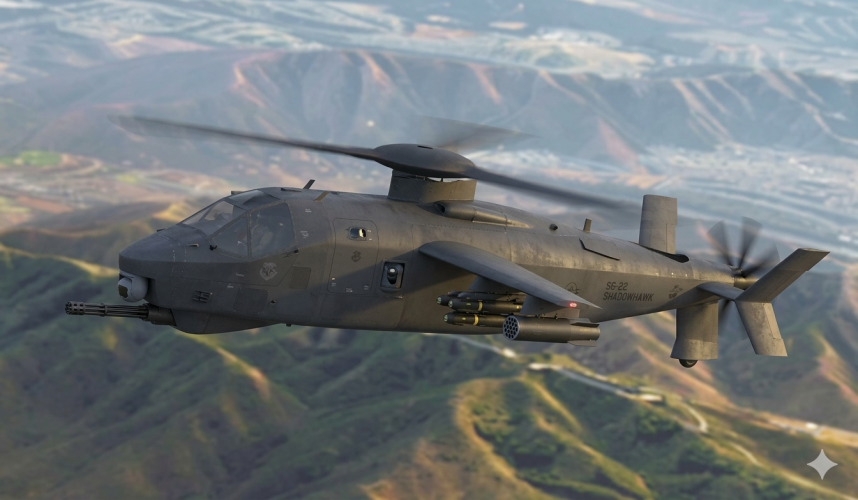
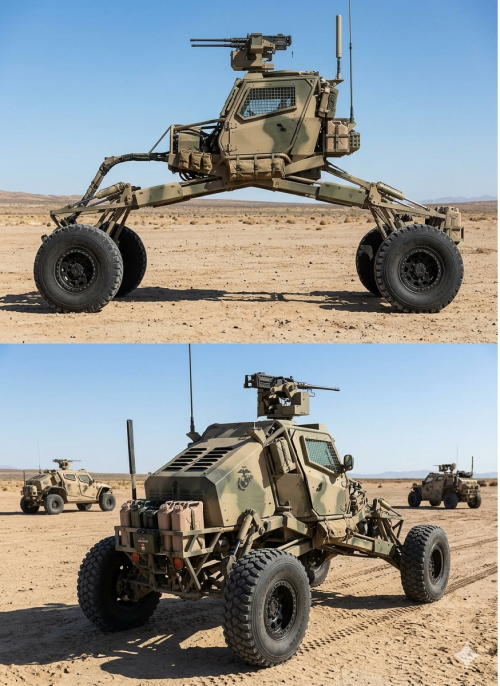
Huh! Guess with all the money spent on the sensors and weapons they could not afford common tires... Rear engines are going to have a hell of a heat issue i think.

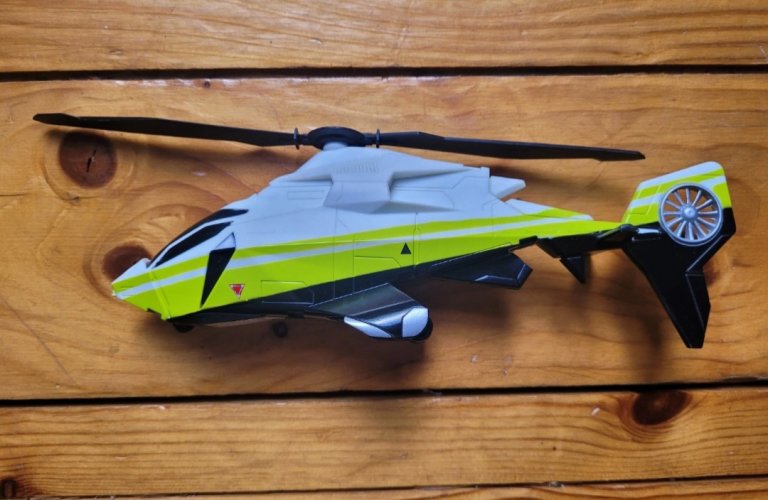
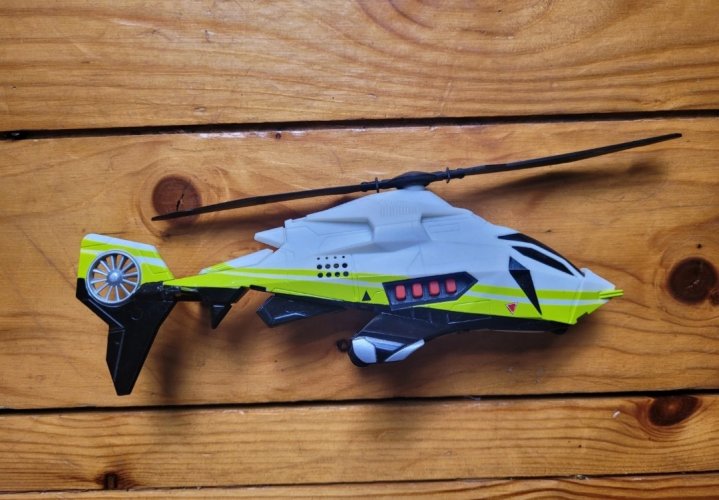
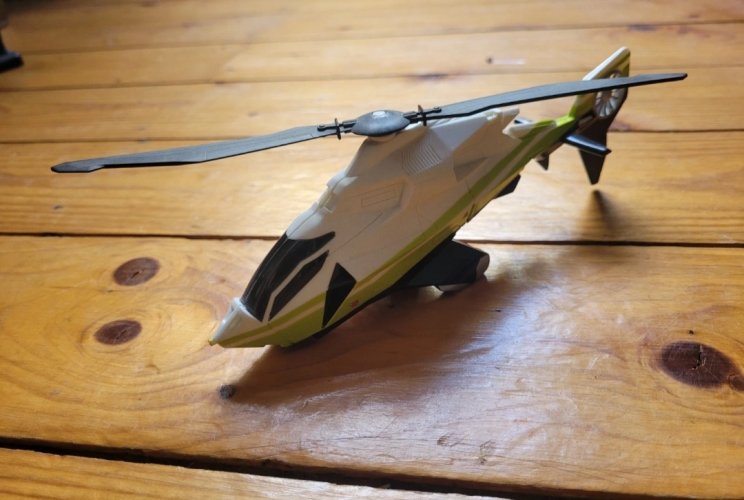
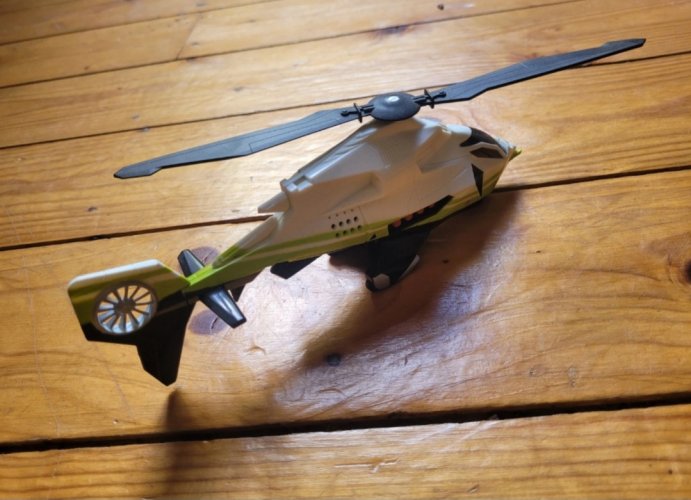
Wasnt sure if suitable for this thread ? Majorette 'future helicopter' toy
Attachments
Last edited:
jsport
what do you know about surfing Major? you're from-
- Joined
- 27 July 2011
- Messages
- 8,597
- Reaction score
- 6,904
jsport
what do you know about surfing Major? you're from-
- Joined
- 27 July 2011
- Messages
- 8,597
- Reaction score
- 6,904
jsport
what do you know about surfing Major? you're from-
- Joined
- 27 July 2011
- Messages
- 8,597
- Reaction score
- 6,904


jsport
what do you know about surfing Major? you're from-
- Joined
- 27 July 2011
- Messages
- 8,597
- Reaction score
- 6,904
jsport
what do you know about surfing Major? you're from-
- Joined
- 27 July 2011
- Messages
- 8,597
- Reaction score
- 6,904
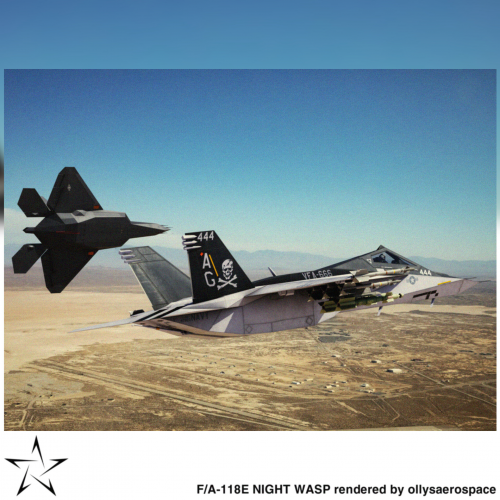
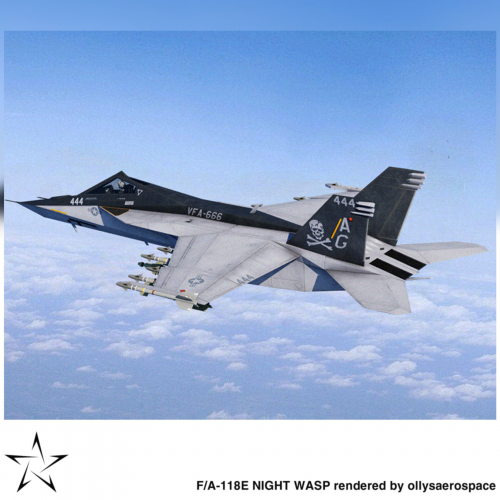
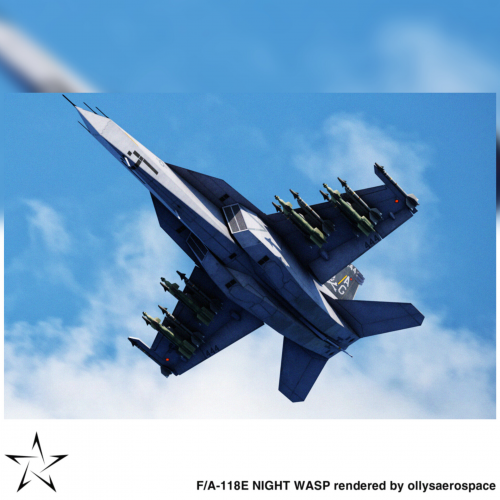
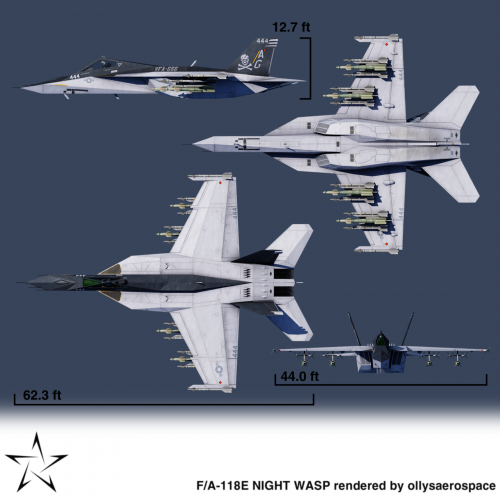
spikedpsycho
ACCESS: Secret
- Joined
- 14 March 2026
- Messages
- 336
- Reaction score
- 471
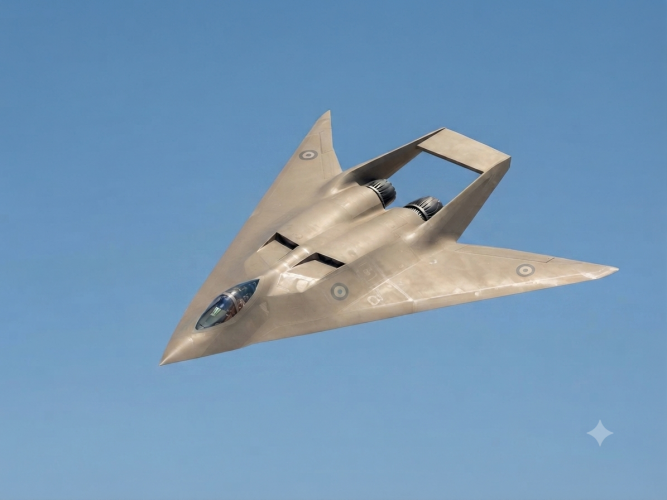
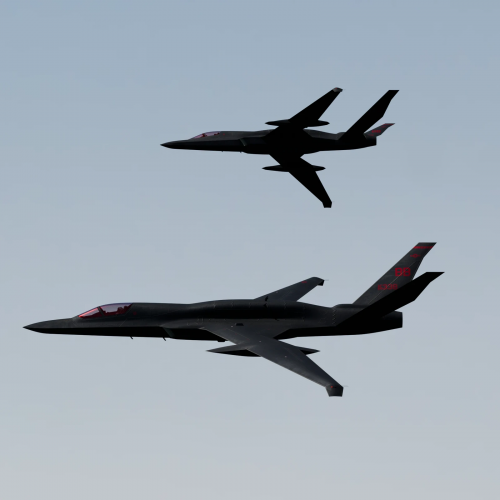
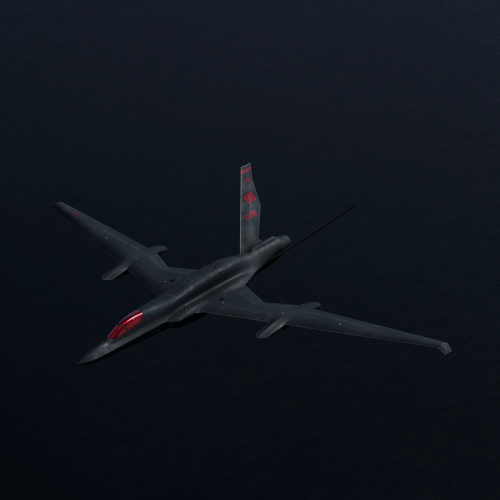
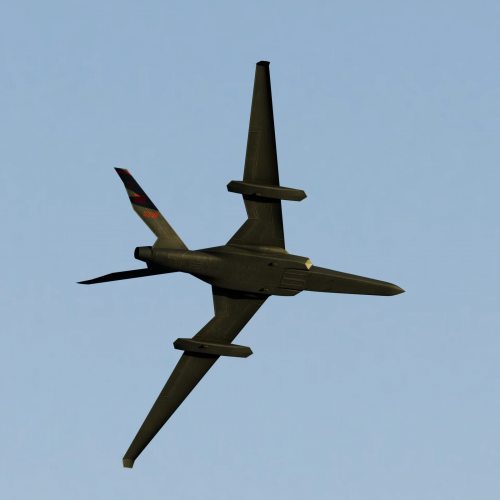
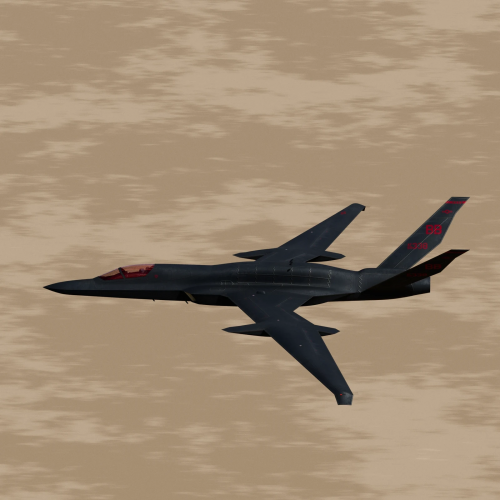
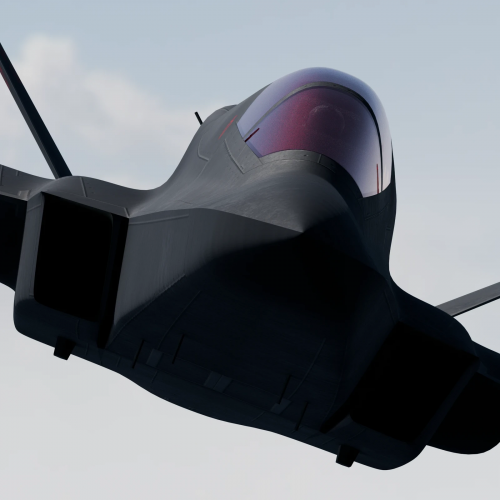
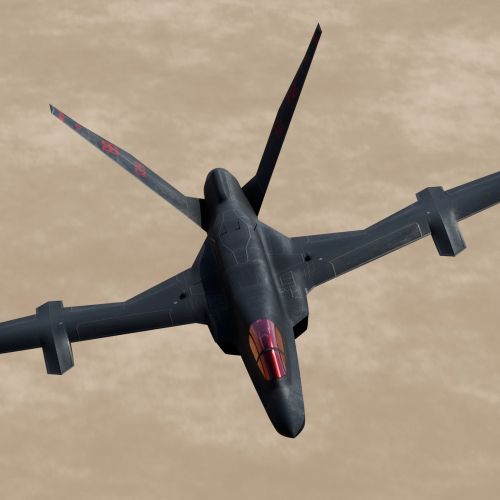
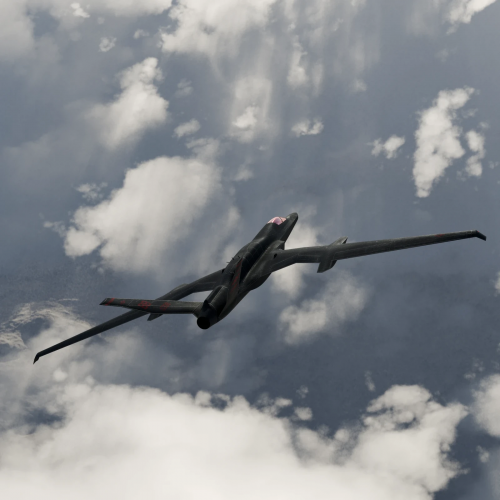
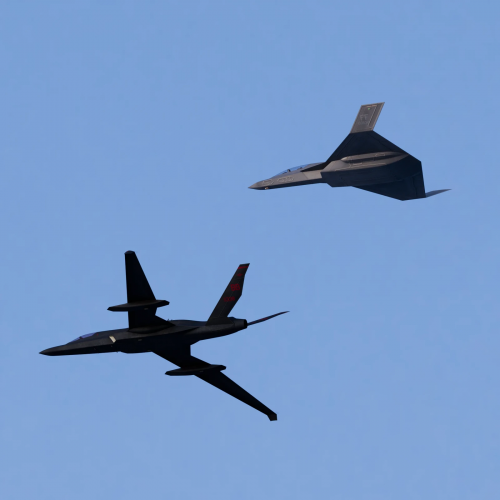
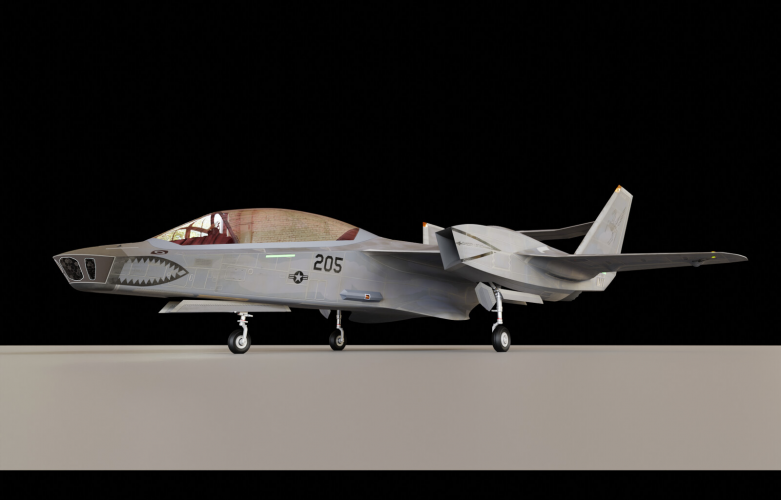
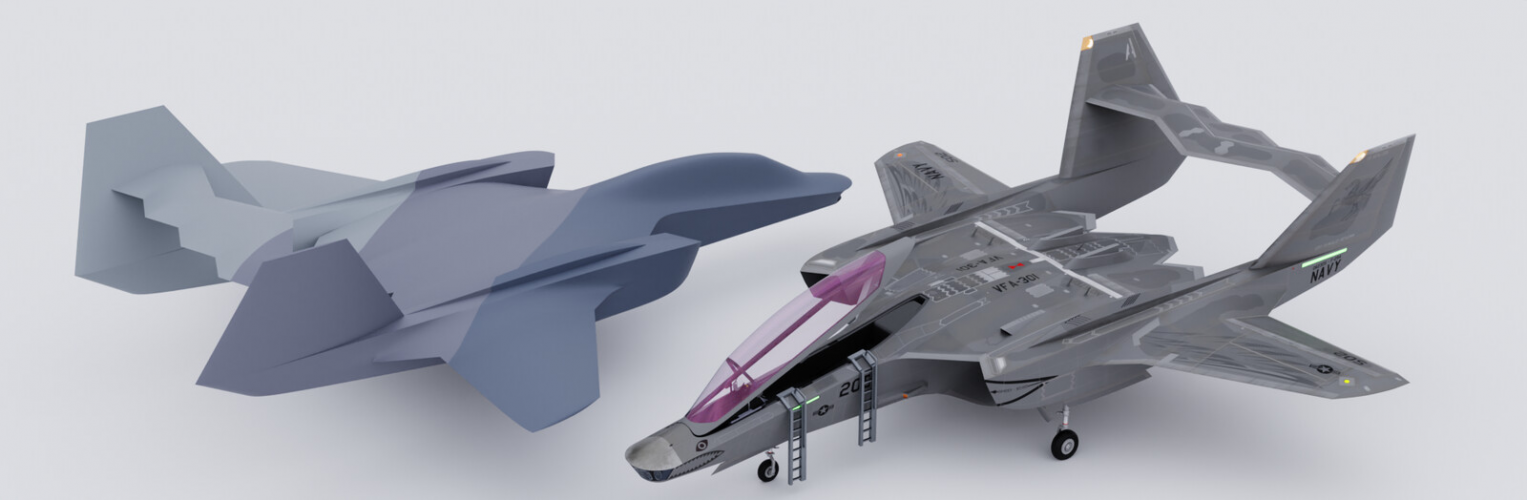
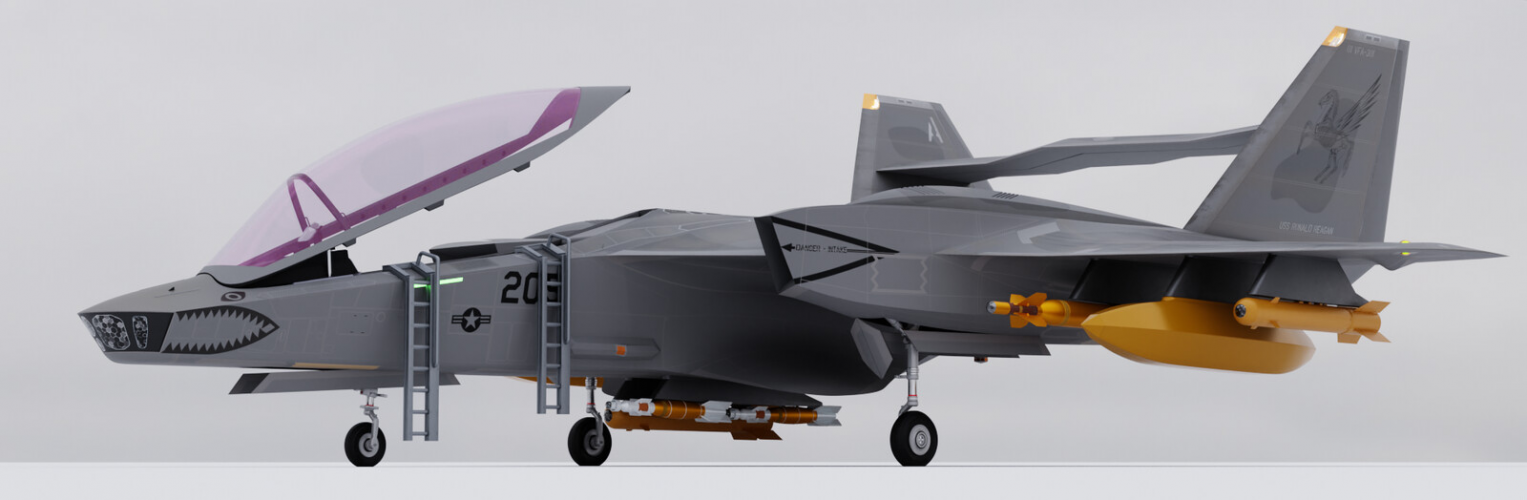
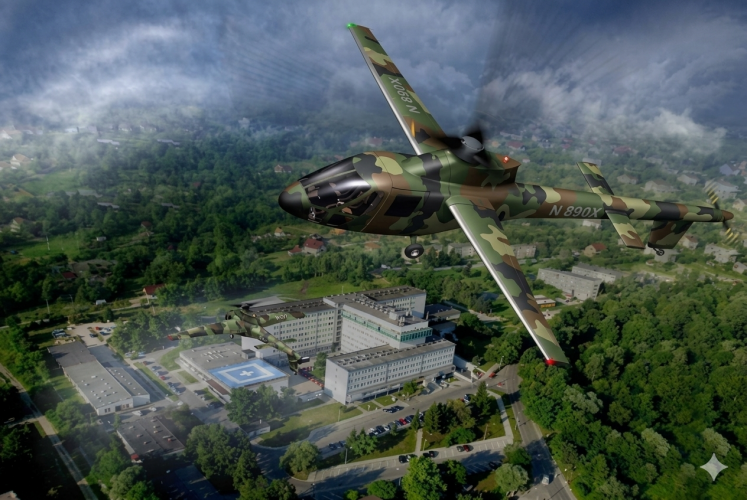
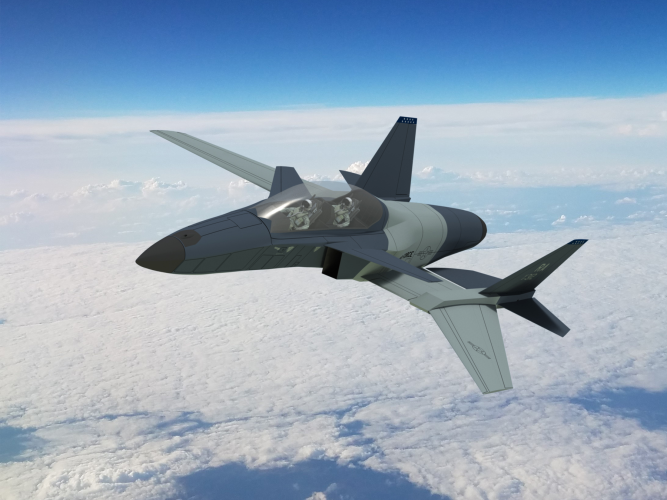 Stavatti Aerospace Sm-47a, T-X proposal trainer. Dual cockpit, trainer craft
jsport
what do you know about surfing Major? you're from-
- Joined
- 27 July 2011
- Messages
- 8,597
- Reaction score
- 6,904
jsport
what do you know about surfing Major? you're from-
- Joined
- 27 July 2011
- Messages
- 8,597
- Reaction score
- 6,904
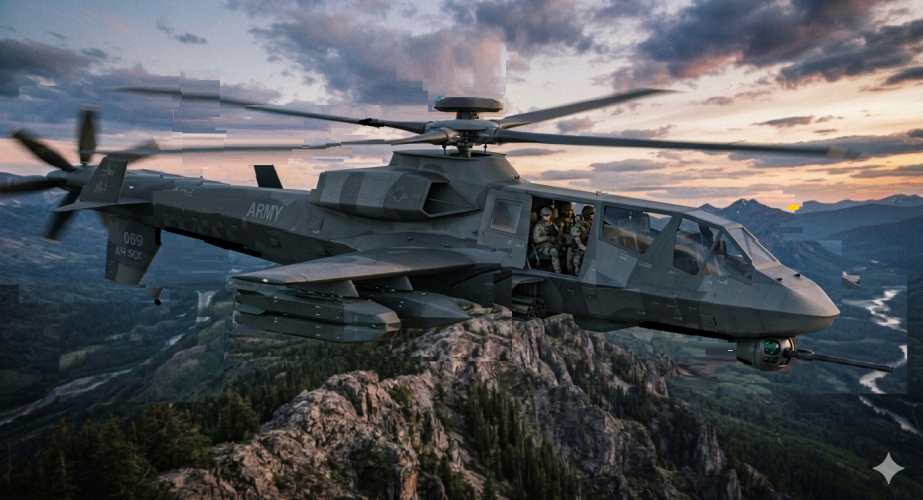
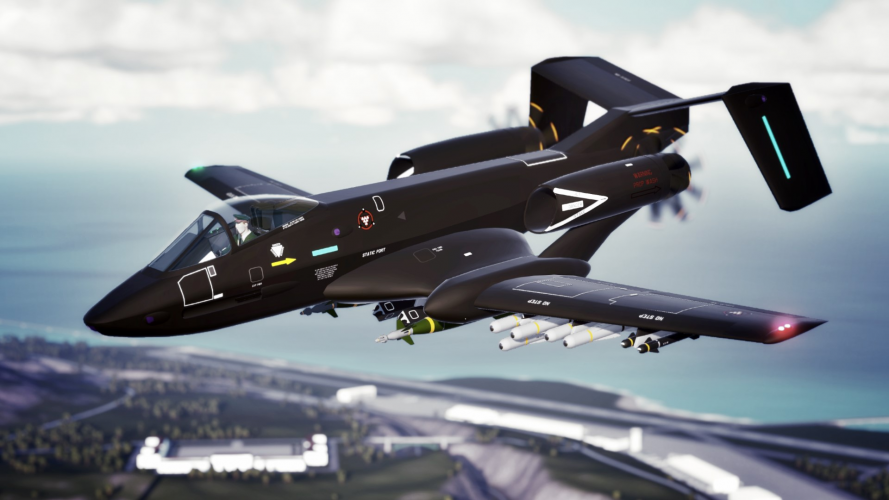
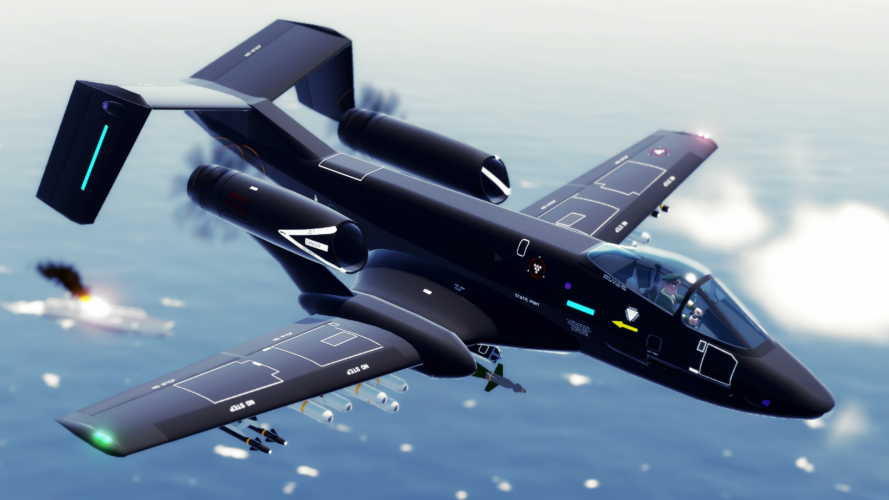
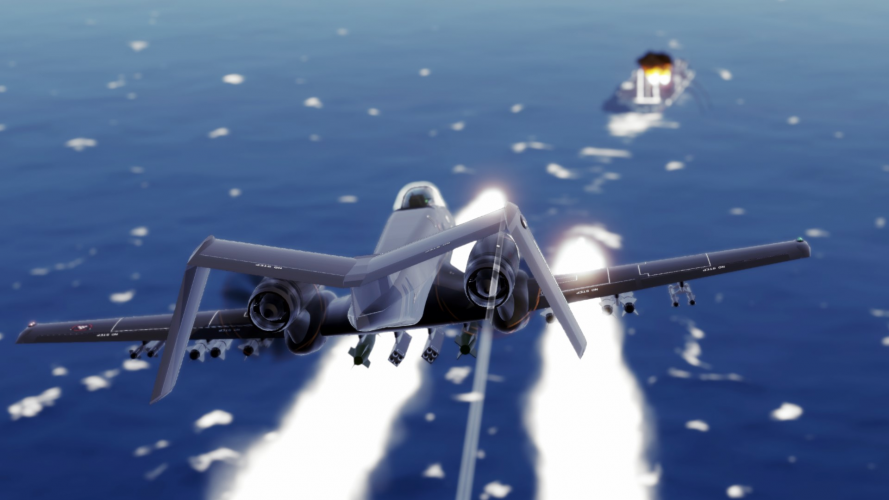
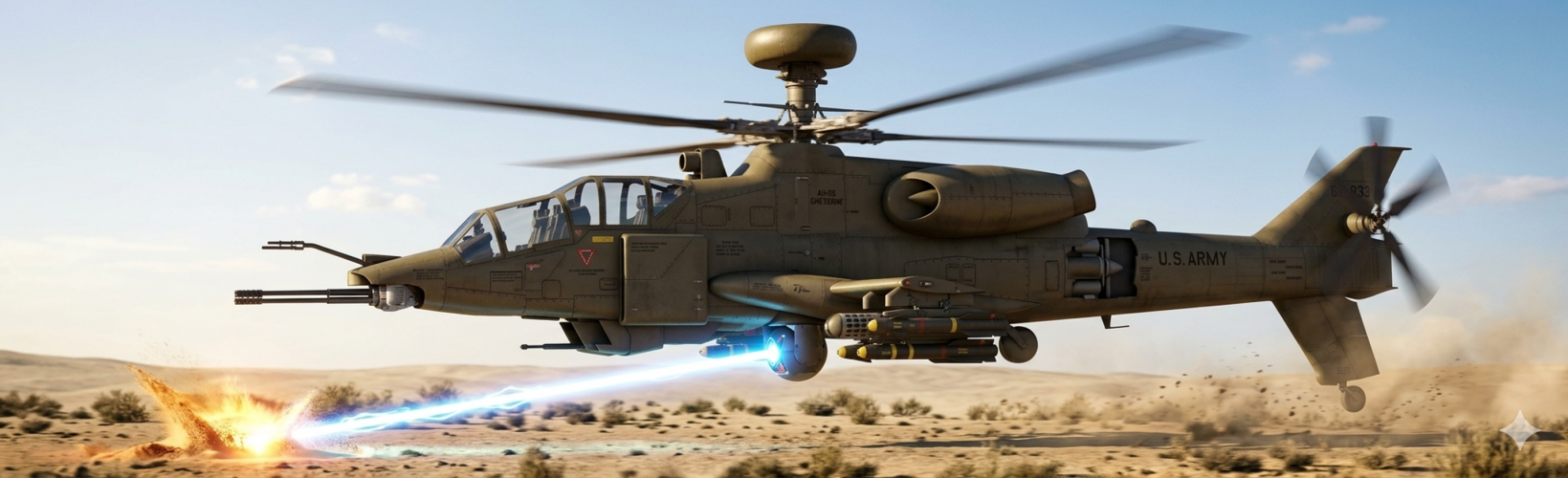
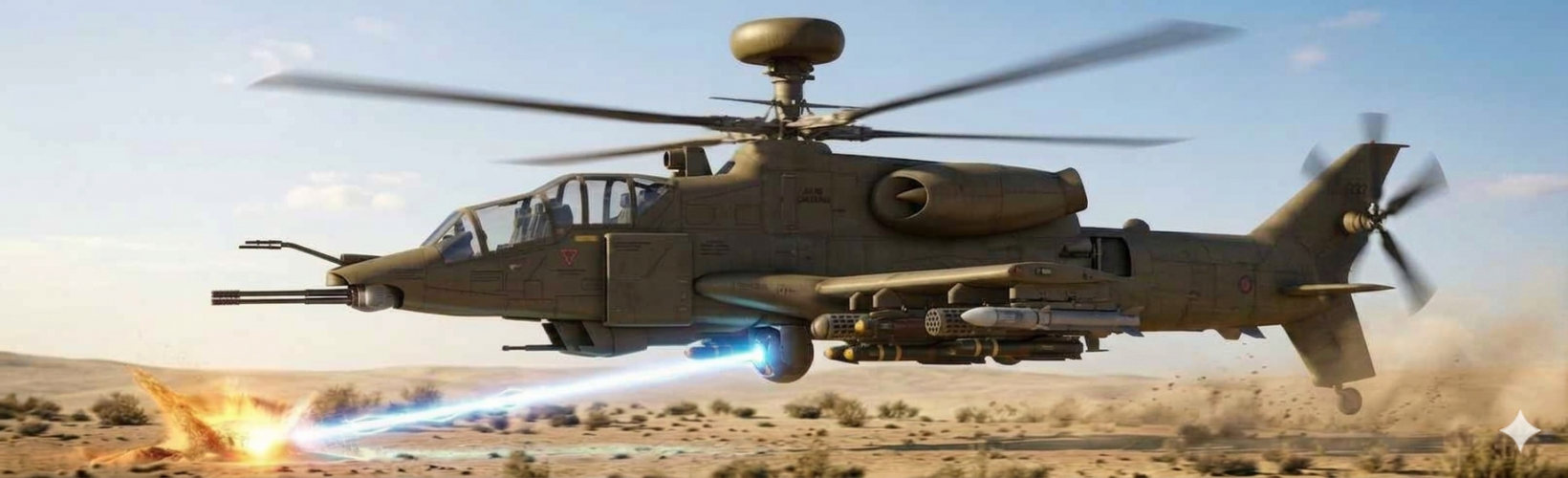
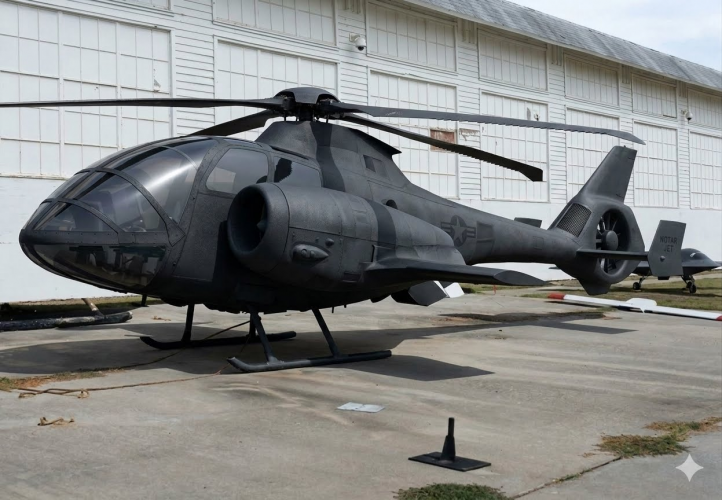
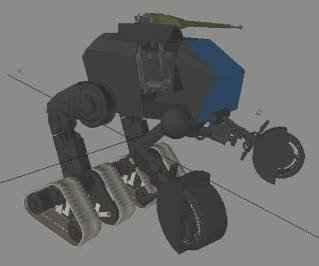
optionally manned, higher payload (including 250lb class bombs/missiles) & speedier than Apache.View attachment 821602View attachment 821601

dannydale
ACCESS: Top Secret
- Joined
- 13 May 2007
- Messages
- 1,014
- Reaction score
- 1,633
I see Stavatti finally learned a bit about aeroelasticity, still quite not there yet.Stavatti Aerospace Sm-47a, T-X proposal trainer. Dual cockpit, trainer craft
- Joined
- 28 January 2008
- Messages
- 1,646
- Reaction score
- 4,212
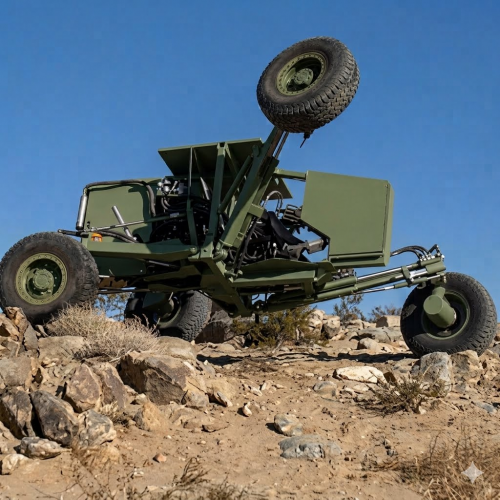
Tactical, flying VW Bug!
- Joined
- 28 January 2008
- Messages
- 1,646
- Reaction score
- 4,212
jsport
what do you know about surfing Major? you're from-
- Joined
- 27 July 2011
- Messages
- 8,597
- Reaction score
- 6,904
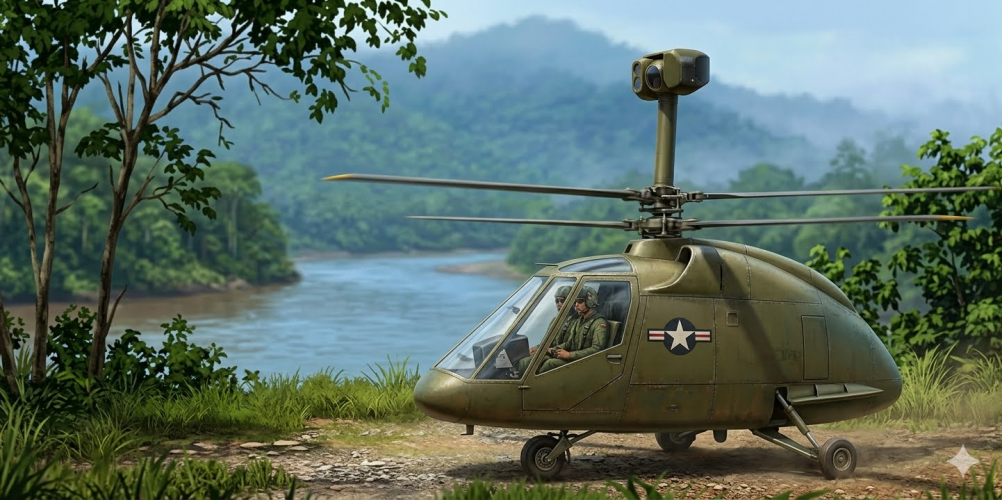
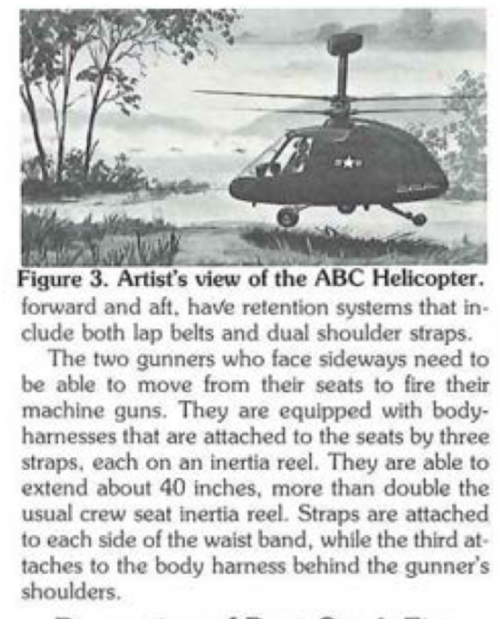
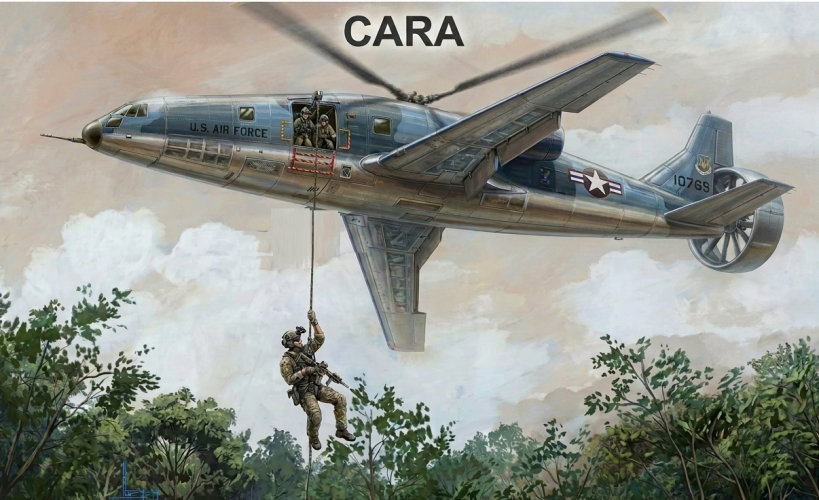
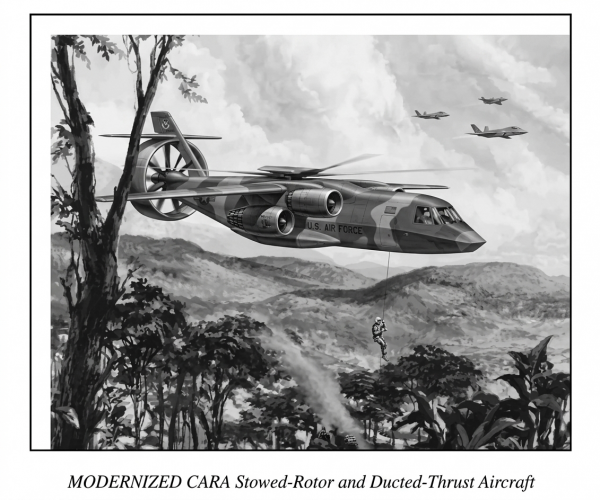
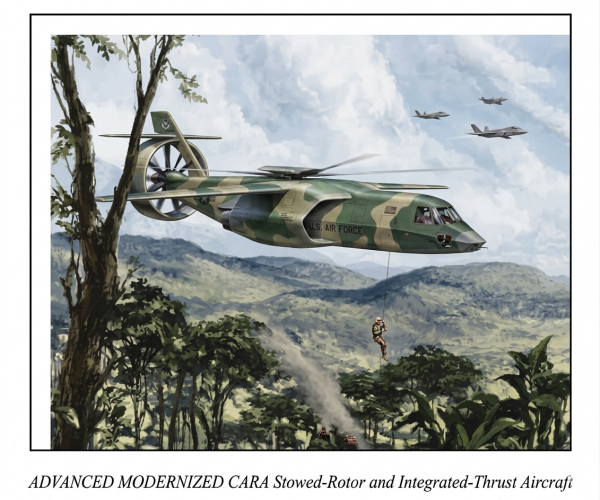
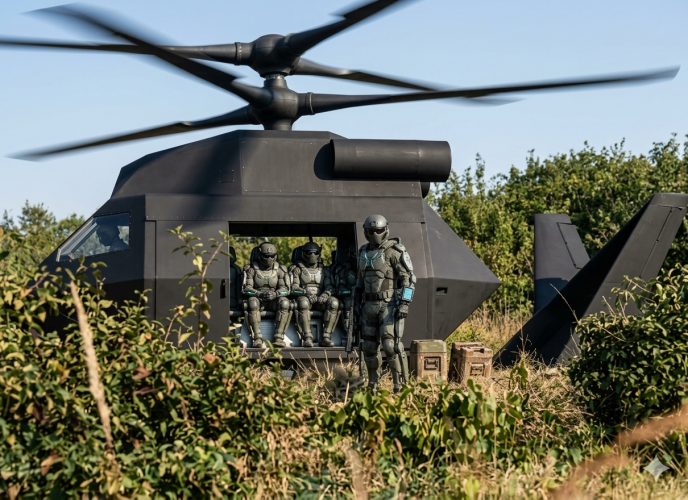
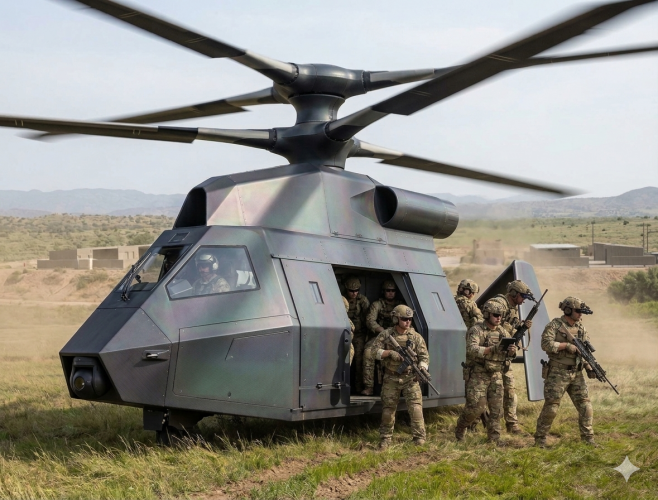
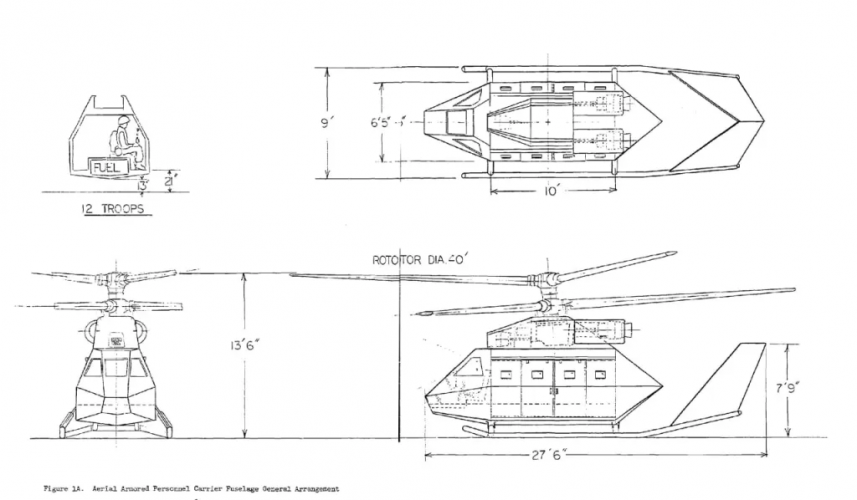
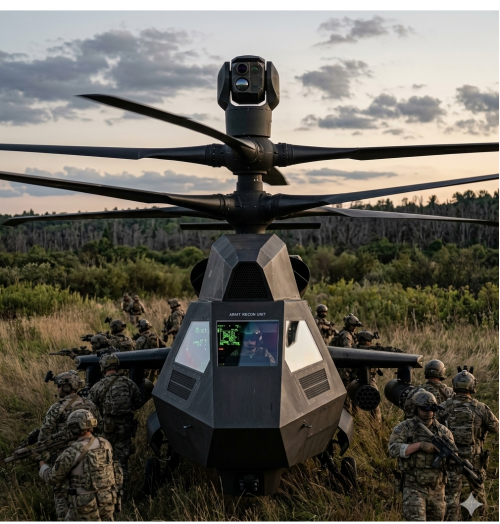
recently heard ont the Dawson's War podcast that the NVA reported more Ho Chi Minh logistics missions were inhibited by MACV-SOG insertion teams which did not insert or their mission stifled in someway. apparently the attempted and failed insertions caused more air interdiction than were sucessfully insertions & extractions. So why insert tgt designation teams at all? Why not just false insertion using a version of Sikorsky's Aerial Armored Personnel Carrier (AAPC)


Last edited:
spikedpsycho
ACCESS: Secret
- Joined
- 14 March 2026
- Messages
- 336
- Reaction score
- 471
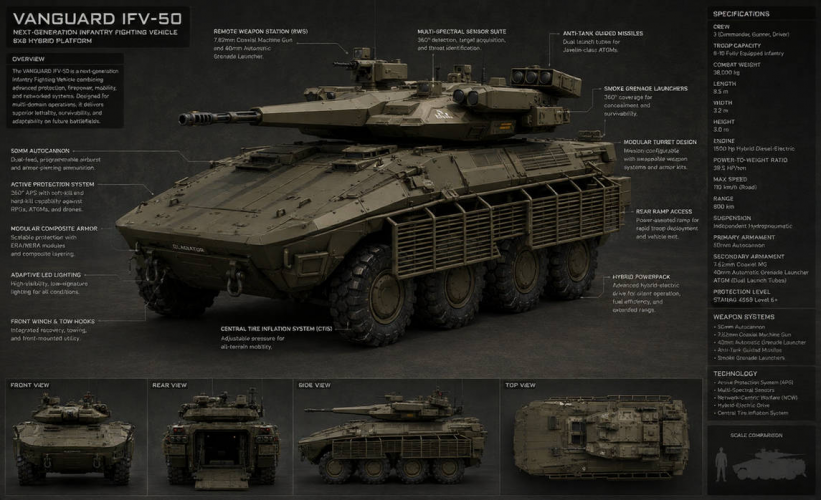
Army projections Future infantry fighting vehicles to have 2 crew members instead of 3-4 and carry 6 dismounts instead of 8-11. Vehicles with dozen tend to be larger, taller and heavier. Also, losing 11 soldiers when a vehicle is taken-out is too many. Future infantry fighting vehicles are waste of time, as enemy has already adopted tactics to thwart them.
Future Infantry fighting will be too complex to manage/predict. Rise of Drones & All Branches competing to adopting missiles as primary weapons.
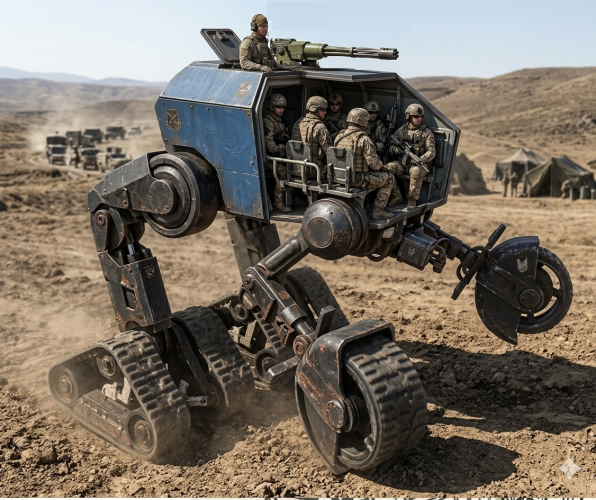
Infantry carriers are TOO vulnerable. Maneuverability is important. As is size constraints, a vehicle with soldier capacity of 2-3 and one a driver.
And produced in automobile assembly lines contracting Ford/GM to mitigate repair/replacement costs.
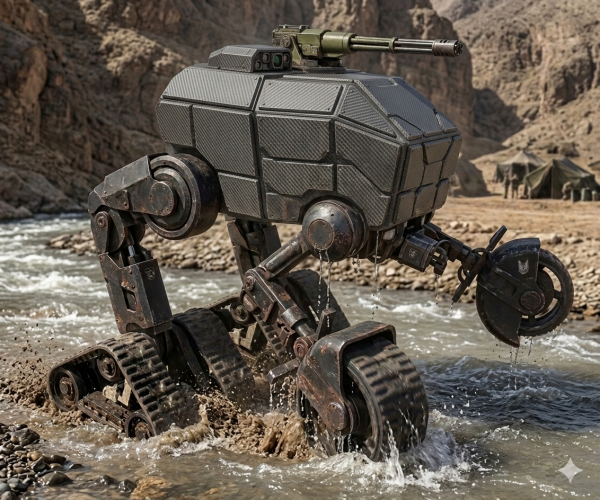
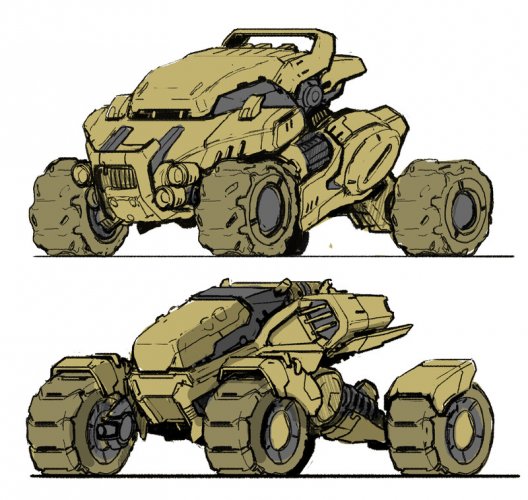
In the Past, Most military analysts would have said avoid roads/highways as clearly marked, pre mapped thus potentially booby trapped or perfect place set up kill box. Google Earth and street view rendered advantage of recon obsolete by virtue of intelleligence stalemate; both sides have access to street data, a few screengrabs and a printer. But since most battles possible future will (as many 20th century) have occurred in confines human habitation, avoiding roads and streets is impossible. Mixed battles offroad with City/street fighting is inevitable, street fighting capability, firepower and ability spread out soldier distribution. In essence Urban Street fighter concept don't require deployment of soldiers, they are the solider. The Mecha of sorts.


Von Clausewitz never wrote about urban fighting , but he defined a center of gravity as the hub of power and movement upon which everything depends. In modern strategy, capital cities or urban hubs are often viewed as political and psychological centers of gravity. Capturing or defending them can shatter or preserve regime authority. Asymmetric warfare doesn't rely on capture of capital unless strategic asset like oil refinery, manufacturing hub or power plant. But entrapment of enemy in hub is crazy, Sun Tzu wrote in art of war Never fight in cities. Modern sense entrapping an enemy inside is dangerous best, suicidal worst because you either try to starve em out (Masada), go in get em (Stalingrad, Manila) defend ensuing flank (Hue), risk uprising or possible insurgency (Baghdad) or indoctrinated starved civilian population (Downfall) or compartmentalize/destroy (Fallujah) in any case best course action have relief valve so enemy flee desired open country to be eliminated. An enemy entrapped will either fight to the death.
Future Infantry fighting will be too complex to manage/predict. Rise of Drones & All Branches competing to adopting missiles as primary weapons.
Infantry carriers are TOO vulnerable. Maneuverability is important. As is size constraints, a vehicle with soldier capacity of 2-3 and one a driver.
And produced in automobile assembly lines contracting Ford/GM to mitigate repair/replacement costs.
In the Past, Most military analysts would have said avoid roads/highways as clearly marked, pre mapped thus potentially booby trapped or perfect place set up kill box. Google Earth and street view rendered advantage of recon obsolete by virtue of intelleligence stalemate; both sides have access to street data, a few screengrabs and a printer. But since most battles possible future will (as many 20th century) have occurred in confines human habitation, avoiding roads and streets is impossible. Mixed battles offroad with City/street fighting is inevitable, street fighting capability, firepower and ability spread out soldier distribution. In essence Urban Street fighter concept don't require deployment of soldiers, they are the solider. The Mecha of sorts.
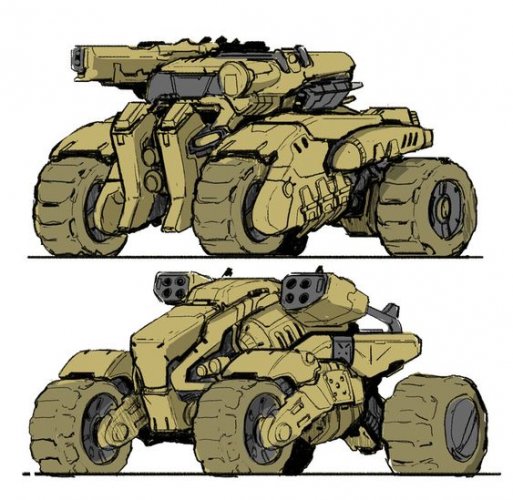
Von Clausewitz never wrote about urban fighting , but he defined a center of gravity as the hub of power and movement upon which everything depends. In modern strategy, capital cities or urban hubs are often viewed as political and psychological centers of gravity. Capturing or defending them can shatter or preserve regime authority. Asymmetric warfare doesn't rely on capture of capital unless strategic asset like oil refinery, manufacturing hub or power plant. But entrapment of enemy in hub is crazy, Sun Tzu wrote in art of war Never fight in cities. Modern sense entrapping an enemy inside is dangerous best, suicidal worst because you either try to starve em out (Masada), go in get em (Stalingrad, Manila) defend ensuing flank (Hue), risk uprising or possible insurgency (Baghdad) or indoctrinated starved civilian population (Downfall) or compartmentalize/destroy (Fallujah) in any case best course action have relief valve so enemy flee desired open country to be eliminated. An enemy entrapped will either fight to the death.
jsport
what do you know about surfing Major? you're from-
- Joined
- 27 July 2011
- Messages
- 8,597
- Reaction score
- 6,904
https://www.simpleplanes.com/a/Ipjs29/76mm-CLGG-Artillery

The 76mm CLGG is well, a CLGG (combustion light gas gun). It is designed to be multi-purpose, as it can act as a long range artillery or air defense weapon that can engage both aircraft and various missiles, even hypersonic weapons and ICBMs. As CLGG tech is, it can fire a projectile at hypersonic velocity.
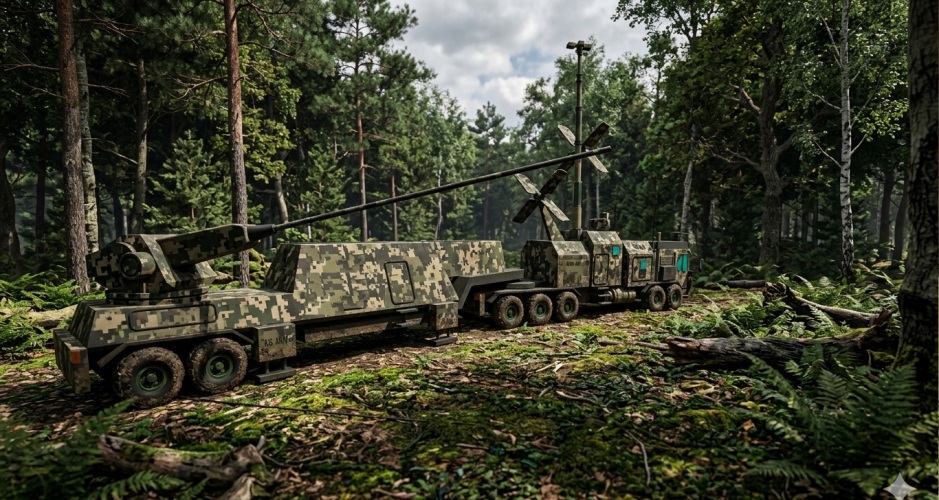
The 76mm CLGG is well, a CLGG (combustion light gas gun). It is designed to be multi-purpose, as it can act as a long range artillery or air defense weapon that can engage both aircraft and various missiles, even hypersonic weapons and ICBMs. As CLGG tech is, it can fire a projectile at hypersonic velocity.
spikedpsycho
ACCESS: Secret
- Joined
- 14 March 2026
- Messages
- 336
- Reaction score
- 471
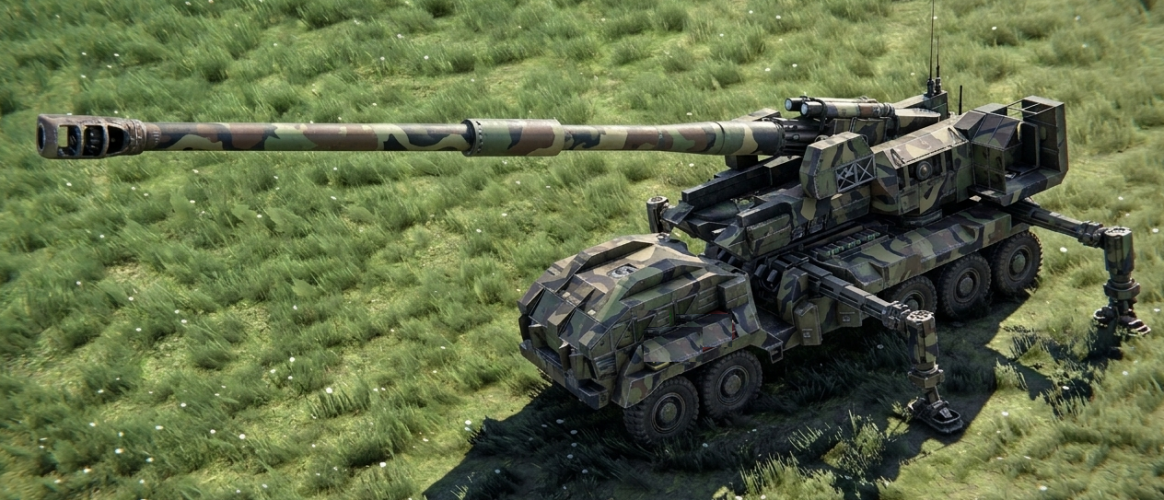
Naval Combustion light gas gun concept.


Ship generator would produce the hydrogen/oxygen mix.
But design criteria incorporates shell carrying the gas. Assuming capabilities to reuse the cartridge and allow round to have specific load depending on distance observed
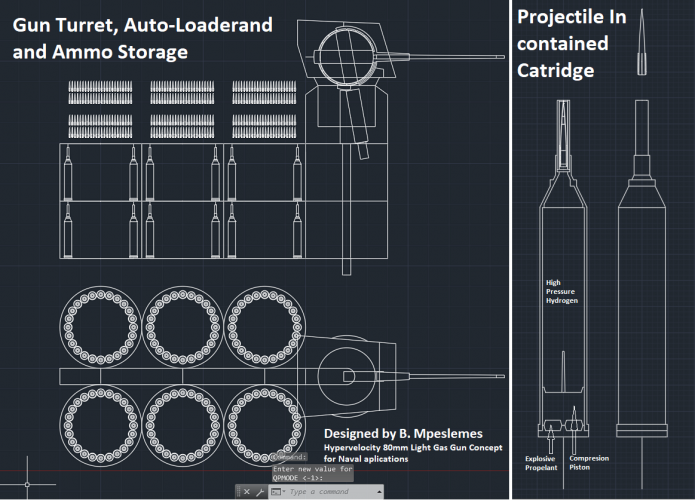
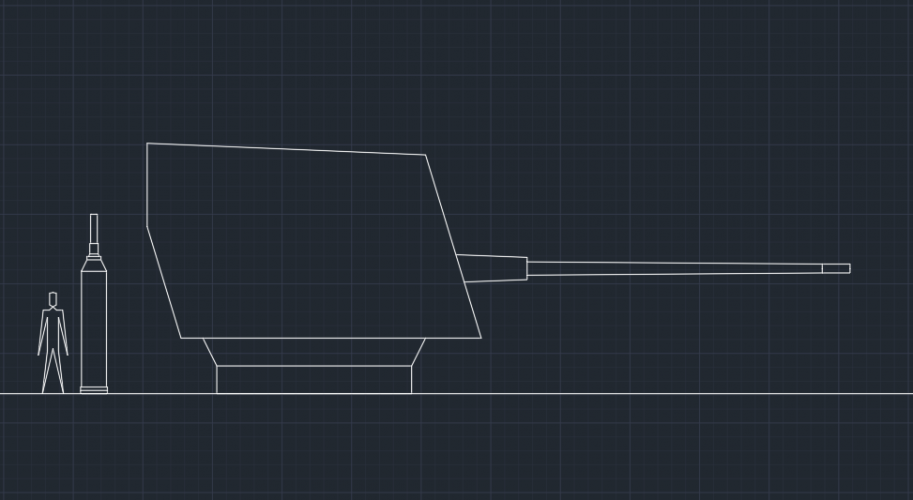
Ship generator would produce the hydrogen/oxygen mix.
But design criteria incorporates shell carrying the gas. Assuming capabilities to reuse the cartridge and allow round to have specific load depending on distance observed
jsport
what do you know about surfing Major? you're from-
- Joined
- 27 July 2011
- Messages
- 8,597
- Reaction score
- 6,904
https://tanks-encyclopedia.com/cold-war/usa/h-3
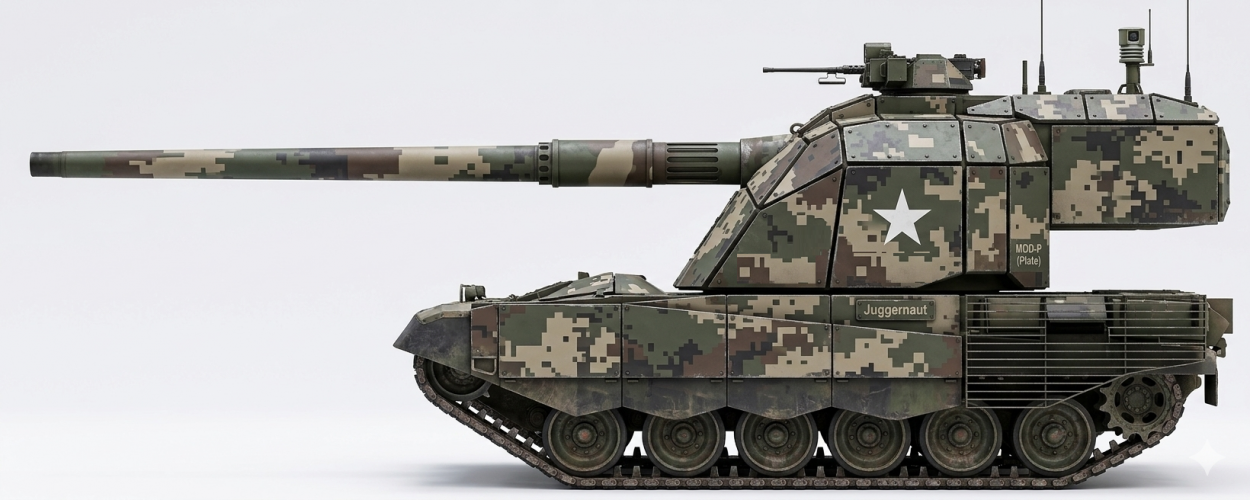
contemporary concept
1952 The following features and limitations for the H-3 were given in the Question Mark booklet:
Features:
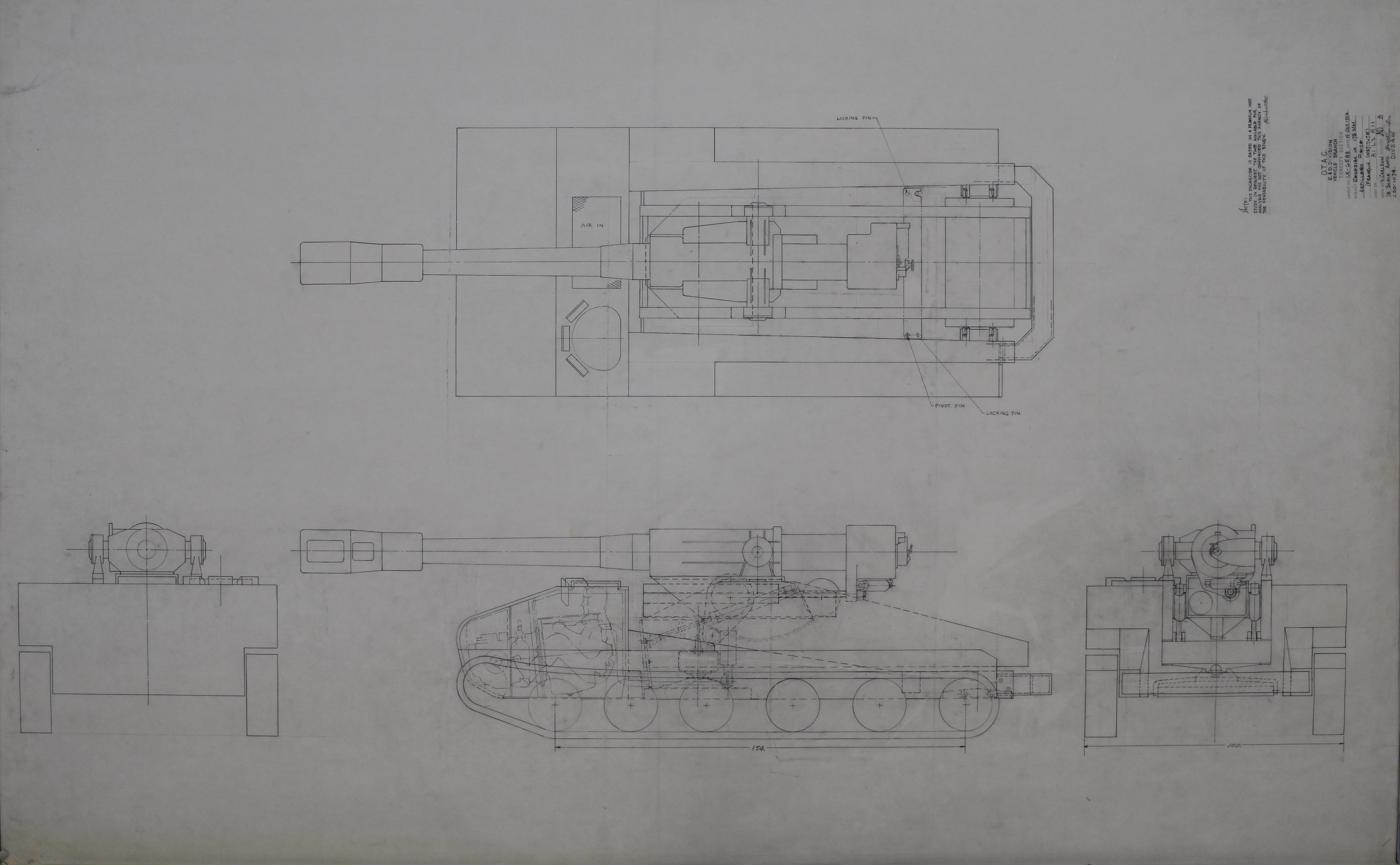
The 175 mm T145 was developed by the Franklin Institute as a superheavy towed artillery piece, normally mounted on the T76 Gun Carriage. It was a smaller relative of the 280 mm T131 (M65) Termite atomic cannon. Adapting such a gun to a tank mounting would have been an extremely difficult task. The T145 in its towed form had two recoil mechanisms, one of the conventional type and one of the sliding type employed on railway guns. No recoil system at all is present on the H-3 drawing.
These systems were necessary to handle the immense recoil of such a large caliber cannon. The primary recoil system of the T145 allowed the breech to recoil 3 feet (0.91 m) whenever the gun was fired; without the secondary recoil system this stroke would have been even greater. The barrel and breech alone of the T145 weighed 14,450 lbs (6,554 kg), or over 7 US tons (6.4 metric tons), which would have accounted for 11% of the H-3’s total weight of 62 US tons (56.2 metric tons).
 OTAC R&D Division Drawing LK6589 – Re-Design of 175MM. Artillery Piece (Franklin Institute), 15 October 1956. It is unclear if this cannon is in fact the T145, or if it is only a hypothetical placeholder representing a cannon yet to be developed.
contemporary concept
1952
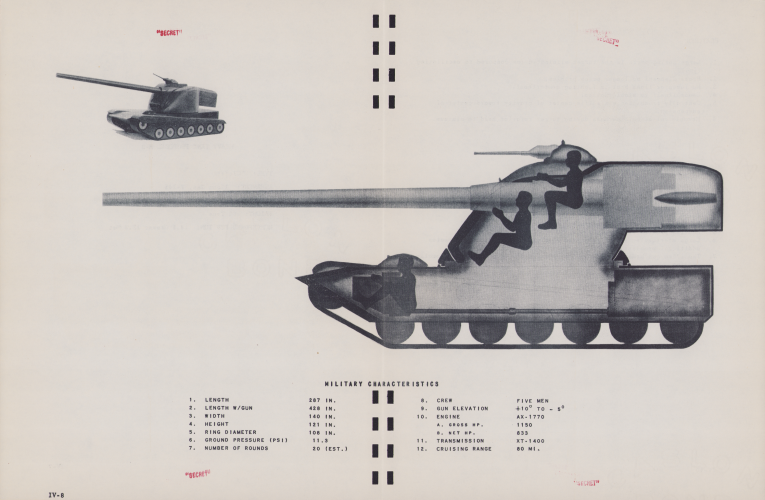 The following features and limitations for the H-3 were given in the Question Mark booklet:
Features:
- Large moving parts in the turret eliminated (as compared to oscillating type).
- Brass disposal no longer poses problem.
- No fumes or flash back in fighting compartment.
- Lends itself to stabilization.
- Centrally trunnioned gun shifts center of gravity toward center of suspension.
- Movable out-of-balance mass during turret rotation held to minimum.
- Fighting compartment divided.
- Turret front vulnerable.
- Extra armor required to protect gun mechanism.
- Turret sloping adversely affected.
- Sealing problem enlarged.
- Large overturning moment presented by high trunnion location creates additional problems.
- The 175mm gun breech would require redesign for adaptation to automatic loading.
- Use of powder charge in bag form is impractical for tank use.
Analysis
The H-3 had a simple, angular hull, with 7 large double roadwheels per side, a drive sprocket in the front, no idler wheel, and 1 return roller. Suspension was not specified, but most likely would have been torsion bars. The lower glacis was stated to be 5 inches (127 mm) thick, reverse angled at 60° from vertical, however the drawing shows the constructional angle to be closer to 59.25°. This is presumably within the margin of error for the print quality. The armor thicknesses of the Question Mark booklet drawings are not drawn to scale, so the thickness of other plates cannot be ascertained by measuring. The upper glacis of the H-3 was sloped at 78.5°. The hull sides and rear were vertical. A small plate with a reverse slope of 46° connected the hull rear to the floor plate.Conclusion – Overkill To The Nth Degree
The H-3 was unarguably the most extreme of the Operation Question Mark designs. It was horribly impractical, and could not have functioned as designed, on account of having no way to load the cannon. Many details were left out, leaving the H-3 the least developed of the Question Mark concepts. Likely its designers knew it had no future, and chose to conserve their efforts. The driver’s position was particularly unacceptable, and the loading issue meant that the tank would have had to be totally redesigned to go forward in development, had it been anything more than a concept.The 175 mm T145 was developed by the Franklin Institute as a superheavy towed artillery piece, normally mounted on the T76 Gun Carriage. It was a smaller relative of the 280 mm T131 (M65) Termite atomic cannon. Adapting such a gun to a tank mounting would have been an extremely difficult task. The T145 in its towed form had two recoil mechanisms, one of the conventional type and one of the sliding type employed on railway guns. No recoil system at all is present on the H-3 drawing.
These systems were necessary to handle the immense recoil of such a large caliber cannon. The primary recoil system of the T145 allowed the breech to recoil 3 feet (0.91 m) whenever the gun was fired; without the secondary recoil system this stroke would have been even greater. The barrel and breech alone of the T145 weighed 14,450 lbs (6,554 kg), or over 7 US tons (6.4 metric tons), which would have accounted for 11% of the H-3’s total weight of 62 US tons (56.2 metric tons).
| Comparison Between the H-1 and H-3 | ||
|---|---|---|
| H-1 | H-3 | |
| Armament | ||
| Automotive | ||
| Armor | ||
| Crew | 4 (Commander, gunner, loader, and driver) | 5 (Commander, gunner, two loaders, and driver) |
| Weight | 50 US tons (45.4 metric tons) | 62 US tons (56.2 metric tons) |
| Length (Overall) | 430 inches (10.92 m) | 428 inches (10.87 m) |
| Length (Without Barrel) | 266 inches (6.76 m) | 287 inches (7.29 m) |
| Width | 134 inches (3.40 m) | 140 inches (3.56 m) |
| Height | 99 inches (2.51 m) | 121 inches (3.07 m) |
| Main Armament | 120 mm T123E1 | 175 mm T145 |
| Rounds Carried | 35 | ~20 |
| Elevation Angles | +15° / -8° | +10° / -5° |
| Turret Ring Diameter | 108 inches (2.74 m) | |
| Engine | General Motors AX-1770 Air-cooled, X-12 + 2, multi-fuel, 1150 hp (gross) | |
| Transmission | Allison XT-1400 | |
| Range | 100 miles (161 km) | 80 miles (129 km) |
| Ground Pressure | 10.2 psi (0.72 kg/cm²) | 11.3 psi (0.79 kg/cm²) |
| Lower Frontal Plate | 127 mm @ 60° |
Similar threads
-

-
 [Fictional] - Future aircraft designs by Rudolf & Robert Das
- Started by Remko
- Replies: 17
-
Divergence on the Runway: An Alternate History of Military Aviation (1956-1982)
- Started by kpuscas
- Replies: 6
-

-
