- Joined
- 13 August 2007
- Messages
- 10,428
- Reaction score
- 18,130
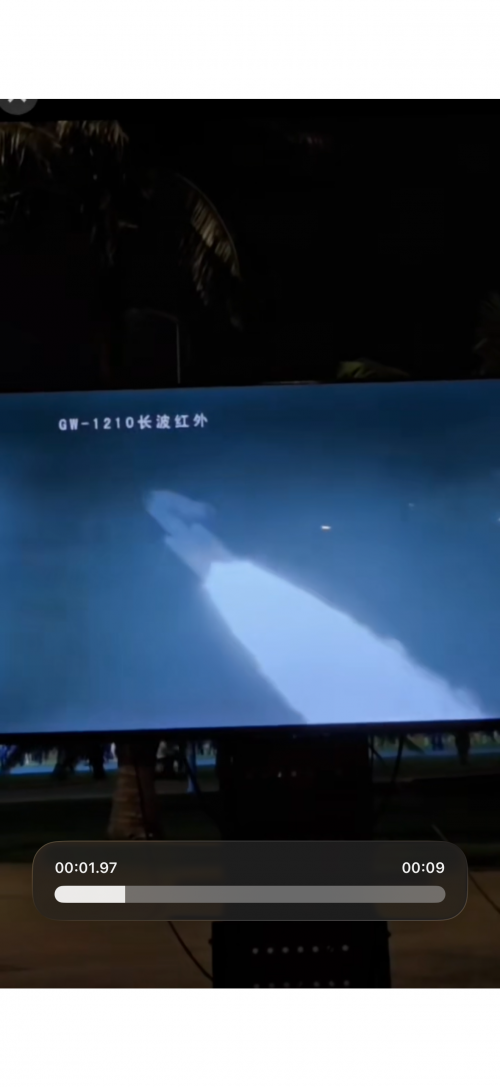
Look like the rocket structure failed during Max-Q2 close up views

Look like the rocket structure failed during Max-Q2 close up views


Zhuque 3 Y2


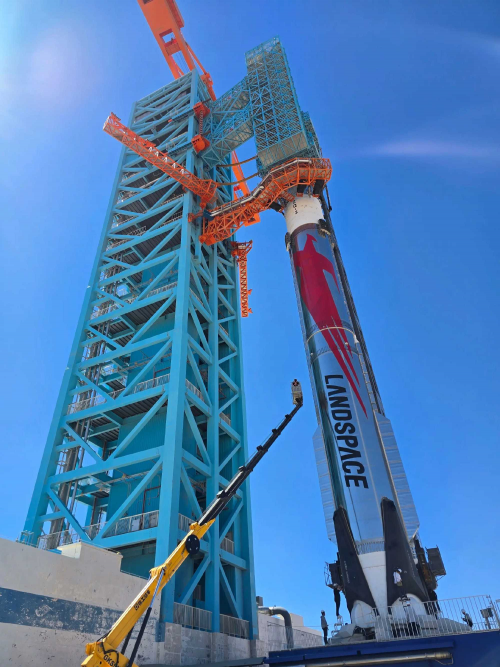
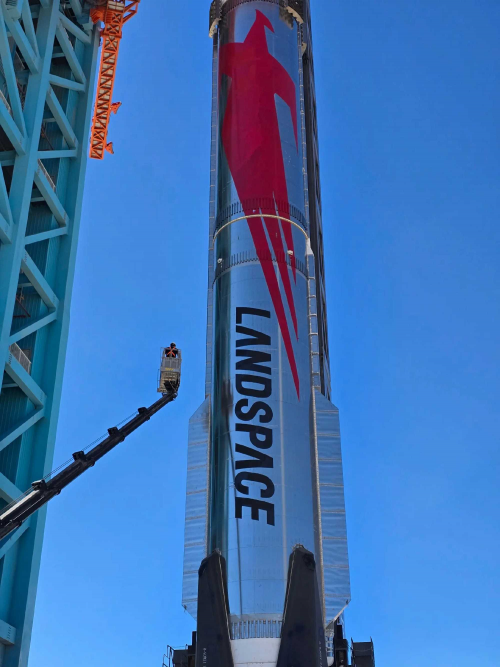
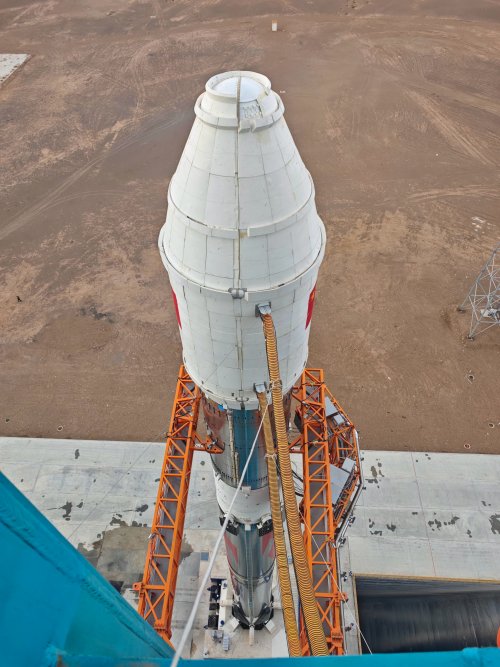
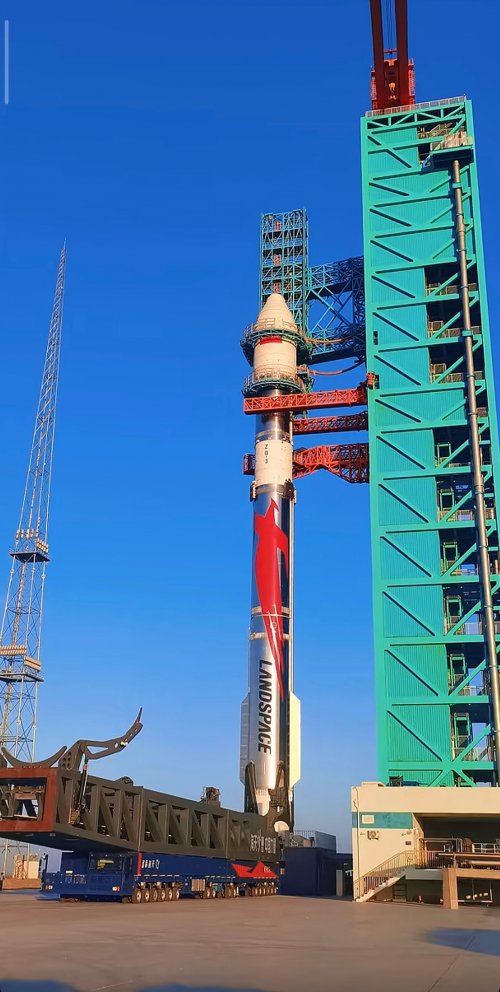
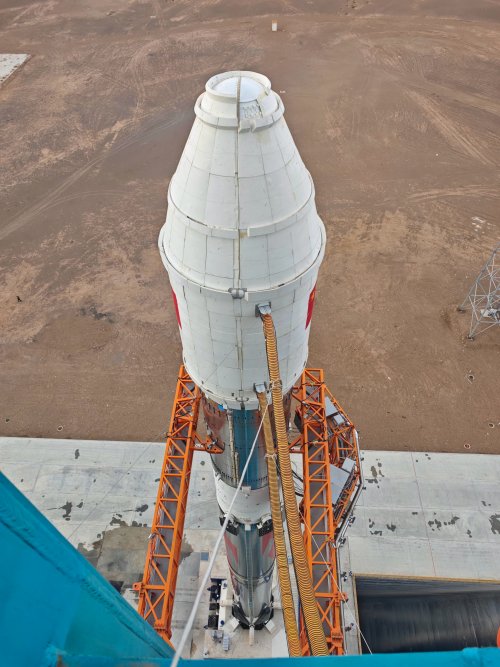
Why the foam? I've heard several times it's "for insulation". Just wondering what's different between Chinese rockets, and pretty much everybody else, that requires foam on them.
Same here. I've been watching those panels fall away from Chinese launch vehicles for years now. What do they do? And why dosnt anyone else use the same idea for...insulation? I don't see what they are insulating from.Why the foam? I've heard several times it's "for insulation". Just wondering what's different between Chinese rockets, and pretty much everybody else, that requires foam on them.
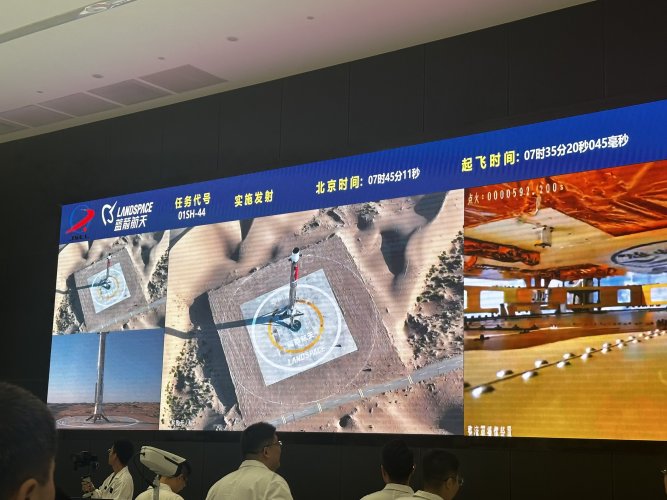
Should be getting close. Any idea if it's going to be streamed? (Or where.)If there are no delays, the ZQ3 will attempt a second recovery attempt around 7:30 AM tomorrow morning (Beijing time).


 Always enjoy seeing rocket control room people celebrate

Chinese invented the rocket.I just wish the Chinese space program (or, for that matter, *ANY* of their commy programs) would actually come up with any original thought...

Except for those who, you know, came up with it. That would be SpaceX in this case.I’m assuming we’ll see your comments for the Indian, European, Russian, and Japanese rockets too right? No one is original.
Well, silly solids anyway, for sure - otherwise, look to the West for innovation...Chinese invented the rocket.

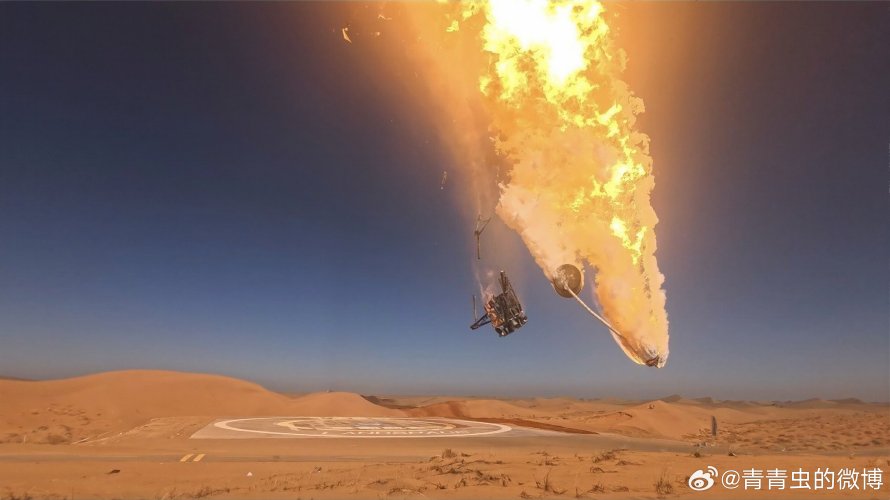
I would still like to see the 4k video of the Starship booster hitting the water at supersonic speed on Flight 11.View attachment 821480
Compared to this, that little mistake seems hardly worth mentioning. But I have to say, this picture is really spectacular.
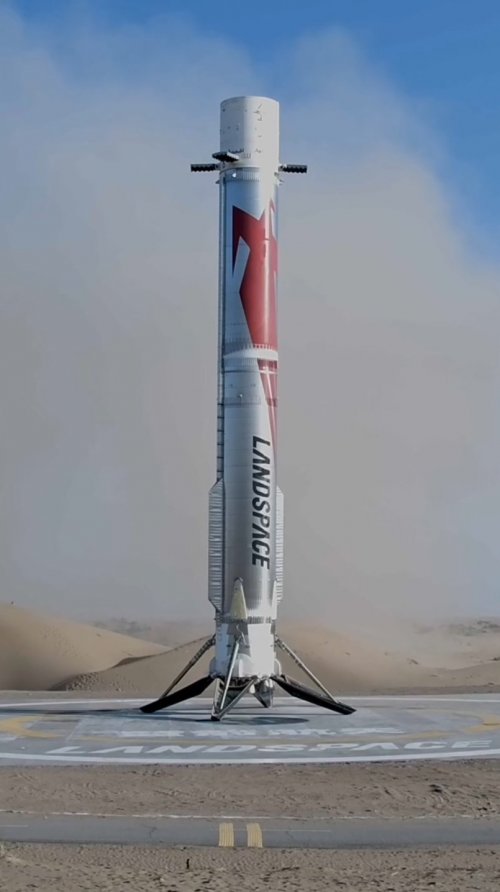
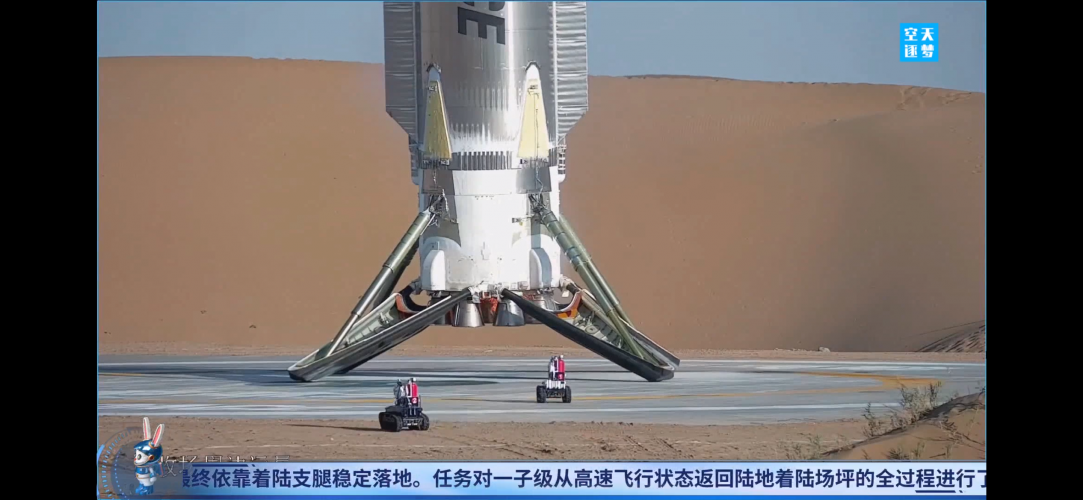
"This mission marks China's first-ever successful recovery attempt of the first stage of an orbital-class launch vehicle using landing legs, and China's first successful booster recovery on land."
Please don't equate the United States with the entire Western world, alright? This sexagenarian German oldman.Well, silly solids anyway, for sure - otherwise, look to the West for innovation...

Photoshop?View attachment 821480
Compared to this, that little mistake seems hardly worth mentioning. But I have to say, this picture is really spectacular.
I could totally be wrong here, but I thought its just both side choosing different method. Where some countries use spray on insulation foam that remain attach to rocket, the Chinese prefer insulation tile that fall off once the rocket lift off.Why the foam? I've heard several times it's "for insulation". Just wondering what's different between Chinese rockets, and pretty much everybody else, that requires foam on them.
I wondered that too but wouldn't they be putting the foam over the areas with the cryo? The foam is mostly at the top. In the picture in question it encases the fairing itself with the area containing all the propellant being bare metal:I could totally be wrong here, but I thought its just both side choosing different method. Where some countries use spray on insulation foam that remain attach to rocket, the Chinese prefer insulation tile that fall off once the rocket lift off.
I am probably over generalizing this.
This is the footage of the ZQ-3Y1 before it fell. There might be some slight post-processing, but overall there’s nothing wrong.Photoshop?
Protect the payload.I wondered that too but wouldn't they be putting the foam over the areas with the cryo? The foam is mostly at the top. In the picture in question it encases the fairing itself with the area containing all the propellant being bare metal: