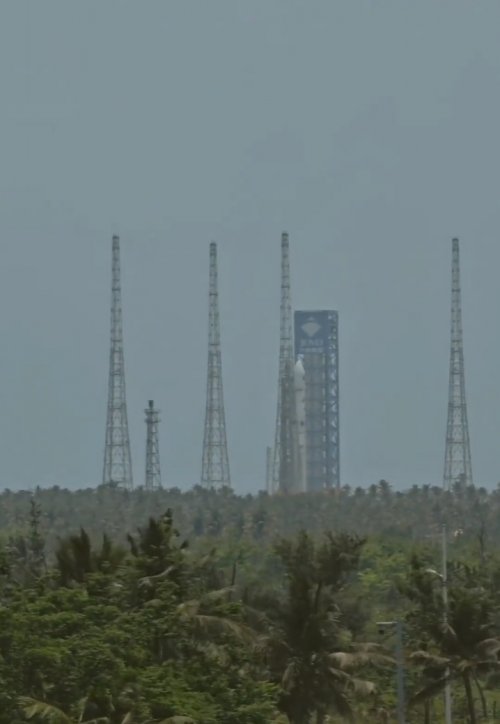
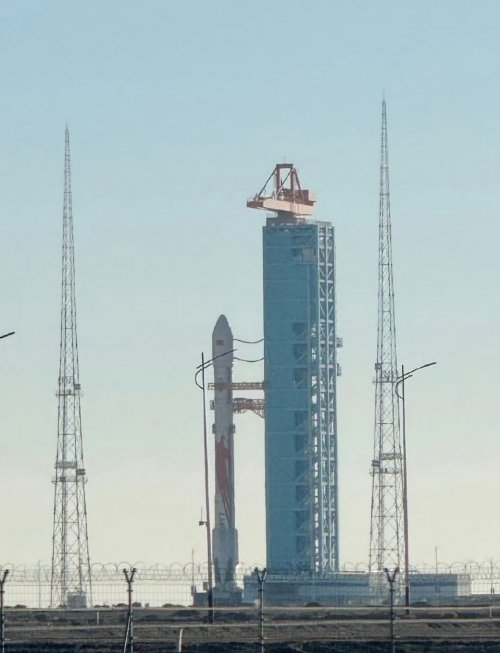
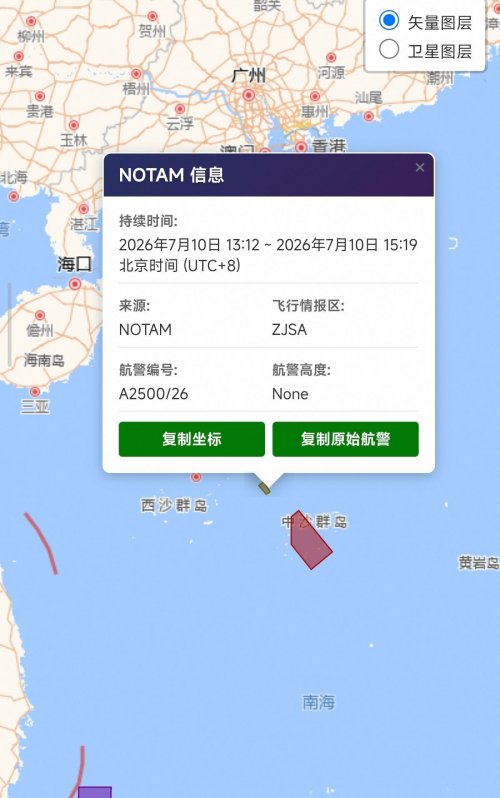
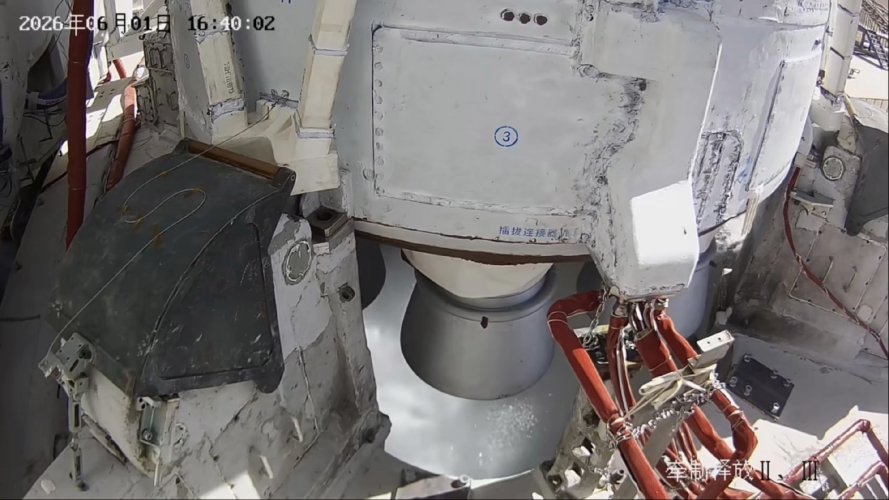
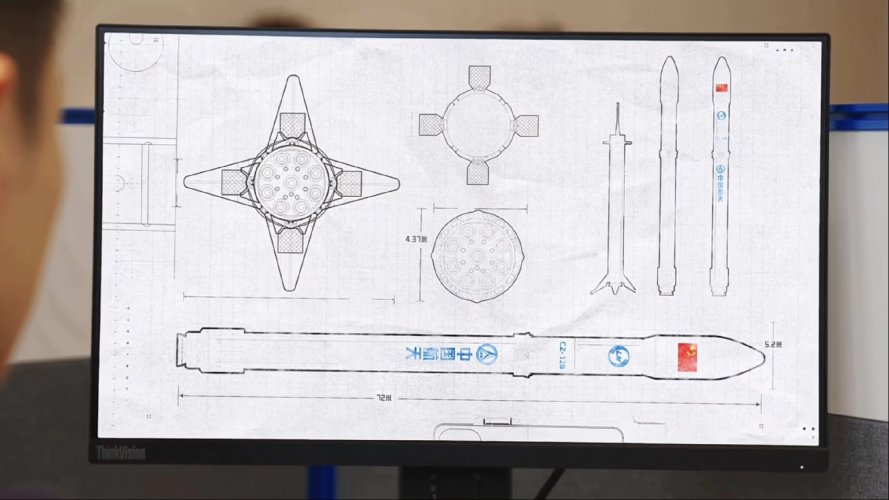
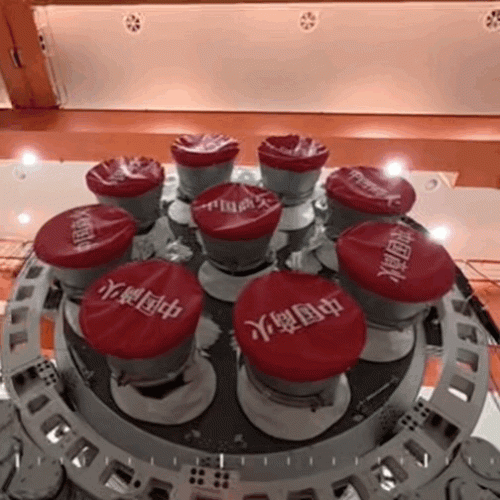
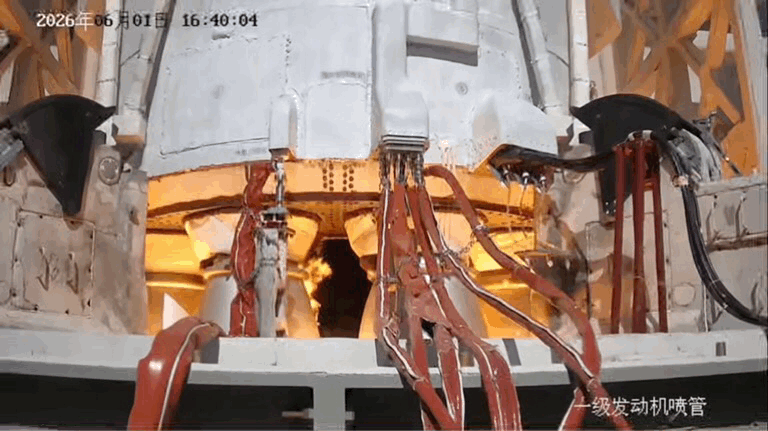
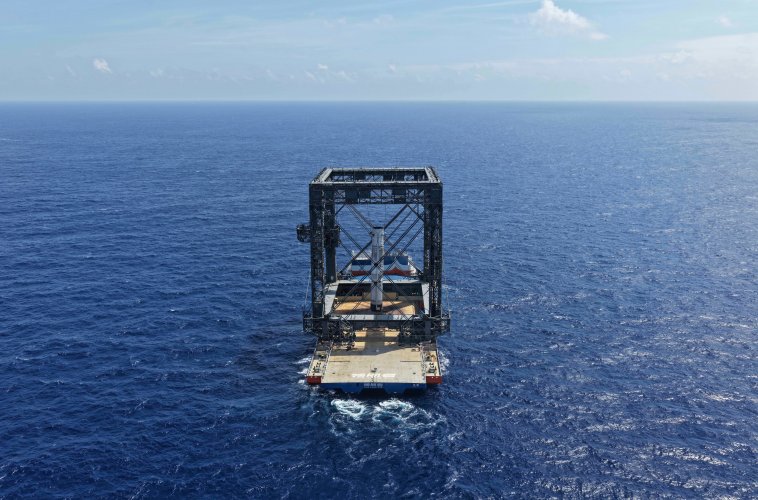
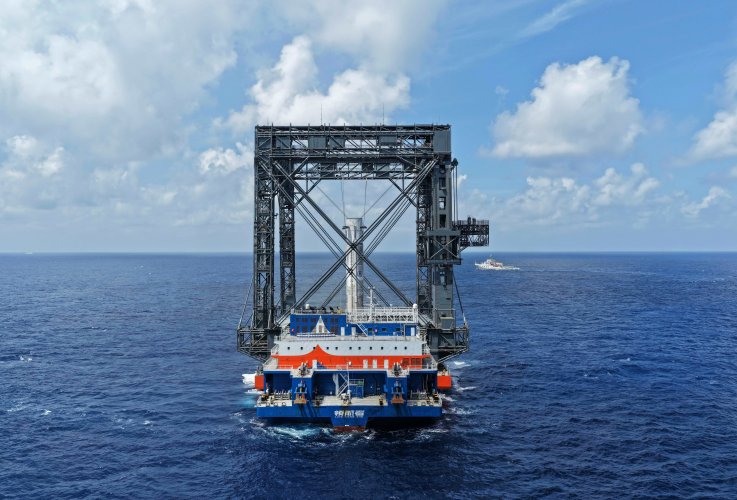
CZ-12B
 

Attachments

  • 006aWhMSgy1ieoremh615j31pc0yie81.jpg
    006aWhMSgy1ieoremh615j31pc0yie81.jpg
    528.1 KB · Views: 21
  • 006aWhMSgy1ieorejqza4j31pc0yikjl.jpg
    006aWhMSgy1ieorejqza4j31pc0yikjl.jpg
    560.4 KB · Views: 20
  • 006aWhMSgy1ieoreds7akj31pc0yikjl.jpg
    006aWhMSgy1ieoreds7akj31pc0yikjl.jpg
    596.7 KB · Views: 21
  • 006aWhMSgy1ieorebpcedj31pc0yi7wh.jpg
    006aWhMSgy1ieorebpcedj31pc0yi7wh.jpg
    1.2 MB · Views: 21
  • 006aWhMSgy1ieore9p1szj31pc0yikjg.jpg
    006aWhMSgy1ieore9p1szj31pc0yikjg.jpg
    1,020.6 KB · Views: 24
  • 006aWhMSgy1ieore7ucjbj31pc0yi4qp.jpg
    006aWhMSgy1ieore7ucjbj31pc0yi4qp.jpg
    435.5 KB · Views: 26
  • 006aWhMSgy1ieoreewxtxg30e00e04qr.gif
    006aWhMSgy1ieoreewxtxg30e00e04qr.gif
    3.2 MB · Views: 24
  • 006aWhMSgy1ieorenmcn7g30lc0bze83.gif
    006aWhMSgy1ieorenmcn7g30lc0bze83.gif
    3.4 MB · Views: 32
Beijing, July 6 (Xinhua) (Reporter Gu Tiancheng) — The China National Space Administration (CNSA) announced on July 6 that the Tianwen-2 probe has successfully rendezvoused with asteroid 2016 HO3. After a "star-chasing" journey spanning approximately 400 days and covering about 1 billion kilometers, the probe reached a position 20 kilometers from the asteroid and has commenced scientific exploration.

Experts from the mission team explained that the probe captured imagery of the asteroid during its approach. Additionally, the team utilized optical navigation data obtained during the approach to refine the asteroid's ephemeris; this reduced the margin of error in the asteroid's position—previously determined solely through ground-based observations—from over a hundred kilometers to the scale of a single kilometer.

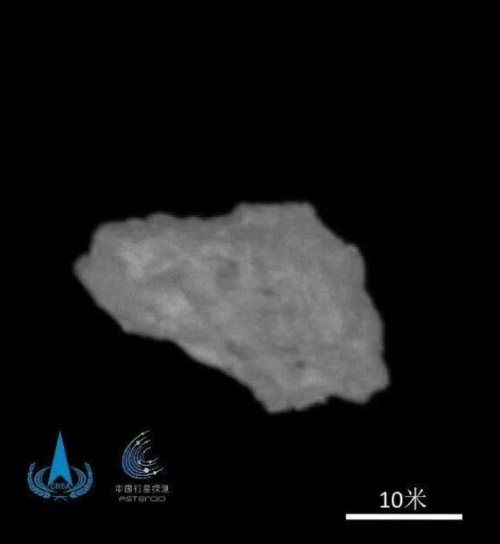
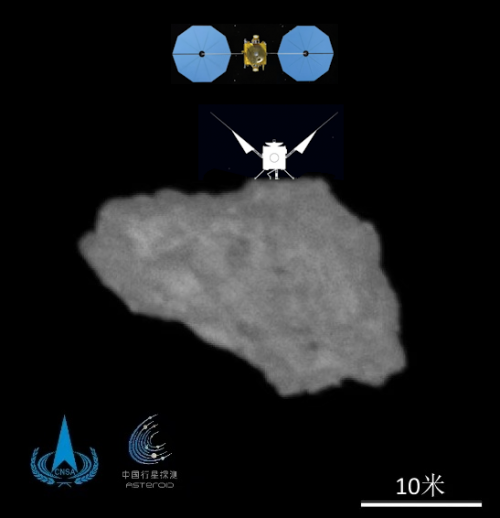
An image of asteroid 2016 HO3 captured by the Tianwen-2 probe on July 2, 2026, from a distance of approximately 20 kilometers. (Image courtesy of the China National Space Administration)

The probe was successfully launched from the Xichang Satellite Launch Center on May 29, 2025. During its flight to the asteroid, it executed maneuvers such as deep-space maneuvers and mid-course corrections.

On June 6, 2026, the probe first acquired the asteroid; on June 7, it performed capture control maneuvers at a distance of 30,000 kilometers, achieving co-planar flight with the asteroid; and on June 19, it reached a distance of 2,000 kilometers from the asteroid.

Moving forward, the probe will gradually conduct more detailed scientific exploration, gathering data on the asteroid's morphology, material composition, and internal structure to provide the necessary support for upcoming sampling operations.

 
To be honest, the volume of this asteroid is somewhat small… It seems that the Voyager could accommodate it. The mining time has not yet arrived, so it is estimated that the probe will continue to accompany and observe the asteroid in the coming months, which will be a rather long period. The return capsule design, on the other hand, is a new approach being attempted for the first time. According to the plan, this could be the first Chinese return capsule to attempt re-entry to Earth at a speed exceeding the second cosmic velocity.
 
To be honest, the volume of this asteroid is somewhat small… It seems that the Voyager could accommodate it. The mining time has not yet arrived, so it is estimated that the probe will continue to accompany and observe the asteroid in the coming months, which will be a rather long period. The return capsule design, on the other hand, is a new approach being attempted for the first time. According to the plan, this could be the first Chinese return capsule to attempt re-entry to Earth at a speed exceeding the second cosmic velocity.
What is, "the second cosmic velocity"?
 
What is, "the second cosmic velocity"?
First cosmic speed = Circular Orbit speed at negligible altitude
Second Cosmic speed = Earth escape speed
Third cosmic speed = Sun escape speed
Common saying outside of the anglosphere

Size comparison between Tianwen 2 and Kamo'

Kamo.png
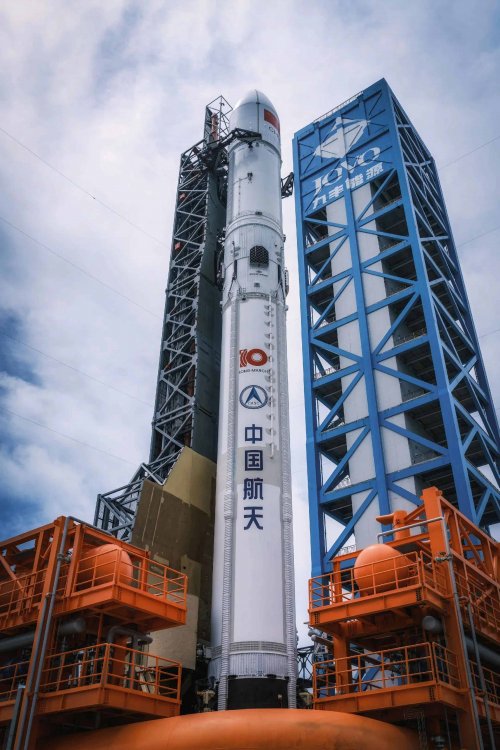
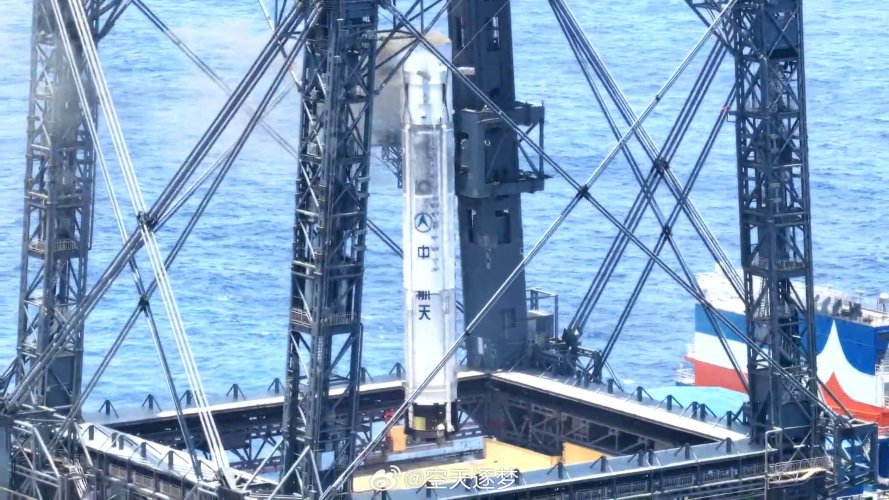
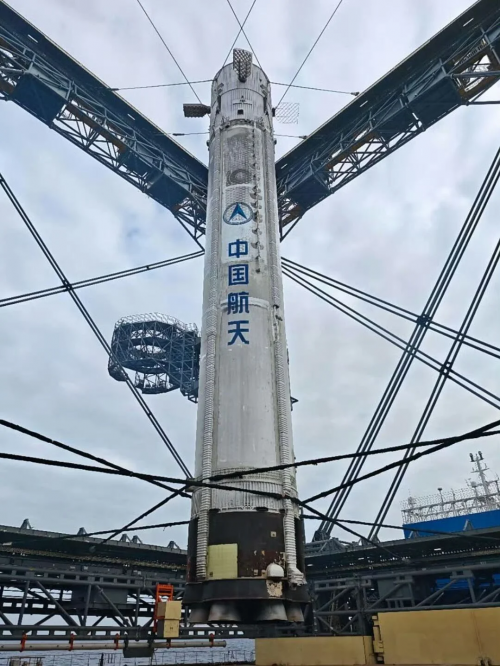
Long march 10B is on pad ahead of a launch & landing attempt on friday:

9636e1e3e0e5d478f0.jpg
 
Image
 

Attachments

  • 000011.jpg
    000011.jpg
    428.3 KB · Views: 20
  • 000012.jpg
    000012.jpg
    868.8 KB · Views: 18
  • 000013.jpg
    000013.jpg
    862 KB · Views: 19
  • 0080MYmPly1ieysmo3wlkj31hc0u0npd.jpg
    0080MYmPly1ieysmo3wlkj31hc0u0npd.jpg
    765.6 KB · Views: 20
  • 0080MYmPly1ieysmjeb1nj31hc0u0e81.jpg
    0080MYmPly1ieysmjeb1nj31hc0u0e81.jpg
    1.4 MB · Views: 23
  • 0080MYmPly1ieysmmt47zj31hc0u0u0x.jpg
    0080MYmPly1ieysmmt47zj31hc0u0u0x.jpg
    817.6 KB · Views: 21
  • 0080MYmPly1ieysmleeycj31hc0u0x6p.jpg
    0080MYmPly1ieysmleeycj31hc0u0x6p.jpg
    833.9 KB · Views: 20
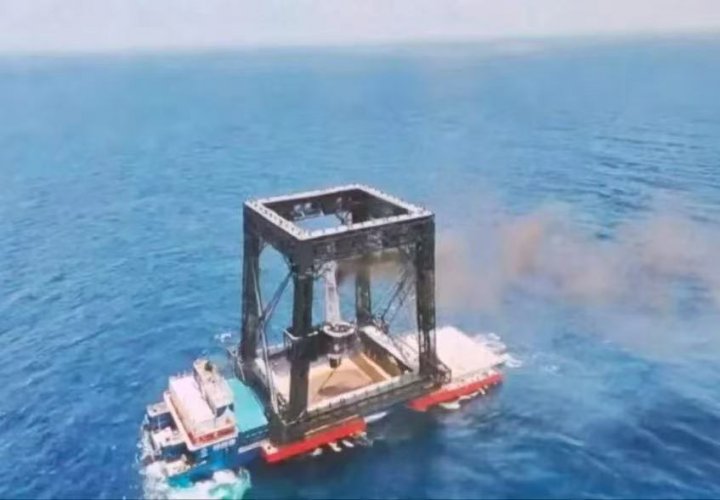
【正中靶心,全球首次!长征十号乙运载火箭首飞任务圆满成功-哔哩哔哩】 https://b23.tv/m9jwQbr

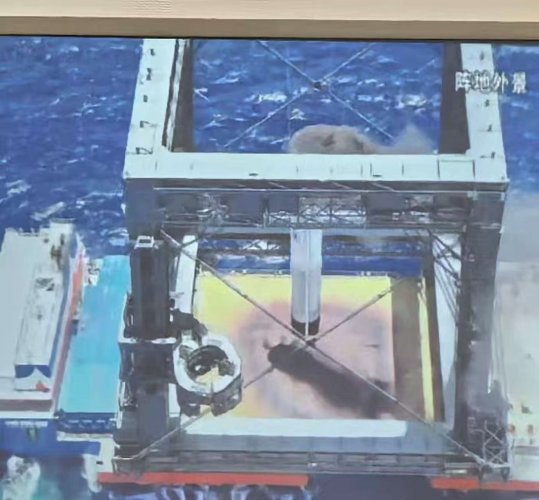
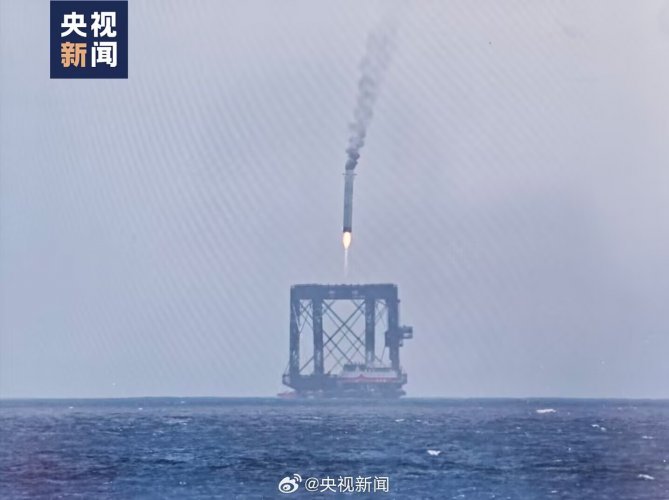
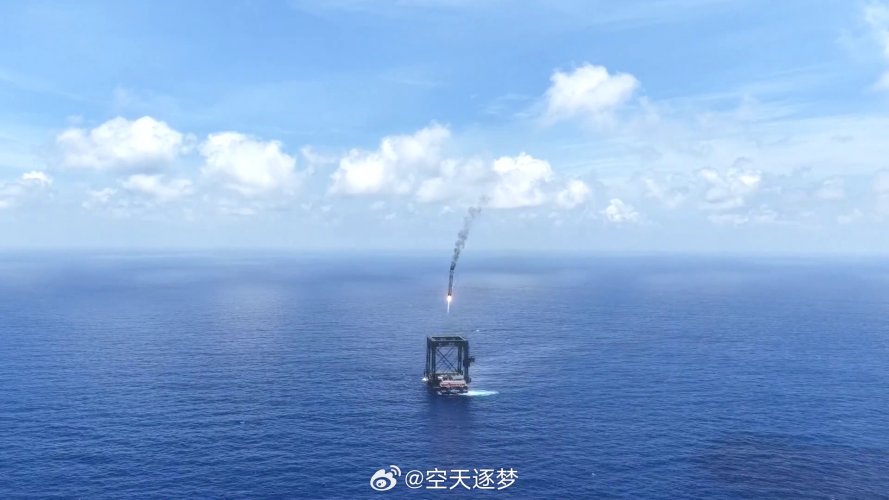
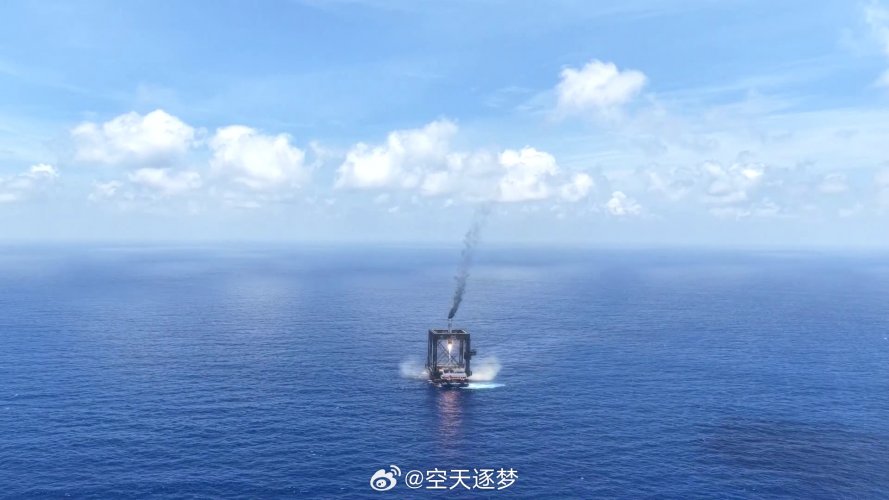
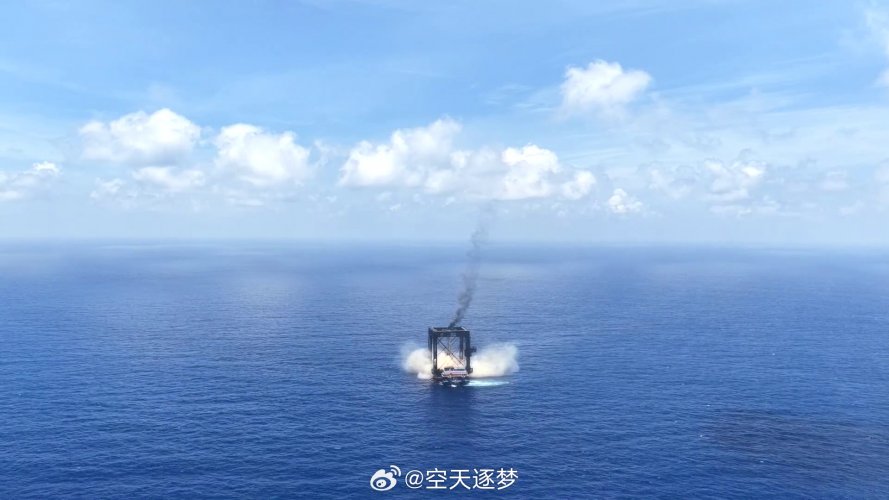
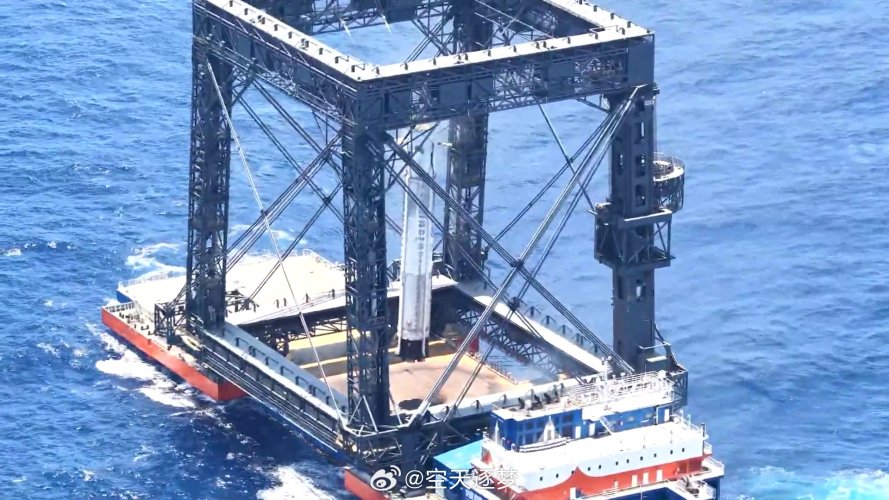
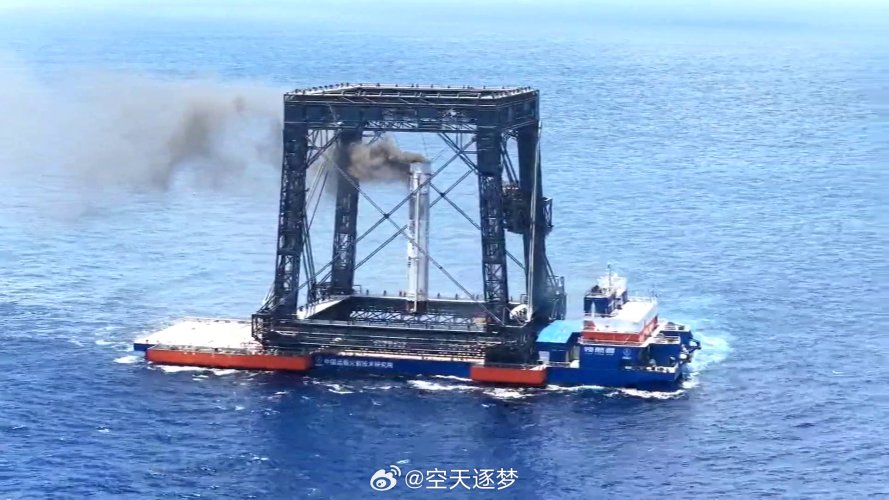
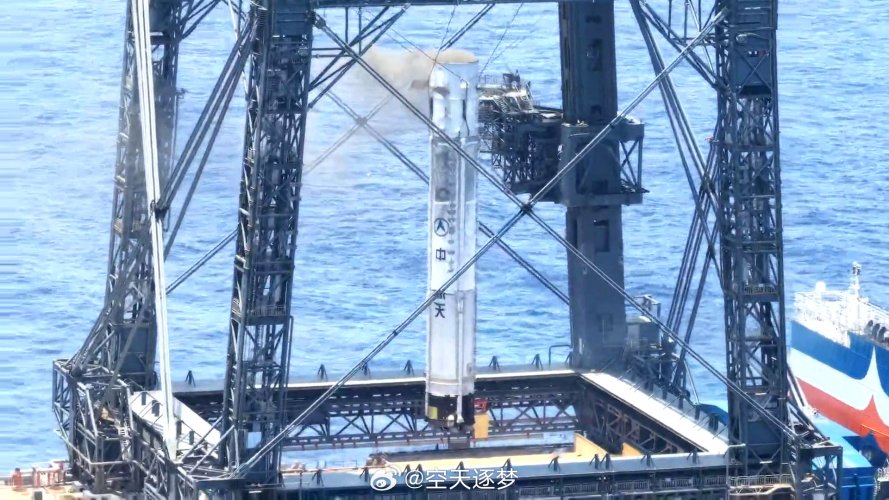
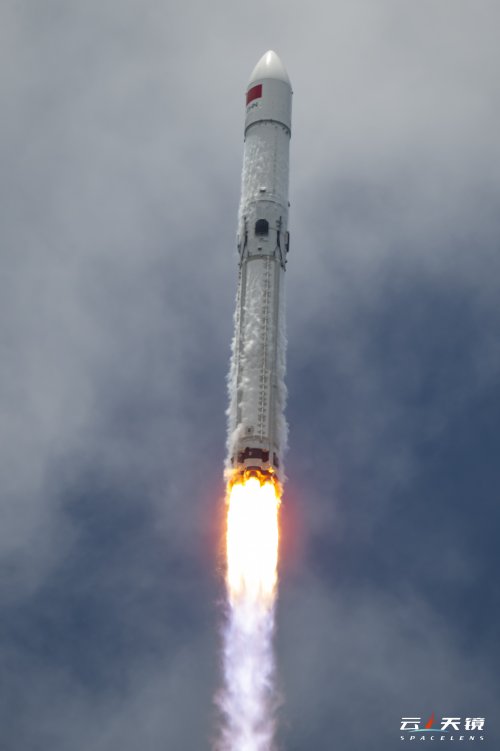
The official high-definition video of the rocket's second stage ignition has been released. You can see that the black smoke appears in the final stage, and it disappears after the engine shuts down, probably because the excess fuel is being expelled.
 
1000101036-jpg.817439

Congratulation CALT your are the third who begin to reuse there rockets !
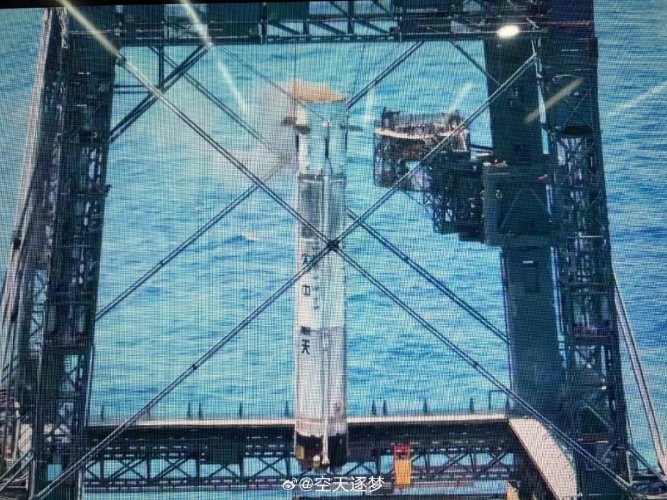
it's odd that first stage top "smoke like chimney"
since the VF-100 engine is a Kerolox oxidizer-rich staged combustion cycle.
 
Why is there smoke coming out of the top of the booster?

Maybe something caught on fire in the interstage area at separation?

I don't know
i thought first it's engine gas generator output
but the VF-100 engine is staged combustion cycle.

could be that Interstage has plastic that ignite to smouldering fire during reentry
 
The smoke isn't very attractive, that's all.

https://b23.tv/m9jwQbr

This is the link I sent earlier. It shows really well that the black smoke appears after the rocket finishes adjusting its posture and shuts down a few engines, and it disappears once the rocket completes its recovery.
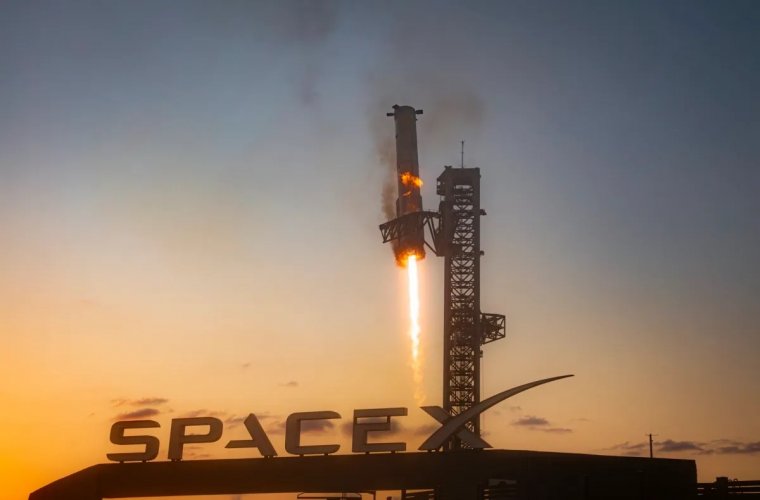
SpaceX: "Hold my beer."
 

Attachments

  • starship5-catch2.jpg
    starship5-catch2.jpg
    93.1 KB · Views: 49

Similar threads

Back
Top Bottom