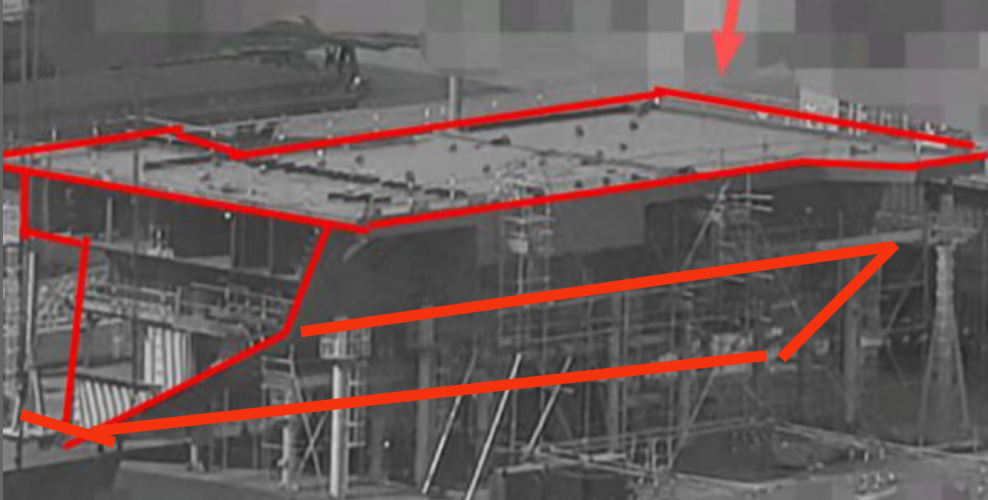
You'd think so, but then I see carriers like the Vikrant, where it has tiny elevators designed for MiG-29Ks with folded wings and Tejas, and nothing larger.. and wonder.. why didn't they consider future growth? especially in a clean sheet design.

*screams in French with a distinct Indian accent*
jyrc9mi9x9mc1.jpeg
the-french-fighter-plane-rafales-is-lift.jpg
 
My question is, why did the US navy continue to increase the size of it's carriers all the way to the arbitrary size limit of 100k tons? Why would it be surprising for China to construct a carrier larger than that? Especially considering the ship building prowess of China.
100,000 tons is about the maximum a US carrier can weigh given the combination of length constraints imposed by dock sizes and also the need for a top speed of at least 30 knots. Get much over 100,000 tons and the ship becomes too bluff to get past 30 knots on 280,000 shp.

Why they were grown to this weight is the post-Vietnam desire for ever-greater amounts of aviation stores, especially fuel and munitions. Modern air wings being smaller, and the use of precision munitions, has ameliorated the matter somewhat, but mostly to arrest continued growth.
 
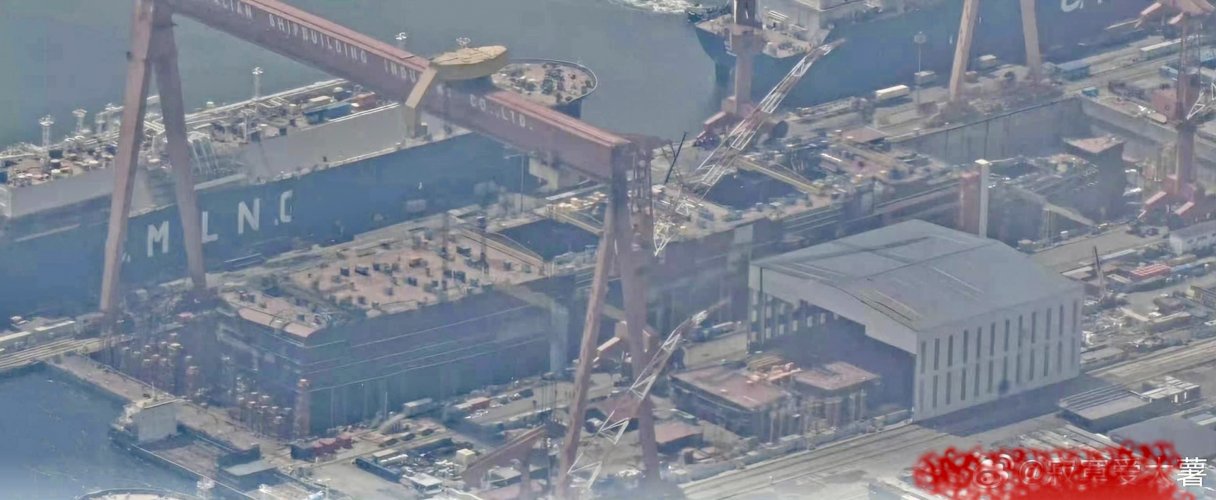
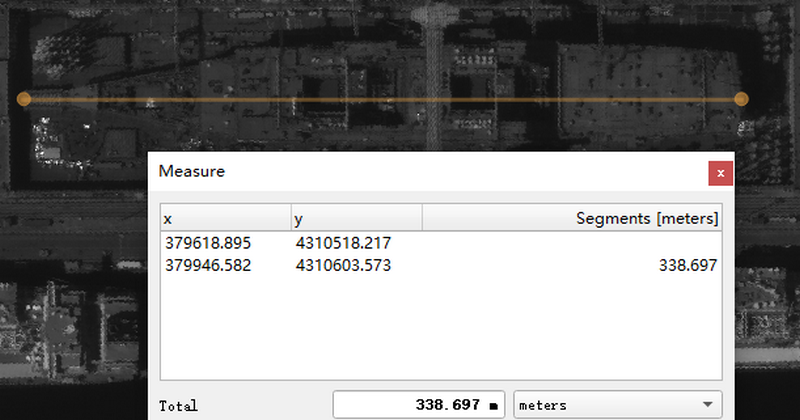
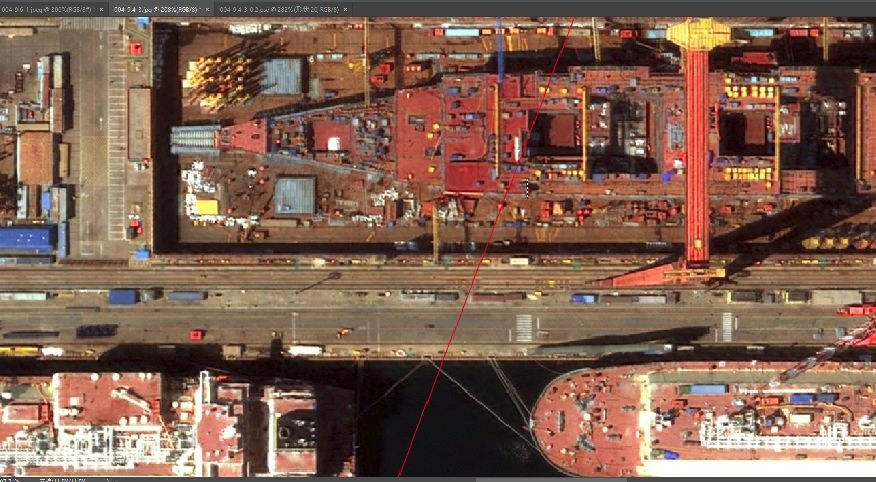
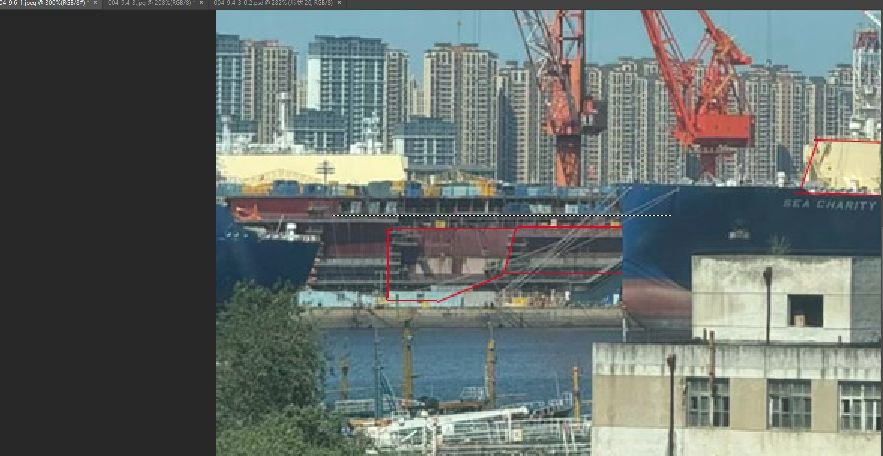
That's a great image as it shows actual waterline edge of the bow. And it shows that the front section is still low and barely has any overhang over the waterline yet. Using that knowledge, I measured percentage of length of ship to length of drydock (370 m long) and I got 315 m of waterline length. (adjusting for small rear and front overhang visible right now) But using that fact on the previous top down satellite image, which is arguably a more precise and better way to measure it, i got as much as 323 m. So... if this ship adds the same 15-16 meters of overhang, as Nimitz for example, we might be looking at approx 335 meter overall length, give or take a few meters.
 

Similar threads

Back
Top Bottom