The carrier program was in 1970, when China had no usable air-launched ASMChina does have a Harpoon-class missile in their inventory, so it's not like their fighters have zero way to attack surface ships.

You are using an out of date browser. It may not display this or other websites correctly.
You should upgrade or use an alternative browser.
You should upgrade or use an alternative browser.
Chinese Aircraft Carrier Projects (pre-Liaoning)
- Thread starter cattalonX
- Start date

Resister1976
ACCESS: Confidential
- Joined
- 9 April 2021
- Messages
- 87
- Reaction score
- 76
Perhaps, No.https://weibo.com/ttarticle/p/show?id=2309405122812309537157考虑到本舰舰载机全系歼击机和直升飞机,缺乏对敌水面舰艇编队攻击的能力,故又装配了射程为500-600公里的中程导弹,这样给本舰增加了对大型导弹舰和航母的打击手段。在不影响飞行甲板和机库等重要部位布置的情况下,装载舰对舰导弹,即可起到舰载轰炸机的作用或者超过轰炸机的作用。
Considering that the ship's carrier-borne aircraft are all fighters and helicopters, lack the ability to attack the enemy's surface ship formation, so it is equipped with medium-range missiles with a range of 500-600 kilometers, so that the ship has increased the means of striking large missile ships and aircraft carriers. Without affecting the arrangement of important parts such as the flight deck and hangar, the loading of ship-to-ship missiles can play the role of carrier-borne bombers or exceed the role of bombers.
At least for the purposes of these articles, the flight deck takes precedence over the missile
Because we all known that carrier program was in 1970, when China had no usable air-launched ASM,and so,your articles means long-range missiles for strikes, aircraft for air control & defense,OK?
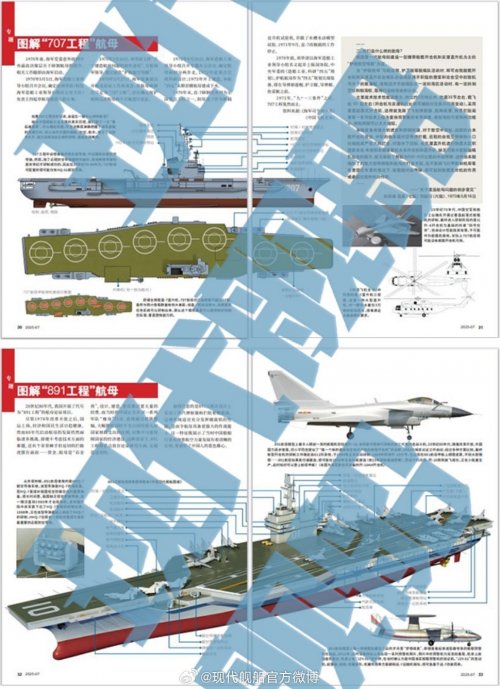
This military enthusiast has mistakenly applied the parameters of the subsequent Project 891 to the reproduction of the Project 707 hull, thus making the entire hull look a bit oddView attachment 755727View attachment 755728View attachment 755729View attachment 755730
Hummm...
They did it?!
I just saw them on a website.
Maybe······maybe they can do like this···At the same time (70s), China didn't even got a design project for 500-600km range anti-ship missiles also, so this can be a bit suspicious...
Resister1976
ACCESS: Confidential
- Joined
- 9 April 2021
- Messages
- 87
- Reaction score
- 76
Jesus!Somebody said they see some interesting things about 891.
Man,What can I say?How lucky they are!
Man,What can I say?How lucky they are!
Resister1976
ACCESS: Confidential
- Joined
- 9 April 2021
- Messages
- 87
- Reaction score
- 76
"I've seen things you people wouldn't believe. Attack ships on fire off the shoulder of Orion. I watched c-beams glitter in the dark near the Tanhauser Gate. All those...moments will be lost...in time. Like...tears...in rain."Jesus!Somebody said they see some interesting things about 891.
Man,What can I say?How lucky they are!
"What is Jerusalem worth?"
"Nothing... Everything!"

- Joined
- 1 February 2011
- Messages
- 3,337
- Reaction score
- 5,028
Doctor who esq quote?"I've seen things you people wouldn't believe. Attack ships on fire off the shoulder of Orion. I watched c-beams glitter in the dark near the Tanhauser Gate. All those...moments will be lost...in time. Like...tears...in rain."
"What is Jerusalem worth?"
"Nothing... Everything!"
Resister1976
ACCESS: Confidential
- Joined
- 9 April 2021
- Messages
- 87
- Reaction score
- 76
All.Doctor who esq quote?
Scott Kenny
ACCESS: USAP
- Joined
- 15 May 2023
- Messages
- 19,511
- Reaction score
- 27,956
First one is from Blade Runner.Doctor who esq quote?
collins355
ACCESS: Confidential
- Joined
- 23 September 2008
- Messages
- 70
- Reaction score
- 78
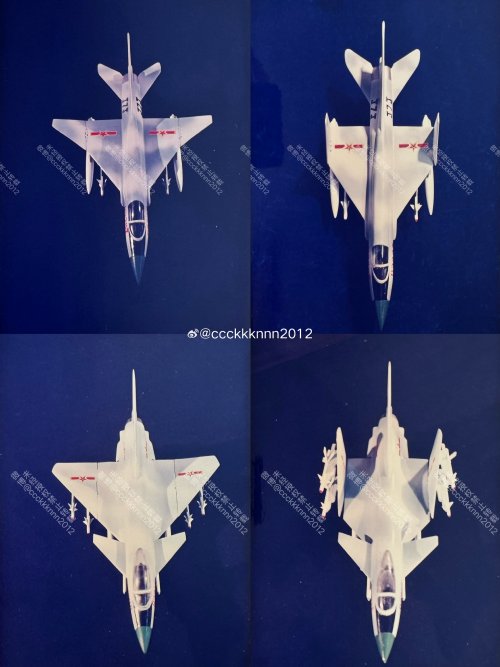
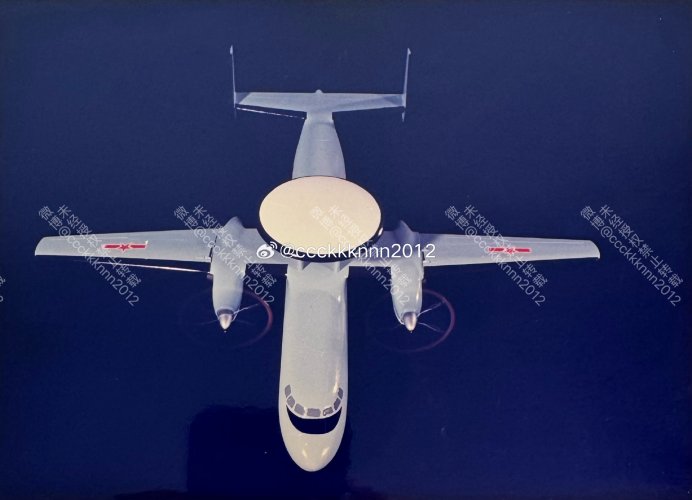
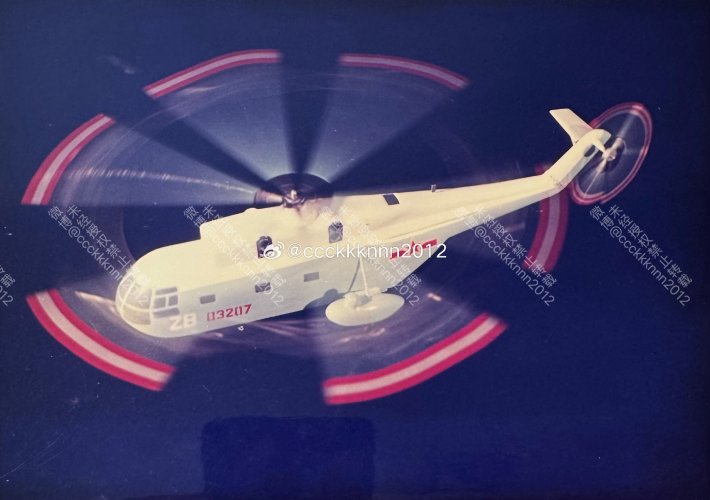
I liked the complete air group models...

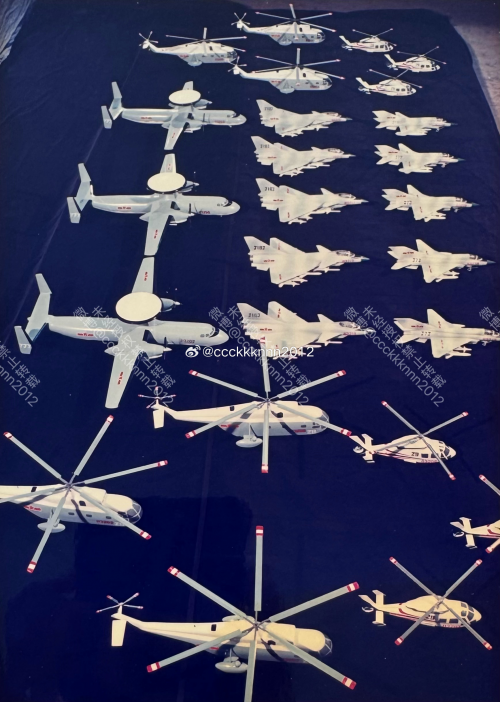
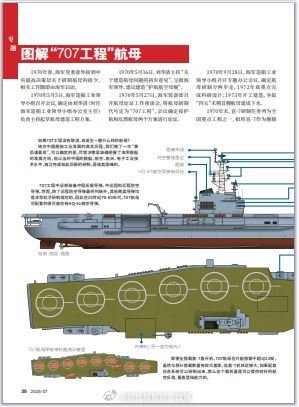
Interesting articles!!!
Resister1976
ACCESS: Confidential
- Joined
- 9 April 2021
- Messages
- 87
- Reaction score
- 76
Second one is from Kingdom of HeavenDoctor who esq quote?
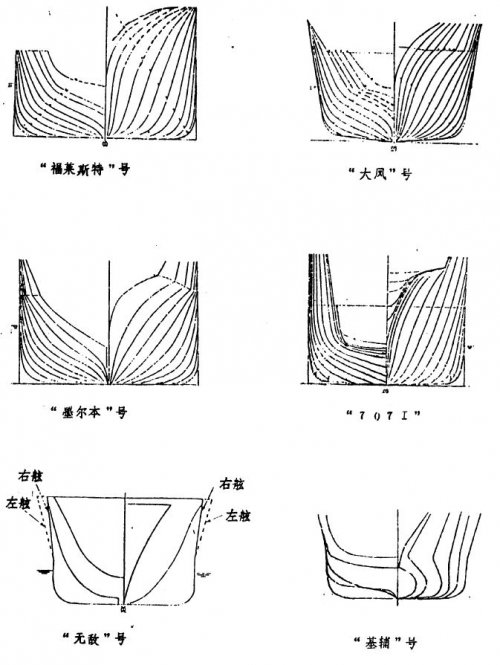
Based on additional leaked materials, the previously leaked 707 Project hull lines diagram was not a complete hull lines diagram of the ship. By referencing the hull lines diagrams of the US “Forrestal” (CV-59) and the Soviet 11431 Project “Kiev” depicted in the same diagram, it can be determined that all hull lines diagrams in the figure only depict the hull lines from the keel to the hangar deck.


Additionally, by referencing the hull lines of the old Japanese Navy's “Taiho” with a double-deck hangar on the same diagram, its hull lines terminate at the upper deck above the lower hangar, while the lower deck of the lower hangar is indicated by a dashed line. Therefore, it is reasonable to infer that the 707 Project likely adopted a double-deck hangar design as a compromise to meet the required high-speed performance (≥35 knots).
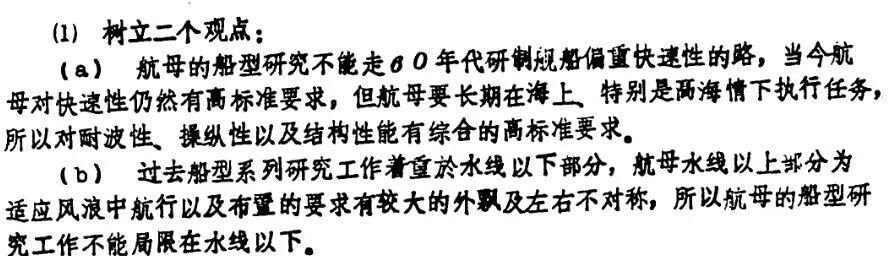
Another screenshot from the same book (i.e., “On the Mechanical Performance of Medium-Sized Aircraft Carriers” published by the China State Shipbuilding Corporation) indirectly confirms that the hull research for the 707 Project likely only extended to the underwater section.


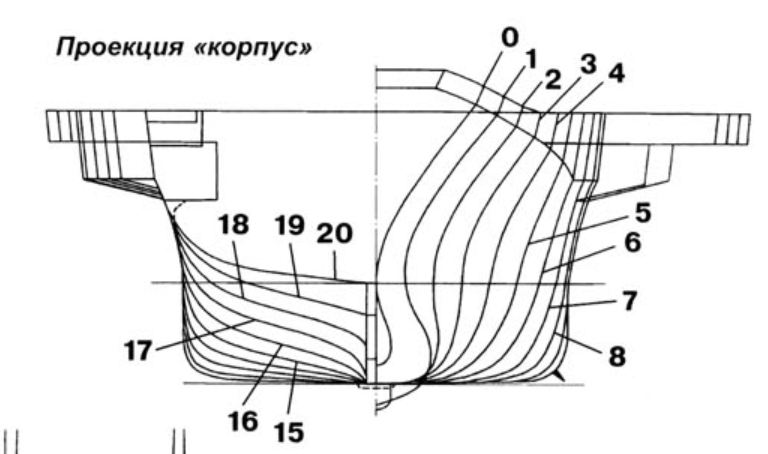
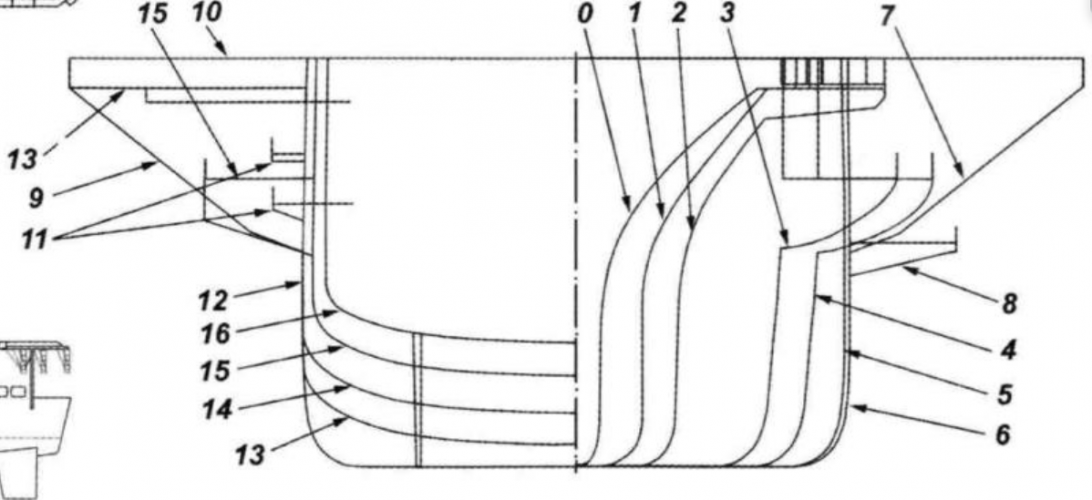
Additionally, by referencing the hull lines of the old Japanese Navy's “Taiho” with a double-deck hangar on the same diagram, its hull lines terminate at the upper deck above the lower hangar, while the lower deck of the lower hangar is indicated by a dashed line. Therefore, it is reasonable to infer that the 707 Project likely adopted a double-deck hangar design as a compromise to meet the required high-speed performance (≥35 knots).
Another screenshot from the same book (i.e., “On the Mechanical Performance of Medium-Sized Aircraft Carriers” published by the China State Shipbuilding Corporation) indirectly confirms that the hull research for the 707 Project likely only extended to the underwater section.

Taiho. Wow. With their official reluctance to touch everything Japanese!by referencing the hull lines of the old Japanese Navy's “Taiho” with a double-deck hangar on the same diagram
Resister1976
ACCESS: Confidential
- Joined
- 9 April 2021
- Messages
- 87
- Reaction score
- 76
Yes,and not only you but also me could buy the Japs magazine ''Ships of the World''.So?Taiho. Wow. With their official reluctance to touch everything Japanese!
Last edited:
Oh, surely everybody can, but I was rather under an impression that it was not exactly politically acceptable to mention or rely on Japanese examples in official documentation in 1970's China.Yes,and not only you but also me could buy the Japs magazine ''Ships of the World''.So?
No,there aer no political issues,The Chinese even have two plans to convert the cargo ships built by Japan into helicopter carriersOh, surely everybody can, but I was rather under an impression that it was not exactly politically acceptable to mention or rely on Japanese examples in official documentation in 1970's China.
Are there any images?two plans to convert the cargo ships built by Japan into helicopter carriers
Just a old book,all in Chinese, I can post some tableAre there any images?
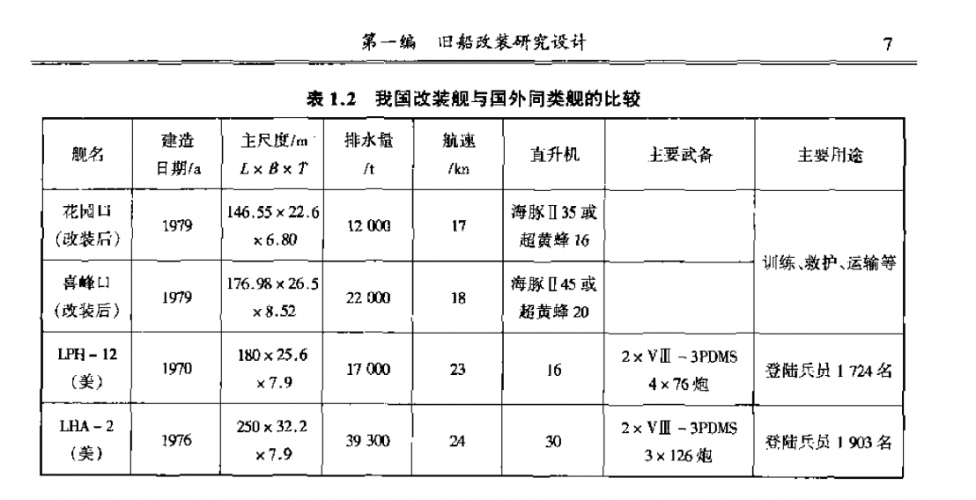
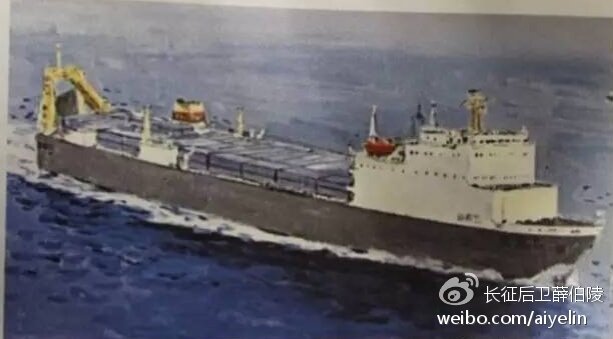
China bought 8 RO-RO ships from Japan in 1970s.
PLAN trying to convert one of them into a helicopter carrier(There are two choices: one big and one small),This should be one of the ships
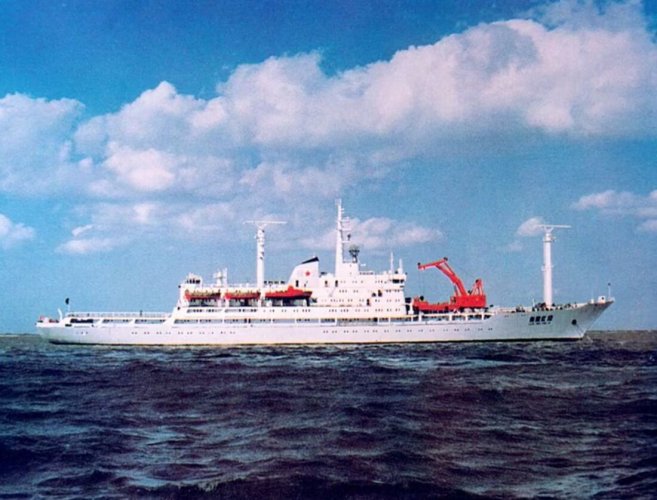
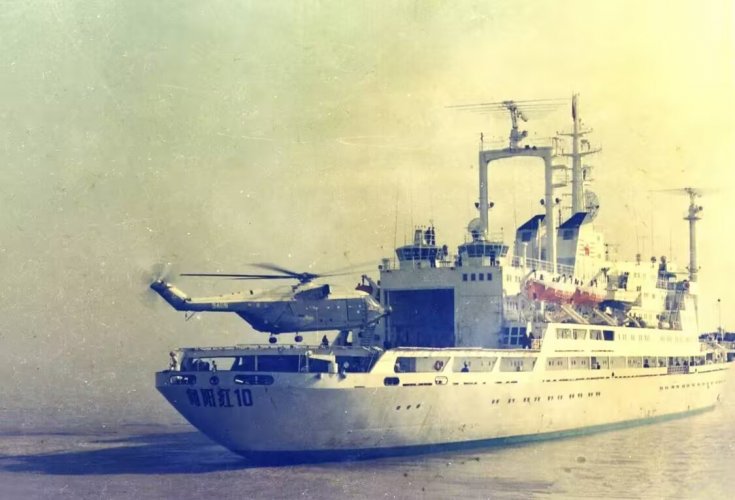
Another plan is to modify the scientific research vessel Xiangyanghong 10
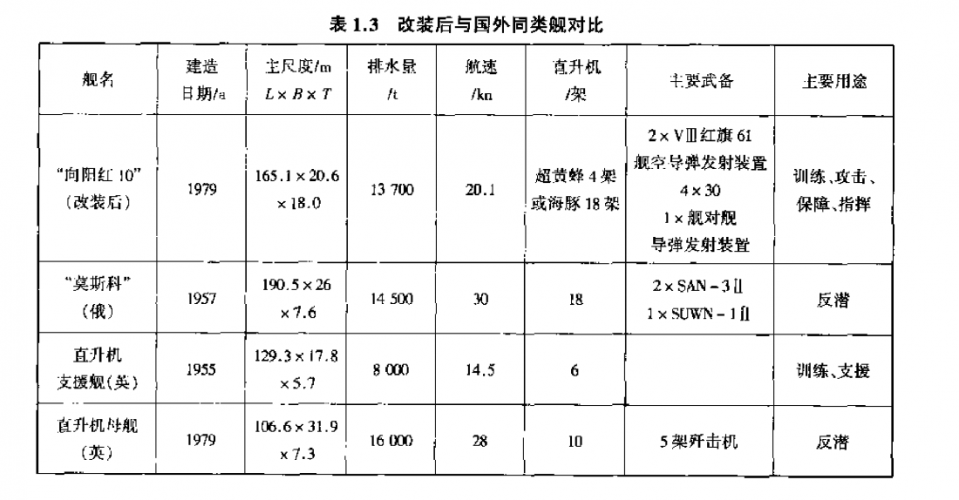
The bottom row in the table should be the invincible class, but there are many errors
Last edited:
Resister1976
ACCESS: Confidential
- Joined
- 9 April 2021
- Messages
- 87
- Reaction score
- 76
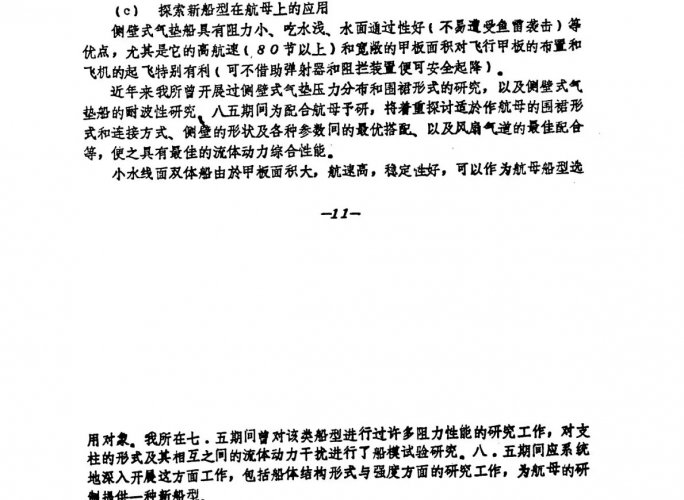
Perhaps,this post should be renamed as "Chinese Aircraft Carrier Program"?

Resister1976
ACCESS: Confidential
- Joined
- 9 April 2021
- Messages
- 87
- Reaction score
- 76
Wow, who let you see?
Resister1976
ACCESS: Confidential
- Joined
- 9 April 2021
- Messages
- 87
- Reaction score
- 76
Chinese Aircraft Carrier Project,Before August 2004.What is it about if i may ask?
Resister1976
ACCESS: Confidential
- Joined
- 9 April 2021
- Messages
- 87
- Reaction score
- 76
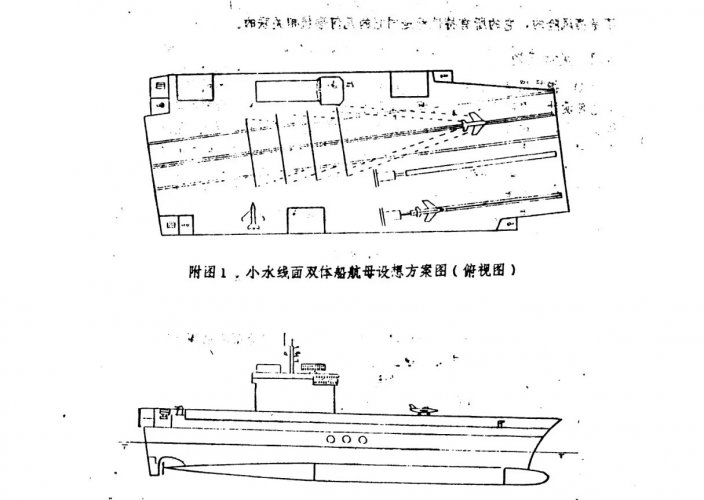
the actual layoutThanks, so is that some kind of catamaran carrier project, representative of the actual layout, or just a distorted representation?
1990,The seventh Five-Year Plan periodChinese Aircraft Carrier Project,Before August 2004.
Scott Kenny
ACCESS: USAP
- Joined
- 15 May 2023
- Messages
- 19,511
- Reaction score
- 27,956
Looks like a SWATH carrier.Thanks, so is that some kind of catamaran carrier project, representative of the actual layout, or just a distorted representation?
Awfully short catapults, though. I'm guessing ~200ft ish?
The port-side island is interesting. Probably required due to lack of space on the starboard side with the elevator there.
Whole thing looks to be ~650ft long. Any hints on expected displacement? My Chinese is non-existent.
Resister1976
ACCESS: Confidential
- Joined
- 9 April 2021
- Messages
- 87
- Reaction score
- 76
expected displacement:23000t.Looks like a SWATH carrier.
Awfully short catapults, though. I'm guessing ~200ft ish?
The port-side island is interesting. Probably required due to lack of space on the starboard side with the elevator there.
Whole thing looks to be ~650ft long. Any hints on expected displacement? My Chinese is non-existent.
Scott Kenny
ACCESS: USAP
- Joined
- 15 May 2023
- Messages
- 19,511
- Reaction score
- 27,956
Thank you.expected displacement:23000t.
I think it'd actually work as a carrier, with maybe one change. move the aft elevator from Port side to starboard.
1990,The seventh Five-Year Plan period
Looks like a SWATH carrier.
Those catamaran carrier projects were all in vogue in 70-80's, it appears. American, Soviet, possibly British, and now this one.
Last edited:
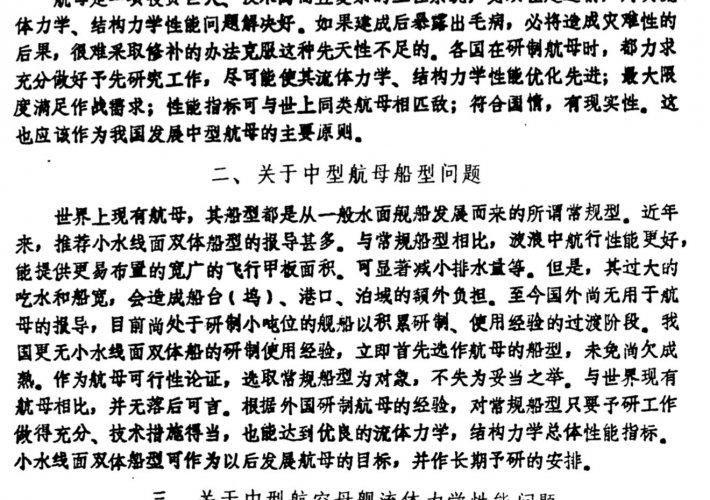
A little paper concept during the feasibility study phase of Project 891, nothing more.
Scott Kenny
ACCESS: USAP
- Joined
- 15 May 2023
- Messages
- 19,511
- Reaction score
- 27,956
Translation, por favor?A little paper concept during the feasibility study phase of Project 891, nothing more.View attachment 786837
The world's existing aircraft carriers are all conventional, evolved from general surface ships. In recent years, numerous reports have recommended small waterplane area twin-hull (SWATH) hulls. Compared to conventional hulls, these offer better wave performance, a wider flight deck area that's easier to deploy, and significantly reduced displacement. However, their excessive draft and beam create additional burdens on slipways (docks), ports, and berths. To date, there have been no reports of these types being used for aircraft carriers abroad, as China is currently in a transitional phase of developing smaller vessels to accumulate experience in their development and operation. my country, on the other hand, has no experience in the development and operation of SWATH hulls, so the type chosen as the first choice for aircraft carriers in this article is likely premature. Selecting a conventional hull as the basis for aircraft carrier feasibility studies is a reasonable approach. Compared to existing aircraft carriers worldwide, this type is not inferior. Based on foreign experience in aircraft carrier development, conventional hulls can also achieve excellent overall fluid dynamics and structural performance indicators with sufficient preliminary research and appropriate technical measures. The small waterplane area catamaran type can be used as the goal for the future development of aircraft carriers and can be arranged for long-term preliminary research.Translation, por favor?
Similar threads
-

-

-
-
ROC Navy - Taiwan - Future Guided Missile Destroyer - NCSIST
- Started by Triton
- Replies: 24
-
