
Grey Havoc
ACCESS: USAP
- Joined
- 9 October 2009
- Messages
- 24,500
- Reaction score
- 18,175


That's a production variant not a project.

I would think that with modern technology any of your proposals could be made to work. Which of them provided the lightest and least expensive means to provide power would be most likely to overcome the known method.I don’t know if this is the best place for this technical question about heavy helicopters with tandem rotors.
The CH-46 and CH-47 are powered by two turboshaft engines, mounted on each side of the helicopter’s rear pylon and connected to the rotors by drive shafts.
I was wondering if another tandem configuration would make sense from a technical point of view:
- Turboshafts engines mounted on each pylon (rear and front) connected by a differential.
- Turboshafts engines mounted on the center of the fuselage, with power output distributed by drive shafts toward each pylon (rear and front).
As I understand the setup, the CH-47** is basically option 2. The engines have a combining gearbox that sends power to each pylon.I don’t know if this is the best place for this technical question about heavy helicopters with tandem rotors.
The CH-46 and CH-47 are powered by two turboshaft engines, mounted on each side of the helicopter’s rear pylon and connected to the rotors by drive shafts.
I was wondering if another tandem configuration would make sense from a technical point of view:
- Turboshafts engines mounted on each pylon (rear and front) connected by a differential.
- Turboshafts engines mounted on the center of the fuselage, with power output distributed by drive shafts toward each pylon (rear and front).




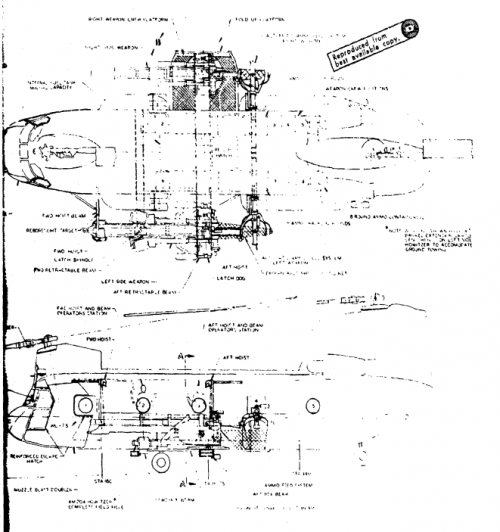
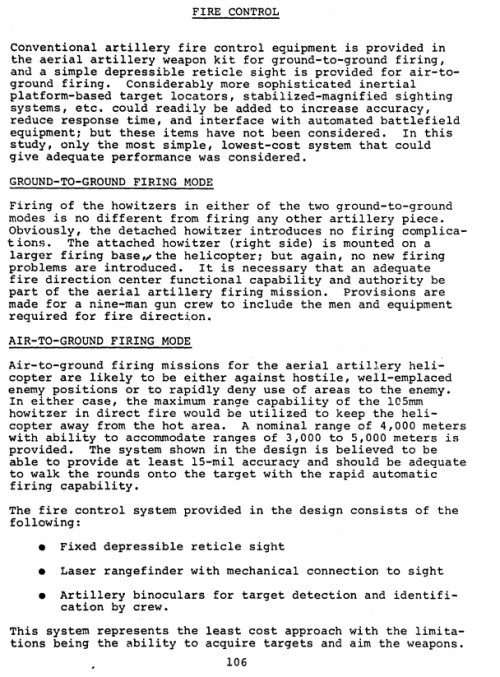
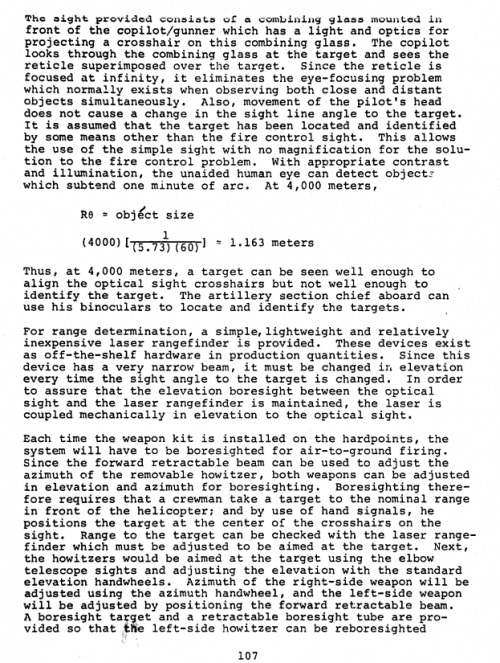
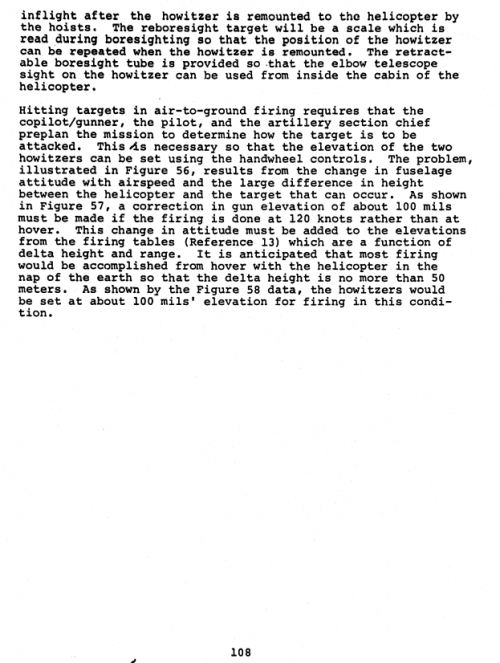
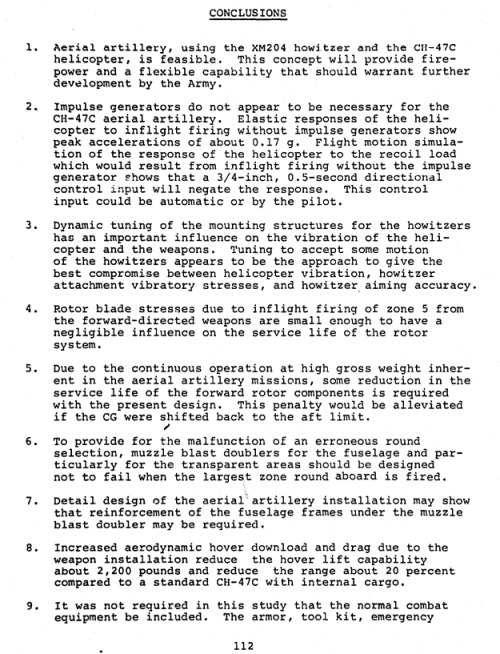
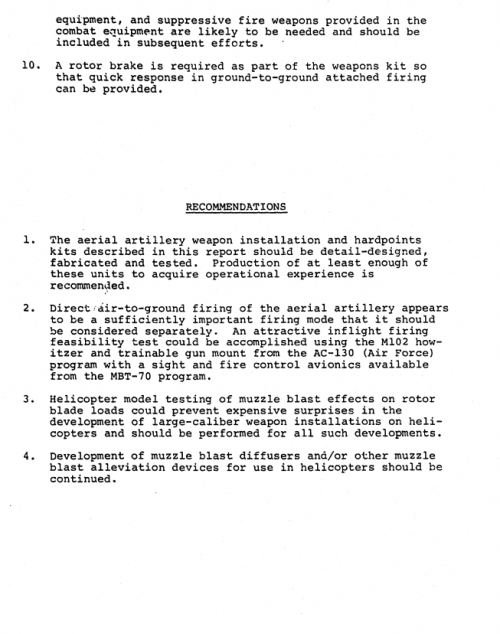
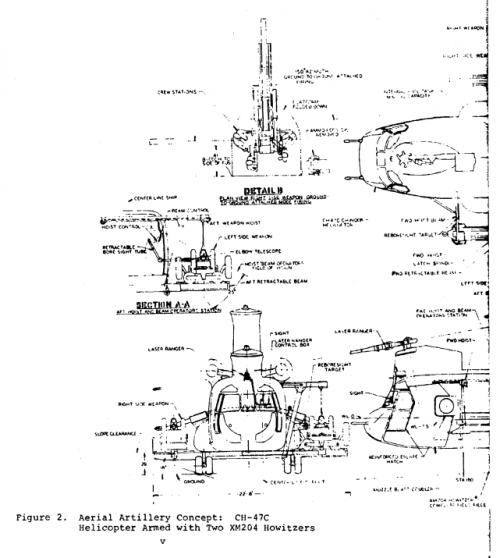
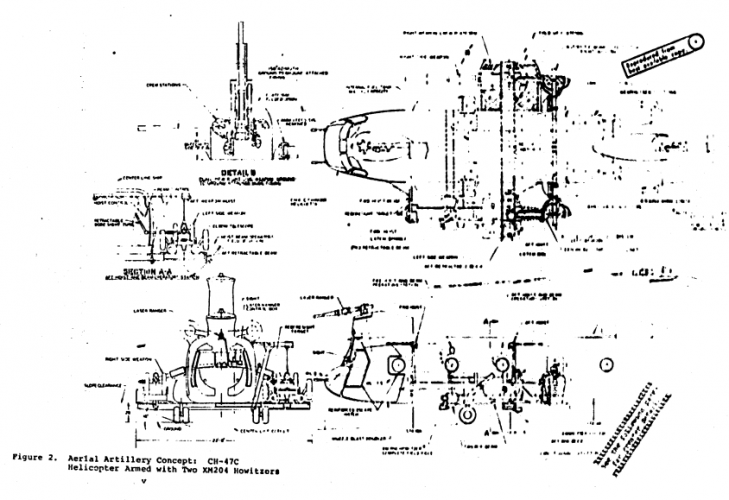
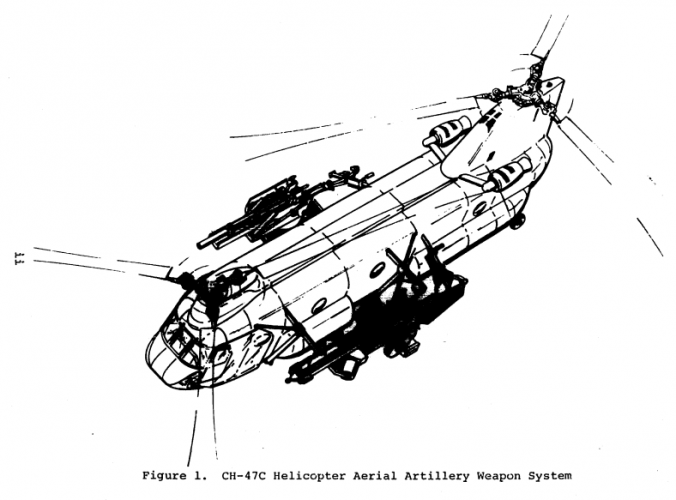
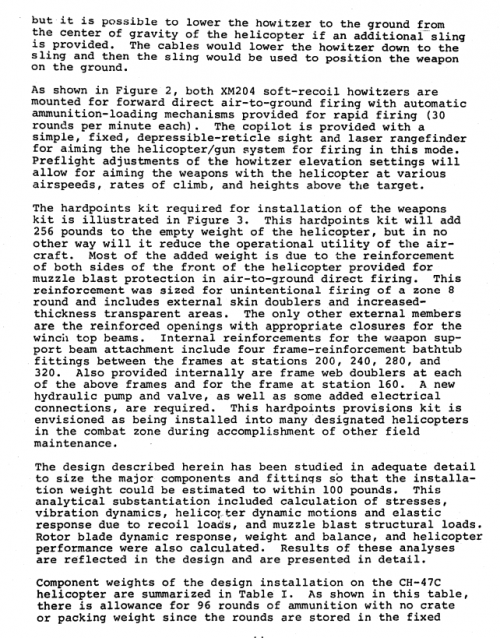
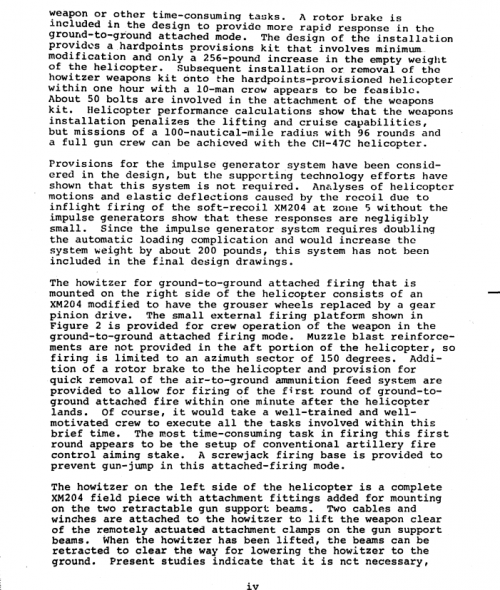
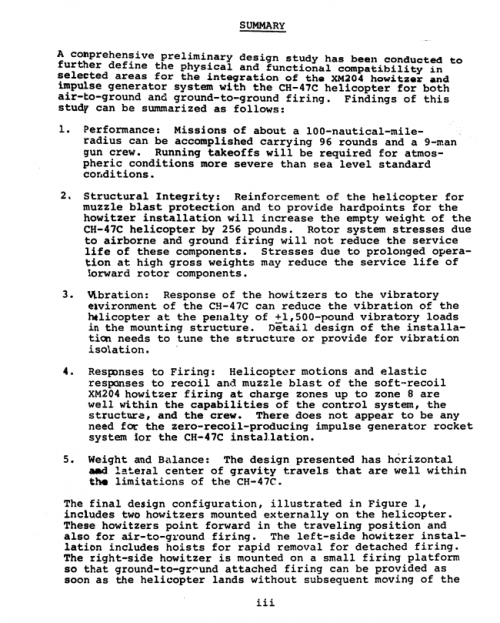
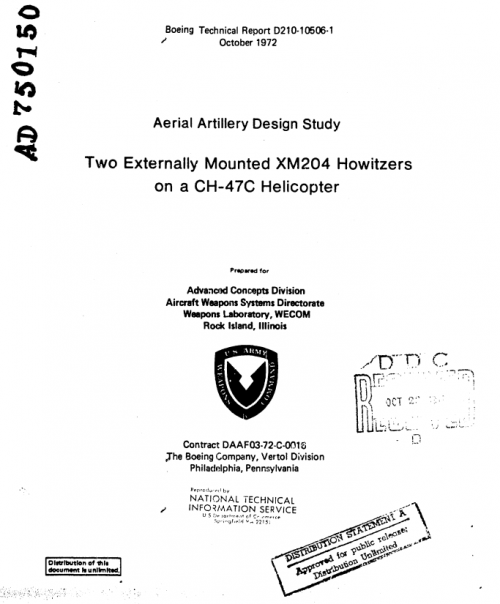

CH-47C with two XM204 howitzers. Unfortunately the drawing quality is poor.

CH-47 Chinook Air-Launching Swarms Of Drones Touted As Future Feature
https://www.twz.com/air/ch-47-chinook-air-launching-swarms-of-drones-touted-as-future-feature


