Tube count is easy, coming up with a good measure for sensor quality is the challenge.

I still stand by my count for missiles, a cruiser needing more than 100 "tactical-length" missile cells and another 30+ "strike-length" Mk41 or PVLS plus 6x APMs or MLS (24x birds) for hypersonics. (Note that I support the continued use of PVLS as a way to sneak another 50+ft of usable missile cell area on each side of the Helo deck.)

Call it "over 150 missile cells" as the minimum for a cruiser in terms of weapons. This would make the Japanese ASEVs not meet the definition of cruiser, not enough missile cells (and arguably insufficient offensive missiles fitted). And that'd make the MSDF happy.

What say you all, Destroyers have over 100 missile cells? Frigates have over 50?


Saying "better radar than a Burke" is probably the appropriate floor for a cruiser, but I'd like a more formal definition than that.

I believe that "equipped with SPY6V1 or SPY7V1" should be the sensor floor for US-allies cruisers.

Or were you wanting to go back to the "Rate" system? Not to mention, how would that work since there's no battleships anymore? "Cruisers" 1st-3rd rate, Destroyers 4th rate, Frigates 5th rate, and anything under that as "unrated"?
Personally I don’t care what terminology is used as long as there’s a logical set of requirements.
As for the ‘there’s no battleships anymore’ part that’s easily solvable. Shift every thing ‘up’ one classification and what we’re currently generally calling cruisers now, are battleships, things like Burkes and 055s are cruisers, etc, etc. all the way down to LCSes being classified as a type of frigate (littoral frigate for example)
 
Personally I don’t care what terminology is used as long as there’s a logical set of requirements.
As for the ‘there’s no battleships anymore’ part that’s easily solvable. Shift every thing ‘up’ one classification and what we’re currently generally calling cruisers now, are battleships, things like Burkes and 055s are cruisers, etc, etc. all the way down to LCSes being classified as a type of frigate (littoral frigate for example)
I suspect that the "rate" system is so far out of use that nobody thinks that way anymore, so Cruisers/Destroyers/Frigates is going to stick with us for a really long time.

I mean, it's been more than 150 years since people stopped using ship rates in the USN.

That said, thank you for bringing it up, I'm going to file that in my worldbuilding notes for a possibility.
 
I suspect that the "rate" system is so far out of use that nobody thinks that way anymore, so Cruisers/Destroyers/Frigates is going to stick with us for a really long time.

I mean, it's been more than 150 years since people stopped using ship rates in the USN.

That said, thank you for bringing it up, I'm going to file that in my worldbuilding notes for a possibility.
I’ll accept a $100 contractor fee for my contributions
 
Also I think a helo cruiser/mini-LPD wouldn’t be too ridiculous.

Large flight and hangar capable of operating at least 3 MH60s or one osprey.
Davits for either two large RHIBs or small landing craft, and berthing and armory space for at least one platoon of marines or SOF.

But that kinda steps on the toes of the ESB.
 
I’ll accept a $100 contractor fee for my contributions
Counter-offering with the first round of beverages at a face-to-face meetup.


Also I think a helo cruiser/mini-LPD wouldn’t be too ridiculous.

Large flight and hangar capable of operating at least 3 MH60s or one osprey.
Davits for either two large RHIBs or small landing craft, and berthing and armory space for at least one platoon of marines or SOF.

But that kinda steps on the toes of the ESB.
Isn't that what the trimaran LCS basically can do for hangar/flight deck?
 
Counter-offering with the first round of beverages at a face-to-face meetup.


Isn't that what the trimaran LCS basically can do for hangar/flight deck?
I don’t really drink though. How about a rootbeer and $25 contractor fee

Not even close. I think it can operate one MH60 and one medium-large UAV, but only has hangar space for 2 MH60s.

It’s a big flight deck but it’s not that big

Edit
It can do two MH60s at once or a single sea stallion.
But I don’t think it has the cold or dry stores space to support and extra 50 people for very long, and definitely doesn’t have the capability to support those troops once they’re ashore beyond the helos like a helicopter cruiser would.

Flight deck size id say like 4/5 the width and 3/4 the length of a San Antonio’s flight deck, or roughly. (I can’t find dimensions for their flight decks)
 
Last edited:
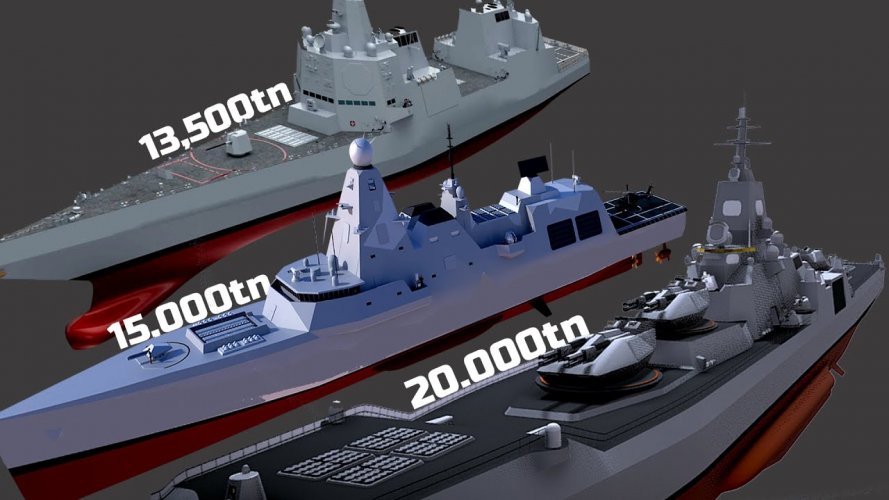
Cruiser, destroyer, frigate these terms little anymore. In the 1980s US Navy had 600 shop fleet, yet today 280. CGX, zumwalt, DDGX, constellation frigate all redesign failures don't address the issue of what future hold naval warfare.

Both US and Japan spent 30 years respectively developing and canceling successors.

1000041249.jpg

Just in the 20th century the Navy witnessed four major technological revolutions in which large parts of its fleet suddenly became obsolete. (1906, 1921, 1945, and 1991)

1906 Dreadnought: Harvey armor, centralized armament, turbine propulsion
1921 Aircraft Carrier: successor to deliver munitions low cost further than naval guns
1945 long term submarine warfare. Jet aviation
1991: Cruise missile warfare, rise of drones for intelligence

Each & every iteration technology created vacuum requiring naval overhaul. Changes in technology, but no change in tactics or planning, Admirals wanted big navies with diverse fleets without consideration for whether that was viable or even necessary. As the 3 technologies already disrupted most naval tactics

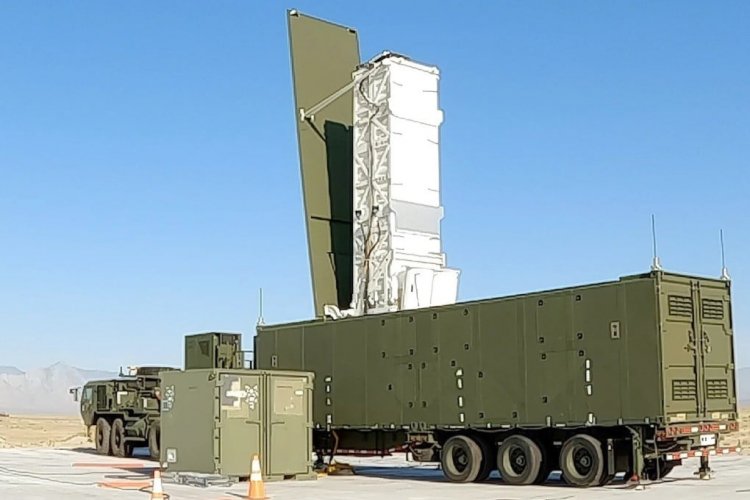
- containerized launched missile/drones. A ship, a plane or even truck can launch them.
1000041262.jpg

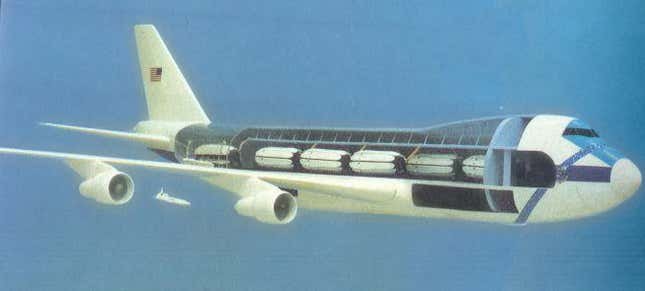
- and off the shelf Jet Bomber.
1000041259.jpg

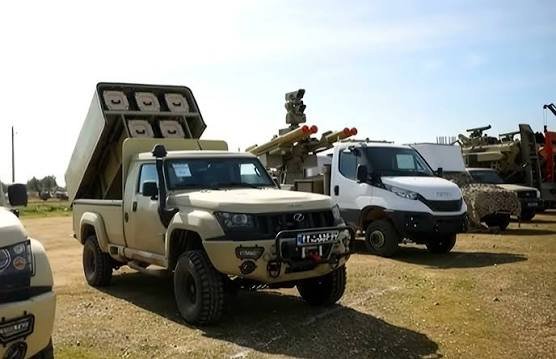
Even seen here Iran pickup mounted missile brigades
1000041260.jpg

The idea 10-20 thousand ton vessel roaming oceans fighting bad guys is obsolete especially considering these vessels possess No Armor. A frigate weighs 6000-8000 tons it's really just a destroyer, a Destroyer weighing over 10,000 tons is just a cruiser all whom have fewer capabilities. Fuel burden of running a ship that massive let alone a fleet is unsustainable. An attacking force always suffers burden of maintaining logistics behind them. Flight III Burkes require 3 gas turbine generators supporting 12 Megawatts electric power. Would nuclear offset fuel demands, in a modular format....perhaps. Small modular reactor has potential upend military logistics chain. Since 70% what they move is water/fuel. Munitions, food, spare parts which made up 30% your logistics.

Ukraine/Iran wars revealed you can fight a navy without needing much of a navy. And hold your ground. And modern warship is extremely vulnerable asset. During WWII ships required sinking or catastrophic damage to be taken out. Today single missile. US already faced drone swarms they were called Kamikaze. Solution to that was fill skies with lead and have ships robust enough survive it.
 
I wonder how well RAM and Phalanx could defend against drones. Cost-wise those are better choices than really expensive SM missiles if they prove effective. I suppose it would be a question if they can distinguish between slow yet dangerous drones and innocent birds.
 
I wonder how well RAM and Phalanx could defend against drones. Cost-wise those are better choices than really expensive SM missiles if they prove effective. I suppose it would be a question if they can distinguish between slow yet dangerous drones and innocent birds.

RIM-116 RAM is surprisingly expensive (almost 1M $). You could get two much more capable IRIS-T SL for one RAM.
 
Cruisers in the classic sense can operate alone. But I agree with your idea of 1 operational minimum per active carrier.
 
I wonder how well RAM and Phalanx could defend against drones. Cost-wise those are better choices than really expensive SM missiles if they prove effective. I suppose it would be a question if they can distinguish between slow yet dangerous drones and innocent birds.
Expensively. Missiles to intercept drones were issue of cost. Surface to air missile costs between 300,000 to 2.5 million dollars. Where as Irans Shahad drones cost 5-10 thousand and Ukraine FPV drones cost little as 100. Phalanx ideal drone destroyer because ammo cost is relatively cheap but its range and honing in slow targets is modest.
Best way dispose of a drone is fill the sky with lead. Bullets are cheaper
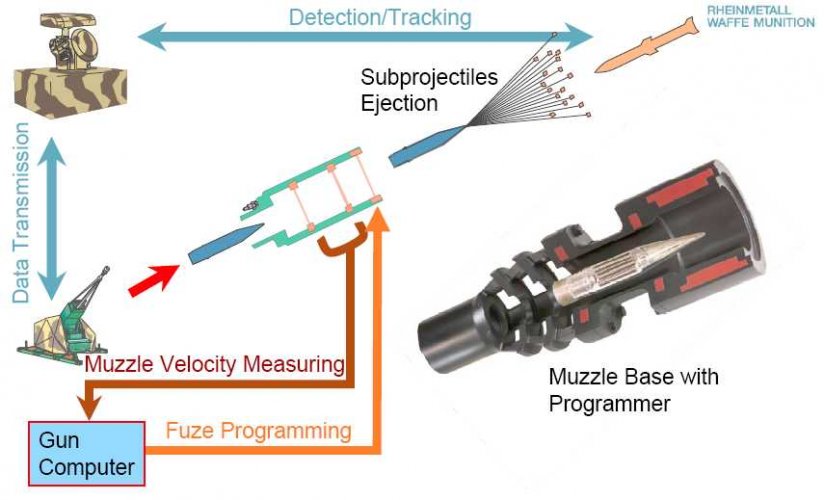
Programmable ammunition like rhinemetal 35mm shells Oerlikon/Millennium gun.
1000041290-jpg.818328


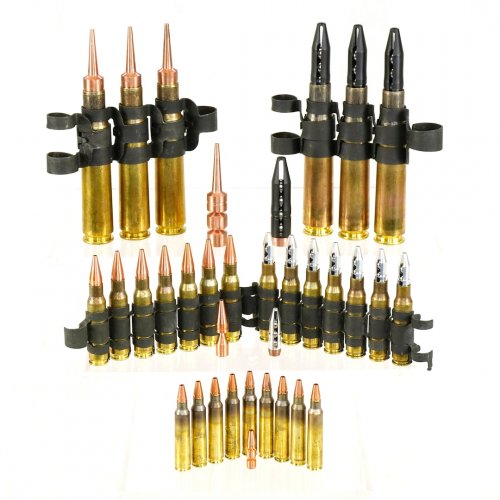
US Navy Surface warfare center developed submunitions use conventional 30-50 caliber ammo. Modding phalanx ammo to disperse sub-munitionsn or fragments is better drone killer. 1000041292.jpg

These bullets can be fired conventional or turret weapons
 

Attachments

  • 1000041290.jpg
    1000041290.jpg
    38.4 KB · Views: 183
Fun game I wanna play. Bringing back the "Cruiser" the emphasis is what precisely is this cruiser to accomplish.
- ALL warfare roles must be done. Anti air, anti sub, anti surface and land attack, ballistic defense.
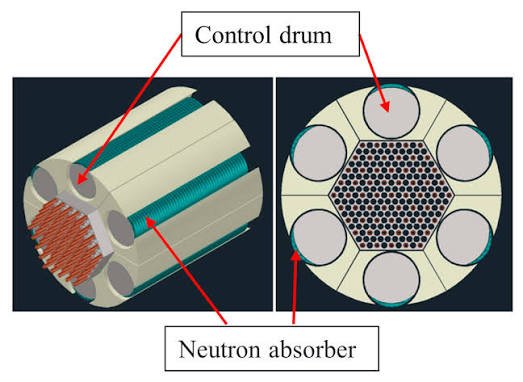
Propulsion likely nuclear. But revolutionary new reactor designs to mitigate labor and technical demands. In particular heat pipe reactors and High-temperature gas designs.
1000041289.jpg
Method of propulsion: direct transmission. I'm omit Integrated Electric propulsion because they have terrible track records. Type 45 destroyer spent more time drydock getting IEP to work.


Weaponry. Biggest change would be accommodate VLS to higher domain on the superstructure.

1000041296.jpg

Railguns remain in realm of silly scifi. Because the reality of their usefulness as line of sight weapons, you cannot stick a suitable guidance package for programmable ammunition in device you intend to zap with thousands of volts⚡️of electricity.

A large caliber gun for shore bombardment in 175-203 mm caliber.

One more critical aspects, often overlooked. Armor. In old days what difference between cruisers among other vessels was armor. One of the disappointing trends in modern ship construction has been the steady decrease in armor and high strength steel in the construction of ship hulls thus rendering the ships more susceptible to damage even in accidents. This trend has culminated in the thin aluminum construction of the LCS , as if the USS Belknap accident didn't teach the lesson aluminum was building material.
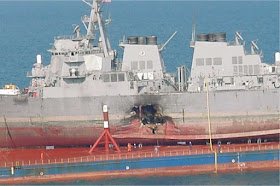
Even lesser steel grades where incidents like USS Cole which was nearly sunk by bomb of just 400-600 pounds.
1000041297.jpg

On land battlefields US Army in Iraq and land locked Afghanistan revealed their odd fascination lightly armored air mobility was disaster as they scrambled upgrade Humvees woth armor packages to survive asymmetric warfare. US Army Relented and instead developed MRAP and Stryker. Naval battlefield will be just treacherous. Absence of armor combined demand for automation to reduce crew sizes means little reserve for damage control. EVERYONE needs to be trained in damage control regardless of rank or profession. Armor is meant to mitigate damage, not stop it totally. The main objection is armor is too heavy. This is non-sense. Fletcher/Greaves destroyer has 0.5 and 0.75 inch armor belts and modest weights. A one inch armor belt on 500 foot ship equate 540 tons, for vessel pushing 18-25 thousand, 540 is not straw on the camel. 2nd objection is cost. But this penny wise, dollar stupid. Steel is cheap, armor is made of steel therefore armor is cheap

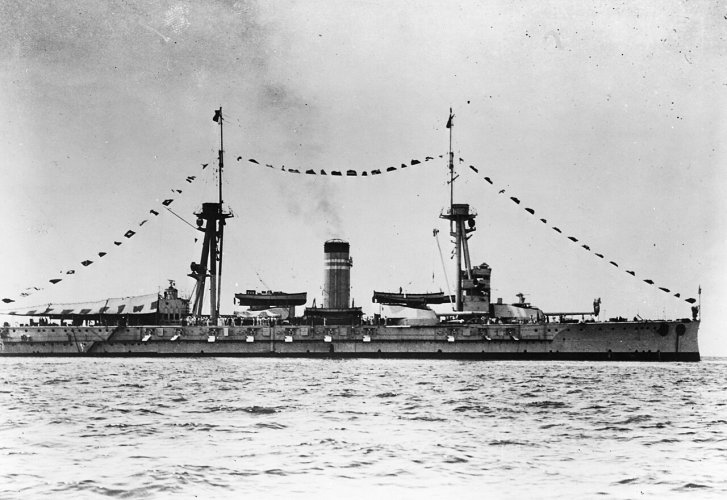
The smallest Battleships ever fielded came from Spain, 40-60% weight of contemporary cruiser, 25% horsepower yet they still rocked 8 inches of belt armor.
1000041298.jpg
 
Fletcher/Greaves destroyer has 0.5 and 0.75 inch armor belts and modest weights. A one inch armor belt on 500 foot ship equate 540 tons, for vessel pushing 18-25 thousand, 540 is not straw on the camel. 2nd objection is cost.
One-inch armor is just ballistic/frag protection - and it's something modern vessels already have.

The smallest Battleships ever fielded came from Spain, 40-60% weight of contemporary cruiser, 25% horsepower yet they still rocked 8 inches of belt armor.
Its armor covers a fraction of the hull, does nothing for the superstructure, and would be penetrated by most modern munitions anyway.

Armor just doesn't keep modern ships in a fight anymore. Even armor sufficient to reject antiship munitions would do nothing to stop the sensors that are the entire point of modern warships from getting knocked out, either from a direct hit or from the shock that as it turns out metal armor is really good at transmitting.

One more critical aspects, often overlooked. Armor. In old days what difference between cruisers among other vessels was armor. One of the disappointing trends in modern ship construction has been the steady decrease in armor and high strength steel in the construction of ship hulls thus rendering the ships more susceptible to damage even in accidents. This trend has culminated in the thin aluminum construction of the LCS , as if the USS Belknap accident didn't teach the lesson aluminum was building material.
The LCS is very much an exception when it comes to aluminum structures; the vast majority of current surface combatants are steel construction with some composites.
 
The main objection is armor is too heavy. This is non-sense. Fletcher/Greaves destroyer has 0.5 and 0.75 inch armor belts and modest weights. A one inch armor belt on 500 foot ship equate 540 tons, for vessel pushing 18-25 thousand, 540 is not straw on the camel. 2nd objection is cost. But this penny wise, dollar stupid. Steel is cheap, armor is made of steel therefore armor is cheap
Problem is, that steel is kinda useless against missile attacks. Warheads are just too destructive. Shaped charges could punch through basically any reasonable thickness of steel; supersonic missiles could just break though it by sheer kinetic energy.
 
Some armor is better than NO armor. Because many threats include glancing blows which modern ships cause severe crippling damage. Images hypersonic missile strikes in Ukraine 1000041320.jpg 1000041321.jpg

Yet damage relatively minor to moderate. As they contain small warheads.

Armor is meant to mitigate (lesson the effects of) damage. While it would be nice if the armor stopped whatever the incoming weapon is. Simply reducing the amount of damage from a hit is worth the cost and weight of the armor. If that 20 ft hole in the ship can be reduced to 10 ft that’s a “win”. If the spray of shrapnel from a hit can be confined to one compartment rather than several, that’s a victory. 1000041323.jpg

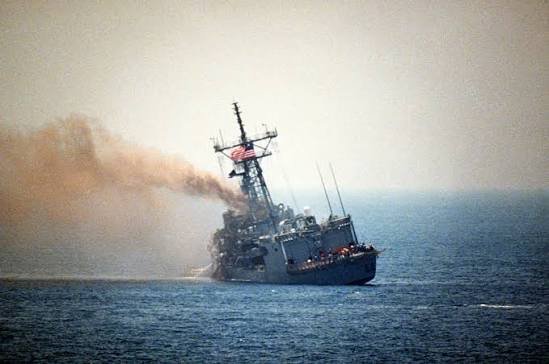
Stark, Cole, Fitzgerald, McCain all emphasized repairs cost tens/hundred millions dollars, which costs could have been heavily reduced. USS Stark survived 2 missile strikes. While the vessel had no "hull armor" it's vital spots were armored 0.75 inches hardened aluminum around magazine, Kevlar around command structure and steel around engineering.
The ability to shrug off, or greatly mitigate, the sub-optimal hits is what armor grants. Risking ships now cost over billion dollars for want of inch of armor.

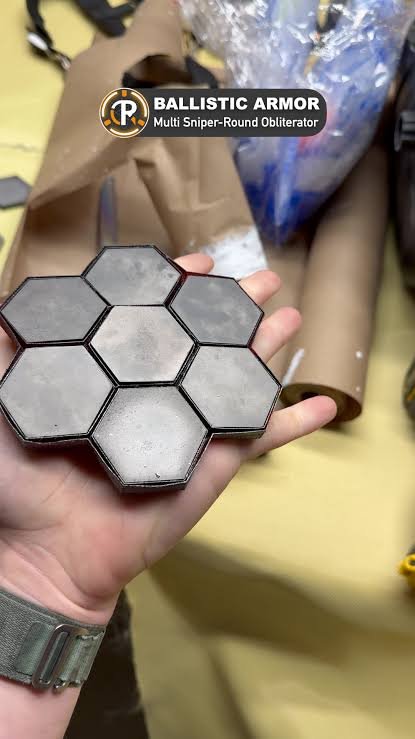
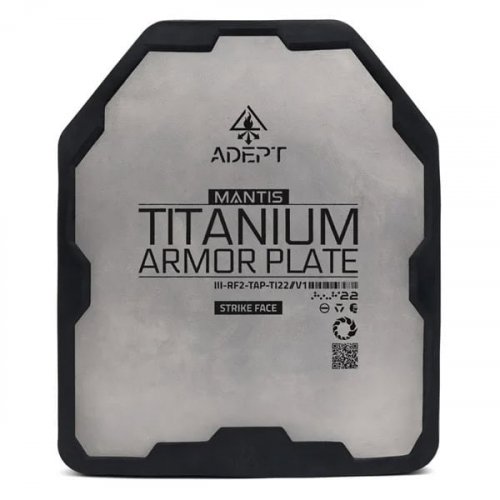
While armor on high seas has been abandoned, Land Warfare has spent 30 years revolutionizing breakthrough in material sciences to develop armors for just such reason ,saving lives. Titanium, new steel recipes, boron nitride, ultra hard ceramics. 1000041326.jpg 1000041327.jpg
 
Armor is meant to mitigate (lesson the effects of) damage.
Past splinter protection (which, again, modern ships already have), no, it's not.

Stark, Cole, Fitzgerald, McCain all emphasized repairs cost tens/hundred millions dollars, which costs could have been heavily reduced. USS Stark survived 2 missile strikes. While the vessel had no "hull armor" it's vital spots were armored 0.75 inches hardened aluminum around magazine, Kevlar around command structure and steel around engineering.
Okay, cards on the table, what more do you want on ships in terms of protection? Because they have it, as you just acknowledged.
 
Past splinter protection (which, again, modern ships already have), no, it's not.


Okay, cards on the table, what more do you want on ships in terms of protection? Because they have it, as you just acknowledged.
Skimping on something as fundamental as ship survivability to save a few dollars, especially for the mainstay ship class of the fleet (the Burkes and its successor whatever that is) is issue. Diversify fleet vulnerability with network of smaller capital ships (frigates, corvettes) , UNLESS You can produce cruisers and destroyer amortized lower costs.

A 1990 study by NSWC Carderock asserted that a great deal can be done: moreover, the toughening will come at only a modest increase in cost." Cost of resource acquisition is based amortization, if you buy 7000 tons steel to produce one frigate you must order again. You buy 700K tons but you only need 300,000 per se thee excess can go another ship, or serve spare hull replacement or paneling for future repairs.

Armor provides damage mitigation effect (lessening the impact of the hit) by stopping shrapnel, blast debris, unspent fuel, and so forth from penetrating as far as it would in the absence of armor and thereby reducing secondary fires, power outages, flooding, etc. Argument is weapons outpaced protection. Perhaps that's true but other events besides combat directly also pose threat ships. Terrorism, asymmetric warfare, accidents, crashing, grounding, and idea ship can be harmed or disabled small arms, light weaponry.

Real issue land warfare recognized need for armor after vehicles blew apart. Syria, Russia, Ukraine all ad hoc armor additions to protect vehicles. Defense industries poured billions into armor research , result was...amortization. civilian sector you can effectively buy armor as good as hard core military stuff.

I AGREE nothing short new revolutionary armor magical recipe will have effect detering efficacy of modern weapons. Never less full armor isn't true necessity but armoring your VLS box, sensor platforms, command section, engines, conduits..

Innovation emerges when someone recognizes problem.
 
Some armor is better than NO armor
Debatable. Armored citadel forces you to put vital components of the ship close together, making them more likely to be disabed if citadel is penetrated.

Images hypersonic missile strikes in Ukraine
Erm... that was either a drone knocked down from course, or malfunctioned SAM. Look at the hole, it was clearly made by something moving at slowly descending trajectory. The hypersonic at terminal stage would be falling almost vertically.

Armor is meant to mitigate (lesson the effects of) damage. While it would be nice if the armor stopped whatever the incoming weapon is. Simply reducing the amount of damage from a hit is worth the cost and weight of the armor. If that 20 ft hole in the ship can be reduced to 10 ft that’s a “win”. If the spray of shrapnel from a hit can be confined to one compartment rather than several,
That's why modern warships incorporate thick outer plating and reinforced bulkheads.

While armor on high seas has been abandoned, Land Warfare has spent 30 years revolutionizing breakthrough in material sciences to develop armors for just such reason ,saving lives. Titanium, new steel recipes, boron nitride, ultra hard ceramics.
Problem is, land warfare did not have to face Mach 3+ missiles with half-ton shaped charge warheads.
 
Skimping on something as fundamental as ship survivability to save a few dollars, especially for the mainstay ship class of the fleet (the Burkes and its successor whatever that is) is issue. Diversify fleet vulnerability with network of smaller capital ships (frigates, corvettes) , UNLESS You can produce cruisers and destroyer amortized lower costs.
Burke's were designed during the era, when the most direct threat were high-end Soviet anti-ship missiles, carrying either heavy HE/shaped charge, or nuclear warheads. Against both, the relatively small amount of armor that could be fit on destroyer means about as much as "was soldier wearing a helmet or not, when he was run over by 50-ton tank"


A 1990 study by NSWC Carderock asserted that a great deal can be done: moreover, the toughening will come at only a modest increase in cost." Cost of resource acquisition is based amortization, if you buy 7000 tons steel to produce one frigate you must order again. You buy 700K tons but you only need 300,000 per se thee excess can go another ship, or serve spare hull replacement or paneling for future repairs.
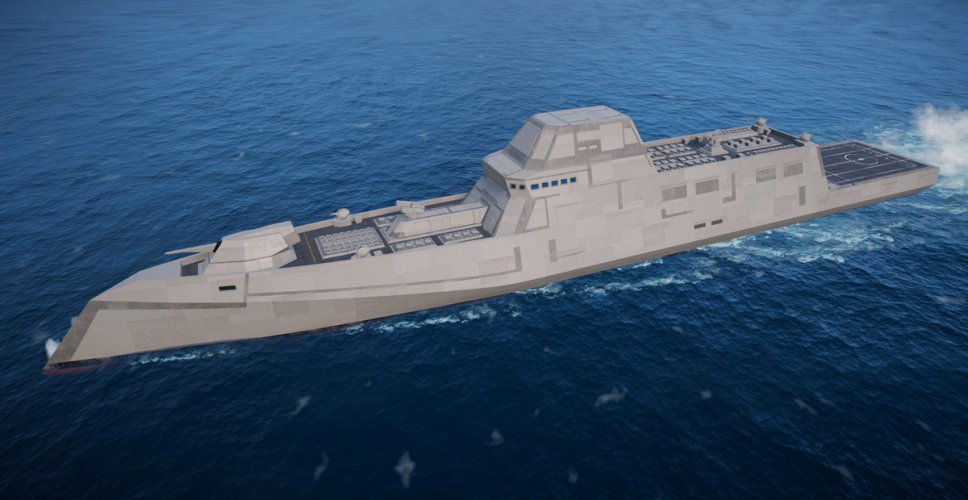
Well, the Zumwalt incorporated a lot of survivability concepts; peripherap missile launchers (to direct force of explosion outside the hull), heavily reinforced longitudal bulkheads.


I AGREE nothing short new revolutionary armor magical recipe will have effect detering efficacy of modern weapons. Never less full armor isn't true necessity but armoring your VLS box, sensor platforms, command section, engines, conduits..
Well, USSR done this on Project 1144. The kevlar wasn't available in large plates yet, so she received 100 mm RHA in box-type protection around P-700 silos, gun magazines, reactor rooms, CIC and helicopter hangar (which have ammo magazine). But the result was 20.000-ton behemoth.
 
@spikedpsycho You're not answering the question. If you have a study on this, post it here.

Armor provides damage mitigation effect (lessening the impact of the hit) by stopping shrapnel, blast debris, unspent fuel, and so forth from penetrating as far as it would in the absence of armor and thereby reducing secondary fires, power outages, flooding, etc. Argument is weapons outpaced protection. Perhaps that's true but other events besides combat directly also pose threat ships. Terrorism, asymmetric warfare, accidents, crashing, grounding, and idea ship can be harmed or disabled small arms, light weaponry.
Because again, ships have this level of protection already. To say nothing of the fact that crashes and groundings aren't mitigated at all by armor, that's a general structural strength and overall hull design issue. See airliners, which have significantly improved crash resistance over the decades without fitting anything you could call armor.
 
Of course, in this modern era, armor can't prevent damage to the many antennae and directors.
If you can't direct your weapons and can't communicate, your ship is just a big hunk of floating metal, plastic, and people.
Plus mission kill is better than sinking because that ties up other ships to protect and rescue and recover it, plus the rescue ships have to remain in place or at best move slowly - more targets.
 
Armor and the internal armor (transverse bulkheads) provided by bulkheads are two things that the Navy has abandoned to its future detriment somewhere along the line.

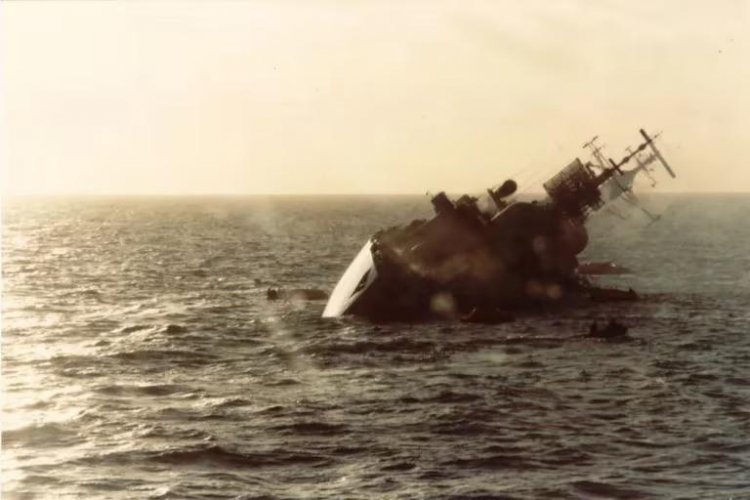
The Royal Navy took to the Falklands both older ships designed to WWII or near-WWII armor and damage control standards, and newer ships designed to less stringent armor and damage control standards. Four of the older ships took significant hits and stayed afloat. Four of the newer ships took significant hits and went to the bottom. 1000041367.jpg

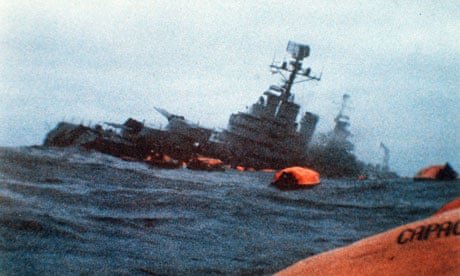
Argentine cruiser, really a US WWII cruiser. 4 inches armor took 2 torpedo hits but still took 2 hours to sink. Even with watertight doors initially open during action.

1000041368.jpg
 
Armor and the internal armor (transverse bulkheads) provided by bulkheads are two things that the Navy has abandoned to its future detriment somewhere along the line.
images

You've been making a lot of assertions with no backing and refusing to address counterarguments. So I'm getting blunt about this: prove it.

The Royal Navy took to the Falklands both older ships designed to WWII or near-WWII armor and damage control standards, and newer ships designed to less stringent armor and damage control standards. Four of the older ships took significant hits and stayed afloat. Four of the newer ships took significant hits and went to the bottom.
The Royal Navy of the 1980s is not the United States Navy of today - for one, the US Navy took a very long look at the Falklands and adjusted design standards accordingly.

Second, this is just... flat-out wrong? Yes, the ships sunk were all more recent 1970s vessels (Type 42s Sheffield and Coventry; Type 21s Antelope and Ardent), but the ships damaged included three of those newer ships you were pooh-poohing (Type 21s Arrow and Avenger and Type 42 Glasgow) and the other three (Counties Antrim and Glamorgan and Leander Argonaut) were not that much older. Certainly to call them "designed to WWII/near-WWII armor standards) is a laughable take given how much handwringing there was about the cruiser-sized Counties being designed to destroyer standards in these regards.

Further, let's actually evaluate the hits taken, shall we? Of the sunken ships:

- Ardent was hit by three 1000-lb bombs in the first attack, one of which was a dud. Notably, her survivability measures worked, and she had full power and steering after this attack. This was followed up by 2-4 500-pounders that went off, and multiple dud hits and near-misses. That sank her after the fire aboard went out of control.
- Antelope was hit by two dud bombs, at least one of which was a 1000-lber; attempts to dispose of them failed catastrophically, with one of the bombs going off and knocking out her engine and electrical power. She was also abandoned.
- Coventry was hit by three 500-lbers, one of which was a did, one of which ripped open her engine room to the sea.
- Sheffield was hit by an Exocet that may or may not have exploded and completely took out her electrical power and fire mains.

Of the damaged ships:
- Antrim was hit by a dud 1000-lb bomb, several near-misses, and some strafing.
- Glamorgan was hit by an Exocet that blew up her helicopter.
- Glasgow was hit by a single dud that passed through the engine room.
- Argonaut was hit by two duds that blew up a Sea Cat launcher and took out her boiler room.
- Arrow and Avenger were not hit by any heavy weaponry, so we'll dismiss them.

You're making a mistake I've seen before: taking the results as a judgement on the ships' durability without considering the vagaries of shot placement and plain luck. Generally speaking, the British ships damaged in the Falklands were just plain hit less - both Ardent and Coventry straight-up ate more ordnance than any of the four damaged ships. Antelope had her propulsion taken out, but at least that was from an actual bomb explosion, compared to the older Argonaut who was just plain dead in the water after a dud in her boiler room.

To be clear, there were significant failures of damage control during the Falklands; the Royal Navy didn't completely overhaul their equipment, doctrine, and training afterward for no reason. But the results do not bear out your hypothesis. Ardent especially is a major blow - she ate more ordnance than any other British ship in the first attack and would've limped home no problem had the Argentines not followed up. Not bad for a sub-3000-ton frigate.

Argentine cruiser, really a US WWII cruiser. 4 inches armor took 2 torpedo hits but still took 2 hours to sink. Even with watertight doors initially open during action.
It's almost like she was twice the size of the largest British ships hit during the conflict!

Like, size matters when it comes to this sort of thing. Bigger ships will take more damage to sink, that should be obvious. I should also note that Belgrano's armor was completely irrelevant to the torpedo hit - like the vast majority of WW2 cruisers she had no defense against torpedoes besides good compartmentalization.

 
Last edited:
Of course, in this modern era, armor can't prevent damage to the many antennae and directors.
Part of the US Army's FCS program was figuring out how to armor radar arrays versus small arms and artillery fragments.

The topweight is going to suck (and/or drive ship size up even farther), but we can (lightly) armor antennas now.
 
IMO some serious armour would be justified for the VLS and the CIC, BUT some (many) anti-ship missiles can execute a dive attack on the target. Missiles such as NSM/JSM, Sea Venom can be enough pattern recognition and saved ship 3D models to *know* where the VLS is and could dive on it. NSM would have enough of a warhead to dive, break into and explode inside for enough effect to take out more than one Mk 41 VLS cluster.
So proper armouring would require roof protection, such as a sliding armour roof. That gets heavy, would raise reliability concerns and it would become a metacentric height issue.
 
Part of the US Army's FCS program was figuring out how to armor radar arrays versus small arms and artillery fragments.

The topweight is going to suck (and/or drive ship size up even farther), but we can (lightly) armor antennas now.
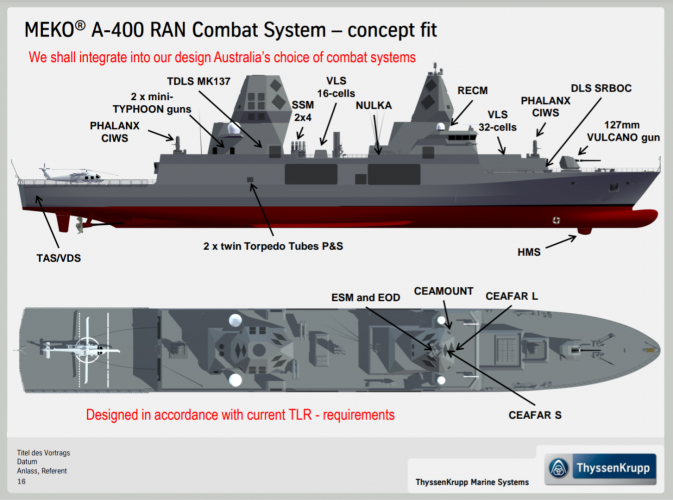
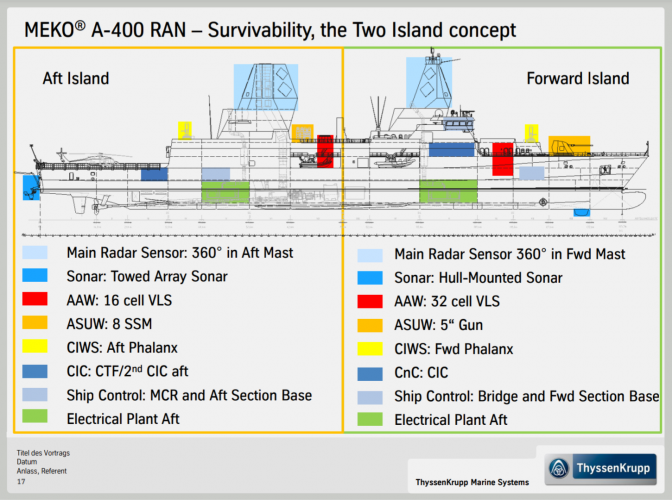
The alternative option is to distribute the phased arrays along the lines of MEKO's losing A400 design to Australia's SEA5000 requirement:

1000010205.png
1000010206.png

I have thought that a modern survivable surface combatant would be a ship that combined features like this radar arrangement, along with features from the Zumwalt such as peripheral VLS , IEP machinery (along with a retractable back up azipod in the bow).

Second World War warship armour schemes are mostly irrelevant to modern surface combatants given the different threats faced, but the Des Moines class had armoured transverse bulkheads separating the machinery and armament within the protected citadel, and I think a similar feature should be adopted on modern surface combatants. Armour will not keep modern weapons out, but it could be used to limit weapon effects to certain compartments, and reduce damage to adjacent compartments.
 
A problem I see is how the hulls have more or less remained in the same size categories while important control rooms have kept increasing in size and growing closer to the outer hull. Naturally, this makes them more prone to effector damage.
Increasing the beam has its limits with monohull. A trimaran design could add a few meters would improve endurance and add deck real estate for our need for more guns and VLS.
 
So proper armouring would require roof protection, such as a sliding armour roof. That gets heavy, would raise reliability concerns and it would become a metacentric height issue.
Simpler to use peripheral launchers, like on Zumwalt-class. No single hit could knock out more than a few cells.
 
I'm old-school-ish thinking more of secondary explosion hazard than loss of usable missiles.

This is why the USN is so insistent on meeting Insensitive Munitions standards for its shipboard weapons. They won't give you a sympathetic detonation under most reasonable damage conditions.*

But also, in peripheral VLS like the Mk 57 the module blocks are actually hardened between each module and between the modules and the inner hull. As a result, the launcher array serves as passive protection, with each module functioning like the blow-out panels in an M1 tank, venting explosive force outward rather than into the hull.

*Caveat because it's certainly possible to cause even an IM to detonate, but it's hard.
 
This is why the USN is so insistent on meeting Insensitive Munitions standards for its shipboard weapons. They won't give you a sympathetic detonation under most reasonable damage conditions.*

But also, in peripheral VLS like the Mk 57 the module blocks are actually hardened between each module and between the modules and the inner hull. As a result, the launcher array serves as passive protection, with each module functioning like the blow-out panels in an M1 tank, venting explosive force outward rather than into the hull.

*Caveat because it's certainly possible to cause even an IM to detonate, but it's hard.
An IM detonates when the same IM close to it detonates.

IM don't detonate when briefly exposed to heat of a kerosene fire such as on that infamous accident on an aircraft carrier, but for all I know they will detonate when blown up by an explosion of hit by a EFP from a typical anti-ship blast + multi-EFP warhead. To blow up is their job, after all.
 
I'm old-school-ish thinking more of secondary explosion hazard than loss of usable missiles.
The peripheral systems are better in this, too. The Mk 57 is placed at the side of the hull, backed by thick reinforced bulkhead. If secondary explosion happens, the energy of the blast would be mostly directed outward, not into the hull. And the bulkhead would slow down fragments.
 
An IM detonates when the same IM close to it detonates.

IM don't detonate when briefly exposed to heat of a kerosene fire such as on that infamous accident on an aircraft carrier, but for all I know they will detonate when blown up by an explosion of hit by a EFP from a typical anti-ship blast + multi-EFP warhead. To blow up is their job, after all.

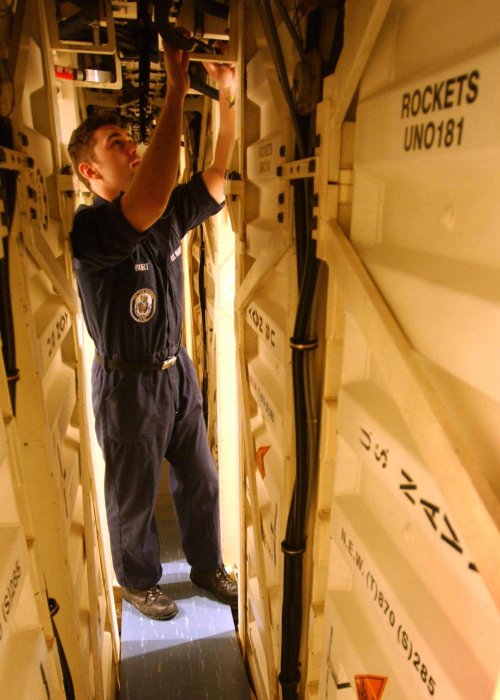
A single IM might detonate if struck directly, but IM testing shows that other missiles stored next to that munition will not detonate when exposed to the shock of the first one, so you will not get a chain reaction detonation that sets off the whole magazine.
 
It be better to leave the roofs of centerline VLS farms lightly armor, say shrapnel only, and just subdivide the modules into smaller sets iall n an armor tub.

That way if you take a hit in the Farm.

It blow straight up the top in the modules hit.

Leaving the hull and hopely the not hit modules of the farm intact.

Basically think Abrams blowout panels over Royal Navy Battlecruiser powder handing.

Perfect PVLS over CVLS but the Navy don't so... Whatever
 
An IM detonates when the same IM close to it detonates.

IM don't detonate when briefly exposed to heat of a kerosene fire such as on that infamous accident on an aircraft carrier, but for all I know they will detonate when blown up by an explosion of hit by a EFP from a typical anti-ship blast + multi-EFP warhead. To blow up is their job, after all.
Part of what makes "Insensitive Munitions" actually insensitive is that they will not blow up from an EFP/shaped charge impact.
 
The size and mass would increase twice at very least.
Nope, not for the Mk41, there's enough space in the farm itself that there's Corridors between the modules so that sailors can hook up the missiles to the ships.

As is the farm sides and bottom are armored with the top hatches being shrapnel rated as well.

Only thing needed is the sub divider walls and those be at most an inch thick. You don't need much to focused an explosion when you have both expansion room and an easy exit.

Plus not talking bout every weapon in its own box.

No say to basically split the farm into fourths with basically a cross of metal in it. Apparently the area I see it going is a dead zone that due to how the modules are install so will not need to increase the size of the farm.

Plus remember reading something similar for the Strike Cruiser VLS designs, was mention that it was to be able to eat a hit to the farm and keep fighting.
 

Attachments

  • image0 (2).jpg
    image0 (2).jpg
    156.1 KB · Views: 14
Last edited:

Similar threads

Back
Top Bottom