Grey Havoc
ACCESS: USAP
- Joined
- 9 October 2009
- Messages
- 24,500
- Reaction score
- 18,175



That only multiplies the amount of useful fluid a few times, but then there is the exterior reservoir that is itself connected to internal pumps that might also be part of someone else's calculation, since that reservoir would have had nearly 10^6 tons of water judging from Wikipedia's map, which would make the yield upper bound 150 kT TNT.
or 149 tonnes of TNT equivalent.
1.8×10⁻⁷ MJ In terms of tonnes equivalent of TNT, it is ~4 kilotonnes TNT equivalent
Following early estimates of the yield of the explosion ranging from hundreds of tons of TNT equivalent to 1.1 kilotons, a study by researchers from the Blast and Impact Research Group at the University of Sheffield estimated the energy of the Beirut explosion to be equivalent to 0.5 - 1.2 kt of TNT.
PEPCON disaster
On 4 May 1988, about 4,250 short tons (3,860 metric tons) of ammonium perchlorate (NH4ClO4) caught fire and set off explosions near Henderson, Nevada. A 16-inch (41 cm) natural gas pipeline ruptured under the stored ammonium perchlorate and added fuel to the later, larger explosions. There were seven detonations in total, the largest being the last. Two people were killed and hundreds injured. The largest explosion was estimated to be equivalent to 0.25 kilotons of TNT (1.0 TJ)

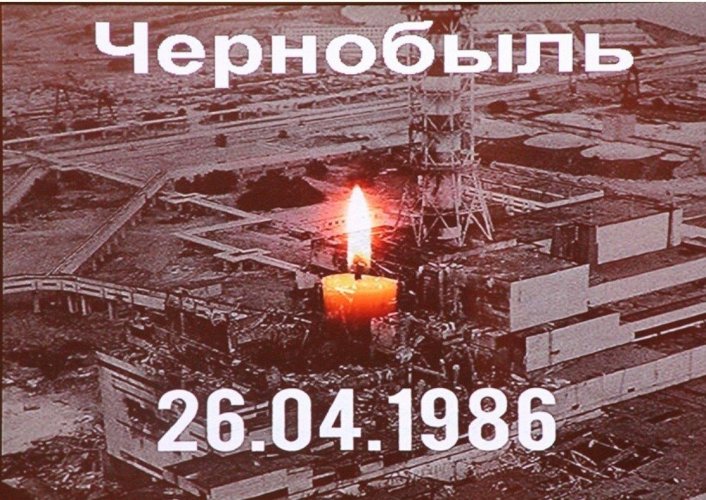
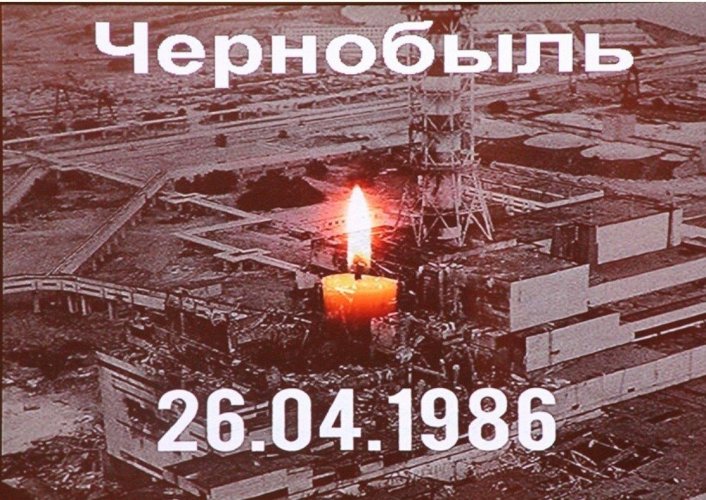
A bigger thing to remember is Chernobyl is a monument to the corrupt power of an unaccountable government building an inherently unsafe reactor system in the name of saving money.Something to remember the heroes who died preventing an even larger disaster makes sense to me. They did not die for nothing after all.
Yes, having a shift expecting the low-power burbles would have helped.I was listening to a podcast interviewing Serhii Plokhy and he mentioned that there had been a similar incident elsewhere in the USSR but because that time it was an experience day shift and not a less experience night shift as at Chernobyl they were able to prevent it getting it out of hand.
Surely enough, they have created an atomic volcano belching radioactivity like crazy.You're dealing with something that has never occurred on this planet before.