Aeria Gloria
ACCESS: Secret
- Joined
- 8 February 2024
- Messages
- 414
- Reaction score
- 480
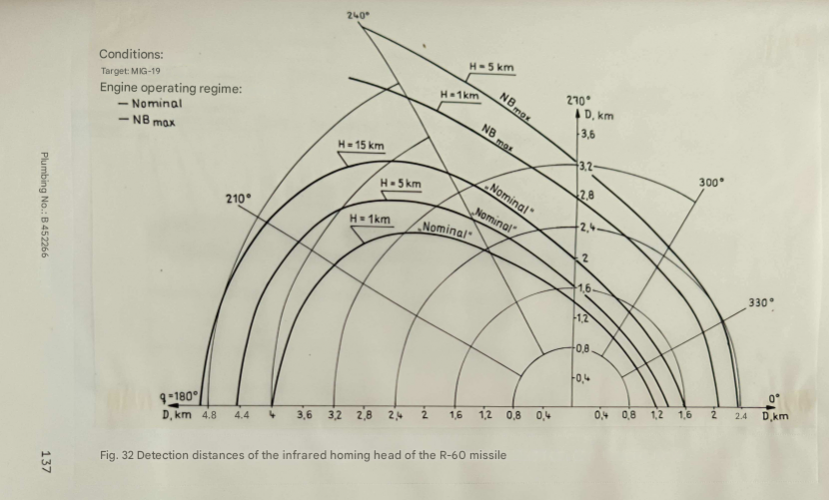
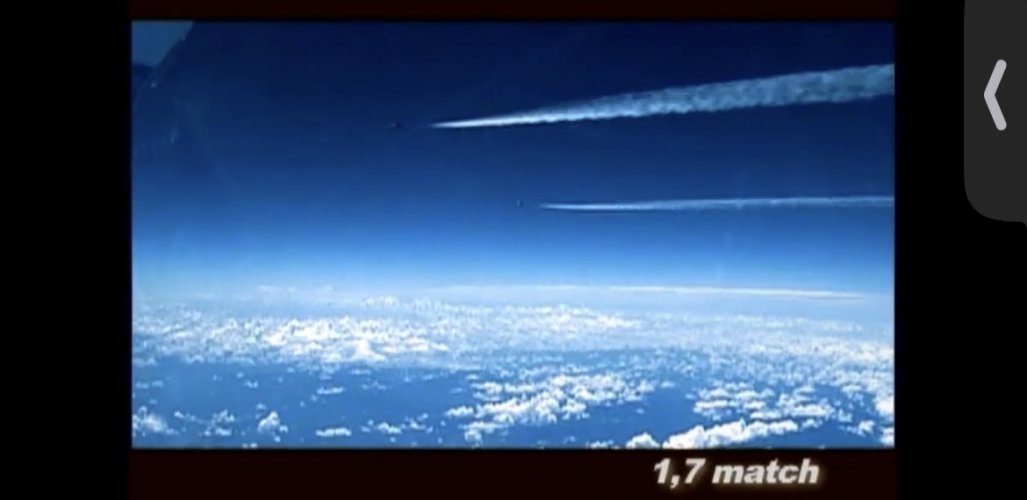
Yes, a F-22 super cruising would have a larger IR signature then a subsonic mil power F-22. With a PbSe sensor like KOLS or R-60 you wouldn’t see this wavelength so it wouldn’t be very different at all for them. But for InSb sensor that works at longer wavelengths it would be able to see the higher skin friction. I believe F-22 also uses special engine stuff to decrease the ir signature of its exhaust along with the nozzle.What about F-22A which can supercruise with 1.5M or more ( in the stratosphere of course) ??? Skin friction temp. value?
It also matters how fast the super cruise and how long it’s been going on.
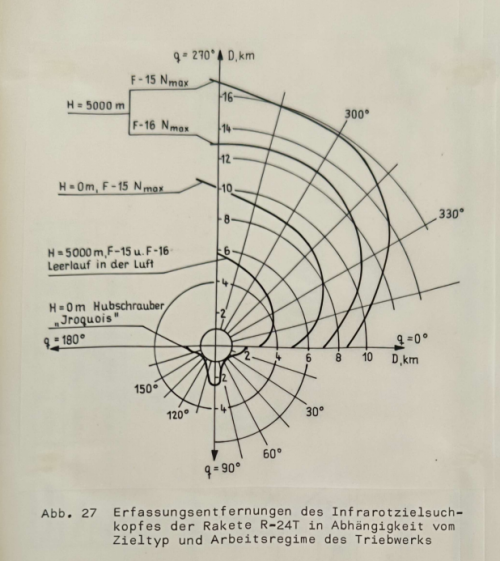
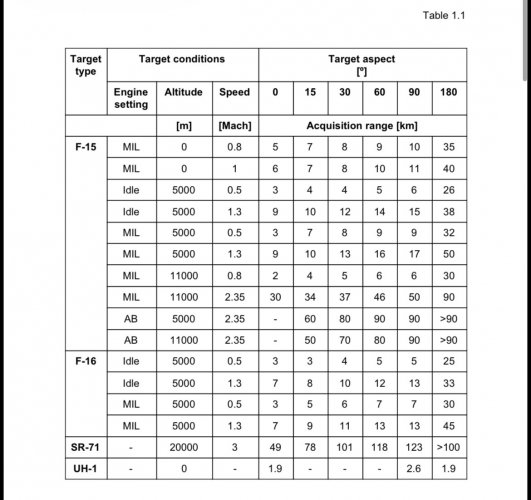
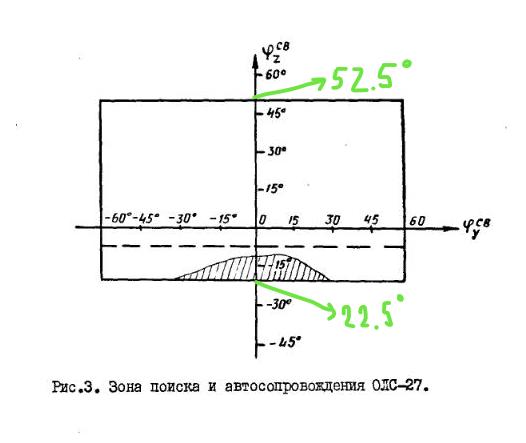
That was my entire point the last post. 80 km IRST detection is 52 km lock. This is only about less then 50% better then brochure, and with “detection” being said we have no idea of his 80 km figure is 0.5 PoD or 0.1 PoD.Lock-on range is 70% of the detection range.It is described in the Su-27SK F.M.
You’re the one who sent me a link saying “this manual?” It’s impossible to tell from one quote. I have 3 manuals.Su-30MK2 Manual ? Real one Flight Manual?
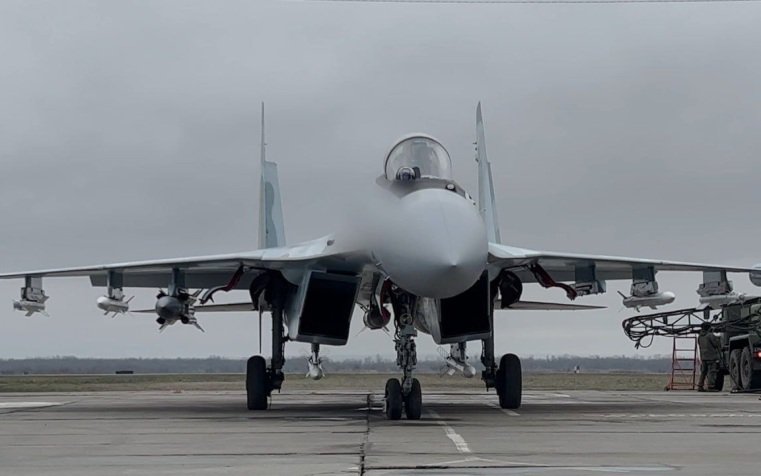
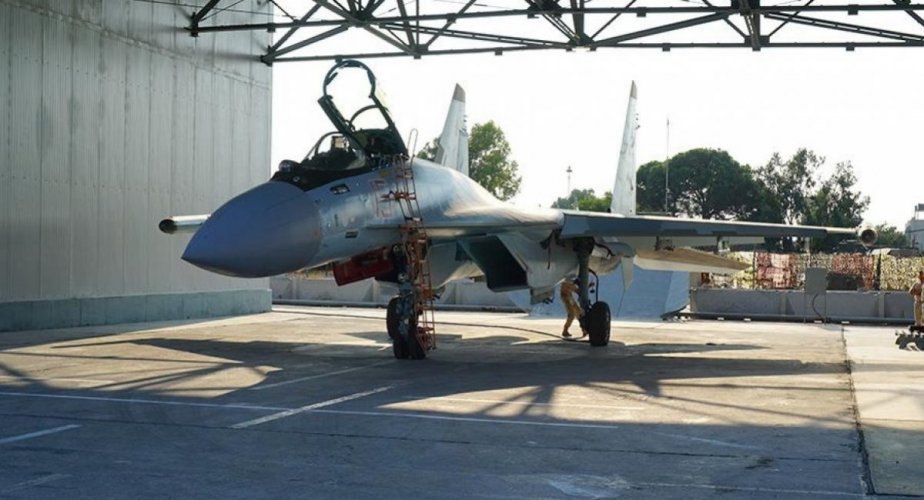
According to manual the Su-30MKK/MK2 and likely older MKI variants didn’t get it. Perhaps they are confused with the improved laser range or something else. But the ranges quoted by the manual are identical to OLS-27. I am not surprised there are publications around who mistakenly think it was better or that Sukhoi even told people this who did not have the manual to dispute them.Instead of the OLS-27 ("36Sh") optical-location station and the Shchel-3UM helmet-mounted target designation system used on the Su-27, the Su-30MKK aircraft uses the new OLS-30 ("52Sh") and Sura-K target designation system with new software and algorithmic support and broader combat capabilities.
For example, the OLS "52Sh" (developed by the Central Design Bureau "Geophysics") has an increased range of tracking an air target based on its thermal radiation from 50 to 90 km and an increased range of measuring the distance to air and ground targets to 6 and 10 km.''
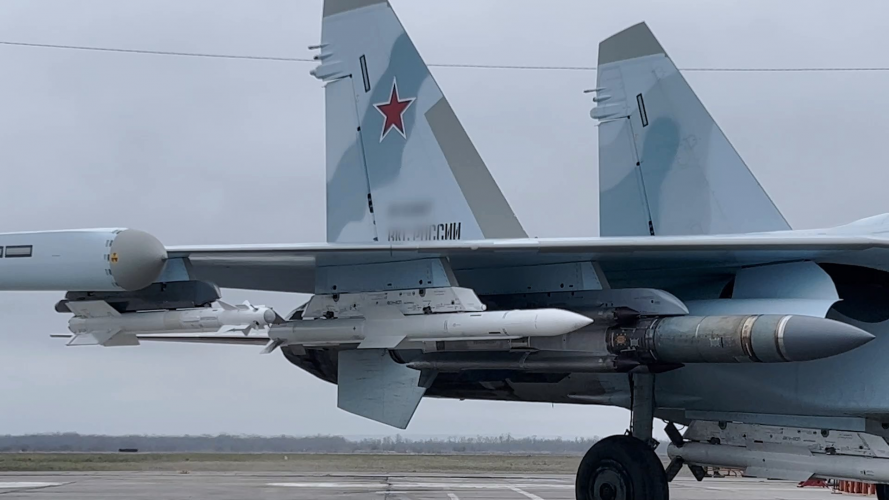
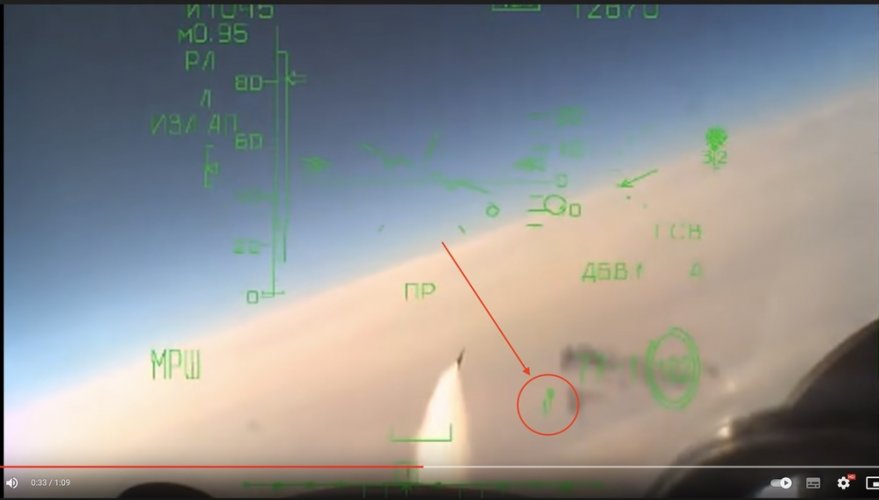
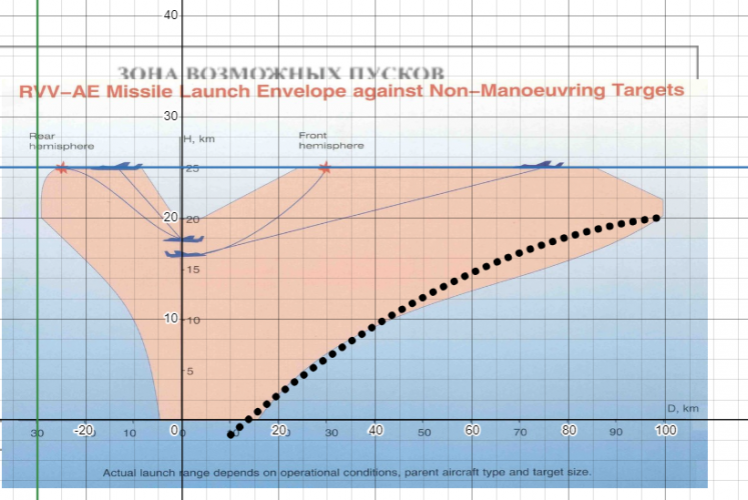
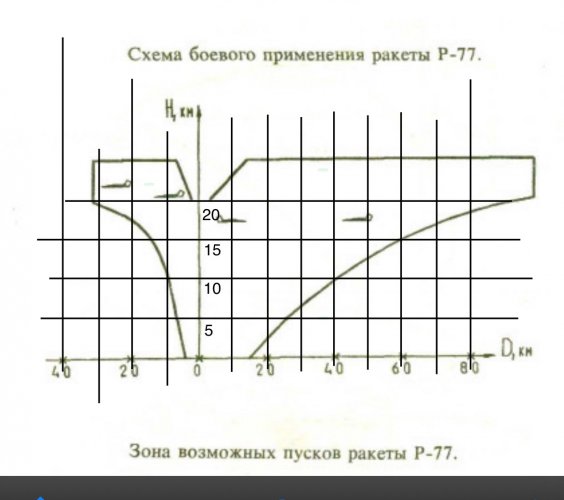
I love Russian and Soviet stuff, but they do have a tendency to over estimate sometimes for public marketing. Use the highest or extremely improbable values (R-77 is a 100 km missile! Never mind this is only possible with MiG-31 and Mach 2 target at 20 km so we will quote 80 km on export market as this is what a Mach 2 plane gets at 15-20 km against a Mach 2 plane!)
(Practical range later listed as…. 50 km)
Too bad if it’s true it’s only for later OLS-30 variants. Not all OLS-30s have to be the same you know. I trust the manual from Sukhoi specifically to inform pilots over Sukhoi PR for the general public that also includes options the customer might not purchase. I can easily see China going “I don’t want to pay for your newest IRST. Regular OLS-30 fine. “the rear hemisphere with increase from 50 to 90km. That is almost 100% !
Also think of this, OLS-27 is tested on Su-15 mostly. So what was OLS-30 tested on if 15 was retired? OLS-UE for MiG and OLS-35 use Su-30, and Su-30 would have higher heat signature then Su-15 from larger wider spaced engines and more skin friction.
Against Su-30 you will achieve ranges you couldn’t with Su-15 which has only MiG-21 class medium size engines vs heavy large fighter class engines with a larger body of skin friction.
has certainly greater detection/track and lock-on ranges then old OEPS-27/E with its OLS-27/E ( Izd 36Sh).
No one will stop you from believing this but any real Su-30MKK/MK2 pilot and anyone who has read the manual knows the truth that it is basically just OLS-27 with better laser. Like I said, when it comes the authenticity of information a manual is much higher on the “credibility scale” then a PR statement to a magazine 20 years ago is when no one had a Su-30MK2 manual to dispute it back then.
This says nothing about guiding bombs. You asked why it does not include laser guided bombs. I said “how will you guide a laser guided bomb with a OLS on top of the plane” and you answer “this says it can guide laser missiles!” Do you see how that doesn’t answer your or my question?illumination of ground targets for guiding laser-homing missiles.''
The bomb will fall at your velocity, you will need to nose down to keep target illuminated, only you will crash into it before bomb gets there. This is why flankers with targeting pods are the only ones to equip laser guided bombs.
The OLS-30 has same IR detection as OLS-27 for Su-30MKK/MK2, I’m sorry. Perhaps there are better variants and they did not make it to production. Cheaper units are often chosen at final stage. Just like how Su-30MK2 with N-001VEP could theoretically guide two R-77 at one target, the Chinese did not purchase the necessary computer modules for this capability as Su-30MKK/MK2 is meant as a strike aircraft only that can self escort. MK2 additionally as anti ship.
China had J-11 at the time for air to air. There was no reason to spend money on Su-30MKK/MK2 for air to air capability they would never use as a strike aircraft that could defend itself from one aircraft at a time if necessary.
Sukhoi is well known for hyping their stuff once they became an export darling in 90s and so I’m not surprised.
Last edited: