snne
ACCESS: Top Secret
- Joined
- 3 July 2022
- Messages
- 2,047
- Reaction score
- 7,557
Last edited:
I could’ve sworn that the vertical slabs got moved to tail booms on P2… Either it’s my personal Mandela Effect or I got it confused with a model showcased at a defense fair…
No, that was never in question. It was only noobs on Twitter with large followings insisting on that change, projecting their own wishcasting as if it were fact.I could’ve sworn that the vertical slabs got moved to tail booms on P2… Either it’s my personal Mandela Effect or I got it confused with a model showcased at a defense fair…
I wouldn't throw shade at anyone when you, yourself, was adamant that there would be no changes to the intake of the KAAN. Even when the GM was saying that there would be changesNo, that was never in question. It was only noobs on Twitter with large followings insisting on that change, projecting their own wishcasting as if it were fact.
View attachment 802306
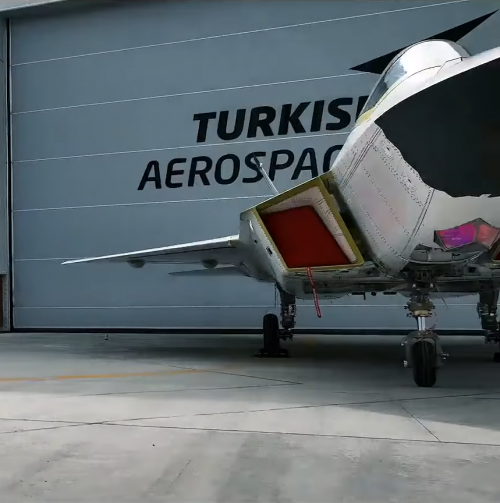
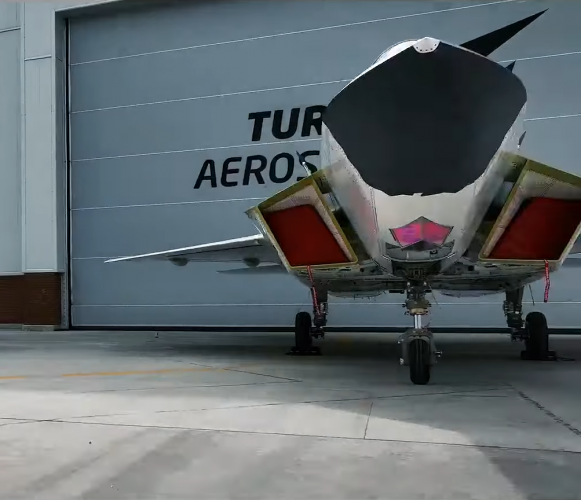
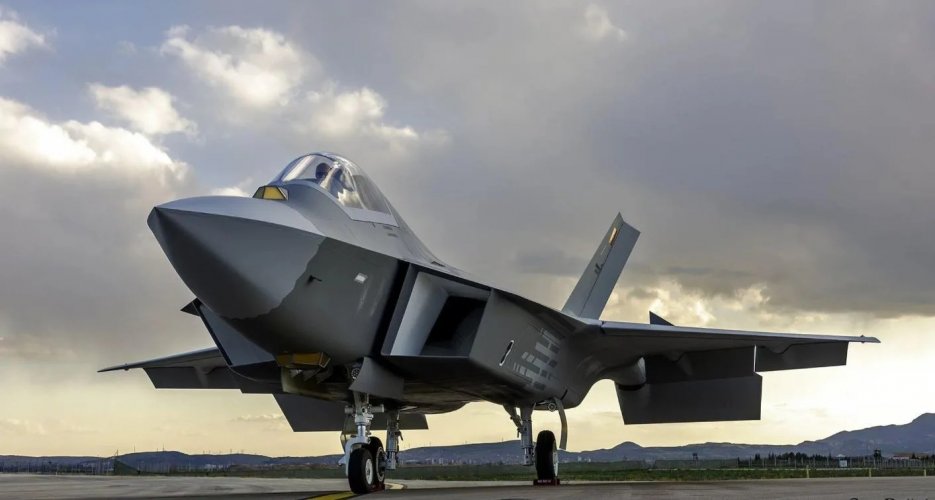
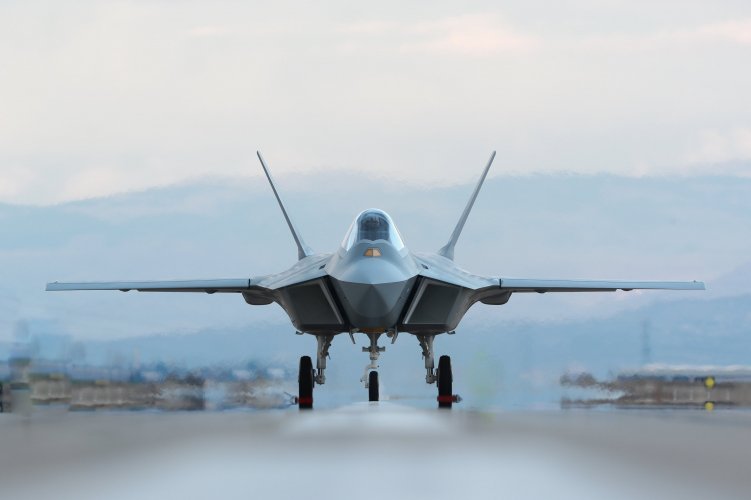
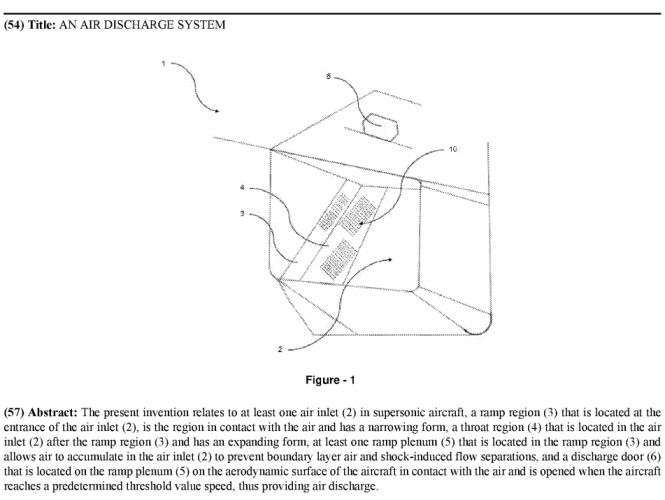
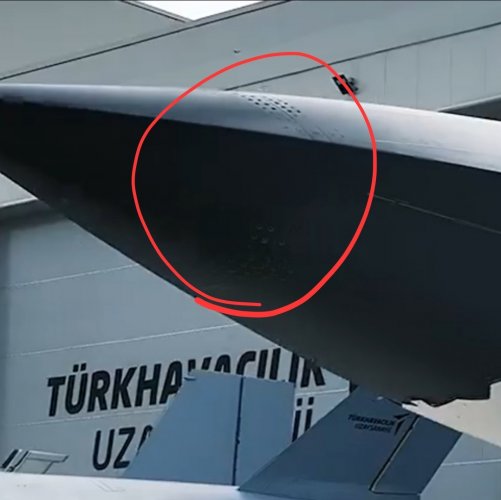
What the officials actually mentioned was a small change to the intakes and dimensions. As you can see, the intakes' splitter-plates have holes to discharge the boundary layer flow now; and the aircraft looks noticeably sleeker and more refined.
Those fools took it at face value without any critical thinking and ran with it due of their lack of experience and knowledge, as well their populism.
Probably the mock-up, which regardless of being an old mock-up and not being true to form - is still displayed outside TFX officeI could’ve sworn that the vertical slabs got moved to tail booms on P2… Either it’s my personal Mandela Effect or I got it confused with a model showcased at a defense fair…
People were claiming it would receive DSIs, for goodness’ sake.I wouldn't throw shade at anyone when you, yourself, was adamant that there would be no changes to the intake of the KAAN. Even when the GM was saying that there would be changesyou still disagreed with GM. lol
I think the position on the nacelles is necessary to ensure that they wouldn't be directly hit by the vortices of the LERX.I could’ve sworn that the vertical slabs got moved to tail booms on P2… Either it’s my personal Mandela Effect or I got it confused with a model showcased at a defense fair…
I was thinking/hoping that the adjustment of the intake had also the reason to direct the vortices a bit further away of the vertical stabilizers.I think the position on the nacelles is necessary to ensure that they wouldn't be directly hit by the vortices of the LERX.
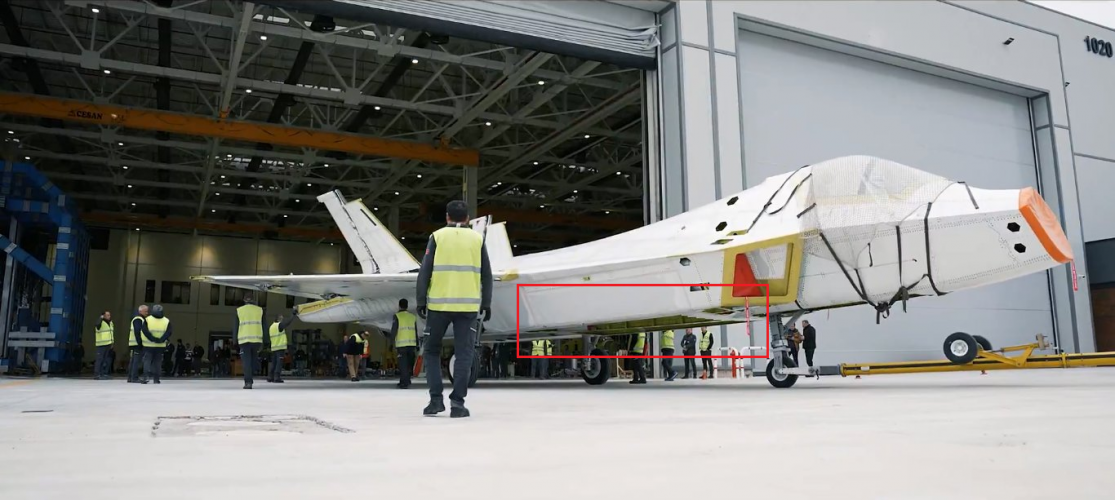
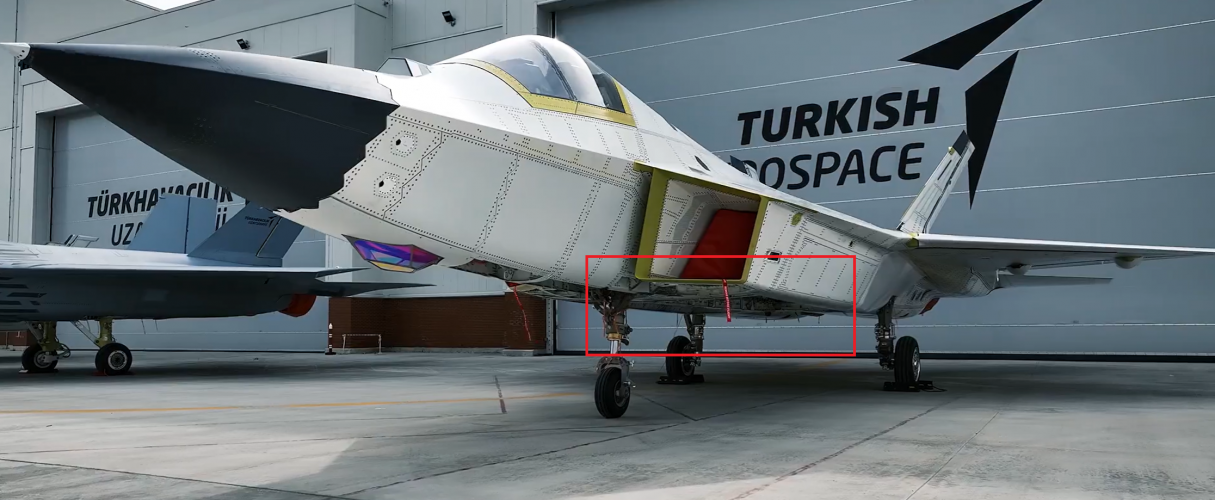
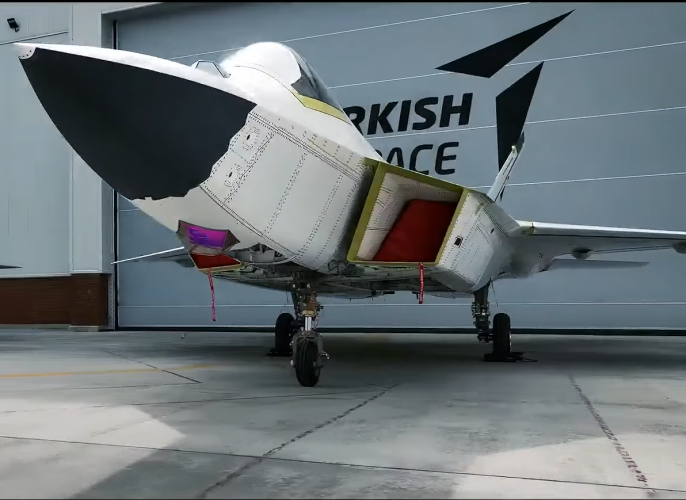
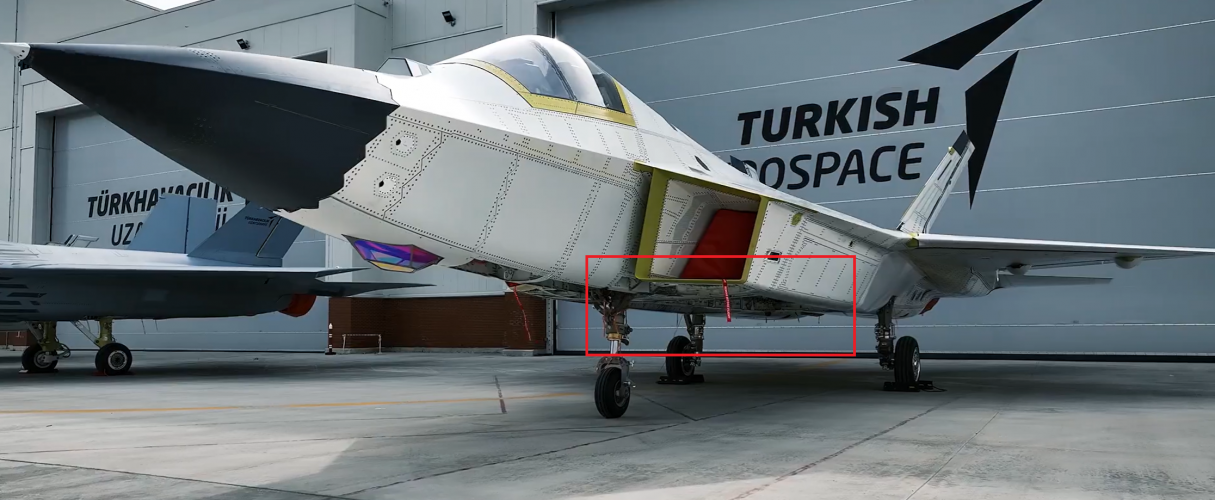
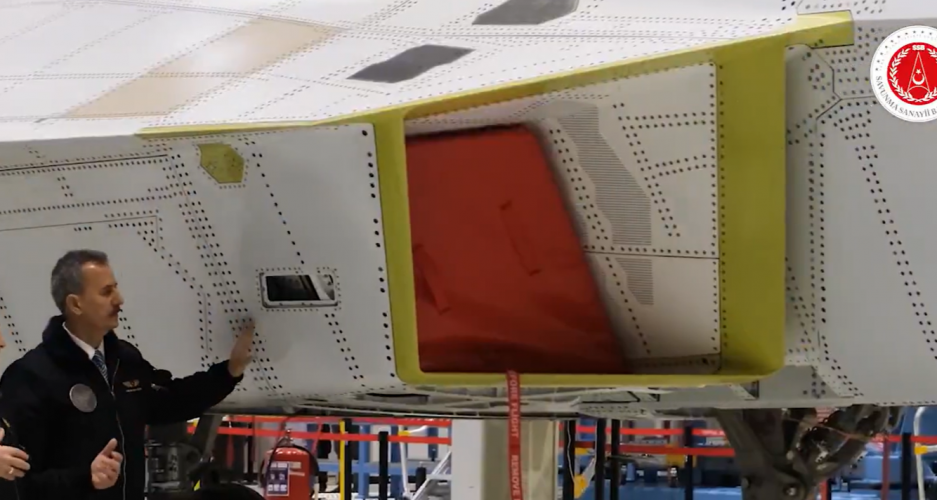
Holy crap, you can clearly see the door-less Belly IWBs of the Static Test Airframe...
will KAAN have 4 IWBs? two side bays and two tandem bays on the centerline? or will it be three?Holy crap, you can see the Door-less Belly IWBs of the Static Test Airframe...
View attachment 802987
They're too transparent, they could've at least sensored it for a while...
There is definitely a side-by-side config on P1.will KAAN have 4 IWBs? two side bays and two tandem bays on the centerline? or will it be three?
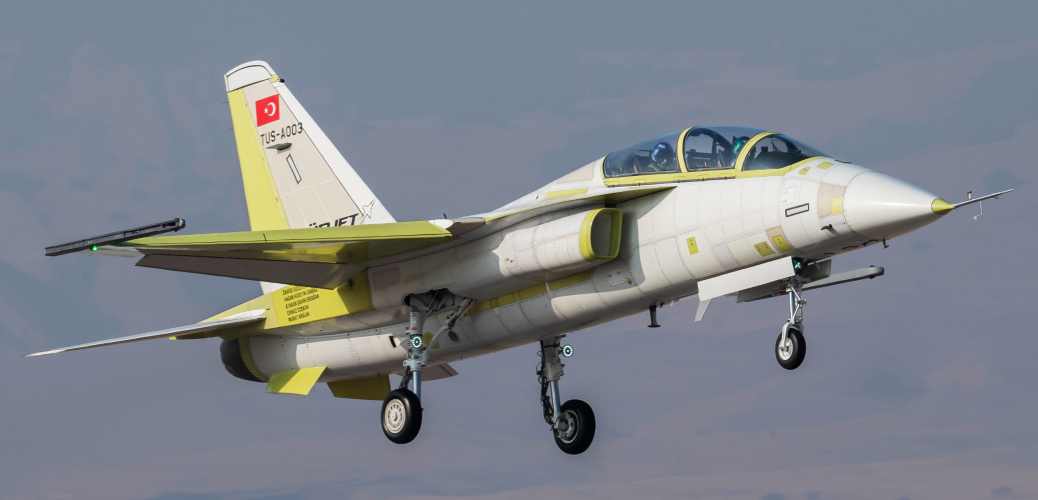
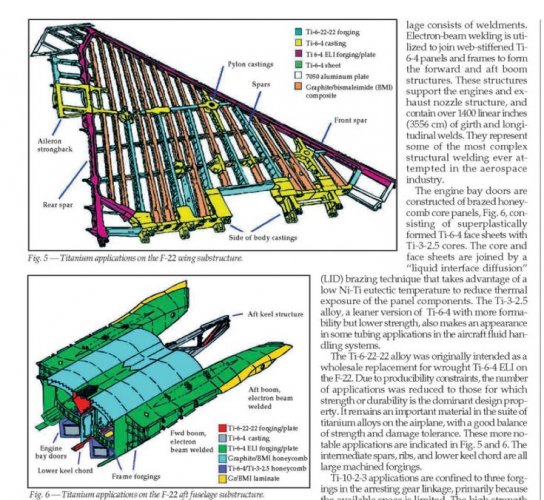
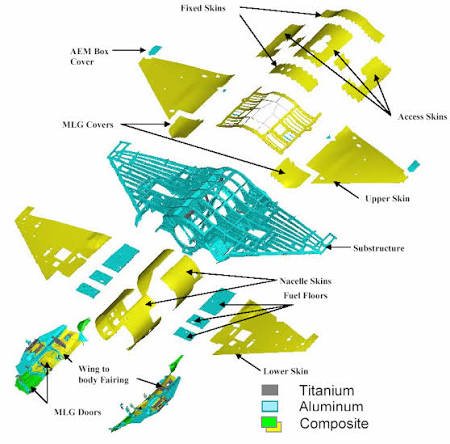
How do you recognize where composites are used? It pretty much all white except for the wings and some yellow edges.On another topic, we really don't appreciate the amount of composites used in KAAN enough.
White-Grau = compositeHow do you recognize where composites are used? It pretty much all white except for the wings and some yellow edges.
What about the top of the wings?White-Grau = composite
Yellow = Aluminum
Titanium = Titanium
The white and beige (whatever color that is) are composites. They use two different ones. The yellow parts are aluminum. Hürjet is also similar, albeit with more aluminum.What about the top of the wings?
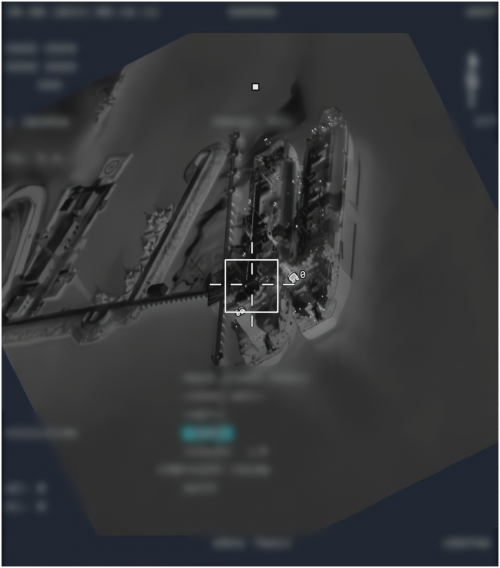
Tbf, that was the general consensus three years ago, based on the information we had at the time.looks like its two side by side bays on the bottom. There were people here that were adamant its two tandem bays like on the Su-57.
Not unlikely P0 is exactly that configuration. Which is why after election there was little point even testing it.Tbf, that was the general consensus three years ago, based on the information we had at the time.
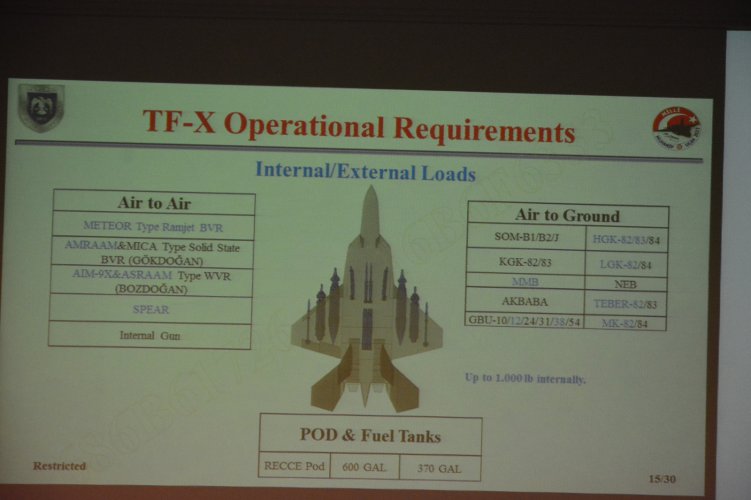
This slide was presented during Anatolian Eagle '21:
Exactly. P0/GTU-0 (Designated as: Development Test Unit-0) was precisely that – an engineering unit built to physically validate whether theoretical calculations and designs could be translated into functional hardware.Not unlikely P0 is exactly that configuration. Which is why after election there was little point even testing it.
It’s mostly skin, though. Beneath it, there’s a significant amount of titanium (i.e., the bulkheads) and aluminum alloys.we really don't appreciate the amount of composites used in KAAN enough.
Yep, there’s still some time for that, but all sensors are scheduled to be integrated this year (and are on track to do so). Even if they weren’t, all of their downrated variants are already being tested on Kızılelma.Apparently no actual optics inside the EOTS enclosure (yet).
We^ I was thinking the same exact thing just a minute ago. But wasn't sure if its thicker or looks thicker since the intake structure is slightly different now.
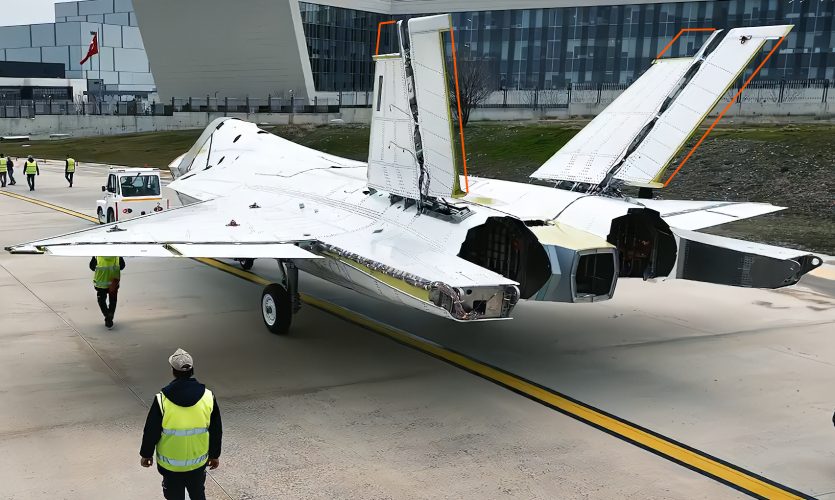
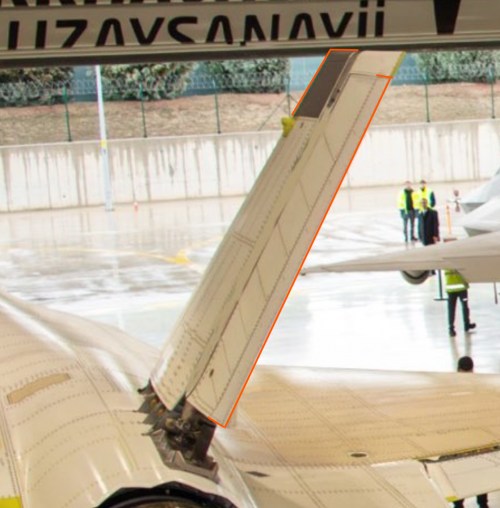
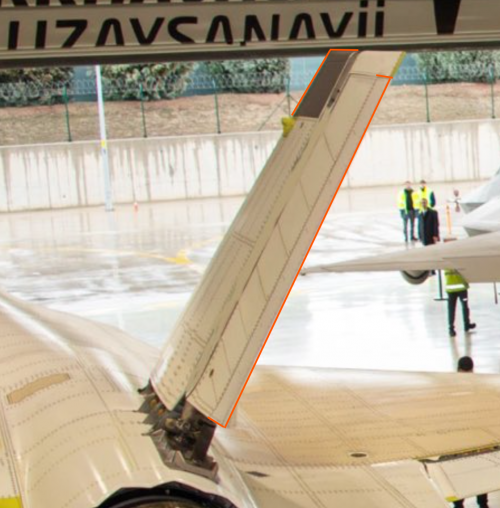
Looks like leading/trailing edge of the vertical stabs may contain a bunch of sensors/comms
View attachment 803104View attachment 803105
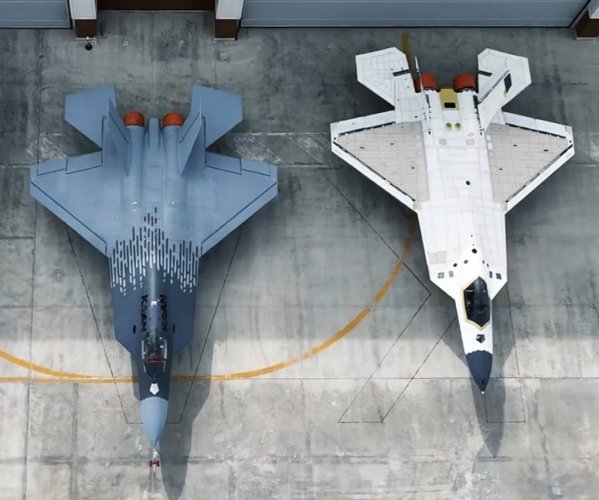
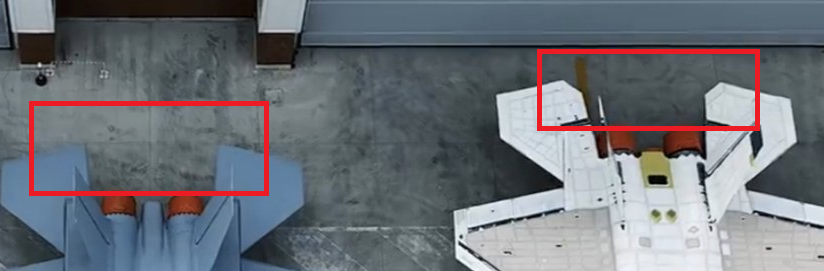
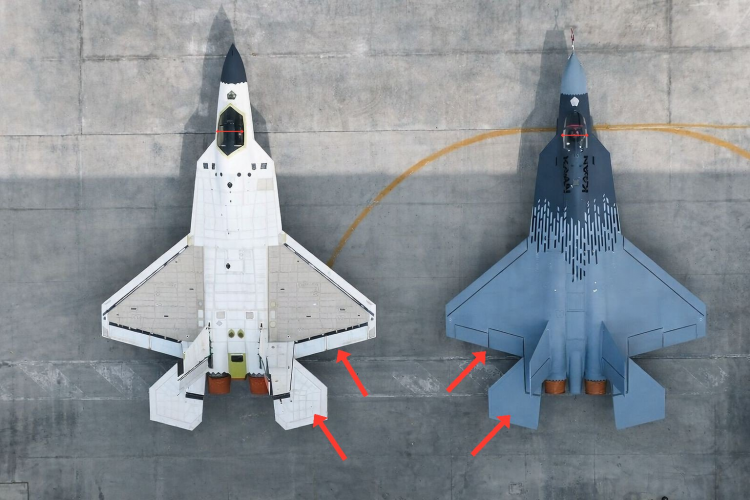
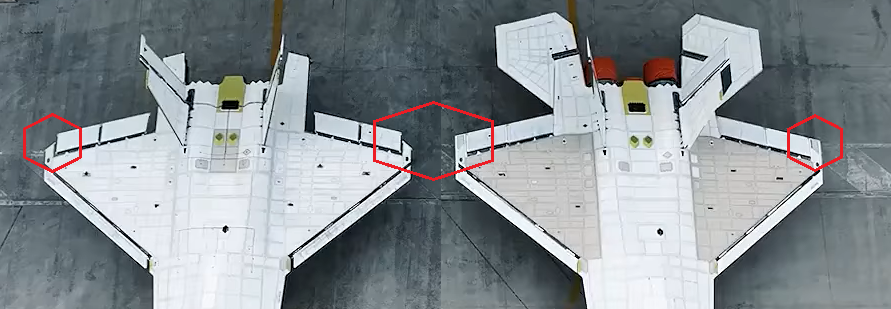
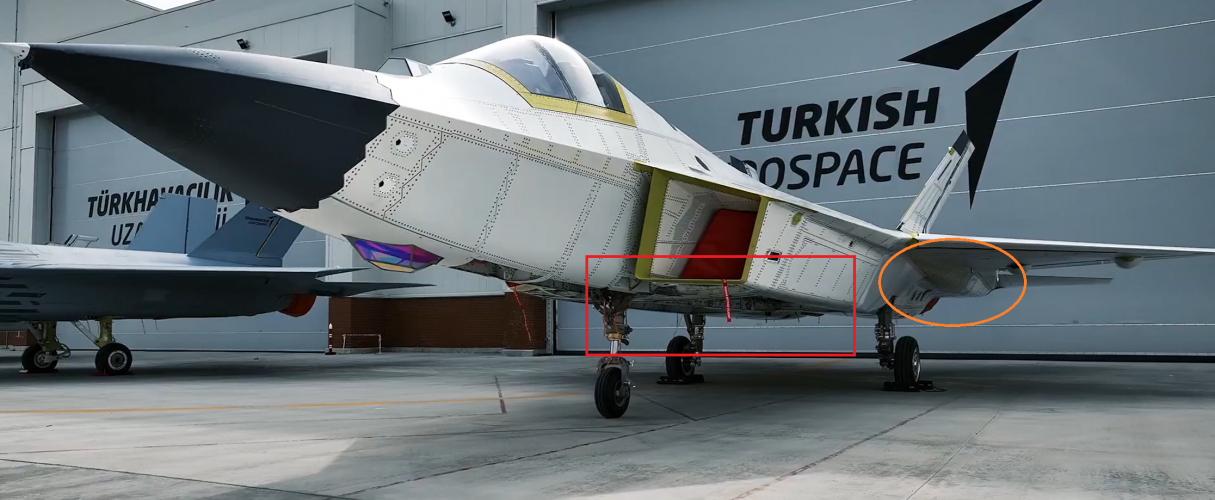
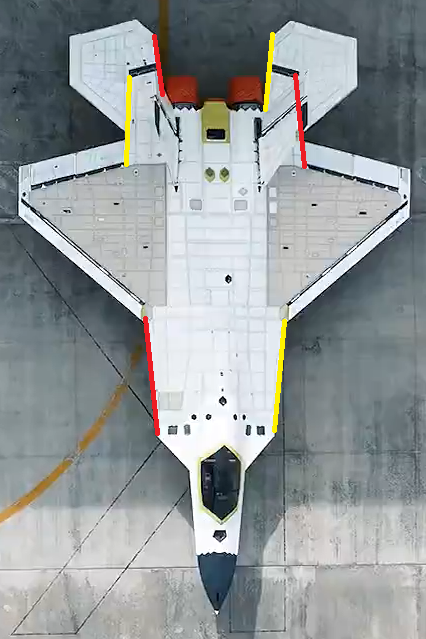
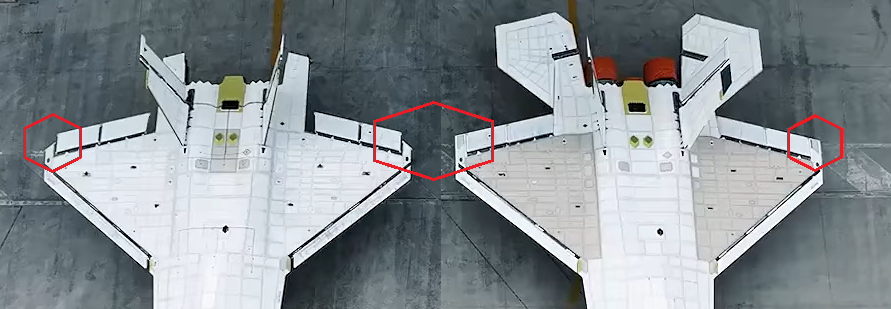
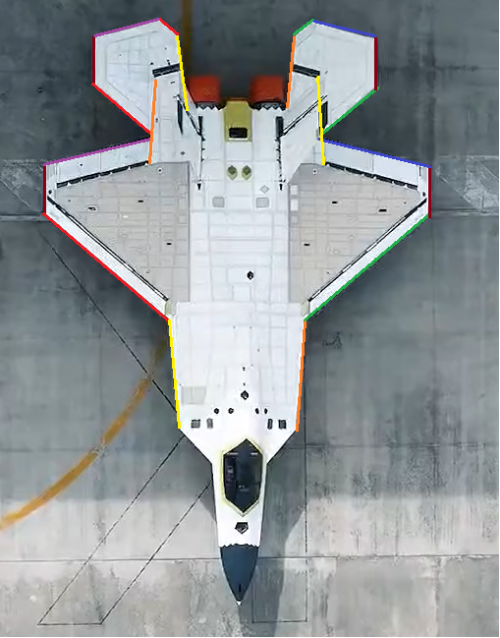
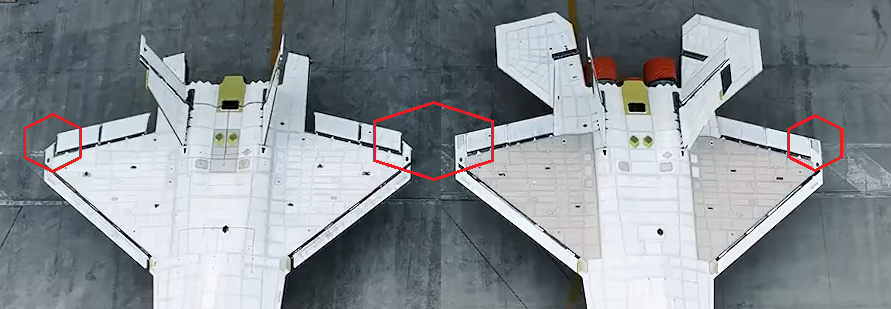
Nice summary of the visual changes, although it is not fully complete yet. Such an extensive redesign/evolvement from pre-CDR to post-CDR would have truly been a nightmare fuel for any Western engineer...update to edge alignments. Also some new hump aft (orange circle)
It is somewhat surprising that the P0, which was originally intended as merely a ground prototype provided so much valuable information after just two test flights, especially for stability and control.Exactly. P0/GTU-0 (Designated as: Development Test Unit-0) was precisely that – an engineering unit built to physically validate whether theoretical calculations and designs could be translated into functional hardware.
As you noted, the design shown on the slide corresponds exactly to the P0 configuration.
Holy shit orko_8 himself is still among us!It is somewhat surprising that the P0, which was originally intended as merely a ground prototype provided so much valuable information after just two test flights, especially for stability and control.
But I think the real -and hidden- "hero" here is the digital twin. The MMU program employs extensive use of digital twin, PLM, CAE etc at virtually every aspect of the design and development phases. During our conversation, the chief test pilot told that he was happily surprised to see that much overlap with the simulated data of the digital twin and those gathered from test flights at certain aspects.
Looks like leading/trailing edge of the vertical stabs may contain a bunch of sensors/comms
Did you mean there will be further changes still in subsequent unit?Nice summary of the visual changes, although it is not fully complete yet. Such an extensive redesign/evolvement from pre-CDR to post-CDR would have truly been a nightmare fuel for any Western engineer...
Nope, just that there are so many design changes from P0/GTU-0 that there's much more than just edge alignments or an aft hump to discuss...Did you mean there will be further changes still in subsequent unit?
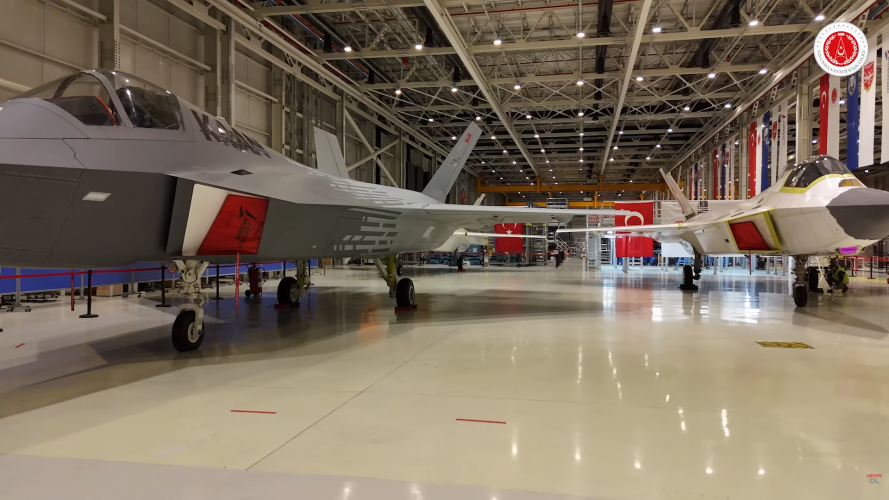
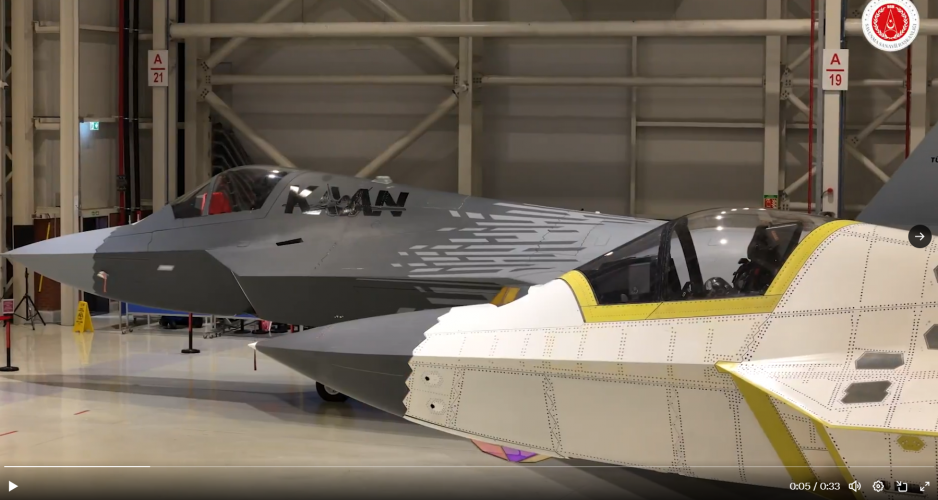
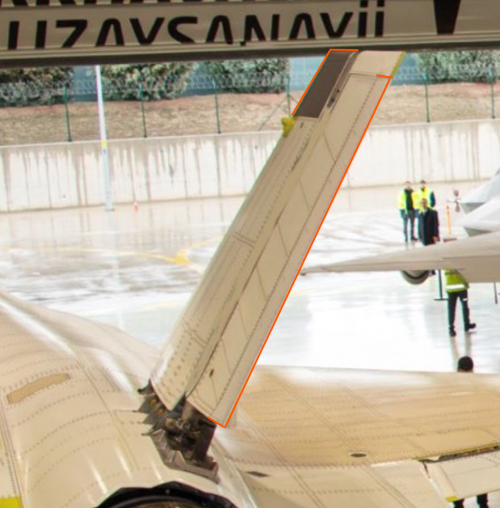
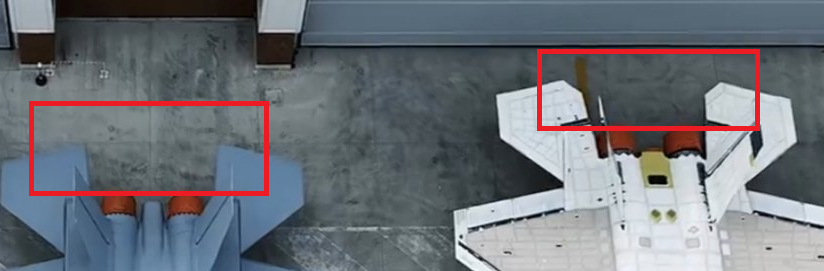
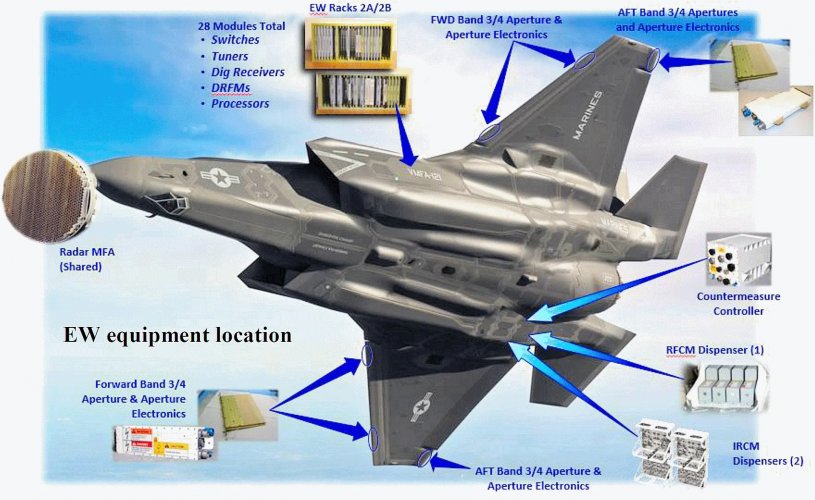
In addition to those, the main landing gears are now side mounted, and the canopy bar is internal this time. The EOTS has been moved forward, the plate to which the radar is attached has been shifted slightly further forward, and the double chin has been eliminated. Length-wise, the intakes/ducts no longer extend to the canopy, and a boundary layer flow discharge system has been added to replace the old non-stealth spill duct. There are numerous antenna housings for EW, most notably at the front and rear tips of the wings and of the vertical stabilizers (as well as numerous conformal datalink antennas on the front and aft central fuselages). The tail boom has also been redesigned. The wings are now wider, and the ailerons and flaps are the same size. While the P0 had no IWBs, the P1 features not only side bays but also side-by-side belly bays.
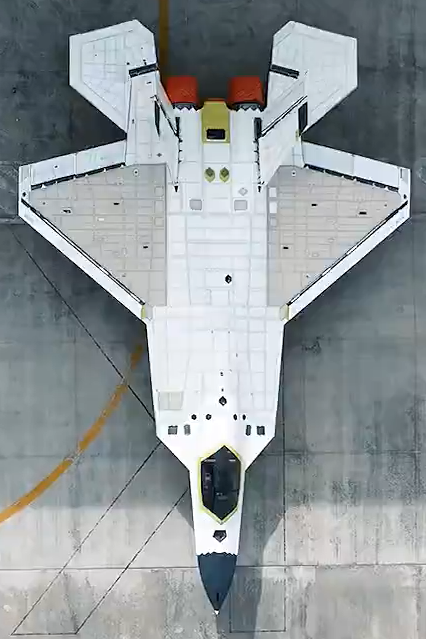
The aft hump is also present on the P0, but on the P1 it extends further to the wing root and is slightly larger:
View attachment 804443
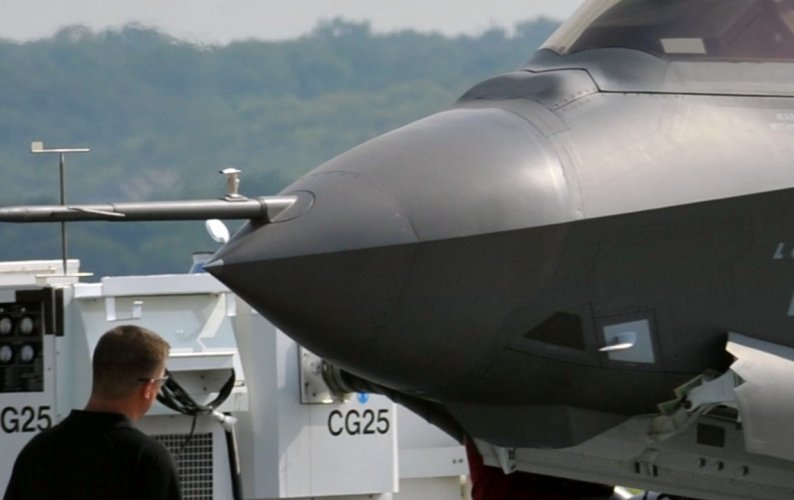
Does this seam line mean that the radome is made of several pieces? If so, does it matter in terms of performance or observability? I saw an article from chinese forum arguing that the seam deteriorates the effect of sawtooth outline of the radome