
You are using an out of date browser. It may not display this or other websites correctly.
You should upgrade or use an alternative browser.
You should upgrade or use an alternative browser.
TAI TF-X / Milli Muharip Uçak MMU Kaan
- Thread starter ocay
- Start date

- Joined
- 15 July 2020
- Messages
- 2,085
- Reaction score
- 7,453
One of them is the Iron Bird, the other is P1. That must be the reason for the differences.
I see so, just P0 and P1 plus the Iron Bird for static tests. No P2 present just yet.

snne
ACCESS: Top Secret
- Joined
- 3 July 2022
- Messages
- 2,408
- Reaction score
- 8,848
I vaguely recall that P1, P2, and P3 were being built at the same time, with P3 supposedly designated for Iron Bird tests?I see so, just P0 and P1 plus the Iron Bird for static tests. No P2 present just yet.
snne
ACCESS: Top Secret
- Joined
- 3 July 2022
- Messages
- 2,408
- Reaction score
- 8,848
(i still hope they'd replace upper irst with something else, for aesthetics only)
come to think of it, it ain't quite as bad as it was on graphics.

That should be the case. Tolga Özbek confused it with P2, but TAI doesn't give Iron Birds "P" designation. I mean, look at Hürjet or Gökbey. The Iron Birds were built before the second prototypes and didn't receive a "P" designation.I see so, just P0 and P1 plus the Iron Bird for static tests. No P2 present just yet.
Indeed.. However this is the static test airframe. Iron bird is a totally different test rig all together, has nothing to do with what is shown here.One of them is the Iron Bird, the other is P1. That must be the reason for the differences.
snne
ACCESS: Top Secret
- Joined
- 3 July 2022
- Messages
- 2,408
- Reaction score
- 8,848
View: https://x.com/KaraKulak__/status/2022325470054826229?s=20Turkish Aerospace GM:
"The 10 engines we have are sufficient for the prototypes.
We are awaiting engines from the USA, and we are currently in the final stage of the approval process.
We will likely receive approval for the first batch of blocks 10 and 20 this month, or perhaps next month
snne
ACCESS: Top Secret
- Joined
- 3 July 2022
- Messages
- 2,408
- Reaction score
- 8,848
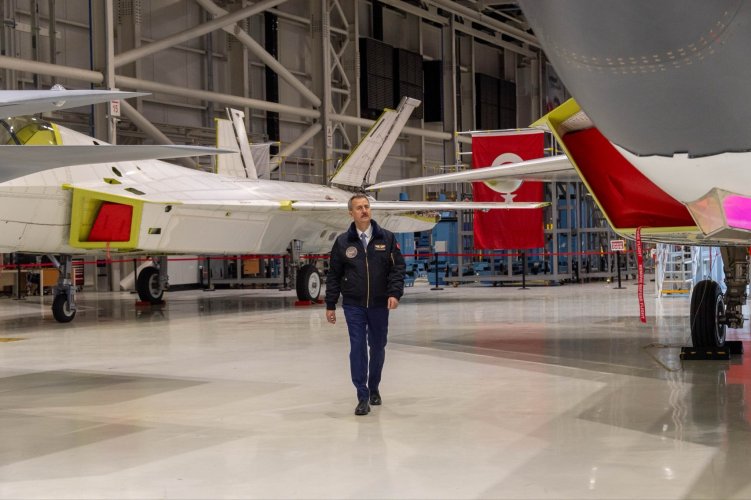
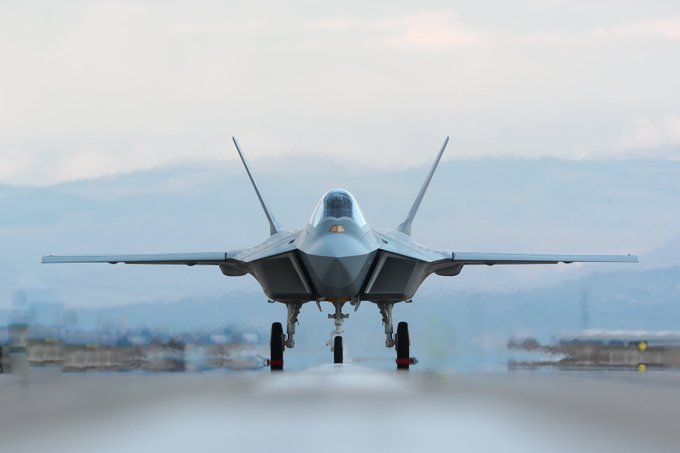
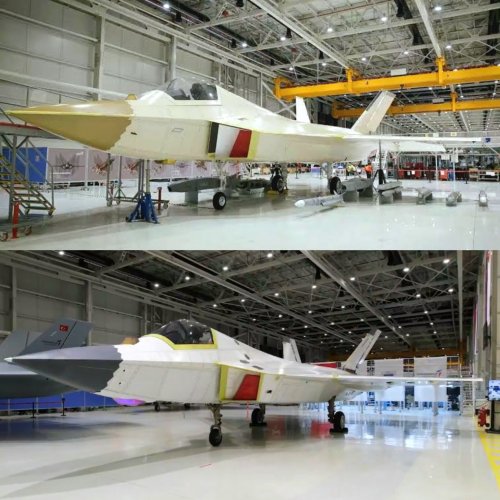
Guys... The main landing gears are now side-mounted.
Static Prototype (1) VS GTU-0/P0 (2)
This would also require a fairly substantial internal redesign...
EDIT: GTU-0 on the right below, the new static prototype on the left.
Static Prototype (1) VS GTU-0/P0 (2)
This would also require a fairly substantial internal redesign...
EDIT: GTU-0 on the right below, the new static prototype on the left.
Attachments
Last edited:
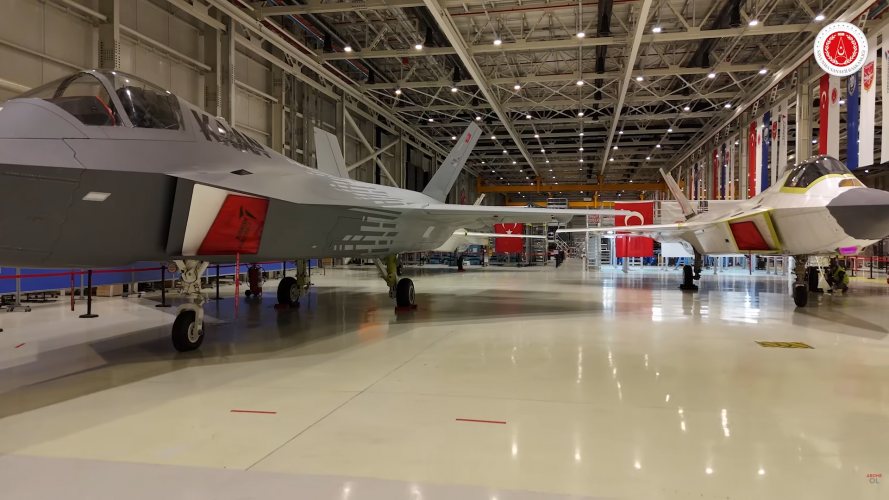
more internal space?Guys.. The main landing gears are now side-mounted.
Static Prototype (left)
View attachment 801906
VS
GTU-0/P0
View attachment 801907
This would also require a fairly substantial internal redesign...
- Joined
- 15 July 2020
- Messages
- 2,085
- Reaction score
- 7,453

snne
ACCESS: Top Secret
- Joined
- 3 July 2022
- Messages
- 2,408
- Reaction score
- 8,848
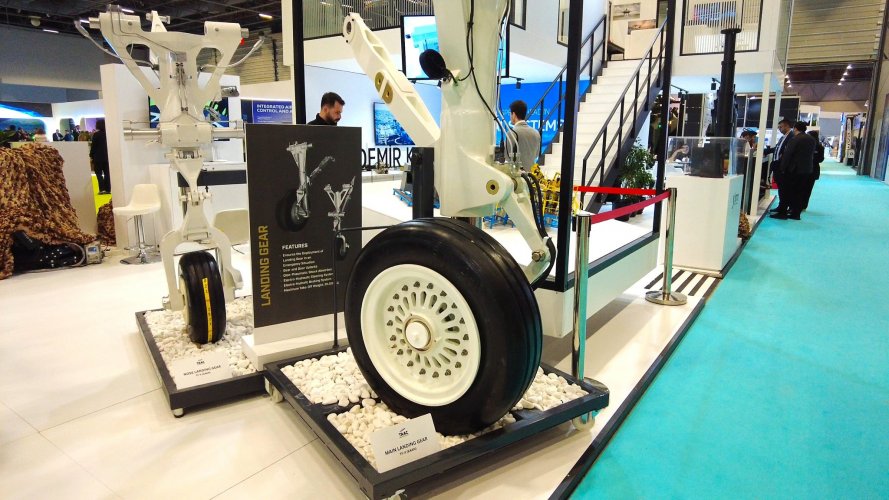
The gears are the same. But yeah, when I first noticed it, I was like, “How the heck did we miss this detail?”View attachment 801908
@snne Good catch. Lol, such an obvious change, but we didn't notice it. The gears are also much beefier. Also, no more double chin.
I mean, you could see the difference in the aircraft’s stance, for crying out loud...Attachments
Last edited by a moderator:
snne
ACCESS: Top Secret
- Joined
- 3 July 2022
- Messages
- 2,408
- Reaction score
- 8,848
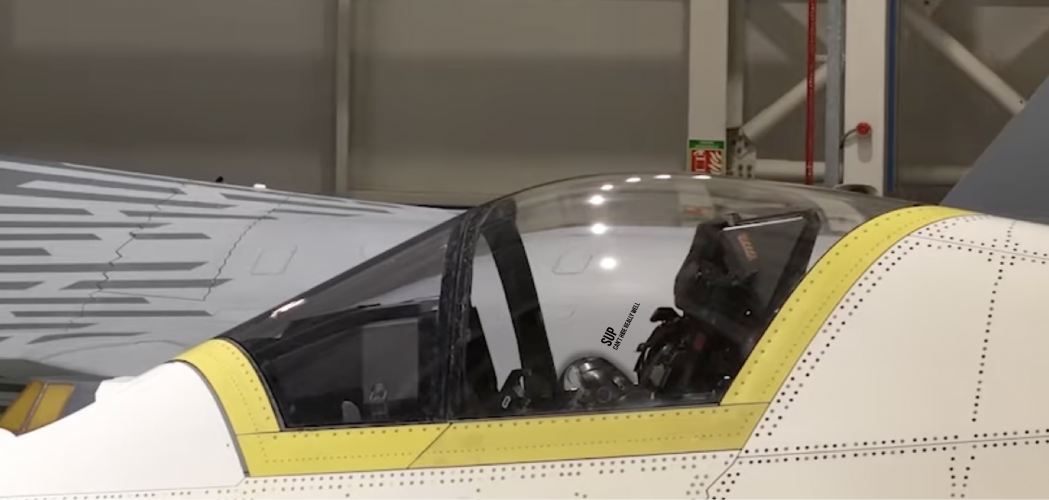
Found Tulgar sneaking inside the cockpit...
Attachments
-
 [email protected]903.5 KB · Views: 257
Last edited by a moderator:
snne
ACCESS: Top Secret
- Joined
- 3 July 2022
- Messages
- 2,408
- Reaction score
- 8,848
Initial tests only, not the full engine assembly.Fascinating development. Really.
Does the start date for the TF35000 prototype tests remain this year?
It’s currently in CDR. They’re following a strategy similar to the Kaan fuselage development approach, i.e. producing and testing components while the Critical Design Review phase is still ongoing. Single engine integration on a prototype in 2028 still seems possible, albeit on a somewhat tight timeline.
Last edited:
gugugagayigit
ACCESS: Restricted
- Joined
- 24 August 2024
- Messages
- 31
- Reaction score
- 106
snne
ACCESS: Top Secret
- Joined
- 3 July 2022
- Messages
- 2,408
- Reaction score
- 8,848
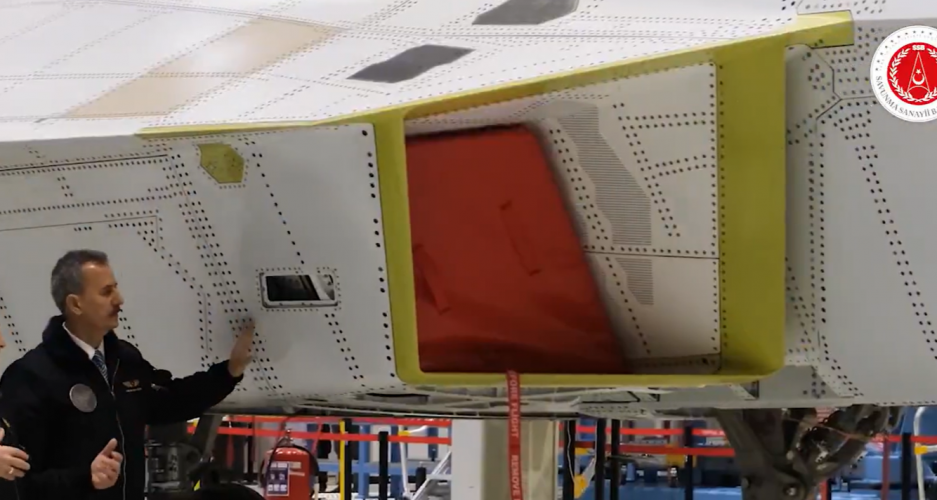
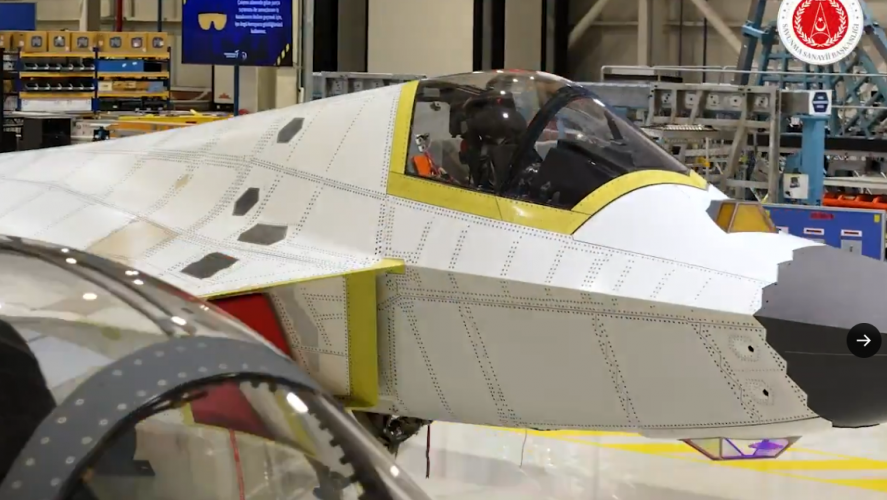
Is there a higher-resolution image available? Devil's in the details and the new prototype is so detail-rich that such low-resolution comparisons do not do justice to how much more advanced it is...Quick comparisonView attachment 802039
Attachments
Last edited by a moderator:
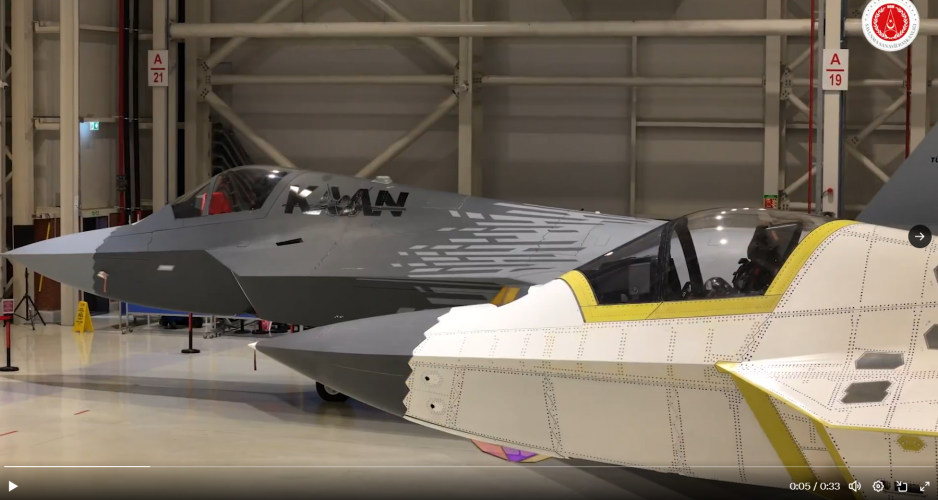
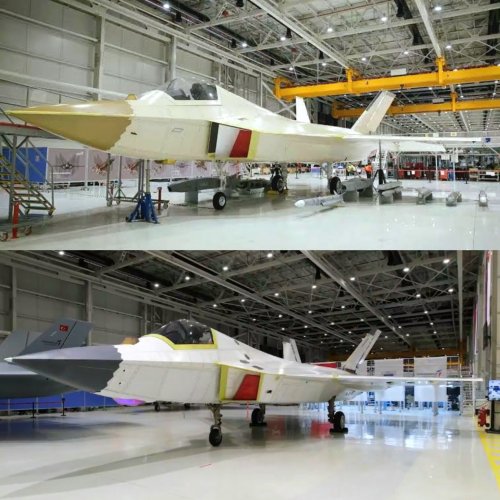
Is there a higher-resolution image available? Devil's in the details and the new prototype is so detail-rich that such low-resolution comparisons do not do justice to how much more advanced it is...
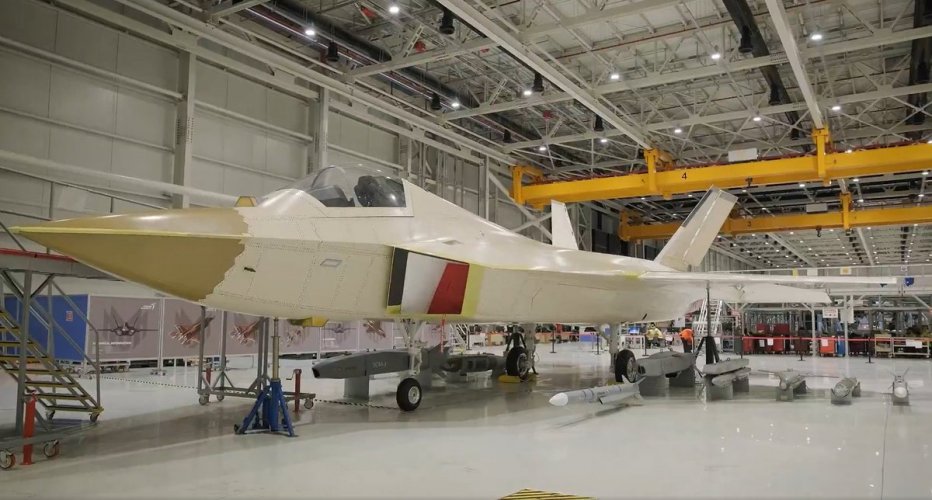
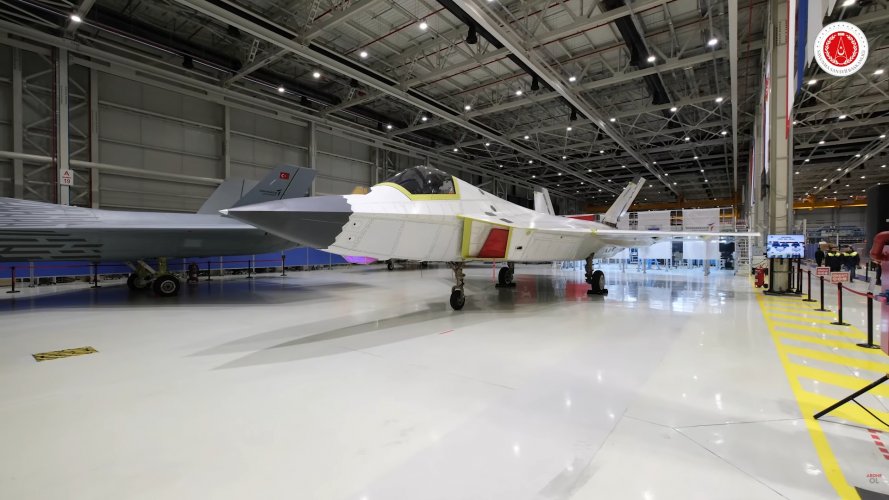
They moved the EOTS forward.
Attachments
Last edited by a moderator:

Waterballoon
ACCESS: Secret
- Joined
- 27 October 2023
- Messages
- 247
- Reaction score
- 682
To make room for the side radars.They moved the EOTS forward.
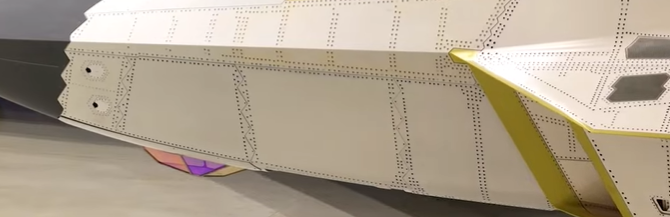
P1 looks very smooth even without coating and paint.
Attachments
Last edited by a moderator:
gugugagayigit
ACCESS: Restricted
- Joined
- 24 August 2024
- Messages
- 31
- Reaction score
- 106
Waterballoon
ACCESS: Secret
- Joined
- 27 October 2023
- Messages
- 247
- Reaction score
- 682
Aerodynamic optimization to increase body lift. Kaan P1 looks like it will generate more lift from the body vs P0. Approaches Su-57 level body lift. Much better than the Raptor.View attachment 802064
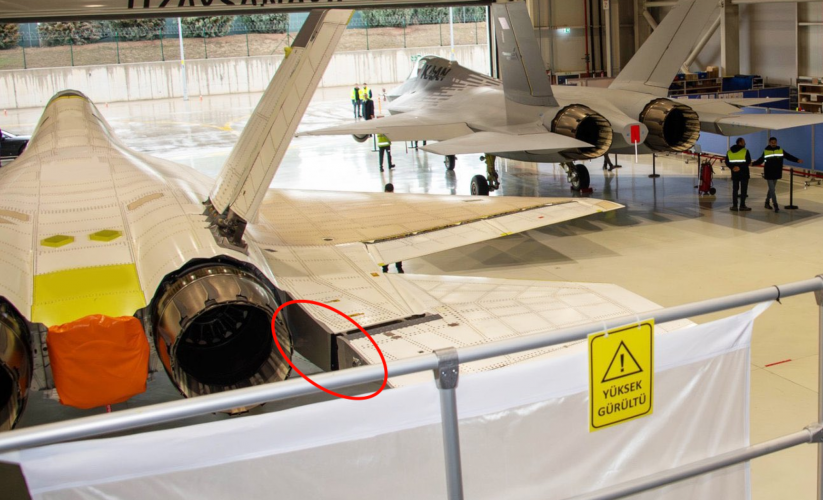
Why is this surface not curved? could this be a preparation for some sort of flat nozzle?
snne
ACCESS: Top Secret
- Joined
- 3 July 2022
- Messages
- 2,408
- Reaction score
- 8,848
Looks that way, but the canopy and the rest of the cockpit section are the same; it's just the camera perspective making the dimensions appear different.Is it just an appearance, or is the canopy really higher?
Indeed, the wings are small compared to other 4th/5th gen heavy-lifters (even with its 3 pylon slots). In a non-stealth A-G configuration, I’d imagine cruise missiles would take up a significant portion of the available underwing real estate, given how short the span is from the wing root to the tip.Aerodynamic optimization to increase body lift. Kaan P1 looks like it will generate more lift from the body vs P0. Approaches Su-57 level body lift. Much better than the Raptor.
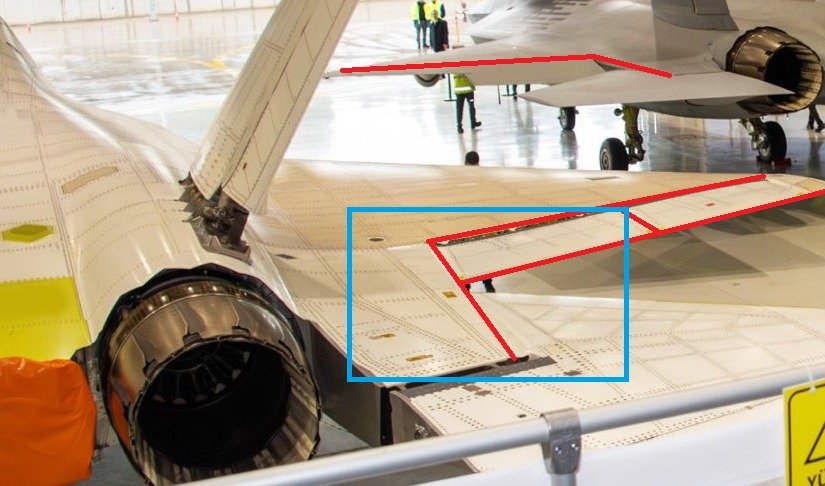
Also, ICYMI; the flap-aileron placements are different as well.
snne
ACCESS: Top Secret
- Joined
- 3 July 2022
- Messages
- 2,408
- Reaction score
- 8,848
CEO of TAI had an interview a couple days ago:Initial tests only, not the full engine assembly.
It’s currently in CDR. They’re following a strategy similar to the Kaan fuselage development approach, i.e. producing and testing components while the Critical Design Review phase is still ongoing. Single engine integration on a prototype in 2028 still seems possible, albeit on a somewhat tight timeline.
Now, Kaan's engine, as you know, is being developed in collaboration with TEI and TR Motor. Yes. The PDR phase was completed last week. We moved on to the CDR. This was an important phase. In other words, the design has emerged. What will it be like? What will be there? What will be placed where? What interfaces will affect the interior design of the aircraft, its weight, power, etc. These are now frozen as a concept. One of them has been chosen, and this is the stage where the final design details are started. This takes approximately 1 to 1.5 years. In the meantime, sometimes risks are taken, and parts and systems that will take a long time to procure are worked on beforehand, and quickly, I think, we plan to start the first prototype tests in the 2028-29 range. So we will put it on the aircraft in the 2029-30 range. It's progressing fast right now, but we need to speed up even more.
we plan to start the first prototype tests in the 2028-29 range. So we will put it on the aircraft in the 2029-30 range.
TF6000 first firing was in 2024 and its first flight is in 2028 earliest(from TAI CEO).
The 2029-30 for aircraft integration of TF35k is just integration, not first flight. The FF of the engine is expected in 2032.
snne
ACCESS: Top Secret
- Joined
- 3 July 2022
- Messages
- 2,408
- Reaction score
- 8,848
2032 is the official certification deadline, as it is written into an actual contract to deliver B30 aircraft with TF35k engines starting in 2032.TF6000 first firing was in 2024 and its first flight is in 2028 earliest(from TAI CEO).
The 2029-30 for aircraft integration of TF35k is just integration, not first flight. The FF of the engine is expected in 2032.
He is saying that integration will occur in the 2029 to 2030 timeframe. That does not mean flight testing will begin immediately, as several months of ground testing on aircraft will be required first. A +/- two year test campaign leading up to certification and LRIP commencement in Q2-Q3 2032 would be a reasonable timeline if there's to be no major delays. (Albeit some things would get rushed, such as ground testing)
All engines mature as they enter operational service, with reliability improving over time throughout their service life. Neither the F110, F119, nor the F135 were as reliable or as refined at entry into service as they are today.
Last edited:
2032 for the first delivery of the engine is no longer true. It's been pushed back by a year. The new target is 2033.2032 is the official certification deadline, as it is written into an actual contract to deliver B30 aircraft with TF35k engines starting in 2032.
He is saying that integration will occur in the 2029 to 2030 timeframe. That does not mean flight testing will begin immediately, as several months of ground testing on aircraft will be required first. A +/- two year test campaign leading up to certification and LRIP commencement in Q2-Q3 2032 would be a reasonable timeline if there's to be no major delays. (Albeit some things would get rushed, such as ground testing)
All engines mature as they enter operational service, with reliability improving over time throughout their service life. Neither the F110, F119, nor F135 were as reliable or as refined at entry into service as they are today.
View: https://x.com/KaraKulak__/status/2022352604844691823
snne
ACCESS: Top Secret
- Joined
- 3 July 2022
- Messages
- 2,408
- Reaction score
- 8,848
TLDR for recent updates regarding both the F110 and the TF-35000:
On the F110 supply:
On the TF-35000 development status:
On the F110 supply:
and we are currently in the final stage of the approval process.
We will likely receive approval for the first batch of blocks 10 and 20 this month, or perhaps next month
On the TF-35000 development status:
The PDR phase was completed last week. We moved on to the CDR.
This takes approximately 1 to 1.5 years. In the meantime, sometimes risks are taken, and parts and systems that will take a long time to procure are worked on beforehand, and quickly, I think, we plan to start the first prototype tests in the 2028-29 range. So we will put it on the aircraft in the 2029-30 range. It's progressing fast right now, but we need to speed up even more.
why the laugh? is it the authenticity of the source? It's coming directly from breakingdefense.
https://breakingdefense.com/2026/02...of-talks-over-saudis-in-kaan-fighter-program/
“It’s a challenging project. It’s a very high-end engine in terms of design, in terms of material, in terms of manufacturing, and our goal is [by] 2032 for first test, and the 2033 is the final delivery,” he concluded.
https://breakingdefense.com/2026/02...of-talks-over-saudis-in-kaan-fighter-program/
snne
ACCESS: Top Secret
- Joined
- 3 July 2022
- Messages
- 2,408
- Reaction score
- 8,848
He wildly throws dates around all the time. This fact makes them just his (more realistic) personal estimates with risks factored in, nothing more. Show me a contract and I'll believe ya.why the laugh? is it the authenticity of the source? It's coming directly from breakingdefense.
https://breakingdefense.com/2026/02...of-talks-over-saudis-in-kaan-fighter-program/
Last edited:
snne
ACCESS: Top Secret
- Joined
- 3 July 2022
- Messages
- 2,408
- Reaction score
- 8,848
Last edited:
siegecrossbow
I really should change my personal text
- Joined
- 12 March 2012
- Messages
- 843
- Reaction score
- 2,903
I could’ve sworn that the vertical slabs got moved to tail booms on P2… Either it’s my personal Mandela Effect or I got it confused with a model showcased at a defense fair…
snne
ACCESS: Top Secret
- Joined
- 3 July 2022
- Messages
- 2,408
- Reaction score
- 8,848
No, that was never in question. It was only noobs on Twitter with large followings insisting on that change, projecting their own wishcasting as if it were fact.I could’ve sworn that the vertical slabs got moved to tail booms on P2… Either it’s my personal Mandela Effect or I got it confused with a model showcased at a defense fair…
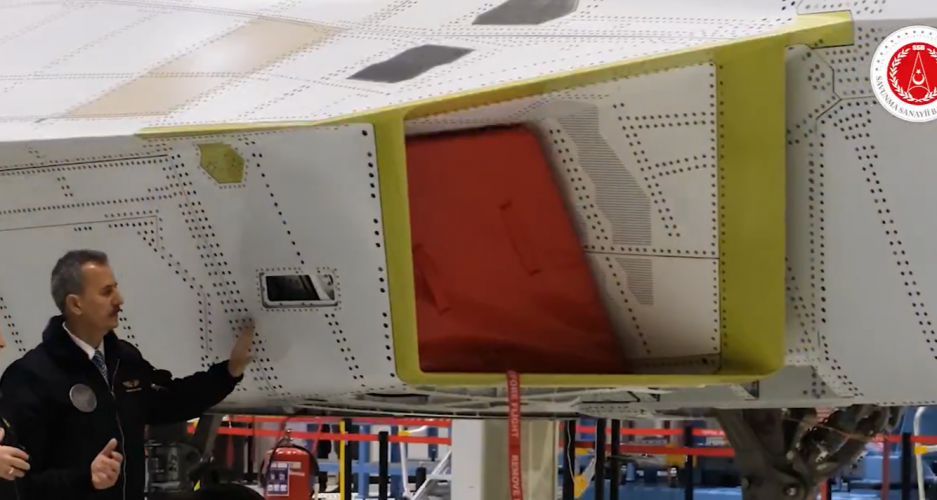
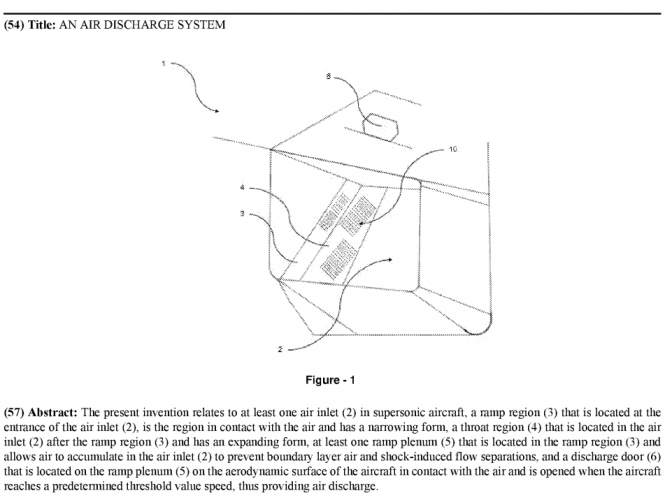
What the officials actually mentioned was a small change to the intakes and dimensions. As you can see, the intakes' splitter-plates have holes to discharge the boundary layer flow now; and the aircraft looks noticeably sleeker and more refined.
|
|
Those fools took it at face value without any critical thinking and ran with it due of their lack of experience and knowledge, as well their populism.
Last edited:
- Joined
- 15 July 2020
- Messages
- 2,085
- Reaction score
- 7,453
I wouldn't throw shade at anyone when you, yourself, was adamant that there would be no changes to the intake of the KAAN. Even when the GM was saying that there would be changesNo, that was never in question. It was only noobs on Twitter with large followings insisting on that change, projecting their own wishcasting as if it were fact.
View attachment 802306
What the officials actually mentioned was a small change to the intakes and dimensions. As you can see, the intakes' splitter-plates have holes to discharge the boundary layer flow now; and the aircraft looks noticeably sleeker and more refined.
Those fools took it at face value without any critical thinking and ran with it due of their lack of experience and knowledge, as well their populism.
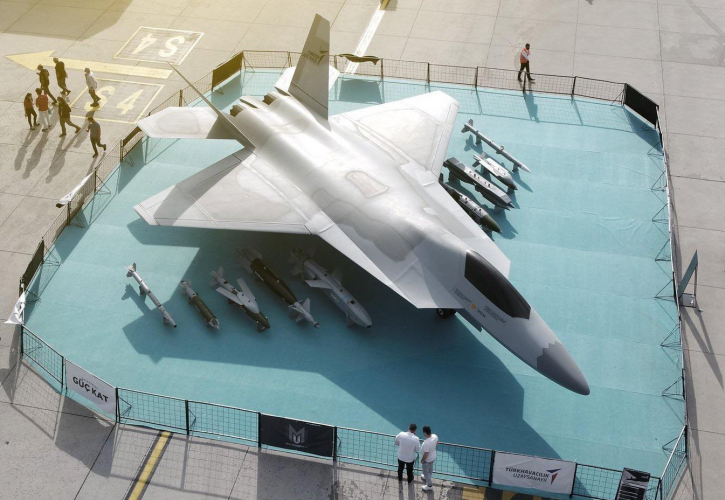
you still disagreed with GM. lolProbably the mock-up, which regardless of being an old mock-up and not being true to form - is still displayed outside TFX officeI could’ve sworn that the vertical slabs got moved to tail booms on P2… Either it’s my personal Mandela Effect or I got it confused with a model showcased at a defense fair…
Last edited:
snne
ACCESS: Top Secret
- Joined
- 3 July 2022
- Messages
- 2,408
- Reaction score
- 8,848
People were claiming it would receive DSIs, for goodness’ sake.I wouldn't throw shade at anyone when you, yourself, was adamant that there would be no changes to the intake of the KAAN. Even when the GM was saying that there would be changes
Did the intake shape change? Did the ducts change? No. They simply added a discharge system to replace the old, non-stealth spill duct; which is honestly more or less what I expected all along based on how other advanced aircraft with caret intakes are configured.
I wouldn’t have been surprised by minor tweaks to the intake edges or corners either, but my position was always that any major intake design change would require a dramatic duct redesign, which would have practically meant conducting the CDR from the beginning all over again...

- Joined
- 24 November 2008
- Messages
- 1,858
- Reaction score
- 4,327
I think the position on the nacelles is necessary to ensure that they wouldn't be directly hit by the vortices of the LERX.I could’ve sworn that the vertical slabs got moved to tail booms on P2… Either it’s my personal Mandela Effect or I got it confused with a model showcased at a defense fair…
Similar threads
-
-

-
 Turkish Special Mission Aircrafts | Projects, News & Discussion
- Started by Combat-Master
- Replies: 19
-
Turkish Land Forces Projects and Developments
- Started by Combat-Master
- Replies: 30
-