terrible without explaining much else was disappointing
Couple major issues they discovered:
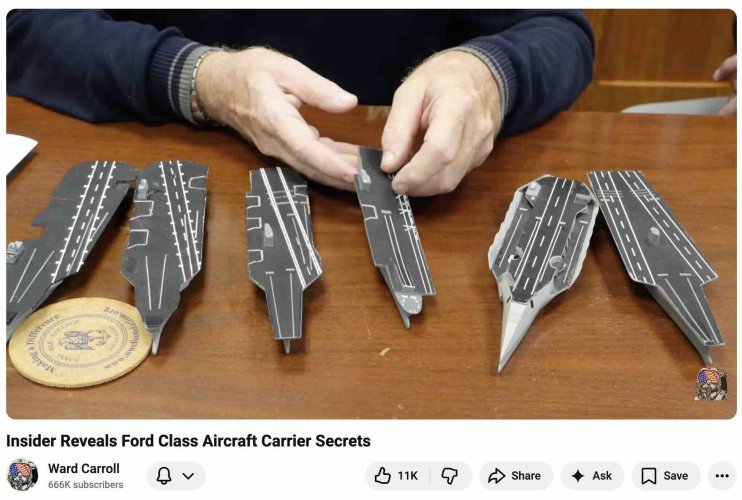
Aardvark is just terrible for deck operations, recovery in particular. Cycle rates are entirely reliant on getting aircraft onto elevators, down to the hangar deck, and the elevators returned to the recovery deck. If there are any stumbles (such as an aircraft launching on either cat preventing the elevator from moving aircraft down) means that aircraft in the holding pattern have to wait even longer.
On top of that the stealth panels to reduce launching aircraft RCS are horrible on deck crew. A carrier deck is loud, now try having that noise reflected back inside the hangar and reverberating around the deck. Your hearing loss will be unequivocally service related!
This is before we account for the lack of deck park, more difficult arming processes, etc.
Definitely a cool looking design and quite interesting but at the end of the day a lot more development is needed before a true "stealth" aircraft carrier. There are even rumors that the (ideal) redesigned Ford will deprioritize RCS reduction features as they have negligible benefits
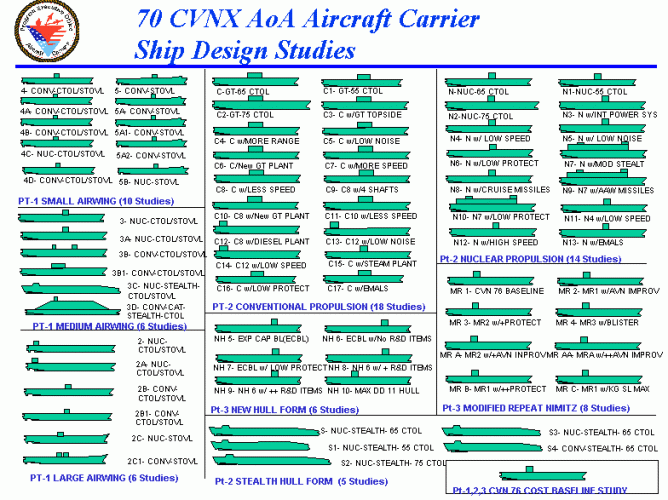
But likewise, if you could squeeze a CVN down 50% and keep 50% sortie rate, you would seriously look at decreasing CVN size. But from the information out there, the current size is the optimal sweetspot.
CVN design (and CV design in general) benefits size. You can increase magazine capacity, maintain aircraft more easily, and deck operations become easier. This is why the QEs are better than other carriers operated by European navies; they have the requisite bulk for optimal operations, even if they are STOVL carriers. If you were to get the "best" design it would be larger again. The main restriction at this point is shipyard infrastructure.
It's also far better from an economic standpoint, iirc it was just an 8% reduction in cost from the 80 aircraft airwing studied in CVX to the 60 aircraft airwing.