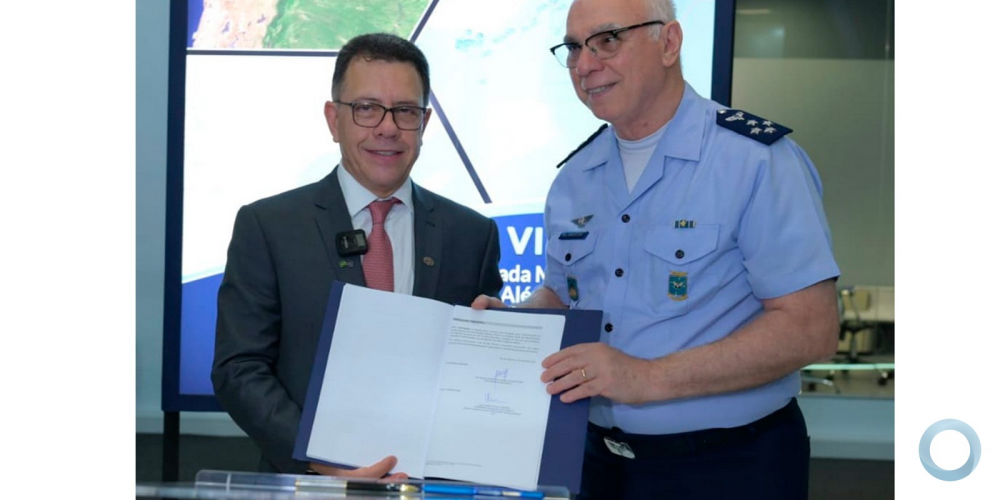
IACIT, a Brazilian company that is a reference in technology applied to defense and air traffic control, and the FAB (Brazilian Air Force), through DECEA (Department of Airspace Control) and Ciscea (Commission for the Implementation of the Airspace Control System), officially signed the contract for the development of the OTH 0200 Skywave Over-the-Horizon Radar on Tuesday (1), during LAAD Defense & Security 2025.

The signing ceremony was attended by the Commander of the Air Force, Air Force Lieutenant-Brigadier Marcelo Kanitz Damasceno; the Director-General of DECEA (Department of Airspace Control), Air Force Lieutenant-Brigadier Maurício Augusto Silveira de Medeiros; and the President of CISCEA (Commission for the Implementation of the Airspace Control System), Major-Brigadier Alexandre Arthur Massena Javoski.

The partnership represents a significant step forward for Brazil’s technological sovereignty. With this contract, IACIT becomes the only Brazilian company to develop and manufacture this advanced technology, consolidating its position as a reference in the long-range radar sector.

“This contract reinforces IACIT’s commitment to advancing defense technology in Brazil. The OTH 0200 Skywave Radar represents a major leap forward for national security, enabling continuous, real-time surveillance in strategic areas. We are proud to lead this innovative project that will strengthen the country’s technological autonomy,” highlighted Luiz Teixeira, CEO of IACIT.

National Defense

The OTH 0200 Skywave Radar is an innovative technology that enables the detection of targets thousands of kilometers away, far beyond the horizon.
1743980842909.png
Using an advanced system of reflected waves in the ionosphere, the equipment enables continuous, real-time monitoring of large areas of the ocean and airspace.

With the signing of the contract, Brazil is among the few countries in the world capable of developing and operating this cutting-edge technology.

The OTH 0200 Skywave Radar significantly expands the surveillance capacity of borders and airspace. The technology is essential for detecting aircraft flying at low altitudes and in regions not covered by conventional radars, increasing the deterrent capacity against potential threats.

Strategic partnership

CISCEA, responsible for the implementation and modernization of the Brazilian Airspace Control System, has played an essential role in strengthening the country's defense infrastructure.

The partnership with IACIT reinforces Brazil's commitment to innovation and the development of strategic solutions for air and maritime security.

For Luiz Teixeira, CEO of IACIT, this contract is very significant for the company and for the national defense sector.

“With the work of DECEA through various agencies, such as CISCEA, Brazil has been continuously advancing, ensuring increasingly efficient and protected operations and moving towards becoming one of the three best in the world in airspace security,” declared the CEO of IACIT.

https://www.defesanet.com.br/aviaca...-para-desenvolver-radar-de-alem-do-horizonte/
Embraer announces selection of the Super Tucano as the new air platform for Panama's National Naval Air Service
Ricardo Fan
April 4, 2025
Aviation, Defense, Featured, Embraer, EMBRAER, LAAD 2025
https://www.defesanet.com.br/aviaca...erea-do-servico-nacional-aeronaval-do-panama/
1743981781942.png
Country : Brazil

Year : 1986

Two-seater training and sports aircraft

Variants
Fournier - RF-9 / RF-10 - 1977 - France
Aeromot - Ximango - 1986 - Brazil
Aeromot Ximango. Modifications
View: https://www.youtube.com/watch?v=nqo4F519g0E

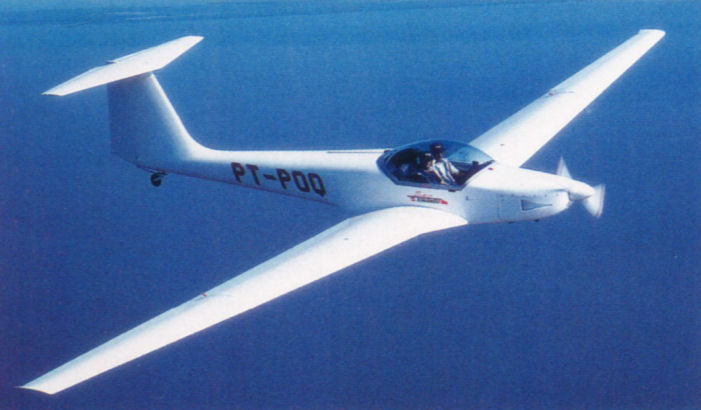
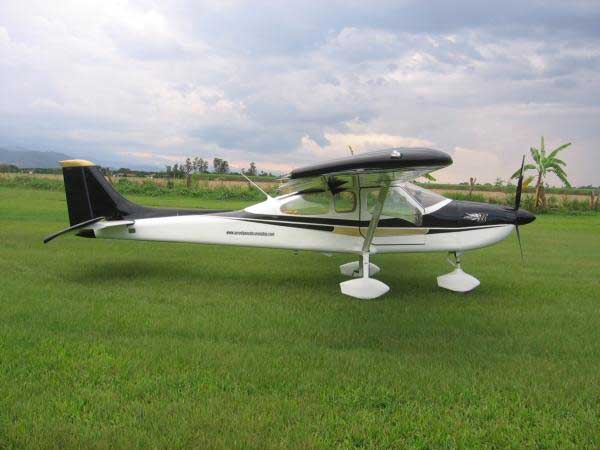
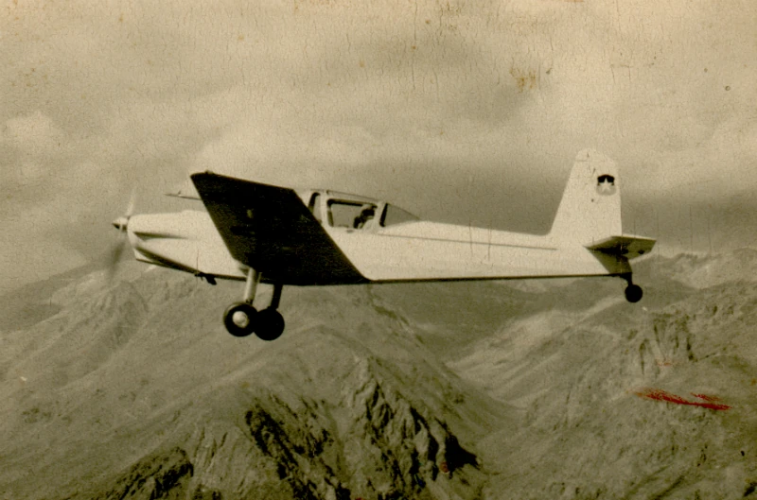
"Aeromot Industrie MECANICO-METALURGICA" is one of the most important elements of the industrial group "Aeromot", which appeared in Brazil in 1967. The company "Aeromot lndustria" began its life with the design and production of seats for the EMBRAER aircraft. In addition, it was engaged in the design and production of seats, as well as other components for civil aircraft of the companies "Airbus", "BOEING", "Fokker" and "McDonnell Douglas". In July 1985, the company acquired the assets of the Aerostructure (Fournier) motor glider factory in France and obtained all rights to produce the RF-10 motor glider. The Brazilian company then adapted and modified it to produce three versions (sports, training and paramilitary aircraft). The first in this series was the Aeromot AMT-100 Ximango (a minimally modified version of the RF-10), which received its flight certificate in June 1986. The Ximango is a low-wing cantilever monoplane built entirely of GFRP (glass fiber reinforced plastic), with the exception of the main spar and the air brakes on the upper wing surface. The cockpit was closed by a canopy that folded up and back, and contained two seats (for the pilot and co-pilot or passenger). The outer wing tips could be folded upwards and inwards, reducing the size of the glider to 10.15 m on the ground. The landing gear included a steerable tail wheel and main landing gear legs that retracted in flight into the wing roots. The Ximango was powered by a Limbach L 2000 EO1 four-cylinder piston engine producing 80 hp. This glider was offered to customers in both a basic version and two sub-variants designed for more specific uses of the machine. The AMT-100P Ximango was intended for the army and police, the AMT-100R Ximango for use as a general-purpose reconnaissance aircraft. Both had a transparent canopy with good visibility, as well as provisions for attaching a fairing under the fuselage, inside which up to 100 kg of ammunition or reconnaissance equipment could be placed. The RF-10, upgraded in Brazil, was named the AMT-200 Super Ximango. This motor glider made its maiden flight in July 1992 and was certified in February 1993. The AMT-200 is a significantly upgraded AMT-100 with a new 80 hp Rotax 912A four-cylinder piston engine. The AMT-200 was further developed into the AMT-300 Turbo Ximango, later renamed the AMT-300 Turbo Ximango Shark. It featured improved aerodynamics and was equipped with a Rotax 914F3 turbocharged engine. The new machine debuted on June 29, 1998. It was almost immediately followed by a new version of the AMT-200, the AMT-200S, which was certified in 2000. It was equipped with a 100 hp Rotax 912S engine. s.

PERFORMANCE CHARACTERISTICS

Aeromot AMT-100 Ximango and AMT-200 Super Ximango

Type: two-seat training and sports aircraft
Power plant: for AMT-100 - one four-cylinder piston engine Limbach L 2000 E01 with a capacity of 80 hp; for AMT-200 - one four-cylinder piston engine Rotax 912A with a capacity of 80 hp.
Flight characteristics of AMT-100: maximum cruising speed 190 km/h, economical speed 180 km/h; initial rate of climb 132 meters per minute; service ceiling 5000 m; flight range 1380 km; flight endurance 7 hours
Flight characteristics of AMT-200: maximum cruising speed 205 km/h; initial rate of climb 180 meters per minute; service ceiling 5000 m; flight range 1250 km; flight endurance 6 hours 30 minutes
Weight of AMT-100: empty 600 kg; maximum takeoff 800 kg
Weight of AMT-200: empty 605 kg; maximum takeoff 850 kg
Dimensions: wingspan 17.47 m; length 7.89 m for AMT-100 and 8.05 for AMT-200; height 1.93 m; wing area 18.70 sq. m
http://aviadejavu.ru/Site/Crafts/Craft30370.htm
 
Last edited:
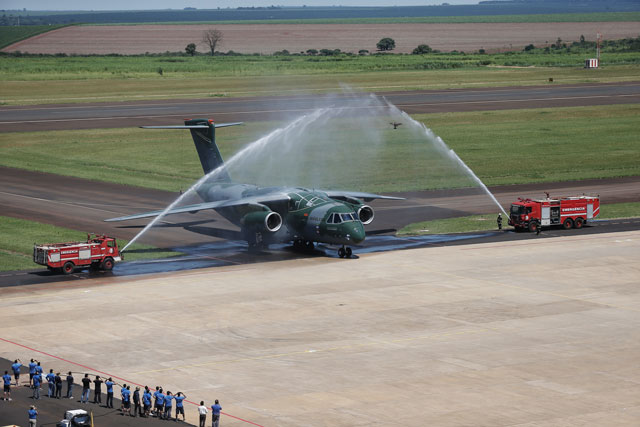
Embraer and Denel Sign Cooperation Agreement for the KC-390 Millennium

A21 Editorial / Monday, April 7, 2025 - 01:00
THE MEMORANDUM OF UNDERSTANDING LAYS THE FOUNDATION FOR A COLLABORATION FOCUSED ON THE MANUFACTURING OF AEROSTRUCTURES AND MRO SERVICES FOR THE MILITARY TRANSPORT AIRCRAFT
Embraer MoU
Embraer and Denel, a South African defense and aerospace company, officially signed a Memorandum of Understanding (MoU) during the LAAD Defense and Security trade fair in Braz
il.

The document, signed by Chris Boshoff, CEO of Denel's Aerospace business, and Fabio Caparica, Vice President of Contracts at Embraer Defense & Security, establishes the framework for a potential future collaboration around the KC-390 Millennium aircraft, focusing on aerostructure manufacturing as well as maintenance, repair, and overhaul (MRO) activities.

“We are excited to strengthen our ties with Denel, an established player in the South African aerospace industry, as the country seeks to replace its current military fleet. We look forward to providing South Africa with the most advanced aircraft in its category and cooperating with its defense industry,” said Fabio Caparica, Vice President of Contracts at Embraer Defense & Security.

For his part, Chris Boshoff, CEO of Denel's Aerospace business, expressed his enthusiasm for partnering with a company globally recognized for its quality and excellence, such as Embraer.


“Our relationship goes back several decades, and this collaboration will only strengthen it. Denel has the technical and industrial capabilities necessary to undertake the tasks envisaged in this cooperation, which will also significantly strengthen the strategic air support capability on the African continent,” he added.

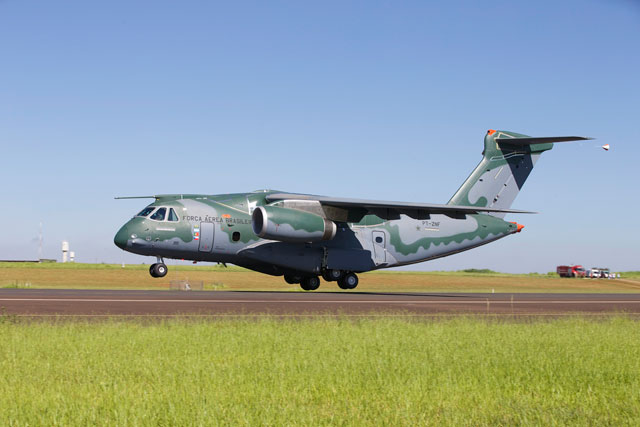
The KC-390 Millennium is a next-generation military transport aircraft, particularly suited for operations in South Africa. Its versatility, ease of reconfiguration between missions, and ability to operate from unprepared runways make it an ideal and cost-effective aircraft for modern armed forces on the African continent.

This aircraft has already been acquired by eight countries: Brazil, Portugal, Hungary, South Korea, the Netherlands, Austria, the Czech Republic, and an undisclosed customer. It has also been officially selected by Sweden and Slovakia to modernize their air forces.

https://a21.com.mx/aeronautica/2025...erdo-de-cooperacion-para-el-kc-390-millennium


Embraer Delivers 30 Aircraft During Q1 2025A21 Editorial / Friday, April 4, 2025 -

EmbraerEmbraer reported that during the first quarter of 2025, it delivered 30 aircraft, representing 20% growth compared to the same period last year, when it delivered 25.“ Compared to the same period in 2024, Business Aviation volumes remained stable in the quarter, with seven aircraft delivered (4 E175s and 3 E195 E2s),” the Brazilian manufacturer explained.“Business Aviation volumes were higher year-over-year: 23 jets were delivered in 1Q25 compared to 18 in 1Q24, representing a 28% increase.”In Business Aviation, deliveries were divided between 12 Phenom 300s and 2 Phenom 100s in the light jet segment; in midsize jets, there were 6 Praetor 600s and 3 Praetor 500s. Embraer projected between 77 and 85 deliveries in Business Aviation during the year (midpoint 10% higher year-over-year) and between 145 and 155 in Business Aviation (midpoint 15% higher year-over-year).In the Defense and Security segment, no deliveries of either the C-390 Millennium multi-mission aircraft or A-29 Super Tucano helicopters were recorded.During 2024, Embraer delivered 206 aircraft, of which 73 were commercial aircraft (47 E2s and 26 E1s), 130 were executive jets (75 Phenoms and 55 Praetors), and three C-390 Millennium aircraft.This figure represented a 14% increase compared to the 181 deliveries in 2023.

https://a21.com.mx/aeronautica/2025/04/04/entrega-embraer-30-aeronaves-durante-el-1q-del-2025
1744062319650.png

1744062422370.png
1744062503797.png

View: https://www.youtube.com/watch?v=dGWOhClXH1U

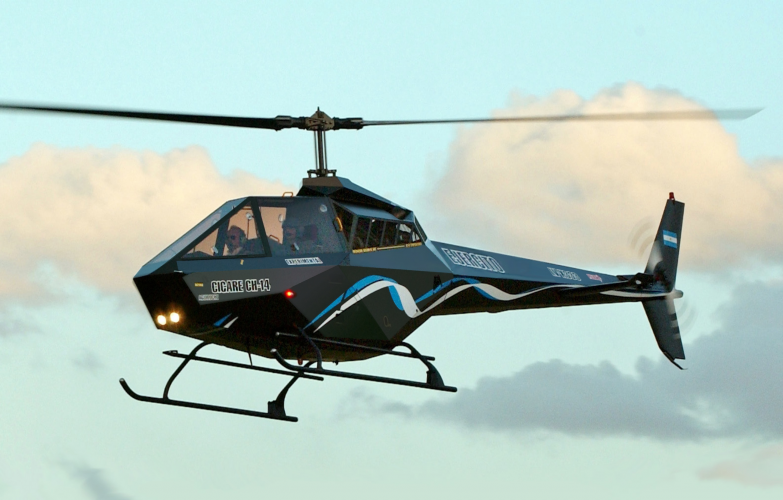
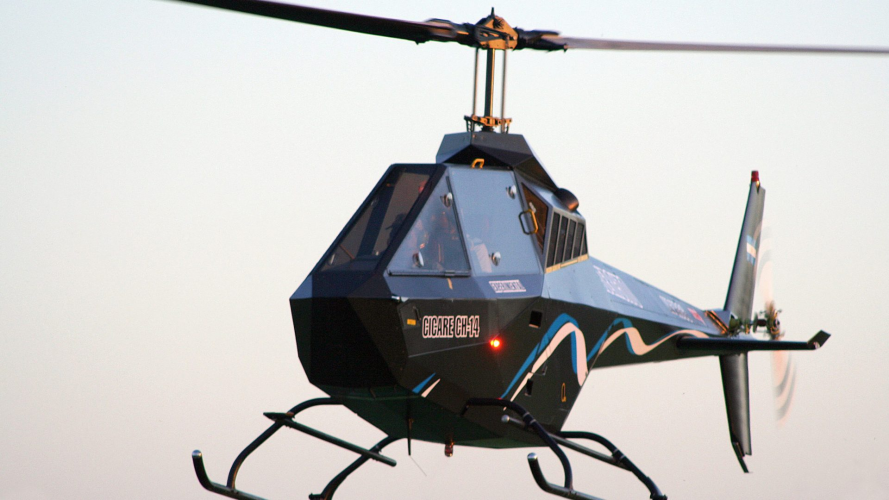
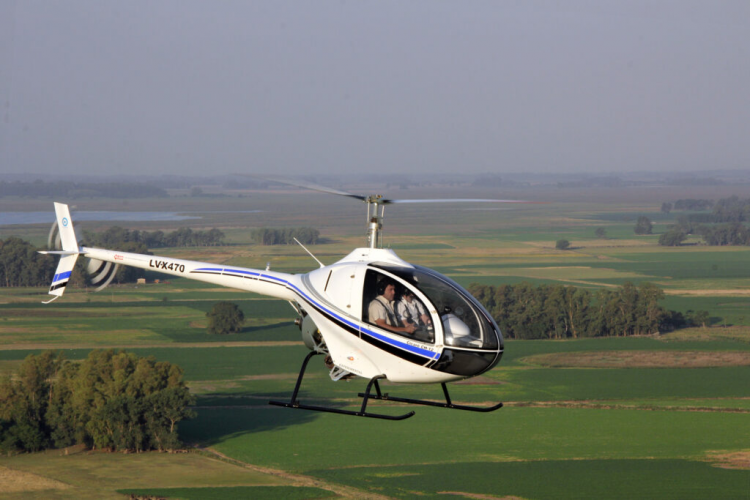
Cicare CH-14 Aguilucho tandem, two-seat helicopter prototype LV-X333 performs a demonstration on November 22, 2007, the day before it was officially presented to military officials at Campo de Mayo. The helicopter, the first to be indigenously developed in Argentina, was produced by local company Cicare following a proposal to the Ejercito Argentina (Argentine Army) and wears Ejercito titles.
http://aviadejavu.ru/Site/Crafts/Craft29796.htm
 
Last edited:
Akaer develops the first 100% Brazilian Aerotactical Training platform
Ricardo Fan
April 8, 2025
Aviation
Akaer develops the first 100% Brazilian Aerotactical Training platform

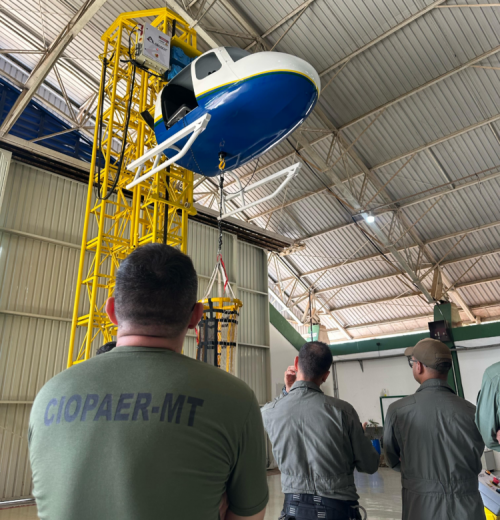
Reinforcing its position as a reference in technology for the aerospace sector, Akaer has developed the first 100% Brazilian Aerotactical Training Platform independent of vertical anchoring. The equipment was designed to simulate real conditions of air operations, aiming at the training of military personnel, special forces and rescue teams.

The project recreates the complete structure of a helicopter attached to a metal tower, but which allows for swing movement (a technology unprecedented in Brazil), simulating real situations and providing greater efficiency to tactical training, training and safety of air operators in critical missions.

The platform will be installed at CIOPAER-MT (Integrated Center of Air Operations of Mato Grosso). Its construction required an intense development cycle, with five months dedicated to the project and seven months to manufacturing, ensuring high standards of quality and precision.

Technology

The platform is equipped with advanced lifting mechanisms, including a linear and rotary gear system (rack) and anti-fall brake, which simulate conditions of operations carried out in flight.

The equipment recreates, in real scale, the cabin of an AS350 helicopter (Eurocopter), allowing training with specific techniques. Among these, the transport of cargo and people stands out, including the Bambi-bucket, a flexible bucket suspended by a cable used in fighting forest fires; the basket, designed for the safe transport of materials and rescue of people; and the McGuire, a single rope used for evacuation and air rescue.

In addition, it allows training for embarking and disembarking operators with techniques such as Rappel, which allows rapid disembarkation by means of a rope; the Mata-leão, where the operator attaches himself externally to the aircraft using his arms for support; and the Sloth, in which the operator holds onto the aircraft with his arms and legs, ensuring stability during the operation.

As it is a fixed structure or adapted for simulation, it allows operators to train safely before performing these maneuvers in real aircraft, which is essential to reduce risks during operations and ensure that teams are prepared to act with precision.

The entire project and integration of the platform were developed by Akaer, ensuring a superior quality standard aligned with technical and safety requirements. “We are happy to contribute to the advancement of tactical aeronautical training in Brazil. This platform represents a leap in quality, ensuring greater safety and efficiency for air operators,” highlighted Francilio Graciano, executive director of Business in Special Equipment and Automation.

With the delivery of this unprecedented model, Akaer once again demonstrates its capacity for innovation and cutting-edge engineering applied to the real needs of operational forces. The project reinforces the company's commitment to safety and advanced training for professionals in the sector.

https://www.defesanet.com.br/aviaca...rma-de-treinamento-aerotatico-100-brasileira/Country : Brazil

Year : 1983

A medium-range transport aircraft with a crew of two

Variants
Embraer - EMB-120 Brasilia - 1983 - Brazil
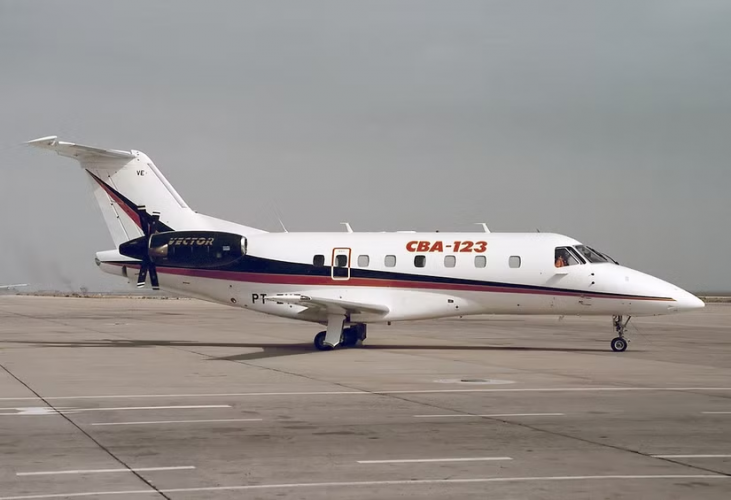
Embraer / FMA - CBA-123 - 1990 - International
EMBRAER EMB-120 Brasilia

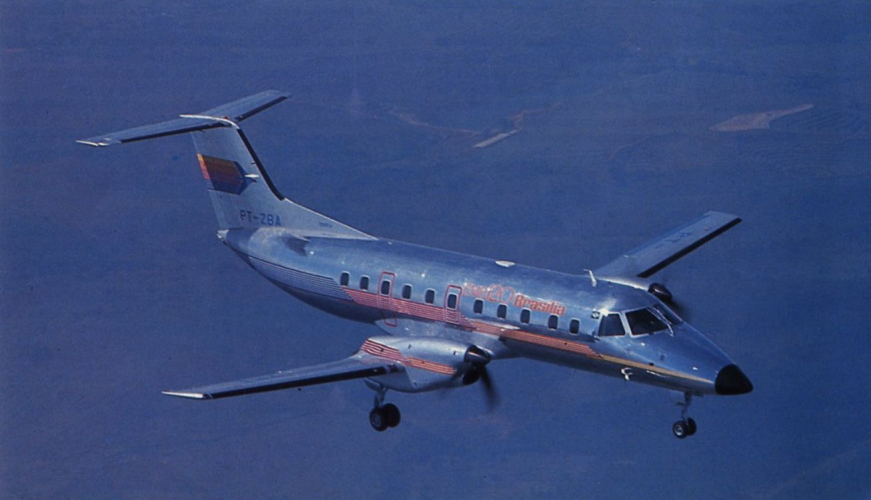
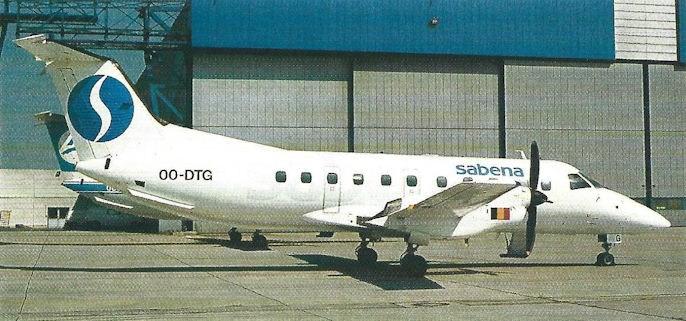
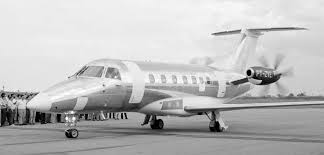
The success of the Bandeirante program prompted the Brazilian aircraft manufacturer to begin developing a new, stretched version of this aircraft. Work on the new machine began in 1979, and the aircraft, called the EMB-120 Brasilia, made its first flight on July 27, 1983. The aircraft had a crew of two and could take on board up to 30 passengers. The aircraft received Brazilian certification in May 1985, with a power plant consisting of two Pratt & Whitney Canada PW115 engines with a shaft power of 1,590 hp. (1195 kW). The first new aircraft were received by Atlantic Southeast Airways (USA) in June 1985, and by mid-2010 the company had delivered 350 aircraft of this type to customers. The aircraft has been withdrawn from serial production, but can be ordered under a special scheme. The Brazilian Air Force became the first military customer of the EMB-120 - in 1987-1988, five VC-97 aircraft in VIP configuration were received (one was written off after a flight accident in July 1988). The VC-97 is almost identical to the EMB-120RT (Reduced Take-off) - the basic modification, which went into production starting with the fourth aircraft - and was equipped with two PW118 engines with a shaft power of 1,800 hp (1,342 kW), working on four-bladed Hamilton Standard propellers. In 1986, a version for operation in hot climates and high altitude conditions was also introduced, which was equipped with PW118A engines. Customers were also offered all-cargo, cargo-passenger and convertible versions of the aircraft.
The all-cargo EMB-120FC could take on board a payload of up to 1814 kg, the cargo-passenger modification EMB-120 Combi - 19 passengers and 1100 kg of cargo, and the convertible EMB-120QC - 30 passengers or 3500 kg of cargo.
The EMB-120ER Brasilia Advanced aircraft with an increased flight range appeared in 1994, it was distinguished by an increased maximum takeoff weight and did not require major changes to the design of the machine. As a result, early production aircraft were re-equipped to this standard.

A modification of the EMB-120ER, which featured longer landing gear, was developed under the designation EMB-120X since 1992, and was also sometimes referred to as the Improved Brasilia. The aircraft featured new avionics, a modified cockpit, and a number of other elements. The last two Brasilia variants, the EMB-120EW and EMB-120RS, were planned as military aircraft: the EMB-120EW was an AWACS aircraft equipped with an Ericsson Erieye side-looking radar, the antenna of which was located in a long fairing on the top of the fuselage, protected radio communications, new avionics and flight control system, and also featured an increased fuel capacity (the Brazilian Air Force ordered five of these machines as part of a project to monitor the Amazon River basin), while the EMB-120RS was considered as a supplement to the EMB-120EW and was intended primarily to provide target designation for ground control points or other aircraft. Initially, the Air Force ordered three of these aircraft, which had the same design improvements as the EMB-120EW, but were equipped with a Canadian MacDonald Detwiler IRIS (Integrated Radar Imaging System) synthetic aperture radar, the antenna of which was located in the ventral fairing and could be used to study natural resources, river pollution and terrain mapping. However, both contracts were later canceled - in favor of purchasing aircraft based on the ERJ-145 regional airliner.
1744157190297.png

1744157242117.png
PERFORMANCE CHARACTERISTICS

EMBRAER EMB-120ER Brasilia Advanced

Type: medium-range transport aircraft with a crew of two
Powerplant: two Pratt & Whitney Canada PW118A turboprop engines with a shaft power of 1,800 hp. (1,342 kW) Performance: Maximum speed at 6,095 m - 608 km/h; Cruising speed at 7,620 m - 555 km/h; Initial rate of climb 762 m/min; Service ceiling 9,755 m; Range with 20 passengers - 3,017 km
Weight: Empty 7,560 kg; Maximum takeoff 11,990 kg
Dimensions: Wingspan 19.78 m; Length 20.07 m; Height 6.35 m; Wing area 39.43 m2
Payload: Up to 30 passengers in the context of a maximum payload of 3,340 kg
http://aviadejavu.ru/Site/Crafts/Craft21428.htm
View: https://www.youtube.com/watch?v=mKVRe5q01mI
Country : Brazil

Year : 1995

Regional airliner with a crew of three to four people

Variants
Embraer - ERJ-145 / ERJ-140 / ERJ-135 - 1995 - Brazil
Embraer - R-99 / E-99 / ERJ-145RS / ERJ-145SA - 1999 - Brazil
EMBRAER ERJ and Legacy 600

As part of the Paris Air Show held in June 1989, EMBRAER announced work on the creation of a regional airliner based on the turboprop EMB-120 Brasilia, with a capacity of 45/48 seats, equipped with turbofan engines.
The design changes to the aircraft were minimal, and at first the aircraft was even given the designation EMB-145 Amazon. It had a fuselage lengthened compared to its predecessor and a new power plant consisting of two Allison AE3007 turboprop engines with a thrust of 31.14 kN each and placed in nacelles installed on the wing, in its root section (the air intakes protruded slightly beyond the leading edge of the wing). This concept - with minimal changes - was aimed at reducing the cost of developing a new machine, as well as ensuring a level of operating costs at the level of turboprop airliners of similar dimensions of that period. It was assumed that the Amazon would have 70-75 percent compatibility with the Brasilia. Wind tunnel tests conducted in 1990 showed that the project needed to be reworked, which was carried out between October 1990 and March 1991. Changes affected the wing, chassis and power plant. A test program was then carried out at the CTA Research and Test Laboratory in São José dos Campos and then at Boeing's Wind Tunnel 8 in Seattle. Based on the data obtained, additional changes were made to the design in April 1991: the new wing was shorter and stiffer, had a supercritical profile and a sweep of 22.5°; the engines were placed in nacelles suspended on pylons under the wing; the forward part of the fuselage was lengthened, which made it possible to install a longer nose landing gear. In October 1991, additional changes to the design were announced - the engine nacelles were moved to the tail section, where they were installed along the sides of the fuselage. Wind tunnel tests at subsonic and transonic speeds confirmed the correctness of this decision, which improved the characteristics of the airliner. In July 1992, the project was approved (the first flight of the aircraft was initially planned for the end of 1991).
In February 1993, the American "Parker-Hannifin" and the Spanish "GAMESA" joined the program as a risk-sharing partnership: the former was responsible for the control surfaces and on-board systems, and the latter for the development and production of the wing and engine nacelles. Later, the program was also joined by the companies "Sonaca" (Belgium; central and rear fuselage sections, engine nacelle pylons), "ENAER" (Chile; tail unit), "Norton" (USA; nose cone) and "C&D Interiors" (USA; passenger cabin and baggage compartment trim).
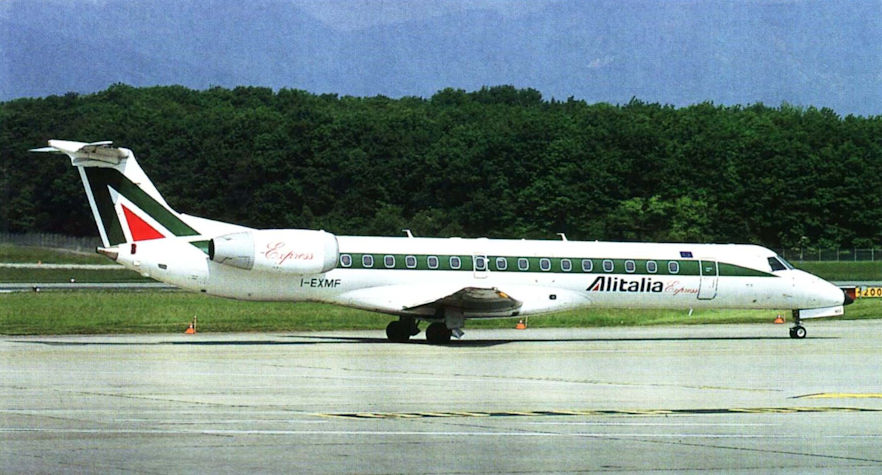
The prototype took to the air on August 11, 1995, and in addition to the prototype, three production aircraft also took part in the flight and certification test program (1,100 flights were performed). By December 1996, testing was completed, certification was passed, and the first EMB-145 entered service with the American company "Continental Express". In 1997, the EMB-145 was redesignated ERJ-145, and then ERJ 145. By mid-2010, the number of orders for the aircraft exceeded a thousand, of which 890 were placed by airlines. There are six civil sub-variants of the ERJ 145: ERJ 145EU with an increased maximum takeoff weight; ERJ 145ER with an increased range; ERJ 145EP with an even greater takeoff weight; ERJ 145MR with more powerful AE3007A1 engines; ERJ 145LR with greater range and greater fuel capacity, and AE3007A3 engines with a thrust of 33.05 kN; ERJ145XRC with a range of 3,700 km.

In 1997, EMBRAER management decided to make greater use of the success achieved with the ERJ 145 program, as a result of which the line of this family was expanded with a regional airliner with a shortened fuselage for 37 seats. Work on the EMBRAER ERJ 135 project was officially launched in September 1997, two prototypes were converted pre-production ERJ 145s. The new aircraft made its first flight on July 4, 1998, and its launch customer was Continental Express, which received its first production aircraft in July 1999 (at that time, EMBRAER had firm orders and options for 139 such airliners).

1744196967553.png
The ERJ 135 has 90% compatibility with the ERJ 145 - similar wings, tail unit, cockpit and main systems. The main difference is the fuselage shortened by 3.53 m. The layout of the seats in the cabin is the same (2+1). The relationship of both machines allows for simplified flight crew training and maintenance, as well as reduced operating costs. EMBRAER has also attempted to launch
to the market of an intermediate variant - the 44-seat ERJ 140 (first flight on July 27, 2000), but the unfortunate situation on the international air transportation market caused by the terrorist attacks in the USA did not allow achieving success in this direction. The fate of the Legacy 600 business jet, designed to carry 8 passengers, created on the basis of the ERJ 135, was more successful. The aircraft was in demand among civil and military customers.
1744198093867.png
TACTICAL AND TECHNICAL CHARACTERISTICS
1744197018391.png
EMBRAER ERJ 145ER

Type: regional airliner with a crew of three to four people
Power plant: two Rolls-Royce AE3007-A1 turbofan engines with a thrust of 31.32 kN
Flight characteristics: max. speed at an altitude of 11,280 m - 823 km / h; economic speed at 9755 m - 680 km/h; initial rate of climb 725 m/min; service ceiling 11280 m; range with maximum payload 1569 km
Weight: empty 11690 kg; maximum takeoff 19 200 kg
Dimensions: wingspan 20.04 m; length 29.87 m; height 6.75 m; wing area 51.18 m2
Payload: up to 50 passengers in the context of a maximum payload of 5410 kg

View: https://www.youtube.com/watch?v=SBQbkRz6TQ0

http://aviadejavu.ru/Site/Crafts/Craft20574.htm#gallery-10
 
Last edited:
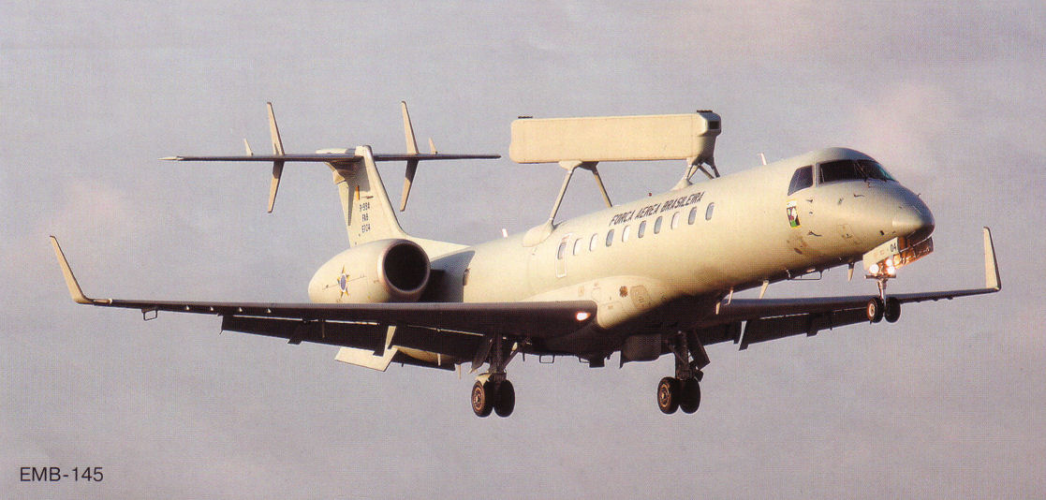
The Brasilia was the basis for the development of military variants - the EMB-120EW and EMB-120RS, but the Brazilian Air Force ordered roughly similar sub-variants based on the EMB-145. The EMB-145SA is an AWACS aircraft. The Brazilian Air Force ordered five of these machines with delivery from 2002 (under the SIVAM program). The aircraft differs in a crew of seven, instead of five, a side-looking Ericsson Erieye radar with an antenna in a long fairing on the upper part of the fuselage, a secure data link, new avionics and flight control system, increased fuel capacity and a number of other improvements. In December 1998, Greece ordered four of these aircraft.
The EMB-145RS (originally EMB-120RS) is an airborne early warning aircraft, which is designed to complement the EMB-145SA AWACS aircraft. The first three aircraft were ordered for delivery from 2001, and these machines had almost the same design improvements as the EMB-145SA. New was the installation of the Canadian integrated radar system MacDonald Dettwiler IRIS (Integrated Radar Imaging System) with an antenna with a synthetic aperture beam, which was located in the underfuselage fairing, a combined Versatron Skyball system (forward-looking TV/IR system) and a Daedalus multispectral system (UV, visible spectrum and IR ranges). The aircraft is designed to solve tasks in the study of natural resources, monitoring the ecology of rivers and mapping the terrain. Aircraft of both variants are currently in service with the Mexican Air Force.
1744292314102.png


http://aviadejavu.ru/Site/Crafts/Craft34622.htm
View: https://www.youtube.com/watch?v=bBeREIEEYvw


Embraer has delivered to the Brazilian Air Force (FAB) its fifth EMB 145 AEW&C aircraft, upgraded and designated as E-99M in the FAB. The aircraft has been updated to perform Airborne Early Warning and Control (AEW&C) functions, as well as participate in intelligence, surveillance, and airborne reconnaissance missions.“The delivery of the fifth E-99 is an important milestone for the E-99M project. This is the first aircraft delivered in FOC (Full Operational Capability) configuration, with systems fully certified for use by the Brazilian Air Force for protecting the country and its national sovereignty,” says Bosco da Costa Junior, President and CEO of Embraer Defense & Security. The executive further states, “The four aircraft previously delivered will be upgraded so that they can fully perform all the missions for which they were designed.”Developed utilizing the platform established by the successful ERJ 145 regional jet, the FAB’s E-99 is capable of detecting, tracking. The aircraft conducts airspace surveillance, interception control and management, electronic intelligence, and border monitoring missions.The E-99M aircraft now features an updated Erieye Radar and Command & Control (C2) systems. The aircraft will also include a new Electronic Warfare (Non-Communication – NCOM) systems, a new IFF Transponder, seven software-defined V/UHF radios, a new Mission Audio system with VoIP technology, and a new Mission Audio and Data recorder, as well as a Data Link function adapted to a new architecture. The interior of the aircraft has also seen an update to improve crew comfort and expand the operating capacity with five consoles redesigned and optimized for more efficient use of the upgraded systems.

https://www.overtdefense.com/2025/04/10/sweden-commits-to-ordering-four-c-390-cargo-aircraft/Sweden’s defense ministry and Brazilian aircraft manufacturer Embraer announced April 1, that Stockholm had committed to a purchase of four Embraer C-390 Millenium tactical cargo aircraft.

The announcement was made during State Secretary to the Swedish Minister for Defence Peter Sandwall’s visit to the LAAD Defence and Security trade fair in Rio de Janeiro in Brazil. Neither the Swedish government nor Embraer disclosed the cost of the project, with Stockholm only saying that it would cost “billions” of Swedish krona.

“We are proud to take a significant step towards the acquisition of this next generation NATO interoperable aircraft. The ability of the C-390 to perform its missions in challenging environments anytime, anywhere, will be a welcome upgrade for Sweden’s defense, ensuring effective operations for the decades to come” said Peter Sandwall, State Secretary to Sweden’s Minister for Defence.
https://www.aviacionline.com/fadea-joins-akaer-in-manufacturing-components-for-the-dornier-328ecoThe Argentine Aircraft Factory (FAdeA) and Brazilian aerospace and defense company Akaer have signed a contract under which FAdeA will manufacture parts and assemblies for an international aviation project over the next 15 years.

FAdeA’s Role in the Project

Through this agreement, FAdeA will manufacture metallic components, securing its participation in one of the aerospace industry’s most innovative projects.

"This contract marks a milestone in our international expansion and is a key step in diversifying our revenue beyond the state sector. We are proud to be part of this prestigious program through Akaer," said Julio Manco, FAdeA’s President and CEO.

Cesar Silva, President of Akaer, also highlighted the significance of the alliance: "This strategic partnership combines expertise and innovation to drive technological advancements and strengthen our global competitiveness. We believe this collaboration will open new opportunities and promote sustainable growth for both companies."


Boosting the Argentine Aerospace Industry

FAdeA is already involved in the manufacturing of components for other aircraft, particularly for Embraer, producing parts for the KC-390, including:

  • Tail cone
  • Spoilers
  • Flap fairings
  • Nose landing gear door
  • Equipment racks
  • Cargo door
The partnership with Akaer for the Dornier D328eco will have an immediate economic impact in Córdoba, according to FAdeA. At least ten local suppliers will be involved in manufacturing molds and fixtures, driving investments and creating new jobs in the region.
 
Last edited:
Evandro Fileno, from DESAER, and the president of Codemar, Hamilton Lacerda, show the protocol signed on 09APR2025.

The project in partnership with the company DESAER aims to create an innovative aircraft, incorporating advanced technological solutions that will reduce costs in the sector and minimize the carbon footprint


The Maricá Development Company (Codemar) took another important step towards strengthening the local industry by signing, on Wednesday (09/04), a protocol of intentions with the company DESAER (Aeronautical Development). The agreement marks the beginning of negotiations for the installation of an aircraft factory in the city, consolidating Maricá as a new hub of innovation and technology in the Brazilian aerospace sector.
1744597225245.png
The project in partnership with Codemar aims to develop an innovative aircraft, incorporating advanced technological solutions that will reduce costs in the sector and minimize the carbon footprint. DESAER is a national company focused on the development of aircraft with a focus on innovation, operational efficiency and sustainability.

Codemar is using its legally permitted business opportunities to make a strategic investment in the city, according to Codemar president Hamilton Lacerda.

“The idea has always been to bring high-tech activities and complex production chains, because that way we can generate more jobs in the city, in addition to better salaries. The aeronautical chain, without a doubt, is one of them. This protocol of intentions to bring an aeronautical industry with DESAER here to Codemar is a historic step, a historic moment, and we are sure it will be a success,” celebrated Lacerda.

The president of CODEMAR also said that Maricá will have an aeronautical industry that will create a modern economy, which is meeting the needs of the market, enabling the creation of training courses. “Our mayor Washington Quaquá is a great advocate and has been talking for a long time about the great possibility of establishing an aeronautical industry in the city. We are fulfilling this established goal and I am sure that this dream will become a reality”, stated Hamilton Lacerda.

Arrival with strategy

The company already has studies underway and strategic partnerships in the consolidation phase to make the next stages of the project viable.

Aeronautical engineer and CEO of DESAER, Evandro Fileno, thanked Codemar and the entire team involved in the process for the signing of the protocol that marks the beginning of a cooperation that could put Maricá on the map of Brazilian technological innovation.

“I am grateful for the first stage being completed. Our expectation is to have an engineering team here in the next few months. The initial idea is to bring some of my engineers who will be the leaders, and to hire technical staff and engineers from the city. We will have a sponsorship job within the company. Each person who comes will sponsor four or five people from here and provide training. The people will be able to work in the field right away,” he explained.
1744597150750.png
The project includes feasibility studies, prototyping and validation of technologies, focusing on areas such as aerodynamics, advanced materials, propulsion systems and sustainable digital solutions. In addition to creating a more efficient and competitive aircraft, the initiative seeks to ensure the protection of the technology developed and meet the growing demand for safer and more sustainable air transport.

https://www.defesanet.com.br/aviaca...talacao-de-fabrica-de-aeronaves-em-marica-rj/Country : Brazil

Year : 1965

Two-seat basic trainer

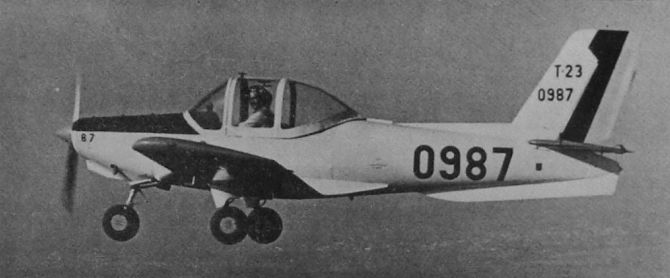
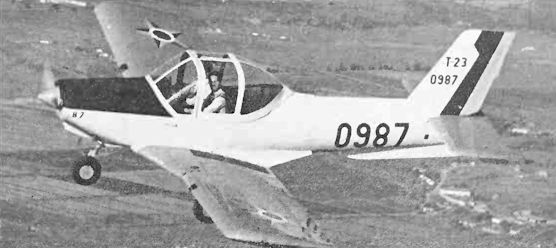
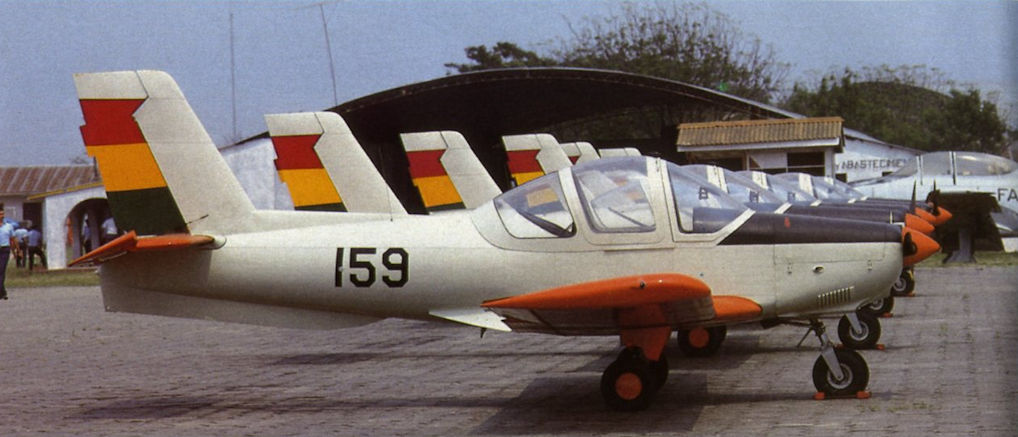
Aerotec A-122 Uirapuru/T-23 and YT-17 Tangara/T-23B

The Brazilian aircraft manufacturer Aerotec was founded in Sao Paulo in 1962. One of its first aircraft was the A-122 Uirapuru, which began as a private project by two engineers who later proposed it to the company.
The A-122 was a low-wing, light-alloy monoplane with tricycle landing gear and two side-by-side seats in an enclosed cockpit. The power plant is a single Lycoming O-235-C1 piston engine with horizontally opposed four cylinders, producing 108 hp (80.5 kW). The A-122 prototype flew on 2 June 1965, and was followed by a second prototype with an uprated O-320-A producing 150 hp (112 kW).
The base model was intended to replace the Fokker S.11 and S.12 as the Brazilian Air Force's first-level trainer.
In October 1967, the military ordered 30 aircraft, and the prototypes were followed by a pre-production series, the first of which flew on 23 January 1968. These were followed by 28 more A-122As (later increased to 68) to production standard with O-320-B2B engines producing 160 hp (119 kW). This model, designated T-23 Uirapuru, entered service with the Air Force Academy at Pirassununga, São Paulo. Two prototypes were later upgraded to production standard. The Brazilian Air Force eventually received a total of 76 A-122As (serial numbers 0940-0999 and 1730-1745). Subsequent military Uirapurus were delivered to the Bolivian and Paraguayan air forces, 18 and 8 respectively. Paraguay then received 12 more ex-Brazilian machines. Of these, approximately eight T-23s remain in Paraguay at the Air Force Academy in Campo Grande and 12 are operated by the Bolivian Air Force Military Aviation College in Santa Cruz. The Brazilian Air Force retired the remaining aircraft from flight training in 1980, but retained a few for various purposes. Aerotec also built 20 civilian examples, designated A-122B, which were delivered to Brazilian state-sponsored flying clubs. Uirapuru production ended in 1977; A total of 155 A-122s were built in two versions. The A-132 was an evolution of the basic A-122 design. It is an aerobatic version powered by a 200 hp (149 kW) Avco Lycoming IO-360-C1C6 horizontal-four piston engine. Other improvements include an increase in wingspan by 0.50 m (1.8 ft), an increase in vertical tail area, an improved canopy, and the ability to install wingtip tanks to increase endurance. The A-132 prototype first flew on 26 February 1981, initially designated the T-23B Uirapuru II. The designation was later changed to YT17 Tangara. A production run of 100 aircraft was planned, but never occurred. However, some elements of the A-132 were used in 45 Brazilian Air Force T-23s modified in 1979-80. Six Tangara trainers were eventually sold to the Bolivian Air Force in 1986, with some remaining in service with the Bolivian Air Force to supplement their T-23s.
1744598075010.png
PERFORMANCE CHARACTERISTICS

Aerotec A-122A (T-23) Uirapuru

Type: Two-seat basic trainer
Powerplant: One Textron Lycoming O-320-B2B horizontally opposed four-cylinder piston engine producing 160 hp (119 kW)
Performance: Maximum speed 225 km/h (140 mph) at sea level; Cruising speed 185 km/h (115 mph) at 1,500 m (5,000 ft); Initial climb rate 240 m (800 ft) per minute; service ceiling 4500 m; range 800 km
Weight: empty 540 kg; maximum takeoff 840 kg
Dimensions: wingspan 8.50 m; length 6.60 m; height 2.70 m; wing area 13.50 m2
1744597657417.png
1744597542057.png

http://aviadejavu.ru/Site/Crafts/Craft21558.htm
 
Last edited:

MANUFACTURERS/MRO
CIAC and Airbus boost aeronautical development in Colombia with an innovative design for the SIRTAP
The design, the result of a strategic alliance between Colombia and Airbus, will undergo testing in Spain before production in Bogotá.
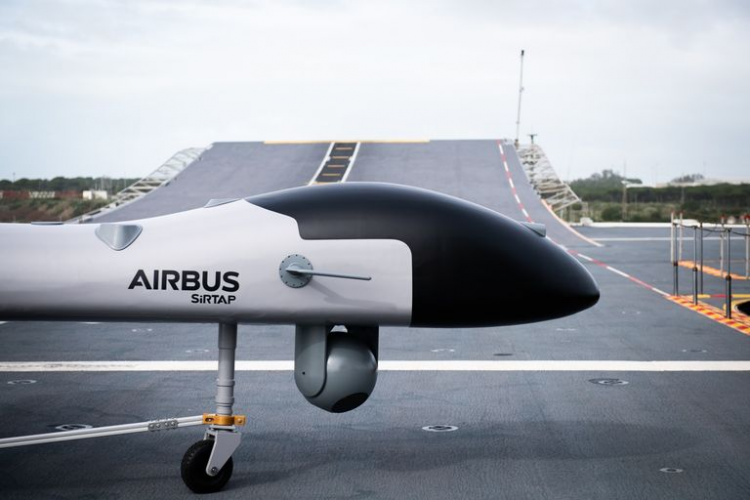
The Colombian Aeronautical Industry Corporation (CIAC) and Airbus plan to conduct the first flight of the High Performance Remotely Piloted System (SIRTAP) with a Colombian-made landing gear in September of this year. This component is being produced at CIAC's facilities in Bogotá.

1744841923168.png
The SIRTAP, an unmanned aircraft, will also be used by the Spanish Air Force and Army. The landing gear, a fundamental element for takeoff, landing, and ground maneuvers, is being developed as part of a strategic alliance between CIAC and Airbus to strengthen the Colombian aerospace sector.


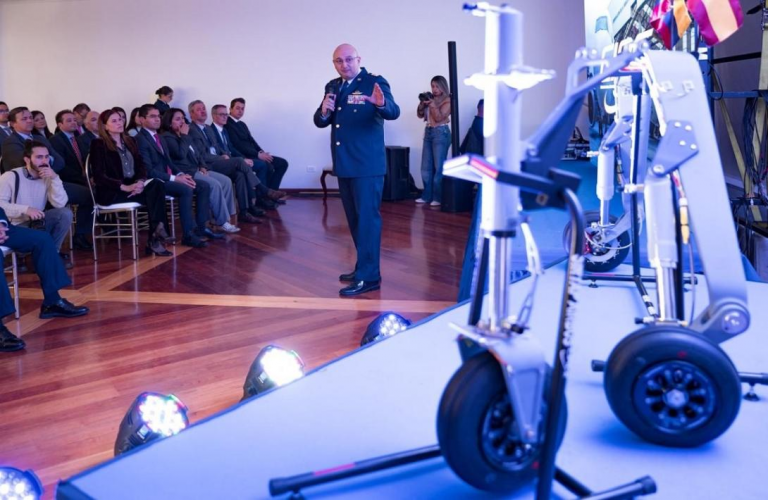
The prototype was presented by the CIAC in collaboration with Airbus, following a design and manufacturing process involving 11 engineers and nine highly qualified aeronautical technicians. These professionals received training from Airbus and worked for two years developing the aircraft's front and rear landing systems.

After passing structural strength tests in Colombia, the prototype will be transferred to the Airbus plant in Getafe, Spain, where additional evaluations will be carried out under extreme environmental conditions and braking tests.
1744841764919.png
SIRTAP landing gear, Colombia
Image: Colombian Ministry of National Defense
According to Ana Catalina Cano Londoño, Vice Minister of Veterans of the Social and Business Defense Group (GSED), this project reflects the growth of the Colombian aeronautical industry and its integration into the global logistics chain. Cano highlighted CIAC's ability to design and manufacture complex aeronautical components, positioning it as a strategic partner in the sector.

"CIAC has worked hard to promote the growth of the Colombian aeronautical industry, positioning it on the global aeronautical map and facilitating its entry into the global logistics chain. Its ability to design and manufacture highly complex aeronautical components, combined with other important capabilities, has made it a strategic partner for companies such as Airbus," said Vice Minister Cano.
https://www.aviacionline.com/ciac-y...-colombia-con-innovador-diseno-para-el-sirtap 1744842062862.png

In 1952, Aero Mercantil of Bogotá, Colombia, became a distributor for Piper Aircraft and subsequently sold a range of Piper aircraft assembled from kits by Aero Industrial Colombiana SA (AICSA), also in Bogotá. In 1986, development began on a single-engine utility aircraft suitable for production in Colombia.

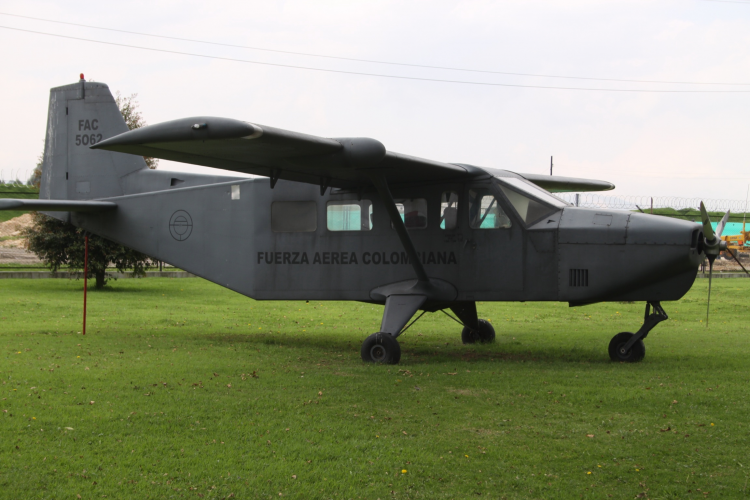
The resulting design, the Gavilán, is a simple, high-wing monoplane of all-metal construction. It has a square-section, box-shaped fuselage that accommodates a pilot and up to seven passengers, with access through two doors on either side of the cockpit and a large cargo door on the left side of the fuselage. The passenger seats can be removed to allow the transport of cargo, including a full-size coffin. It is fitted with fixed tricycle landing gear designed to withstand continuous operations from the difficult airstrips of South America. It is powered by a 350 hp (261 kW) Lycoming TIO-540-W2A engine, turbocharged to provide sufficient power at Colombia's high altitudes.

The first Gavilán prototype made its maiden flight on April 27, 1990, and testing resulted in lengthening the forward fuselage and wing modifications. However, it was severely damaged in a forced landing due to engine failure in 1992, delaying certification and production. The second prototype did not fly until May 29, 1996. The Gavilán received its type certificate under U.S. FAR Part 23 regulations in May 1998.

In 2012, Cub Crafters purchased the prototype from John Bryerton of GATS.
Customer deliveries began in 1998, and the first of twelve Gaviláns ordered by the Colombian Air Force was delivered on June 25 of that year. Colombia's Gavilán SA was pushing to sell 32 Gavilán 358s to the South African Air Force in April 1998. Gavilán (as Aero Mercantil was renamed in 1992) had received orders for 19 aircraft by November 1999, but it is unclear whether all of them were built, as Flightglobal estimated in 2008 that only about twelve Gaviláns had been completed. At least four of the Colombian Air Force's Gaviláns were still in use in 2004. The Gavilán was retired from the Colombian Air Force in 2007.
View: https://www.youtube.com/watch?v=WzAmhnqR_Mw
1744842554374.png
Variants

G358 – Standard version
G358M – Military version with rear-door mountable weapons in the ship configuration.
G508T – Turboprop version with 500 hp turboprop, under development.
G508M – Military version of the turboprop version
Operators

Colombia
Colombian Air Force
Colombian Navy
Colombian National Police
Specifications
Data from Brassey's World Directory of Aircraft and Systems 1999/2000
1744842776506.png
General Characteristics

Crew: One
Capacity: Seven passengers or four stretchers or 444.5 kg (980 lb) cargo
Span: 9.58 m (31 ft 5 in)
Wingspan: 12.8 m (42 ft 0 in)
Height: 3.74 m (12 ft 3 in)
Wing area: 18.95 m2 (204.0 sq ft)
Aspect ratio: 8.65:1
Airfoil: NACA 4412
Empty weight: 1,270 kg (2,800 lb)
Maximum takeoff weight: 2,401 kg (4,500 lb)
Fuel Capacity: 447 L (118 US gal; 98 imp gal) usable
Powerplant: 1 × Textron Lycoming TIO-540-W2A air-cooled six-cylinder piston engine, 260 kW (350 hp)
Propellers: 3-bladed Hartzell, 2.13 m (7 ft 0 in) diameter
Performance

Cruise Speed: 250 km/h (160 mph, 130 kn) at 3,050 m (10,010 ft), 75% power
Standby Speed: 108 km/h (67 mph, 58 kn) (flaps down)
Never-Exceed Speed: 376 km/h (234 mph, 203 kn)
Range: 1,425 km (885 mi, 769 nmi) at 75% power, 30-minute reserve
Service ceiling: 6,860 m (22,510 ft) (with altitude package)
Rate of climb: 4.50 m/s (885 ft/min)
https://academia-lab.com/enciclopedia/gavilan-g358/
 
Last edited:
Stella Tecnologia, a Brazilian company that is a leader in Unmanned Aerial Vehicles (UAVs), and the Thales Group, one of the largest Defense conglomerates in the world, have signed a memorandum of understanding (MoU) to jointly develop advanced surveillance and defense systems on board UAVs (Unmanned Aerial Vehicles) in Brazil.

The agreement was formalized last week during LAAD Defense & Security, the largest Defense and Security fair in Latin America, held in Rio de Janeiro (RJ), through Omnisys Engenharia, a subsidiary of Thales in Brazil.

The partnership represents a strategic step to strengthen the national Defense industry, promoting technological sovereignty, the creation of specialized jobs and Brazil's insertion in global value chains. The agreement also paves the way for NATO member countries to have access to cutting-edge solutions developed in Brazil – in a scenario of current geopolitical uncertainty.

Cutting-edge technology

Qualified as a Strategic Defense Company (EED), Stella Tecnologia is a pioneer in the development of MALE (Medium-Altitude Long-Endurance) class UAVs in Brazil. Its portfolio includes the Atobá, the largest UAV of this class ever developed in the country, with a length of 8 meters, a wingspan of 11 meters and a maximum take-off weight of 500 kg (MTOW).

“The partnership with the Thales Group expands our innovation frontiers and reinforces international confidence in our technological capabilities. The synergy between our skills will represent an important gain for the development of critical solutions that meet the demands of Brazil and the international market”, says Gilberto Buffara, CEO of Stella.

The partnership between the companies foresees that all development and maintenance of the solutions will take place in Brazil, strengthening the defense industrial base and consolidating the country as a relevant player in the global scenario of unmanned aerial technologies.

Global reference

With over 40 years of experience in intelligence, surveillance and reconnaissance, Thales is a global reference in unmanned aerial systems. Its portfolio includes Watchkeeper, the largest UAV program in Europe, in addition to over 100,000 hours of operational flight on several fronts.

“By combining our expertise in advanced systems with Stella’s development capacity, we are creating strategic solutions to strengthen defense and security in Brazil. This is an important step towards expanding the presence of national technologies in the sector, boosting the local industry and promoting greater autonomy for our customers,” says Luciano Macafferi, Vice President of Thales Latin America and General Director for Brazil.

UAVs have played an increasing role in Defense planning, providing real-time situational awareness for more effective strategic decisions.

According to a survey by Business Research Insights, from February 2025, the global UAV market is expanding strongly, with an expected annual growth of between 15% and 20%. The advancement is driven by technological innovations, increased regulatory acceptance, and increased commercial and defense applications.

Collaboration between drone manufacturers and companies that sell embedded systems is essential to maximize the performance, safety, and effectiveness of UAVs in a variety of applications.

https://www.defesanet.com.br/defesa...ver-sistemas-de-vigilancia-e-defesa-com-uavs/
1745057533061.png

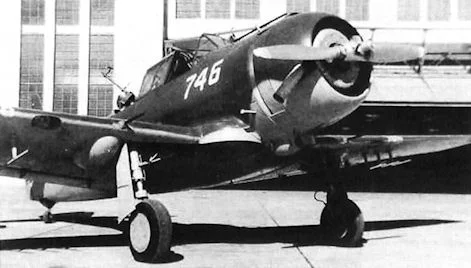
Avibras A-80 Falcao (65 hp Continental C65-8F engine) Brazilian trainer aircraft
http://aviadejavu.ru/Site/Crafts/Craft35178.htm 1745058572965.png

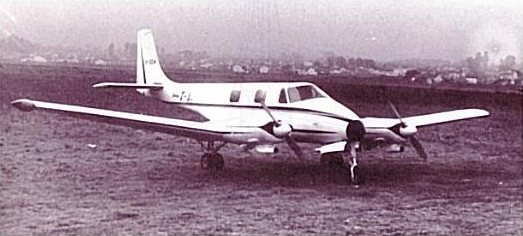
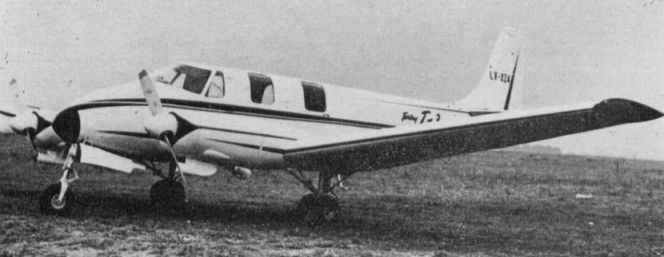
In 1957, Argentine aircraft designer Alfredo Turbay began work on a light twin-engine utility transport with STOL capabilities, leading to the development of the Turbay T-3A in 1961 through the company Turbay S.A. in Buenos Aires.[1][2] The T-3A was a low-wing monoplane constructed entirely of metal. It was powered by two 130 kW (180 hp) Lycoming O-360-A1D horizontally opposed four-cylinder air-cooled engines driving two-blade propellers and was fitted with retractable tricycle landing gear.[2]

Alfredo Turbay tested the T-3A on its first flight on December 8, 1964. Following the tests, improvements were planned for the production version, the Turbay T-3B, which was to be powered by either Lycoming or Continental engines of 190–260 kW (250–350 hp), providing improved performance. These plans did not materialize, as the T-3B prototype was never completed.
1745058401745.png
1745058788828.png

Argentine Turbay T-3A seven-seat light transport (two 180 hp Lycoming O-360-A1D engines)

http://aviadejavu.ru/Site/Crafts/Craft33680.htmCountry : Brazil

Year : 2001

Regional airliner

Variants
Embraer - ERJ-170 / ERJ-190 / ERJ-195 - 2001 - Brazil
Embraer - E-Jet E2 family - 2016 - Brazil
EMBRAER E-Jets and Lineage 1000

The EMBRAER E-Jet designation was applied to a fairly large family of narrow-body, twin-engine medium-range aircraft. This family was first presented at the Paris Air Show in 1999, the first machine went into production in Brazil in 2002. The aircraft were an absolute success - by mid-2010, 861 firm orders were received for aircraft of this family, as well as 679 options. As of March 31, 2010, 625 aircraft had been delivered. The E-Jet family comprises two main lines of aircraft, each with a 2+2 seating configuration. There is a line of smaller variants, with the base models E170 with 80 seats and E175 with 88 seats, and a line of larger models E190 and E195 with 110 and 122 seats respectively. The latter have a stretched fuselage, different engines, a larger wing and reinforced landing gear. The E170 and E175 had almost 95 percent compatibility, the E190 and E195 had similar similarity, and the aircraft of both main lines had 89 percent compatibility - the aircraft had the same fuselage cross-section and similar avionics suites based on Honeywell Primus Epic electronic equipment. The first E170 took to the skies on 19 February 2002, with the first delivery in March 2004 to LOT Polish Airlines. The launch customers for the new family of aircraft were French Regional Airlines (a firm order for 10 E170s and five more by option) and Crossair (an order for 30 E170s and 30 E190s). The largest single order for the E-Jet was placed by JetBlue, with 100 E190s being purchased by firm order and 100 more by option. The E190 is essentially an E170 with a 2.72 metre longer wingspan, a longer fuselage and new General Electric CF34-10E engines producing 82.29 kN of thrust each. The first E190s and E195s took to the skies in March and December 2004, respectively. European low-cost carrier Flybe became the first customer for the E195, placing a firm order for 14 aircraft and an option for 12 more.
Brazilian company EMBRAER has also created a business variant of the E190, designated Lineage 1000.

PERFORMANCE CHARACTERISTICS

EMBRAER E175

Type: regional airliner
Powerplant: two General Electric CF34-8E turbofan engines with a thrust of 61.39 kN
Performance: maximum cruising speed at an altitude of 890 km/h; initial rate of climb 1066 m/min; service ceiling 12,495 m; range 3889 km
Weight: empty 21810 kg; max takeoff 38,790 kg
Dimensions: wingspan 26.00 m; length 31.68 m; height 9.67 m
Payload: crew of two and up to 88 passengers
1745059114504.png
1745059183066.png
The size of the E190-E2 PW1900G turbofans, with their 73in (1.854m) fan diameter, compared to the 56in (1.422m) diameter on the GE CF34-10s on the current E-Jets, is apparent from this photo of the aircraft taxying at Sao Jose dos Campos before its flight.
The 73-inch (1,854 mm) fan diameter on the E190-E2’s Pratt & Whitney PurePower PW1900G engines compared to the General Electric CF34s on the first-generation E-Jets is apparent here
http://aviadejavu.ru/Site/Crafts/Craft34822.htm 1745059432861.png
http://aviadejavu.ru/Site/Crafts/Craft20631.htm#gallery-23On April 20, 2025, the Brazilian Air Force's KC-390 aircraft arrived at Military Air Base No. 1 in Santa Lucia, State of Mexico, to participate in static and flight displays at the Mexico Aerospace Fair (FAMEX) 2025.The KC-390 has been designed as a new, state-of-the-art military transport aircraft, with which it intends to compete in the international market. It has a maximum transport capacity of up to 26 tons, including armored vehicles.This aircraft is designed to perform a wide range of missions: military transport, medical evacuation, search and rescue, refueling (fighters and helicopters), aerial firefighting, and assistance. It features a modern cargo handling system that can transport oversized loads such as vehicles, helicopters, pallets, troops, paratroopers, medevac equipment, and other mixed configurations. It stands out, therefore, for its versatility and flexibility for use by the Armed Forces of various countries
View: https://www.youtube.com/watch?v=n581hwZ-6FY
 
Last edited:
The president of the Argentine Aircraft Factory (FadeA), Mirta Iriondo, stated today that the IA 100B 'Malvina' training aircraft project "once again gives Argentina the opportunity to mass-produce a domestically designed aircraft, which also has the potential to be very attractive due to its capabilities and low cost in a highly sought-after segment of the aeronautical market."

Regarding the presentation of this project, which took place this afternoon at the 2022 edition of the International Air and Space Fair (Fidae), organized by Chile, Iriondo told the Télam news agency that "after two years of the pandemic, it was very important to have an opportunity like this to meet with other stakeholders in the region and show them what we are working on."
1745200542739.png
"Today, FadeA's flagship product is the IA 63 'Pampa III,' which, in its original design in the late 1970s, had significant participation from the German company Dornier. However, the 'Malvina' puts us back in the position of offering a domestically designed and manufactured product, as was the case with the IA 58 'Pucará,'" she added.

The official emphasized that "the entire development process for the IA 100 program was carried out at FadeA, and 70 percent of the components are manufactured domestically. The only things imported are the engine, propellers, and a few other systems. Our engineers have always been able to solve complex problems with aircraft parts, but this project has restored the focus to the entire engineering department due to the challenge involved in designing a complete aircraft."

https://hoydia.com.ar/sociedad/la-fadea-presento-su-nuevo-avion-de-entrenamiento-ia-100-malvina/
Technical Specifications of the IA-100B “Malvina”

Type: Two-seat, single-engine, aerobatic-capable training aircraft with retractable tricycle landing gear.

Cruise speed: 155 knots

Climb rate: 1,415 ft/min

Empty weight: 964 kg

Takeoff weight: 1,350 kg

Service ceiling: 18,000 ft

Takeoff run: 430 m

Landing run: 460 m

Range: 1,090 km

Endurance: 4.5 hours

Wingspan: 9.90 m

Height: 2.70 m

Length: 8.4 m

Wing area: 14 m2
1745200682968.png
https://deyseg.com/industry/99
View: https://www.youtube.com/watch?v=3QmK0h7oI0Y
Country : Argentina

Year : 1965

Helicopter

One of a kind
One/three-seat experimental light helicopter
1745202128701.png

Cicare II one/three-seat experimental helicopter (180 hp Lycoming O-360-A1A engine)
1745202145025.png
1745202478571.png

1745202517179.png

Cicare CH-II one/three-seat experimental helicopter (180 hp Lycoming O-360-A1A engine)
http://aviadejavu.ru/Site/Crafts/Craft34211.htmhttps://www.cicare.com.ar/en/empresa/
 
Last edited:
KC-390 threatens C-130J: Greece considers buying three

View: https://www.youtube.com/watch?v=xGPqMAsFcrI


Greece shakes up the NATO scene and considers replacing its veteran C-130 Hercules with three Embraer KC-390 Millenniums. Is the legendary American C-130J freighter losing ground to Brazilian innovation?In this video, we analyze the reasons behind Greece's interest in the KC-390, its advantages over the C-130J, and how this decision could impact the balance of military transport in Europe.

1745447891600.png
Country : Argentina

Year : 1946

Two-man bomber/reconnaissance aircraft

FMA I.Ae.24 Calquin

Believed to have been inspired by the de Havilland DH.98 Mosquito, the FMA I.Ae.24 Calquin ("Royal Eagle") light multirole bomber of mostly wooden construction was the first twin-engine military aircraft designed in Argentina. The FMA I.Ae.24 Calquin is a cantilever mid-wing monoplane with an oval-section fuselage of semi-monocoque construction. The forward fuselage contains a glassed-in navigator's cockpit, with four cannons mounted below and on either side. The bomb bay is located in the middle of the lower fuselage. The wing is of wooden construction, as is the fuselage, covered with three-layer sandwich panels made of plywood/balsa/plywood. Almost the entire trailing edge of the wing is occupied by flaps and ailerons. The landing gear is tricycle, with a tail landing gear. The main single-wheel landing gear retracts into niches in the engine nacelles, and the tail landing gear retracts into a niche in the rear of the fuselage. The aircraft was planned to be equipped with two Rolls-Royce Merlin engines, but Argentina was unable to purchase these engines, so the I.Ae.24 was equipped with two R-1830-SCG Twin Wasp radial engines. The engines are covered with light alloy cowlings and are equipped with three-bladed Hamilton Standard metal propellers. The prototype made its first flight on June 5, 1946, by which time 100 aircraft had been ordered. The first production aircraft took to the air on July 4, 1947. All 100 aircraft ordered were delivered by 1950. The aircraft remained in service until 1961, despite a number of problems associated with their wooden construction.
1745447946213.png
PERFORMANCE CHARACTERISTICS

FMA I.Ae.24 Calquin

Type: bomber/reconnaissance aircraft with a crew of two
Powerplant: two Pratt & Whitney R-1800-SCG Twin Wasp radial engines, producing 1,050 hp (783 kW) each
Performance: maximum speed at optimum altitude 440 km/h; cruising speed at optimum altitude 380 km/h; initial rate of climb 750 m/min; service ceiling 10,000 m; range 1,200 km
Weight: empty 5,340 kg; maximum takeoff weight 8165 kg
Dimensions: wingspan 16.30 m; length 12.00 m; height 3.40 m; wing area 38.00 m2
Armament: four fixed 20-mm Hispano-Suiza HS-804 cannons or 12.7-mm Browning M3 machine guns, up to 800 kg of bombs in the bomb bay and 12 75-mm rockets on external underwing mounts
1745447929382.png
http://aviadejavu.ru/Site/Crafts/Craft31790.htm
Certification of CM4-B represents an important step towards strengthening the country's defense industrial base

Kryptus, a Brazilian multinational specialized in cryptography and cybersecurity, has achieved another milestone in its history of innovation: the CM4-B cryptocomputer, developed in partnership with the Institute of Aeronautics and Space (IAE), was designated a Strategic Defense Product (PED) by the Ministry of Defense.

A key component for the implementation of the Brazilian Air Force's (FAB) Identification Friend or Foe Mode 4 System (IFFM4BR), the CM4-B will also be integrated with Embraer's new SABER M200 radar.


In its final stages of delivery, the IFFM4BR is crucial for the security and control of airspace, making Brazil independent of foreign technologies and ensuring full control over the authentication and confidentiality resources used.

With initial integration planned for the F-39 Gripen fighters of the SAAB project, the CM4-B stands out for its ability to operate in high-security modes, meeting national interoperability requirements, and its certification as a PED represents an important step towards strengthening the country's defense industrial base.

“This designation shows that we are ready to meet the full demand of phase 3 of the project, collaborating with radar and transponder manufacturers in a coordinated manner with the Armed Forces. This joint work is essential to ensure that the IFF systems are fully integrated with the country's defense platforms and systems,” says Lucas Martins, CTO of Kryptus.

The implemented National Mode 4 uses encryption and a system for managing and distributing indigenous keys that, together with advanced countermeasures in relation to the international version, make it immune to various Electronic Warfare attacks. “The development of a national solution guarantees Brazil full sovereignty over the technology used, eliminating the risk of backdoors or restrictions imposed by other countries,” adds Martins.

The CM4-B will soon be integrated with the SABER M200 radar, which is being developed by Embraer under a contract signed with the Ministry of Science, Technology and Innovation (MCTI) and the Brazilian Studies and Projects Financing Agency (FINEP).

This transportable tactical radar is designed for medium-altitude air defense, surveillance, airborne early warning and military traffic control.

“The SABER M200 radar project paves the way for new applications of the CM4-B on other platforms, such as land-based radars and vessels. This demonstrates the versatility of the cryptocomputer and its strategic relevance not only for Brazil, but also for potential international markets seeking greater technological independence,” concludes Martins.
https://www.defesanet.com.br/aviaca...corporado-ao-novo-radar-de-defesa-da-embraer/Country : Argentina

Year : 1947

One of a kind
Single-seat fighter

FMA I.Ae.27 Pulqui

Designed by the famous French aircraft designer Emile Dewoitine, the I.Ae.27 Pulqui ("Arrow") was not only the first Argentine single-seat fighter, but also the first jet aircraft built in Argentina. The Pulqui is a cantilever low-wing monoplane of all-metal construction, with a conventional tail unit and retractable landing gear with a nose support. The pilot's cockpit is located in the very nose of the fuselage, the canopy is designed to be jettisoned in an emergency. The Rolls-Royce Derwent engine is installed in the tail section of the fuselage.
The aircraft made its first flight on August 9, 1947. During testing, the fighter showed unsatisfactory data, its characteristics were much lower than calculated. Further work on the program was stopped.

PERFORMANCE CHARACTERISTICS

FMA I.Ae.27 Pulqui

Type: single-seat fighter
Powerplant: one Rolls-Royce Derwent 5 turbojet engine with a thrust of 16 kN
Performance: max speed 720 km/h; service ceiling 15,500 m; range 900 km
Weight: empty 2358 kg; maximum takeoff 3600 kg
Dimensions: wingspan 11.25 m; length 9.69 m; height 3.39 m; wing area 19.70 mg
Armament (proposed): four 20-mm cannons in the nose of the fuselage, missiles and bombs on external suspension under the wing
http://aviadejavu.ru/Site/Crafts/Craft31791.htm#gallery-3
By lifting the Pulqui into the air, Argentina became the fifth country in the world to build a jet fighter of its own design. The red-painted Argentine jet first-born is on display at the National Aeronautics Museum near Buenos Aires.

1745455289797.png
Emile Dewoitine, famous for his pre-war projects, was unable to master the design of jet aircraft. The characteristics of the FMA I.Ae.27 Pulqui turned out to be lower than expected.
View: https://www.youtube.com/watch?v=_39i5UF3efk


The l.Ae.27 Pulqui designed by Emile Dewoitine proved to possess a disappointing performance, and development was abandoned in favor of the more advanced I.Ae.33 Pulqui II.
http://aviadejavu.ru/Site/Crafts/Craft31791.htm#gallery-2
 
Last edited:
THRUSTERS UNLIMITED AND ORBITAL ENGENHARIA FORMED A STRATEGIC ALLIANCE TO DEVELOP CIVIL AND DEFENSE AEROSPACE SYSTEMS
Thrusters Unlimited FEMIA

Thrusters Unlimited, a Mexican company and member of the Mexican Aerospace Industry Federation (Femia), and Orbital Engenharia, a Brazilian firm with 24 years of experience in space technology, announced the creation of Orbital Thrusters, a joint venture dedicated to the design of systems and services for the civil and defense sectors in Latin America.

The alliance, formalized during the Mexican Aerospace Fair (FAMEX), seeks to strengthen regional technological sovereignty and leverage the accumulated knowledge of both countries.

Benjamin Najar Jr., CEO of Thrusters Unlimited, explained that the collaboration process with Orbital Engenharia began a year ago.
For his part, Celio Costa Vaz, founder and CEO of Orbital Engenharia, highlighted his company's track record in providing satellite components, such as solar panels and power systems.

“We are a family business with 24 years of experience developing space technology in Brazil, and we are very proud to develop this partnership with Thrusters Unlimited. In Brazil, we have consolidated our company in the supply of satellite components such as solar arrays, EPS, and engineering equipment and systems, and the intention of this cooperation with our Mexican friends is to develop the same expertise,” said Costa Vaz.

With this alliance, Thrusters Unlimited and Orbital Engenharia aim to consolidate a space ecosystem in Mexico and Brazil that fosters technological innovation and supports continental-scale projects. The initiative also opens the door to future collaborations with academic institutions and government agencies in both countries.

a21.com.mx

México y Brasil unen fuerzas para impulsar la tecnología espacial en Latinoamérica


1745617194520.png

1745617396511.png
Country : Argentina

Year : 1944

Two-seat advanced pilot training aircraft

View: https://www.youtube.com/watch?v=Avw9dNAccOk


In the post-war period, aircraft for FMA were developed at the Aviation Technical Institute (Instituto Aerotecnico). The first to be designed was the FMA I.AeDL.22, a two-seat advanced training aircraft for pilots - a cantilever low-wing monoplane with a wing, mostly of wooden construction. In terms of aerodynamics, the aircraft resembled the North American AT-6, but had a wooden structure, which was more suitable for mass production in Argentina. The power plant was a turbocharged IAe.16 radial engine of Argentine design. The basic version of the machine and its modification I.AeDL.22-C with an Armstrong Siddeley Cheetah 25 engine with a capacity of 475 hp were in service with the Argentine Air Force.
1745617227808.png
PERFORMANCE CHARACTERISTICS

FMA I.AeDL.22

Type: two-seat advanced training aircraft
Power plant: one I.Ae.16 El Gaucho radial engine with a capacity of 450 hp. (336 kW)
Performance: Maximum speed at 450 m - 290 km/h; Cruising speed at optimum altitude 260 km/h; Service ceiling 5200 m; Range 1200 km
Weight: Empty 1520 kg; Maximum takeoff 2220 kg
Dimensions: Wingspan 12.60 m; Length 9.20 m; Height 2.82 m; Wing area 24.20 m2
1745632793601.png
http://aviadejavu.ru/Site/Crafts/Craft31789.htm
 
Last edited:
CalculaDOA is compatible with both military and civilian applications

Agência Força Aérea – ITA, by Lieutenant Leonardo and Lieutenant Wanessa Liz

Researchers from the Instituto Tecnológico de Aeronáutica (ITA) developed the CalculaDOA software, through the Postgraduate Program in Operational Applications (PPGAO), which received registration with the National Institute of Industrial Property (INPI) for its innovation in passive detection and precision in determining the direction of arrival (DOA) of enemy radar signals. Created within the scope of PPGAO, the software has applications in both the military and civilian sectors, expanding its impact and usefulness in several areas.

CalculaDOA processes and calibrates data collected by sensors installed in military aircraft during flights, contributing to the reduction of uncertainties and improving the quality of information used by the Electronic Warfare Programming and Analysis System (SPA-GE). The software’s impact was proven in an operational assessment with R-99 aircraft, conducted by the Institute of Operational Applications (IAOp), which found greater precision in locating strategic targets. In addition to its use in real operations, CalculaDOA has also been essential in training specialists, being used in the Electronic Warfare Doctrine Course (COGE), promoted by the Tactical and Specialized Instruction Group (GITE).

For the PPGAO Coordinator, Air Force Colonel Sérgio Rebouças, this is yet another concrete example of how the PPGAO reaffirms its vocation to integrate academic knowledge with the operational needs of the Brazilian Air Force (FAB). “The development of solutions with a direct impact on the FAB’s operational capabilities is the essence of our program, reflecting the synergy between the operational and academic sectors,” he commented.

The Vice-Rector of Administration at ITA, Colonel Intendente Vivian Santos Gomes, highlighted the importance of researchers’ participation in favor of national development and the advancement of Brazilian defense activities. “When we combine scientific knowledge with operational needs, we create innovative solutions that strengthen our sovereignty and generate positive impacts for civil society as well,” he said.

CalculateDOA was developed by a team comprised of Air Force Captain Leandro Geraldo da Costa, Professor Felix Dieter Antreich, Professor Dimas Irion Alves, and Air Force Lieutenant Colonel Marcílio Alberto de Faria Pires.

DUAL APPLICATION

Although it was created to meet the needs of the Brazilian Air Force, CalculadoA also has great potential for application in civilian sectors that use remote sensing technologies and locate signals with precision. Areas such as telecommunications, air traffic control, and environmental monitoring, for example, can benefit from this innovation, expanding the technological and economic impact of the research.

With the advances provided by CalculadoA, ITA and the Brazilian Air Force are already working on future improvements, such as improved calibration routines, a more efficient graphical interface, and integration with state-of-the-art systems. Furthermore, the expertise acquired through the project has driven new initiatives in passive detection, including the application of this technology in microsatellites, through partnerships with the Electronic Warfare Competence Center (CCGE) and the FAB Millimeter Wave Laboratory (LOM) at ITA.

https://www.defesanet.com.br/aviaca...ecisao-na-identificacao-de-sinais-de-radares/ 1745881744647.png
Country : Argentina

Year : 1947

Two-seat light training aircraft

FMA I.Ae.31 Colibri

The two-seat light training monoplane I.Ae.31 Colibri ("Hummingbird") was designed and built in the late 1940s. The low-wing monoplane of conventional design, with a chassis with a non-retractable tail wheel, was equipped with a Blackburn Cirrus Major engine, but at the customer's request, it was possible to install a de Havilland Gipsy Major engine. The crew members were seated in tandem in the cockpit. The aircraft was not transferred to serial production.

PERFORMANCE CHARACTERISTICS

FMA I.Ae.31 Colibri

Type: two-seat light training aircraft
Flight characteristics: maximum speed 240 km / h; cruising speed 210 km / h; service ceiling 6,500 m
Weight: empty 635 kg; maximum takeoff 916 kg
Dimensions: wingspan 10.37 m; length 7.95 m; height 1.90 m
Powerplant: one four-cylinder in-line Blackburn Cirrus Major III piston engine with 155 hp (116 kW) or de Havilland Gipsy Major 10 with 145 hp (108 kW)
1745883359847.png
http://aviadejavu.ru/Site/Crafts/Craft31793.htmhttp://www.airwar.ru/enc/la/iae31.html
 
Last edited:
View: https://www.youtube.com/watch?v=oaZfiIIAKxw


Aircraft manufacturing companies in Valle Cauca, Colombia


http://ibis-aircraft.com/
IBIS AIRCRAFT SA is a Colombian company, producer of light aircraft LSA Category (Light Sport Aircraft) of two (2) seats and Experimental aircraft of four (4) seats, constituted since 1 November 1990, located in the municipality of Jamundi, Valle del Cauca, Colombia, South America.

The Company was founded with the name “ULTRALIVIANOS IBIS Ltda.” and 1 June 2006, changed its name to “IBIS AIRCRAFT S.A.” to make it more international, because of the wide acceptance of its products in international markets, maintaining all the experience and the journey in the world of Ultralight and experimental aircraft.


Our models of all aircraft maintained a constant evolution and development to achieve greater customer satisfaction: Safety, Quality, Design and Comfort are our guarantee.


The safety of our aircraft is demonstrated by the large number of aircraft produced and sold, which maintain excellent presentation and functional operation.


The IBIS aircrafts fly national and international skies, giving its pilots a lot of work time and satisfaction in sports and work labor of aerial photography, aerial survey, mapping, skydiving, fumigation, security transport, recognition of land, etc.


The IBIS aircrafts are made with aircraft materials of the highest quality: Duraluminum 6061-T6, 2024-T3, 7075-T6 and 4130N chromium-molybdenum steel tubes, aircraft AN bolts, pop rivets AVEX (Avdel-Textron), solid duraluminum rivets, polycarbonate, fiber volan glass and carbon.


We have highly qualified instructors and test pilots, who have made our aircrafts are fully tested.


Today, we have the support of our major distributors, who provide after sales support, received of IBIS AIRCRAFT S.A. when is required, as are part of our family, like any owner of an IBIS aircraft will be supported and assisted when required.

http://ibis-aircraft.com/ourcompany/
1745967175890.png
IBIS Magic GS-700
This airplane is manufactured in Colombia by IBIS aircraft. I hope you enjoy the video! Like and suscribe for more videos ! Technical specificationsAircraft: Ultralight IBIS MAGIC GS700Registration : YVUL 006️ 21 Apr 2024Manufacturer: ibis aircraft Engine: Rotax 912 100 Fuel: car fuel Autonomy: 6 hoursMax speed: 220 km/h Takeoff distance: 300 mts Landing distance: 100 mts
View: https://www.youtube.com/watch?v=WCU8LU2aVHU

1745967591956.png
Ibis Urraco GS 501
View: https://www.youtube.com/watch?v=Iz9DJof0spw

Light Sport Aircraf, made by Aerodynos of Colombia, just by 275 kilograms of weight, Rotax Motor 912 Turbo Loaded of 115 HP, 205 Kmh cruise speed.
1745978112267.png
1745978313870.png
View: https://www.youtube.com/watch?v=N2PFfUjvdU4&t=2s
Initiative seeks to raise awareness among authorities about the importance of budget continuity for the Defense sector

Agência Força Aérea, by Lieutenant Vieira and Lieutenant Wanessa Liz

With the aim of strengthening ties, leveling knowledge and presenting in situ the advances of the Strategic Defense Projects conducted by the Air Force Command (COMAER), on April 24 and 25, a delegation from the Air Force Secretariat of Economy, Finance and Administration (SEFA) made an institutional visit to strategic facilities of the Brazilian Air Force (FAB).

The delegation, also composed of representatives from the Ministries of Defense (MD), Planning and Budget (MPO), Finance (MF), the Civil House of the Presidency of the Republic, among other government agencies, visited the Embraer facilities in Gavião Peixoto (SP); the air traffic control centers in Curitiba (PR); and the FAB operational units in Anápolis (GO).

The program included presentations on the FX-2 Program, responsible for the deployment of the F-39 Gripen fighter jets, and the KC-390 Millennium Project, a multi-mission transport aircraft developed in partnership with the national industry. The capabilities of the Brazilian Airspace Control System (SISCEAB), which is essential for the country's security and sovereignty, were also demonstrated.

In addition to maximizing the public resources used, through rigorous budget management, the FAB reinforced, during the visit, its permanent commitment to the three institutional missions: Control, Defend and Integrate the national territory.

The FAB's actions go beyond the military sphere and directly reach Brazilian society. Examples were the support for Operation Taquari II, to help the population of Rio Grande do Sul affected by heavy rains; the reception of the Yanomami indigenous people, with actions to combat illicit mining and environmental preservation; the missions to repatriate Brazilians in conflict areas, such as the Middle East, in one of the largest operations of its kind carried out by the FAB; combating forest fires in several regions of the country; and the integration of isolated communities in the Amazon and in the interior of Brazil.

The Secretary of Economy, Finance and Administration of the Air Force, Air Lieutenant-Brigadier Ary Soares Mesquita, highlighted the importance of the visit. “We sought to show our entire delegation the activities carried out by the Air Force, especially in our field of activity: Defend, Control and Integrate.”

These three verbs guide the actions of the FAB and, applied to its operational performance, are fundamental for the defense of the National Airspace. Strategically and symbolically, each location visited represents one of these areas of activity:

– Defend, represented by the Anápolis Air Base (BAAN) with the F-39 Gripen;

– Control, evidenced by the work of the Second Integrated Air Defense and Air Traffic Control Center (CINDACTA II);

– Integrate, expressed in the visit to Embraer, manufacturer of the KC-390 Millennium, an aircraft essential for the logistical and humanitarian connection between remote regions of the country

The initiative's main objective was to raise awareness among government agents about the importance of maintaining resources linked to the Aeronautical Fund and the adequate budget allocation in the Annual Budget Law (LOA) of 2026 and subsequent years. The action also seeks to expand support for the processing of Constitutional Amendment Proposal (PEC) No. 55/2023, which aims to guarantee predictability and minimum budget continuity for Defense, at a level equivalent to 2% of GDP.

In addition to the Secretary of SEFA, the delegation was composed of the Director of Economy and Finance of the Air Force, Major-Brigadier Intendant Alcides Roberto Nunes; the Deputy Director of Financial Administration, Brigadier Intendant Eduardo Quesado Filgueira; the Head of the Parliamentary Advisory and Institutional Relations Office of COMAER (ASPAER), Air Brigadier General Reginaldo Pontirolli; as well as other Air Force military personnel and civilian representatives of government institutions from the Executive and Legislative branches.

The Head of ASPAER emphasized the importance of integrated action. “ASPAER’s participation in SEFA is essential for uniting the institutions, showing our difficulties, our needs and reporting to the Legislative and Executive branches on how we use the resources entrusted to us, making the best use of them for the defense of the Homeland, air traffic control and the integration of the Brazilian State,” he said.

The Deputy Secretary of the Special Secretariat for the Growth Acceleration Program of the Civil House (SEPAC/CC), Thalita Ferreira de Oliveira, reinforced the importance of the visit. “For those who work in the Ministries in Brasília (DF), it makes a huge difference to see the work in person and understand it. We will certainly return with a different perspective. It is a very serious, rigorous and diligent job. This situational lesson with the FAB fills us with pride in being Brazilians,” he said.
https://www.defesanet.com.br/fab/comitiva-da-sefa-realiza-visita-a-projetos-estrategicos-da-fab/
 
Last edited:
The CBA 123 was a light transport and executive aircraft developed jointly by Argentina (Fábrica Militar de Aviones, FMA) and Brazil (Embraer) in the late 1980s.
CBA stands for Brazil-Argentina Cooperation.
It was an advanced twin-engine turboprop, designed for the regional market, with cutting-edge technology for its time (digital avionics, composite materials).

It made its first flight in July 18th 1990, but did not enter production due to its high cost and the economic crisis in both countries.
Only two prototypes were built.️ Fun fact: Its design and technical expertise later influenced successful Embraer projects, such as the ERJ-145.
1746052632680.png

1746197792655.png


View: https://www.youtube.com/watch?v=UY08PV2nb1E

View: https://www.youtube.com/watch?v=1UDfi2rYc4Q


The startup Tlon Space from Argentina is about to reach space with the lightest rocket ever built. It will offer the service of launching small satellites into orbit, launching from the coast of Buenos Aires province. Interview with Pablo Vic, co-founder and CEO.
1746052455277.png

1746053425536.png
1746053136944.png
1746053561961.png

Aventura I takes off on march 8 at 17:15 GMT-3, from Malacara Space Port​

Aventura I takes off on march 8, 2023 at 17:15 GMT-3, from Malacara Space Port on its 8th mission, testing its brand new electropump driven ECOSTAR* ATM engine, with its ultra-light-weight composite fuselage, the Guidance navigation and control unit, DLink Communications, and Flight Termination (FTS). This mission was carrying nanosats for two other companies.
View: https://www.youtube.com/watch?v=4bddHi30EHA&embeds_referring_euri=https%3A%2F%2Fdefenceforumbharat.com%2F&source_ve_path=OTY3MTQ

https://tlon.space/
 
Last edited:
High-Flight Aeronautical Industry: Seman FAP Assembles Its Own Training Aircraft
The Government, through the Ministry of Defense, is committed to strengthening the Armed Forces industry to drive the development of the sector and the country.
June 21, 2024 Its name is Alarus, and it is a primary training aircraft model assembled entirely in Peru, in the hangars of the Air Force Maintenance Service (Seman FAP). To date, 15 of these aircraft have been delivered, contributing to the ambitious strengthening of the aeronautical industry.
Its production marks a turning point in the defense industry. More than half a century ago, Air Force pilot training was complemented by the Cessna T Delta and T Alfa aircraft, as well as the Zlim 242-L. The project to produce the Alarus CH-2000 domestically was launched in 2013 through the Antarqui initiative.
1746138878840.png
View: https://www.youtube.com/watch?v=gDnCPGYRrrk


The Flight of the Alarus

The Air Force began production in 2013, following an agreement with the Universidad Alas Peruanas, which oversees the Jorge Chávez Civil Aviation Academy. The first phase consisted of theoretical and practical training for FAP personnel at the facilities of the manufacturer Zenair Ltd. in Canada. The second phase took place at the Seman FAP, where the first three aircraft were produced.

The commander of SemanFAP, Major General Víctor García Guerovich, explains that, subsequently, at the request of the Jorge Chávez Civil Aviation Academy, four more aircraft were produced at the Zanair Ltd. facilities, thereby improving the personnel's capabilities.

"Thanks to the versatility of this aircraft, the Air Force also sees fit to use this type of aircraft in primary crew training. Therefore, in 2019, a public investment project is being developed for the acquisition of 18 aircraft," he said.

Thanks to the capacity gained, in July 2019, Zanair Ltd. granted Seman FAP the right to assemble the Alarus CH-2000s, transferring the necessary technology to complete the work with the same level of quality.

Thus, since 2020, of the 18 aircraft contemplated in the project, Seman FAP delivered eight aircraft fully assembled in Peru, which have already been made available to Air Group No. 51 at Pisco Air Base.
1746138821589.png


Modern and Economical

Production of the next four aircraft, Major General Víctor García estimated, would begin in August of this year for delivery between 2025 and 2026. The remaining six Alarus aircraft will then follow suit.

"Initially, this was an analog aircraft, then it was modernized and now has digital displays," he explained.

Marco Aliaga Meléndez, a specialist in projects aimed at developing the Peruvian aeronautical industry, explains that the production process consists of two phases: in the first, they receive raw materials from Canada and, in the Seman workshops, proceed with the subassembly of the parts.

"Then these parts go to the production line, and the aircraft's fuselage is assembled. At the same time, the wings and tail assembly are attached. Everything is produced here, everything is manufactured," he explains.
View: https://www.youtube.com/watch?v=5xBxFAuw8Po

The Alarus, unlike a conventional aircraft, consumes less fuel, making its use more practical and economical for the country. At aviation academies, the average flight hour costs $160. With the Alarus CH-2000, the cost doesn't exceed $50.
1746138800483.png
https://www.elperuano.pe/noticia/246146-industria-aeronautica-de-alto-vuelo 1746144732303.png
South Korean President Park Geun-hye and her Peruvian counterpart, Ollanta Humala, participated today in the delivery ceremony of the first co-produced KT-1P basic training aircraft to the Peruvian Air Force (FAP) as a result of a $208 million technology transfer agreement.

Considered one of the most modern aircraft in the world, it was assembled in Peru by Korean Aerospace Industries and the FAP Maintenance Service as part of an agreement signed by both governments in 2012. "(The aircraft) is the direct result of a co-production program that sets the tone for future endeavors in cooperation, innovation, and technology transfer," Humala said in his speech. He emphasized that thanks to this agreement, "Peru's dream of developing its aeronautical industry" will become a reality.

Peru bought South Korean flights
Twenty aircraft

This is the first of sixteen units, joining four others already delivered directly by Korea, which will be used for flight training for FAP students. However, they can also be equipped for the fight against drug trafficking and terrorism in Peru. According to Humala, the technology transfer allowed for the qualification of professional and technical personnel in aircraft manufacturing processes, in addition to the implementation of advanced technology equipment.

The ceremony, held at Las Palmas Air Base, was attended by the Head of the Peruvian Council of Ministers, Pedro Catano, the Minister of Defense, Jakke Valakivi, as well as civilian and military authorities. The Peruvian government presented a scale model of the KT-1P aircraft to President Park, who has been in Lima since Saturday as part of an official visit
https://www.dw.com/es/perú-y-corea-presentan-el-primer-avión-producido-entre-ambos-países/a-18397612
 
Last edited:
Cicare helicopters from Argentina

1746236952693.png
1746236977622.png

View: https://www.youtube.com/watch?v=c84nfaOgj7E&t=3s


The CICARÉ 12 is a two-seat light helicopter for civilian use that is sold as a kit.

Key Characteristics - Cicaré 12

Main Rotor Diameter:7.70 m25.26 ft
Max Gross Weight (ground):700 kg1,543 lb
Useful Load (calculated):270 kg595 lb
Number of engines:1 Reciprocating
Max Level Flight Speed:
Max Range:
Max Endurance:3 hrs3 hrs
https://vertidev.vtol.org/aircraft/getAircraft/aircraftID/48Cicaré 8
1746237546693.png
Dual Seat

Normal Total Price
$ 228,349.00
Based on selections below. Any discount or credit above will reduce this amount when applied.
https://cicare-usa.com/helicopter-order-quote/Producing Turkey's first unmanned helicopter Alpin, Titra Technology strengthened its presence in both civil aviation and unmanned aerial vehicles (UAV) fields by striking a strategic cooperation deal with Cicare, one of the world's leading sportive helicopter companies.

The signed agreement also marks a new collaboration that has been established between Turkey and Argentina in various fields of technology.

Titra Technology, which operates in the fields of unmanned systems, health technologies and smart cities, aims to sell Cicare helicopters to Turkey and the countries in the region, to provide authorized service support.

With the agreement, joint production is also aimed.

Cicare, one of the well-established aviation companies of Argentina and Latin America with more than 60 years of experience, aims to increase its market share in Turkey, the Turkic republics, the Middle East and North Africa thanks to its strategic cooperation with Titra.

Cicare CEO Juan Cicare said the cooperation would create new opportunities for both companies and the countries
.

“This agreement indicates the growth of both companies and the strengthening of their technologies, to produce important parts of our rotary-wing ultra-light aircraft in Turkey. We think it will be the beginning of a common path,” Cicare said.

Titra Chief Executive Davut Yılmaz, for his part, noted that with the strategic cooperation agreement with Cicare, they have taken the process of transforming the manned helicopter to an unmanned one, which they started with Alpin, to an advanced level.

“We will be the distributor and authorized service center of Cicare helicopters in the field of sportive civil aviation for Turkey and the countries in the region, and we will ensure that critical parts of these helicopters are produced locally in the future,” he said.

Yılmaz added that they aim to make Titra a brand in this field with investments to follow.

https://www.dailysabah.com/business...ks-deal-with-argentinian-chopper-maker-cicare 1746238833623.png
The Chilean National Aeronautical Company (ENAER) received a visit from the Vietnamese Defense Attaché in a meeting that strengthened the ties of cooperation between the two countries in the field of defense. During the visit to ENAER, an inspection was conducted of its facilities and production capacities, highlighting the Pillan II Integrated Training System for Military Pilots project, a program that has sparked interest in the Vietnamese Air Force and Anti-Aircraft Force.

The Vietnamese attaché toured the ENAER
facilities at El Bosque Air Base, where he was presented with the progress of the Pillan II , a primary training aircraft designed to modernize military pilot training.
1746238855399.png
This system, which includes an aircraft with a glass cockpit, head-up display, simulators, and mission planning tools, is designed to facilitate the transition of pilots to advanced combat aircraft. According to ENAER sources , the project, which began in 2022 following an order for 33 units from the Chilean Air Force (FACh) , has passed the preliminary design review and is in the critical design phase, with a view to flying a prototype in 2025 and beginning deliveries in 2027.

The visit comes amid a context of strengthening bilateral relations between Chile and Vietnam, driven by agreements such as the 2014 Vietnam-Chile Free Trade Agreement (VCFTA) and participation in the Comprehensive and Progressive Agreement for Trans-Pacific Partnership (CPTPP).

The two countries have stepped up their defense and trade cooperation, with trade reaching $1.8 billion by 2024, according to VietnamPlus. Vietnam's defense attaché expressed interest in ENAER 's capabilities , particularly the Pillan II , which could complement the Vietnamese air force 's modernization efforts as it seeks to replace outdated equipment amid tensions in the South China Sea.

The Pillan II follows in the footsteps of the success of the T-35 Pillan , an aircraft exported to seven countries: Ecuador, the Dominican Republic, Guatemala, El Salvador, Panama, Paraguay, and Spain , where it operates as the E.26 Tamiz in the Spanish Air Force. This legacy positions ENAER as a relevant company in the aeronautical market, with growing interest in regions such as Latin America, Africa, Asia, and the Middle East, where requests for proposals for the Pillan II have already been received .

The Vietnamese attaché's visit not only highlights the potential of the Pillan II but also underscores Chile's role as a leader in aeronautical innovation in Latin America. ENAER, together with its subsidiary DTS, continues to consolidate its global expansion strategy, focusing on cutting-edge solutions that meet the needs of modern air forces. ( Luis Andrés Lautaro )
https://www.defensa.com/chile/enaer-recibe-agregado-defensa-vietnam-presenta-avances-pillan-ii
 
Last edited:
WACSA from Colombia next product

MXP TIKUNA
Next conquering the sky!… in development…
1746321022051.png

1746321038533.png

1746321058884.png
1746321219419.png
https://wacsa-aero.com/mxp-tikuna-2/

WA500-AG
Light Agricultural Aircraft


* Considerably lower acquisition, operation ($/Hectarea) and maintenance costs compared to conventional agricultural aircraft.
* Better use of agricultural inputs: Fly at very low speeds during application (between 55 and 65 mph) compared to conventional aircraft (between 120 and 130 mph). Flying at low speed and the low weight of the plane minimizes turbulence and allows the spray stele not to change, minimizing drift.
* Sprinkling at low pressure and low height (2-3 m on the leaf) and spraying between 15 and 30 drops/cm2, which precipitate quickly towards the target, reducing the time of opportunity for it to evaporate and its drift to affect other crops.
* Greater maneuverability in small crops and operation on cut and unprepared tracks, suitable for spraying on small areas and irregular lots.
* Pole-free fuel (extra automobile gasoline) that translates into a lower environmental impact in terms of atmospheric emissions and on human health compared to high-octane aeronautical fuel used by conventional aircraft that has a cumulative effect on the health of pilots.
1746322202023.png
1746322052631.png

1746322066339.png
View: https://www.youtube.com/watch?v=NQP0VOkEtNM
World Aircraft Company South America (WACSA) represents more than five decades of experience in the design, manufacturing, and marketing of light aircraft.

The performance and quality of our products is reflected in the more than 500 aircraft (including autogyros, rotary-wing, high-wing, and low-wing) that have flown the world's skies.


WACSA has a plant measuring just over 1,000 m2, ideally suited for the assembly of light aircraft. These facilities store and ship the raw materials used by CNC cutting and bending suppliers for the precise manufacture of each of the parts that make up our products.
1746322383088.png
1746322414419.png
https://wacsa-aero.com/compania-nuestra-fabrica/

https://wacsa-aero.com/wa500-ag-aeronave-agricola-ligera/

View: https://www.youtube.com/watch?v=1IXjhMqWu8o&t=92s
 
Last edited:
The agreement between the companies includes the opening of a new service center and the manufacturing of parts for Embraer aircraft

Santiago, Chile, April 11, 2024 – Embraer and ENAER (Empresa Nacional Aeronáutica de Chile) announced today two industrial cooperation and services agreements involving the A-29 Super Tucano and C-390 Millennium defense aircraft, in addition to the company's commercial aircraft. The partnership will expand Embraer's network of suppliers and services in Chile and contribute to the integration of the aerospace industries of the two South American countries.

The cooperation agreement is the result of an understanding between Embraer, ENAER and the Chilean Air Force. The Chilean company will begin manufacturing components and will be designated as a maintenance center for the 22 A-29 Super Tucano units of the Chilean Air Force. The agreement is linked to the expansion of the A-29 Super Tucano fleet in operation in the country. Furthermore, the cooperation aims to expand both ENAER’s role as a supplier and Embraer’s presence in Chile.

“These agreements represent the resumption of commercial ties between the companies, which have been maintained for many years with successful results. The new phase that begins today allows us to look to the future with much greater optimism to face, in both countries, the challenges of the aerospace industry in an increasingly dynamic world”, says Henry Cleveland, CEO of ENAER.

“This agreement will boost reciprocal investments in the aerospace industry in both Brazil and Chile. Our goal is to further deepen our relationship and expand both cooperation and mutual investments. This includes not only the A-29 Super Tucano, but also other programs, such as the C-390 Millennium, for example”, says Bosco da Costa Junior, President and CEO of Embraer Defense & Security.

With this agreement, Embraer and ENAER want to resume the successful history of cooperation that began in the 1990s. Throughout the 1990s and 2000s, the Chilean company was a relevant supplier of Structures for the ERJ-135/140/145 jet family, winning several awards as the best supplier in Embraer's global supply chain.

Image: https://embraer.bynder.com/m/61d4b0fbbc9843a6/Web_Version-MoU-Enaer-1.jpg

About Embraer

A global aerospace company headquartered in Brazil, Embraer has businesses in Commercial Aviation, Executive Aviation, Defense & Security, and Agricultural Aviation. The Company designs, develops, manufactures and markets aircraft and systems, in addition to providing Services & Support to customers after-sales.

Since its founding in 1969, Embraer has delivered more than 8,000 aircraft. On average, every 10 seconds, an aircraft manufactured by Embraer takes off somewhere in the world, transporting more than 145 million passengers annually.

Embraer is the leading manufacturer of commercial jets with up to 150 seats and the main exporter of high value-added goods in Brazil. The company maintains industrial units, offices, service and parts distribution centers, among other activities, in the Americas, Africa, Asia and Europe.

About ENAER

ENAER is a Chilean state-owned company founded in 1984, with a long heritage in aircraft maintenance and construction, dating back to the second decade of the last century.

It has a wide variety of products and services. In the MRO area, it has capacity in several types of aircraft, engines and accessories, both military and civilian, with international certifications.

In manufacturing, it has produced a primary trainer, used by the Chilean Air Force and exported to seven countries, and aerostructures for prestigious aircraft manufacturers, Embraer being one of the most important. ENAER is currently developing a new air training system, the main component of which is an aircraft with cutting-edge technology systems.
1746400406836.png
https://embraer.com/br/pt/noticias/...-enaer-anunciam-acordo-de-cooperacao-no-chile

Colombia to participate in Gripen aircraft assembly: Saab details technological cooperation plan
The country seeks to consolidate its position as a strategic player in the global aeronautical industry by participating in the assembly and maintenance of the combat aircraft produced by the Swedish company.

Juan David Botia Méndez

Apr 5, 2025 11:22 a.m. EST


Colombia to assemble Gripen aircraft parts: Saab CEO reveals details of delivery plan - credit: Ueslei Marcelino/Reuters
Colombia is preparing to play a key role in the international aeronautical industry by incorporating its industry into the assembly and maintenance of Gripen combat aircraft, manufactured by the Swedish company Saab.
1746400590429.png

Saab's CEO emphasized that Colombia will not only participate in component manufacturing, but also in the maintenance and modernization of the fighters - credit: Ueslei Marcelino/REUTERS
Among their main features are state-of-the-art electronic warfare systems, which offer superior performance on the battlefield. Saab has emphasized that these fighters are designed to adapt to the specific needs of the countries that acquire them, which includes the possibility of customizing certain technical and operational aspects.

One of the highlights of the agreement between Saab and Colombia is the compensation in social investment that will result from the acquisition of the Gripen aircraft.

According to reports, these types of agreements typically include additional benefits for the purchasing countries, such as technology transfer, training of local personnel, and development of industrial infrastructure.

In the case of Colombia, participation in the assembly and maintenance of the aircraft will not only strengthen its aeronautical industry but could also generate jobs and opportunities for technological development in the country.

Petro spoke about the fleet of Saab Gripen aircraft that will replace the Kfir fighter jets
Colombian President Gustavo Petro also confirmed the purchase of a new fleet of Saab 39 Gripen fighter jets, manufactured in Sweden, as part of a plan to replace the Colombian Aerospace Force's (FAC) aging Kfir aircraft.
1746437061162.png
The announcement was made on Wednesday, April 2, 2025, through a message on the social media platform X, where the president emphasized that the aircraft are state-of-the-art and completely new. He also revealed that the agreement includes a series of projects.

https://www.infobae.com/colombia/20...b-detalla-el-plan-de-cooperacion-tecnologica/
 
Last edited:
Is it a pulse jet? Looks like a V1 flying upside down :)
I have no idea but i guess it is a miniature jet engine by turbo machine a Brazilian jet maker, because they are using their engines in other projects and it looks like a jet engine.


There is not much information
1746485982739.png
The drone's design incorporates a maximum takeoff weight (MTOW) of 160 kilograms, including a payload capacity of 20 kilograms and a fuel weight allowance of up to 46 kilograms. This balance between weight and capability ensures that the Anshar can deliver its payload precisely while maintaining extended operational range and speed. Such specifications not only highlight the drone's kamikaze mission profile but also its potential for varied military applications, from reconnaissance to direct engagement.

The Anshar stands out not only for its technological prowess but also for its operational efficiency. Designed to operate at a stunning maximum speed of 170 meters per second (approximately 612 kilometers per hour), it showcases versatility in altitude capabilities, with a minimum operational altitude of ten meters and a maximum reach of 8,000 meters. This adaptability ensures the drone's effectiveness in a variety of combat scenarios, from low-altitude engagements to high-altitude missions. Moreover, with a range of 100 kilometers and flight autonomy extending up to an hour, the Anshar can effectively engage targets at significant distances, enhancing its role as a strategic asset in military operations.

Set to be manufactured at Mac Jee's facilities in Vale do Paraíba, São Paulo, its production underscores Mac Jee's role as a pivotal player in the Brazilian Defense Industry Base, expanding the market reach of Brazilian-made defense solutions.

Mac Jee promotes Anshar advanced drone at WDS 2024

During the World Defense Show (WDS 2024), taking place from February 4th to 8th, 2024 in Saudi Arabia, Mac Jee promotes its Anshar drone, which combines pr

Mac Jee


View: https://www.youtube.com/watch?v=Vb_Rx8kOUi0

1746486166651.png
Welcome to our exclusive video interview recorded at Eurosatory 2024, featuring the innovative Brazilian defense company, Mac Jee. Known for its groundbreaking advancements in military technology, Mac Jee is rapidly expanding its global presence. With significant investments in Europe and the United States, and plans for future expansion into the Middle East, Mac Jee is establishing itself as a formidable player on the international defense stage. Today, we delve into their latest products, including the versatile Armadillo rocket launcher, state-of-the-art bombs, and the cutting-edge ANSHAR loitering munitions. Join us as we explore Mac Jee's vision, innovations, and strategic plans for the future.
 
Last edited:
OK, on those pictures it looks indeed very much like a jet engine. I wouldn't call 612 km/h really stunning, the old Fi 103 (V2) was faster (640 km/h) and had more range (250 km). Of course, modern jet planes are usually even faster than that...

On this here, the flames make it look more like a pulse jet....
 

Attachments

  • 1737782186605.png
    1737782186605.png
    586.8 KB · Views: 3
OK, on those pictures it looks indeed very much like a jet engine. I wouldn't call 612 km/h really stunning, the old Fi 103 (V2) was faster (640 km/h) and had more range (250 km). Of course, modern jet planes are usually even faster than that...

On this here, the flames make it look more like a pulse jet....
well consider this if the engine is by turbomachine, they are very small jet engines
https://www.turbomachine.com.br/

The Brazilian machine is called a drone, it is also very light, it is not a Tomahawk or V-1 because it is much much lighter.

Its numbers are not super impressive, it is true, but it is light, and it has very likely a Brazilian made and designed jet engine.


I would say it is not the most advanced but it is an impressive milestone for the Brazilian aerospace industry, and in general to the Latin american industry.

The drone's design incorporates a maximum takeoff weight (MTOW) of 160 kilograms, including a payload capacity of 20 kilograms and a fuel weight allowance of up to 46 kilograms. This balance between weight and capability ensures that the Anshar can deliver its payload precisely while maintaining extended operational range and speed. Such specifications not only highlight the drone's kamikaze mission profile but also its potential for varied military applications, from reconnaissance to direct engagement.
The Anshar stands out not only for its technological prowess but also for its operational efficiency. Designed to operate at a stunning maximum speed of 170 meters per second (approximately 612 kilometers per hour), it showcases versatility in altitude capabilities, with a minimum operational altitude of ten meters and a maximum reach of 8,000 meters. This adaptability ensures the drone's effectiveness in a variety of combat scenarios, from low-altitude engagements to high-altitude missions. Moreover, with a range of 100 kilometers and flight autonomy extending up to an hour, the Anshar can effectively engage targets at significant distances, enhancing its role as a strategic asset in military operations.


V-1 weighs around 17 times more than the Anshar; and a Tomahawk around 10 times more than the Anshar; consider it only uses 46 kg of fuel

In England, more than 6,000 people died in V-1 attacks, and another 18,000 were wounded.

TECHNICAL NOTES:
Armament:
2,100-lb. high-explosive warhead
Operating speed: 375-400 mph
Range: 150 miles
Operating altitude: 2,000-4,000 ft.
Span: 17 ft. 8 in.
Length: 27 ft. 1 in.
Height: 4 ft. 8 in.
Weight: 5,023 lbs. loaded

https://www.nationalmuseum.af.mil/V.../196227/republicford-jb-2-loon-v-1-buzz-bomb/

Tomahawk

The Tomahawk Land Attack Missile (TLAM) is a long range cruise missile used for deep land attack warfare, launched from U. S. Navy surface ships and U.S. Navy and United Kingdom Royal Navy submarines.
Block IV TLAM-E - Williams International F415 cruise turbo-fan engine; ARC MK 135 Rocket Motor Assembly

Length: 20.3 feet

Diameter: 21 inches

Wingspan: 8 feet 6 inches

Weight: 3,330 lbs. with rocket motor

https://www.navair.navy.mil/product/Tomahawk
 
Last edited:

Brazil Develops Homemade Hypersonic Rocket​

1746565888946.png


ByLachlan Williams
October 9, 2024
Brazil is on the verge of a significant breakthrough in its aerospace industry with the development of the RATO-14X, a rocket designed to transport a hypersonic vehicle into the atmosphere.

This ambitious project, led by Mac Jee and the Brazilian Air Force, is set to revolutionize Brazil’s defense capabilities and technological independence.

The RATO-14X project represents a crucial step toward Brazil’s goal of becoming a major military power by 2030. It aims to achieve full autonomy in the defense sector.

The project includes the construction of a 14-meter tall, 15-ton rocket capable of launching a vehicle to an altitude of 30 kilometers. The rocket will reach speeds exceeding Mach 8.

This project is not just about technology; it’s about Brazil’s future. With the RATO-14X, Brazil aims to launch its own satellites, enhancing its commercial and innovation capabilities.

Brazil Develops Homemade Hypersonic Rocket. (Photo Internet reproduction)
This is a significant step towards achieving technological sovereignty and independence. Finep funds the project with a record-breaking subsidy of R$ 117 ($21) million.

The RATO-14X Project​

The project involves over 500 professionals and is scheduled for launch at the end of 2027. The launch will take place at the Alcântara Space Center in Maranhão.

Mac Jee has also focused on repatriating specialists who have worked abroad, highlighting the value of intellectual capital. The company emphasizes addressing technological challenges to attract and retain top talent.

This project is a cornerstone for Brazil’s future in aerospace technology. The success of the RATO-14X project could boost Brazil’s defense exports and position it as a leading player in the global aerospace industry.

It aligns with Brazil’s strategic defense plan, which emphasizes the importance of technological autonomy and the development of a robust defense industry.

The RATO-14X project is a pivotal initiative that advances Brazil’s technological capabilities. It also enhances the country’s global standing, defense exports, and autonomy.

By investing in indigenous technologies and strategic partnerships, Brazil is positioning itself as a leading nation in aerospace innovation.

The project’s success will have far-reaching implications for Brazil‘s future in aerospace technology, enabling the country to launch its own satellites and enhance its commercial and innovation capabilities.

In short, this project marks a significant step toward Brazil’s goal of becoming a major military power by 2030. It aims to achieve full autonomy in the defense sector.

Brazil Develops Homemade Hypersonic Rocket

Brazil is on the verge of a significant breakthrough in its aerospace industry with the development of the RATO-14X

1746565915949.png

https://www.zona-militar.com/pt/202...eiculo-hipersonico-da-forca-aerea-brasileira/

View: https://www.youtube.com/watch?v=4vFW17LuxCk


https://www.defesaaereanaval.com.br/tag/projeto-rato-14-x 1746566294453.png

Estimates for 2025 reiterated: Commercial Aviation deliveries between 77 and 85 aircraft, and Executive Aviation deliveries between 145 and 155 aircraft. Total company revenue between US$7.0 and US$7.5 billion, adjusted EBIT margin between 7.5% and 8.3% and adjusted free cash flow of US$200 million or higher for the year. The company highlights that the results of the first quarter were not affected by the tariffs imposed by the United States (US).

Revenues totaled R$6.4 billion in the 1st quarter – the best first quarter since 2016 – and +44% in the annual comparison (1Q25 x 1Q24).

Adjusted EBIT reached R$359.2 million with a margin of +5.6% in 1Q25 (+0.8% in 1Q24).

Adjusted free cash flow excluding Eve was R$(2.3) billion during 1Q25, driven by the company’s preparation for higher aircraft deliveries in the coming quarters.

The company approved the payment of R$51.4 million in dividends (R$0.07/share) related to 2024.

Embraer issued US$650 million in 10-year bonds at 158 basis points above the US Treasury in 1Q25 and purchased US$522 million in bonds due 2027 and US$150 million in bonds due 2028.

The company extended the duration of its debt to 6.3 years (3.8 years in Q4) following its latest liability management measure, and ended the quarter with a net debt/EBITDA ratio of 0.5x, compared to 1.8x in the same period last year.

Embraer delivered 30 jets in 1Q25, comprising 7 commercial jets (3 E195-E2 and 4 E175-E1) and 23 executive jets (14 light and 9 medium); up 20% from the 25 aircraft delivered in the previous year.

Total backlog reached US$26.4 billion in 1Q25, surpassing the all-time record set in the previous quarter. For more information, see our 1Q25 Backlog & Deliveries.

https://www.defesaaereanaval.com.br/aviacao/embraer-divulga-resultados-do-1o-trimestre-de-2025
Marrakesh, Morocco, April 24, 2025 – A high-level delegation from Embraer has concluded an official visit to Morocco to assess the country’s aerospace supply chain. The initiative follows a Memorandum of Understanding (MoU) recently signed between the Government of Morocco and Embraer to explore potential joint projects.
Embraer has identified significant opportunities for business and industrial collaboration, as both Brazil and the Kingdom of Morocco are committed to deepening cooperation and investment between the countries. These opportunities include commercial aviation, defense, and urban air mobility.

“Morocco has a rapidly growing aerospace industry and we have identified key suppliers with the potential to be integrated into our global supply chain,” said Roberto Chaves, Embraer’s Executive Vice President, Global Purchasing and Supply Chain. “We believe there are opportunities to generate mutual benefits, both in the short and long term, through innovation and economic growth in both countries.”

Morocco's aerospace industry has demonstrated strong capabilities in areas such as aerostructures, machining, sheet metal work and composites. Embraer has chosen Morocco as its preferred regional partner to build a robust supply chain program.

The cooperation could also include training programs, capacity building for MRO (Maintenance, Repair and Overhaul) activities and other areas of potential collaboration such as Research and Technology.
https://www.defesaaereanaval.com.br/aviacao/embraer-desenvolve-sua-cadeia-de-suprimentos-no-marrocosCountry : Argentina

Year : 1948

Single copy
Single-seat escort fighter

FMA I.Ae.30 Namcu
1746583260140.png
The single-seat twin-engine escort fighter I.Ae.30 Namcu ("Eaglet") was developed by engineer K. Pallavicino on order of the Argentine Air Force. All-metal monoplane with cantilever wing and retractable landing gear with tail wheel, power plant - two Rolls-Royce Merlin engines. The prototype made its first flight on July 18, 1948, in early August the prototype flew from Cordoba to Buenos Aires at an average speed of 650 km/h with approximately 60% of engine power. Such high flight performance, supplemented by excellent maneuverability, became a sufficient basis for the Argentine Air Force to order a batch of 210 aircraft. However, for financial reasons, the order was not fulfilled, and further work on the program was curtailed.
1746583283476.png

1746583302719.png
PERFORMANCE CHARACTERISTICS

FMA I.Ae.30 Namcu

Type: Single-seat escort fighter
Powerplant: Two V-shaped 12-cylinder Rolls-Royce Merlin 134/135 engines with a power of 2035 hp (1517 kW) Weight: Empty 5585 kg; Maximum takeoff 8755 kg
Dimensions: Wingspan 15.00 m; Length 11.52 m; Height (including tail) 5.16 m; Wing area 35.32 m
Armament (proposed): Six 20-mm Hispano cannons in the fuselage and one 250-kg bomb on a rack under the fuselage
http://aviadejavu.ru/Site/Crafts/Craft31792.htm
 
Last edited:
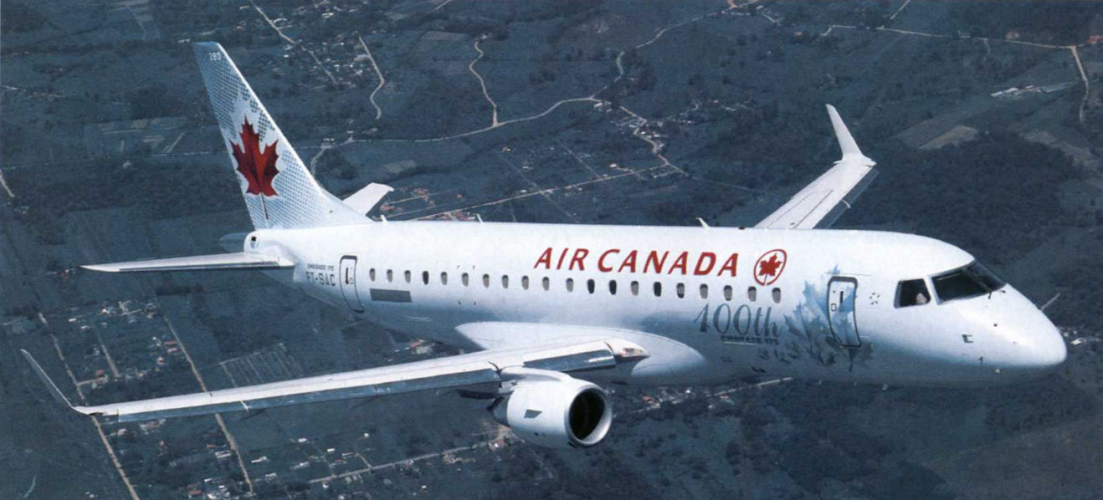
BRAZIL SURPRISES WITH NEW 100% NATIONAL JET DRONE! TUPAN DRONE IN EVOLUTION!​

Nest Design Aerospace showcased the ATD-150, a jet-powered drone manufactured entirely in Brazil, at the 2025 LAAD defense exhibition.
1746655799684.png
1746655869270.png

1746655893181.png
1746656026525.png

1746655990872.png

Nest Design Aerospace is making history in the Brazilian aerospace sector with the development of the ATD-150, the first 100% domestic jet-powered drone. This advance marks an important milestone in Brazilian engineering and technological innovation, with the aircraft now approaching flight testing after completing the final phase of component integration. The next crucial step will be the start of ground engine testing, which will ensure the performance and reliability of the propulsion system before flight testing.

The ATD-150 is a 150 kg drone designed to be fast, with a long range and high operating altitude. It is being developed to serve the small unmanned aircraft market, offering an ideal platform for surveillance and strike missions with precision weapons, as well as state-of-the-art sensors and cameras.

Unlike other Brazilian military drones, which are propeller- and piston-engine-powered, the ATD-150 relies on jet technology, which significantly expands its operational capabilities. While current drones have range and altitude limitations, the ATD-150 will be able to operate at greater distances and higher altitudes, enabling more complex and safer missions. This development represents a major step forward, especially for the Brazilian armed forces, which will have access to a precision, high-performance tool. In addition to meeting the needs of the domestic market, Nest Design Aerospace aims to market the ATD-150 to foreign armed forces as well, expanding export opportunities and consolidating Brazil in the global aerospace technology market. This project represents a major step forward in the evolution of the Brazilian defense industry, with Nest Design Aerospace leading the way into a new era of military drones, driven by innovation, technology and dedication. Follow the development of this aircraft closely and stay tuned for more news, which will certainly be highlighted at the next edition of the LAAD defense trade show.

https://www.planobrazil.com/2025/03...e-primeiro-drone-brasileiro-com-motor-a-jato/
View: https://www.youtube.com/watch?v=HJg6yXnYe-0

View: https://www.youtube.com/watch?v=BZERW-CjnDI
View: https://www.youtube.com/watch?v=Px8NkImHMCI

Brazil has launched the KC-390, an aircraft that has already impressed the world and even won over NATO countries. Find out how this creation can change the future of the national defense industry and could we be witnessing the beginning of a new power in the defense industry?
A21 Editorial / Thursday, May 1, 2025 - 01:00
THE AIRCRAFT COMPANY SHOWCASES THE CAPABILITIES OF ITS TANKER AIRCRAFT TO SENIOR NATO MILITARY COMMANDERS IN LAS VEGAS, HIGHLIGHTING ITS GLOBAL GROWTH AND FULL OPERATIONAL AVAILABILITY

Embraer
Embraer Defense & Security participated in the 47th annual Air Refueling Systems Advisory Group (ARSAG) conference, held from April 29 to May 1 in Las Vegas, Nevada (USA), where it exhibited a KC-390 Millennium aircraft operated by the Brazilian Air Force at the Atlantic Aviation FBO facilities, located at Harry Reid International Airport.

During the event's opening, Bosco da Costa Junior, President and CEO of Embraer Defense & Security, participated in the senior industry panel discussion, moderated by retired USAF Lieutenant General John B. Sams Jr., Chairman of the ARSAG Board, along with Richard J. Sullivan, Vice President of Growth and Strategy at Northrop Grumman Aeronautics Systems.

“We are very pleased to participate in ARSAG this year and to have the opportunity to present how Embraer and the KC-390 Millennium are poised to support the U.S. Department of Defense in overcoming key air-to-air refueling challenges facing the United States and its allied nations globally,” said Bosco da Costa Junior.

The executive added that this Embraer aircraft is quickly becoming the preferred choice among North Atlantic Treaty Organization (NATO) members and European allies, contributing to the modernization of their armed forces, incorporating new capabilities, and improving interoperability.

The KC-390 is already operating in Brazil, Portugal, and Hungary, and has been ordered by the Netherlands, Austria, and the Czech Republic. Sweden and Slovakia have also recently selected the model, while South Korea joins the growing list of countries that have opted for this platform.

The KC-390 Millennium is in production and has been operating for several years with full operational capability. It is an off-the-shelf platform that is now available, capable of offering an affordable and mass-market solution for the US and global markets to address emerging threats.

This ARSAG forum brings together the US Air Force, Navy, Marine Corps, and Army with NATO members and allies from 20 nations, with the goal of promoting best practices and strengthening security in joint military operations and aerial refueling systems.

https://a21.com.mx/aeronautica/2025...-390-millennium-en-conferencia-de-sistemas-de
 
Last edited:
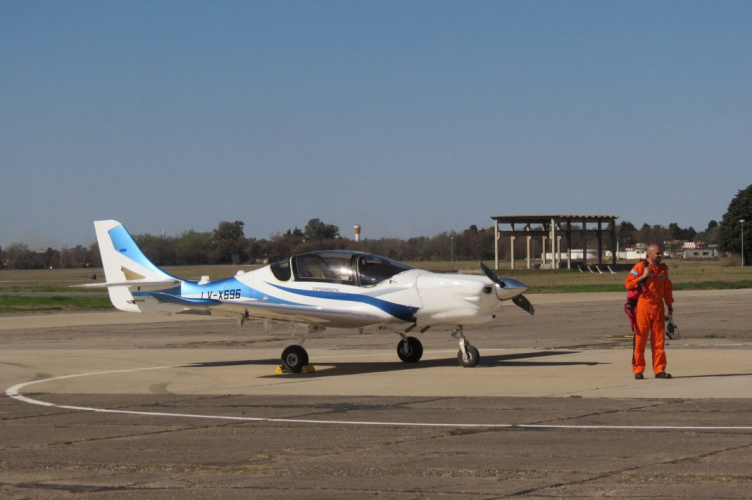
Joint development with INVAP and Marinelli

Counter-rotating platform UAV (Unmanned Aerial Vehicle)

This prototype was born thru a Joint venture with INVAP and Marinelli. This Co-Axial rotating UAV (Unmanned Aerial Vehicle) named RUAS-160 is a compact, modular Rotary Wing Unmanned Aerial Vehicle System with counter-rotating coaxial rotors. This rotary unmanned aerial vehicle is controlled and monitored with a ground console.

1746741890235.png
Commercial Applications:

  • Surface Measuring and sizing, damage evaluations
  • Multispectral aerial imaging
  • Inspection of high and medium voltage lines
  • Assistance in forest fire outbreaks.
  • Aerial application of phytosanitary products.
  • Frost control in crops.
  • Cattle herding/counting.
  • Border Patrol/control

Main technical features​

1746741775271.png

1746742014284.png

1746742904266.png

Autonomous Guidance, navigation, and control systems.​

Payload capacity in standard and optional configurations:
  • Gyro-stabilized platform with EO / IR Sensors.
  • Deployable sensor module for marine environments.
  • LiDAR.
  • Lightweight SAR radar.
  • Container for sanitary cargo.
  • Agricultural spray module.
  • Multispectral cameras.
RUAS-160DescriptionLength 3.10 mFuselage width 0.70 mSkids width 1.80 mHeight 1.72 mMain rotors diameter 3.60 mWeightMax takeoff weight 150 KgEmpty weight 80 KgPayload capacity 70 Kg (sensors and fuel)Payload Configuration and RangeExtended Range ISR1 EO/IR sensors Gimbal 5 to 6 hs with reserveMultisensor C4ISTAR2 Gimbal, AESA Radar, AIS 3 to 3:30 hsAgricultural operations Spray bar and multispectral cameras 1:30 hsPower PlantType 2T alternative enginePower 39 HPOptional Dual alternative engine
View: https://www.youtube.com/watch?v=MhztBLHUcSo

https://www.cicare.com.ar/en/desarrollo/https://www.invap.com.ar/wp-content/uploads/2021/02/RUAS-EN.pdf
 
Last edited:
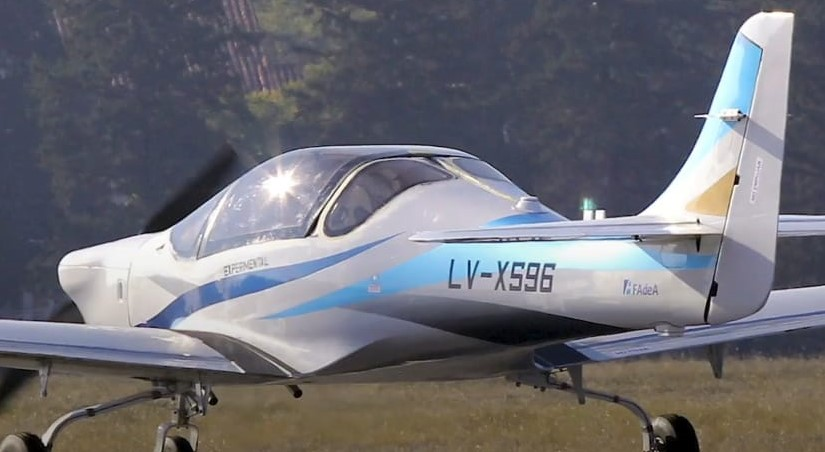
Botucatu, São Paulo, March 20, 2025 – Embraer will exhibit the best-selling aircraft in the agricultural aviation market in Brazil, the Ipanema 203, during the Safra Mato Grosso Show, an event that will take place from March 24 to 28 in Lucas de Rio Verde (MT).

“The Mato Grosso region is the largest grain producer in the country, with strategic crops such as soybeans, corn and cotton, important commodities that demand high efficiency and productivity. The ethanol-powered Ipanema 203 is a strong ally in optimizing these results based on the needs of each crop,” says Sany Onofre, leader of Embraer’s Agricultural Aviation.
Equivalent to four ground sprayers spraying at the same time, the ethanol-powered Ipanema 203 can spray more than 200 hectares per hour, delivering a regular application at a constant speed, without crushing the soil or spreading pests by contact, generating an additional 5 to 15 bags per hectare in the field. It is a complete aircraft that combines technology, tradition, high productivity and low operating costs. “The agricultural sector is one of the main markets in the country and we are ready to help our customers and operators boost their businesses”, highlights Sany.

According to the event organizers, more than 150 thousand people are expected to visit this edition, which will feature 525 exhibitors and a runway inside the park

1746837451366.png

1746837511340.png
View: https://www.youtube.com/watch?v=OEShxXKHRn0

https://www.defesaaereanaval.com.br...gricola-ipanema-203-no-show-safra-mato-grosso
 
Last edited:
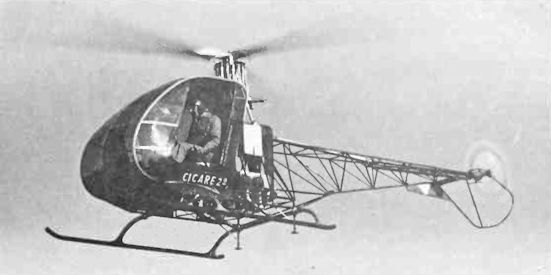
Successful test flight for the FT-100FH​


FT SISTEMAS has successfully advanced in the Flight Testing campaign of its new design the FT-100FH Rotorcraft. The company is about to conclude the Visual-Line-of-Sight flight testing necessary to go further in the development, getting RBAC-E94 Beyond-Line-of-Sight flight authorization by ANAC, the Brazilian civil aviation authority.


“For a program of this complexity, the successful completion of this phase of the flight testing campaign is a testament to the expertise and teamwork of all involved,” said Nei Brasil, CEO of FT SISTEMAS.

FT-100FH unmanned rotorcraft design was unveiled last year by FT SISTEMAS. The company intends to request ANAC project approval for Beyond-Line-of-Sight operations respecting RBAC-E94 requirements, issued by the Brazilian aviation authority in May 2017. The current phase of flight testing is planned for maturity evaluation of basic FT-100FH designs, such as command and control, avionics, flight controls, power plant and power transmission systems. The envelope expansion of the rotorcraft will be held during the second half of 2018, aiming for a full project qualification and first deliveries for launch customers.

Composed of two main products, the FHs (Flettner Helicopter) unmanned rotorcraft are configured in intermeshing rotors, optimized for cargo loading. FT's rotorcraft design has transport capacity, autonomy and endurance that respond to field situations requiring specific demands for greater versatility and capacity for long-range missions. The new product can be used to accomplish high-end homeland security and monitoring, utilities, cargo delivery, crop protection and communication relay applications. An alternate version of the rotorcraft will be available for applications that request Visual-Line-of-Sight operations only.
1746921269724.png
he FT-100FH is a UAV rotorcraft envisioned to enhance the way the applications will be deployed. Its operational versatility allied with its mission capabilities are key points in order to accomplish with specific market demands,” said Igor Drago, lead FT-100-FH Engineer.

About FT SISTEMAS FT SISTEMAS is a leader in light tactical UAVs, among which the aircraft model FT-100, recently used for homeland security operations in the 2016 Olympics in Rio de Janeiro, and the new FT-200 FH, an unmanned helicopter that can reach over 100 kilometers with autonomy of over 10 hours of flight carrying up to 50kg of payload. Based in the technology hub of São José dos Campos (São Paulo), the company invests in UAV-based integrated intelligence systems. The company serves the Defense, Security, Infrastructure, Agribusiness and Environmental markets.

The company is part of the Aerospace Investment Fund portfolio, a Brazilian Corporate Venture fund controlled by the aircraft manufacturer Embraer. To find out more, please visit www.ftsistemas.com.br.
View: https://www.youtube.com/watch?v=FRqVzCZKIKw

https://www.suasnews.com/2018/08/successful-test-flight-for-the-ft-100fh/
View: https://www.youtube.com/watch?v=nlNwrPE90LE
1746922950812.png
Máximo Tedesco, the aviator who landed on the Pan-American Highway to refuel 40 years ago.

He is the founder of WACSA and has exported more than 700 aircraft, making Colombia the second largest aircraft manufacturer in Latin America surpassing Argentina, Chile and Mexico, just behind Brazil

1746923129857.png

Tedesco flying WACSA`s latest creation, the MXP-1000 Tayrona, designed also by Tedesco himself

1746923834069.png

Tedesco mentions he has built an average of 12 aircraft a month in its peak selling mostly to the European and the USA markets
1746925101486.png


1747346645424.png
View: https://www.youtube.com/watch?v=7i5LYHHratc


Victor Cerda, a man from Argentina builds his own designs. he manufactures non-standard experimental aircraft, not factory-made. They are aircraft built by amateurs, assembled with accessible materials and without plans of any kind.

he uses for this experimental aircraft a Honda engine of 26hp reaching 120 km/h.
1746926181913.png
Victor defines himself as "a carpenter and a crazy man who learned to fly alone without instruction," and his passion is the legendary aircraft of World War I.
 
Last edited:
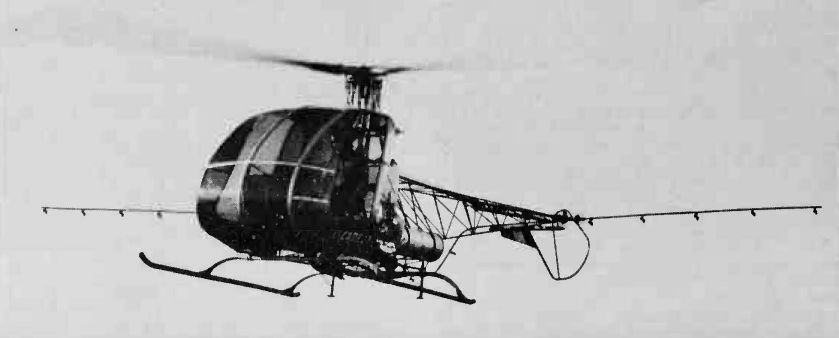
During the LAAD Defense & Security 2025 trade fair, held in Brazil earlier this month, Brazilian firm SIATT signed an agreement with Turkish company Kale Jet Engines for the supply of the KTJ-3200 turbojet engine for the MANSUP-ER anti-ship missile. This agreement will allow for the integration of the Turkish-made propulsion system, marking a significant step forward in defense industrial cooperation between the two countries.
1747001971641.png
The KTJ-3200 engine, developed by Kale Jet Engines as part of the "Turbojet Engine Development Project" promoted by the Turkish Ministry of Defense Industries, represents one of the most advanced platforms of its type. This engine currently powers the ATMACA anti-ship missile and Roketsan's new SOM anti-ship cruise missile, which was first test-fired from a Turkish Air Force F-16. This engine stands out for its compact design, high thrust-to-weight ratio, and low specific fuel consumption.

With this agreement, Turkey completes its first export of turbojet engines for missiles, a milestone highlighted by the President of the Ministry of Defense Industries, Prof. Dr. Haluk Görgün, who stated, "We have taken another historic step for our defense industry exports. At the LAAD Defense & Security Fair in Brazil, our company Kale Jet Engines, which develops turbojet engines for missiles with domestic and indigenous capabilities, signed an export agreement with the Brazilian defense company SIATT for the supply of turbojet engines for missiles."

This agreement represents a key step for the future of the MANSUP project, especially in the development and international projection of its longer-range version, the MANSUP-ER. It is worth noting that SIATT signed a $350 million contract last March with the EDGE Group and the United Arab Emirates, which will adopt the missile as part of their Navy's equipment.

This transaction consolidates the entry of the Brazilian system into the competitive global anti-ship weapons market. At the same time, active negotiations are ongoing with other potential buyers in regions such as Africa, Asia, and Latin America, strengthening Brazil's position as an emerging supplier of advanced military technology.

1747002013304.png
https://www.zona-militar.com/2025/0...n-el-motor-turbojet-ktj-3200-de-origen-turco/ 1747002183066.png
1747002197122.png

1747002210933.png

https://dolartoday.com/el-regimen-d...-iranies-de-combate-ensamblados-en-venezuela/

Nicolás Maduro's regime demonstrated for the first time Iranian combat drones assembled in Venezuela.
The equipment that was originally known as the Iranian Mohajer-2, is now identified as Antonio José de Sucre-100 with anti-tank and anti-personnel capability.

The drones, originally known as the Iranian Mohajer-2s, are now identified as the Antonio José de Sucre-100 (ANSU-100). These drones were modernized and armed in Venezuela by Empresa Aeronáutica Nacional, S.A. (EANSA), the Conviasa subsidiary dedicated to aircraft manufacturing.
 
advanced training and attack aircraft A-36 Halcón belonging to the Chilean air force fach participated for the last time in the military parade
View: https://www.youtube.com/watch?v=La3ET_vtavk


Farewell to the TA 36 Halcón of the Chilean Air Force
Javier Muñoz Romero, December 29, 2022
1747091097741.png


On December 27, in a military ceremony at the Los Cóndores Air Base of the First Air Brigade of the Chilean Air Force and home of the "Desert Hawks" in Iquique, the Casa/Enaer A-36 CC Halcón II/Toqui aircraft of the 1st Aviation Group officially bid farewell.

The ceremony was presided over by the Commander-in-Chief of the Chilean Air Force (FACh), Air Force General Hugo Rodríguez González. Among the guests at the ceremony were retired permanent personnel who operated this noble aircraft, which has trained many generations of FACh fighter pilots.

The Casa/Enaer T/A-36 Halcon/Toqui in the Chilean Air Force

In 1978, the Chilean Air Force began its search for an advanced training jet. The Chilean Air Force then had Cessna T-37 B/Cs, but needed an advanced trainer with real attack capability and a wing loading of about 2,000 kg. Remember that Chile was under the Kennedy Amendment at the time, which affected the acquisition of weapons systems. Two suppliers were selected that had no restrictions with Chile: Brazil's Embraer, with its AT-26 "Xavante," and Spain's CASA with its C-101.

During the first FIDA (International Air Fair) in 1980, these two aircraft were presented and tested and flown by Chilean Air Force personnel . The evaluation and technical information gathered led to the Spanish CASA C-101 winning, raising a technical requirement for Chilean aircraft, a more powerful engine of the Garret TFE731-3-1J model, with 200 pounds more thrust than the original model and known in Spain as the C-101 BB and in Chile as the T-36BB "Halcón".

In 1981, a first batch was acquired , the first 4 T-36B "Halcón" arrived directly from the CASA factory (today Airbus Defence and Space) and with a rounded "nose", the next 6 were assembled under the FACh Maintenance Wing in El Bosque-Santiago (future aeronautical company Enaer ). The aircraft are registered from 401 to 412 and their scheme was light green with a light gray underside. In 1983, the FACh made a request for an aircraft with greater power and thrust, CASA's solution was the C-101CC, with a Garret TFE731-5-1J engine with a thrust of 4,300 pounds, having a range close to 3,800 km in optimal conditions. It maintained the three pylons per wing similar to the T-36BB “Falcon” and the 30mm DEFA 553 cannon with 380 rounds.

This new batch included 2 T-36BB “Halcón” (Aircraft 413 and 417) and 3 A-36CC “Halcón”, all assembled in Chile by Enaer. Between 1986 and 1998, 19 A-36CC “Halcón” aircraft and 1 T-36BB “Halcón” (Aircraft 418) were delivered, totaling 37 T/A-36 BB/CC “Halcón” aircraft (FACh serial numbers 401 to 437) in service with the Chilean Air Force.

3(1376).jpg


T-36M with two Sea Eagle Air-to-Sea Missile Models ( Javier Muñoz Romero)

Modernization

In 1996, the Commander-in-Chief of the FACh announced that the A-36CC "Halcón" would be modernized, seeking a better aircraft as an advanced trainer for the new generation of combat aircraft being introduced worldwide and thus, in the future, having a modern and appropriate trainer. Thus, the aircraft were installed with a HOTAS for the pilot, a Ferranti brand HUD, and the integration of a navigation system and a Sagem attack system. In addition, the aircraft were equipped with the capacity to carry two Shafrir II air-to-air missiles . Twelve aircraft received the Halcón II modernization, and were known locally as "Toqui," a nickname given to the reactivated Group No. 3 in Temuco.


https://www.defensa.com/chile/adios-t-36-halcon-fuerza-aerea-chile
The Brazilian Air Force is preparing to receive the first of its new Gripen fighters, assembled locally by Embraer
By Editorial Staff - May 11, 2025


Although no new aircraft deliveries from Saab to the Brazilian Air Force (FAB) have been recorded this year, the institution has reportedly reported that it is preparing to receive, by the end of the year, the first JAS-39 Gripen fighter, assembled locally by Embraer. The news, if materialized, would represent a new milestone in the South American giant's combat aviation renewal program.

Originally, and in light of the agreements reached with Sweden and Saab in 2014, the Brazilian Air Force is in the process of incorporating a total of 36 new JAS-39 Gripen E/F fighters, a number that could increase in the future due to ongoing negotiations to advance the acquisition of an additional batch of up to nine aircraft.

To date, as previously reported, Saab has been making progress with deliveries of aircraft manufactured in Sweden, while production of various components is already underway in Brazil. Adding all the Gripens received, the Brazilian Air Force now has nine combat aircraft, with the exception that one of them, the FAB 4100, is used for experimental purposes.
https://www.zona-militar.com/2025/0...blado-localmente-por-embraer/#google_vignette
 
Last edited:
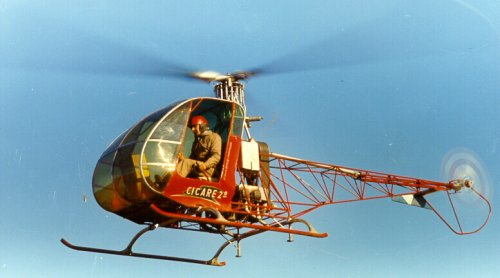
Brazilian Company Produces First "Made in Paraguay" Aircraft
The aircraft belongs to Wega Aircraft, which made its debut flight on Monday the 11th at the Luque Air Base.

Few people know it, but Brazil is a "breadbasket" for manufacturers of small planes, helicopters, and drones. This is not counting Embraer, the third-largest commercial aircraft manufacturer in the world, behind only Airbus and Boeing.
Here are a few: Octans Aircraft, which has delivered 240 aircraft since 2022 and is now developing a single engine for five occupants; Scoda Aeronáutica, founded in 1997, which serves the Brazilian market and has already sold to customers in North America, Europe, Australia, and New Zealand; Paradise, which in 2010 received the Aviation Company of the Year award in the United States; ACS, which in 2015 made the maiden flight of the first electric-powered aircraft designed in Brazil; and Helibras, the main supplier of helicopters to the armed forces.
And so it goes. There are about 20 factories. Among them, Wega Aircraft, the first based in Santa Catarina. It manufactures the Wega 180, a single-engine, two-seater aircraft that, thanks to its aerodynamics, has performance similar to that of twin-engine aircraft, reaching a speed of 300 km per hour.
It is from this model that Wega Aircraft produced the first aircraft manufactured in Paraguay, which was presented this Monday to the country's authorities at the Luque air base in the metropolitan region of Asunción.
FACTORY IN PARAGUAY
Paraguay's Minister of Industry and Commerce, Luis Alberto Castiglioni, expressed his delight that a Brazilian aeronautical industry has taken the initiative to strongly evaluate the possibility of establishing a presence in Paraguay.
"Today we came and witnessed demonstration flights of aircraft, as part of a concrete evaluation and analysis process (...) of the establishment of an industrial plant in Paraguay: 'aircraft manufactured in Paraguay,'" said the minister.
He said the planes are built with cutting-edge technological elements, starting with the very material they use: carbon fiber.
He explained that Paraguay could make "an impressive leap, not only in the construction of parts, but also in the construction of aircraft for domestic use and export."
The minister noted that Brazilian aeronautical entrepreneurs came to Paraguay because they considered it the most suitable location to establish their investments, after analyzing several macroeconomic and financial factors, the stability of the system, and all regulations regarding investment security.
Paulo Falcão, executive of Wega Aircraft, said the company "has the full support of the Paraguayan government," which has demonstrated "all its efficiency and competence" to make the dream of manufacturing the first Paraguayan aircraft a reality.

1747171873979.png
https://www.h2foz.com.br/es/economia/empresa-brasileira-produz-o-primeiro-aviao-made-in-paraguay/Paraguay Begins to Fly: First Tecnam Aircraft Assembly Plant Set Up in Minga Guazú
The first assembly plant for executive, transport, recreational, and passenger aircraft is being set up at the Guaraní Airport in Minga Guazú, Alto Paraná. The assembly work, carried out by Aero Shop, whose commercial name is Aeropar, was completed in June; these are Italian aircraft that have represented the manufacturer Tecnam for two years.


“We represent an Italian brand called Tecnam, which has been on the market for 75 years. We ship by container and assemble them at our company at Guaraní Airport. A week ago, we received a visit from a delegation from Italy,” explained Mohammad Awad, one of the partners of Aero Shop.

Aeropar is the exclusive distributor of Tecnam aircraft for Paraguay. “We have already assembled 11 aircraft and plan to assemble six more by the end of the year,” he said. Aero Shop was founded in 2017 with the goal of providing cutting-edge technological products related to general and executive aviation.

"Our company presents itself as a technology company and is already a regional and national benchmark in aeronautics. We have a hangar with facilities considered world-class," he said. Aeropar is located at SGES - Guaraní International Airport, Hangar Minga Guazú.

The company receives the aircraft in containers from Italy. They are 70% assembled, and the remaining 30% is completed in the country with national labor. "Our goal for the future is to have 30% from Italy and 70% in Paraguay, thus ensuring a product made in Paraguay," he noted.

The company will become the main distributor of this aircraft in the Southern Cone. The company's launch took advantage of tax exemptions on aircraft parts imports, the maquila law, and the country's favorable investment climate to assemble, provide technical support, maintain, and sell aircraft throughout the region and the world. It currently employs 20 people, including technicians, mechanics, and pilots.

"Our company's goal is to be an international benchmark in all aspects of aeronautical services, ranging from workshops, training, air taxis, and the manufacturing and sale of new, cutting-edge aircraft. The company offers a unique dealership concept where entrepreneurs and interested parties can have their aircraft on a turnkey basis, when it normally takes one to three years to receive one," he emphasized.

Tecnam is an Italian aircraft manufacturer based in Capua, Italy. Its main activities are the manufacturing of parts for other aircraft manufacturers and the production of its own line of aircraft. Through 65 distributors, it has sold more than 7,500 units worldwide, making it the world's third-largest manufacturer of general aviation aircraft.
1747172043124.png
Tecnam was founded in 1948, initially under the Partenavia brand, by brothers Giovanni and Luigi Pascale, the same year they saw their first design built: the Partenavia Astore. Today, it has become one of the world's leading general aviation and ultralight brands.

It also promotes sustainability by using electronic fuel injection engines, making it one of the most efficient on the market. It is internationally known for its low CO2 emissions (up to 60% compared to other similar-sized aircraft). Parts and models are already manufactured at the Aero Shop factory.
After several years of leadership in two- and four-seat sport aircraft, Tecnam launched its first 11-seat passenger transport aircraft, the Tecnam P2012 Traveller, in 2020, after two years of managing the corresponding European and North American certifications

https://infonegocios.com.py/plus/pa...ensamblaje-de-aeronaves-tecnam-en-minga-guazu
 
As part of the process of renewing its air capabilities, the Portuguese Air Force (FAP) is preparing to incorporate the first Embraer A-29N Super Tucano light attack aircraft, a specially developed variant under NATO standards. The contract for these aircraft was signed on December 16, 2024, for twelve aircraft. The Portuguese Air Force will receive twelve before the end of the year, marking a milestone by becoming the first European operator of this model. The acquisition is part of the Close Air Support (OCMA) program, aimed at strengthening training, surveillance, fire support, and tactical intervention missions.

1747263827172.png

The acquisition is part of the Close Air Support (OCMA) program, framed within the Military Programming Law (LPM) revised in August 2023, which allocates €180.5 million to the project. This initiative responds to the strategic needs defined by the so-called Military Vision 2022–2034, which prioritizes fixed-wing platforms capable of operating in permissive and semi-permissive environments, including possible deployments in Africa under missions such as the United Nations mission in the Central African Republic (MINUSCA).

The A-29Ns will be assigned to the 103rd Caracóis Squadron and will cover capabilities left over from the retirement of the Dassault/Dornier Alpha Jet aircraft in January 2018. In addition to advanced pilot training, the new aircraft will perform close air support (CAS), intelligence, surveillance, reconnaissance (ISR), and ground-based air strike coordination (JTAC) roles.

https://www.zona-militar.com/2025/0...e-embraer-a-29n-super-tucano/#google_vignette
 
View: https://www.youtube.com/watch?v=NXwClvuX9Vc


IA-63 Pampa | The youth elixir of Argentina's aviation industry​

https://www.defensa.com/brasil/akaer-crea-plataforma-entrenamiento-aerotactico-simula-reales

Akaer creates an Aerotactical Training Platform that simulates real-life air operations conditions to train military and police personnel.​


1747345510428.png
Akaer developed the first 100% Brazilian vertical-anchor-independent Aerotactical Training Platform. The equipment was designed to simulate real-life aerial operations conditions, with the goal of training military personnel, police, special forces, and rescue teams.

The project recreates the complete structure of a helicopter attached to a metal tower, but allows for a rolling motion (a technology unprecedented in Brazil), simulating real-life situations and providing greater efficiency to tactical training, education, and the safety of air operators on critical missions.

The platform will be installed at the CIOPAER-MT (Mato Grosso Integrated Air Operations Center). Its construction required an intense development cycle, with five months dedicated to design and seven months to manufacturing.
The system is equipped with advanced lifting mechanisms, including a linear and rotary gear system (rack and pinion) and an anti-drop brake, which simulate the conditions of operations performed in flight.

The equipment recreates the cockpit of an AS350 helicopter (Eurocopter) in full scale, allowing for training in specific techniques. These include cargo and passenger transport, including the Bambi-bucket, a flexible bucket suspended by a cable used in forest firefighting; the basket, designed for the safe transport of materials and the rescue of people; and the McGuire, a unique rope used for evacuation and air rescue, or techniques such as rappelling, which allows for rapid disembarkation using a rope. ( Javier Bonilla )
https://www.zona-militar.com/2025/0...0lr-tc-12-huron-y-boeing-737/#google_vignette 1747346185461.png

Regarding medium-range transport aviation capabilities, the Argentine Air Force has focused its efforts on incorporating the Embraer ERJ-140LR, two of which have been acquired. "...The institution is working to acquire a third aircraft to continue strengthening this capability. We believe it is a very important capability and we will continue working to increase it..." Brigadier Valverde emphasized.

Despite the arrival of the ERJ-140LRs, the Argentine Air Force still misses the multirole capability offered by the twin-engine Fokker F-27 Friendship, which in their final years of service operated within the 2nd Air Brigade based in the city of Paraná, Entre Ríos province.
 
Last edited:
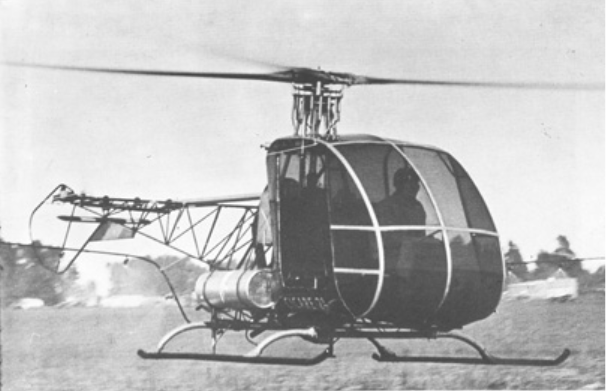
Called aboard the first electric plane made in Colombia


1747546377866.png


More than 100 years have passed since the Wright brothers' first airplane flight on October 17, 1903. The first aviators, Wilbur and Orville Wright, recognized as the world's pioneers of aviation, built and flew the first airplane, a 35-kilogram plane equipped with a 12-horsepower engine that launched them into the air on a short flight lasting 12 seconds and traveling 36 meters.
Today, 118 years later, José Alejandro Posada Montoya, a research professor at the Pascual Bravo University Institution, is about to fly what would become the first electric airplane manufactured in Colombia. The project was born 10 years ago when the decision was made to create an electric airplane that would reduce the environmental impact of aviation on the planet, such as heat emissions, noise pollution, and CO2 and gas particles.


The prototype is very similar to the one flown by the Wright brothers. The first tests were conducted on the Pascual Bravo soccer field, which served as the runway for the taxiing test phases. Last weekend, after obtaining the necessary permits and licenses from Aerocivil, taxiing tests began on a private runway in Bolombolo, a district of Venecia, Antioquia. These tests consist of taking the aircraft to different speeds for takeoff acceleration and braking, testing the aircraft's maneuverability on the ground, assessing the controls' response to the demands, and ensuring that the engines, batteries, and electrical components do not overheat.
"Bolombolo has an 850-meter runway. According to calculations, the aircraft's required takeoff distance is 66 meters. We have ample time to take off, stay in the air, and land safely again. Once we see that the aircraft is responding satisfactorily, we can take off and fly a circuit around the runway," says Engineer Posada. There's a bit of fear, but that's normal; it's a new aircraft that hasn't been tested in the country.
The aircraft is equipped with two lithium batteries, each with 310 cells generating 58.8 volts and 72 amp-hours as an electrical charging unit, a controller, and two permanent magnet motors, each with 10 kilowatts. Its structure is made of aeronautical aluminum covered in aeronautical fabric that complies with all safety protocols and systems.
When it comes to connectivity, the aircraft connects via Bluetooth using a smartphone, a model equipped with all the avionics to monitor the altitude, speed, current, consumption, and status of each of the batteries.
"The goal is to demonstrate that in Colombia we can carry out projects that combat climate change and reduce particulate matter in cities," he adds.
In addition to being a mechanical and aerospace engineer, Alejandro is trained as a commercial pilot and is part of the flight test team. “There's a bit of fear, which is normal. It's a new aircraft that hasn't been tested in the country and is barely being tested worldwide, but we're confident that with all the evaluations that have been done and those we will do there, it will be successful,” says the engineer.
We can proudly say that this model is the first electric aircraft built in Colombia and one of the first in Latin America.
This innovative aircraft is approximately 11 meters wide and 5.5 meters long.
This innovative aircraft is approximately 11 meters wide and 5.5 meters long. PHOTO: JAIVER NIETO ÁLVAREZ / ETCE
1747546388964.png

There have been other advances in other countries. For example, in the United States, they converted a six-passenger plane and are working on converting a 12-passenger Cessna Alcaravan. In Europe, Slovenia manufactured the first electric aircraft with a European certification; and, by 2025, Norway expects all flights under 30 minutes to be made on electric planes. Many professors and students from the Pascual Bravo Environmental Research Institute and the Environmental Research and Innovation Group, mechanical, electrical, and electronic engineers, have contributed to the development of the project, helping the aircraft begin to accumulate flight hours.
In the future, the professor and Pascual Bravo hope to continue advancing their project to take to the skies, increasing flight time from one hour to three, and allowing for the ability to carry four passengers.
Other goals
These researchers also aim to build aircraft with greater efficiency, economy, and cargo capacity that respond to Colombia's climatic and topographical conditions.
They dream of creating a national aeronautical industry, not only for airplanes but also for buses, trains, and, in general, electric mobility for cities.
1747546406899.png
https://www.eltiempo.com/colombia/m...imer-avion-electrico-hecho-en-colombia-609590

Sugarcane growers save up to 30% on fumigation costs with ultralight aircraft
Olbar Eduardo García, manager of Fumicaña and promoter of the use of technologies such as ultralight aircraft for crop fumigation, spoke with Agronegocios.

Ximena González
February 13, 2019

Fumicaña Ltda., with more than 25 years of experience and ISO 9001 certification, has been one of the pioneering companies in offering precision agriculture aerial operations using specialized equipment, the Aero Agro AA-100 aircraft. This design is currently successfully completing its certification process as an ultralight aircraft under the European CS-VLA aeronautical standard.

Olbar Eduardo García, manager of Fumicaña and one of the promoters of the use of technologies such as ultralight aircraft for crop spraying, spoke with Agronegocios about his operation in the sugarcane fields of Valle del Cauca and how this system allows producers to save up to 30% in costs while being environmentally friendly.

What does the certification process involve?
In 2012, the Civil Aeronautics created a new Aeronautical Regulation, RAC 26 and 137, in which certain processes must be carried out in an acceptable manner, complying with the standard, in order to receive approval and obtain the Special Airworthiness Certificate and continue operating as a commercial aerial spraying company. We are currently finalizing flight test runs.

What does this certification mean for the company?
It is the start of a new commercial aerial spraying company that opens its doors to the national market with the best technology and low operating costs. This will boost the agricultural sector, bringing greater yields to the various crops in our country.

What are the characteristics of the Aero Agro AA-100?
Fumicaña Ltda is characterized by innovation and the advanced technology developed over the years. This has been demonstrated by the Aero Agro AA-100 aircraft, which is characterized by its ultralight nature, a spraying speed of less than 120 kilometers per hour, and is equipped with satellite technology, guaranteeing greater coverage and excellent results in its application work.


How does it work?
The effectiveness and widespread acceptance of the aircraft has been due to its precision agriculture system (satellite flagging), accompanied by pre-calibrated spraying equipment that guarantees greater coverage and uniformity in the crop. It is worth noting that the engine, being located at the rear and above, does not influence the spray trail, providing greater safety and uniformity when performing its work.

With the use of this technology, how much could costs be reduced?
Using ultralight aircraft reduces application costs by more than 30% due to the aircraft's low operating cost and the ability to operate at ultra-low volumes. This results in a homogeneous droplet size, greater coverage, and greater efficiency when aerial spraying crops.

How many sugar mills use this type of ultralight aircraft for spraying?
Currently, the entire sugar industry has implemented aerial spraying using ultralight aircraft, especially due to their low operating costs, advanced technology, and environmental friendliness. Fumicaña Ltda has been known for providing its services to a large portion of the sugarcane sector, taking into account the demands and standards these large companies have achieved over time.

What is the maximum and minimum height the aircraft can reach?
Due to its configuration and the task at hand, it is capable of flying up to one meter above the crop. However, thanks to its excellent aerodynamic design and powerful engine, it achieves a service ceiling of 10,000 feet (3,048 meters), covering all terrains in our country.

1747546515132.png
What factors make this aircraft environmentally friendly?
Its "pusher" engine configuration (located in the rear) makes it environmentally friendly, and we operate with lead-free fuels. This reduces polluting emissions. Furthermore, the aircraft's low-speed flight and the use of a large droplet size for spraying prevent the droplets from evaporating and polluting the environment.
https://www.agronegocios.co/tecnolo...umigacion-con-aeronaves-ultralivianas-2826971 1747546528389.png
1748213235838.png

View: https://www.youtube.com/watch?v=1pr9qaib0WY
Tokyo, Japan, February 25, 2025 – ANA Holdings Inc. has ordered 15 Embraer E190-E2 jets with options for five more aircraft. The selection of the E190-E2 is part of ANA’s fleet renewal plan. The aircraft’s economics and efficiency will enable the Japanese airline to enhance connectivity throughout the country, while offering more space and comfort for passengers. Deliveries of the E190-E2 jets to ANA are scheduled to begin in 2028.

“We are honored to have selected the E190-E2 for ANA’s fleet, and we look forward to Embraer’s small narrowbody jet joining ANA’s fleet in 2028,” said Martyn Holmes, Chief Commercial Officer, Embraer Commercial Aviation. “The E190-E2 is the quietest and most fuel-efficient aircraft on the market. The size of the jet perfectly complements ANA’s larger narrowbody fleet. The E2’s excellent cabin comfort and spaciousness, with no middle seats, will also please passengers. We are excited to see the aircraft take to the skies of Japan.”
View: https://www.youtube.com/watch?v=T4vXBosJBqM

https://www.defesaaereanaval.com.br...-jatos-e190-e2-da-all-nippon-airways-do-japao
View: https://www.youtube.com/watch?v=5r37c8QgrRw

In Brazil, Eve Air Mobility, which is owned by Embraer, has been running ground tests on the electric pusher motor for the company’s four-passenger eVTOL aircraft. This will lead to the start of flight testing as the company works to have the four-passenger, lift-and-cruise model certified and ready to enter service by the end of 2026.
View: https://www.youtube.com/watch?v=IoshDkUTkgU
https://www.elcolombiano.com/antioq...-busca-certificado-de-la-aerocivil-EG10079386
 
Last edited:
1747609404236.png

Currently, a team composed of HI-1 pilots and mechanics, together with specialists from IPEV (Institute of Research and Flight Tests) and IFI (Institute of Industrial Development and Coordination), is conducting an inspection that ranges from physical inspection of the aircraft to checking documentation, system tests and technical flights of the IH-18.

The H125 Esquilo B3e was selected for its robustness, versatility and onboard technology, features that will allow for raising the standard of teaching in the Aviation Improvement Course for Officers (CAAvO), in addition to expanding the possibilities of using the aircraft in other operational missions.

The Airbus/Helibras H125 was acquired as part of the TH-X Project, which aims to replace the current Bell 206B Jet Ranger III (IH-6B) helicopters, used in the training of naval aviators, with more modern, safer aircraft with greater training capacity.

The entry into service of the IH-18 will open a new chapter in the training of future Brazilian Navy aviators, while also strengthening the general employment capabilities of Naval Aviation.

The N-5101 is expected to be received in the second half of June 2025.
https://www.defesaaereanaval.com.br...o-de-recebimento-do-primeiro-h125-na-helibras
CREATION OF THE NATIONAL AIRCRAFT FACTORY (FANAERO-CHILE).

The creation of the National Aircraft Factory (FANAERO-CHILE) was made official with the publication of Decree Law No. 101 in the Official Gazette on June 27, 1953, with the following heading:

No. 101.- Santiago, May 29, 1953.- Bearing in mind:

That it is necessary to promote activities related to the design and construction of airplanes and gliders in the country;

That the Air Force Central Workshop is fully capable of providing the maintenance services it must provide to the Institution in fulfilling its primary function;
That there is no other establishment that may be used for the manufacture of aircraft, and
Exercising the powers conferred upon me by Law No. 11,151, I hereby issue the following

Decree with the force of law:

Article 1: The National Aircraft Factory (FANAERO-CHILE) is hereby created, an organization with legal personality and autonomous administration, which shall have its own assets and shall be governed by the provisions of this Decree Law and the Regulations to be issued later. Its purpose shall be the construction of all types of aircraft, gliders, spare parts, and other aeronautical elements that directly or indirectly relate to the needs of national defense and, in general, to the promotion of aeronautical activities in the country.

It may also manufacture and trade all types of machinery, tools, and industrial articles.

In this extensive Decree Law Under Law No. 101, FANAERO-CHILE was allocated $200,000 from Law No. 7,144, which created the National Defense Council (CONSUDENA) on December 31, 1941, and was published on January 5, 1942.

The following year, this consolidated D.F.L. creating the National Aircraft Factory (FANAERO-CHILE) was formalized in a consolidated text. It included, in addition to D.F.L. No. 101, D.F.L. No. 239 of July 30, 1953.

CREATION OF THE NATIONAL AIRCRAFT FACTORY (FANAERO-CHILE).

The creation of the National Aircraft Factory (FANAERO-CHILE) was made official with the publication of Decree Law No. 101 in the Official Gazette on June 27, 1953, with the following heading:

No. 101.- Santiago, May 29, 1953.- Bearing in mind:

That it is necessary to promote activities related to the design and construction of airplanes and gliders in the country;

That the Air Force Central Workshop is fully capable of providing the maintenance services it must provide to the Institution in fulfilling its primary function;
That there is no other establishment that may be used for the manufacture of aircraft, and
Exercising the powers conferred upon me by Law No. 11,151, I hereby issue the following

Decree with the force of law:

Article 1: The National Aircraft Factory (FANAERO-CHILE) is hereby created, an organization with legal personality and autonomous administration, which shall have its own assets and shall be governed by the provisions of this Decree Law and the Regulations to be issued later. Its purpose shall be the construction of all types of aircraft, gliders, spare parts, and other aeronautical elements that directly or indirectly relate to the needs of national defense and, in general, to the promotion of aeronautical activities in the country.

It may also manufacture and trade all types of machinery, tools, and industrial articles.

In this extensive Decree Law Under Law No. 101, FANAERO-CHILE was allocated $200,000 from Law No. 7,144, which created the Higher Council of National Defense (CONSUDENA) on December 31, 1941, and was published on January 5, 1942.

The following year, this consolidated D.F.L. creating the National Aircraft Factory (FANAERO-CHILE) was formalized in a consolidated text. It included, in addition to D.F.L. No. 101, D.F.L. No. 239 of July 30, 1953.
1747609512924.png
The first flight of the Chincol prototype, which can be considered the official one, took place on December 14, 1955, at El Bosque, and was not without its setbacks. On that occasion, the logbook indicates that, 20 minutes into the flight, Captain Andrade, who was accompanied by engineer Davins, detected an increase in oil temperature, which is why he decided to land in accordance with safety protocols for this type of incident.
During the following week, and according to Captain Andrade's report, the Chincol underwent several adjustments and tests on its Continental 0-470-11 engine, until the aforementioned oil overheating problem was partially resolved.
These adjustments did not involve modifications to the oil cooler or other engine components; rather, the front air deflector grilles were removed and some side openings were made in the engine cowling to allow greater airflow for more effective cooling.
After the Christmas holidays, on December 27th, the Chincol, once again under the command of Captain Andrade, took to the skies heading for Quintero Air Base, this time to conduct aerodynamic tests at sea level. By this time, the Chincol had already accumulated 6:25 flight hours.
The following day, Captain Andrade performed all kinds of demanding tests on the aircraft, such as dives, approaching the stall with and without the engine, acrobatic maneuvers, and so on, confirming that the Chincol performed normally, remaining very docile and controllable.
On the 29th, the Chincol was inspected on the ground by engineer Davins to verify its structure, confirming the perfect condition of its systems.
Thus, we reached December 30th, a day in which two flights were made, one in the morning and the other in the afternoon, totaling 3:05 hours. This time, the aircraft climbed to 12,000 feet to perform stall maneuvers on the straightaway and in turns, also verifying that the elevator, aileron, and rudder controls were responding normally.
During the New Year, the Chincol and its crew had no rest. That day, the aircraft flew at 3,000 feet along the coast in turbulent conditions, and Andrade was able to reach a speed of 187 km/h (115 mph), flying at 2,250 rpm.
1747609553072.png
On January 2, 1956, the aircraft climbed to 15,000 feet to perform various maneuvers that were classified as normal. In a dive, the aircraft reached a speed of 241 km/h (150 mph), but Captain Andrade recommended not exceeding that speed because the engine was vibrating.
The following day, the aircraft continued climbing, reaching 18,000 feet, the Chincol's projected service ceiling, and the aerobatic maneuvers continued as normal. Flight tests continued until January 25, 1956, totaling 29:05 hours. During these days, Captain Andrade reached a ceiling of 19,850 feet (6,050 meters) without the use of oxygen.
He also recommended changing the propeller because, during looping tests, it was found that this element was slowing the aircraft down, and during Immelmann maneuvers, the propeller made it difficult to gain speed because it caused the engine to vibrate at 2,500 RPM.
A raid was subsequently made to Mendoza, and upon return, several demonstration flights were conducted before various authorities and at several Air Clubs across the country. Captain Andrade accumulated 55.55 flight hours in the Chincol, making 79 landings in this prototype, and his last documented official flight in this aircraft was on October 4, 1956. However, in December 1956, while already assigned to the General Staff and serving as Assistant to Information Department II, he allegedly made some flights in the Chincol, the only means of verification being Brief Communication No. 19/86 from the Maintenance and Engineering Department, dated December 7, 1956, authorizing him again to fly the aforementioned Chincol prototype.
1747609587331.png

1747609605897.png

1747609621120.png
1747613750668.png
http://editorialmanutara.blogspot.com/2019/04/fabrica-nacional-de-aeronaves-y-su.htmlhttp://aviadejavu.ru/Site/Arts/Art7796.htm#gallery-2
 
Last edited:

The company presents the future of ATM with critical systems and AAM solutions.

At booth H1180, Atech is highlighting its ATM products, a set of solutions for airspace management and control. Among the new products, the company is presenting its most recent success story: the Single Air Traffic Management Platform (SingleATM Platform) and the IFPPMS (Integrated Flight Plan and Flow Management System), which has been in full operation since 2024. Both systems were developed in partnership with DECEA (Departamento de Controle do Espaço Aéreo), the Brazilian air navigation service provider (ANSP).

SingleATM Platform
The SingleATM Platform is a hardware and software framework for hosting critical ATM systems, based on services and open architecture, supported by five pillars: capacity, efficiency, operational environment, operational safety and software security. This platform aims to reduce expansion, integration and maintenance costs, in addition to increasing interoperability between ATM systems.

It also raises the level of cybersecurity of ATM systems, meeting international standards. The SingleATM Platform can be hosted on local hardware (on-premises) or in a private or public cloud.

The red rectangle represents the SingleATM platform, which will host the services/microservices for the different ATM systems (represented by the blue and green rectangles).

The red rectangle represents the SingleATM platform, which will host the services/microservices for the different ATM systems (represented by the blue and green rectangles).

IFPPMS (Integrated Flight Planning and Flow Management System)
As part of this challenge, air navigation service providers (ANSPs) needed to offer commercial airlines and general aviation a technological and simplified way to plan and fill their flight plans. At the same time, it was necessary to ensure that these plans were compliant with ICAO regulations and national standards, passing all approval stages and being viable for daily ATFM (Air Traffic Flow Management) operations.
1747795389619.png
Furthermore, it was essential to provide everyone involved in aviation with the same situational awareness about the status of flight plans.

To meet this challenge, Atech developed the IFPPMS (Integrated Flight Plan and Flow Management System), which has been in full operation since 2024, increasing efficiency in the processing of flight plans and flow management for all Brazilian airspace.

Advanced Air Mobility (AAM)
Among the solutions on display is the Advanced Air Mobility (AAM) for managing Urban Air Traffic Management (UATM) operations, developed in partnership with Eve Air Mobility – a subsidiary of Embraer.

Always seeking innovation and building a safer, more sustainable and efficient ecosystem, Atech recently led the first delivery by Correios (a federal public company responsible for transporting parcels and correspondence throughout Brazil) by drones, in Curitiba, Paraná. This milestone further highlights the reality in which unmanned vehicles can become part of everyday life in cities, revolutionizing mobility and the delivery of goods.
https://www.defesanet.com.br/aviaca...ca-tecnologica-em-atm-na-airspace-world-2025/ 1747795608034.png
KC-390 flies faster, farther and carries more payload than any other aircraft in its class. The multi-mission aircraft’s growing global presence proves its versatility and performance

Embraer, a global leader in the aerospace industry, will participate in the DSEI exhibition in Chiba, Japan, from May 21 to 23, highlighting the KC-390 Millennium, an advanced multi-mission medium transport and aerial refueling aircraft, as the flagship product in its defense and security solutions portfolio (Booth H8-480).

“We are honored to participate in DSEI Japan, showcasing the capabilities and reliability of the KC-390 Millennium, which have attracted a growing number of operators around the world,” said Bosco da Costa Junior, president and CEO of Embraer Defense & Security. “Japan is an important market for Embraer and the E-Jets fleet in the Japanese market has been growing over the past 15 years. Performance and reliability are key features of all Embraer aircraft and we are ready to support Japan’s defense and aerospace needs.”
1747795623078.png
The KC-390 Millennium is a next-generation multi-mission aircraft designed and built to meet the operational demands of the 21st century. It is the most advanced aircraft in its category, flying faster (470 knots), further and carrying more cargo (26 tons) compared to other military aircraft in its category. Powered by IAE V2500 engines, the KC-390 combines a robust design and the ability to operate from temporary or unpaved runways, making it ideal for operations in remote areas and disaster zones with limited infrastructure.

The KC-390 Millennium can perform a wide range of missions, such as cargo and troop transport and airdrop, aeromedical evacuation, search and rescue (SAR), humanitarian aid and disaster response (HADR), firefighting, and aerial refueling (AAR), both as a tanker and receiver. In addition, the KC-390 Millennium can support maritime surveillance and SAR operations, with aerial refueling (AAR) increasing its range and airtime. Its ability to operate from short runways and refuel other aircraft is essential to meet Japan’s defense requirements.

The aircraft has achieved an excellent 99% mission completion rate with low operating costs. Its multi-mission capability and interoperability are integrated from the design stage, thus enabling the aircraft to be ready to fulfill all types of missions required by the Air Force.

Embraer aircraft are operated by several defense forces in the Asia-Pacific region, including India, the Philippines, Thailand, and Indonesia. South Korea will soon receive its first KC-390 Millennium.

Over the past two decades, Embraer has designed, manufactured, certified and fielded 21 different aircraft platforms – a testament to its capabilities and engineering excellence.

Embraer’s participation in DSEI Japan highlights its long-term vision for the Japanese market and its dedication to providing modern aerospace solutions that benefit the country and the region as a whole.
https://www.defesanet.com.br/aviaca...imissao-kc-390-millennium-na-dsei-japao-2025/
 
The Waman is an Argentine-designed and manufactured light training aircraft with a 100-horsepower Rotax engine and a cruising speed of 90 knots.
The Waman aims to compete at the top of the LSA (Light Sport Aircraft) spectrum, so it combines a low-maintenance Rotax engine with a "Made in Italy" interior design.

1747974153022.png

TECHNICAL DATA
GENERAL
Type: Experimental. Primary training.
Occupants: 2 side-by-side.
Avionics: EFIS 10' (Electronic Flight Instrument System)
Wing arrangement: Low wing.
Tail group: Cross-shaped.
Gear: Tricycle.
Nose wheel: Steerable.
Propulsion: Single-engine piston.
Construction: Metal/Semi-monocoque.

DIMENSIONS
Length: 6.5 m
Wingspan: 9 m
Height: 2.50 m
Wing area: 11.8 m

POWERPLANT
Engine: Bombardier ROTAX 912 ULS
Maximum power: 98.5 HP
Continuous power: 92.5 HP

PROPELLER
Diameter: 1750 mm
Type: CLERICI Two-blade
Pitch: Fixed

WEIGHTS
Empty operational weight: 430 kg
Maximum takeoff weight: 650 kg
Paid load: 165 kg
Fuel weight: 72 kg - 100 liters

ESTIMATED PERFORMANCES
Not to exceed speed: 150 kts
Cruise speed: 95 kts
Stall without flaps: 60 kts
Stall with flaps: 50 kts
Maximum climb rate: 1000 ft/min
Takeoff distance: 420 m
Landing distance: 320 m
Endurance: 5 hrs
Maximum range: 1000 ft/min Fuel: 850 km
Service ceiling: 10,000 ft.
https://www.aviacionargentina.net/topic/122/aviones-escuela-y-de-entrenamiento/2
1747974190944.png
The Argentine company Aerosun built the first airplane manufactured in Sunchales, Santa Fe, and named it "Waman," which means falcon in Quechua. The project marks a milestone in Santa Fe's aeronautical history. It demonstrates that in Argentina, industrial dreams can still be realized and fly.

This two-seater aircraft already has the Special Airworthiness Certification issued by the National Civil Aviation Administration (ANAC). It made its first test flights in the skies of Sunchales last week.

It was the obsession of seven aeronautical entrepreneurs: Owen Crippa, a naval lieutenant in the Falklands War; pilot Hilario Valinotti, who died in 2017; Darío Bolatti; Gabriel Mosso; and Fernando Lattanzi, among other founding partners.

Gabriel Mosso explained: "It's a very difficult challenge that involved many Sunchales entrepreneurs. Having reached the end, after so much time, makes us very happy." The first flight departed from the town's airfield.

The aircraft is equipped with state-of-the-art technology, and inputs from local suppliers were used in the manufacturing process. Mosso explains enthusiastically: "The idea is to create an aircraft factory. We have to test this aircraft so we can release it and show it to the entire country. The design is currently being optimized for mass production."

The Waman LV-X687 is a two-seat aluminum aircraft, entirely built with aeronautical-grade materials. It is powered by a 100 HP Rotax 912 ULS engine, which drives a two-blade Clerici propeller with a diameter of 1,750 mm. The designer Pedro Campo was involved, while the aluminum airframe was manufactured by aircraft manufacturer Juan Carlos Garibaldi.

Diego Bolatti, another of its creators, noted: "It's an instructional aircraft. Almost all of the country's aeroclubs have aircraft that are approximately 60 years old. This is a zero-hour aircraft, with technology used throughout the world. We believe we will have an interesting domestic market."

Two people can fly: a pilot and an instructor. "Although the project is about six years old, it began to take shape three and a half years ago. Most of us are aeronautical professionals and from Sunchales."
1747974542005.png
https://agendarweb.com.ar/2019/02/16/waman-un-avion-biplaza-fabricado-en-sunchales-santa-fe/https://www.avionrevue.com/america/avion-argentino-waman-avanza-hacia-certificacion/
View: https://www.youtube.com/watch?v=ASNx9byalTY
 
Last edited:
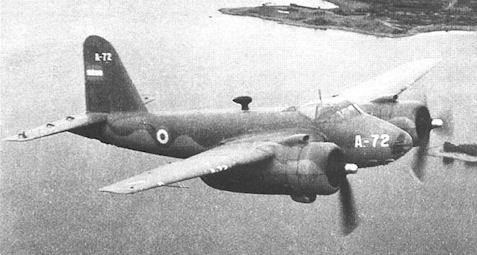
Petrel: The First Aircraft Designed in Argentina After 42 Years

The "PETREL" is the first aircraft designed, manufactured, and certified entirely in Argentina after 42 years. It will be used to train new civilian pilots in the country.

It is the result of a project initiated six years ago by the Buenos Aires Institute of Technology and is ideal for pilot training. There are only ten models of this type worldwide. It stands out due to its production, maintenance, and flight costs.
1748138438155.png
Aluminum profiles; tubular fuselage; fabric-covered exterior; 80-horsepower engine... That's not impressive. But if we say that the Petrel is the first aircraft certified by an independent body in Argentina, things change. Add to that the fact that it meets the rigorous US and European certification standards and that there are no more than a dozen modern models worldwide with the same characteristics. So, this small aircraft, designed to introduce aspiring pilots to the fundamentals of flight, becomes important.
1748138456243.png
The Petrel 912i aircraft is the product of a joint development between the Buenos Aires Institute of Technology (ITBA) and the company Proyecto Petrel S.A. In 2003, 35 ITBA students from the mechanical, industrial, electronics, and petroleum engineering programs worked under the guidance of their professors and the supervision of aeronautical engineers on the design, development, and construction of the two-seater aircraft suitable for both flight instruction and recreational flying.
1748138512694.png
General characteristics of the PETREL

Crew: 2
Capacity: 250 kg
Load: 24 kg
Length: 6.1 m (20 ft)
Wingspan: 9.6 m (31.5 ft)
Height: 2.8 m (9 ft)
Empty weight: 315 kg (694.3 lb)
Useful weight: 250 kg (551 lb)
Maximum takeoff weight: 565 kg (1,245.3 lb)
Powerplant: 1 × Rotax 912.
Power: 1 kW (1 HP; 1 hp)
Propellers: 1 × two-bladed wooden Clerici propellers with fixed pitch per engine.
Propeller diameter: 1676 mm
Fuel capacity: 68 liters
Performance

Never-exceeded speed (Vne): 210 km/h (130 MPH; 113 kt)
Cruise speed (Vc): 173 km/h (108 MPH; 93 kt)
Stall speed (Vs): 67 km/h (42 MPH; 36 kt) with flaps
Range: 4.7 hours at 14.5 liters per hour of fuel.
Flight ceiling: 5,000 m (16,404 ft)
Rate of climb: 5 m/s (984 ft/min)
Takeoff run: 237 m
Landing run: 220 m
1748138752190.png
https://petrel.mundiaereo.com/
View: https://www.youtube.com/watch?v=P3MGGlvqrlo&embeds_referring_euri=https%3A%2F%2Fdefenceforumbharat.com%2F&source_ve_path=OTY3MTQ
https://www.infobae.com/tendencias/...-instruccion-biplaza-privado-de-la-argentina/http://aeromaquina.blogspot.com/2015/04/petrel-el-primer-avion-disenado-en.html
 
Last edited:
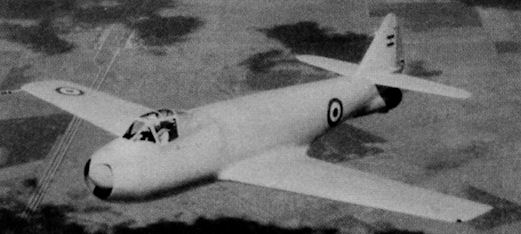
The new helicopters will be used for military flight training

Agência Força Aérea, DCTA – by Lt. Alessandra Borges and Lt. Wanessa Liz

On May 20, the Brazilian Air Force (FAB) received the first aircraft acquired through the TH-X Project. The delivery ceremony was held at the Helibras headquarters in Itajubá (MG) and marked an important step in the modernization of the FAB's rotary wing fleet.

The new H125 helicopters, manufactured by Helibras – a Brazilian company that is part of the Airbus Helicopters group – will be used to train military pilots. The Brazilian Navy (MB) was also awarded the new aircraft, expanding the training capabilities of the Armed Forces.

The TH-X Project was designed to replace training aircraft that were over 35 years old, such as the Bell Jet Ranger III and the AS350 B Esquilo, whose maintenance was becoming increasingly complex.

The new, more modern and technological platforms offer significant gains in operational safety, performance and in the preparation of future military pilots.

The event was attended by the Director General of the Department of Aerospace Science and Technology (DCTA), Air Force Lieutenant Brigadier Ricardo Augusto Fonseca Neubert, who represented the Air Force Commander; the President of the Combat Aircraft Program Coordinating Committee (COPAC), Air Force Major Brigadier Mauro Bellintani; the Director of Aeronautics of the Navy, Rear Admiral Whashington Luiz de Paula Santos; the Chief of the Monitoring and Control Group – Combat Aircraft Program (GAC-PAC), Air Force Colonel Diogo Silva Castilho; the President of Helibras, Alberto Duek, in addition to members of the Armed Forces, authorities and representatives of Helibras.

“We celebrate the arrival of the first H125s. We are not just incorporating a new aircraft, we are welcoming a new cycle of efficiency, technological autonomy and commitment to Brazil. I thank everyone who made this project a reality, especially our industrial partners, the civil and military professionals involved, and all the authorities who made the resources available. May each flight of these aircraft represent the fulfillment of an even greater mission: the preparation of the men and women who will serve our country, protecting our airspace, supporting humanitarian actions and, above all, promoting national sovereignty,” said the General Director of the DCTA, Air Force Lieutenant-Brigadier Neubert.

In addition to modernizing air training, the project also provides standardization between the Forces, facilitating joint training and maintenance logistics.

The H125s are equipped with advanced features, such as digital panels, compatibility with night vision goggles (NVG), rescue winches and increased cargo capacity – features aligned with the requirements of modern theaters of operation.

The new helicopters also boost the national industry, while ensuring the maintenance of qualified jobs and strengthening the production chain of the aeronautical sector in the country, generating a positive impact on the local economy and on Brazilian technological development.

“By opting for the H125, a project that is already approximately 50% nationalized, the Brazilian State is betting on a platform recognized worldwide for its versatility, reliability and ability to operate in challenging environments. This choice reinforces confidence in the national aeronautical industry and in the entire production chain installed in the country.

This investment represents a significant leap in technology transfer, generation of qualified jobs and strengthening of Brazil's industrial autonomy. These helicopters do not just serve our present — they prepare the future, save lives, support isolated communities, protect our borders and integrate distant regions”, stated the President of Helibras.
1748211685183.png
The Airbus H125, previously known as the Eurocopter AS350 Écureuil (Squirrel), is a light, single-engine utility helicopter. It's renowned for its versatility and robust performance, particularly in hot and high environments. The H125 is the best-selling single-engine helicopter globally, with over 4,300 units flying worldwide
View: https://www.youtube.com/watch?v=ZgZ-AyJ4E80


About Helibras
The only manufacturer of turbine helicopters in the Southern Hemisphere, Helibras is a market leader and has a long-standing partnership with the Brazilian government.

The company, founded 46 years ago, has already delivered more than 850 helicopters in the country, of which around 700 are in service, performing missions essential to the safety and well-being of the population, saving lives, protecting people and contributing to national development.

The helicopters produced by Helibras carry national content, developed by Brazilian professionals, thanks to the strategic cooperation promoted over the years with Airbus, which ensured the transfer of technology for the production and maintenance of helicopters.

Its presence in the country helped create the Brazilian helicopter industry, which generates more than 200 million dollars per year and has developed dozens of national companies that operate in its supply chain.

https://www.defesanet.com.br/aviaca...-de-frota-de-instrucao-com-helicopteros-h125/

He built his own airplane in his backyard and flew to Patagonia: "I fulfilled a lifelong dream."
On International Civil Aviation Day, we tell the story of Adrián Callejón, an aeronautics enthusiast who built an aircraft from scratch. With paper plans, guidance from the designer of an experimental aircraft, and the help of several friends, he succeeded. He had to learn a lot, acquire every material, and persevere for four years. Today, he has 237 flight hours and plans to fly all over Argentina.
1748212663309.png

His perseverance led him to weld pipe by pipe, cover, and paint the "Fácil MS 1/3 Evo," a model designed by Miguel Scheinin, a pilot and builder of experimental aircraft. “This is something I've dreamed of for 33 years, ever since I was 14 when I used to read Lúpin magazine, which came with a technical supplement on aeromodeling. One day, Juan Luis Barrionuevo, a great aeromodeler, published the plans for ‘La Pulga del Cielo,’ a French design with one wing forward of the other, a very unusual design that I loved, and I wanted to make my own,” he says. It was so impactful for him that he even remembers the date and number of the issue: March 1988, issue 270.

1748212708264.png

1748212754838.png

1748212772162.png

https://www.infobae.com/sociedad/20...la-patagonia-cumpli-el-sueno-de-toda-mi-vida/
 
Last edited:

BRAZILIAN GOVERNMENT MANAGES SALE OF KC-390 MILLENIUM AIRCRAFT TO ANGOLA
ulises ulises May 26, 2025


Lula da Silva, President of Brazil, announced last week that his government will negotiate with Embraer and the National Bank for Economic and Social Development (BNDES) a financing program so that Angola can acquire three KC-390 Millenium aircraft.

The announcement was made during a visit by Angolan President Joao Lourenco to Brazil, where he also announced that assistance will be provided to modernize the African country's A-29 Super Tucano fleet.

Currently, the KC-390 operates in the air forces of Brazil, Portugal, and Hungary, and has been selected by the Netherlands, Austria, the Czech Republic, Sweden, Slovakia, South Korea, and an undisclosed customer.

For its part, the Angolan fleet has several Soviet-made models, with the eight Antonov An-12s being the most similar in both capability and operational profile to the KC-390 Millennium.

If the matter progresses, Embraer could strengthen its position in the African market as a provider of military solutions. A few weeks ago, it signed a memorandum of understanding with Denel, South Africa's leading defense company, seeking to incorporate the KC-390 into that country's Armed Forces.

The KC-390 has a payload capacity of up to 26 tons and a speed of 470 knots. It can be used in tactical missions, medical evacuations, in-flight refueling, firefighting, and special operations.

It is capable of operating on unpaved runways and in extreme climates, making it an ideal platform for African conditions.

During the first part of May, the aircraft toured the United States to showcase its capabilities to representatives of the U.S. Armed Forces, members of Congress, and the media.

Embraer also displayed its model at the DSEI convention center in Japan from May 21 to 23 as part of its awareness campaign.

https://a21.com.mx/aeronautica/2025...l-venta-de-aviones-kc-390-millenium-a-angola/ 1748383074012.png
In the heart of the Teófilo Tabanera Space Center, an intense light cut through the stillness. It was the roar of the MT-B, our second-stage engine, which symbolically took off in a controlled explosion of kerosene and liquid oxygen. Thus, we took a firm step toward a new era in access to space, marking a milestone for the National Commercial Space Launch Services System.
1748383415223.png

The MT-B roared for the first time and ignited the future of Argentine Space.
This engine, developed entirely by Argentine talent within the ISCUL program, represents the spirit of innovation and the drive of an industry that never stops dreaming big. With cutting-edge technology and an eye to the future, the MT-B combines efficiency and economy, under the principles of the New Space movement of low costs and rapid integration: a 3D-printed thrust chamber, capable of a turbopump feed system, and advanced atomization techniques that place it among the most modern engines in its class. In its first test, the MT-B not only achieved a thrust of 4.1 tons, confirming the possibility of re-ignition in flight so that it could ultimately achieve a total burn time of 600 seconds, but also exceeded all performance and stability expectations.
https://mundogeo.com/es/2024/03/06/el-lanzador-tronador-ii-supera-un-nuevo-hito-tecnologico/
View: https://www.youtube.com/watch?v=0QCJOxUVJw4
The Tronador project is being developed under the responsibility of CONAE (National Aeronautical Commission for the Aerospace Industry). VENG S.A. is the project's prime contractor. CONAE and VENG will coordinate the participation of numerous scientific and technological institutions and companies that will participate in the development of the Tronador II (TII) and Tronador III (TIII) launch vehicles, as well as the initial TII-70 and TII-150 vehicles, which will allow for evolutionary development leading to the development of the TII and TIII vehicles.

Among the institutions and companies that will be involved in this project are the National University of La Plata, INVAP S.E., FAdeA, Valthe Ingeniería, Inoxpla, 2G Composites, INTEMA, Kohlenia, and others.
https://www.argentina.gob.ar/ciencia/conae/acceso-al-espacio/tronador 1748383932086.png
THE "KUNTUR" PROJECT. By June 2006, the FAP command decided that the Ceman technical staff was more than ready to enter the major leagues and approved the "Kuntur" Project. In June 2008, the project began to be implemented resolutely. Time passed quickly in hangar 1009 at the Las Palmas Air Base.
In April of this year, the penultimate stage of construction was completed. The engine (made in the United States) was installed, and the aircraft was "taxied." In aeronautical jargon, this means running on the runway at maximum speed, without taking off. In the months prior to the start of the project, the aircraft was "taxied." Its operation was verified on the Engine Department's test bench. The fuel, electrical, communications, and avionics (flight instrument) systems were also tested. The magnetic compass was then calibrated on the compass rose on the Las Palmas airfield runway.
The Kuntur is in the prototype stage and will begin the flight phase in June, for which ground tests are being finalized.
1748383951533.png

https://diariocorreo.pe/politica/el-vuelo-del-kuntur-357917/
View: https://www.youtube.com/watch?v=SKq5uxqjJzQ
 
Last edited:
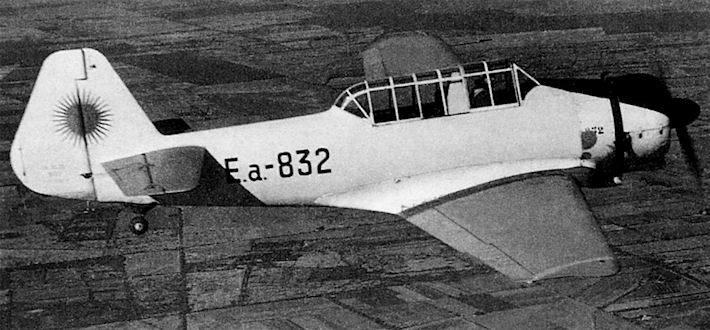
Hunnu Air's Embraer E-195 E2 made its inaugural flight between Ulaanbaatar, the capital of Mongolia, and Beijing Daxing International Airport, China, becoming the first model of its kind to operate a route to mainland China.

“The launch of this route with our new E195 E2 reflects Hunnu Air's determination to expand our international network and symbolizes the deepening of friendship and collaboration between Mongolia and China in this new era,” said Munkhjargal Purevjal, CEO of the airline.

“Since 2019, we have operated first-generation E190 aircraft, and the addition of the E195 E2 is the perfect upgrade to meet the growing demand for both domestic and international travel. We look forward to the E2 becoming the foundation for our long-term growth, allowing us to offer unparalleled connectivity throughout the region,” he added.

The flight was operated by the first of two new models the Mongolian airline received in April. These models will be used to increase capacity to Haikou and Sanya, China, and Phu Quoc, Vietnam, as well as expand its services to Japan, India, and South Korea, and introduce scheduled flights to Tashkent, Uzbekistan.

Hunnu Air's E195 E2 is configured in a two-class layout with 136 seats in Embraer's renowned 2-2 arrangement, meaning "no passenger will have to endure the dreaded middle seat."

"We strongly support Hunnu Air in the success of this key corridor. The right-sized E2 will allow Hunnu Air to grow profitably, unlocking Mongolia's enormous potential and strengthening its growing network in Asia," said Martyn Holmes, Chief Commercial Officer of Embraer Commercial Aviation.

The first Embraer aircraft to enter service in Mongolia was in 2018, an ERJ 145.
1748477086951.png
https://a21.com.mx/aeronautica/2025...na-ruta-entre-mongolia-y-china-continental-2/ 1748477585299.png
https://insidemongolia.mn/post/AMqxWIzbjTQ
View: https://www.youtube.com/watch?v=J01-2chF5Lk
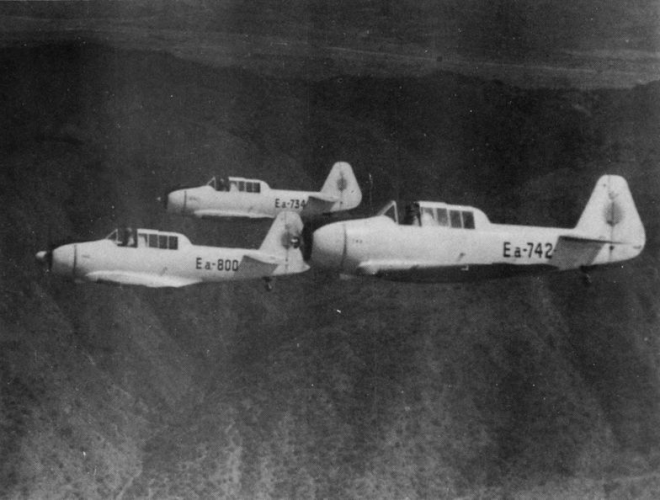
The Story of the Only Aircraft Made in Paraguay
Thirty-six years ago, José Repka Kusi and Walter Fagúndez's dream came true. After two intense years of work, they completed the first and only aircraft manufactured entirely in the country. The Paraguay 1, a ZP-XEA prototype, flew for the first time in 1981.

October 27, 2017, 8:05 a.m.

The Paraguay 1's wings had the capacity to carry artillery. Photo: Courtesy.
José Repka, pilot, and Walter Fagúndez, structural engineer and designer, took about two years to give shape and operation to the aircraft, which was designed and built in Paraguay, marking a milestone for the country's aviation industry.

The engine, propellers, landing gear, and instruments were imported from the United States. All other parts were built in Paraguay.
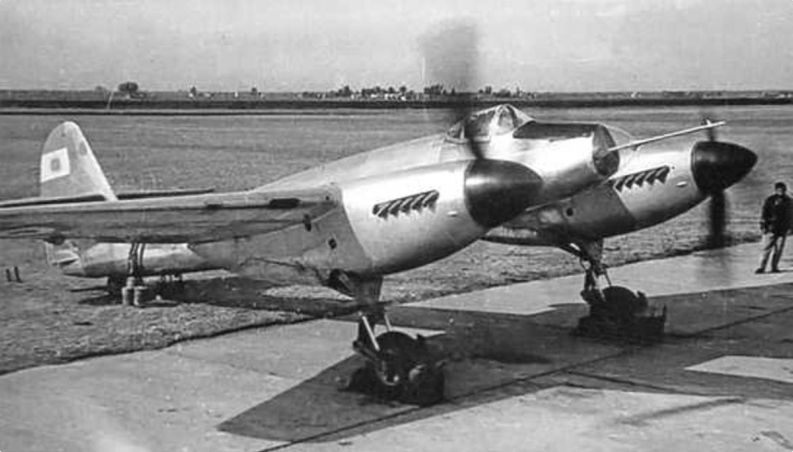
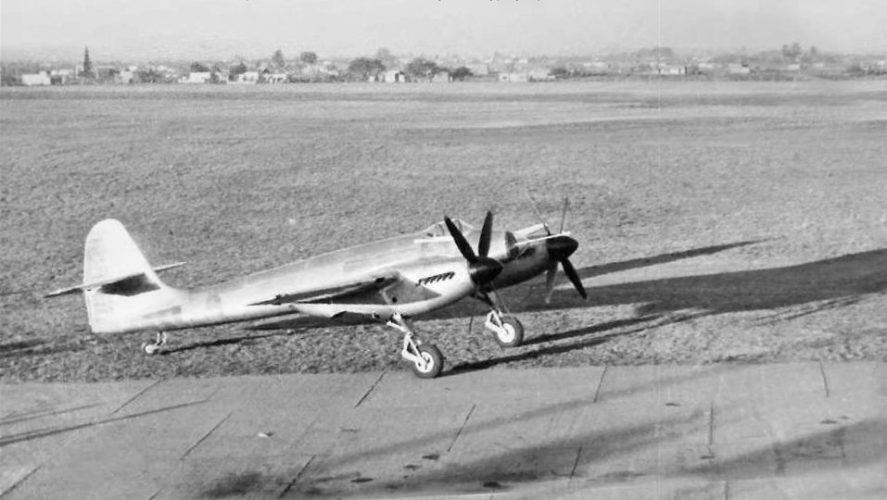
“This is the first aircraft built entirely in Paraguay, and I don't know of any others. There were others that were brought in pieces and assembled here,” explained aeronautical historian Antonio Luis Sapienza Facchia.

Sapienza, who knew the creators of the Paraguay 1, points out that the idea was to mass-produce this prototype for the Armed Forces, but they didn't receive the expected response.
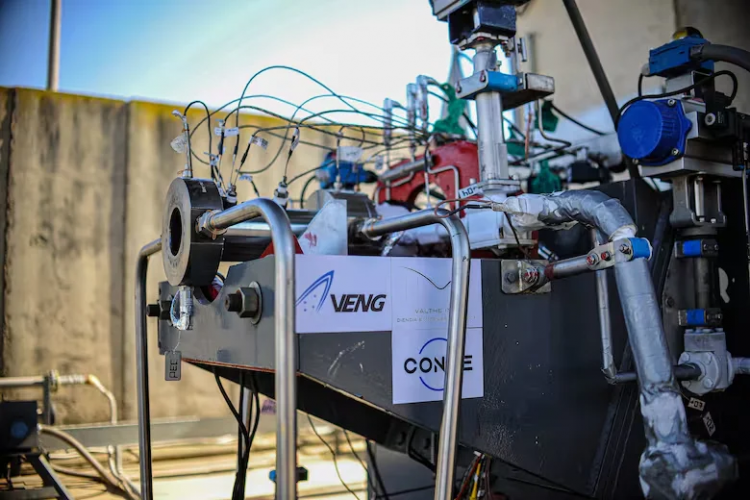

Read more: Replica of the Silvio Pettirossi plane flew again

“At that time, the country received donations of aircraft and also purchased them from abroad, so the Air Force didn't show much interest. The Paraguay 1 had the capacity to carry artillery under its wings,” the specialist commented.
1748478196175.png
Characteristics

The ZP-XEA prototype has an empty weight of 650 kilos, a flight endurance of 5.45 hours, a useful load of 600 kilos, a wingspan of 10.70 meters, a length of 7.50 meters, and a height of 2.93 meters. Other characteristics include a cruising speed of 170 mph at 65% power; a takeoff with minimum weight in 200 meters; a glide speed of 80 mph; and a stall speed of 47 mph at full throttle.

Main Flight

The researcher notes that the aircraft flew for the first time on November 27, 1981, at Aero Talleres Guaraní SRL, although its presentation took place almost a month earlier.

Airplanes Made in Paraguay

Sapienza points out that other aircraft had previously been assembled in Air Force workshops, but the Paraguay 1 was entirely designed and built in Paraguay.

He claims that there are no other aircraft of this type. “Paraguay 1 is the only aircraft manufactured in Paraguay from scratch. They usually bring in disassembled planes and assemble them, but that's not building from scratch,” he insisted.

Paraguay could have had an aircraft assembly plant thanks to a Korean government project, but ultimately this wasn't possible, and the plant operated in Peru, from where it is distributed to several countries, he explained.

“Our workforce is highly qualified in aeronautics. Aircraft that were thought to never fly again have been rebuilt here. With proper training, a first-class factory can be established,” Sapienza stated.

Paraguay 1 was donated by José Repka Kusi (who passed away in 2015) to the Yvyty Flight Club, whose members restored it. It is currently in flying condition and has all its documentation up to date.

https://www.ultimahora.com/la-historia-del-unico-avion-fabricado-paraguay-n1115308
 
Last edited:
The Brazilian Air Force (FAB) is advancing the modernization of its fleet with the Gripen E hunt, registered as FAB 4110, which was escorted to the port of Linköping, in Sweden, for shipment to the port of Navegantes, in Santa Catarina. Amateur videos circulating in WhatsApp groups show the moment the aircraft was transported. This is the last Gripen E to be manufactured in Sweden, marking the start of production in Brazil, at the Embraer plant in Gavião Peixoto, São Paulo, a framework for the national defense industry.
1748556926993.png
The FAB 4110 also includes significant advances, such as larger area lifts, which optimize maneuverability in misses with heavy loads and reduced distances necessary for decollage and use. This update was also implemented on FAB 4100, or first Gripen E delivered to Brazil, during its 300-hour overhaul at Embraer. These benefits strengthen the FAB's capacity in highly complex strategic operations.

The production of the next 15 Gripen E bottles will be carried out in Brazil only, with first delivery scheduled for October or November 2025 and two more units in 2026.

In Sweden, Saab will focus exclusively on manufacturing the Gripen F, a dual-purpose version intended for training and specialized misses. The transfer of production to Brazil reinforces the technological autonomy of the country and consolidates the partnership with Saab, positioning FAB as a reference in the defense of national air space.
https://www.defesanet.com.br/e_gripen_br/gripen-e-registrado-como-fab-4110-embarca-para-o-brasil/
View: https://www.youtube.com/watch?v=pGYRiQFcylo
 

Similar threads

Back
Top Bottom