
You are using an out of date browser. It may not display this or other websites correctly.
You should upgrade or use an alternative browser.
You should upgrade or use an alternative browser.
Various Horten projects
- Thread starter moin1900
- Start date
gabrielorosco
I really should change my personal text
- Joined
- 10 December 2016
- Messages
- 205
- Reaction score
- 261
And the horten XVIIIA was never meant to have a landing gear.Wow thanks a lot Justo-san.Justo Miranda said:Is a fictional drawing by Renaud Mangallon (Sharkit) for the assembling instruction of Ho-18 resin kit.
What is the difference between speculative and fictional?

KHambsch
ACCESS: Confidential
- Joined
- 11 May 2020
- Messages
- 180
- Reaction score
- 204
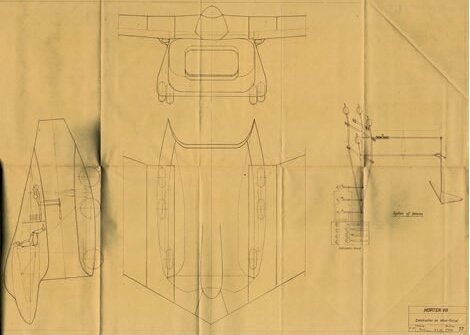
Hey blackkite...top Rt image is a VII C Schnell Kampfflugzeug. Note the nearly 45° wing sweep angle. I've got a message out to Justosan asking what the precise angle is. I noticed this > 40° just under 45° when I was measuring it out to calculate the locations of the CG and CP.Hi!
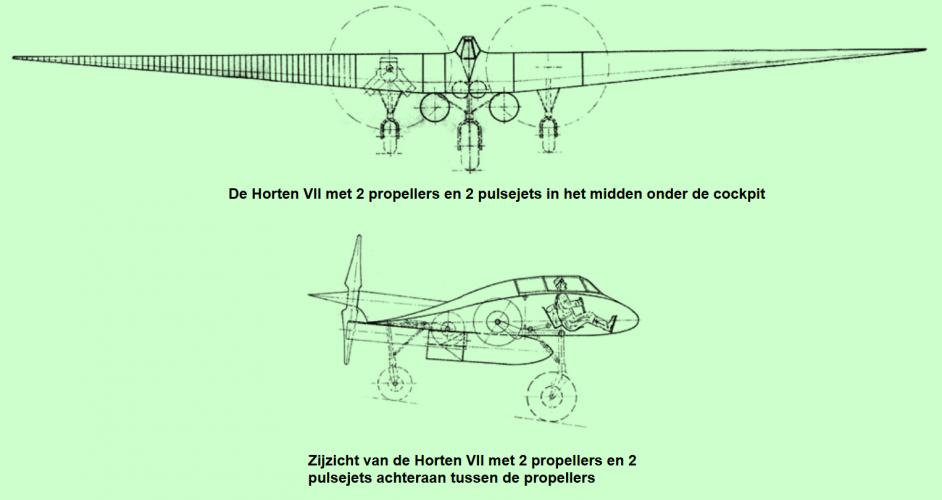
Please enjoy 3-side view of HortenⅦ and jet powered HortenⅦ plan.
German wikipedia says that
"The Horten H VII was a flying school plane of the Horten brothers. The machine was planned as a training aircraft for pilots, which later were supposed to fly fast hunting and combat aircraft of the Nurflügelbauweise.
In the RLM types list the number 8-254 was given when ordering. Later with new task as aerodynamic test and training model for the H IX was the number 226 provided, so that the machine Ho 226 would have worn the label.
The aircraft was developed in 1942 on behalf of the air force for a flying training aircraft. The aircraft was a further development of the Horten H V V3. The changes amounted to an extension of the hull, the modified cabin layout with seats arranged in a long cab cover, as well as a retractable nosewheel landing gear. Furthermore, two samples with two eight-cylinder V-engines Argus as 10 C with 240 HP each were equipped. The H VII V1 was completed in 1943 and piloted by two pilots and 18 flight hours. The V1 already owned the retractable undercarriage intended for the series, as aerial photographs. With the construction of the H VII V2 was began in 1944, until the end of the war it was but never completed. Only parts were completed for the V3.
In late 1943 the Reich Air Ministry (RLM) finished the support for the project, with which the order was cancelled. 1945 but still 20 aircraft for the training of pilots for the Horten H were given IX in order, but no production was made.
Up to the end of the war, only one machine was completed."
Horten H VII V1
Wingspan: 15.24 m
Length: 7.77 m
Wing area: 43,94 m
Wing sweep (front edge): 40°
, Kevin
gabrielorosco
I really should change my personal text
- Joined
- 10 December 2016
- Messages
- 205
- Reaction score
- 261
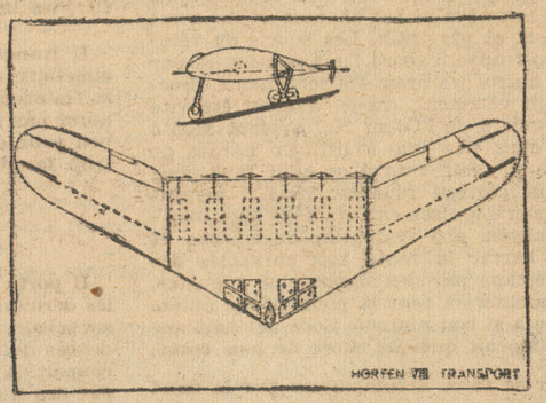
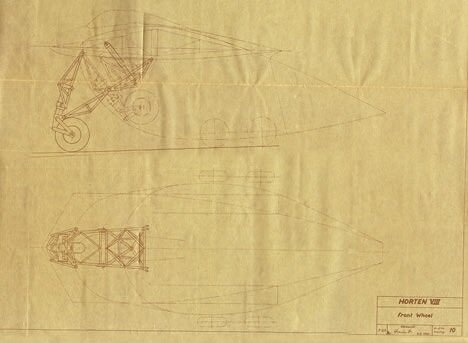
Hello to all!
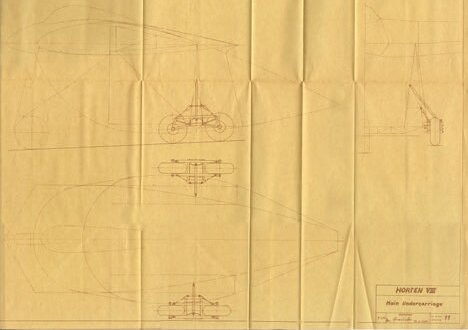
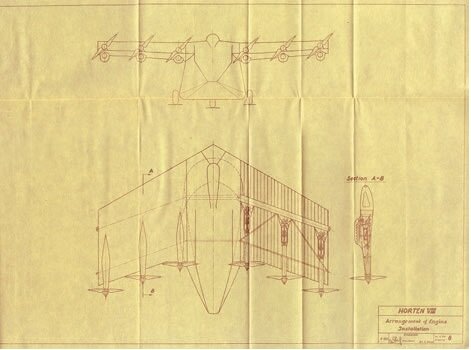
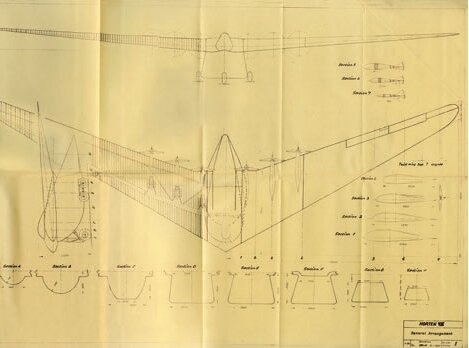
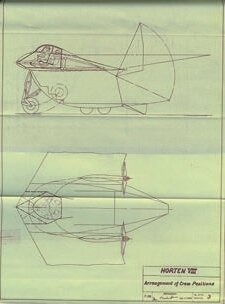
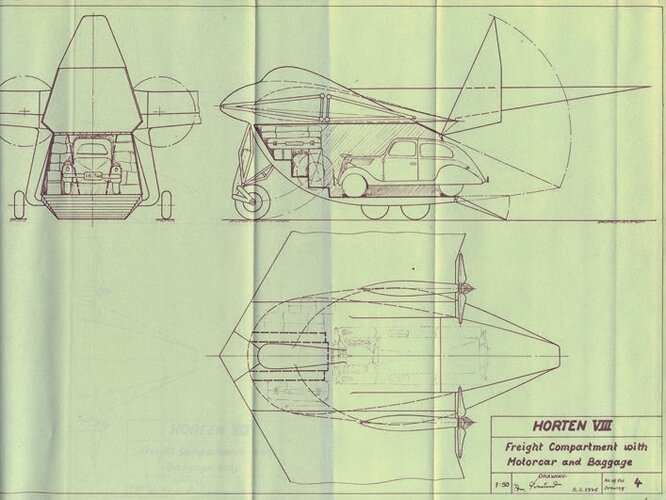
I am looking for these drawings of the Horten VIII cargo aircraft in high resolution. The source of these pictures is "Luftwaffe - Secret Wings of the Third Reich", by Dan Sharp. Unfortunately, the images in the PDF file are very small to extract. Really need it, so if any good soul give a hand, I will be very grateful.
Regards,
Gabriel Orosco
I am looking for these drawings of the Horten VIII cargo aircraft in high resolution. The source of these pictures is "Luftwaffe - Secret Wings of the Third Reich", by Dan Sharp. Unfortunately, the images in the PDF file are very small to extract. Really need it, so if any good soul give a hand, I will be very grateful.
Regards,
Gabriel Orosco
Attachments

- Joined
- 11 June 2014
- Messages
- 1,641
- Reaction score
- 3,510
Hello to all!
I am looking for these drawings of the Horten VIII cargo aircraft in high resolution. The source of these pictures is "Luftwaffe - Secret Wings of the Third Reich", by Dan Sharp. Unfortunately, the images in the PDF file are very small to extract. Really need it, so if any good soul give a hand, I will be very grateful.
Regards,
Gabriel Orosco
Pdf file?
gabrielorosco
I really should change my personal text
- Joined
- 10 December 2016
- Messages
- 205
- Reaction score
- 261
I am not sure if I can post the magazine over here. Maybe by personal message?Pdf file?

- Joined
- 6 November 2010
- Messages
- 6,356
- Reaction score
- 8,240
If you have a complete pdf of the magazine, I don't think it was issued by Mortons. If I remember correctly, Mortons offers magazines in their electronic form by enabling buyers to read them online. It is possible to merge pdfs of single pages to a complete pdf of the entire magazine for your personal use. Distribute that pdf, you run afoul of copyright.

Dr Aircraft
ACCESS: Restricted
- Joined
- 22 May 2019
- Messages
- 11
- Reaction score
- 36

napobona
ACCESS: Restricted
Hi
Would anyone have access to this report:
AAF T-2 TECHNICAL REPORT-
GERMAN FLYING WINGS DESIGNED BY HORTEN BROTHERS-CD
Much appreciated!
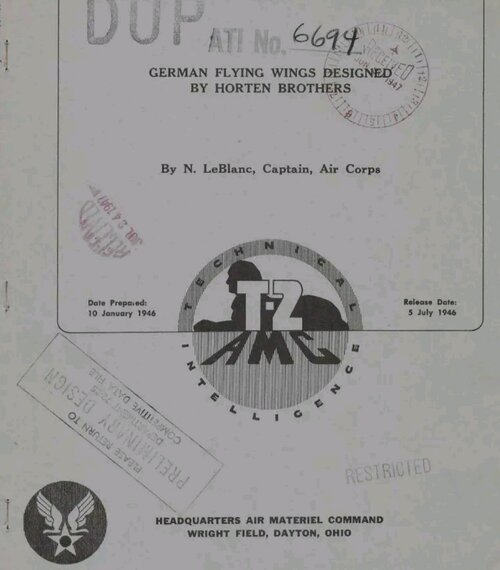
Would anyone have access to this report:
AAF T-2 TECHNICAL REPORT-
GERMAN FLYING WINGS DESIGNED BY HORTEN BROTHERS-CD
Much appreciated!


- Joined
- 6 November 2010
- Messages
- 6,356
- Reaction score
- 8,240
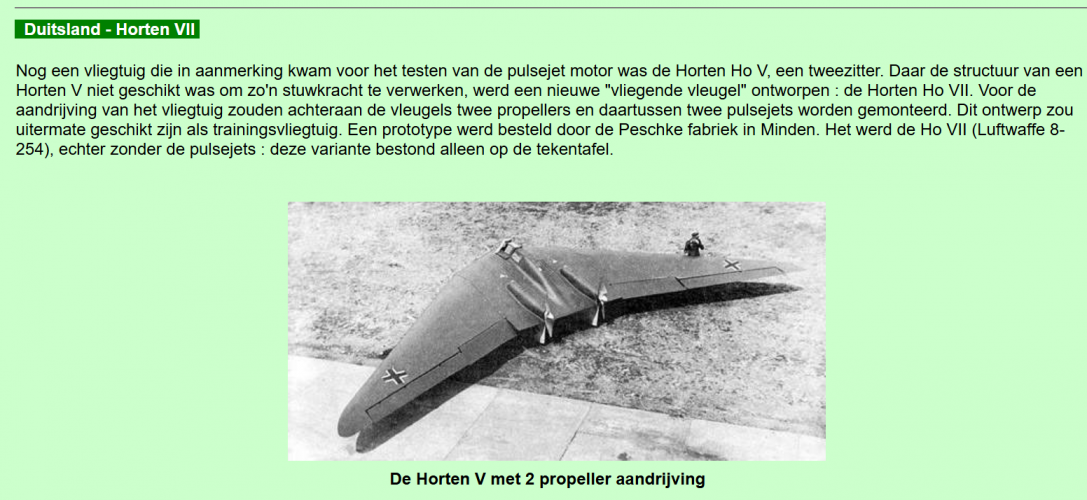
http://denzjos.rf.gd/V1_pulsejets/V1_pulsejets.htmlFrom old Dutch site,

Aubi
ACCESS: Secret
Looks like Morane MS.230.


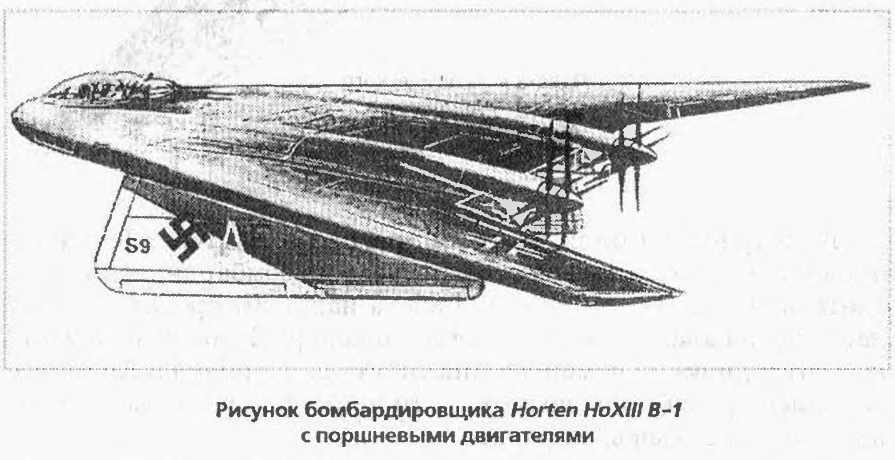
1:72 Model HORTEN VIII B BOMBER MODEL
https://www.flickr.com/photos/makfreak/albums/72157638057593225/
https://www.flickr.com/photos/makfreak/albums/72157638057593225/

- Joined
- 25 June 2009
- Messages
- 15,515
- Reaction score
- 9,447
So, 8B, or 18B ?1:72 Model HORTEN VIII B BOMBER MODEL
https://www.flickr.com/photos/makfreak/albums/72157638057593225/
HORTEN 8-B (TWIN TURBOJET)So, 8B, or 18B ?
HORTEN 8-B (TWIN PISTON ENGINE)
Source:
The Horten Brothers and Their All-Wing Aircraft by David Myhra
Page: 294
- Joined
- 25 June 2009
- Messages
- 15,515
- Reaction score
- 9,447
Yeah. But the link you provided says "18-B", which makes no sense.HORTEN 8-B (TWIN TURBOJET)
HORTEN 8-B (TWIN PISTON ENGINE)
Source:
The Horten Brothers and Their All-Wing Aircraft by David Myhra
Page: 294
The model based on a painting in "Luftwaffe Secret Projects Strategic Bombers 1935-1945" by Dieter Herwig and Heinz Rode.Yeah. But the link you provided says "18-B", which makes no sense.
It seems that the picture captions on page 72 are wrong.


Adler
Die Wunderwaffe
- Joined
- 27 February 2025
- Messages
- 223
- Reaction score
- 452
I read that as of December 1944 there were by low estimates a dozen designs for the Horten XVIII, brought about to determine the optimal engine make and count. They considered BMW 003s, Jumo 004s and HeS 011s in quantities of between 4 and 8 engines per aircraft. Is there any detailed information or diagrams on these design studies?

- Joined
- 26 May 2006
- Messages
- 38,285
- Reaction score
- 20,424
I read that as of December 1944 there were by low estimates a dozen designs for the Horten XVIII, brought about to determine the optimal engine make and count. They considered BMW 003s, Jumo 004s and HeS 011s in quantities of between 4 and 8 engines per aircraft. Is there any detailed information or diagrams on these design studies?
Yes,but no Info,but the Air Ministry rejected all variants,except XVIIIA & XVIIIB.
Are there any more plans related to this transport?
- Joined
- 26 May 2006
- Messages
- 38,285
- Reaction score
- 20,424
Are there any more plans related to this transport?
I think not.


blackkite
Don't laugh, don't cry, don't even curse, but.....
- Joined
- 31 May 2007
- Messages
- 9,515
- Reaction score
- 9,661
According to Wikipedia,
https://es.wikipedia.org/wiki/Horten_Ho_XVIII
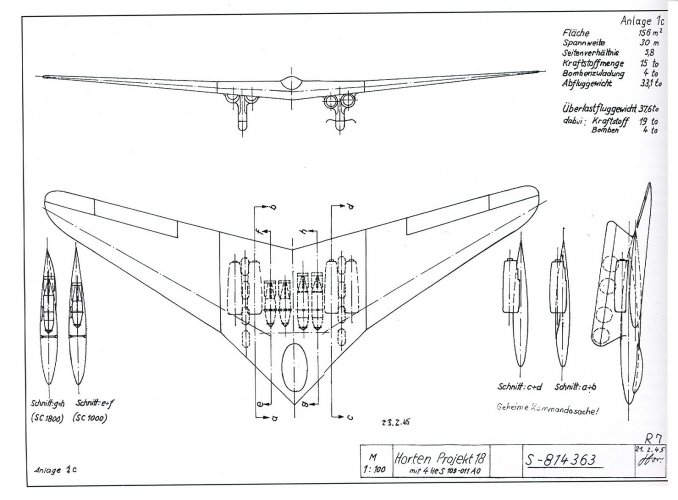
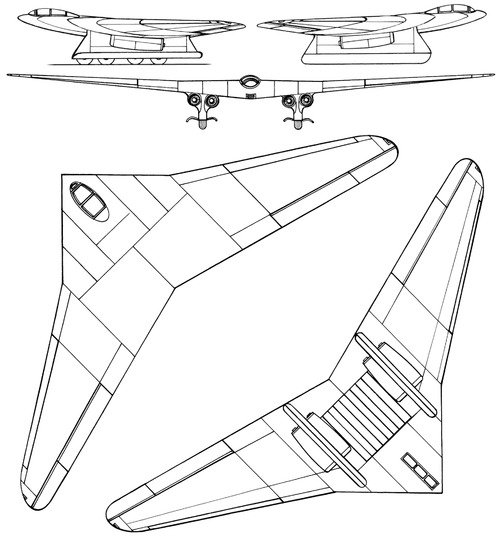
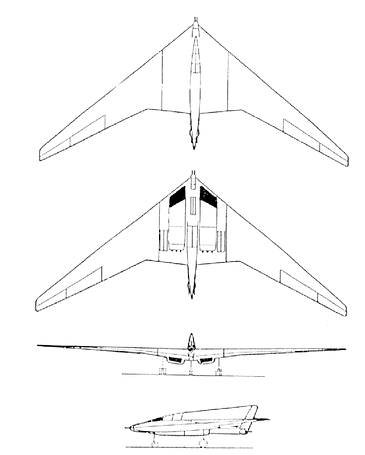
The Horten H. XVIII was a proposed intercontinental bomber project during World War II based on the design of the Horten Ho 229 , which would possibly have retained the stealth characteristics of the earlier design, as well as a large fuel capacity and a large bomb load, to meet the requirements of the Amerika Bomber program .
Development and design
Ho XVIII (Initial design)
The initial proposal submitted by the Horten brothers for the Ho XVIII long-range bomber project was a high-aspect-ratio flying wing design with six Jumo 004 B turbojet engines , installed in the wing root and with exhaust nozzles expelling the propulsive flow on the upper surface , along the wing's axis of symmetry. Their initial design resembled the Ho 229 flying wing prototype , incorporating special features to meet the specifications, such as the main landing gear, which was jettisoned after takeoff, similar to the Me 163 Komet or the Arado Ar 234 , to save weight, and the wing, constructed of wood and assembled with a carbon-based glue which, according to current studies, reduced the radar signature at the frequency of Allied early warning systems. The initial planned range was 11,500 km with a bomb load of 4,000 kg and defensive armament consisting of two remotely operated turrets equipped with two 30 mm MK 103 cannons each.
The initial design was first proposed for the Amerika Bomber project and was personally reviewed by Reich Marshal Hermann Göring . Following the review, the Horten brothers (with profound dissatisfaction) were forced to share the design and construction of the aircraft with engineers from Junkers and Messerschmitt , who raised objections to the design regarding range, maneuverability, and stability. This forced the brothers to make modifications to the aircraft, based on outdated ideas and biases in aircraft construction stemming from RLM (Reich Air Ministry) directives, which would ultimately reduce the final characteristics of the project.
General characteristics
Crew: 3, Capacity: 3700 kg,
Wingspan: 40 m, Wing area : 150 m²,
Empty weight: 11,000 kg,Loaded weight: 28,000 kg, Maximum takeoff weight : 32,000 kg
Power plant: 6× Junkers JUMO 004B axial flow., Normal thrust:: 9 kN of thrust each.
Performance
Never exceeded speed (V ne ) : 900 km/h, Cruising speed (V c ) : 750 km/h
Stall entry speed (V s ) : 192 km/h
Range : 7400 km (expected)
Wing loading : 213 kg/m² at maximum weight
Trust/weight ratio : 0.16 : 1 at maximum weight
Armament
Projectile weapons: 4 MK 103, two located in the nose of the aircraft and two in a remotely controlled dorsal barbette
Bomb : 3700 kg maximum permitted load, Other: Radiological bomb
Ho XVIIIa
The modification by Junkers engineers was designated Ho XVIIIa, with power reduced to four engines instead of the previous six and a conventional landing gear housed in the engine nacelles, located on the underside of the wings. The three-person crew was located in a bubble canopy in the dorsal section of the aircraft. The aircraft was to be built in enormous concrete hangars and operate from long runways, with production scheduled to begin in the autumn of 1945. However, by the end of the war, in May of that year, no apparent progress had been made. The engineers were once again mistaken, deeming armament unnecessary due to the high performance expected of the aircraft, despite the Horten brothers' reports to the contrary and their calculations, which estimated a reduction in range and maximum speed, making it susceptible to interception upon reaching its target.
General characteristics
Crew: 4, Capacity: 4000 kg
Wingspan: 30 m, Wing area : 115 m²
Maximum takeoff weight : 33100 kg
Power plant: 4× Heinkel HeS 011A axial flow., Normal thrust : 13 kN of thrust each.
Performance
Range : 5,400 km (expected)
Wing loading : 287 kg/m² at maximum weight, Trust/weight ratio : 0.15 : 1 at maximum weight
Armament
Projectile weapons: None, Bomb : 4,000 kg maximum permitted load
Other: radiological bomb
Ho XVIIIb
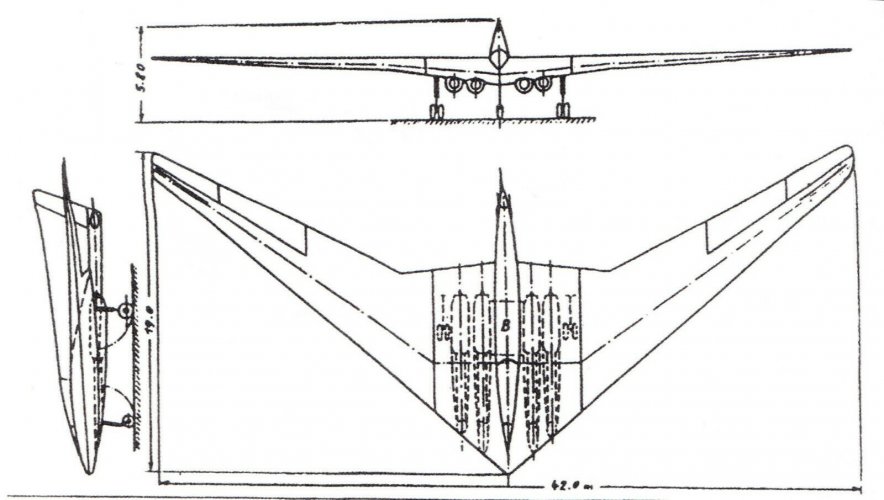
The designers at Junkers and Messerschmitt designed the Ho XVIIIb variant based on the fuselage of the Ho XVIIIa, incorporating a massive rudder . It had a turret equipped with two MG151 cannons at the rear of the wing and was powered by six turbojet engines housed in underwing nacelles. It is unclear whether this general design was developed jointly with the Horten brothers or directly at the direction of the RLM , as little information has survived. What is known is that the proposal was ultimately rejected by the Horten brothers, as it did not represent a significant improvement over the Ho XVIII.
General characteristics
Crew: 4, Capacity: 4000 kg
Length: 19 m, Wingspan: 42 m, Wing area : 194 m²
Maximum takeoff weight : 44000 kg
Power plant: 6× Junkers JUMO 004H axial flow reactors, Normal thrust : 11 kN of thrust each.
Performance
Range : 9000 km (estimated)
Wing loading : 226 kg/m² at maximum weight, Trust/weight ratio : 0.15 : 1 at maximum weight
Armament
Projectile weapons: 4 Mauser MG 213 in remotely operated twin barbettes
Bomb : 4000 kg maximum permitted load
Other: radiological bomb
https://es.wikipedia.org/wiki/Horten_Ho_XVIII
The Horten H. XVIII was a proposed intercontinental bomber project during World War II based on the design of the Horten Ho 229 , which would possibly have retained the stealth characteristics of the earlier design, as well as a large fuel capacity and a large bomb load, to meet the requirements of the Amerika Bomber program .
Development and design
Ho XVIII (Initial design)
The initial proposal submitted by the Horten brothers for the Ho XVIII long-range bomber project was a high-aspect-ratio flying wing design with six Jumo 004 B turbojet engines , installed in the wing root and with exhaust nozzles expelling the propulsive flow on the upper surface , along the wing's axis of symmetry. Their initial design resembled the Ho 229 flying wing prototype , incorporating special features to meet the specifications, such as the main landing gear, which was jettisoned after takeoff, similar to the Me 163 Komet or the Arado Ar 234 , to save weight, and the wing, constructed of wood and assembled with a carbon-based glue which, according to current studies, reduced the radar signature at the frequency of Allied early warning systems. The initial planned range was 11,500 km with a bomb load of 4,000 kg and defensive armament consisting of two remotely operated turrets equipped with two 30 mm MK 103 cannons each.
The initial design was first proposed for the Amerika Bomber project and was personally reviewed by Reich Marshal Hermann Göring . Following the review, the Horten brothers (with profound dissatisfaction) were forced to share the design and construction of the aircraft with engineers from Junkers and Messerschmitt , who raised objections to the design regarding range, maneuverability, and stability. This forced the brothers to make modifications to the aircraft, based on outdated ideas and biases in aircraft construction stemming from RLM (Reich Air Ministry) directives, which would ultimately reduce the final characteristics of the project.
General characteristics
Crew: 3, Capacity: 3700 kg,
Wingspan: 40 m, Wing area : 150 m²,
Empty weight: 11,000 kg,Loaded weight: 28,000 kg, Maximum takeoff weight : 32,000 kg
Power plant: 6× Junkers JUMO 004B axial flow., Normal thrust:: 9 kN of thrust each.
Performance
Never exceeded speed (V ne ) : 900 km/h, Cruising speed (V c ) : 750 km/h
Stall entry speed (V s ) : 192 km/h
Range : 7400 km (expected)
Wing loading : 213 kg/m² at maximum weight
Trust/weight ratio : 0.16 : 1 at maximum weight
Armament
Projectile weapons: 4 MK 103, two located in the nose of the aircraft and two in a remotely controlled dorsal barbette
Bomb : 3700 kg maximum permitted load, Other: Radiological bomb
Ho XVIIIa
The modification by Junkers engineers was designated Ho XVIIIa, with power reduced to four engines instead of the previous six and a conventional landing gear housed in the engine nacelles, located on the underside of the wings. The three-person crew was located in a bubble canopy in the dorsal section of the aircraft. The aircraft was to be built in enormous concrete hangars and operate from long runways, with production scheduled to begin in the autumn of 1945. However, by the end of the war, in May of that year, no apparent progress had been made. The engineers were once again mistaken, deeming armament unnecessary due to the high performance expected of the aircraft, despite the Horten brothers' reports to the contrary and their calculations, which estimated a reduction in range and maximum speed, making it susceptible to interception upon reaching its target.
General characteristics
Crew: 4, Capacity: 4000 kg
Wingspan: 30 m, Wing area : 115 m²
Maximum takeoff weight : 33100 kg
Power plant: 4× Heinkel HeS 011A axial flow., Normal thrust : 13 kN of thrust each.
Performance
Range : 5,400 km (expected)
Wing loading : 287 kg/m² at maximum weight, Trust/weight ratio : 0.15 : 1 at maximum weight
Armament
Projectile weapons: None, Bomb : 4,000 kg maximum permitted load
Other: radiological bomb
Ho XVIIIb
The designers at Junkers and Messerschmitt designed the Ho XVIIIb variant based on the fuselage of the Ho XVIIIa, incorporating a massive rudder . It had a turret equipped with two MG151 cannons at the rear of the wing and was powered by six turbojet engines housed in underwing nacelles. It is unclear whether this general design was developed jointly with the Horten brothers or directly at the direction of the RLM , as little information has survived. What is known is that the proposal was ultimately rejected by the Horten brothers, as it did not represent a significant improvement over the Ho XVIII.
General characteristics
Crew: 4, Capacity: 4000 kg
Length: 19 m, Wingspan: 42 m, Wing area : 194 m²
Maximum takeoff weight : 44000 kg
Power plant: 6× Junkers JUMO 004H axial flow reactors, Normal thrust : 11 kN of thrust each.
Performance
Range : 9000 km (estimated)
Wing loading : 226 kg/m² at maximum weight, Trust/weight ratio : 0.15 : 1 at maximum weight
Armament
Projectile weapons: 4 Mauser MG 213 in remotely operated twin barbettes
Bomb : 4000 kg maximum permitted load
Other: radiological bomb
Last edited:
blackkite
Don't laugh, don't cry, don't even curse, but.....
- Joined
- 31 May 2007
- Messages
- 9,515
- Reaction score
- 9,661
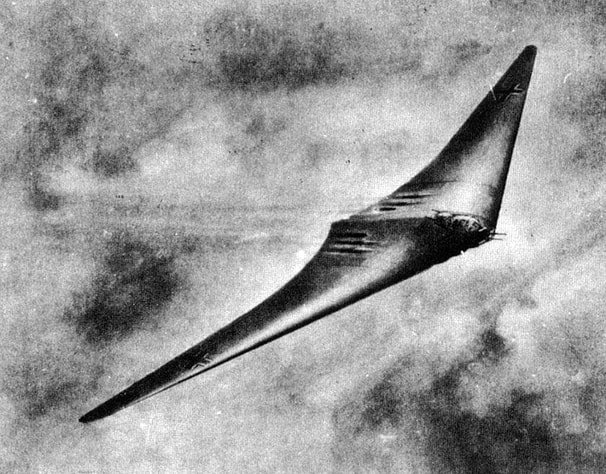
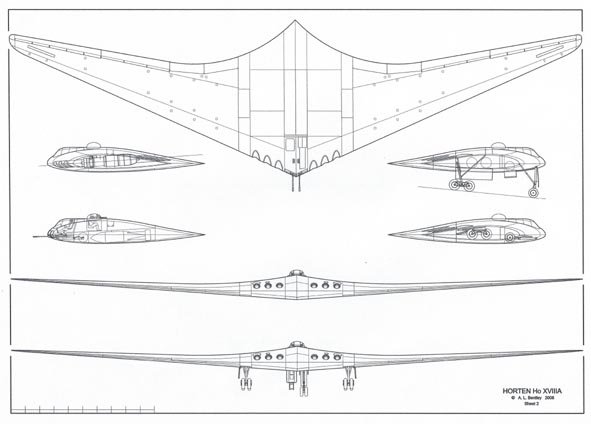
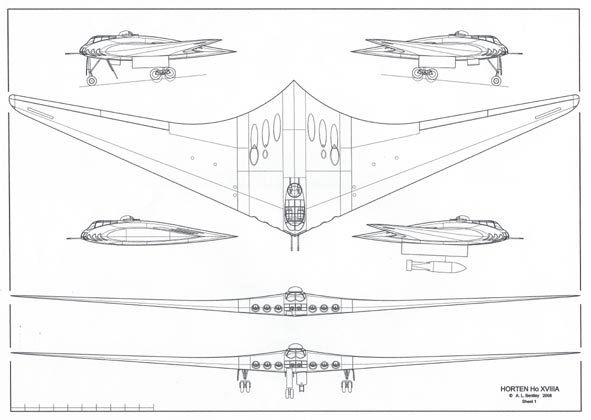
blackkite
Don't laugh, don't cry, don't even curse, but.....
- Joined
- 31 May 2007
- Messages
- 9,515
- Reaction score
- 9,661
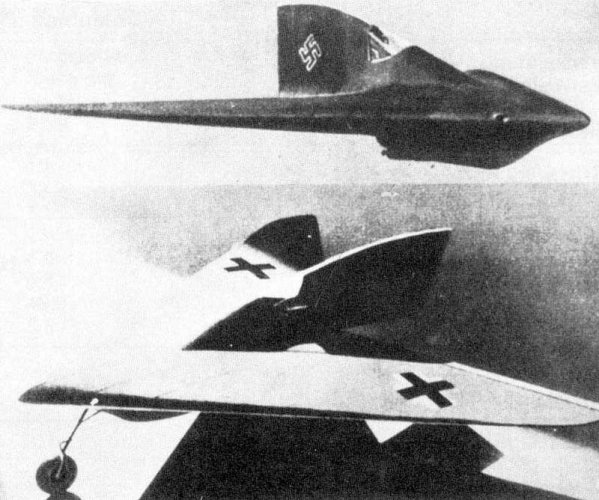
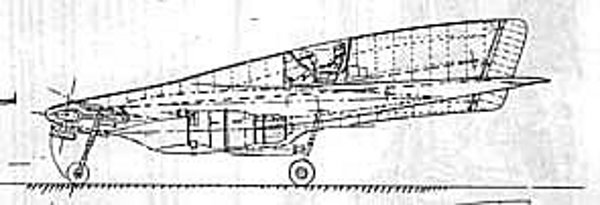
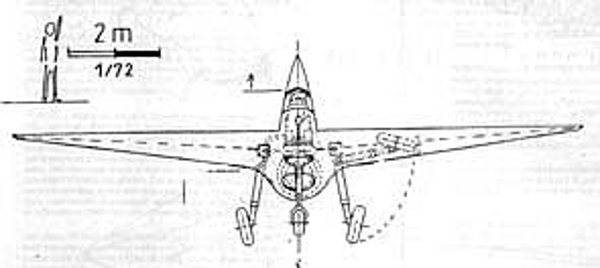
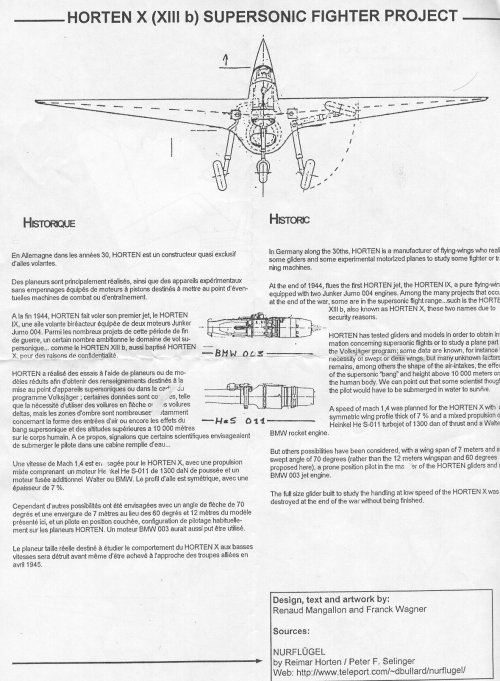
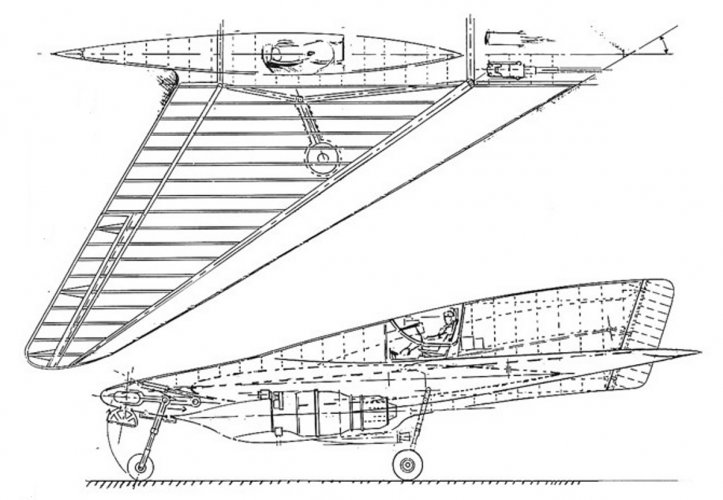
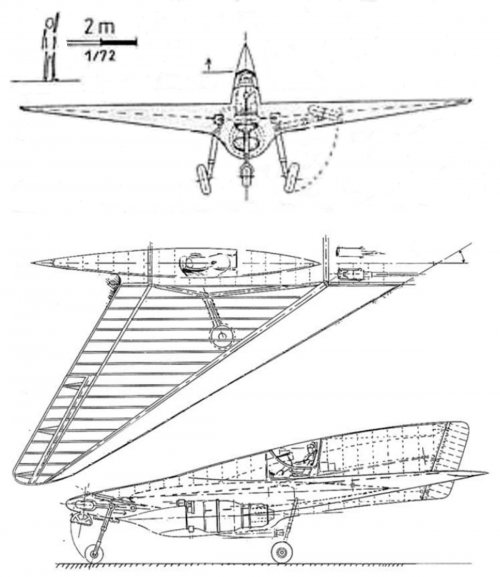
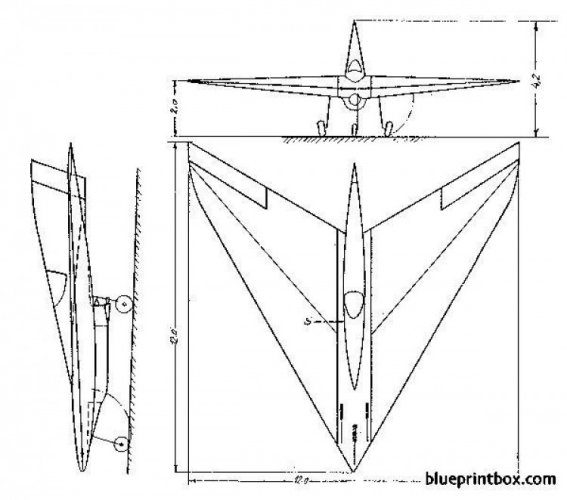
Hi! Horten ⅩⅢb.
https://www.nevingtonwarmuseum.com/ho-xiiib.htmlhttps://www.luft46models.com/manufacturers/ho/ho13b.phphttps://war-book.ru/horten-ho-xiii-istrebitel/
”The Horten Ho XIII B supersonic flying wing fighter was developed from the Ho XIII A glider, which had 60 degree swept-back wings and an underslung nacelle for the pilot. The XIII B was to be powered by a single BMW 003R turbojet/rocket engine. The cockpit was located in the base of a large, sharply swept vertical fin. Like the research XIII A glider, the XIII B also had swept back wings at a 60 degree angle. Projected armament were two MG 213 20mm cannon, and the Ho XIII B was projected to be flying by mid-1946.”
https://www.nevingtonwarmuseum.com/ho-xiiib.htmlhttps://www.luft46models.com/manufacturers/ho/ho13b.phphttps://war-book.ru/horten-ho-xiii-istrebitel/
”The Horten Ho XIII B supersonic flying wing fighter was developed from the Ho XIII A glider, which had 60 degree swept-back wings and an underslung nacelle for the pilot. The XIII B was to be powered by a single BMW 003R turbojet/rocket engine. The cockpit was located in the base of a large, sharply swept vertical fin. Like the research XIII A glider, the XIII B also had swept back wings at a 60 degree angle. Projected armament were two MG 213 20mm cannon, and the Ho XIII B was projected to be flying by mid-1946.”
Attachments
-
 nevington-horten-ho-xiiib8_orig.jpg56.7 KB · Views: 31
 -
 nevington-horten-ho-xiiib21_orig.jpg61 KB · Views: 31
 -
 nevington-horten-ho-xiiib4_orig.jpg55.1 KB · Views: 31
 -
 hoxiiil.jpg461.5 KB · Views: 32
 -
 Ho ⅩⅢb side and plan view.jpg287.1 KB · Views: 31
 -
 Ho ⅩⅢb.jpg338.7 KB · Views: 31
 -
 img.jpg80.2 KB · Views: 32
Last edited:
blackkite
Don't laugh, don't cry, don't even curse, but.....
- Joined
- 31 May 2007
- Messages
- 9,515
- Reaction score
- 9,661
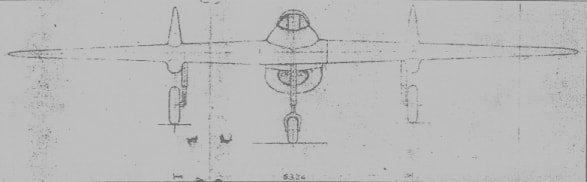
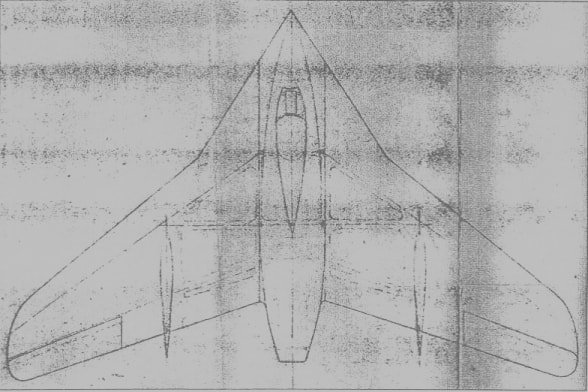
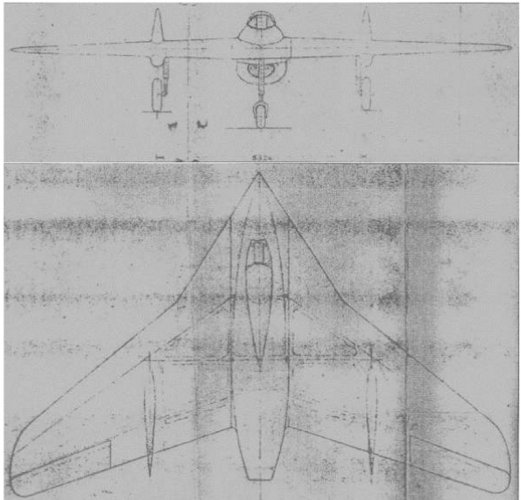
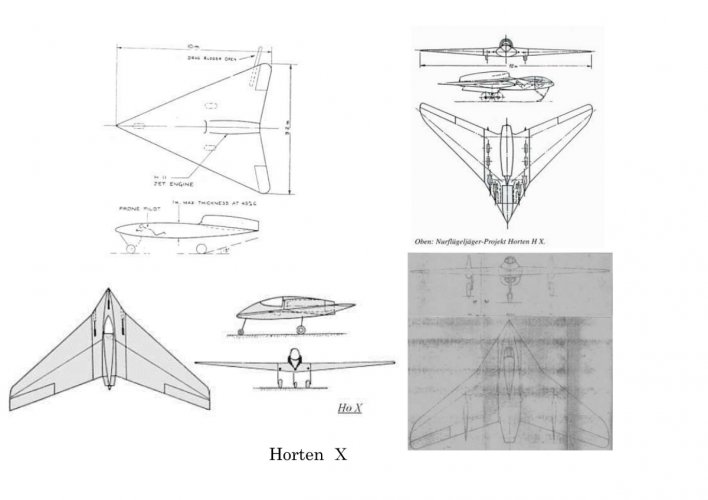
Hi! Another Horten Ⅹ.
https://www.nevingtonwarmuseum.com/ho-x-b.html
https://www.nevingtonwarmuseum.com/ho-x-b.html
Attachments
blackkite
Don't laugh, don't cry, don't even curse, but.....
- Joined
- 31 May 2007
- Messages
- 9,515
- Reaction score
- 9,661
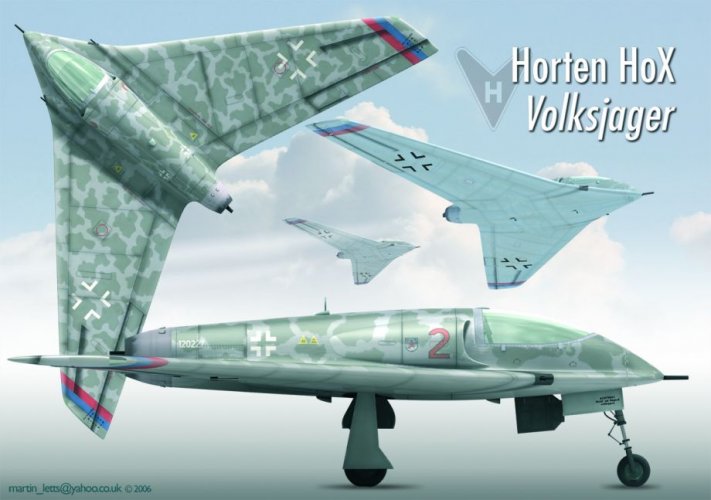
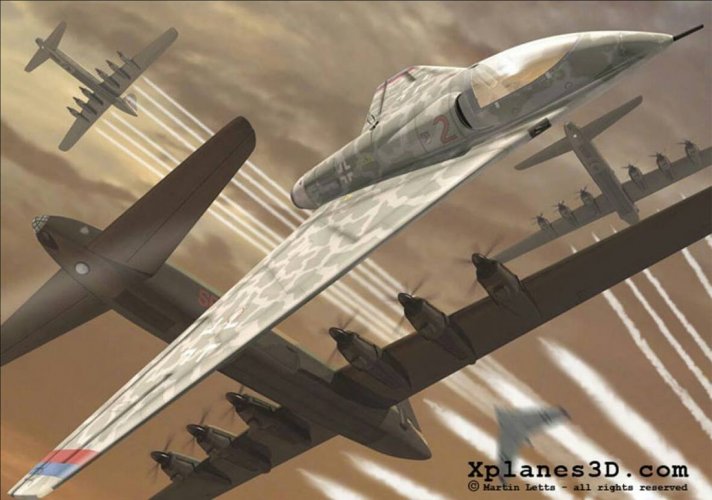
Well known HortenⅩ.
Attachments
-
 nevington-horten-ho-x-b18_orig.jpg66.6 KB · Views: 26
 -
 nevington-horten-ho-x-b5_orig.jpg77.5 KB · Views: 26
 -
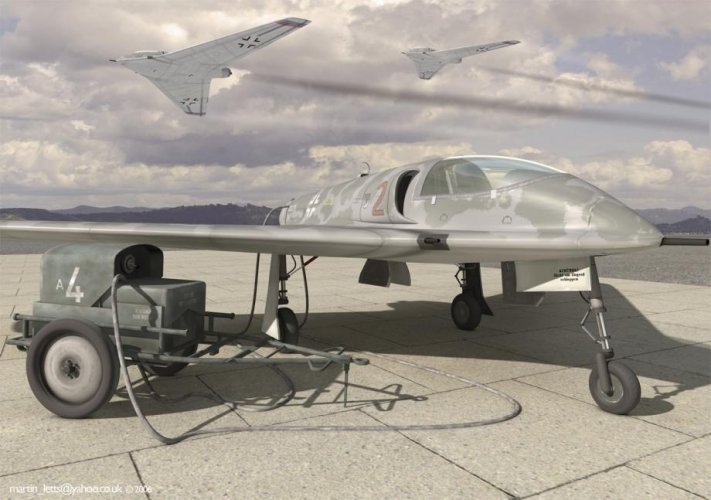 nevington-horten-ho-x-b20_orig.jpg71.6 KB · Views: 29
 -
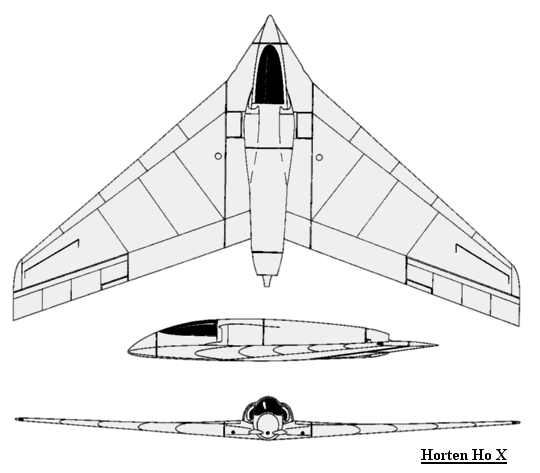 nevington-horten-ho-x-b1_orig.gif18 KB · Views: 28
 -
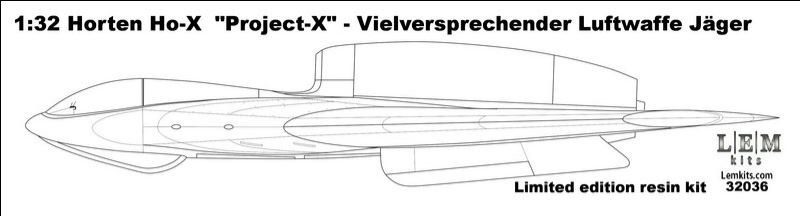 10.JPG32.6 KB · Views: 31
 -
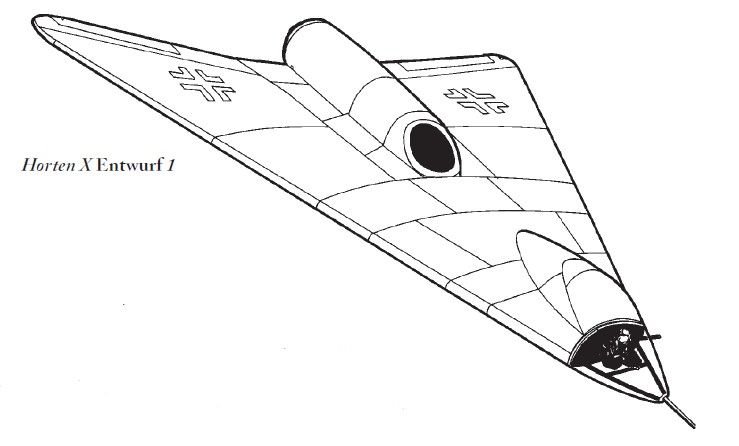 571129714_829532449454239_8083875007306216993_n.jpg35.1 KB · Views: 32
Similar threads
-
Horten Ho XVIII and other long-range bomber projects
- Started by moin1900
- Replies: 41
-
Stealth Warplanes of the Luftwaffe-Prototypes and Projects 1936-1946-War Secrets-Volume Four
- Started by Justo Miranda
- Replies: 2
-
 Horten Ho VII with Schmitt-Argus pulse jet engine
- Started by lippischh
- Replies: 0
-
-
W“Invisible” Aircraft (Stealth: The Early Years)
- Started by Wingknut
- Replies: 96