- Joined
- 26 May 2006
- Messages
- 38,285
- Reaction score
- 20,423
Still Mysteries with Fw.62 ?.does anyone know those FW Projects,G.25 & A.34 ?.
rlm-typenliste-firmenkurzzeichen-numerierungssystem-deutsche-flugzeugmuster

Still Mysteries with Fw.62 ?.does anyone know those FW Projects,G.25 & A.34 ?.

Still Mysteries with Fw.62 ?.does anyone know those FW Projects,G.25 & A.34 ?.
rlm-typenliste-firmenkurzzeichen-numerierungssystem-deutsche-flugzeugmuster
What's the mystery concerning the Fw 62?
What's the mystery concerning the Fw 62?
Sorry for that,but the rest are unknown designs,maybe a Projects ?.

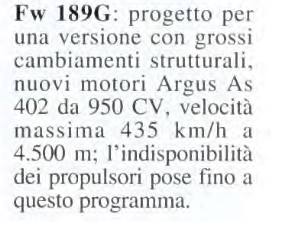
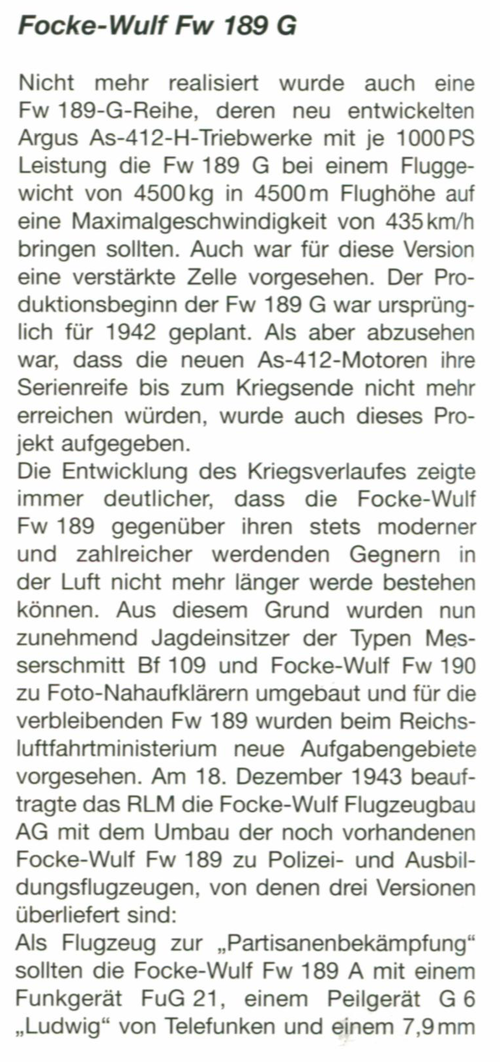
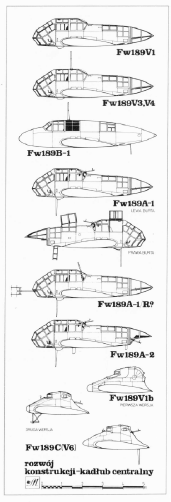
Much as it says in your text from Aerei Nella Storia 55.A more radically modified development, the Fw 189G with 950 h.p. Argus As 402 engines and a number of structural changes, was planned for production in 1942, but in the event the As 402 engine failed to attain production status, necessitating the abandoning of this project.
From Warplanes of the Second World War - Bombers and Reconnaissance Aircraft - Volume Nine by William Green, Macdonald 1967:
Much as it says in your text from Aerei Nella Storia 55.A more radically modified development, the Fw 189G with 950 h.p. Argus As 402 engines and a number of structural changes, was planned for production in 1942, but in the event the As 402 engine failed to attain production status, necessitating the abandoning of this project.
Kurt Tank - Konstrukteur und Testpilot bei Focke-Wulf by Wolfgang Wagner, Bernard & Graefe 1991 has a similar entry. No drawings in either book.
My dear Dan,Looking through the GL meeting minutes from mid-late 1941 into early 1942, I can't find any reference to an Argus As 402-powered Fw 189 being planned for production. There's references to getting an MG 81 installed in the tail, references to an 'interesting proposal' regarding the use of Gnome-Rhone engines, questions as to whether the 189 is suitable for 'schraegeinbau' (what the Germans actually called 'Schraege Musik' during WW2) and a note from a meeting in Feb 1942 where the army asks when the 189 can be replaced by the 109 due to the former's inadequate speed and armour protection. Evidently there had just been some sort of 'fly-off' at Jueterbog, where the 189 was defeated by the 109 Aufklaerer. Nothing on an As 402 Fw 189 though.
It's possible that there was an Fw 189 G project, but I doubt it reached the stage where an order was placed for series production.

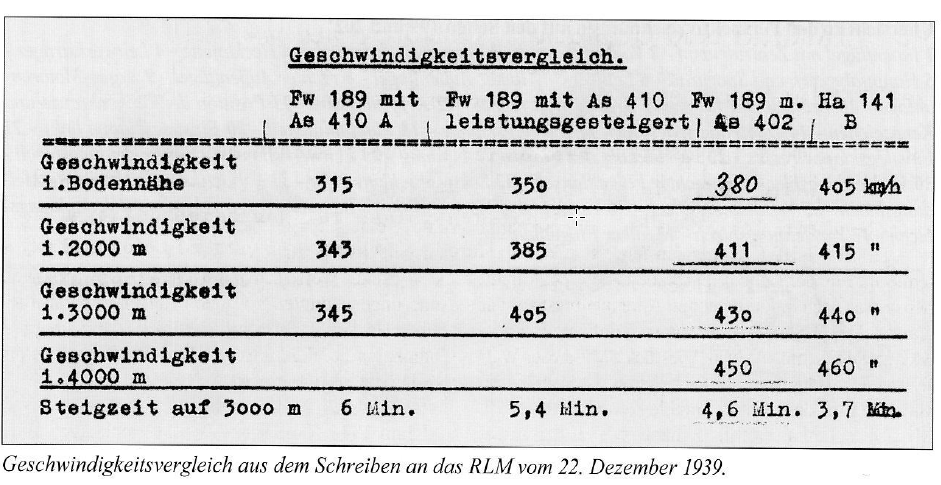
In Hans-Peter Dabrowskis book "Focke-Wulf Nahaufklärer Fw 189A Uhu" a short paragraph about the
Fw 189 G can be found. A cut-out from a letter to the RLM is shown, too, with a comparison of the
attainable speeds with different engines, including the As 402, and comparing them to the Ha/Bv 141,
without mentioning a "Fw 189 G" nevertheless. That document is said to be from the 22nd of December
1939, when the Fw 189 was in contest with the Bv 141, which was considerably faster. So thoughts about
using the As 402 seem to have started much earlier, than 1941.
(chart from the mentioned book)
View attachment 653124
What is the As402? I haven't found anything on this engine other than the name.
Based on Dabrowski's book then, it would appear that an Fw 189 powered by two As 402s was planned but in 1939. ... We don't appear to have any evidence that anything was called the Fw 189 G, let alone the design meant to be powered by two As 402s.
... As such, the history of the As 402-powered design seems likely to remain murky.

What is the As402? I haven't found anything on this engine other than the name.
Based on Dabrowski's book then, it would appear that an Fw 189 powered by two As 402s was planned but in 1939. ... We don't appear to have any evidence that anything was called the Fw 189 G, let alone the design meant to be powered by two As 402s.
... As such, the history of the As 402-powered design seems likely to remain murky.
What is the As402? I haven't found anything on this engine other than the name.
Based on Dabrowski's book then, it would appear that an Fw 189 powered by two As 402s was planned but in 1939. ... We don't appear to have any evidence that anything was called the Fw 189 G, let alone the design meant to be powered by two As 402s.
... As such, the history of the As 402-powered design seems likely to remain murky.
Dabrowski may have got that from William Green.
"A more radically modified development, the Fw 189G with a 950 h.p. Argus As 402 engines and a number of structural changes, was planned for production in 1942, but in the event the As 402 engine failed to attain production status, necessitating the abandoning of this project."
Warplanes of the Second World War, Bombers and Recce Aircraft, Vol. 9, Macdonald, Longon, 1967, page 58
Dan: You mentioned the As 402 in your coverage of the Arado E 380. In the drawing of the E 380-1, the As 402 looks like an air-cooled inverted V-12. Was that the case?

The Fw189C close-support variant is fairly well-known. It was a two-seat competitor to the Hs129A. Both were hobbled by the specified Argus engines, which as you note, were nowhere near powerful enough to handle the required armor and armament. The Luftwaffe considered the Henschel airplane marginally more promising and had it re-engined with Gnome-Rhone radials as the the more familiar Hs129B series. But the French engines were still marginal. I believe that the Germans looked at various, possible replacement engines, including the Isotta-Fraschini Delta . But nothing came of it.Found these photos while searchin' for a better quality photo on the Fw 189 A-0. Never thought the Fw 189 would be considered for a ground-attack role. Makes me wonder, if not for the underpowered engines, how well it would perform in said role.
https://www.krulantiquarianbooks.nl...ursor=>&length=11670&id=9752211&submit=Search


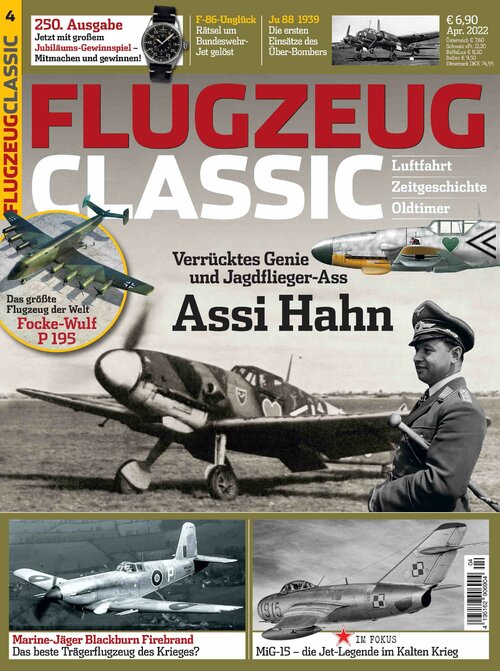
The latest issue of Fluzeug Classic has a good article about the FW P 195, written by Herbert Ringlstetter (good artwork by Anastasios Polychronis). I won´t show it here because of copyrights. [issue No. 4_2022, p. 56-62]Hi!
Focke-Wulf Fw Projekt 195(Fw 249)
Type: Transport
Length: 154ft 2in (47m)
Wingspan: 192ft 3in (58.6m)
Height: 38ft 9in (11.8m)
Engines: Six or eight Junkers Jumo 222 inline engines generating 2,500hp each
Max speed: 304mph (490kph)
Range: 1,305 miles (2,100km)
Max altitude: ?
Defensive armament: Two 20mm MG 151/20 cannons on each turret in ventral, dorsal and tail positions
Load: 52 tonnes
https://books.google.co.jp/books?id...6AEINTAG#v=onepage&q=focke wulf fw249&f=false
The latest issue of Fluzeug Classic has a good article about the FW P 195, written by Herbert Ringlstetter (good artwork by Anastasios Polychronis). I won´t show it here because of copyrights. [issue No. 4_2022, p. 56-62]Hi!
Focke-Wulf Fw Projekt 195(Fw 249)
Type: Transport
Length: 154ft 2in (47m)
Wingspan: 192ft 3in (58.6m)
Height: 38ft 9in (11.8m)
Engines: Six or eight Junkers Jumo 222 inline engines generating 2,500hp each
Max speed: 304mph (490kph)
Range: 1,305 miles (2,100km)
Max altitude: ?
Defensive armament: Two 20mm MG 151/20 cannons on each turret in ventral, dorsal and tail positions
Load: 52 tonnes
https://books.google.co.jp/books?id...6AEINTAG#v=onepage&q=focke wulf fw249&f=false
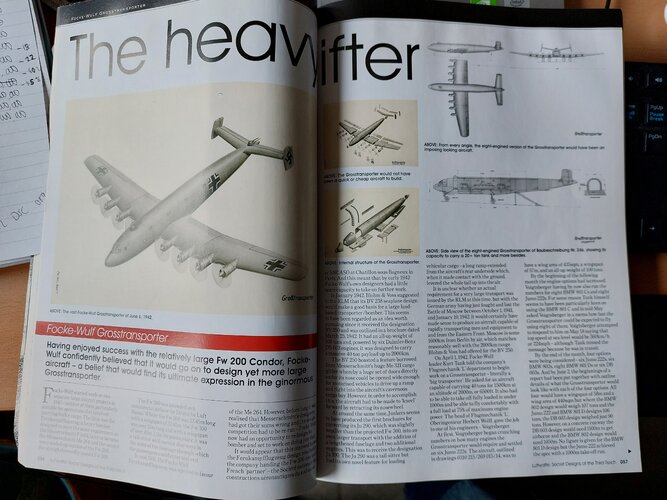
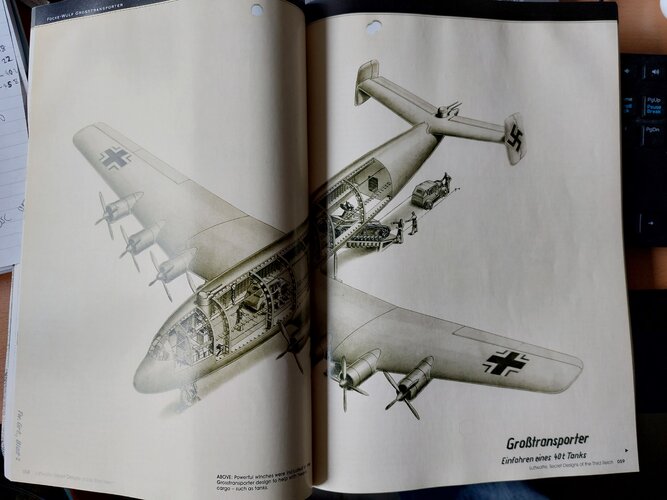
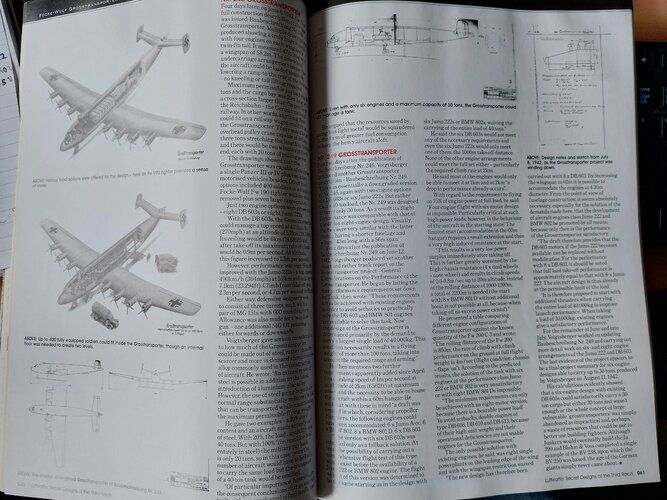
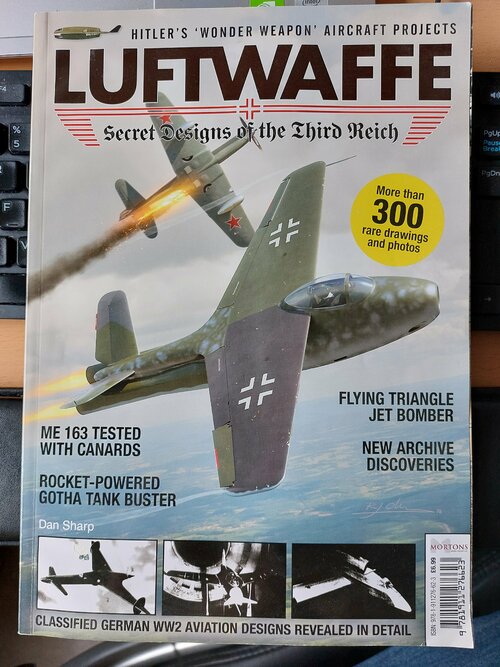

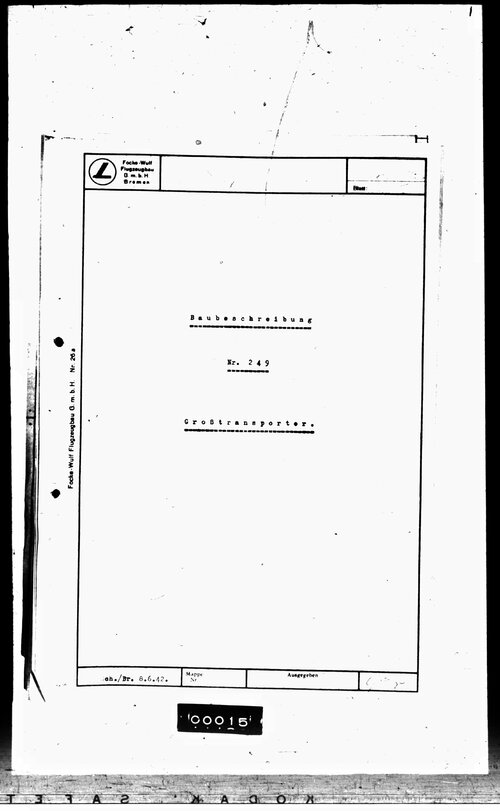
Hi Dan,The designs in question were referred to by the company simply as 'Grosstransporter' and two different variants were outlined, one in Baubeschreibung Nr. 246 and the other in Baubeschreibung Nr. 249. I said just about everything that there is to say about these four years ago in my Luftwaffe: Secret Designs of the Third Reich bookazine.
Hi Dan,The designs in question were referred to by the company simply as 'Grosstransporter' and two different variants were outlined, one in Baubeschreibung Nr. 246 and the other in Baubeschreibung Nr. 249. I said just about everything that there is to say about these four years ago in my Luftwaffe: Secret Designs of the Third Reich bookazine.
When is the next bookazine coming?
So the published date is not June 10, 2022.
Working on my Me 262 development book at the moment.
Well, that's my fault. I need time to write these things and... well... sometimes they take longer than expected to research and write. Part of the problem is the influx of new material. While I've been working on Me 262 I've been able to unearth a lot of documents - hundreds, possibly thousands (it's hard to give a definitive number because some 'documents' are actually collections of numerous shorter documents) - and getting through them all, piecing everything together, assessing the importance of particular points, comparing and contrasting different descriptions of the same thing from several perspectives - it's been immensely time-consuming. I only have so much time available for writing and when one project takes it all up, everything else has to wait unfortunately.So the published date is not June 10, 2022.
Working on my Me 262 development book at the moment.
It's a bit annoying from Mortons that they keep moving the release dates around.
I ordered Secret Projects Of The Luftwaffe In Profile Hardback edition over a year ago. They have changed the date at least three times.
On 27 January 1945, the OKL published the Vorrückenprogramm for high performance night fighters, equipped with the new radar Telefunken FuG 222 Pauke S with parabolic antenna of 45 cm of diameter. It was installed INTERNALLY, within an aerodynamic container of di-electric material placed in the nose of the airplane. In this model, the scope was replaced by a Revi device equipped with a red filter that did not affect the night vision of the pilot. It was expected that the new night fighter would reach a maximum speed of 900 kph, with a service ceiling of 9,000 m and have an armament of four forward-firing MK 108/30 cannons.What was this,Focke-Wulf FW.205 ?!.
Thank you my dear Justo,
and the designation "FW.205" was real ?.
Thank you my dear Dan,
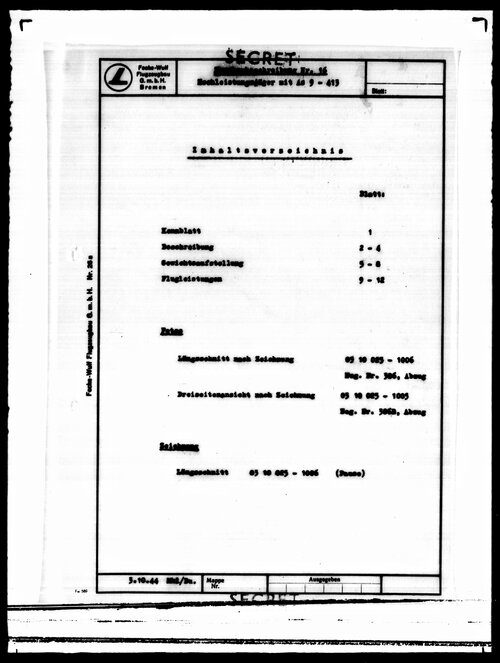
but also P.195 or 0310 221-15 was just a drawing number,and it was allocated
to FW.249 ?!.

Meteorit said:Unlike the other German aircraft manufacturers, Focke-Wulf didn't use a consistent P.XXX/EF.XXX/E.XXX numbering system. Designations like Fw 249 were created post-war by aviation writers and should not be considered official RLM ones. (I have not had the courage to challenge Andreas about this matter so far.)
Thank you my dear Dan,
and of course I know that,but we must confess by this fact,which mentioned
in many sources,such as a books by Manfred Grieh,before the end WWII in
about two or three months,all design offices had burned their documents for
fear of falling into the hands of the Allied forces,so there is many designations
disappeared,andwe can't judge well about RLM system.

Outstanding.On 27 January 1945, the OKL published the Vorrückenprogramm for high performance night fighters, equipped with the new radar Telefunken FuG 222 Pauke S with parabolic antenna of 45 cm of diameter. It was installed INTERNALLY, within an aerodynamic container of di-electric material placed in the nose of the airplane. In this model, the scope was replaced by a Revi device equipped with a red filter that did not affect the night vision of the pilot. It was expected that the new night fighter would reach a maximum speed of 900 kph, with a service ceiling of 9,000 m and have an armament of four forward-firing MK 108/30 cannons.What was this,Focke-Wulf FW.205 ?!.
The firm Arado presented the project E.583, a single seat flying wing powered by two HeS 011 A turbojets. The Dornier Project Office of Friedrichshafen designed a schlechtwetterjäger (all weather interceptor) driven by two DB 603 LA in-tandem piston engines. Based on the aerodynamics of the P.247/1, it was equipped with Bremen 0 radar, Schräge Musik and had a crew of two. It also had an unswept laminar flow wing originally designed by Heinkel for the Do.335 B-4, modified to reach the 16.44 m of span. The vertical tail surfaces were the same than those in the standard Do 435 and they used the horizontal surfaces originally designed for the Do 535. The project was presented to the RLM on 27 January 1945 as Do P.252/1 moskitojäger but its manufacturing was left aside in March 1945 in favour of the faster Messerschmitt Me 262 B-2.
By the end of 1944 the Heinkel engineers designed an advanced system of automatic triggering weapons combining the fire control radar FuG 222 Pauke S with the gyroscopic gunsight Askania EZ 42 Adler. The 1078 project was created to prove that the system could be integrated in single engine fighters, providing them with additional capacity to act as night fighter or moskitojäger controlled by the ground command by means of the FuG 25a and FuG 125a devices installed onboard.
The P.1078 A was very much like the Messerschmitt P.1101 with swept wings and tail surfaces. It had a small parabolic antenna fixed on the nose and two 30 mm cannons to both sides of the pilot. The P.1078 B had a twin boom type fuselage and a batwing like that of the Blohm und Voss P.209.01, chosen to diminish the compressibility buffeting effect and the roll damping at high speed. It was expected that the anhedral wingtips would perform the function of a tailplane. The radar, the armament and the nose leg were housed in the starboard fuselage and the cockpit, armoured but without ejector seat, positioned in the port fuselage.
The P.1078 B received strong criticism from the Technisches Amt due to the lack of protection of the fuel tanks and the asymmetric nose leg. The batwing was also considered inefficient during combat turns and it was feared that the shockwaves generated by the twin nose cones would interfere with the operation of the air intakes. The P.1078 project was cancelled on 27 February 1945.
The Heinkel P.1079 was originally conceived as the successor of the He 219. It followed the same working scheme that the P.1078: a classical airframe ‘A’ version and two flying-wing ‘B’ series with the same type of batwing than the previous project. By the end of February, the OKL added the requirement that the new fighter should include the FuG 244 radar which, together with the Schräge Musik guns and its ammunition, added 300 kg to the weight of the airplane. Heinkel preferred to continue working on a lighter version of Entwurf II without tailfin, a moskitojäger able to fly at more than 1,000 km/h with a ceiling of 12,900 m thanks to the new Heinkel HeS 011 engines. The flight control of a batwing airplane at high speed was above the technical capabilities of 1945. That was only achieved when having the Boeing computer controlled Bird of Prey in 1996.
Junkers presented an all-weather version of the EF.128 interceptor with the pilot and the radar operator sitting side-by-side.
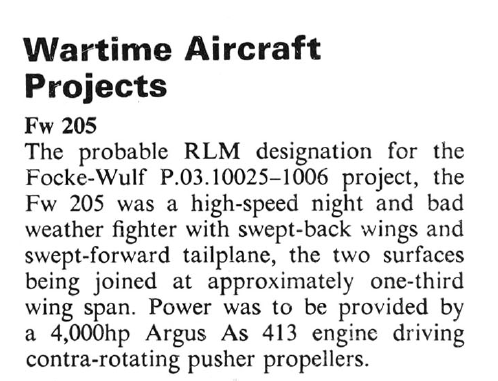
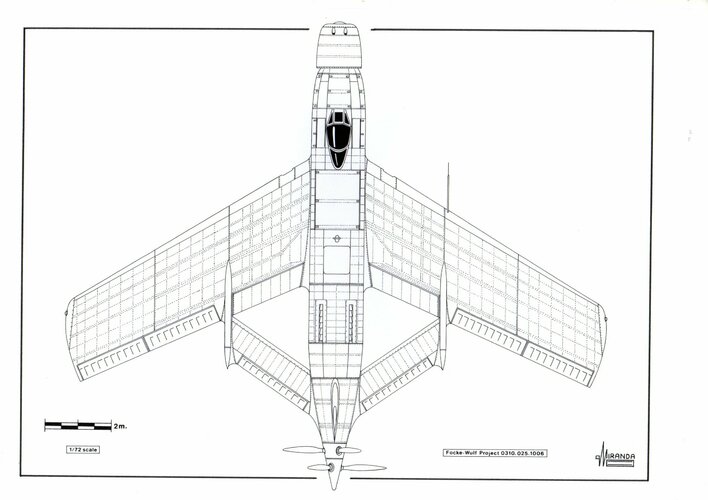
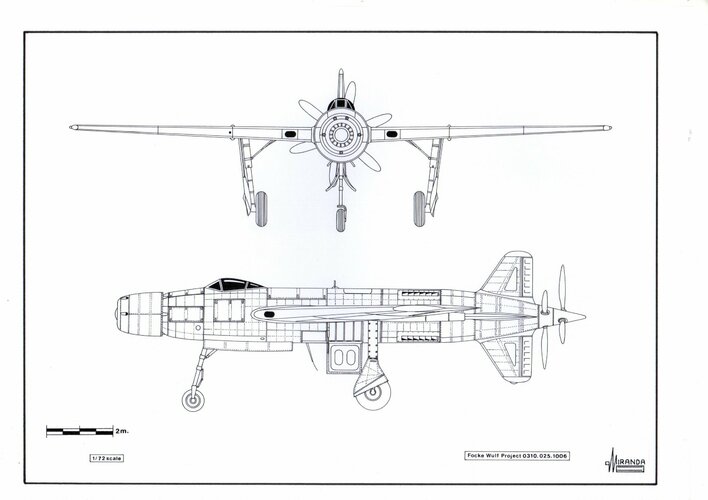
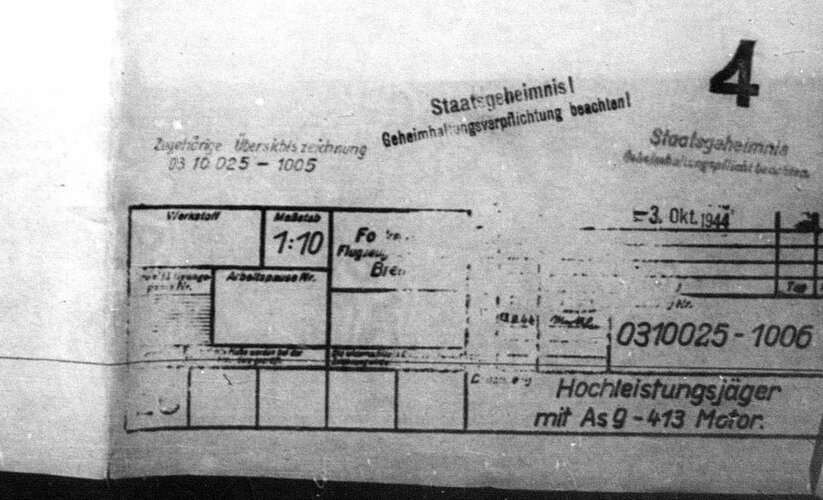
Focke-Wulf proposed to modify its project P.0310.025-1006, that has originally been conceived as single seat high-altitude interceptor and able to fly and fight at an altitude superior to the Me 262 B-2a, with a great rhomboid wing and pusher airscrews aircraft, powered by a 4,000 hp Argus As 413 piston engine and armed with four guns of 30 mm. The plan considered a bad-weather moskitojäger two seat variant equipped with one FuG 222 radar and a 45-cm diameter parabolic mirror fixed in front of the radiator. Neither the Argus As 413 nor the Jumo 222 E/F, proposed as replacement, were available when Göring ordered to stop the development of any type of piston engine on 22 February 1945.

Has this one been published anywhere yet? Dan teased in back in 2018.Focke-Wulf Nachtjaeger m. 2 x Jumo 222 E/F, drawing number 0310 251-04, dated September 18, 1944.
Has this one been published anywhere yet? Dan teased in back in 2018.