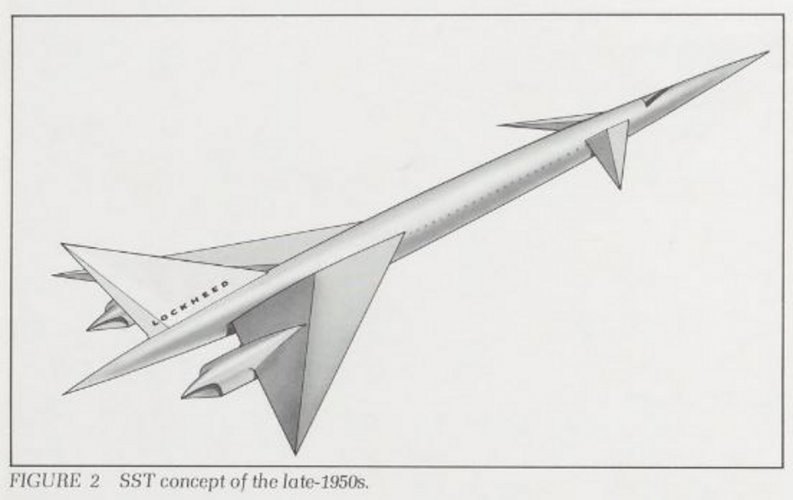
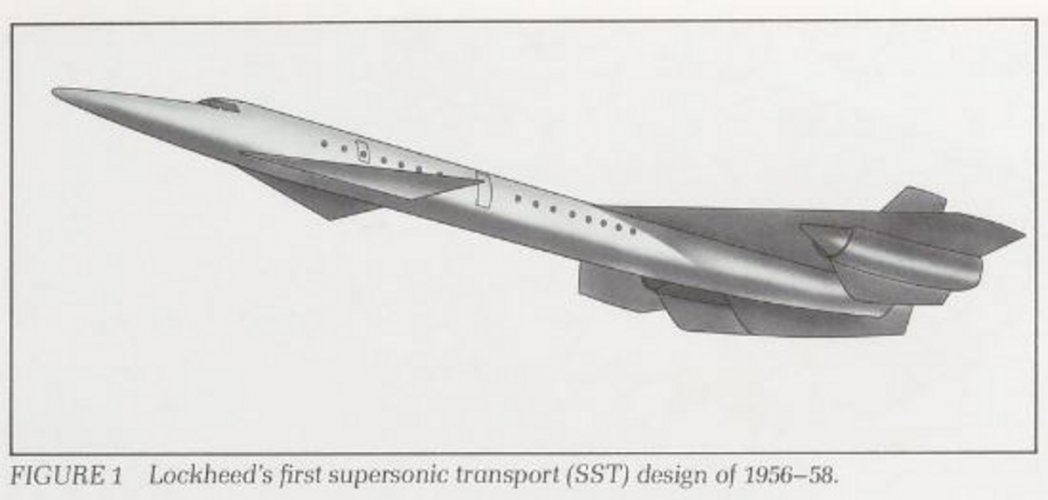
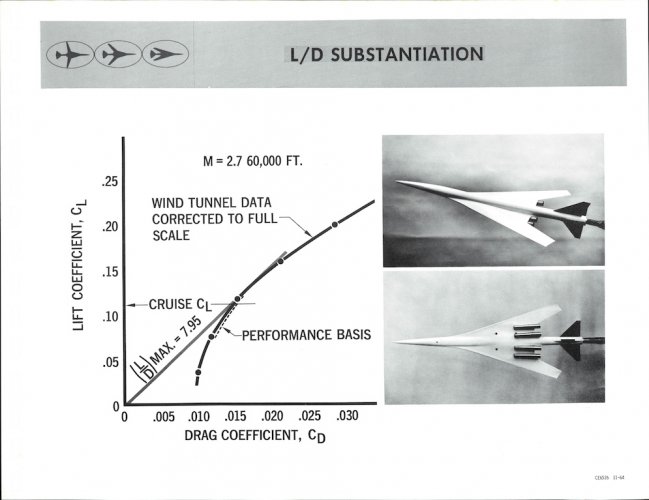
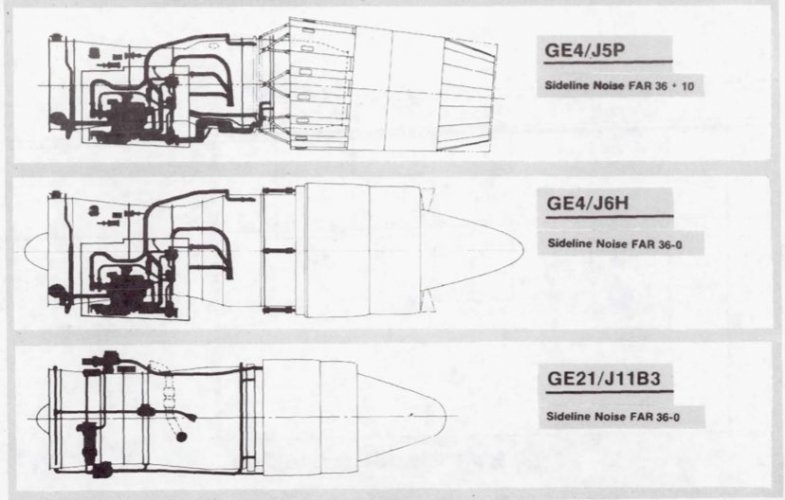
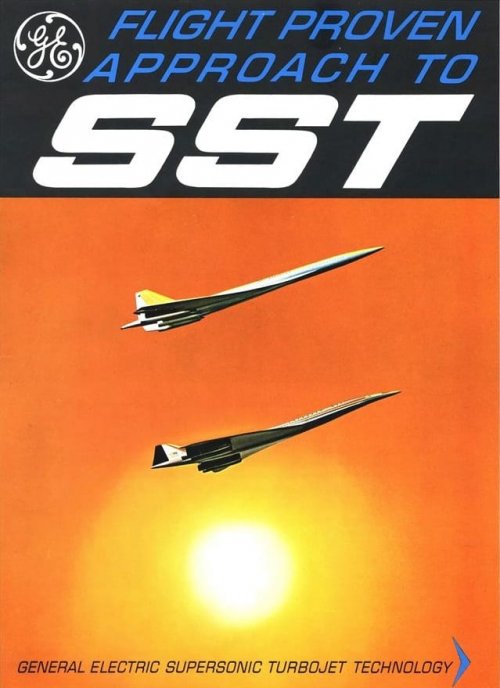
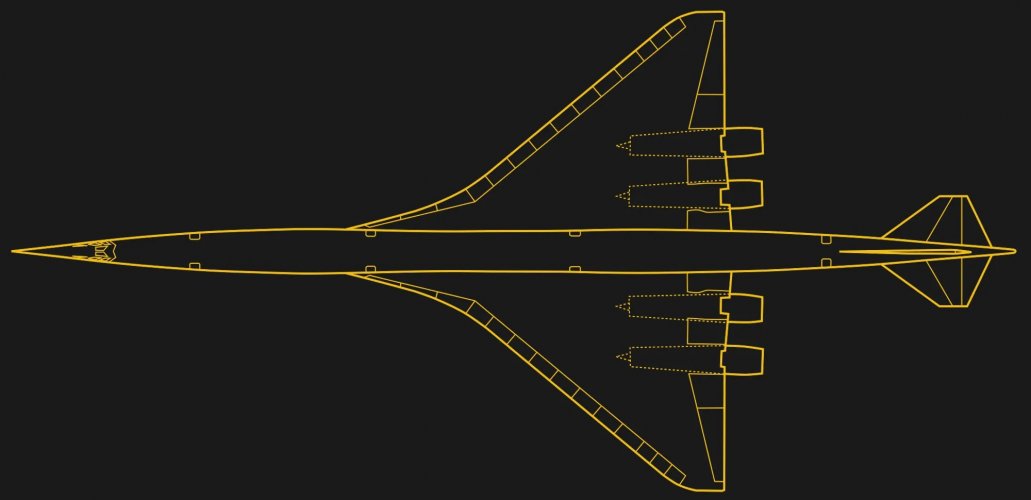
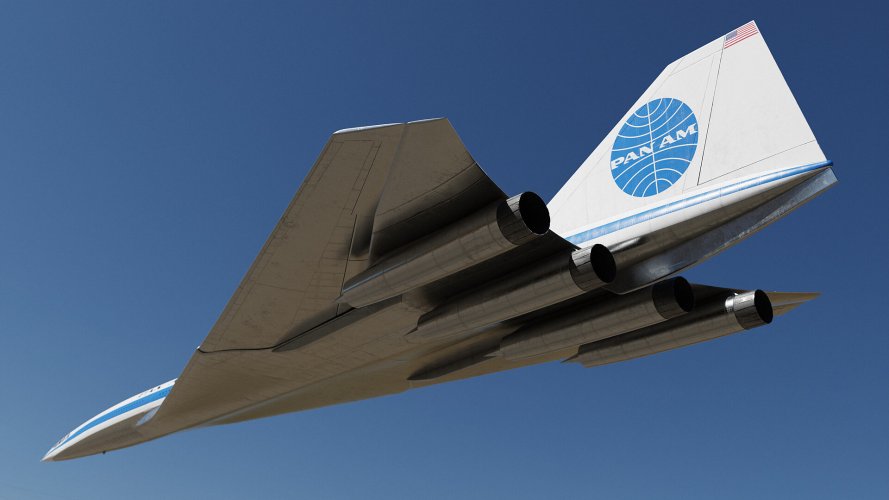
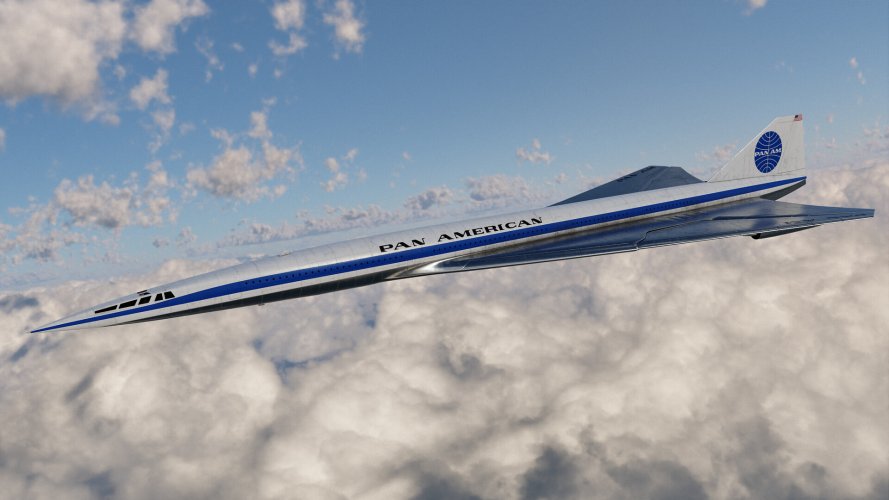
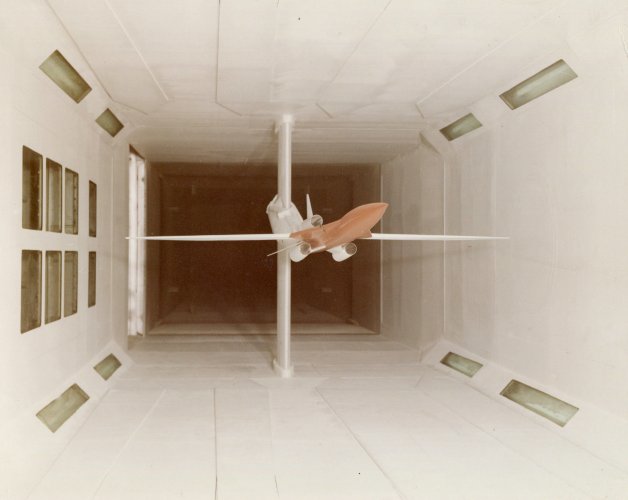
The GE21/J11B3 is a conceptual variable-cycle engine (VCE) designed and evaluated by General Electric (GE) in the 1970s as part of NASA's Advanced Supersonic Technology Study (AST) program.
Key features include:
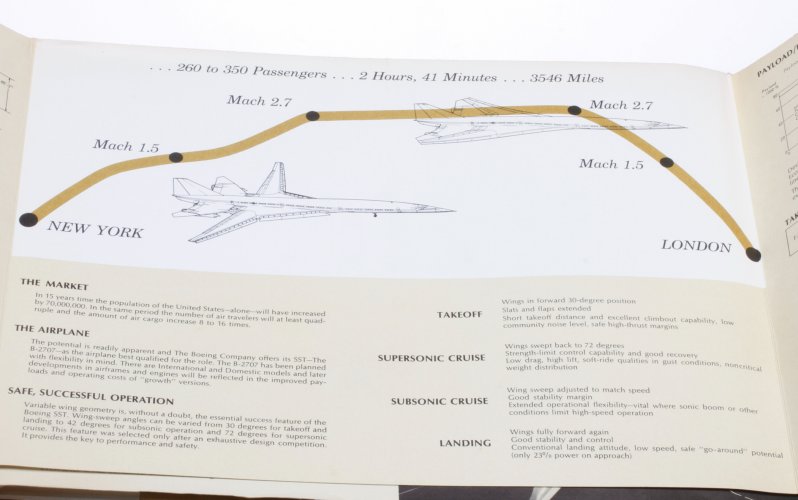
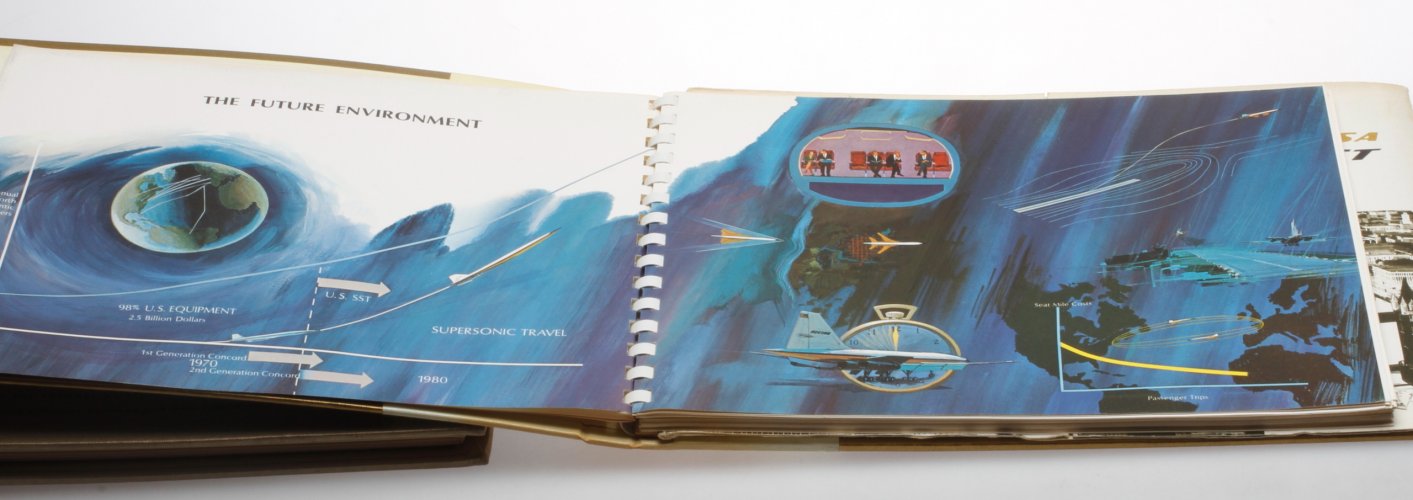
Purpose: Research into a fuel-efficient engine that would be more economical than first-generation supersonic aircraft like the Concorde and would serve as the mainstream for future supersonic transports (SSTs).
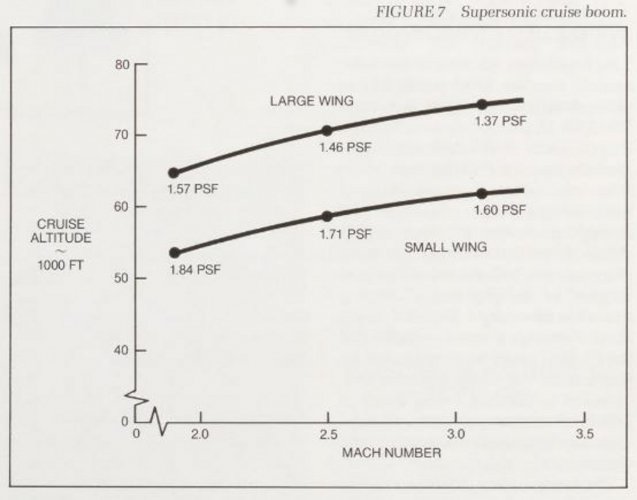
Technology: An early exploration model of variable-cycle technology, which provided efficient thrust at high exhaust velocities during supersonic cruise, while reducing noise and improving fuel economy during subsonic flight and around airports.
Relevance: It may have served as the basis for GE's later engine technology, particularly the variable-cycle technology used in supersonic fighter engines.
https://www.jalopnik.com/1939287/what-happened-to-boeing-2707-supersonic-plane/
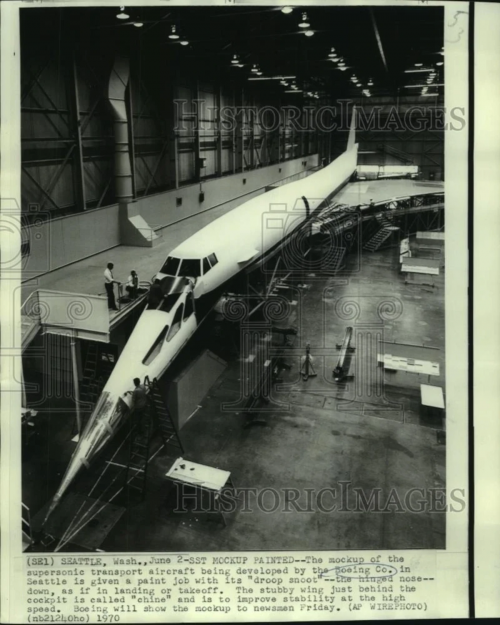
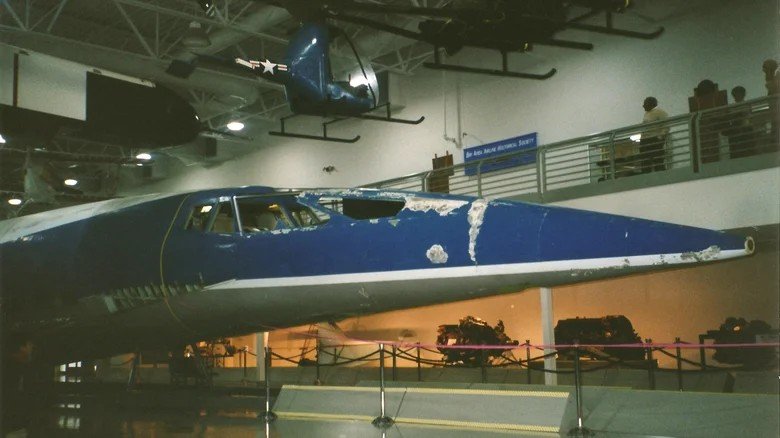
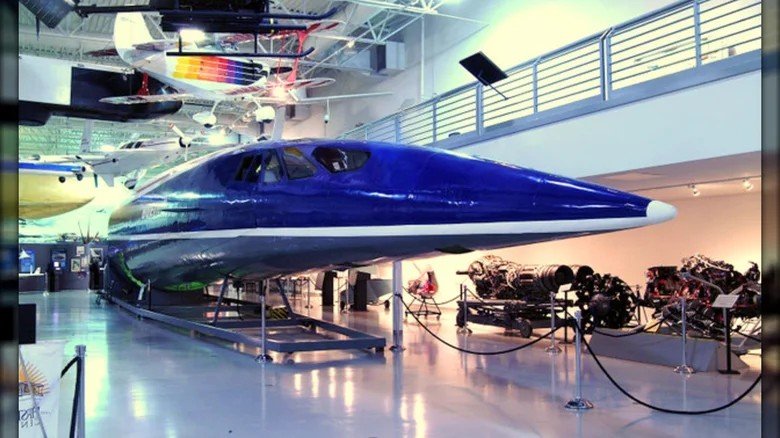
A melancholy reunion in Seattle
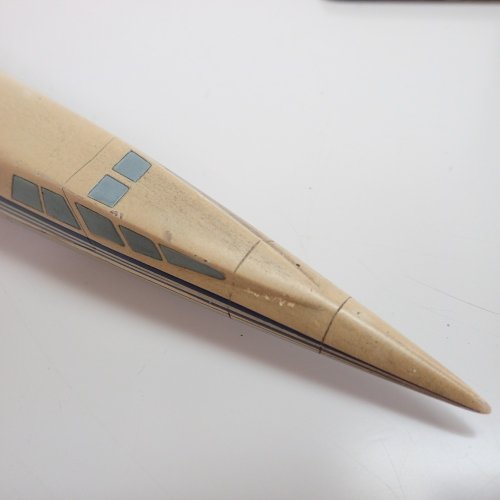
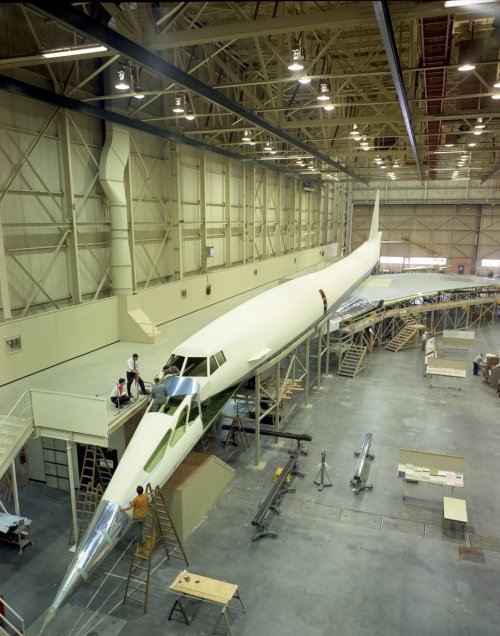
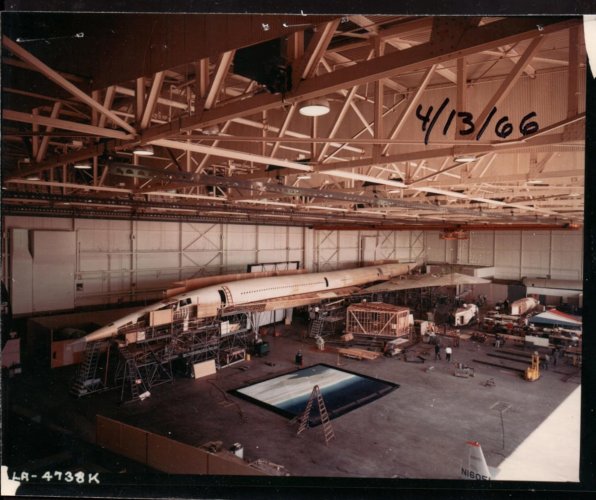
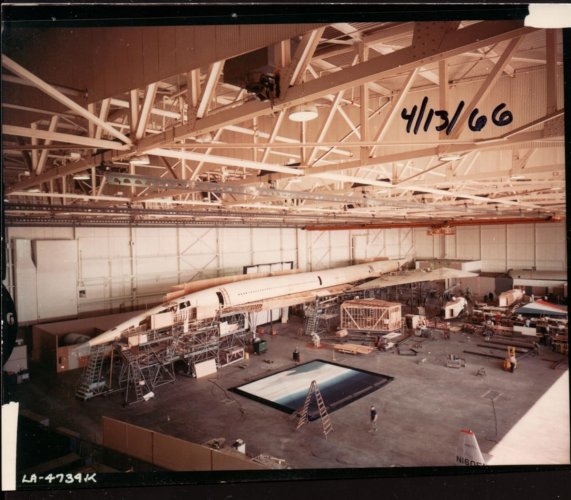
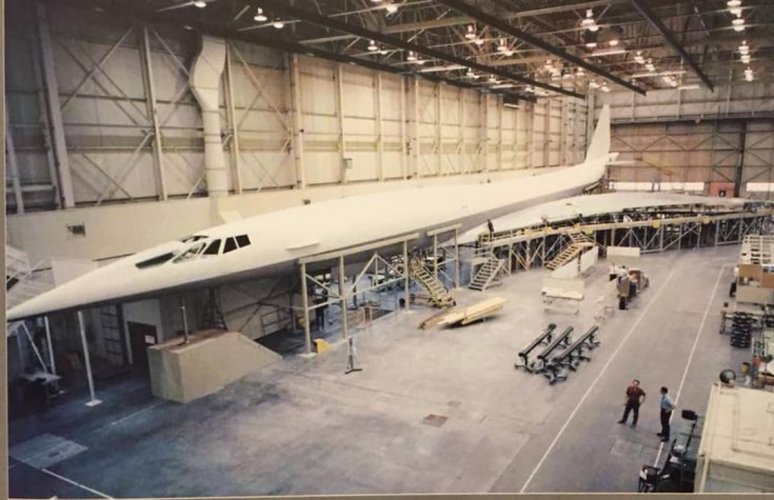
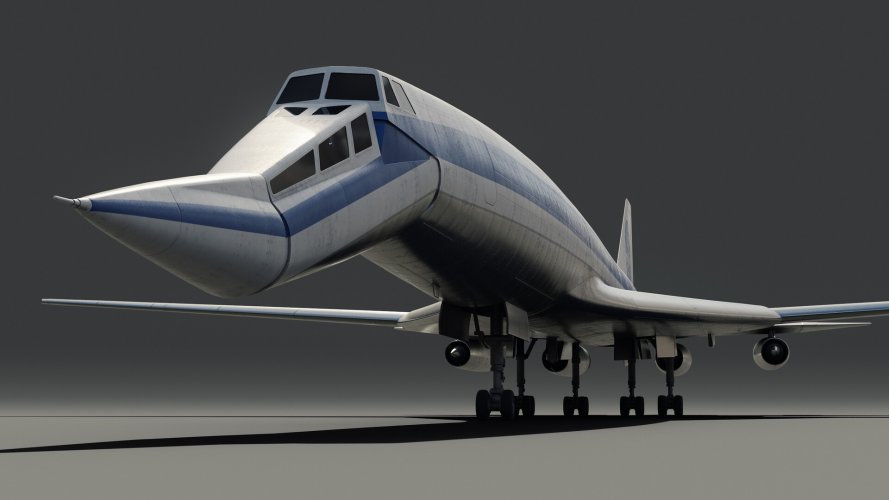
Now at the Museum of Flight's restoration center at Paine Field, the fuselage has shared a home with the complex that once could have served as its production line. Here, the relic has sat gathering dust for the past 12 years.
Mid 1963
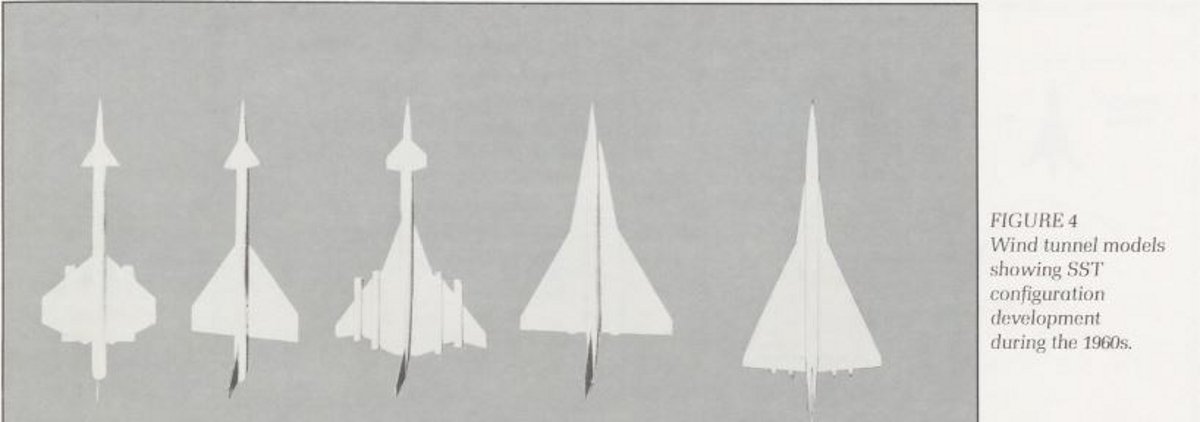
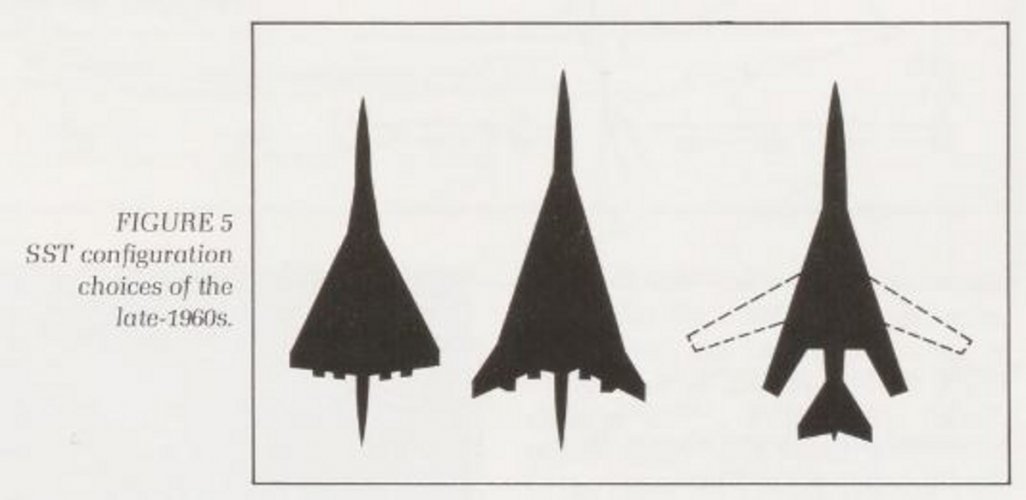
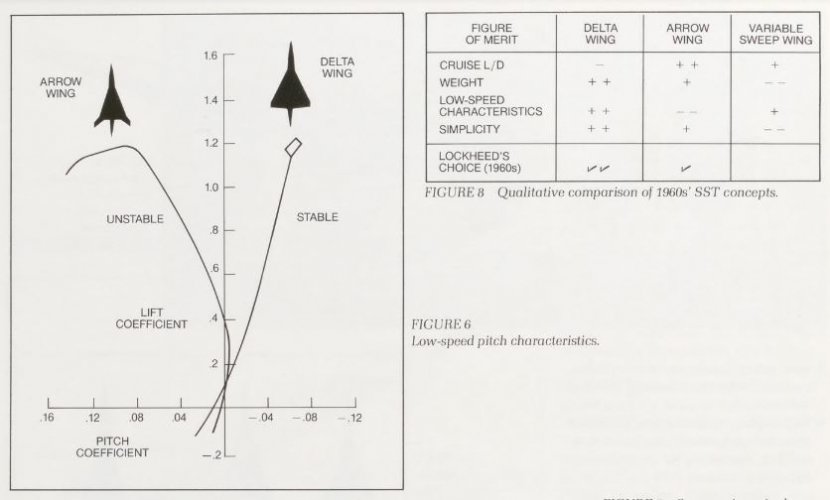
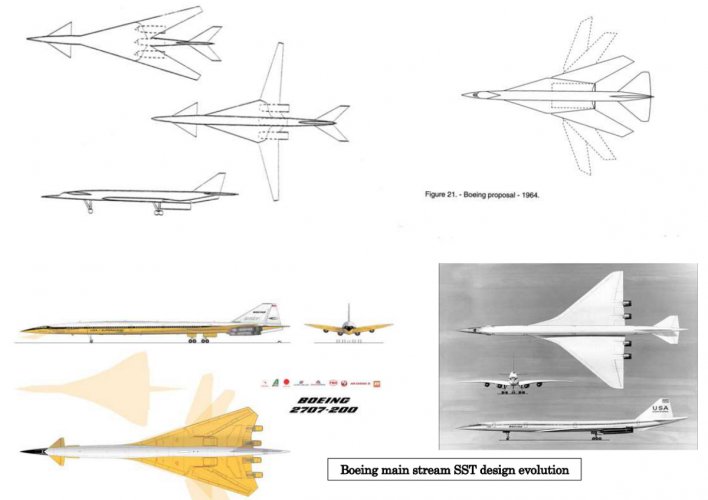
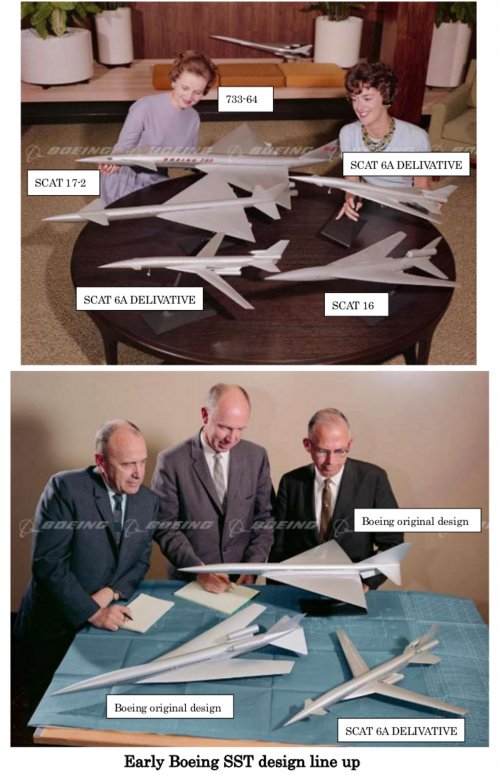
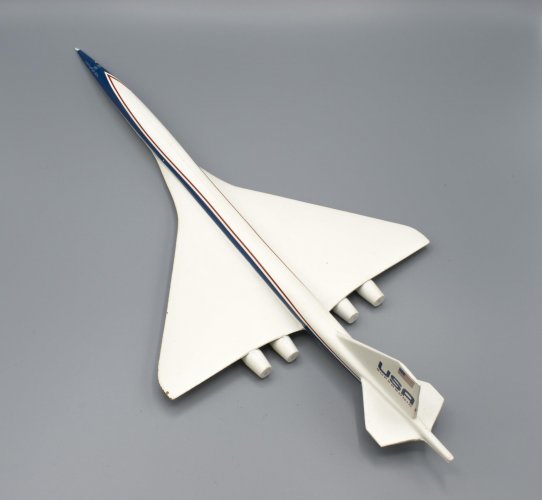
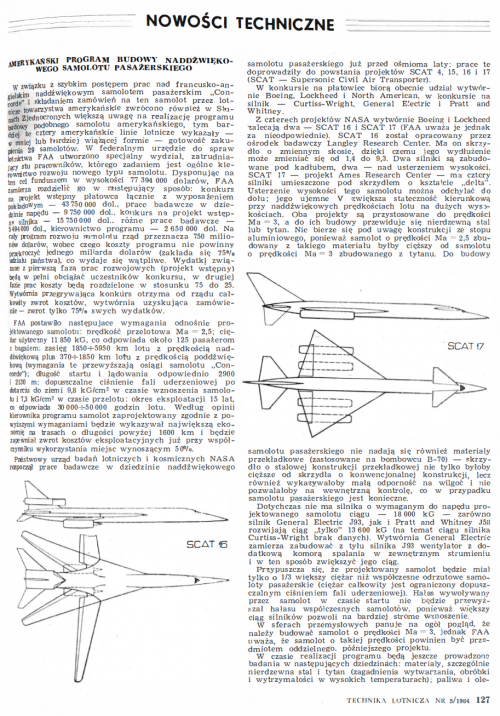
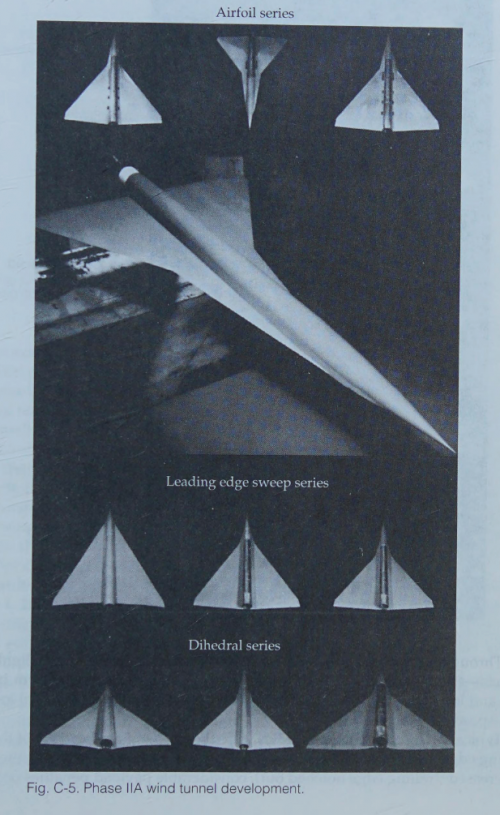
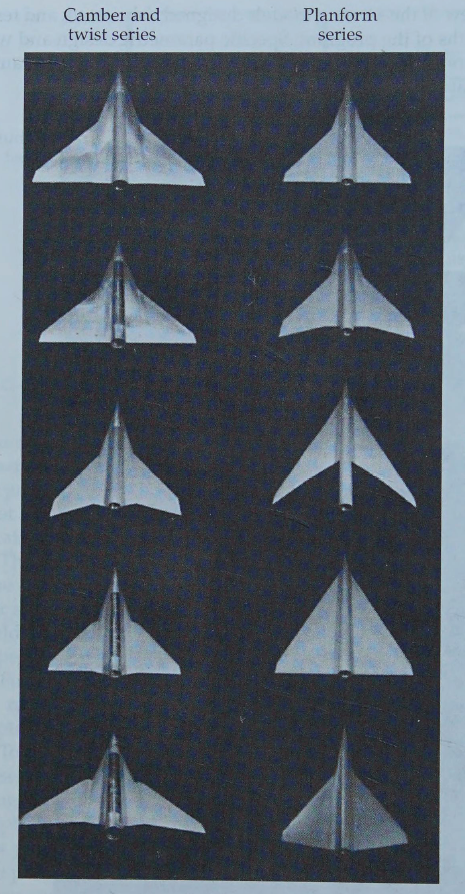
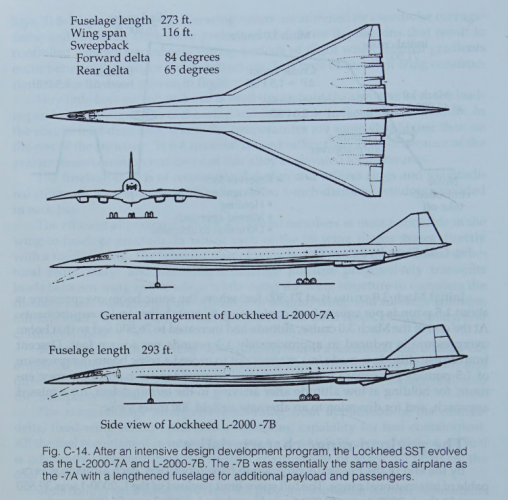
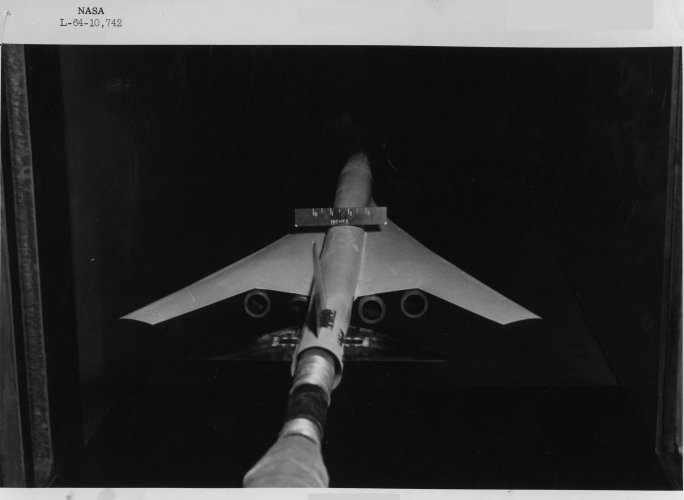
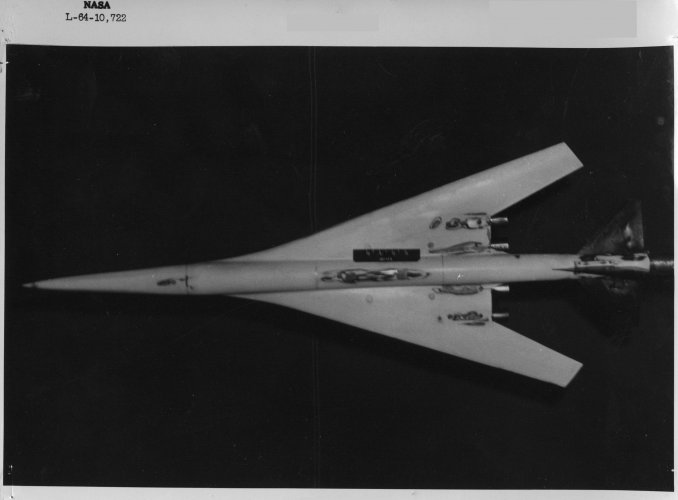
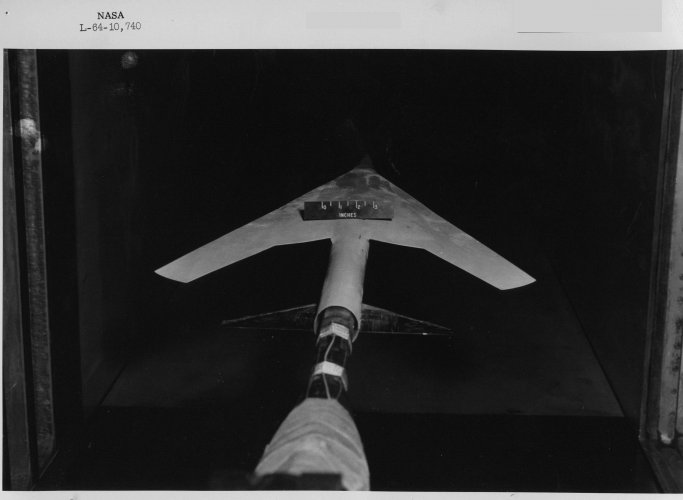
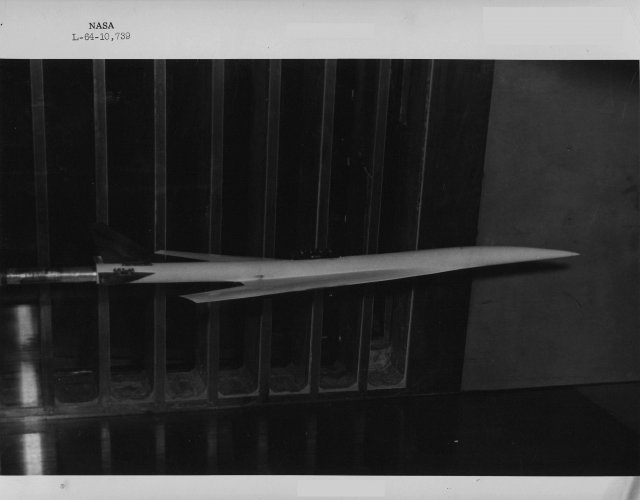
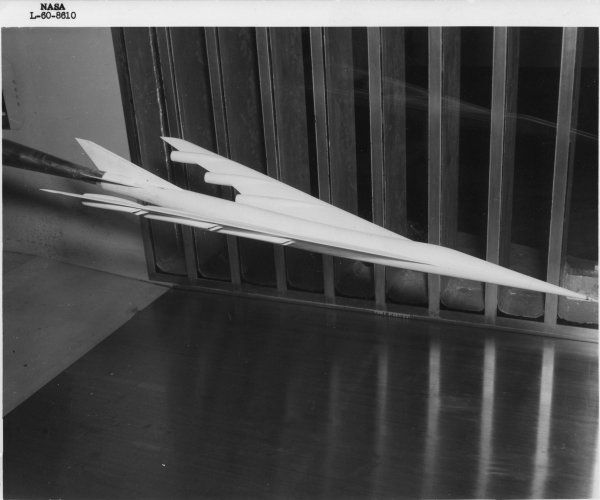
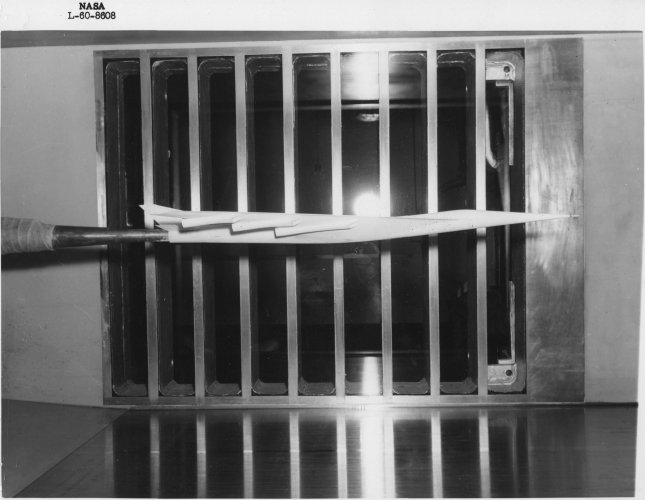
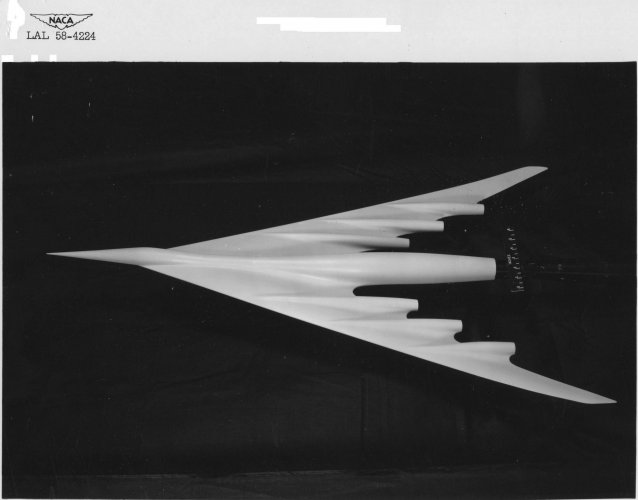
NASA requested Boeing and Lockheed to conduct a comparative study on the four plans SCAT17, SCAT4, SCAT16, and SCAT15.
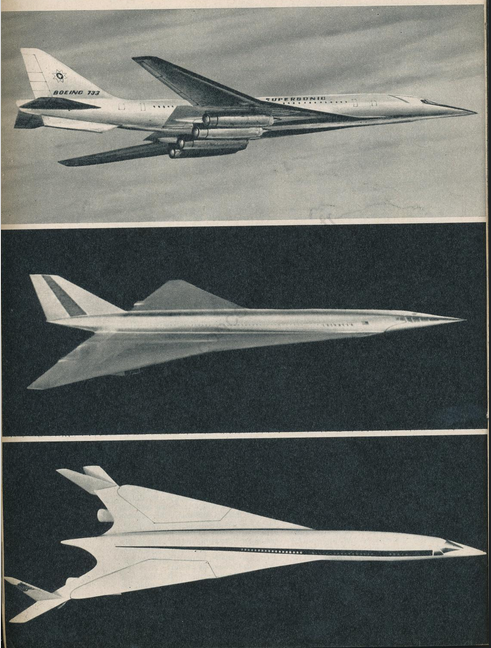
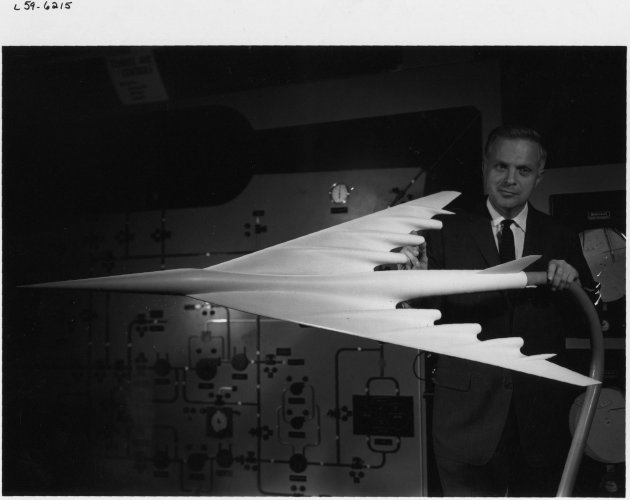
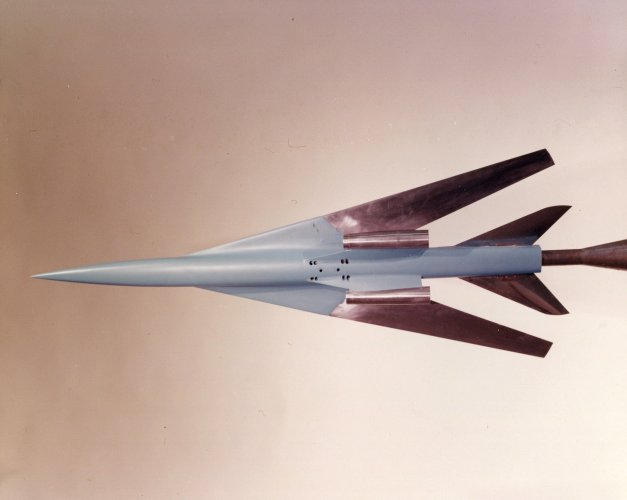
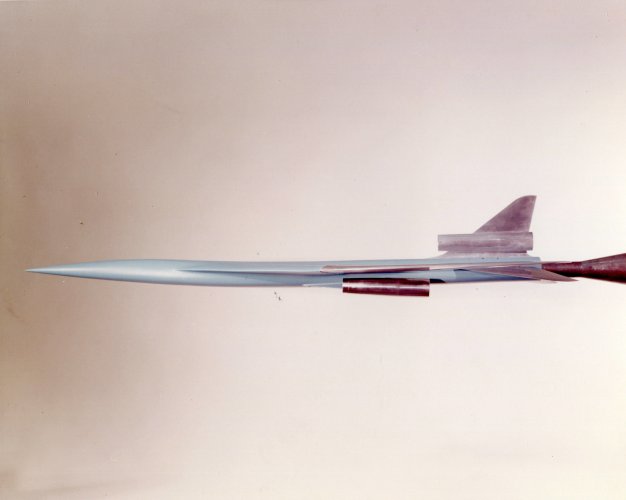
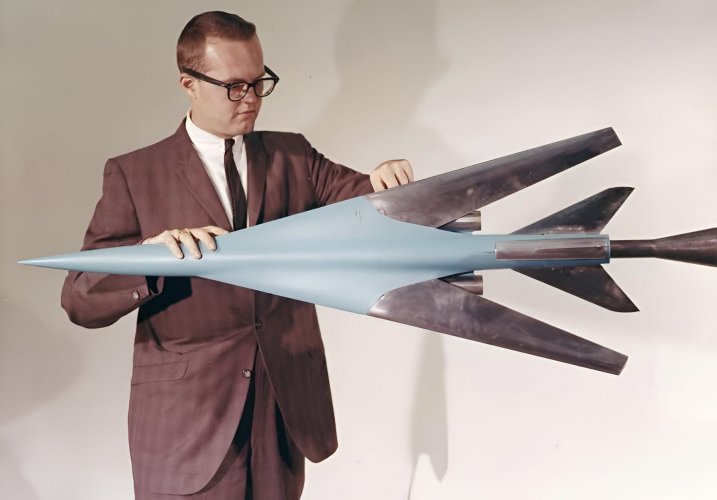
The first Image top to bottom
SCAT4
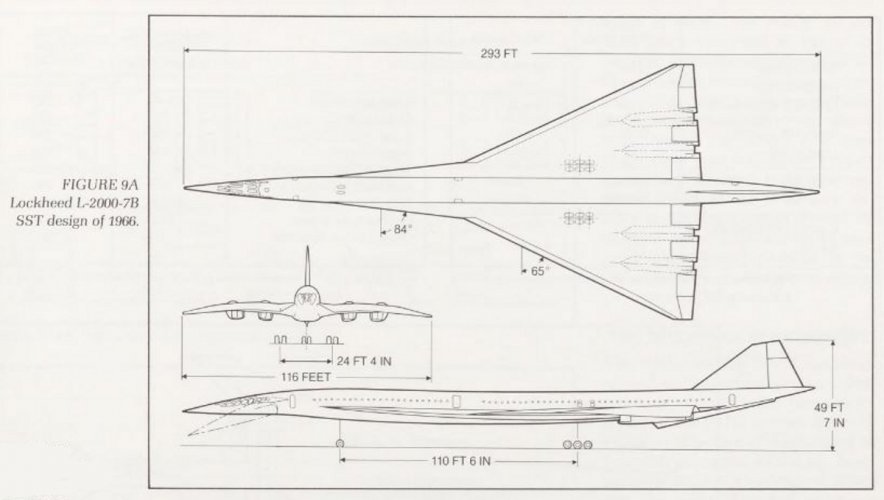
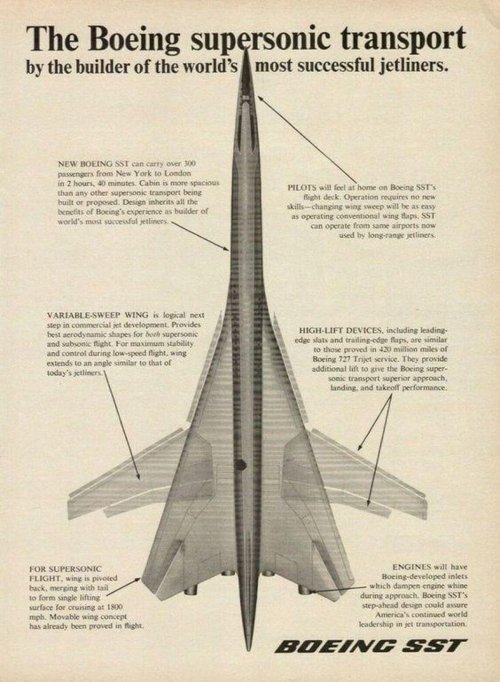
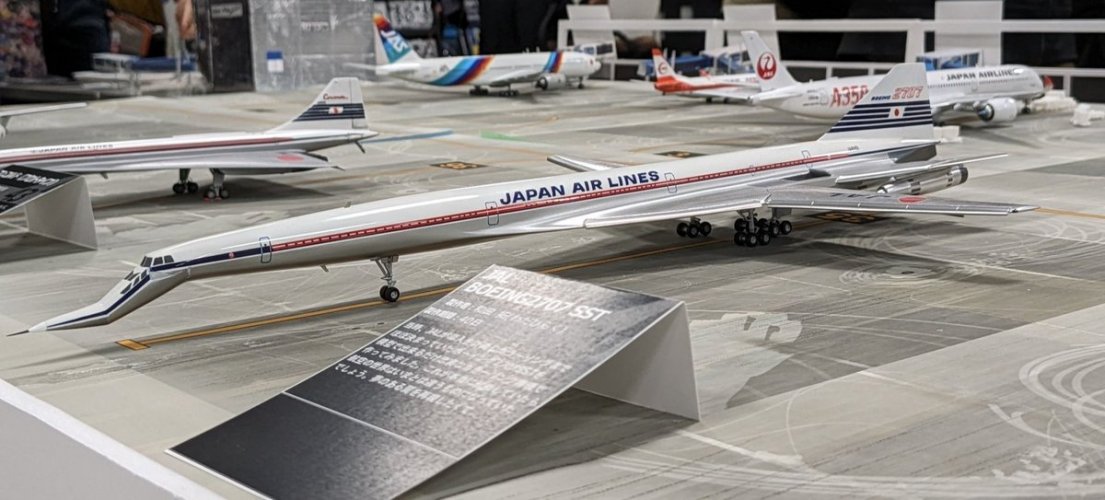
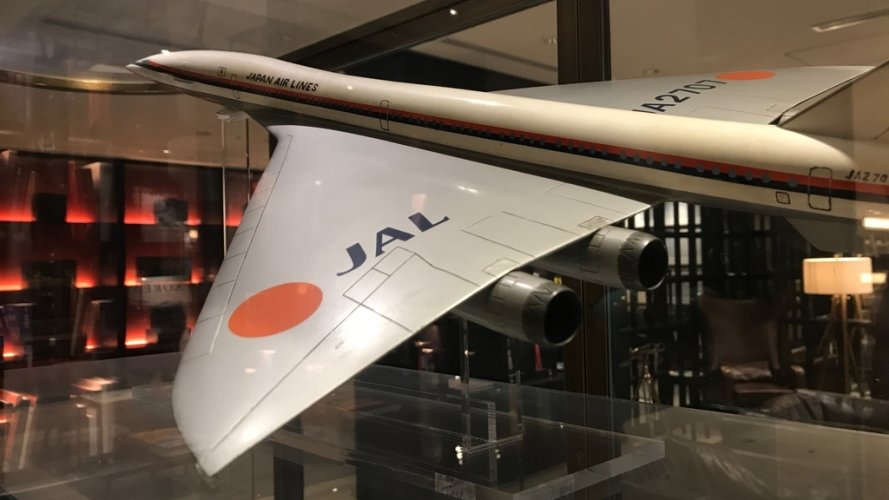
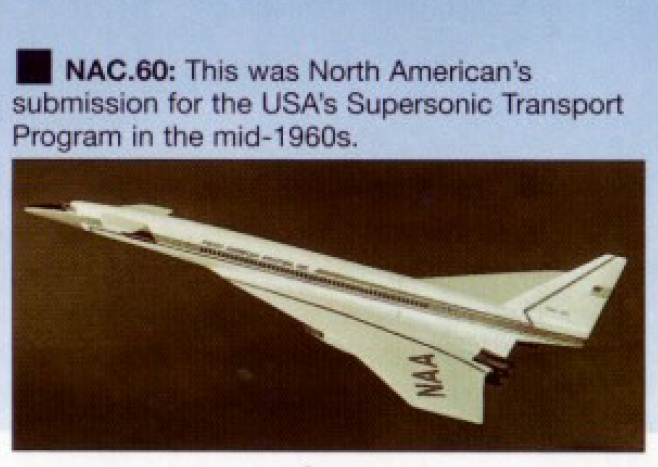
SCAT17 later became B2707-300, L2000 and NAC60
SCAT16 later became B2707-200
SCAT15 later became SCAT15F
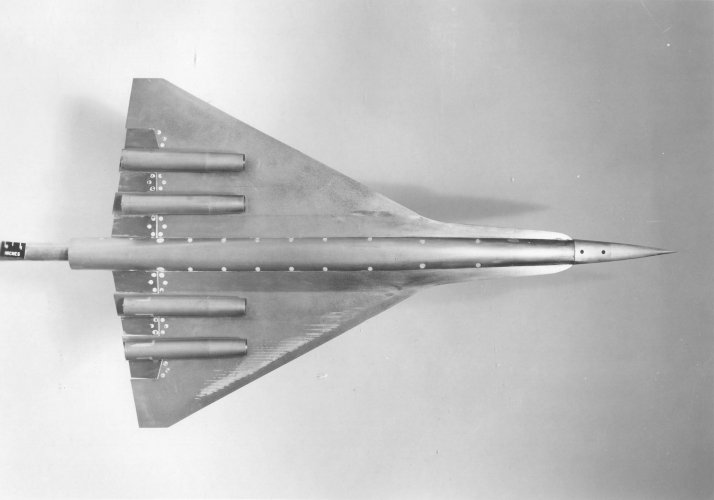
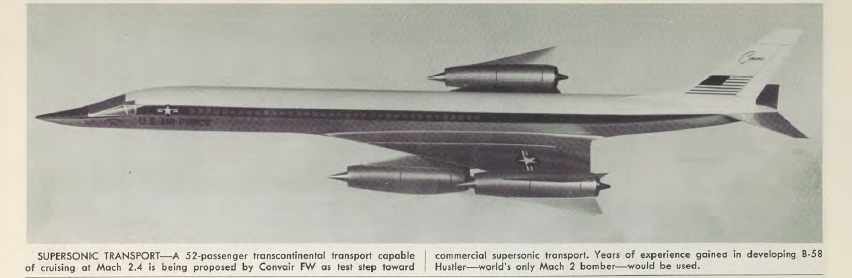
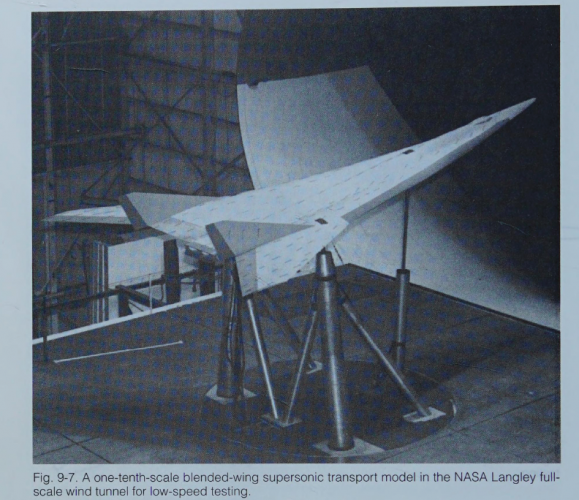
SCAT4 was Richard Whitcomb's idea. SCAT4 was a very advanced design.
I can see following SCAT4 shapes.
(1)Six engine type
(2)Vertical and horizontal tail stabilizer with 4 engine type
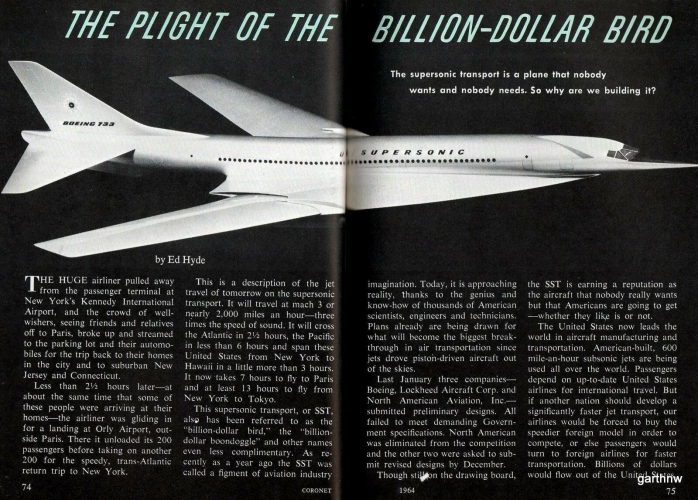
In April 1964 the French tech magazine Science&Vie had a 18 pages (no less), very informative article about Concorde and the American rival SST designs. My mom had just turned 21 that year and she had a Science&Vie subscription. God bless her.
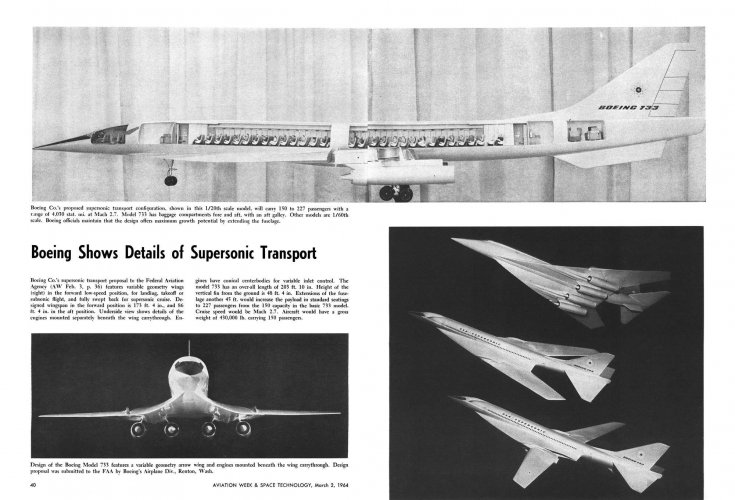
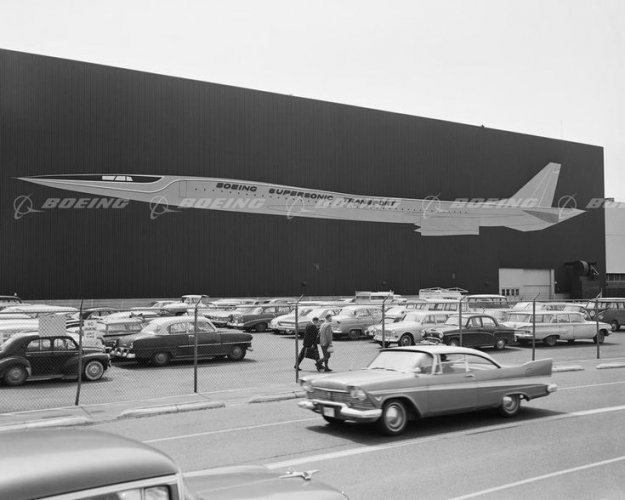
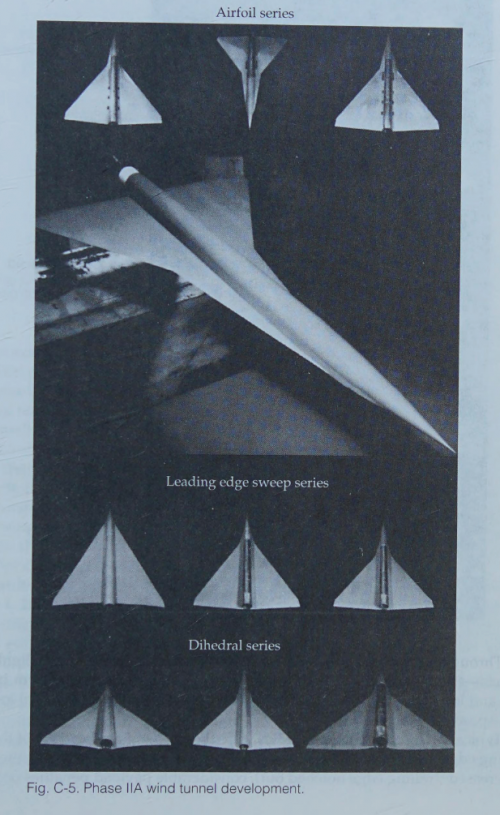
I was lucky enough she carefully stored the magazines, and 30 years later I red them. Pre-Internet era, so first time I ever red about the US projects from Boeing (was 733 in 1964, before the 2707-200 & 2707-300) Lockheed L-2000 and North American: SCAT-15F aerodynamic wonder exquisitely refined inside NASA wind tunnels.
Look at these beauties, vintage 1964.
Fast forward to today. Seems that die-hard Concorde fans have put that Science&Vie article on line - text only and scan.
Imagine finding 3- in your attic in pretty good shape, learning that your mom had a Science&Vie subscription back in the day, 30 years before. And learning about Concorde forgotten rivals that way. I was 12 in 1994 and already an aerospace nerd.
Without Internet, I still missed the post 1964 history - which one of the three had been picked as the winner ? and how did the American SST story ended ?
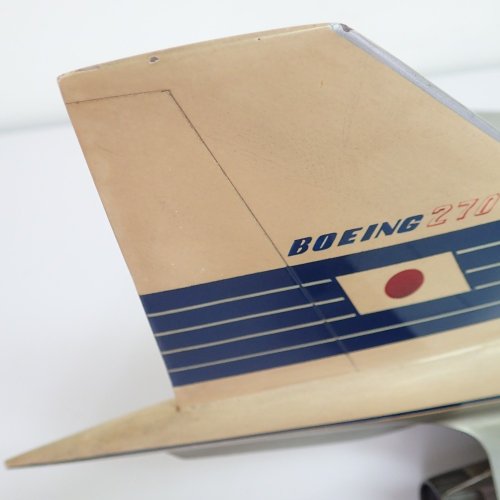
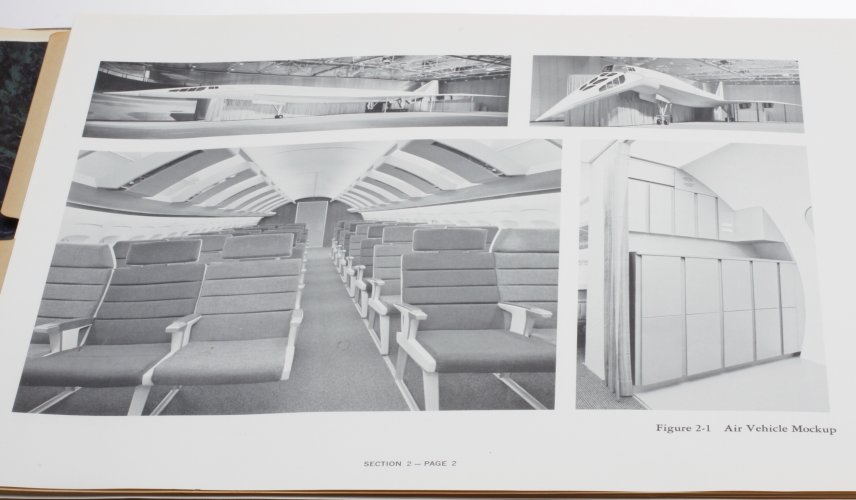
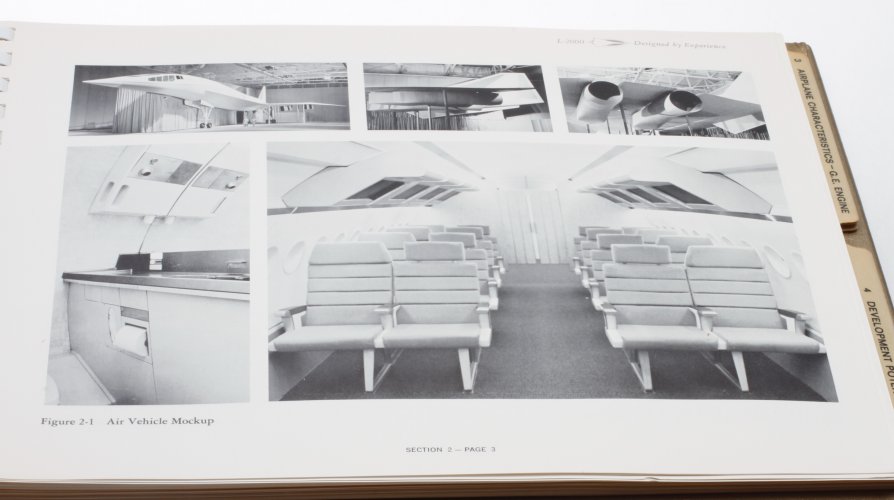
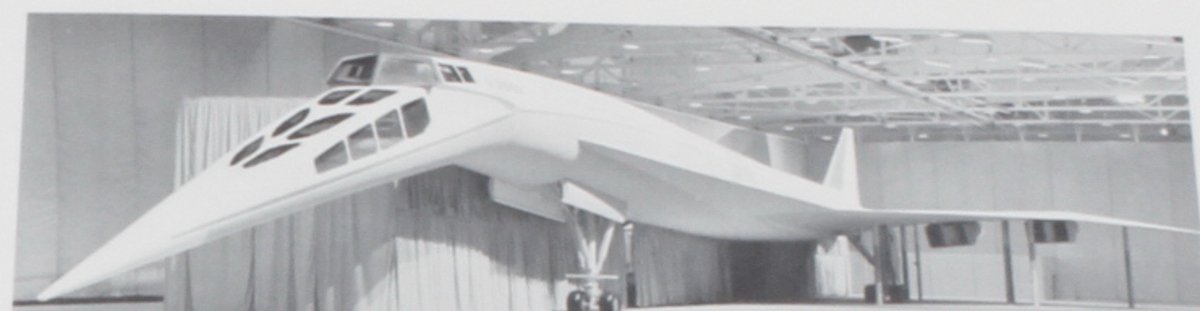
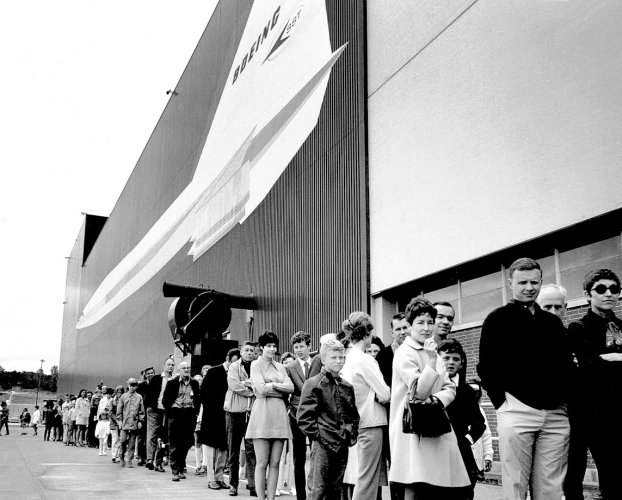
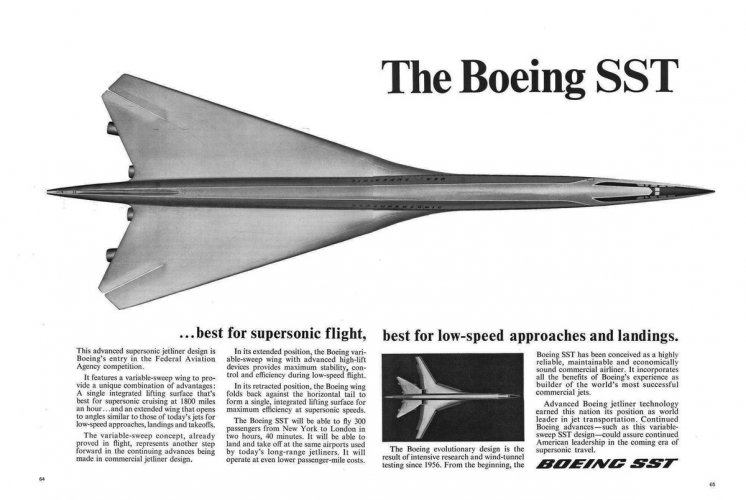
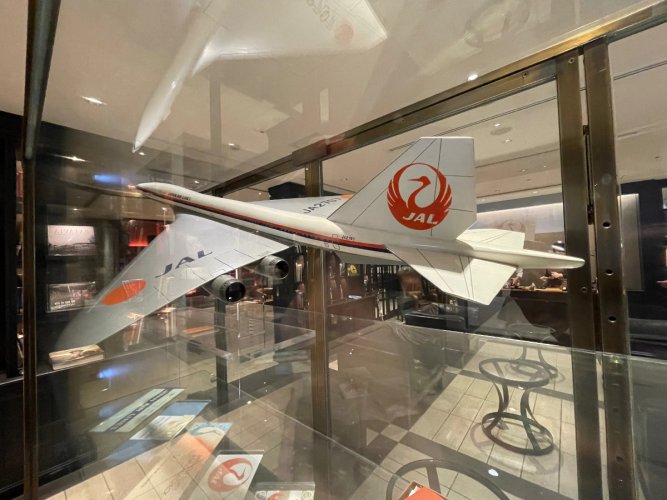
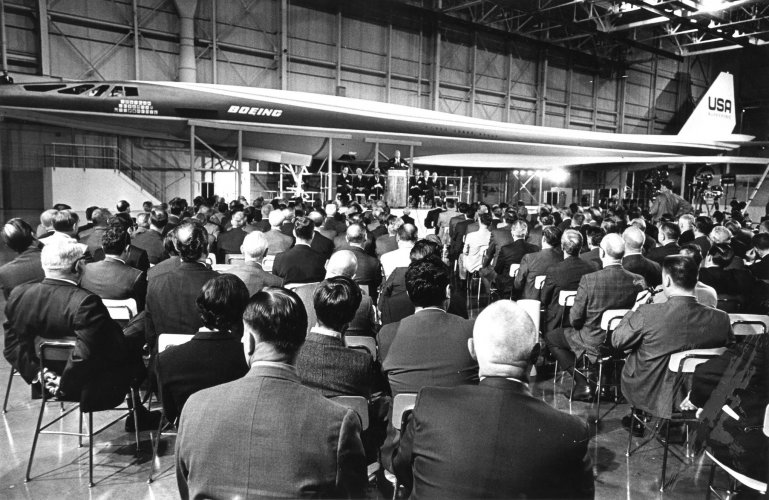
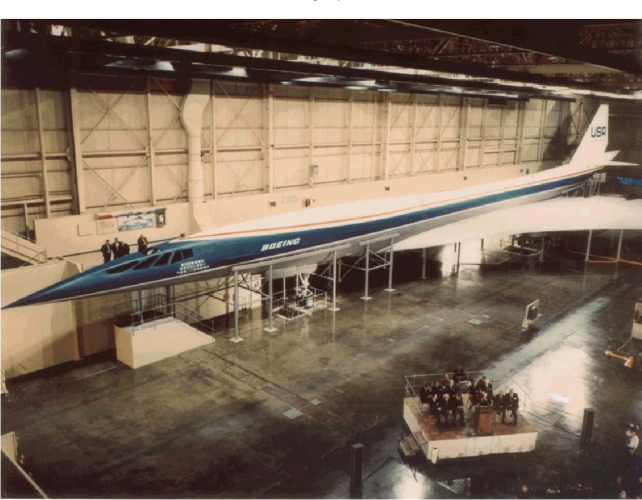
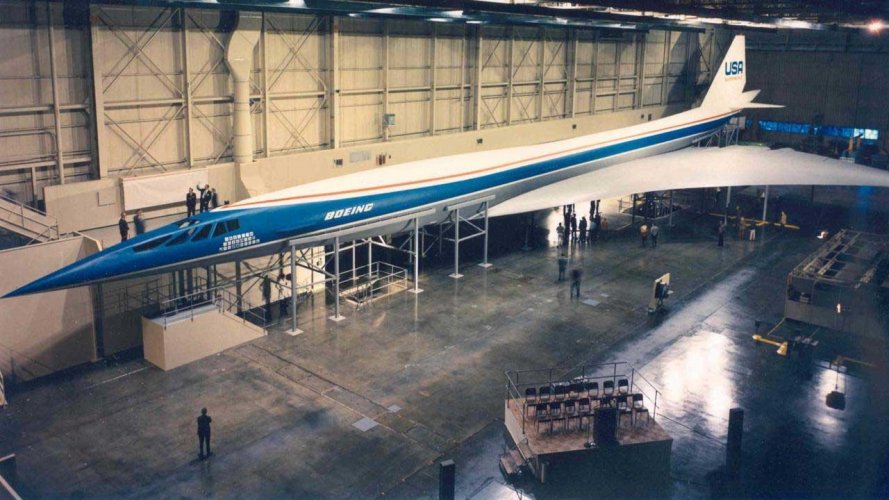
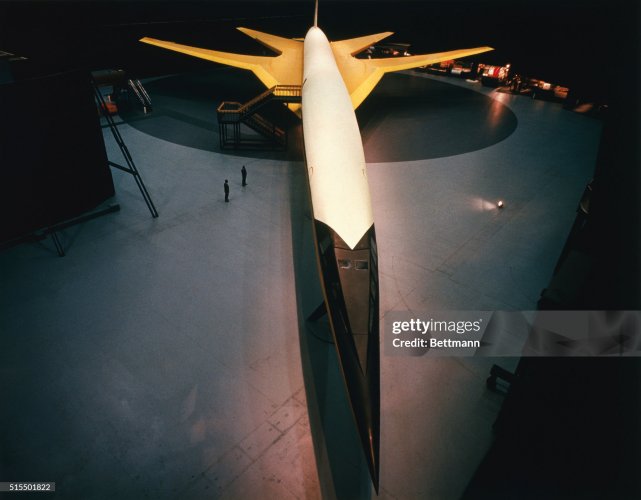
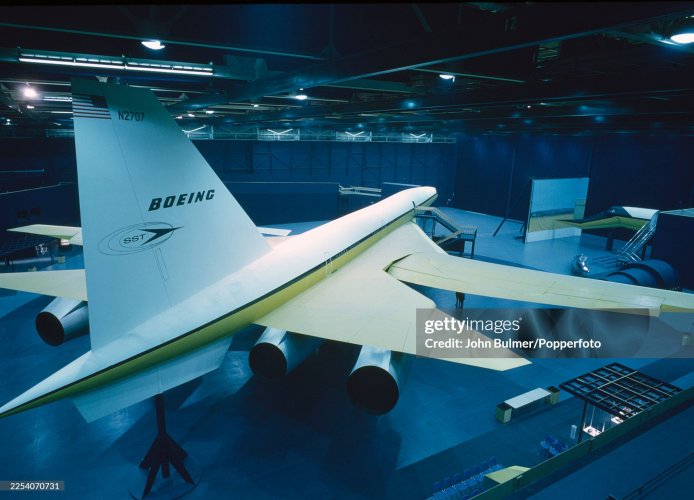
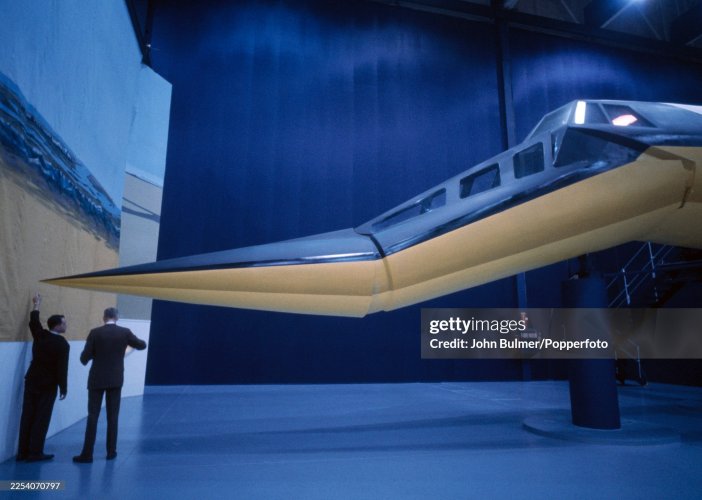
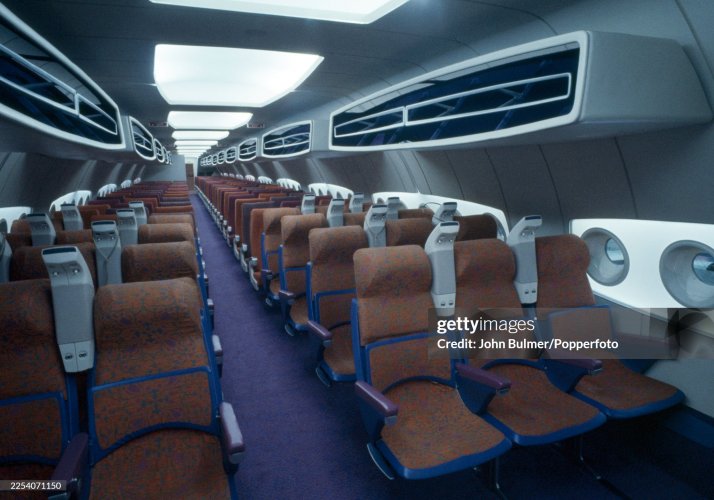
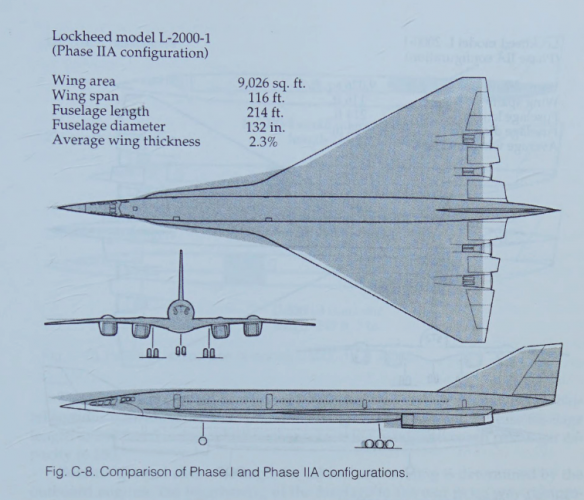
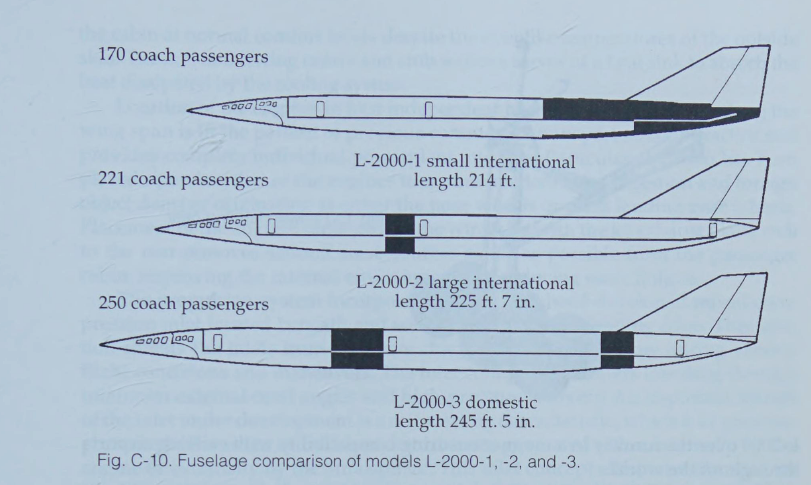
Remember that both Boeing and Lockheed built full size, giant L-2000, 2707-200 and 2707-300 mock-ups. That after a few promotional pictures ended forgotten and eventually scrapped (except the 2707-300 mock-up which eventually survived to the present day - at least its cockpit). And thus there were tantalising pictures here and there, of planes looking vaguely like Concorde but definitively bigger. With variable geometry, and deltas. But the whole story remained obscure. Even bigger than the XB-70 Valkyrie, another spectacular Mach 3 monster, same year 1964.
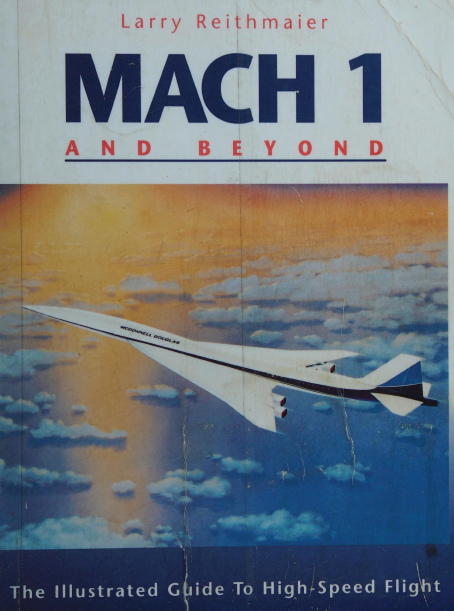
Imagine: you get a book with the SR-71 on the cover; a 100 feet long Mach 3 monster. Then you learn about the contemporary XB-70 Valkyrie, twice as long, 200 ft of it, and thrice heavy : 240 tons ! And then you realise the Boeing 2707-300 SST was 300 feet long and 320 tons heavy. All three of them from the glorious year 1964. What a time, peak aviation history.
This site uses cookies to help personalise content, tailor your experience and to keep you logged in if you register.
By continuing to use this site, you are consenting to our use of cookies.