
You are using an out of date browser. It may not display this or other websites correctly.
You should upgrade or use an alternative browser.
You should upgrade or use an alternative browser.
US Piston Engined Fighter Projects
- Thread starter Antonio
- Start date

- Joined
- 25 July 2007
- Messages
- 4,916
- Reaction score
- 5,537
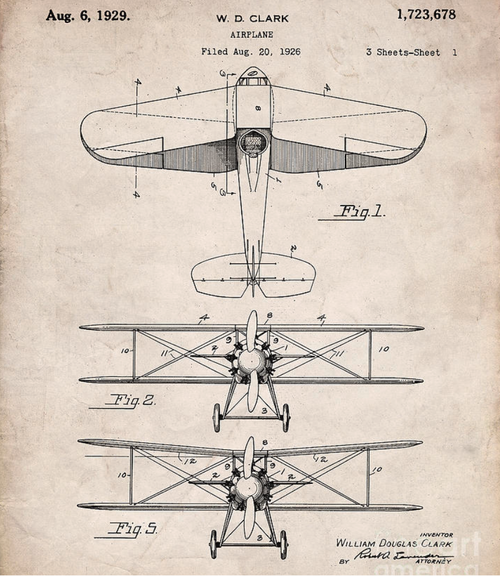
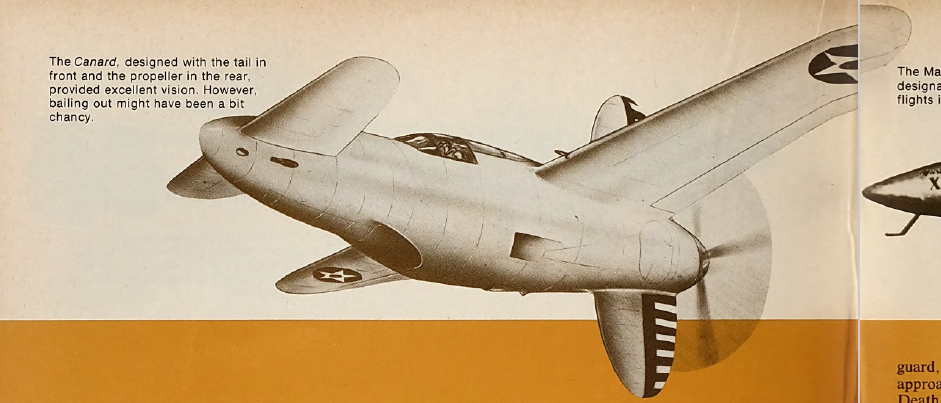
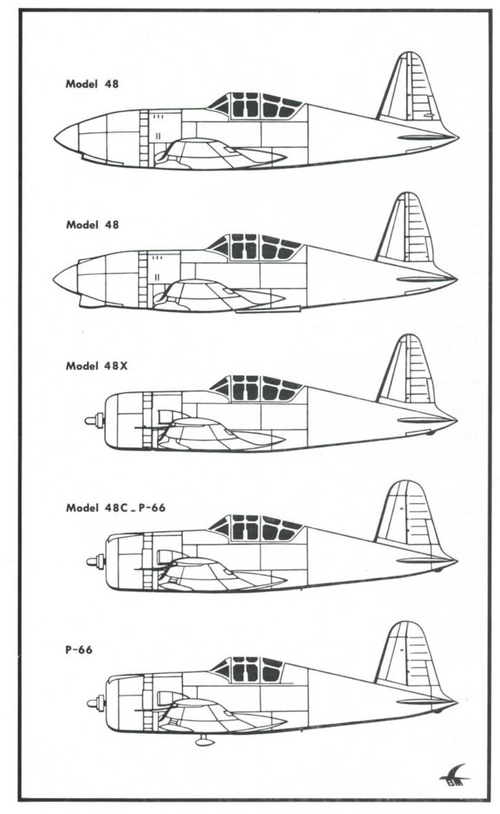
From William Douglas Clark.
Illustrating Clark's concept for his 1926 US Patent application 130467A (approved in Oct 1929).
https://patents.google.com/patent/US1723678A/en

- Joined
- 17 May 2008
- Messages
- 705
- Reaction score
- 1,690
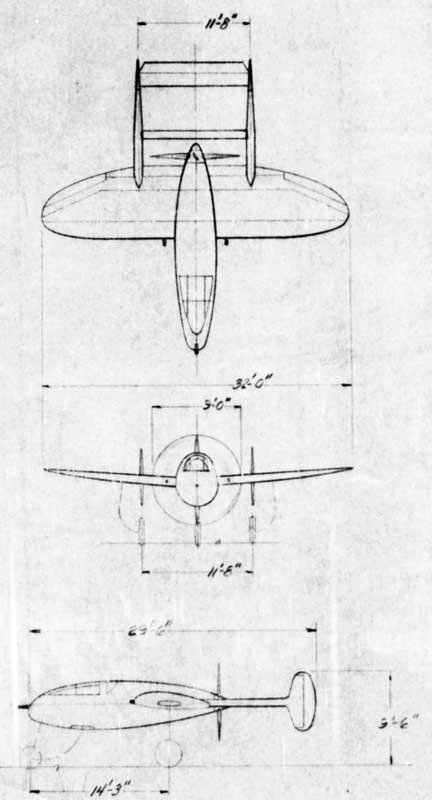
Vought-Sikorsky Proposal for CP 39-770 was the VS-306. It was a single engine, twin boomed, pusher, pursuit type aircraft. It was to be powered by an P&W R-1830 engine. High speed at 15,000 to 20,000ft at Military Power was guaranteed to be 401mph. High speed at 5.000ft again at Military Power was guaranteed to be 351mph. With a lack of information about this design in the well researched books, the assumption would be this design did not go very far in the competition.
To me, it is interesting that several of the designs responding to this CP were very similar in appearance. Must have been the latest thing in cool aerodynamics!
To me, it is interesting that several of the designs responding to this CP were very similar in appearance. Must have been the latest thing in cool aerodynamics!
Attachments

- Joined
- 26 May 2006
- Messages
- 38,285
- Reaction score
- 20,424
Amazing my dear Bill S,many thanks,
and we can say for 39-770 Circular,the main tenders were;
Bell P-39C, Bell P-40D, Republic P-44, Bell P-45, Curtiss XP-46, Republic XP-47, Douglas XP-48, Bellanca Models 17-110 & 20-115 and Vought-Sikorsky V-306.
https://www.secretprojects.co.uk/th...ar-proposals-specifications.8465/#post-543121
and we can say for 39-770 Circular,the main tenders were;
Bell P-39C, Bell P-40D, Republic P-44, Bell P-45, Curtiss XP-46, Republic XP-47, Douglas XP-48, Bellanca Models 17-110 & 20-115 and Vought-Sikorsky V-306.
https://www.secretprojects.co.uk/th...ar-proposals-specifications.8465/#post-543121
- Joined
- 26 May 2006
- Messages
- 38,285
- Reaction score
- 20,424
My dear Bill S,
I hope you can make a book about Vought Aircraft,and you gather all
of its products even so actually built or projects,I know that will take
about 800 pages or more,but if you divide it unto two volumes,that
will be great ?.
I hope you can make a book about Vought Aircraft,and you gather all
of its products even so actually built or projects,I know that will take
about 800 pages or more,but if you divide it unto two volumes,that
will be great ?.
- Joined
- 26 May 2006
- Messages
- 38,285
- Reaction score
- 20,424
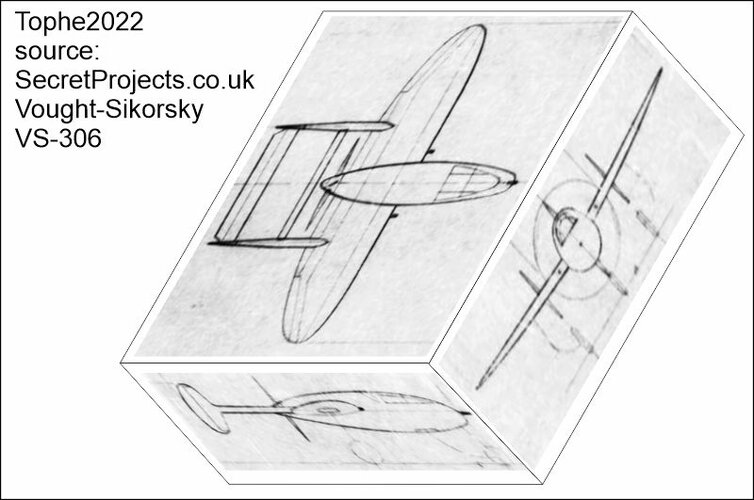
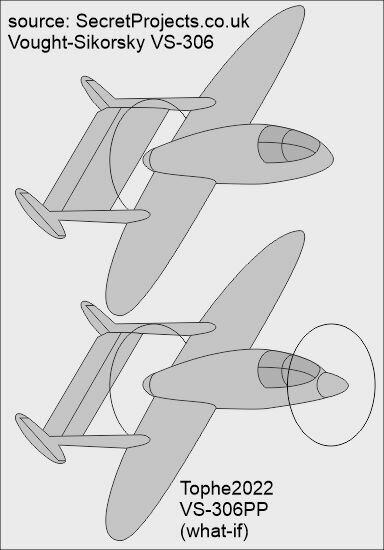
Vought-Sikorsky Proposal for CP 39-770 was the VS-306. It was a single engine, twin boomed, pusher, pursuit type aircraft. It was to be powered by an P&W R-1830 engine. High speed at 15,000 to 20,000ft at Military Power was guaranteed to be 401mph. High speed at 5.000ft again at Military Power was guaranteed to be 351mph. With a lack of information about this design in the well researched books, the assumption would be this design did not go very far in the competition.
To me, it is interesting that several of the designs responding to this CP were very similar in appearance. Must have been the latest thing in cool aerodynamics!
From my dear Tophe,with his great talent.
Attachments

- Joined
- 29 July 2009
- Messages
- 1,949
- Reaction score
- 3,298
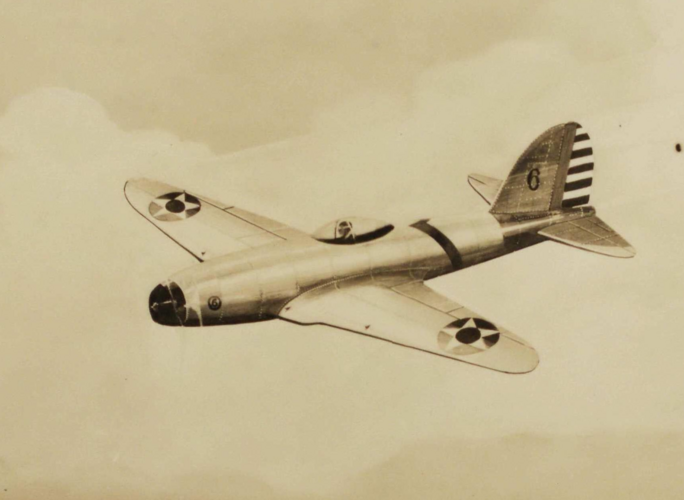
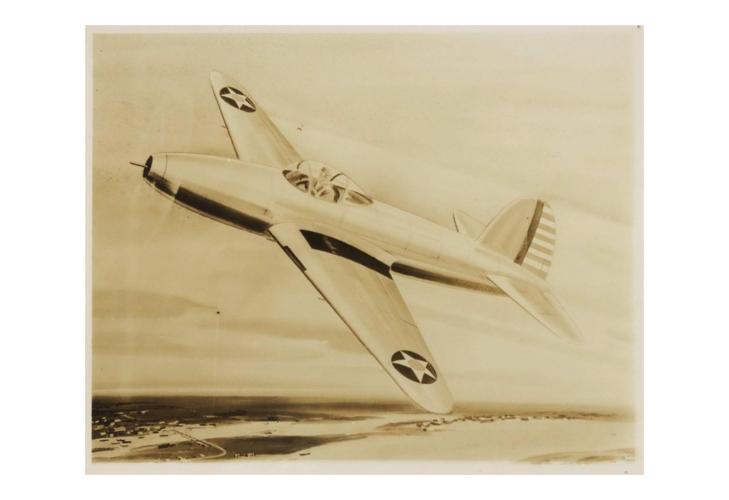
Bellanca 17-110Is there any information available about the Bellanca 17-110 available apart from what's in the titles of the archival documents?
Attachments
Last edited:
famvburg
I really should change my personal text
- Joined
- 24 July 2011
- Messages
- 386
- Reaction score
- 58
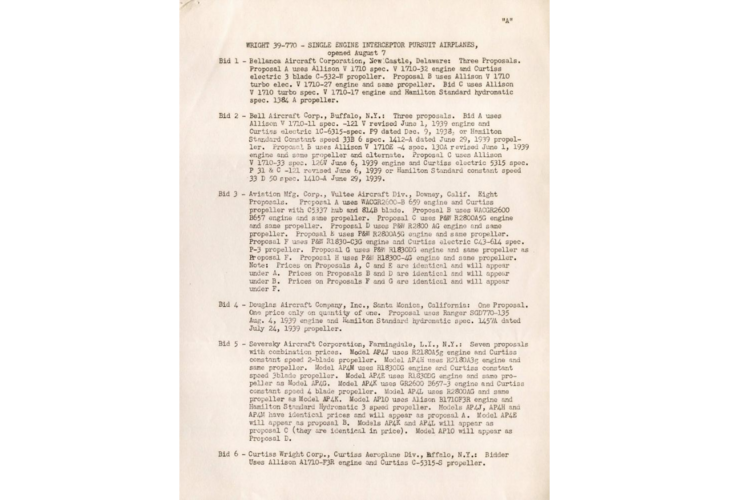
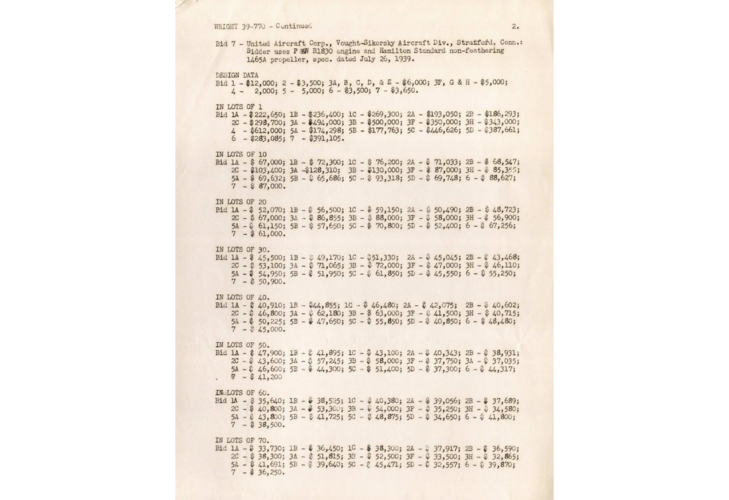
Was something wrong with the 4 bladed prop?I can't help but wonder if the P-72 could have used a five-bladed propeller wtihout going to the complications of contra-props.
- Joined
- 26 May 2006
- Messages
- 38,285
- Reaction score
- 20,424
After my dear Dynoman explained to us the tenders in 39-770 competition,I can
expect them as;
Bellanca 17-110,20-115,and maybe 23-140
Bell P-39C,P-40D & P-45
Curtiss XP-46
Douglas XP-48
Republic AP-4J,AP-4H,AP-4M,AP-4E,AP-4G,AP-4K,AP-4L & AP-10
Vultee maybe V.35,V.40,V.42,V.44,V.45,V.46,V.49 & V.56
Vought-Sikorsky VS-303
expect them as;
Bellanca 17-110,20-115,and maybe 23-140
Bell P-39C,P-40D & P-45
Curtiss XP-46
Douglas XP-48
Republic AP-4J,AP-4H,AP-4M,AP-4E,AP-4G,AP-4K,AP-4L & AP-10
Vultee maybe V.35,V.40,V.42,V.44,V.45,V.46,V.49 & V.56
Vought-Sikorsky VS-303
What improvement is claimed in this patent?From William Douglas Clark.
- Joined
- 25 July 2007
- Messages
- 4,916
- Reaction score
- 5,537
What improvement is claimed in this patent?
More specifically, "increasing the angles of vision of the pilot" while retaining "the desired aerodynamic effect of a wing tapered in plan".
- Joined
- 26 May 2006
- Messages
- 38,285
- Reaction score
- 20,424
After my dear Dynoman explained to us the tenders in 39-770 competition,I can
expect them as;
Bellanca 17-110,20-115,and maybe 23-140
Bell P-39C,P-40D & P-45
Curtiss XP-46
Douglas XP-48
Republic AP-4J,AP-4H,AP-4M,AP-4E,AP-4G,AP-4K,AP-4L & AP-10
Vultee maybe V.35,V.40,V.42,V.44,V.45,V.46,V.49 & V.56
Vought-Sikorsky VS-303
The Northrop N-5 and N-6 were also involved ?.
Last edited:

- Joined
- 25 June 2009
- Messages
- 15,515
- Reaction score
- 9,447
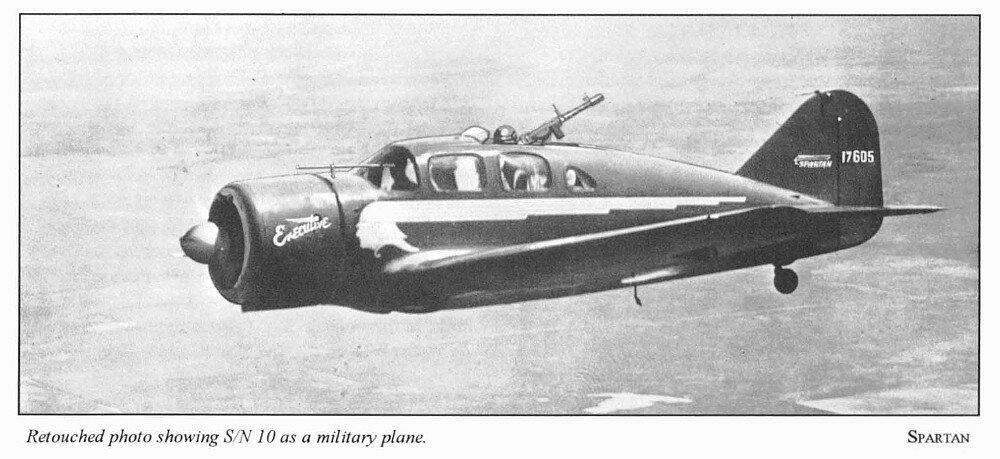
During the late 1930s, the Spartan company considered modifying the Executive into an armed military aircraft by opening the top of the fuselage and installing a gunner there. The only trace of that project is this crudely retouched photo of that project.
(from The Spartan Story, Three Peaks, 1994).

(from The Spartan Story, Three Peaks, 1994).
- Joined
- 26 May 2006
- Messages
- 38,285
- Reaction score
- 20,424
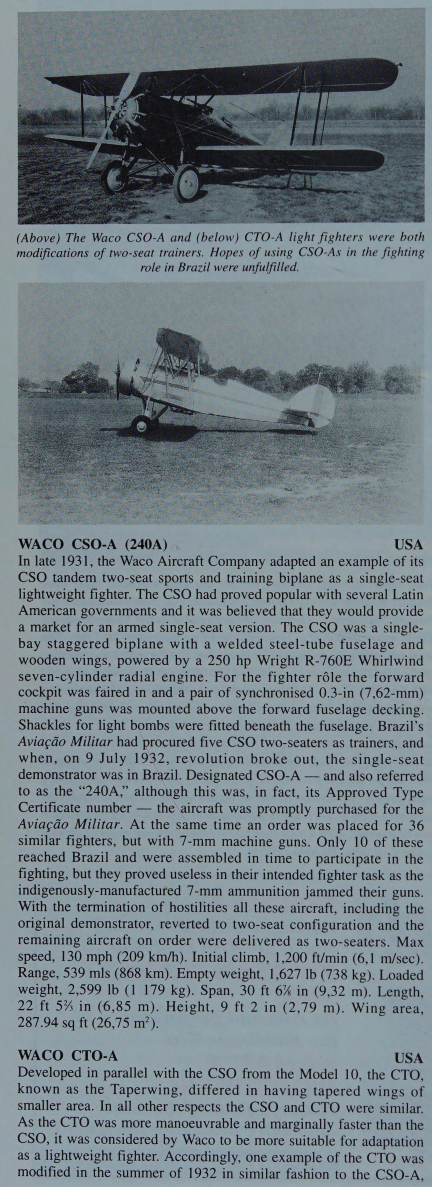
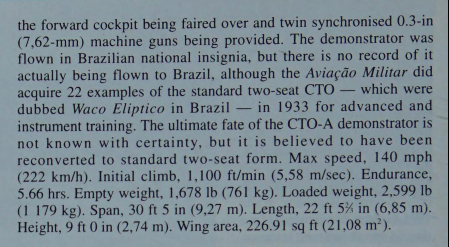
Waco CSO-A :single seat lightweight fighter,a version of CSO tandem two seat
sports and training biplane,powered by 250 hp Wright R-760 E
Whirlwind radial engine.
Waco CTO-A :single seat lightweight fighter biplane,developed from Model-10
it had a tapered wing.
From Air International 1996
Attachments
- Joined
- 26 May 2006
- Messages
- 38,285
- Reaction score
- 20,424
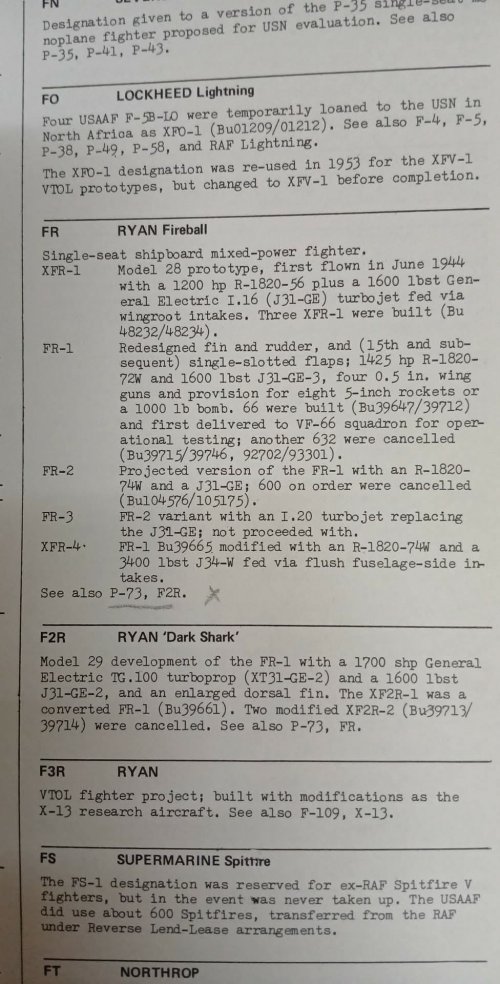
Nice find my dear Antonio,
and this text in it confirms what I thought before,that XP-73 was reserved for Ryan FR-1,to be used by USAAF,and Hughes D-2 may had XP-74 designation ?;
By June 1942, the AAF was interested in a high altitude reconnaissance aircraft and thought the D-2 might be a good fit. At the same time, the D-2’s intended role was defined as a fighter aircraft, and the AAF considered designating it the XP-73. In July 1942, the D-2 was envisioned in more of an attack role, and the designation XA-37 was recommended. However, the D-2 was never officially designated XP-73 or XA-37.
From that book.
Attachments
- Joined
- 26 May 2006
- Messages
- 38,285
- Reaction score
- 20,424
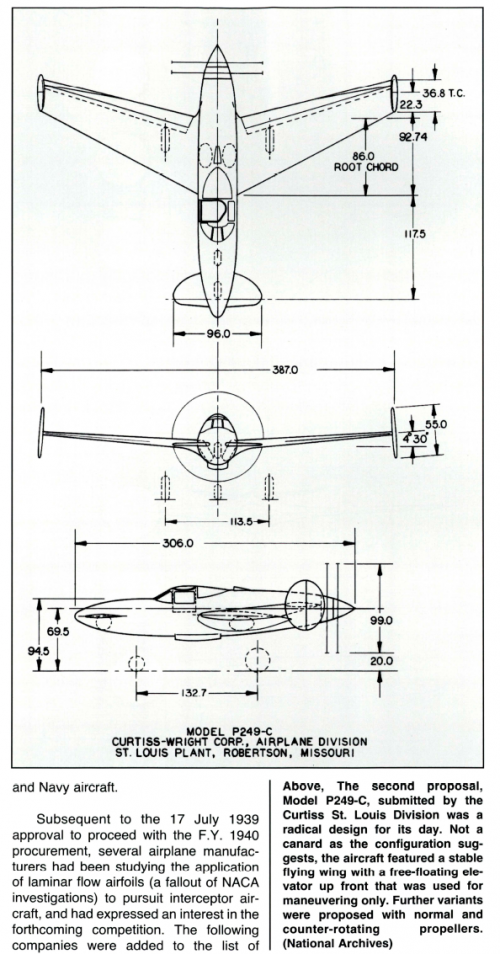
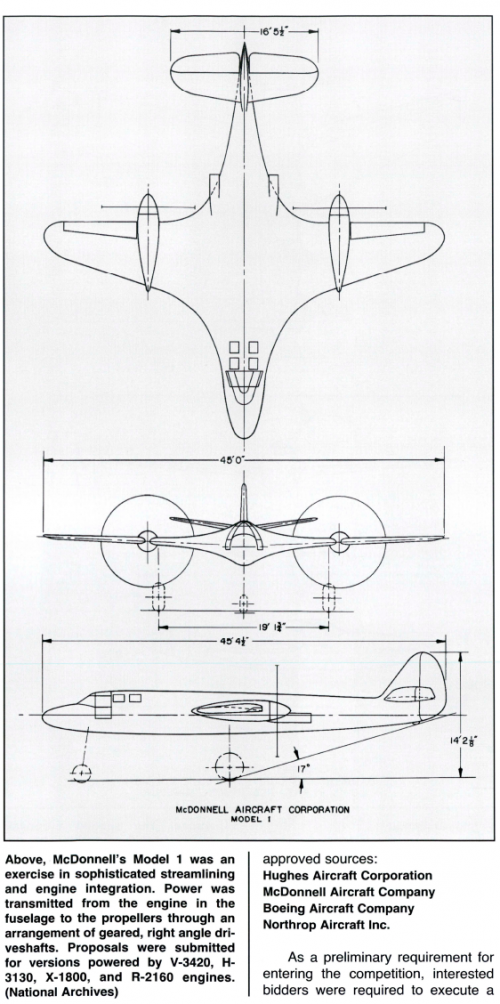
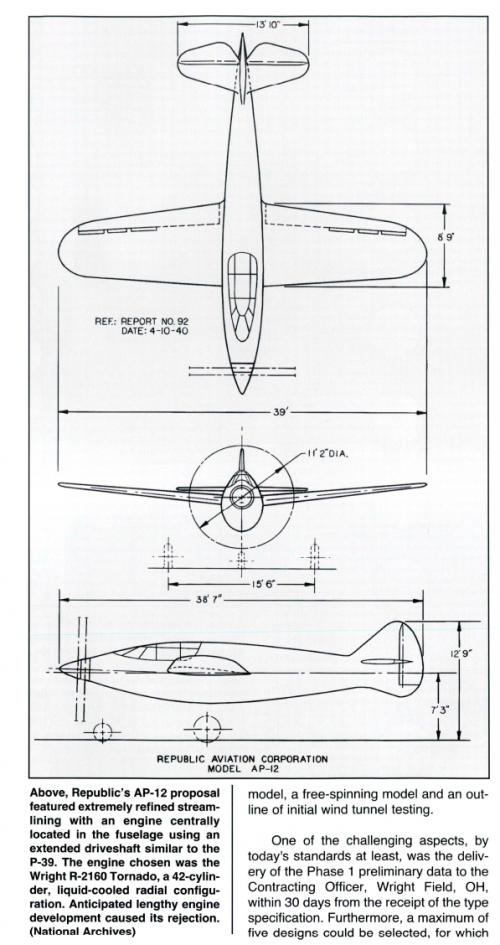
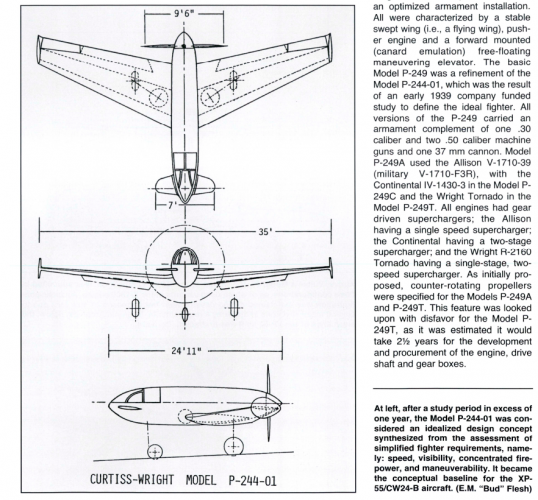
Similar threads
-
 Douglas DS-312 and DS-312A (XP-48): two very different birds...
- Started by Apteryx
- Replies: 39
-
Bell Aircraft's twin-boom fighter projects (XP-52, XP-59, etc.)
- Started by Jschmus
- Replies: 55
-
 Grumman unbuilt pre-1945 fighter designs
- Started by Antonio
- Replies: 8
-
 Otto projects (Jumo 222 piston engine powered aircraft)
- Started by Flitzer
- Replies: 11
-
Fantômes fourchus (dedicated to Tophe)
- Started by Antonio
- Replies: 12