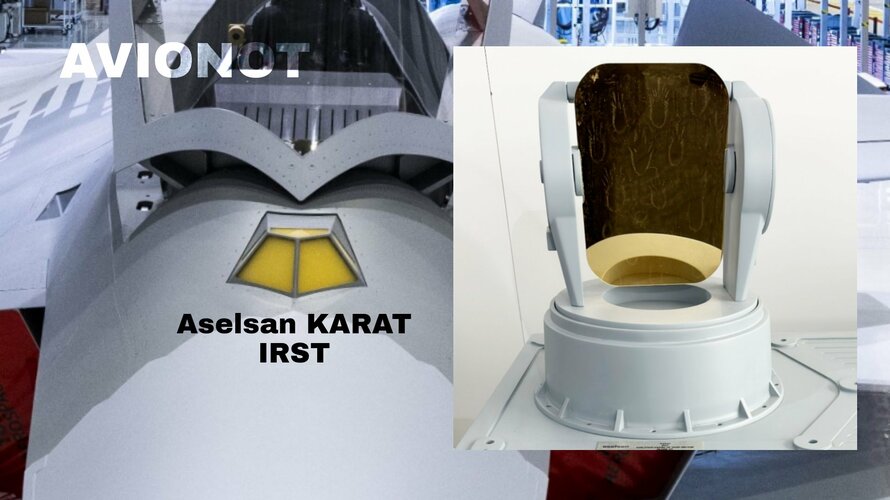
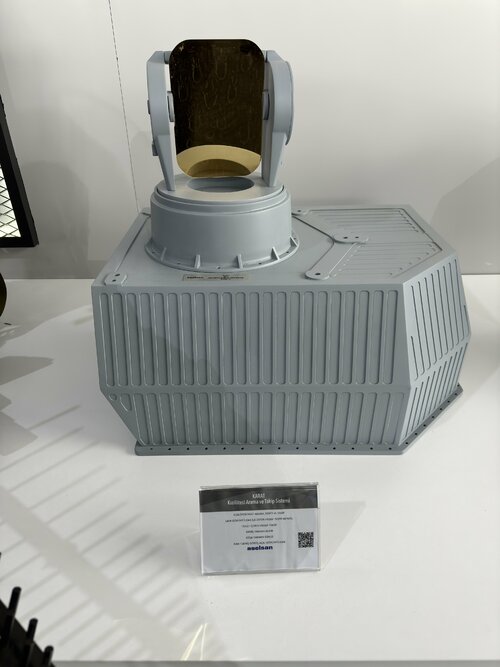
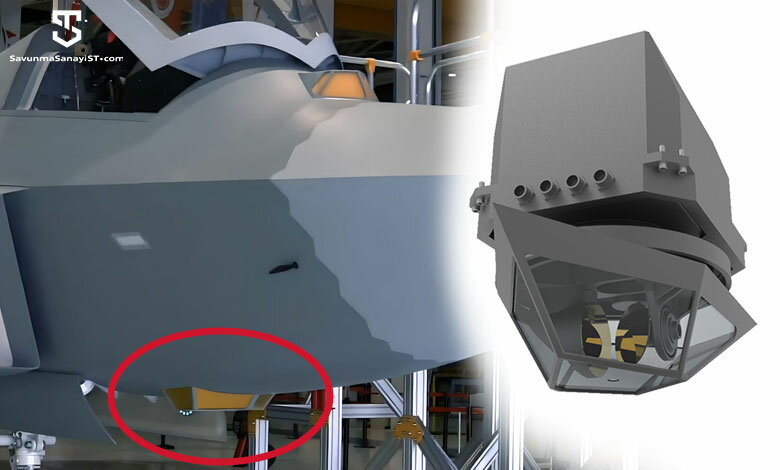
LWIR is better for an IRST system. It is less sensitive to thermal noise in the environment and has better performance than MWIR in fog conditions because its waves are closer to true infrared. LWIR is also better than MWIR for imaging through smoke or aerosols. One more thing is LWIR sees negligible solar effects (sun immunity, direct exposure) while MWIR does, and LWIR provides more consistent images between daytime and nighttime. So, if you want to "detect" things further, especially in adverse weather, LWIR is the better option. Think of it like S-Band and X-Band radars. One is better suited for long-range search, while the other is better for tracking detected targets.
 
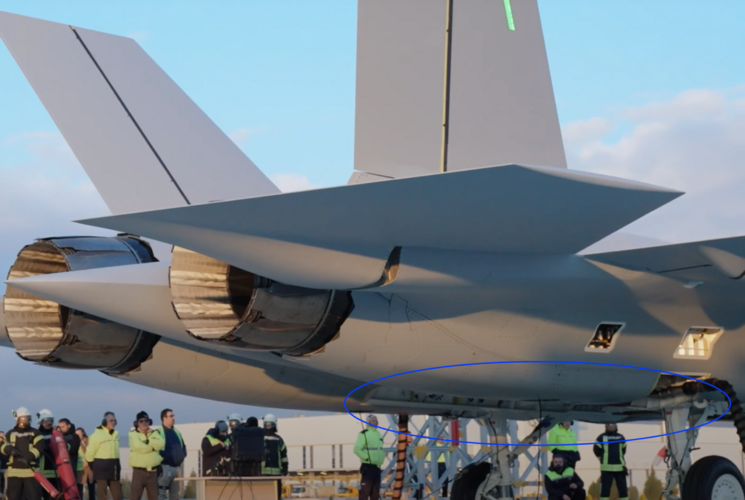
question, is there anything in the tail section between the engine, like a rear facing radar?

As far as I know, TAI is planning to integrate a rear facing AESA radar.
More like EW and Countermeasures like in the case with AMCA. At least that's what I remember the CEO stating as such.

I tried to find the exact quote but it is really hard to find considering how many statements they give each week about this plane..

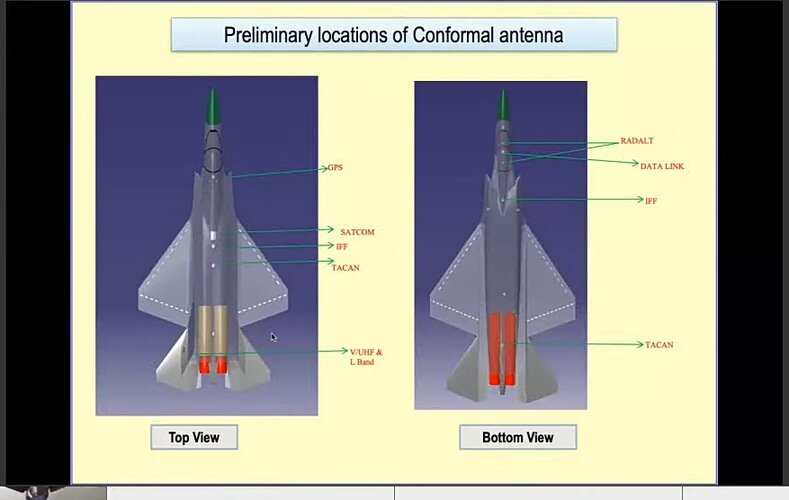
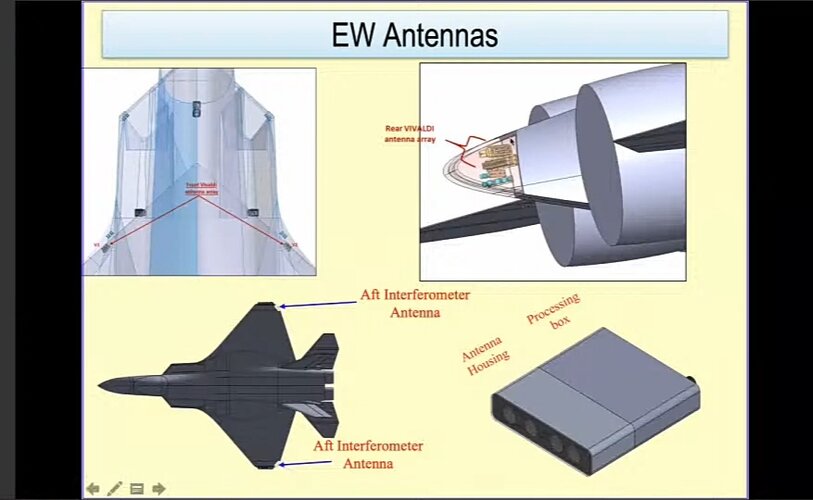
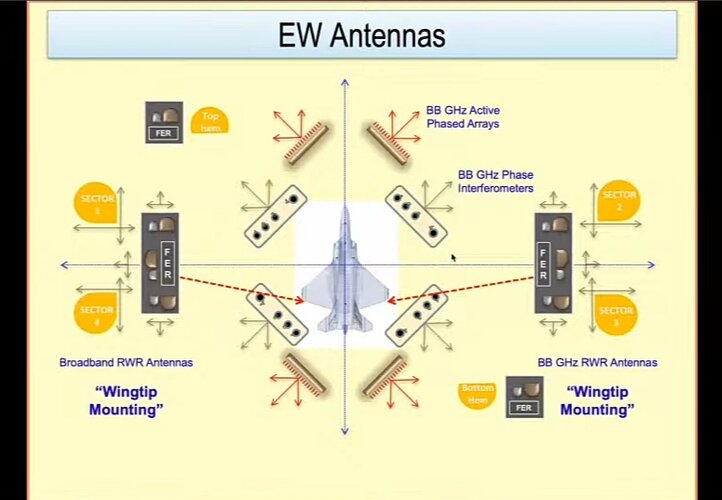
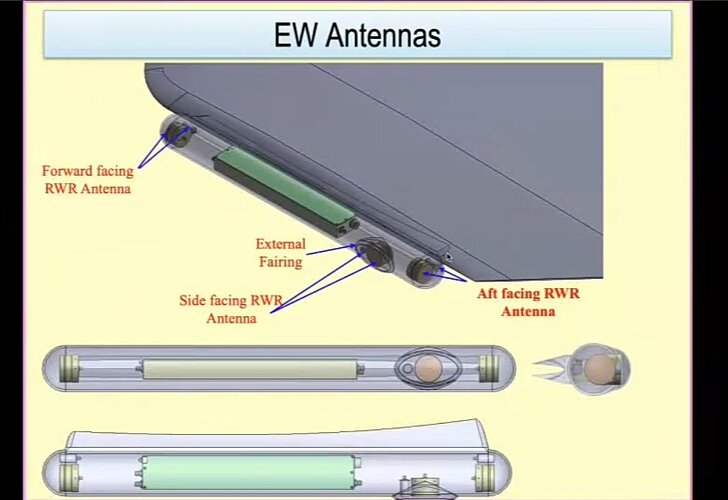
Here are some slides about their placement on the AMCA.

IMG_20230226_104524.jpg
IMG_20230226_110048.jpg IMG_20230226_110427.jpg IMG_20230226_110525.jpg
 
1682794282110.png

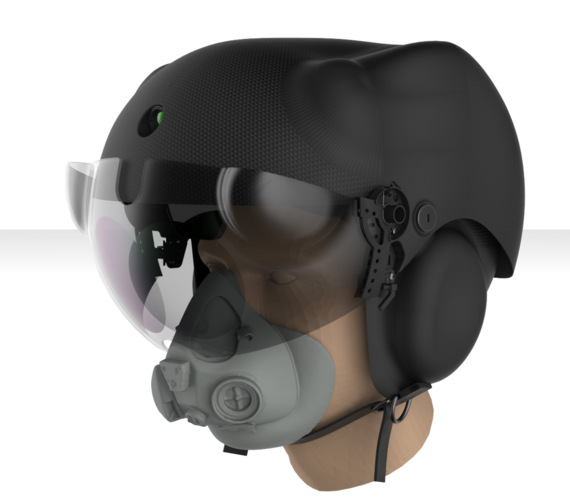
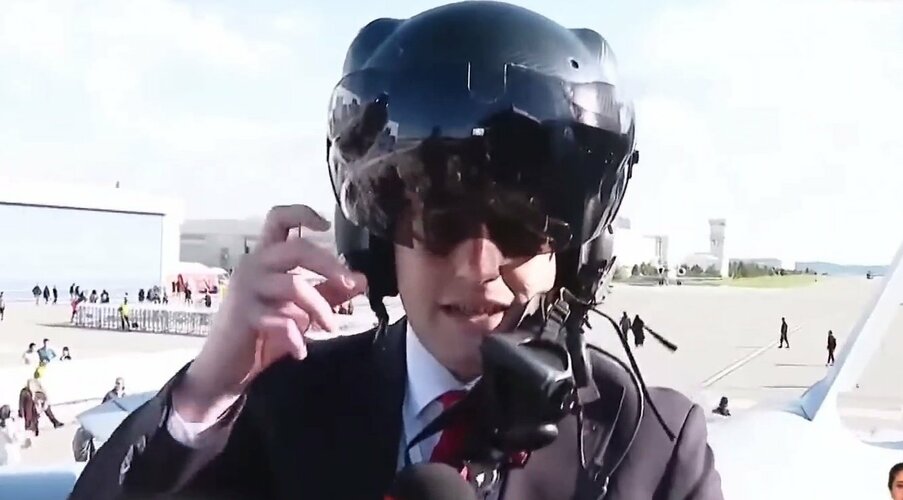
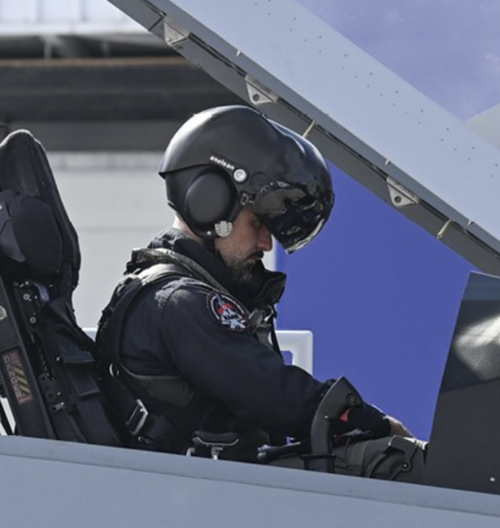
TULGAR System is a helmet-mounted display system designed by ASELSAN for fixed-wing platforms. It incorporates digital night vision, color display, and precise head tracking technologies to enhance the pilot's awareness of the aircraft's capabilities and the mission area.

System Subunits:
• Helmet Unit
• Electronic Unit
• Head Tracking Module

Thanks to its advanced optical design, the TULGAR system provides a wide field of view and high-resolution images reflected onto the visor to support pilots during the mission. The helmet unit is made of lightweight composite materials and an inner shell customized for the user to provide an ergonomic solution to pilots. Active and passive noise-canceling capabilities prevent noise from the platform and other sources from reaching the pilot.

The integrated digital night vision capability of the system enables it to be used without requiring any changes to the helmet unit during both day and night missions.

The TULGAR System is suitable for fixed-wing platforms and is ready for use in challenging environmental conditions due to its durable design.


General Specifications:
• Lightweight helmet unit
• Color display
• Interior helmet structure shaped according to pilot's head
• Digital night vision
• Hybrid head tracking system
• Active noise cancellation
• Compatibility with wearing glasses
• 3D sound compatibility
• 40°(Y)-32°(D) field of view

Interfaces:
• ARINC-818-2 Video Interface
• Display Port Digital Video I/O Interface
• Serial Interfaces (RS-232/RS-485/RS-422)
• Discrete I/O Interface
• MIL-STD-1553 Interface

Physical Specifications:
• Helmet Unit Weight: < 2.1 kg (including oxygen mask)
• Electronic Unit (EU) Weight: < 5 kg

Technical Specifications:
• Power Input: 28 VDC (Nominal)
• Power Consumption: 140 W (Nominal)/190W (Maximum)

Environmental Conditions:
• Operating Temperature (EU): -40°C/+70°C (Fan Cooled)
: -55°C/+95°C (Climate Controlled Air Cooled)
• Storage Temperature (EU): -55°C / +95°C

Qualifications:
• MIL-STD-810G W/Change 1
• MIL-STD-461G
• MIL-STD-1472G
• DO-254
• DO-178C
 
3D Audio Technology is a technology that enables communication channels and voice warnings to be transmitted to stereo headphones with spatial cues in avionics intercom systems.
ASELSAN's 3D Audio Technology is based on HRTF (Human Related Transfer Function). 3D Audio is created spatially based on the location information of the warning and the head movements of the pilot. So the sound is transmitted as if it is coming from above, below, right or left.
Thanks to 3D Audio technology, the pilot's environmental awareness increases, response time and workload decrease.
Radio separation is created using 3D Audio. Communication channels are transmitted to the pilot from different angles so that the pilot can easily distinguish between channels.

3D Audio Features
• Real-Time Operation
• Radio Separation
• Directional Warning
• Global Positioning
• Reduced Response Time
• Reduced Workload
• Increased Environmental Awareness
 
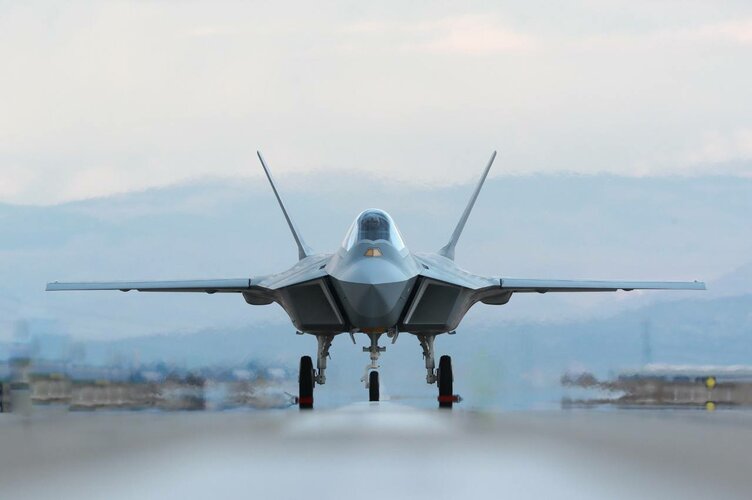
Looks like this will be more of a light bomber project. Sure it will shoot AAMs but focus appears on range and forward signature.
 
Looks like this will be more of a light bomber project. Sure it will shoot AAMs but focus appears on range and forward signature.

They are going for a cross between air superiority fighter and multirole fighter.
which is where fighter jet is trending toward anyway. They maybe able to own that market if they can create basically larger f-35 or stealthed f-15E. I'm surprised it's not 2 seater
 
Looks like this will be more of a light bomber project. Sure it will shoot AAMs but focus appears on range and forward signature.

They are going for a cross between air superiority fighter and multirole fighter.
which is where fighter jet is trending toward anyway. They maybe able to own that market if they can create basically larger f-35 or stealthed f-15E. I'm surprised it's not 2 seater
There will be (or it was in the plans) a twin seater
 
Looks like this will be more of a light bomber project. Sure it will shoot AAMs but focus appears on range and forward signature.

They are going for a cross between air superiority fighter and multirole fighter.
which is where fighter jet is trending toward anyway. They maybe able to own that market if they can create basically larger f-35 or stealthed f-15E. I'm surprised it's not 2 seater
There will be (or it was in the plans) a twin seater
There are some ambiguous statements made by the officials, that is why it is as of yet unclear. They first need to experiment enough with MUM-T to settle whether a single pilot is enough for the job. But I'd not be surprised if they view a two seater as a possible option on the roadmap.
 

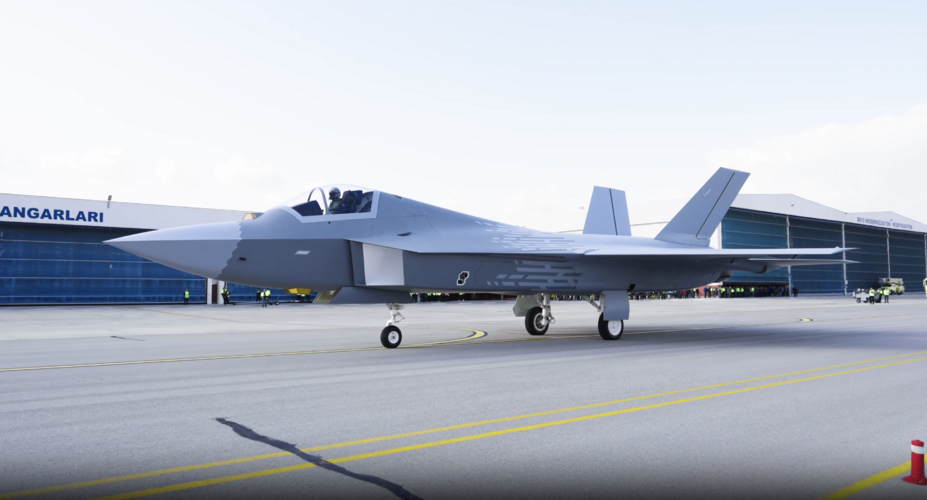
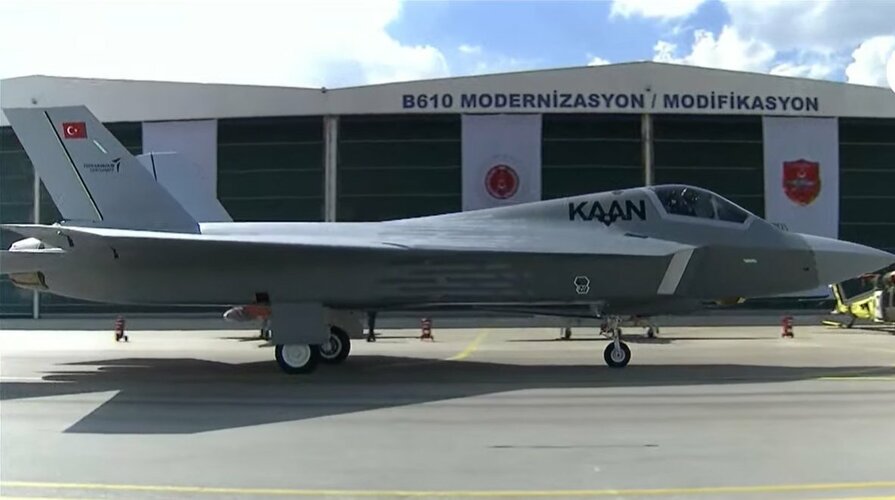
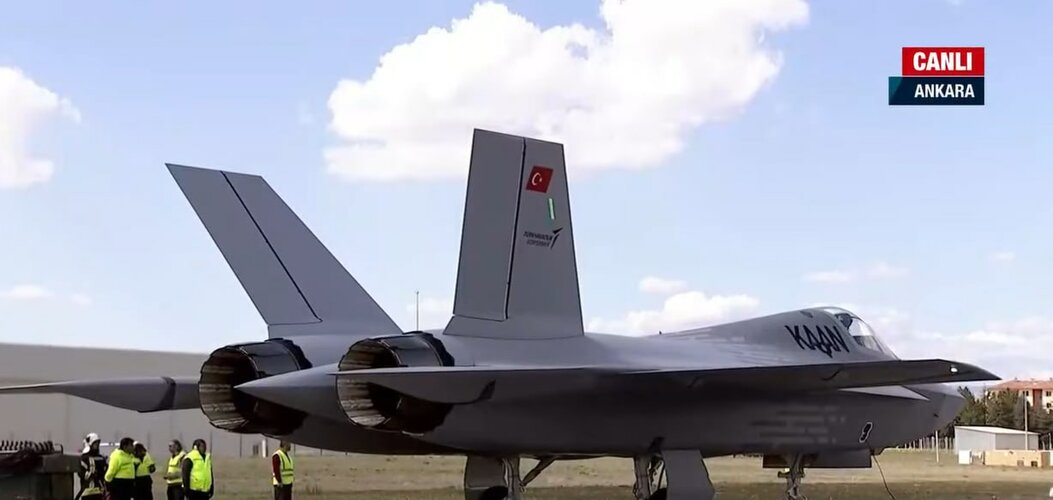
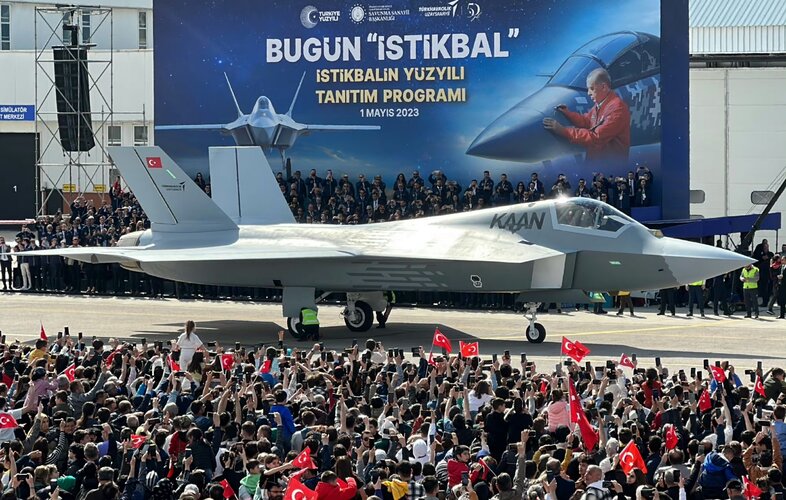
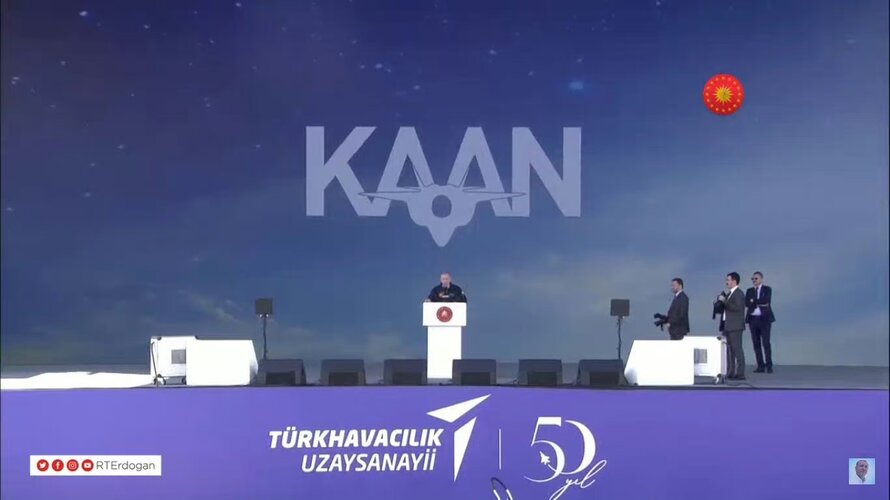
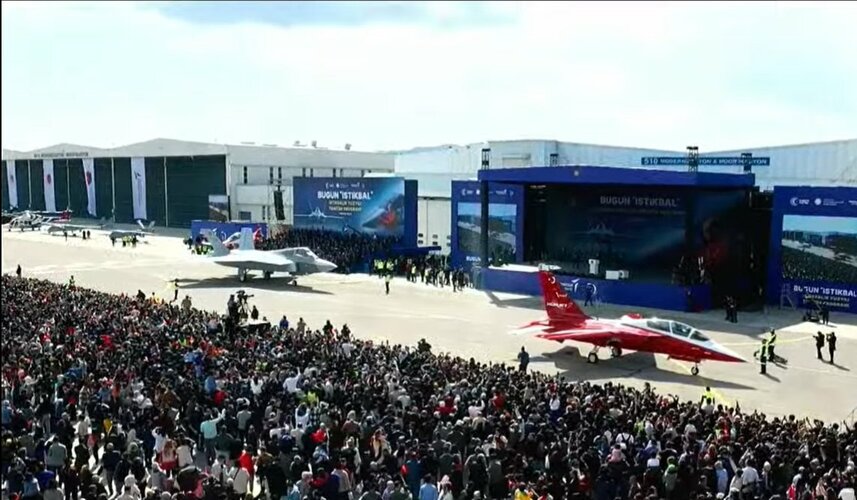
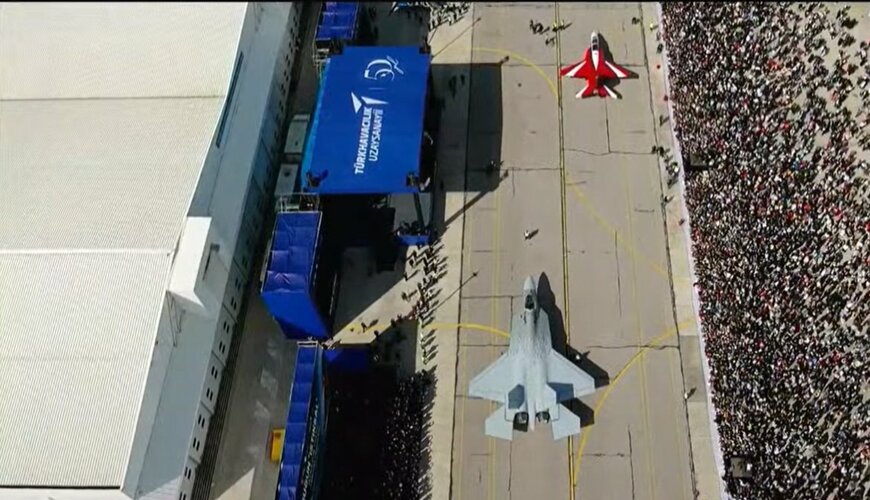
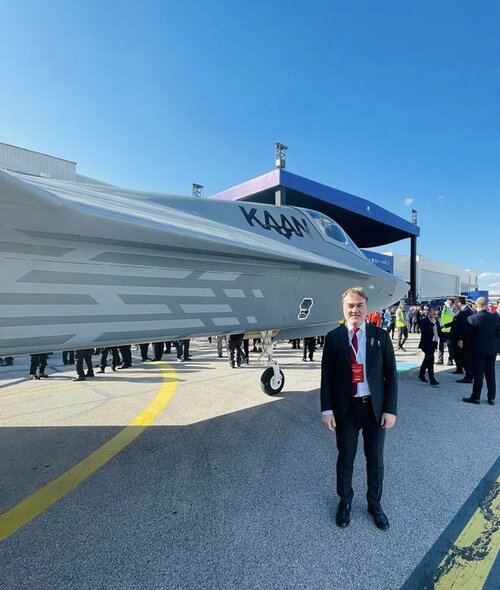
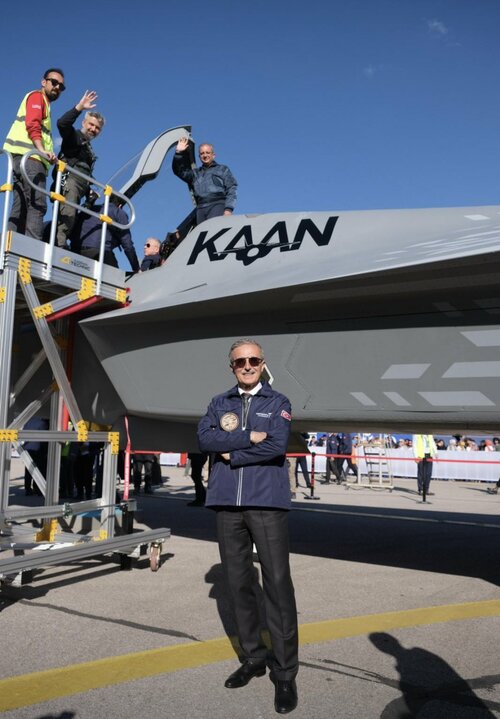
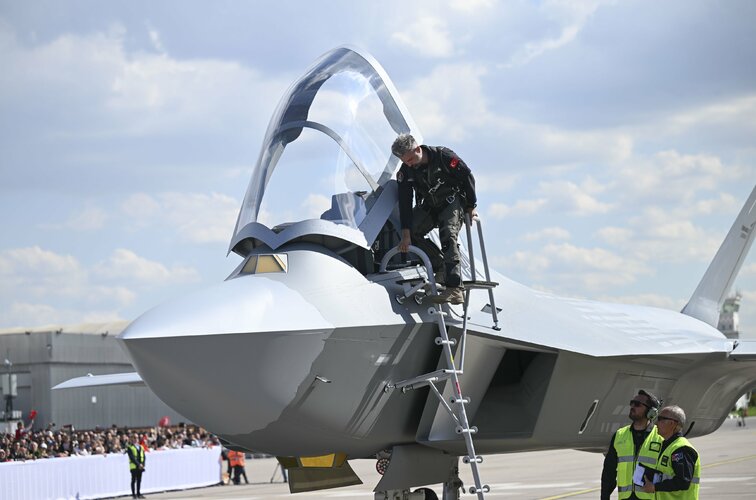
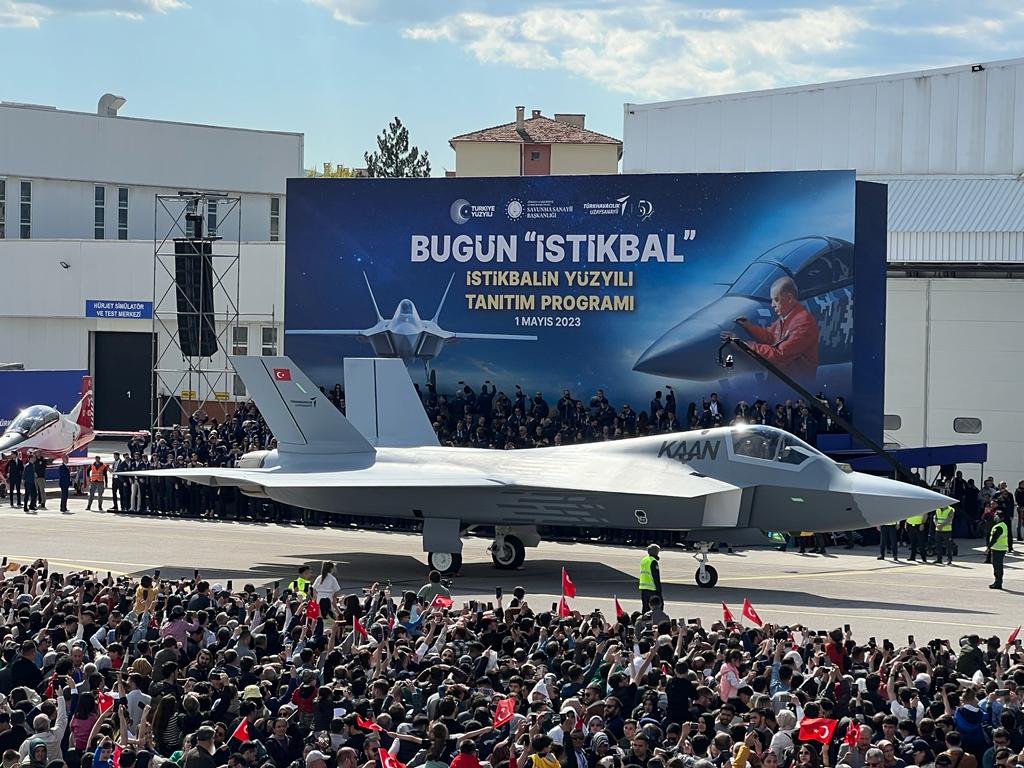
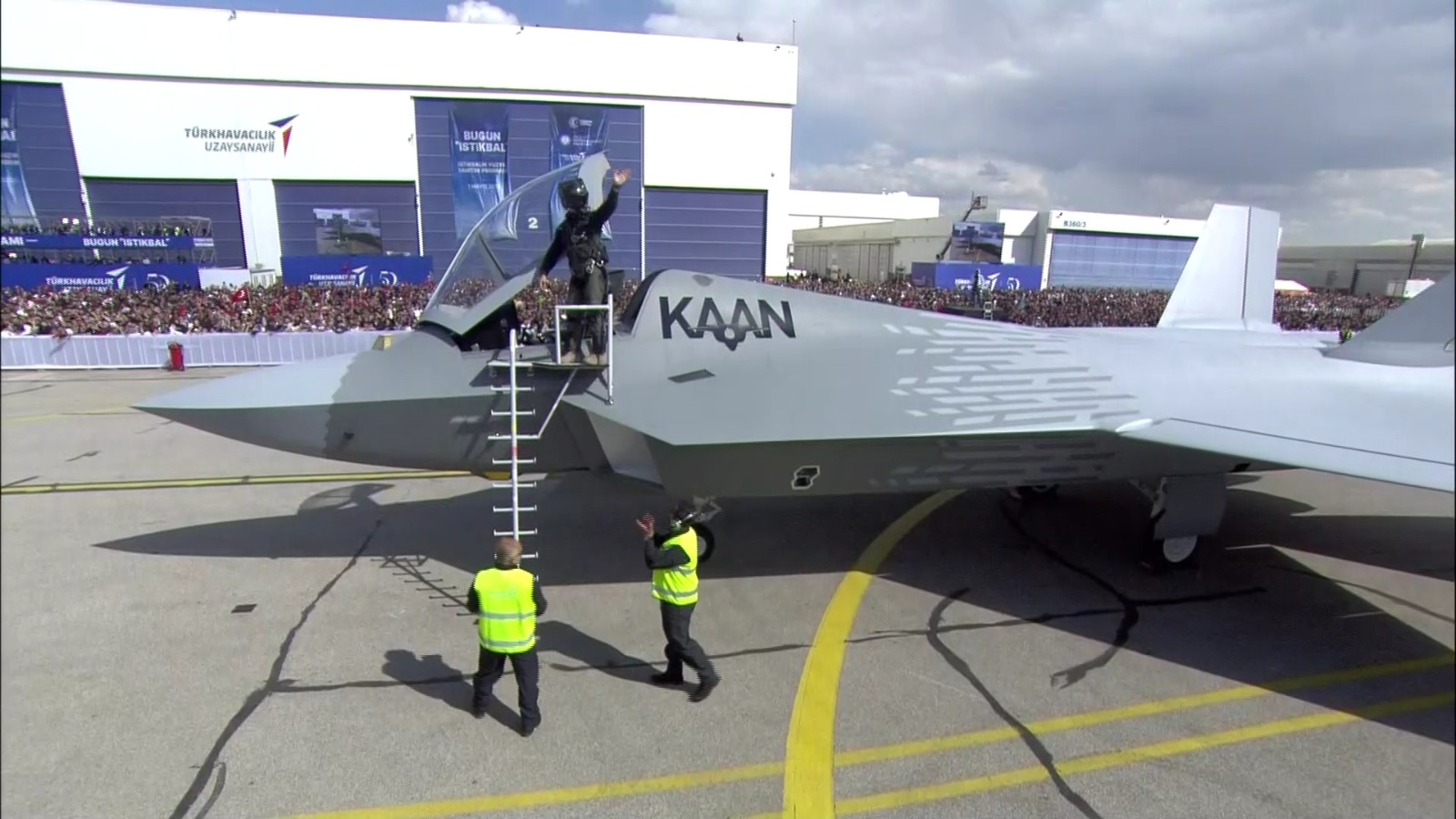
Roll-out and naming ceremony.

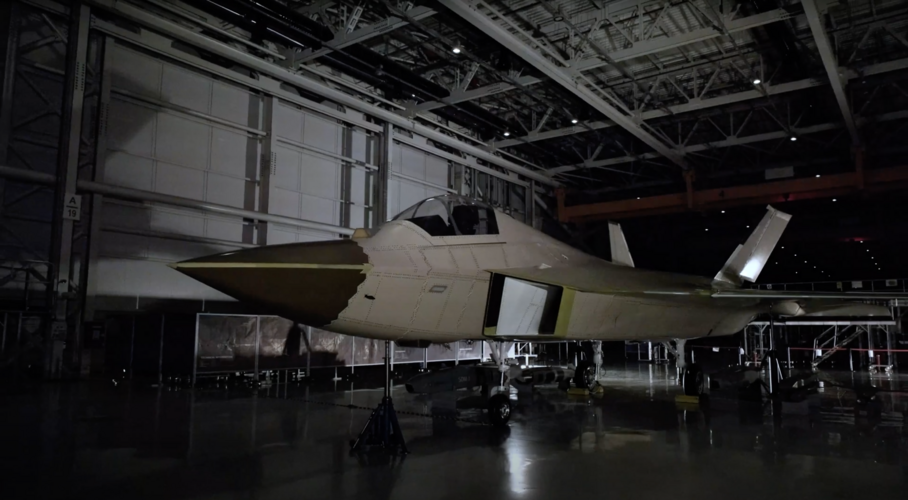
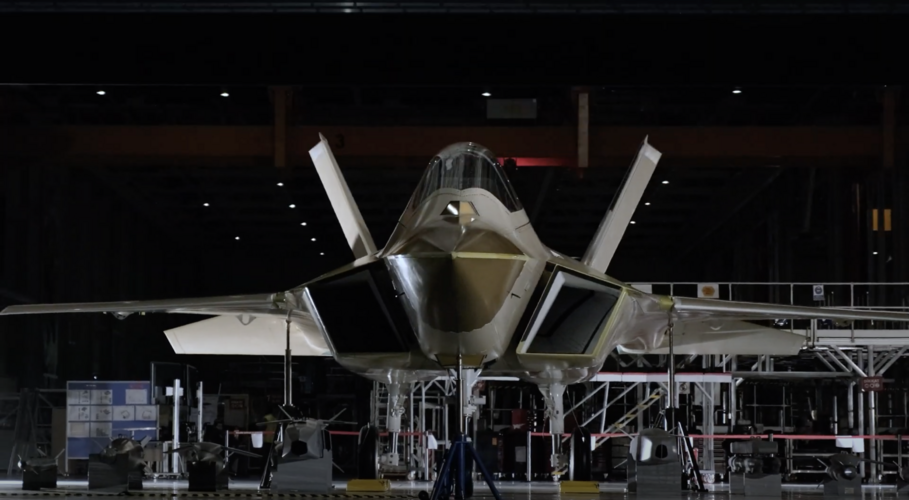
TFX is now KAAN, Meaning “sovereign” and “ruler,” Kaan is reserved for those worthy of pulling the sword from the stone. This masculine appellation is beloved in Turkish-speaking communities and may come from Khan, an ancient Mongol and Central Asian title for a king or military ruler.
FvC2ceeWwAgq05b

FvC3eWVXoAA3k51
 
Last edited:
20230501_165655.jpg 20230501_165513.jpg 20230501_165515.jpg
Erdogan announced the name of the fifth generation Turkish fighter MMU (TFX) ️ The fighter was named "KAAN", which means "Ruler" from the ancient Turkic. ️ Kaan (or Kagan) is a title given to rulers in the ancient Turkic states. The fifth-generation Turkish fighter KAAN will make its first flight at the end of this year. In the future, KAAN, KIZILELMA and ANKA-3 will fly autonomously.
 
Aselsan just released systems they are developing for KAAN via their Twitter account;
View: https://twitter.com/aselsan/status/1653066660364840962?s=20


Electro Optic section was especially interesting,

Integrated EO System (BEOS)
  • KARAT-100: Infrared Search and Track System
  • TOYGUN-100: Integrated Electro-Optical Targeting System ASELSAN Systems
  • IRIS-300: Infrared Missile Warning and Imaging System
  • LIAS-300: Laser Warning System •
  • YILDIRIM-300: Directed Infrared Countermeasure System
 
DEFENCETURK'S INTERVIEW WITH THE HEAD ENGINEER

-We are currently starting the ground test phase for our National Combat Aircraft as you know.

Regarding the second prototype

-The detail parts manufacturing has started for our second aircraft. Assembly will probably begin by the end of the year. Before all of that there will be the production of our tools etc.

"Will you fly this prototype?"

-Yes. The aircraft you see in front of you will fly by the end of the year. We will continue flight testing this prototype as well, of course it will be within a limited envelope due to its systems and the aircraft itself. The next prototype will cover a more expanded flight envelope. We will have a lot of prototypes. We have a really aggressive schedule. We are planning deliveries to start in 2028. We will have around 7 prototypes but this could change. Because we will have a lot of test platforms as well, not just the National Combat Aircraft. We need to test these to support the schedule. We will have a lot of tests performed on a variety of platforms.

"What is the latest news on KAAN's static tests & the iron bird?"

-Our static test platforms are being prepared as we speak. We will start with the iron bird by this year's end.

Question Regarding the national engine's timeframe

-It would not be appropriate for me to comment on that but the process has started. Our companies in question have started working on it.

"Will there be differences between this prototype and the production aircraft? (or smth like that)"

-There are details in which I'm not allowed to comment on. But Block 10 will be very capable. Our AESA radar will be on our first aircraft. There may be a lot of differences between prototypes. This all depends on the data we gather from our flight tests, ground tests and maybe our wind tunnel tests. If you study similar aircraft such as the F-22 & F-35 you'll see those differences. We also know that our aircraft can change drastically and we are prepping our teams accordingly.

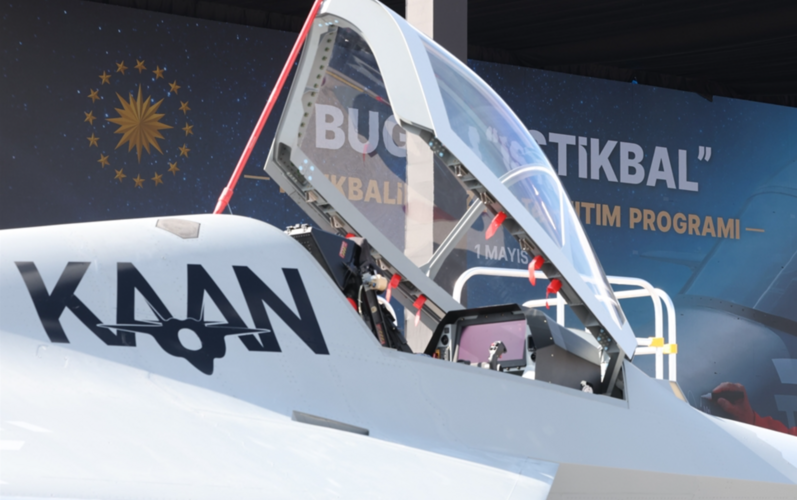
"Is the forward opening canopy a standard or will it change?"

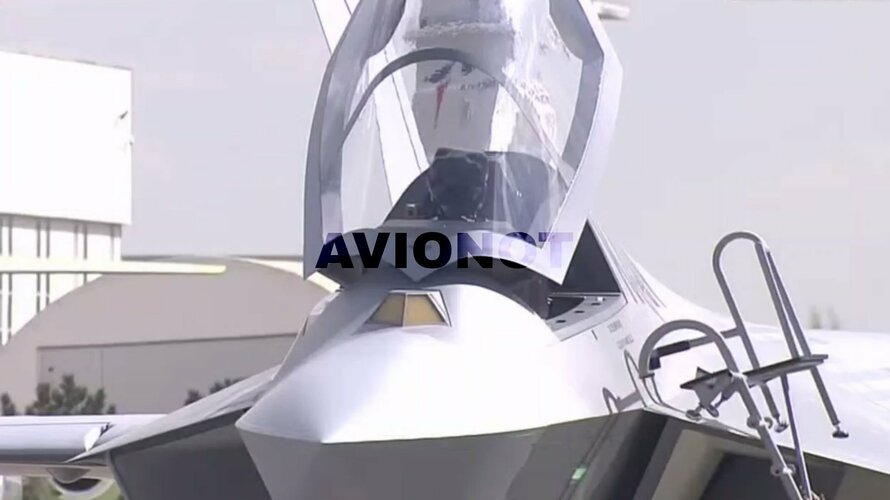
-Our current plan is to keep it as is. Our technical teams have performed a lot of work and gave plenty of tradeoffs, and from these studies we figured that this was the best possible option for our aircraft.

"From which point onwards will the IWB's be active?"

-
All of our designs have been made so that they will always remain active. When we will start weapons tests will depend on our program.

"Are there interested countries?"

-Yes, a lot of countries are currently interested. It's not up to me to specify which countries these are.
 
The fact that they're being very vague regarding the timeline of the domestic engine for this aircraft means that it is years away from completion. I feel like this is the one aspect of this project that's going to run into trouble. It's one thing to develop domestic engines for helicopters or drones, but for an F-22 sized stealth fighter ? That's a whole different ball game. If this project starts having delays or massive cost overruns I would not be surprised to see it canned in favor of using foreign powerplants.
 
So a weird info for y'all

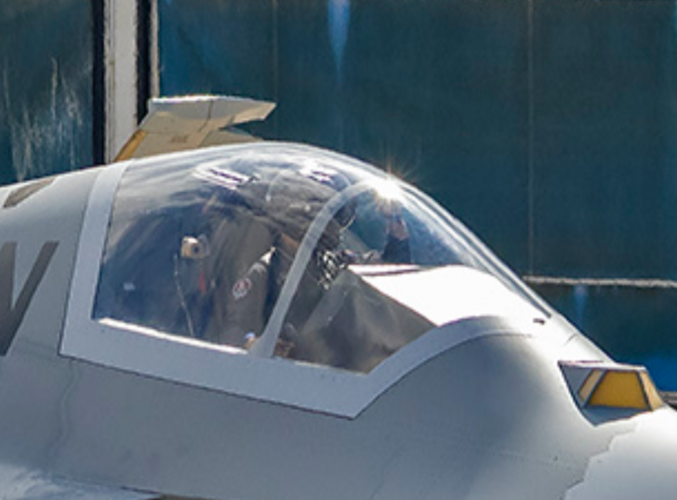
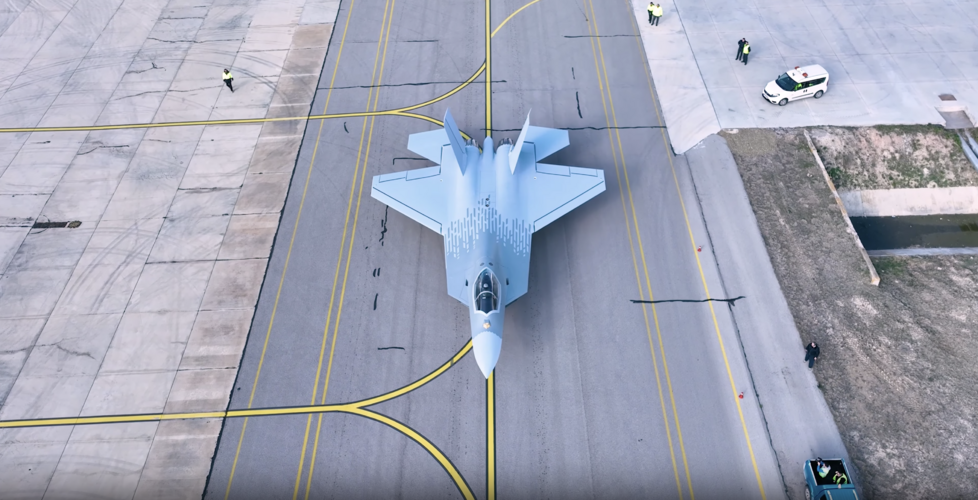
According to KAAN's test pilot, the aircraft had a tendency to turn right all the time. Which in turn forced them to use asymmetric thrust to keep the aircraft straight. According to the chief test pilot, this issue has largely been fixed and Gökhan Bayramoğlu (the other test pilot) was relatively comfortable performing her taxi trials.
 

Similar threads

Back
Top Bottom