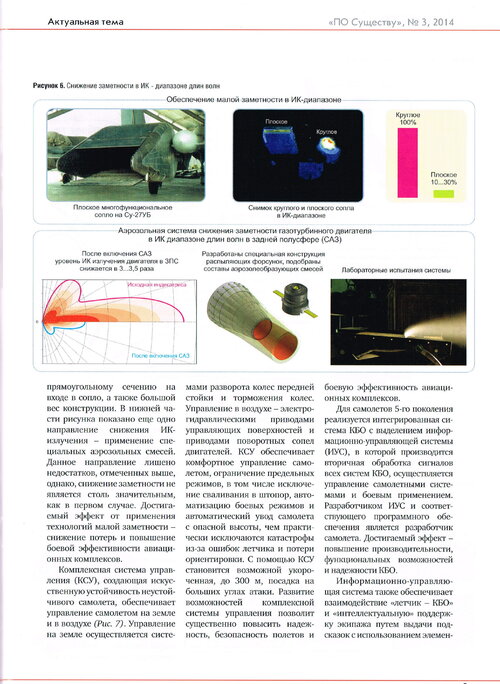
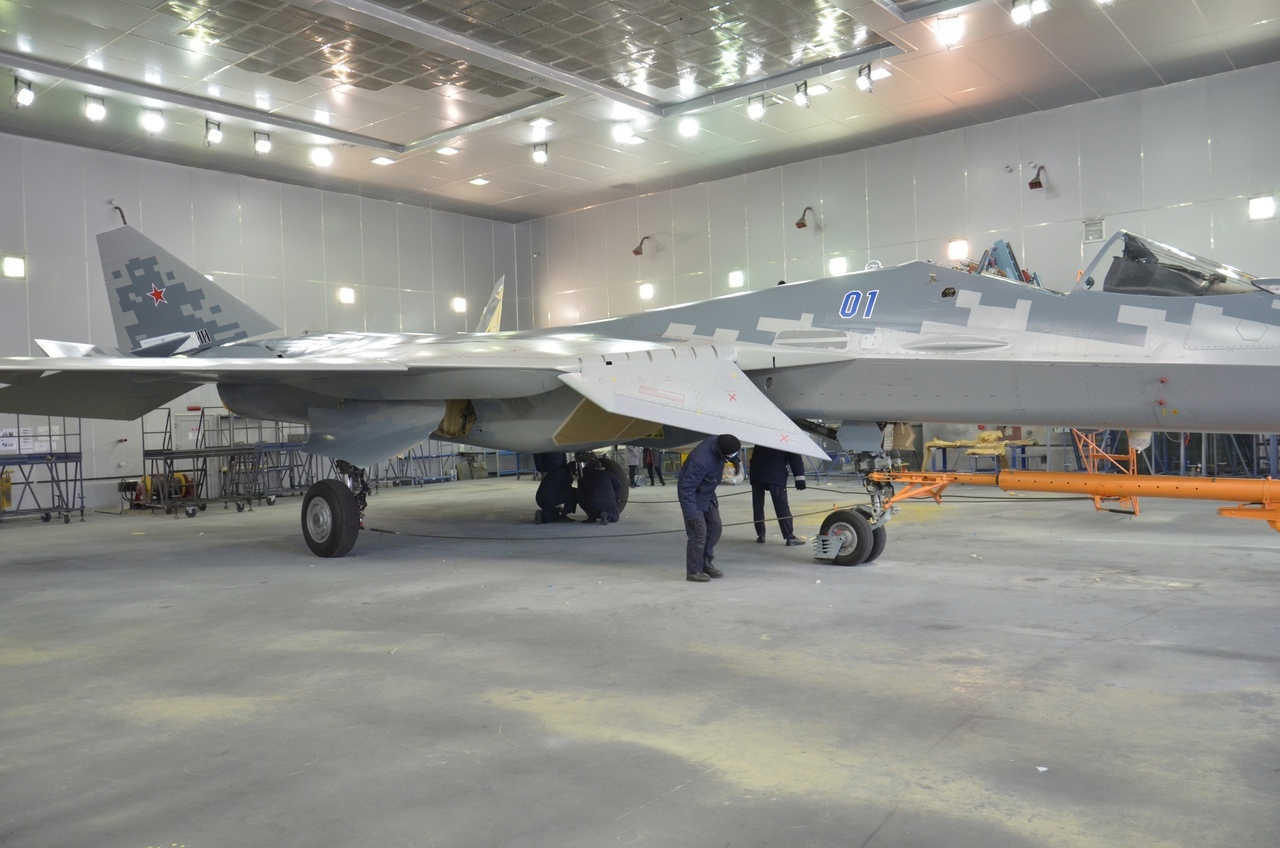
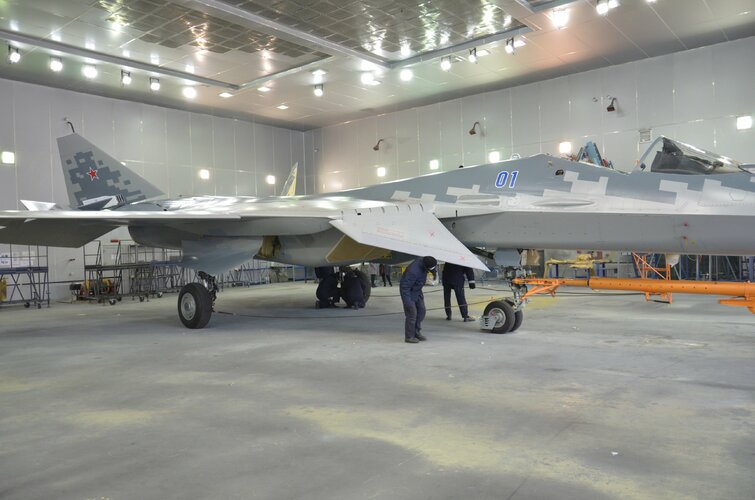
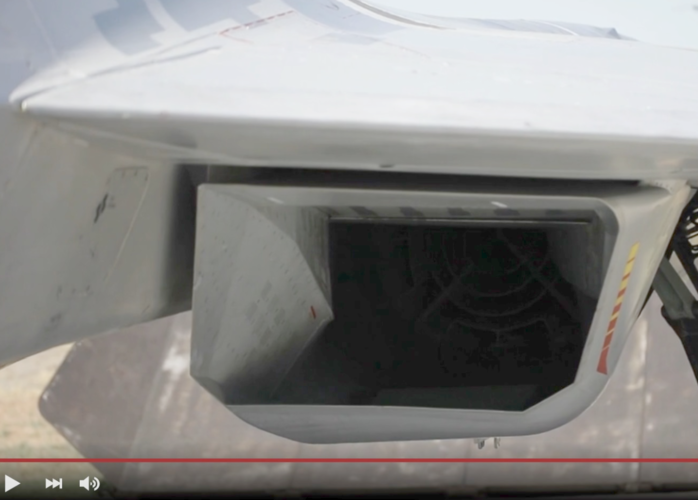
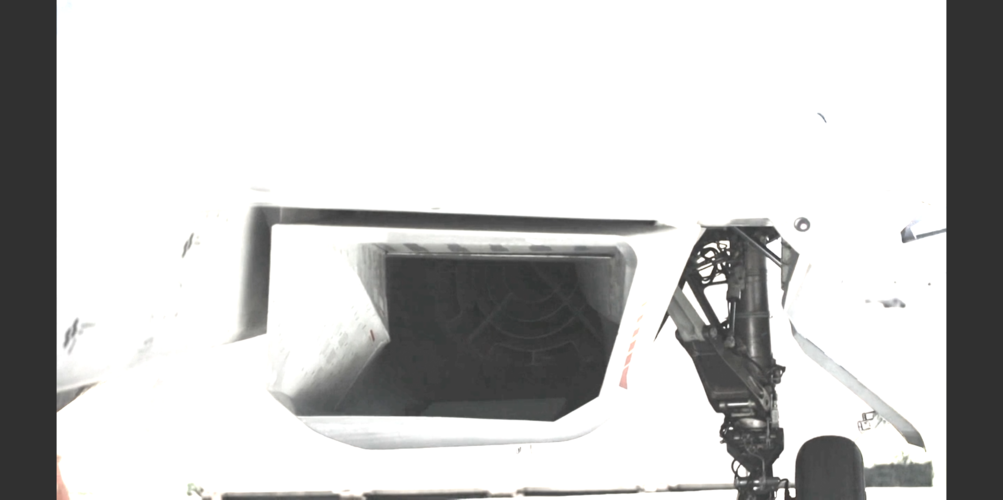
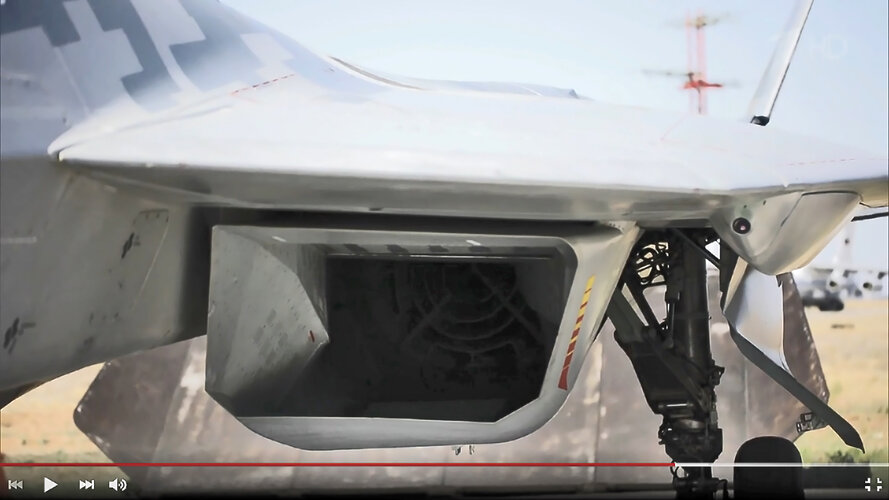
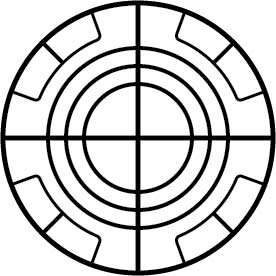
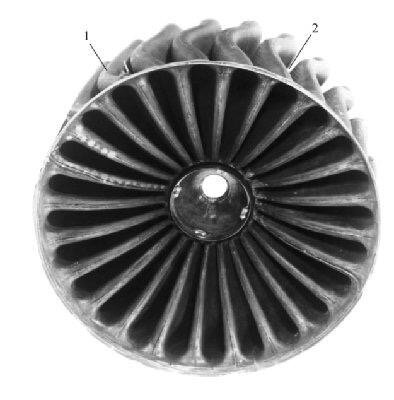
Lower frequency radars seem largely limited to ground stations. That seems like a bit of a win for low RCS aircraft. The one exception I know of is the E-2D, which is supposed to be a UHF band radar and apparently uses some form of computer black magic to generate target grade tracks. But we are still talking about a dedicated multi-engined platform with a huge fairing.
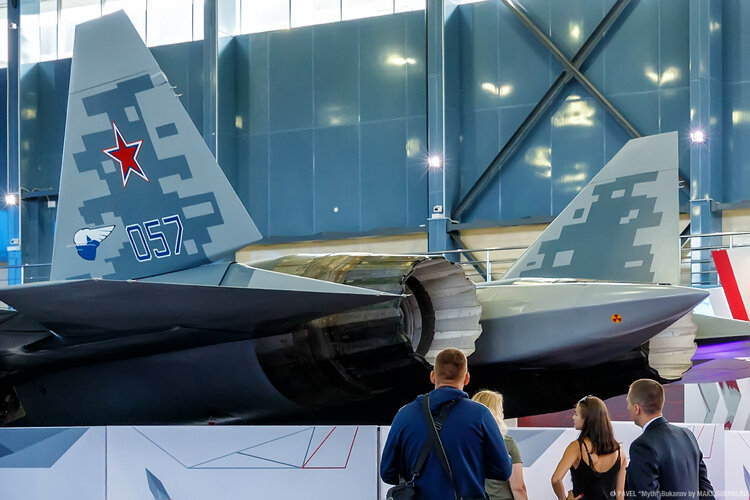
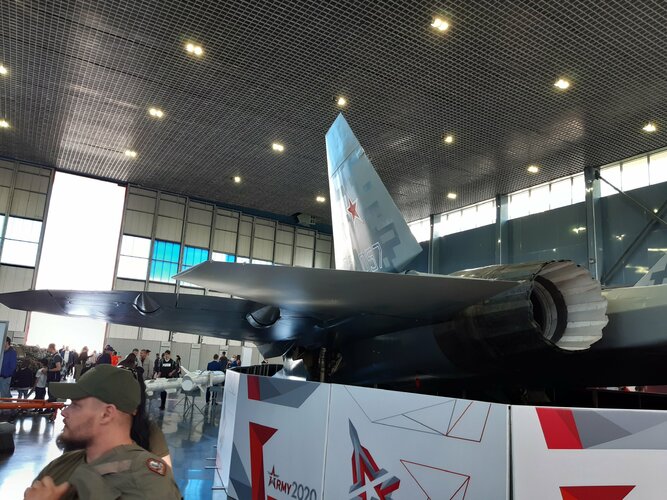
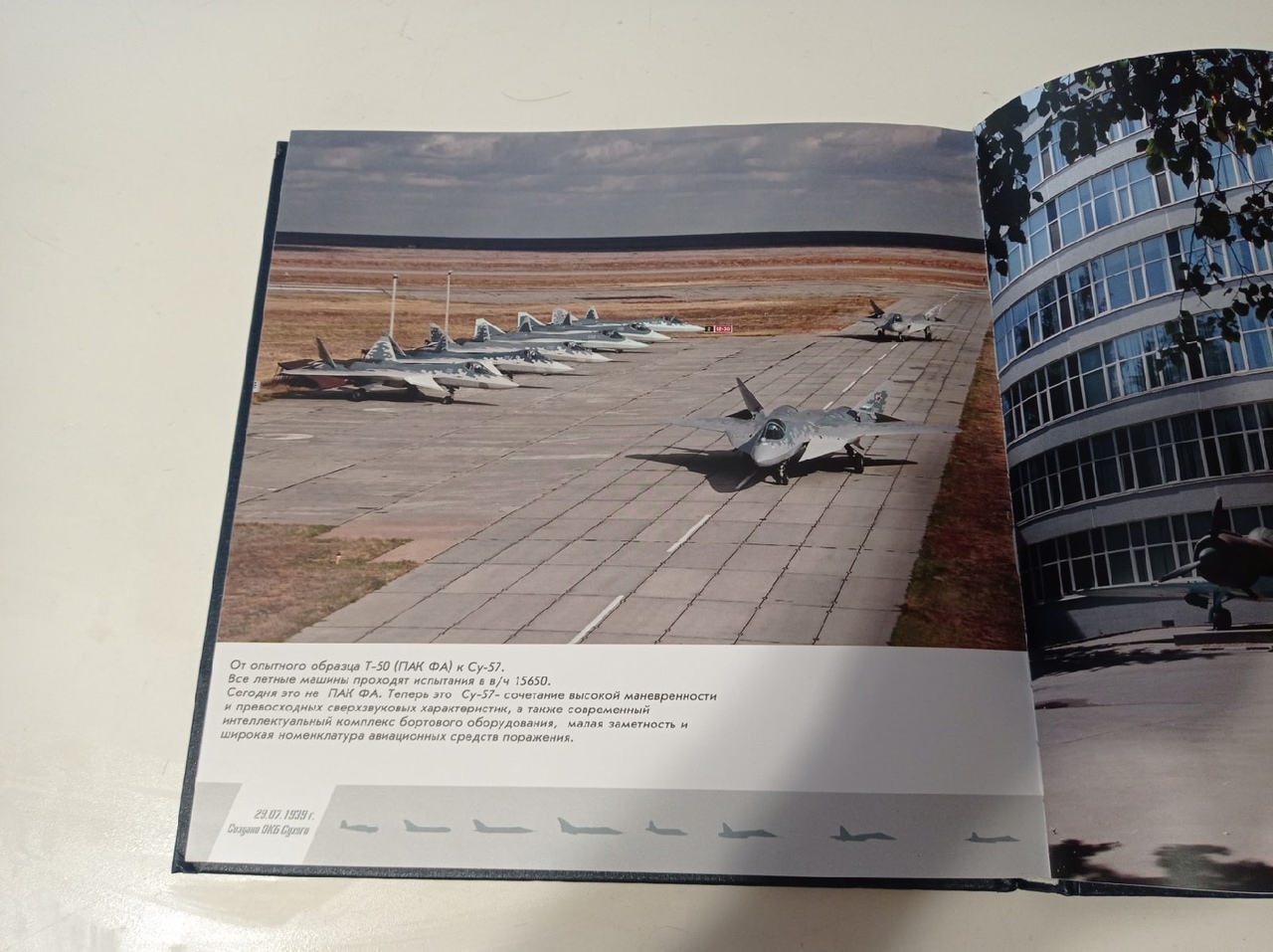
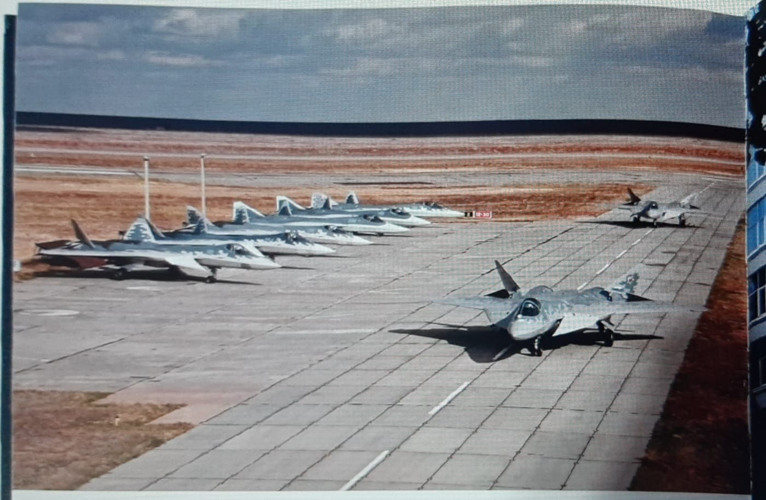
But the bigger question to me is whether a row RCS aircraft is really cost prohibitive in the first place. The F-35 is now at nearly the same price per copy as an F-18. There probably is a lot of sunk cost in R&D specifically related to composite materials and shaping, but that is spread across about 600 examples and counting. The main drawback the Su-57 seems to have in that regard is that the production rate and number of users of the aircraft are going to be much lower than F-35, which makes it harder to justify some program costs. This may or may not have influenced Russian attitudes and requirements for RCS; I don't think anyone definitively knows.
Yes, this may have played a role. I doubt anything we've been expounding on as amateurs in this thread is news to the engineers at Sukhoi, but for reasons only known to themselves they deliberately elected to go a different route. That doesn't automatically make this choice correct (specifications and assumptions can fail to address reality), but it is something to be borne in mind by the likes of Justin Bronk.



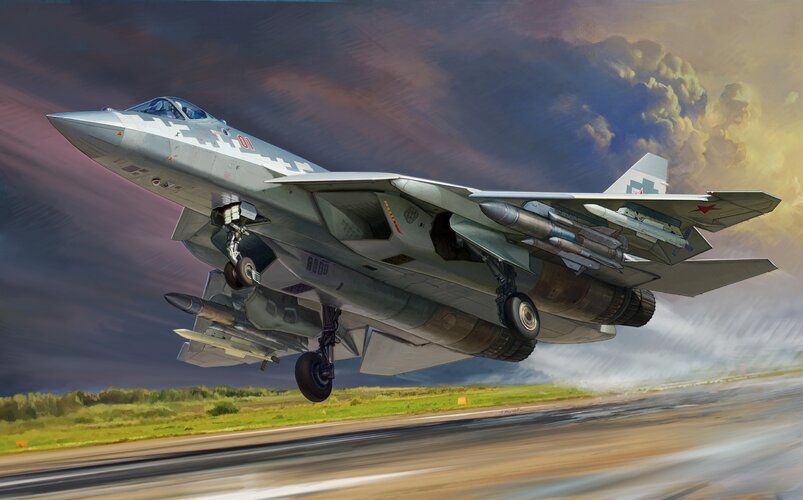
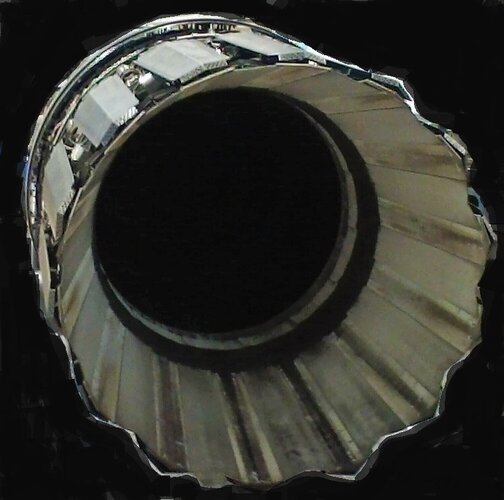
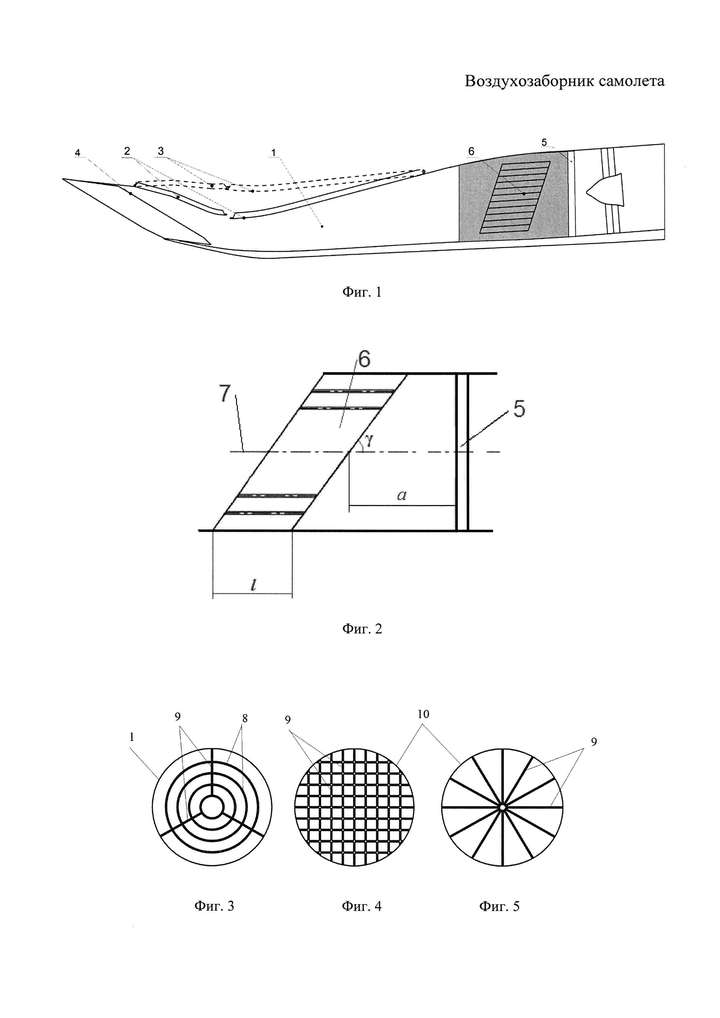
 (Higher res. in pdf file)