Some WW1 Anti Tank Guns

World B4

my bad y'all
Joined
25 June 2017
Messages
596
Reaction score
558
The French 20mm antichar autocannon
https://www.historicalfirearms.info...nay-belleville-anti-tank-weapon-today-i/embed
The American Winchester Pugsley anti tank rifle
https://guns.fandom.com/wiki/Winchester-Pugsley_anti-tank_rifle
The British Godsal 1918 anti tank rifle
https://www.historicalfirearms.info/post/183659980049/godsal-1918-anti-tank-rifle-while-the-imperial
The German Fischer 3.7cm anti tank gun, 15 produced, supposedly combat tested
https://books.google.com/books?id=e...ECAsQAQ#v=onepage&q=fischer 3.7cm gun&f=falseOn this article about the 3.7cm Tankabwherkanone Rheinmetall shows a photo of one next to a Fischer 3.7cm gun, providing a good size comparison
http://www.tanks-encyclopedia.com/ww1/germany/3-7cm-tankabwehrkanone-rheinmetall
The German MG 18 Tuf, 50 were made, but never sent into combat before the war ended
https://modernfirearms.net/en/machineguns/germany-machineguns/tuf-2/
I hope this is the right thread, I chose this one as opposed to the Rockets Missiles and Guns one because these weapons are a step above small arms and can be considered light artillery. Apologies if I am mistaken.
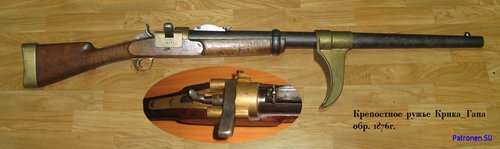
 
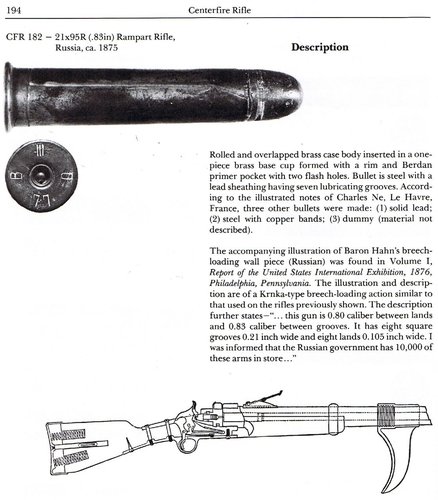
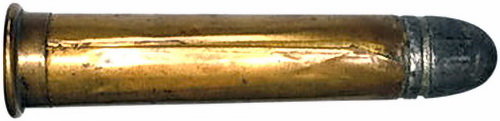
Russian M1875 Ghan-Krnka rampart rifle, .80 cal, 20.3x95R - suggested use for shoot of German and Austrian armoured cars, at 1915. Bullet (caliber - 20.98 mm) - armour-pierced with iron or steel core, 128 g (1975 gr), 23.4 g (361 gr) black powder, weight of cartridge 204 g (3148 gr). Weight of gun - 20.5 kg (45.2 lbs), lenght of barrel - 914 mm (36 inch), full lenght - 1440 mm (56.7 inch). Muzzle velocity - 427 mps (1400 fps), energy - 11 670 Joules. Piercing of 7.62 mm (.3 inch) iron sheet - on 854 m 100%, on 1067 m 50%. Recoil pad - with damping, for decrease of recoil. I haven't data about use of this gun at WW1.
2_03_10_12_8_44_42.jpeg
723105.jpg
345227_original.jpg
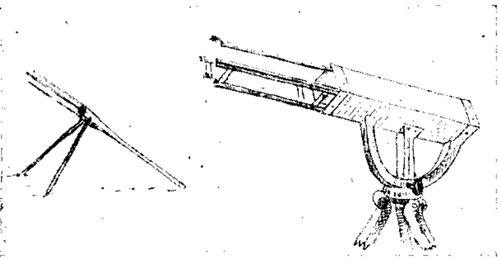
Civil Zhelyazko from Warsaw proposed a "hand cannon" at 1915, but, I don't know a details.
...
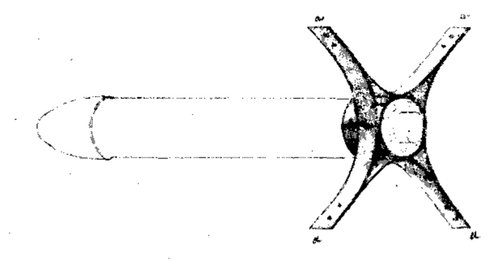
Rheinmetall in 1918 proposed anti-tank rocket launcher with HE charge.
...
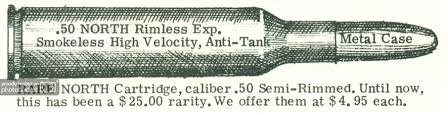
British/American early AT cartridge (.50 Colt-Kynoch):
Без названия.jpeg
 
Last edited:
That whole area is a very interesting lineage, and honestly you could probably write a book (or at least a many-paged essay) on the convergent evolution of portable heavy guns into the modern long-range antimateriel rifle. Every 20 years or so from 1900 to when Ronnie Barrett's design finally caught on in the '80s, it seems like someone came along with something of this nature.

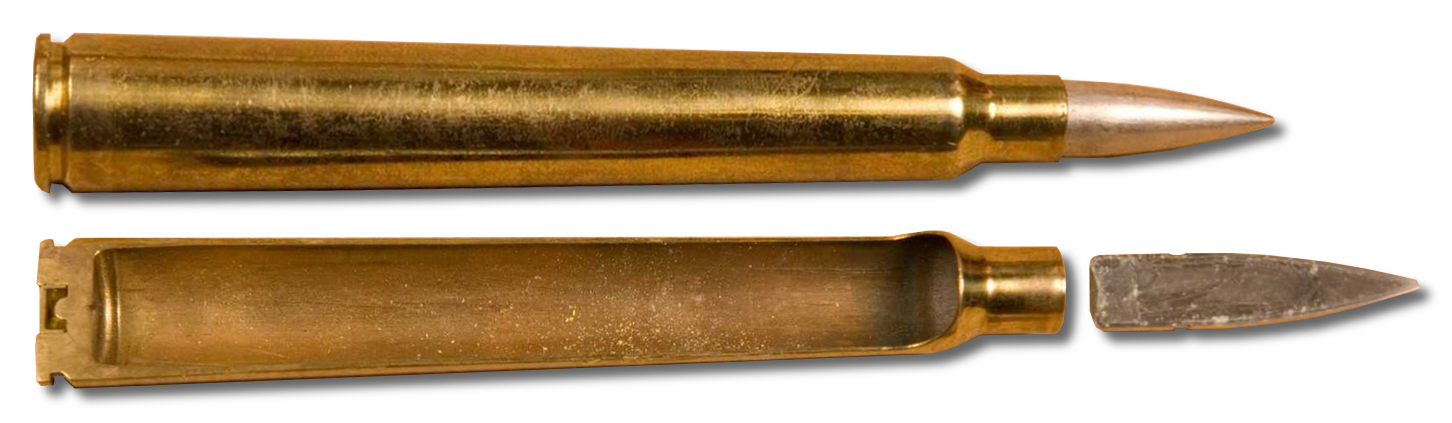
Here's one from the next wave after WWI, the Polish wz. 35, notable not so much for its design (a seriously overgrown Mauser action) as the slightly insane cartridge it fired: the 7.92x10⁷(!)mm, which is essentially again an oversized Mauser round...except nobody told the bullet. So this beast fired a 225-grain bullet at a bit over 4000fps suitable for hunting Panzer I and IIs, with muzzle energy numbers just about equivalent to a .600 Nitro Express.

Wz35_antitank_rifle_SA-kuva_113078.jpg

8_mm_patron_till_pansarv%C3%A4rnsgev%C3%A4r.png
 
That whole area is a very interesting lineage, and honestly you could probably write a book (or at least a many-paged essay) on the convergent evolution of portable heavy guns into the modern long-range antimateriel rifle. Every 20 years or so from 1900 to when Ronnie Barrett's design finally caught on in the '80s, it seems like someone came along with something of this nature.

Here's one from the next wave after WWI, the Polish wz. 35, notable not so much for its design (a seriously overgrown Mauser action) as the slightly insane cartridge it fired: the 7.92x10⁷(!)mm, which is essentially again an oversized Mauser round...except nobody told the bullet. So this beast fired a 225-grain bullet at a bit over 4000fps suitable for hunting Panzer I and IIs, with muzzle energy numbers just about equivalent to a .600 Nitro Express.

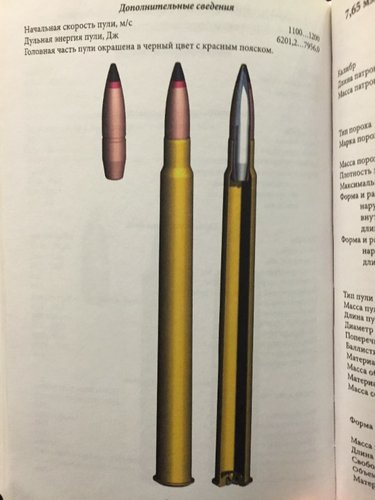
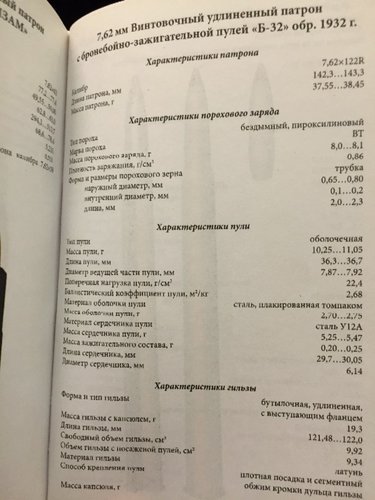
Soviet analogs of 7.92x10⁷:
IMG_20190826_192857.jpg
(7.62x122R, muzzle velocity 1100-1200 mps or 3608-3937 fps, bullet 10.25-11.05 g or 158-171 gr, energy 6201-7956 Joules)
b63b65c9731e.jpg
dbbac1e7ebf1.jpg
Other powerful cartridges:
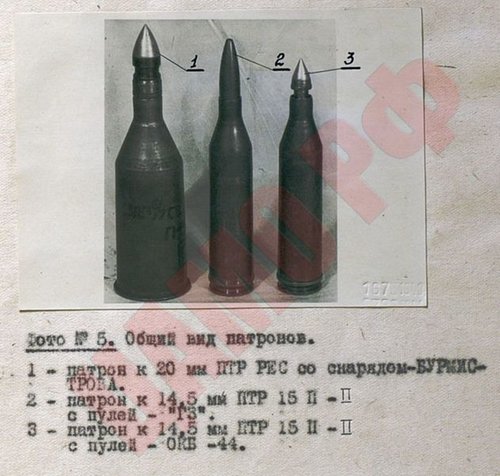
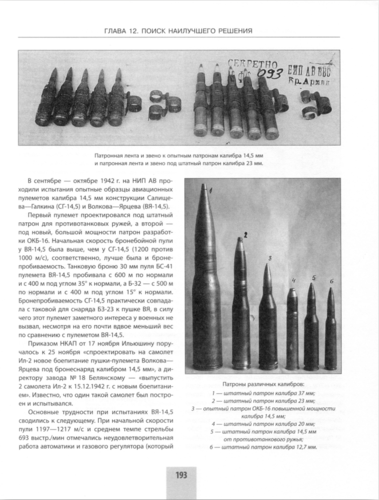
1st - 20x150R, 113 g (1474 gr), 1322 mps (4336 fps), energy 98.7 kiloJoules.
Other - 14.5x148, 64 g (988 gr), 1200 mps (3937 fps), energy 46 kiloJoules.
21482859_29139.jpg
21475731_20659.jpg
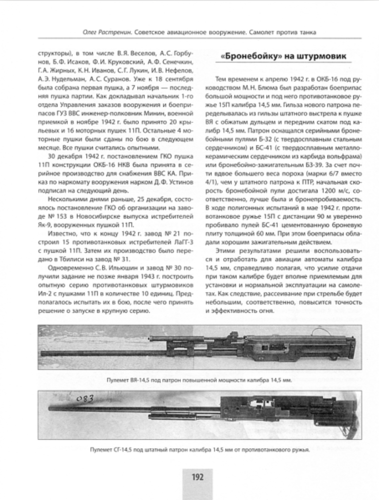
Two 14.5 mm machine guns, Salishev-Galkin SG-14.5 (14.5x114), and Volkov-Yartsev VYa-14.5 (14.5x148)
23262893_29750.png
23262895_29766.png
VYa-14.5 is analog of FN BRG-15 from 1942.
At 1946 worked at superfast ballistic rifle KB-P-440, 14.5 mm, with two charges. Speed - 1829 mps (6000 fps), energy - 107 kiloJoules. It was a weird gun with maximum pressure 343 MPa, with pressure relief through holes.
...
Engineers Druganov and Rogovtsev in 1905 projected high-velocity rifle with conical barrel and special bullet. And, it wasn't a first Russian rifle with conical barrel, at 1890th created version of .42 Berdan rifle with 10.67/9 mm barrel, but, used standart bullets.
...
V. G. Fedorov at 1913 worked at new 6, 6,5 and 7 mm cartridges. For 6.5x57 created three types of bullets - standart lead, AP with steel core, and AP with wolfram core.
Other engineer - Chemerzin - at 1914 created new bullet for 7.62x54R, with penetration 2.5 times more than standart M1908 bullet - only on metal shits.
Also, inventor Makhonine (later, worked in France, in aviation) constructed new special bullets, but, I haven't data about his projects.
 
Last edited:
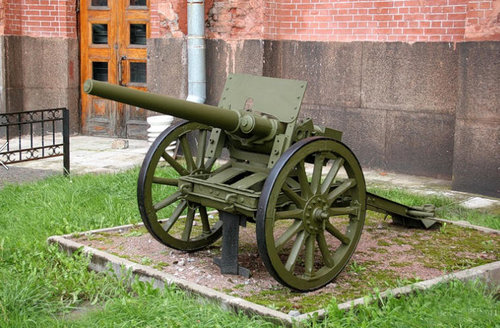
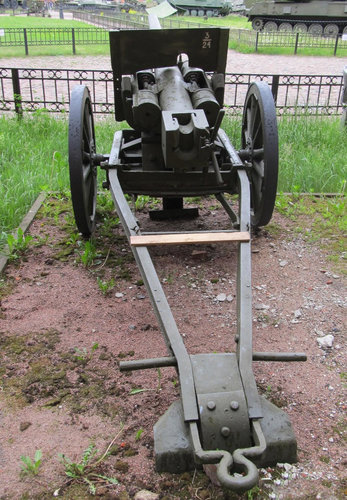
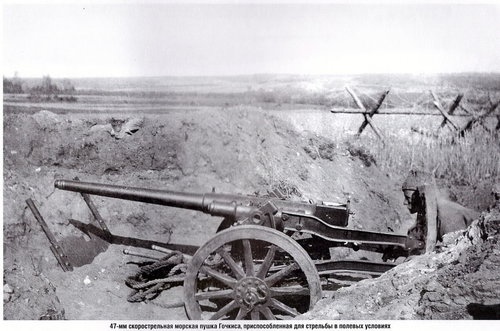
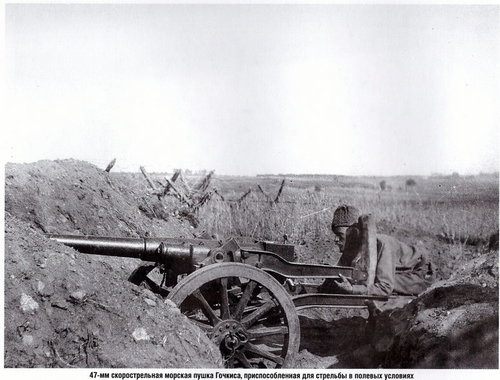
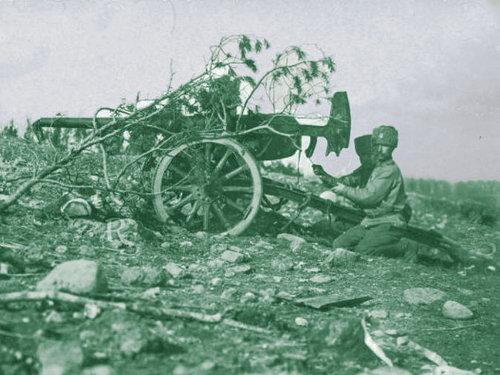
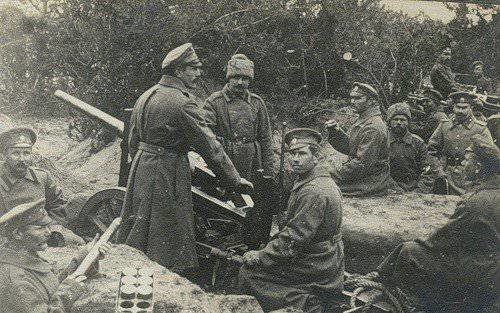
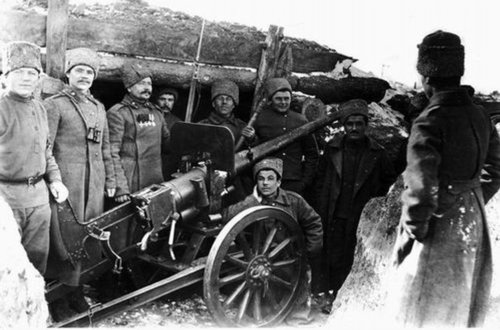
Potential anti-tank cannon, more poweful than Tankabwehrkanone - Russian 47 mm Hotchkiss on wheel base, 1914:
Hotchkiss 47 mm 1.jpg
Hotchkiss 47 mm 2.jpg
Hotchkiss 47 mm 3.jpg
Hotchkiss 47 mm 4.jpg
Hotchkiss 47 mm 5.jpg
Hotchkiss 47 mm 6.jpg
Hotchkiss 47 mm 7.jpg
Earliest variants of this gun created in Russian-Japanese war, 1904-1905.
British also used at WW1 47 mm Hotchkiss gun on wheel base.
 
Also, other guns:
Potential AT (Russian):
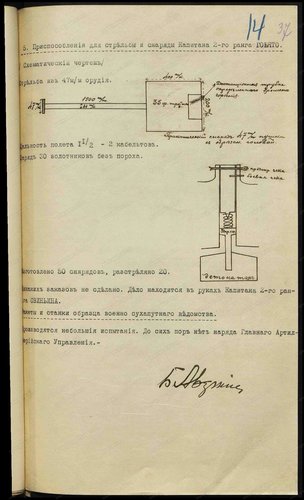
- Engineer I. P. Grave at 1915-1916 worked at 3-inch rocket with smokeless powder and single-shot light-weight launcher, for firing from trenches.
- Engineer Kuznetsov projected 2-inch light mortar on light wheel base.
- In 1916-1917 worked at new light-weight trench cannon, more effective and perfect, than 37 mm Rosenberg M1915 cannon (problems of M1915 gun - lack of horizontal targeting, massive base, ineffective shell). Created two projectes - light gun in 40-42 mm caliber, and, more massive gun, based on 47 mm Hotchkiss gun - I don't know, it's based on barrel of revolving cannon or based on long single-barrel cannon. Later, worked in 45 mm caliber, but, in 1917 project was stopped, and continued at 1920th in USSR - was created a 45 mm M1929 light hovitzer.
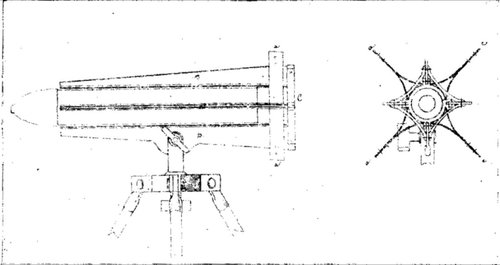
- In 1915 suggested a spring loaded light grenade launcher
Speciand AT:
- Robert Goddard in 1918 projected light single-barrel launcher for smokeless powder rocket.
- Rheinmetall in 1918 projected rocket launcher with explosive shell.
 
British also used at WW1 47 mm Hotchkiss gun on wheel base.
The British used both Hotchkiss and Nordenfelt 3 pdr (47 mm) guns, firing the same ammunition. They were originally acquired as naval weapons, but were also used for coast defence, in both cases on pedestal mountings. A few were mounted on "Travelling Carriages", to provide landward defence for the coast artillery forts.

The British navy later acquired a Vickers 3 pdr, but that fired bigger ammunition with a much higher performance. Details of the British 47 mm guns and ammunition are here: http://quarryhs.co.uk/47mmUK.pdf
 
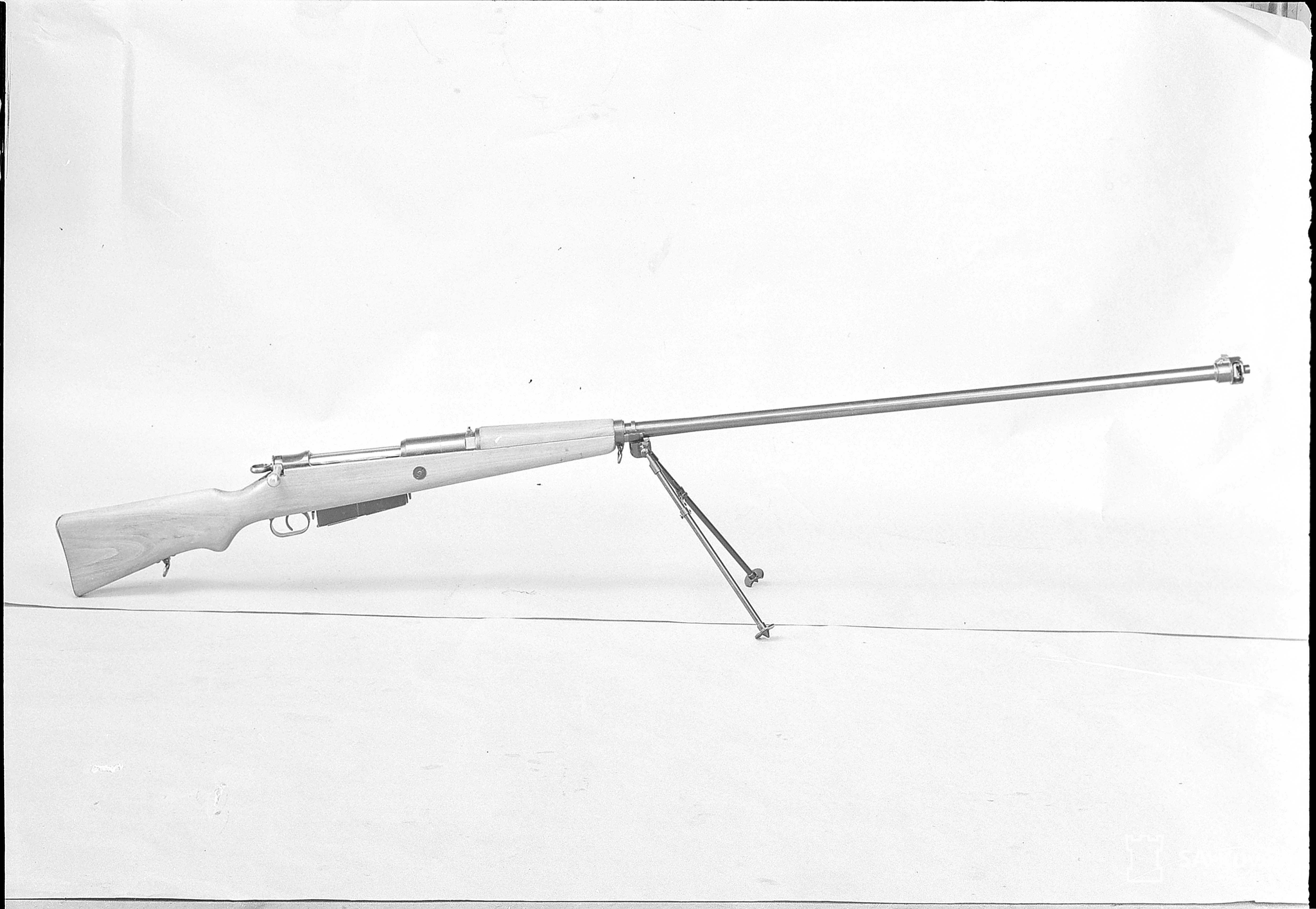
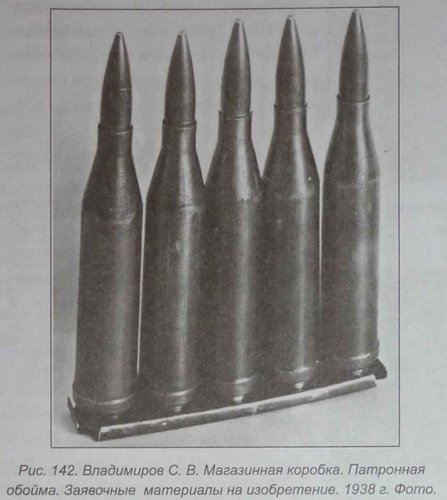
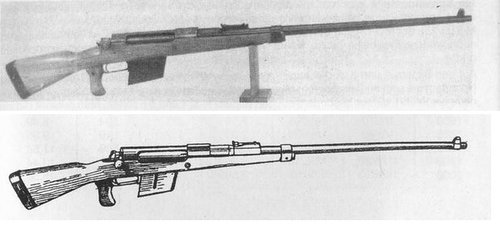
The Tankgewehr had 2 upgrades over the course of it's production, a longer and thinner barrel and purpose-built bipod. But the developers actually experimented with a 5 round box magazine and spring-softened buttplate, neither of which would be mass produced. A good illustration is at 27:45
 
Also, T-gewehr (5-rd)
T-Gewehr_5_rounds.jpg.9778ff5c1fe35bc15b362931c8156eac.jpg
...
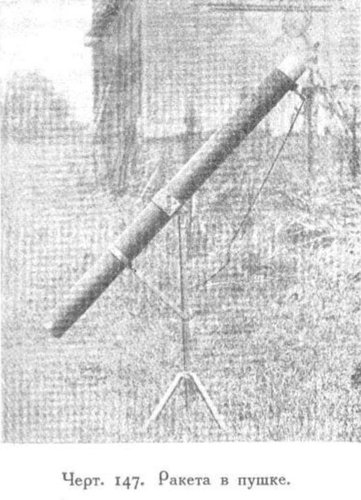
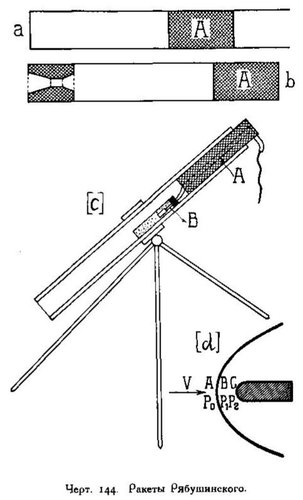
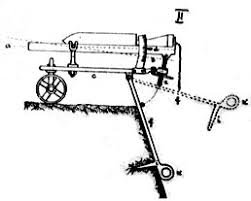
Photo of Ryabushinskiy 70 mm recoiless gun (Tsarist's Panzerschrek :)):
IMG_20200206_142558.jpg
Scheme:
IMG_20200206_143322.jpg
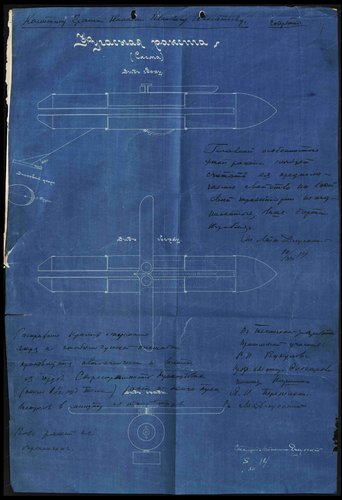
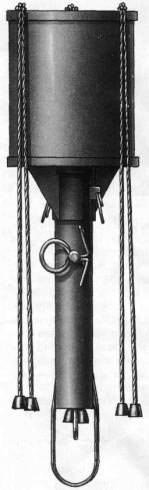
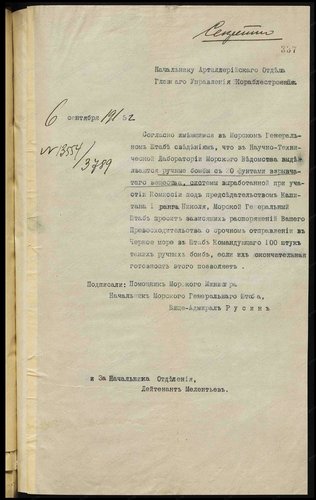
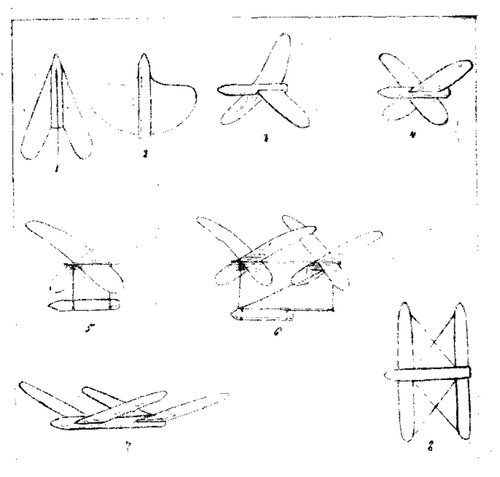
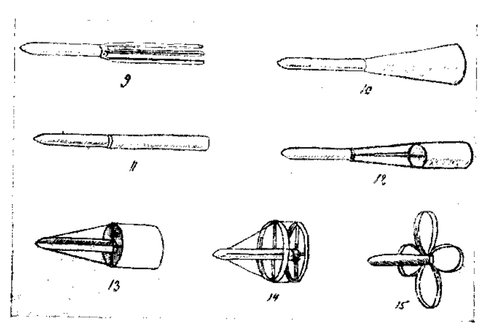
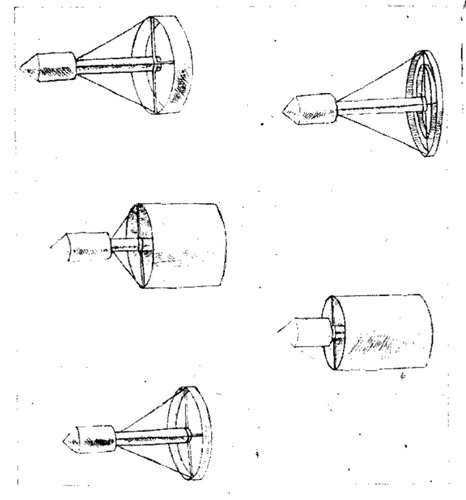
Naval variant of "Rocket-bomb", "constructed in army":
00000007.jpg
Full weight 3 pood (49.14 kg or 108.33 lbs), TNT - 1.5 pood (24.57 kg or 54.17 lbs). Rate of fire in naval launcher - 3 rpm or more. I think, it's enough for destroy of Kolossal-wagen or other tanks :)
...
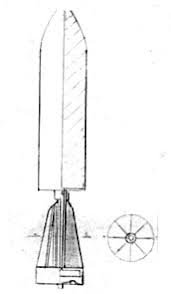
Projects of engineer Grave, rocket (smokeless powder) and launcher, 1916 (diameter of powder cilinder 70 mm):
Grave 2.jpeg Grave 1.jpeg
 
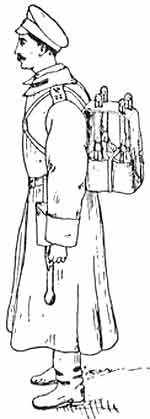
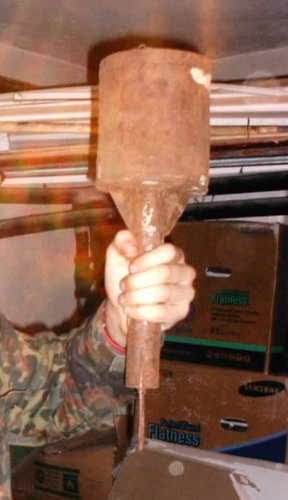
Novitskiy-Fedorov heavy demolition grenade, full weight 2.25 kg (4.96 lbs), filling weight 1.65 kg (3.638 lbs):
grenade.jpg grenader.jpg
You can see, sizes:
442473.jpg
About naval anti-submarine "hand bombs" (depth charge), with filling weight 20 lbs (I don't know, it's a Russian merchant or artillery pounds, it's maybe a 8.19 kg or 9.84 kg):
00000403.jpg
Yes, I think about use of this monsters for destroy of tank. But, why not? At Winter war, Finns, used a heavy anti-tank grenades, to 4 kg.
 
Special 200 mm shell for 47 mm Hotchkiss cannon, engineer Gobyato (Rus. Гобято):
00000057.jpg
load - 35 lbs (14.33 kg) TNT, range 278-370 m
...
Suggestions of one of Russian admirals, for AA artillery, 1915 - "machine gun, in caliber, bigger than .30, with explosive bullets", "1-inch automatic cannon", "increase of muzzle velocity of 3-inch AA gun to 700-800 mps" - it's a start of a .50 cal DShK HMG, 25 mm 72-K AA gun and 3-inch 3-K AA gun (815 mps)? Later, in early USSR, .5 and 1.0 inch caliber, was a universal, AA and AT. And, German 13 mm MG.18 TuF also was a universal gun.
...
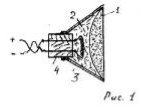
D. I. Andriyevskiy detonator, 1865:
IMG_20200507_231753.jpg
1 - iron filings, 2 - powder. Electric initiation. First Russian "HEAT" shell?
Also, von Foerster (German), Monroe (American). German and British 1910-1911 patents - shells, like a HEAT, for use in artillery, torpedoes, mines.
 
https://web.archive.org/web/20130103052720/http://ww1.milua.org/TUF.htm

"In 1917, six arms firms participated in a competition for the best machine gun design, designed to fire the very powerful 13x92 SR -mmu cartridge (the same as for the 1918 model anti-tank rifle ), but only Rheinmetall and Maschinenfabrik Augsburg Nurnberg ( MAN ) produced acceptable models. Their designs were based on existing heavy machine guns and differed from them primarily in caliber and the larger dimensions of their components. Both models were characterized by their heavy weight and wheeled carriage. The Rheinmetall machine gun used a Lewis-type drum magazine , which initially limited the weapon's capabilities."

I would love to see any photos or designs of the Rheinmetall 13.2mm machine gun prototype. And any information on the other designs that never got to metal would of course be appreciated as well.
 
https://tanks-encyclopedia.com/ww1/germany/3-7cm-tankabwehrkanone-rheinmetall/

"In July 1918, the OHL asked Krupp and Rheinmetall to produce a prototype AT gun using old 37mm revolver gun barrels and the 7.58 cm Minenwerfer carriages. The next month, August, tests were held at Kummersdorf. Rheinmetall came with three 3.7cm models and one 2cm model, Krupp produced one 3.7cm model, Lieutenant Colonel Fischer bought one 3.7cm, and Stahlwerke Becker attended with a 2cm prototype."

I would love to know more about the carriage and mounting of the Rheinmetall and Becker 20mm guns in these trials, IIRC the MG 08 carriages you see Becker M2 guns on in photos only realistically permitted semi-automatic fire due to recoil constraints, so I'm curious to see if/how they were able to fix this.
 
Back
Top Bottom