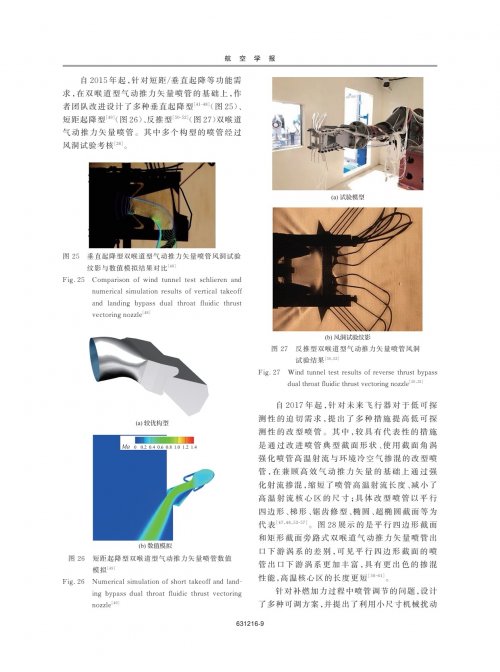
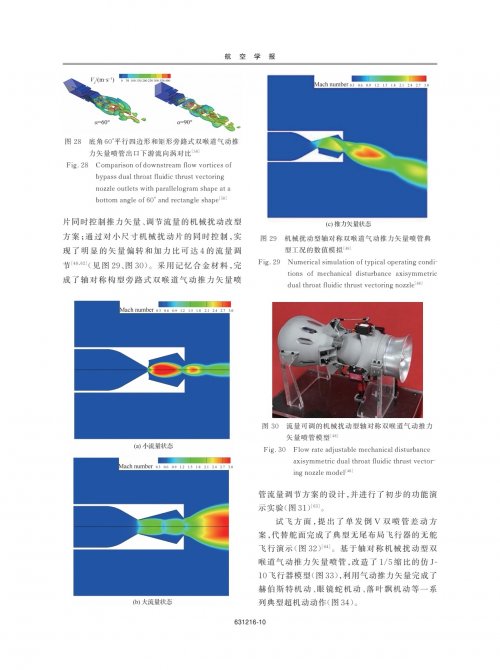
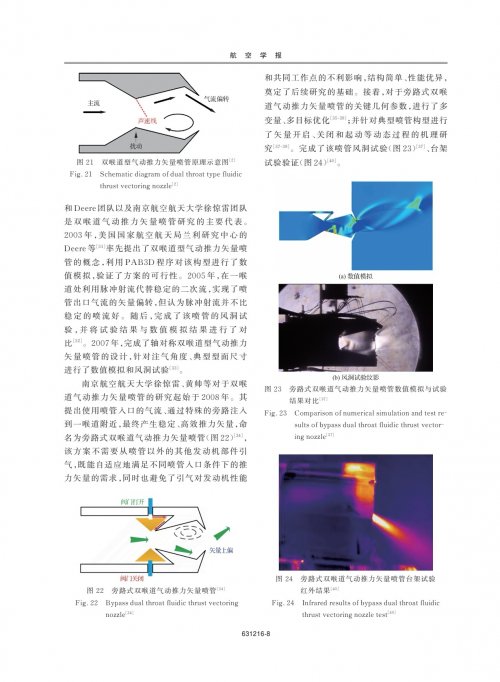
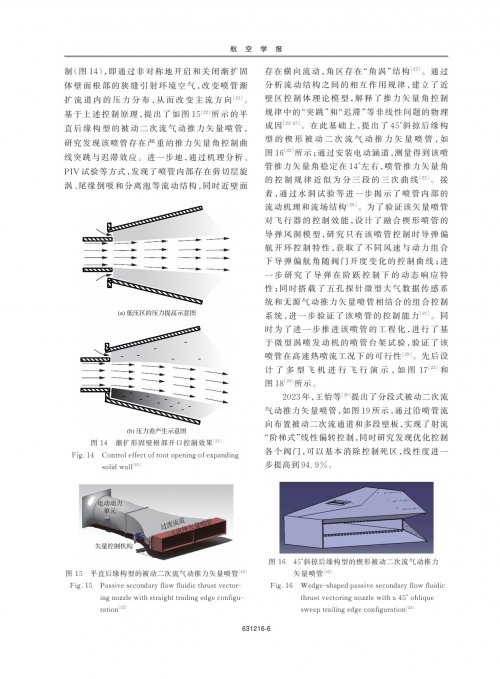
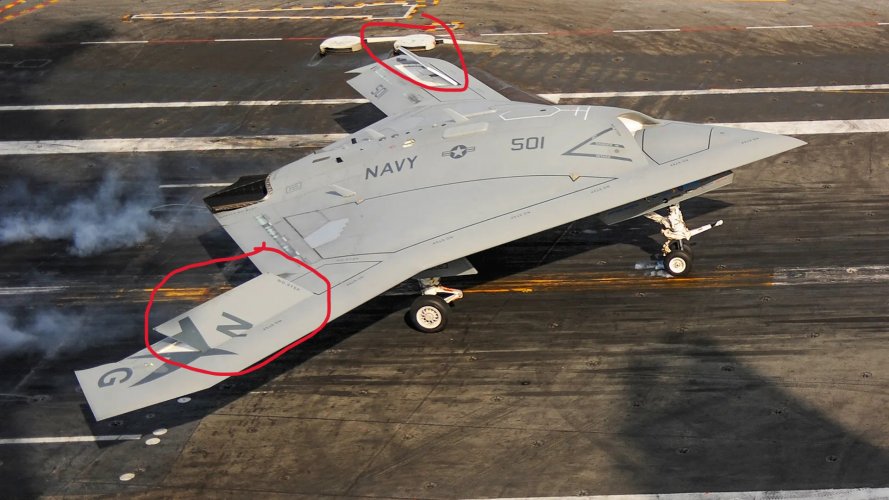
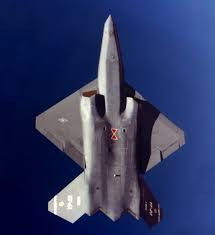
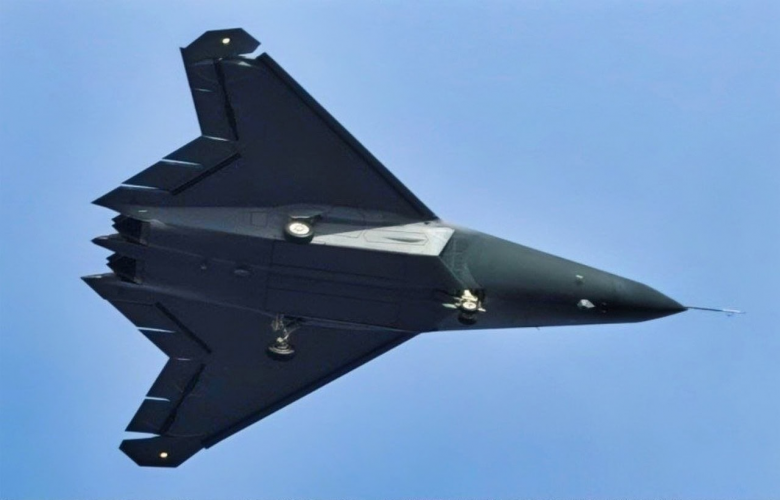
Split brakes for yaw control (like B-2, B-21 and apparently J-36) are one option, but then what these movable wingtips do? I guess it is the same principle, just instead of one split surface, they have wingtip moving in one direction, its adjacent surface in the other. Leading edge slats too. In fact, with the modern flight control systems, every surface will probably move in concert to get yaw, but in any case those wingtips play important role.
On the other hand, movable surfaces that are visible directly from the front seem to increase RCS. As far as I know, the split brakes of B-2 are locked in place in "stealth mode" and yaw is controlled by differential thrust instead. Airbrakes are used only at low speed / low power, at takeoff and landing. The same thing probably goes for J-36 and J-50, but B-2's engines are spaced very wide apart and the split airbrakes are even wider. Furthermore, it doesn't go transonic. With engines closer together and with bigger speed envelope, it seems problematic to control yaw by differential thrust only. That is why I suspect there is something more there. Engine nozzles look a lot like the 2D TVC nozzles of F-22, but as I said, I think I can see something on the side of the "sting" between them. Maybe they are not 2D but 3D after all? Or 2.5D with full pitch control and some degree of yaw? It may be some image compression artifact or just my imagination, but if it really is anything there, we can only speculate what it is, even if we had some clear photos.