The main take away for the ROC or any force faced with a larger opponent should be to focus on low cost, high volume munitions.
IADS is, for all it's merits, incredibly susceptible to being overwhelmed by large volumes of cost effective drones/munitions. These may be slow and vulnerable, but they are ultimately creating a scenario where the economical impact of interception becomes untenable for any opponent.
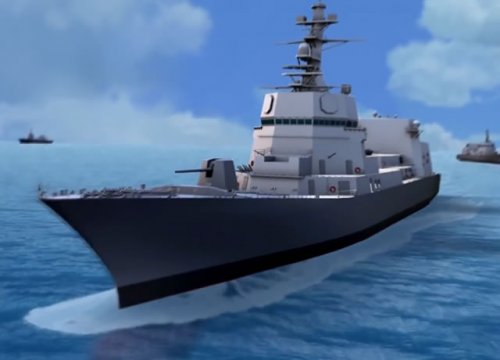
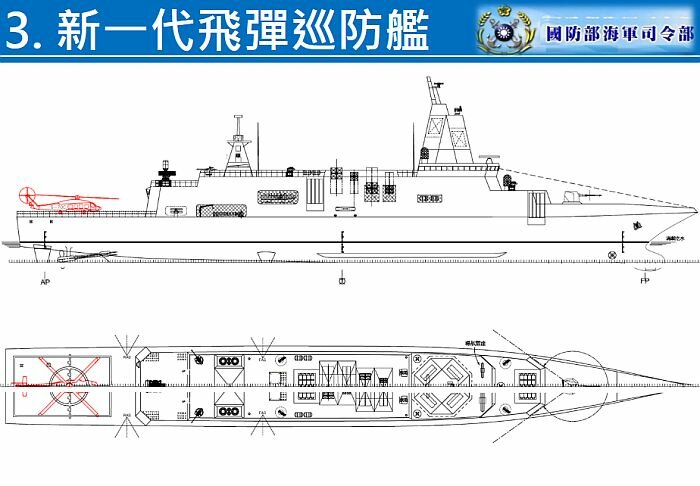
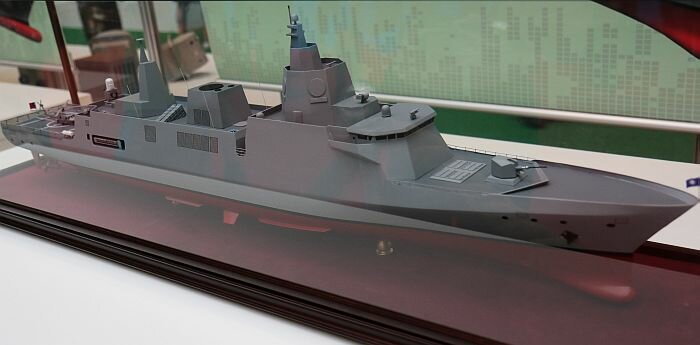
Meaning for the ROC priorities shouldn't be frigates, and jets and expensive batteries. But hardned launch sites, mobile launchers, concealed launchers, USVs, UUVs, Mines and minelaying capabilities, underground production facilities, less capable but cheaper indigenous ballistic and low flying cruise missiles. Essentially having all the tools in place to inflict maximum pain over as long a period as they're able to muster.
Now, that's not a gurantee for success, countries like China or Russia are not as feeble and risk averse as the US or Europe, which reel and squirm at triple digit casualties. But the potential to be a pain in the ass and inflict sufficient damage is a deterrent by itself.
For a smaller country it is nearly impossible to outright win against a super power that decides they're ripe for a beating. But it's not impossible for them to get the superior power to back off after sufficient military and economic casualties. Furthermore, which is to be considered, the ROC would most likely seek to inflict maximum damage to PRC economic interests and energy infrastructure. And as both are in close proximity to each other, it's a two way street. It's very easy for the PLA to target anything, anywhere on Taiwan. But it's also manageable for ROC forces to hit PRC targets. The ROC and PRC both have a lot to lose and the first side that has nothing left to lose has no reason holding back.
Now, after laying all of this out I'd like to point out two things: for one the obsession in Taiwan with vanity projects of questionable usefulness. They seek to emulate the ROK or Japan with regards to their military procurement, when they should focus much more on an asymmetrical approach. Large, low volume, expensive systems are ultimately easy pickings for the PLA. And one ultimately questions if the sole intentions are either bragging rights or embezzlement of funds and money laundering. The other thing I'd like to point out, and this will probably trigger some, is that Ukraine and now the Gulf States have showcased that it is not possible to hide behind even the supposedly most sophisticated air defense systems when the opponent fields a large number of disposable but still useful drones and a variety of missiles. Meaning, the PRC would be wise in such a scenario to rely on their offensive capabilities, as their defensive capabilities would ultimately be overwhelmed and taken out. Which is why the PRC and ROC would have to ideally slug it out with drones and missiles immediately in the case of a conflict. And if the ROC manages to inflict enough damage before their offensive capabilities are fully exhausted or degraded by superior PLA firepower, then they may get the PLA to back off for while again.
Now on a last note, I personally don't see either side heading towards an armed confrontation with the other in the near future. But these are the lessons the ROC should be learning from the last major conflicts involving large powers. If they don't, then they just sabotage themselves. Low cost drones and missiles are not as sexy as US imported jets, tanks or missiles, but they'd be much better at deterring an amphibious assault than any F-16, M1 or Patriot ever could be.