
You are using an out of date browser. It may not display this or other websites correctly.
You should upgrade or use an alternative browser.
You should upgrade or use an alternative browser.
Post-war Horten designs
- Thread starter Clioman
- Start date

Erdosain
ACCESS: Top Secret
- Joined
- 10 March 2020
- Messages
- 745
- Reaction score
- 3,001
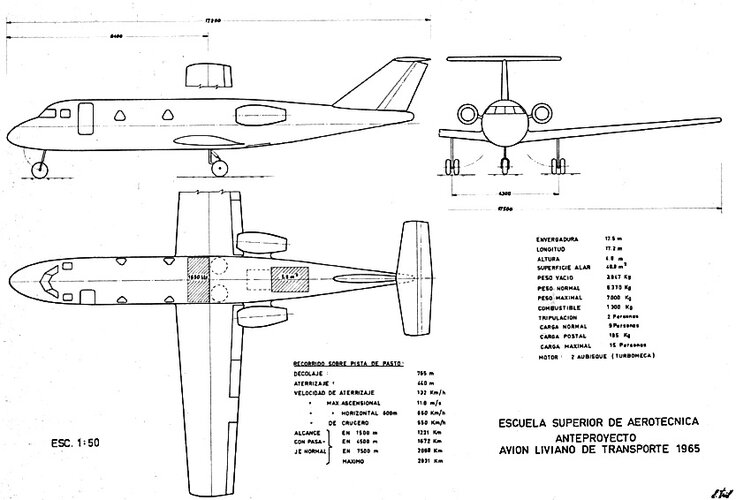
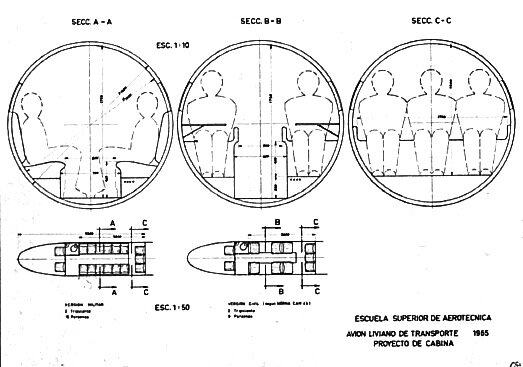
Preliminary project of a light transport aircraft with a capacity of between nine and fifteen passengers depending on configuration and a maximum range of 2931 kilometers, dated 1965.
Below, the two passenger configurations of the aircraft


Below, the two passenger configurations of the aircraft
Erdosain
ACCESS: Top Secret
- Joined
- 10 March 2020
- Messages
- 745
- Reaction score
- 3,001
THE PRELIMINARY PROJECT OF THE SUPERSONIC TARGET AIRCRAFT BY DR REIMAR HORTEN
In September 1970, Dr Reimar Horten - leading a group of doctors and engineers from the IIAE (Institute of Aerospace Research) - presented to the Argentine Air Force (FAA) a file with a project for a supersonic target aircraft, affordable and feasible in the country with the materials and facilities already available.
One of the alternatives offered by the West at that time was the conversion of planes that had gone out of service into radio-controlled aerial targets, as England did with the Gloster Meteor at an approximate unit cost of 50,000 pounds sterling, something prohibitive for country's budget.
The USA had developed radio-controlled aerial targets, but due to their command systems and recovery systems, their acquisition cost was beyond the possibilities of the FAA.
CHARACTERISTICS AND PERFORMANCE OF THE SUPERSONIC AIR TARGET
The target aircraft proposed by Horten would be capable of reaching speeds of up to 1,800 km/h (Mach 1.5) at a flight altitude of 5,000 metres and 200 km/h at sea level, with an expected flight time of 30 minutes. From 5,000 metres high, the target aircraft would describe a 300-kilometre circle, descending in a spiral and gliding for 15 minutes until reaching a circle of 2 kilometres at sea level to facilitate its recovery, for which it was not planned to use a parachute but to land the target directly on the ground.
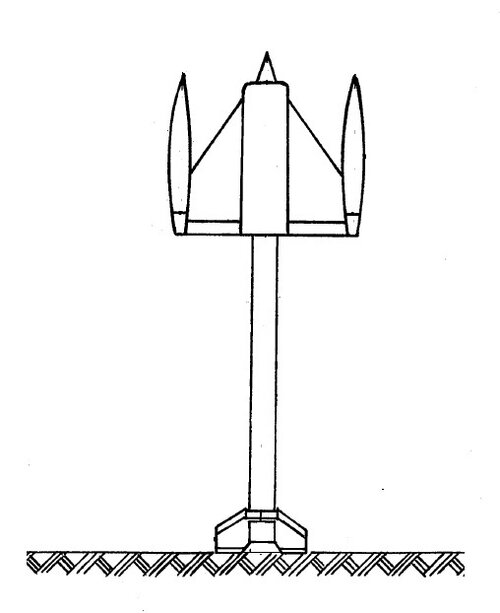
The power plant consisted of a central ramjet that used butane for combustion. To lighten the target and eliminate the need for injection pumps, the butane was stored in liquid form in pressurized fuel tanks and injected in gaseous form into the combustion chamber.
For its controllability in flight, the target would only be equipped with differential ailerons for roll and pitch control and for yaw it would only have two fixed fins. To reduce costs, the command system would be programmable on the ground, with no possibility, at least initially, of controlling the target by radio waves from the ground or another aircraft.
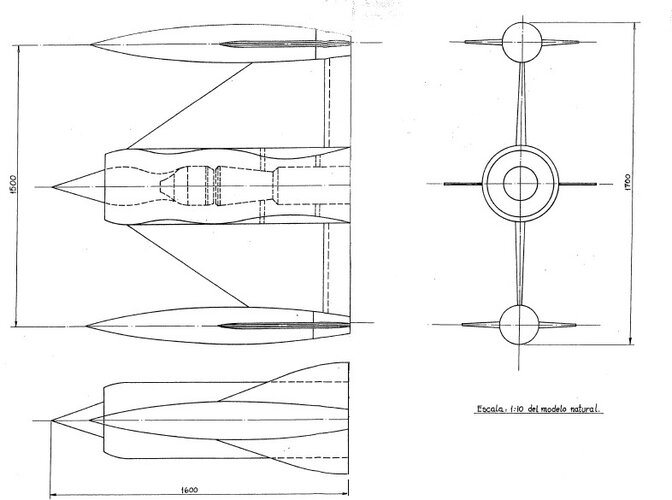
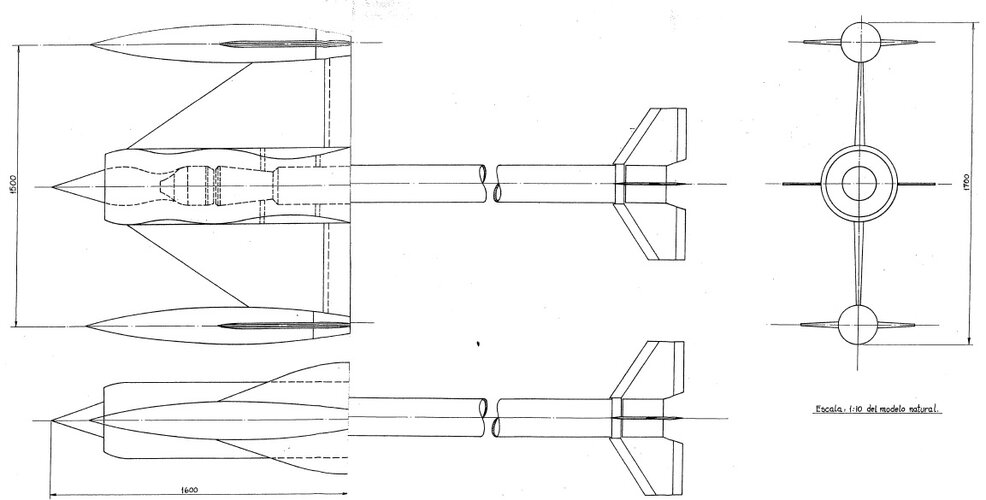
Three-view drawing of the supersonic target aircraft proposed by Dr. Reimar Horten
SUPERSONIC TARGET LAUNCH SYSTEMS
The target could be launched from an aircraft flying at 7,000 meters high or by means of an Orion II type rocket such as those developed by the IIAE.
The document exemplifies that the aerial launch vector could be the X2 aircraft, without giving any additional data on this apart from the side view of the aircraft in the flight profile graph for aerial launch.
In this case, the target would be taken to an altitude of 7,000 meters and launched at a speed of 360 km/h (100 m/sec). Upon reaching 5,000 meters at a speed of Mach 1.1 (350 m/sec), the ramjet would be ignited, reaching its maximum speed of Mach 1.5 (510 m/sec) after 3 to 4 minutes.
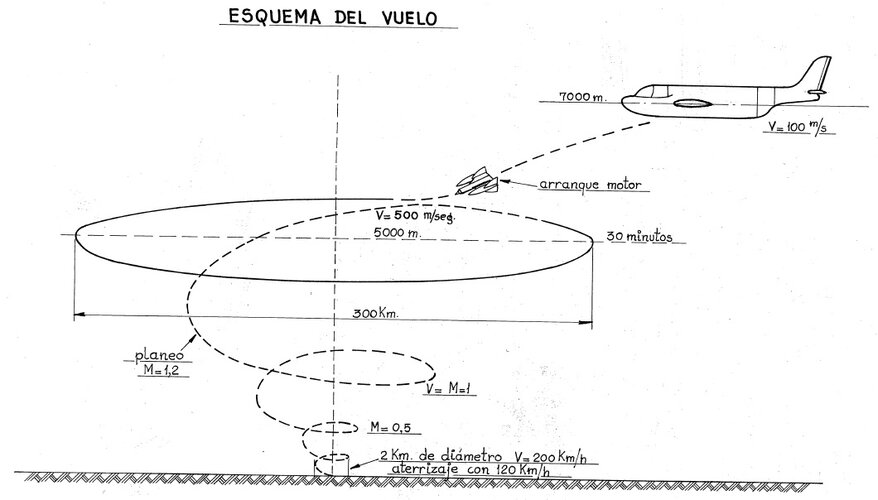
Flight profile by air launch
For the ground launch, the Orion II rocket was planned to be used. The launch was carried out vertically with the target's ailerons set at a certain angle to give the rocket a rotation and prevent deviation from the vertical trajectory. The Orion II rocket had a launch weight of 116 kilograms, reached a final speed of Mach 2 (650 m/sec) and a height of 3,900 meters after 12 seconds of thrust.
Once the design stage was completed, it was planned to build a 1:1 model for testing in the main subsonic tunnel and a 1:10 scale model to be tested in the supersonic wind tunnel chamber. But the FAA showed no interest in the project and it did not go beyond this proposal stage.
The next attempt to develop an aerial target would come from the IA-X-59, which flew as a prototype powered by an internal combustion engine, but for which variants powered by small turbojets had been planned.
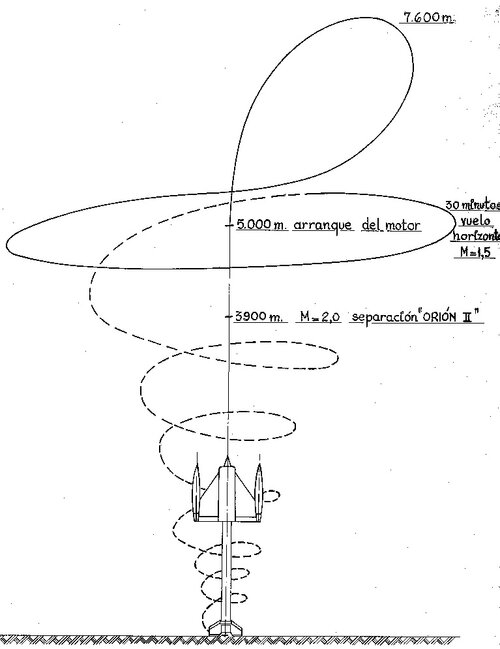
Flight profile by ground launch
TECHNICAL CHARACTERISTICS OF THE HORTEN SUPERSONIC AIR TARGET PLANE
Wingspan: 1.70 m.
Length: 1.60 m.
Fuselage diameter: 0.40 m.
Fuel tank diameter: 0.20 m.
Root chord: 1.20 m.
Tip chord: 0.55 m.
Wing area: 1.50 m2.
fins surface: 2 x 0.20 m2.
Glider weight: 80 Kg.
Equipment weight: 30 Kg.
Empty weight: 110 Kg.
Takeoff weight: 150 Kg
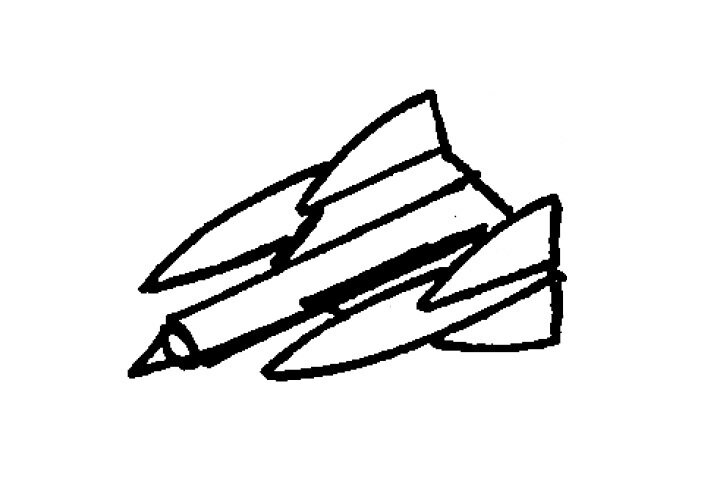
The supersonic aerial target and the Orion II ground-launched rocket
Sources:
File 315 "Preliminary project for a Supersonic White Aircraft"
https://www.zona-militar.com/foros/...nes-uavs-uass-vants-y-ucavs-argentinos.85948/
Last edited:

elsiniestro
ACCESS: Restricted
- Joined
- 25 March 2025
- Messages
- 31
- Reaction score
- 19
It's too short for Horten VIII. What was the name of the British project? That drawing even looks smaller than the orange tree.In Dan Sharp's magazine Hitler's Wonder Weapon Tailless Projects (Morton's Media Group, 2017) there is a few pages dedicated to the Horten VIII, a project launched during the war and left incomplete with large components lying around in a garage near Gottingen. The basis of this design was redrawn as a project for the British and was to be powered by six de Havilland Gipsy Queen 51 engines. Attachment as per the magazine. From the magazine, it resembles the Naranjero in layout and size, only with six engines, although unusually there is no mention of the Naranjero in the magazine.
elsiniestro
ACCESS: Restricted
- Joined
- 25 March 2025
- Messages
- 31
- Reaction score
- 19
Is it based on the Horten X? Supposedly, the Argentinian version of the Horten X had a range of 3,400 kilometers; this model could offer something similar, but currently, it would fall short without improvements. Don't you have any more information on this?Fast transport and training aircraft, for two pilots and eight passengers. It is based on the tailless delta fighter presented by Horten to the FMA in 1949, as an alternative to the Pulqui II.
View attachment 718558
elsiniestro
ACCESS: Restricted
- Joined
- 25 March 2025
- Messages
- 31
- Reaction score
- 19
Don't know if anyone has or might have the Horten family's IAe-38 plans? I'm interested in recreating the exact model in 3D.
También vi que hablas español, no sé si solo fue un mensaje, pero como mucho de este contenido de Horten está en español me imagino que entiendes el idioma o incluso eres Argentino. Igualmente, si tienes alguna información más allá de la que está aquí publicada, sería de gran ayuda.
Erdosain
ACCESS: Top Secret
- Joined
- 10 March 2020
- Messages
- 745
- Reaction score
- 3,001
Hola, si, soy argentino y vivo en Córdoba, donde esta la Fabrica Militar de Aviones (FMA, actualmente FADEA) donde en los 50 y parte de los 60 Horten realizo la mayoria de sus proyectos.Don't know if anyone has or might have the Horten family's IAe-38 plans? I'm interested in recreating the exact model in 3D.
También vi que hablas español, no sé si solo fue un mensaje, pero como mucho de este contenido de Horten está en español me imagino que entiendes el idioma o incluso eres Argentino. Igualmente, si tienes alguna información más allá de la que está aquí publicada, sería de gran ayuda.
Hello, yes, I am Argentine and I live in Córdoba, where the Military Aircraft Factory (FMA, currently FADEA) is located, where Horten carried out most of its projects in the 50s and part of the 60s.
Erdosain
ACCESS: Top Secret
- Joined
- 10 March 2020
- Messages
- 745
- Reaction score
- 3,001
It's hard to say. Most of my recent posts on this topic aredrawingss signed by Reimar Horten that were in the possession of his son.Is it based on the Horten X? Supposedly, the Argentinian version of the Horten X had a range of 3,400 kilometers; this model could offer something similar, but currently, it would fall short without improvements. Don't you have any more information on this?
although these drawingss were preliminary projects that Dr. Horten developed at the FMA. If there's anything to be said, it could be the FADEA documentation archive.
Many of those drawingss were published in this book. I understand it's soon to be published in English. It's worthwhile only for its unpublished projects drawings, as its historical accuracy isis highly questionable.
For example, the book suggests that Germany had two atomic bombs by early 1945, but no means of delivery.
During the book's launch conference, Diego Horten, Reimar Horten's son, said without blushing that the atomic bombs dropped on Hiroshima and Nagasaki were German, captured by the US after the Third Reich surrendered.
According to him, this was what his father told him, and to add to the conspiracy, he said that the Trinity test wasn't carried out until 1946...

Erdosain
ACCESS: Top Secret
- Joined
- 10 March 2020
- Messages
- 745
- Reaction score
- 3,001
That's the best you'll find. For some reason, there aren't many documents about Reimar Horten's projects.Don't know if anyone has or might have the Horten family's IAe-38 plans? I'm interested in recreating the exact model in 3D.
También vi que hablas español, no sé si solo fue un mensaje, pero como mucho de este contenido de Horten está en español me imagino que entiendes el idioma o incluso eres Argentino. Igualmente, si tienes alguna información más allá de la que está aquí publicada, sería de gran ayuda.
I first published those drawingss on the web, although a friend, aeronautical historian Hernan Longoni, gave them to me (I posted some of his notes on this topic). Hernan Longoni unfortunately died of cancer in January of this year.
That drawing was also in the FMA/FADEA library. The one that was completely new to me was the IA-38 with jet engines.
Regards
elsiniestro
ACCESS: Restricted
- Joined
- 25 March 2025
- Messages
- 31
- Reaction score
- 19
Por aquí leí creo que parte de usted, que el libro del hijo se Horten es bastante malo referente a la historia que verdaderamente paso. ¿Usted no cree que ni Diego Horten tengan los planos reales del Naranjero? Parece que quizás los únicos que los tengan sea donde trabajo, aunque quizás sea lo mejor que se puede conseguir lo que está publicado aquí. Estaría dispuesto a pagarle a un corrupto de la FMA, si lo hay, para ver si suelta la información. Una lastima que no haya más información.That's the best you'll find. For some reason, there aren't many documents about Reimar Horten's projects.
I first published those drawingss on the web, although a friend, aeronautical historian Hernan Longoni, gave them to me (I posted some of his notes on this topic). Hernan Longoni unfortunately died of cancer in January of this year.
That drawing was also in the FMA/FADEA library. The one that was completely new to me was the IA-38 with jet engines.
Regards
(Automatic translation:
I read here I believe that part of you, that Horten's son's book is pretty bad regarding the history that really happened. Do you not believe that neither Diego Horten has the real plans of the Naranjero? It seems that perhaps the only ones who have them is where I work, although perhaps the best you can get is what is published here. I would be willing to pay a corrupt FMA guy, if there is one, to see if he would release the information. Too bad there isn't more information.)
Last edited by a moderator:
Erdosain
ACCESS: Top Secret
- Joined
- 10 March 2020
- Messages
- 745
- Reaction score
- 3,001
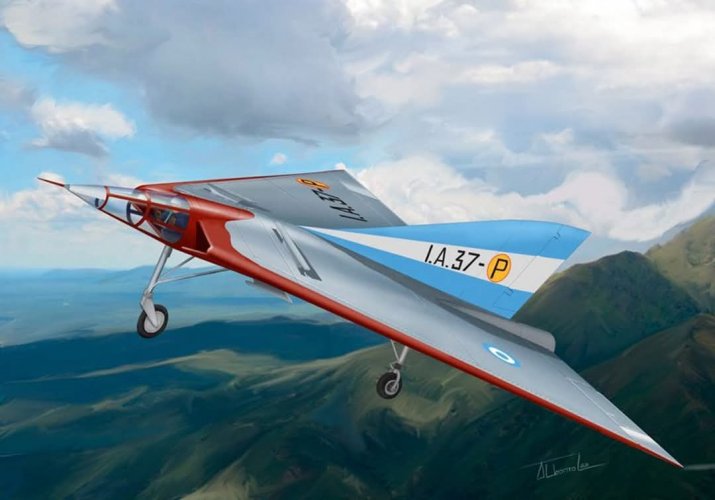
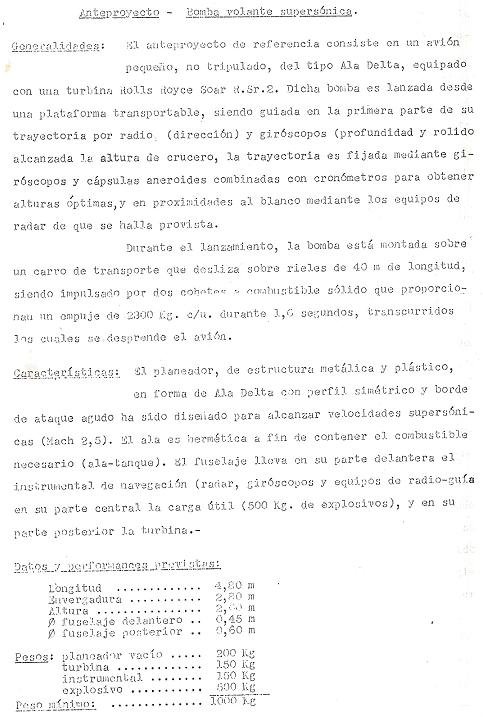
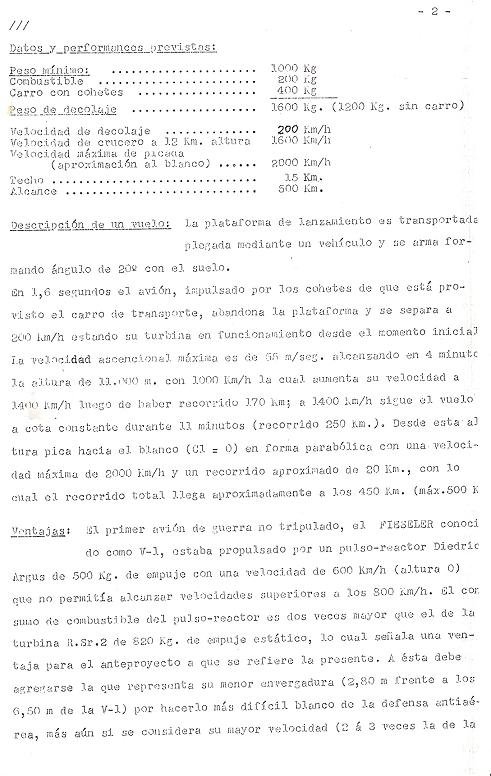
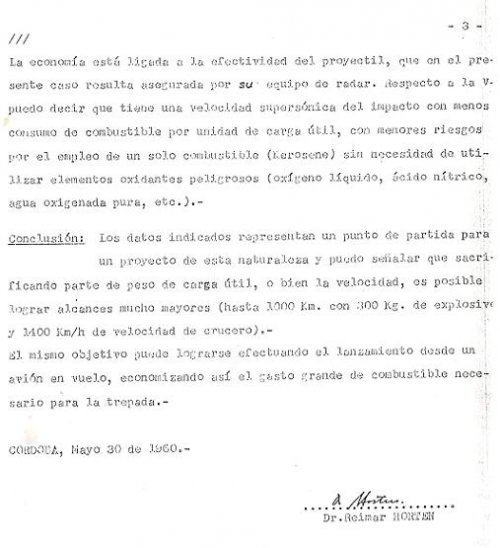
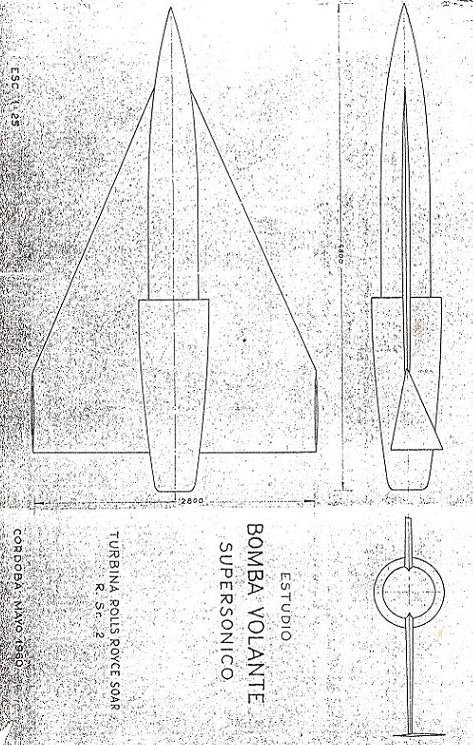
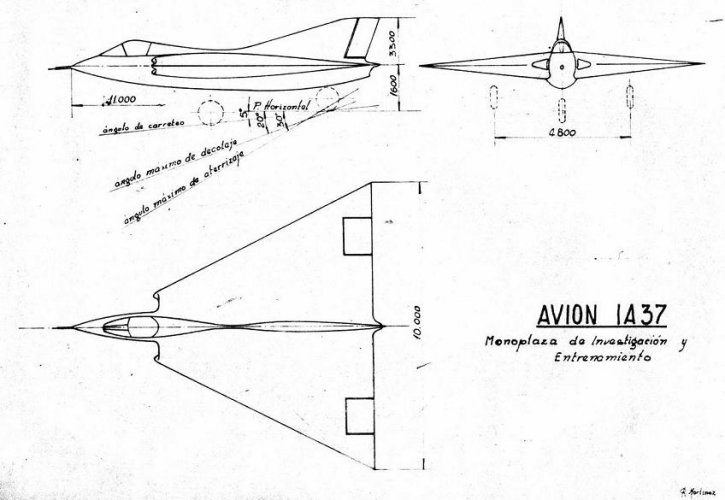
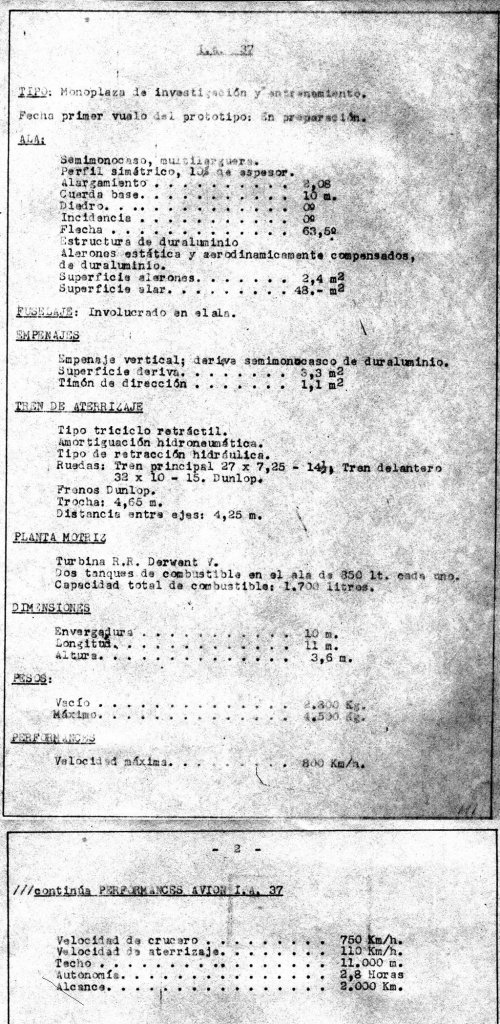
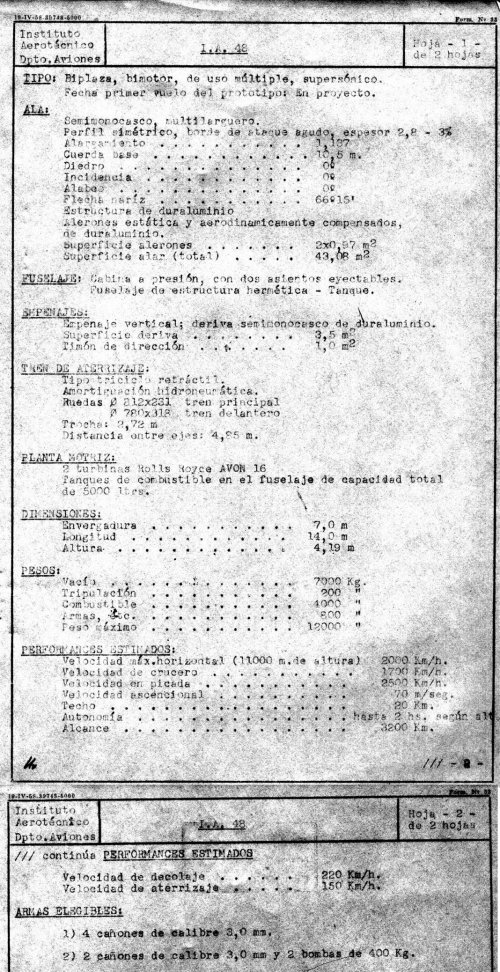
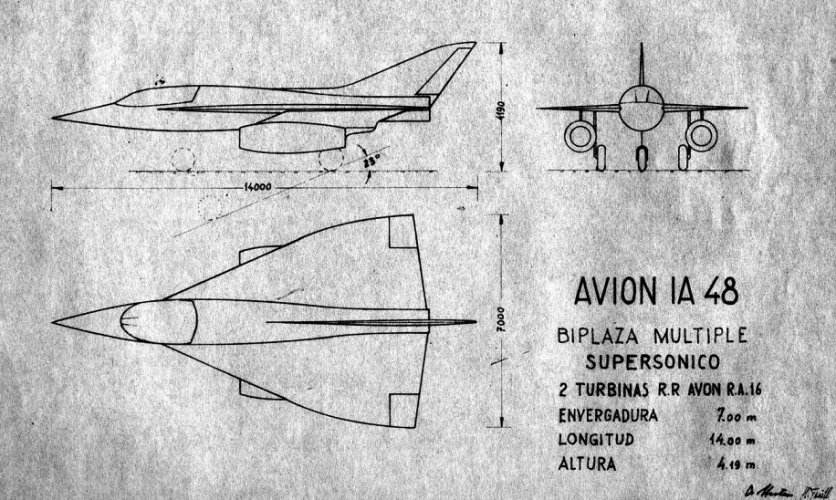
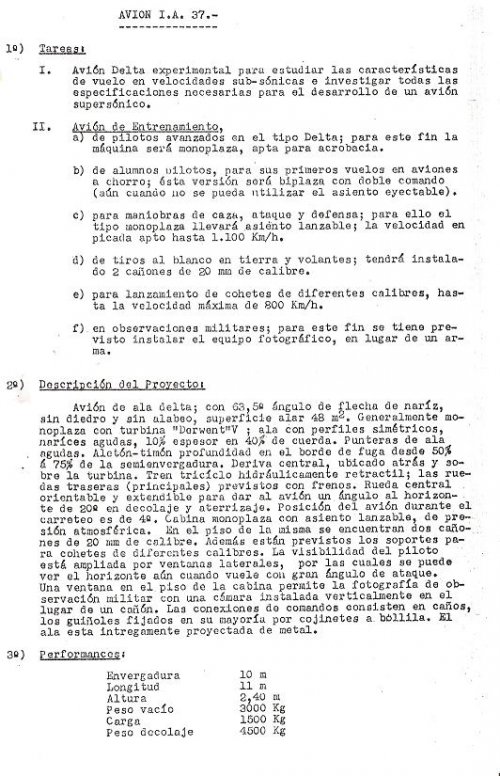
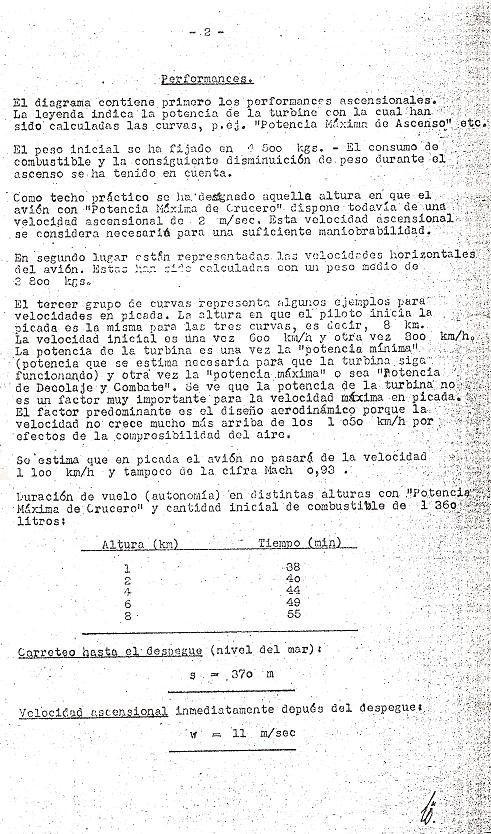
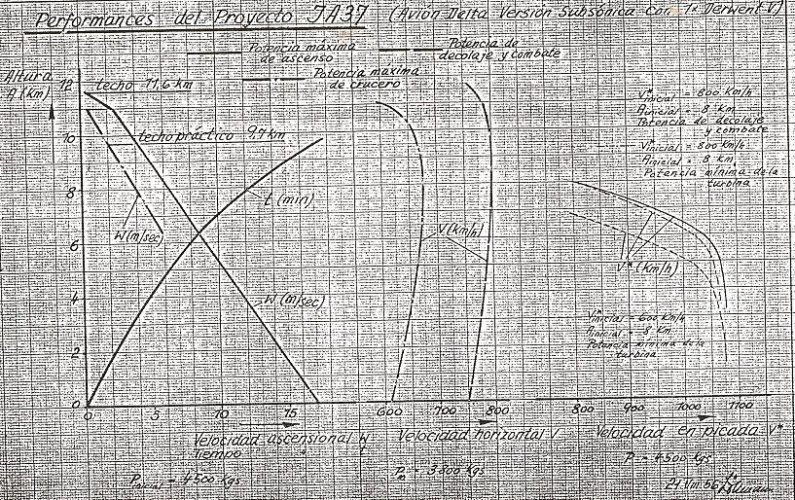
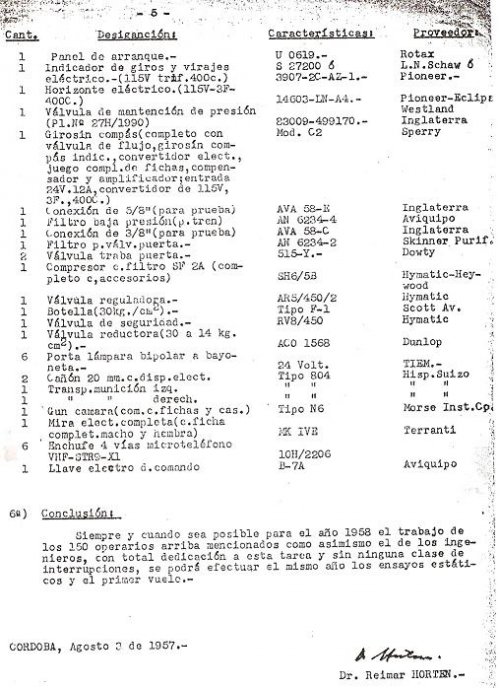
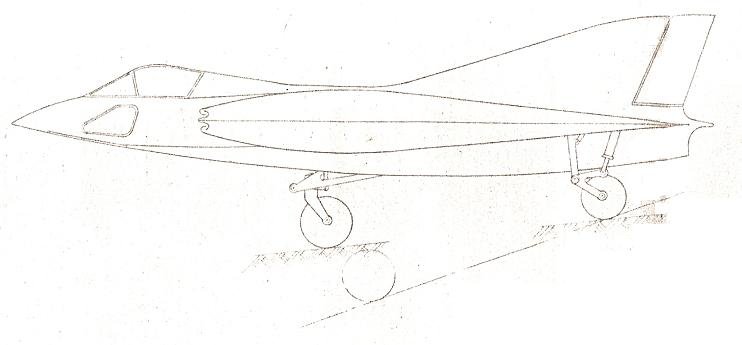
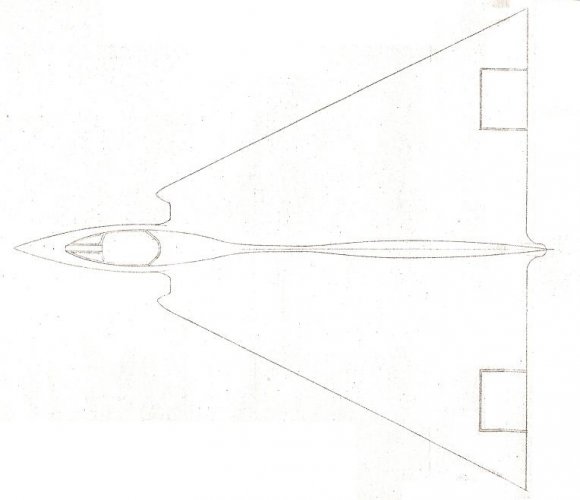
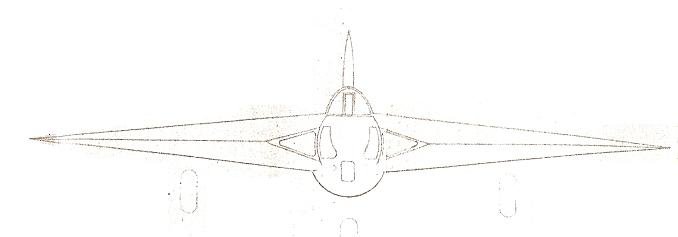
I'm reposting these two notes, one my own and the other by my friend Hernan Longoni (who unfortunately passed away this year). I'm sharing Dr. Reimar Horten's reports on his preliminary Supersonic Flying Bomb project, the FMA IA-37 and the FMA IA-48, in the attached files.
You can find many notes on Horten and Tank's projects in Argentina on Hernan Longoni's blog:
https://historiasdeaviones.blogspot.com/
Regards
https://www.zona-militar.com/2020/0...avesar-la-barrera-del-sonido/#google_vignette
You can find many notes on Horten and Tank's projects in Argentina on Hernan Longoni's blog:
https://historiasdeaviones.blogspot.com/
Regards
La Bomba Volante Supersónica del Dr Reimar Horten
https://www.zona-militar.com/2015/07/26/un-misil-de-crucero-argentino/#google_vignette

El FMA IA-37 de Reimar Horten y su busqueda por atravesar la barrera del sonido
https://www.zona-militar.com/2020/0...avesar-la-barrera-del-sonido/#google_vignette


Attachments
-
Bomba Supersonica Horten y otros.pdf2.3 MB · Views: 17
-
 Bomba Horten 1.jpg70 KB · Views: 16
 -
 Bomba Horten 2.jpg79.7 KB · Views: 19
 -
 Bomba Horten 3.jpg46.2 KB · Views: 18
 -
 Bomba Horten 4.jpg134.4 KB · Views: 23
 -
 FMA IA-37 PLANO.JPG54.7 KB · Views: 21
 -
 FMA IA-37 Datos.JPG570.1 KB · Views: 23
 -
 FMA IA-48 Datos.JPG641 KB · Views: 18
 -
 FMA IA-48 Plano.jpg145.7 KB · Views: 18
 -
 IA-37_01.jpg113.8 KB · Views: 20
 -
 IA-37_02.jpg127.4 KB · Views: 19
 -
 IA-37_03.jpg221.3 KB · Views: 20
 -
 IA-37_05.jpg82.9 KB · Views: 21
 -
 IA-37_08.jpg23.4 KB · Views: 22
 -
 IA-37_09.jpg28.7 KB · Views: 19
 -
 IA-37_10.jpg11.4 KB · Views: 16
Erdosain
ACCESS: Top Secret
- Joined
- 10 March 2020
- Messages
- 745
- Reaction score
- 3,001
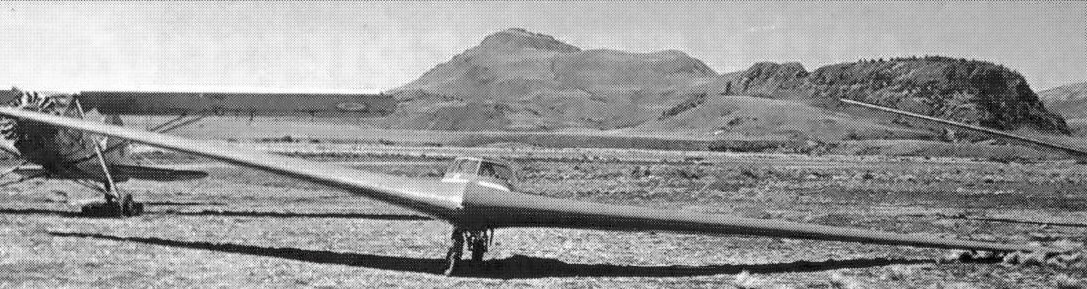
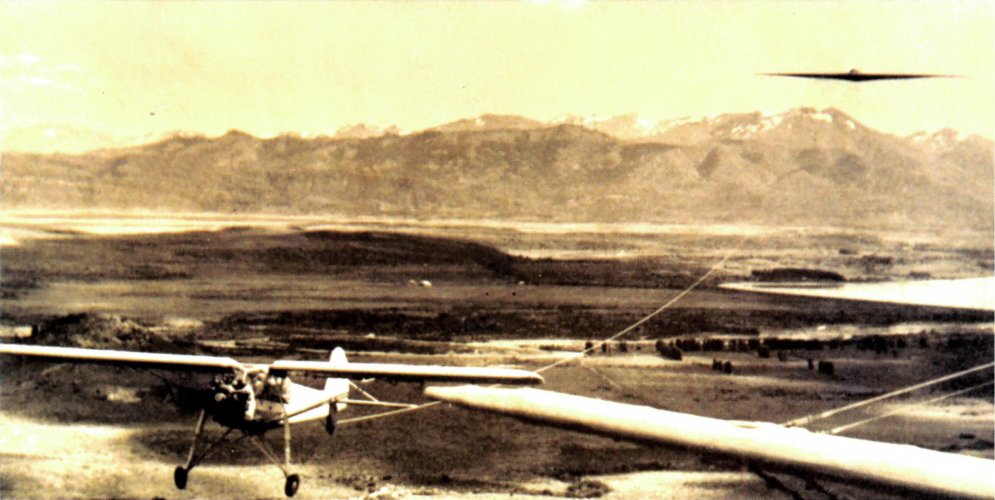
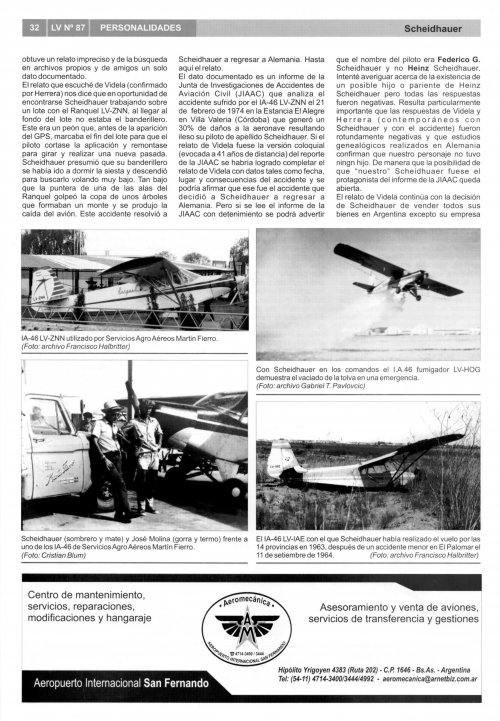
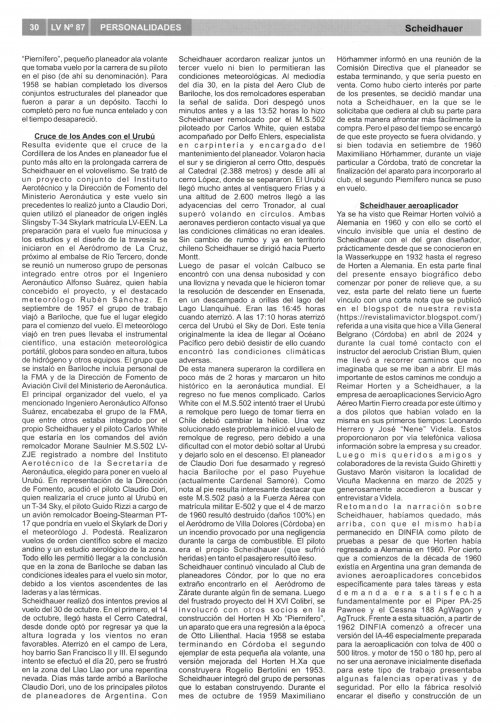
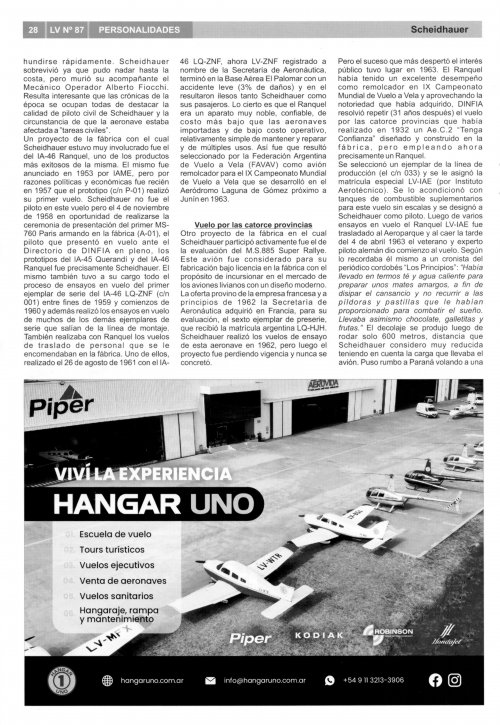
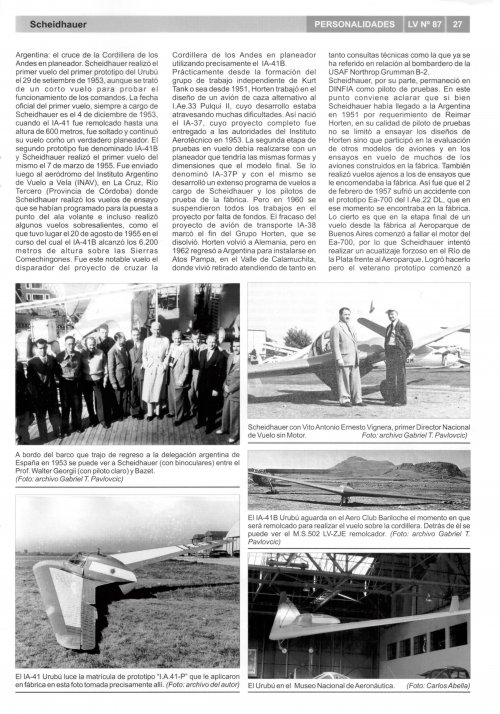
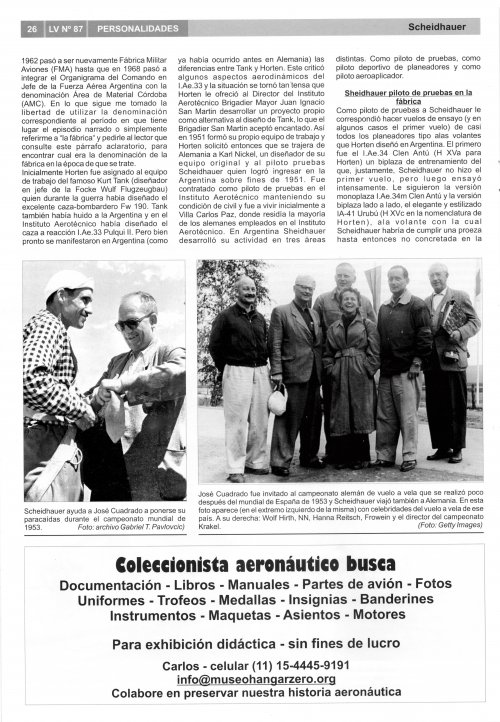
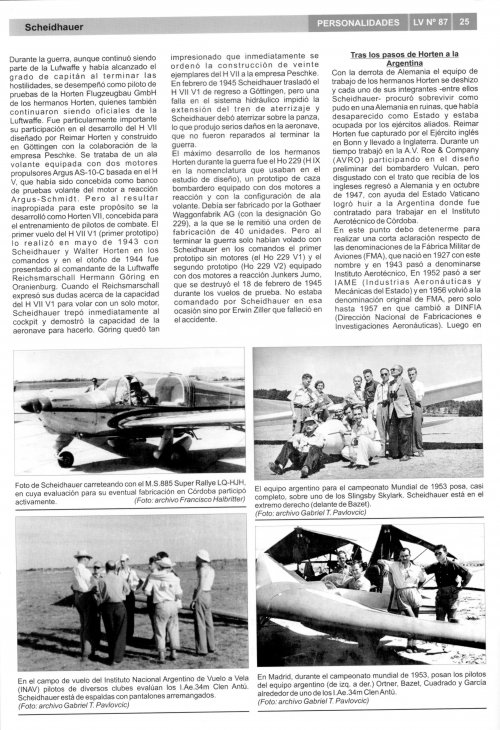
On October 30, 1957, the Urubú, piloted by Scheidauer and towed by the M.S.502 LV-ZJE, took off for its flight over the Andes mountain range.
Source: Heinz Scheidauer - From the Waterfall to Vicuña Maquena
Lima Victor Magazine No. 87, Winter 2025

Source: Heinz Scheidauer - From the Waterfall to Vicuña Maquena
Lima Victor Magazine No. 87, Winter 2025
Erdosain
ACCESS: Top Secret
- Joined
- 10 March 2020
- Messages
- 745
- Reaction score
- 3,001
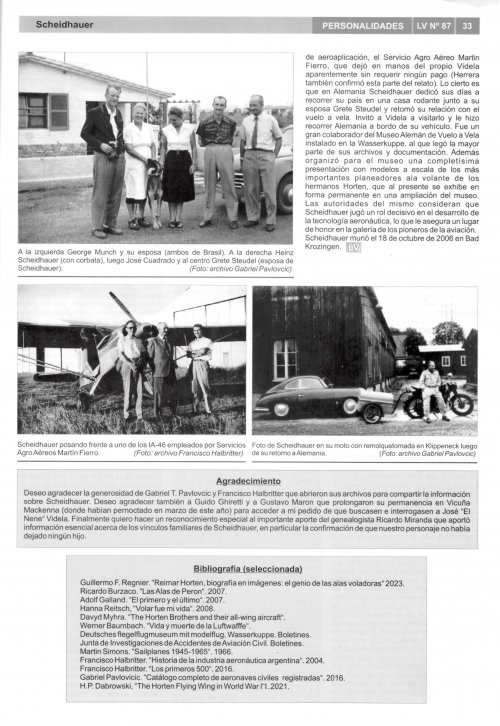
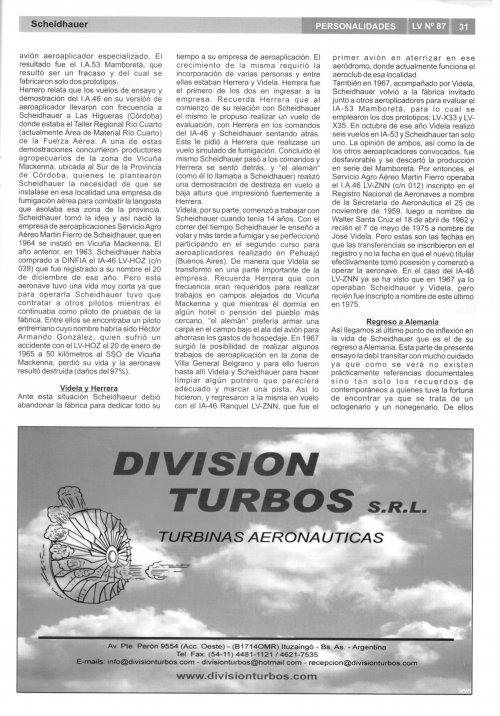
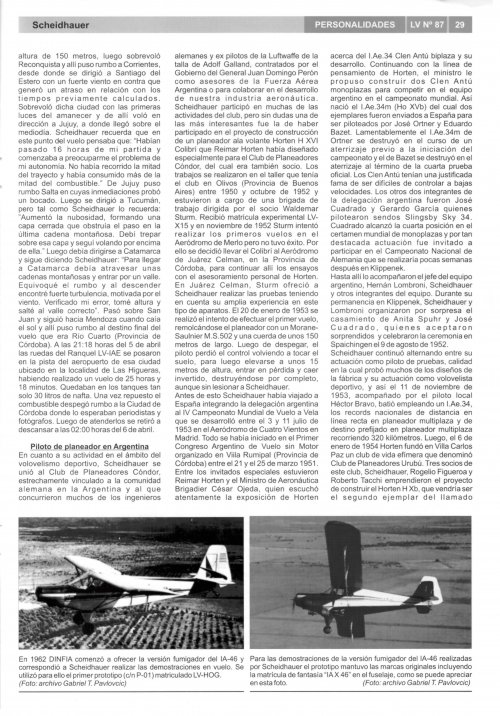
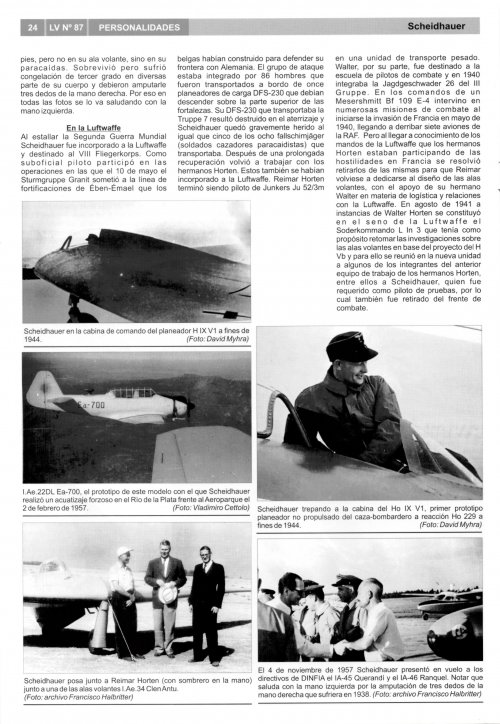
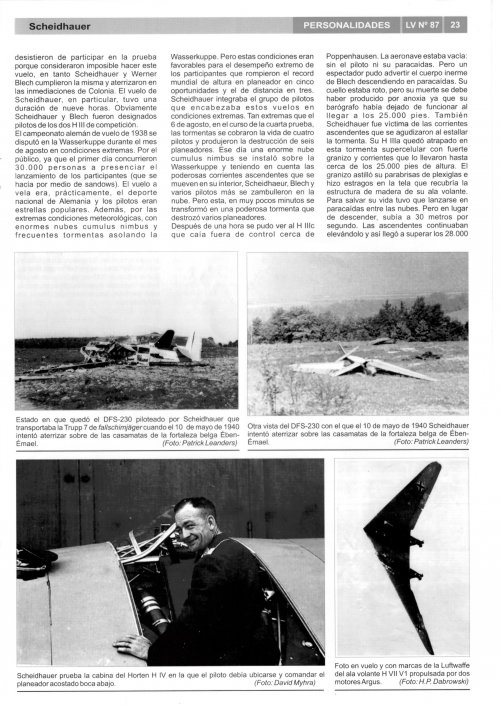
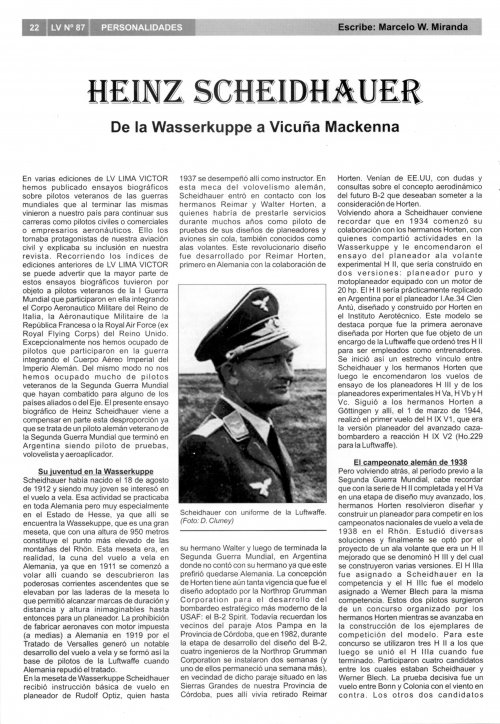
Heinz Scheidhauer
From Wasserkuppe to Vicuña Mackenna
LV LIMA VICTOR N° 87 - Winter 2025
A biography of Reimar Horten's chief test pilot, the aircraft he tested, and his time in Argentina
From Wasserkuppe to Vicuña Mackenna
LV LIMA VICTOR N° 87 - Winter 2025
A biography of Reimar Horten's chief test pilot, the aircraft he tested, and his time in Argentina
Attachments
-
 Scheidhauer LV 87_12.jpg2.7 MB · Views: 9
 -
 Scheidhauer LV 87_11.jpg2.6 MB · Views: 9
 -
 Scheidhauer LV 87_10.jpg2.9 MB · Views: 10
 -
 Scheidhauer LV 87_09.jpg3.1 MB · Views: 10
 -
 Scheidhauer LV 87_08.jpg2.9 MB · Views: 12
 -
 Scheidhauer LV 87_07.jpg2.9 MB · Views: 8
 -
 Scheidhauer LV 87_06.jpg3 MB · Views: 7
 -
 Scheidhauer LV 87_05.jpg9.7 MB · Views: 7
 -
 Scheidhauer LV 87_04.jpg2.9 MB · Views: 8
 -
 Scheidhauer LV 87_03.jpg2.7 MB · Views: 9
 -
 Scheidhauer LV 87_02.jpg2.9 MB · Views: 10
 -
 Scheidhauer LV 87_01.jpg2.6 MB · Views: 13
 -
Scheidhauer LV 87_01.pdf3.7 MB · Views: 0
Similar threads
-
 Douglas D-741 / A4D-4 Skyhawk
- Started by overscan (PaulMM)
- Replies: 25
-
-
Grumman Design 118 (not the XF12F!)
- Started by overscan (PaulMM)
- Replies: 34
-

-