Northrop N-6
During the summer of 1940 the need to improve the performance of the new Grumman F4F-3 was revealed, when the
Wildcat entered squadron service on December 31, 1940, its speed was 35 mph lower than that of the Supermarine
Spitfire Mk. I which used a V-12 engine with 170 hp less than the radial P&W R-1830-76, chosen by the U.S. Navy for its reliability and ease of maintenance aboard aircraft carriers.
Also, Messerschmitt's latest model, the Bf 109 E-3 armed with 20-mm cannons exceeded the speed of the Wildcat by 18 mph, using a V-12 engine with 25 hp less than the P&W.
The problem was the parasitic drag generated by the radial engine and the only thing that Grumman's designers could do to bridge the technological gap with the Europeans was to continue using more powerful radial engines.
The
brute force solution recommended by the Bu Aer demanded a structural reinforcement of the
Wildcat airframe, a larger diameter propeller to absorb the greater engine power that demanded the redesign of the landing gear and an increase in the wing surface to compensate for the excess weight.
The result was a larger, heavier aircraft with few aerodynamic refinements.
The Grumman F6F
Hellcat began to be designed in September 1940 with an experimental Wright XR-2600-10 radial engine rated at 1,600 hp driving a three-bladed Curtiss Electric propeller.
Jack Northrop knew that the only way to overcome Grumman's proposal was to offer the US Navy a faster fighter with excellent STOL characteristics and armed with 20-mm cannons.
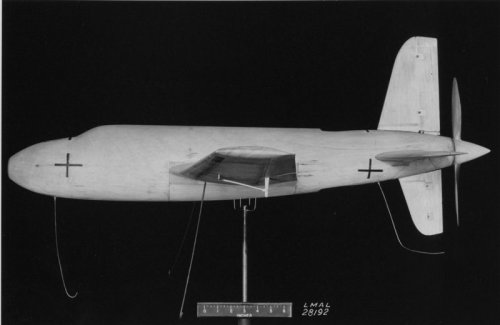
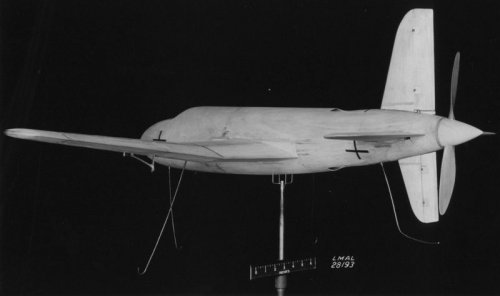
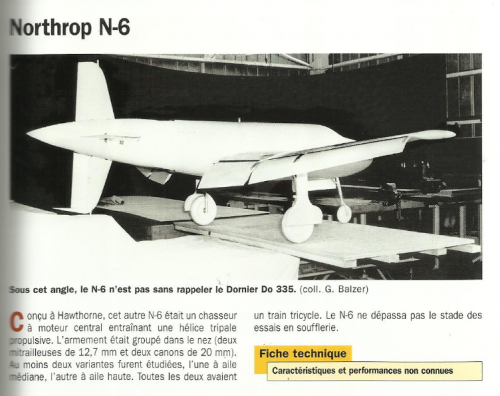
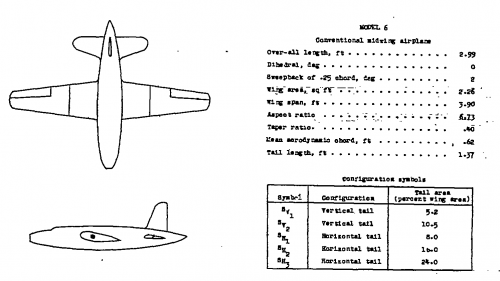
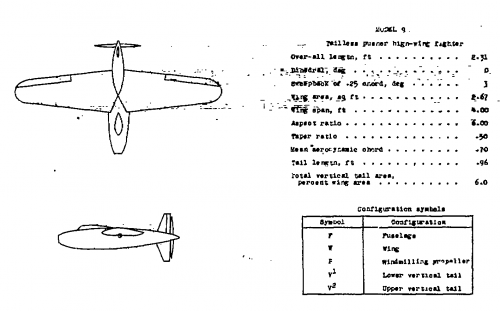
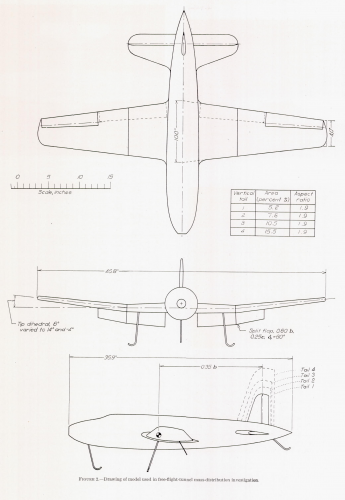
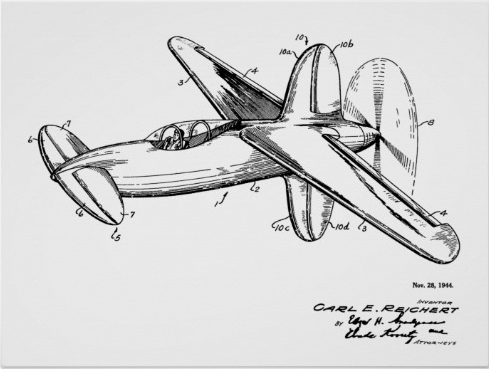
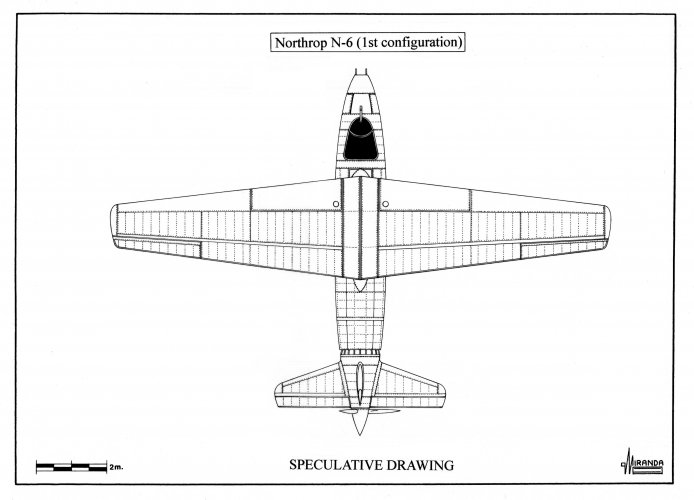
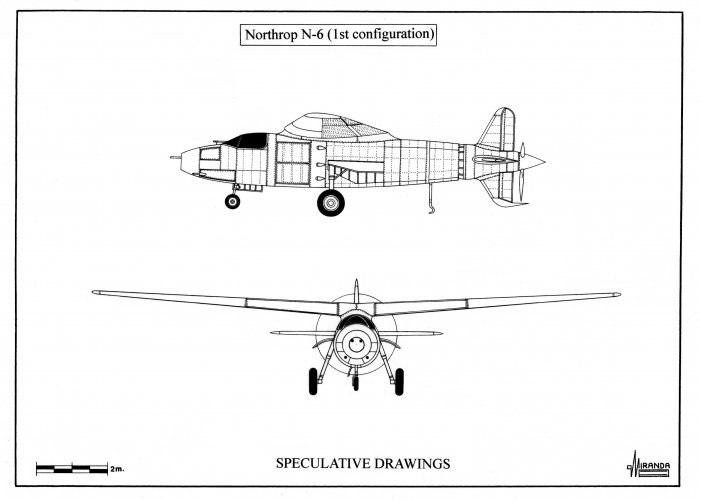
The N-6 was designed using drag reduction pusher technology (developed by Douglas for his project DS-312A) with a shoulder wing with 60-degrees zap-flaps.
The experience gained by the French with their Wibault 74 and Dewoitine D-373 naval fighters had already shown during the thirties that the maneuverability of the parasol-type wing was inferior in dogfighting to that of low-wing monoplanes, but at that time the only possible adversary for American naval fighters was the fast dive bomber Junkers Ju 88, because the US Navy aircraft carriers operating in the Atlantic Ocean would only be used in neutrality or convoy escort missions away from European coasts. No possibility of fighting with the Axis fighters
In late 1940 the U.S. Navy signed a contract for the development of a Northrop naval fighter with radial engine mounted inside the fuselage, behind the cockpit, and pusher configuration.
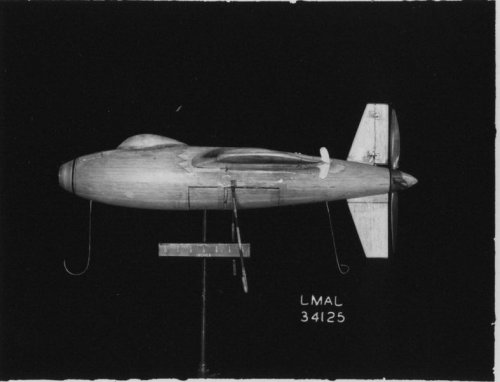
The N-6 was proposed in three configurations:
-Shoulder wing with XR-2600-10 engine and pusher propeller.
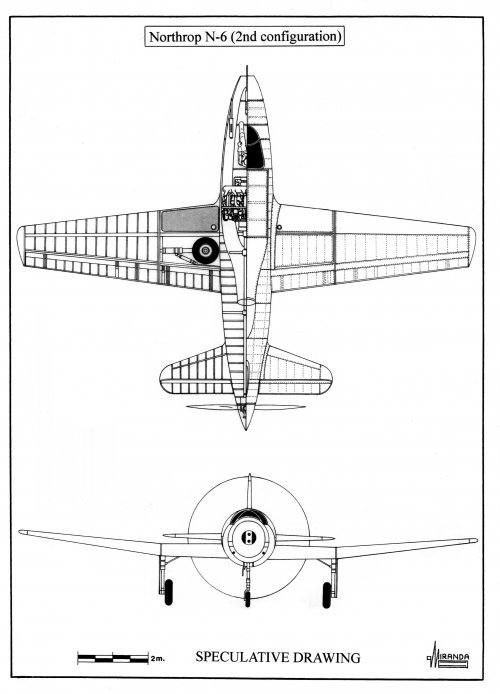
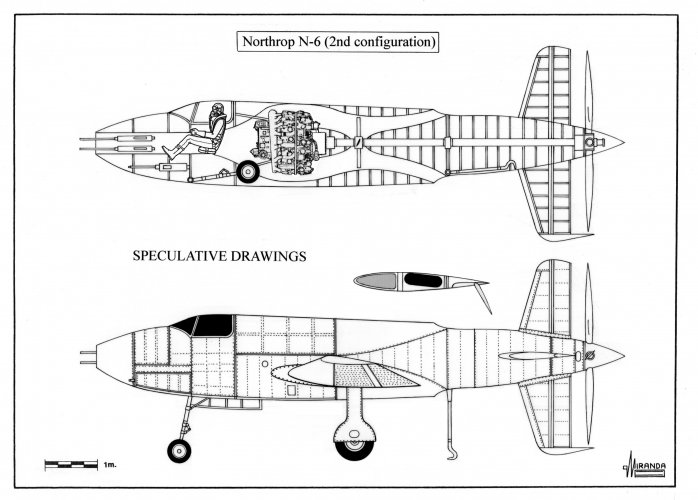
-Medium wing with R-2800-21 engine and pusher propeller.
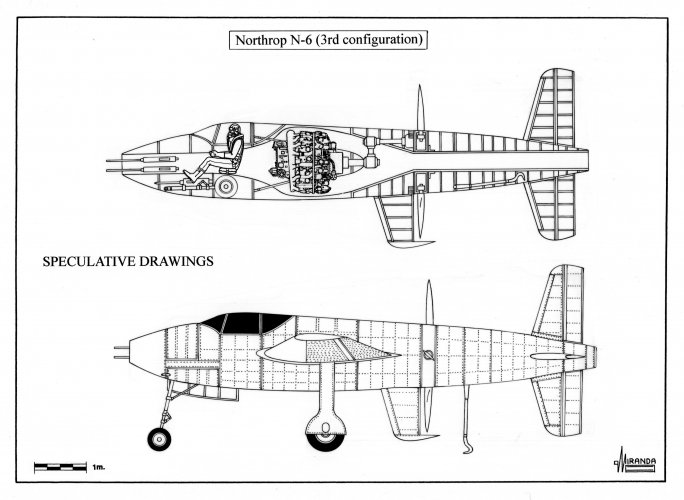
-Medium wing with pusher propeller mounted in the fuselage behind the wing.
First Configuration technical data
Wingspan: 14.30 m, length: 10.21 m, height: 2.94 m, wing area: 28 sq. m, fuselage diameter: 1,480 mm, engine diameter: 1,397 mm, power plant: one Wright XR-2600-10, 14-cylinder air cooled radial engine, rated at 1,900 hp, driving a three-bladed Curtiss Electric pusher propeller with 2,200 mm of diameter, proposed nose armament: two 0.5-in heavy machine guns and two 20-mm cannons, cooling system: nose air intake and tail mounted annular exhaust ring, main landing gear members retracting into the rear fuselage.
Second Configuration technical data
Wingspan: 13.05 m, length: 10.00 m, height: 3.8 m, wing area: 27 sq. m, fuselage oval section: 1,560 x 1430 mm, engine diameter: 1,342 mm, power plant: one Pratt and Whitney R-2800-21, 18-cylinder air cooled radial engine, rated at 1,850 hp, driving a three-bladed Hamilton Standard pusher propeller with 3.050 mm of diameter, proposed nose armament: two 0.5-in heavy machine guns and two 20-mm cannons, cooling system: nose air intake and two tail mounted exhausts, main landing gear members retracting into the wings.
Third Configuration technical data
Wingspan: 13.05 m, length: 10.00 m, height: 3.8 m, wing area: 27 sq. m, fuselage oval section: 1,560 x 1430 mm, engine diameter: 1,342 mm, power plant: one Pratt and Whitney R-2800-21, 18-cylinder air cooled radial engine, rated at 1,850 hp, driving a three-bladed Hamilton Standard pusher propeller with 3.050 mm of diameter, proposed nose armament: two 0.5-in heavy machine guns and two 20-mm cannons, cooling system: nose air intake and tail mounted exhaust, main landing gear members retracting into the wings.