
You are using an out of date browser. It may not display this or other websites correctly.
You should upgrade or use an alternative browser.
You should upgrade or use an alternative browser.
Mitsubishi Ki-67 Variants and Derivatives (Ki-69, 109, 167)
- Thread starter blackkite
- Start date

blackkite
Don't laugh, don't cry, don't even curse, but.....
- Joined
- 31 May 2007
- Messages
- 9,515
- Reaction score
- 9,661
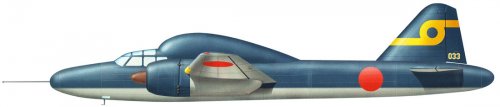
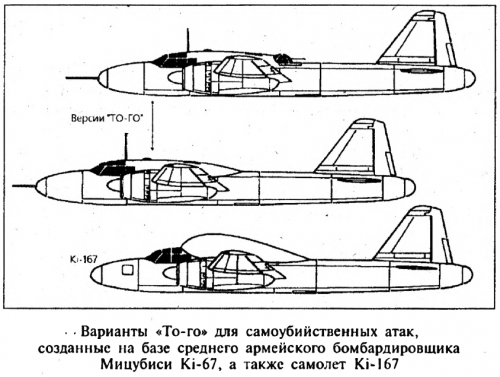
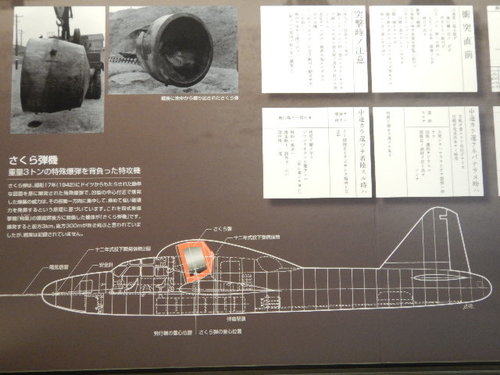
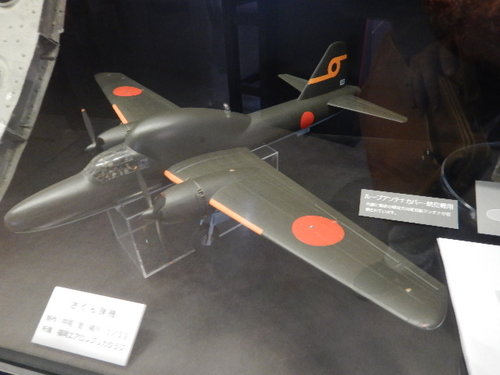
Oh! Sakura-dan.(Cherry blossom bomb for suiside attack, 2.9ton)
http://wp.scn.ru/en/ww2/b/1030/65/2
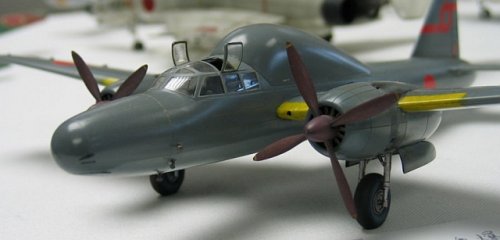
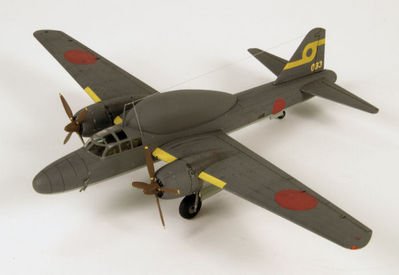
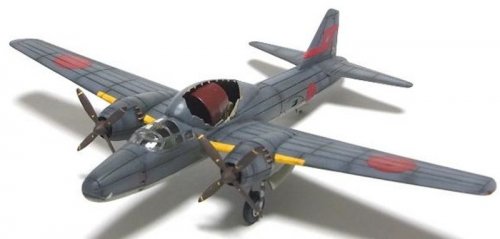
6 planes of KI 167 equipped with a cherry blossom bullet was made.
1 plane of KI 167 took off from Kanoya base on April 17, 1945, and sallied in the ship offensive around Okinawa.
2 planes of KI 167 took off from Tachiarai base on May 25, 1945, and sallied in the ship offensive around Okinawa.
http://wp.scn.ru/en/ww2/b/1030/65/2
6 planes of KI 167 equipped with a cherry blossom bullet was made.
1 plane of KI 167 took off from Kanoya base on April 17, 1945, and sallied in the ship offensive around Okinawa.
2 planes of KI 167 took off from Tachiarai base on May 25, 1945, and sallied in the ship offensive around Okinawa.
Attachments
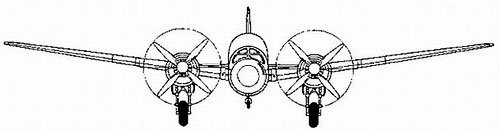
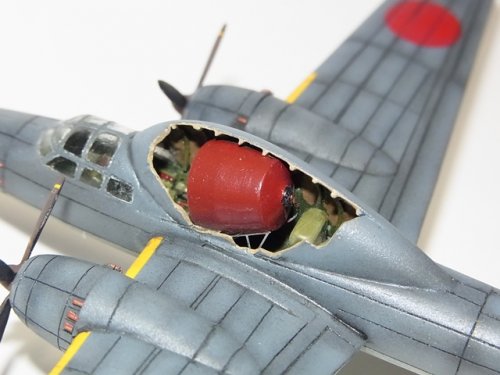
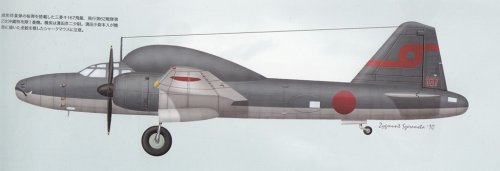
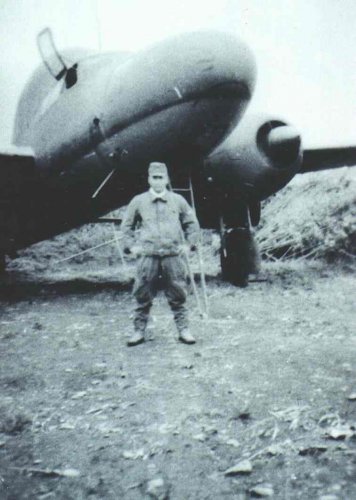
Overall grey uppersurfaces?

windswords
ACCESS: Secret
- Joined
- 19 May 2009
- Messages
- 392
- Reaction score
- 257
blackkite
Don't laugh, don't cry, don't even curse, but.....
- Joined
- 31 May 2007
- Messages
- 9,515
- Reaction score
- 9,661
Justo Miranda said:Overall grey uppersurfaces?
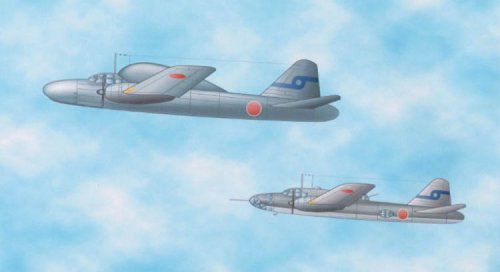
Dark gray in the whole.
A cockpit was dark, pilot seat was one, no armament, and a 3 ton bomb of the cup shape applied orange color and 1.5 meters of diameter located immediately behind the cockpit.
A bomb was a liquid explosive and six fuses were installed at the front of the bomb. It was said that three kilometers of front and two kilometers(another opinion 300m) of rear were become sea of the fire.
(Memory of survived crew)
http://kakutokuhatsu.katakura.net/maemura2.html
Attachments
blackkite
Don't laugh, don't cry, don't even curse, but.....
- Joined
- 31 May 2007
- Messages
- 9,515
- Reaction score
- 9,661
Hi!
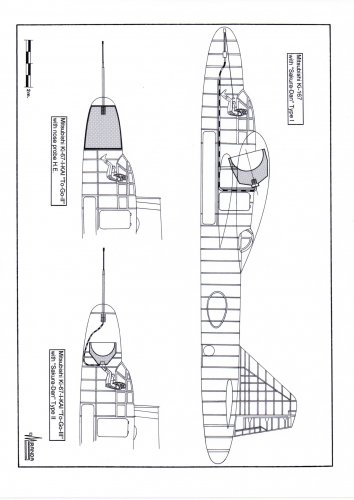
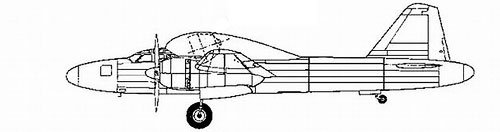
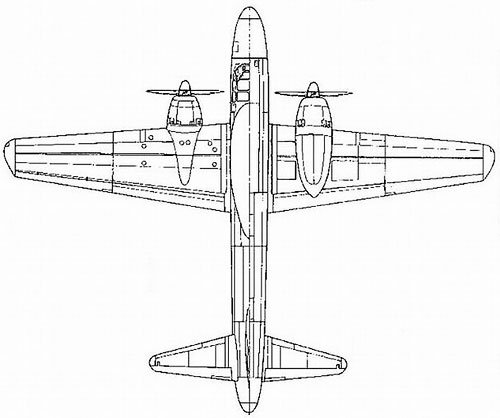
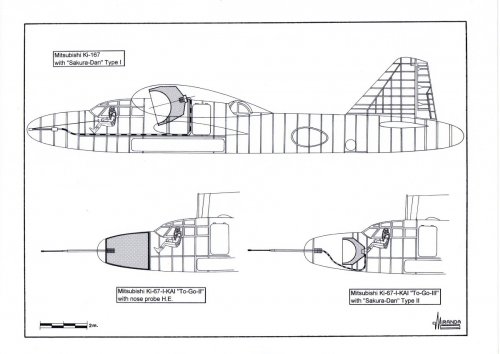
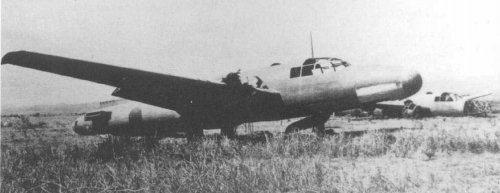
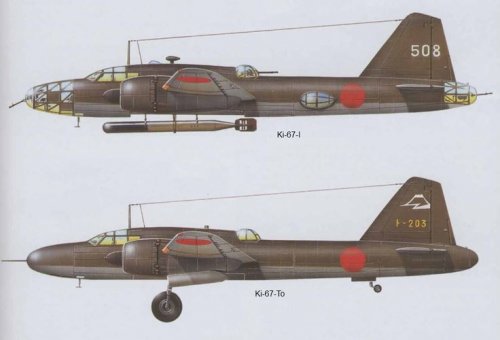
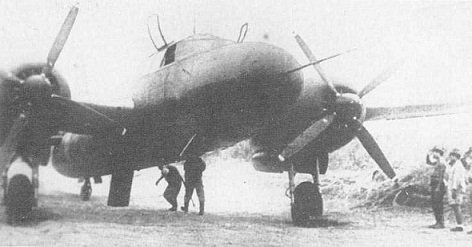
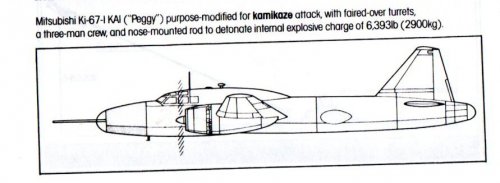
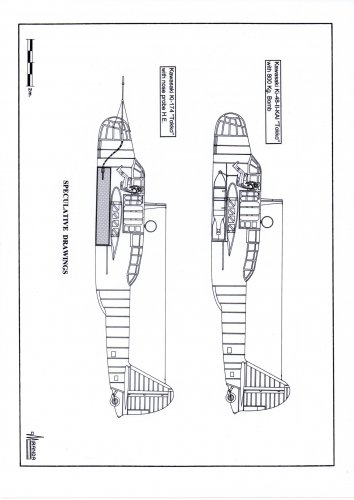
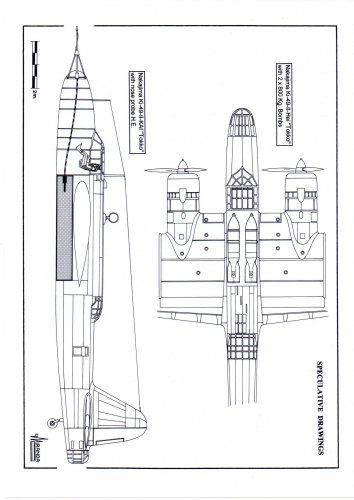
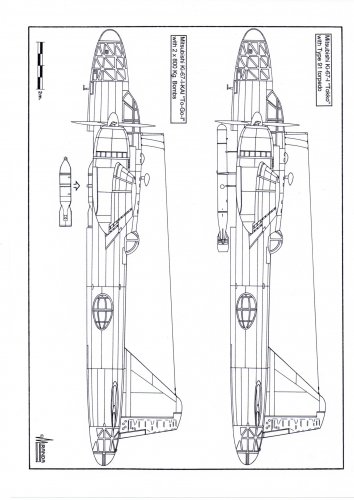
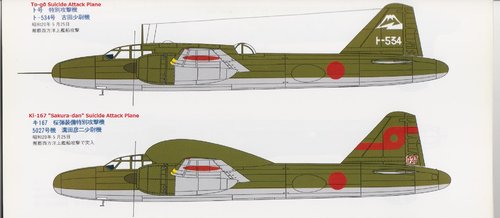
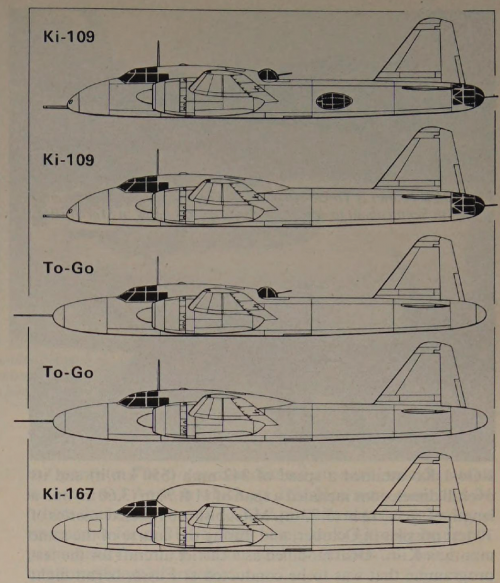
Mitsubishi KI 67-TO GO was the suicide aircraft which remodeled 4-shiki heavy bomber called a best bomber of the IJA "Hiryu".
Remodeling made the fuselage surface smooth, removes a gun and reduces seat 8 in 3 and had 800 kg bomb 2 or 2900 kg bomb.
A long stick of a nose of a plane is the equipment which makes explosion when touching a target.
Thanks a lot justo for excellent drawings.
If I order boarding to such airplane, it isn't endured at all.
Mitsubishi KI 67-TO GO was the suicide aircraft which remodeled 4-shiki heavy bomber called a best bomber of the IJA "Hiryu".
Remodeling made the fuselage surface smooth, removes a gun and reduces seat 8 in 3 and had 800 kg bomb 2 or 2900 kg bomb.
A long stick of a nose of a plane is the equipment which makes explosion when touching a target.
Thanks a lot justo for excellent drawings.
If I order boarding to such airplane, it isn't endured at all.
Attachments
-
 Ki-167 Sakura dan and Ki-67 To Go.jpg159.9 KB · Views: 369
 -
 Ki-67-I_ToGo.jpg41.6 KB · Views: 268
 -
 Ki-67_To-Go.jpg34 KB · Views: 250
 -
 17c2941ff5cc77ed52419c6b47baf644.jpg34.3 KB · Views: 268
 -
 65_23.jpg43.7 KB · Views: 248
 -
 TO-GO.jpg41.6 KB · Views: 237
 -
 ki167.jpg116.8 KB · Views: 520
 -
 normal_Bill_Sanborn_-_1-72_Hasegawa_KI-167_Sakura_Dan_(Peggy)_-_3-w.jpg25.8 KB · Views: 540
 -
 Ki-167 Sakura dan.jpg43.2 KB · Views: 541
blackkite
Don't laugh, don't cry, don't even curse, but.....
- Joined
- 31 May 2007
- Messages
- 9,515
- Reaction score
- 9,661
Justo as you already know that I think bomb position and bomb size of your TO-GO drawing is suspicios. Apparently nose heavy.
I will check TO-GO bomb position in Japanese sources.
I imagine that bomb is located near C.G. same as Ki-167.
Also I think the opinion that TO-GO had 2.9ton bomb is suspicios. 2.9 ton bomb size is too large for TO-GO shape.
Please wait.
I will check TO-GO bomb position in Japanese sources.
I imagine that bomb is located near C.G. same as Ki-167.
Also I think the opinion that TO-GO had 2.9ton bomb is suspicios. 2.9 ton bomb size is too large for TO-GO shape.
Please wait.
blackkite
Don't laugh, don't cry, don't even curse, but.....
- Joined
- 31 May 2007
- Messages
- 9,515
- Reaction score
- 9,661
http://kakutokuhatsu.katakura.net/maemura2.html
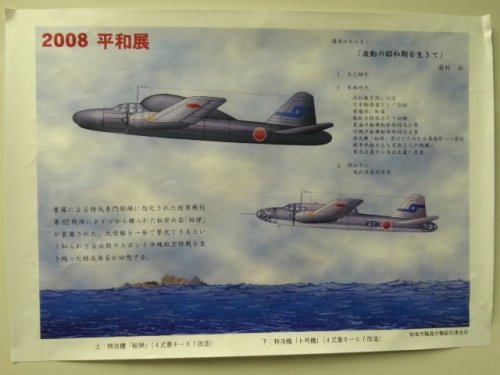
19/3/1945 Tokai sea mission (3×Ki-67 with one 800kg bomb participated)
攻撃機には夫々八百キロ爆弾を一発のみ装備してあり、爆弾倉に収容出来ないため、内部を改造拡大し、しかもワイヤーにて落ちない様に縛り付けてあった。 機首には、電気信管が取り付けられ、爆弾に配線されて体当たりすることによって爆発する様な仕掛けになっていた。 それでも、前方砲、後方砲の二門だけの武装はしてあった。
Translation
"The bomber had only one 800kg bomb which cannot be accommodated in the bomb bays, so bomb bay was enlarged and bomb was fixed by wire. Electric fuze fitted in the nose of the bomber. Bomber still had forward gun and rear gun."
17/4/1945 Okinawa mission (Sakuradan Ki-167×1, TO-GO Ki-67×2 participated)
爆弾倉と機内には八00キロ二発の爆弾を抱え、前方先端に電気信管を突き出した「と号機」
Translation
TO-GO with 2×800kg bomb(one bomb bay, one inner fuselage), nose fuze and no armament
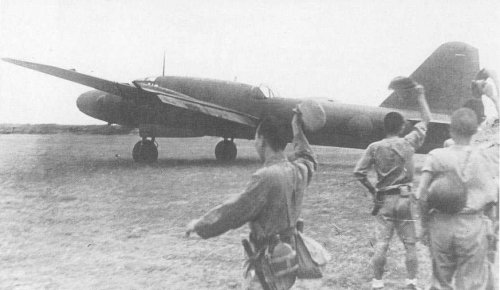
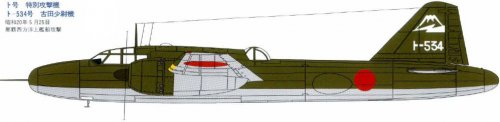
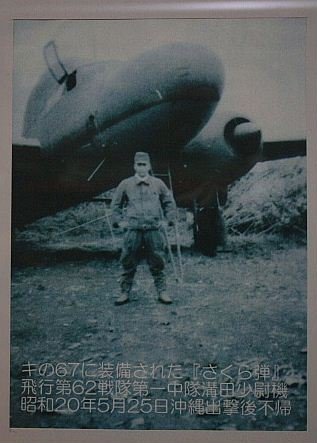
Explanation of the second picture is as follows
Flight 62nd squadron first company Mizota ensign boarding airplane. Sallied and did not return to the battle in Okinawa in 25/5/1945.
19/3/1945 Tokai sea mission (3×Ki-67 with one 800kg bomb participated)
攻撃機には夫々八百キロ爆弾を一発のみ装備してあり、爆弾倉に収容出来ないため、内部を改造拡大し、しかもワイヤーにて落ちない様に縛り付けてあった。 機首には、電気信管が取り付けられ、爆弾に配線されて体当たりすることによって爆発する様な仕掛けになっていた。 それでも、前方砲、後方砲の二門だけの武装はしてあった。
Translation
"The bomber had only one 800kg bomb which cannot be accommodated in the bomb bays, so bomb bay was enlarged and bomb was fixed by wire. Electric fuze fitted in the nose of the bomber. Bomber still had forward gun and rear gun."
17/4/1945 Okinawa mission (Sakuradan Ki-167×1, TO-GO Ki-67×2 participated)
爆弾倉と機内には八00キロ二発の爆弾を抱え、前方先端に電気信管を突き出した「と号機」
Translation
TO-GO with 2×800kg bomb(one bomb bay, one inner fuselage), nose fuze and no armament
Explanation of the second picture is as follows
Flight 62nd squadron first company Mizota ensign boarding airplane. Sallied and did not return to the battle in Okinawa in 25/5/1945.
Attachments
blackkite
Don't laugh, don't cry, don't even curse, but.....
- Joined
- 31 May 2007
- Messages
- 9,515
- Reaction score
- 9,661
There were several Sakuradan mission after Okinawa mission. The result of mission is unknown.
I imagine that every Ki-167 suffered American fighter interception.
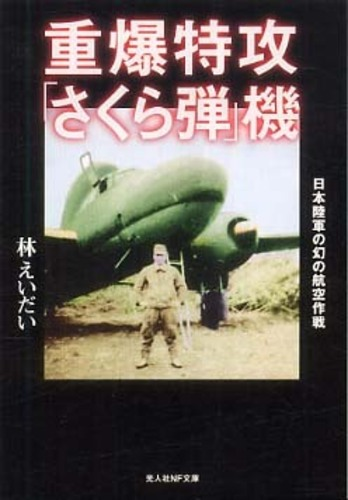
I will get this second hand book.
重爆特攻 さくら弾機 : Heavy bomber special attack Sakuradan aircraft
I imagine that every Ki-167 suffered American fighter interception.
I will get this second hand book.
重爆特攻 さくら弾機 : Heavy bomber special attack Sakuradan aircraft
Attachments
blackkite said:Justo as you already know that I think bomb position and bomb size of your TO-GO drawing is suspicios. Apparently nose heavy.
I will check TO-GO bomb position in Japanese sources.
I imagine that bomb is located near C.G. same as Ki-167.
Also I think the opinion that TO-GO had 2.9ton bomb is suspicios. 2.9 ton bomb size is too large for TO-GO shape.
Please wait.
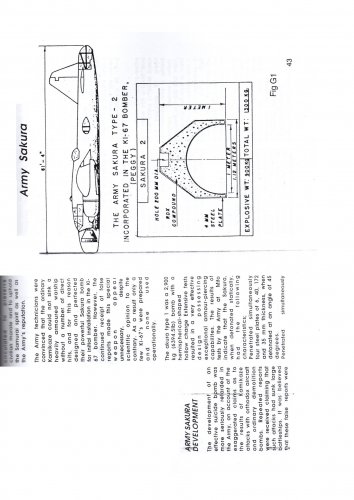
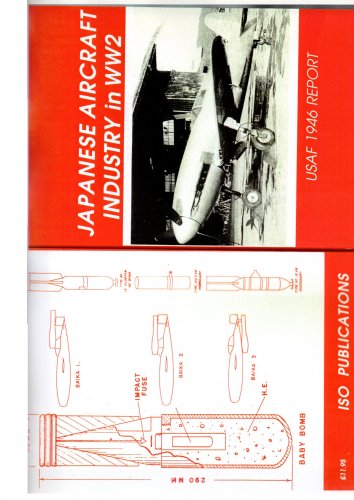
Non Japanese sources here
Attachments



blackkite
Don't laugh, don't cry, don't even curse, but.....
- Joined
- 31 May 2007
- Messages
- 9,515
- Reaction score
- 9,661
Attachments
Last edited:
blackkite
Don't laugh, don't cry, don't even curse, but.....
- Joined
- 31 May 2007
- Messages
- 9,515
- Reaction score
- 9,661
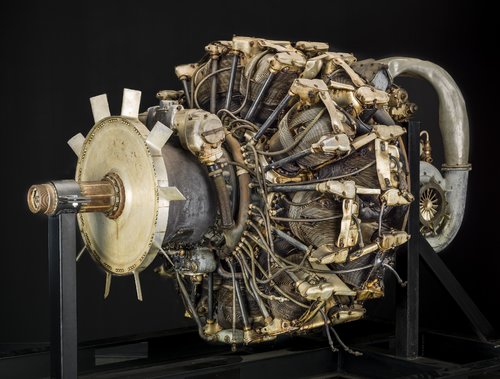
Hi! Mitsubishi Ha42-31 engine. This engine was tested by Ki-67.
https://www.youtube.com/watch?v=GBFxvstEUwg&t=80s
https://www.youtube.com/watch?v=GBFxvstEUwg&t=80s

- Joined
- 31 July 2013
- Messages
- 623
- Reaction score
- 1,313
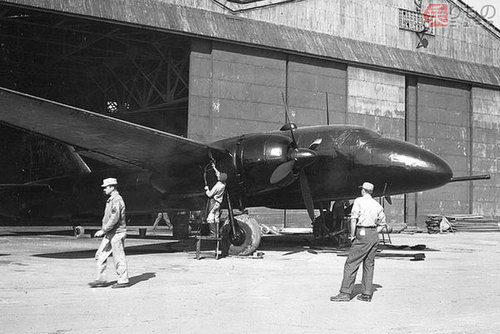
Came across this picture of a captured Ki-109 and thought this would be appropriate place to put it. Taken from https://news.livedoor.com/article/detail/17884602/

- Joined
- 31 July 2013
- Messages
- 623
- Reaction score
- 1,313
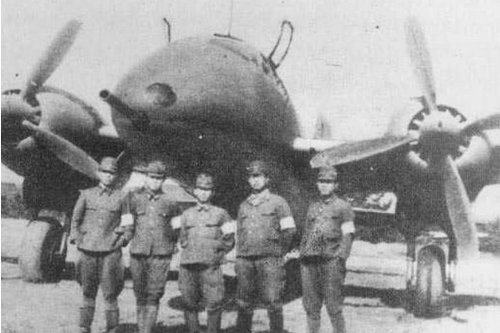
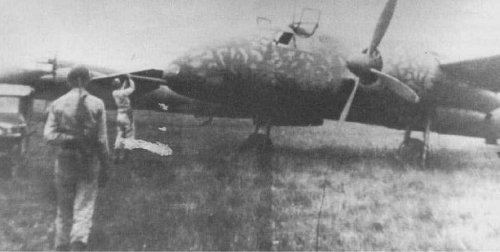
Also found these two via Pinterest.


blackkite
Don't laugh, don't cry, don't even curse, but.....
- Joined
- 31 May 2007
- Messages
- 9,515
- Reaction score
- 9,661
This video shows Mitsubishi HA214 Fu(HA42-31) engine which tested in 1944 using Ki-67 bomber. Later development was terminated.
No connection with Ki-91 heavy bomber. You can see Ki-67 model located side of the engine.
Fu means フルカン継手(Furukan tsugite), Valkan coupling.
https://www.youtube.com/watch?v=GBFxvstEUwg&t=91s
No connection with Ki-91 heavy bomber. You can see Ki-67 model located side of the engine.
Fu means フルカン継手(Furukan tsugite), Valkan coupling.
https://www.youtube.com/watch?v=GBFxvstEUwg&t=91s
Last edited:
blackkite
Don't laugh, don't cry, don't even curse, but.....
- Joined
- 31 May 2007
- Messages
- 9,515
- Reaction score
- 9,661
Explanation of this site for Ha42 engine is little strange.
This picture shows HA-214Fu(Ha42-31). Ru means turbocharged engine as you already know.
But I don't know why Ru means turbocharger.
https://ww2aircraft.net/forum/threads/picture-of-the-day-miscellaneous.45716/page-127
This picture shows HA-214Fu(Ha42-31). Ru means turbocharged engine as you already know.
But I don't know why Ru means turbocharger.
https://ww2aircraft.net/forum/threads/picture-of-the-day-miscellaneous.45716/page-127
Attachments
I made a model of the 桜弾機 (Sakuradanki) and put pictures on my website here: https://nedreif.wixsite.com/ned-reif-paper-model
Attachments
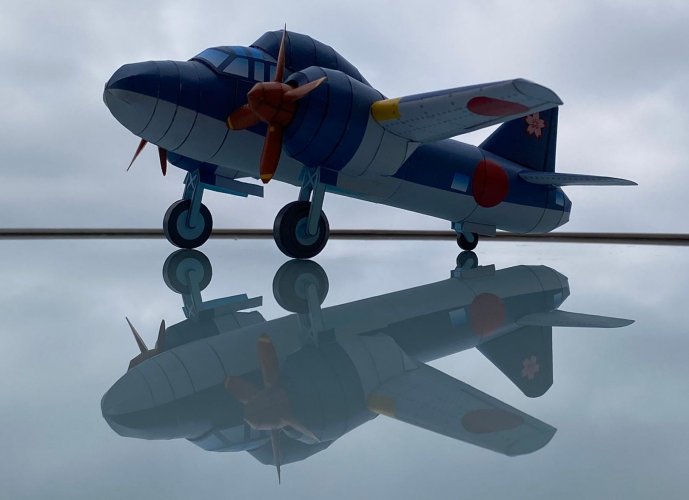
Here is another crew member tellling his story:Dark gray in the whole.
A cockpit was dark, pilot seat was one, no armament, and a 3 ton bomb of the cup shape applied orange color and 1.5 meters of diameter located immediately behind the cockpit.
A bomb was a liquid explosive and six fuses were installed at the front of the bomb. It was said that three kilometers of front and two kilometers(another opinion 300m) of rear were become sea of the fire.
(Memory of survived crew)
http://kakutokuhatsu.katakura.net/maemura2.html
特攻「ト号機」 視界不良で生還
19歳の春、陸軍特別幹部候補生1期生として宇都宮飛行学校を卒業、航法士として飛行第62戦隊へ配属された。四式重爆撃機「飛龍(ひりゅう)」を主体とする特攻部隊だ。私は当初、飛龍を改造して約3トンの爆弾を積んだ「桜弾機」に搭乗予定だったが、それが駐機中に放火で焼失したため、「ト号機」への搭乗を命ぜられた。
ト号機という特攻機は、飛龍に800キロ爆弾2本を積みワイヤで縛りつけた、桜弾機に代わる私の新しい「棺桶(かんおけ)」だった。1945年5月25日早朝、沖縄周辺にいる米機動部隊の艦船めがけ、桜弾機2機と私も乗ったト号機2機の計4機が大刀洗(たちあらい)飛行場(福岡県)から出撃した。機体が重い桜弾機は片道燃料の「殺人機」だった。
当日、沖縄は天候不良。雲低く一時は雨のため、低空飛行で索敵を余儀なくされた。海面すれすれで敵レーダーから逃れた。視界不良で敵を発見できず、燃料を使い果たした。大刀洗にも戻れず、鹿屋飛行場(鹿児島県)に不時着。「生きながらの棺桶」から出ることができ、命を拾った。
あれから65年。本物の棺桶が迎えに来るのも近い年になった。あと何回、あの日を迎えることができるであろうか。
(Here is a google translation
Kamikaze "T" plane survived poor visibility
In the spring of my 19th year, I graduated from Utsunomiya Air School as the first batch of Army Special Officer Candidates and was assigned to the 62nd Air Squadron as a navigator. It was a kamikaze unit mainly using the Type 4 heavy bomber "Hiryu". I was originally scheduled to board the "Sakura-danki", a modified Hiryu plane loaded with about 3 tons of bombs, but it was burned down in an arson attack while parked, so I was ordered to board the "T".
The kamikaze plane, T, was my new "coffin" to replace the Sakura-danki, a Hiryu loaded with two 800 kg bombs and tied with wire. In the early morning of May 25, 1945, two Sakura-danki planes and two T planes, including me, set off from Tachiarai Airfield (Fukuoka Prefecture) toward the ships of the US task force around Okinawa. The heavy Sakuradan aircraft was a "killer plane" with only enough fuel for a one-way trip.
The weather in Okinawa was bad that day. The clouds were low and it rained at one point, so the plane was forced to fly low to search for the enemy. It escaped enemy radar by skimming just above the sea level. Poor visibility meant it was unable to find the enemy and it ran out of fuel. Unable to return to Tachiarai, it made an emergency landing at Kanoya Airfield (Kagoshima Prefecture). It managed to get out of its "coffin alive" and survived.
65 years have passed since then. It will soon be the year when a real coffin will come to collect it. How many more times will we be able to celebrate that day?
https://www.asahi.com/special/koe-senso/?id=2451&tag=30
That's both disturbing and adorable.I made a model of the 桜弾機 (Sakuradanki) and put pictures on my website here: https://nedreif.wixsite.com/ned-reif-paper-model
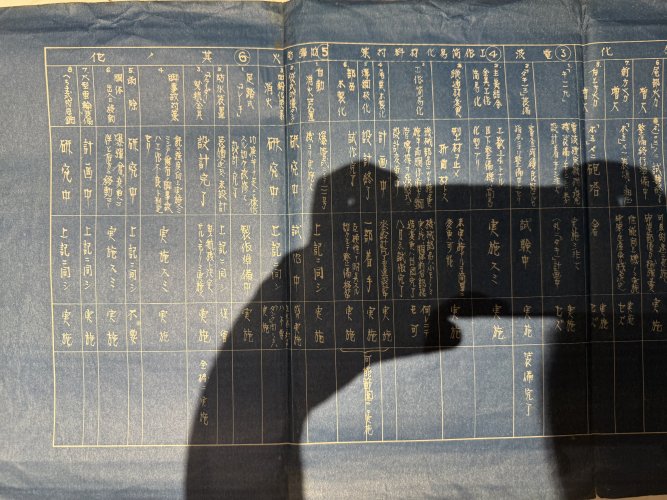
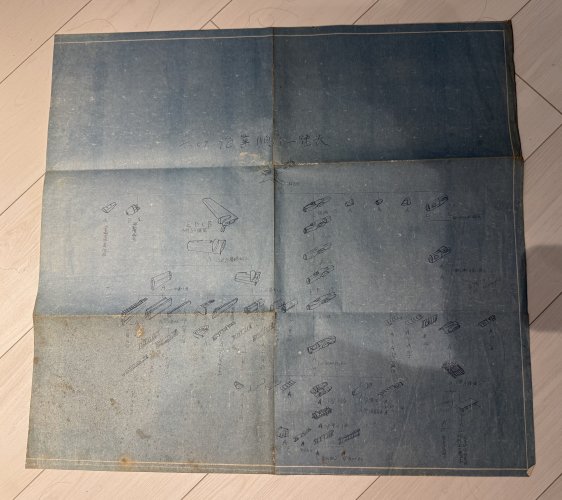 Sorry Guys, but I think I will interrupt you guys a bit since I purchased something interesting on Yahoo Auction. The following graphs and charts are the ORIGINAL DRAWINGs of Ki-67 and its variants (lots of them are unknown
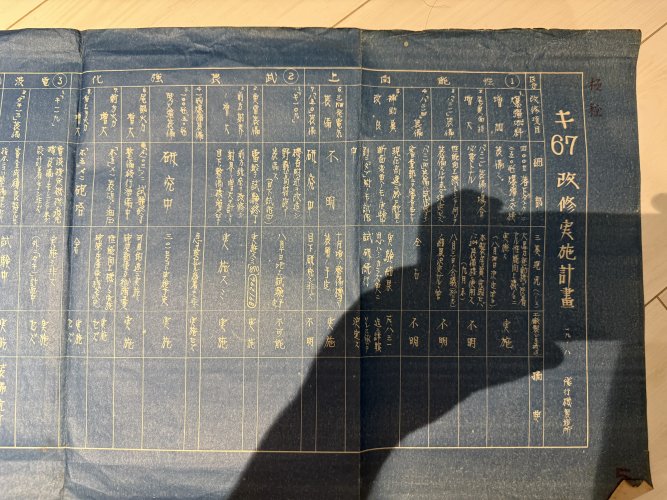
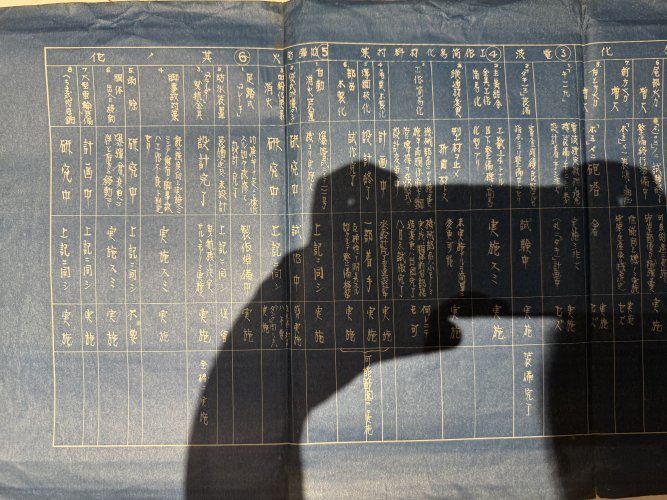 until today) down by Mitsubishi Nagoya Aircraft Factory by August 1944
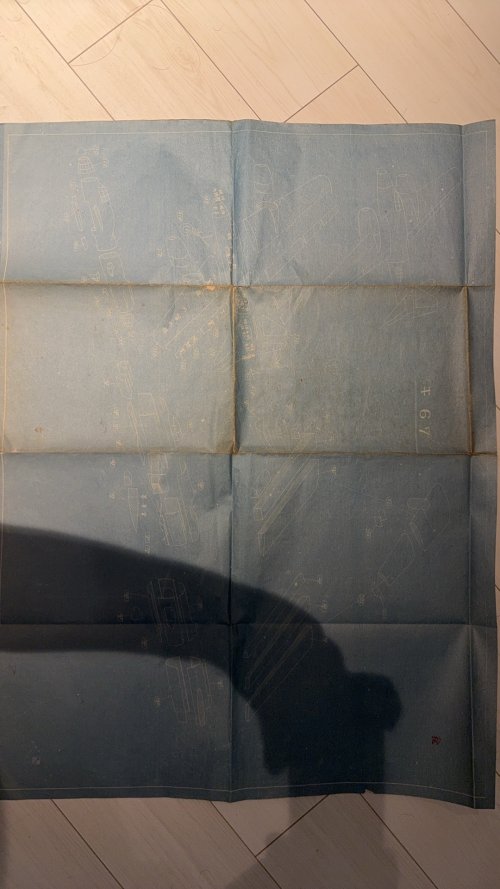
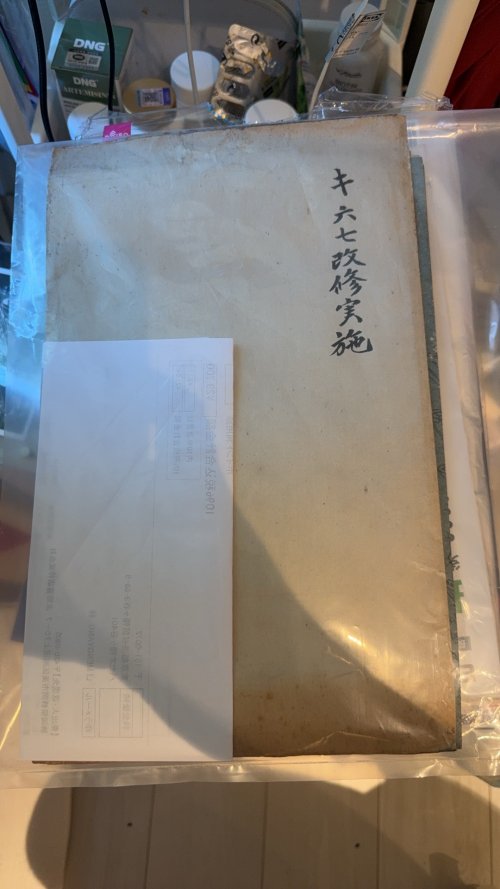
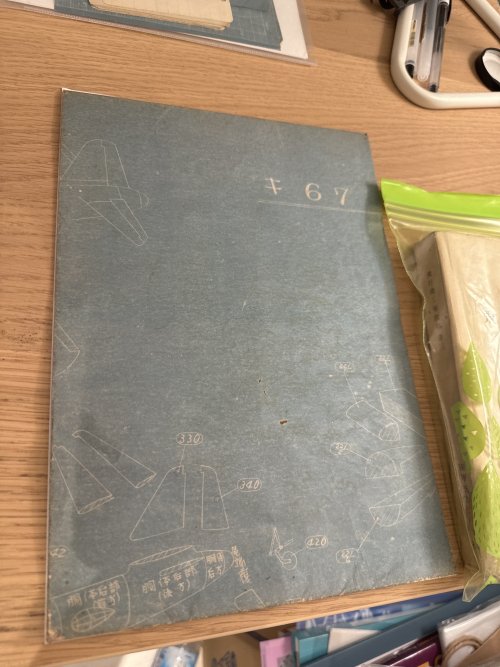
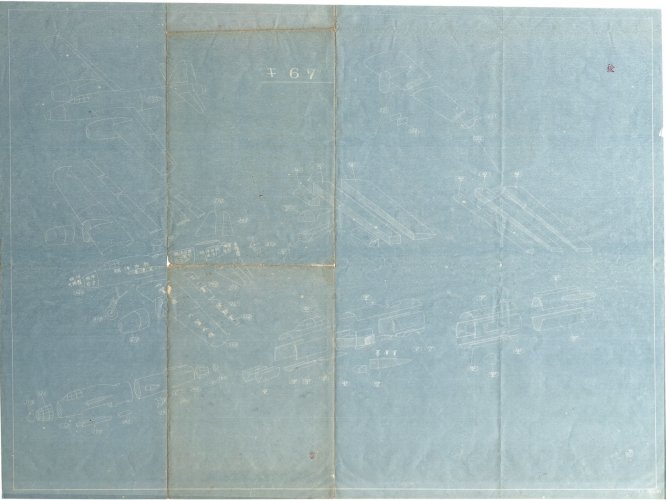
The Auction itself takes 23000 yen( about 230 usd) and consist of 3 blueprint papers: a modification planning list, a hand-drawing procedure to construct the Ki-67, and a B1 size blueprint showing the structure and assembly of Ki-67’s fuselage, main wing, tail, and landing gear. etc
I had this auction with a friend who is a specialist talking about Japanese secret project modifications. We each spent 12000 yen(120 USD) and seperate the papers such that I took the B1 sized structural assembly paper and he tools the rest two. I scanned my paper but the file size is too big. If anyone is interested please don’t hesitate to inform me.
Attachments
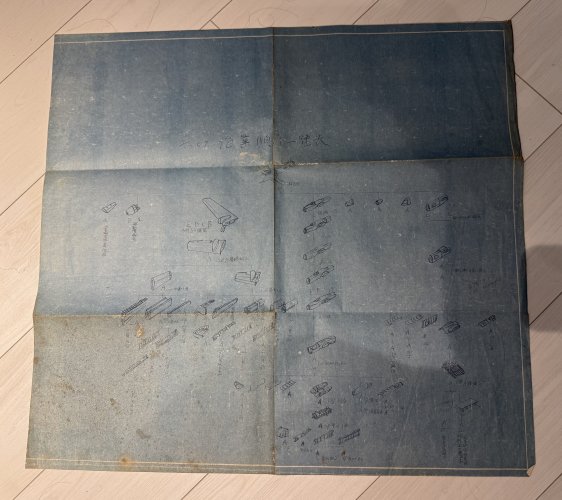
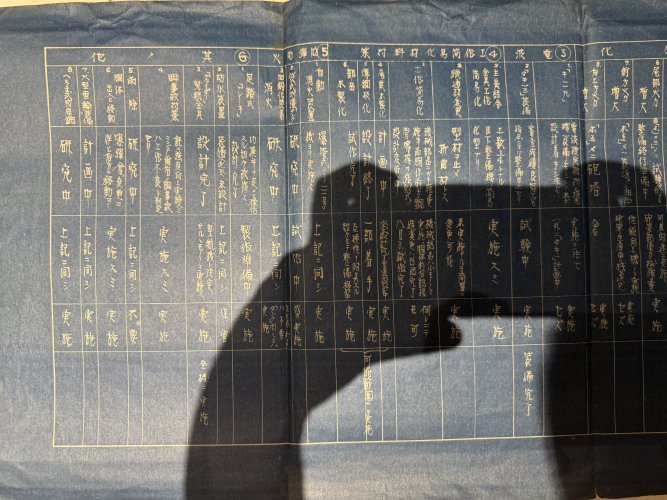
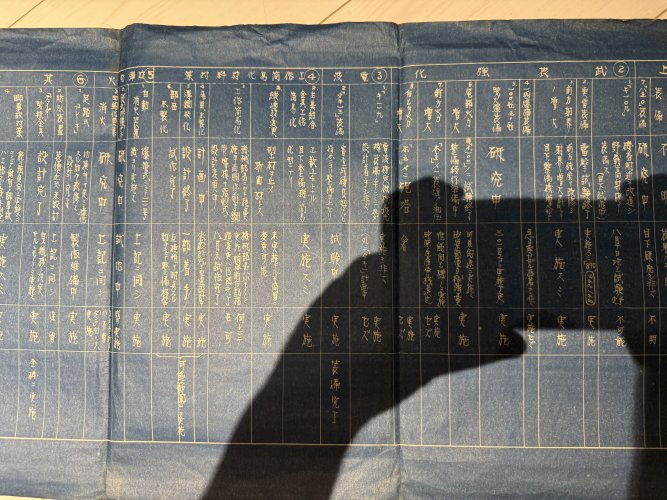
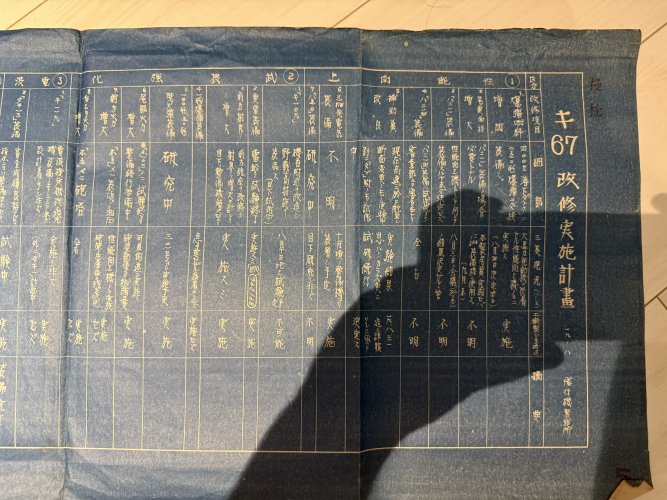
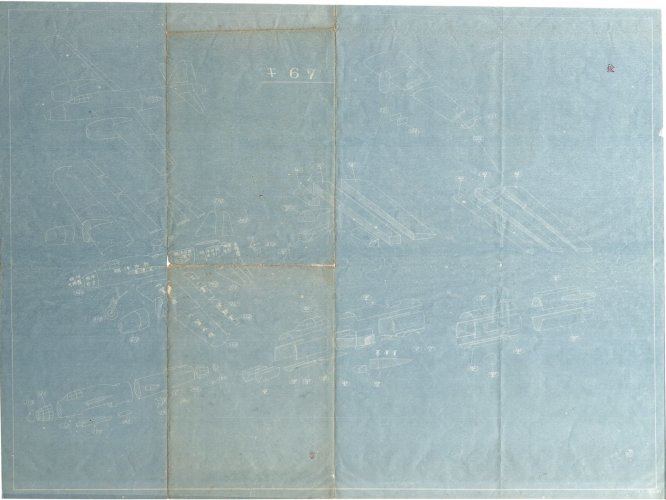
I had comprised my paper so you can see the details. I am sorry but the original png takes about 121mb which overrides the limit of this website. Again if anyone want better resolution please don’t hesitate to inform me
Now let’s go for the information part. From the modification planning chart, we could see many even horrific modifications. For example, there is a Ki-67 that was planning to equipped the Ha-50 engine. Many of you might know this engine already because of Fugaku (the plan Z thing), but this is the first time that Ha-50 had shown some relationship with Ki-67. Since the Ha-50 was a 22 cylinder 3200hp engine, the Ki-67 with such engine would might be the Japanese bomber with higher expected performance.
The second interesting part goes for the Ki-119. Many of you might know this already, but the Ki-119 here is not the single-engine fighter bomber designed by Kawasaki KK, instead it is the night fighter version of Ki-109. To be honest, I know that such thing is ridiculous that a weird fighter equipped with a 75mm main canon was also equipped with Air to Air radar. But this was exactly what had been written on the chart.
Let us take another look at the structural blueprint.
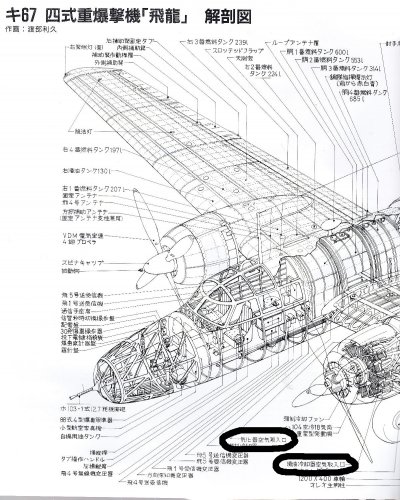
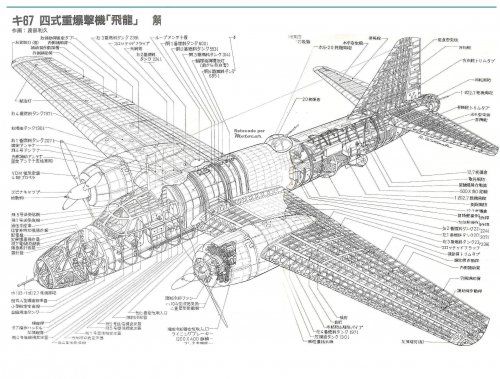
You may not have studied this before, but the assembly of the Ki-67 was exceptionally complex.
Many Japanese aircraft of WWII were designed with fuselages that could be separated into segments for easier transportation or for interchangeable maintenance—examples include the J2M Raiden, A6M Zero, Q1W Tokai, and even the S1A Denko.
However, none of them approached the level of modularity seen in the Ki-67.
The fuselage of the Ki-67 could be divided into six major sections from nose to tail:
You may not have studied this before, but the assembly of the Ki-67 was exceptionally complex.
Many Japanese aircraft of WWII were designed with fuselages that could be separated into segments for easier transportation or for interchangeable maintenance—examples include the J2M Raiden, A6M Zero, Q1W Tokai, and even the S1A Denko.
However, none of them approached the level of modularity seen in the Ki-67.
The fuselage of the Ki-67 could be divided into six major sections from nose to tail:
- Nose tip,
- Forward fuselage (together forming the glazed nose and front gun position),
- Center fuselage (containing the cockpit, bomb bay, and wing-fuselage joint),
- Rear fuselage (housing the beam gun stations),
- Tail fuselage,
- Tail cone (forming the Ki-67’s distinctive glazed tail turret).
Attachments
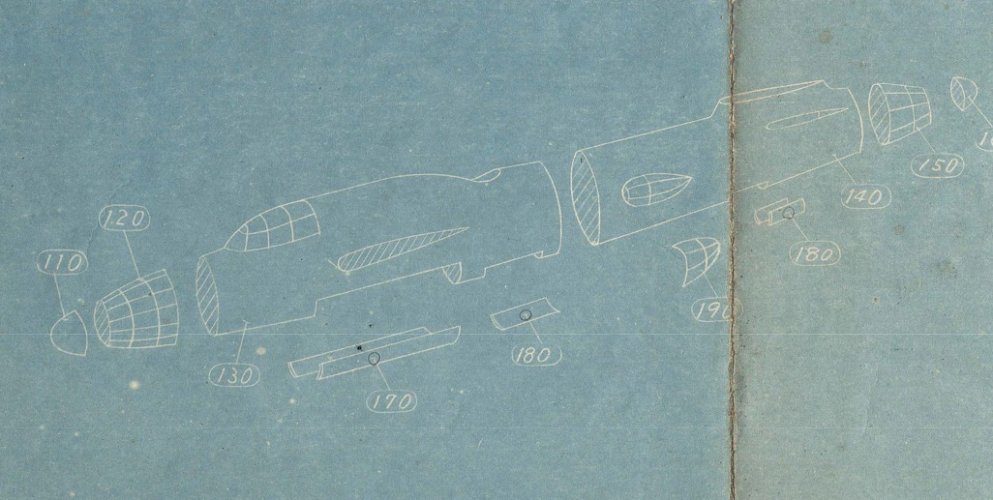
Here you can see how the fuselage was assembled
For the first graph. The fuselage is consisted by:
110-nose tip
120-forward fuselage
130-center fuselage (the main part)
140-Rear fuselage
150-tail fuselage
160-tail tone
For example, the famous Ki-109 is simply by removing the 110 and 120 and replaced by a newly designed nose with 75mm canon fixed into it.
In the second graph you could see how 130 and 140 could further be assembled by smaller units
For the first graph. The fuselage is consisted by:
110-nose tip
120-forward fuselage
130-center fuselage (the main part)
140-Rear fuselage
150-tail fuselage
160-tail tone
For example, the famous Ki-109 is simply by removing the 110 and 120 and replaced by a newly designed nose with 75mm canon fixed into it.
In the second graph you could see how 130 and 140 could further be assembled by smaller units
Attachments
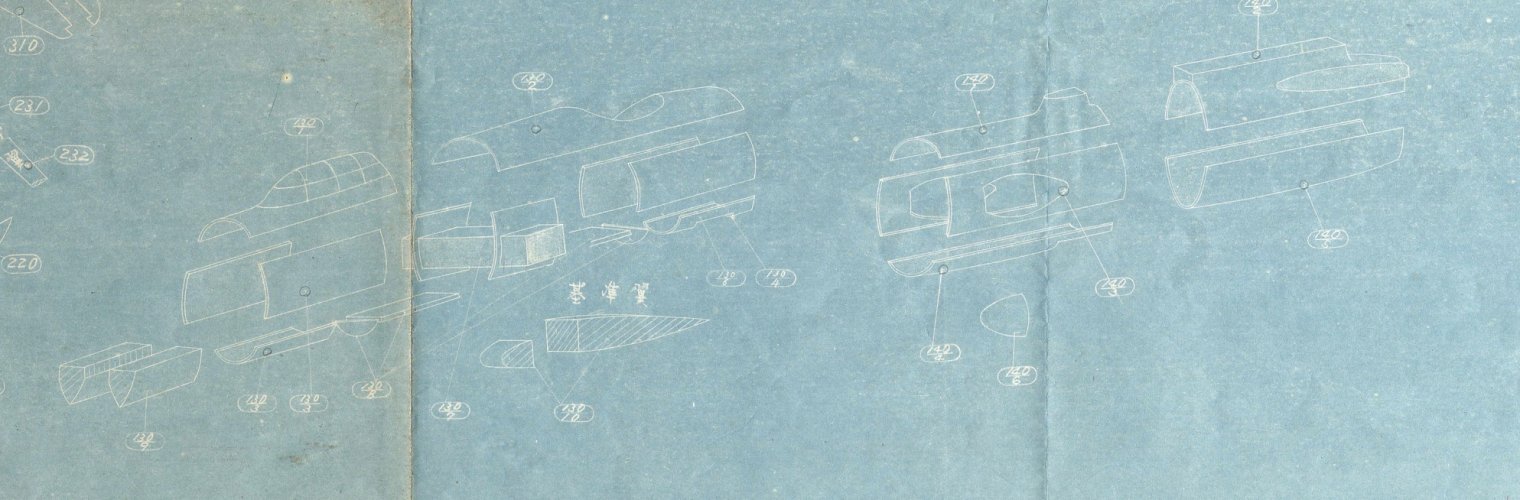
Of all the ways to interrupt someone, you know the best waySorry Guys, but I think I will interrupt you guys a bit since I purchased something interesting on Yahoo Auction.

Airborne2001
ACCESS: Secret
- Joined
- 19 June 2020
- Messages
- 377
- Reaction score
- 541
Do we know what the bombload of the Ki-67-II was going to be? Was it going to be the same 800kg, or would it have been upgraded to 1000kg like later G4M models?

- Joined
- 22 April 2012
- Messages
- 2,274
- Reaction score
- 2,848
Forgive me, I am finding it impossible to interpret the charts, would you be able to list the variants and their characteristics on the forum? Thank you!Now let’s go for the information part. From the modification planning chart, we could see many even horrific modifications. For example, there is a Ki-67 that was planning to equipped the Ha-50 engine. Many of you might know this engine already because of Fugaku (the plan Z thing), but this is the first time that Ha-50 had shown some relationship with Ki-67. Since the Ha-50 was a 22 cylinder 3200hp engine, the Ki-67 with such engine would might be the Japanese bomber with higher expected performance.
(Attention, there may be errors !)
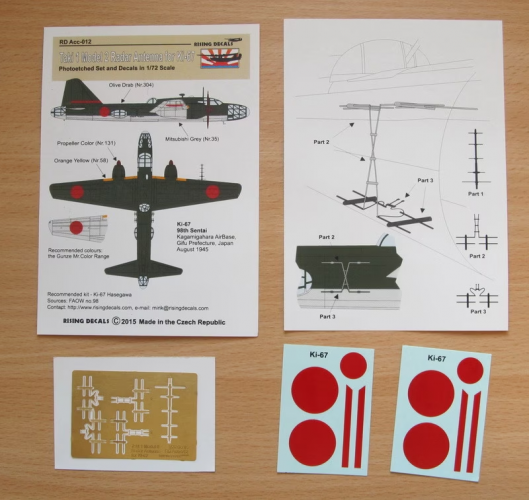
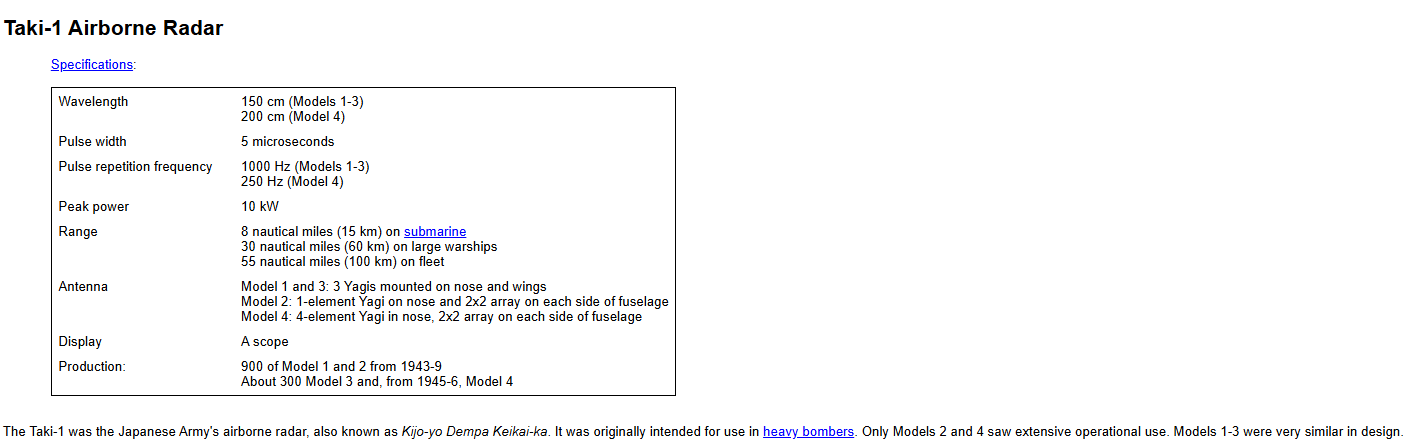
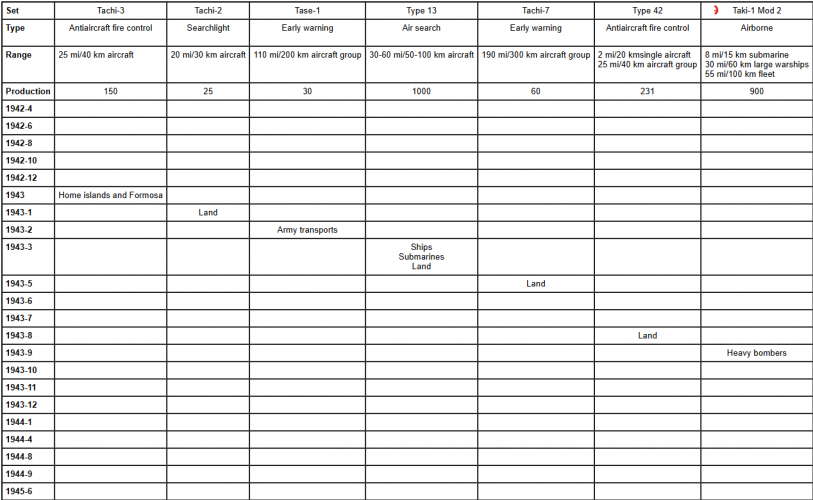
Good afternoon, is there any additional information about the Ki-67 I AEW Taki 1 Model II ?
I just realized that the Taki 1 Model 2 is a radar that is attached to the fuselage of the Ki-67 aircraft.
The Model 2 was designed for detecting naval targets (and possibly air targets).


Good afternoon, is there any additional information about the Ki-67 I AEW Taki 1 Model II ?
I just realized that the Taki 1 Model 2 is a radar that is attached to the fuselage of the Ki-67 aircraft.
The Model 2 was designed for detecting naval targets (and possibly air targets).
Similar threads
-

-

-
Mitsubishi Ki-97 Experimental Transport project (Ki-67 derivative)
- Started by T-50
- Replies: 9
-
 Kawasaki Ki-102 ("Randy") variants and Ki-108
- Started by Winston
- Replies: 53
-
Kawasaki Ki-38 Experimental Two-Seat Twin-Engined Fighter/Ground Attack
- Started by blackkite
- Replies: 5