Mitsubishi A7M Reppu ("Sam")

No A7M aircraft saw combat.
Japanese Secret Projects by Edwin M Dyer III, Crécy 2014, says the following aircraft were completed:
- Two A7M1 prototypes. Construction of four other A7M1 prototypes was started, but halted when performance of the first two was disappointing.
- Seven A7M2 prototypes, of which #4, #6 and #7 were airworthy at the end of the war. The unfinished #6 A7M1 prototype was used as the basis of the #1 A7M2 prototype. A7M2 prototype #2 was damaged in a crash landing, #1, #3 and #5 A7M2 prototypes were damaged on the ground by roaming US fighters and fighter-bombers.
- One A7M2 Model 22 production aircraft, airworthy at the end of the war.

Construction of the single A7M3 and A7M3-J prototypes was never completed.
 
Last edited:
No A7M aircraft saw combat.
Japanese Secret Projects by Edwin M Dyer III, Crécy 2014, says the following aircraft were completed:
- Two A7M1 prototypes. Construction of four other A7M1 prototypes was started, but halted when performance of the first two was disappointing.
- Seven A7M2 prototypes, of which #4, #6 and #7 were airworthy at the end of the war. The unfinished #6 A7M1 prototype was used as the basis of the #1 A7M2 prototype. A7M2 prototype #2 was damaged in a crash landing, #1, #3 and #5 A7M2 prototypes were damaged on the ground by roaming US fighters and fighter-bombers.
- One A7M2 Model 22 production aircraft, airworthy at the end of the war.

Construction of the single A7M3 and A7M3-J prototypes was never completed.
So, based on United States Strategic Bombing Survey , it was ordered 30 A7M2 and monthly production for 50 aircraft .
 
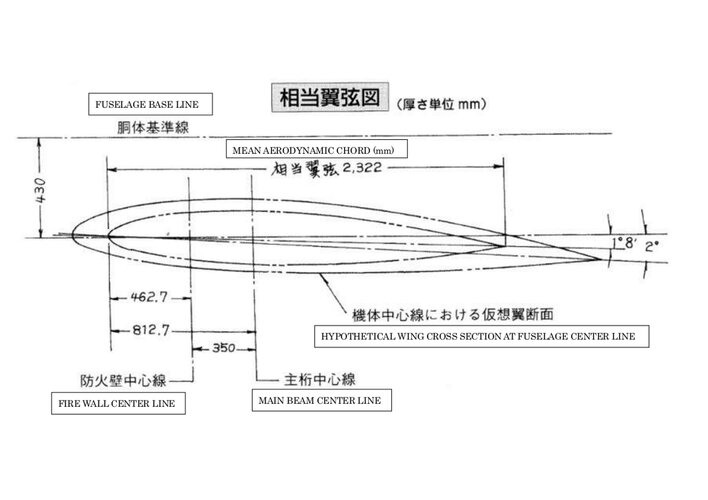
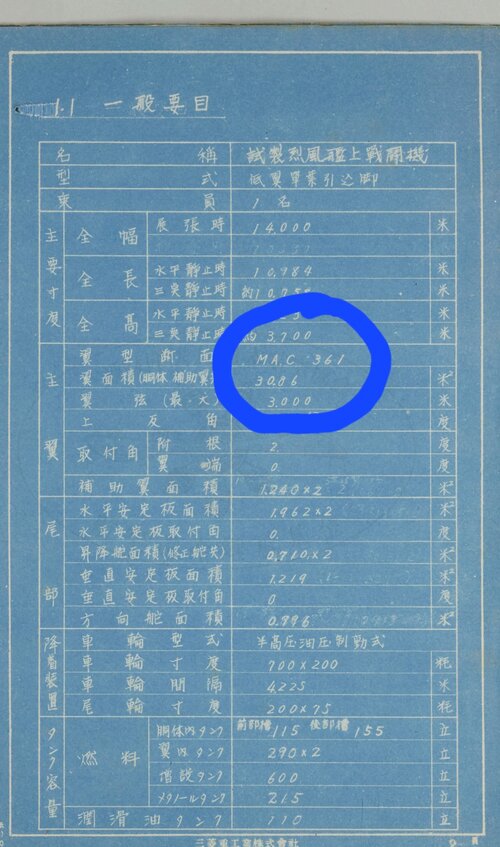
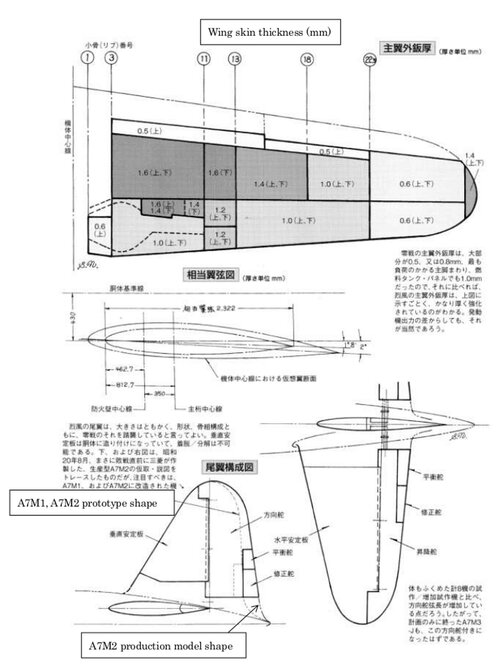
does anyone know the A7M wing profile ? in many source it says MAC361, i have been looking for it for a long time, but can't found it.
 
Hi!
Inner wing : laminar flow wing, Outer wing : normal wing.
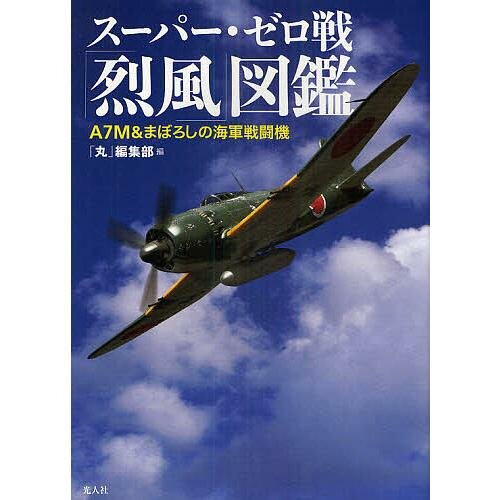
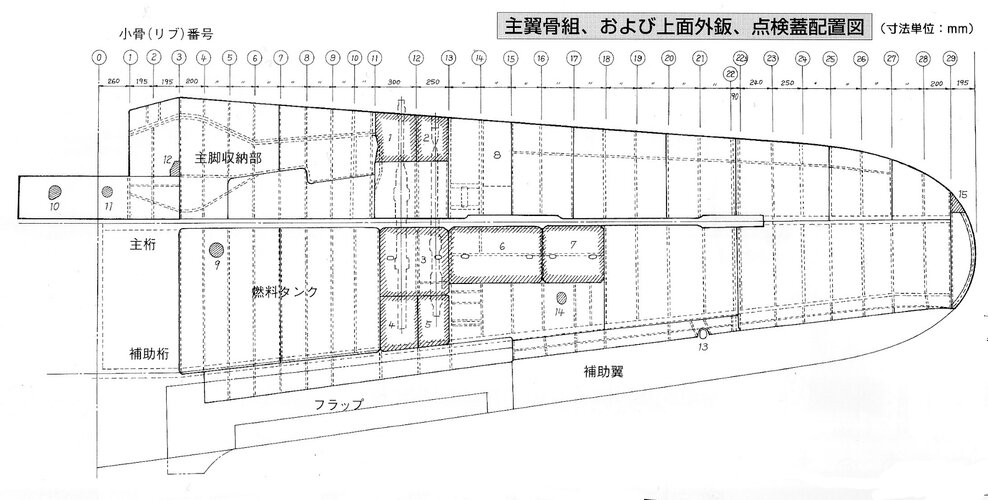
Source : ISBN978-4-7698-1490-0, Super Zreo fighter Repuu.
 

Attachments

  • REPPU MEAN AERODYMANIC CHORD.jpg
    REPPU MEAN AERODYMANIC CHORD.jpg
    166.5 KB · Views: 132
  • boox_bk-4769814909_i_20231119100024.jpg
    boox_bk-4769814909_i_20231119100024.jpg
    35.1 KB · Views: 116

Attachments

  • Screenshot_20240225_034318_OneDrive.jpg
    Screenshot_20240225_034318_OneDrive.jpg
    613.8 KB · Views: 86
  • Screenshot_20240225_034843_OneDrive.jpg
    Screenshot_20240225_034843_OneDrive.jpg
    571.4 KB · Views: 117
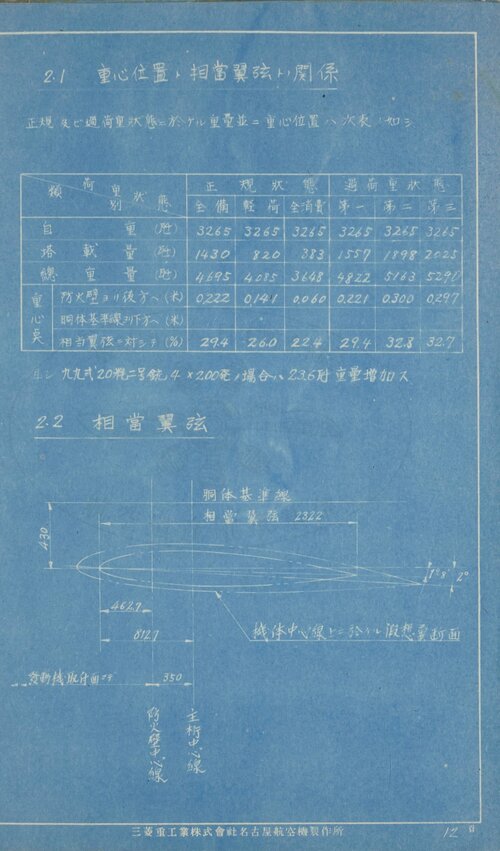
Does anyone know a7m wing profile? I wanna draw it accurately , still cant find the exact profile
 
Hi!
From same source.
 

Attachments

  • reppu wing profile.jpg
    reppu wing profile.jpg
    611.8 KB · Views: 125
  • A7M2_specs_weight_CG_lists-03.jpg
    A7M2_specs_weight_CG_lists-03.jpg
    1.6 MB · Views: 157
Last edited:
Hi!
 

Attachments

  • reppu.jpg
    reppu.jpg
    420.2 KB · Views: 197
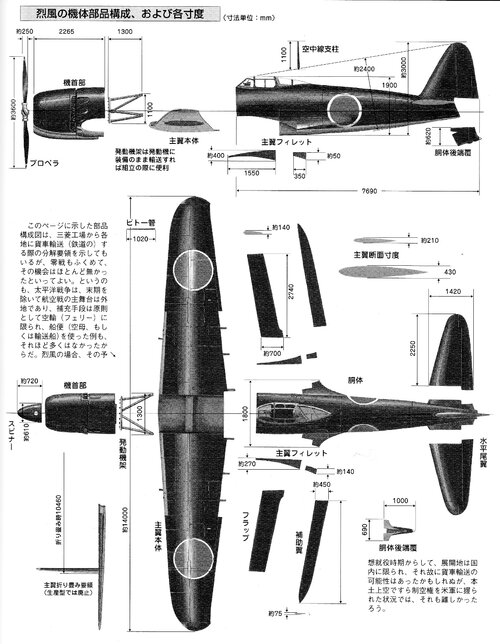
Hi! Best I have.
Source : ISBN978-4-7698-1490-0, Super Zero fighter Reppu.
 

Attachments

  • reppu.jpg
    reppu.jpg
    762.9 KB · Views: 190
Hi!
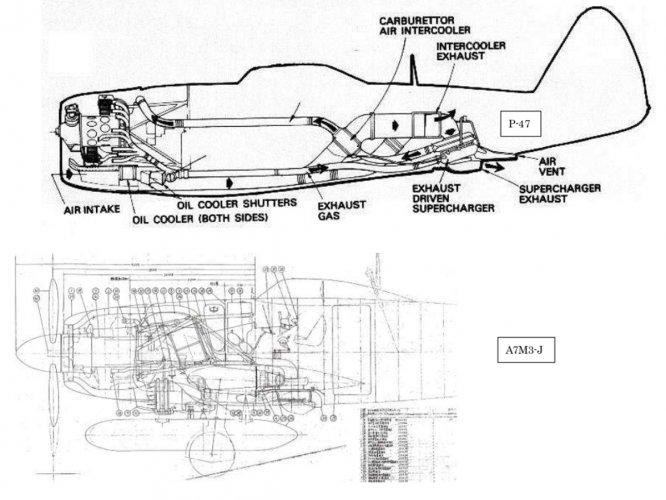
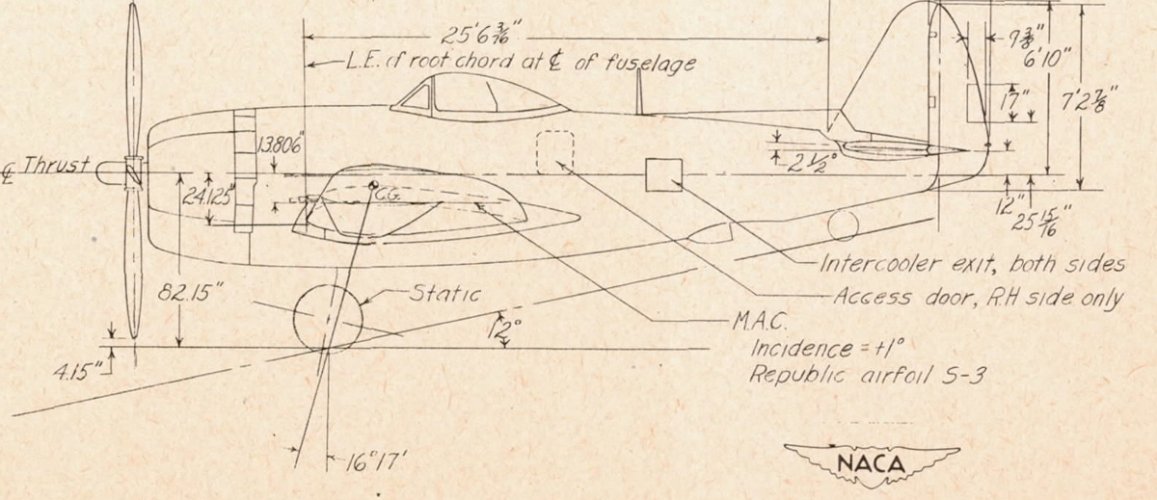
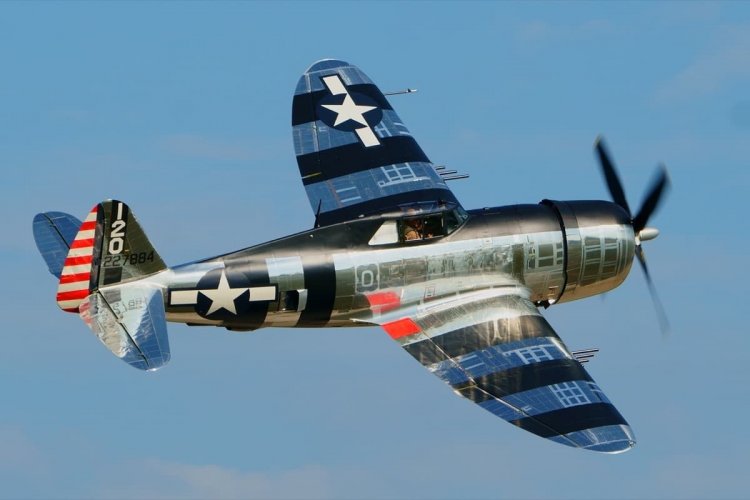
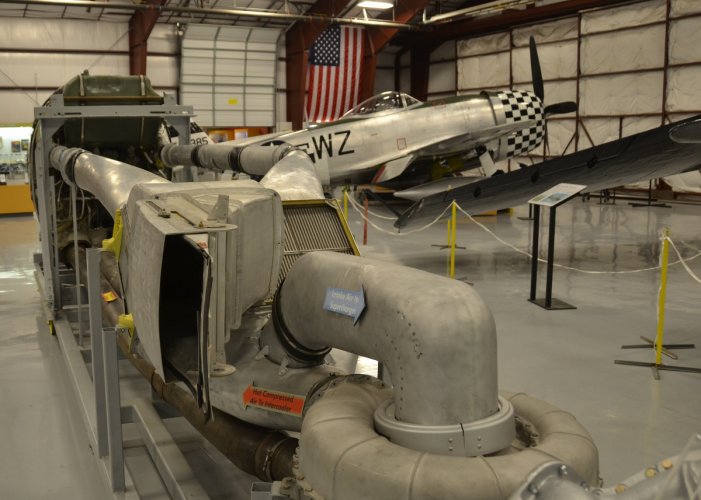
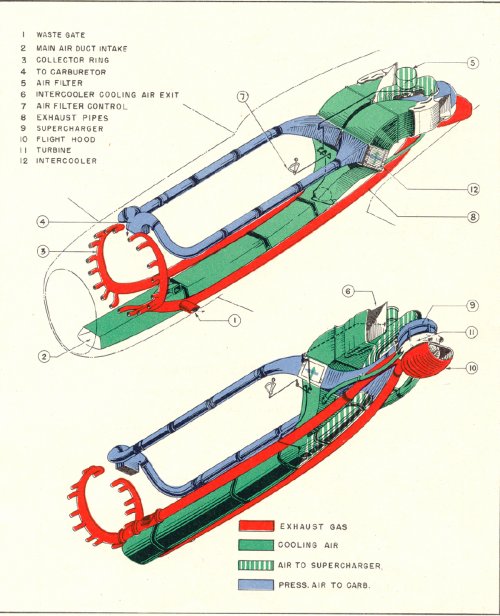
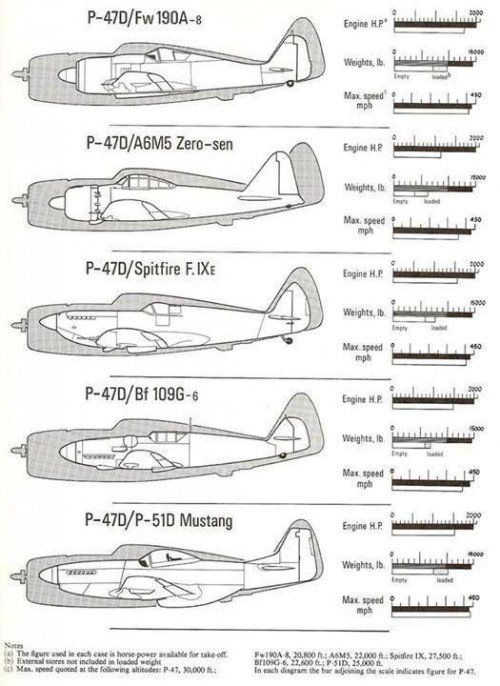
Japan investigated and studied the captured P-47.

"Secret Records of Japanese Military Captured Aircraft" states that on February 27, 1945, a P47D (belonging to 5AF/35FG/40FS) that was shot down by a Type 4 fighter in Taiwan was captured in almost its original condition.
 

Attachments

  • P-47D and A7M3-J.jpg
    P-47D and A7M3-J.jpg
    371.7 KB · Views: 91
  • p-47 side view.jpg
    p-47 side view.jpg
    526.5 KB · Views: 50
  • p-47.jpg
    p-47.jpg
    62 KB · Views: 42
  • intercooler air outlet.jpg
    intercooler air outlet.jpg
    879.3 KB · Views: 46
  • 8qvsMuy.jpg
    8qvsMuy.jpg
    2.1 MB · Views: 62
  • U5cNWiQ.jpg
    U5cNWiQ.jpg
    59.4 KB · Views: 61
Last edited:
Hi!
Inner wing : laminar flow wing, Outer wing : normal wing.
Source : ISBN978-4-7698-1490-0, Super Zreo fighter Repuu.
Very interesting note about the inner wing being of a laminar flow type.
Do you know if any extra precautions were taken to preserve the laminar flow, like puttied rivets and panel lines or special paint coatings?
 
With the technology and construction systems of the time it was impossible to obtain a wing surface capable of retaining the laminar flow, not even the Americans managed to do it with the Mustang, although it is true that they managed to considerably reduce drag but without approaching the expected theoretical performance.

It would have been even more difficult to achieve good results with mass production and the enormous shortcomings of Japanese industry in 1945... remember the structural failures in the landing gears of the latest Hayate manufacturing series.
 
With the technology and construction systems of the time it was impossible to obtain a wing surface capable of retaining the laminar flow, not even the Americans managed to do it with the Mustang, although it is true that they managed to considerably reduce drag but without approaching the expected theoretical performance.

It would have been even more difficult to achieve good results with mass production and the enormous shortcomings of Japanese industry in 1945... remember the structural failures in the landing gears of the latest Hayate manufacturing series.
I suspect that, even today, laminar flow is not really achievable, quite aside from manufacturing issues. The unavoidable surface imperfections that occur in real-world operation--bugs, dirt, rain, small dents, scratches, etc.--probably create too much turbulence.
 

Similar threads

Back
Top Bottom