topspeed3
ACCESS: Secret
- Joined
- 31 January 2011
- Messages
- 490
- Reaction score
- 265
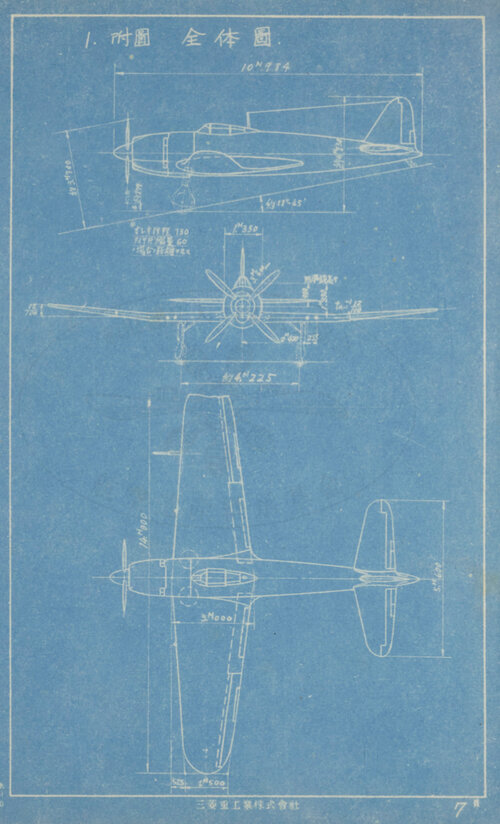
Hi! I can't find any specifications about 16-shi carrier fighter.
I find only 17-shi carried fighter specifications.
Source:My No.2 Bible
Did it see any combat action ?

Hi! I can't find any specifications about 16-shi carrier fighter.
I find only 17-shi carried fighter specifications.
Source:My No.2 Bible

German aviation gas was poor as well, and I doubt that Japanese aircraft specs were from test flights with substandard fuel.
So, based on United States Strategic Bombing Survey , it was ordered 30 A7M2 and monthly production for 50 aircraft .No A7M aircraft saw combat.
Japanese Secret Projects by Edwin M Dyer III, Crécy 2014, says the following aircraft were completed:
- Two A7M1 prototypes. Construction of four other A7M1 prototypes was started, but halted when performance of the first two was disappointing.
- Seven A7M2 prototypes, of which #4, #6 and #7 were airworthy at the end of the war. The unfinished #6 A7M1 prototype was used as the basis of the #1 A7M2 prototype. A7M2 prototype #2 was damaged in a crash landing, #1, #3 and #5 A7M2 prototypes were damaged on the ground by roaming US fighters and fighter-bombers.
- One A7M2 Model 22 production aircraft, airworthy at the end of the war.
Construction of the single A7M3 and A7M3-J prototypes was never completed.
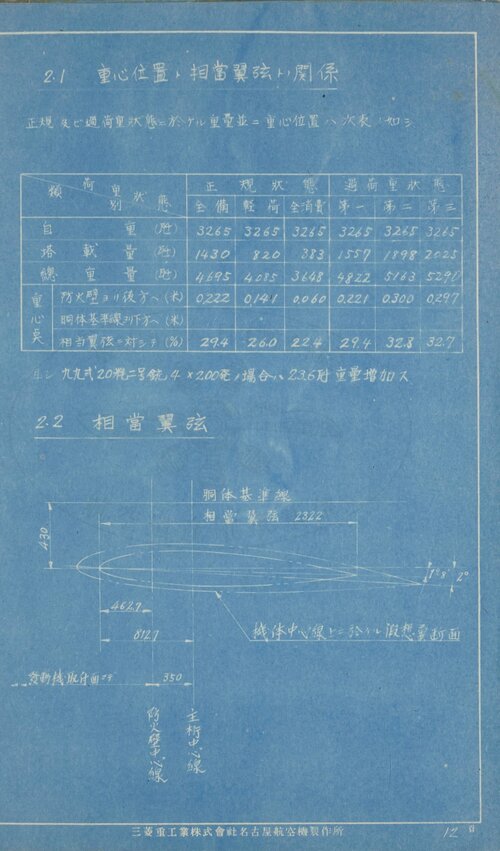
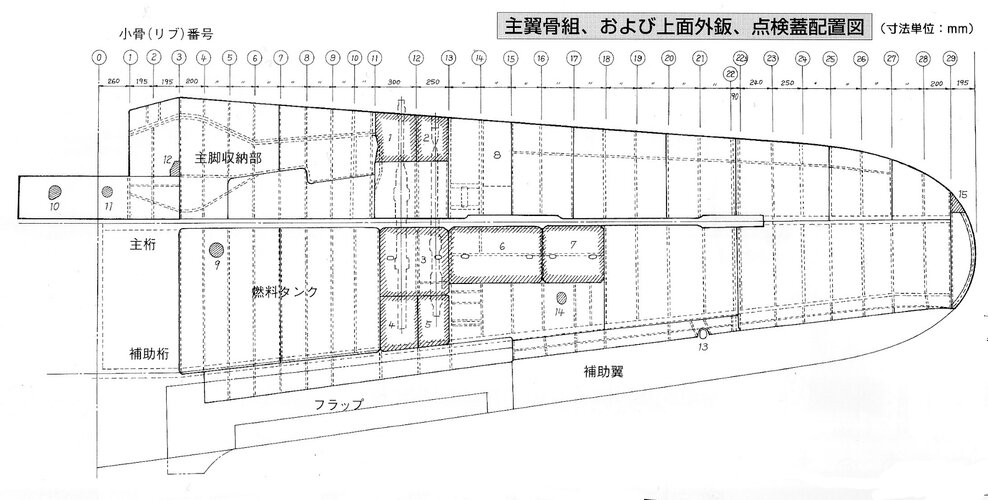
do you know where does this picture comes from?
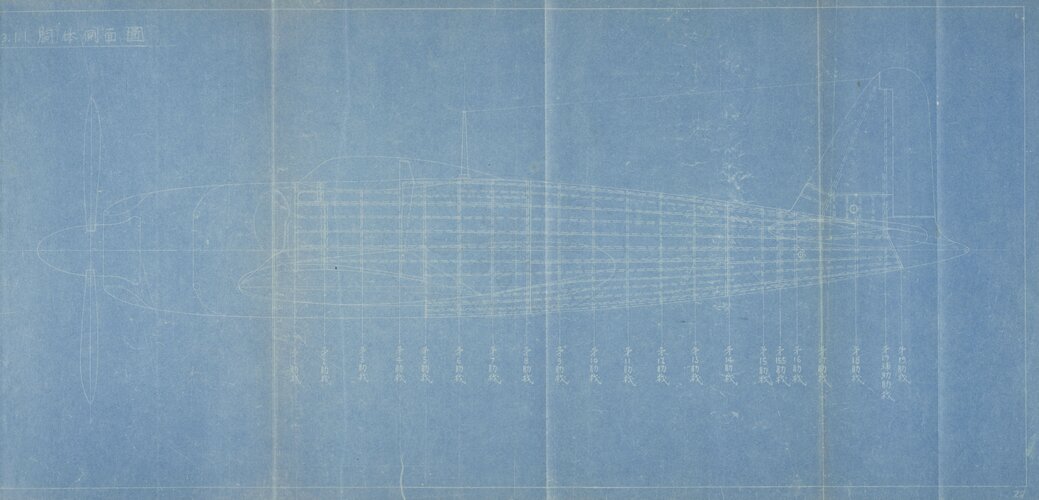
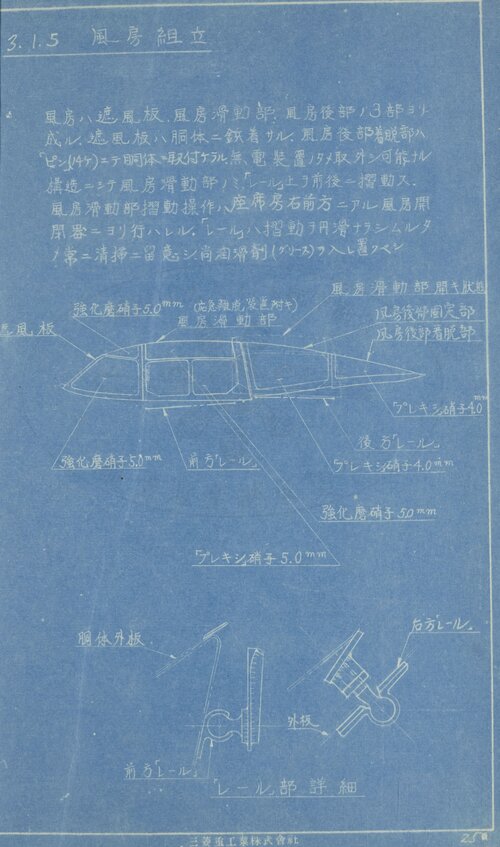
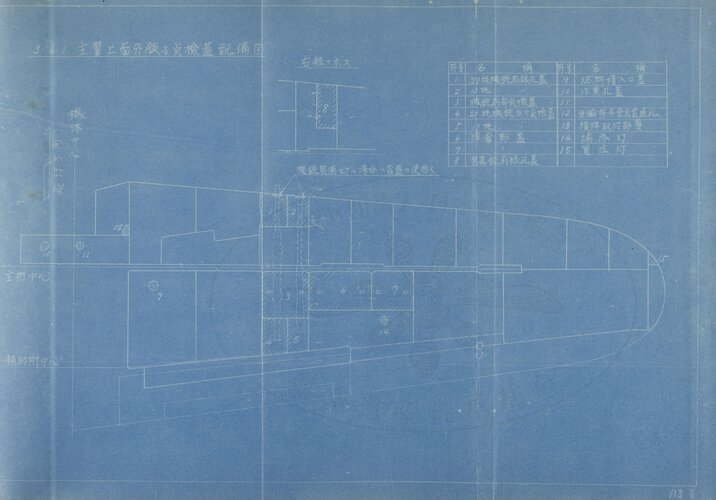
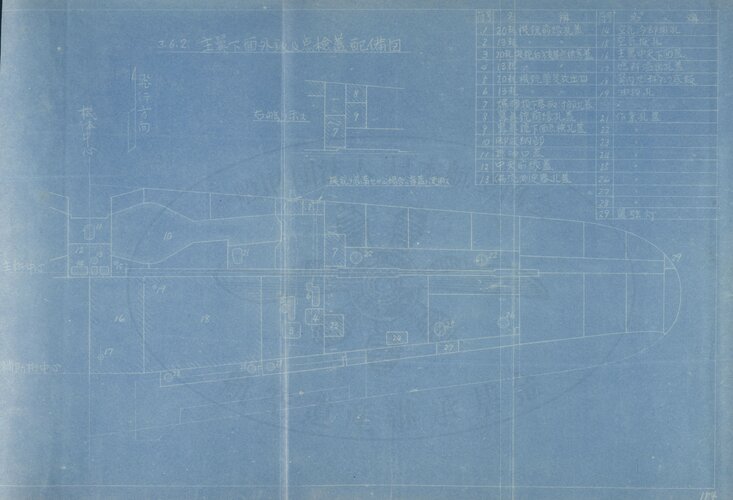

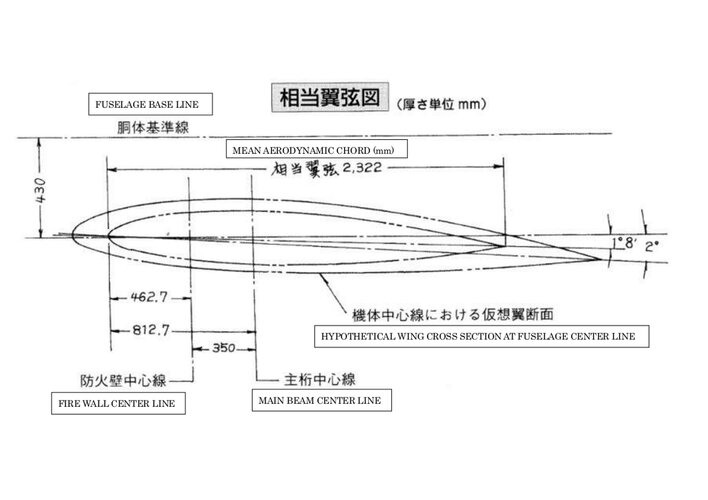
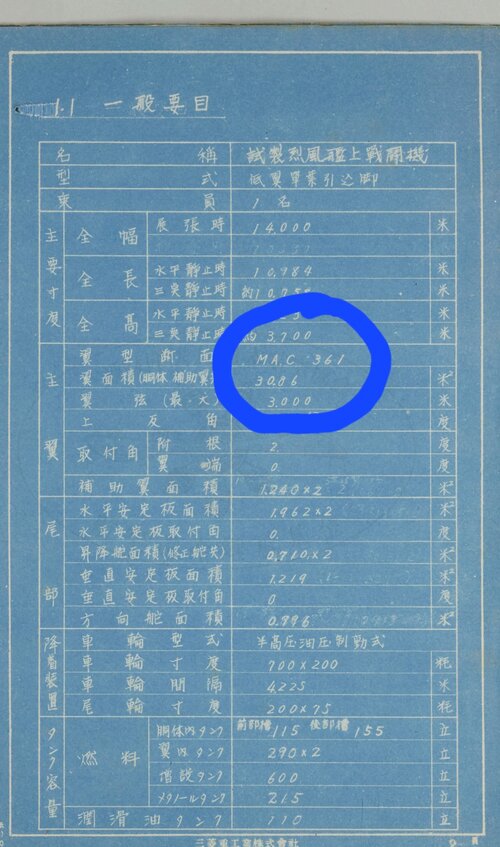
Please show me MAC361.
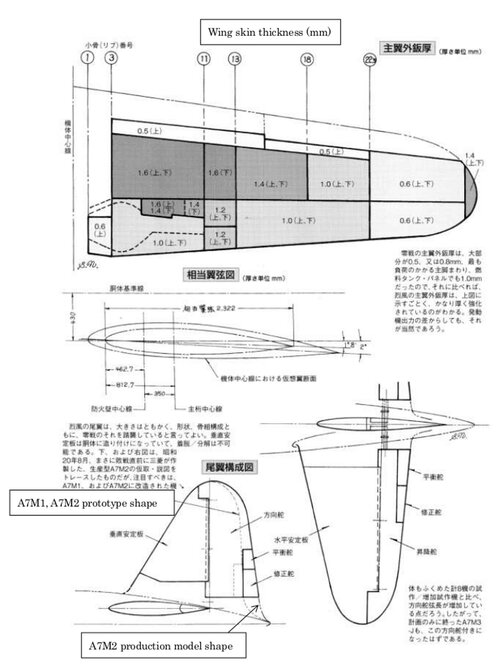
Yes it is.. like the A6M zero plane, it has airfoil type MAC118, for the A7M it has MAC361 airfoil typeMAC means mitsubisi aircraft corporation?
Where
Do you have detailed tail drawing?

Very interesting note about the inner wing being of a laminar flow type.Hi!
Inner wing : laminar flow wing, Outer wing : normal wing.
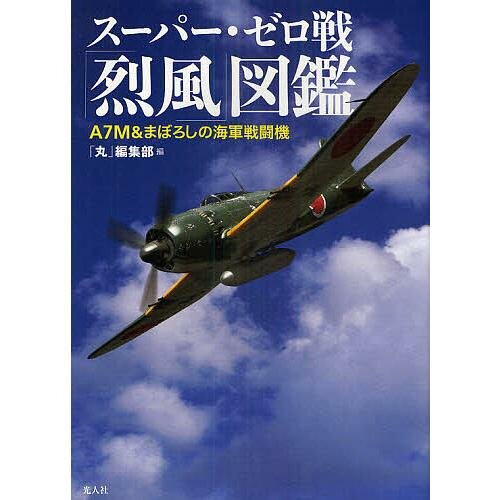
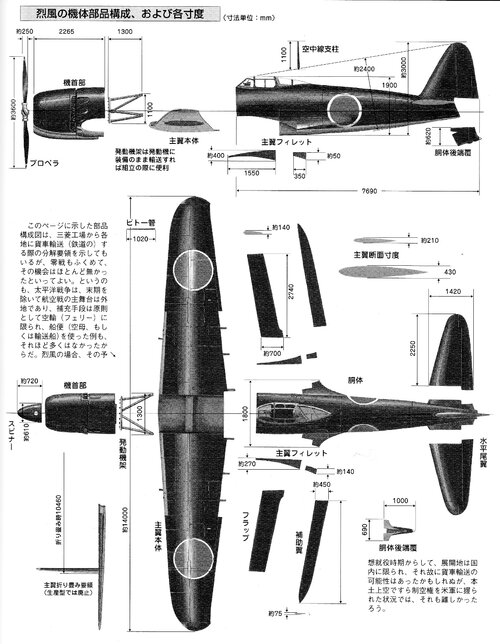
Source : ISBN978-4-7698-1490-0, Super Zreo fighter Repuu.
I suspect that, even today, laminar flow is not really achievable, quite aside from manufacturing issues. The unavoidable surface imperfections that occur in real-world operation--bugs, dirt, rain, small dents, scratches, etc.--probably create too much turbulence.With the technology and construction systems of the time it was impossible to obtain a wing surface capable of retaining the laminar flow, not even the Americans managed to do it with the Mustang, although it is true that they managed to considerably reduce drag but without approaching the expected theoretical performance.
It would have been even more difficult to achieve good results with mass production and the enormous shortcomings of Japanese industry in 1945... remember the structural failures in the landing gears of the latest Hayate manufacturing series.