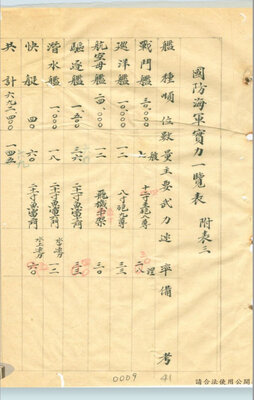
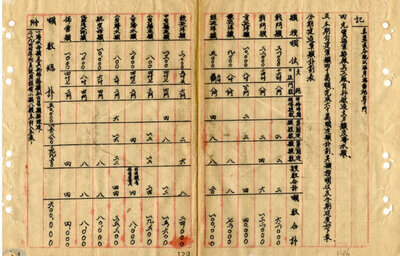
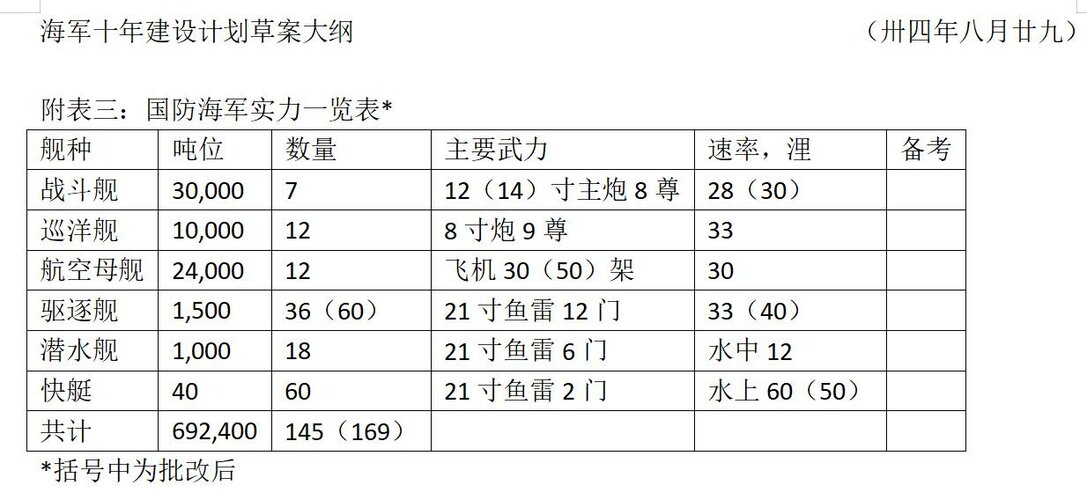
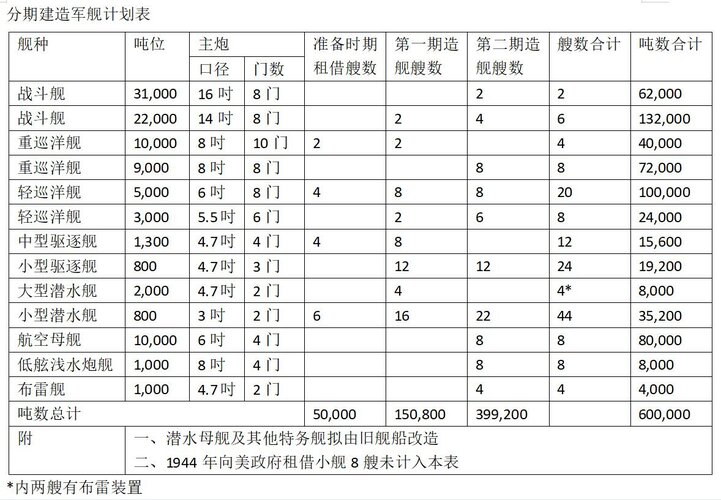
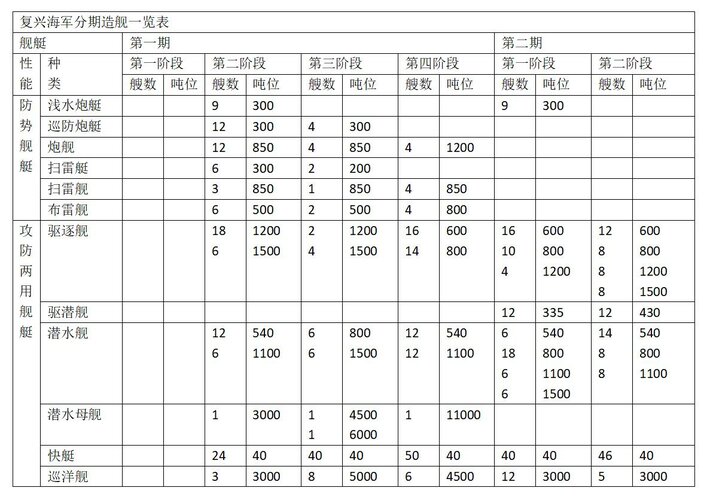
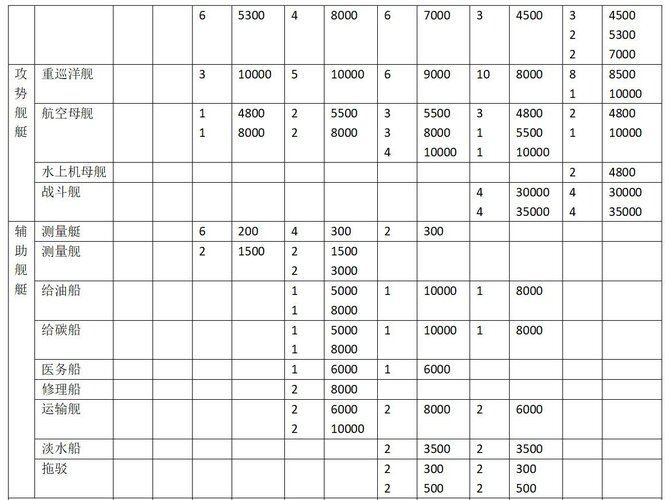
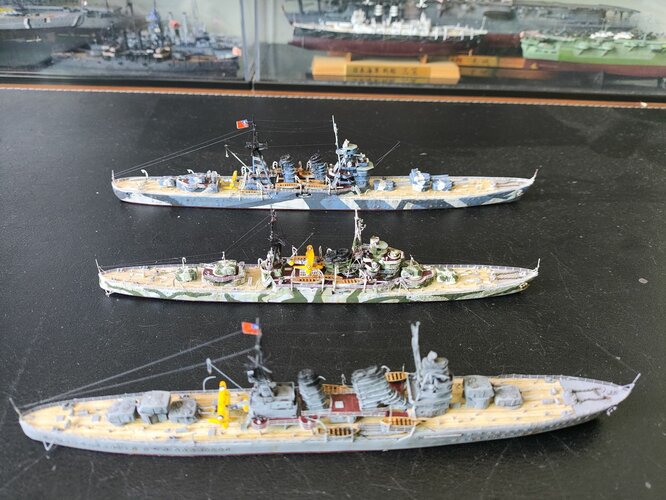
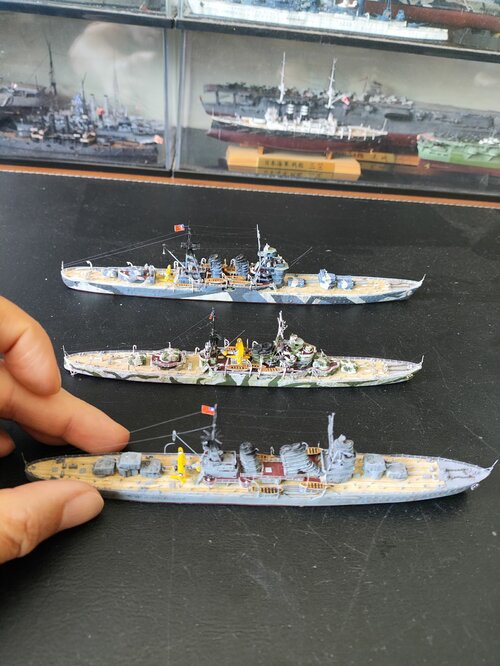
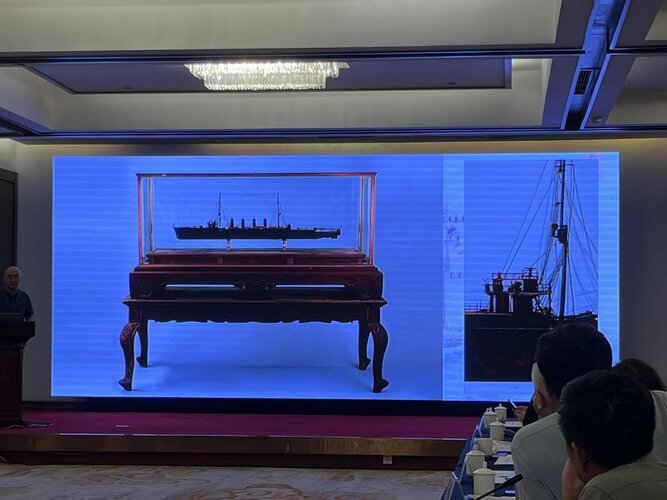
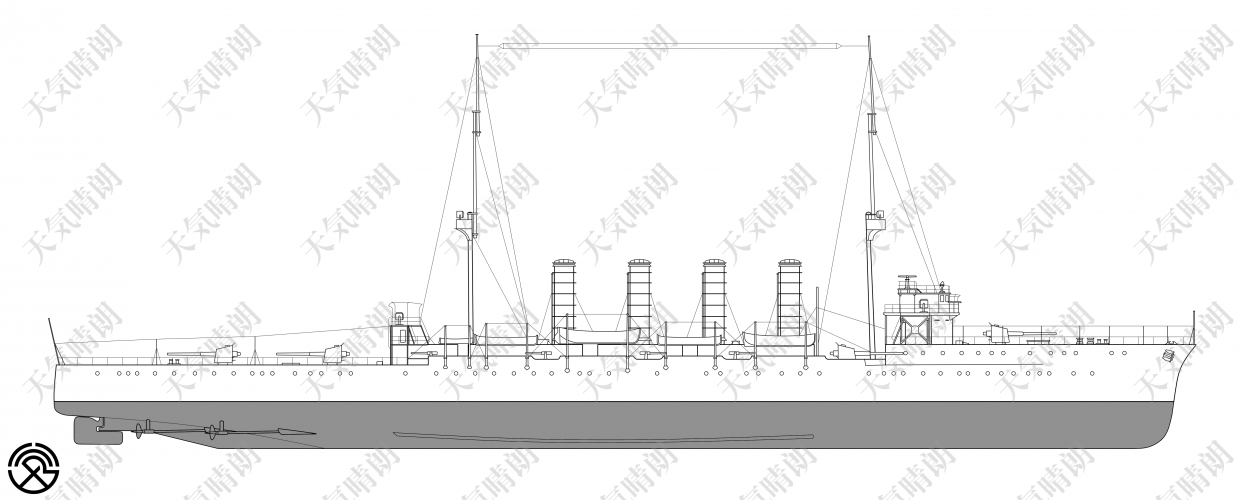
In 1909, China had a 7 year plan for 8 BB, 20 CL, 2 DD Flotillas (30DD and DL) and 20 Gunboats. This plan was to cover £21m for 250,000 tons of new warships at £84 per ton at a rate of about £3m per year. This was comparable expenditure to other mid-ranged powers' construction programs.
Potentially we can project what is expected for the size of Battleships by assuming about 50 000 tons for 20 cruisers, 5,900 for 6DD, 9600 for 24 DL and 16 000 for 20 gunboats then this leaves 169,100 for the 8 BB, about 21,140 tons each. The earlier 1909 Manchu plan involved 16000 ton BB to be built in Japan, this would leave the 20 cruisers at 5,000 tons each. The type of ship was to be similar to the IJN Ikoma type 2nd Class BB/Armoured Cruiser and as an alternative, Vickers had also been offering a Rurik type ship prior to the revolution.
An initial 3 year program commenced by the Manchu's included 5DL composed of 3 Schichau built DL that had been delivered by 1914 and single DL prototypes from STT (Lung Tuan, later Warasdinier) and an Italian Soldato type (Ching Po, later Ascaro). There was also a trio of training cruisers, 2 built in the UK and one in the US that was later sold to Greece in 1914. In 1910 the Chinese empire signed up for $18.5m (25m taels or £3.81m) of warships from Bethlehem Steel.
The Chinese would buy warships from whoever could put forward the loans. This is evident by the surge in Austrian shipbuilding for China in 1913-14. The 7 year program is more like 10. The ultimate aim for a Chinese Navy would be to demonstrate Chinese unity and with that, the power to negotiate away the uneven treaties just as Japan had done.