
You are using an out of date browser. It may not display this or other websites correctly.
You should upgrade or use an alternative browser.
You should upgrade or use an alternative browser.
Fokker/Republic Aviation D-24 Alliance
- Thread starter GTX
- Start date
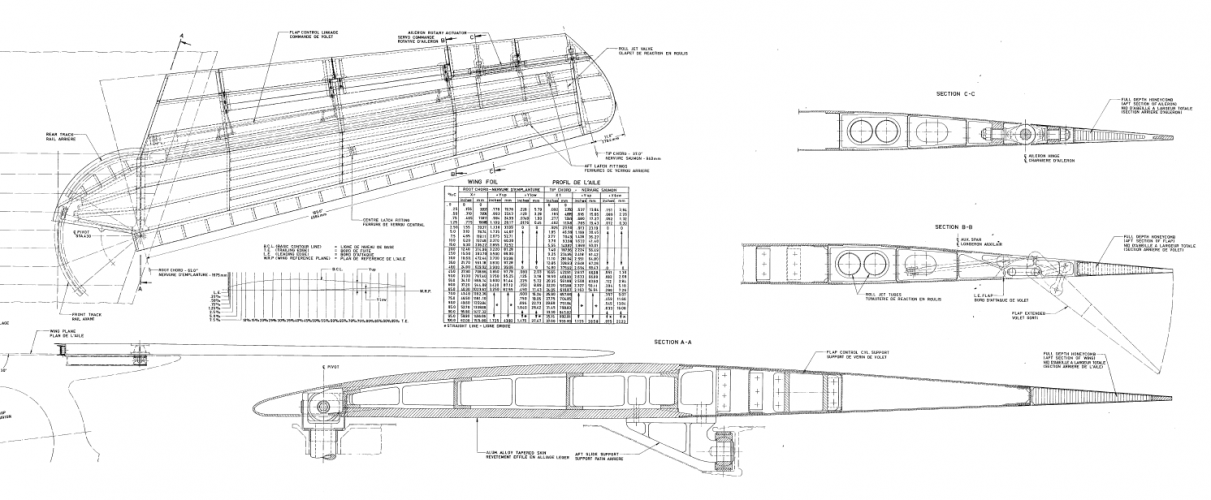
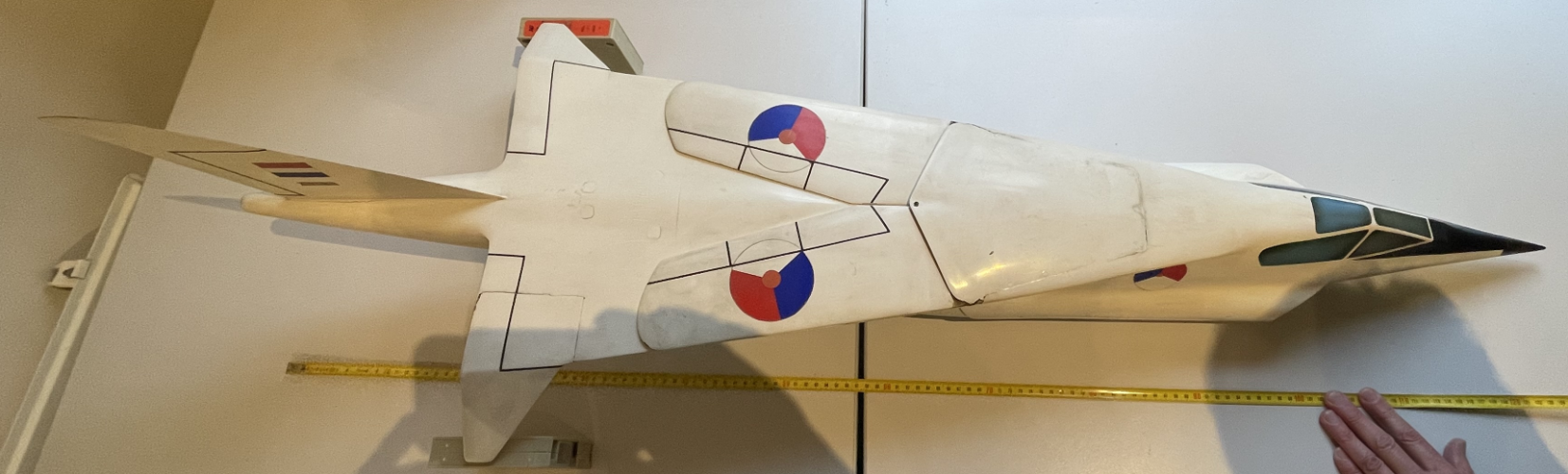
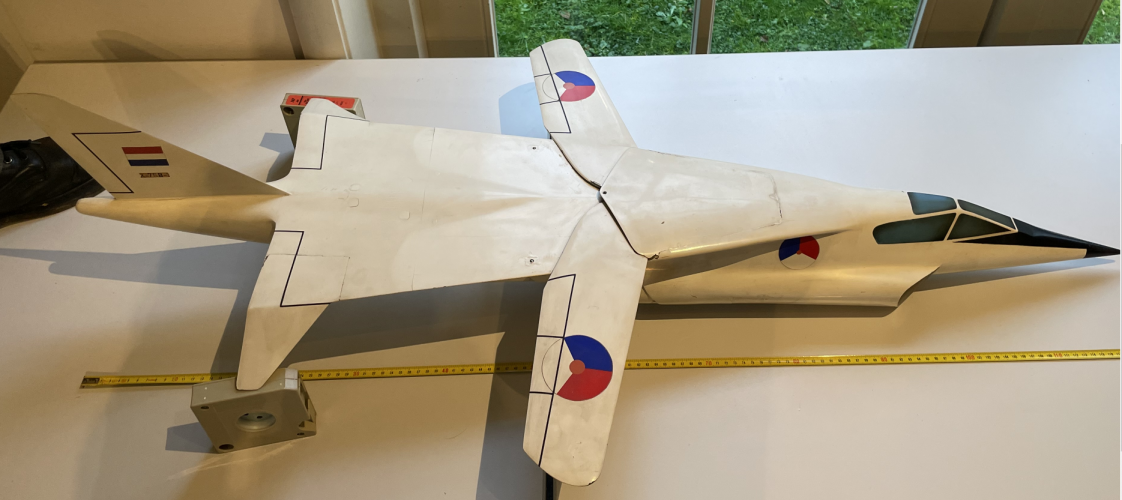
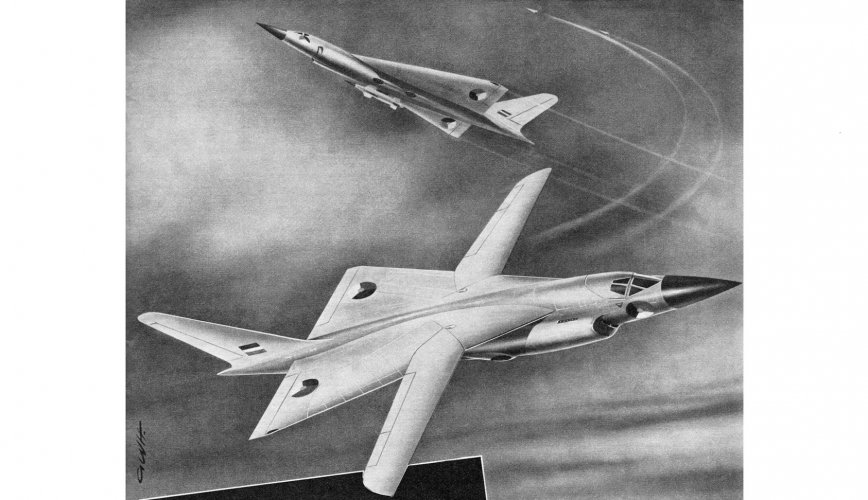
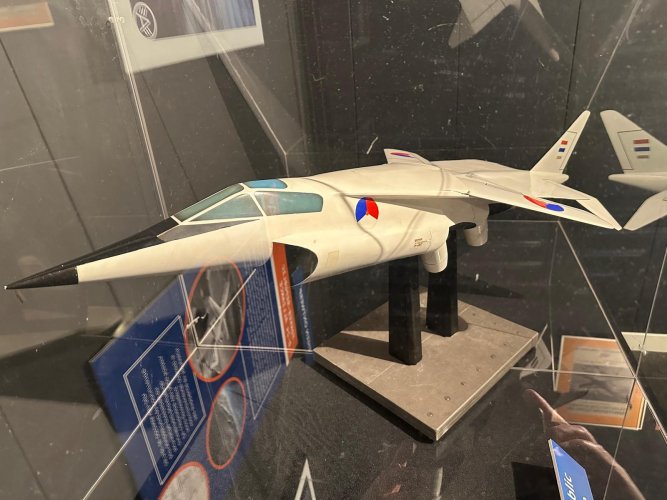
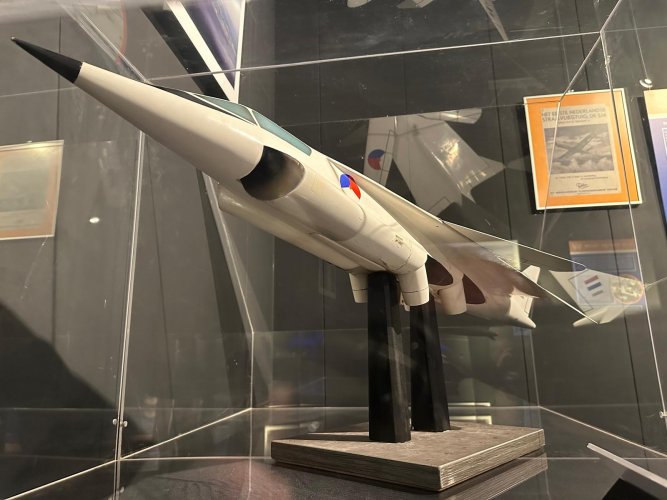
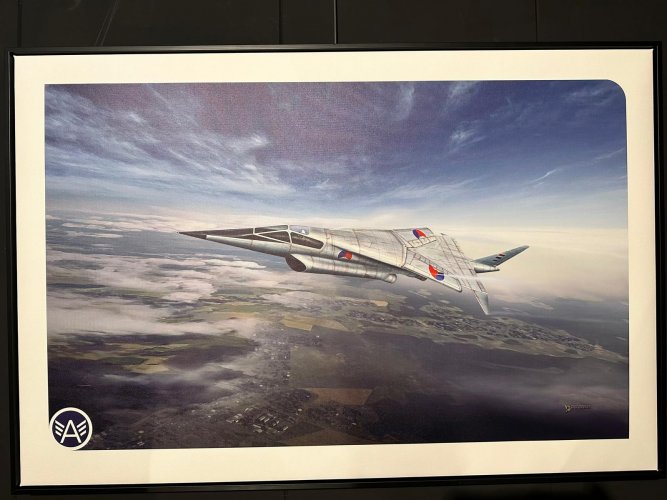
I just learned that the Aviodrome museum has a temporay exhibit in which one of the highlights is the model of the D-24. That must be the model from the pictures above (took them in December 2024), probably restored. The add for the exhibit also has a screencapture of recent artwork featuring a D-24 with Dutch markings. I plan to go there before mid March (when the exhibit closes).

- Joined
- 27 December 2005
- Messages
- 19,226
- Reaction score
- 35,638

blackkite
Don't laugh, don't cry, don't even curse, but.....
- Joined
- 31 May 2007
- Messages
- 9,515
- Reaction score
- 9,654
Attachments
blackkite
Don't laugh, don't cry, don't even curse, but.....
- Joined
- 31 May 2007
- Messages
- 9,515
- Reaction score
- 9,654
Attachments
Last edited:
blackkite
Don't laugh, don't cry, don't even curse, but.....
- Joined
- 31 May 2007
- Messages
- 9,515
- Reaction score
- 9,654
Attachments
-
 3-s2.0-B9780124104617000080-f08-65-9780124104617.jpg62.5 KB · Views: 58
 -
 Aircraft Manufacturers-Fokker-1961-15547.jpeg46.5 KB · Views: 52
 -
 1.JPG111.4 KB · Views: 41
 -
 2.JPG114.5 KB · Views: 37
 -
 3.JPG103 KB · Views: 36
 -
 4.JPG112.6 KB · Views: 37
 -
 5.JPG105.8 KB · Views: 43
 -
 6.JPG114.9 KB · Views: 42
 -
 7.JPG99.9 KB · Views: 46
 -
 Bristol_Siddeley_BS100_FAAM.jpg836.4 KB · Views: 28
 -
 10883235403_2ab8715c41_b.jpg192.9 KB · Views: 32
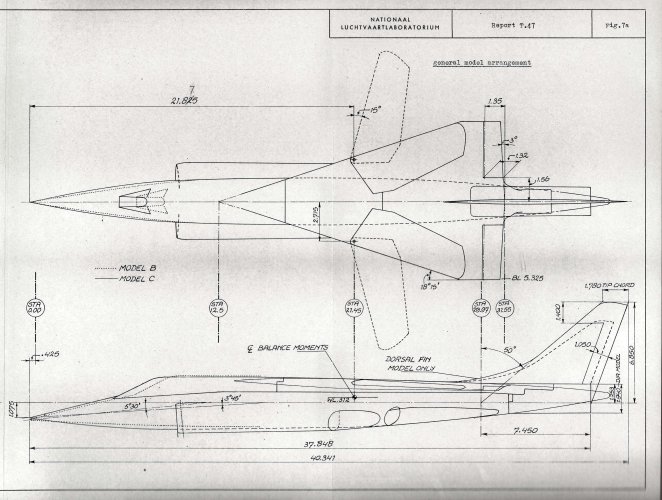
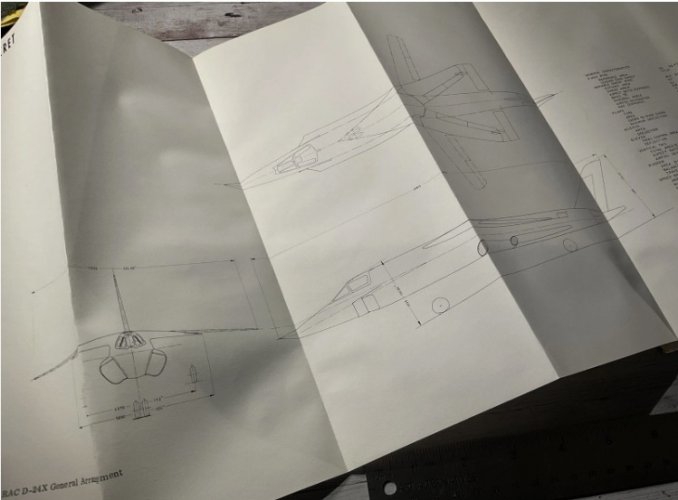
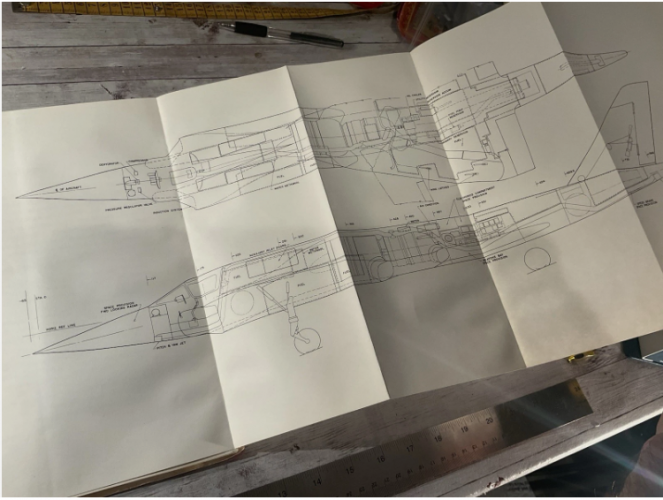
The source is the original drawing (1:10 scale) from Fokker aircraft, it was found in an archive of a former Fokker employee. A friend inherited over 50 boxes with documents, and the D-24 documents were part of this. Most of them are marked NATO secret and have been put in a vault. I'm trying to get them declassified, but at present the process is unclear. The 1:10 drawings do not contain any restriction classification, hence that picture can be shared.Very cool drawings and photos @d24 thanks for sharing. What is the source, may I ask?
Attachments
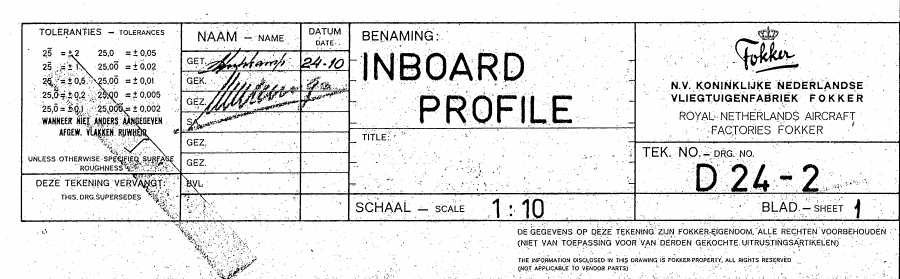
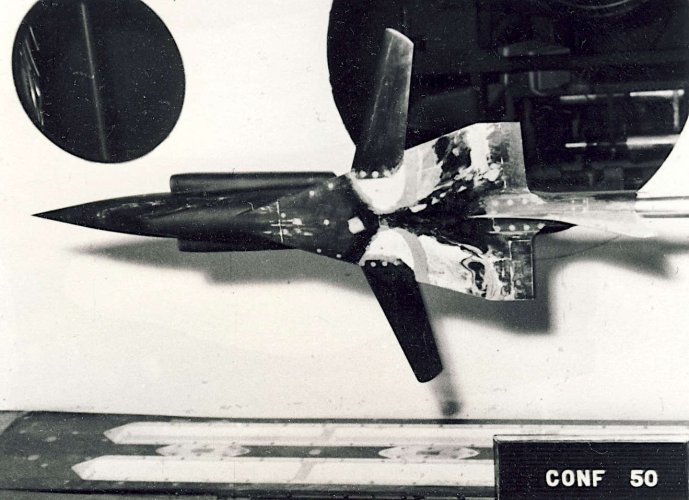
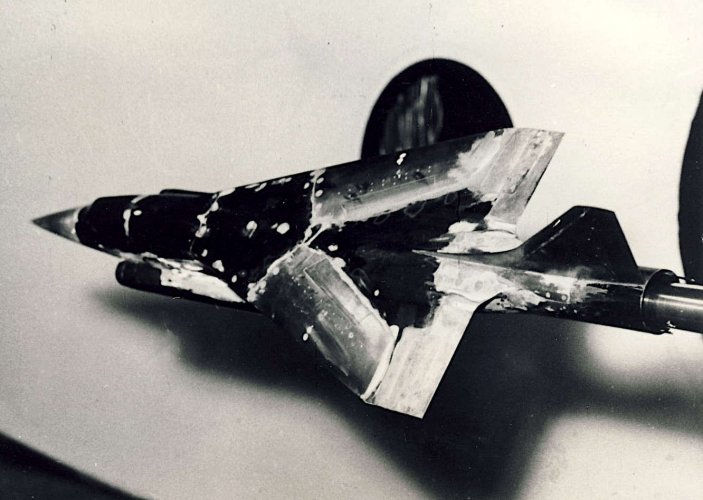
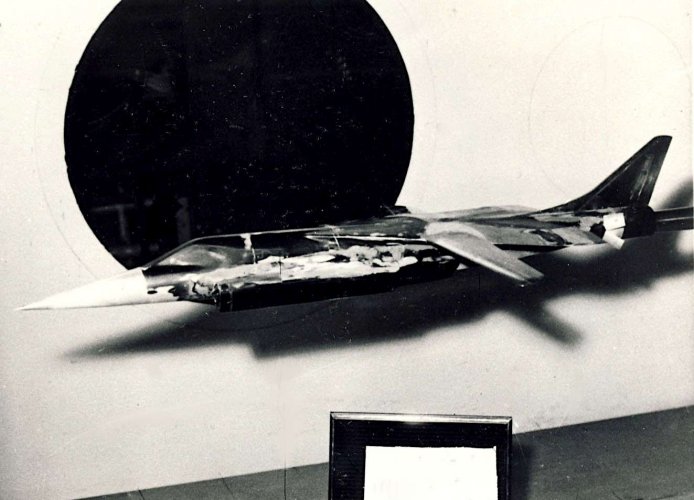
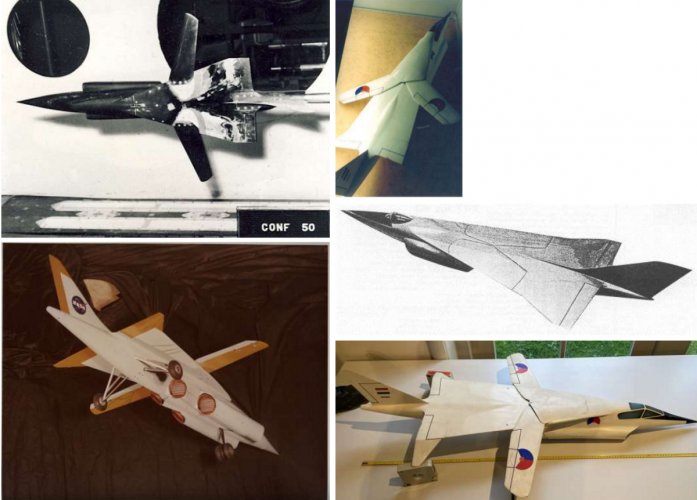
This model has anhedral wing tips on the delta wing, just like on this picture posted by Hesham. Also the NASA wind tunnel models posted by Overscan.There was also a model with Dutch markings, I noticed that some pictures were posted earlier in this thread. Here are some more:
View attachment 796055
View attachment 796056
Wonder if it was an atempt at getting a SCAT-15F like arrow-wing; or mobile wingtips similar to the XB-70.

Last edited:
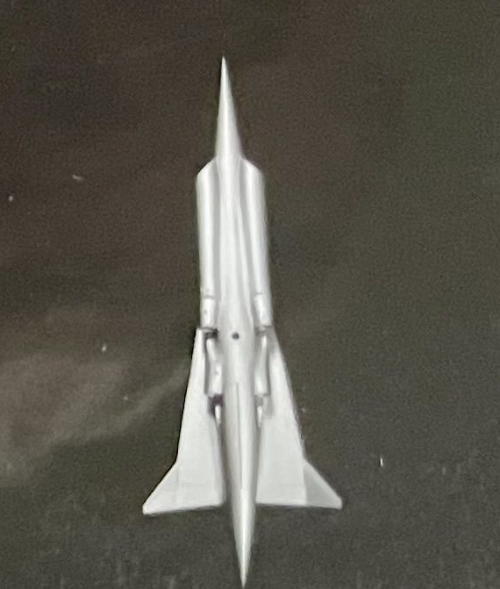
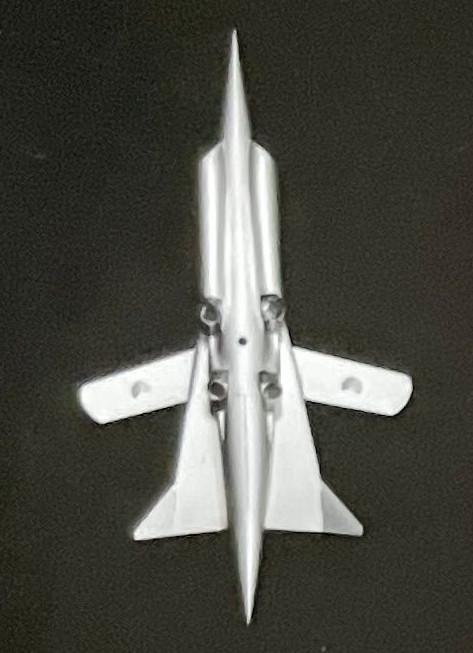
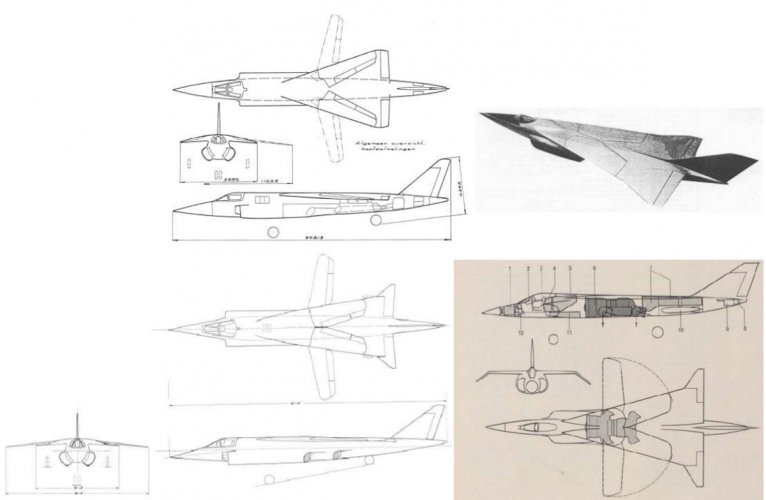
None of the Fokker drawings I have show the extended wingtips with the dihedral. I don't know the history of the metal model and how it is related to the Fokker design effort, but that model indeed does have these wingtips. When looking at the frontview in the above drawing it reminds me a bit of the TSR-2. The question is whether the version with the extended wingtips is an earlier or later version of the design. I don't remember seeing it mentioned in the documents I have, but will go through them to see whether there is some reference. I have some other pictures from a windtunnel model that was tested at NLR and it does have these extended wingtips, similar to the one in the NASA windtunnel. Will post them later today.This model has anhedral wing tips on the delta wing, just like on this picture posted by Hesham. Also the NASA wind tunnel models posted by Overscan.
Wonder if it was an atempt at getting a SCAT-15F like arrow-wing; or mobile wingtips similar to the XB-70.
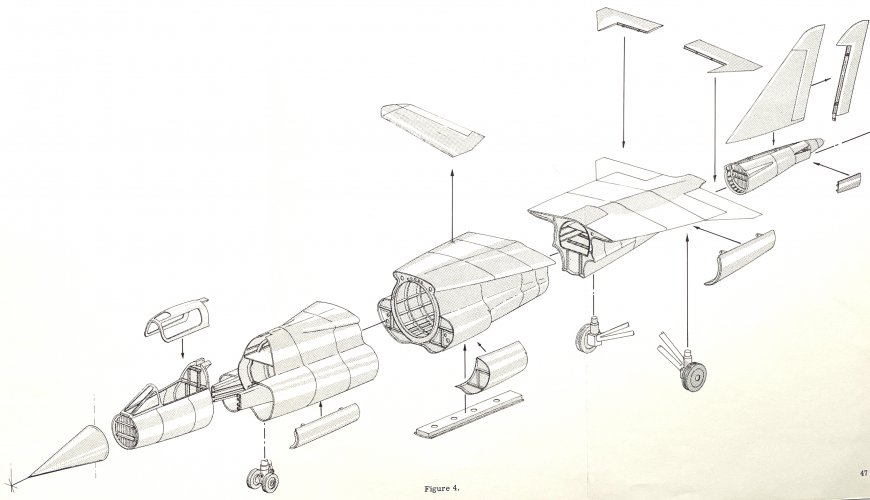
The following D-24 pictures are from the archive at the Aviodrome museum. They show the design with the extended wingtips. Most of them have the negative dihedral. The 'postcard' like picture/drawing has them level.
Attachments
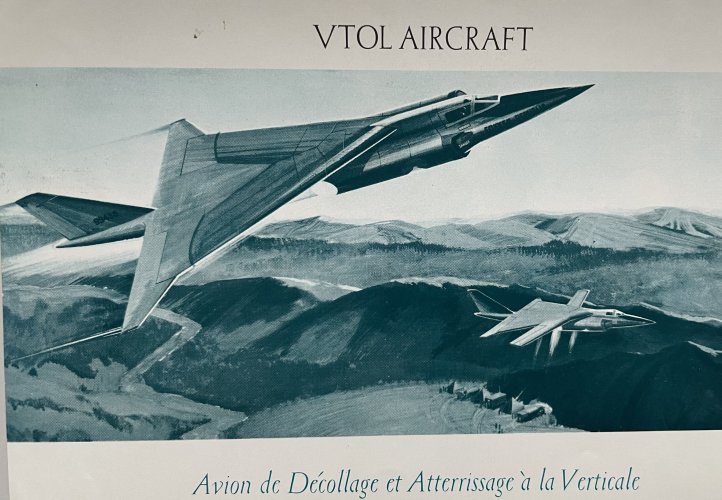
My 2cts
-mobile wingtips as per B-70 (probably not)
-tentative arrow wing as per SCAT-15F
-tentative double delta similar to the Draken
In the last two cases, maybe it came from NASA wind tunnel testings. The reason: once the VG folded into the delta, the whole wing is 70 degree which is quite a lot, and not exactly efficient to get lift (although the BS.100 enormous thrust largely compensate, rocket style). So maybe they tried to get some additional lift with those tips of more moderate sweep.
-mobile wingtips as per B-70 (probably not)
-tentative arrow wing as per SCAT-15F
-tentative double delta similar to the Draken
In the last two cases, maybe it came from NASA wind tunnel testings. The reason: once the VG folded into the delta, the whole wing is 70 degree which is quite a lot, and not exactly efficient to get lift (although the BS.100 enormous thrust largely compensate, rocket style). So maybe they tried to get some additional lift with those tips of more moderate sweep.
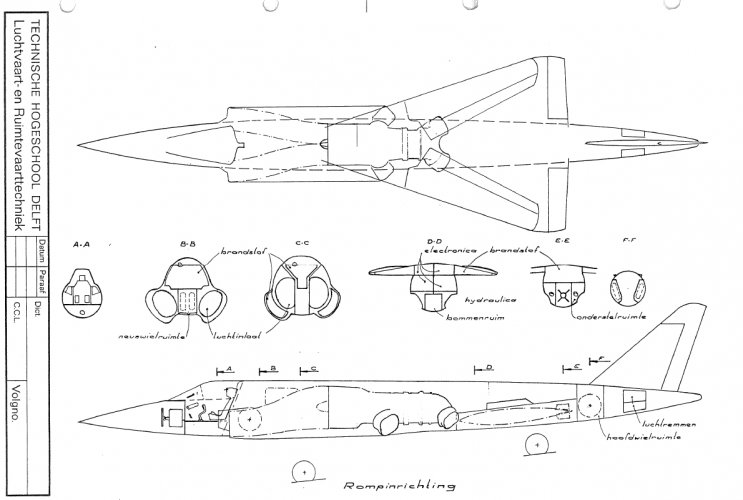
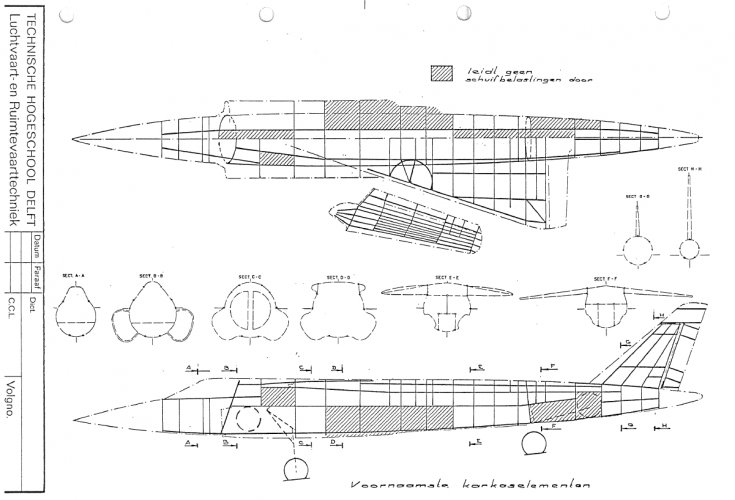
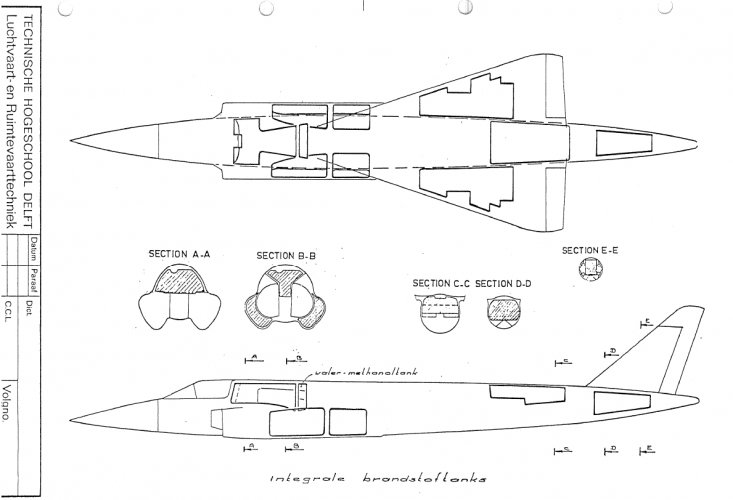
One of the engineers involved in the project at Fokker later taught at the Faculty of Aerospace Engineering in Delft. In the Eighties he used the D-24 in his lectures, refering to it as 'an aircraft from your childhood'. The following 4 copies of his slides from the Eighties are also unclassified. Perhaps they still add something to the information already available in this thread.
Attachments

- Joined
- 27 December 2005
- Messages
- 19,226
- Reaction score
- 35,638
Regarding the extended wingtips version.
The 1959/1960 Republic TFX had them, and the only official 3 view drawing of it is a Republic drawing, not a Fokker drawing. I would therefore suggest that the extended wingtips is the earlier design, submitted by Republic, and the cropped wingtips version is a later joint development. Probably to save weight.
The 1959/1960 Republic TFX had them, and the only official 3 view drawing of it is a Republic drawing, not a Fokker drawing. I would therefore suggest that the extended wingtips is the earlier design, submitted by Republic, and the cropped wingtips version is a later joint development. Probably to save weight.
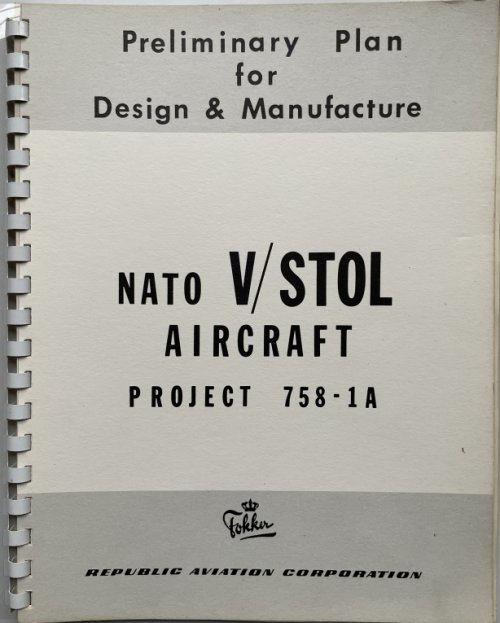
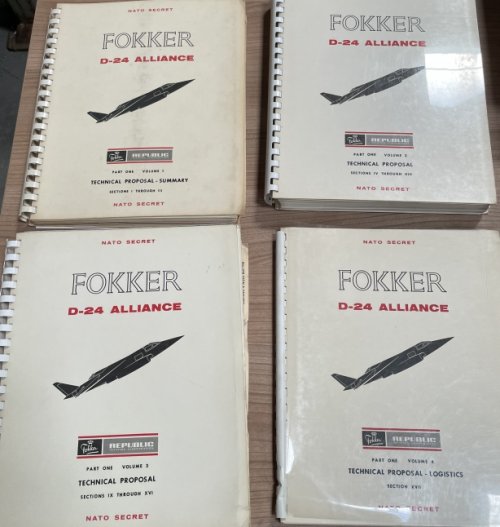
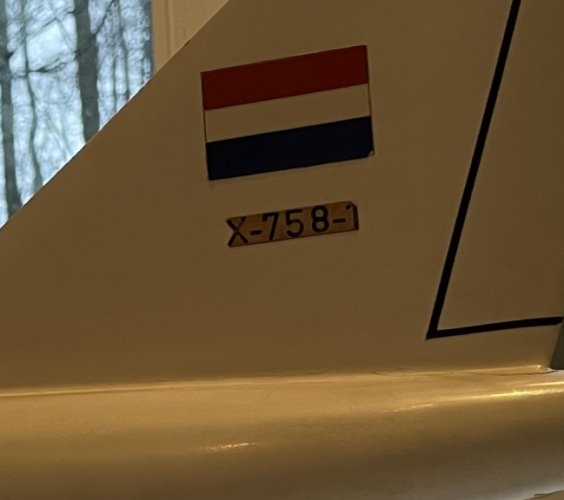
I found some additional information about this. There is a document that preceeds the Fokker/Republic D-24 documents (picture of covers of D24 docs included). It refers to project 758-1a and lists both Fokker and Republic (picture 2). A closer look at the tail of the 'D-24' model reveals that the tail number actually reads X-758-1. I suspect that the model may have been repainted at some point in time, but that they wanted to keep this number visible? Anyway, my conclusion is that the model is not a true D-24 model but the design that was still referred to as project 758-1.Regarding the extended wingtips version.
The 1959/1960 Republic TFX had them, and the only official 3 view drawing of it is a Republic drawing, not a Fokker drawing. I would therefore suggest that the extended wingtips is the earlier design, submitted by Republic, and the cropped wingtips version is a later joint development. Probably to save weight.
Attachments
blackkite
Don't laugh, don't cry, don't even curse, but.....
- Joined
- 31 May 2007
- Messages
- 9,515
- Reaction score
- 9,654
https://forum.warthunder.com/t/fokker-republic-d-24-alliance/8103
History
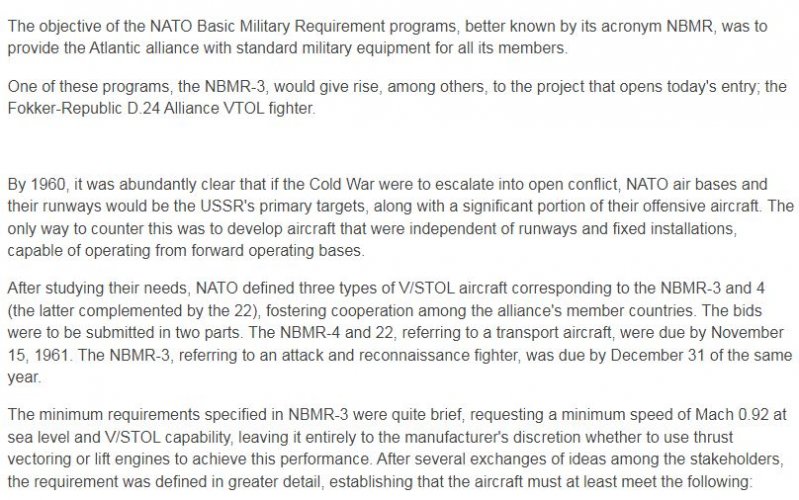
In the early 1960s, NATO drew up the Basic Military Requirement 3. A competition was launched for a supersonic V / STOL fighter aircraft for the AC / 169 specification. In January 1962, four manufacturers submitted their design to NATO. Dassault with the Mirage IIIV, BAC with Model 584, Hawker with Model P.1154 and Fokker-Republic with the D-24 “Alliance”. It soon turned out that the P.1154 was technically superior to the other participants. NATO itself was unable to financially support the development of any of these drafts and left this to the respective governments. Partly because of this, the development of all models was quickly discontinued and NATO BMR3 was never implemented.
The Fokker-Republic Project Team was stationed at Schiphol and was led by Alexander Wadkowsky of Republic Aviation. The project team was created to design a fighter aircraft that would comply with the NATO BMR-3 program. The D-24 “Alliance” was the proposal for the NATO VTOL fighter that they came up with. The D-24 would have been somewhat akin to the Republic XF-103, though slower. It would have had a range of 3,000 miles (4828 km) at Mach 1.5, and an internal weapons carriage of multiple long-range air-to-air missiles. It was intended to defeat the atmospheric threat of high performance, cruise-missile launching bombers. It would feature autonomous sensing, so there would have been no dependence on AWACS.
Development
From the beginning of the collaboration, there was a lot of rivalry between the employees of Fokker and Republic. Nationalistic feelings played a major role in this, but both partners also saw each other as competitors. Nonetheless the development team did fully design the aircraft on paper, made many scale models and test a windtunnel model of the aircraft to calculate the speculated
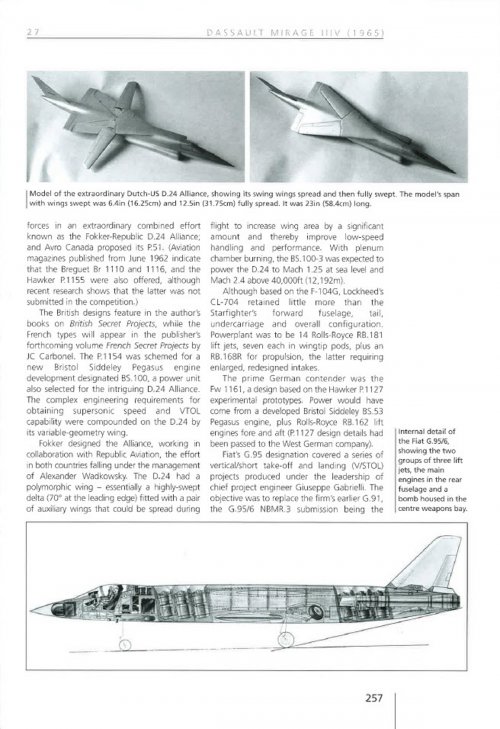
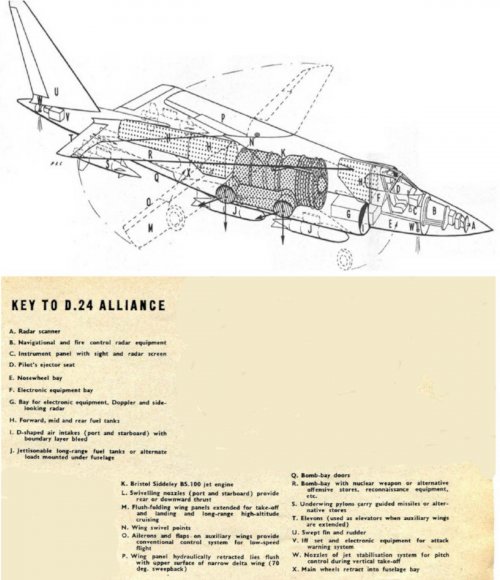
The wing had a variable arrow position and consisted of a fixed delta-shaped wing combined with an adjustable wing. The adjustable wing slid over the delta wing. This would allow the aircraft to fly at lower speeds with the wings extended. Also due to this special wing construction, the “Alliance” did not need horizontal tail surfaces and only had one single conventional rudder.
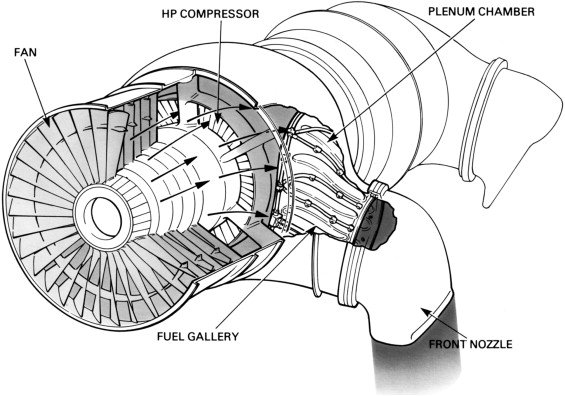
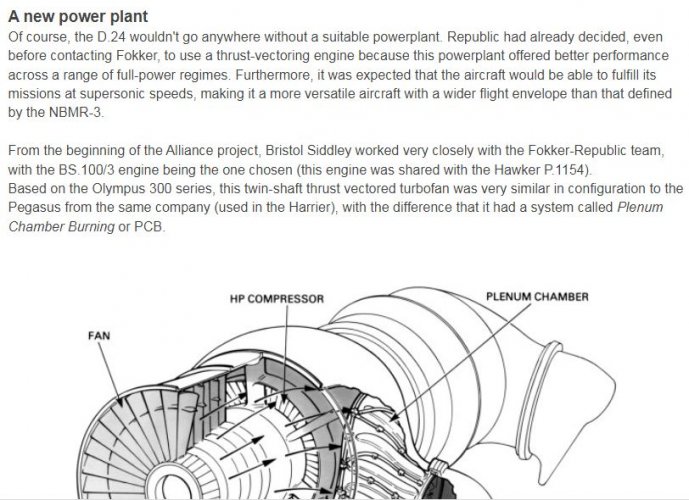
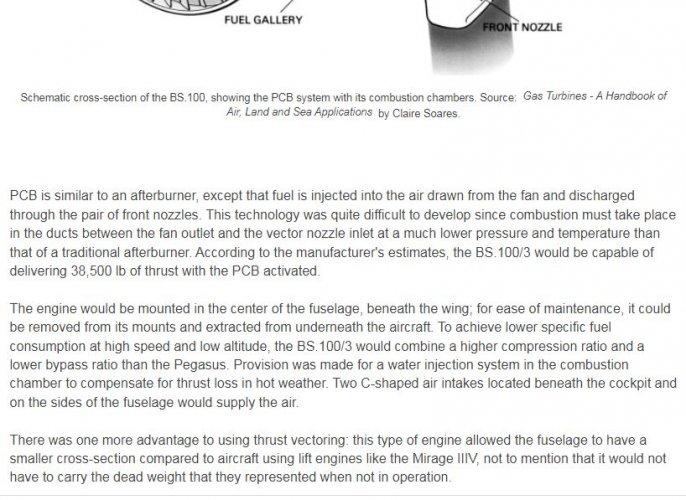
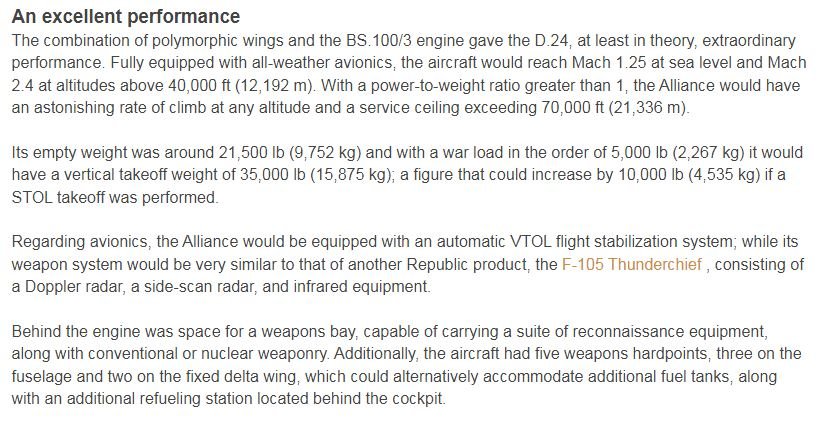
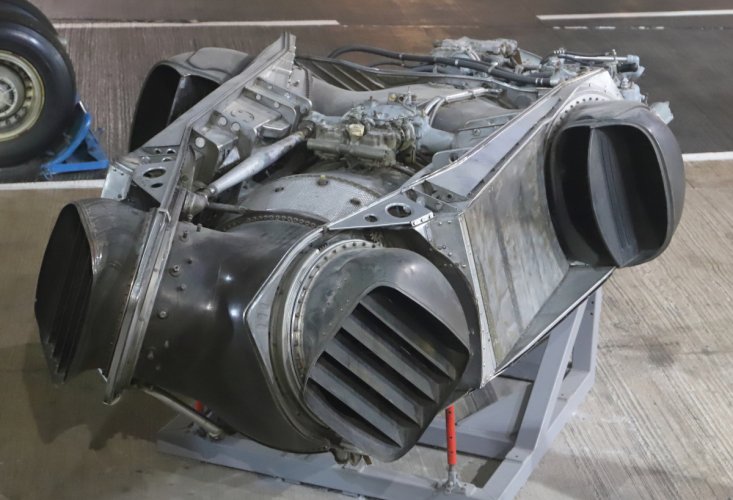
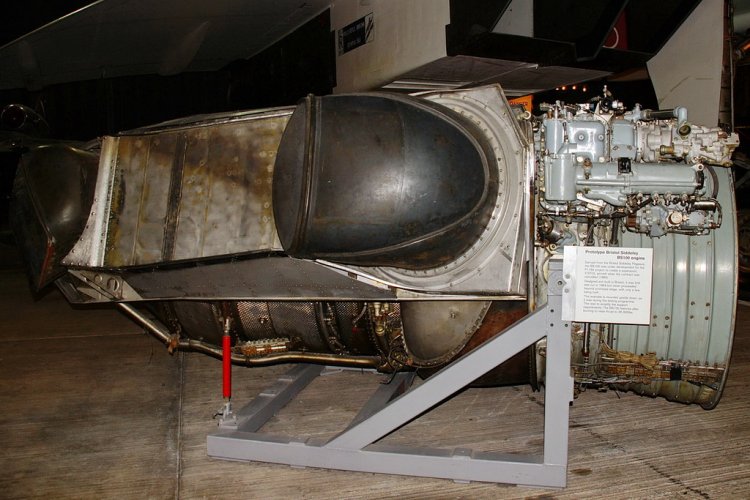
It was proposed that the vectored-thrust Bristol Siddeley BS.100/3 engine with a thrust potential of 17500kg would be used for the “Alliance”, with plenum chamber burning in the two forward swiveling nozzles, and it was calculated that the VTO (Vertical Take Off) weight, with 2270kg of useful military load, would be 15,875kg. While STO (Short Take Off) weight would rise to 20,400kg or more. Anticipated performance included Mach 1.25 capability at 150m rising to Mach 2.4 at altitude, with service ceiling topping 21,335m.
In the end the requirements for the “Alliance” proved to be way to much from the beginning, as is the case with many supersonic aircraft designs around this time, many were way to modern and simply to far ahead of their time. Ultimately the project fell apart due to all the reasons mentioned above, and the project was never continued.
General characteristics
Crew: 1 pilot
Length: 20,815 m
Wingspan: 5,690 m with retracted wings / 11,025 m with extended wings
Height: 3,325 m
Wing area: 29,85 m² with retracted wings / 38,60 m² with extended wings
Aspect ratio: 1,09 with retracted wings / 3,15 with extended wings
Max takeoff weight: 15875 kg (Vertical Take Off) / 20400 kg (Short Take Off)
Fuel capacity: 4050 kg
Powerplant: Bristol Siddeley BS.100/3 vectored thrust, turbofan aero engine, 17500 kg thrust
Performance
Maximum speed: Mach 1.25 at sea level / Mach 2.4 above 12 000 m
Maximum range: 4828 km (At Mach 1.5)
Service ceiling: 21335 m
Armament
Guns: None
Internal bomb-bay: 1 x Nuclear weapon, reconnaissance equipment or alternate stores
Centerline hardpoints: 2 × Fuel tanks or alternate loads
Underwing pylons: 2 × Guided missiles or alternate stores
History
In the early 1960s, NATO drew up the Basic Military Requirement 3. A competition was launched for a supersonic V / STOL fighter aircraft for the AC / 169 specification. In January 1962, four manufacturers submitted their design to NATO. Dassault with the Mirage IIIV, BAC with Model 584, Hawker with Model P.1154 and Fokker-Republic with the D-24 “Alliance”. It soon turned out that the P.1154 was technically superior to the other participants. NATO itself was unable to financially support the development of any of these drafts and left this to the respective governments. Partly because of this, the development of all models was quickly discontinued and NATO BMR3 was never implemented.
The Fokker-Republic Project Team was stationed at Schiphol and was led by Alexander Wadkowsky of Republic Aviation. The project team was created to design a fighter aircraft that would comply with the NATO BMR-3 program. The D-24 “Alliance” was the proposal for the NATO VTOL fighter that they came up with. The D-24 would have been somewhat akin to the Republic XF-103, though slower. It would have had a range of 3,000 miles (4828 km) at Mach 1.5, and an internal weapons carriage of multiple long-range air-to-air missiles. It was intended to defeat the atmospheric threat of high performance, cruise-missile launching bombers. It would feature autonomous sensing, so there would have been no dependence on AWACS.
Development
From the beginning of the collaboration, there was a lot of rivalry between the employees of Fokker and Republic. Nationalistic feelings played a major role in this, but both partners also saw each other as competitors. Nonetheless the development team did fully design the aircraft on paper, made many scale models and test a windtunnel model of the aircraft to calculate the speculated
The wing had a variable arrow position and consisted of a fixed delta-shaped wing combined with an adjustable wing. The adjustable wing slid over the delta wing. This would allow the aircraft to fly at lower speeds with the wings extended. Also due to this special wing construction, the “Alliance” did not need horizontal tail surfaces and only had one single conventional rudder.
It was proposed that the vectored-thrust Bristol Siddeley BS.100/3 engine with a thrust potential of 17500kg would be used for the “Alliance”, with plenum chamber burning in the two forward swiveling nozzles, and it was calculated that the VTO (Vertical Take Off) weight, with 2270kg of useful military load, would be 15,875kg. While STO (Short Take Off) weight would rise to 20,400kg or more. Anticipated performance included Mach 1.25 capability at 150m rising to Mach 2.4 at altitude, with service ceiling topping 21,335m.
In the end the requirements for the “Alliance” proved to be way to much from the beginning, as is the case with many supersonic aircraft designs around this time, many were way to modern and simply to far ahead of their time. Ultimately the project fell apart due to all the reasons mentioned above, and the project was never continued.
General characteristics
Crew: 1 pilot
Length: 20,815 m
Wingspan: 5,690 m with retracted wings / 11,025 m with extended wings
Height: 3,325 m
Wing area: 29,85 m² with retracted wings / 38,60 m² with extended wings
Aspect ratio: 1,09 with retracted wings / 3,15 with extended wings
Max takeoff weight: 15875 kg (Vertical Take Off) / 20400 kg (Short Take Off)
Fuel capacity: 4050 kg
Powerplant: Bristol Siddeley BS.100/3 vectored thrust, turbofan aero engine, 17500 kg thrust
Performance
Maximum speed: Mach 1.25 at sea level / Mach 2.4 above 12 000 m
Maximum range: 4828 km (At Mach 1.5)
Service ceiling: 21335 m
Armament
Guns: None
Internal bomb-bay: 1 x Nuclear weapon, reconnaissance equipment or alternate stores
Centerline hardpoints: 2 × Fuel tanks or alternate loads
Underwing pylons: 2 × Guided missiles or alternate stores
Last edited:
- Joined
- 27 December 2005
- Messages
- 19,226
- Reaction score
- 35,638
So that all tracks. The 758-1A is the earlier design.

- Joined
- 26 May 2006
- Messages
- 38,255
- Reaction score
- 20,392
So that all tracks. The 758-1A is the earlier design.
So weird for this designation,and I don't know from where
it comes,also Republic 651 ?,
https://www.secretprojects.co.uk/threads/republic-651-vtol-transports.34365/
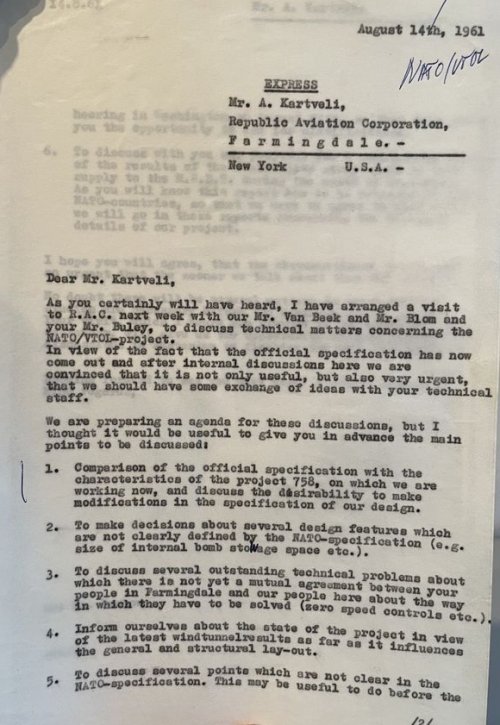
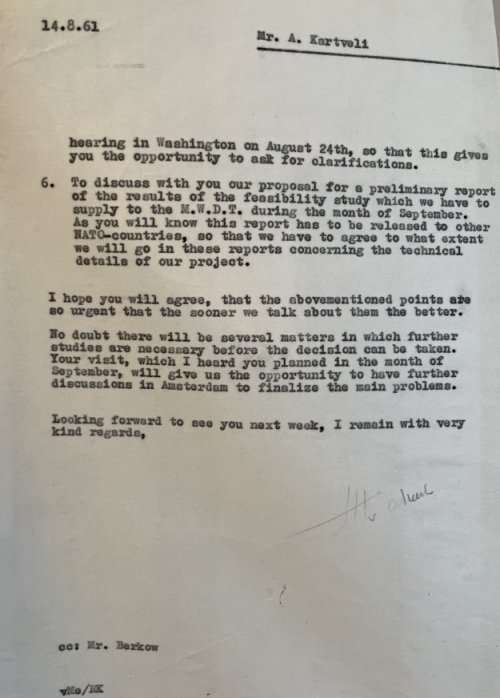
I went through some other documents, and I think I found the relation between project 758 and D-24. This is in a letter from Fokker aircraft to Alexander Kartveli, dated August 14, 1961. It states as point 1 to be discussed: 'Comparison of the official specification with the characteristics of the project 758, on which we are working now, and discuss the desireability to make modifications in the specification of our design'. The letter is in pictures 1 and 2. I read this as 758 was a Republic design and the Fokker engineers were analyzing it, and with changes this would become D-24.So weird for this designation,and I don't know from where
it comes,also Republic 651 ?,
https://www.secretprojects.co.uk/threads/republic-651-vtol-transports.34365/
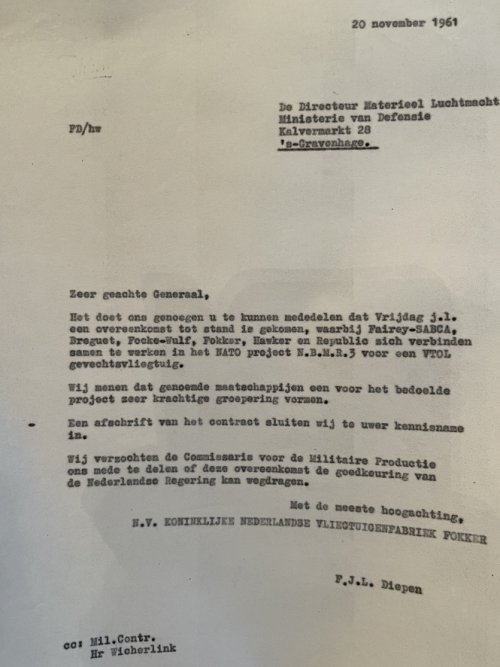
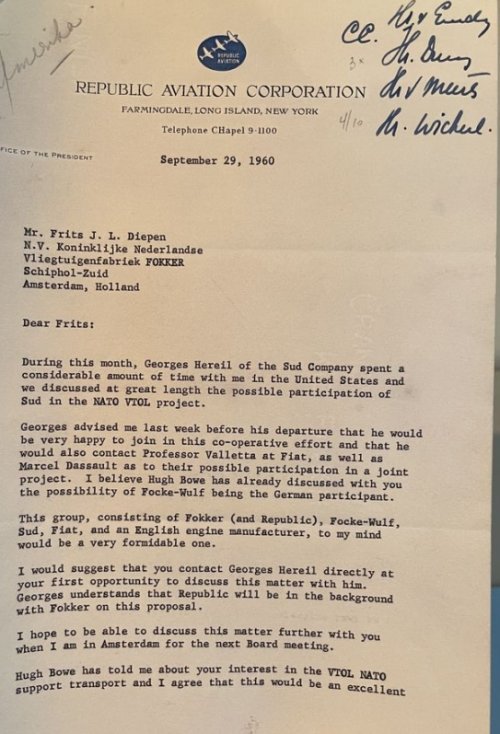
This cooperation was the result of a discussion that started at least as early as in 1960, and apparently also involved several other aircraft manufacturers (letter in 3rd picture).
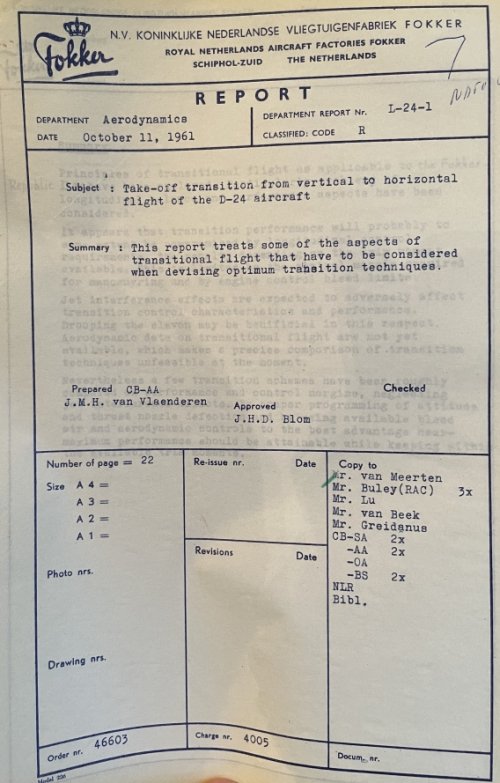
The first time I can find the D-24 designation is in a Fokker report from Oct. 11, 1961 (picture 4). And it seems that in Nov. 1961 an agreement was signed between Fairey-SABCA, Brequet, Focke-Wulf, Fokker, Hawker and Republic to cooperate within NBMR3 (letter is in Dutch, picture 5).
By the way, all this info is from the Fokker archives at the Aviodrome museum.
Attachments
Last edited by a moderator:
- Joined
- 27 December 2005
- Messages
- 19,226
- Reaction score
- 35,638
Yep, this is correct. 758 was a Republic design already in existence, related to but smaller than their TFX design.
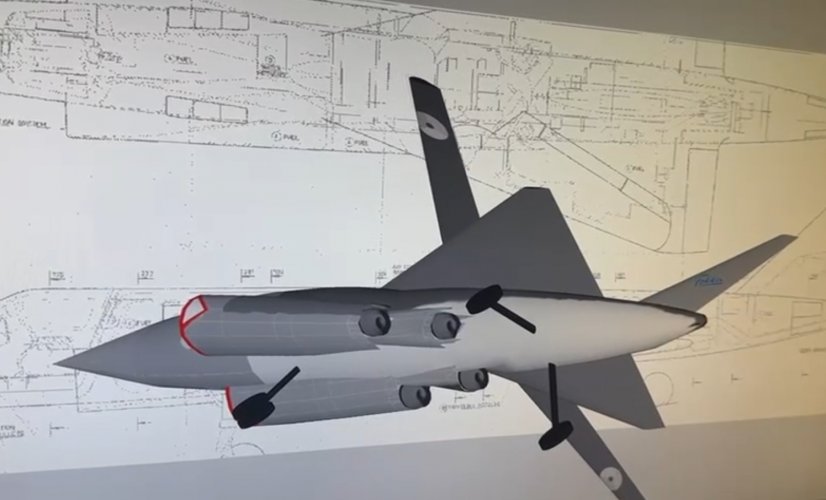
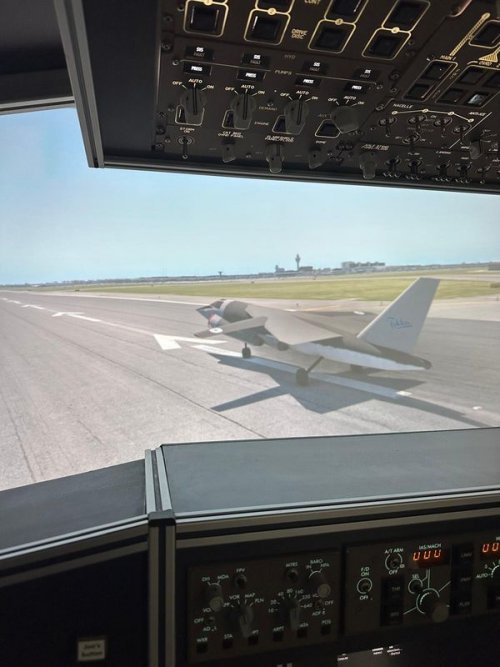
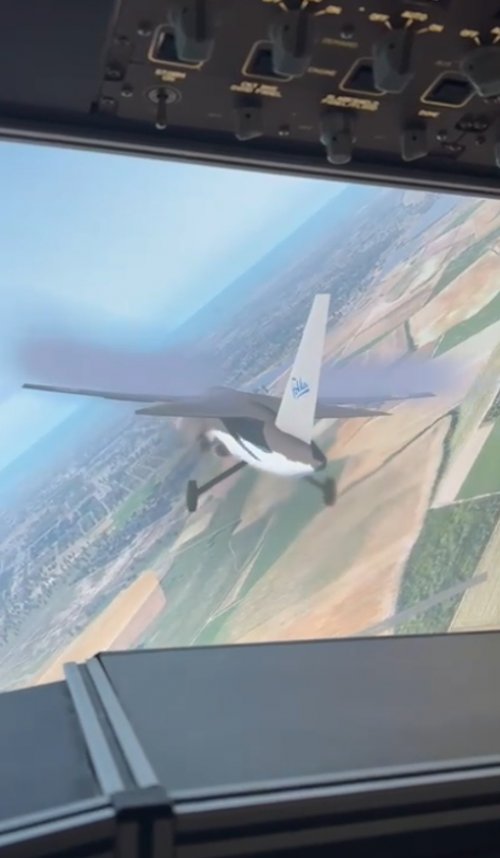
I used the D-24 drawings to create a 3-D model in planemaker and installed it in a research flightdeck that can use Xplane. Tried it this evening. Aircraft is still rather unstable, but it is flyable. Still lot of work needed to refine it. Was unable to create the nice VTOL thrusters, so just simple exhausts. Also tried to print a 3-D model, but that too needs refinement, the wing is too thin.
Attachments
I went to the temporary exhibit 'Fokker & straaljagers' at the Aviodrome museum in Lelystad yesterday. The model of the D-24 (see earlier 2 pictures) is now on display again. Also some new artwork. Unfortunately the model is in a pretty bad shape, various cracks in the wings and fuselage. There was also one poster with some background info on the D-24 project, but nothing not yet mentioned in this topic.
Attachments
CaseyKnight
I really should change my personal text
- Joined
- 25 July 2011
- Messages
- 112
- Reaction score
- 110
Fascinating design: I don't recall ever seeing a design with VTOL and a swing-wing at the same time prior to this design
- Joined
- 26 May 2006
- Messages
- 38,255
- Reaction score
- 20,392
Attachments
- Joined
- 26 May 2006
- Messages
- 38,255
- Reaction score
- 20,392
What's the meaning of D-24X,the "X" itself ?.
BAC Type 583 V (1964) was a contemporary SVTOL - VG combination design. Other English designs of that era (Hawker-Siddeley, Blackburn, Vickers) combined VG and lift engines for shorter take-off & landing and CG balance, if not for VTOL proper.Fascinating design: I don't recall ever seeing a design with VTOL and a swing-wing at the same time prior to this design
And then of course the American-German EWR Fairchild AVS advanced VG VTOL strike fighter project of 1967.
Last edited:
Similar threads
-

-
 Lockheed Martin C-5M Super Galaxy replacement
- Started by Triton
- Replies: 46
-
 Lockheed CL-1200 / X-27 Lancer
- Started by overscan (PaulMM)
- Replies: 88
-
Was an opportunity missed with the Sea Harrier?
- Started by peterjayy
- Replies: 38