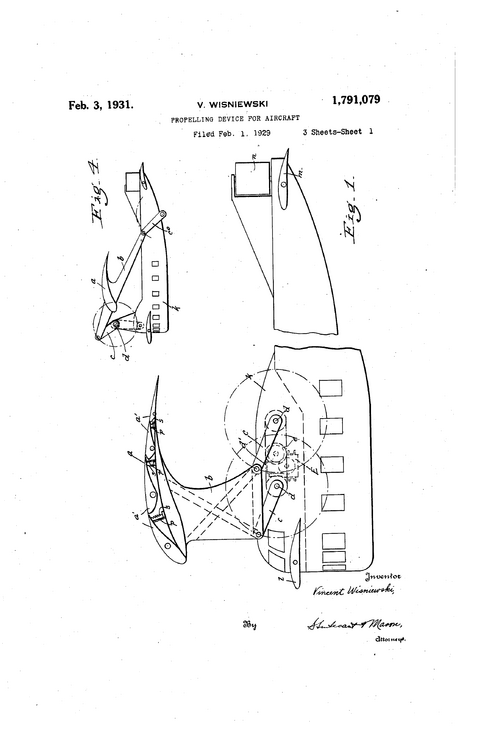
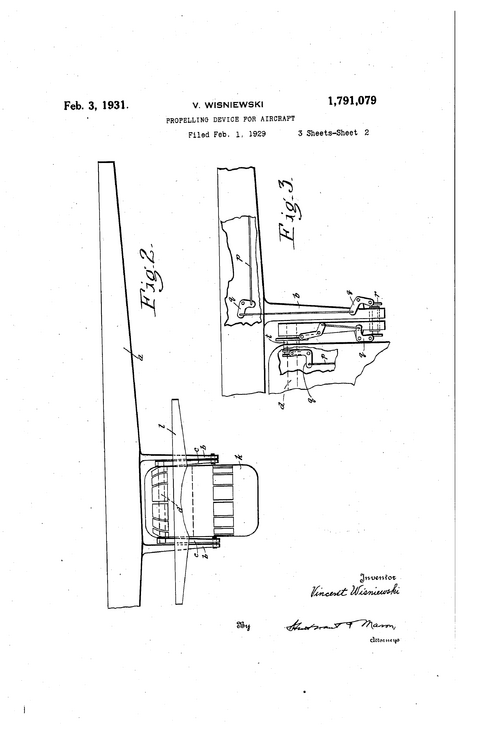
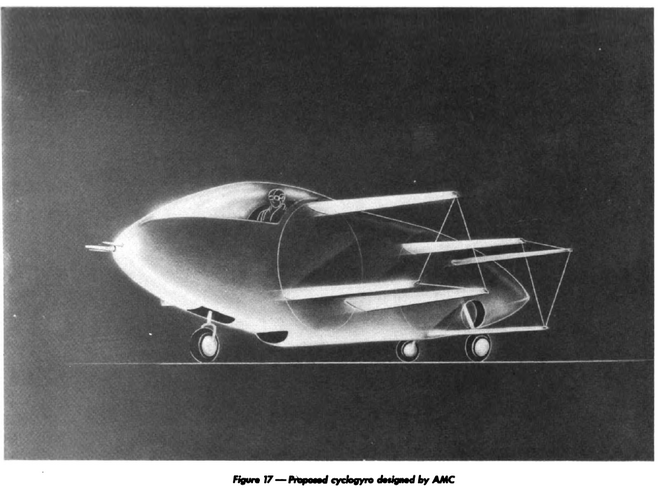
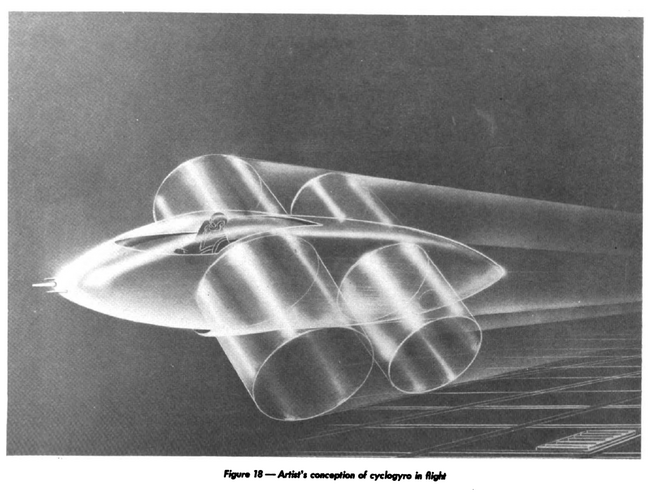
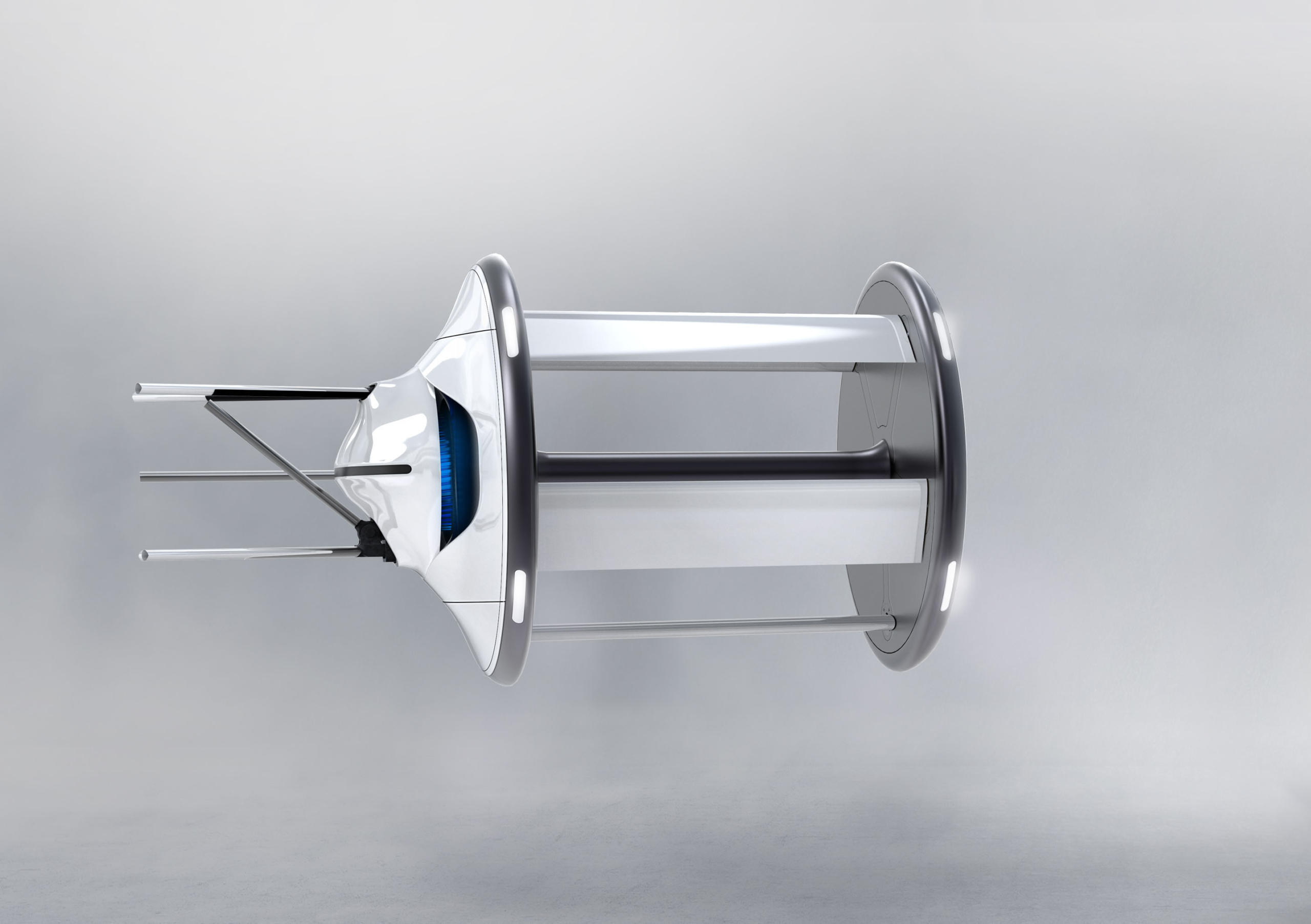
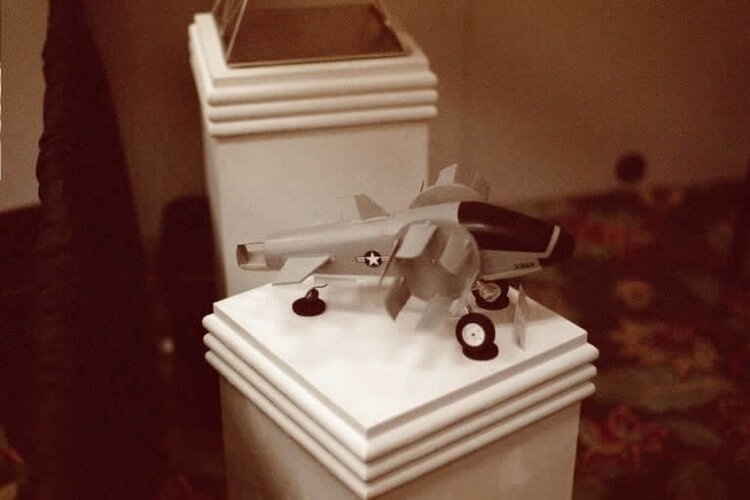
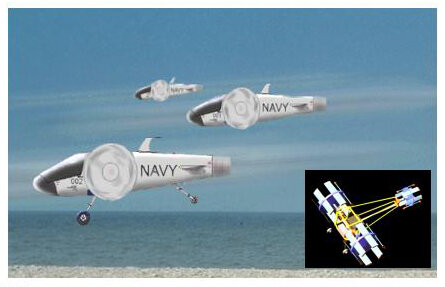
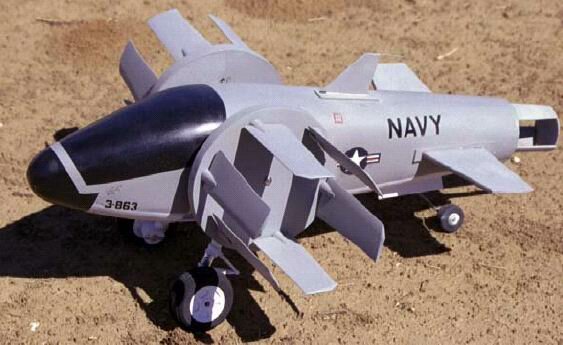
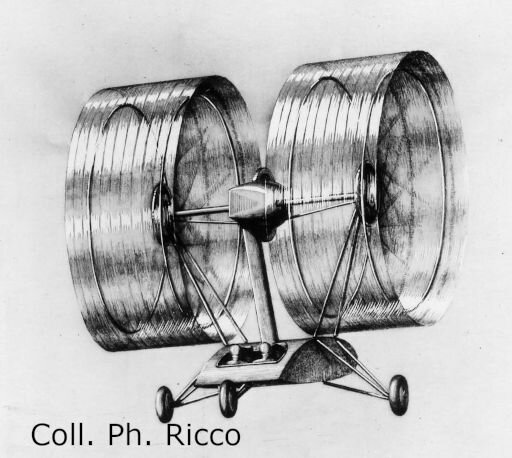
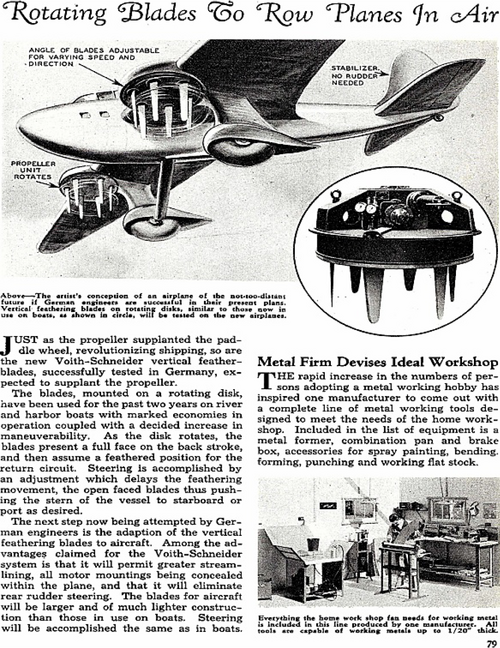
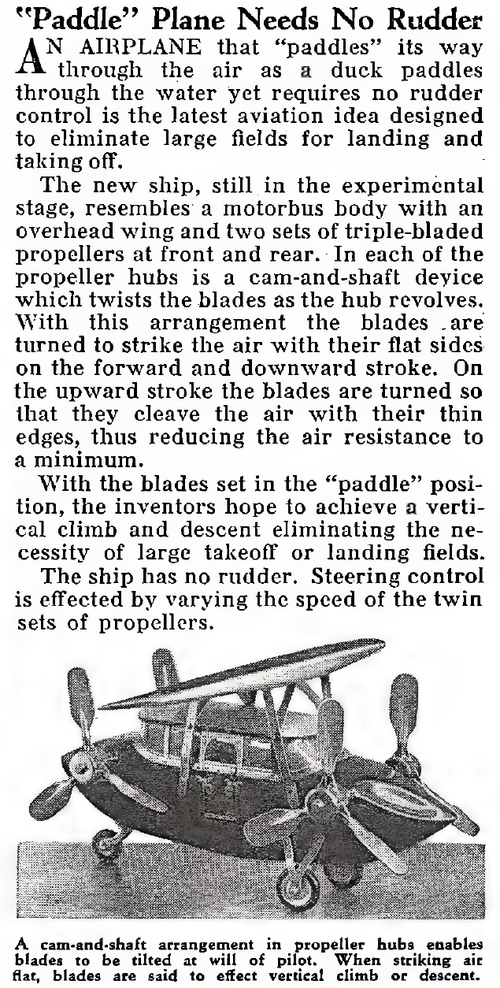
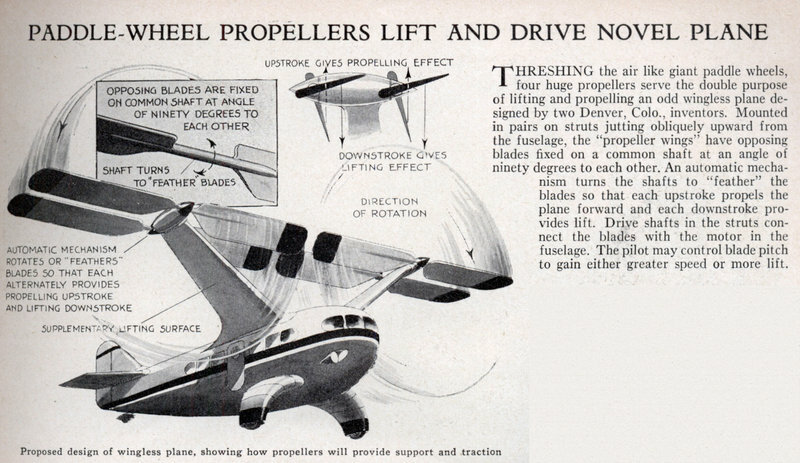
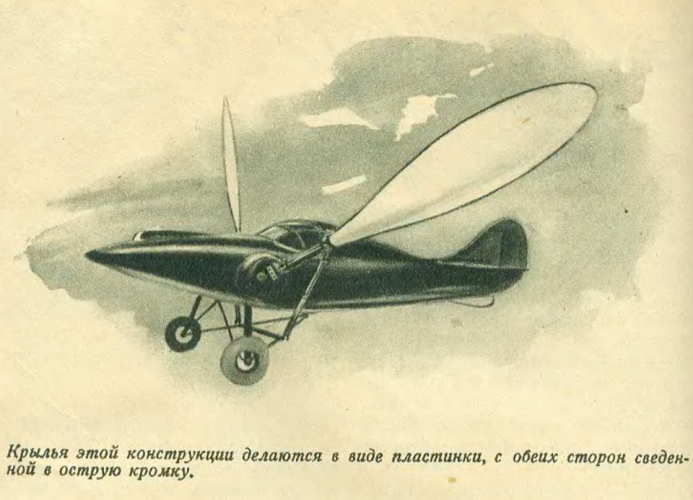
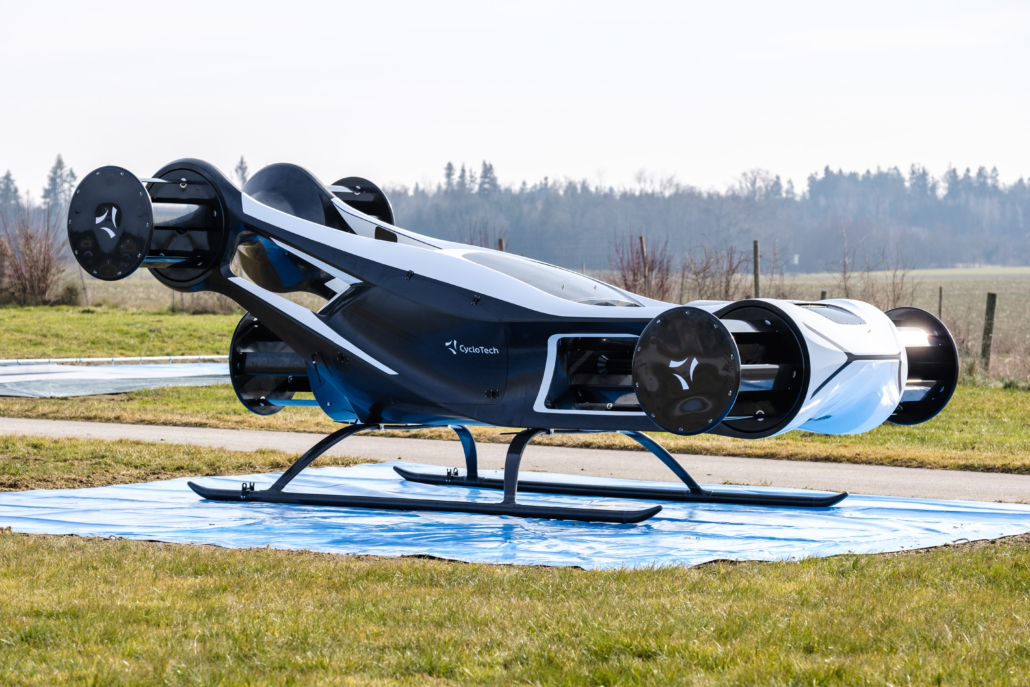
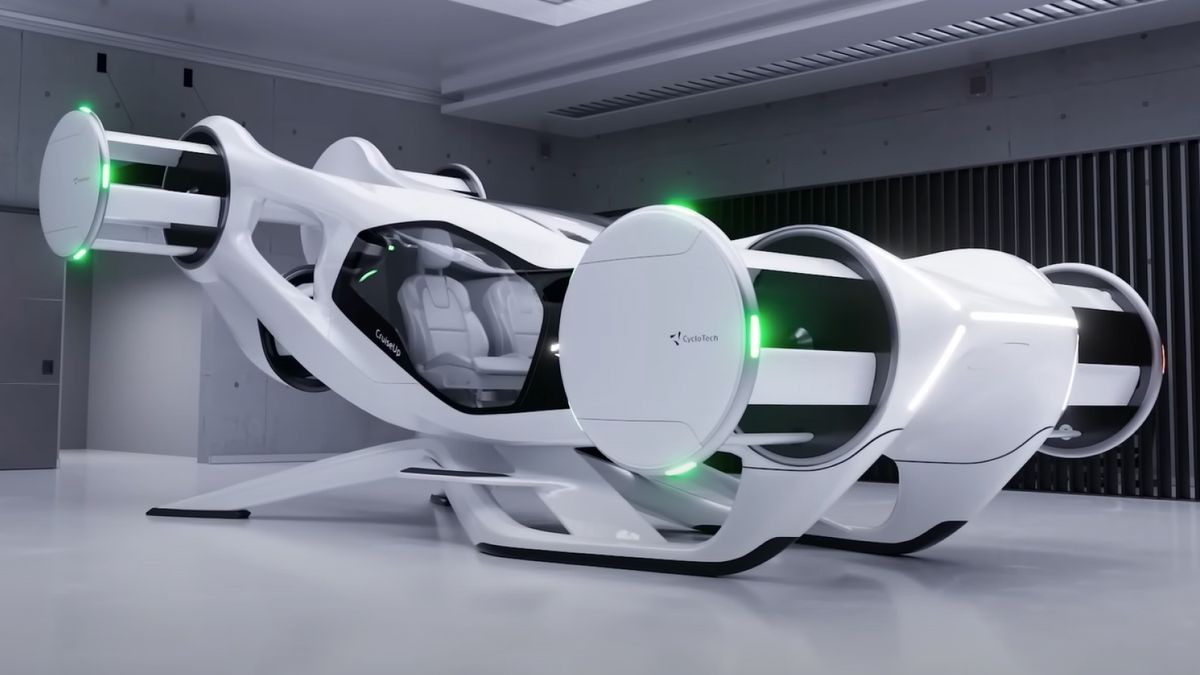
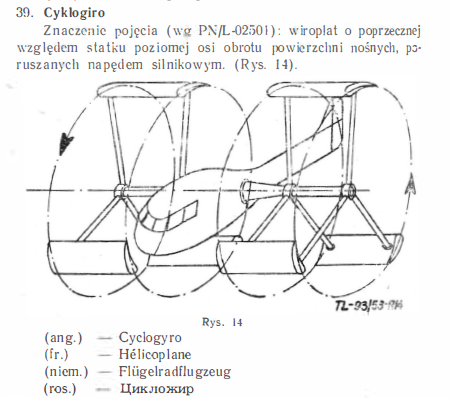
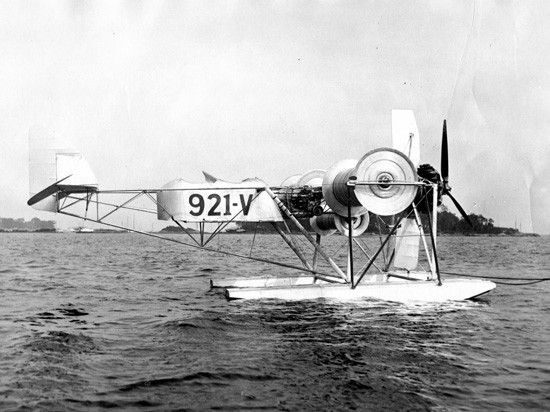
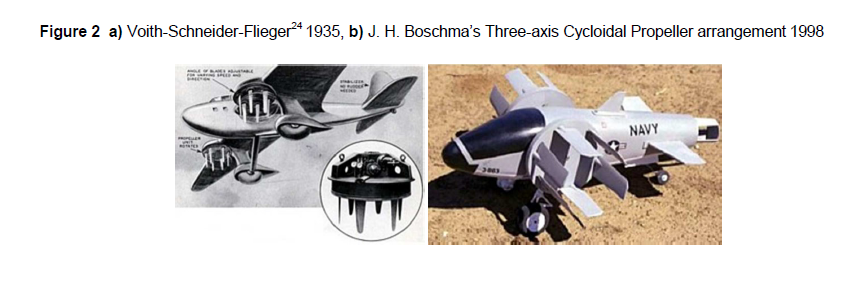
BOSCH Aerospace, Inc., (BOSCH Aerospace) and subcontractor MSU RASPET Flight Research Laboratory (RASPET) accomplished successful development and testing of a prototype Curtate Cycloidal Propeller during the SBIR Phase I effort which concluded on October 31, 1998. This propulsion concept holds significant promise for adaptation to UAV VTOL operations. Thrust levels demonstrated were substantially higher than achievable by the best screw-type propellers, and approximately equal to those of high-end helicopters. Vectoring of thrust through a 360° arc, and low-noise characteristics throughout the RPM range were demonstrated. Also accomplished was identification of efficiency gain techniques that may increase the overall thrust by approximately 30%.
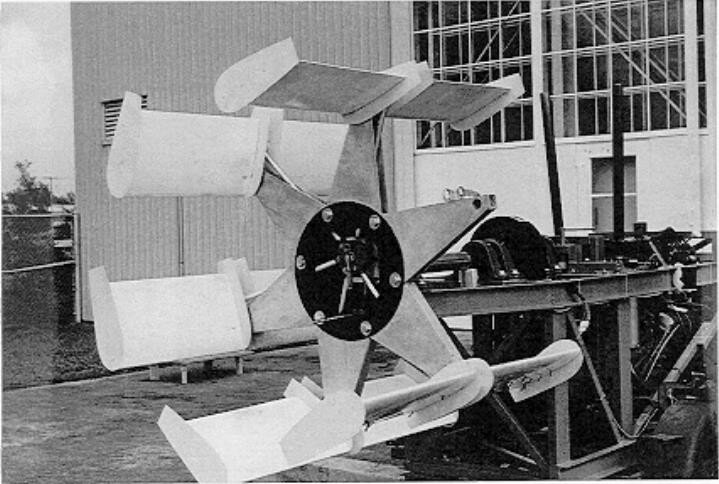
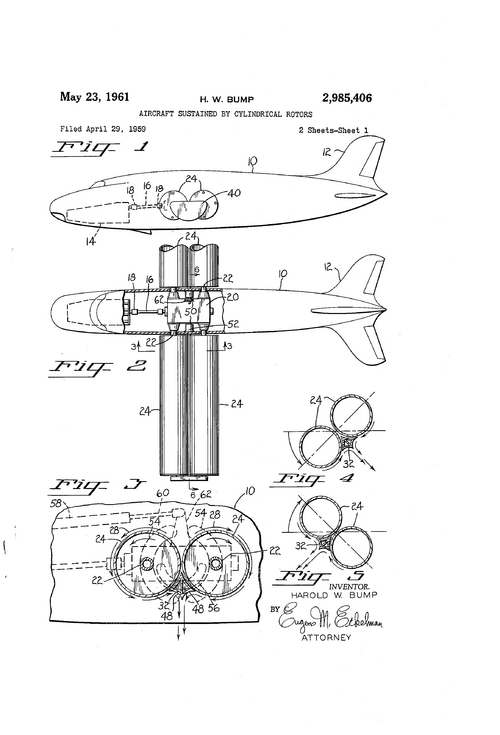
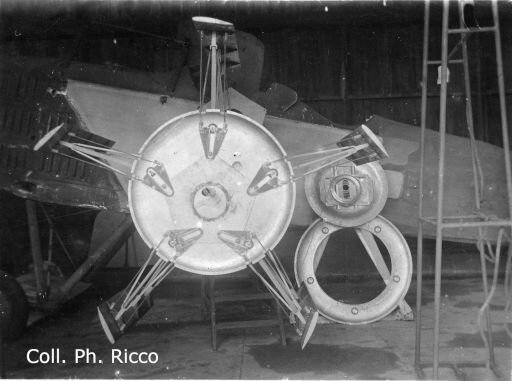
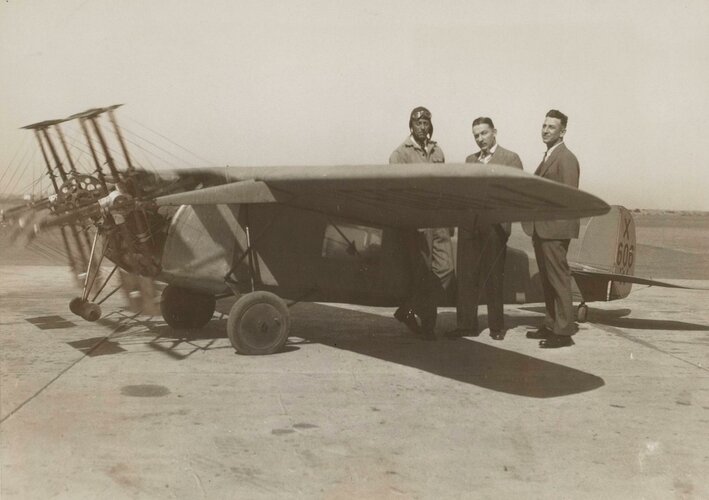
A literature search and study of cycloidal propeller testing conducted by Boeing Corporation and U.S. Government agencies between 1920 and 1945 were essential elements of Phase I. A computer model based upon this historical data was developed to allow aerodynamic performance assessment of candidate designs. The model was incorporated into the System Engineering effort where potential designs for the Navy UAV VTOL requirements were examined, and the optimum design identified. The Curtate Cycloid design provides the best hover performance, and excellent flight performance to speeds of approximately 120 knots. The BOSCH Aerospace team selected a full-scale (four-foot diameter) design. After consulting with the Navy technical monitor, the design was optimized, materials selected, and fabrication tolerances defined.
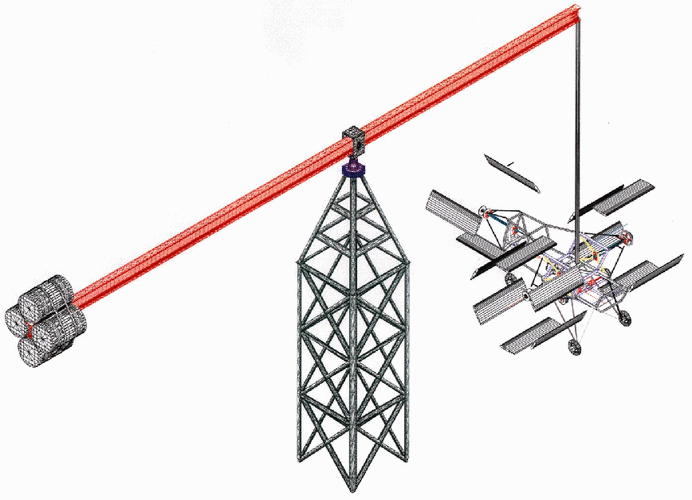
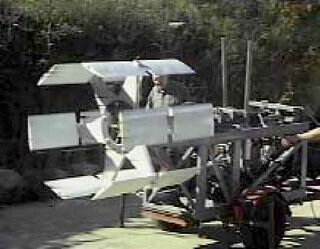
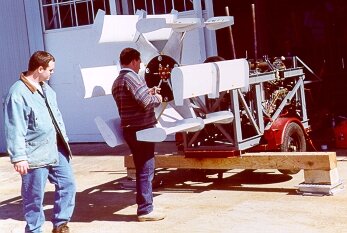
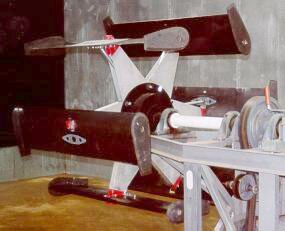
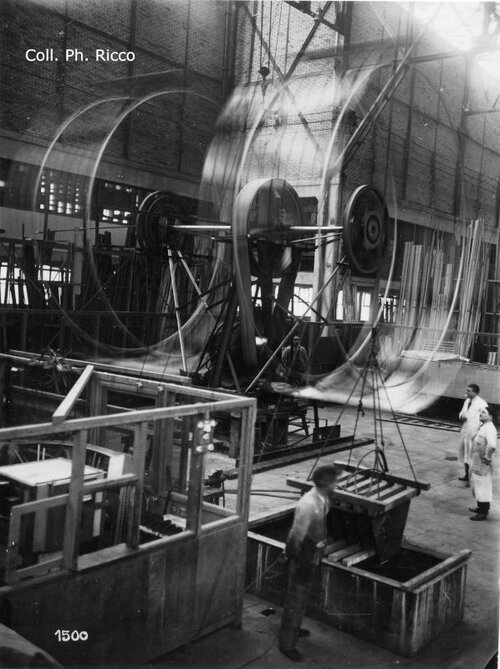
Because the Cycloidal propeller is unique, no existing test facility or test fixtures existed. Thus, we designed and fabricated a test fixture specifically suited for testing this prototype, as well as future cycloidal propeller designs. Components were function tested on CAD, then manufactured before final assembly in Huntsville. During assembly, two five-foot diameter polycarbonate (lexan) disks, which were designed to eliminate flow turbulence near the center of the blade sections, arrived late and were found to be defective. Due to time constraints, these disks were left out of the prototype. The resulting assembly was function tested, dynamically balanced, and moved to the RASPET facility for instrumentation and tests.
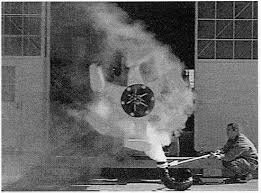
The cycloidal propeller tests were designed to accomplish two major goals, to measure thrust, and to assess thrust vector capability. Several concurrent objectives were also sought, noise assessment, educating the research team on operating characteristics of a Cycloidal propeller, examination of the prototype's mechanical performance, identification of potential design improvements, and assessment of the test fixture for future use.
Thrust measurements were taken at various RPMs in two orientations, 90° up, and then 90° down from horizontal. Vector assessment was made throughout the 360° arc. Downward thrust was approximately 20%below projections. Upward thrust in lower RPM ranges was 3% above projections. However, as RPM increased thrust decreased to the 20% below projections level. Reduced data showed that thrust varied from approximately 10.88 lb./Hp at low RPM, to 8.4 lb./Hp at high RPM. A probable solution to eliminate this anomaly was identified.