Condor II and sister Argentine-Iraq-Egypt projects

Gaafar

ACCESS: Confidential
Joined
11 August 2021
Messages
71
Reaction score
79
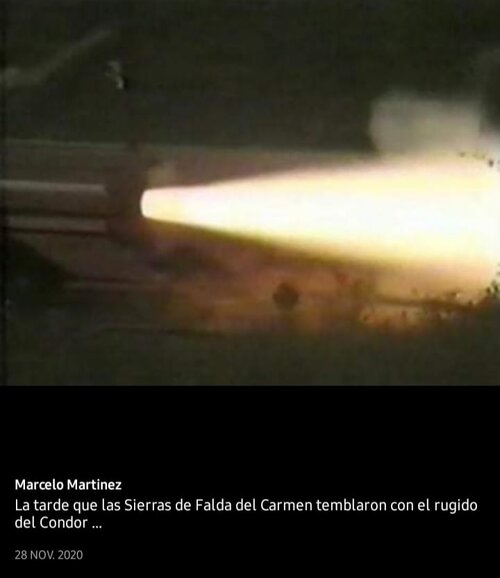
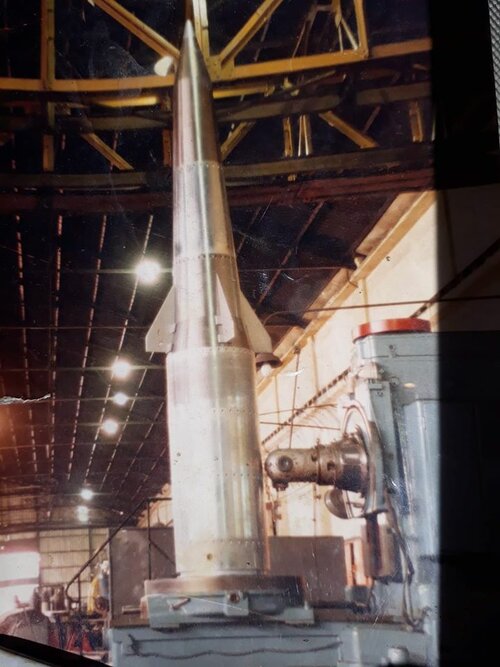
The initial concept for the Condor was a small range sounding rocket which would constitute the basis for further rocket development. The Argentine AF eventually found out (as Egypt did decades earlier) that it can't build a rocket without outside design, technical, and material assistance, the Argentines turned to Consen, a consortium made up of many international firms, as well as the Egyptian, Iraqi, and Brazilian governments. However this project would be "terminated" after the MTCR found out and evidence of Iraqi and Egyptian activities on the behest of this projects mounted.
 

Attachments

  • IMG_20211128_134214.jpg
    IMG_20211128_134214.jpg
    77.7 KB · Views: 115
  • 69148602_10220222944821084_5696997934566998016_o.jpg
    69148602_10220222944821084_5696997934566998016_o.jpg
    90.8 KB · Views: 99
As I mentioned, seperate agreements were signed with Egypt, Iraq, Brazil and *perhaps* North Korea as well as many international contractors.
 
Egyptian defense minister Abu Ghazala set up an office called Ballistic Missile Egypt (BME) which would be responsible for Egypts contributions to the Condor programme.

This contribution extended to the attempted procurement of FAEs from the United States. The Egyptian Ministry of Defense requested 9,000 CBU-92 FAEs but the US government ultimately refused.

BME was involved in sensitive acquisition projects through a rocket propulsion expert with U.S security clearance named A. K Helmy for the acquisition of guidance tech, telemetry antennas, carbon-carbon, and FAE blueprints which would lead to the development of the Nasr 9000 fuel air bomb
 
Of course that's not all there is to say about the Condor II, there is little-to-no info on A. K Helmy and the FAEs, and the many many sister Argentine-Arab projects besides the Condor. Which is why I created this thread.

I've been digging through UN, NTI, and argentine sources and I'll be updating this thread whenever I can
 
Of course that's not all there is to say about the Condor II, there is little-to-no info on A. K Helmy and the FAEs, and the many many sister Argentine-Arab projects besides the Condor. Which is why I created this thread.

I've been digging through UN, NTI, and argentine sources and I'll be updating this thread whenever I can
Any help would be appreciated
 
Two references documents. I had never quite realized how far along Condor went, and the sheer size of it. It reads like a Forsyth thriller (part The Odessa file, part The fist of God.)
 

Attachments

  • argentina_missile.pdf
    750.9 KB · Views: 73
  • egypt_missile.pdf
    965.6 KB · Views: 50
The project never really entirely died. Egyptian scientists (i.e Yahya al-Mashadd) were working in the nuclear, pharmaceutical and missile industry in Iraq.

Egypt and Argentina, despite officially withdrawing still tried continuing development through Iraq.
 

Attachments

  • Screenshot_20230805_225955.jpg
    Screenshot_20230805_225955.jpg
    96.4 KB · Views: 83
.
 

Attachments

  • Screenshot_20230805_225423.jpg
    Screenshot_20230805_225423.jpg
    37.8 KB · Views: 51
  • Screenshot_20230805_225901.jpg
    Screenshot_20230805_225901.jpg
    55.1 KB · Views: 49
Comitte of Appropriations has a publically available file on foreign operations and programmes, most of the document covers either iraqi programmes or intergovernmental cooperation between iraq and other arab countries
 
There are also many points developed on this topic in the book "El Proyecto Misilistico Condor II - Pablo Gabriel de León"
 
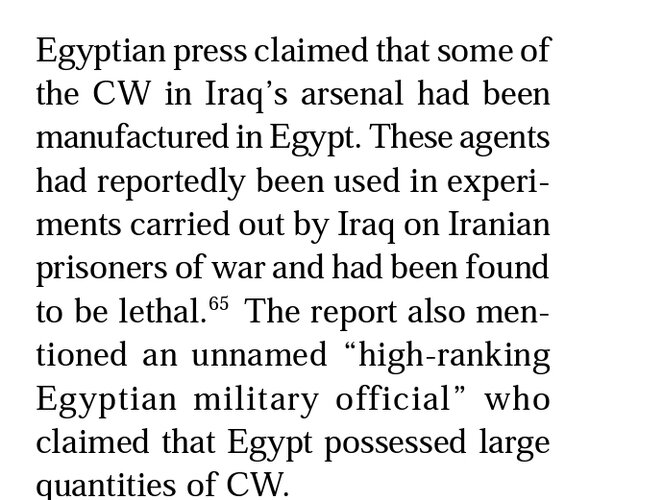
Dany Coham published an article on Egyptian CW and BW capabilities and outlined cooperation between Iraq and Egypt in this field.
 

Attachments

  • 1000043607.jpg
    1000043607.jpg
    144.1 KB · Views: 54
In 'Deadly business : legal deals and outlaw weapons : the arming of Iran and Iraq, 1975 to the present' there are multiple chapters on Condor and the related Iraqi projects. Mostly focusing on the extensive role of MBB (Messerschmidt Bölkow Blohm) in its development. It seems extremely well researched, the author having spoken with many of the involved engineers from MBB and having consulted both government and MBB archives.
The book is available for borrow through the internet archive here

The relevant chapters are:
11. Condor Flight!
12. Stopping Condor
13. Warhead


The project that Wolfgang Brunner had come to Rome to discuss was “FK-120." This was a cover for Condor. “FK” was short for the German term ‘flugkorper,” meaning a missile or flying object. The 120" meant that the missile had a range of 120 kilometers, or about 80 miles. The client for the FK-120 was the Arab Republic of Egypt.

In its initial stages, as Brunner told it, the FK-120 was technically somewhat different from Condor. “We prepared a lay-out for the FK-120. FK-120 was a single stage missile. There was no separation of the booster. It was steered with rear fins until the end.” Additionally, the FK-120 had a high-explosive payload of about 400 kilograms, or some 900 pounds. It carried what the professionals call a sub-munitions warhead, a kind of cluster-bomb technology. But its target accuracy wasn't precise enough—around .001—to make it a tactical weapon. “For sub-munitions you really need very good hitting accuracy,” Brunner noted.

None of the FK-120's particulars initially exceeded what was legal, according to the Missile Technology Control Regime. But the project's sub-systems—without Brunner being involved—soon matched those of the Condor. S.N.I.A. was later contracted to provide specialized propellant knowledge for the FK-120/Condor project, and was prepared to enter into a joint venture with MBB to develop it. Consen separately recruited some of S.N.I.A's, and MBB's, best missile engineers.
[...]
Brunner contended that “Vector,” or Condor, from MBB's vantage point, never reached the point where any advanced work really happened. “We came to the conclusion that to correct and to improve upon Condor-1, and to get more accuracy, we needed a second stage liquid motor. This was because the efficiency of the motor was poor, we had no access to the thermo pumps, and the fuel was injected by pressure. The payload was 300 kg at this stage. This was in 1985 and 1986.
During 1986 and 1987, MBB personnel at Schrobenhausen, working within the framework of the FK-120 contract—alias Badr-2000 and Condor—produced three warheads for the Condor missile project. One of the warheads, called MUSCO, included two types of units. The first was a conventional high explosive warhead. A second was a kind of fragmentation device encased in a modular dispenser unit that could be used to hit and destroy enemy airfields. Word got out in 1988 that MBB had supplied this type of unit to Argentina, Egypt and more indirectly Iraq, upsetting British defense officials who contended that such a weapon could be useful to the Argentinians in attacking British forces in the Falklands.

According to Wolfgang Brunner, who had a responsibility for designing the Condor missile, the MUSCO was a small-scale derivative of the company’s MW-1 module dispenser bomb units, which included the MUSA and MUSPA warheads already in production for NATO, the German army and the European fighter bomber, the Tornado. (Brunner carefully pointed out that he himself had no responsibility for the FK-120 warhead and was involved in other MBB projects when work on it was undertaken at Schrobenhausen.) The “MUS in the MBB bomb designations meant “multi-splitter,” German for a multi-fragmentation bomb. The “A” in MUSA stood for “Active.” The “PA” in MUSPA meant “Passive.” The “CO” in MUSCO was short for “Condor.” The use of the term MUSCO within the FK-120 project belied the MBB pretense that FK-120 and Condor were separate projects.

A third type of warhead filled out the Condor package. This was potentially the most dangerous: the fuel-air explosive.
[...]
When the Egyptians saw they couldn’t easily get an F.A.E. bomb supply from the United States in 1985—though they could get information on the technology at a price—they turned elsewhere. More specifically, they approached an old friend, the company that had been with them in Egypt in the 19605 building experimental warplanes, and was in daily contact with them because of Condor—namely, MBB.

The MBB warhead team at Schrobenhausen worked hard on the FK-120 Condor missile and its F.A.E. and MUSCO warheads. The missile itself had pressure, heat transfer and structural works tests through the fall of 1986 and into 1987. Additionally, MBB undertook wind tunnel and interference tests. The MUSCO and F.A.E. warheads had parachute tests in the fall of 1986.

By the spring of 1987, progress on the various FK-120 warheads had proceeded to a point where more general testing could begin. A team of Egyptian officers made an official visit to Schrobenhausen on April 7th to watch a demonstration. MBB exhibited both the MUSCO and F.A.E., according to MBB documents that came into my possession. Both warheads “got put through their paces.”
 
Last edited:
Como mencioné, se firmaron acuerdos separados con Egipto, Irak, Brasil y *quizás* Corea del Norte, así como con muchos contratistas internacionales.
Hola, con Brasil y Corea del Norte no se firmó nada y tampoco hubo ningún tipo de cooperación. Brasil en esos años era el rival y una muy posible hipótesis de conflicto para la Argentina.
Tampoco se firmó con Irak, tampoco hay nada oficial, si hubo transferencia de tecnología fue vía Egipto.
 
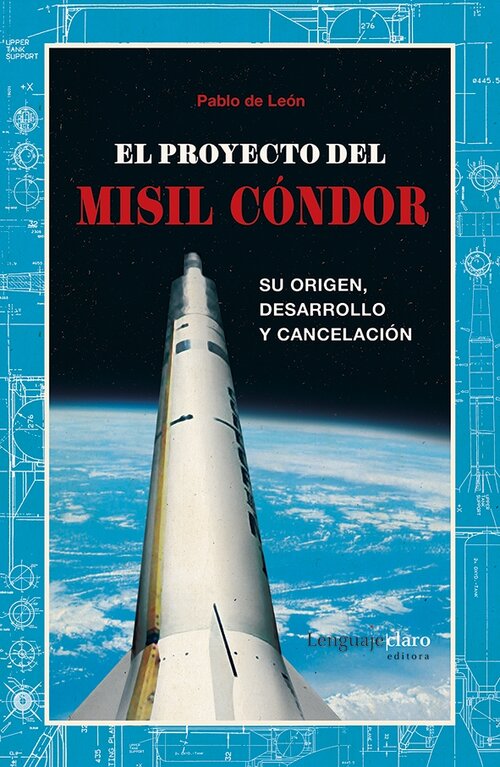
The most complete study on the Condor II missile project is a university thesis by Pablo de León, it has copyright but its access is public and free, in addition to the author's authorization to upload it to the internet, it can be downloaded for free from the University website.

You can download it from this link:

El Proyecto Misilístico Cóndor / The Condor Missile Project

Su Origen, Desarrollo y Cancelación / Its Origin, Development and Cancellation

Autor: Pablo de León / Author: Pablo de León

Tesis de Doctorado de la Universidad de San Andrés / Doctoral Thesis of the University of San Andrés


http://repositorio.udesa.edu.ar/jsp...F6IcSJY8prf6vxABhlh0FLNAAPMdMQrU7H39l8qmQ4jz8
I shared the work of Pablo de León in post 40 of this topic:

https://www.secretprojects.co.uk/threads/argentine-missile-projects.33307/
 
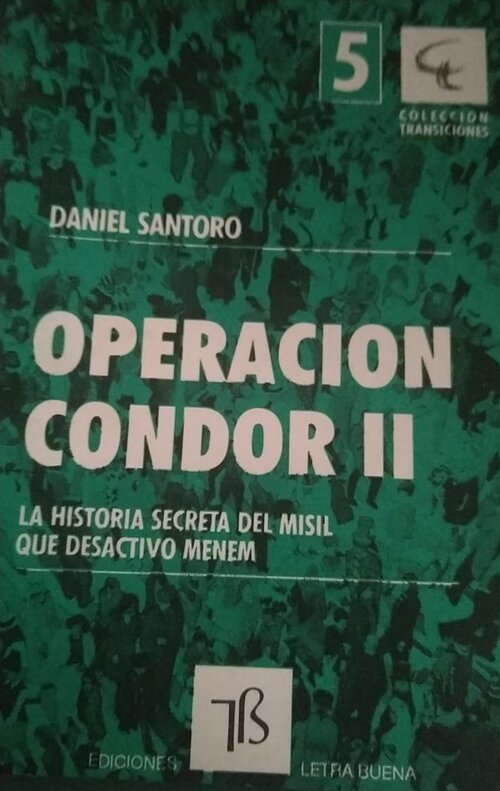
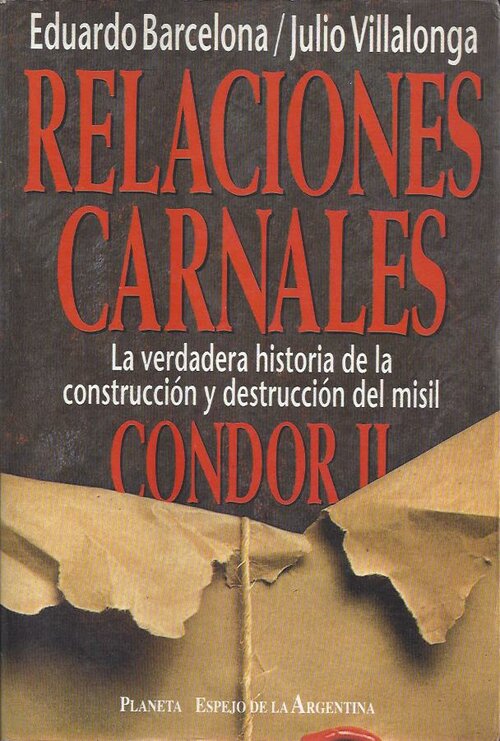
Some books published in Argentina about the Condor II.

The first two are from 1992, they talk more about the political part, the external pressures to cancel the project, etc.

The 3rd book, written by Pablo de León, is the most reliable, since almost 20 years after the cancellation of the project he was able to access more reliable sources and many of the military and civilians who participated in the project. Some with reserved identity
 

Attachments

  • EqHBQnyW4AMs4YD.jpg
    EqHBQnyW4AMs4YD.jpg
    131.5 KB · Views: 316
  • barcelona-villalonga-relaciones_carnales (1).jpg
    barcelona-villalonga-relaciones_carnales (1).jpg
    110.2 KB · Views: 41
  • El-proyecto-del-misil-Condor_web.jpg
    El-proyecto-del-misil-Condor_web.jpg
    440.9 KB · Views: 308
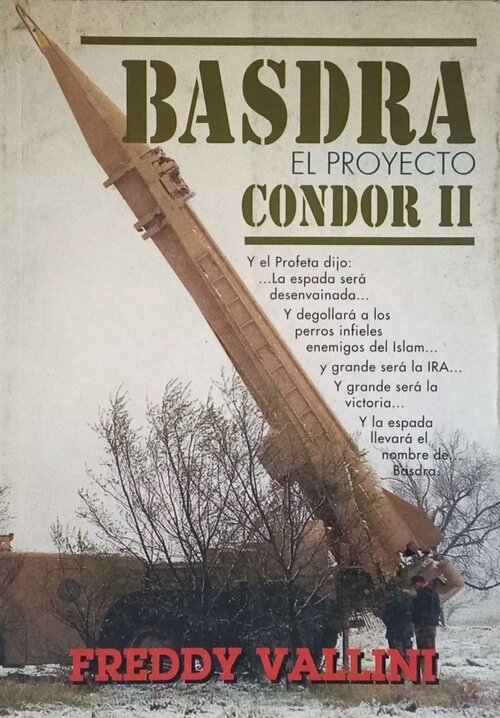
This other book is written as a spy novel, I have not read it yet, and the author participated in the project working for one of the weapons export/import companies of that time, so he was not subject to any military secrecy or obligation.
 

Attachments

  • thumbnail.jpg
    thumbnail.jpg
    216.2 KB · Views: 81
Last edited:
This is one of the first books published in Argentina about the Condor II. I uploaded it in two parts because its size does not allow me to upload the entire file

eqhbqnyw4ams4yd-jpg.718306
 

Attachments

  • Operación Condor II_Daniel Santoro_01-30.pdf
    9.2 MB · Views: 40
  • Operación Condor II_Daniel Santoro_31-65.pdf
    10.6 MB · Views: 37
El Proyecto Misilístico Cóndor / The Condor Missile Project

Su Origen, Desarrollo y Cancelación / Its Origin, Development and Cancellation

Autor: Pablo de León / Author: Pablo de León


Tesis de Doctorado de la Universidad de San Andrés / Doctoral Thesis of the University of San Andrés


el-proyecto-del-misil-condor_web-jpg.718308
 

Attachments

  • El Proyecto Misilistico Condor II - Pablo Gabriel de León.pdf
    7.4 MB · Views: 60
Hola, con Brasil y Corea del Norte no se firmó nada y tampoco hubo ningún tipo de cooperación. Brasil en esos años era el rival y una muy posible hipótesis de conflicto para la Argentina.
Tampoco se firmó con Irak, tampoco hay nada oficial, si hubo transferencia de tecnología fue vía Egipto.
"DEVELOPMENT OF SPARROW - TYPE MISSILE IN IRAQ ( Report by Roberto Godoy) The Al- Taw'Han [name as published) air -to- air missile on which 21 Brazilian experts hired by the HOP (Hugo de Oliveira Piva) company owned by Brigadier Hugo de Oliveira Piva have been working in Iraq prior to the invasion of Kuwait is not a light weapon like the Piranha missile developed in Brazil. In fact, it is a sophisticated supersonic interceptor with a range of 40 km . The Al- Taw'Han has a dual guidance system that combines precision radar and infrared heat sensors. It carries a 45-kg warhead. Initial test launchings were scheduled for December 1991 . Everything began in 1985 when Minister of Industry and Military Industrialization Kamil al-Majid (name as published ), son-in-law and cousin of President Saddam Hussain , decided to launch an ambitious program to develop air-to-air missiles, a field in which Iraq was totally dependent on foreign supplies. A British -trained arms engineer Ahmed Ayoub (name as published) was appointed project supervisor. He immediately received $40 million for initial investments in trained personnel and support equipment. Ayoub's local team designed a two-stage project. First, the team would get acquainted with the latest concepts for the construction of electronic weapons, and then it would produce two missiles. One would be a simple, defense missile with a maximum range of six km and a heat-seeking guidance system that would find its target by homing in on the heat generated by the turbines of an enemy plane. Such a missile would be produced in large quantities at the probable cost of $ 150,000 (quantity not specified ). At the same time the plan for manufacturing the Al- Taw'Han for selected use would be put into operation with the utmost secrecy. The Iraqi military engineers established the specifications for their missile, draw ng their inspiration from the U.S. AIM -7E Sparrow (Pardal), one of the most successful designs in this field. Presented in 1962 and constantly improved since then by its supplier, the Raytheon Company, 25,000 AIM -7E's have already been sold to seven countries other than the United States. In the United States the Sparrow continues to be part of the U.S. Air Force inventory as a medium -range interceptor. The configuration of the smaller missile was finally based on the Sidewinder I, quite possibly the most popular in the U.S. arsenal. This initial task took slightly over one year, a period during which the facilities to house the assembly lines were also built in Baghdad's military -industrial district. 217 By then, May 1987, a mission of Brazilian military industrialists and experts arrived in Iraq . Brigadier Piva, then chairman of the recently created Orbita Espacial — a partnership made up by Engesa ( Specialized Engineers, Inc.) (40 percent), Embraer [Brazilian Aeronautics Company) (40 percent), and a consortium , the minority shareholder ( 10 percent)—was carrying in his briefcase the short-range Piranha air-to -air missile which was undergoing aerodynamic tests. Engineer Ayoub heard out the proposal but declined an offer to supply him with a finished product. He said that he would rather offer the Brazilians a plan for binational cooperation. Back in his headquarters in Sao Jose dos Campos, Brigadier Piva tried to get the deal going. An internal squabble with Orbita Executive Vice President Vito Di Grassi compelled Piva to leave the company, although he did not leave this line of business. Even before setting up the HOP company, Hugo Piva was al ready discussing with Iraqi Government officials an advanced program for launching a reconnaissance satellite, an electronic spy. This idea did not work out, but the project to build air -to- air missiles was maintained . The following six months, until March 1988, were fraught with serious crises. Ahmed Ayoub fell into political disgrace and was charged with involvement with the leaders of semi-subversive guerrillas made up of Druze minority members. He left the country for Argentina where he obtained political asylum and where he works for the CITEFA (Armed Forces Scientific and Technical Research Center) a military technical research organization. In Brazil, the defense materiel manufacturing corporations were shaken by a crisis; they laid off thousands of employees and suspended production . Faced with a composition of creditors, those corporations decided to cut all links with the Bagh dad government, responsible for an overall debt of some $200 million. The debt was contracted, with no apparent intention of paying, with Avibras Aerospacial (Avibras Aerospace Industry, Inc. ), manufacturer of the Astros-2 rocket launcher, and with Engesa, which has exported more than 1,100 tanks to the Iraqi Army since 1978 . Within that confused environment, and talking directly with Minister al-Majid, Brig. Piva outlined the details for supplying a complete team of Brazilian technicians. Salaries were set at $6,500 , plus a $ 3,500 -bonus for the chiefs. Some benefit expenses include housing in a top -level compound, cars for personal use, other maintenance costs , and tickets for periodic visits to Brazil. Most of the 21 people recruit ed have lost their jobs because of the crisis. Piva participated in one of the first working meetings between the managers of the priority projects from the Military Industry Ministry and the coordinators of the foreign teams. "There were many Germans, French, Egyptians, and Argentines," he said. Two individuals linked to the authorities reported a few days later that they were called to a meeting at Kamil al-Majid's office. There, after brief preliminaries, they were made privy to a secret: the plans for the construction of the Al- Taw'Han missile. The design , showing a profile of the weapon, was on the conference table covered by reflective glass that prevented us, for example, from taking pictures or from scrutinizing it with a graphic microlaser. It was then clearly stated that the weapon would be the main exclusive objective of the contract, involving a multinational group of independent professionals. Piva considers it " possible that not all the Brazilians were aware of the final objective, given the secret nature of the project which implied manufacturing the missile in segments totally independent from each other. It is not easy to clearly ex plain that involvement. " Officially, none of the research institutes in Brazil have ever been involved in such a highly advanced project, " an FAB ( Brazilian Air Force) officer said yesterday. According to him, “ passing from the Piranha stage to a higher level is like trading in an ordinary car for a Ferrari: It takes some time to adapt, but since the operating principle is the same, at least basically, if the owner is talented, efficiency improves.' The Al- Taw'Han is a clear copy of the U.S. Sparrow, except for the dual guidance system , an uncommon solution. Guidance control is achieved by movable forward fins, controlled by on-board electronics. The Al- Taw'Han measures approximately 3.6 meters in length and 23 centimeters in diameter. It weighs 230 kg at the moment of firing and has a wing span of slightly more than one meter. Its 4,800km -per-hour speed allows it to reach the ideal point of impact less than 30 seconds after ignition . Immediately after launching, the missile is “ illuminated" by the carrier aircraft radar while the missile is reading its own data during the terminal guidance phase before engagement. The employment of this type of weapon on high -performance aircraft such as the Soviet MIG -29 received by Iraq over the past two years is a factor capable of guaranteeing the Iraqi Air Force a considerable increase in fire power and in airspace control. This means that the intercept squadrons of the air defense command can leave their secret desert bases flying 2.2 times the speed of sound and tracking possible intruders with the help of ground radars and the Iraqi Awacs. This gives them a capacity to kill the enemy long before visual contract. So far in the region this has been an exclusive capacity of the sophisticated Israeli Air Force and of the U.S. fighter aircraft deployed to the Middle East over the past six weeks."

Moreover on international involvement in the project:

https://www.google.co.nz/books/edit...xport_Financing_and/Ccb7Cfu6k9wC?hl=en&gbpv=0

I also don't understand your denial towards Egypts and Iraq's involvement, please read this:https://web.archive.org/web/20170822001048/https://fas.org/nuke/guide/iraq/missile/badr-2000.htm

"
Beginning in 1984 or 1985, Iraq started a cooperative effort with Egypt, and Argentina to develop a high-technology, two-stage missile system designed for a range of around 1,000 km, called the BADR 2000 in Iraq and Egypt and the Condor II by Argentina. This missile was to be built first as a two-stage rocket (solid fuel technology).


The two-stage version was 10.30 meters in length and 0.80 meters in diameter; it weighed approximately 4,800 kilograms. Unlike the Argentinean Condor-II, which had a solid-fuel engine in the first stage and a liquid-fuel engine in the second stage, Iraq favored solid-fuel engines in both stages. With this configuration, the payload is supposedly 350 kilograms, and the range approximately 1,000 kilometers.


A three-stage version was being discussed as a variation on this, where the first and second stages were to be equipped with solid fuel motors and the third stage with a liquid engine. The further development and future production of the liquid-fuel engine of the Argentine Condor-II second stage was being pursued in tandem with the Iraqi project. There is evidence that the two-stage version could be equipped with this engine as a third stage. Such a rocket would then be intended as a space delivery vehicle for limited payloads.


The program was supposed to be realized in close cooperation with the special organization, the Arab League Industrial Development Organisation (ALIDO), with its headquarters in Baghdad. The Egyptian Ministry of Defense, working with financiers from Iraq, contracted with the Argentines to produce the missile. Argentina was to provide the development of the production site, Iraq was to put up the financing, and Egypt was to procure the technology. A consortium of mostly European firms handled various portions of the project. Over a dozen US firms were directly involved in Project 395. The equiment and technology suplied by US firms involved in Project 395 were used to construct part of the infrastructure (e.g. buildings, utilities, fortification, etc.) necessary for Iraq to mass produce the Condor II missile."


"
 
"DEVELOPMENT OF SPARROW - TYPE MISSILE IN IRAQ ( Report by Roberto Godoy) The Al- Taw'Han [name as published) air -to- air missile on which 21 Brazilian experts hired by the HOP (Hugo de Oliveira Piva) company owned by Brigadier Hugo de Oliveira Piva have been working in Iraq prior to the invasion of Kuwait is not a light weapon like the Piranha missile developed in Brazil. In fact, it is a sophisticated supersonic interceptor with a range of 40 km . The Al- Taw'Han has a dual guidance system that combines precision radar and infrared heat sensors. It carries a 45-kg warhead. Initial test launchings were scheduled for December 1991 . Everything began in 1985 when Minister of Industry and Military Industrialization Kamil al-Majid (name as published ), son-in-law and cousin of President Saddam Hussain , decided to launch an ambitious program to develop air-to-air missiles, a field in which Iraq was totally dependent on foreign supplies. A British -trained arms engineer Ahmed Ayoub (name as published) was appointed project supervisor. He immediately received $40 million for initial investments in trained personnel and support equipment. Ayoub's local team designed a two-stage project. First, the team would get acquainted with the latest concepts for the construction of electronic weapons, and then it would produce two missiles. One would be a simple, defense missile with a maximum range of six km and a heat-seeking guidance system that would find its target by homing in on the heat generated by the turbines of an enemy plane. Such a missile would be produced in large quantities at the probable cost of $ 150,000 (quantity not specified ). At the same time the plan for manufacturing the Al- Taw'Han for selected use would be put into operation with the utmost secrecy. The Iraqi military engineers established the specifications for their missile, draw ng their inspiration from the U.S. AIM -7E Sparrow (Pardal), one of the most successful designs in this field. Presented in 1962 and constantly improved since then by its supplier, the Raytheon Company, 25,000 AIM -7E's have already been sold to seven countries other than the United States. In the United States the Sparrow continues to be part of the U.S. Air Force inventory as a medium -range interceptor. The configuration of the smaller missile was finally based on the Sidewinder I, quite possibly the most popular in the U.S. arsenal. This initial task took slightly over one year, a period during which the facilities to house the assembly lines were also built in Baghdad's military -industrial district. 217 By then, May 1987, a mission of Brazilian military industrialists and experts arrived in Iraq . Brigadier Piva, then chairman of the recently created Orbita Espacial — a partnership made up by Engesa ( Specialized Engineers, Inc.) (40 percent), Embraer [Brazilian Aeronautics Company) (40 percent), and a consortium , the minority shareholder ( 10 percent)—was carrying in his briefcase the short-range Piranha air-to -air missile which was undergoing aerodynamic tests. Engineer Ayoub heard out the proposal but declined an offer to supply him with a finished product. He said that he would rather offer the Brazilians a plan for binational cooperation. Back in his headquarters in Sao Jose dos Campos, Brigadier Piva tried to get the deal going. An internal squabble with Orbita Executive Vice President Vito Di Grassi compelled Piva to leave the company, although he did not leave this line of business. Even before setting up the HOP company, Hugo Piva was al ready discussing with Iraqi Government officials an advanced program for launching a reconnaissance satellite, an electronic spy. This idea did not work out, but the project to build air -to- air missiles was maintained . The following six months, until March 1988, were fraught with serious crises. Ahmed Ayoub fell into political disgrace and was charged with involvement with the leaders of semi-subversive guerrillas made up of Druze minority members. He left the country for Argentina where he obtained political asylum and where he works for the CITEFA (Armed Forces Scientific and Technical Research Center) a military technical research organization. In Brazil, the defense materiel manufacturing corporations were shaken by a crisis; they laid off thousands of employees and suspended production . Faced with a composition of creditors, those corporations decided to cut all links with the Bagh dad government, responsible for an overall debt of some $200 million. The debt was contracted, with no apparent intention of paying, with Avibras Aerospacial (Avibras Aerospace Industry, Inc. ), manufacturer of the Astros-2 rocket launcher, and with Engesa, which has exported more than 1,100 tanks to the Iraqi Army since 1978 . Within that confused environment, and talking directly with Minister al-Majid, Brig. Piva outlined the details for supplying a complete team of Brazilian technicians. Salaries were set at $6,500 , plus a $ 3,500 -bonus for the chiefs. Some benefit expenses include housing in a top -level compound, cars for personal use, other maintenance costs , and tickets for periodic visits to Brazil. Most of the 21 people recruit ed have lost their jobs because of the crisis. Piva participated in one of the first working meetings between the managers of the priority projects from the Military Industry Ministry and the coordinators of the foreign teams. "There were many Germans, French, Egyptians, and Argentines," he said. Two individuals linked to the authorities reported a few days later that they were called to a meeting at Kamil al-Majid's office. There, after brief preliminaries, they were made privy to a secret: the plans for the construction of the Al- Taw'Han missile. The design , showing a profile of the weapon, was on the conference table covered by reflective glass that prevented us, for example, from taking pictures or from scrutinizing it with a graphic microlaser. It was then clearly stated that the weapon would be the main exclusive objective of the contract, involving a multinational group of independent professionals. Piva considers it " possible that not all the Brazilians were aware of the final objective, given the secret nature of the project which implied manufacturing the missile in segments totally independent from each other. It is not easy to clearly ex plain that involvement. " Officially, none of the research institutes in Brazil have ever been involved in such a highly advanced project, " an FAB ( Brazilian Air Force) officer said yesterday. According to him, “ passing from the Piranha stage to a higher level is like trading in an ordinary car for a Ferrari: It takes some time to adapt, but since the operating principle is the same, at least basically, if the owner is talented, efficiency improves.' The Al- Taw'Han is a clear copy of the U.S. Sparrow, except for the dual guidance system , an uncommon solution. Guidance control is achieved by movable forward fins, controlled by on-board electronics. The Al- Taw'Han measures approximately 3.6 meters in length and 23 centimeters in diameter. It weighs 230 kg at the moment of firing and has a wing span of slightly more than one meter. Its 4,800km -per-hour speed allows it to reach the ideal point of impact less than 30 seconds after ignition . Immediately after launching, the missile is “ illuminated" by the carrier aircraft radar while the missile is reading its own data during the terminal guidance phase before engagement. The employment of this type of weapon on high -performance aircraft such as the Soviet MIG -29 received by Iraq over the past two years is a factor capable of guaranteeing the Iraqi Air Force a considerable increase in fire power and in airspace control. This means that the intercept squadrons of the air defense command can leave their secret desert bases flying 2.2 times the speed of sound and tracking possible intruders with the help of ground radars and the Iraqi Awacs. This gives them a capacity to kill the enemy long before visual contract. So far in the region this has been an exclusive capacity of the sophisticated Israeli Air Force and of the U.S. fighter aircraft deployed to the Middle East over the past six weeks."

Moreover on international involvement in the project:

https://www.google.co.nz/books/edit...xport_Financing_and/Ccb7Cfu6k9wC?hl=en&gbpv=0

I also don't understand your denial towards Egypts and Iraq's involvement, please read this:https://web.archive.org/web/20170822001048/https://fas.org/nuke/guide/iraq/missile/badr-2000.htm

"
Beginning in 1984 or 1985, Iraq started a cooperative effort with Egypt, and Argentina to develop a high-technology, two-stage missile system designed for a range of around 1,000 km, called the BADR 2000 in Iraq and Egypt and the Condor II by Argentina. This missile was to be built first as a two-stage rocket (solid fuel technology).


The two-stage version was 10.30 meters in length and 0.80 meters in diameter; it weighed approximately 4,800 kilograms. Unlike the Argentinean Condor-II, which had a solid-fuel engine in the first stage and a liquid-fuel engine in the second stage, Iraq favored solid-fuel engines in both stages. With this configuration, the payload is supposedly 350 kilograms, and the range approximately 1,000 kilometers.


A three-stage version was being discussed as a variation on this, where the first and second stages were to be equipped with solid fuel motors and the third stage with a liquid engine. The further development and future production of the liquid-fuel engine of the Argentine Condor-II second stage was being pursued in tandem with the Iraqi project. There is evidence that the two-stage version could be equipped with this engine as a third stage. Such a rocket would then be intended as a space delivery vehicle for limited payloads.


The program was supposed to be realized in close cooperation with the special organization, the Arab League Industrial Development Organisation (ALIDO), with its headquarters in Baghdad. The Egyptian Ministry of Defense, working with financiers from Iraq, contracted with the Argentines to produce the missile. Argentina was to provide the development of the production site, Iraq was to put up the financing, and Egypt was to procure the technology. A consortium of mostly European firms handled various portions of the project. Over a dozen US firms were directly involved in Project 395. The equiment and technology suplied by US firms involved in Project 395 were used to construct part of the infrastructure (e.g. buildings, utilities, fortification, etc.) necessary for Iraq to mass produce the Condor II missile."


"
More on international involvement in this project can be found here: https://books.google.ba/books?id=Fk5ABu6WVgcC&printsec=frontcover#v=onepage&q&f=false
 
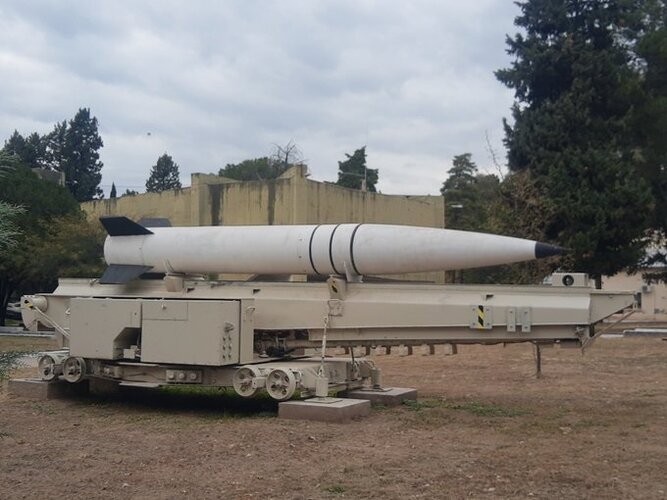
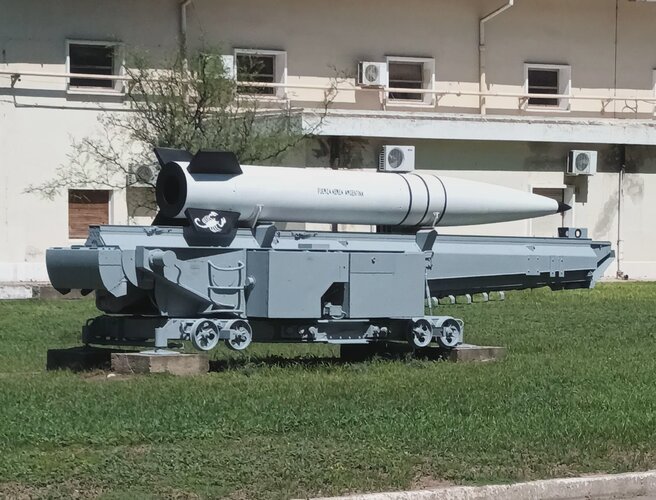
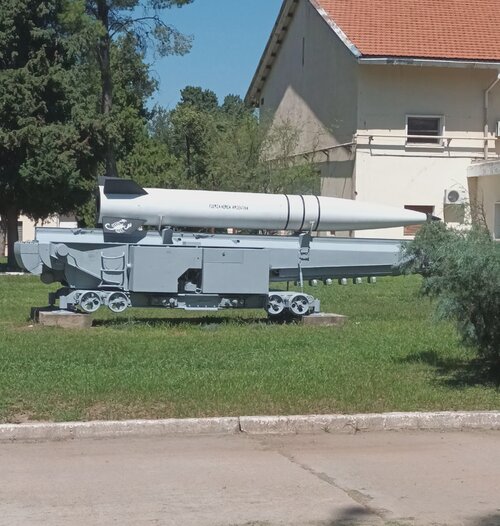
In one of the gardens of the Argentine Air Force Applied Research Center, the "Alacran I" Heavy Artillery Rocket stands as a Gate Guardian and a testament to a great past. If you drive along Fuerza Aerea Argentina Avenue, from the city of Villa Carlos Paz to the city of Córdoba, you can see it before reaching FAdeA.

The Alacran is mounted on its upper trailer, which slides on eight wheels. This trailer, in turn, was mounted on the lower two-axle cart or trailer and towed by a 4x4 MAN truck. Added to this were the mission command and control shelters and the technical support shelter, all on 6x6 MAN trucks.

The launch pedestal was raised by hydraulic and electrical systems.

If the Alacran had this, the Condor II moved like the Pershing II with MAN technology... just a little bigger.
 

Attachments

  • Alacran 1.jpg
    Alacran 1.jpg
    94.4 KB · Views: 284
  • 20250319_130516.jpg
    20250319_130516.jpg
    873.1 KB · Views: 277
  • 20250319_130443.jpg
    20250319_130443.jpg
    2 MB · Views: 279
Hi Guys,

This is my first post but not the first time I go through this magnificent forum, I've just published my first article as part of my six-year ongoing investigation for my book regarding Condor missile project. Some of the information and conclusions of my current work has been inspired by what you guys have discussed here and I thank you for that.

Here's the link to It (in spanish) but I'll also shared a translated version to keep here.

https://gordosdefensa.com/proyecto-condor-ii-argentina-verdadera-genesis-misil/

The Myth of Reaction: The True Genesis of the Condor Missile Program​


This article previews findings from an ongoing investigation into the origins of the Condor II program. Due to its journalistic format, it does not reproduce here the full apparatus of sources, archives, and interviews — including Brazilian and British intelligence documentation — that underpins each claim; that documentary evidence will be published in full detail in the book that will grow out of this work.


Argentine historiography settled on a linear, narrow account of the development of its missile technology: the Condor II program is said to have been a reactive response, a desperate postwar attempt to restore deterrence after the military defeat in the Falklands in 1982.


Yet the documentary record of intelligence agencies — including declassified British and Brazilian files — traces an autonomous timeline, disconnected from wartime urgency. These files describe a long-range technology-transfer plan in which public discourse and the infrastructure's actual use ran on separate tracks: outwardly, a scientific satellite-injection program; behind closed doors, the redirection of that capability toward a medium-range ballistic missile. The Argentine Air Force (FAA) was not seeking a "turnkey" weapon, but rather sought to place the country among the select club of nations with advanced development capability.


To that end, Argentina built strategic ties with European consortia under engineering oversight controlled from Germany, operating at the margins of Cold War restrictions. Condor II was not born of 1982; it was the outcome of a technology-insertion strategy designed to exploit gaps in the European arms industry. Argentina sought the sovereign capability that made the missile possible, positioning itself as a development node in a heavily regulated market. Far from a survival narrative, the program was a demonstration of ambition: a "surrogate womb" for cutting-edge weaponry whose counterparts remain in service around the world today.


The Foundations: The German Connection and Dual-Use Doctrine​


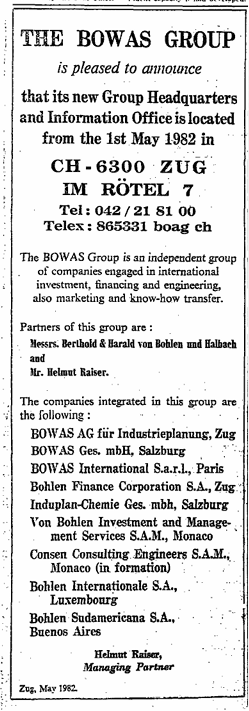
In 1976, the Bohlen industrial family began expanding its arms empire into the developing world with the backing of the West German federal government, deepening a strategic alignment between Germany and Argentina that included programs such as the Navy's naval platforms, the IA-63 "Pampa" trainer aircraft, and the Argentine Medium Tank (TAM). These agreements pursued substantial technology transfer that would let Argentina compete in the international arms market, reviving the autonomist logic associated with Generals Mosconi and Savio. Argentine interest in rocketry dated back to the 1940s and had matured in the 1960s through exchanges with NASA and a visit by Wernher von Braun, which trained the Institute for Aeronautical and Space Research (IIAE) in solid-fuel vectors.


In 1969, Argentina signed an agreement with the West German aerospace agency DFVLR, a framework that institutionalized the later Satellization Plan. Although the public goal was placing satellites into orbit, the underlying scientific competencies were identical in their dual-use nature to military ones. Until then, IIAE's domestic production of sounding rockets relied on immature methods and machinery adapted from the food industry.


1974–1979: The Strategic Turning Point​


Two milestones in 1974 reshaped the landscape:


  • The regional factor: the IIAE developed the SS-40 artillery rocket, demonstrated to Libya. Its inadequate performance cost Argentina the Libyan contract, which went instead to the Brazilian arms industry — an opportunity Brazil capitalized on to launch its own successful ASTROS family of rocket launchers.
  • The global factor: India's nuclear test ("Smiling Buddha") triggered a tightening of export controls by the leading powers, layering nuclear restrictions on top of aerospace ones.

The FAA stayed the course. The 1972 "Tasso report" laid down the first lines for a surface-to-surface vector, consolidated in 1979 in the "Alvarisqueta report." This document outlined the need for a ballistic missile with a 2,000 km range, a tactical missile, and a stand-off guided bomb, in line with NATO's contemporary conventional-weapons doctrines.


Financing this ambition strained Argentina's fragile domestic finances through a complex architecture of credit. Far from resting on straightforward budget allocations or direct operating expenditures of hundreds of millions of dollars, the financial scaffolding was camouflaged under the umbrella of the German export credit insurance scheme known as Hermes — the mechanism called Hermesbürgschaften, originally tied to the development of the Pampa aircraft alongside Dornier and DFVLR. In this way, the FAA drew on its own credit line worth close to USD 600 million, a hidden liability whose secret decrees would only begin to be declassified decades later, as a condition in the Paris Club negotiations to recognize the outstanding debts of that era.


The Corporate Architecture and the Open Secret​


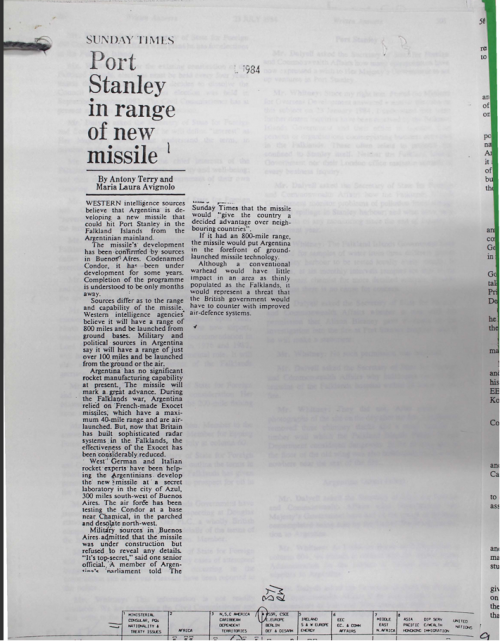
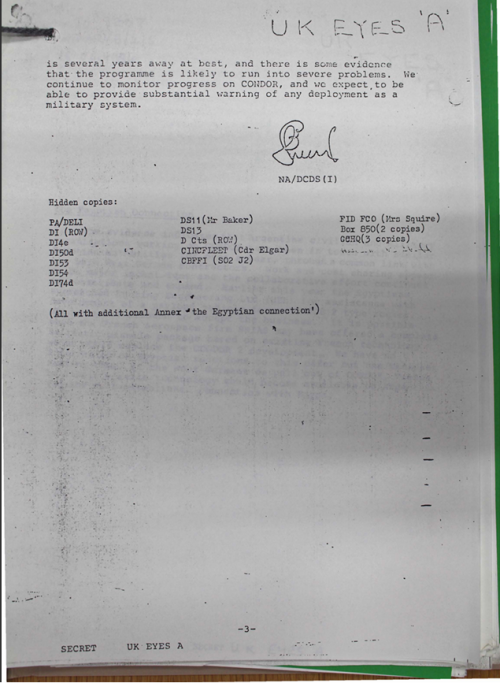
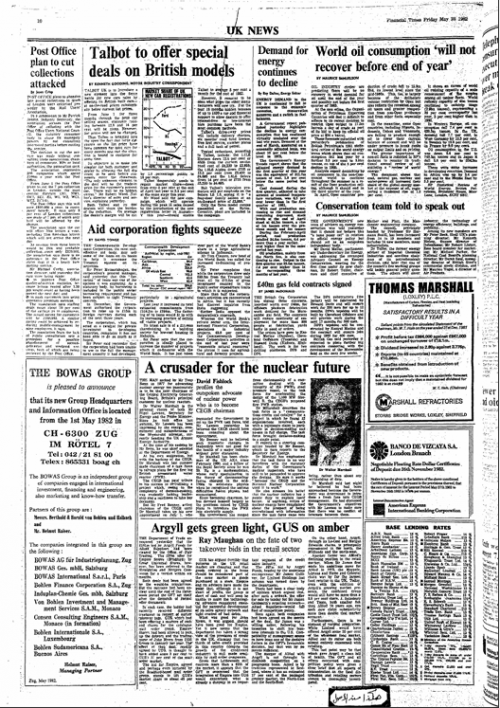
The program's ownership structure reveals a design meant to sidestep controls. The Air Force never allocated an explicit budget line for the purchase of "Condor missiles"; the records show only salaries and operating expenses for infrastructure. The rocket motors produced legally belonged to INTESA, a joint venture created with the aim of exporting the finished weapons systems. In May 1982, in the middle of the war, Bohlen group subsidiaries were already circulating commercial brochures advertising their capabilities tied to the program. This was not a leak; it was explicit corporate advertising that the mainstream press failed to pick up as news until the Sunday Times article of July 1984.


This network brushed up, in a confirmed way, against the nuclear and scientific-technological industry. As for how that link began, only a testimonial account exists so far: a nuclear executive at Pilcaniyeu recalls that a senior FAA officer approached him to request help manufacturing the solid-booster casings, under the none-too-discreet premise of building "a missile for the Arabs" — deliberately omitting dates and names out of a fear that would later extend to Western and Israeli intelligence services after 1987, and presumably also to the social condemnation of the local scientific community, in what I call part of "INVAP's dark history."


But the outcome of that link no longer rests on this anecdote alone: the United States' own intelligence analysis records that INVAP manufactured the program's first booster bodies, and Ing. De León — independently — cites an approximate number of units produced. The convergence between a foreign intelligence source and a local researcher, with no apparent connection between the two, elevates this from an isolated testimony to a corroborated fact. That same equipment — used for rolling and welding the casing sheets — was later transferred to Bertolina/DosTec, suggesting that production capacity did not remain static with a single supplier but migrated as the program matured industrially.


Something with a different kind of verifiable backing is the training link: the résumés of several program engineers list training in computer systems at the Balseiro Institute in 1983. That training role, however, was not tied to trajectory calculations or vector simulation, critical engineering tasks that were carried out centrally at the Falda del Carmen plant. Even with that functional caveat, the picture that emerges between the casing manufacturing and the technical training confirms a real institutional cooperation network with the Bariloche scientific circuit, well before Egypt's formal entry into the consortium in 1985.


The War as an Interruption, Not an Origin​


Between 1980 and April 1982, technical commissions were selecting suppliers across Europe, the United States, and Israel for the project's most critical components, sending dozens of engineers abroad for training under the cover of the existing agreements between the IIAE and the DFVLR. In the midst of building the solid-motor production plant at Falda del Cañete — deliberately christened "Falda del Carmen" to throw off foreign intelligence, despite not being near that actual town — April 2, 1982 arrived.


That day, following a nearly bloodless landing, the Argentine flag once again flew over the Falklands: no longer Port Stanley, but Puerto Argentino, for the following 79 days. Direct combat with the United Kingdom ended in military defeat and suspended much — though not all — of the military modernization programs. Shortly before the war, the FAA had begun an extensive upgrade of its IAI Dagger fighter-bombers — acquired in 1978 — with assistance from British firms, and was holding advanced talks to bring in another batch of BAC Canberra light bombers, and even the Avro Vulcan bombers that the UK itself would use during the conflict to strike the airfield's runway and the air-defense systems deployed in the area.


Some time after the surrender, the Air Force General Staff created the planning group "Fuerza Aérea 2000," a think tank meant to chart the institution's future toward the turn of the century, as recorded by De León and Daniel Blinder. It was in that setting that the circle of officers aware of the Condor program widened, and where the idea gained traction of redirecting what had until then been a scientific sounding-rocket and satellite-injection project toward a medium-range ballistic missile capable of reaching the newly announced Mount Pleasant air base, whose construction had already been announced.


Key institutional note: this internal-use hypothesis never translated into the administrative step that would have confirmed operational intent: formally incorporating the vector into the Air Force's Order of Battle (ORBAT).


The project was affected during the armed conflict in several ways: much of its military personnel was reassigned to the war effort, and although the scientific and technical staff based in Germany faced no major setbacks, cooperation with contractors and suppliers was not fully restored until around October 1982. British companies and scientific institutions remained key parts of the machinery, exactly as had been set out nearly three years earlier — which already foreshadows that the war interrupted the program, but neither redirected nor originated it.


The United Kingdom: From Transonic Simulation to Direct Chemical Supply​


Under this reading, the Falklands War did not function as a catalyst or an accelerator for the program. Scientific exchanges and the supply of technology through MBB or DFVLR were strictly suspended between April and October 1982, only to fully normalize afterward. This demythologizes the United Kingdom's role as a monolithic enemy of the program; on the contrary, European commercial channels positioned it as an active collaborator and supplier that was involved in the vector's most sensitive components.


On one hand, Argentine and MBB engineers regularly used the transonic wind tunnels at the Royal Aircraft Establishment (RAE) in Farnborough for the aerodynamic analysis of the tactical artillery missile and the hypersonic vector intended for the MRBM (Medium-Range Ballistic Missile).


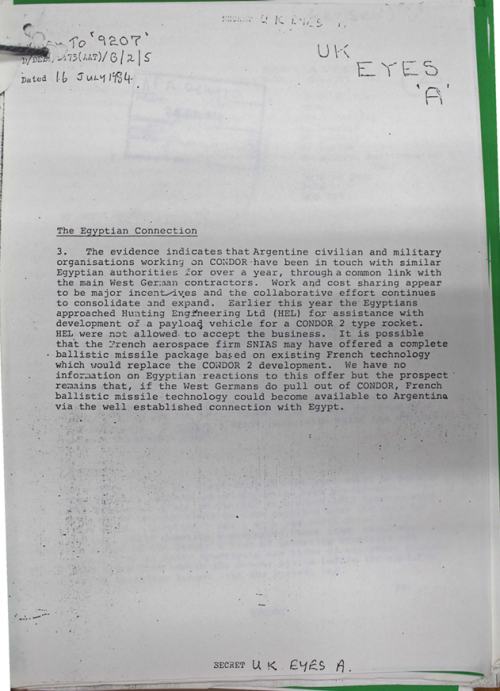
On the other, British involvement pierced the boundary of military chemistry: it is documented that the United Kingdom sold, through the Italian firm SNIA, the very same industrial mixers for solid propellant that ended up installed at Falda del Carmen, in Egypt, and in Iraq. More critically still, London was directly responsible for transferring — to Argentina alone — the formulation for carboxyl-terminated polybutadiene (CTPB), the propellant originally intended for the Alacrán and Tábano vectors; Egypt, by contrast, developed its own solid propellant through the French firm SNPE, for its own tactical missile that competed with — rather than complemented — the Argentine project on that specific front. According to statements from the program's own engineers, that transfer to Argentina was carried out through corporate secrecy, via an MBB subsidiary based in the island of Jersey, thereby circumventing export directives under the very jurisdiction of the British Crown.


The claim that Condor II was never actually conceived as a weapon of issue for the South Atlantic theater finds additional support in one institutional fact: as far as the available documentation allows one to reconstruct, the Air Force never issued a formal requirement to incorporate the missile into its Order of Battle (ORBAT). This normative absence is consistent with the idea that the vector was neither born nor developed as a weapon for the force's own arsenal, but rather as a technological and industrial development aimed at the export market — though, like any argument from absence, this data point is more a supporting indicator than a self-sufficient proof.


Meanwhile, regional and global intelligence services already had the project fully mapped out:


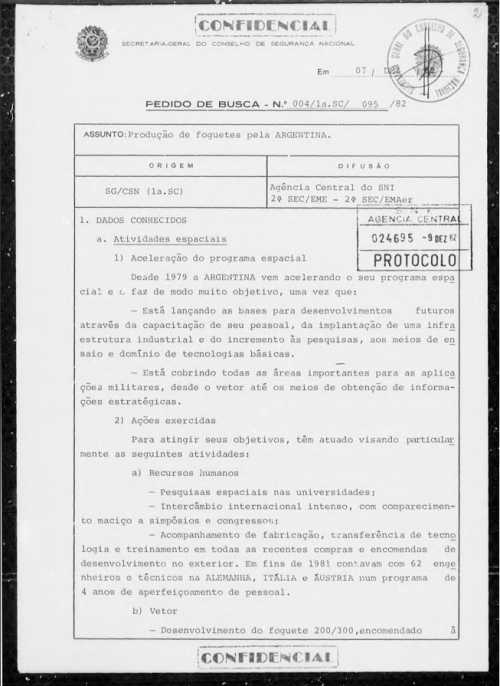
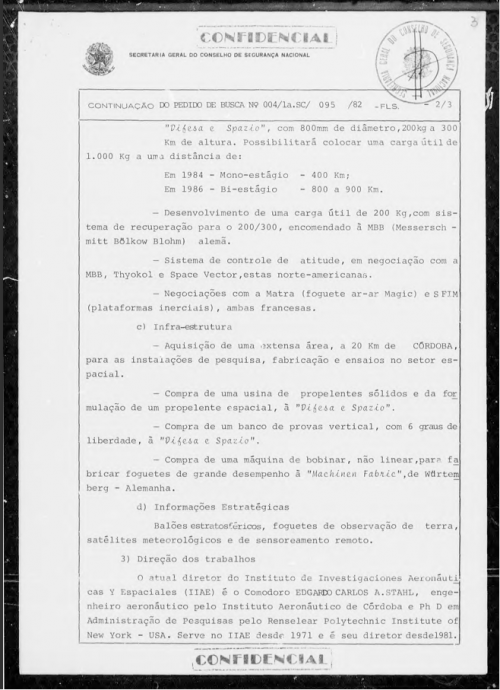
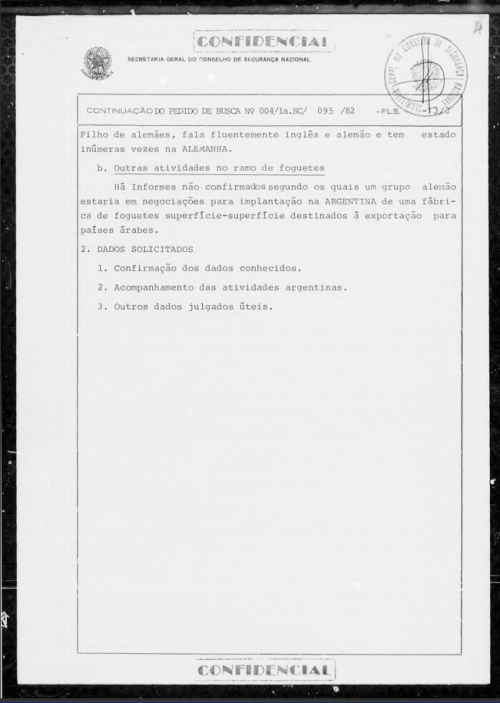
  • The Brazilian report (December 1982): document "004/1a. SC/095/82," from the General Secretariat of Brazil's National Security Council, accurately identified the purchase of land at Falda del Cañete and the training of 61 engineers in Germany, Austria, and Italy. It attributed to SNIA-BPD (Difesa & Spazio) and MBB the development of an 800 mm-diameter vector with projected ranges of up to 900 km in a two-stage configuration. The report closed with an accurate warning: that a German group was negotiating to set up a surface-to-surface missile factory in Argentina for export to the Arab world.
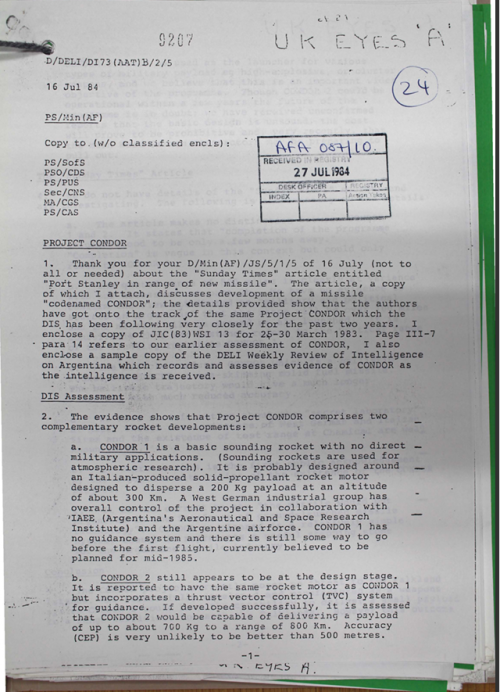
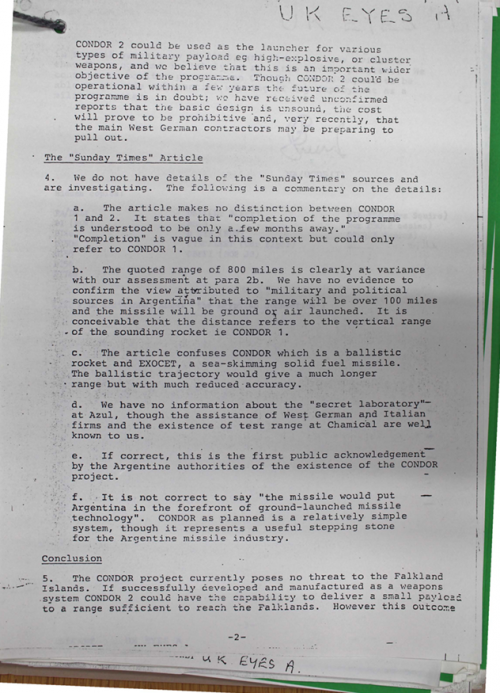
  • London's view (1984): following the Sunday Times' alarmist 1984 article warning of an imminent missile threat to the islands, internal Foreign Office analyses and the briefing sent to Rex Hunt downplayed the urgency, calling the warning "exaggerated." The British documents reveal full awareness of the scheme: they knew cooperation was being triangulated through German firms and had identified early on that Egypt was seeking to develop the re-entry vehicle through Hunting Engineering (a contract specifically vetoed by the United Kingdom).

The Macro-Geopolitical Context and the Outcome​


Egypt formally joined via Presidential Decree "S" 604 in April 1985, by which time international intelligence already took its role for granted. During its most active phase, Condor operated under a financial engineering of "political credit" underwritten by the Arab League.


Consequently, the program's downfall was not the result of a monolithic British diplomatic push following the 1982 war. The collapse of Condor II was the direct consequence of a systemic paradigm shift in the global order between 1987 and 1988 — a process that begins with, but is not exhausted by, the creation of the Missile Technology Control Regime (MTCR) in April 1987.


For years, Washington and London had turned a blind eye to the program's triangulation networks because they indirectly served Saddam Hussein's Iraq in containing Iran; the MTCR was born, in that context, as a regime still lax in its enforcement — more a signal of intent than an effective cordon. What finally turned it into an instrument of force were the two events that followed:


  1. The INF Treaty (December 1987): signed between the US and the USSR, it outlawed intermediate-range missiles held by the superpowers and stripped away the doctrinal cover for any similar-range program held by third countries.
  2. The end of the Iran–Iraq War (August 1988): this removed Condor's last tacit strategic justification in the eyes of Washington and London.

Once Saddam Hussein redirected his threatening gaze toward Israel and his former Arab League allies, and as Western and Soviet powers were dismantling their own intermediate-range arsenals, Condor II went from being a tolerated development to an intolerable anomaly. The MTCR, born a year earlier as little more than a dead letter, only then became the legal and punitive vise that choked off the supply chains of the FAA and its partners, forcing the network's dismantlement and Egypt's definitive alignment with Washington — leaving the Argentine program without political cover or financial sustainability.


It is worth noting, however, that the British role in this final stage should not be oversimplified either. The available documentation suggests that Margaret Thatcher had no particular or personal interest in Condor; the most decisive British push came only under her successor at 10 Downing Street, and intensified markedly after the 1991 Gulf War. It was at that point — with Iraqi ballistic missiles already a demonstrated threat to Israel and to Western troops — that London decided to actively join the American effort to definitively shut down the Argentine program. Washington, for its part, openly declared that its goal was to prevent Argentina from achieving the capability to develop an IRBM (Intermediate-Range Ballistic Missile, with a range greater than the MRBM Condor had demonstrated up to that point) before that technological leap became irreversible.


Conclusions​


Condor II was not the weapon Argentina built to answer a defeat, but the one it was already designing to gain entry to a market; the 1982 war did not originate it — it merely interrupted it for a few months. Behind the facade of a sounding rocket that never flew lay a corporate structure designed to dodge controls, a client that arrived late on borrowed credit, and a network of European suppliers that sustained the project well beyond any boundary formal diplomacy would recognize.


Its end, too, was not London's doing: it was killed, between 1987 and 1991, by the very international order Argentina had spent fifteen years learning to dodge — and by the technological challenges the program never managed to overcome.

 

Attachments

  • Captura de pantalla 2026-07-12 120019.png
    Captura de pantalla 2026-07-12 120019.png
    540.6 KB · Views: 12
  • Captura de pantalla 2026-07-12 120031.png
    Captura de pantalla 2026-07-12 120031.png
    548.3 KB · Views: 9
  • Captura de pantalla 2026-07-12 120349.png
    Captura de pantalla 2026-07-12 120349.png
    339.7 KB · Views: 5
  • Captura de pantalla 2026-07-13 151146.png
    Captura de pantalla 2026-07-13 151146.png
    806.3 KB · Views: 4
  • Captura de pantalla 2026-07-13 151407.png
    Captura de pantalla 2026-07-13 151407.png
    843.6 KB · Views: 4
  • Captura de pantalla 2026-07-13 151418.png
    Captura de pantalla 2026-07-13 151418.png
    855.1 KB · Views: 3
  • Captura de pantalla 2026-07-13 151431.png
    Captura de pantalla 2026-07-13 151431.png
    601.2 KB · Views: 3
  • Captura de pantalla 2026-07-13 151444.png
    Captura de pantalla 2026-07-13 151444.png
    667.4 KB · Views: 3
  • Captura de pantalla 2026-07-13 152028.png
    Captura de pantalla 2026-07-13 152028.png
    675.2 KB · Views: 3
  • Captura de pantalla 2026-07-13 152100.png
    Captura de pantalla 2026-07-13 152100.png
    172.3 KB · Views: 3
  • Captura de pantalla 2026-07-13 152241.png
    Captura de pantalla 2026-07-13 152241.png
    721.9 KB · Views: 7
Back
Top Bottom