- Joined
- 21 January 2015
- Messages
- 15,077
- Reaction score
- 24,412

After a potential space debris impact, the Shenzhou-20 spaceship, currently docked with China's space station, will make an uncrewed return to Earth, according to Ji Qiming, a project spokesperson with the country's manned space program.
Ryan Caton
@dpoddolphinpro
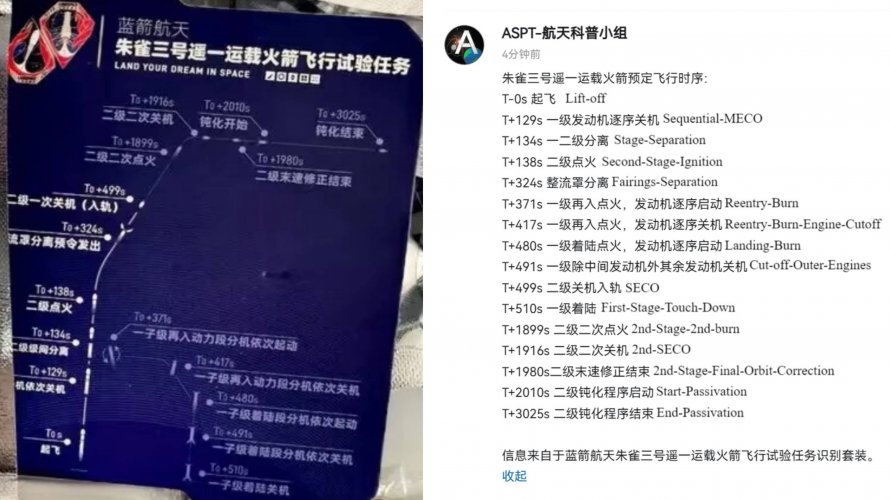
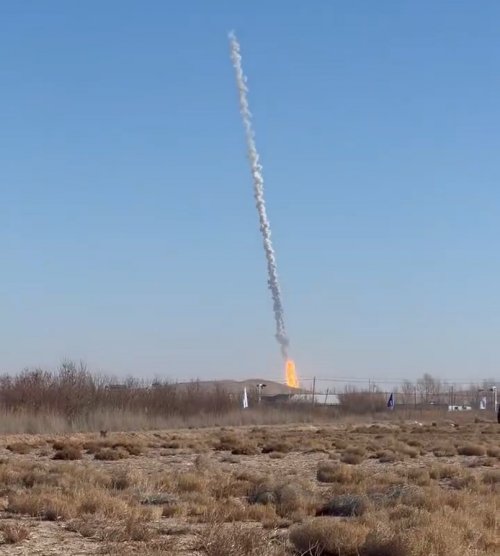
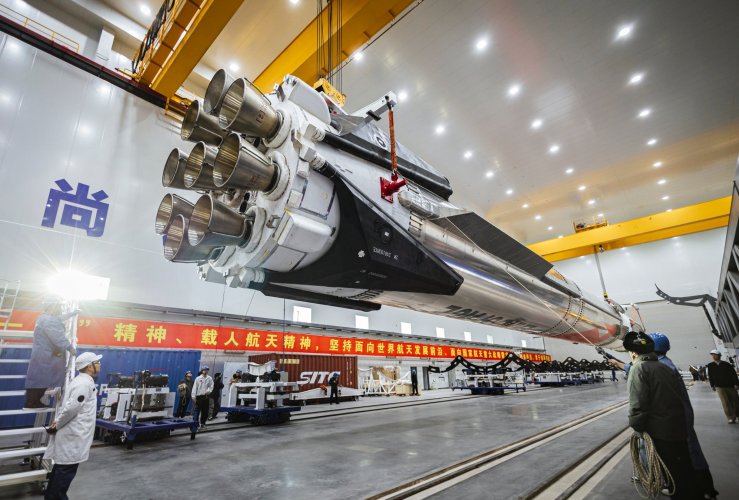
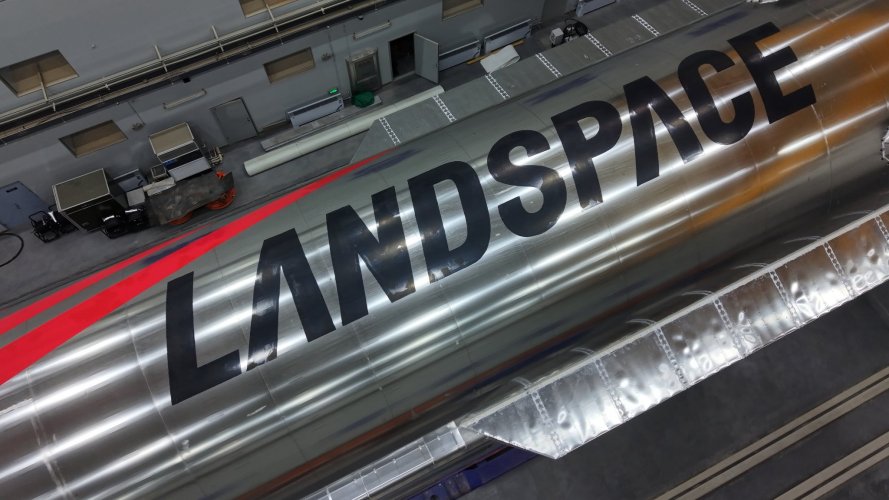
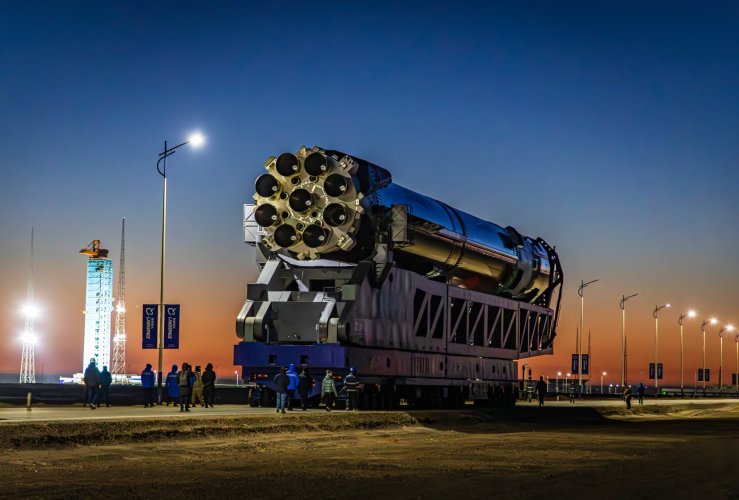
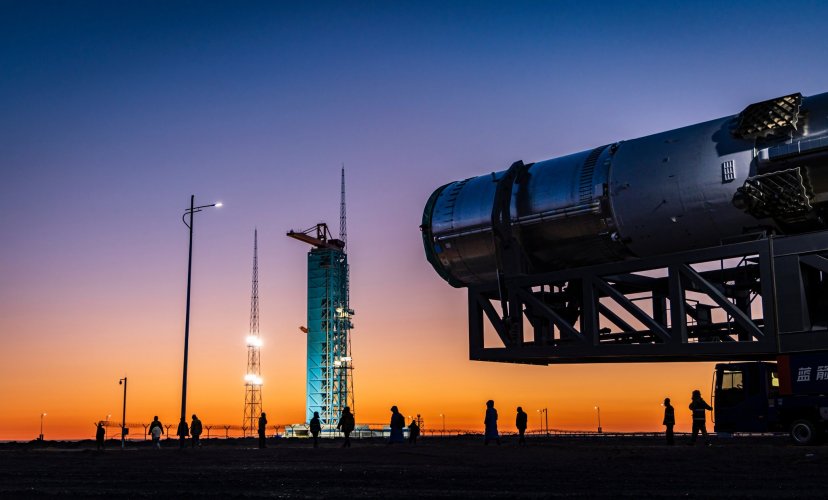
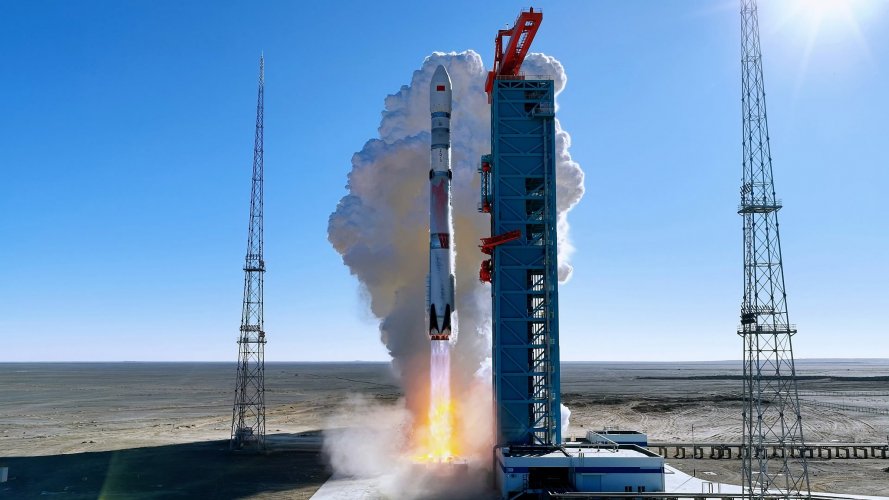
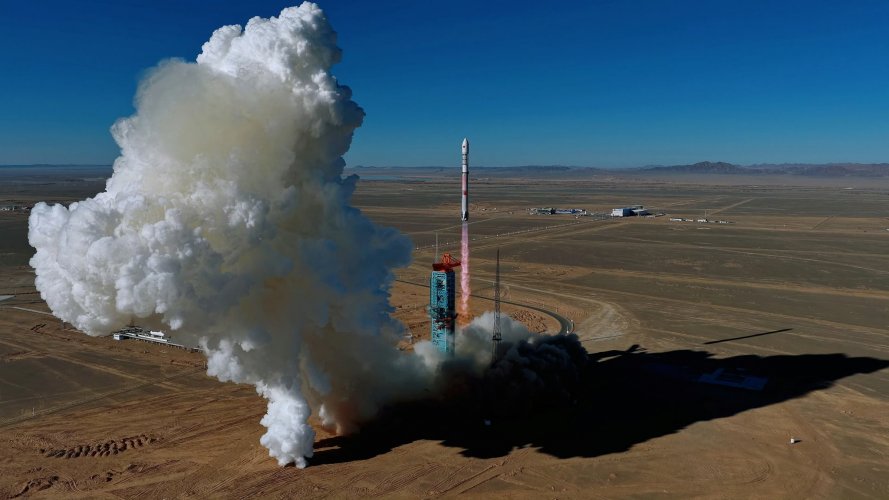
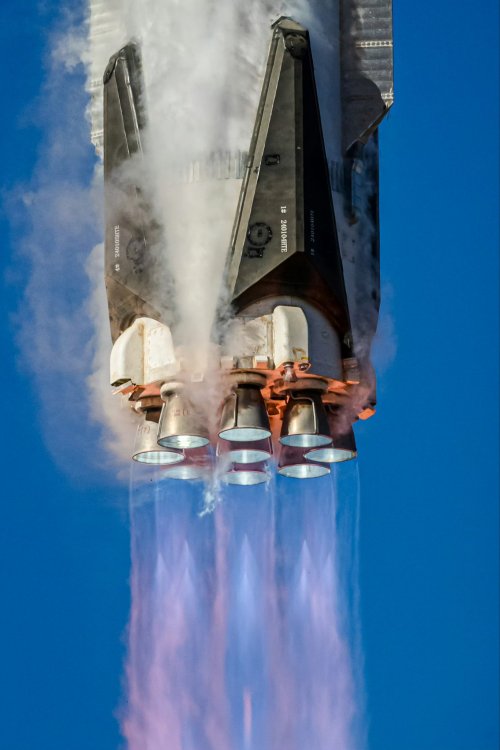
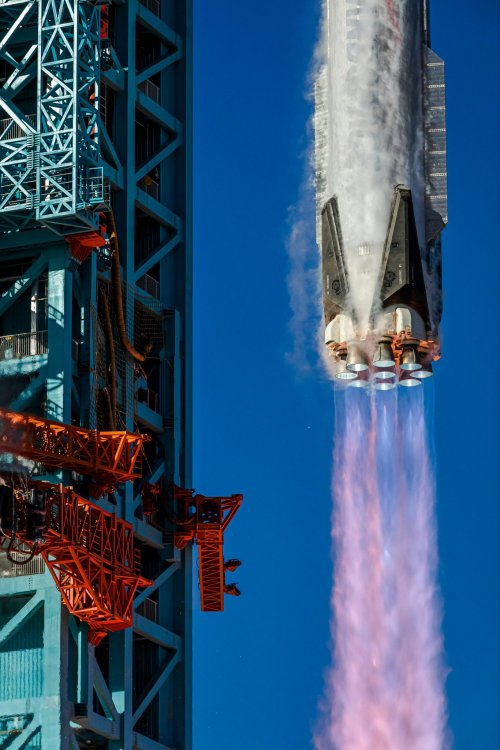
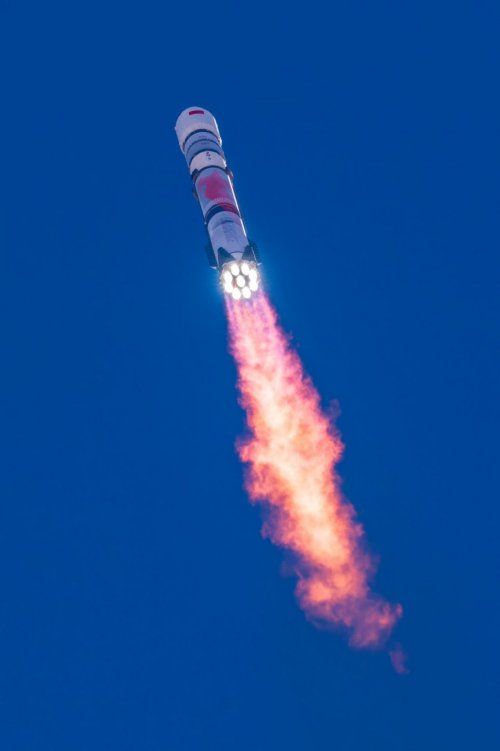
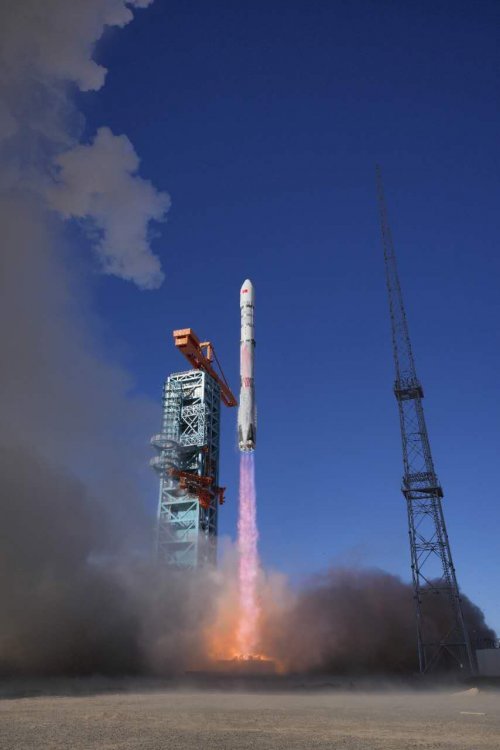
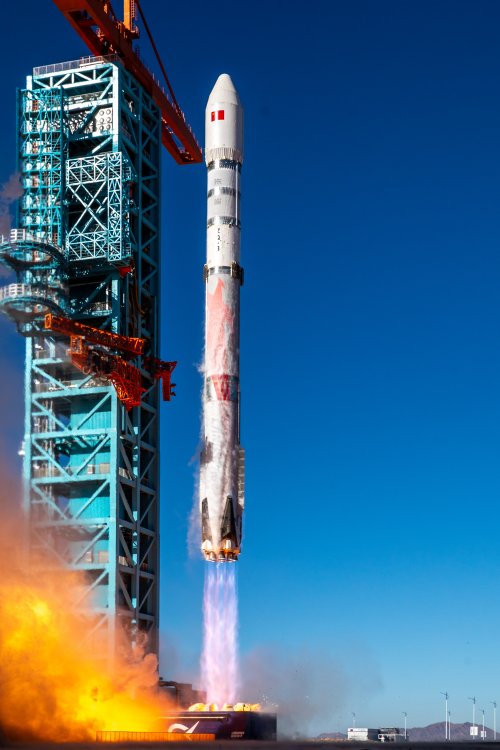
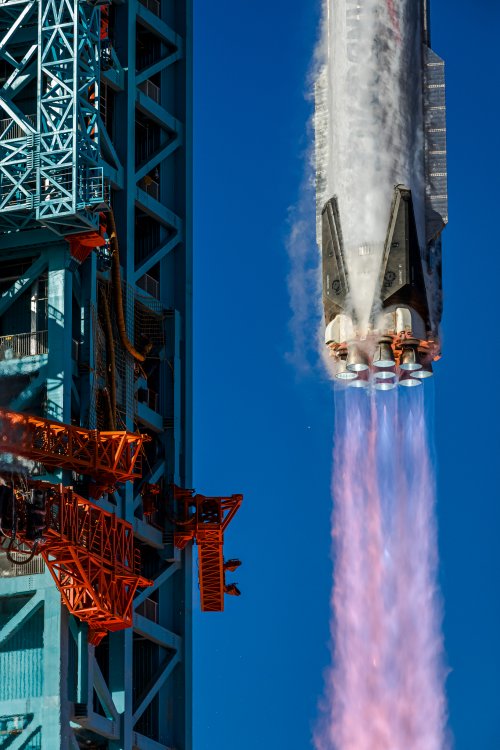
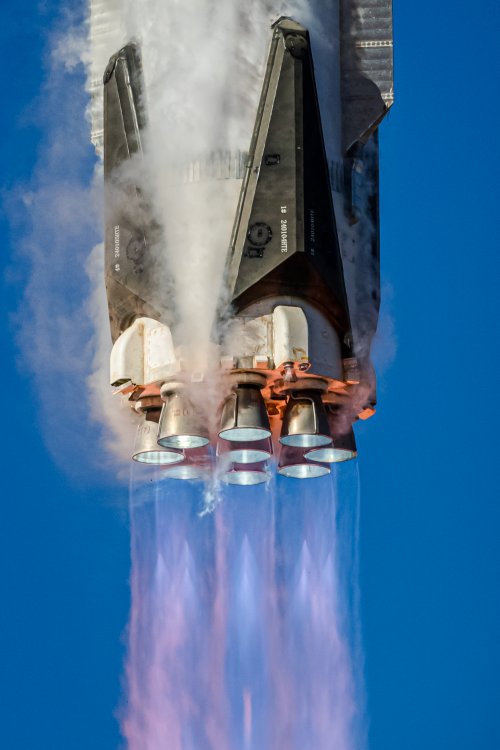
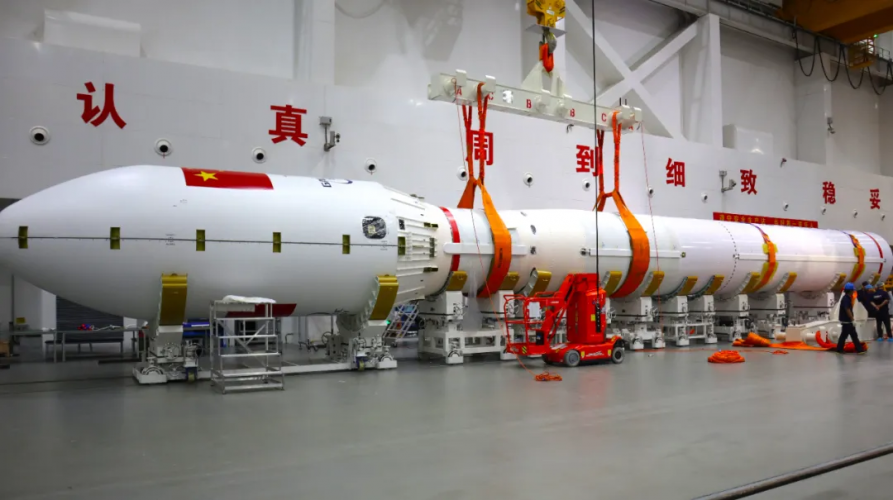
Under 12 hours until the launch window opens for @LandSpace_Tech's Zhuque-3.
Launch is currently scheduled for 04:00 UTC (12:00 China Standard Time). Booster landing is planned for T+08:30.

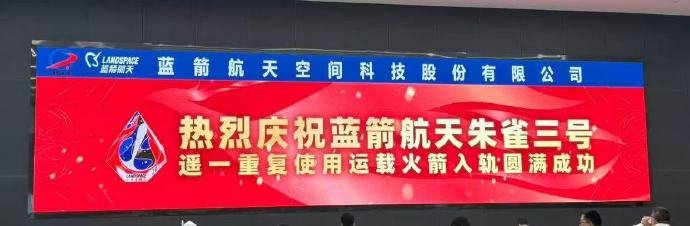
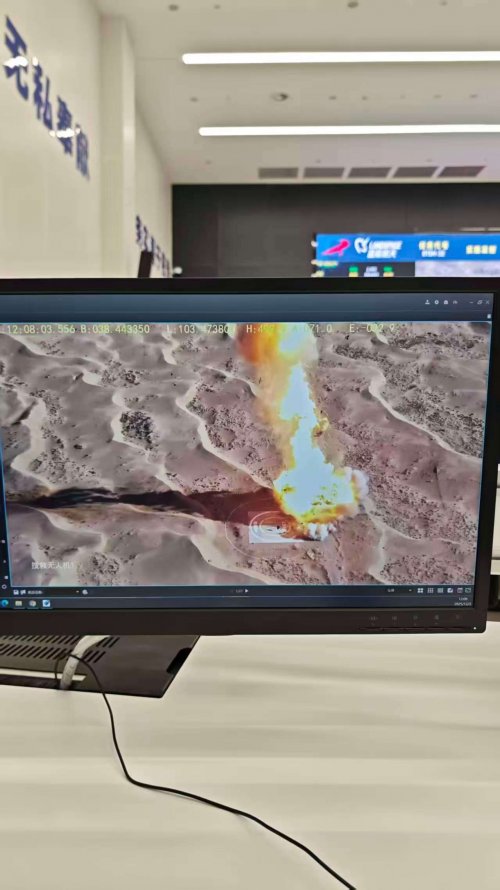


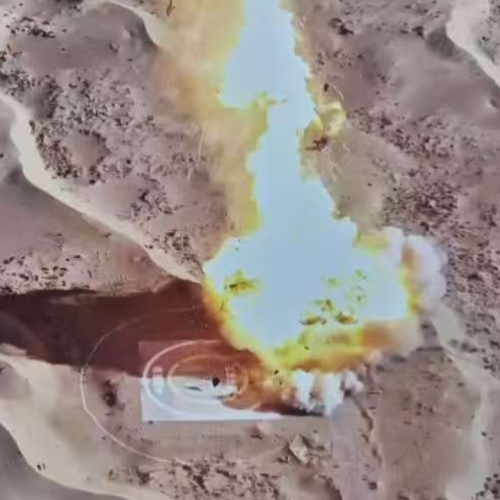
Off by a bit


Over a thousand Chinese experts and scholars convened on Saturday for the Fourth China Space Science Assembly, engaging in discussions on the latest advancements, major achievements, and emerging trends in space science.
A series of scientific satellites launched by China have achieved major discoveries in fields such as cosmic transient objects, cosmic-ray propagation and solar eruptions, renewing humanity's understanding of the universe.
China's space agency released an action plan to back commercial space firms and encourage them to pursue international cooperation over the next two years.
The Beijing sci-tech commission, along with space research institutions and enterprises in the city, plans to establish a space data center in the dawn-dusk orbit about 700-800 kilometers above the Earth in the future, the Science and Technology Daily reported on Friday.
Airbus is set to use the Spacesail Constellation's satellite internet service, according to its developer Shanghai Spacesail Technologies Co., Ltd. on Thursday.

Recently, the prototype of the Qingzhou cargo spacecraft, developed by the Innovation Academy for Microsatellites of the Chinese Academy of Sciences, has completed several key technology verifications and entered the overall testing phase. In the future, the Qingzhou cargo spacecraft will also undertake low-cost to and from the Chinese space station for cargo transportation. Let's take a look at the exclusive visit from CCTV reporters.
CCTV Reporter Shuai Junquan: What's it like to unpack a package in space? Recently, the space deliveryman—my country's latest Qingzhou cargo spacecraft—has undergone its initial testing and entered the overall testing phase. We conducted an exclusive visit, and the Qingzhou cargo spacecraft is making its first public appearance.
As you can see, our Qingzhou cargo spacecraft consists of a sealed main compartment and a non-sealed tail section. It can be figuratively imagined as a truck, like a large sealed container with a pickup truck bed at the back. This allows for the transport of sophisticated equipment, instruments, and essential supplies within the sealed cabin, while the open tail section can carry equipment for space exposure experiments.
CCTV reporter Shuai Junquan: "Delivering goods to the door" is the core mission of the "Qingzhou" spacecraft. It can carry 1.8 tons of "space packages" steadily to the space station. In addition, the "Qingzhou" spacecraft also undertakes the task of "picking up items from the door." It can pack and store the domestic waste and replaced equipment generated on the space station. At the end of its mission, it will act as a responsible "cleaner," carrying the entire cargo into the Earth's atmosphere and burning up completely in the uninhabited waters of the South Pacific, truly achieving "leaving no trace of trash behind."
Besides its delivery and retrieval capabilities, the "Qingzhou" spacecraft's cargo compartment is also quite unique. First, it features a configurable cold chain system, essentially a modular "space refrigerator." Each module has a 60-liter capacity, and the number of refrigerators can be flexibly configured like building blocks, up to a maximum of five, for a total capacity of 300 liters. Even more thoughtfully, the cold chain temperature can be precisely adjusted between 0 and 8°C. Whether preserving fresh fruits and vegetables or storing special biological samples, the appropriate temperature can be found. In the future, the ingredients for "space barbecues" will be even fresher and more abundant.
Furthermore, the cargo compartment of the "Qingzhou" spacecraft is intelligent, managing cargo through AI. Astronauts can quickly find the items they need through voice interaction and other means, keeping track of supplies at all times, further improving the efficiency and convenience of life in space.
Currently, the transportation cost of this "interstellar express" service is approximately 100,000 yuan per kilogram. With mass production and the addition of commercial spaceflight, the "postage" will become much cheaper in the future. Just as the ancient saying goes, "A light boat has already crossed ten thousand mountains," today we have "A light boat travels between heaven and earth." The Qingzhou spacecraft uses cutting-edge technology to bring the warmth of human life to distant space.
The UAE 813 satellite, developed by the Shanghai Microsatellite Engineering Center, was launched in this mission. It is a hyperspectral Earth observation satellite equipped with a hyperspectral camera (HSI) and a panchromatic camera (PAN) as its main payloads. The core objective of the project is to build hyperspectral remote sensing capabilities to provide effective support for environmental monitoring and scientific research.
The Jixing Gaofen 07B01, Jixing Gaofen 07C01, and Jixing Gaofen 07D01 satellites are new operational satellites developed by Changguang Satellite Technology Co., Ltd. for high-precision, high-resolution remote sensing applications. They can adapt to the rapid response requirements of various mission types, including hotspot imaging, stereo imaging, and space target imaging.
The Dongpo-15 satellite is a high-performance X-band synthetic aperture radar (SAR) satellite, achieving all-weather, all-day, sub-meter-level (resolution better than 1 meter) Earth observation capabilities and capable of penetrating clouds, rain, fog, and haze to capture millimeter-level surface deformation. This satellite is mainly used in disaster emergency response (such as flood monitoring and landslide early warning) and other fields, effectively supporting disaster prevention and mitigation, smart city construction, and the safe operation and maintenance of major projects.
The Yuxing-2 09 satellite is a high-resolution infrared intelligent remote sensing satellite, primarily used in national defense, meteorology, emergency response, power grid disaster prevention, and refined meteorological applications.
The Yixian-A satellite, developed by Sun Yat-sen University, is a CubeSat used for scientific experiments, technology verification, and educational training. It carries a self-portrait camera, on-orbit testing payloads for wooden outer panels, and strain measurement payloads.
The SPNEX and Slippers2Sat satellites are jointly developed by the Hainan Satellite Data and Application Research Center. The SPNEX satellite, jointly developed by the Egyptian Space Agency and the Egyptian Academy of Scientific Research and Technology, carries plasma diagnostic and Earth observation payloads, with its main mission being to monitor the impacts of climate change and ionospheric changes.
The Slippers2Sat satellite (S2S) is an educational project jointly initiated by the Antarickchya Pratisthan Nepal (APN) organization and the Amateur Radio Digital Communications (ARDC) Foundation. It aims to provide inspiration, motivation, and science education support to marginalized groups, impoverished populations, and indigenous communities in Nepal. The primary goal of the S2S project is to cultivate the ability of junior high school students to independently design and develop Nepal's third 1U CubeSat. The S2S project also continues the imaging missions of the NepaliSat-1 and Munal satellites, using visible light and near-infrared cameras to observe and calculate the Normalized Difference Water Index (NDWI), and utilizing four rodless magnetometer systems to detect extremely low frequency (ELF) and ultra-low frequency (ULF) waves in the Earth's magnetic field for earthquake precursor monitoring.
Ace of Razgriz
@raz_liu
·
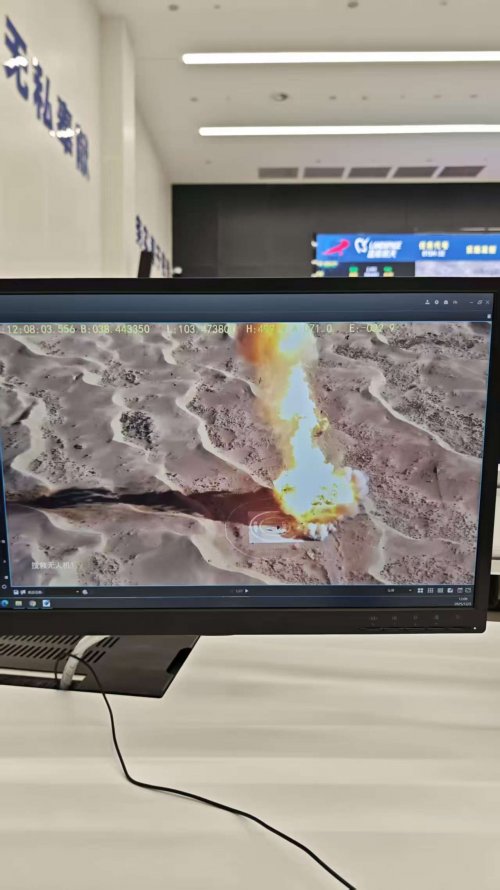
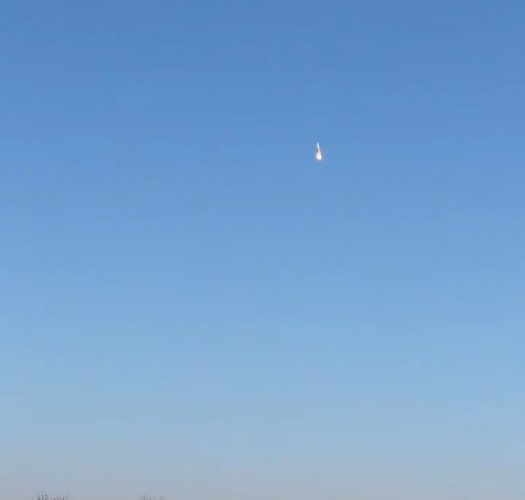
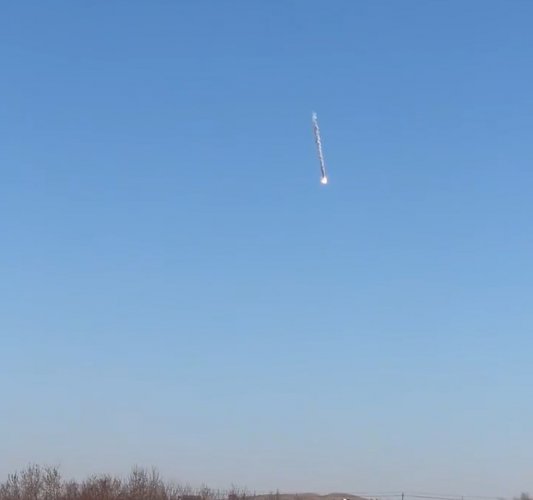
According to an interview of the ZQ-3's chief engineer. The have retrieved the data from the black-box & together with the telemetry data. They have enough data to figure out what went wrong. Waiting for the official report. via https://weibo.com/7340734455/Qibx2lxnT
The CE say they will keep trying to land the first stage of the Y2 & Y3' flights.

That's just the Mengzhou-1 launch scheduled next year, it'll be a unmanned flight to dock with Tiangong

CZ-12A is probably not gonna launch on the 17th. According to some Tourist Agency (which is hilariously one of the most reliable source of information) the launch is postpone to later date.
According to the China National Space Administration (CNSA), the first extravehicular activity (EVA) of the Shenzhou-21 (神舟二十一) mission was completed on 9 December 2025, at 10:45 UTC (18:45 China Standard Time). During the ~8 hours spacewalk, astronauts Zhang Lu (张陆, commander) and Wu Fei (武飞) installed various devices and inspected the external equipment, including the viewport window of the Shenzhou-20 spacecraft. Astronaut Zhang Hong Zhang (张洪章) assisted them from inside the Tianhe Core Module (天和核心舱) by operating the robotic arm of the China Space Station (中国空间站).