And now there are print articles available,

Chinese astronauts return to Earth after vessel damaged by space debris
'Tiny cracks' found in a small window of the Shenzhou-20 spacecraft's return capsule
Reuters
Beijing/Washington, Updated At : 03:24 PM Nov 14, 2025 IST

https://www.tribuneindia.com/news/s...to-earth-after-vessel-damaged-by-space-debris
LOGISTICAL HEADACHE

Every Shenzhou mission on the Tiangong ends with a handover, where the departing crew welcomes the arriving crew that will take over the space station's operations. During the handover period of several days, two Shenzhou vessels are docked at the space station.

China's manned space programme now has to deal with another logistical headache - how to get the space station's newly arrived crew home in the event of an emergency. The Shenzhou-21 spacecraft and its three-person crew arrived at Tiangong two weeks ago.

But with the departure of the Shenzhou-20 crew on the Shenzhou-21 vessel, the Chinese space station is currently without a flightworthy vessel, meaning the Shenzhou-21 crew currently living there is stuck in space until a replacement vehicle arrives.

According to China's safety protocols, when astronauts cannot be safely flown back to Earth due to a malfunction, an unmanned emergency rescue spacecraft will be launched from the ground to take the astronauts back to the ground.

CMSA said the Shenzhou-22 spacecraft would be launched at "an appropriate time in the future".


Shenzhou-20 astronauts safely return to Earth on Shenzhou-21 spacecraft after space debris damage concerns
by Andrew Jones November 14, 2025

https://spacenews.com/shenzhou-20-a...pacecraft-after-space-debris-damage-concerns/
Emergency contingencies for China’s human spaceflight program include keeping a Long March 2F rocket and Shenzhou spacecraft in a state of near readiness at Jiuquan, which could be readied for launch in around 8.5 days in best case scenarios. The country will also deorbit the Shenzhou-20 spacecraft at some point in the future.

Tiangong is a three-module space station completed in late 2022. It is designed to hold three astronauts for stays of around 180 days, while hosting six astronauts for short periods of time during crew changeovers.

Hosting six astronauts aboard Tiangong is sustainable in the short term, with three private sleeping quarters in the Wentian experiment module and three more in the Tianhe core module. The presence of three more astronauts would have drained essential consumables—water, oxygen and food—at a much greater rate and put additional strain on recycling systems and carbon dioxide scrubbers.

China aims to keep the Tiangong space station permanently occupied for at least 10 years. CMSEO has commissioned the development of low-cost cargo spacecraft to serve the station and complement the standard Tianzhou cargo spacecraft, and China is also planning to expand the orbital outpost with further modules and a co-orbital space telescope.
 
https://weibo.com/5092459432/QdMIl2EXS#repost
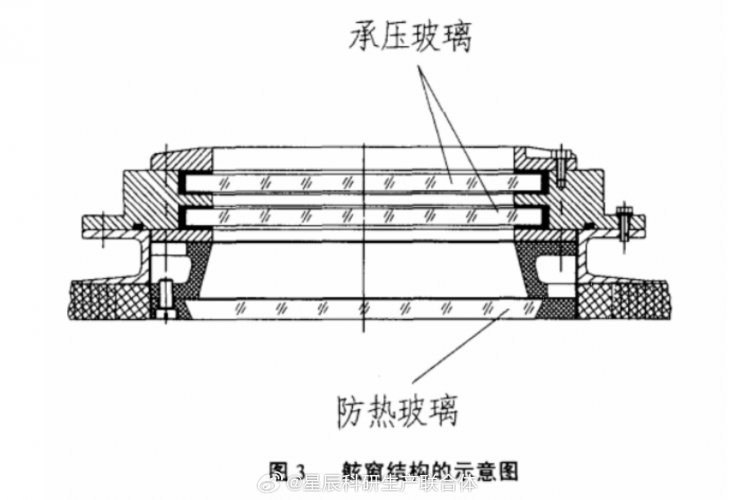
The structure of the Shenzhou spacecraft's return capsule porthole is shown in Figure 1. The porthole consists of three layers of glass plus an external structure. The outermost layer is high-silica heat-resistant glass, which is not used for pressure bearing but solely for insulating against external heat during reentry. The inner two layers are aluminosilicate reinforced glass with higher pressure bearing capacity. The airtightness of the spacecraft's return capsule is ensured by the glass and surrounding seals. This design avoids the requirement that the glass simultaneously possess both sealing and heat insulation capabilities, resulting in a higher safety factor.

Beijing [BACC/CAST] was concerned that during the Shenzhou-20 return capsule's reentry, the damaged heat-resistant glass might shatter. In this case, the plasma could directly burn the sealed glass, which shouldn't be exposed to external heat, potentially causing an accident. The worst-case scenario would be internal decompression due to the porthole cracking. Although the possibility is very low, avoiding this risk to ensure the absolute safety of the astronauts was the correct course of action."
It seems SZ-20 is still viable as an orbital lifeboat (however both Tianhe and Wentian can act as independent lifeboat if necessary). SZ-20 is staying for in-orbit experiments and analysis and may be brought back to earth after SZ-22's launch with non-essential cargo. SZ-22 will be launched without crew and with cargo later this month.
There doesn't seem to be an urgency so they may take their time (aka 2 weeks instead of 1 week launch campaign) to ensure success.

While Shenzhou 23 will be ready in march and could be launched in April with the original Shenzhou 22 crew, its backup Shenzhou 24 is unlikely to be ready by then, at the same time CMSA may not be willing to do a one year long stay and may want to accelerate SZ-24's readiness to try to get back to the original planning as soon as possible..
 

Attachments

  • 005yDrksly1i7blvtamnqj313y0r6adm.jpg
    005yDrksly1i7blvtamnqj313y0r6adm.jpg
    138.3 KB · Views: 15
Question now raises whether the Pakistan crew that was due to fly on Shenzhou-23 will get bumped to 24 due to current circumstances.

They may attempt to accelerate the preparation and testing of 23 & 24 capsules to try to stick as close to the original planning, and to avoid the 21 crew having a one year stay on Tiangong.
 
View: https://youtu.be/oYelCts7sQQ

The launch mission for the Shenzhou-22 spacecraft has now been initiated, and various systems are intensively preparing. This includes testing the spacecraft's products, preparing the upmass supplies, and so on. It can be said that the Shenzhou-22 spacecraft will definitely carry upmass supplies, as the capacity for upmass supplies is a highly valuable resource in the project and must be utilized every time. This mission will primarily involve sending space food, as well as some facilities and equipment related to the space station. Additionally, everyone is very concerned about the involvement of Hong Kong and Macao.
 
Translation via NSF:

This article reveals some embarrassing facts: North China University (the satellite payload party for this launch) prematurely posted on social media that the launch had already succeeded right after the launch began. However, they quickly deleted the post because the launch actually failed. The article also harshly criticizes North China University for choosing a private company's rocket to save money instead of the reliable Long March rocket.

https://mp.weixin.qq.com/s/hbzwkUIMYEK_2zjX7387AA
 
https://weibo.com/5027345285/Qe69b51H8
[#LunarSoilBricks# Successfully Return with Shenzhou-21] On November 14th, the ninth batch of space science experiment samples from the Chinese Space Station successfully returned aboard the Shenzhou-21 spacecraft. Early on the morning of the 15th, these samples were successfully delivered to scientists, and a handover ceremony was held at the Space Application Engineering and Technology Center of the Chinese Academy of Sciences.

The first batch of lunar soil bricks developed by the Space Science and Application Project "Research on Space Service Performance and Process Optimization of Simulated Lunar Soil Sintered Samples," led by Academician Ding Lieyun, Chief Scientist of the National Digital Construction Center of Huazhong University of Science and Technology, successfully returned to Earth after a year of extravehicular activity (EVA). On-site confirmation confirmed the samples were in good condition.

The team prepared 74 lunar soil bricks, which will travel to the Chinese Space Station aboard the Tianzhou-8 cargo spacecraft on November 15, 2024, to conduct EVA experiments for 1, 2, and 3 years. Currently, the R5 sample unit has successfully completed its 1-year EVA experiment and returned to Earth. The remaining samples will continue to undergo EVA experiments on the space station.

Researchers will use lunar regolith bricks returned from extravehicular exposure to conduct a comparative study of lunar regolith bricks in space and Earth, revealing the evolution of the macroscopic and microscopic properties of sintered lunar regolith bricks after service in the space environment and the mechanisms by which this evolution affects them. This will allow them to deduce and predict the long-term service behavior of lunar regolith bricks in the lunar environment, providing a scientific and engineering basis for in-situ lunar construction. (Source/CCES-ASE Space Engineering)
 
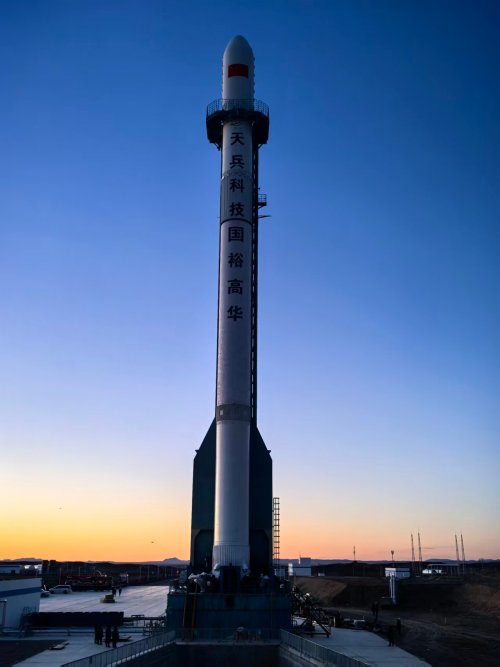
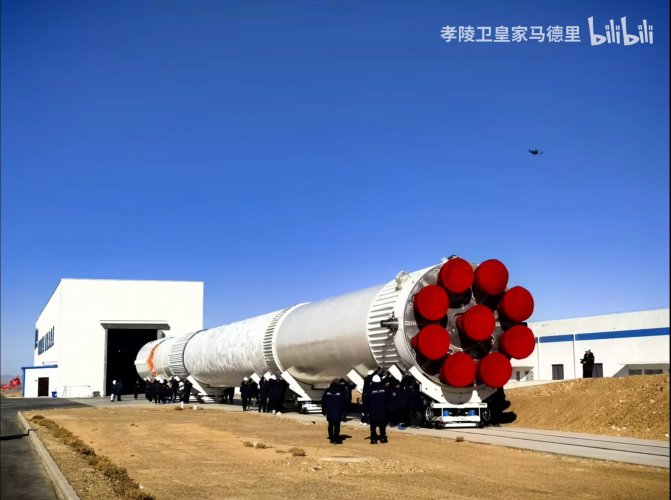
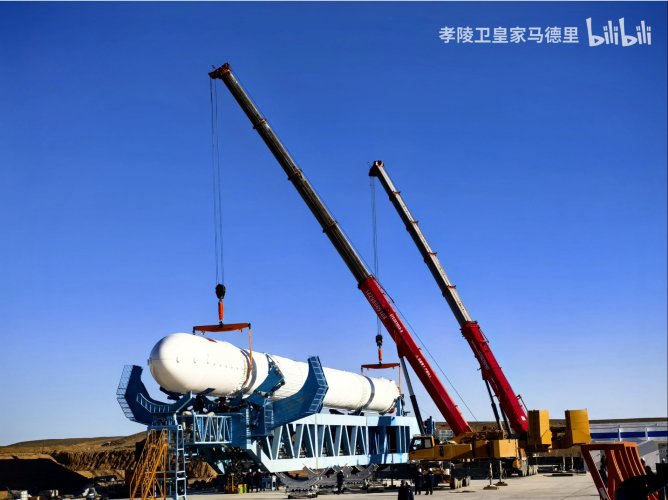
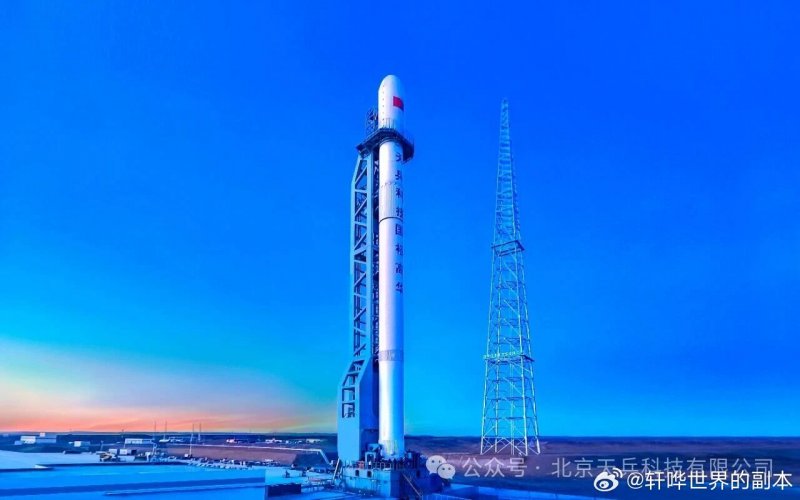
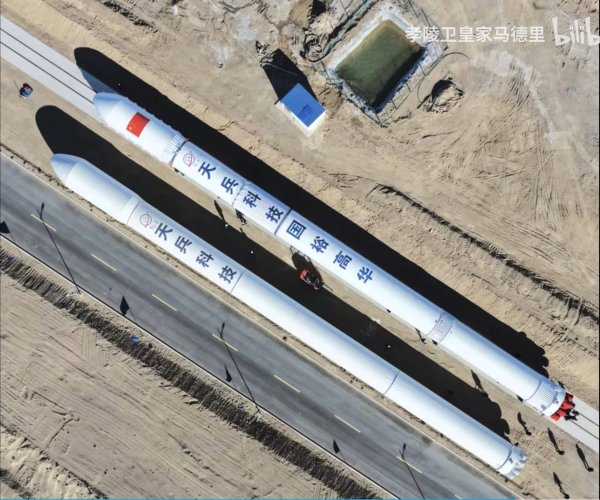
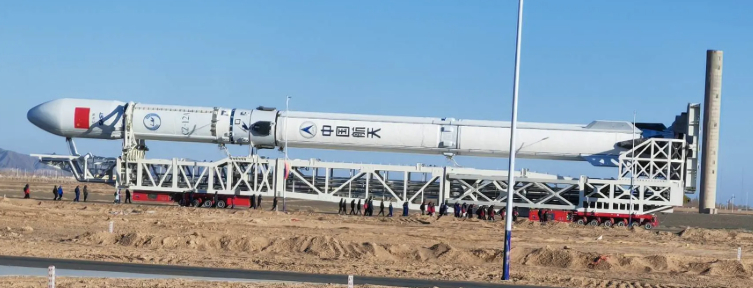
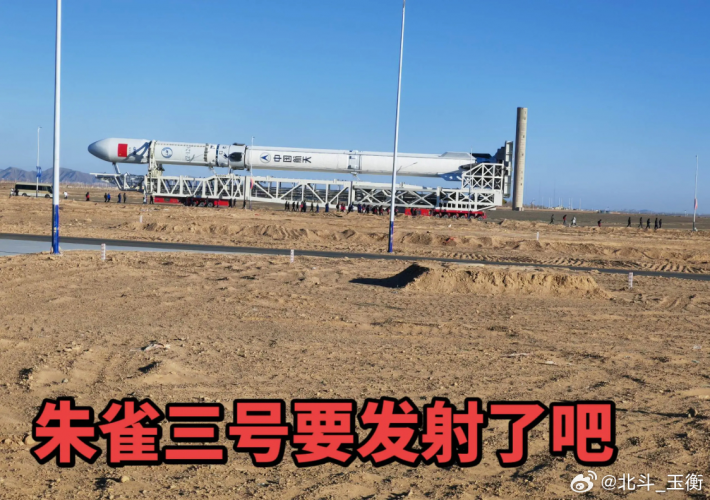
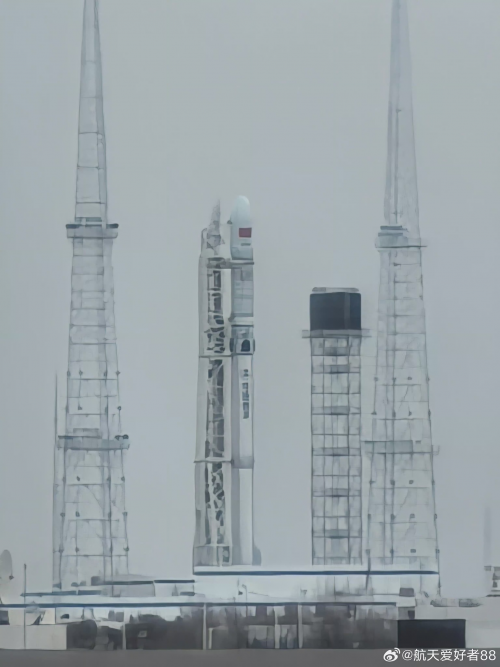
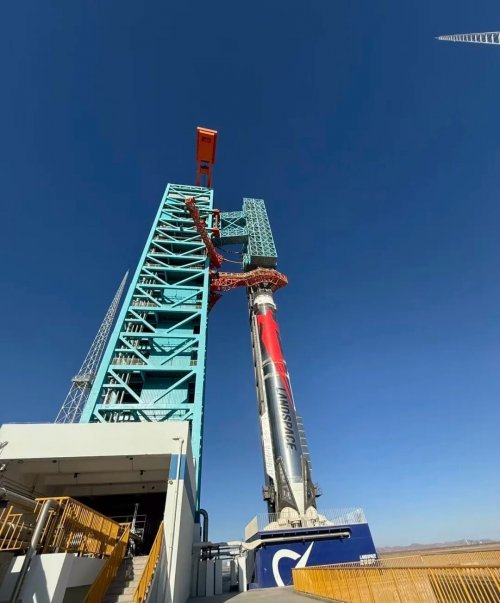
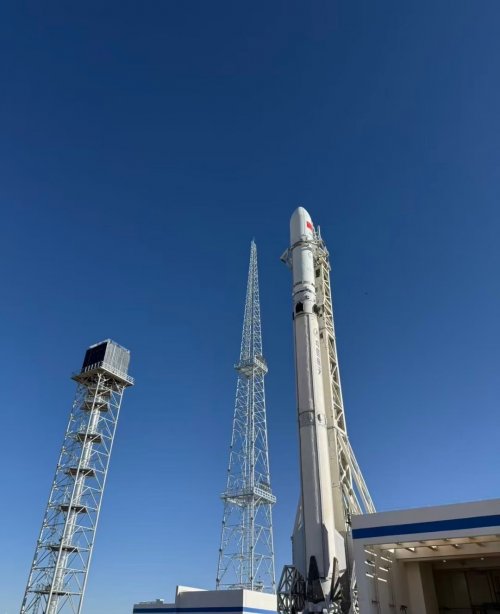
Anybody know when Landspace is supposed to fly their new rocket, and do you know if they plan to try to land it on the first flight?
 
NOTAM are out confirming that Shenzhou 22 will launch on the 25th, this aligns with a nominal 16 days launch campaign, so everything seems in order for this "launch on need".

Anybody know when Landspace is supposed to fly their new rocket, and do you know if they plan to try to land it on the first flight?
It was previously announced for mid-late november but it seems some last-minute troubleshouting as well as range conflict with the Shenzhou-22 launch (& SZ-20 return) may have pushed it to December, It seems touristic agencies are starting to sell seats to watch the launch so a preliminary launch date may have been selected.
A landing will be attempted on a landing pad 390km South-east, emphasis on attempt, Landspace previously said they expect to succesfuly land it after 2-3 attempts.

Landspace will also return its Zhuque-2E to flight before the end of the year, maybe even before the Zhuque 3 launch https://stcn.com/article/detail/3486209.html
 
As a German, I truly hope Europe will wake up to this challenge, but as a realist having had some very scant interactions with ESA, I very much sadly doubt that that particular multinational bureaucracy in its current form and structure will ever get its act together.
 
Last edited:
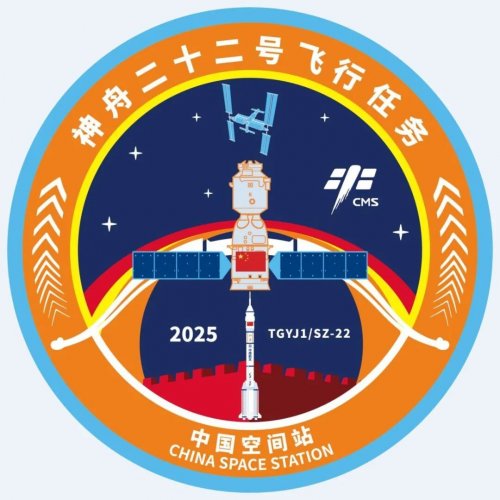
Jiuquan, China, November 25 (Reporter Huang Yuqiao) — According to the China Manned Space Engineering Office, at 12:11 p.m. Beijing Time on November 25, 2025, the Long March 2F Y2 carrier rocket carrying the Shenzhou-22 spacecraft was ignited and launched at the Jiuquan Satellite Launch Center. About 10 minutes later, the spacecraft successfully separated from the rocket and entered its designated orbit, achieving a complete success for the launch mission. After entering orbit, the spacecraft will autonomously perform a rapid rendezvous and docking with the space station according to the prescribed procedure.

The Shenzhou-22 spacecraft is unmanned and carries space food, space medicine, fresh fruits and vegetables, a device to address the window crack issue from the Shenzhou-20 spacecraft, as well as spare parts and supplies needed for the space station.

This mission marks the 38th launch mission since the establishment of China’s manned space program and the 610th flight of the Long March series carrier rockets. It is also the first emergency launch mission for China’s manned space program.
【首次应急发射!神舟二十二号飞船发射圆满成功】 https://www.bilibili.com/video/BV1N...eb&vd_source=2425f76ab11741b8a952b432ea15d3ce
 
SZ-20 will be inspected in EVA, the crew will attempt to mitigate its cracked porthole and it will reenter with cargo, since it's still considered safe for cargo return. It'll probably be a few weeks until it reenters at least.
CMSA has announced they will soon communicate on the updated plan for the Chinese crewed program in 2026.

The Shenzhou-22 spacecraft was unmanned and carried space food, medical supplies, fresh fruits and vegetables, a device to treat the cracked porthole of the Shenzhou-20 spacecraft, and spare parts needed for the space station.
https://weibo.com/1699432410/QfszH9Xpq#repost
Zhou Jianping, Chief Designer of China's Manned Space Program: On November 4th, during a porthole inspection, astronauts discovered a localized anomaly on the porthole edge. Initial photos were taken with a camera, but the astronauts then used a 40x microscope on the space station to photograph the defect from different angles. We consulted glass experts who confirmed a small triangular area with a crack.

The area suspected to have been impacted by space debris was the outermost layer of heat-insulating glass in the porthole. During reentry, the spacecraft will experience intense friction with the atmosphere, generating temperatures exceeding 1000 degrees Celsius. If the glass's heat-insulating effect is compromised, the astronauts' safety may be compromised. Simulation analysis, testing, and safety assessment of the Shenzhou-20 manned spacecraft were rapidly initiated.

Zheng Wei, China Aerospace Science and Technology Corporation: Because it is heat-insulating glass, the focus is mainly on its heat-insulating performance and whether it can withstand the ablation process during reentry. Based on simulations, we used the porthole of the return capsule to simulate the damage state and conducted wind tunnel ablation tests. The test results show that the crack will still propagate further.

Zhou Jianping: We convened a review meeting, and everyone agreed that given the damaged glass, ensuring the safe return of the astronauts posed a significant risk. Therefore, the General Command decided that the Shenzhou-20 spacecraft would no longer be used for the Shenzhou-20 astronaut crew's return.

Zhou Jianping: We had two emergency launch plans, one for 8.5 days and the other for 16 days. The 8.5-day plan was for situations where an emergency occurred in space requiring the astronauts to be brought back as quickly as possible. Currently, the space station is in excellent condition, and the astronauts are residing there, ensuring a very high level of safety. Therefore, we decided to adopt the 16-day emergency plan. Next, the Shenzhou-21 astronauts will conduct an extravehicular activity (EVA) to inspect the Shenzhou-20 spacecraft's windows from outside the spacecraft. Afterwards, the Shenzhou-20 spacecraft will be systematically re-entered Earth with cargo to conduct a more detailed study and analysis of the damaged area.

[...]
Zheng Wei: Actually, when we originally designed the emergency plan, there was no payload loading component; it was omitted to save time and launch quickly. This time, because of the 16-day timeframe, we had time to prepare the payloads, and we worked overtime to load them. The amount of supplies and payloads [600kg] sent this time was more than before.

https://content-static.cctvnews.cct...track_id=eeadf48e-ee14-4fb9-89fe-ed392776e175
Zheng Wei, from the China Aerospace Science and Technology Corporation, explained that repairing a piece of glass from the outside is extremely difficult. He couldn't remove the glass because that would be too risky; the only option was to repair it from the inside, building upon the existing structure. From a manned perspective, we can't guarantee 100% safety, so we won't use it for manned return missions. However, it can still be used for cargo return missions. For this mission, we've implemented reinforcement measures to further ensure safety. Our research and development team is quite confident in our ability to safely return cargo.

https://weibo.com/tv/show/1034:5236861543579670?from=old_pc_videoshow
 
View: https://twitter.com/cbs_spacenews/status/1993175598500335938


William Harwood
@cbs_spacenews

Shenzhou 22: China launched the uncrewed Shenzhou 22 spacecraft, bound for the Tiangong space station, at 11:10:42pm EST (0310 UTC) Monday; the ferry ship, loaded with supplies and equipment, is replacing the Shenzhou 21 spacecraft, which carried the Shenzhou 20 crew back to Earth 11/14 after their own spacecraft was deemed unsafe in the wake of a space debris impact; with launch of Shenzhou 22, the 3-man Shenzhou 21 crew will have a way to get home from the station after their six-month stay in space or in the event of an emergency
 
Shenzhou 23 is now the former Shenzhou 22, Shenzhou 24 is now the former Shenzhou 23, the Sino-Pakistani mission.

Since one astronaut on Shenzhou 23 will still stay over a year, that means that the mission duration isn't compressed under 6 months, and since both 23 and 24 are planned, This indicates that there shouldn't be significant delays to next year's CMSA planning, SZ-23 will launch in Q2 2026 and SZ-24 will launch in Q4 2026
 
The maiden launch and recovery attempt of Zhuque 3 is planned for November 29th 03h52 UTC according to NOTAM

As for the maiden launch and recovery attempt of CZ-12A, it is said to happen in early-to-mid december, perhaps as early as December 5th.
 
They called it "commercial" medium-range HGVs
why do look this more a hypersonic Warhead ???

View: https://twitter.com/KomissarWhipla/status/1993312596750221696
Because they allegedly use COTS components.

Larger-CEP than CASC, CASIC, etc. products; but could be "spammed" against enemy IADS and used for testing China's own defenses against hypersonics.


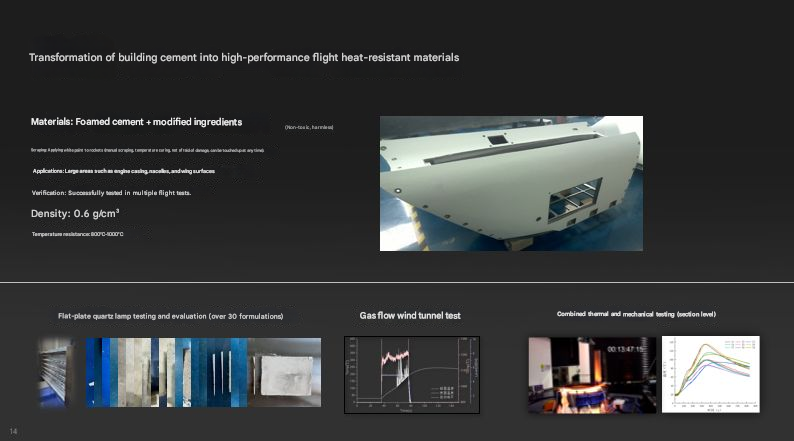
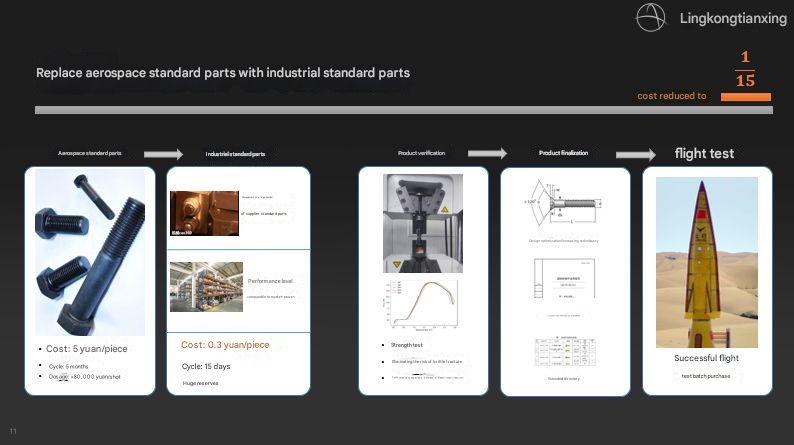
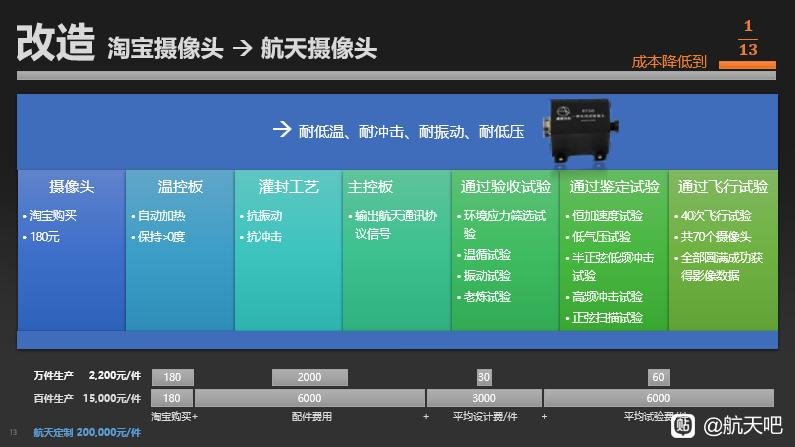
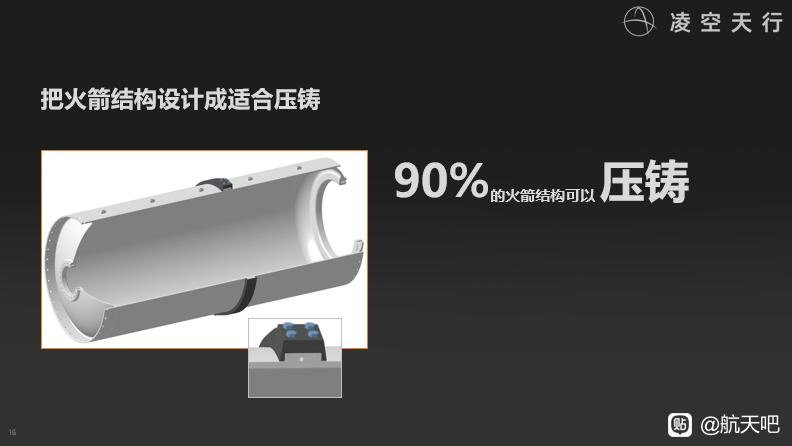
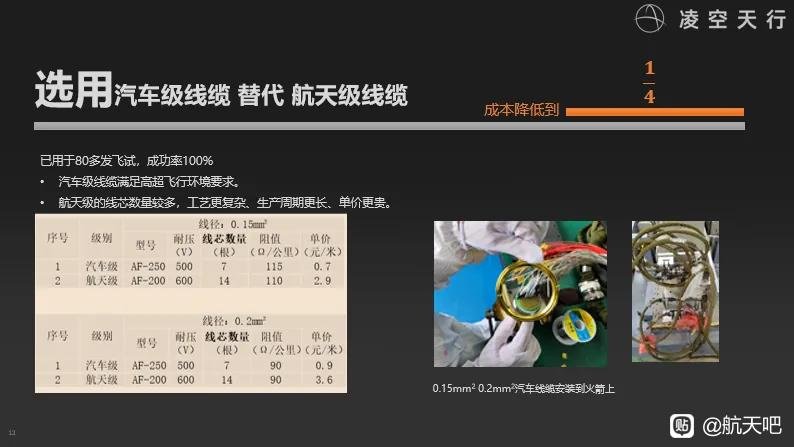
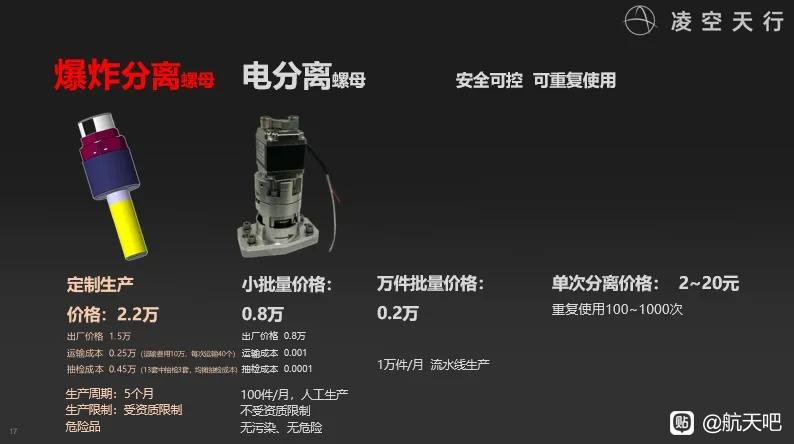
In addition to using modified cement as insulation material and industrial-grade fasteners, they employed die-cast aluminum for the housing, modified a 180-yuan camera purchased from Taobao, substituted aerospace-grade cables with automotive-grade cables, and replaced explosive separation nuts with electric separation nuts.

View: https://x.com/tphuang/status/1993336888925766121?s=20


There are unverified rumours that this private company has delivered 30+ target missiles to PLA.
 
Last edited:
The maiden launch and recovery attempt of Zhuque 3 is planned for November 29th 03h52 UTC according to NOTAM

As for the maiden launch and recovery attempt of CZ-12A, it is said to happen in early-to-mid december, perhaps as early as December 5th.


ZQ-3 notam update: Delayed to 12:00 PM (UTC+08:00) on December 1st.
 
Last edited:

Similar threads

Back
Top Bottom