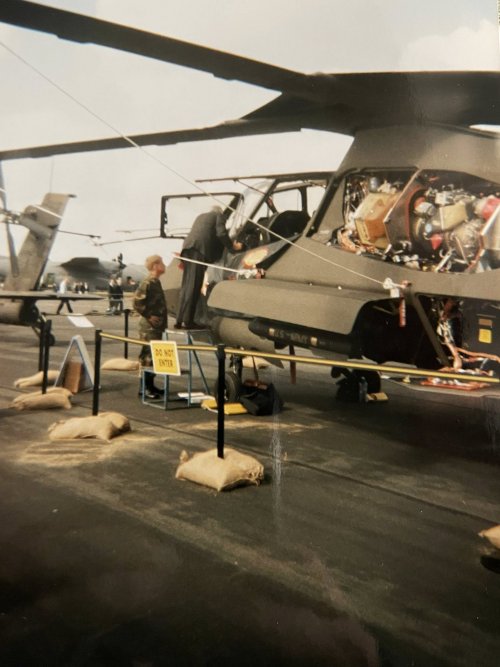
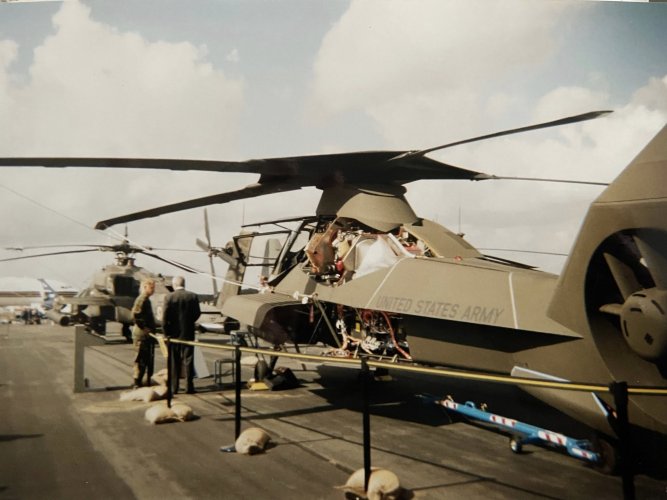
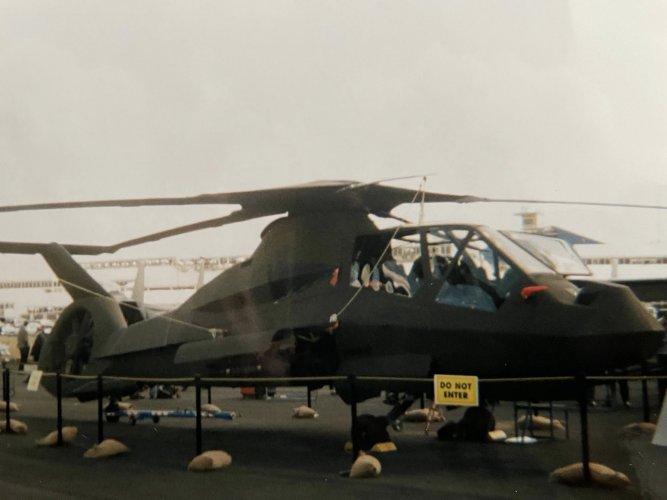
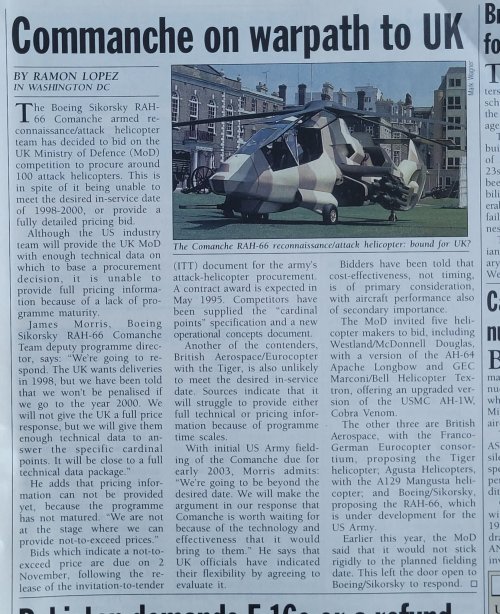
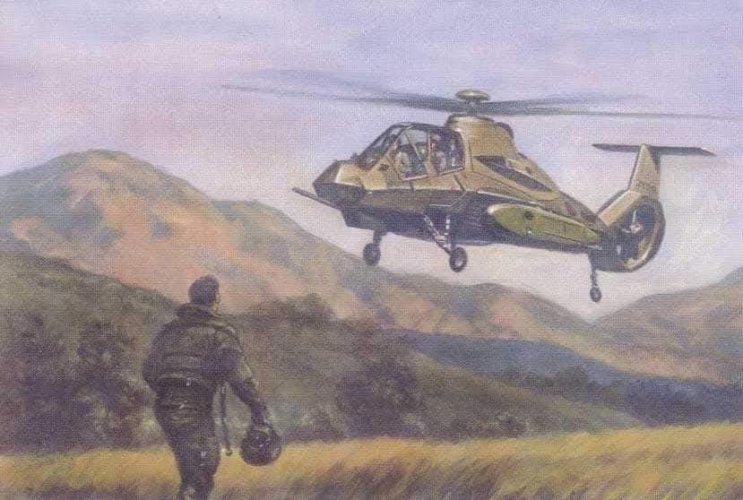
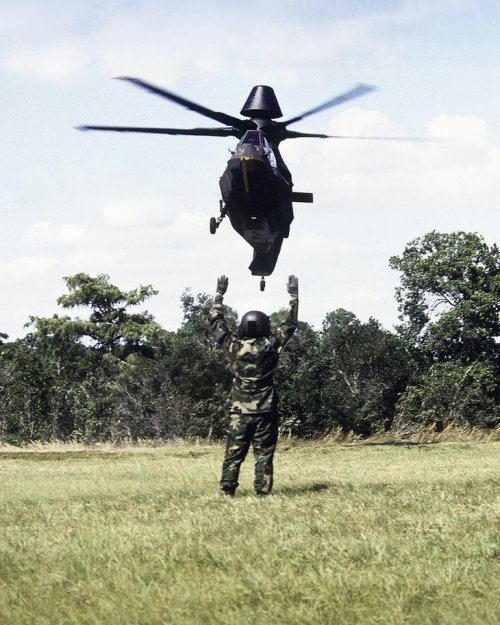
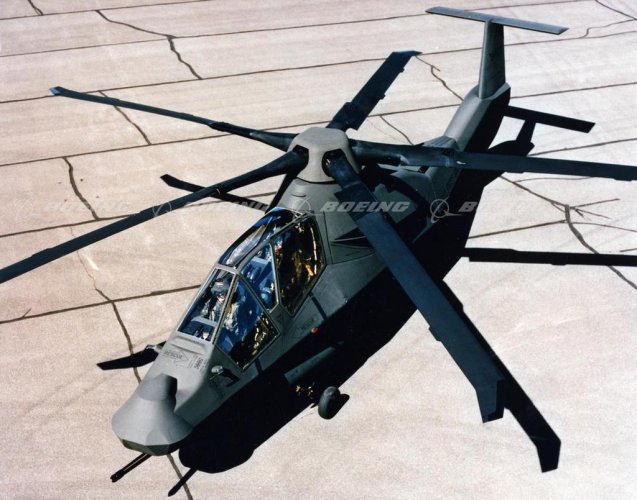
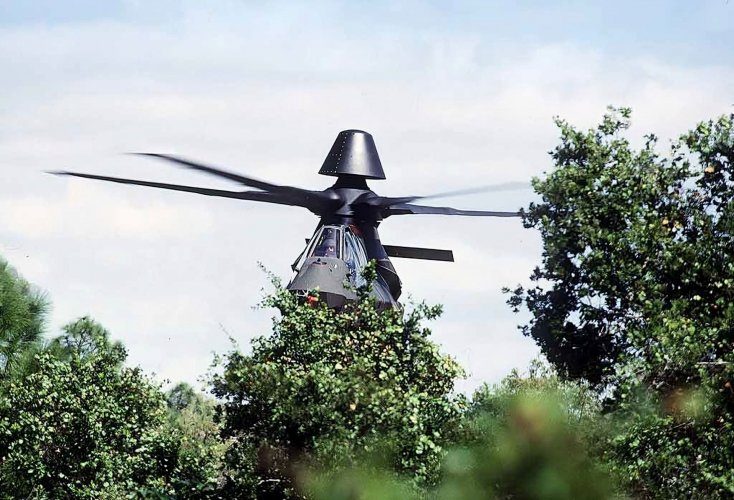
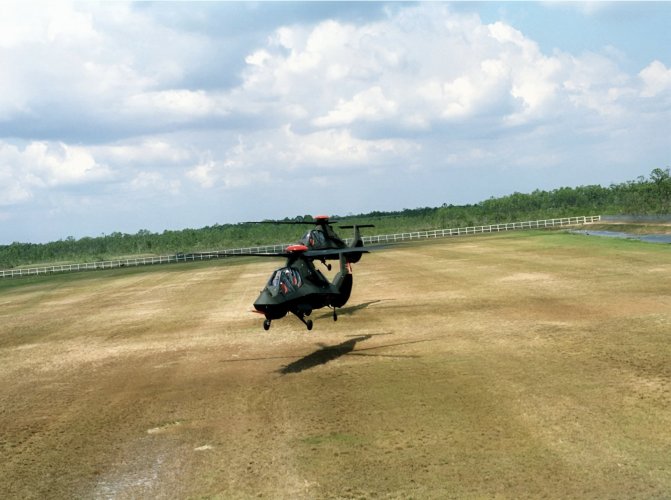
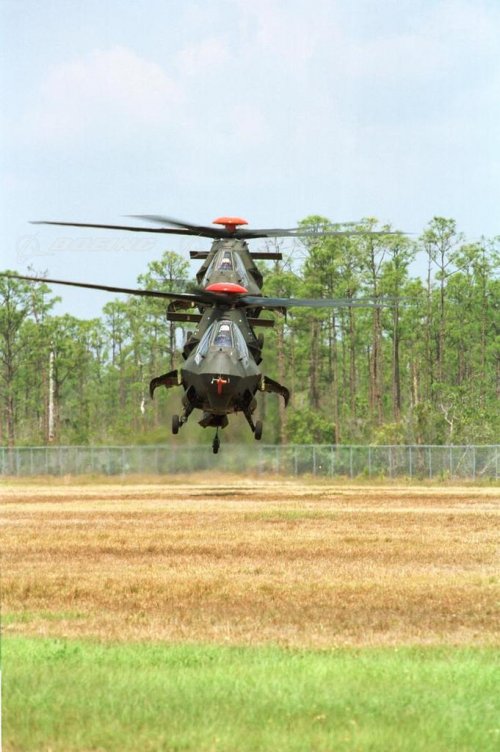
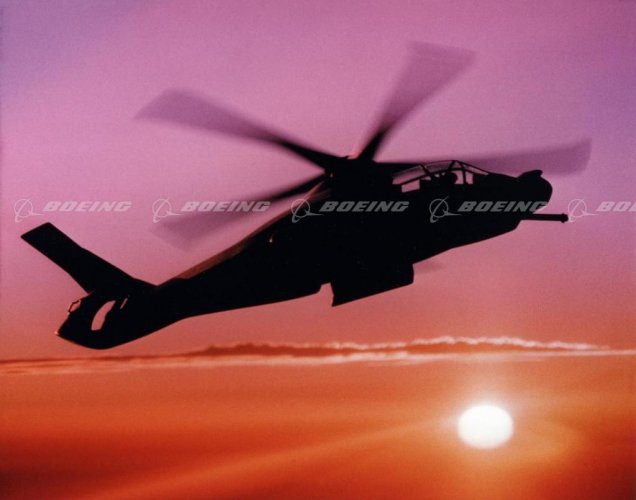
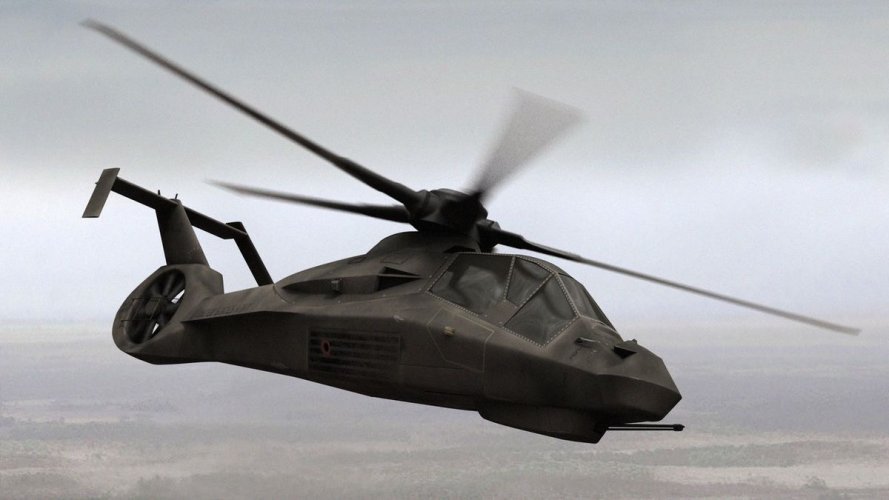
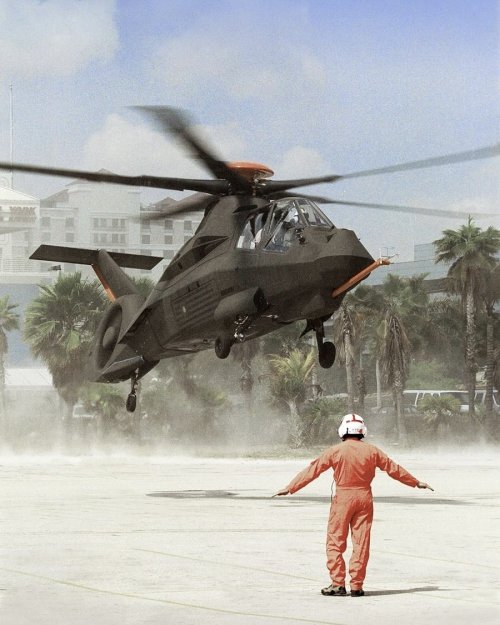
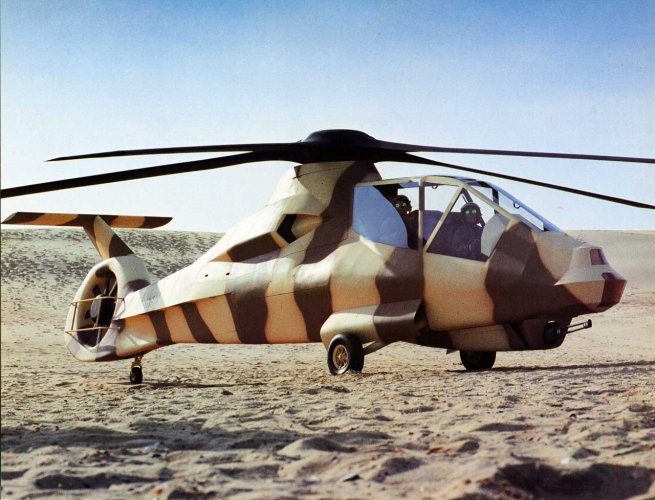
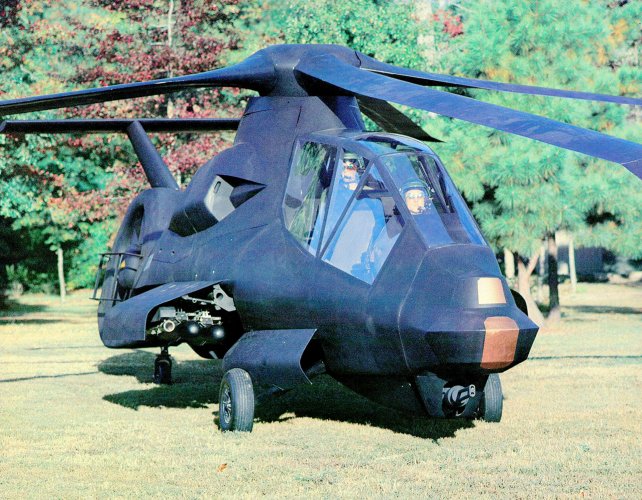
I thought that pretty much supported the decision. Bunch of Apaches whacked by optically aimed AAA, against which the Comanche's stealth would have been useless. Or are you talking about the need for reconnaissance helos that could operate with the Apaches?
We don't operate by daylight. We don't need a massive replacement for the AH-1 and OH-58D force. We can't use what we cannot get to theater and keep in spares, munitions and gas which is likely going to be less than 50 helicopters in the opening hours of a hurry-up response. We sure as hell don't expose stealth assets to thrown-rock trashfire AD.
Here, I follow the Russian school on program costs: it costs what it needs to cost to develop it and we keep cooking until it's ready because it's all sunk anyway. We pay for this process in total block increments without allowing 'buy in' to jeopardize the company. As long as you make milestones you get progress payments even if difficulties in area X means you didn't get as far as you might have hoped. Next five year defense plan, you get more to clear that hurdle until the system is outdated or external technologies flow in to help you solve it.
If the platform or weapon makes it to service because independent (not service) trials say it does the job it was spec'd to do, then we pay the company a fixed percentage fee for a minimum sized force total and expand from there.
The DIB serves the state, not the other way around. Despite what everyone says, Comanche died because it could not get smaller to make those IR&D redlines go away unless we bought into a force size that was utterly unnecessary, post Cold War.
So rather than have 34 billion and 900 more SMA helicopters than needed, we had 2 prototypes, 7.9 billion dollars and...bupkis.
The point being that R&D should be immediately considered a sunk value and not in anyway be allowed to bloat the end price based on selling overpriced maintenance services and spares on the back end to make the company whole. Even within our messed up procurement system, if they had resized the total buy to 300 and accepted a doubling of individual per-unit costs the Comanche would be a winning move in a radar dense frontal IAMDS.
Once you understand that this is a national asset and not a toy which you can lose off the boat because someone was hot-dogging the approach or forgot to pull the engine inlet covers, you also tend to know just exactly which actions demand the capability and how close to the threat you want to get to MA.
The AH-64E is not safe in either environment but a drone designator allows you to put 16km AGM-179 or 21km AGM-114R-4 into that optical threat airspace and solve the problem of 'hidden artillery' or whatever other good time they though they were looking for over Najaf.
Upgrade this to the Jackal, Barracuda or CMMT and now you're cookin' with 200km gas.
But you still have to be able to survive the radar threat and the drone cannot do this, in the face of a Pantsir that can track a 6" GMLRS moving at 1,300 knots and give it a French kiss. It's not even that big a cost trade, using the smaller missiles and they carry enough of them to kill a LOT of drones.
If you want to get deep and target mobile or heavily camouflaged targets (and if you don't believe the overhead will last past second day in a major war...) then you either go max-LO and flying wing/lambda your way through the smaler numbers of the big stuff, using fast jet capabilities to come from a long ways out, to protect the basing mode.
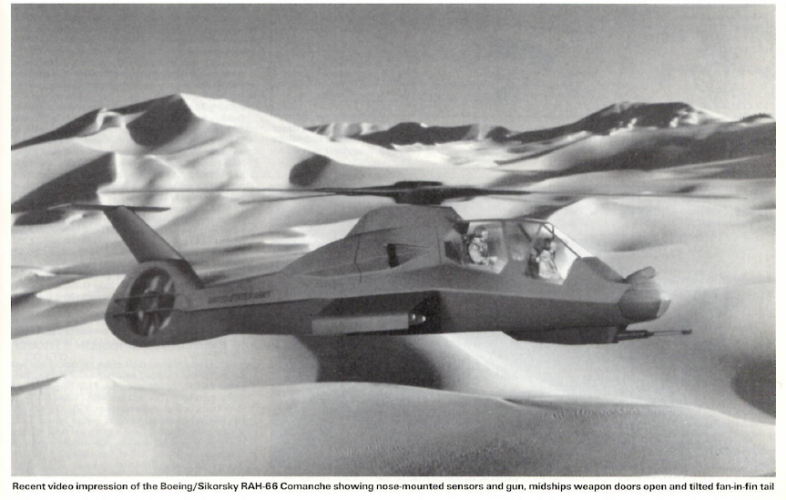
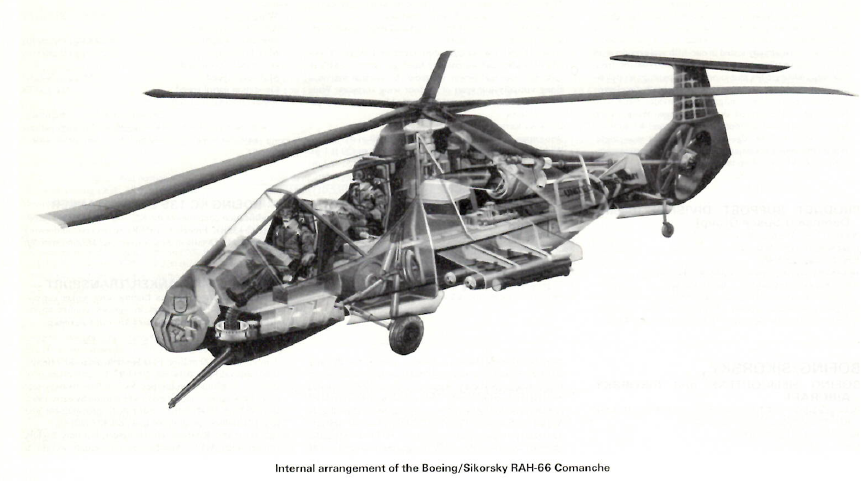
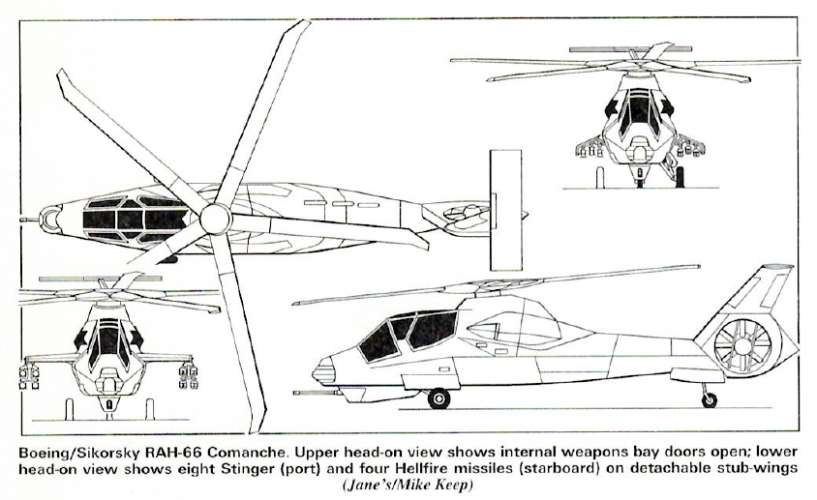
Or you go as low as you can and allow the combination of LO and terrain masking and a two-transmitter interaction with the surface clutter bury your signature as you max out the range of the EOSS with the digital TV and Gen-3 FLIR in the second production block plus the bar-search and 1.2GB (yeah but remember, this was 1996) MSUVR that lets you snap shot an entire battlespace as target volume, go back beneath the LOS so that the TAS and RPA can do the cognitive interpretation to give you breakout on vehicles or structures that meet the description while you fly the helicopter.
In the prototypes the sensor was a 20km reach compared to the (pre MTADS) 10km of the AH-64. With the Block-2 production sensor it would have been closer to 35km. It's a lot easier to stay safe from 20+ miles out safe as one-button push the ATS as 'Auto Target Search' to rise up into LOS, take the picture and ATS again, back into masking.
From there it's all about understanding that a scope-
...***...
.******.
.******.
...***...
Is not a 'scene'-
***********************************
***********************************
In the same way that a portrait is not a selfie on your phone. And the fast 2D bar search is akin to an IRLS which grabs and close-ups every hotspot that meets the requirement for a vehicle size and then does a wheels vs. tires, barrels vs. turrets, engine front or back and antenna on the roof comparison which, with a 5-7 second exposure and 10-15 second cogitate, presents a numbered series of annotated \/ on the FLIR view with an under-row view of magnified thumbnails to what the scene shows you as Truck-ADV-MBT-IFV-Towed Gun-SPH 'detail rich dots'.
You then choose a grouping and send it to the Apache or A-10 or whatever via AFATDS and ATHS as a target folder and have-have-have-take! everyone launches on their targets, in an established sequence, with the missiles falling back into designation as you hit the ATS key once more to pop up and the dual band LRFD automatically cycles the targets with a very powerful (again, twice as good as the designator on the early Apache TADS), diode pumped, designator.
And as the last shot becomes a fireball, you duck back into the weeds and are gone again.
The prototypes actually had a problem here with the porpoise vs. bob-up flight modes, in that the sensor slew controls and the stabilization were 'stiff' and not working together to make the system function properly, there was a work around, predesignating the slew to search sector pie slice on the digital map, but it was hard to fine tune. Which is why the second production block would have had Gen-3 with a gyro on-mount to stabilize.
This could be done day or night and it worked better when you could use two sensors to perform the ATD/C process (resolution on the digital television was supposedly awesome), extending the range.
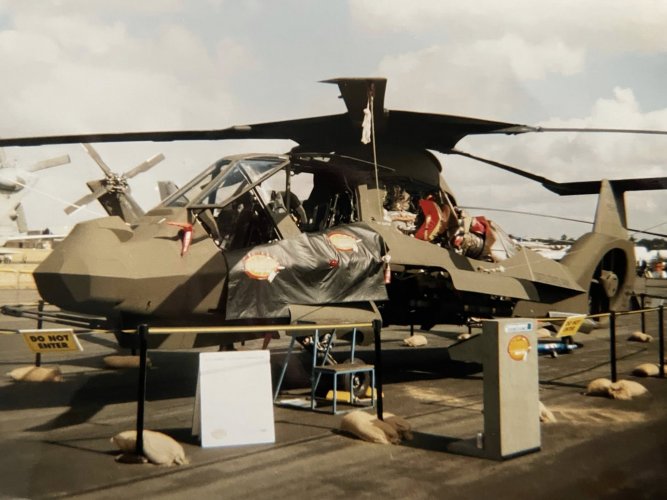
All of which is heavy. All of which requires a big, ugly, nose fairing to make work. None of which is 'drone compatible' as in RQ-7 Shadow which was 'new in 2002!' when rumors of Comanche cancellation started circling.
Now, I don't know whether this system would work today or not. With the hypervelocity version of the 3M88 missile and the much better third generation, PESA on the Pantsir, engagement envelopes are now out into the range point validated by the prototype sensor EOTADS on the RAH-66 prototypes. It the Pantsir S-1M might not be good enough to detect and track a nose-on Comanche with the block-2, Gen-3 FLIR. But that means a static bob-up from the hover as opposed to the at-speed porpoise mode which rapidly clears the target volume on a very heavy airframe.
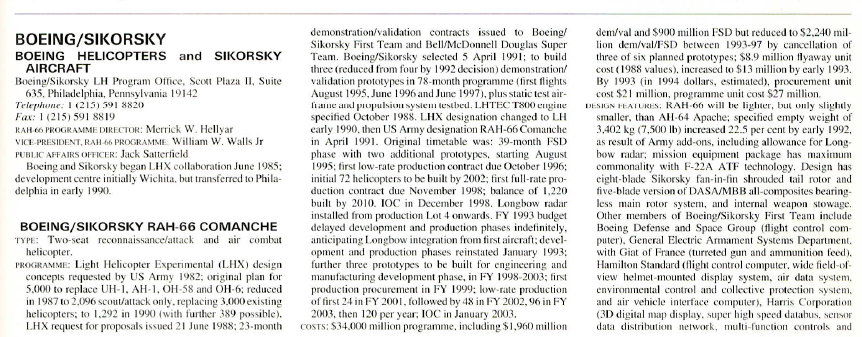
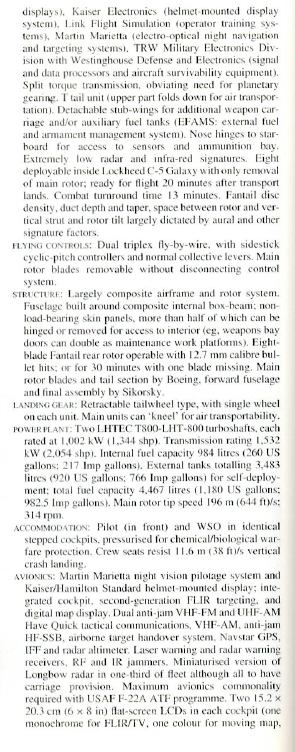
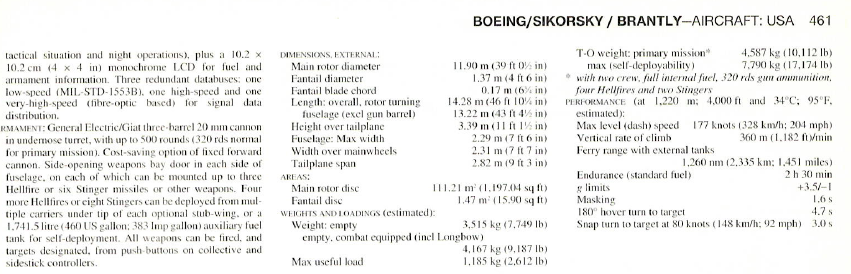
When the program began in 1983, as LHX, it had T800 engines rated at 1,200shp attached. When it transitioned to a named program in 1991, as the RAH-66 Comanche, those engines were making 1,350shp constant, in their rated emergency mode. In 2001 or so the -801 version of the LHTEC engine was rated to 1,565shp, just a little less than the original T700 had been on the AH-64.
Stealth is chunky. It adds incredible amounts of weight and the thrust to push the resulting brick absolutely sucks gas. Throw in the full ASE suite of ALQ-211/212 and CMWS and the resulting aircraft would have failed to meet radius and time KPP at service entry. With some of the weapons loads, it would have had a hard time, hot'n'hi, at OGE hover.
It should also be noted that, unlike the F-22, which nominally shared a lot of its JIAWG and ICNIA architecture (at least at first), the Comanche was essentially flying Gen-1 SDRs which could emulate a lot of the tactical radio networks from EPLRS to ATHS but could not do C or X band, directionally secure. We had not even designed an aperture for it. All the VHF/UHF stuff was sticky-noted onto the flying tail and verticals. The Satcoms had receiver issues and did not work, half the time. But there was nothing akin to IFDL or MADL, which would have also added weight.
Which means you cannot do secure-->secure-->LINK-16 pass back to a second RAH-66 outside the threat ring to get the target data out of a particularly high end ADGE where you have Krasukha doing half-pulse triangulations and BTH capable 40N6 or 9K317M dropping ballista rocks on you, from the sky.
The RAH-66 was not globally VLO and so a lot of what you did had to be tactics-sneaky as opposed to RF mechanics driven. It needed a way to get the raven out to the shooters. And it did not have it. Yet that is also not something which a drone natively does well, within it's own weight/volume limited MEP. When we started using Predator over FRY, we had to put up a Schweizer RG-8 I think it was to do MCS pass back because the Predator's comms sucked that much. When we 'discovered' that the Taliban were watching our drone video as readily as we were, it was not because we were magically unaware that Big Blue U did not have secure broadpipe video linkage. It was because they had a weight problem they _could not fix_.
Just because the helicopter has a weight problem, doesn't mean that you go drone. Ukraine has been a giant kick-to-the-balls 'learning experience' as to just how NON spectrum dominant we really are. That alone should prove a ready lesson in the limits of such systems in-close with a highly REC capable enemy.