- Joined
- 23 August 2011
- Messages
- 2,557
- Reaction score
- 8,432
Umm…ok? And, what’s your point exactly?
That gun based anti-drone has limitations and is every bit as costly as interceptors....

Umm…ok? And, what’s your point exactly?
‘Every bit as costly’? Are you serious?That gun based anti-drone has limitations and is every bit as costly as interceptors....

MANPADs are pretty regularly decoyed by flares
I mean we’ve literally seen videos of MANPADs being fooled by flares in Ukraine…I imagine the modern MANPADS with IIR seekers aren't fooled by IR-flares.

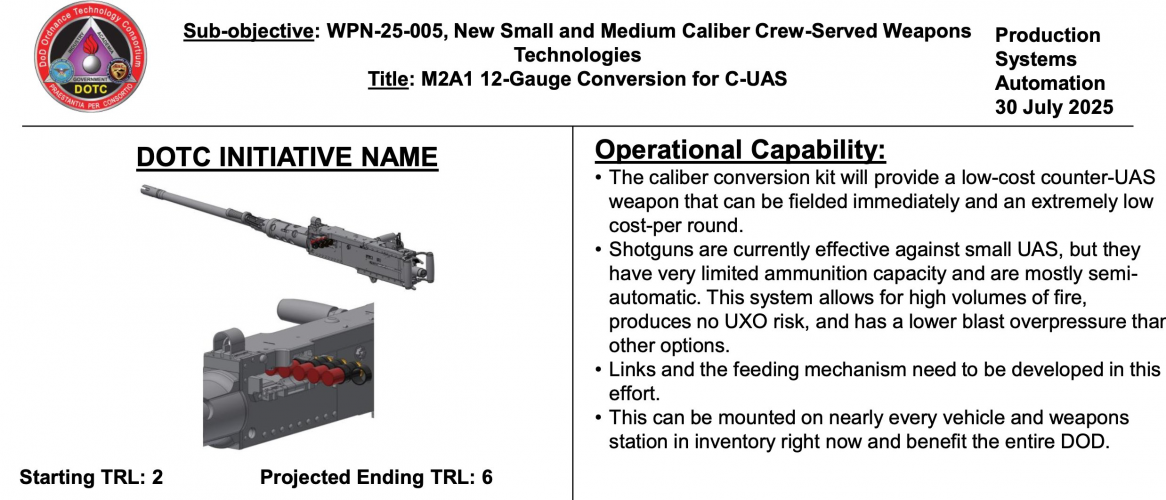
Hmmm... It's a strange one, based on the ability to hit the lens, which is probably harder than hitting the drone, why not just fire shot and kill the drone completely??Not such a bad idea TBH, just have to make sure not to blind ones self

They still are, but it takes significant patterns of flares.I imagine the modern MANPADS with IIR seekers aren't fooled by IR-flares.

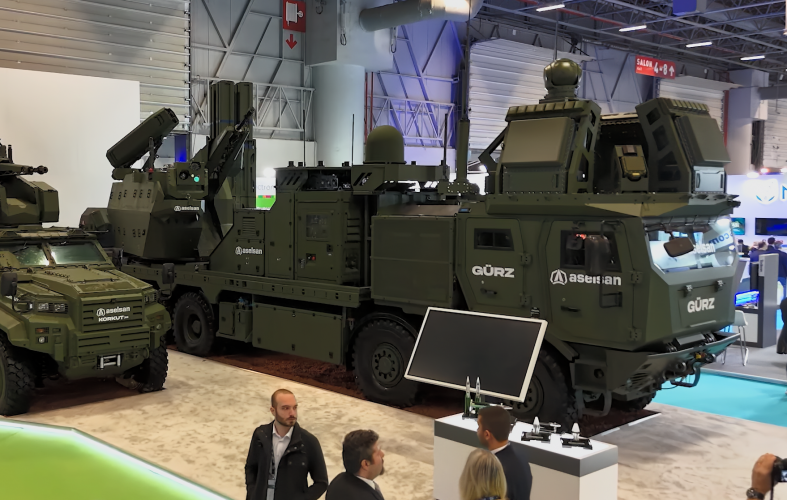
30mm x 173mm programmable rounds are north of $300 per round...thats not proximity fuzed either, they will be far more expensive. These are electrically timed fuzes using induction loops at the muzzle to set the fuze.
A Sting interceptor costs $2,000 according to Wild Hornets...
One of those can fly 40km and intercept at 5,000ft and upwards, and can even be re-used if no engagement occurs...the other....can't and will need multiple rounds to engage...
 To improve effectiveness, the approach to defense against Geranium missiles has been changed. While it was previously beneficial for drones to fly through an area without hitting it, now allowing these drones to pass through without being hit is a negative factor.Interceptor drones are only one component of air defense, along with short-range missiles and mobile task forces. The effective use of anti-aircraft drones depends on radar coverage, drone quality, and pilot training.Before the air defense reform, out of more than 300 interceptor drone crews, only 66 crews shot down more than 10 Geranium missiles, 70 fewer than 10, and the remaining 170 shot down none at all.The main problem is the lack of effective people in leadership positions.Another problem is the inefficient logistics of delivering drones to the Ukrainian Armed Forces, which depend on various control stations. Because of this, existing drones are often unusable due to the lack of the required control station.Ukraine has lost its drone advantage, achieved in 2022-2023.Starlink was first attached to a drone on May 6, 2022, which was a turning point.Currently, Ukrainian interceptor drones are capable of reaching speeds of up to 700 km/h. Not quite certain which one is capable of 700kmh
I mean we’ve literally seen videos of MANPADs being fooled by flares in Ukraine…
Don’t know, how many of our own are older and use the older seekers?Yes but how many of those missiles use older non-imaging IR-seekers?

That BRAWLR system is quite impressive. They should consider installing this on armoured vehicles as well for CUAS.
We've also seen just a couple months ago, how flares fool not just imaging seekers, but far more capable imaging IR sights.Yes but how many of those missiles use older non-imaging IR-seekers?
I would think barbs would be atop them to deflect---maybe nets farther out in an umbrella.The israelis in lebanon look to have returned to using cope cages in response to hezbollahs increasing use of fiber optic tethered fpv drones.

I do think that microturbojets interceptors with non-self destructing effactors have the greatest unrealized potential. Just have a tail sitter and it'd do near missiles performance with operating costs measured in fuel. It is relatively wasteful to use jets for one way munition carrying a small warhead compared to this.

For the record:The israelis in lebanon look to have returned to using cope cages in response to hezbollahs increasing use of fiber optic tethered fpv drones.
Tho the cage appeared to have failed in this recent attack [27-04] on a merkava.