- Joined
- 3 June 2011
- Messages
- 20,030
- Reaction score
- 17,228
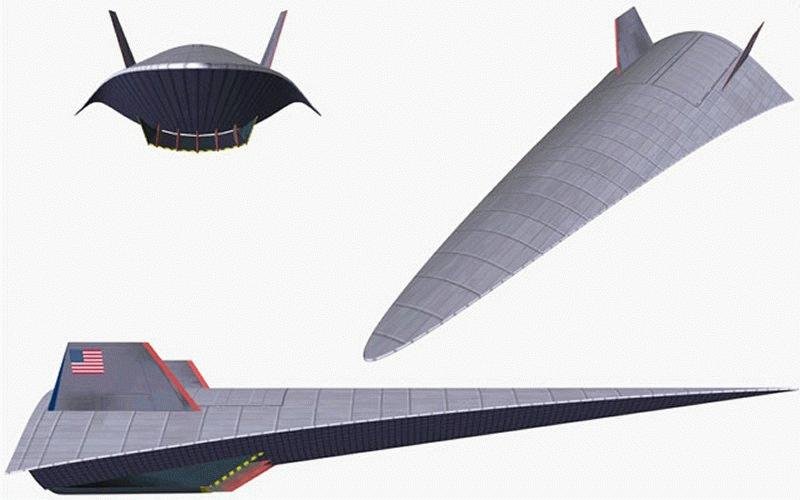
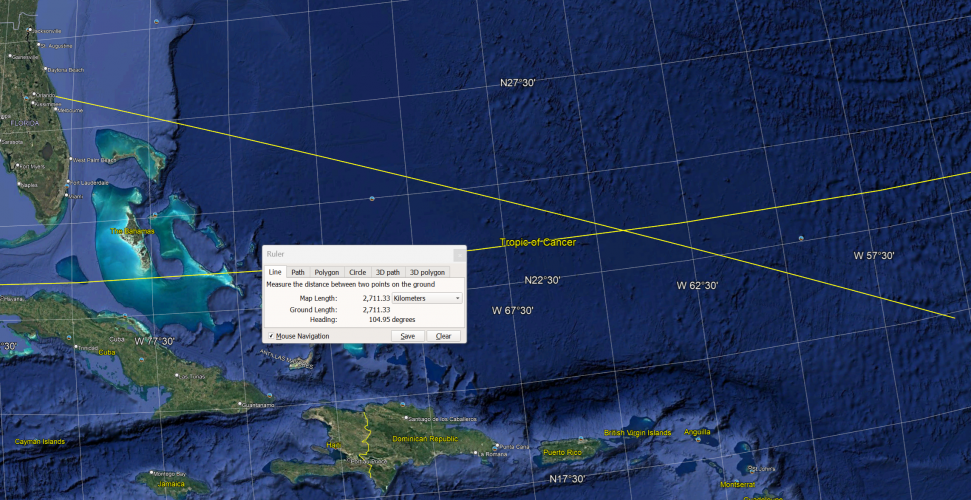
It's about getting the speed to going around the globe. The question is how much is the loss for skimming and how long or how many orbits can it make?
Welcome to the 1990s. (Yes, Sanger, etc.)

It's about getting the speed to going around the globe. The question is how much is the loss for skimming and how long or how many orbits can it make?
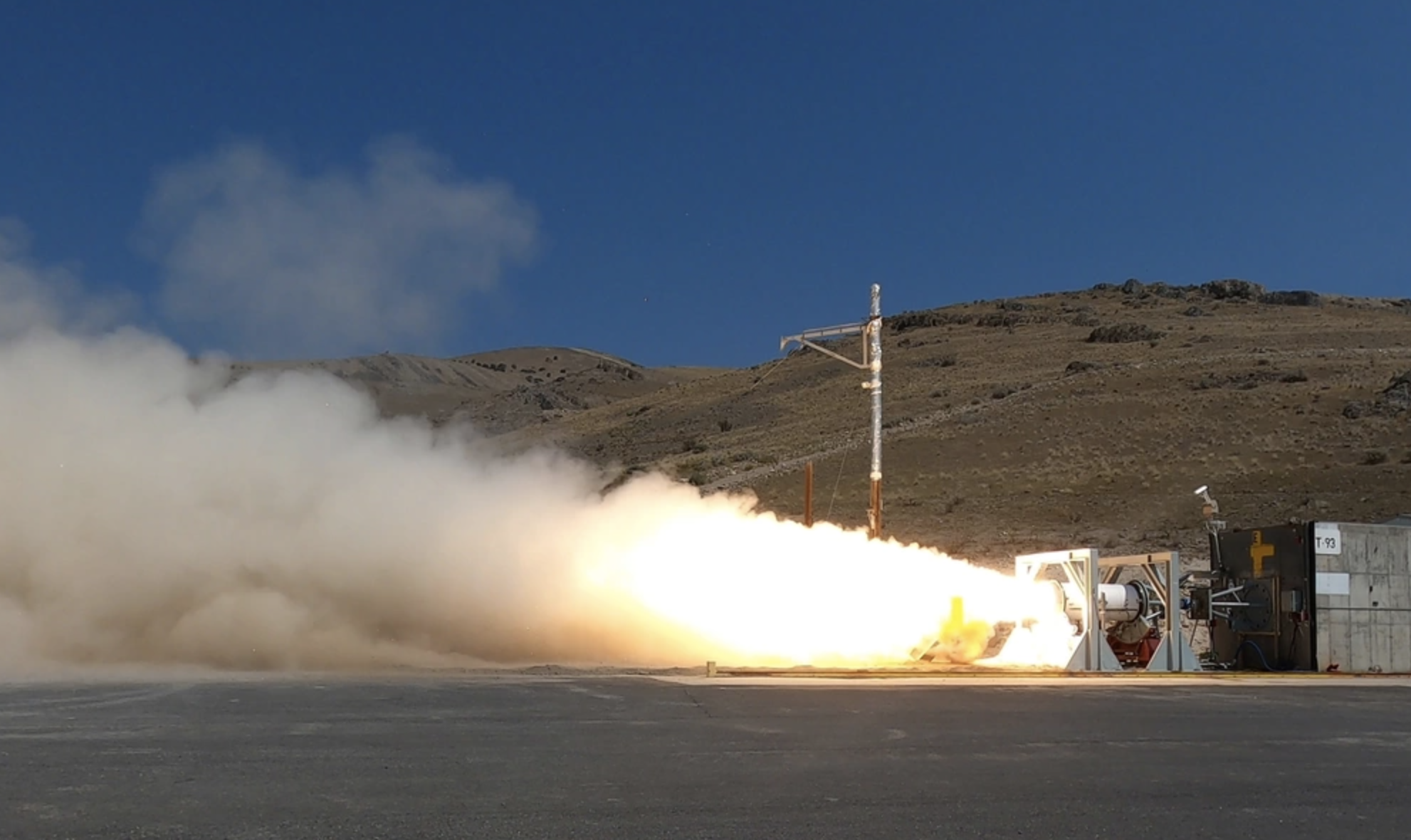
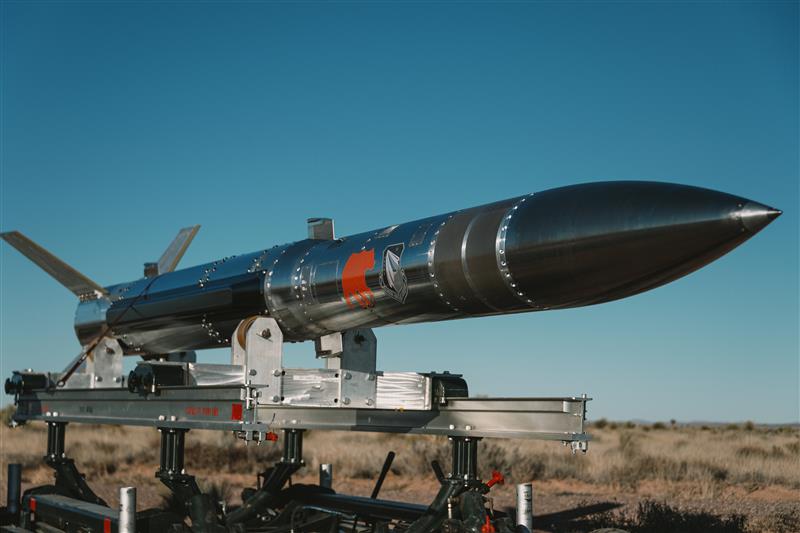
Air-Launched Blackbeard likely won't have the booster.I know. Its strange. But that is what the USN mentioned in work its previously funded to Castelion. We could be looking at a surface launched version with a booster and an air launched system without one so that's also something to consider.

 nextgendefense.com

 www.airandspaceforces.com

Here Is What Trump’s Gargantuan $1.5T Defense Budget Has In It

Here Is What Trump's Gargantuan $1.5T Defense Budget Has In It
The U.S. military is pushing to make huge investments in many programs in Fiscal Year 2027, but also some notable cuts.www.twz.com
- There is a new Air Force line requesting nearly $404 million for the procurement of Hypersonic Attack Cruise Missiles (HACM).
- The service is also requesting $452 million to procure AGM-183A Air-Launched Rapid Response Weapons (ARRW), on top of just over $362 million received last year. ARRW is another hypersonic weapon that the Air Force had previously said it planned to cancel amid an initially checked test record.
- The Navy is also asking for funds to buy 12 Intermediate-Range Conventional Prompt Strike (IRCPS) hypersonic missiles, which the service is now integrating onto its Zumwalt class destroyers.
By procurement do they mean that HACM will enter Low rate initial production?
(Sry for going off on a tangent)...I'm still puzzled how guidance works on a hypersonic missile? Not only the nose shape on scramjet missiles, but the problem of plasma. USN wants anti ship scramjet missile. Which means targeting moving ships. Don't they have to slow down to below mach 5 in terminal phase of the attack?

Yes, that is scheduled for 27
2027 or Fy2727 what?
This has been figured out...(Sry for going off on a tangent)...I'm still puzzled how guidance works on a hypersonic missile? Not only the nose shape on scramjet missiles, but the problem of plasma. USN wants anti ship scramjet missile. Which means targeting moving ships. Don't they have to slow down to below mach 5 in terminal phase of the attack?
I would suspect that those kinds of speeds are attained at altitudes high enough that there enough atmosphere to create a strong plasma shell. The SM-3 is entirely exoatmospheric, so it doesn't even try to deal with plasma. In BMD terms, plasma is probably only a significant problem for low-altitude, high-speed interceptors like SPRINT, which was externally controlled.This has been figured out...
The US has weapons that reach well into the Hypersonic realm.
THAAD 's max speed can reach something like Mach 9+, as it's sensor's guide itself into the incoming missile. The SM-3(IIA), I've read can go over Mach 12, so..!
They're both IR seekers. They're not trying to get RF through plasma. (Which you'd have to do if you were using a radar seeker.) Pershing II used a radar DSMAC but I seem to recall reading something like "it's eyes didn't open" until it got below certain speed.This has been figured out...
The US has weapons that reach well into the Hypersonic realm.
THAAD 's max speed can reach something like Mach 9+, as it's sensor's guide itself into the incoming missile. The SM-3(IIA), I've read can go over Mach 12, so..!
I bet it’s been 5+ years since I posted the primary initial effort should be big dumb very fast already produced SRMs, like Roadrunner II, and a precision BGV to get into the field as fast as possible while the more exotic “airbreathers” can follow.